• About
  • The Germans

A Work in Progress

A Work in Progress

Author Archives: ag1970

“The animals were followed by 30,000 Confederates…”

30 Wednesday Apr 2025

Posted by ag1970 in American History, History

≈ Leave a comment

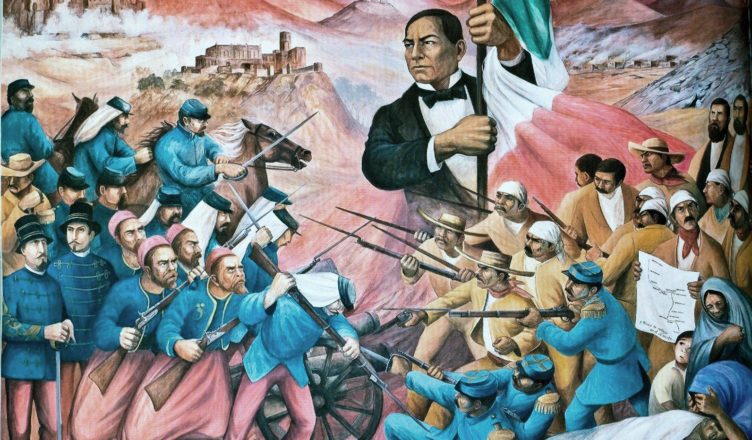
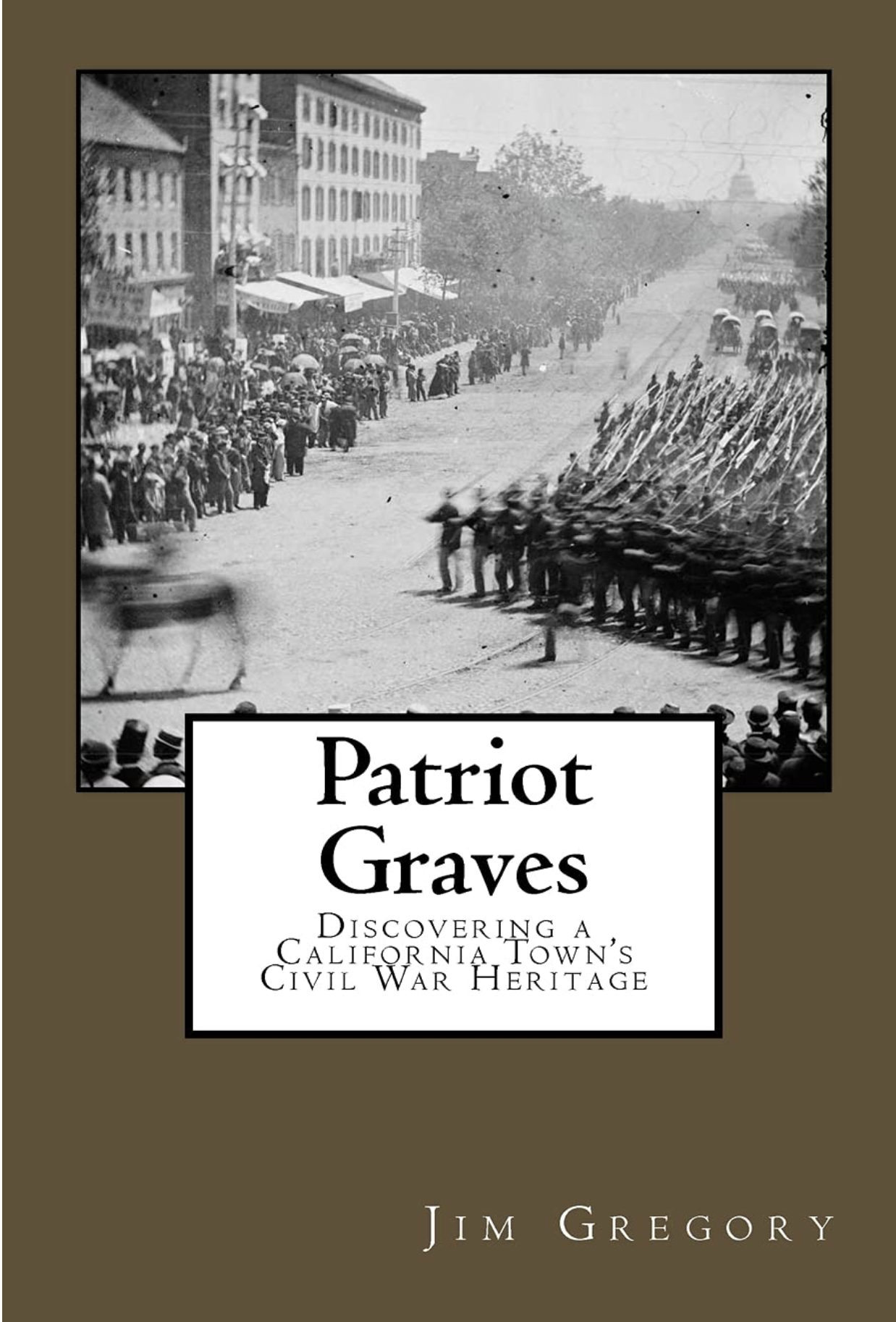
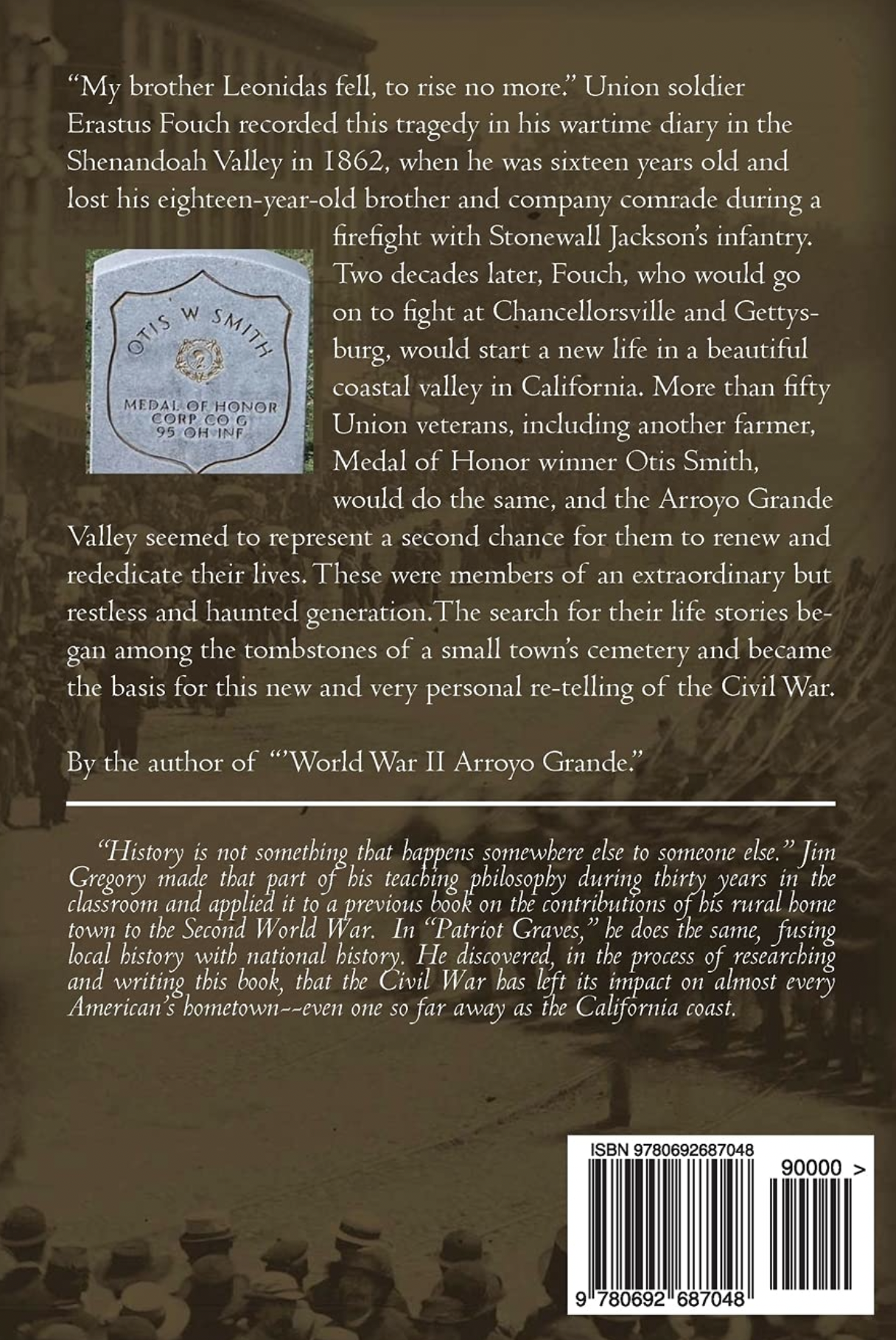
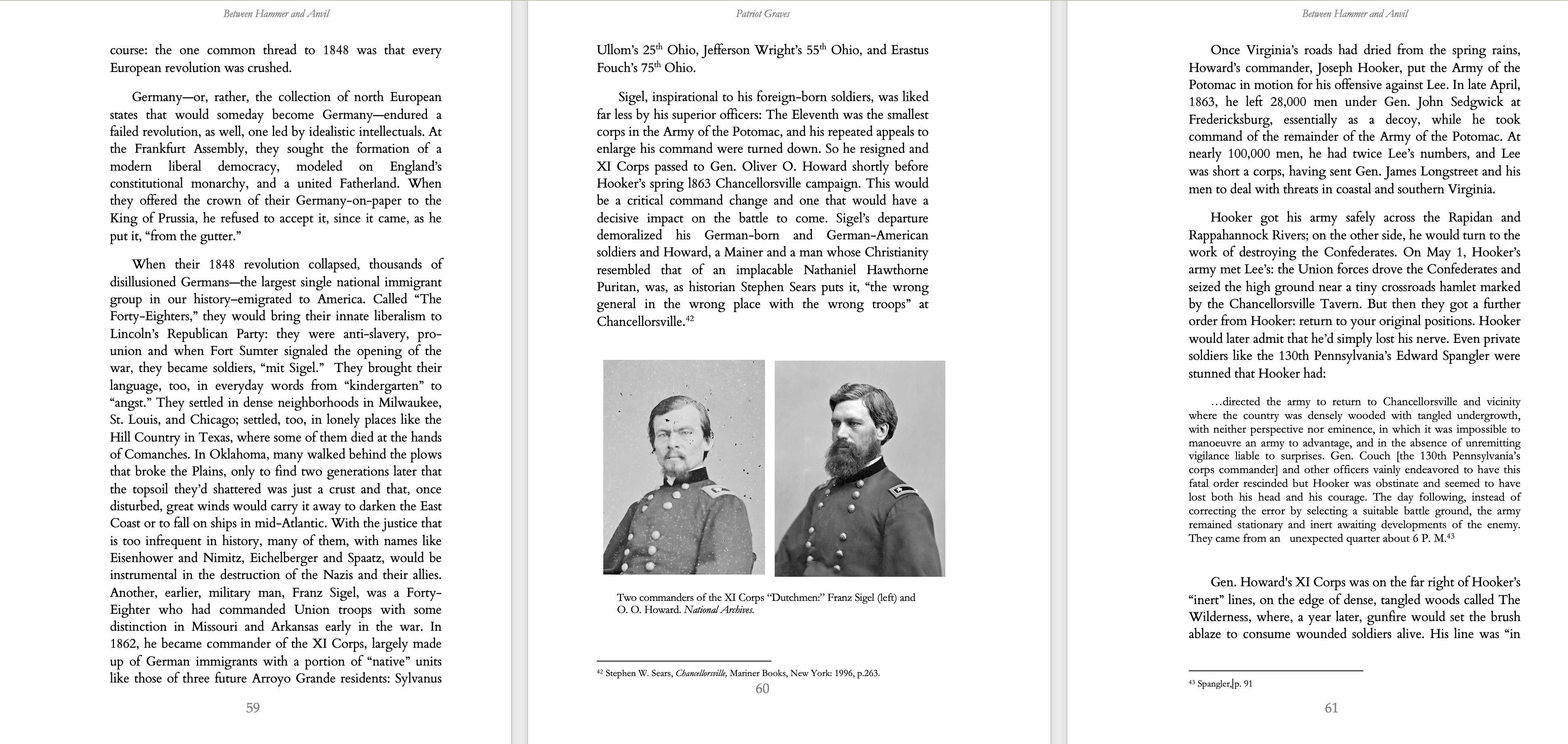
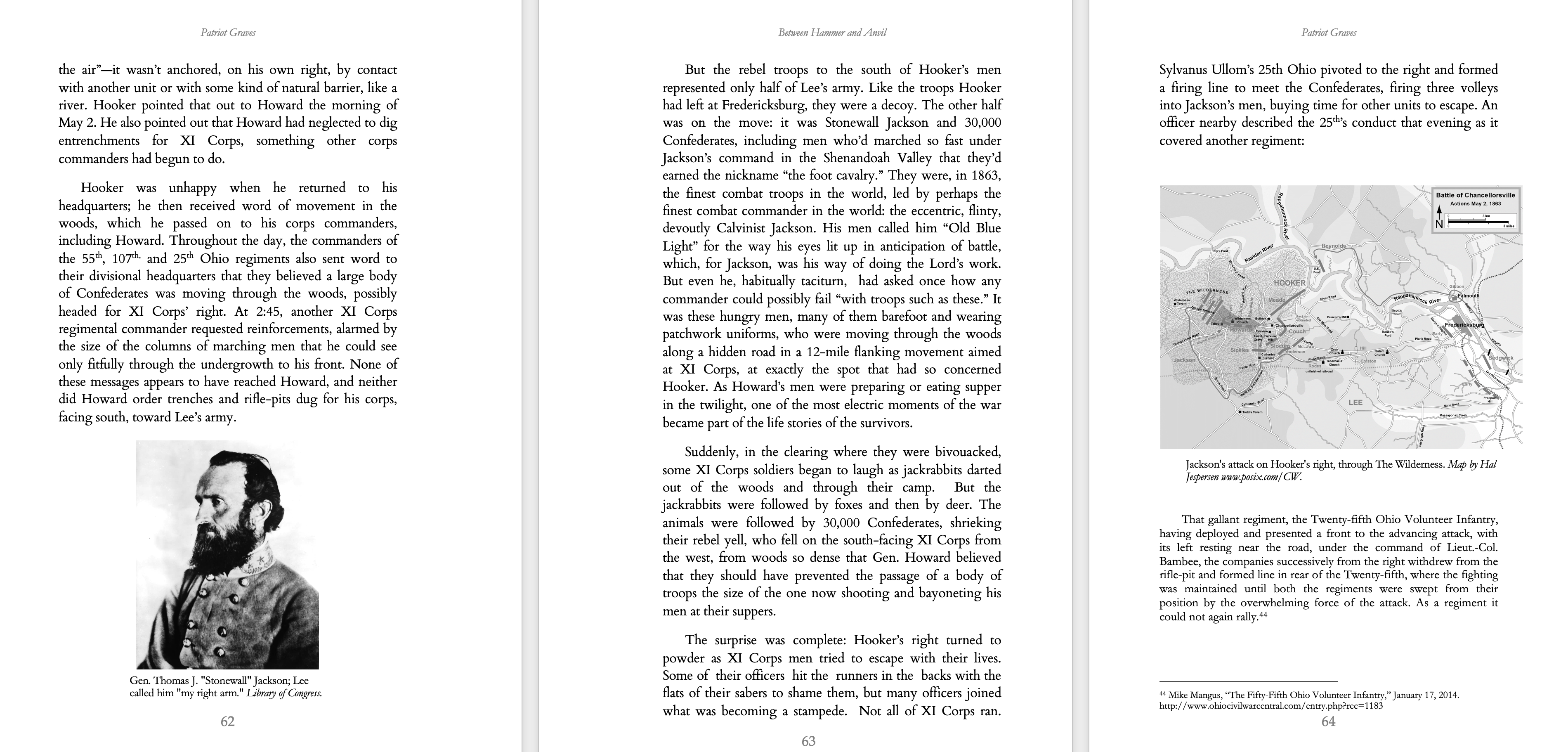
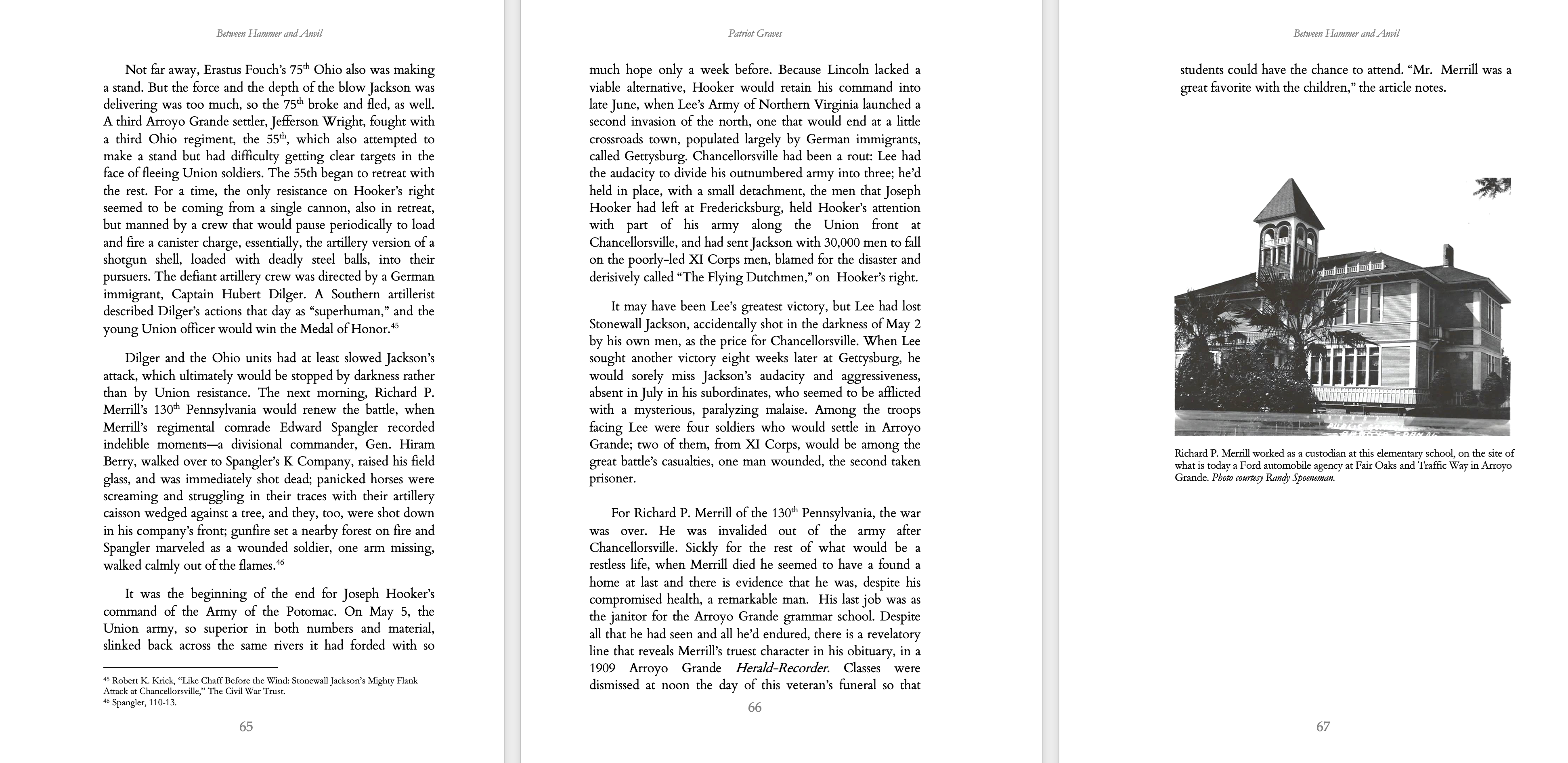
On May 1, 1863, three future Arroyo Grande settlers were involved in one of the most electric moments of the Civil War. Here’s how I described it in this book.


HMS Bounty’s Arroyo Grande Connection

28 Monday Apr 2025

Posted by ag1970 in Arroyo Grande, California history, History

≈ Leave a comment

Wanda Snow Porter’s wonderful book about her husband’s ancestor. Charles Porter was a descendant of Isaac Sparks.

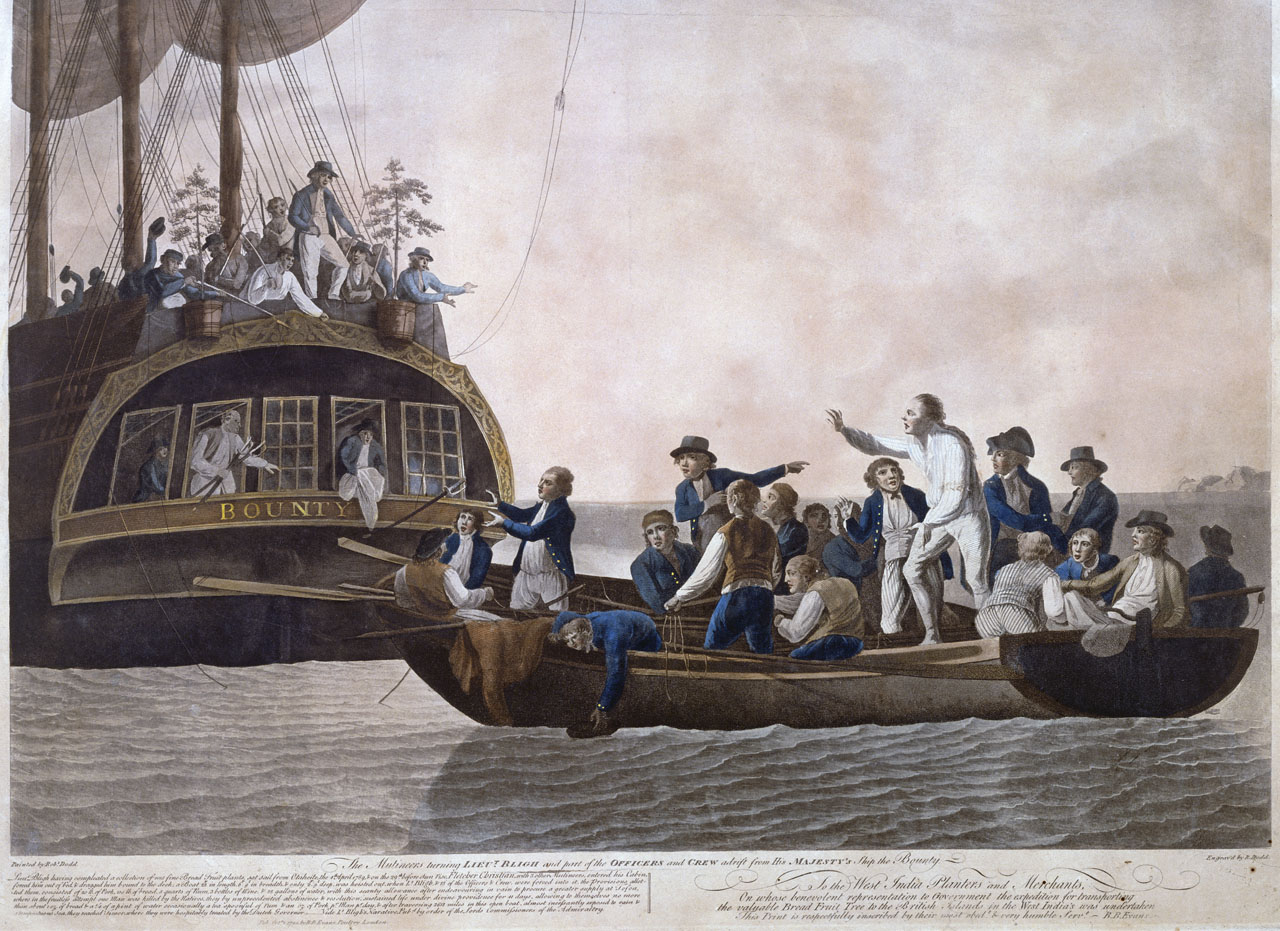
On April 28, 1789, mutineers led by Fletcher Christian put Capt. William Bligh and his loyalists into a longboat and sailed away with HMS Bounty. Bligh navigated his way to safety.

The mutineers sailed for Pitcairn Island and settled there, but violence was frequent. Some of their descendants still live on Pitcairn.

In 1791, the frigate HMS Pandora captured some of the mutineers and sailed for England for their trials. But Pandora wrecked on a reef near Australia and several mutineers died.

Among them was midshipman George Stewart, 21, killed by a falling gangway as Pandora broke up.

Stewart left behind his Polynesian wife, Pegue (“Peggy”) and their little girl, Maria Stewart (1790-1871).

Maria married George Washington Eayrs (1775-1855), an American ship captain, in Tahiti in 1809.

Their little girl, Maria de Los Remedios Josefa Antonio Eayrs, was born aboard Eayrs’s ship, Mercury, in Bodega Bay in 1813. (She died in 1871).

The brig Pilgrim, depicted leaving Santa Barbara for Monterey, was part of the active California trade with the East Coast, as was George Washington Eayrs.

She married Isaac James Sparks (1800-1865), the master of the Huasna Rancho, in Santa Barbara in 1836.

Their daughter, Maria Rosa, married Arza Porter in Santa Barbara in 187-.

The Porters still own the Huasna ranch today, and it’s still an active cattle ranch. This incredible pioneer family is our connection to the mutiny on HMS Bounty.

Actress Jean Arthur (1900-1991): An Appreciation

26 Saturday Apr 2025

Posted by ag1970 in Film and Popular Culture

≈ Leave a comment

[Edit]

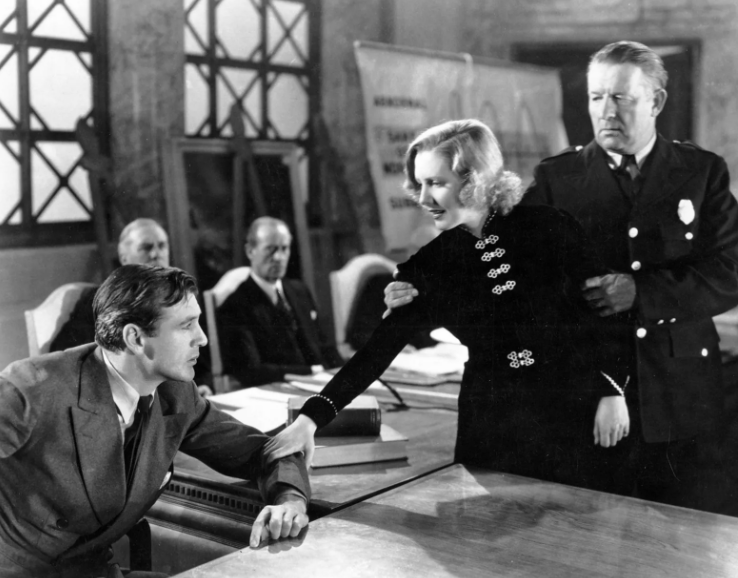
Look at her competition: Myrna Loy. Veronica Lake. Rita Hayworth. Claudette Colbert, Joan Crawford, Lauren Bacall. Even Hedy Lamarr. I never forgave them for the Mamie Eisenhower haircut they gave her for Shane. But of all the beautiful actresses from Hollywood’s Golden Age, Jean Arthur, along with Ginger Rogers, endures with me.

It’s because I am a man, and therefore vain. What Arthur did, in nearly all her films, was to make her leading man better.

She restored James Stewart’s courage in Mr. Smith Goes to Washington (1939). She convinced Stewart, in You Can’t Take It With You (1938), even after his wealthy, snobby and dyspeptic family had met her wildly eccentric family in You Can’t Take It with You, that he made exactly the right choice in falling in love with her. Director Frank Capra made the right choice in casting her.


She talked Gary Cooper out of committing suicide in Mr. Deeds Goes to Town (1936).

In Only Angels Have Wings (1939), she sticks by Gary Cooper’s reckless Andes mail pilot and tempers—at least at little—his Hemingwayish appetite for self-destruction.

My favorite Jean Arthur film remains Easy Living (1937), with a screenplay by Preston Sturges. Arthur plays a young working-class New York City woman who runs out of money. She has to close her eyes to break her piggy bank. When a fur coat suddenly falls on her from a Manhattan high-rise, everybody assumes she’s rich and New York City lays out the proverbial red carpet. This film once again proves my thesis. Ray Milland is most recognizable to my generation as the cold-hearted father in Love Story (1970), and, a littler earlier, as the man who tried to have his wife, Grace Kelly, murdered in Hitchcock’s Dial M for Murder (1954). He is not funny.

But in Easy Living, ir’s Jean Arthur who reveals how funny Ray Milland could be, first in a wonderful automat scene, where you learn how fast food was served in the 1930s, and later as he, thoroughly confused, begins to fall in love with her. I think it was one of Milland’s best peformances, and I am convinced this because Jean Arthur evoked that performance from him.

If she brought out the best in her male leads, she was never subservient to them. If she fell in love with them, when the film ended, you were sometimes not sure that she’d stay with them.

You wanted to stay with her. She was the tomboy you’d grown up with, caught tadpoles with, watched, awestruck, as she hit the snot out of softball. And then, suddenly, when you were about thirteen, you realized that you were in love with her. (She went to the Prom with someone else.)

The real Jean Arthur was filled with near-constant anxiety, filled with self-doubt, and acting took, for her, immense reservoirs of courage that lay hidden deep inside. Only the singer Carly Simon, I think, has experienced stage fright as severe as Arthur’s was.

Jean retired because those reservoirs were never enough to drown that fear. What she’s left to us, in the fiction of film, is who she really was. Her personal character was marked by courage, by her willingness to confront, over and over, her deepest terrors. These were qualities that became transparent in the characters she played. I hope that somehow, long after her death in Carmel in 1991, that Jean Arthur realizes how admirable she was, both as an actor and as a human being.

Why I’m willing to try chapulines (a grasshopper taco)

24 Thursday Apr 2025

Posted by ag1970 in Uncategorized

≈ Leave a comment


It’s a simple matter of justice, you see. This article is from Heritage Press, the South County Historical Society’s newsletter. If I can find a restaurant that makes chapulines tacos, I am willing to try one. I am willing to be photographed. My eyes, of course, will be closed.

(I made a similar vow about Humboldt squid, so voracious that they are devastating West Coast fisheries. I guess they will eat anything, including the occasional Coast Guard cutter. (I recommend the Calamari Fries at Rooster Creek Tavern in Arroyo Grande.)

Anyway, here’s the grasshopper story.


The Great Grasshopper Invasion of 1934

By Jim Gregory, South County Historical Society President

It must’ve seemed Biblical. In the summer of 1931, swarms of grasshoppers descended on Iowa, Nebraska and South Dakota and began eating crops down to the roots.

Another infestation in 1937 Colorado led to the intervention of the National Guard. Guardsmen used flamethrowers to attack the insects.

In 1934, it was Arroyo Grande’s turn. Grasshoppers were the last thing County farmers needed.

The Depression had hit county agriculture hard. The total value of crops in 1929 San Luis Obispo was $12 million; by 1933, with the collapse of farm prices, the figure was $6 million. Poignant anecdotal evidence of the impact on farms can be found in the frequency of legal notices—foreclosure sales—in newspapers from the time.

1933—possibly the depth of the Depression—was accompanied by a singularly dry year in Arroyo Grande. By the end of 1934, over seven inches of rain had fallen. At the same time in 1933, the total was only a little over two inches.

The head of the New Deal’s Soil Conservation Service was struck by what overcultivation and dry weather had done to the canyons north and east of town. Arroyo Grande’s soil erosion was, he wrote, the worst he’d seen in the United States. (The Dust Bowl was yet to come.)


The Dust Bowl was yet to come.

Dry conditions are ideal for grasshopper eggs. So in the spring of 1934, swarms began appearing in Suey Canyon, east of Santa Maria. That was ominous.


In 1873, a grasshopper infestation literally seemed to explode from Suey Canyon. L.J. Morris, a Santa Maria justice of the peace in 1873, wrote that “they came in great clouds, miles in extent so thick that they obscured the sun and the day grew as dark as deep twilight.”

“They settled down on the first bit of greenery they saw,” Morris continued. “They stripped young orchards in a twinkling…nothing was left but the little stubs of the trees, every shred of bark gone.”

Now, in 1934, history was repeating itself. This time, the grasshoppers descended on cars traveling between Santa Maria and Nipomo, fouling radiators and so obscuring windshields that drivers had to pull off the road.

“The Tar Spring Road,” an April Arroyo Grande Herald-Recorder reported, “was a moving mass of hoppers from Newsom Canyon…to the Andre Dowell alfalfa field.”

Cars traveling between Nipomo and Arroyo Grande had to pull over to the side of what was then the two-lane 101. Grasshoppers had so fouled their windshield wipers that they no longer worked, and the air along the road was so thick with uncrushed grasshoppers that it resembled the Valley’s famous tule fog.

And they had the same appetite their forebears had demonstrated 1873.

Town blacksmith Jack Schnyder was proud of his new lawn, which he wet down to discourage ethe grasshoppers, but they “dug it out by the roots.”  The bean crop in Tar Springs Canyon was completely destroyed.

They descended on other parts of the county, as well. In Cambria, known for dairy farming, milk cows refused to go out to pasture—the grasshoppers terrified them. Cal Poly students lit backfires to deprive them of vegetation as they closed in on San Luis Obispo.


Local ranchers met in Edna to come up with a plan which they presented to the Board of Supervisors, where Supervisor Asa Porter of the Huasna Valley acted as their spokesman, successfully securing county funding for fighting the pests.

Poison mash was one antidote. A helpful article in the Pismo Times included a recipe for poison mash, which included citrus fruits, two quarts of molasses, bran and a pound of white arsenic. The mixture was spread over farm fields in the hope that the grasshoppers would take the bait.

Sadly, what seemed to end the 1934 infestation were the grasshoppers themselves; having devoured so many crops in their fields and so much pastureland, they moved on.

But they threatened to return. “Grasshoppers Hatching in Nipomo Area,” a Herald-Recorder front-page headline announced in July 1935. The Farm Bureau and area farmers crossed their fingers and hoped for fog: cool, damp weather destroyed grasshopper eggs effectively.

Just in case, the county had twenty tons of poison mash in reserve.


I few days ago, I wrote a little about one of my favorite film directors, Terrence Malick, whose visual sense is astounding. In this sequence from his Days of Heaven, you can see what grasshoppers can do. Actually, these are locusts, but I looked it up, and the difference, scientifically explained, confused me.

Are Grasshoppers and Locusts the Same?

Locusts belong to three specific Acrididae subfamilies: the spur-throated, band-winged, and slant-faced grasshoppers. With this in mind, they are, technically, grasshoppers.

What sets locusts apart from other grasshoppers is their behavior. Only the grasshoppers in these specific subfamilies have the ability to become locusts because no other species are able to exhibit the necessary behaviors.

Locusts, I guessed, are marked by hanging out on street corners, wearing black leather jackets, smoking Camel shorts and rubbing their legs insolently at passers-by.

Locust or grasshopper, this film clip shows you why, South County 1934 farmers, I will be your Retribution.

Three Terrence Malick films on Earth Day

22 Tuesday Apr 2025

Posted by ag1970 in Film and Popular Culture

≈ Leave a comment


I remember learning that, in 1500, a squirrel—a determined squirrel, mind you—could leap from tree to tree from New York to North Carolina. The prairie grass that began at the border of what would become Kansas was so tall that a man on horseback would disappear once he rode into it, like the way the ballplayers disappeared in Field of Dreams. Thirty million buffalo filled the prairie.

I don’t know that any director, not since John Ford and Monument Valley, has had the visual instinct for what America was like seventy, 150 or 400 years ago, as Terrence Malick has shown in his films, which are lyrical and almost leisurely the latter being purposeful: the rhythm gives you time enough to enjoy the nation’s beauty and the shock of his action sequences hit you that much harder.

Here are three favorites: Badlands (1973), based on the true story of two teens, Charlie Starkweather and Carol Fugate who become killers in 1958.


For Days of Heaven (1978), Malick had to shoot in Alberta to give an authentic sense to what Texas wheatland was like in 1916.

Finally, Malick had the audacity to go back to the encounter between The First People and Europeans in 1607. This is his film The New World.


On Ballerinas

22 Tuesday Apr 2025

Posted by ag1970 in Film and Popular Culture

≈ Leave a comment

Maria Tallchief, Swan Lake

April 22 in History: In 1876, Tchaikovsky completes the composition of “Swan Lake.”

In its debut, the ballet was a flop. But, so it goes, was the film “It’s A Wonderful Life.”

Elizabeth studied ballet as a little girl and, when she was in college, met some members of the Bolshoi backstage in L.A. They all smoked Marlboros.

I cannot imagine, less the smokes, more incredible athletes than those dancers.

We once went to a 49ers game, Old-Timers’ Day, and the only veteran who wasn’t limping was Joe Montana.

The price that dancers pay, in blunted toes and bleeding toenails, torn ligaments, stress fractures in the lower vertebrae, something loud called snapping hip syndrome, in stress fractures, and in so many more injuries, rival those of NFL players.

Ballerinas are warriors.

My mother and my wife taught me this, taught me how to admire young women who dance.

My Mom had several Classical 45’s–records, yellow vinyl–and I had a big indestructible record player inside a kind of suitcase, so I’d take it out and play the yellow records when I was five or six, when we lived on Huasna Road.

I played this passage, and the Russian dance from “Nutcracker,” over and over.

And over.

Make a joyful noise unto the Lord…

21 Monday Apr 2025

Posted by ag1970 in Uncategorized

≈ Leave a comment

The Edwin Hawkins Singers, 1969:

And, a year later, on Dutch television, with Melanie:


Pope Francis died today. I needed these voices—one song a spiritual, the other, about Woodstock, secular– to remind me that in a world so beset by venality and cruelty, we are called to higher purpose. We are called to beauty.


Goodbye, Papa

21 Monday Apr 2025

Posted by ag1970 in Uncategorized

≈ Leave a comment


The Jesuits are a proud bunch: intellectually rigorous, disciplined, some say arrogant.

They are superb teachers. While they take a vow of poverty, some younger Jesuits, college professors, are marked by their fondness for sports cars.

Twelve years ago, a Jesuit chose the Papal name “Francis.”

I was amazed by that.

St. Francis, that tiny, gentle but driven man from the thirteenth century, identified with the poor. He lived a humble life–he rejected the wealth his father had intended for him–and, of course, is known best for his love of animals and for the natural world.

So Jose Mario Bergoglio, Jesuit, changed his name to “Francis.” And then he lived up to it.

We’ve been blessed.

Assisi

Enduring Love

20 Sunday Apr 2025

Posted by ag1970 in Uncategorized

≈ Leave a comment

If you love dogs…

This remarkable documentary was on IndiePlex–that’s, I think, Channel 76 on Charter Spectrum. It’ll repeat on Friday, but early in the a.m., so set that recording thingy.

I am so technologically adept.

It’s about the love between old, old men–my age–and their dogs, truffle-hunters (I have never had a truffle in my life!)

Big business has intruded into truffle hunting, and these old men, who’ve been doing this all their lives, as have their ancestors, as have the ancestors of their dogs, are facing competitors not above setting out bait laced with strychnine to kill the old-timers’ dogs.

But the love between these men and their dogs–not to mention the delight that spreads across the faces of those who taste the truffles, with beautiful fried eggs–is such a joy to watch.


I realized that the trailer is scored by Offenbach’s Beautiful Night, Oh Night of Love,” from an 1881 opera, his last. I had to look that up; I know nothing about Boccherini, except that I used to show my AP Euro students the 1997 film Life is Beautiful, the Oscar-winner for Best Foreign Picture. The film is devoted to the Holocaust, but even that is transcended, once again, by love. Here’s the trailer.


And here’s the film’s ending which, in a different way, is about love, too. In this case, it’s my love for my country, now in such great danger.

What had kept the little boy alive in the concentration camp was his father’s promise that the two of them were involved in a secret contest. If they won, the little boy would get his very own tank.


Film Review: Returning the Buffalo

19 Saturday Apr 2025

Posted by ag1970 in Film and Popular Culture

≈ Leave a comment

SLOIFF Review: “Bring Them Home”
← Older posts
Newer posts →

Subscribe

  • Entries (RSS)
  • Comments (RSS)

Archives

  • January 2026
  • December 2025
  • November 2025
  • October 2025
  • September 2025
  • August 2025
  • July 2025
  • June 2025
  • May 2025
  • April 2025
  • March 2025
  • February 2025
  • January 2025
  • December 2024
  • November 2024
  • October 2024
  • September 2024
  • August 2024
  • July 2024
  • June 2024
  • May 2024
  • April 2024
  • March 2024
  • February 2024
  • January 2024
  • December 2023
  • November 2023
  • October 2023
  • September 2023
  • August 2023
  • July 2023
  • June 2023
  • May 2023
  • April 2023
  • March 2023
  • February 2023
  • January 2023
  • December 2022
  • November 2022
  • October 2022
  • September 2022
  • August 2022
  • May 2022
  • April 2022
  • March 2022
  • February 2022
  • January 2022
  • December 2021
  • November 2021
  • October 2021
  • September 2021
  • August 2021
  • July 2021
  • June 2021
  • April 2021
  • March 2021
  • February 2021
  • January 2021
  • December 2020
  • November 2020
  • August 2020
  • July 2020
  • June 2020
  • May 2020
  • April 2020
  • January 2020
  • December 2019
  • November 2019
  • October 2019
  • September 2019
  • August 2019
  • May 2019
  • April 2019
  • March 2019
  • February 2019
  • January 2019
  • December 2018
  • November 2018
  • October 2018
  • September 2018
  • July 2018
  • June 2018
  • May 2018
  • April 2018
  • March 2018
  • February 2018
  • January 2018
  • December 2017
  • November 2017
  • October 2017
  • April 2017
  • March 2017
  • December 2016
  • November 2016
  • October 2016
  • September 2016
  • August 2016
  • July 2016
  • June 2016
  • April 2016
  • March 2016
  • February 2016
  • January 2016
  • December 2015
  • November 2015
  • October 2015
  • September 2015
  • August 2015
  • July 2015
  • June 2015
  • May 2015
  • April 2015
  • March 2015
  • February 2015
  • January 2015
  • December 2014
  • November 2014
  • September 2014
  • August 2014
  • July 2014

Categories

  • American History
  • Arroyo Grande
  • California history
  • Family history
  • Film and Popular Culture
  • History
  • News
  • Personal memoirs
  • Teaching
  • The Great Depression
  • trump
  • Uncategorized
  • World War II
  • Writing

Meta

  • Create account
  • Log in

Blog at WordPress.com.

  • Subscribe Subscribed
    • A Work in Progress
    • Join 68 other subscribers
    • Already have a WordPress.com account? Log in now.
    • A Work in Progress
    • Subscribe Subscribed
    • Sign up
    • Log in
    • Report this content
    • View site in Reader
    • Manage subscriptions
    • Collapse this bar
 

Loading Comments...