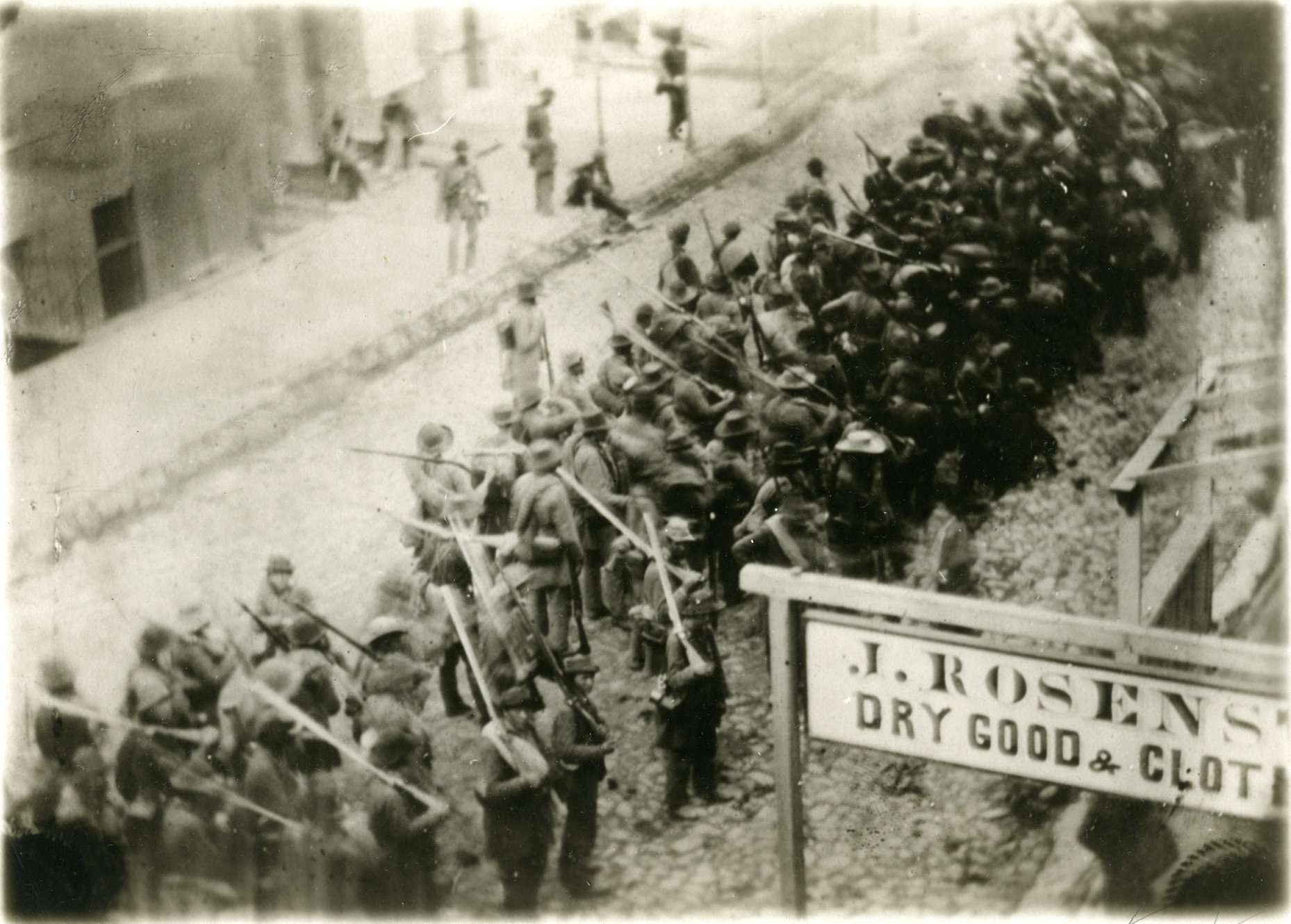
This extraordinary photo shows Lee’s army in Frederick, Maryland in September 1862, on its way to the Battle of Antietam.
Ten months after this photo was taken, it was the Union’s Army of the Potomac in the streets of Frederick. The just-appointed commander, George Meade, was in hot pursuit of Lee’s Army of Northern Virginia, now to his north, across the border in Pennsylvania. The two armies would meet July 1 at Gettysburg.
These future Arroyo Grande settlers would have been in that town on this day. Here they are, with their respective corps (up to 26,000 men) commanders.
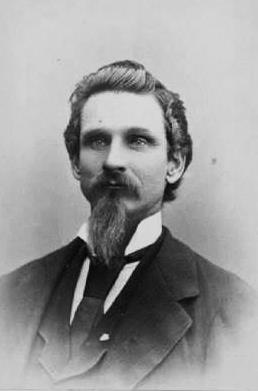
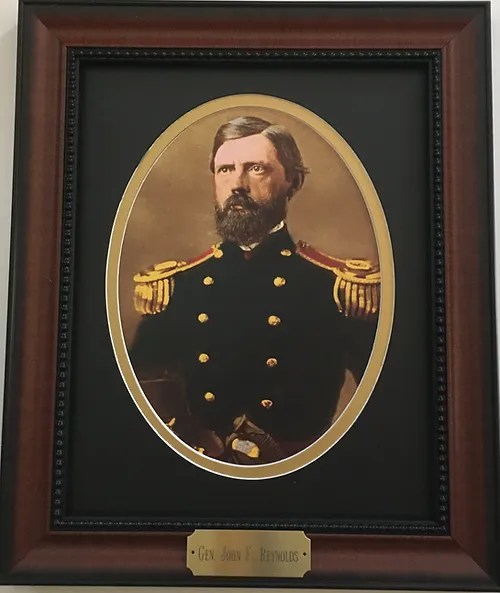
Bela Clinton Ide, for whom Ide Street was named, 24th Michigan, Iron Brigade, I Corps, commanded by Gen. John Reynolds. Reynolds would be shot from his horse on July 1, the first day of the battle, as he ordered the Iron Brigade into action to stop the surging Confederates. 363 of the 496 men in Ide’s regiment were killed, wounded or captured that day. Ide would become a blacksmith and Arroyo Grande postmaster.
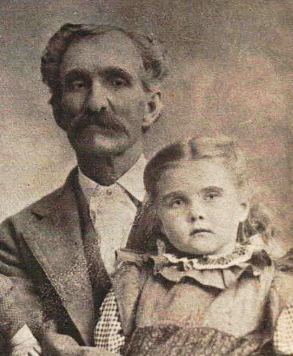
Joseph Brewer, with his daughter Stella, became a farmer in Oak Park. On June 28, 1863, he was a private in the 11th New Jersey and his III corps commander was Dan Sickles, a politician who, before the war, shot his wife’s lover—the son of Francis Scott Key, the “Star-Spangled Banner” composer– dead in Lafayette Park, across from the White House. Sickles was acquitted in the first known case to use “temporary insanity” as legal defense. Brewer would lose seven regimental commanders in a row, all shot dead, on July 2 at Gettysburg. Sickles would lose his leg to a Confederate cannonball.
Erastus Fouch, 75th Ohio, was a member of O.O. Howard’s unhappy XI Corps. The corps, largely made up of German immigrants, had lost their previous commander, Franz Sigel and Howard, a dour Protestant, was not popular and the corps had performed poorly at the Battle of Chancellorsville in May. Now, on June 28, 1863, Fouch was two days away from being captured by the Confederates who overwhelmed his regiment at Gettysburg. He would be paroled, fight out his war in Florida and take up farming along what is today Lopez Drive. Another Ohio soldier, Sylvanus Ullom, whose regiment fought near Fouch’s on July 1, was twenty years later a farmer not far away from Fouch, in Corralitos Canyon. Howard University is named for their corps commander.
From the Arroyo Grande Herald-Recorder. Some of these places are still with us, and some not.
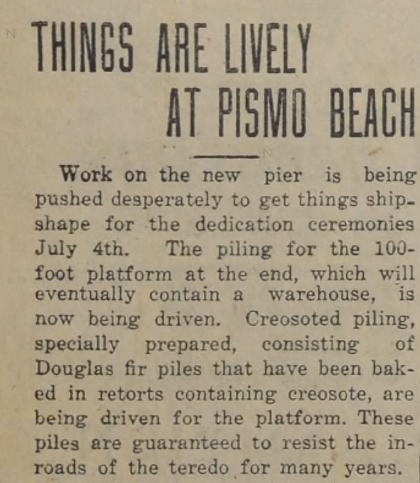
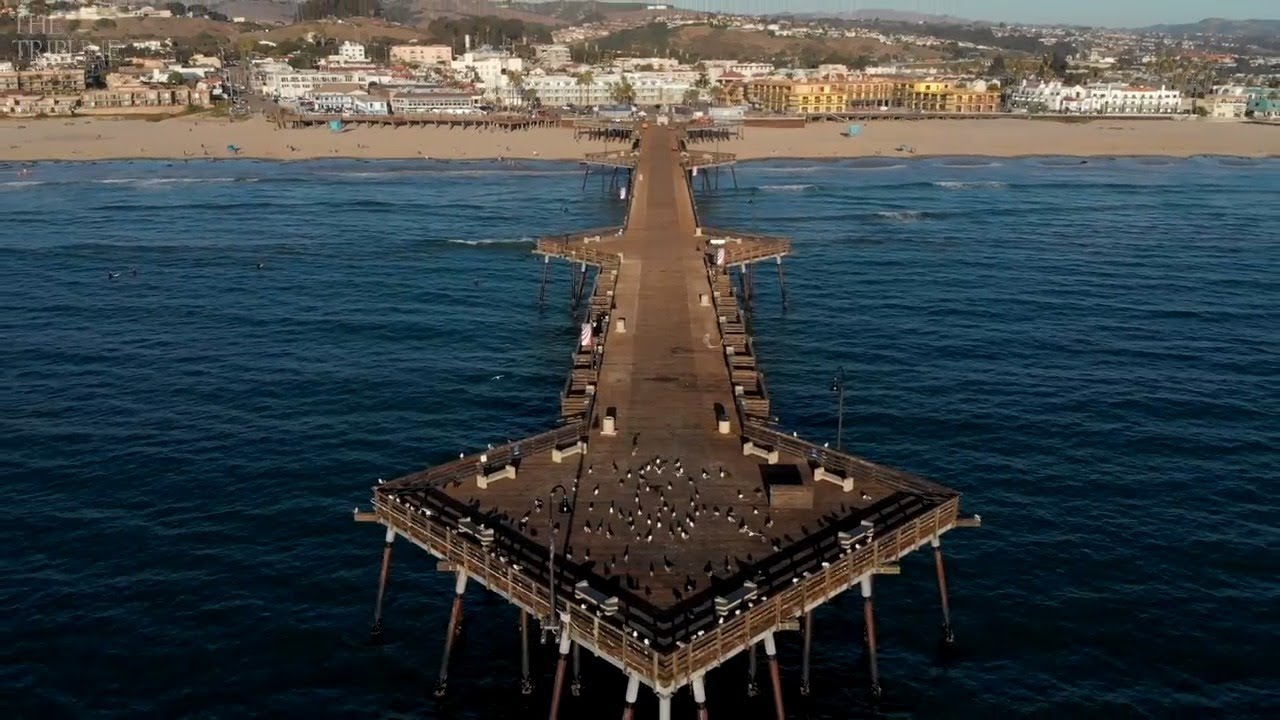
Not the same pier, of course, but it’s still there, in all its creosote glory.
A teredo, or shipworm, with a face—whichever end it is—that only a mother teredo could love.
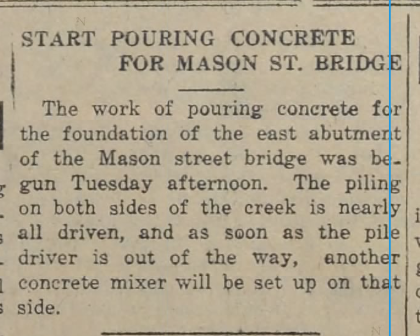
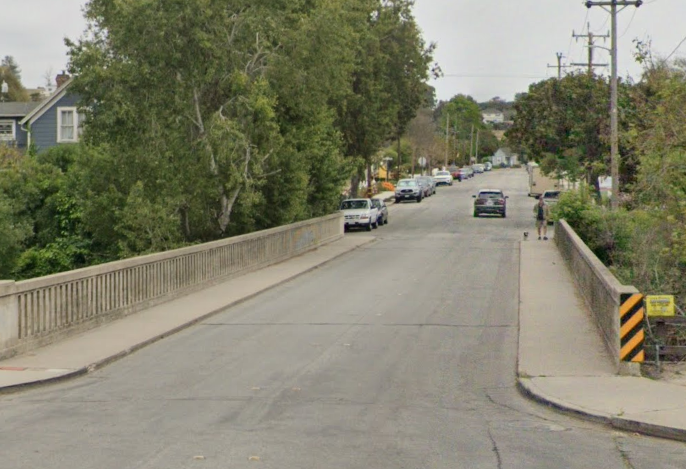
Happy 100th Birthday, Mason Street Bridge!
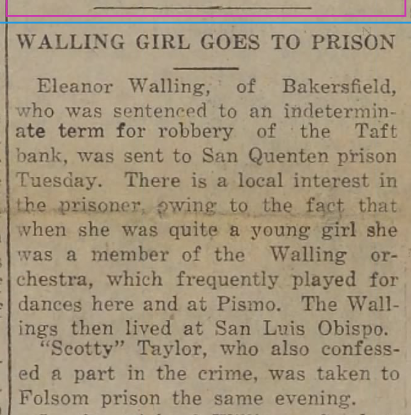
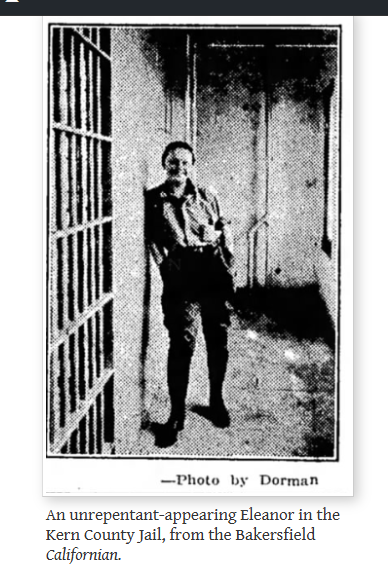
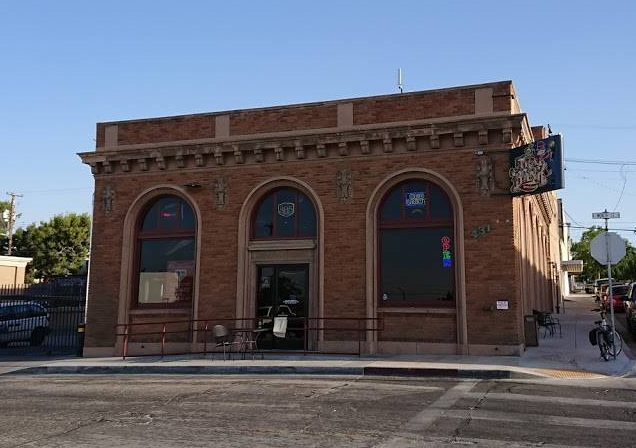
The bank in Taft that Eleanor robbed is today The Bank, a sports bar/restaurant. It was still a bank fifteen years after Eleanor fired a pistol shot into the ceiling. My dad was a teller there.
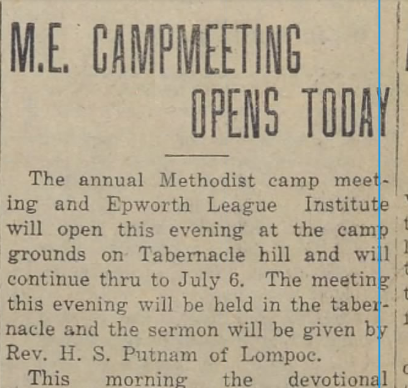
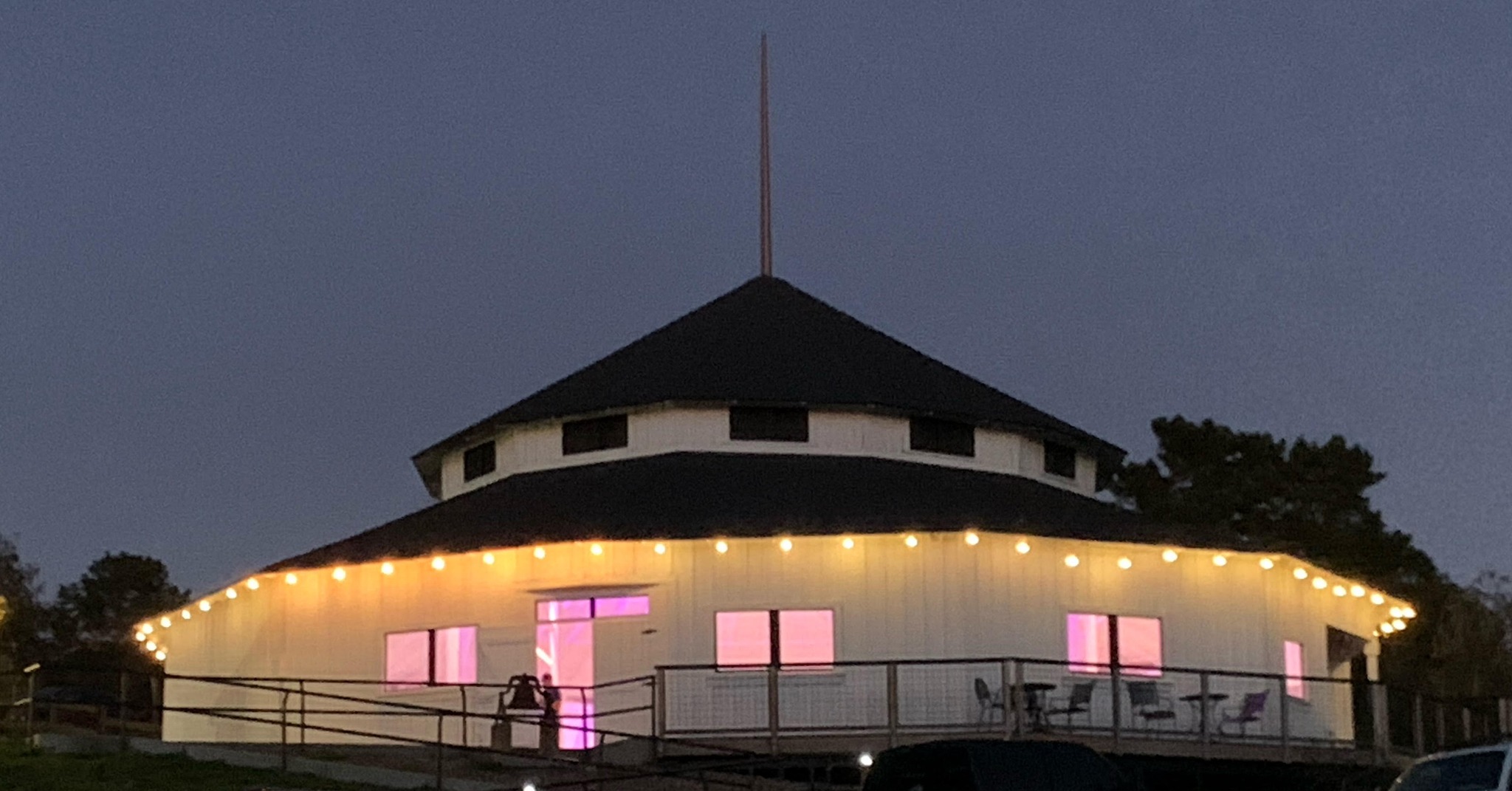
Of course, the Campground is still there, along with the beautiful tabernacle.
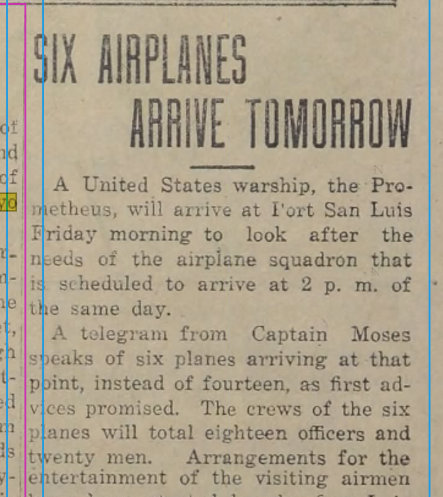
The article identifies the six-plane squadron as “VS-2,” which denotes a scout plane squadron. This is likely the kind of plane that visited Pismo. But that’s not all.
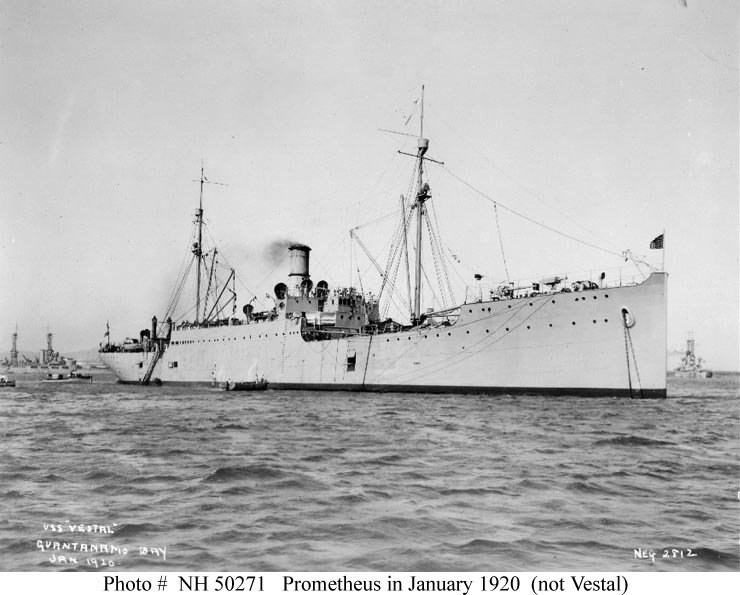
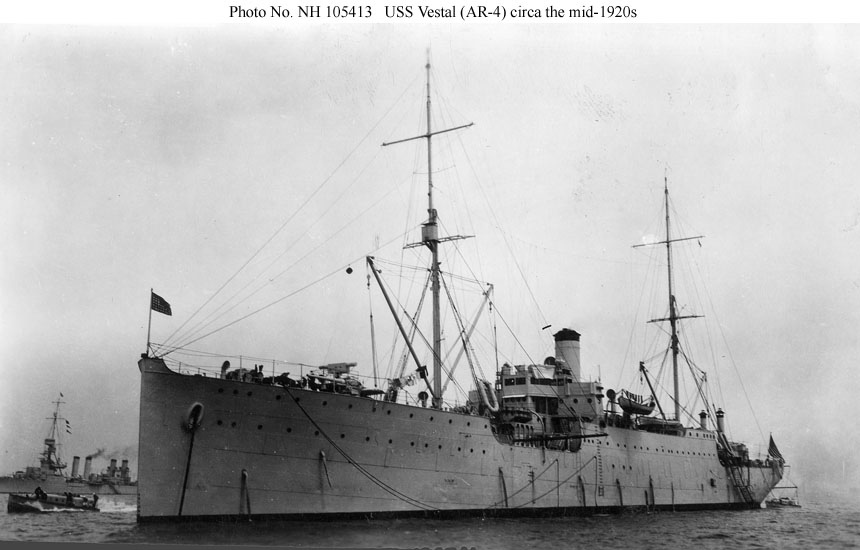
The ship that will call, USS Prometheus, was a repair ship. One of her sisters was USS Vestal.
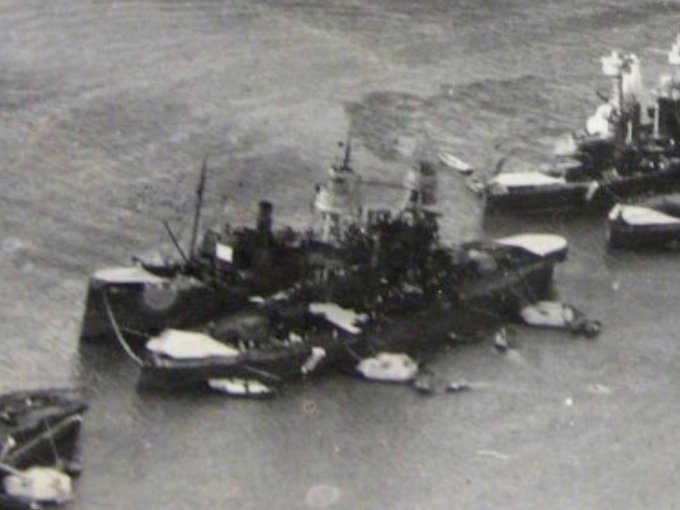
This is USS Vestal on December 7, 1941, just outboard of the battleship Arizona.
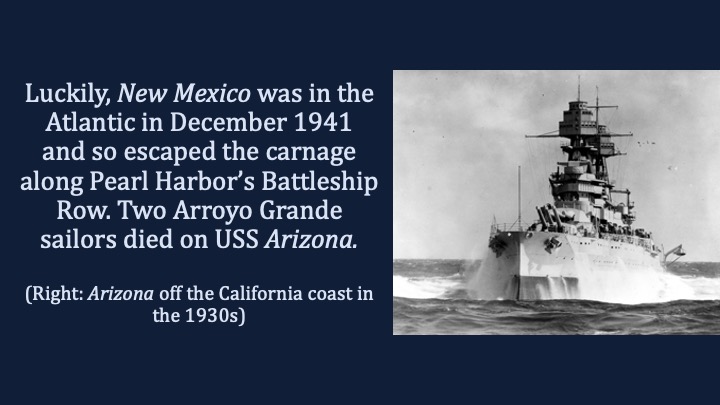
Arizona blew up moments later, claiming two sailors who’d grown up in Arroyo Grande.
Finally, and tragically, here is the rest of the story—one no one could have seen coming on June 26, 1924.
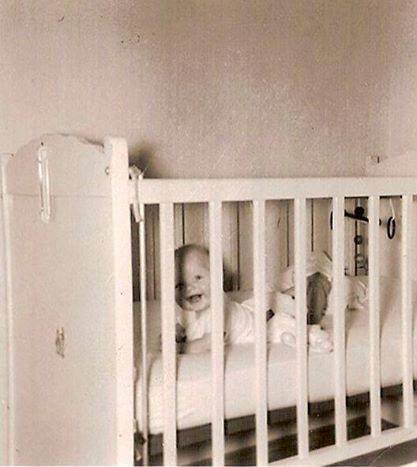
My mother taught me, the little joker in the crib, how to read a few years later. On my first day of education, first grade at Branch School in the Upper Arroyo Grande Valley, I realized that I could read the names of my classmates as Mrs. Edith Brown wrote them on the blackboard.
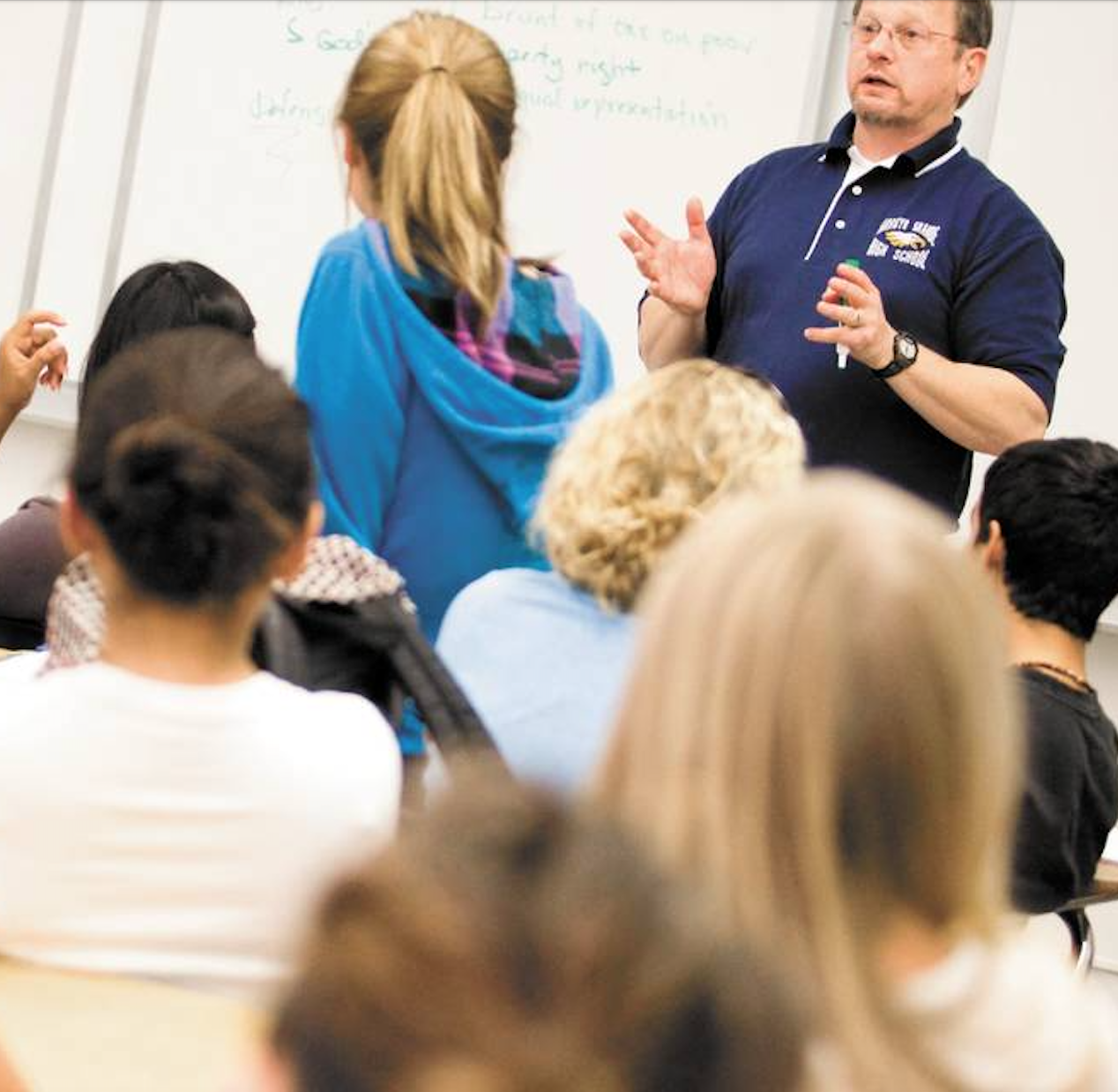
My mother’s teaching made me want to be a teacher.
She taught me about music and art. Harry Belafonte and Mozart and Glenn Miller were on our Zenith cabinet record player and there were immense and immensely heavy art books in our den, along with several decades of National Geographic magazines. I spent hours in the den, inside the big cabinet built into the wall —it was like a little house—where the books were kept.
She taught me to love God—admittedly, with me, still a work in progress— with the intensity and the intellectual hunger of a Jesuit. Her favorite was Teilhard de Chardin, the Jesuit, an anthropologist who saw no contradiction between Darwin and Genesis, and her margin notes in his books, declamatory and questioning and meticulously written in Ticonderoga #2 pencil, were nearly as brilliant as Chardin’s text.
She wanted to go to college, but it was the Great Depression. Still, I can almost see her, as I’ve written before, with her notebooks and textbooks spread on a lawn, Memorial Glade outside UC Berkeley’s Bancroft Library. My mother is wearing a pearl-buttoned blouse with a knotted sweater around her shoulders, a pleated skirt, bobby socks and saddle shoes, and there’s a bright red ribbon restraining her curly auburn hair. She brushes her hair aside, irritated, because it gets in the way of her reading.
I can almost hear her, respectful but premeditated, questioning a history professor on Wednesday about a point he’d made about the French Revolution on Monday.
She didn’t go to college, but she used tulip bulbs to teach me about death.
She instructed me to carry a jug full of cold water down to the braceros who were working a pepper field just beyond our pasture fence.
When we lived on Sunset Drive in Arroyo Grande, she was a Den Mother to my brother’s Wolfpack, which included my brother Bruce, the Fesler twins and the Cub Scout she adored, Greg Folkerts. Greg, AGUHS ’66, became a surfer, impossibly handsome and effortlessly charismatic, and when he was killed on the beach at Pismo in a car accident, at 17, Mom was heartbroken. So was my brother.
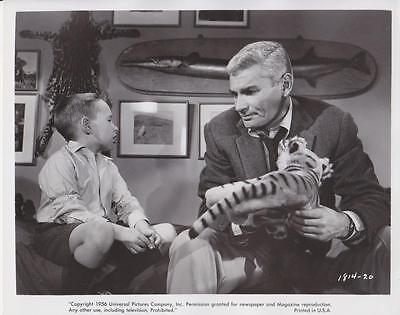
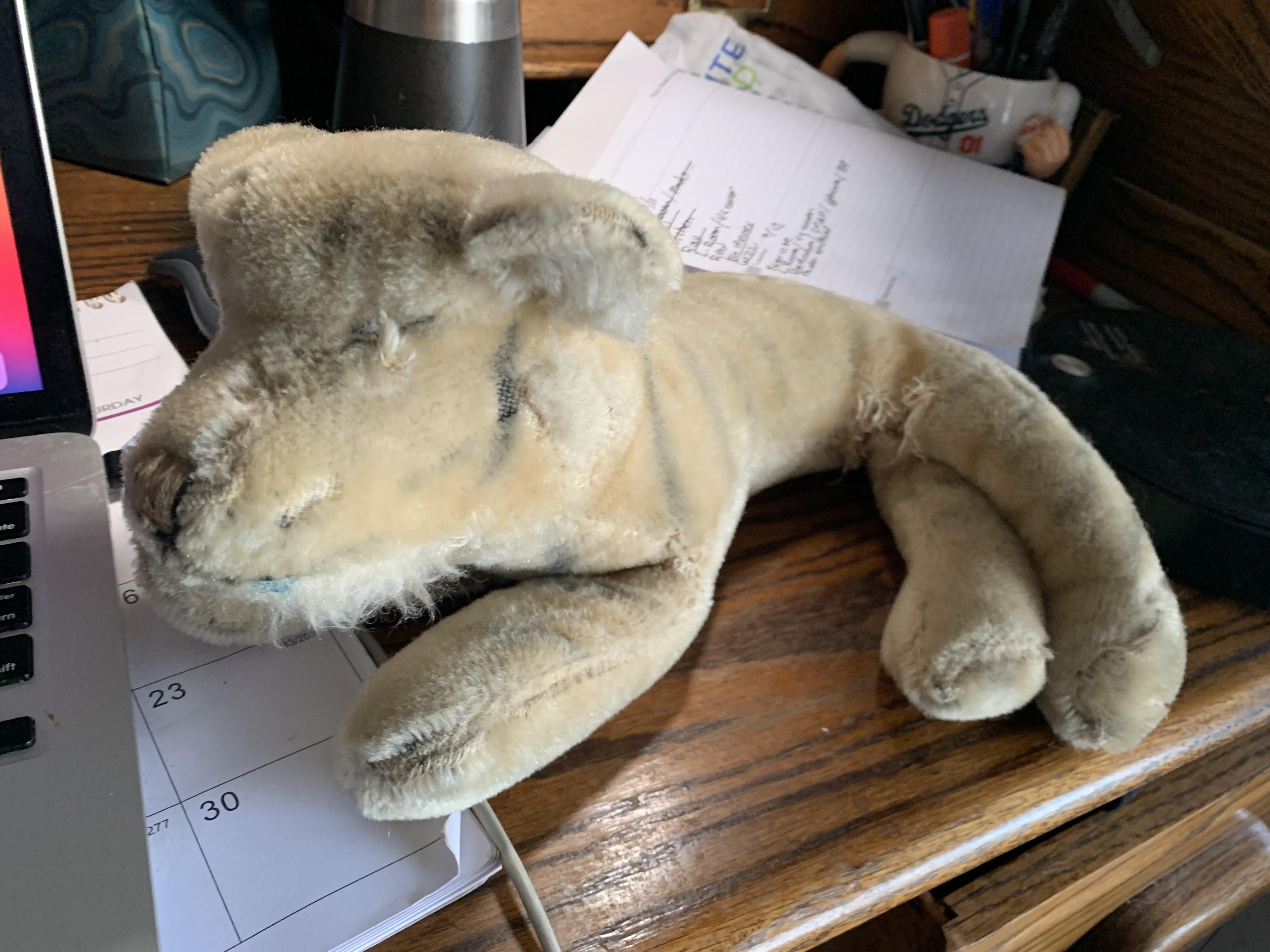
Since we lived on Sunset Drive, we were close to the Fair Oaks Theater, so we saw a lot of movies together. One of them, from 1956, was a Jeff Chandler comedy-drama, The Toy Tiger, about a little boy and his stuffed animal. I still have mine, now sixty-eight years old. He’s named “Toy Tiger.” I stuck to the script.
She had a wonderful sense of play. Once, on Sunset Drive, we all decided we wanted to be Bedouins. Mom thought that was a fine idea. She dressed us up in bathrobes, made us all burnooses out of towels, used eyeliner to paint curly mustaches on my brother and me. She even made a gauze burnoose for our Cocker Spaniel, Lady—she was a beautiful little dog, named, of course, for the Cocker in Lady and the Tramp. We stuck to the script.
She was a delegate, from St. Barnabas, then the Camp SLO World War II chapel where the Arco station stands today, to the Grace Cathedral convention that elected James Pike bishop.
When we lived on Huasna Road, she was vice president of the Branch School PTA.
On Huasna Road, she grew roses—I remember one varietal, a Sutter Gold—and there were two long rows of them alongside the house. We once visited Mission San Antonio de Padua to the north, near the Hunter-Liggett Military Reservation, just to buy some of their famed rose cuttings. The manurage from my big sister’s Roberta’s horses—Quarter horses and Morgans and Welsh Ponies—were perfect for growing roses.
Despite the San Antonio mission, she loved Mission Santa Ines above all others. We visited often when were were little. (The aebeslskivers and frikadeller and the nearby Andersen’s Split Pea Soup added to the attraction for the rest of us.) She bought me a little book, a juvenile novel, about Pasqaule, a little Native American girl, a neophyte at Santa Ines. My fourth-grade obligatory mission model was of Santa Ines. Elizabeth and I were married there, not by Jesuits, but by Irish Capuchin Franciscans. Mom loved that, I am sure.
She was, in anything to do with fabric, an artist: knitting, crochet, needlepoint, weaving, sewing.
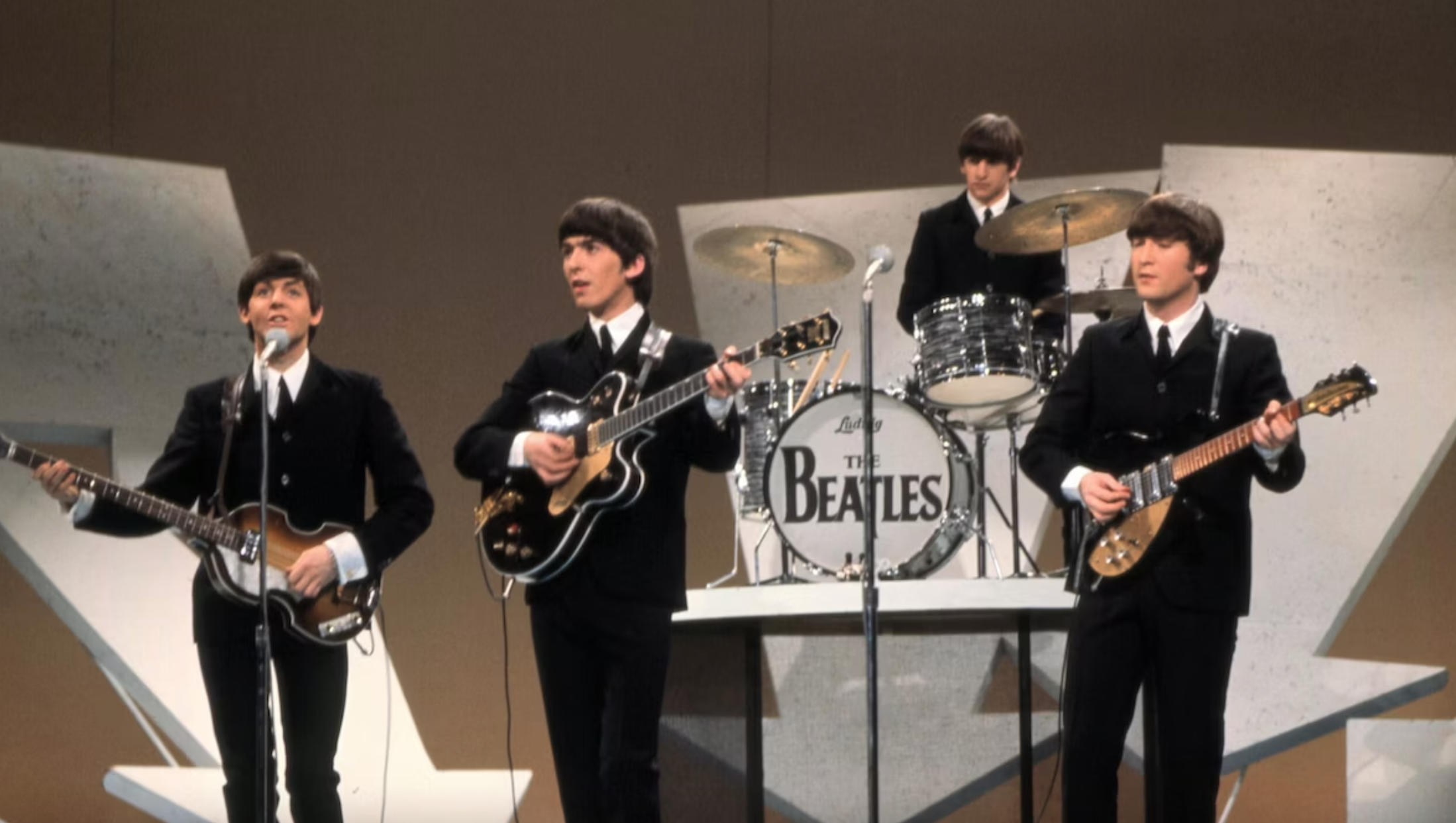
She loved the Beatles, Ringo most of all. He reminded her of a Basset Hound.
She asked for Richard Burton one year for her birthday. That was the name of her Basset Hound puppy. It’s no coincidence that I love Basset Hounds.
She was forty-two when she went into labor during a driving rain–Dad drove her to the hospital, seventeen miles away, in his big 1961 Dodge Polara station wagon, roughly the size of a World War II jeep carrier. She gave birth to Sally, the youngest, the family beauty, who turned out to be a wonderful mother, too. I can’t tell you how much she would have loved her granddaughters and our sons, John and Thomas, her grandsons.
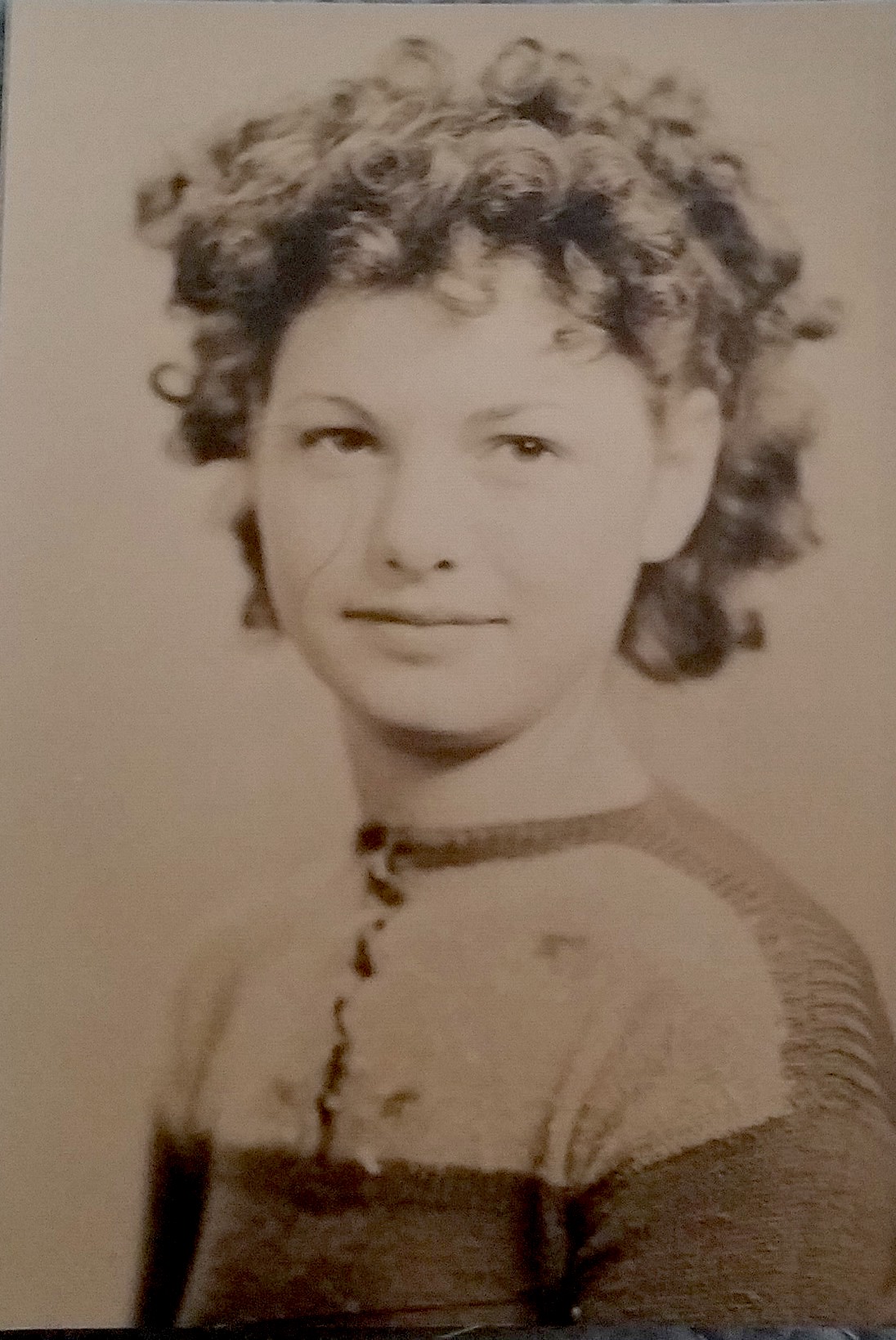
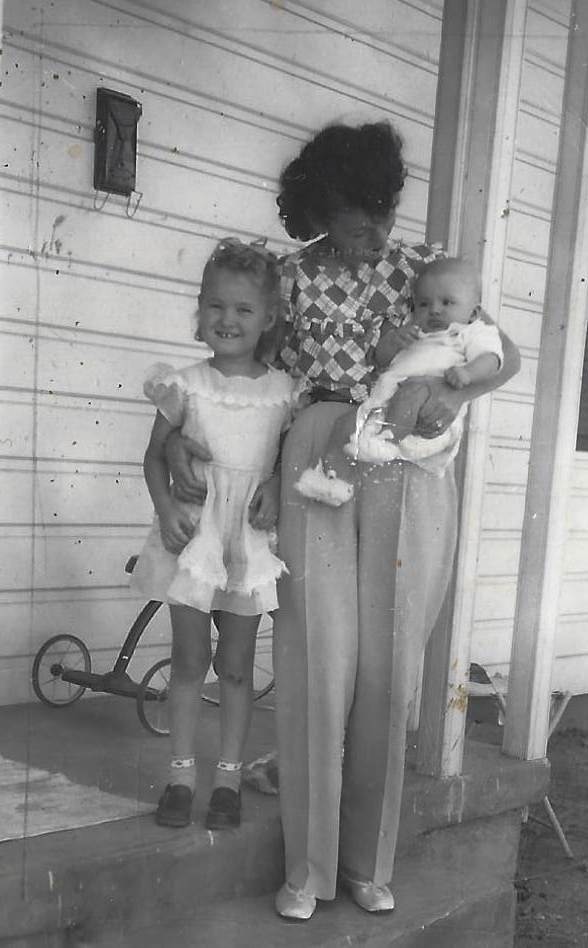
This coming March 19 marks fifty-five years since Patricia Margaret Keefe Gregory died.
I was seventeen. I am seventy-two. I still miss her, and that’s probably because she was such a beautiful woman. When I say “beautiful,” I’m referring to her heart and to her mind, not to her looks.
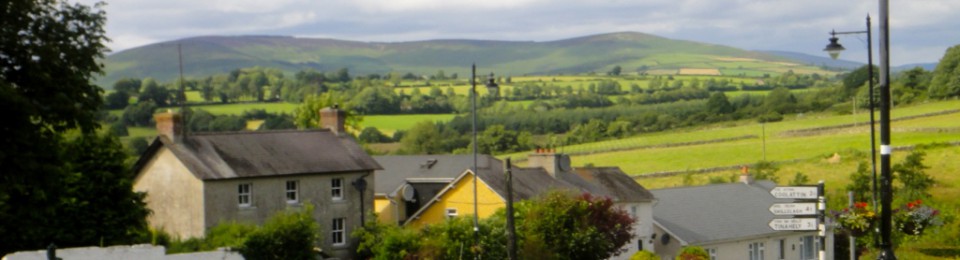
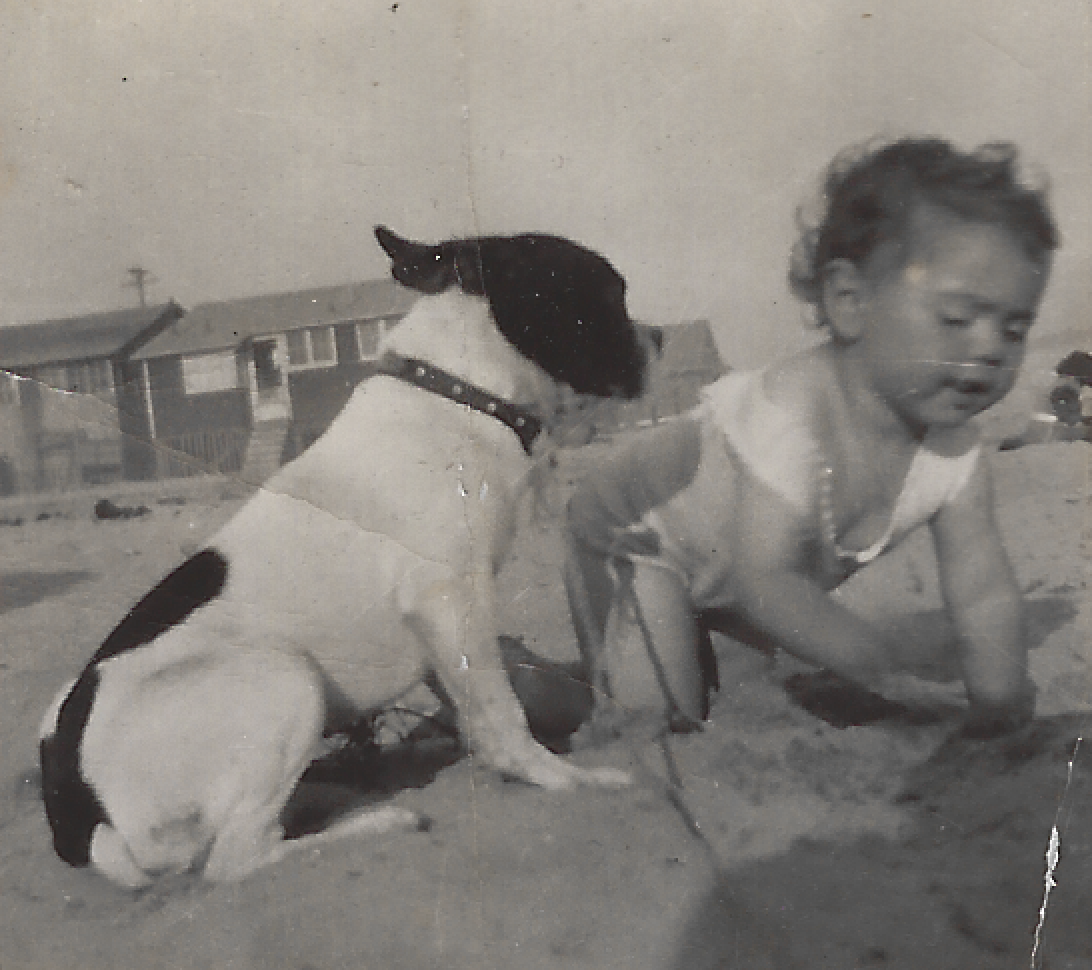
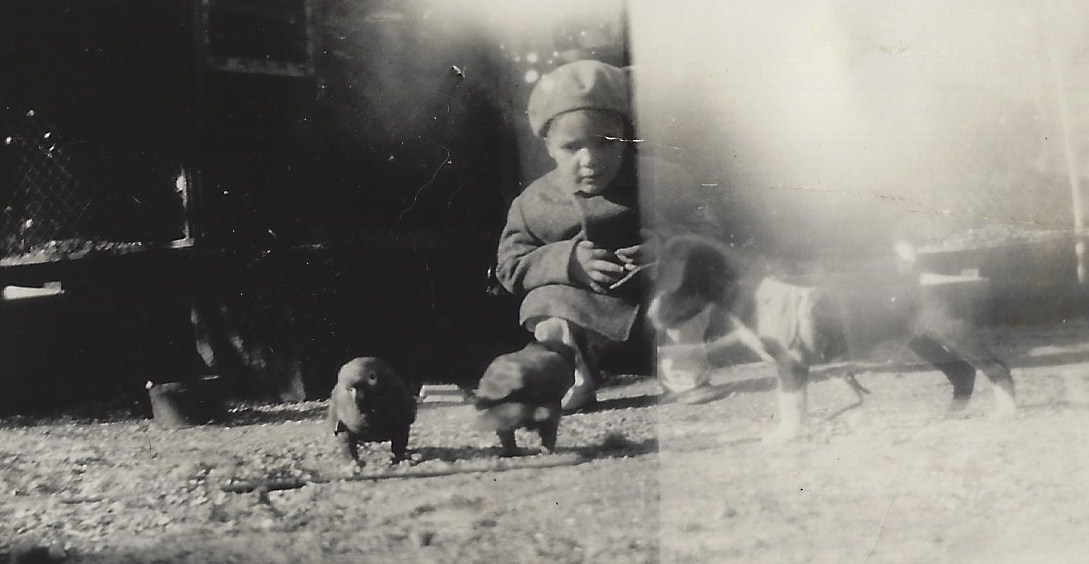
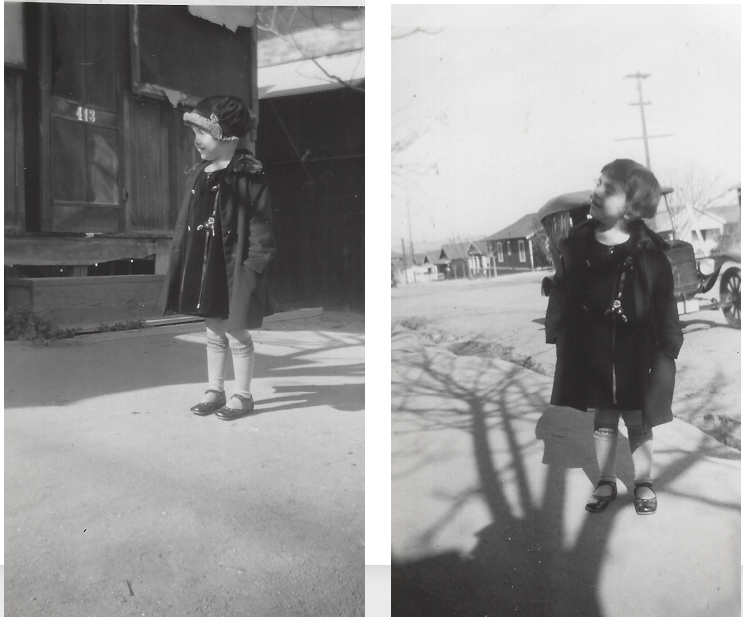
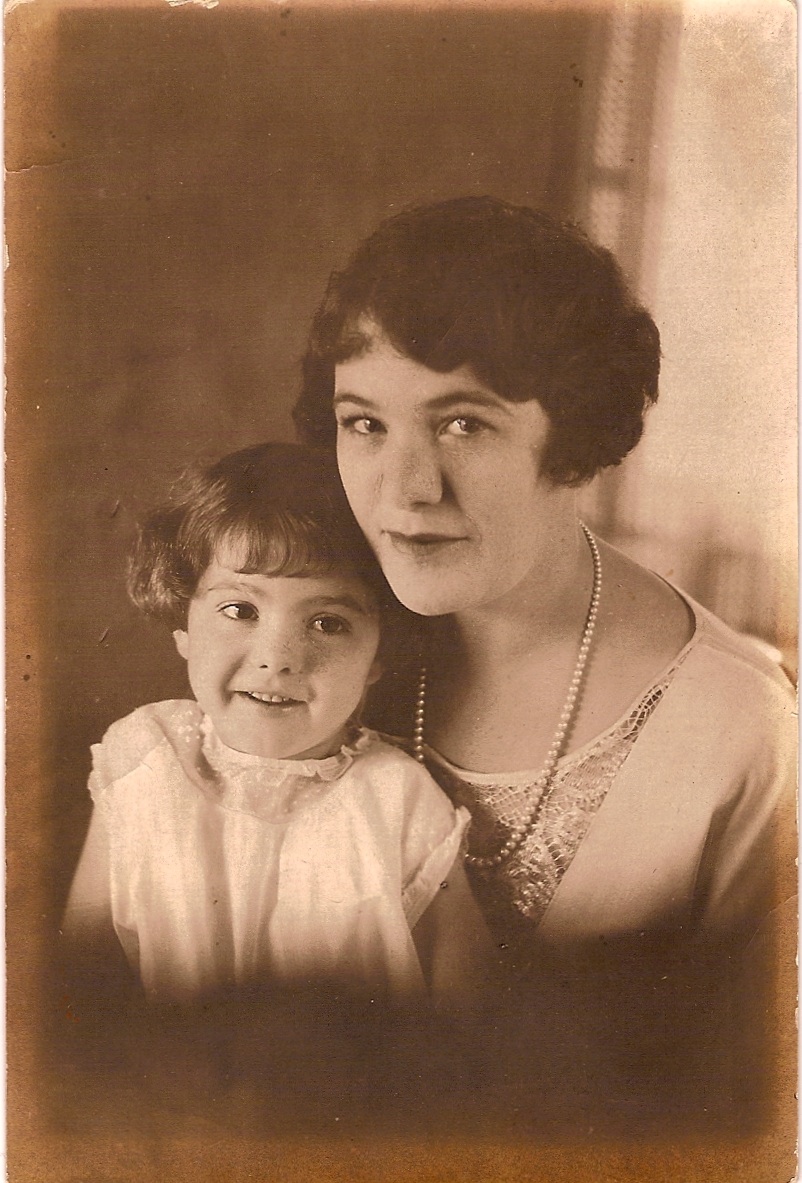
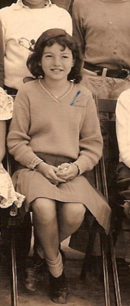
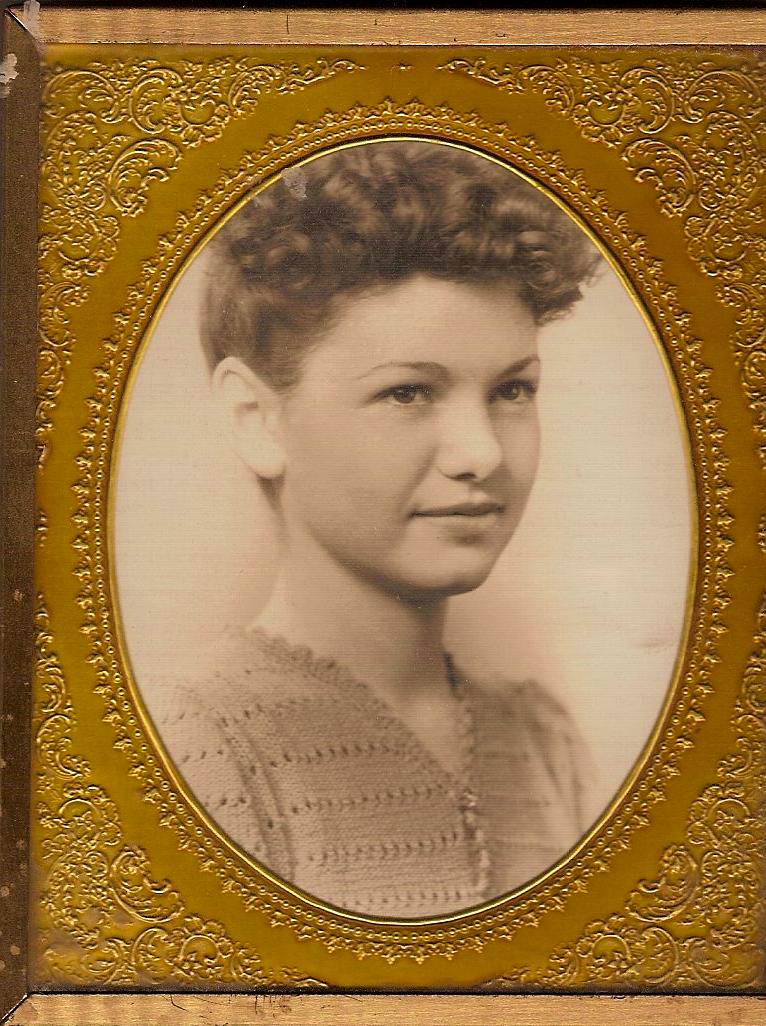
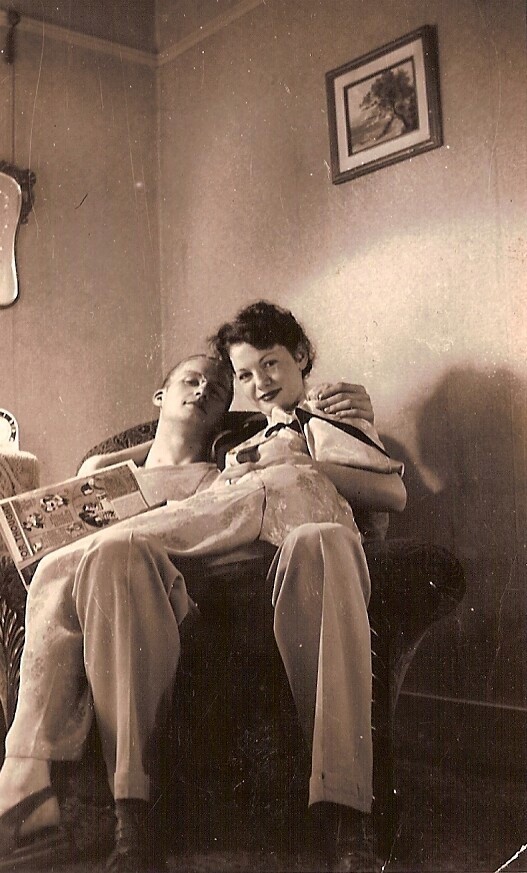
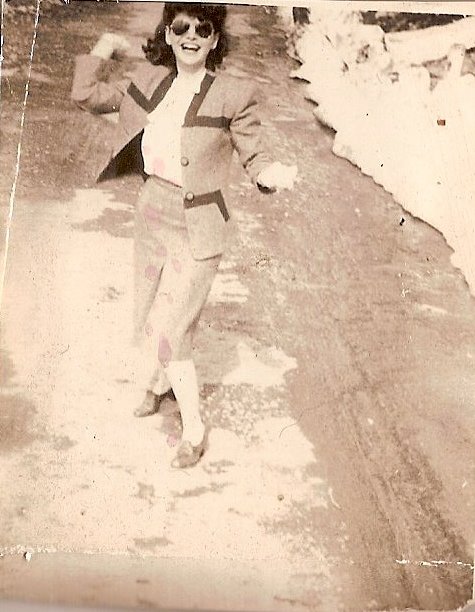
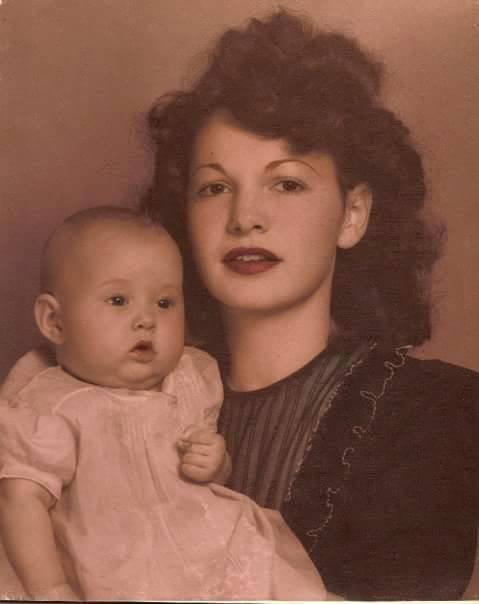
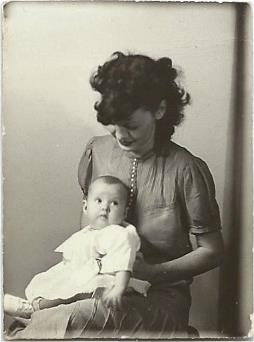
She was named “Patricia,” after two grandfathers, Patrick Keefe and Patrick Fox, Famine refugees from County Wicklow, two men who would’ve been immensely proud of the little girl they never met. The two Patricks came from Coolboy, the village below. Then there’s some photos of my mother, of the kind of woman the Irish would refer to as “Herself.”
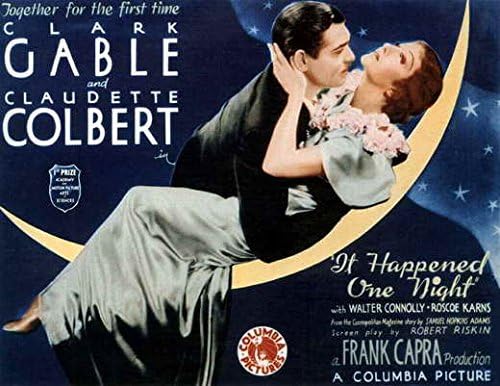
I love the Turner Classic Movie hosts because I learn so much from them. Last night’s host—it’s the annual “Month of Oscars” series—Dave Karger, taught me a lot about It Happened One Night, so his introduction made me watch it more closely than I ever have before. Among the items Karger pointed out:
–The studio that produced it, Columbia, was a shoestring operation in danger of going under. This film saved it.
–The resemblances to my favorite film, Casablanca, are amazing. Nobody expected either this film or Casablanca to be very good. Gable had gotten into the doghouse with his contract studio, MGM, so they lent him to a studio made of tin, Columbia, with the thought of disciplining him.
–No matter how much the Gable and Colbert seemed to enjoy each other, Colbert confided after It Happened had wrapped that she’d just finished the most awful film.
She was, as Bogart deadpanned in Casablanca, misinformed.
–It Happened One Night won won five of the most prestigious Academy Awards: Best Picture, Best Director, Best Screenplay, Best Actor, Best Actress. That had never happened before, on one night nor on any other in particular.
It must’ve helped hat Gable was the King of Hollywood (yes, I know about the bad teeth and the urban legend about the the fatal hit and run.) I’ve always been interested in Gable—I started out as a reporter, and it was Teacher’s Pet, with Doris Day, and not GWTW, which would’ve been one of my parents’ first “date”movies in 1940—that first attracted me. But I’ve also always been interested in Carole Lombard, too.
When I showed a similar film in spirt to It Happened One Night—My Man Godfrey—with Lombard and William Powell, to my U.S. History classes (Gregory La Cava directed), they loved it and they learned from it. That intersection between the privileged rich and us plebes attracted them immediately and it held them. They learned empathy from a film made before their grandparents were born.
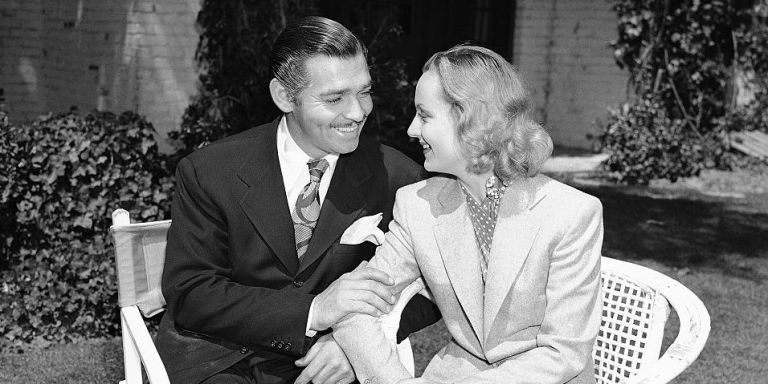
And, of course, Lombard was madly in love with Gable, learned to hunt and fish because he loved to hunt and fish. She didn’t have to learn anything about dogs—I’ve written before about her love for them—because Gable loved them, too. Including Irish Setters. (We’ve had two, among many pound puppies in our thirty-seven wedded years, named Mollie and Brigid.)
Those two, Gable and Lombard, like Elizabeth and me, finally found each other, married. Tragically, Lombard died in an air crash soon after Pearl Harbor, during a War Bond Drive. It’s an incredible and incredibly sad love story.
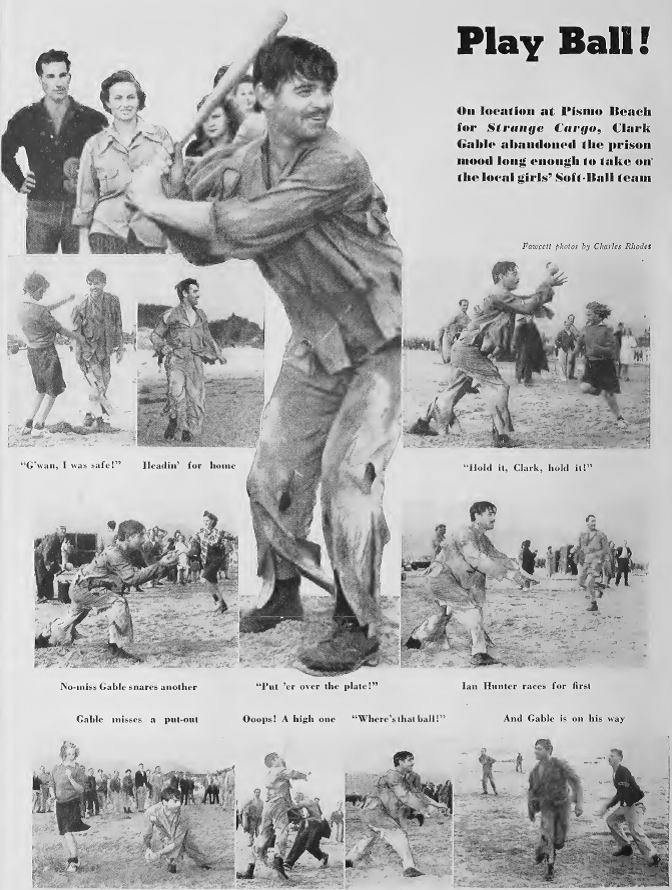
The two were part of our history, San Luis Obispo County’s history, too. They’d been guests at the Hearst Estate in San Simeon and, six years after It Happened. Gable and Joan Crawford filmed Strange Cargo in Pismo Beach, stayed at the Landmark Hotel, which is still there, on Price Street, and one day, The King of Hollywood thrilled a group of San Luis High kids by joining them in a pickup game of softball n the beach.
But here are some of the things that caught my eye in last night’s viewing, thanks to Dave Karger’s inspired introduction:
A quick summary: Claudette Colbert (Ellen) is running away from her father–she gracefully dives from his Florida yacht and swims to shore—so that she can marry a man, King Westley, an aviator who looks like Howard Hughes, as played by Bela Lugosi. He’s a creep. So she’s incognito and riding an interstate bus north when she runs into Gable’s reporter, Peter. Peter needs money and Ellen, the runaway heiress, is his scoop. Ellen needs Peter’s street smarts. So they become uneasy seatmates on a northbound bus.
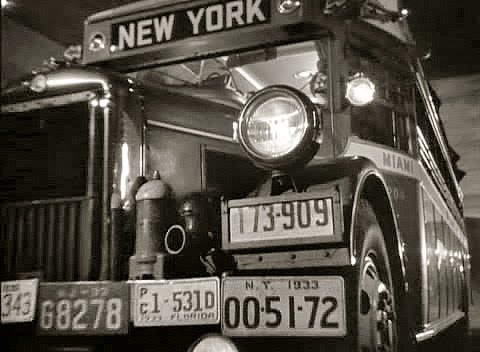
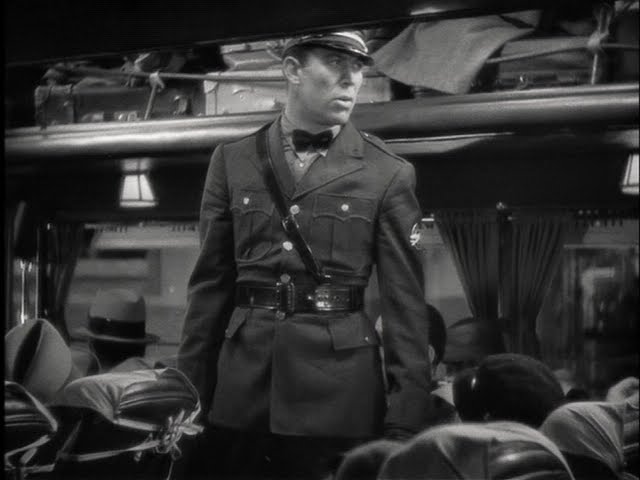
The bus alone is amazing: It’s big and square with fog lamps and headlights and an air horn that blasts when it pulls out of the terminal. It’s a damned impressive Atlantic Greyhound. So’s the driver: the first one is Ward Bond, who will have a bigger role in Capra’s postwar It’s A Wonderful Life, where he’s the Bedford Fall cop. But he’s uniformed impressively as a Greyhound driver, too, from his Sam Browne Belt to his soft high-topped boots.
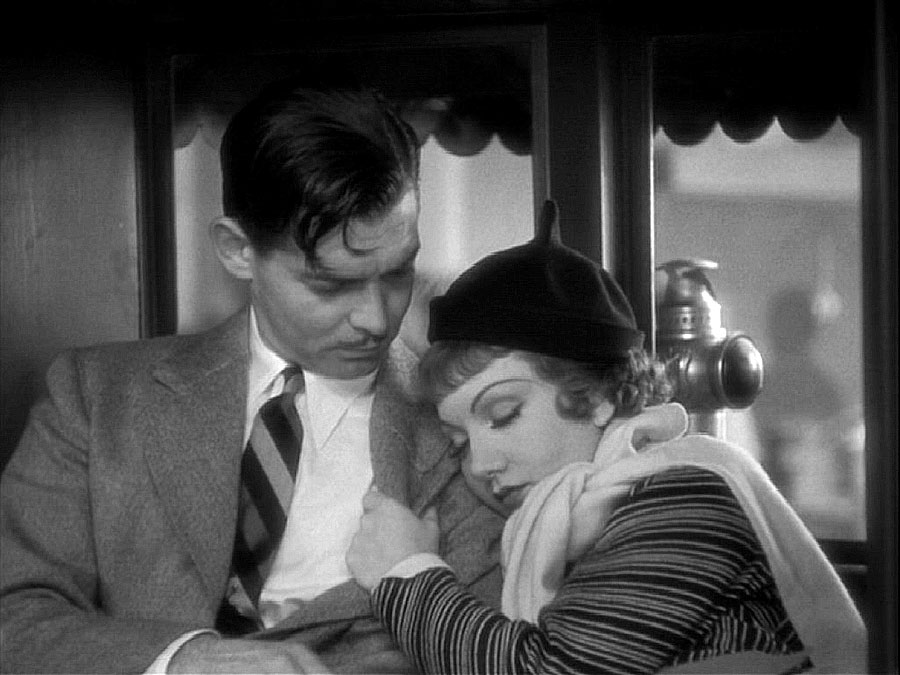
It’s all over for Gable, even though his hard-boiled reporter type won’t admit it, in the first night on the bus, when Ellen falls asleep against Peter. She is, let’s face it, adorable.
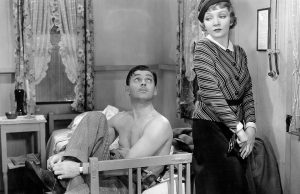
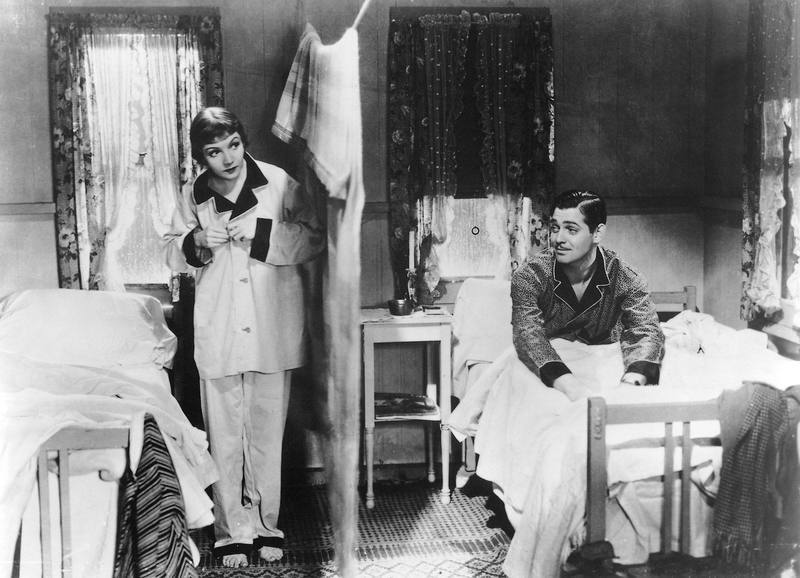
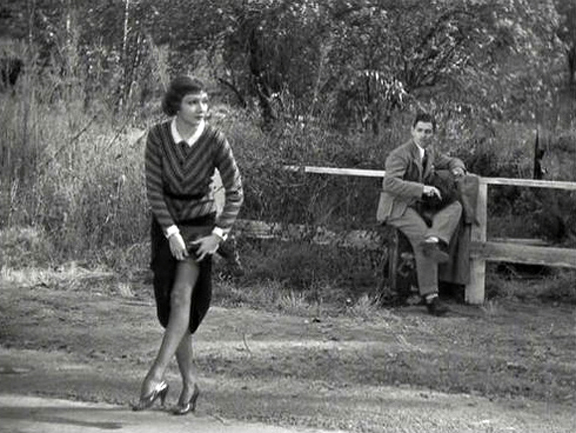
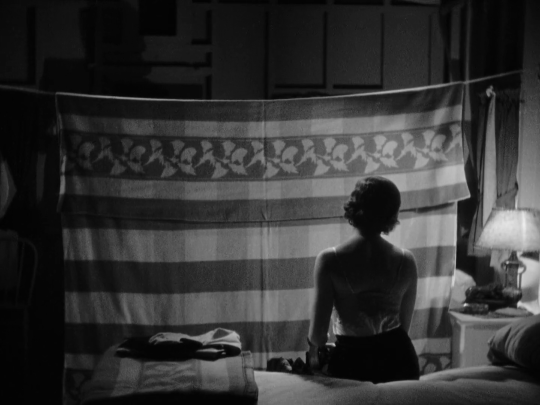
But the two, as is required, fuss and fight. She doesn’t carry cash. He doesn’t have it to begin with. So, when the bus runs up against a bridge washout, they have to share a room at an overnight camp. That, of course, leads to the film’s most famous scene, where Gable undresses and reveals to the world that Peter does not wear undershirts. I guess Jockey took a hit after that scene. He loans Ellen his best pajamas and erects a divider—“the Wall of Jericho”—between their beds for decency’s sake. The next morning, when Ellen clumps to auto court showers in Peter’s overcoat and oversized shoes, Colbert somehow makes even a clumsy walk seem charming.
Still, you’re glad when spoiled Ellen has to learn to stand in line in a place that closely resembles the Weedpatch Camp in The Grapes of Wrath. Another part of this film’s allure is its uncanny ability to transport you back to 1933, when it was shot, and to the Great Depression.
Ellen’s lucky to have that shower, and those pajamas and that overcoat and those shoes—-and the toothbrush and toothpaste that are Peter’s little gifts.
And therein lies Peter’s charm. He’s cocky, a big drinker, insubordinate and not quite as smart as he thinks he is. He passes himself off as an expert at hitchhiking, piggy-back riding and the art of dunking a doughnut. But he is also, with the exception of stealing Alan Hale’s Model T and tying the man to a tree (Hale deserved it, if only for his awful singing), he is decent. He is, to use an old-fashioned word that needs desperately to be revived, honorable. He is also generous; he is, to borrow Joseph Campbell’s remarkable observation about Han Solo, “a hero who doesn’t know that he’s a hero.”
And Peter makes breakfast, too. The doughnut-dunking scene meant a lot to me. The film was made in 1933, when the Depression was at its depths, and the care with which Peter and Ellen share a breakfast— two eggs, two doughnuts, two cups of coffee—made me a little hungry and made me, in some silly way, want to march in and add hash browns, ham, biscuits and gravy and another pot of coffee. That kind of extravagance—the big breakfasts I love so much— just wasn’t there in 1933.
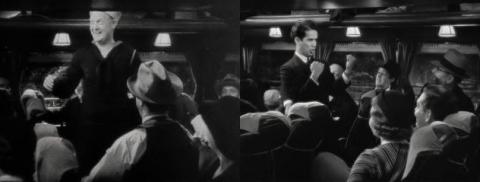
The intimate scenes between the two principals are barbed and funny and eventually they are…well, intimate…but one of my favorite scenes comes on the crowded bus, when the passengers joint in three rousing choruses of “The Daring Young Man on the Flying Trapeze,” which includes a sailor whose verse is pretty racy for 1934 (“His eyes would undress every girl in the house…”) and who looks remarkably like Popeye, who would also sing this song.
I noticed for the first time that the third and final verse is led by the director. That is Frank Capra, painfully young but already wise enough to know that we Americans are at our best when we are together, even if singing this song, than we are when we battle each other. The one painful part of the film comes when the bus stops and a Black man, ringing a bell, bellows out what’s on the menu in Stepin Fetchit English. He’s a moment of comic relief, a kind of cinematic comma, and while Capra has so much to offer modern, divided, Americans, this scene, mercifully brief, hurts.
The battle between Ellen and Frank begins to end in their stay at another auto court, considerably more rustic than the first, when the blanket goes up again. This is Ellen, on her side, as she realizes that she’s in love with the arrogant man on the other side and not with the man she’s running away to for her New York wedding. This might be the film’s most poignant scene.
When her intended arrives at the wedding in his ludicrous gyrocopter—wearing a top hat, which you wish the rotors would lop off, along with his head—Peter is in the den of Ellen’s father, demanding he be paid for his efforts in returning the prodigal daughter home.
That amounts to $39.60.
That seals the deal for Ellen’s father. His sideways whispers as he takes her to the altar lead to her to dump King, Mr. Hughes-Lugosi, right then and there. Gasps ensue.
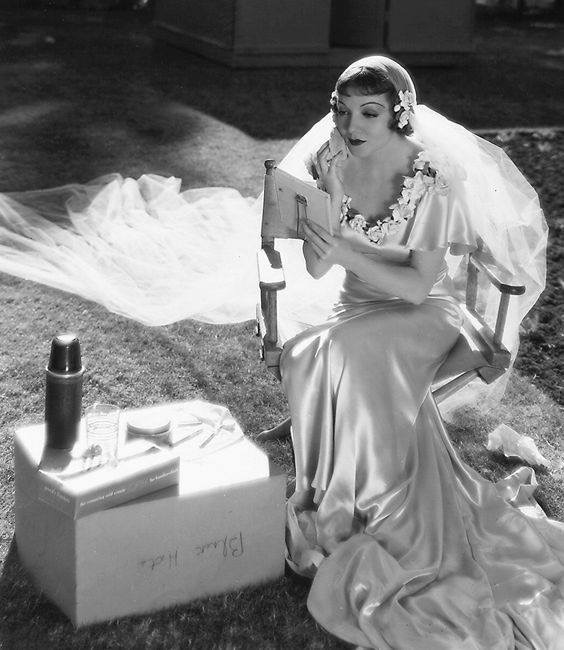
I don’t know how many runaway bride films have been made, but this one has set the standard, as far as I’m concerned. Ellen’s breath-taking wedding gown, satin, is stunning, from the cloche headdress (like Colbert’s bob, it’s on the edge of going out of style) to the train which trails behind her, by about the length of three freight cars.
A little earlier, stuck at a crossing in his Model T, Peter waves jauntily at a freight car loaded with what were called “hoboes” in 1933. My grandfather John let men like these stay the night at his farmhouse on the Ozark Plateau while my grandmother made them bacon and eggs. They were poets, engineers, one a classical violinist who played by the warmth of my grandmother’s stove.
Decency.
So Ellen, quite sensibly, runs away to her destiny.That would be with Peter.
The Walls of Jericho come down later, in a third auto court somewhere in Michigan, maybe in the Upper Peninsula, where Gable would’ve found fine fly-fishing. That would mean trout frying for breakfast, just like Hemingway’s “Big Two-Hearted River.” That’s another meal altogether, of course, but. there’s a common link between Hemingway’s prose, and Capra’s films. They are miraculous to me. They are miraculously American.
A little meal was the centerpiece of this little film. It Happened One Night, I think, is the equivalent of a breakfast of one egg, one doughnut, and one cup of coffee. By the time it’s over, you realize, in making every bite count, that it was perfect.
Claudette Colbert, in that dress, studies her lines in between takes.
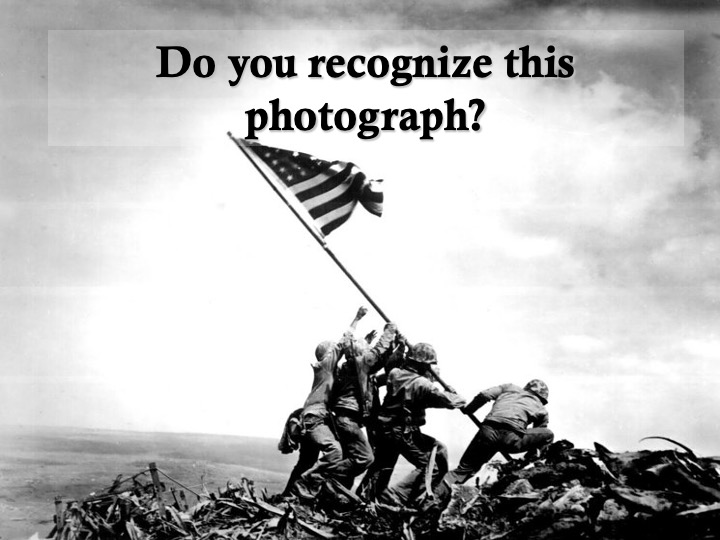
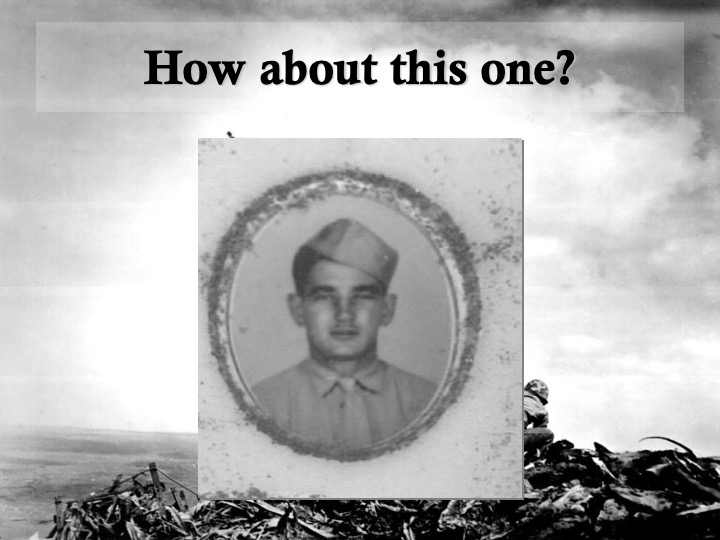
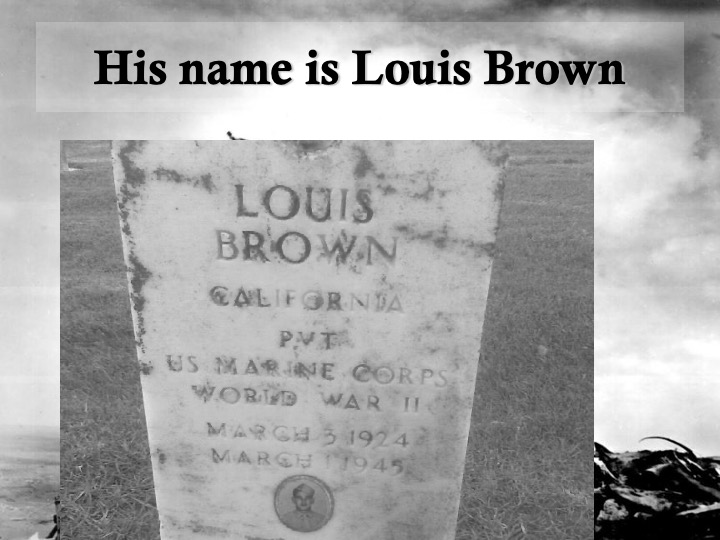
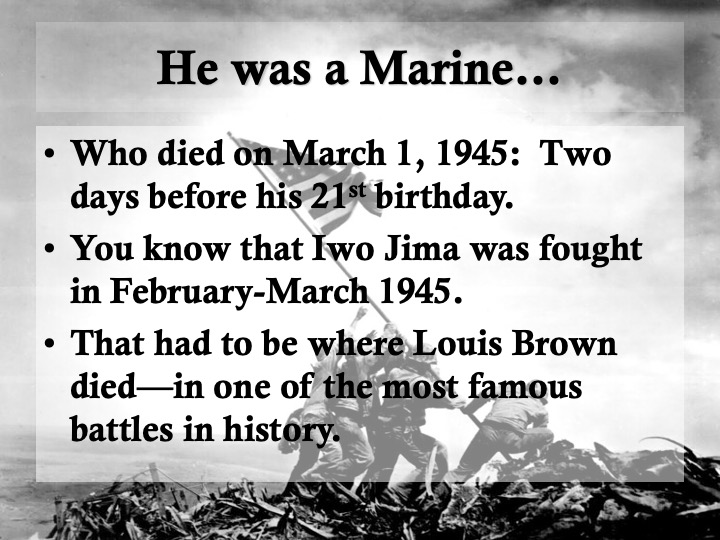
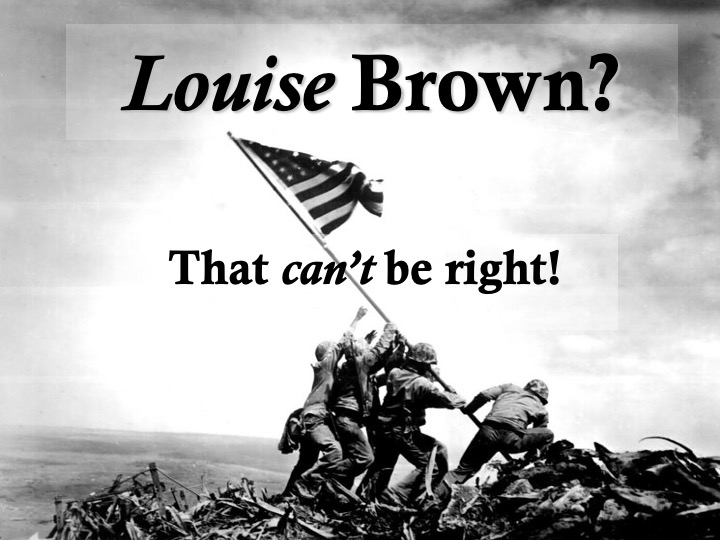
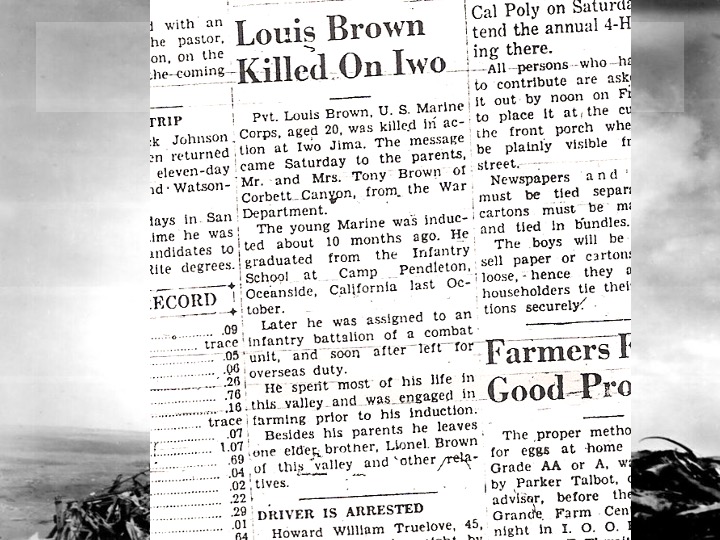
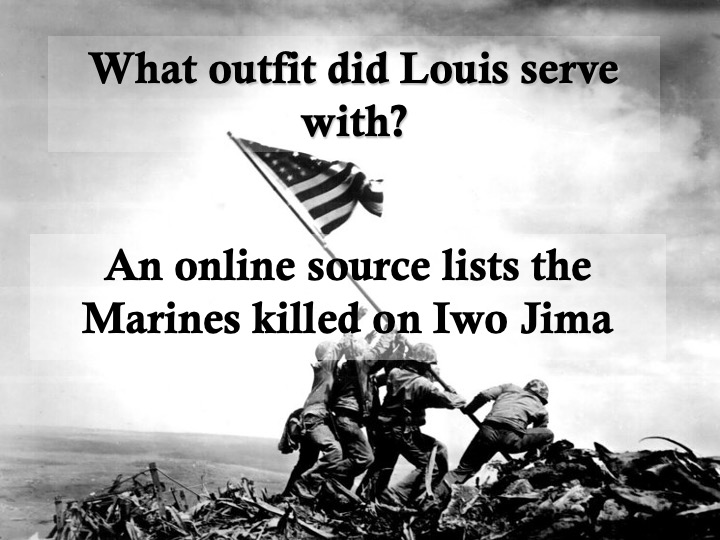
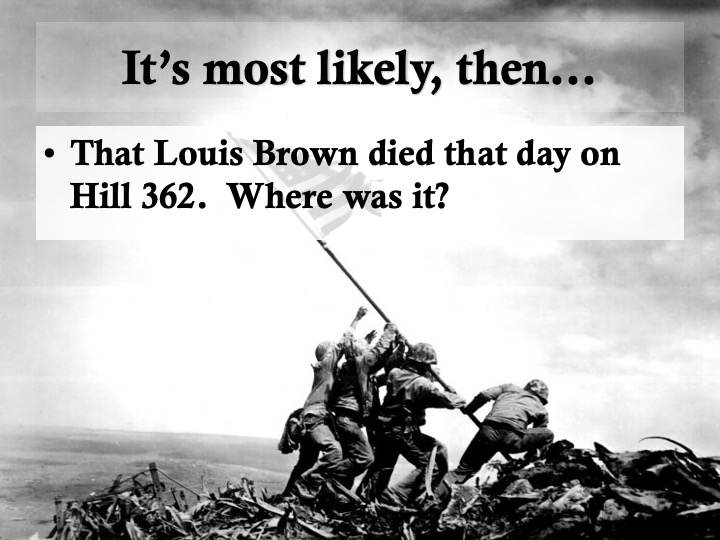
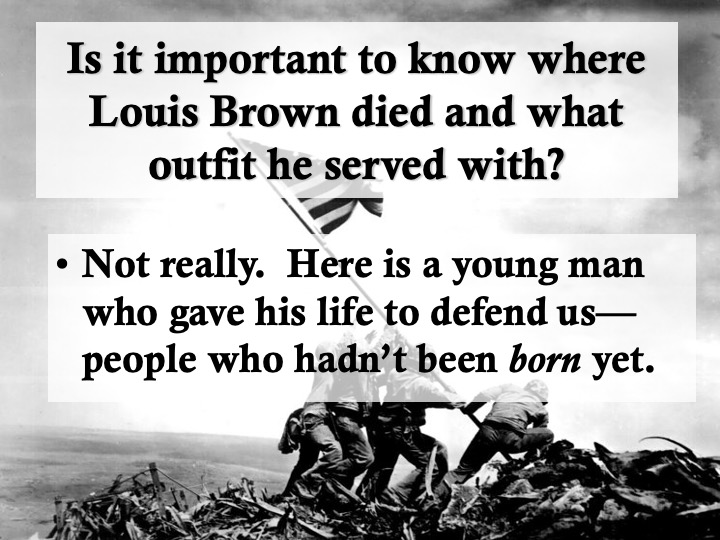
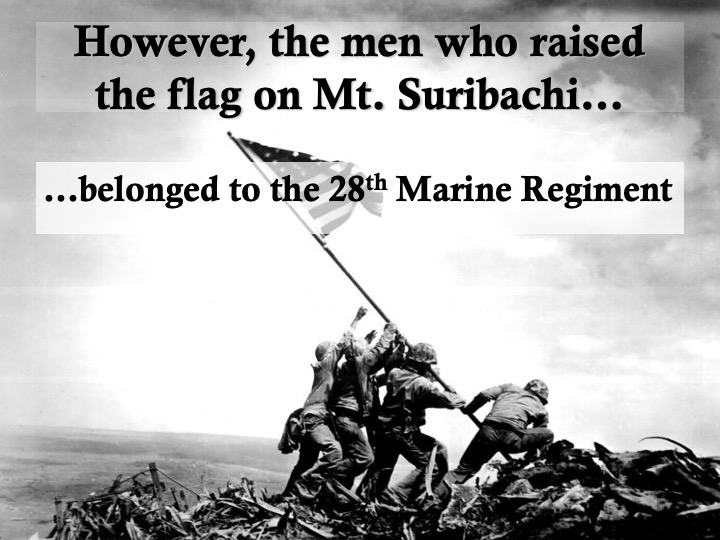
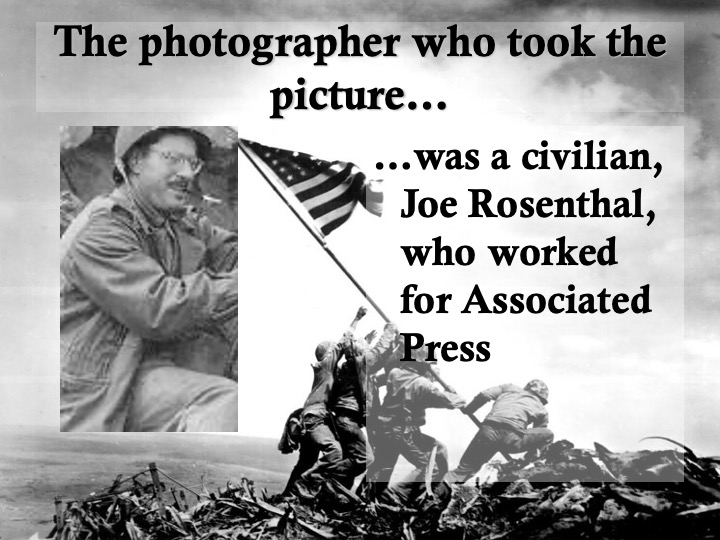
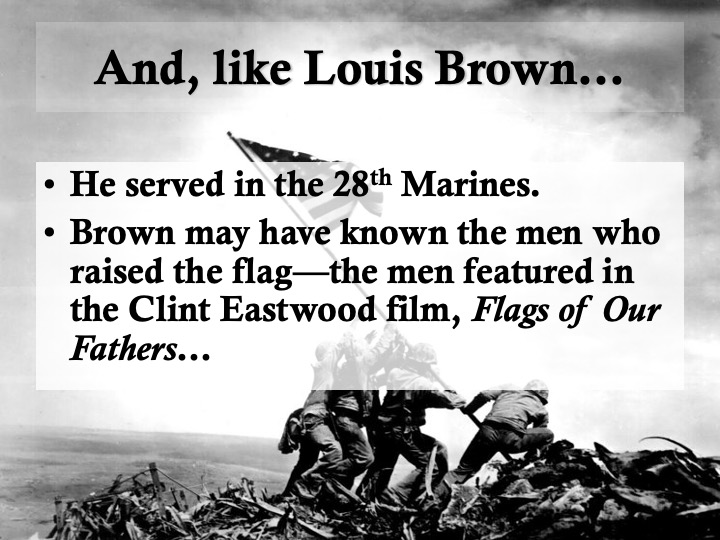
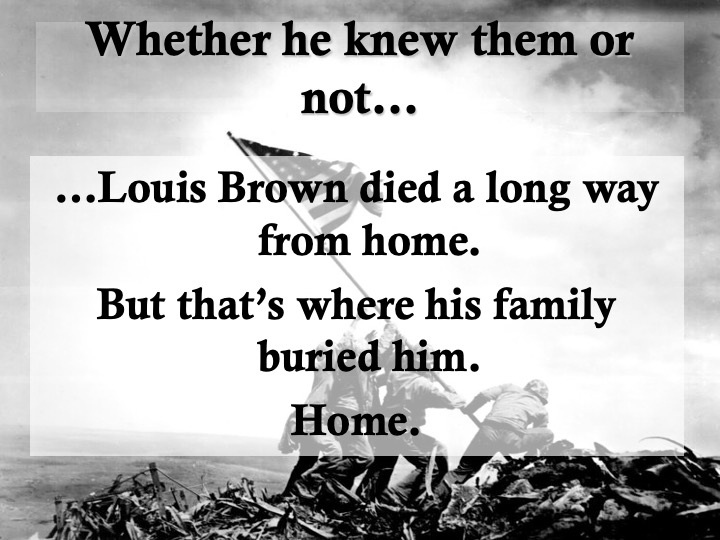
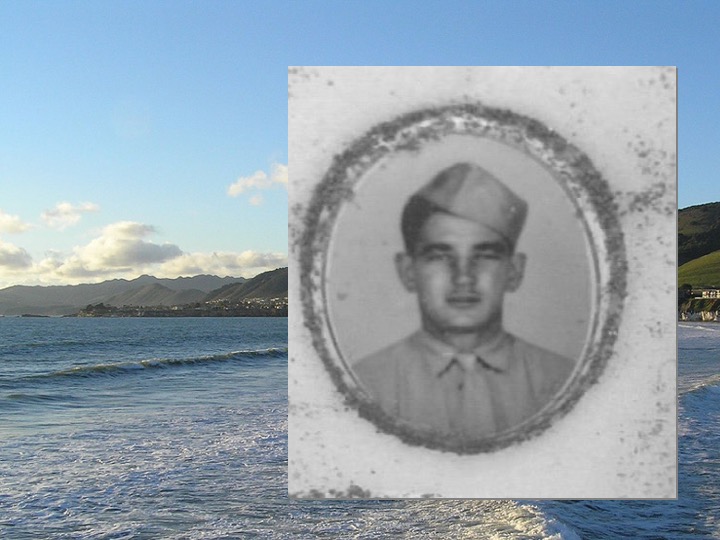
Today is February 23. On this day in 1945, a detail from the 28th Marine Regiment was immortalized in this Joe Rosenthal photograph as, still under fire, they raised a second, larger, flag atop Mt. Suribachi on Iwo Jima. The young Marine on the right had six days to live. He was a farmer’s son from Corbett Canyon, near Arroyo Grande. His parents were Azorean immigrants. And I knew, from the date on his tombstone, that he died on Iwo Jima.
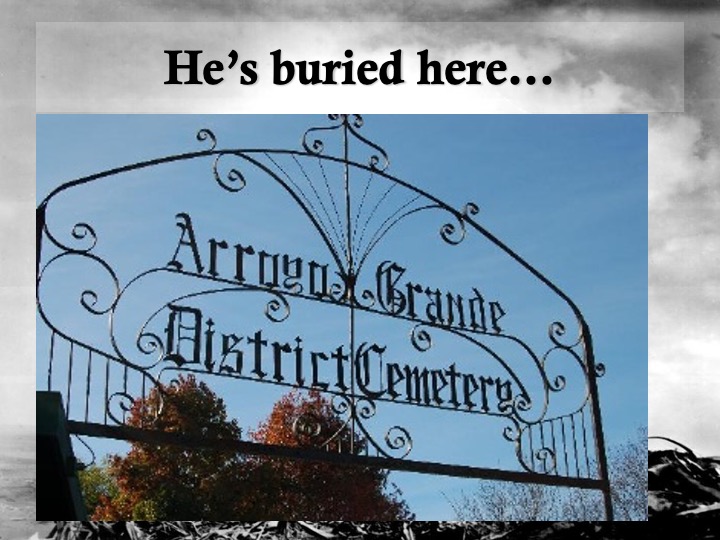
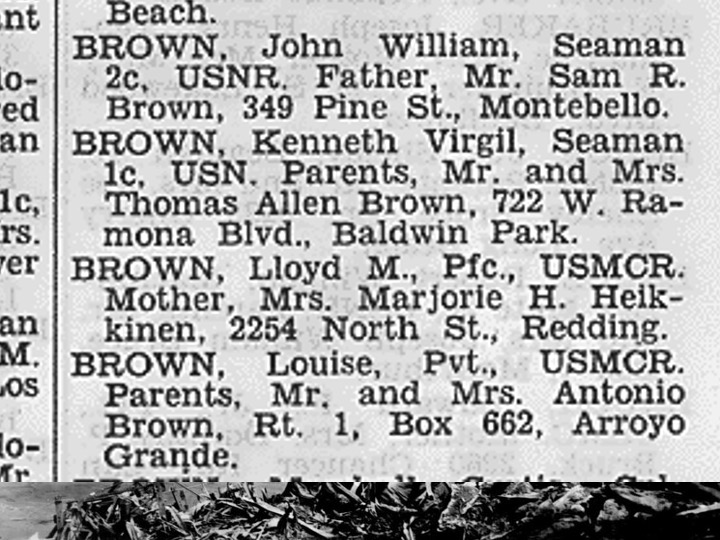
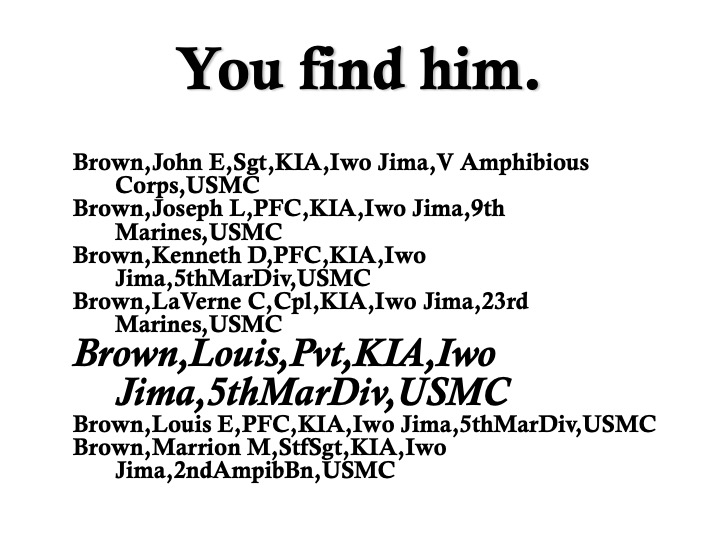
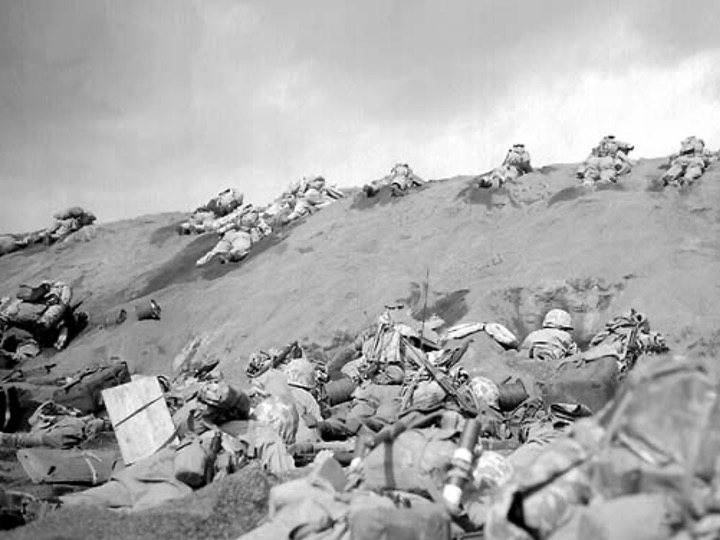
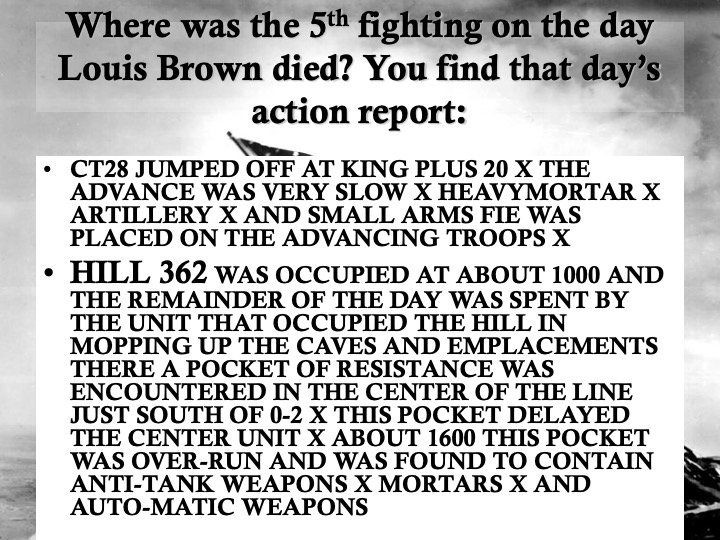
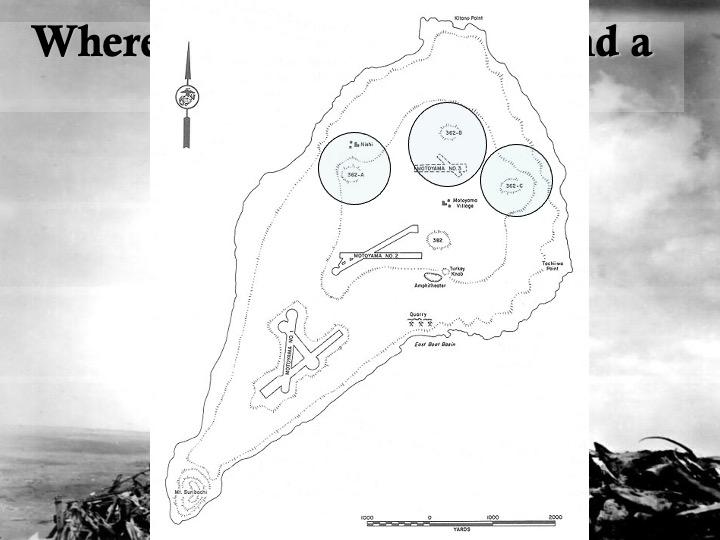
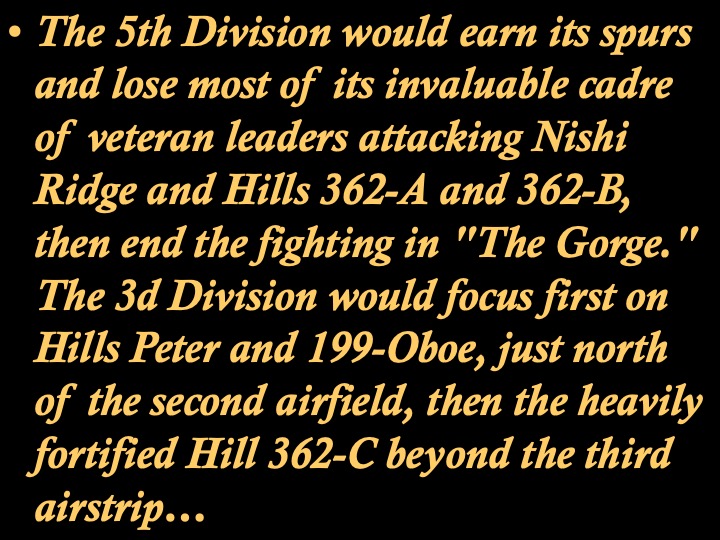
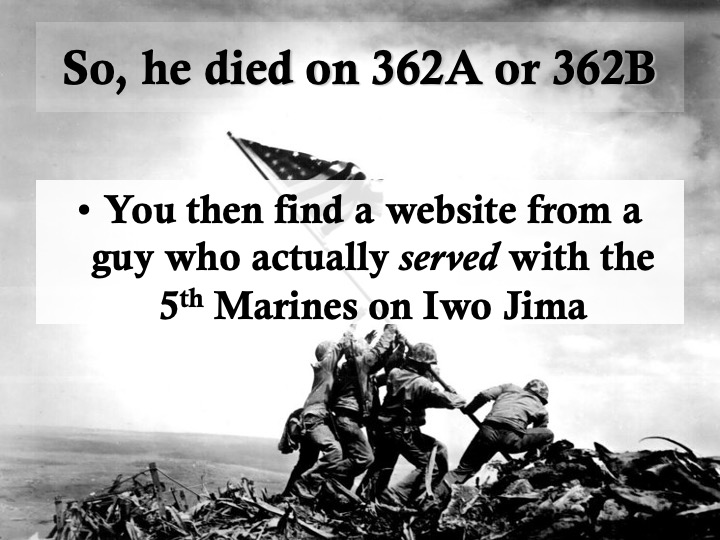
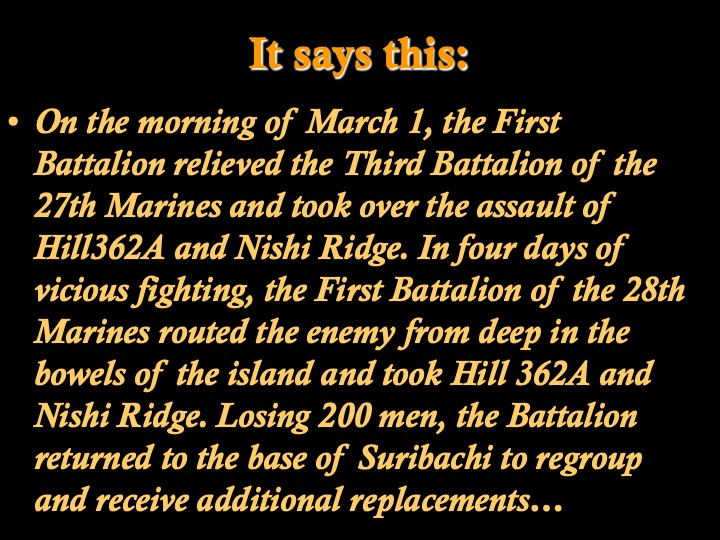
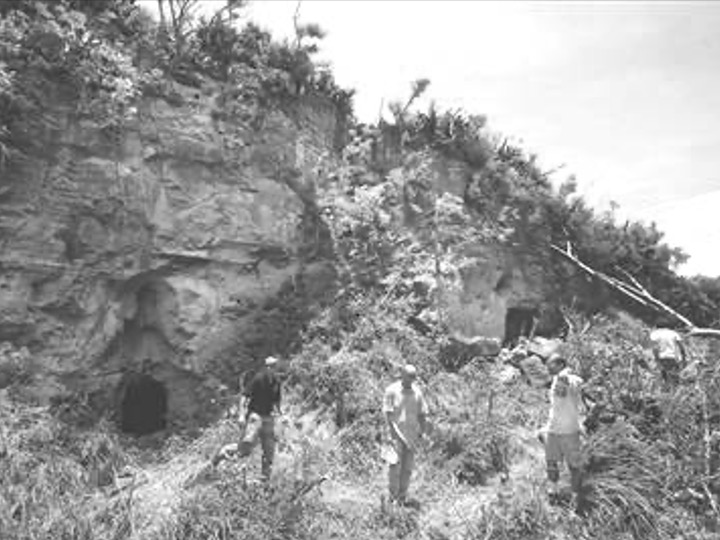
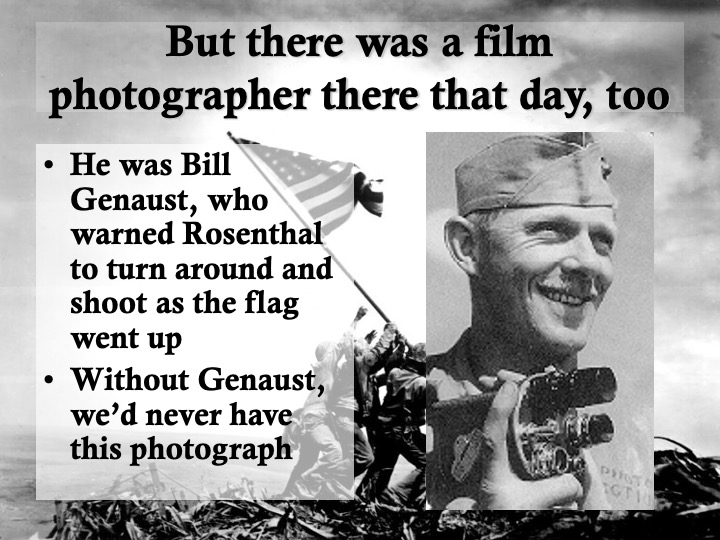
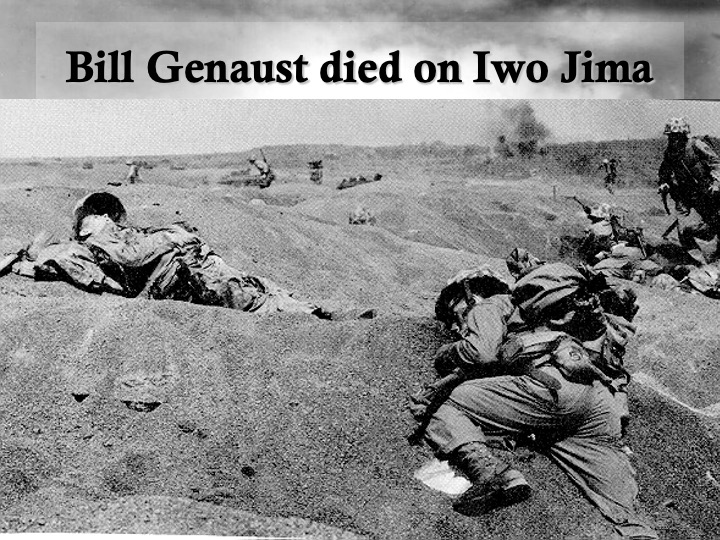
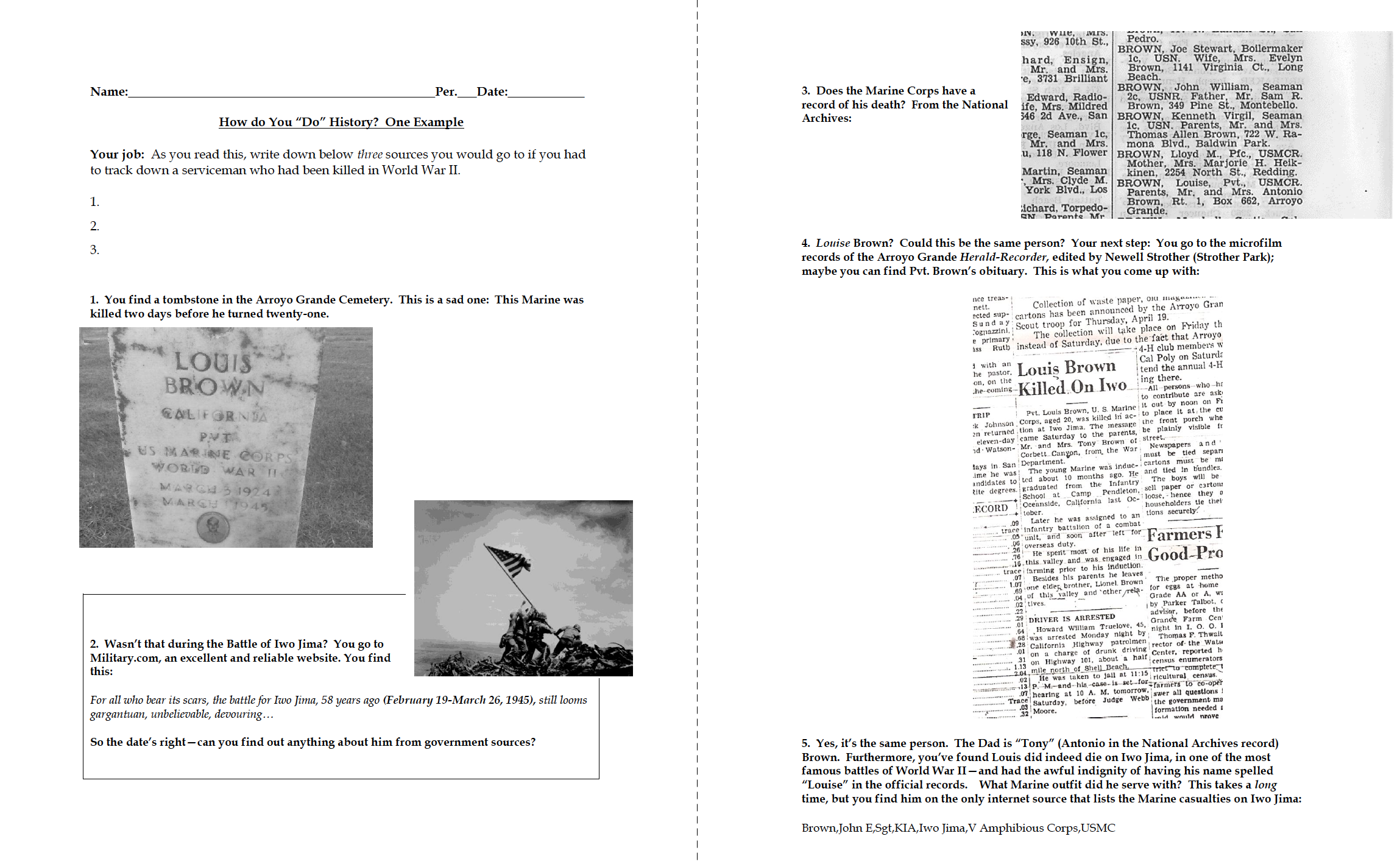
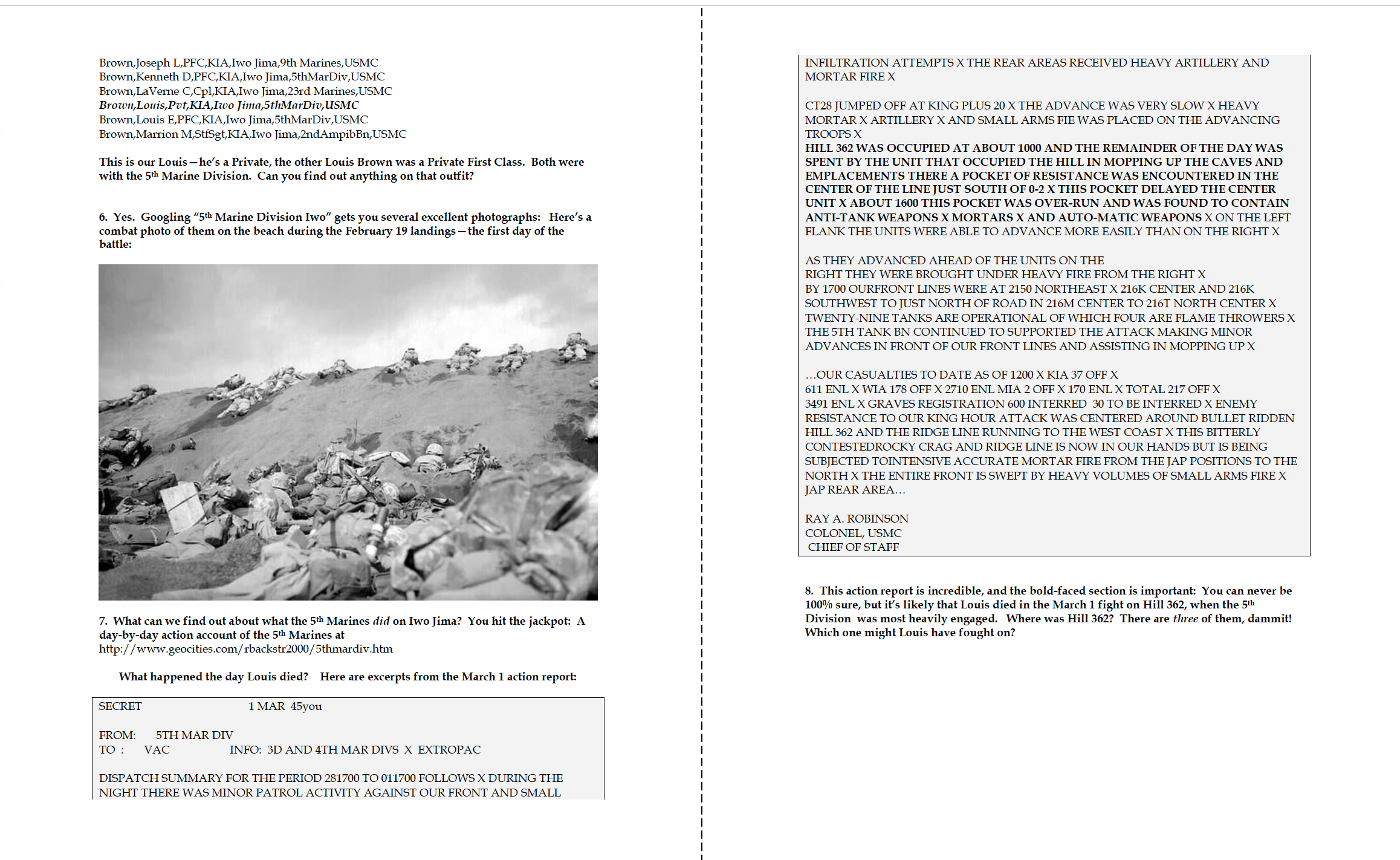
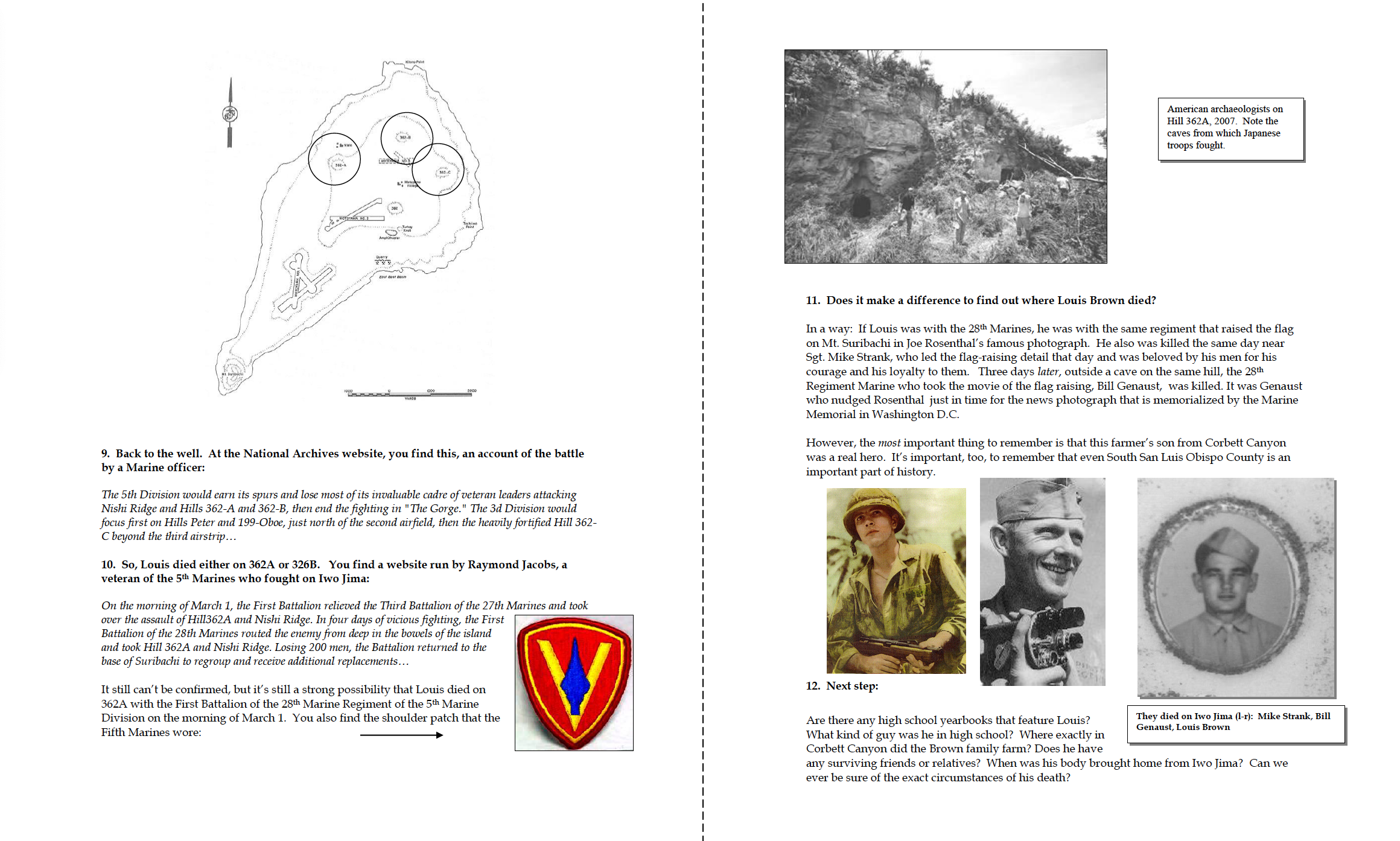
I owe Pvt. Louis Brown so much for many reasons. In my history classes, I wanted my students to learn the basics of research, including forensic study of a battlefield (The Little Bighorn) and using deductive reasoning to analyze a murder scene (the Lizzie Borden home) so that they could begin to appreciate how historians think. So the sad business of finding this young man’s tombstone inspired a lesson plan. I walked students through the steps of researching a World War II combatant—may they might research an ancestor someday—by modeling what I’d done, in a series of PowerPoint slides:
And, yes, this would be on the test, so they had a notes handout to help them follow along:
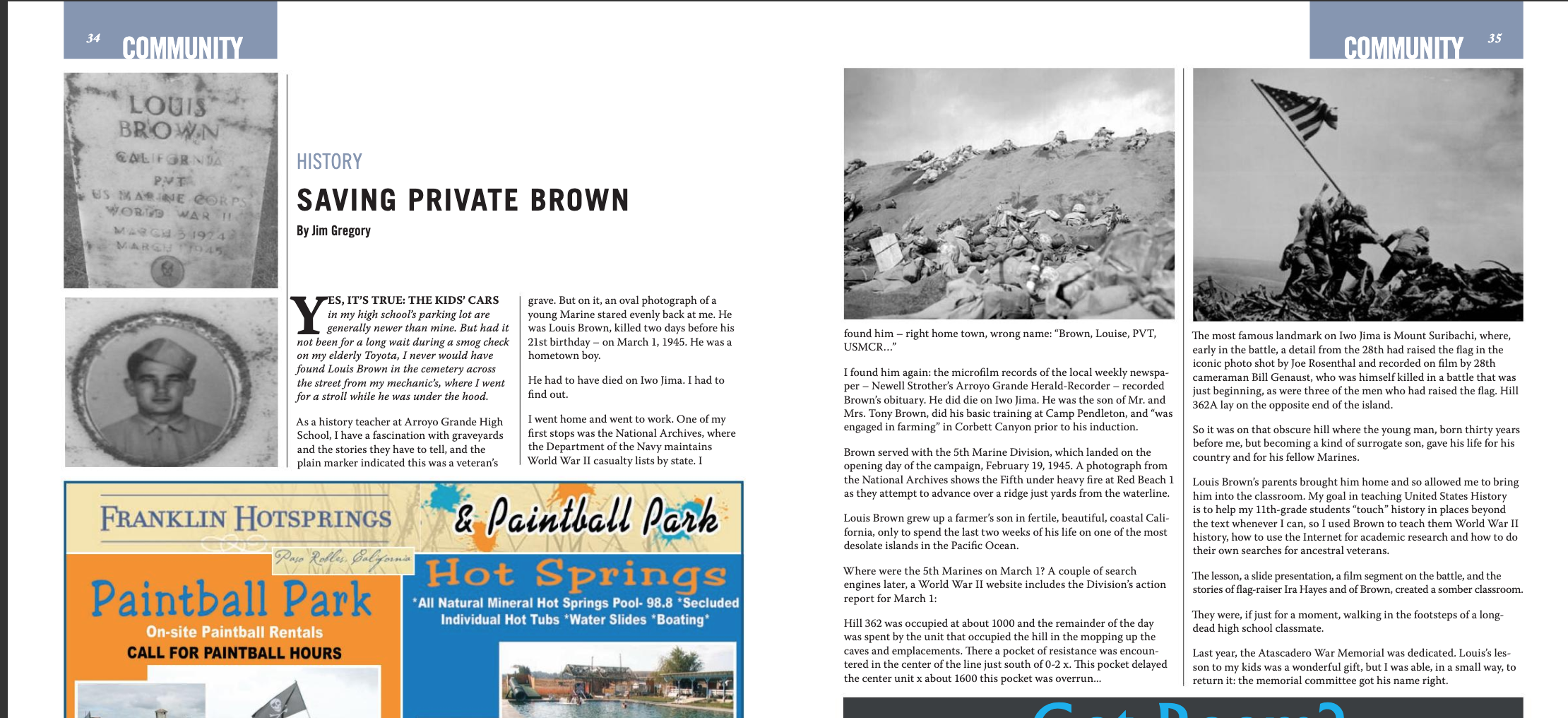
Louis Brown had by now become important to me. I wanted other people to know him, too, hence this article in the June 2009 SLO Journal Plus.
Even that wasn’t enough, so, when I began to give talks on local World War II history, Louis Brown was part of them.
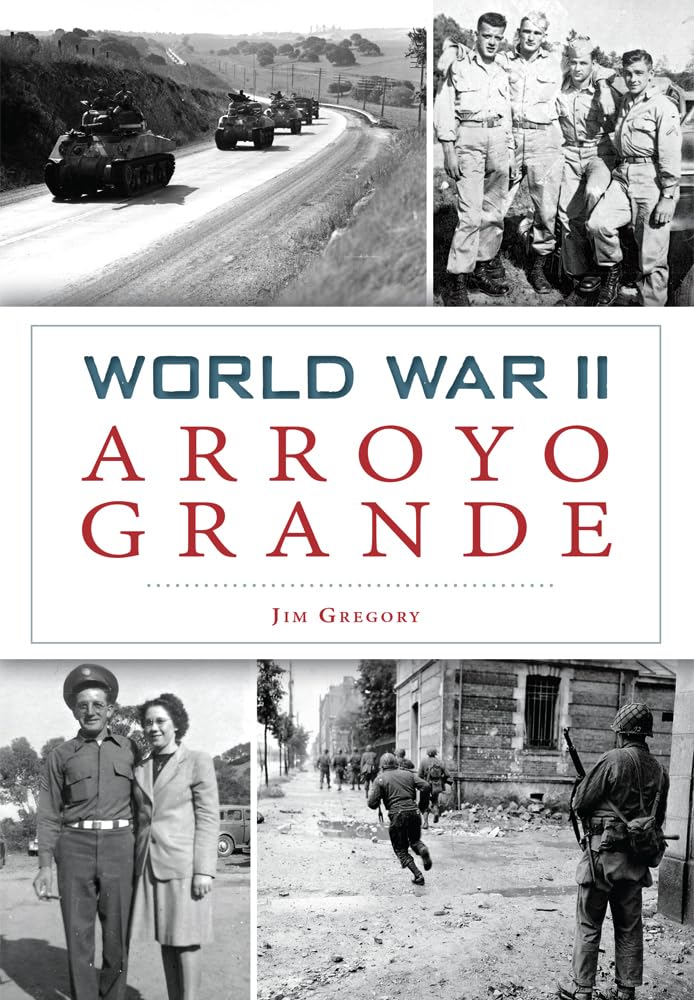
By now, of course, I was hooked on doing research like this, so Brown inspired this 2016 book, my first.
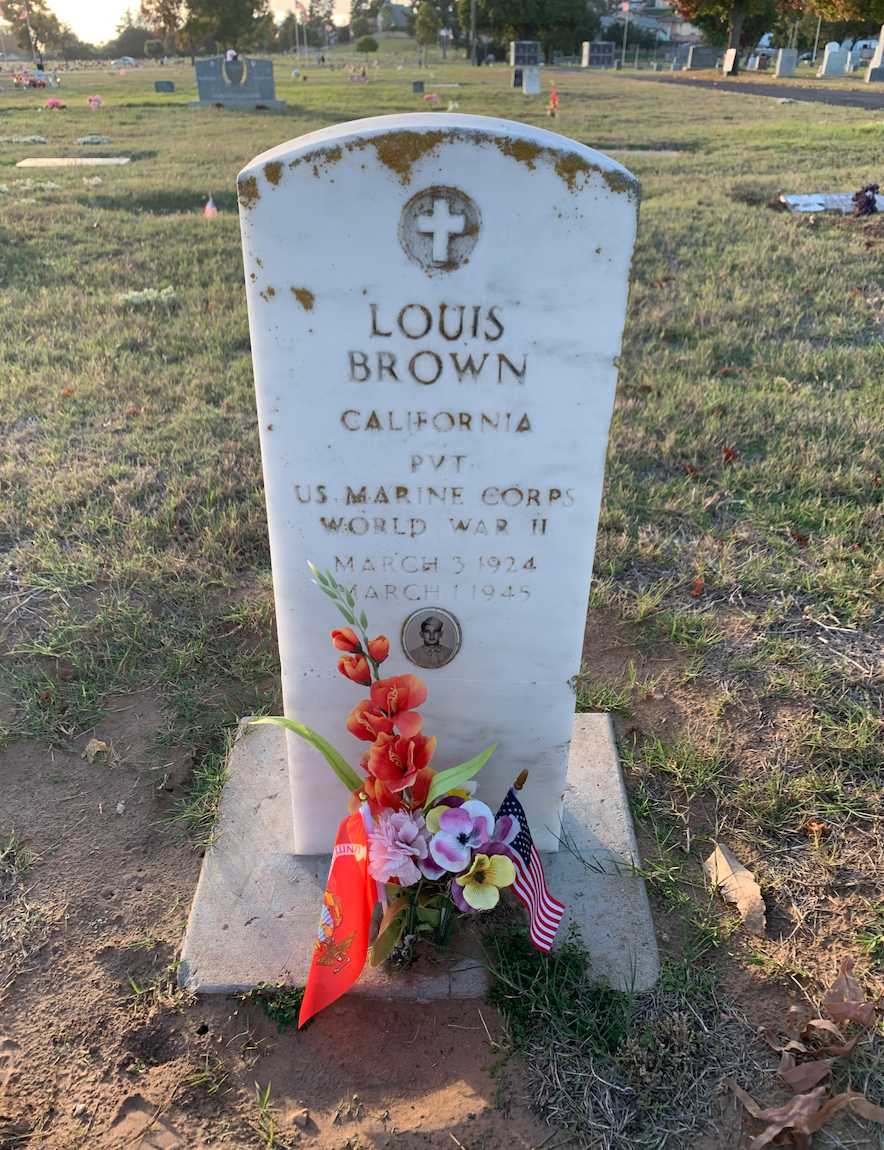
And this is why, every few months, I make sure that he has new American and Marine Corps flags. Sometimes, as this photo shows, someone else has left him flowers. That is a great kindness: Brown is their Marine, too.
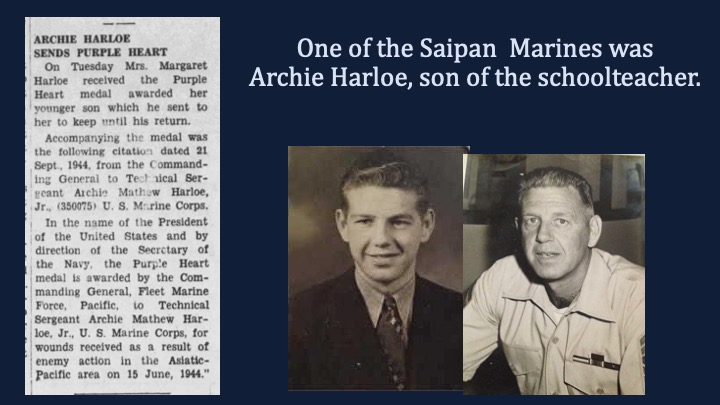
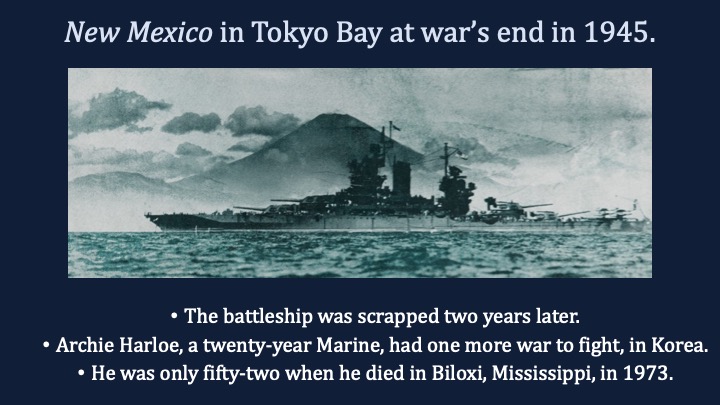
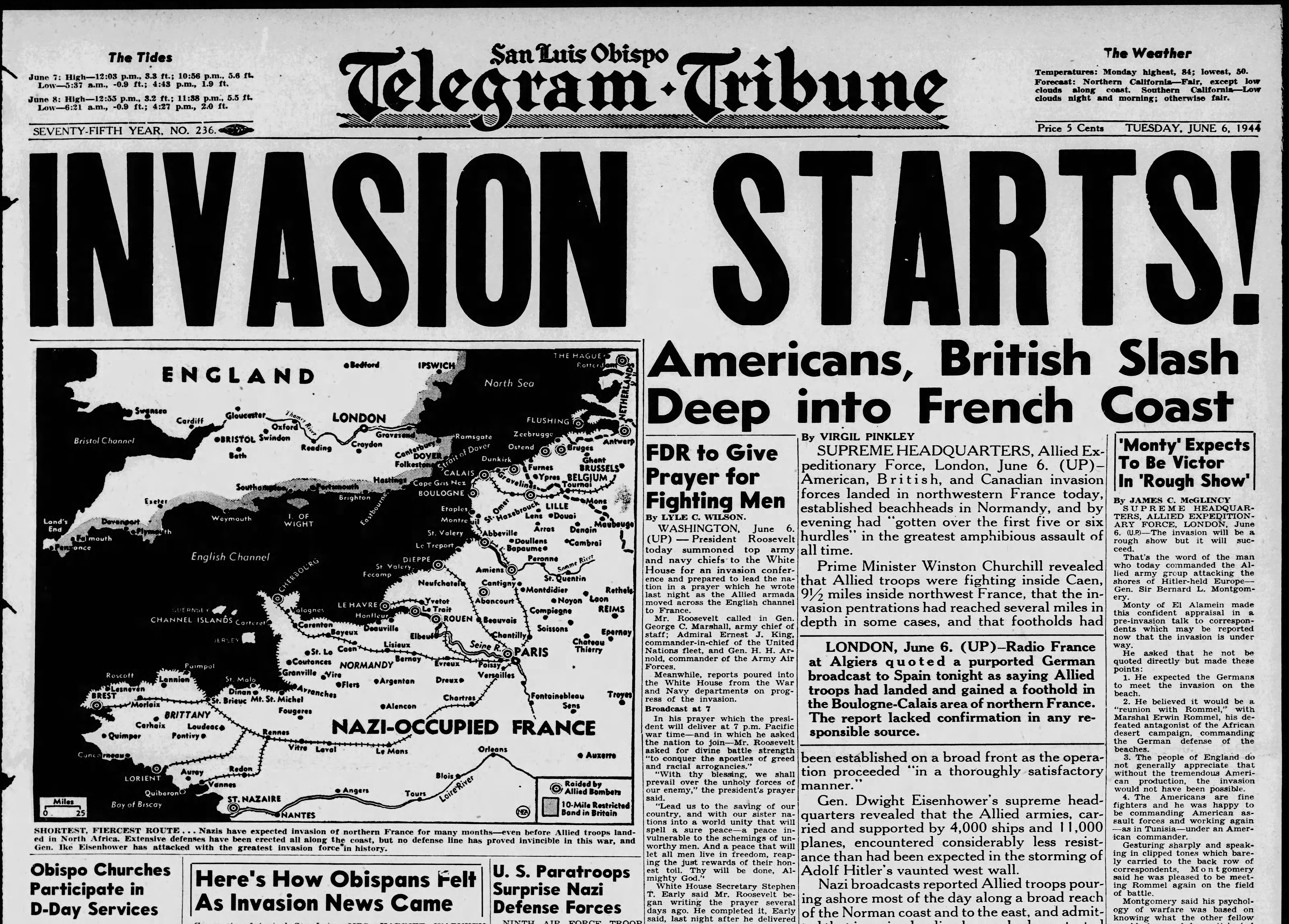
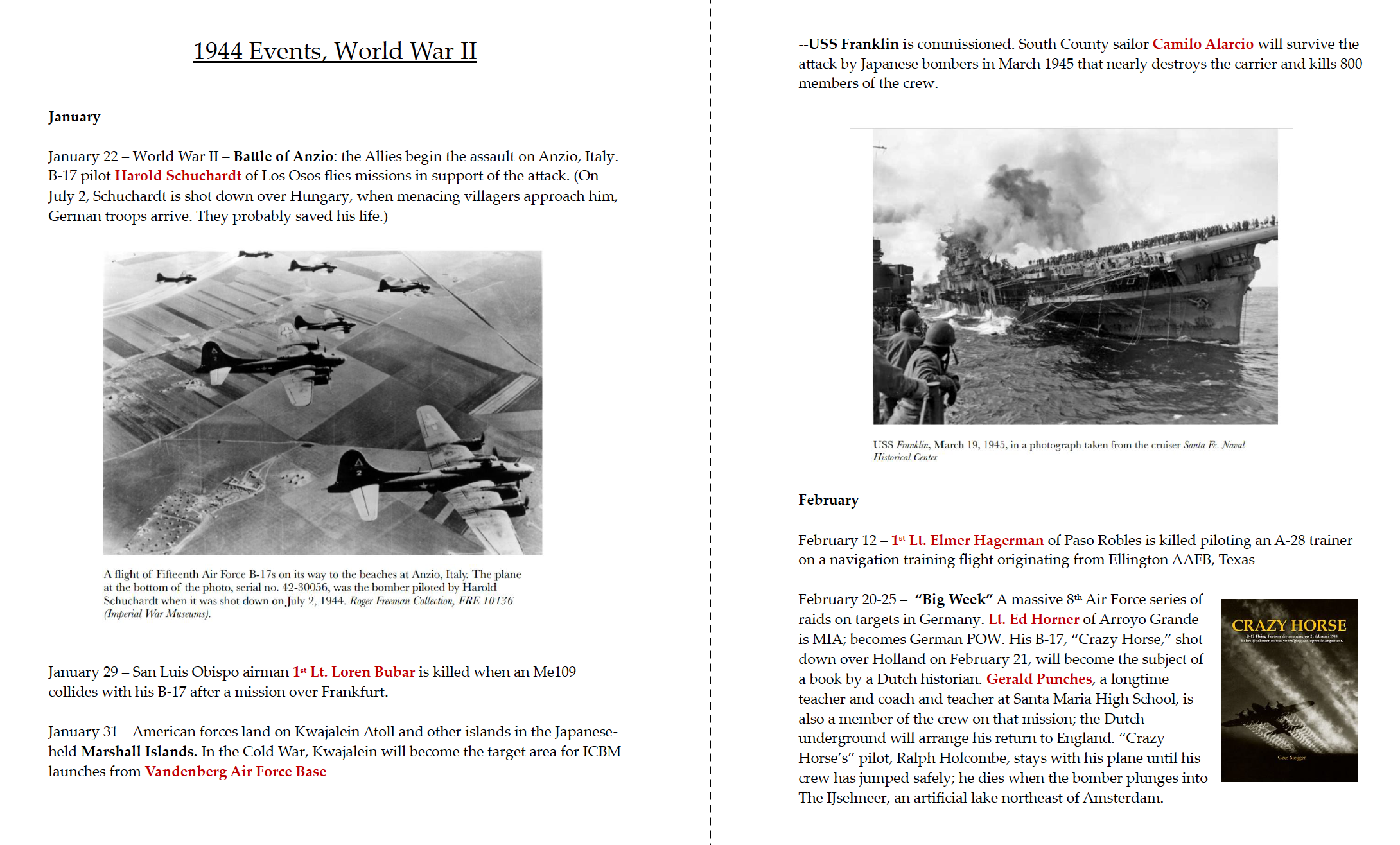
My friends John Ashbaugh and Erik Brun were the impetus for a series of events marking the eightieth anniversary of World War II last year. The pace will quicken this year with the eightieth anniversary this year of 1944. I thought I should at least begin to find some people who either lived in the area or who settled here after the war to learn about their links to their eventful year. The images below are just a beginning. There must be families out there who have stories to share about parents or grandparents—or great-grandparents—for whom 1944 was a watershed. Here are some stories either from my books, my blog or from back issues of the San Luis Obispo Telegram-Tribune, thankfully, now digitized.
“Change is inevitable” is true, of course. But sometimes those words can be cruel and thoughtless, I’ve found, when they’re used as a rejoinder to us history types whose mission is to remember the past. It’s not that we want the past back—you can have your Bubonic Plague, for example.
What we want instead is that the past, and its people, have the chance to live on in memory, even in the second-hand memories of young people like the ones I taught.
And sometimes the past doesn’t smell good (the Thames in mid-Victorian London), doesn’t look good (a Klan Parade down Pennsylvania Avenue in 1926) or doesn’t sound good (the premier of Stravinsky’s Firebird. Sorry. I probably would’ve booed, too, but I like Beach Boys harmonies and Strauss’s Emperor’s Waltz. I am admittedly bourgeois.)
But sometimes the past is a place of comfort in a time of intense discomfort. Oh, hypothetically, like today. Even if change is inevitable, brief backward visits are harmless. They can even be sources of strength. I’ve been thinking that way the last few days about another visit to the past, in writing about the film The King’s Speech.
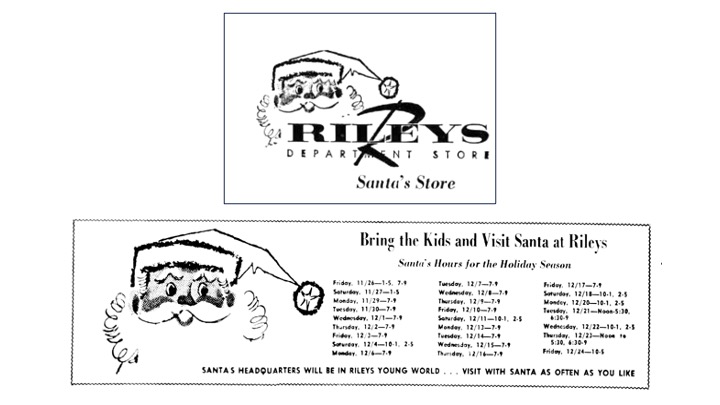
But since it’s Christmas, I’m not going to discuss George VI. Instead, I of course thought of the Santa at Riley’s Department Store at Marsh and Chorro in San Luis Obispo. Change there, in San Luis, is not only inevitable, it’s constant and fickle and remorseless. Now I get lost in what was once the big city of my childhood. What was a burger place ten years ago and a brew pub five years ago is now a Paraguayan Fusion restaurant today.
It’s bewildering. As much as I have always loved San Luis, I don’t go there very much anymore. (Note that I was restrained enough not to bring up the parking. Oh, damn! I just did.)
Since I was raised in the Upper Arroyo Grande Valley, San Luis was the Big City to me. Its bigness was superseded by by San Francisco’s. My Dad put us up in a high-rise hotel there when he was bidding a job for Madonna Construction, and a rare lightning storm was flitting about the skyscrapers. This is how I fell in love with the city I’ve loved ever since. But San Luis Obispo remains important to my life, and Riley’s is part of the reason why.
The ad above is from 1965, when I was a bit old for Santa, but I can remember visiting him once or twice in the years before, atop the mezzanine staircase inside the department store. He had a red crushed-velvet suit and his beard, fake or not, was immaculate. He was appropriately but not terrifyingly jolly. Even in 1965, when I was thirteen, I still liked seeing him up there in his chair with the line of kidlets waiting their turns.
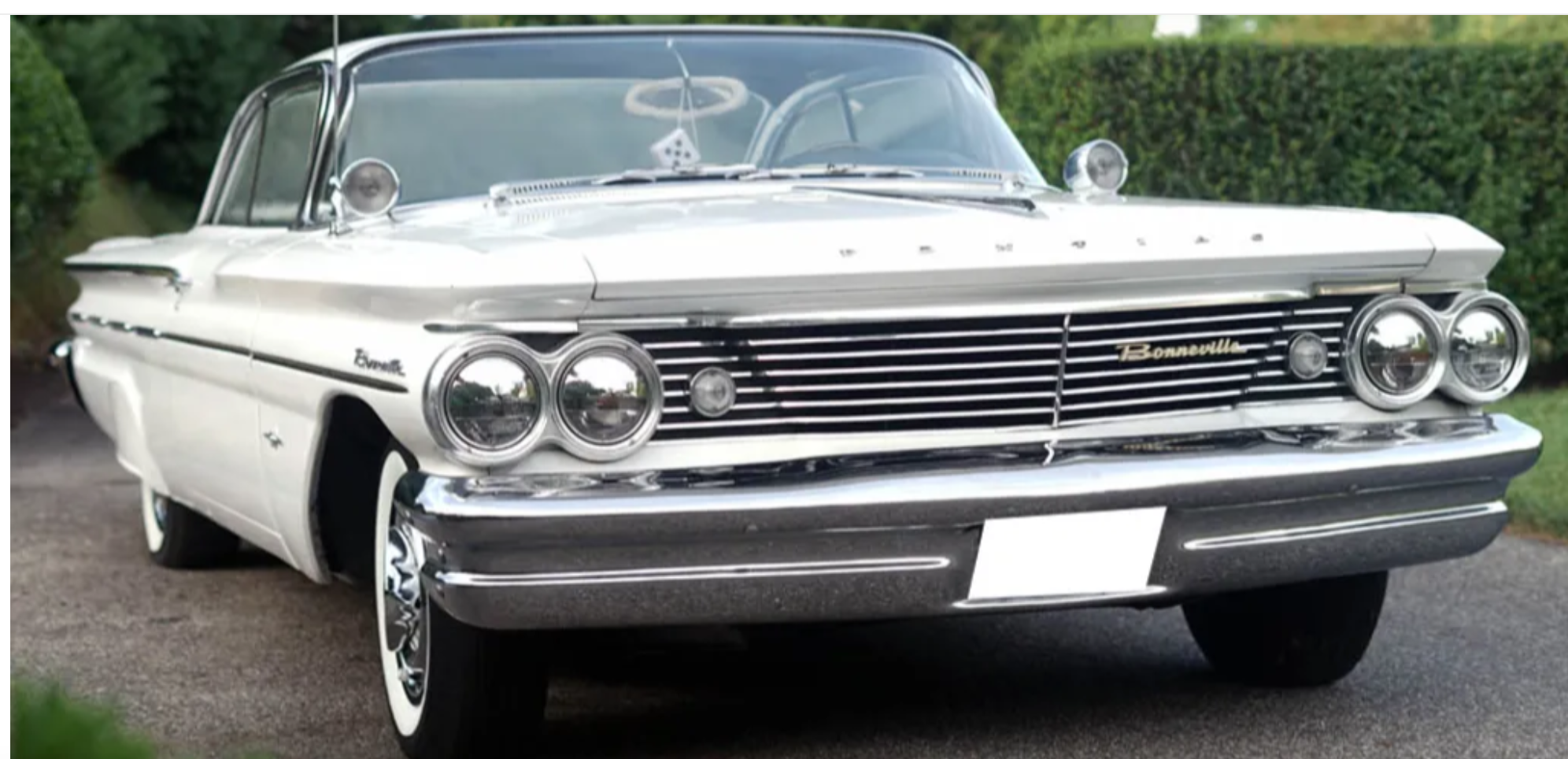
In 1965, we would’ve gone to San Luis in my schoolteacher sister’s Pontiac Catalina, roughly the size of a World War II escort carrier.
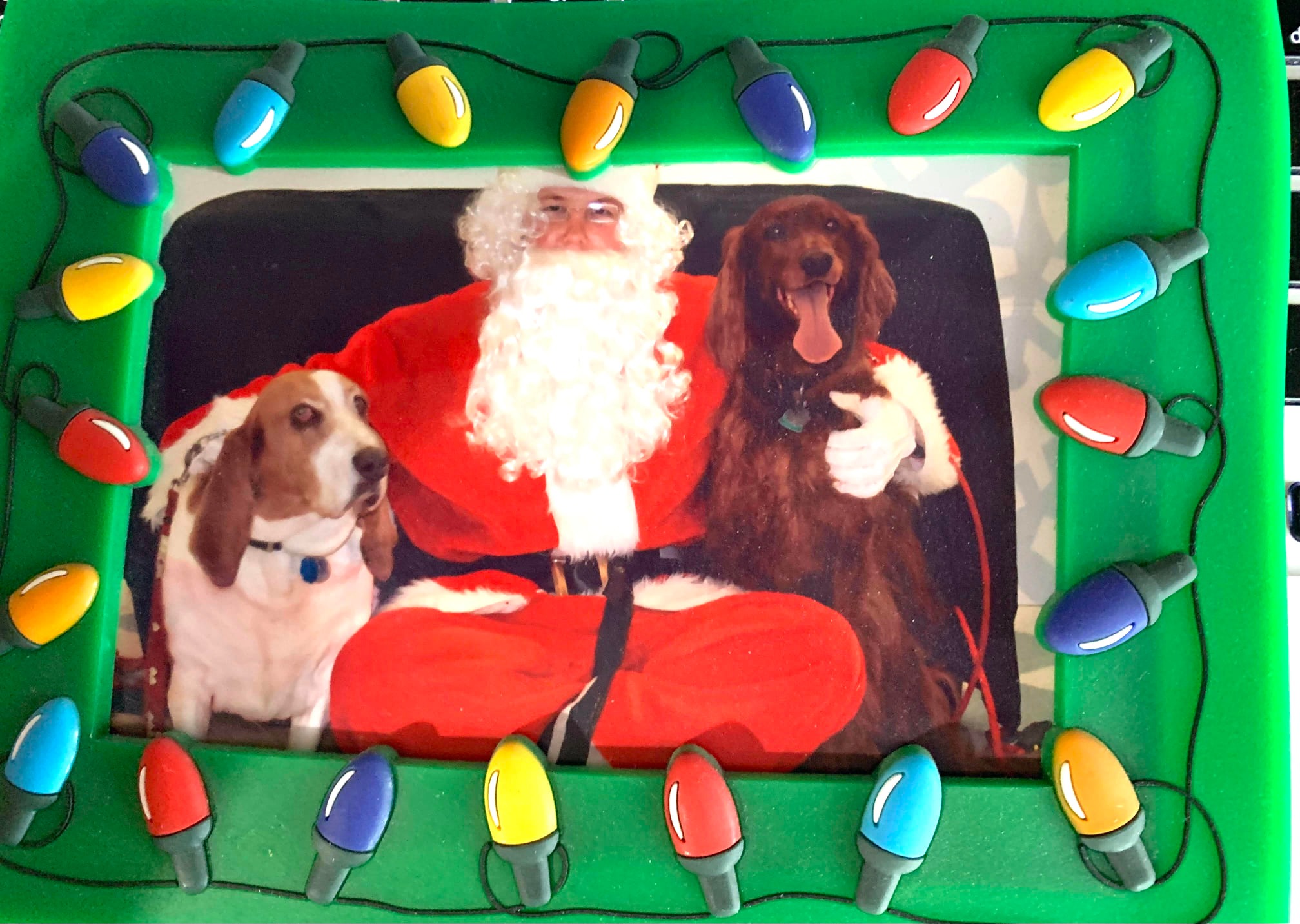
Many years later, the closest approximation of that Santa, in spirit, came at a local pet store (In Santa Maria. Sigh.) when our late and dearly beloved dogs, Wilson the Basset and Mollie the Irish Setter, got to visit this Santa. In reality, “Santa” was a former student of Elizabeth’s at St. Joseph High School, and this may be my favorite Santa photo of all time.
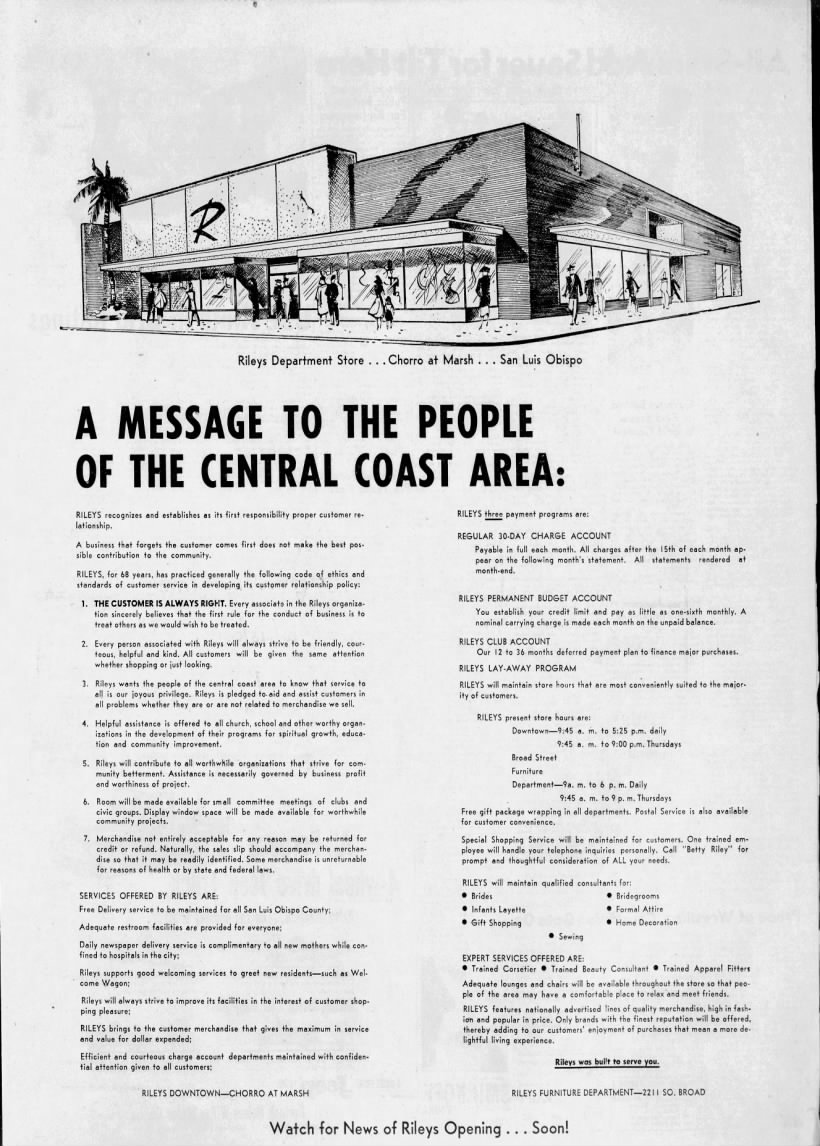
Riley’s Santa was enthroned in this building, shown off in this October 1955 full-page ad in the Telegram-Tribune, just completed by another San Luis institution, Maino Construction:
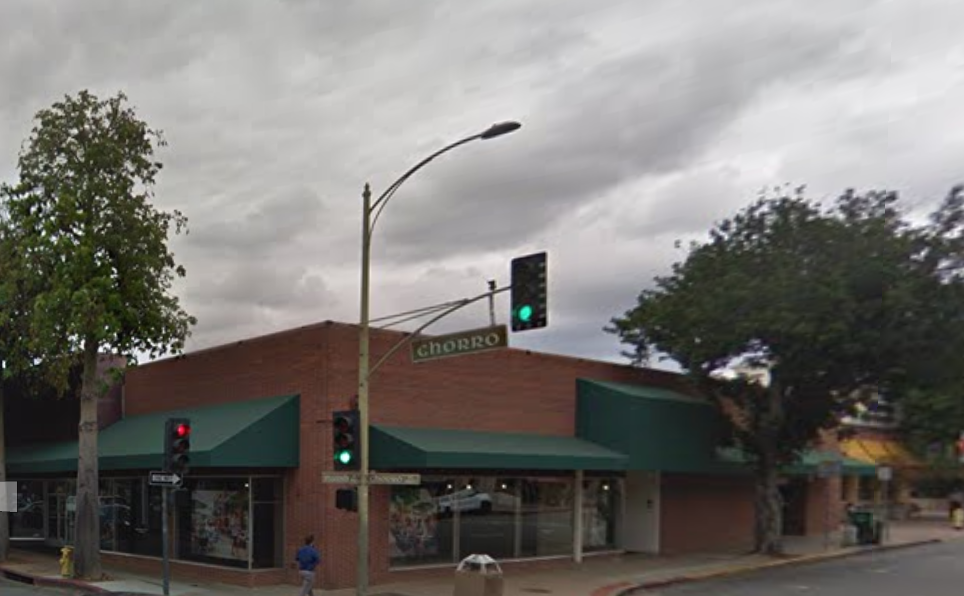
And if change is inevitable, it’s also depressing sometimes. Chorro at Marsh today is, and has been for years, empty, a discrete bit of urban blight on a street corner where, holding my Mom’s hand as a six-year-old in an earlier Christmas, my heart quickened when we crossed Marsh to go inside Riley’s.
A Google Earth image of the empty Riley’s building today.
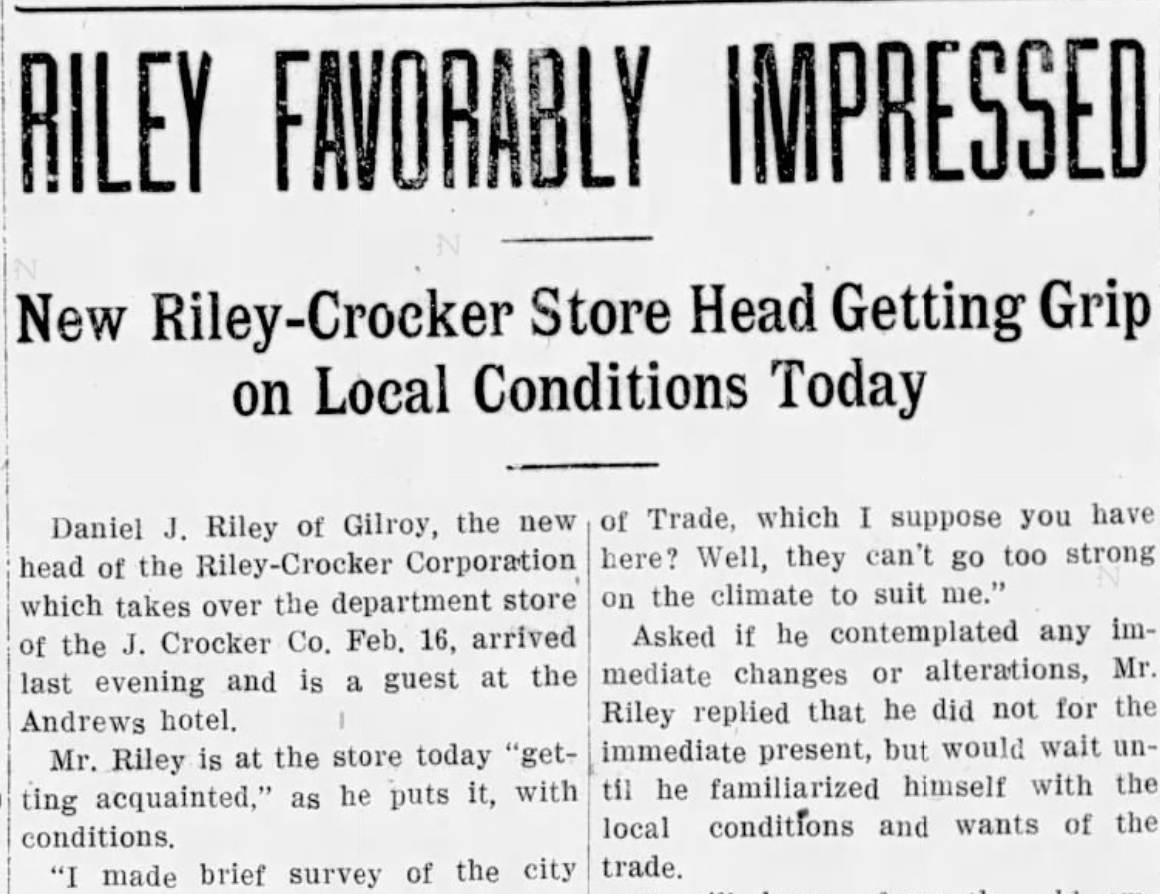
The ad’s a little misleading. This wasn’t the grand opening of Riley’s—just this incarnation of Riley’s. That department store, under one name or another, had been a San Luis Obispo fixture since the 1880s. It got its final name in 1914:
And change, in this case, a new store name, can be good. Note that Mr. Riley is staying at the newish Andrew Hotel, at the site of today’s city-county library. Nearby, in the 1890s, a bawdy house called The Palace fulfilled the carnal needs of the gandy dancers working the Southern Pacific as the track neared town. The Andrews represented the beneficial side of Progress, such a nice place that evangelist Aimee Semple McPherson once spent the night there with her lover, also her radio engineer, as the couple fled Los Angeles for what the papers called “a love nest” in Carmel.
Mercy!
I’ve written about the Perfume Ladies before, but Riley’s brought class to our area, too. Once we’d crossed Marsh and entered the store, the first sales area to the right was the perfume counter, my Mom’s favorite (Chong’s Candy was ours). The beautiful Perfume Ladies worked behind the counter there–classy, a a little reserved but also attentive to the point of devotion to my Mom. When she tried out a scent with a brief spray to her wrist, I asked for one, too. By the time she’d made her purchase from the Perfume Ladies, I must’ve smelled like the reception parlor for the girls who’d once worked The Palace.
Riley’s is also where Mom did a lot of her Christmas shopping, in those pre-Amazon days, when the only thing that “Bezos” suggested was a river in Texas with a similar name. Once she’d made her purchases, the sales clerk wrote them up, rolled the receipt into a canister that was inserted into a pneumatic tube (like the one at the Telegram-Tribune where I’d insert my story to go down to Composing) and shtoop! it would vanish. After a brief wait, shtoop! Mom’s carbon copy would return. It was pretty cool then, when i was five. Now that I am nearly seventy-two, it still is.
Riley’s closed in 1993, and this story by my friend Carol Roberts and this photo by my friend David Middlecamp are evocative of the response:
The story focuses on the employees—I’ve been lucky enough to work at places like this—who were also like a family. The grief didn’t end with them. San Luis Obispoans were heartbroken, too. There were weeks of Letters to the Editor mourning Riley’s. (More recently, I wrote in a similar way about the closing of the burger/beer/country-line dance/Minor Madness venue The Graduate, where my wedding’s best man, Rob, and my AGHS colleague and friend, Randy, were once bouncers.)
Change is inevitable. That’s why it hurts so damn much. And I guess it hurts in this case because I associate Riley’s with my mother, who remains the most influential person in my life. This photo, sadly creased for many years, shows twenty-two-year-old Mom with my big sister, Roberta, in 1942.
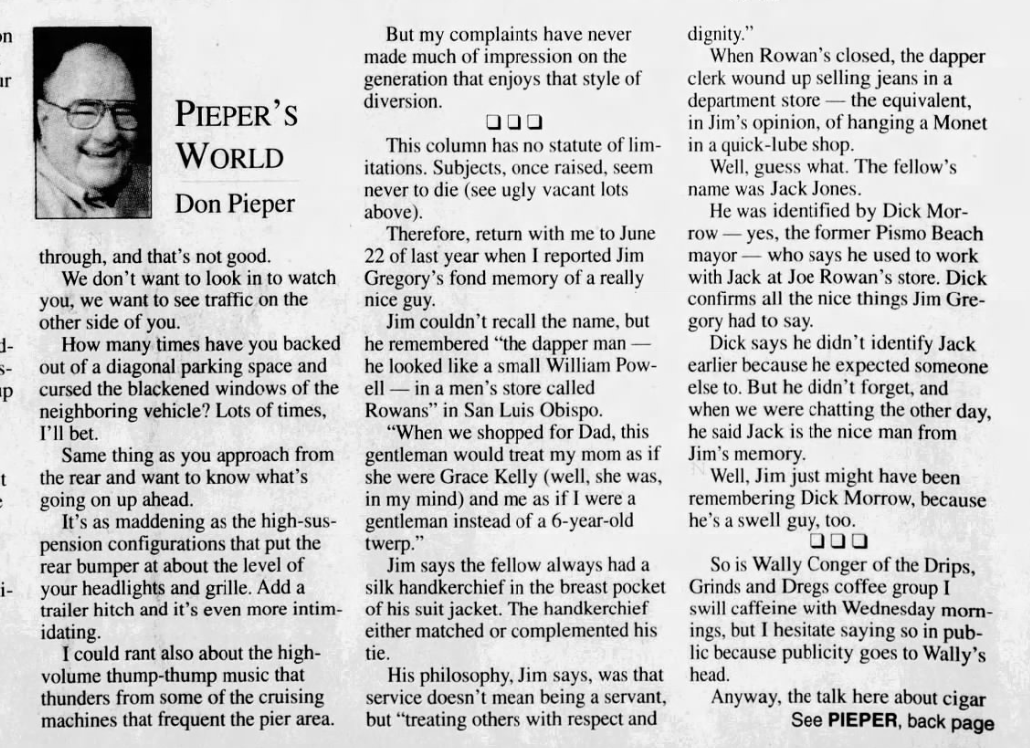
Mom died when I was seventeen, and I still miss her. But thinking about places like Riley’s brings her closer. San Luis Obispo when I was a little boy—the Sno-White Creamery and its milkshakes, the way pipe tobacco smelled in the smoke shop that was once the Cigar Factory, the way you raised the miniature Bear Flag at your table in Corcoran’s when you were ready to order lunch, the severe steel bun in Mrs. Avila’s hair (the lady underneath was not so severe) at the City-County library, today, the Repertory Theater–we are a bookish bunch, and visits to the library were always good for at least an hour and more often two— and, finally, the way my Mom was treated when she shopped for Dad at Rowan’s, a memory that was so powerful that the late (great) journalist Don Pieper was kind enough to quote me in his early 2000s column, which also cites another journalist, Wally Conger, my friend and colleague from the AGHS newspaper, The Altair:
I know that I am a land line in an age of cell towers. I don’t mind that much. But I still believe that the past deserves to be remembered, even in the face of constant change, with the same attributes Dick Morrow and the Perfume Ladies conferred on my Mom—with dignity and respect.















 A Work in Progress