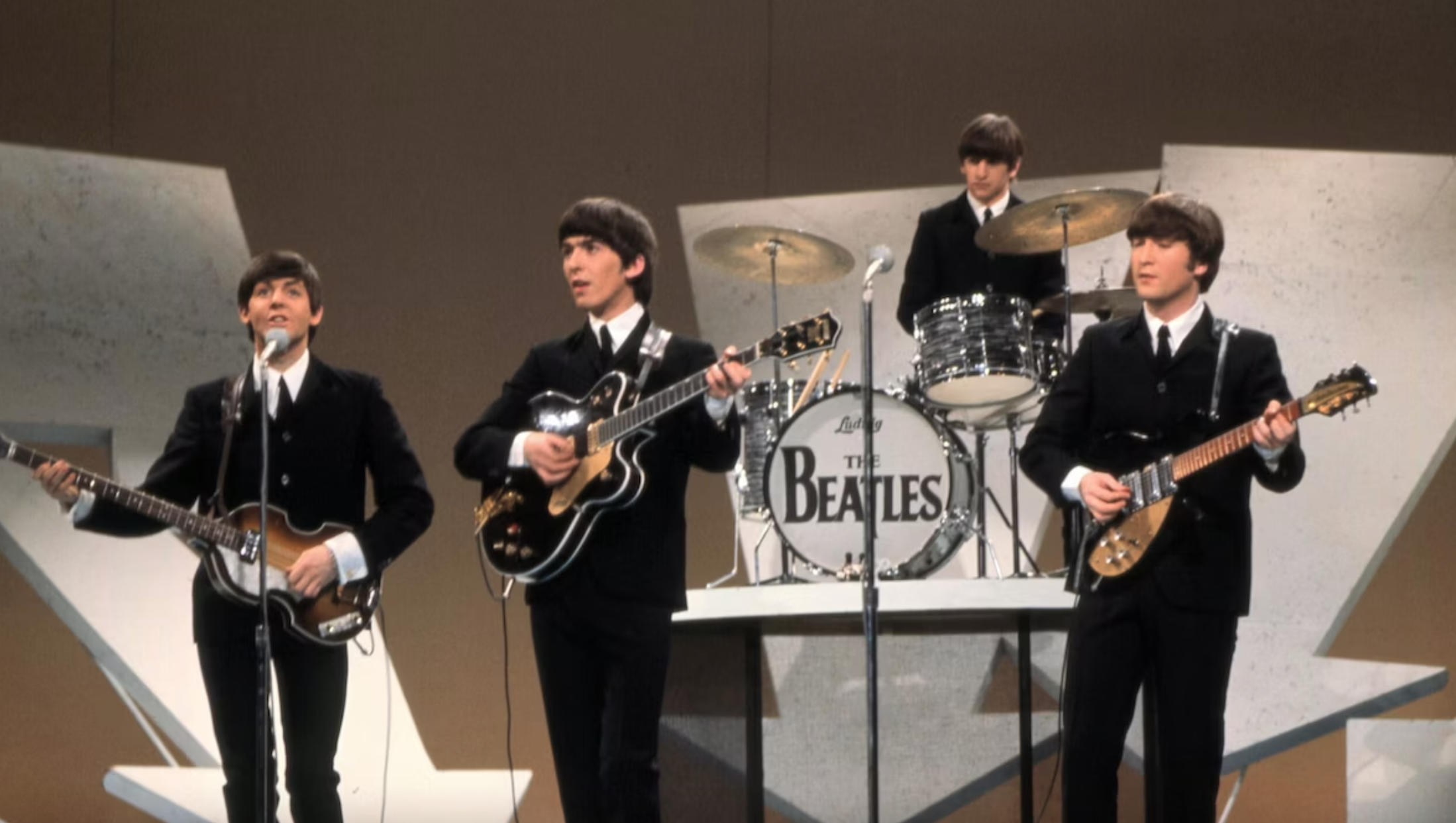
I made the video below for my history students to explain the significance of the band.

07 Wednesday Feb 2024
Posted in Arroyo Grande, Uncategorized
I made the video below for my history students to explain the significance of the band.
07 Sunday Jan 2024
Posted in Arroyo Grande, Film and Popular Culture
Which goes a long way toward explaining why I am so…whatever.
05 Friday Jan 2024
Posted in Arroyo Grande, Uncategorized, World War II


17 Sunday Dec 2023
Posted in Arroyo Grande, World War II
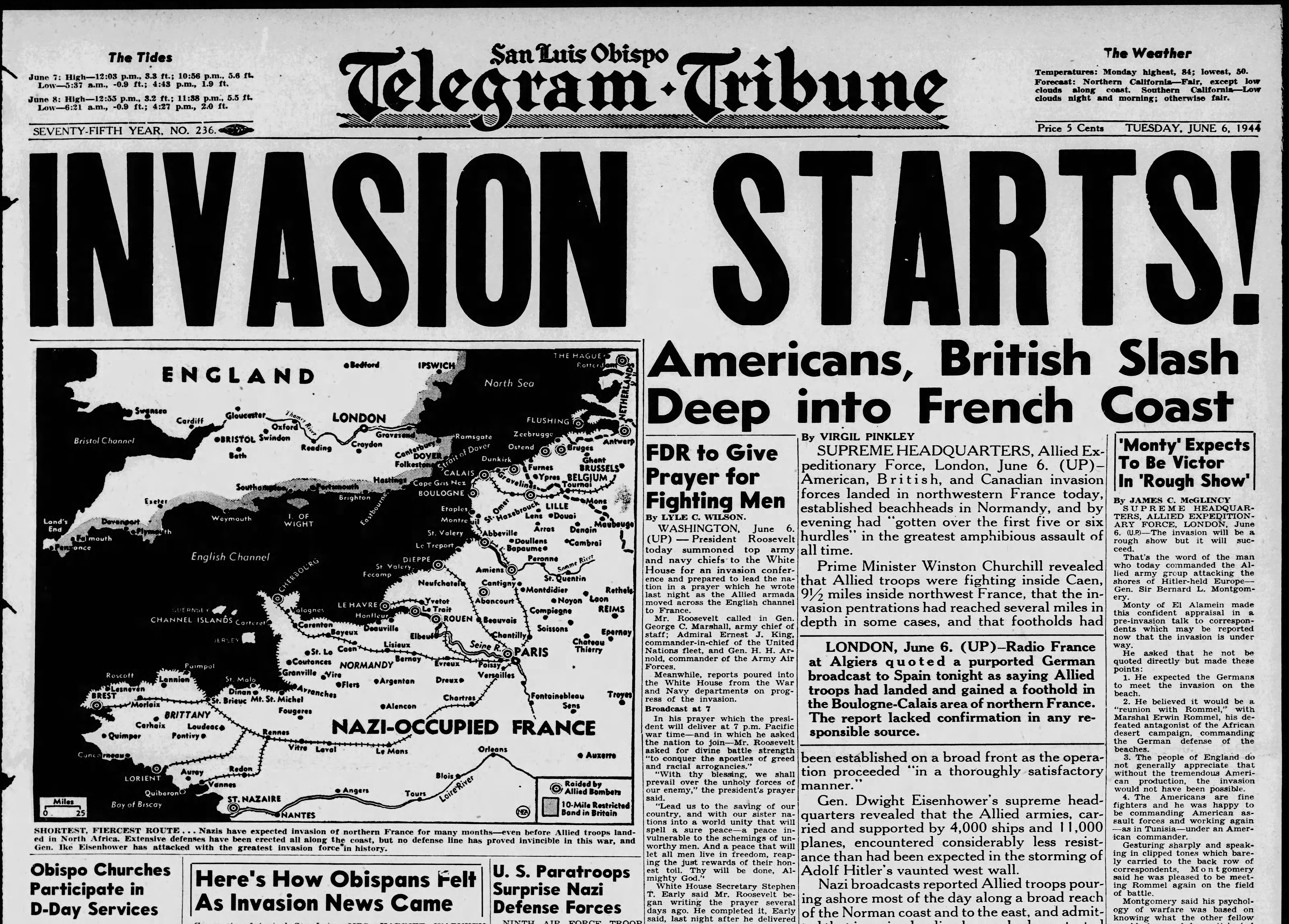
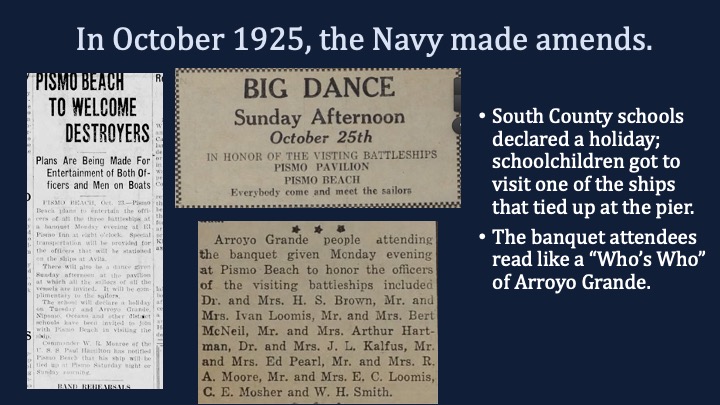
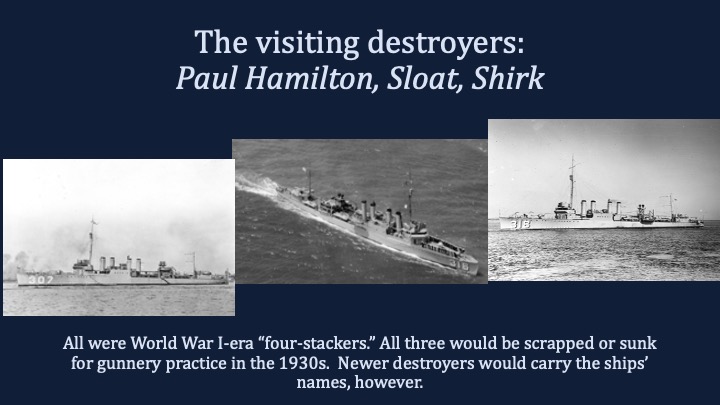
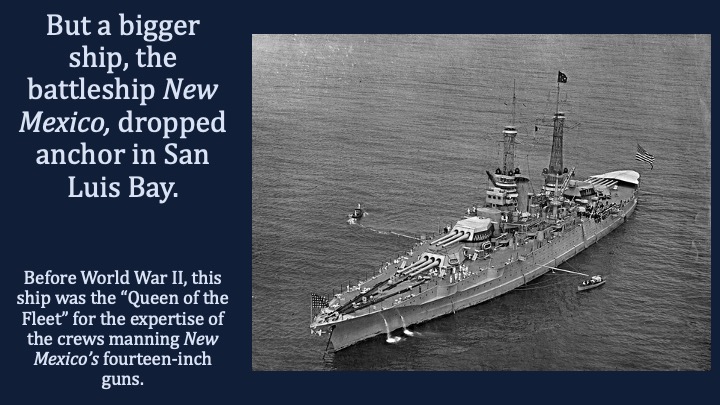
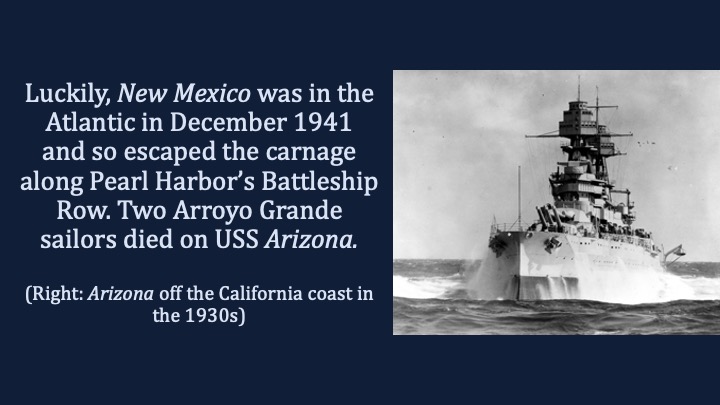
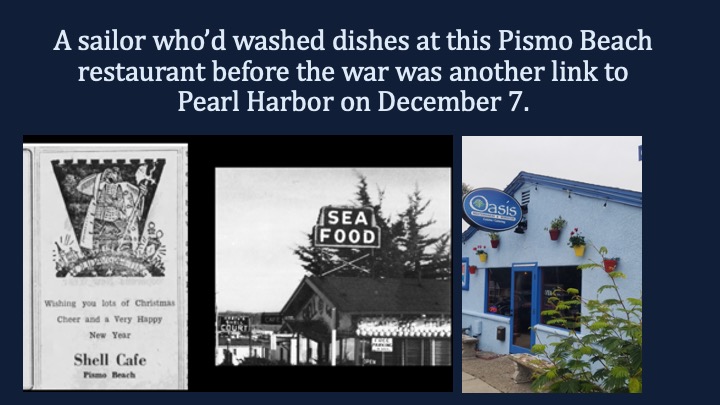
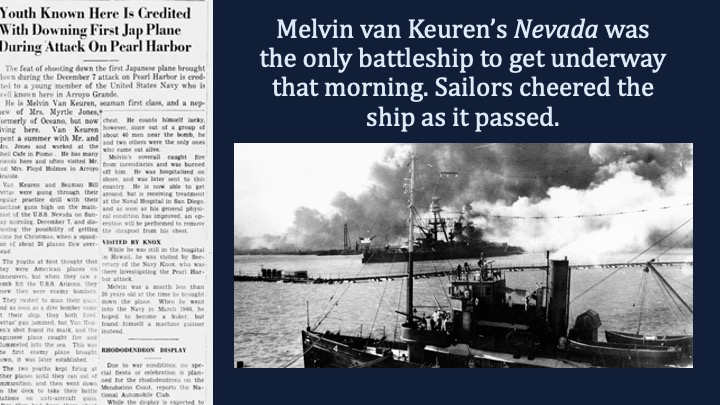
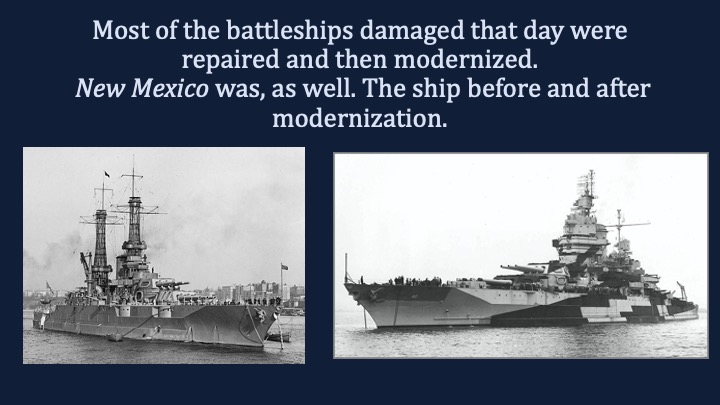
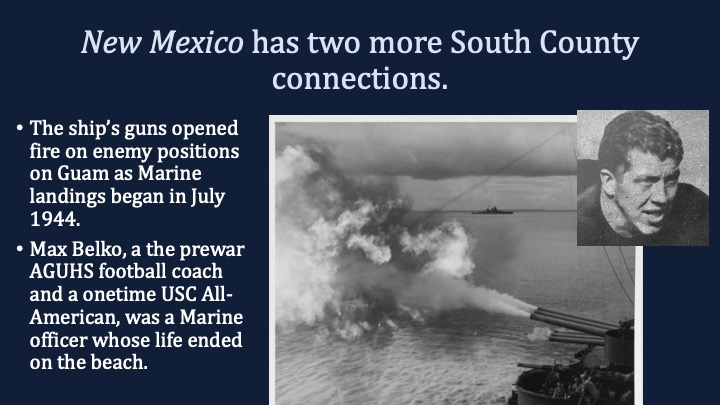
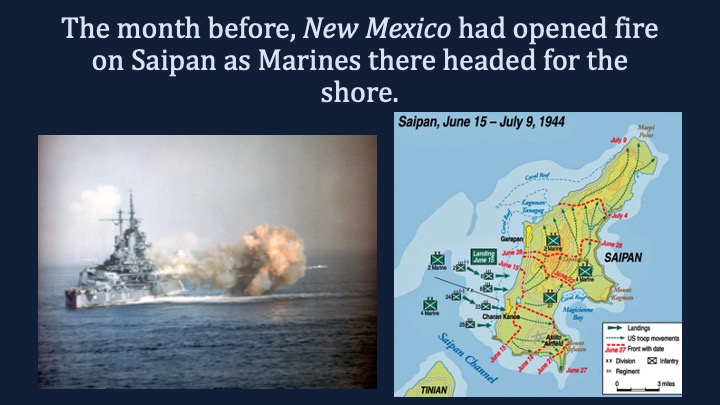
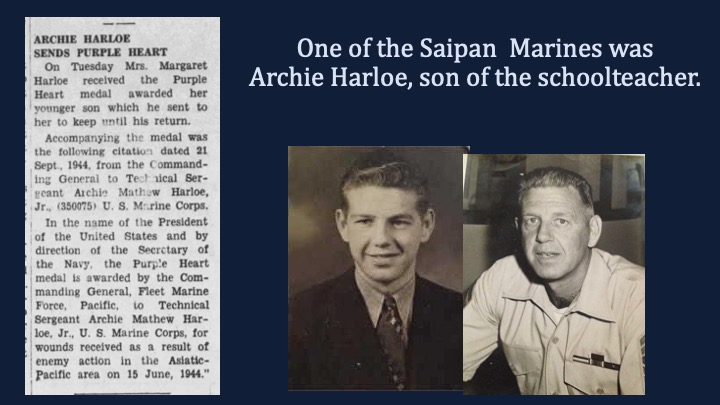
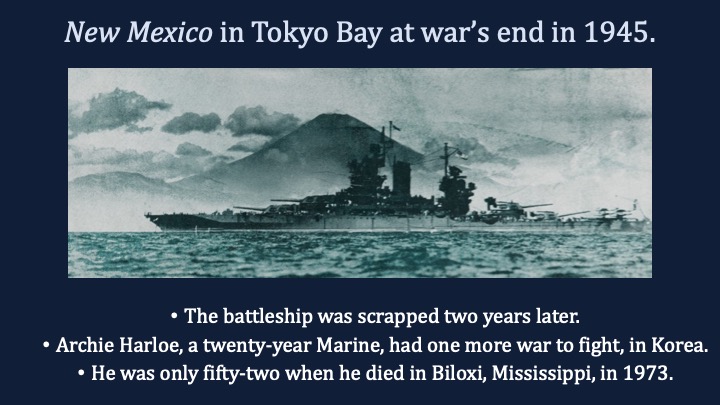
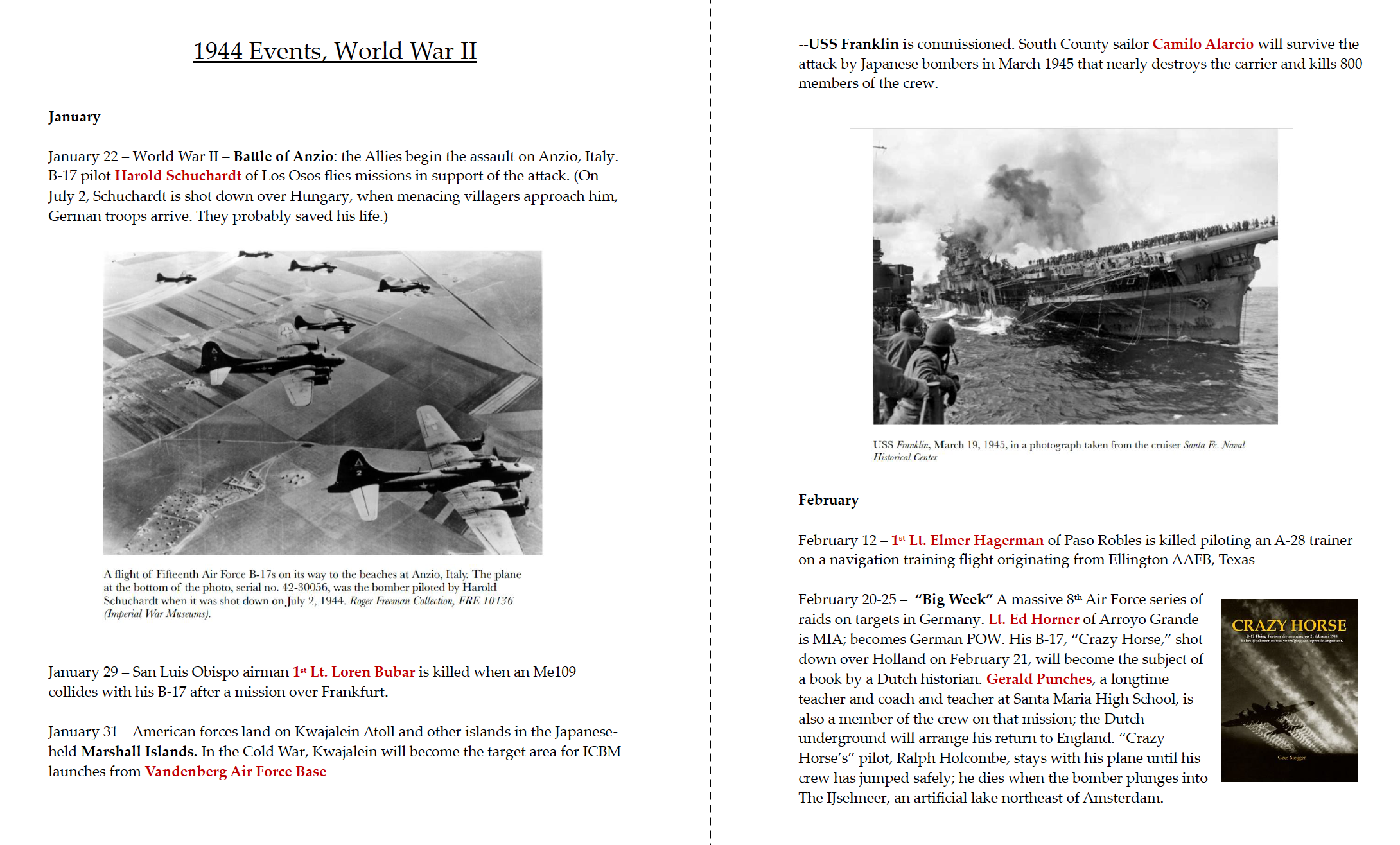
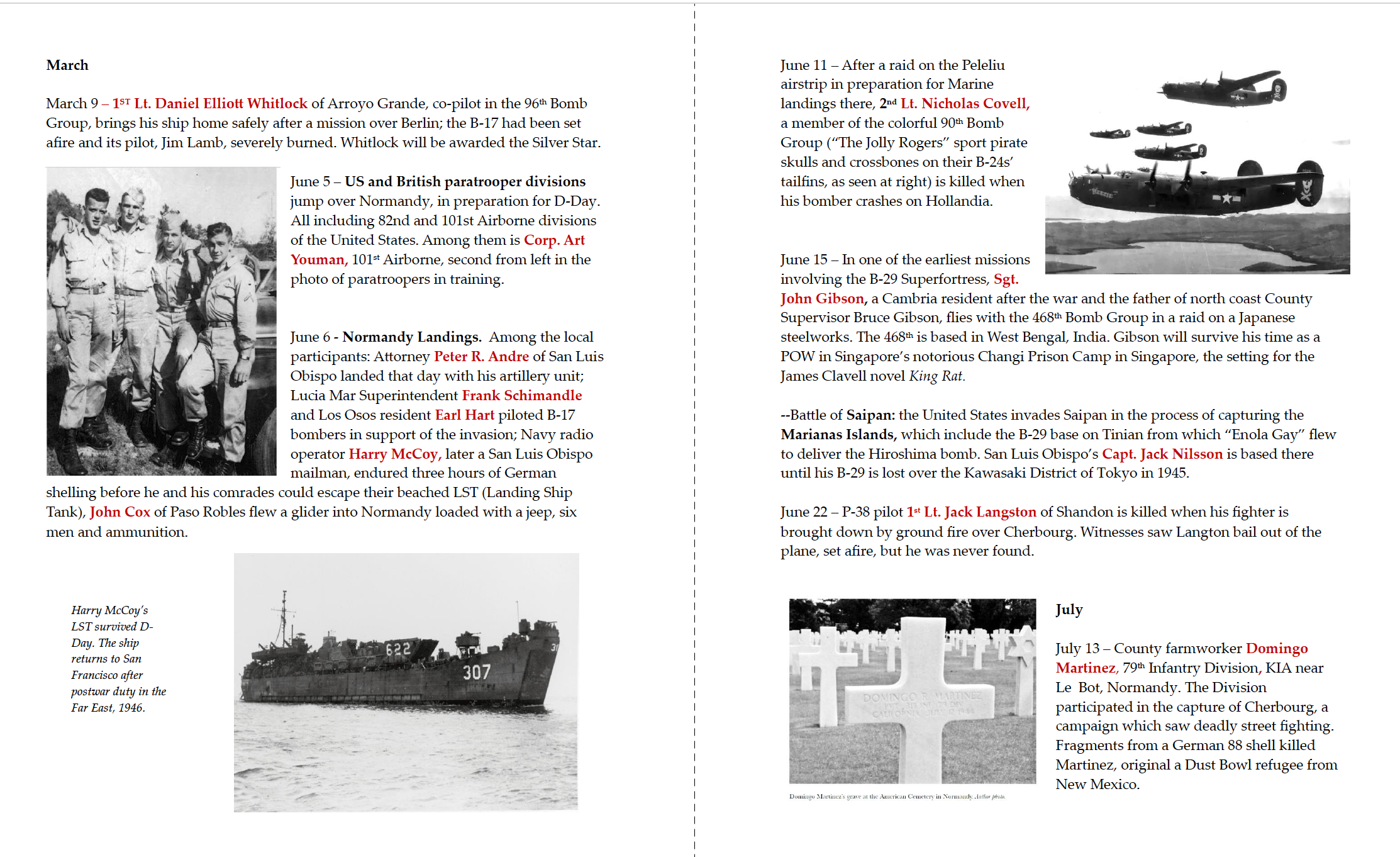
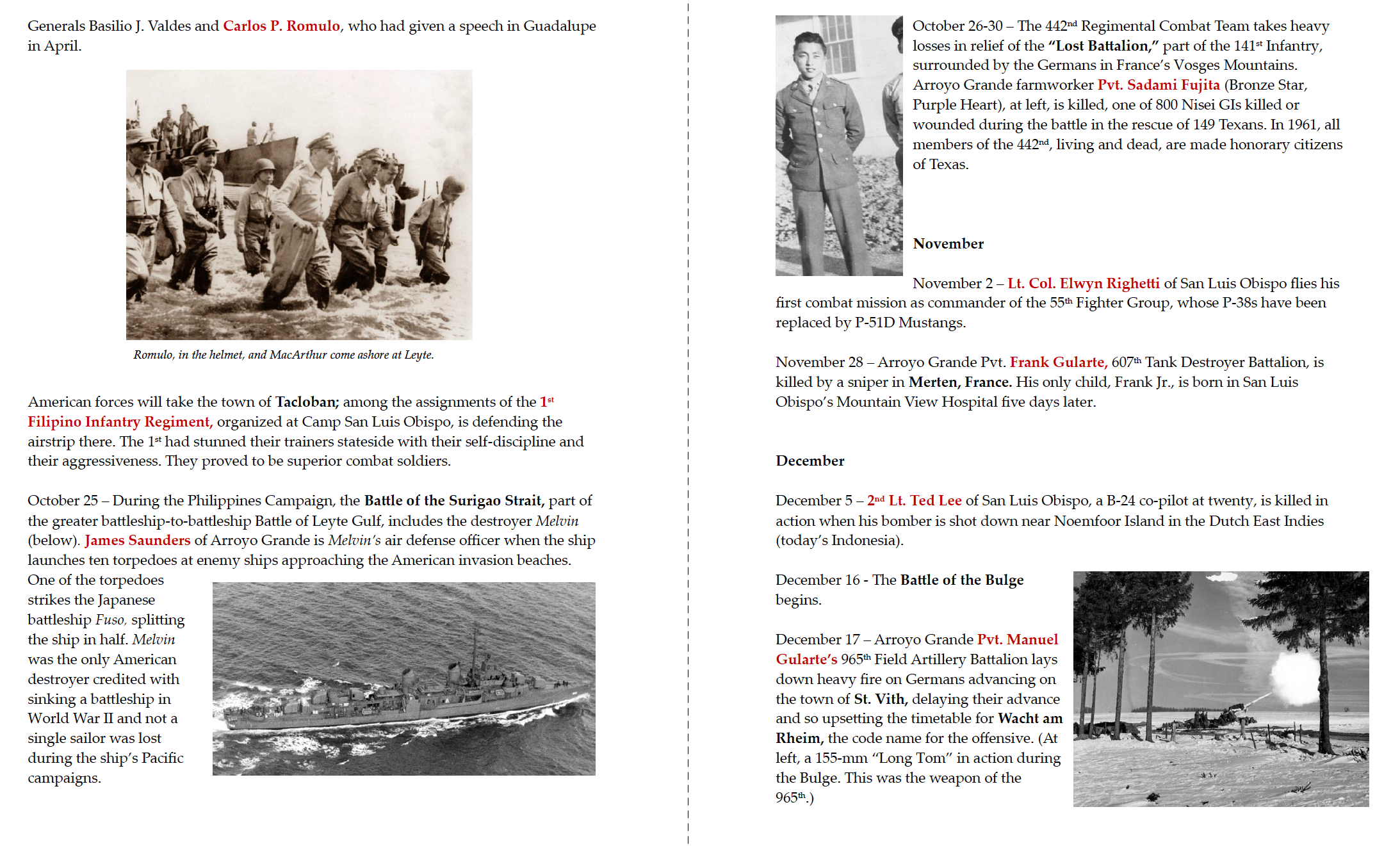
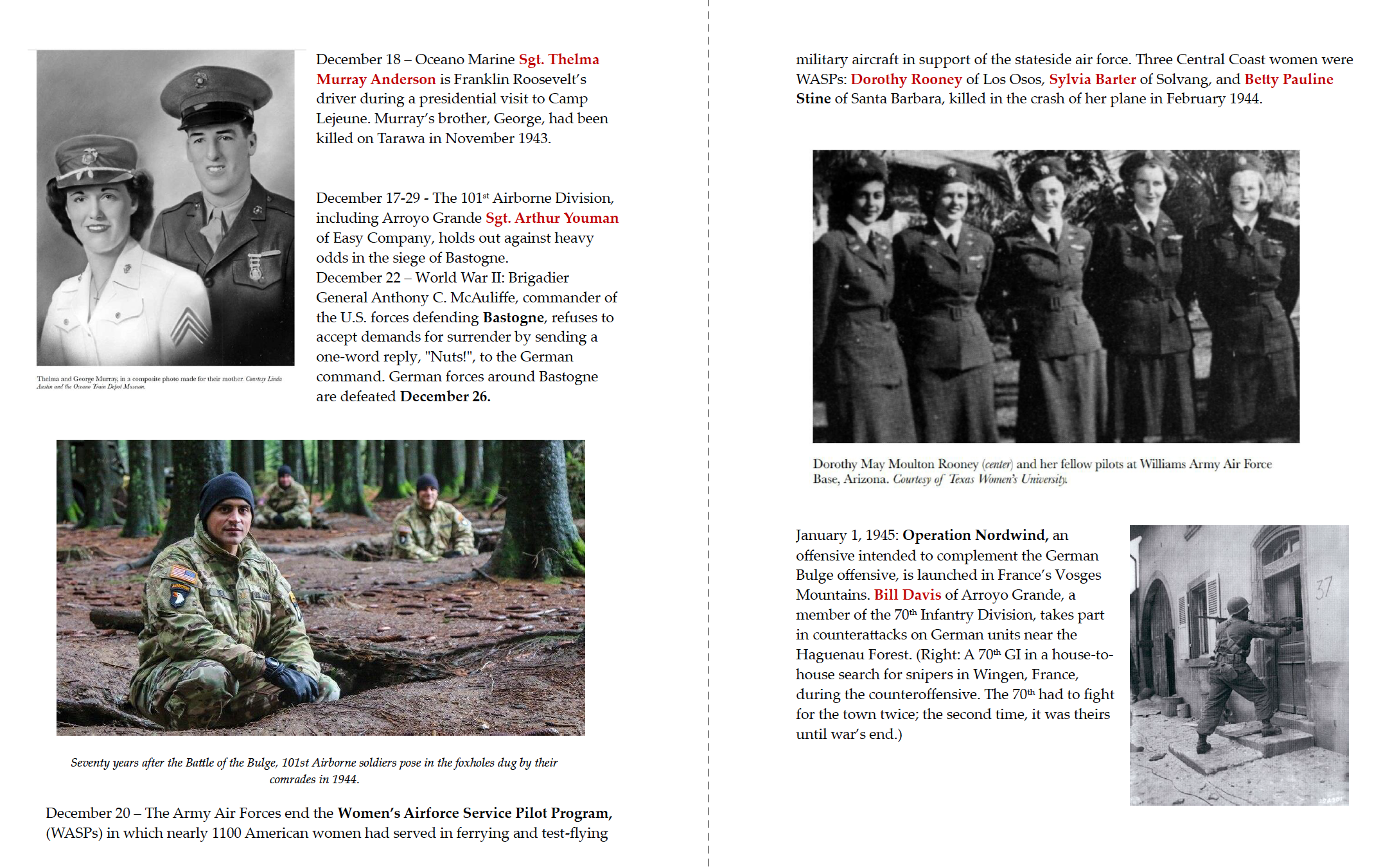
My friends John Ashbaugh and Erik Brun were the impetus for a series of events marking the eightieth anniversary of World War II last year. The pace will quicken this year with the eightieth anniversary this year of 1944. I thought I should at least begin to find some people who either lived in the area or who settled here after the war to learn about their links to their eventful year. The images below are just a beginning. There must be families out there who have stories to share about parents or grandparents—or great-grandparents—for whom 1944 was a watershed. Here are some stories either from my books, my blog or from back issues of the San Luis Obispo Telegram-Tribune, thankfully, now digitized.

13 Wednesday Dec 2023
Posted in Arroyo Grande, Uncategorized
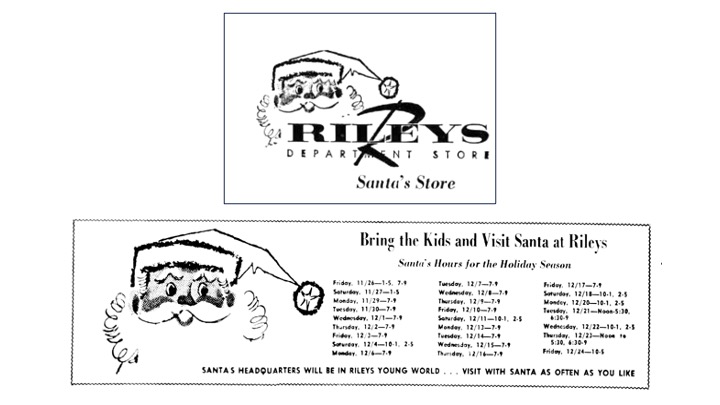
“Change is inevitable” is true, of course. But sometimes those words can be cruel and thoughtless, I’ve found, when they’re used as a rejoinder to us history types whose mission is to remember the past. It’s not that we want the past back—you can have your Bubonic Plague, for example.
What we want instead is that the past, and its people, have the chance to live on in memory, even in the second-hand memories of young people like the ones I taught.
And sometimes the past doesn’t smell good (the Thames in mid-Victorian London), doesn’t look good (a Klan Parade down Pennsylvania Avenue in 1926) or doesn’t sound good (the premier of Stravinsky’s Firebird. Sorry. I probably would’ve booed, too, but I like Beach Boys harmonies and Strauss’s Emperor’s Waltz. I am admittedly bourgeois.)
But sometimes the past is a place of comfort in a time of intense discomfort. Oh, hypothetically, like today. Even if change is inevitable, brief backward visits are harmless. They can even be sources of strength. I’ve been thinking that way the last few days about another visit to the past, in writing about the film The King’s Speech.
But since it’s Christmas, I’m not going to discuss George VI. Instead, I of course thought of the Santa at Riley’s Department Store at Marsh and Chorro in San Luis Obispo. Change there, in San Luis, is not only inevitable, it’s constant and fickle and remorseless. Now I get lost in what was once the big city of my childhood. What was a burger place ten years ago and a brew pub five years ago is now a Paraguayan Fusion restaurant today.
It’s bewildering. As much as I have always loved San Luis, I don’t go there very much anymore. (Note that I was restrained enough not to bring up the parking. Oh, damn! I just did.)
Since I was raised in the Upper Arroyo Grande Valley, San Luis was the Big City to me. Its bigness was superseded by by San Francisco’s. My Dad put us up in a high-rise hotel there when he was bidding a job for Madonna Construction, and a rare lightning storm was flitting about the skyscrapers. This is how I fell in love with the city I’ve loved ever since. But San Luis Obispo remains important to my life, and Riley’s is part of the reason why.
The ad above is from 1965, when I was a bit old for Santa, but I can remember visiting him once or twice in the years before, atop the mezzanine staircase inside the department store. He had a red crushed-velvet suit and his beard, fake or not, was immaculate. He was appropriately but not terrifyingly jolly. Even in 1965, when I was thirteen, I still liked seeing him up there in his chair with the line of kidlets waiting their turns.
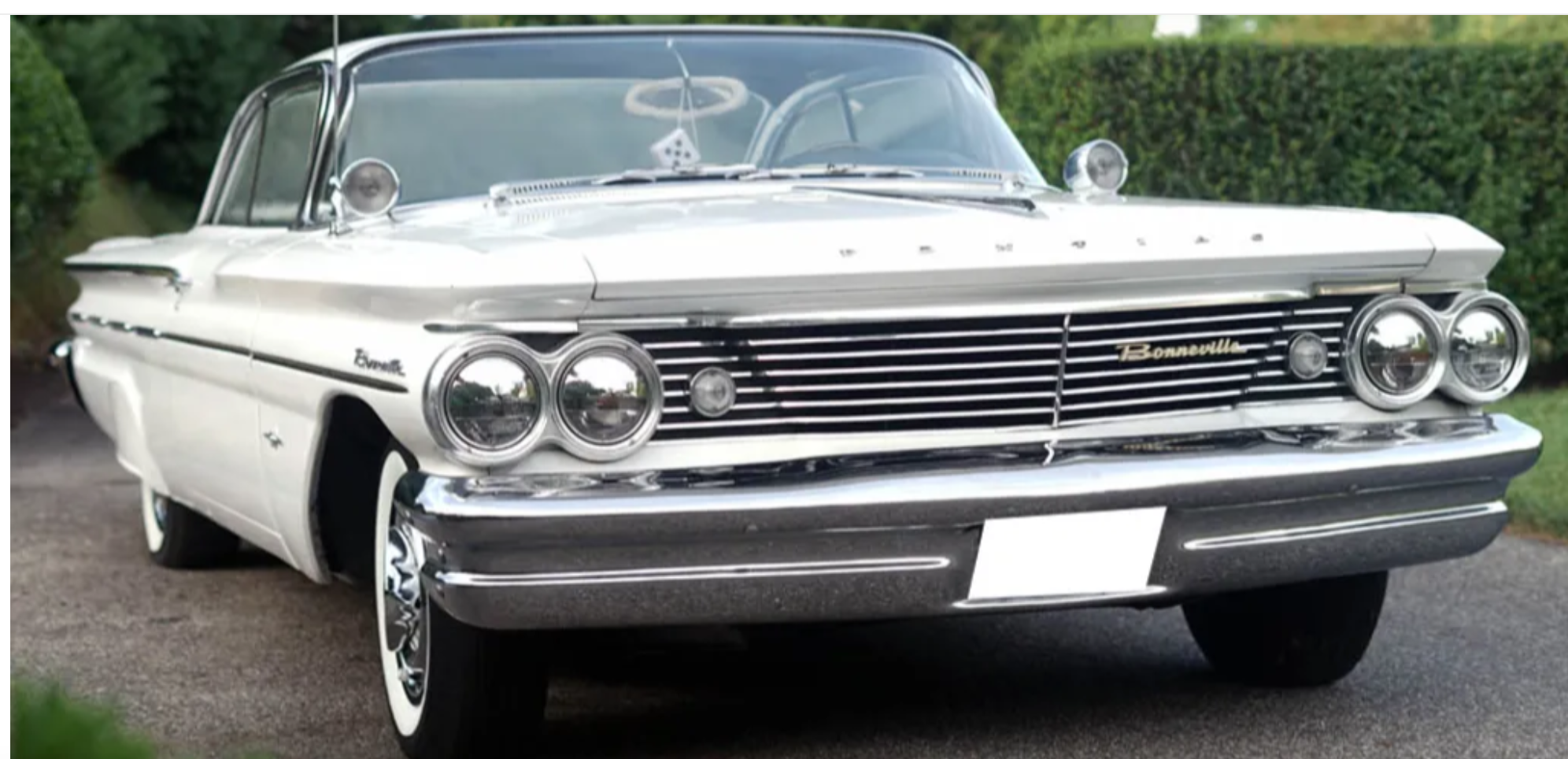
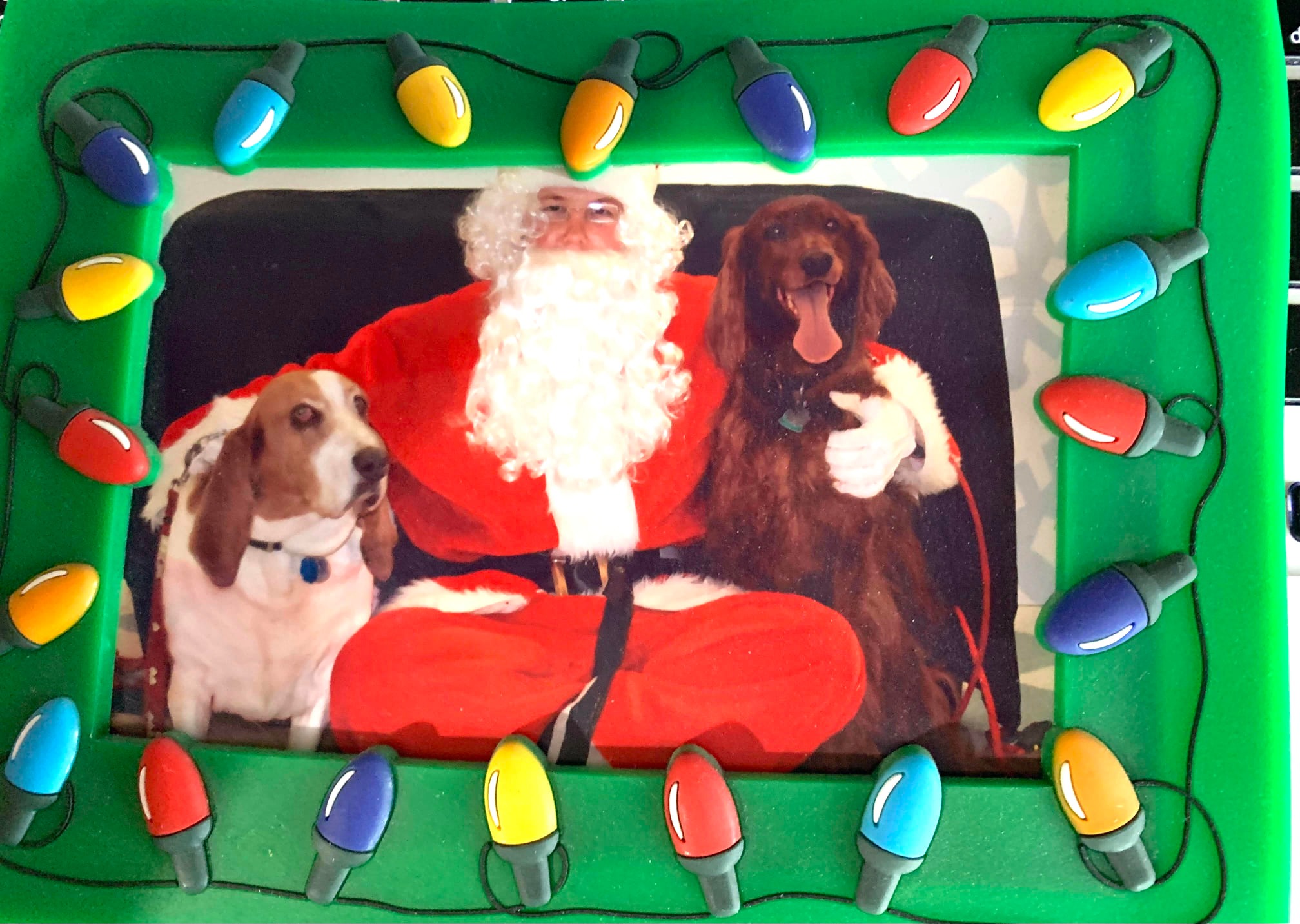
Many years later, the closest approximation of that Santa, in spirit, came at a local pet store (In Santa Maria. Sigh.) when our late and dearly beloved dogs, Wilson the Basset and Mollie the Irish Setter, got to visit this Santa. In reality, “Santa” was a former student of Elizabeth’s at St. Joseph High School, and this may be my favorite Santa photo of all time.
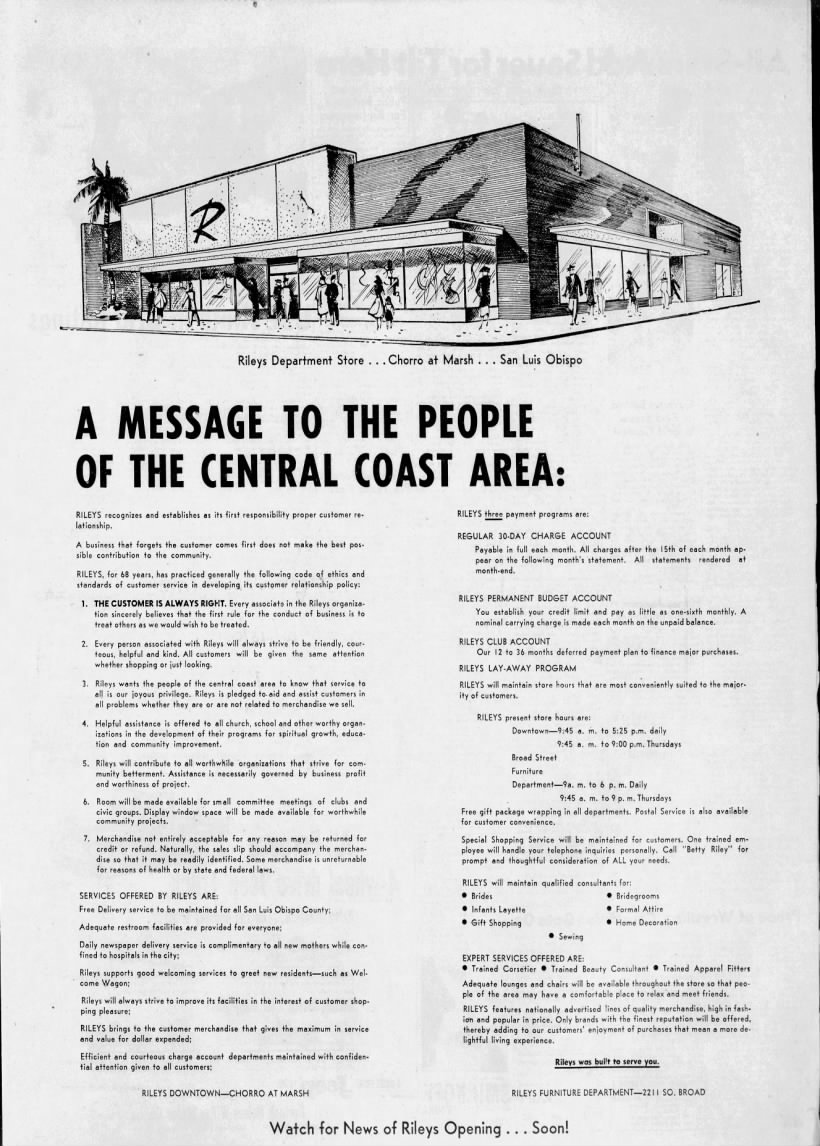
Riley’s Santa was enthroned in this building, shown off in this October 1955 full-page ad in the Telegram-Tribune, just completed by another San Luis institution, Maino Construction:
And if change is inevitable, it’s also depressing sometimes. Chorro at Marsh today is, and has been for years, empty, a discrete bit of urban blight on a street corner where, holding my Mom’s hand as a six-year-old in an earlier Christmas, my heart quickened when we crossed Marsh to go inside Riley’s.
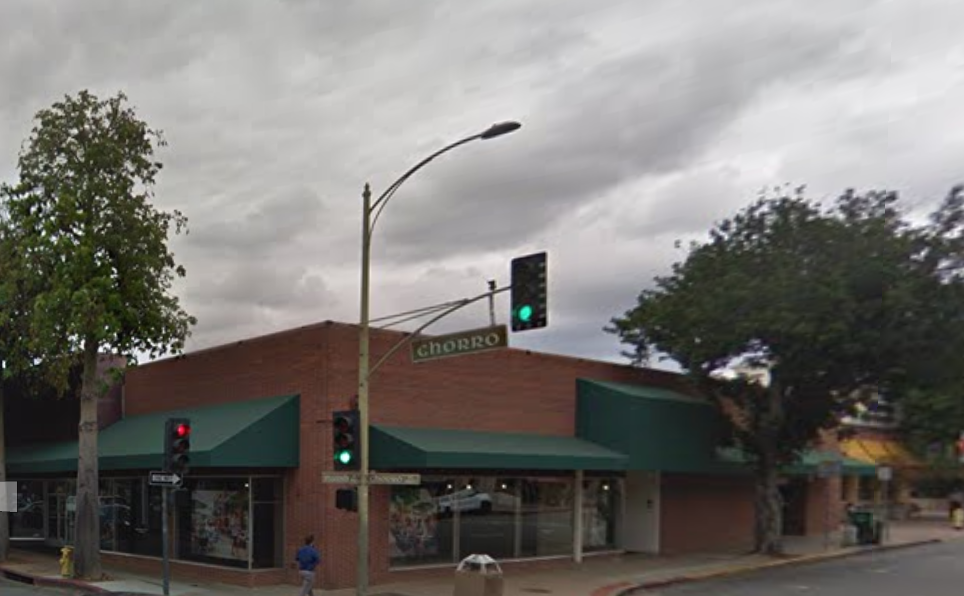
The ad’s a little misleading. This wasn’t the grand opening of Riley’s—just this incarnation of Riley’s. That department store, under one name or another, had been a San Luis Obispo fixture since the 1880s. It got its final name in 1914:
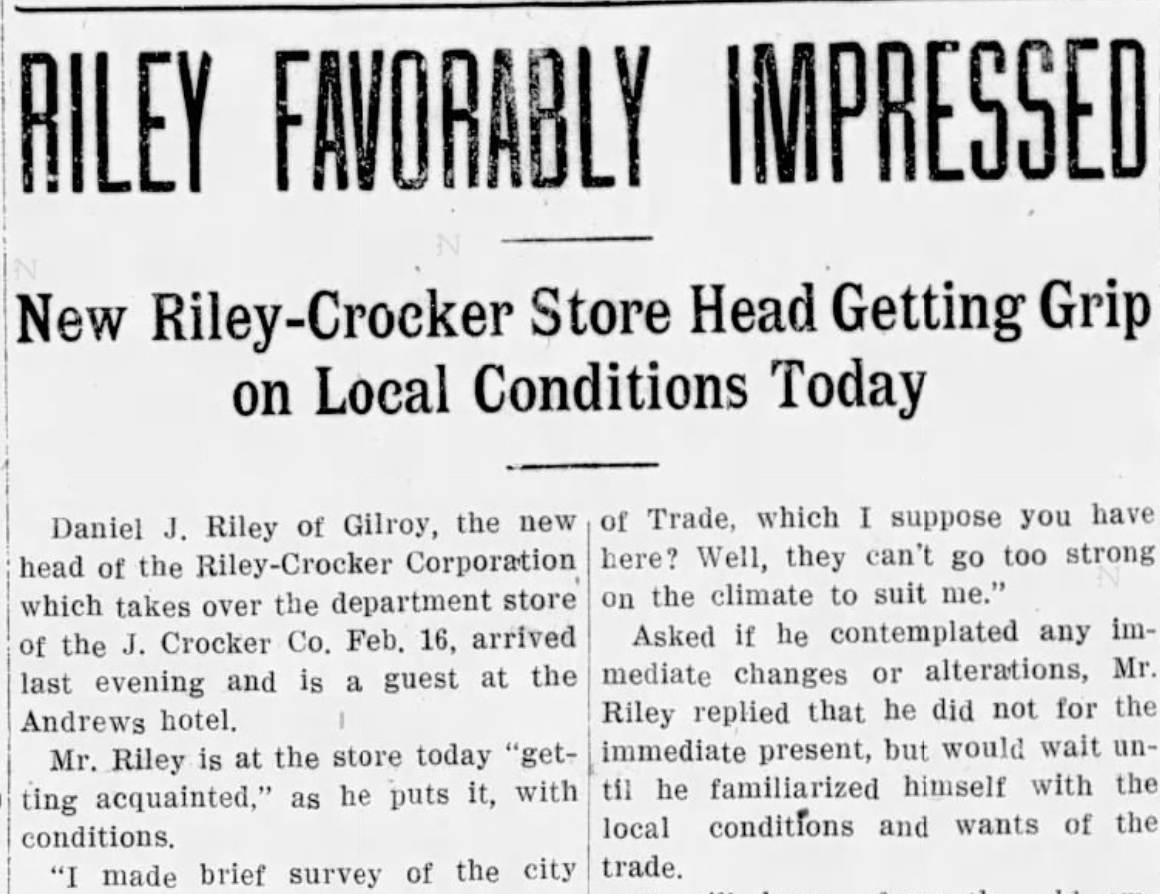
And change, in this case, a new store name, can be good. Note that Mr. Riley is staying at the newish Andrew Hotel, at the site of today’s city-county library. Nearby, in the 1890s, a bawdy house called The Palace fulfilled the carnal needs of the gandy dancers working the Southern Pacific as the track neared town. The Andrews represented the beneficial side of Progress, such a nice place that evangelist Aimee Semple McPherson once spent the night there with her lover, also her radio engineer, as the couple fled Los Angeles for what the papers called “a love nest” in Carmel.
Mercy!
I’ve written about the Perfume Ladies before, but Riley’s brought class to our area, too. Once we’d crossed Marsh and entered the store, the first sales area to the right was the perfume counter, my Mom’s favorite (Chong’s Candy was ours). The beautiful Perfume Ladies worked behind the counter there–classy, a a little reserved but also attentive to the point of devotion to my Mom. When she tried out a scent with a brief spray to her wrist, I asked for one, too. By the time she’d made her purchase from the Perfume Ladies, I must’ve smelled like the reception parlor for the girls who’d once worked The Palace.
Riley’s is also where Mom did a lot of her Christmas shopping, in those pre-Amazon days, when the only thing that “Bezos” suggested was a river in Texas with a similar name. Once she’d made her purchases, the sales clerk wrote them up, rolled the receipt into a canister that was inserted into a pneumatic tube (like the one at the Telegram-Tribune where I’d insert my story to go down to Composing) and shtoop! it would vanish. After a brief wait, shtoop! Mom’s carbon copy would return. It was pretty cool then, when i was five. Now that I am nearly seventy-two, it still is.
Riley’s closed in 1993, and this story by my friend Carol Roberts and this photo by my friend David Middlecamp are evocative of the response:

The story focuses on the employees—I’ve been lucky enough to work at places like this—who were also like a family. The grief didn’t end with them. San Luis Obispoans were heartbroken, too. There were weeks of Letters to the Editor mourning Riley’s. (More recently, I wrote in a similar way about the closing of the burger/beer/country-line dance/Minor Madness venue The Graduate, where my wedding’s best man, Rob, and my AGHS colleague and friend, Randy, were once bouncers.)
Change is inevitable. That’s why it hurts so damn much. And I guess it hurts in this case because I associate Riley’s with my mother, who remains the most influential person in my life. This photo, sadly creased for many years, shows twenty-two-year-old Mom with my big sister, Roberta, in 1942.

Mom died when I was seventeen, and I still miss her. But thinking about places like Riley’s brings her closer. San Luis Obispo when I was a little boy—the Sno-White Creamery and its milkshakes, the way pipe tobacco smelled in the smoke shop that was once the Cigar Factory, the way you raised the miniature Bear Flag at your table in Corcoran’s when you were ready to order lunch, the severe steel bun in Mrs. Avila’s hair (the lady underneath was not so severe) at the City-County library, today, the Repertory Theater–we are a bookish bunch, and visits to the library were always good for at least an hour and more often two— and, finally, the way my Mom was treated when she shopped for Dad at Rowan’s, a memory that was so powerful that the late (great) journalist Don Pieper was kind enough to quote me in his early 2000s column, which also cites another journalist, Wally Conger, my friend and colleague from the AGHS newspaper, The Altair:
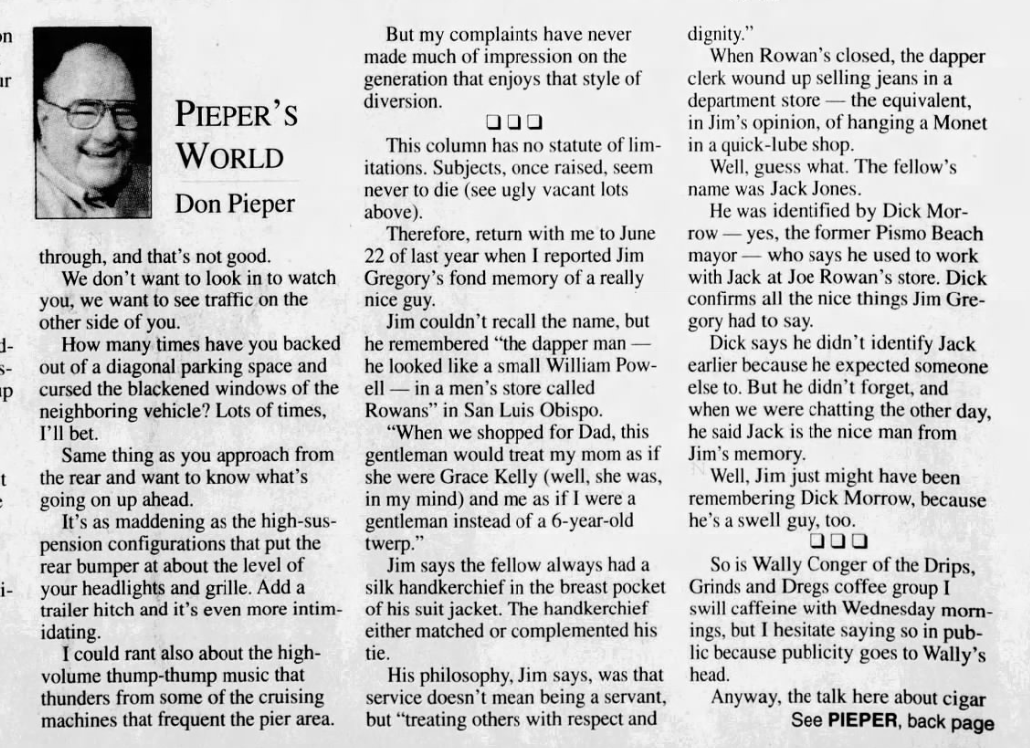
I know that I am a land line in an age of cell towers. I don’t mind that much. But I still believe that the past deserves to be remembered, even in the face of constant change, with the same attributes Dick Morrow and the Perfume Ladies conferred on my Mom—with dignity and respect.
08 Friday Dec 2023
Posted in Arroyo Grande, World War II
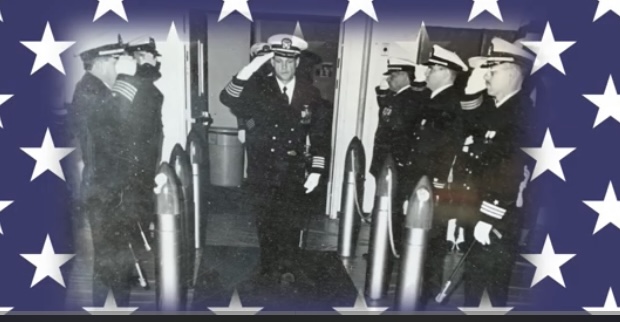
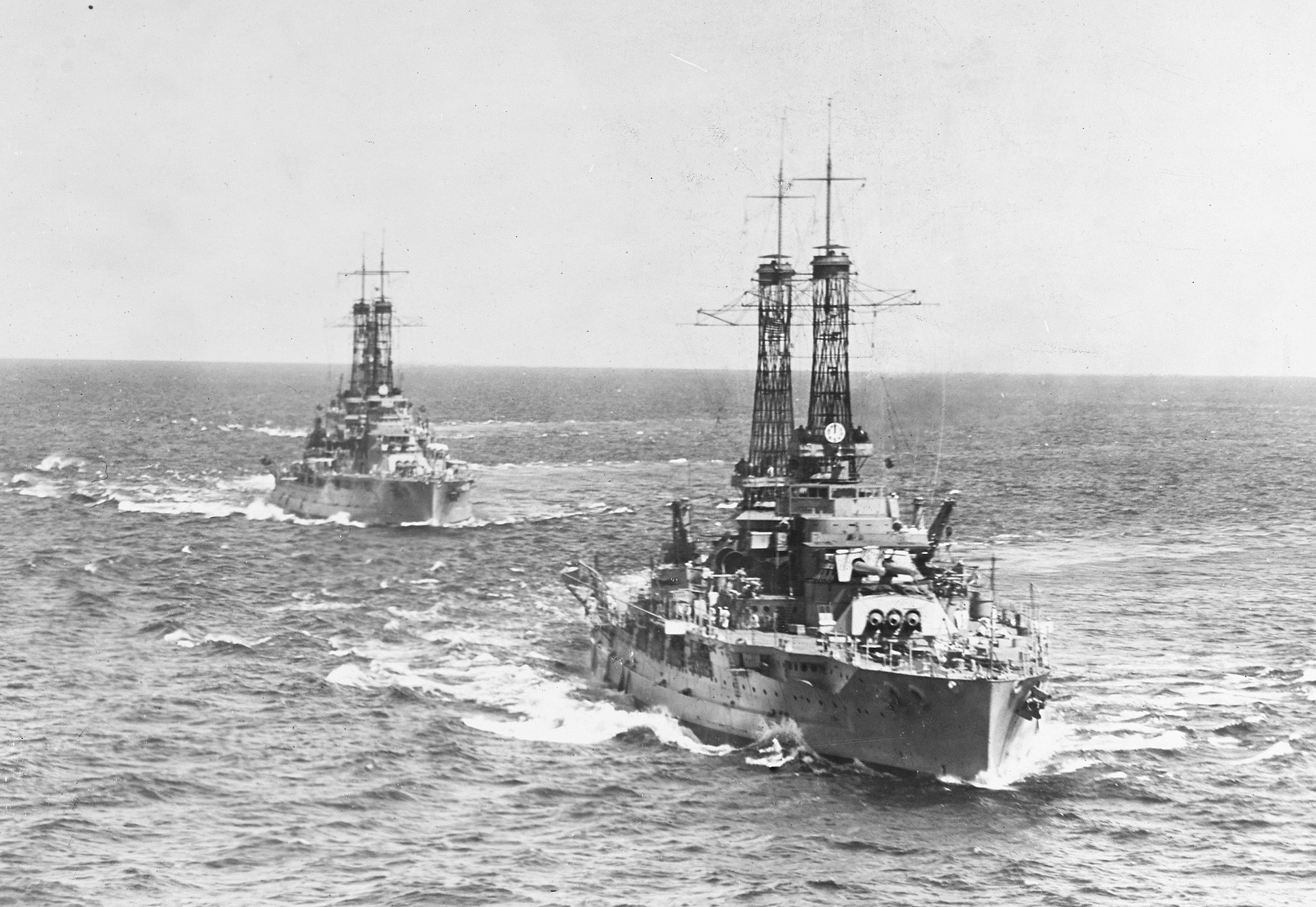
I’ve been obsessing over this particular anniversary this year. I think it’s in part because we lost Captain Steve, USN, my brother-in-law, an Annapolis grad. I miss that man.
So this video is for Steve Bruce, and for Jack Scruggs and Wayne Morgan, Arroyo Grande boys, for two little Arroyo Grande girls, Jeanne and Yoshi.
05 Tuesday Dec 2023
Posted in American History, Arroyo Grande, History, Uncategorized, World War II
02 Saturday Dec 2023
Posted in Arroyo Grande, Uncategorized
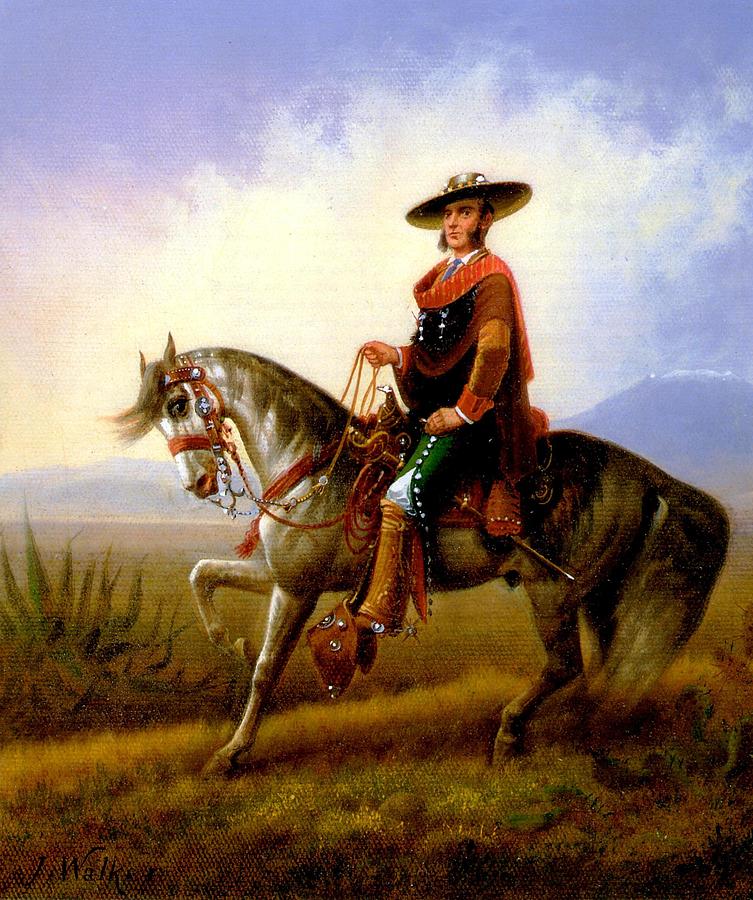
Since Arroyo Grande founder Francis Branch assumed Mexican citizenship to obtain the 1837 patent on his 17,000-acre Rancho Santa Manuela, his family’s Christmases would’ve had a distinctly Mexican flavor.
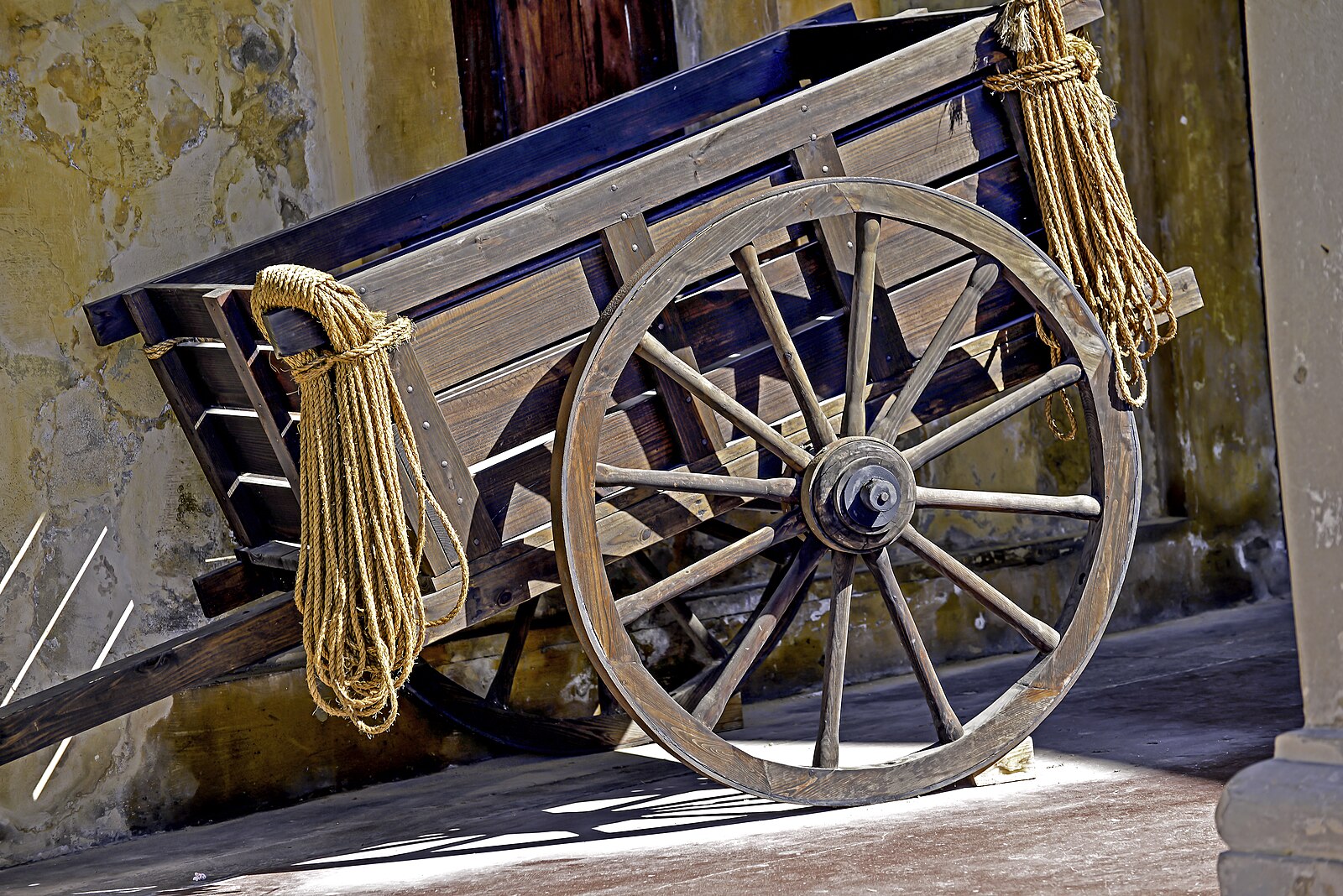
The dean of county historians, Dan Krieger, wrote a 2018 column with his wife Liz about Christmases in the rancho days. Rancheros, Krieger explained would’ve ridden into San Luis Obispo dressed in their finest, including their silver-inlaid saddles. Their families might’ve followed in the two-wheeled carretas, or carts, decorated for the occasion.
A carreta ride from Santa Manuela to the Old Mission couldn’t have been comfortable.
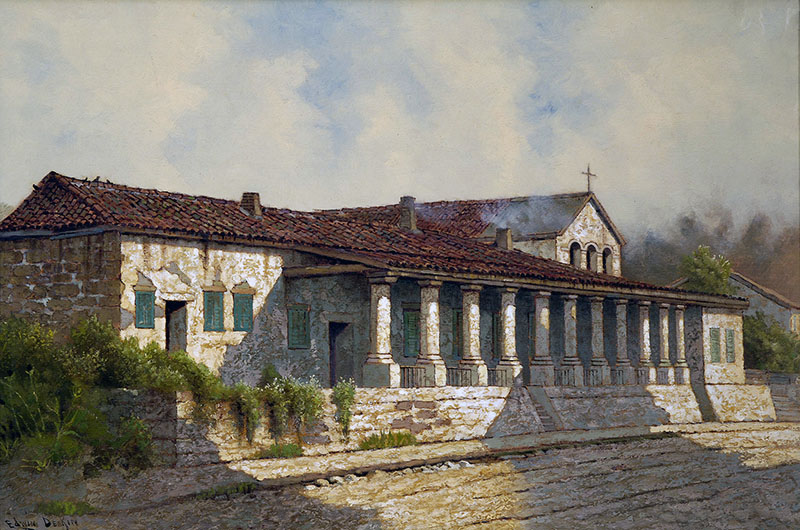
In town, Branch and his wife, Manuela, might’ve attended Christmas Eve mass. That would be followed by a Christmas play that focused on the shepherds’ discovery of the Christ child. And, for children, no holiday celebration would’ve been complete without the piñata, filled with the sweets that would spill out once the successful blow had been delivered.
It was Queen Victoria’s German husband, Albert, who introduced the Christmas tree to the English-speaking world, and by the 1890s, it was central to Arroyo Grande’s celebrations. An 1896 Arroyo Grande Herald notes the big tree sponsored by the Grand Army of the Republic—Civil War veterans—put up outside their hall on Bridge Street, roughly across the street from the IOOF Hall.
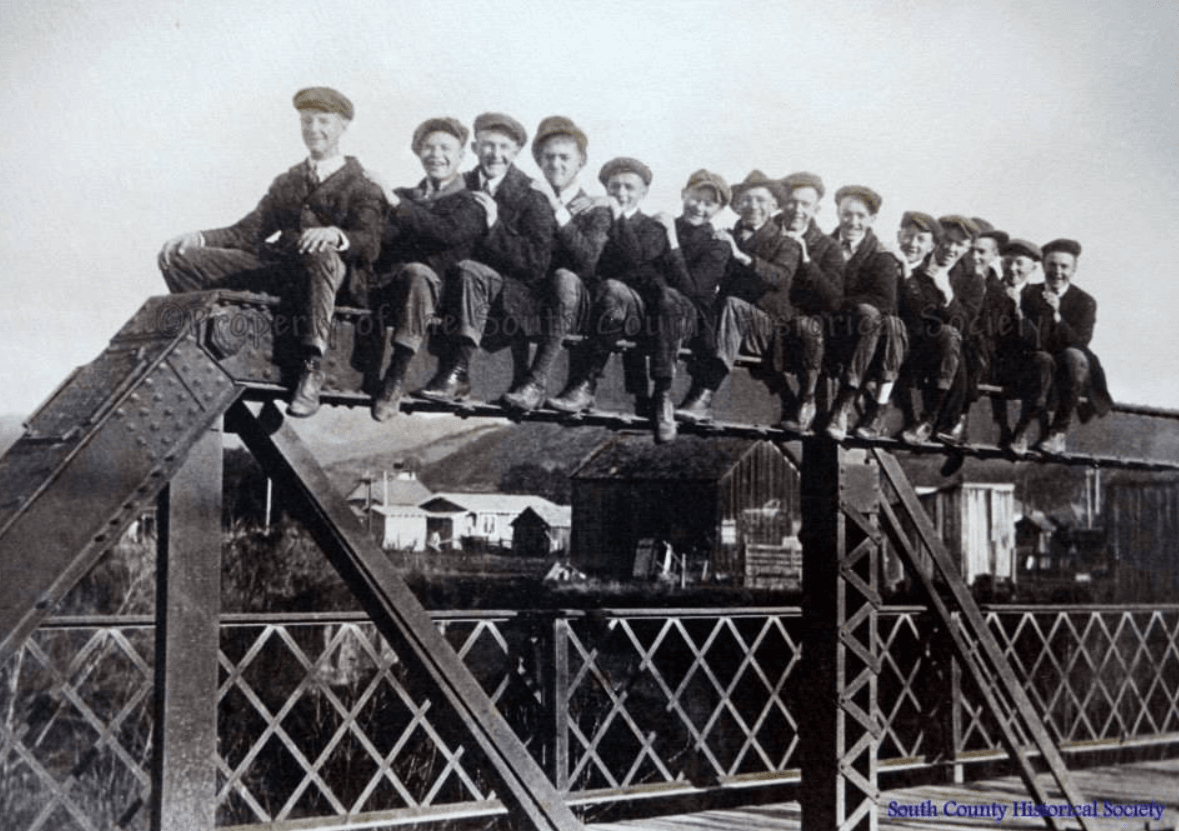
Later, community Christmas trees marked the holidays. The whole town gathered for its lighting in a custom that began in 1898 went into the 1940s. The Christmas trees were tied to the nation’s history: a 1937 Herald-Recorder article—this Christmas was observed during the Great Depression–notes with some alarm that the community Christmas expense fund, whose goal was $100, had not yet been met. Another issue Depression-era paper notes the generous contribution of a man who sent a check for $2.50 toward that year’s Christmas fund.
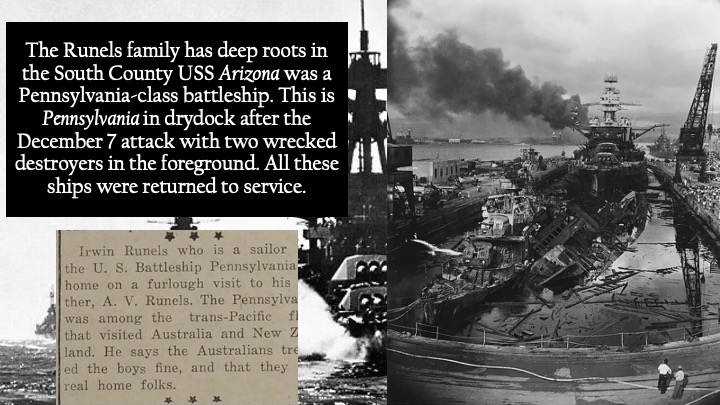
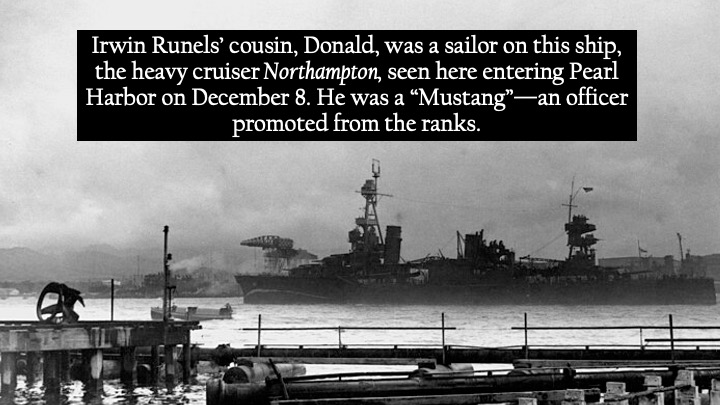
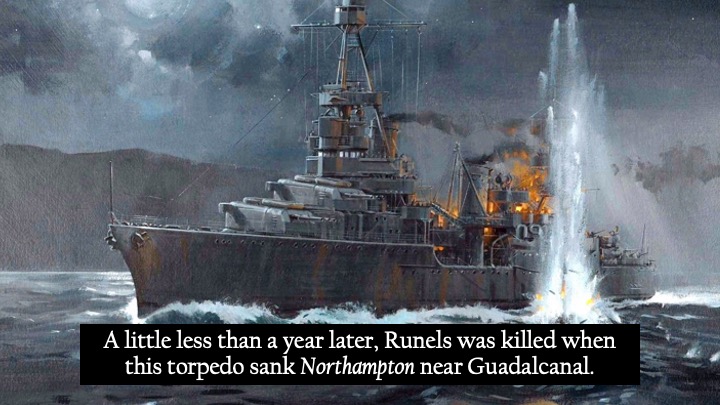
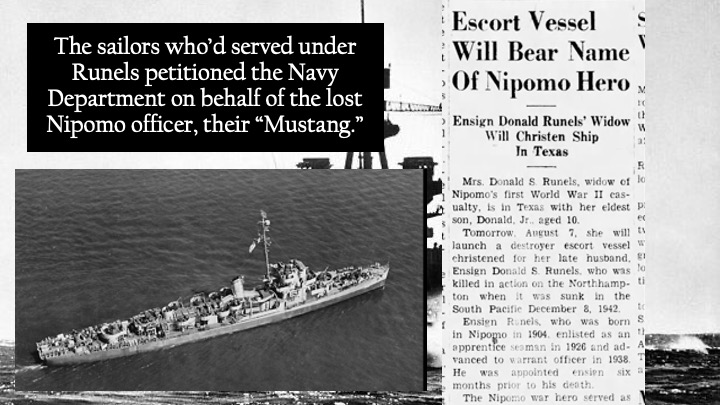
Sadly, a December 5, 1941 article anticipates the lighting of that year’s tree, an event that never would have happened because of the strict blackout regulations enforced immediately after Pearl Harbor. Arroyo Grande would later learn that two of its own, sailors on USS Arizona, had been killed on December 7.
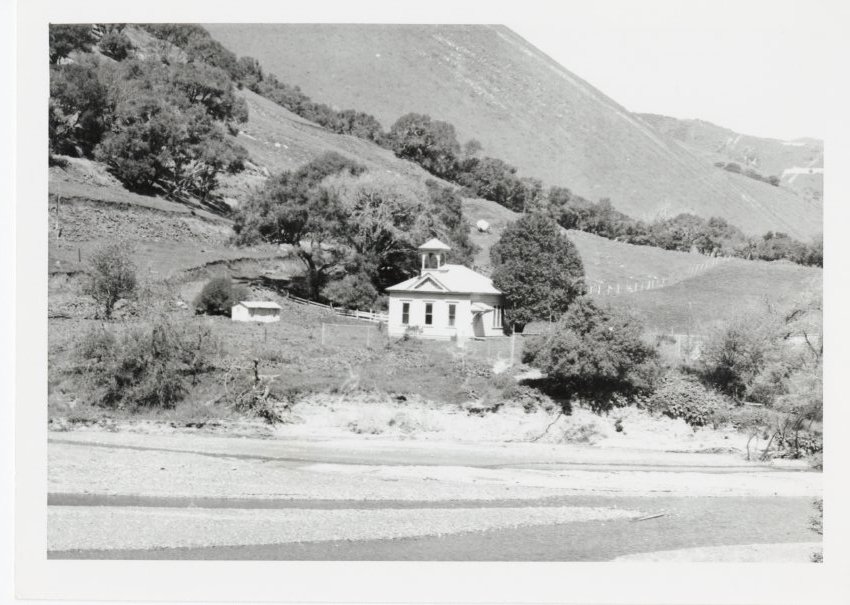
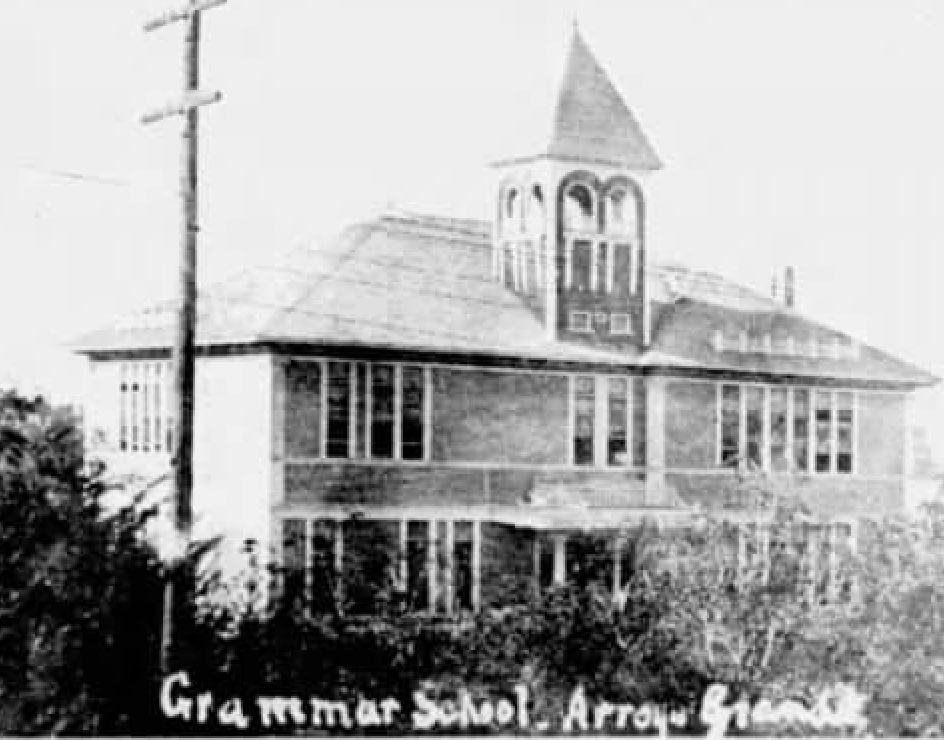
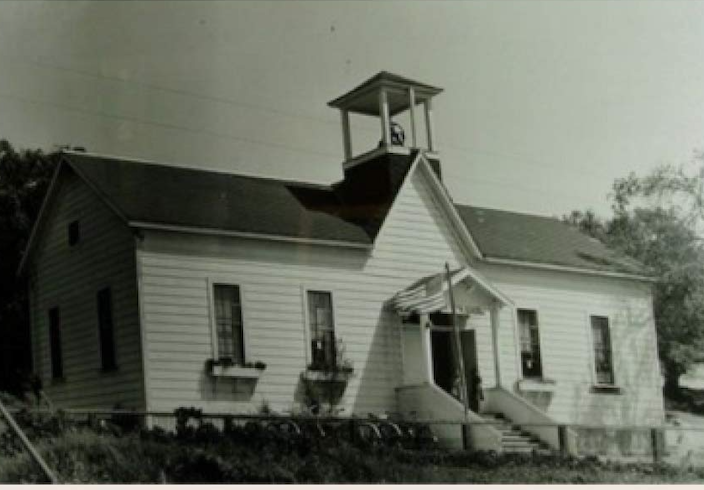
School pageants were another way to the bring smaller, rural communities that surrounded Arroyo Grande together; little country schools were central to farm life in Arroyo Grande; they served as voting precincts and as meeting places for organizations like the Farmers’ Alliance.
In town, an 1896 Arroyo Grande Grammar school program includes a play entitled “Brownies in Fairyland,” with an extensive cast that includes many pioneer surnames—Clevenger, Phoenix, Ballagh, Parsons, Musick, Whiteley and Silva are among them.
Even the tiny Santa Manuela School had a pageant in 1936, featuring familiar carols like “Hark! The Herald Angels Sing” and less familiar ones, like “Down the Chimney.” The teacher, Adelaide Rohde, would’ve spent countless hours rehearsing her students in addition to teaching her daily lessons, directed to multiple grade levels in a school that probably had no more than twenty or twenty-five students. But Santa Manuela was still prominent enough so that Santa himself made an appearance at the end of the program, handing out bags filled with popcorn and sweets, including to Miss Rohde and the eight audience members.
Since Branch School was twice the size of Santa Manuela—two rooms—it attracted an impressive audience of 125 in 1934. Both teachers—Mrs. Bair and Miss Whitlock—were also from prominent families—the Bairs ranched in the Huasna Valley and the Whitlocks owned the Commercial Company, a dry-goods store on Branch Street. The names here, too are familiar, many of them Azorean—Coehlo, Silva, Amaral, Reis—but George Cecchetti Sr., whose father came from Pisa, and four Agawas, two boys and two girls, whose parents came from Japan, also sing and act. The program features two harmonica solos, one by Billy Agawa and another by Francis Fink, who performed “Red River Valley.”
The Temple of the People’s Christmas observation seems to have been organized by Madame Borghild Janson, “the noted teacher of vocal culture.” A 1927 Herald-Recorder notes that the previous year’s program “overfilled” the Hiawatha Lodge, so 1927’s would feature two performances. Madame Janson staged a mystery play, a medieval tradition whose subject was biblical stories or the lives of the saints. In her choice of songs, she stuck to her theme. “Scandinavian Christmas songs from the 12th century” were part of the part of the program as well as more familiar Christmas carols.
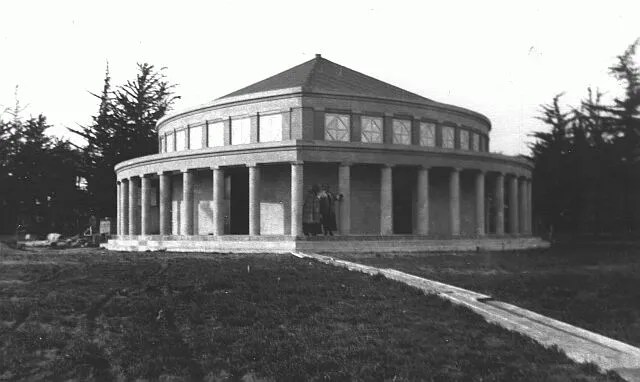
A common thread in all of the holiday observations is the bringing together of people; Christmas broke down the isolation typical of far-flung rural farms and ranches. Seeing distant friends and neighbors must have been as much a celebration as was Christmas.
Adapted from The Heritage Press, published quarterly by the South County Historical Society. (Membership is $25 annually for individuals and $40 for couples.)
28 Tuesday Nov 2023
Posted in Arroyo Grande, Uncategorized
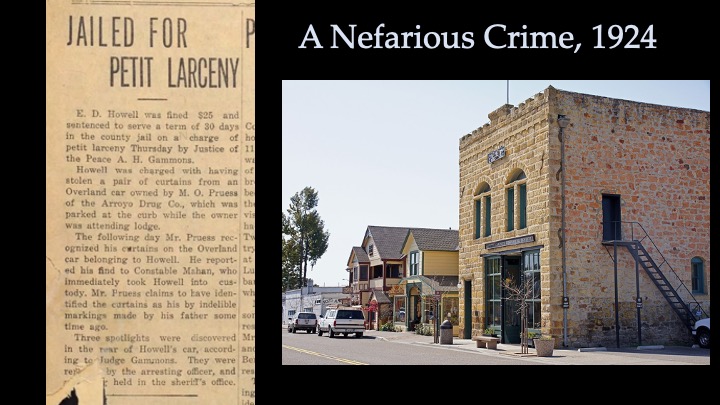
This article from the January 3, 1924 Arroyo Grande Herald-Recorder records a theft on Bridge Street. Mr. Pruess’s automobile curtains were stolen while he was in a lodge meeting. A little research evealed that the town druggist was a steadfast member of the International Order of Odd Fellows (an organization more popular than the Freemasons in the late 1800s) and so it’s likely that the crime took place here, on Bridge Street, outside the IOOF Hall that is now the South County Historical Society’s home.
Several things about this little story amazed me. Judge Gammons threw the book at the malefactor, a $23 fine (over $400 in 2023 dollars) and 30 days in jail. His victim, Mr. Pruess, was enormously popular. His friends included Ole Gullickson, likewise popular, and the two were among a group of local businessmen who went deer-hunting annually somewhere up north. They always bought lubricant–whiskey– first, purchased on the beach from a local bootlegger. Ole’s son Don remembered this because they always took Ole with them. Nobody would suspect and illegal booze purchase with a six-year-old -boy amid the grown men.
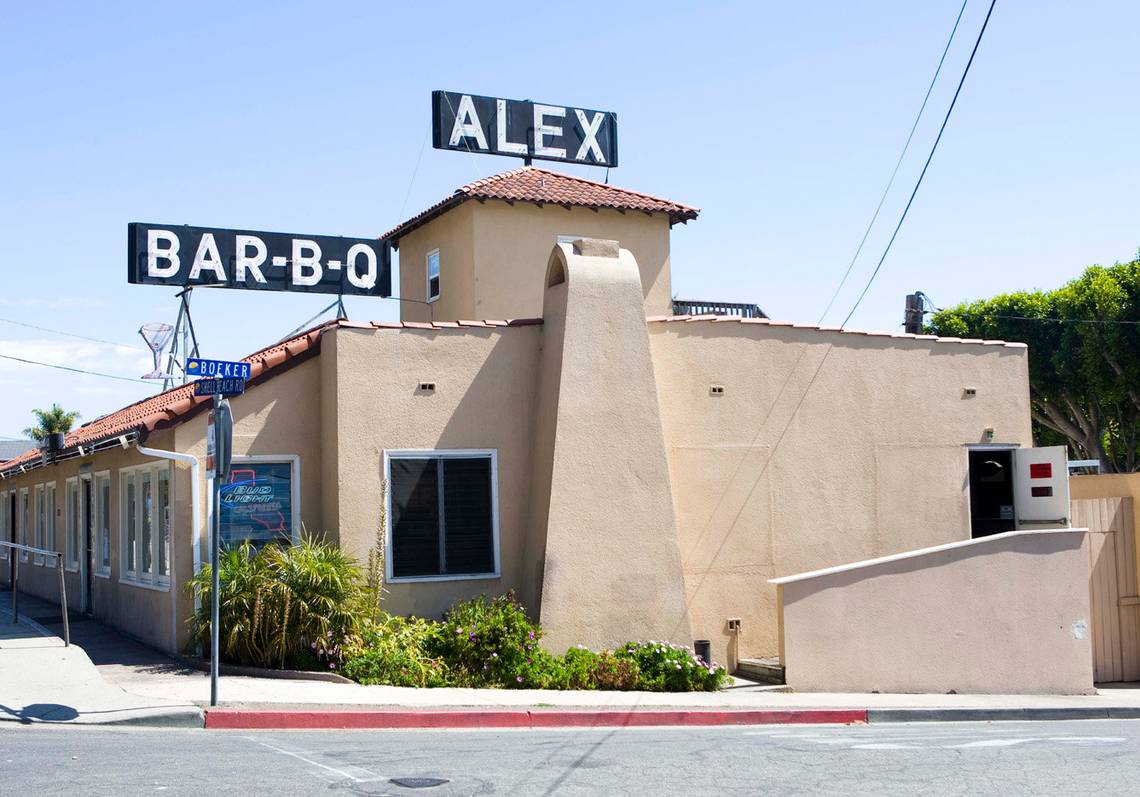
Don, probably in the Top Ten of the nicest people I have ever met, told me this story. He wasn’t 100% sure, but he thinks they bought the whiskey from “some guy named Alex.”

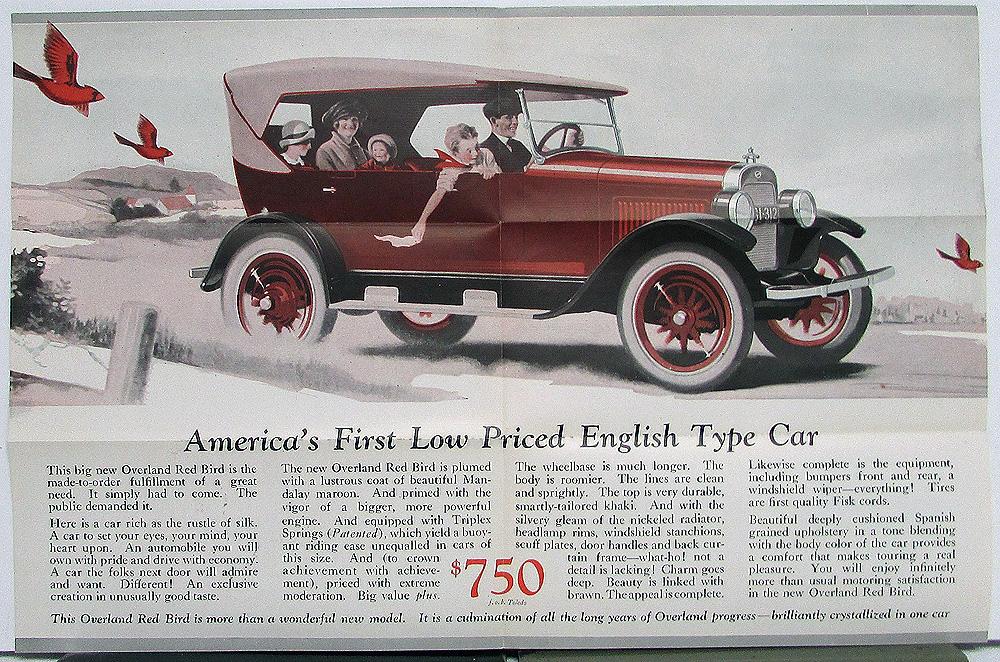
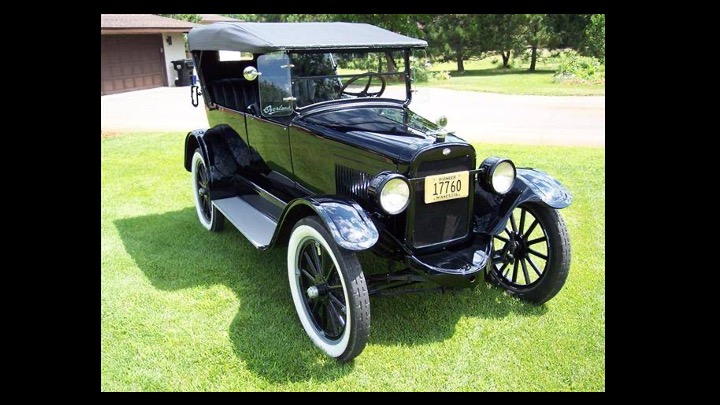
Mr. Pruess’s car was an “Overland,” a brand I’m not familiar with. So I looked it up. The ad above is for a 1923 model. The arrest came about because Mr. Pruess recognized his curtains the very next day. They were inside another Overland. It must’ve been a popular make then, even though it’s not around today.
Unlike Alex’s, almost not around.
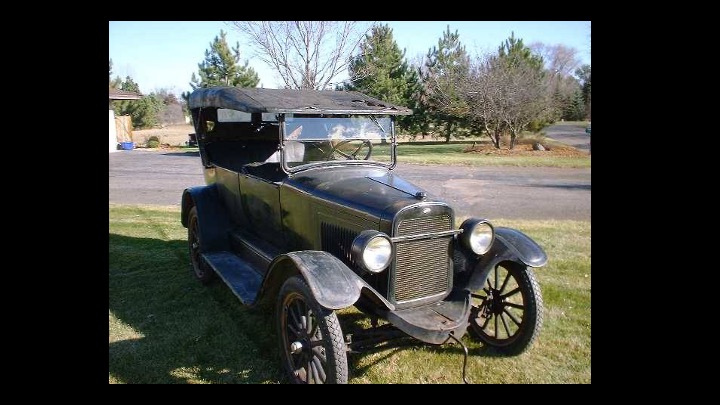
Look at the job one man did in restoring this 1924 Overland, at one point in pieces in his garage. It took three years. It’s a beautiful car, I think, even though when you look closely at the front bumper, you realize that folks needed one of those arm-breaking cranks to start the engine.
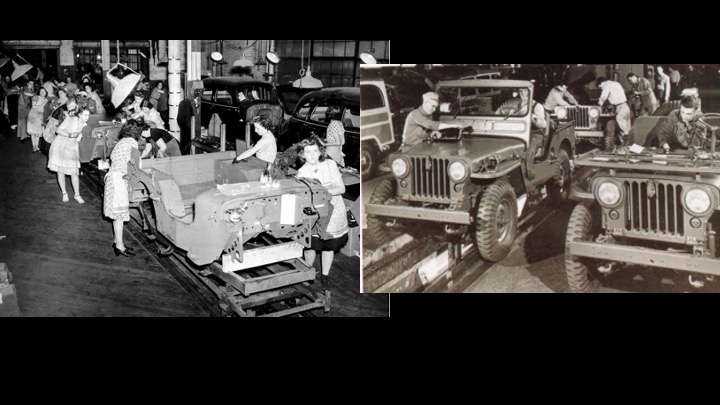
I had one more little search to do. Who made “Overlands?” It turned out that the man was one John Willys, whose name will be connected forever to a little four-cylinder car that went to war after Pearl Harbor. Here are some of them being made at the Overland-Willys plant in Toledo, Ohio. John Willys was the father of the Jeep.
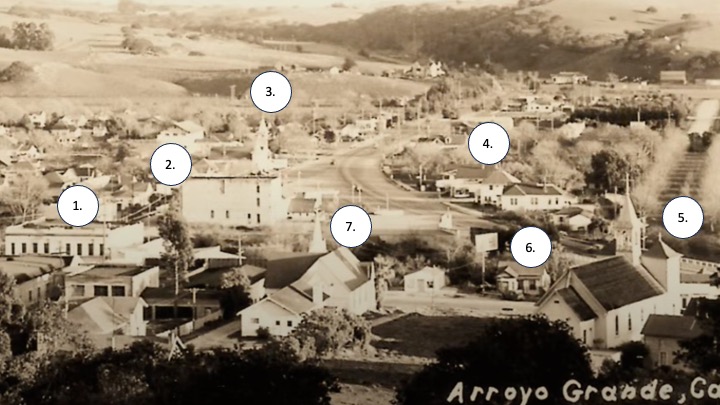
One more thing: I love photos of Old Arroyo (we do not use the term “The Village” in my house. It’s pretentious.), so here’s one that includes the IOOF Hall, built in 1902.
25 Saturday Nov 2023
Posted in Arroyo Grande, Film and Popular Culture, Uncategorized
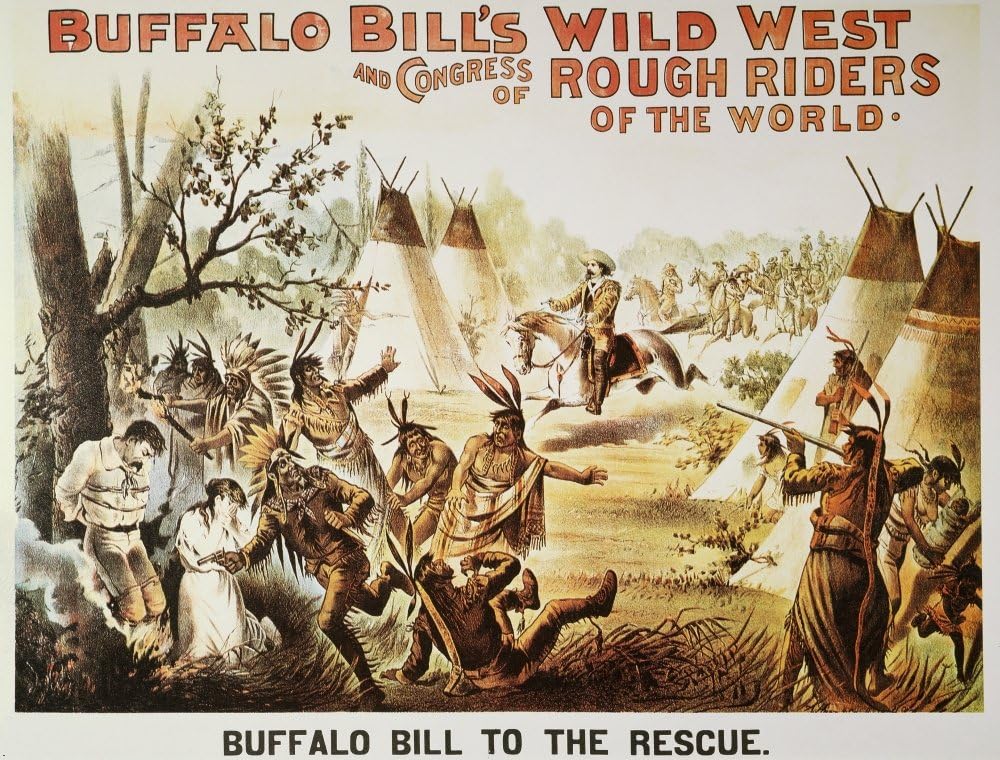
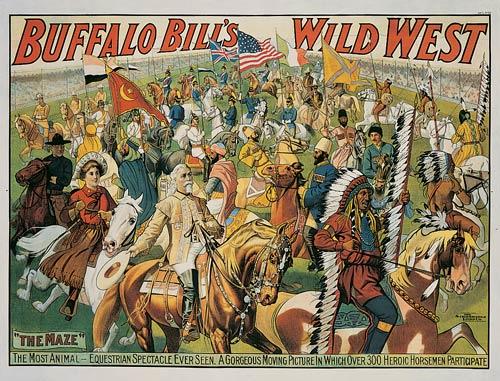
Long before there were the television Westerns I grew up with, and long before there was television, there was Buffalo Bill’s Wild West Show, which played all over the world, including for Queen Victoria and a panoply of royal princesses. What I did not know is that before impresario Bill Cody died in 1917, his Wild West show visited San Luis Obispo twice, once in 1908 and once more in 1914.
The advance the 1908 show got—notices in the Tribune for weeks beforehand–rivals the publicity for the first airplane flight over San Luis Obispo two years later. Here’s the poster locals would’ve seen in 1908:
And here’s the 1914 version, when Cody’s show, maybe fading a little by then, was traveling alongside the Sells-Floto circus:
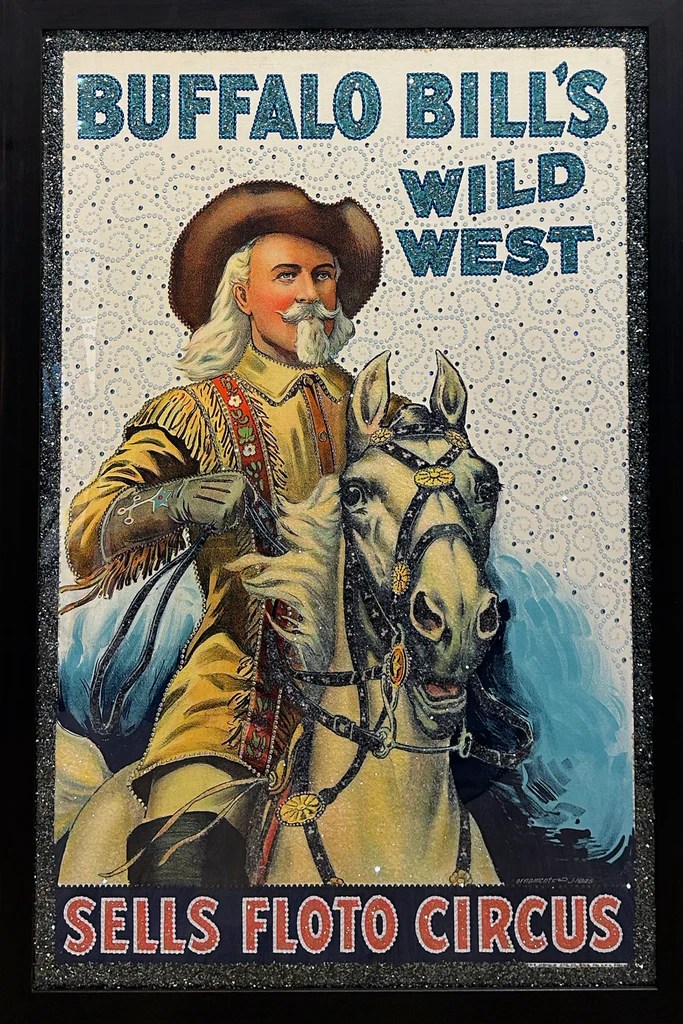
San Luis was tiny, so where are you going to put all those elephants and lions and Bill’s buffalo? For the 1918 show, he City and the showmen finally agreed on Mitchell Park, which remains a park today, near the corner of Osos and Pismo.

By 1908, a onetime main attraction was eighteen years dead. Sitting Bull, the Lakota Chief, appeared with the show in the 1880s, near the close of his life. He was shot dead by Indian police at the Standing Rock Agency on December 15, 1890 at the climax of the Ghost Dance movement .
(That was just two weeks before the Seventh Cavalry’s revenge at Wounded Knee. Nineteen troopers received the Medal of Honor for their hard day’s work in killing 300 Lakota. The troopers had to ride two miles to gun down two women running in the snow.)
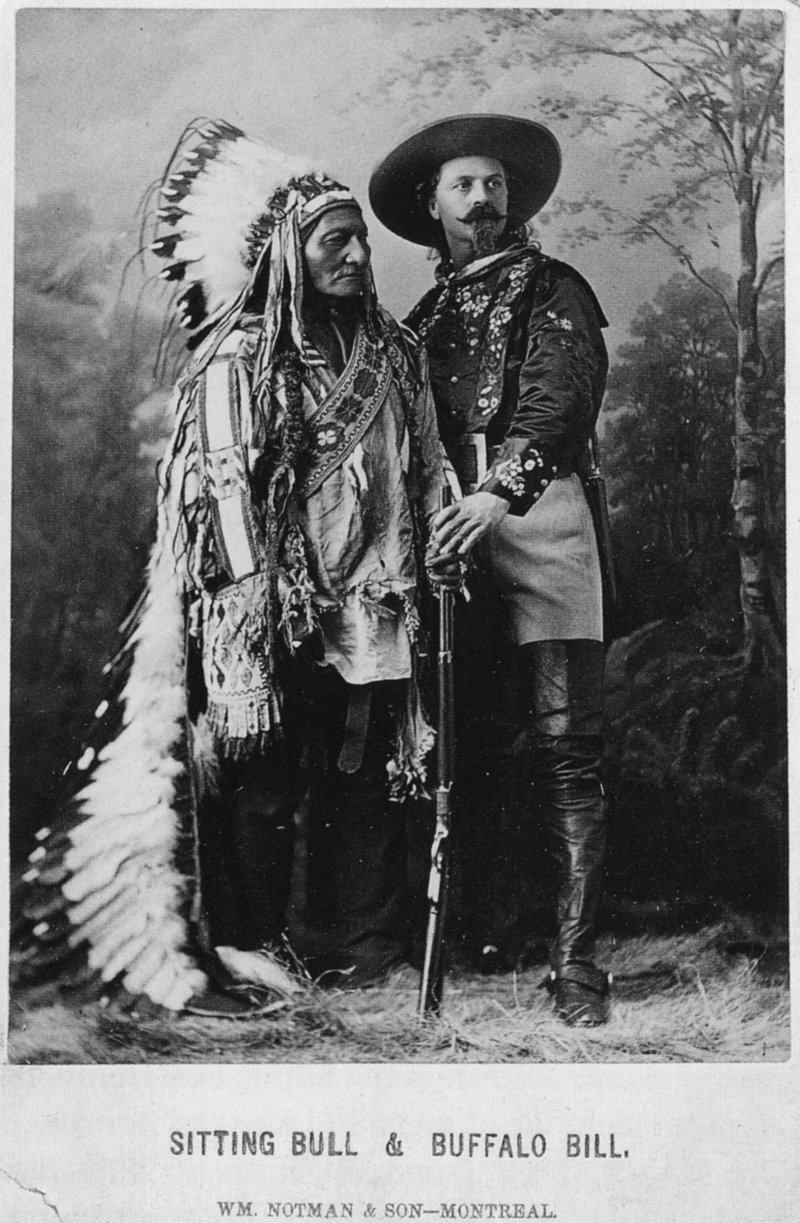
Back at Standing Rock on December 15, one of Sitting Bull’s horses had been a souvenir from the Wild West Show, trained to rear and prance at the sound of gunfire. The horse did just that when the shooting broke out.
In 1884, one of the show’s stops was Philadelphia. In addition to his stipend for appearing with Cody, Sitting Bull sold autographs. Then, as was typical with him, he gave all the money away.
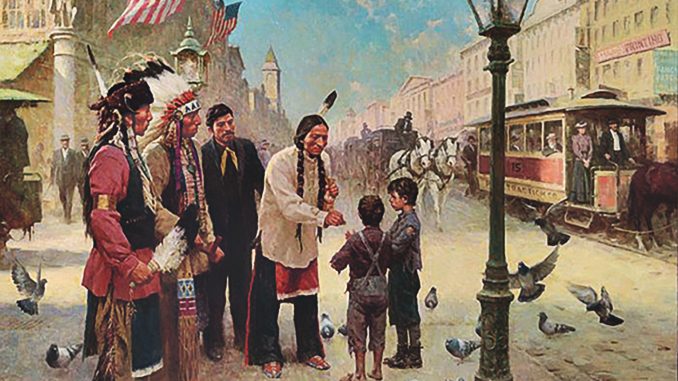
It was in Philadelphia where was appalled by the sight of ragged children in the street, so that was where his Philadelphia tip money went. Likewise, Sitting Bull’s contemporary, Crazy Horse—two Arroyo Grande settlers, soldiers in 1865, saw him perform a “dare ride” across their front—was the same. He was among the finest hunters in his band, and, on the return to camp, he made sure that widows and orphans were fed first.
The Lakota loved children. Another thing that shocked Sitting Bull in 1884 was that so many urban children worked, from shining shoes to factory machine-tending, which killed them sometimes. Children, he believed, should be free, and they should be free to play.
So the sight of ragged children, many of them immigrants, moved Sitting Bull. “The White Man knows how to make everything,” he remarked to his companions. “He does not know how to distribute it.”
This is White Dove, one of his daughters:
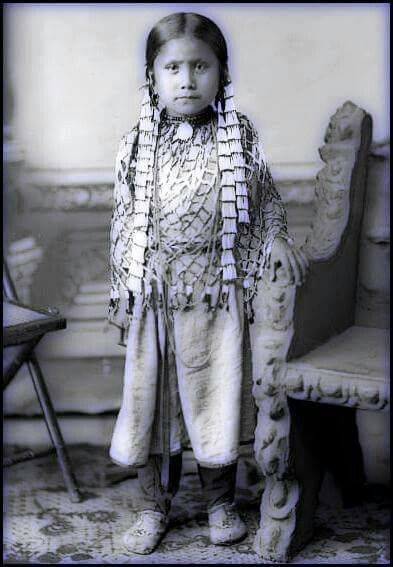
Crazy Horse had a daughter, too. Her death had hurt him deeply. In the late spring of 1876, he visited his little girl on her funeral scaffold. He stayed for a few days, praying, fasting, talking to his daughter and listening for her answer. He got it. When he left, she had given him the calm he needed for the upcoming fight. All the Lakota knew it was coming. Sitting Bull had a vision of it happening. The fight was the one that would break out in the Valley of the Greasy Grass, what the waischus–White people—called “Little Bighorn.”