• About
  • The Germans

A Work in Progress

A Work in Progress

Category Archives: Writing

Manny the Meningioma

18 Thursday Dec 2025

Posted by ag1970 in Personal memoirs, Uncategorized, Writing

≈ Leave a comment

Tags

benign tumors, health, life, surgery, Writing

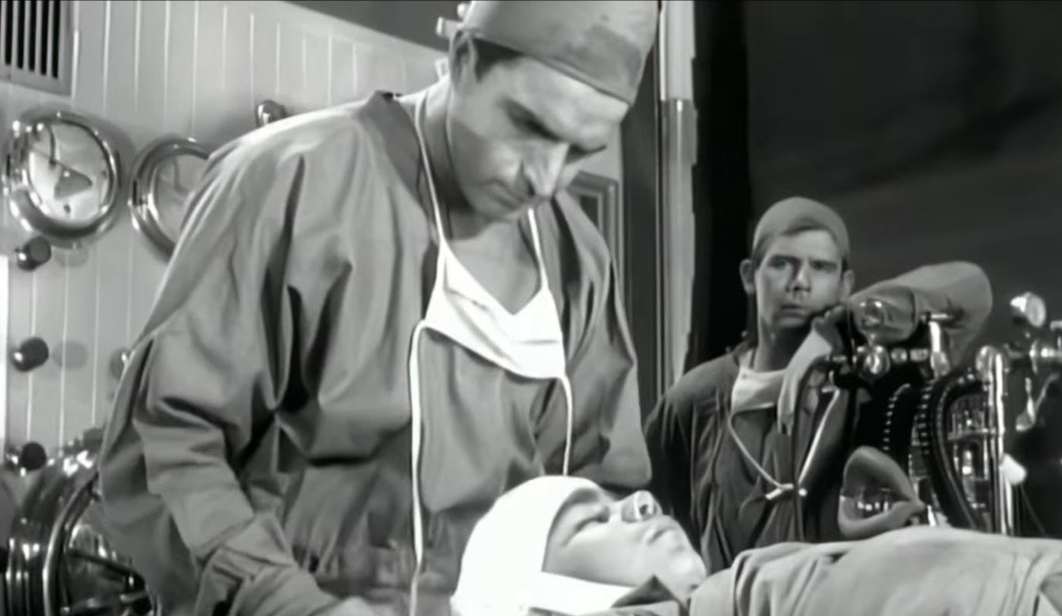
At the end of this post, you’ll see the opening credits to “Ben Casey,” a popular 1960s medical show about handsome Dr. Ben, a neurosurgeon, played by Vincent Edwards.

Dr. Ben deftly picked up the brain he’d dropped earlier in this little boy’s surgery.

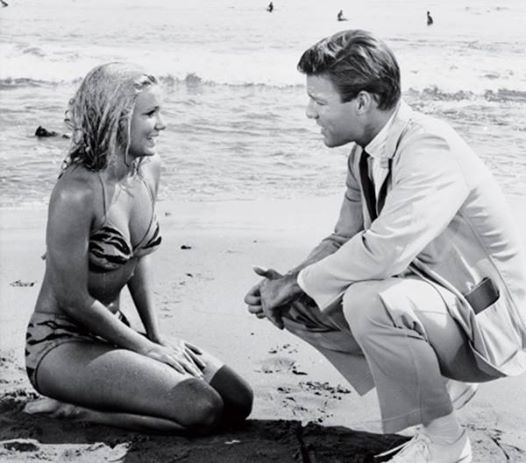
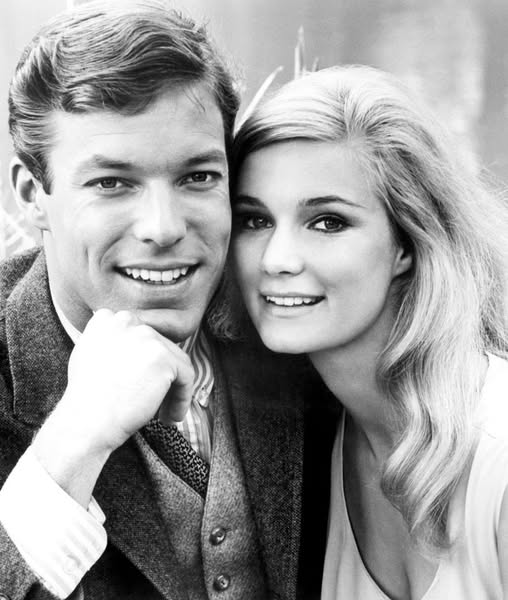
His competition was handsome Richard Chamberlain, on another network, as Dr. Kildare, whose love interests included the actress Yvette Mimieux. She was beautiful, and that didn’t prevent her from getting excellent reviews for her performance. (Okay, maybe the bikini helped a little.)

(Her character died, like every last ONE of the young women who set foot on the Ponderosa in “Bonanza.” Those Cartwrights were hell on women.)

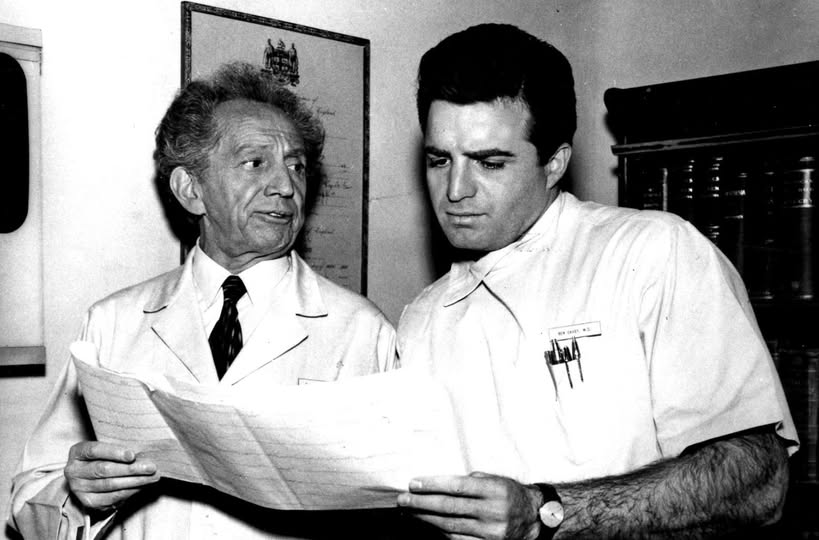
Ben Casey’s boss, writing on the blackboard in the video below, was Sam Jaffe, featured in 1939’s “Gunga Din.”

Jaffe as Gunga Din, with Cary Grant, about to swash and buckle.
Jaffe, as Dr. Zorba, with Edwards, as Dr. Casey.

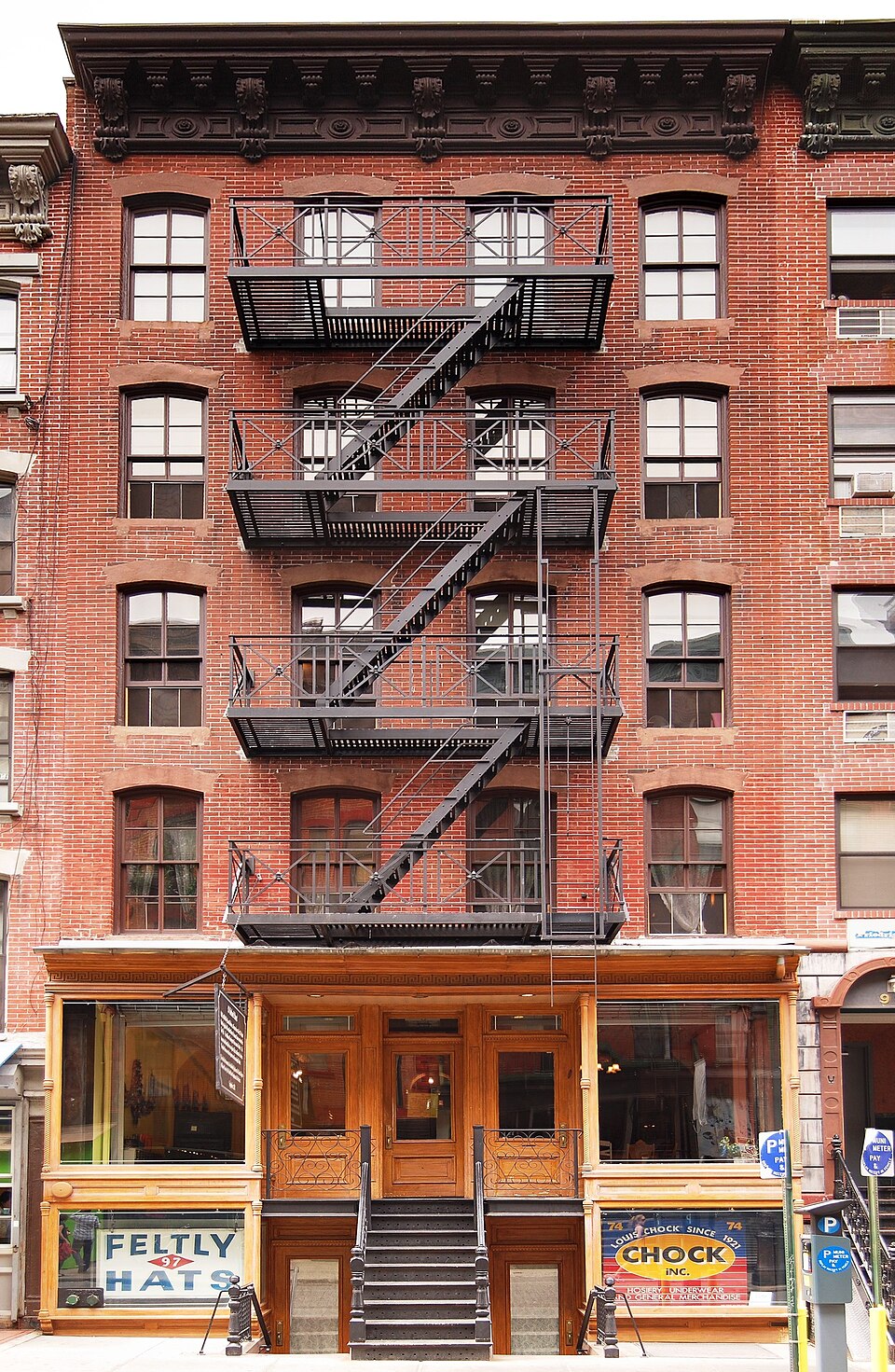
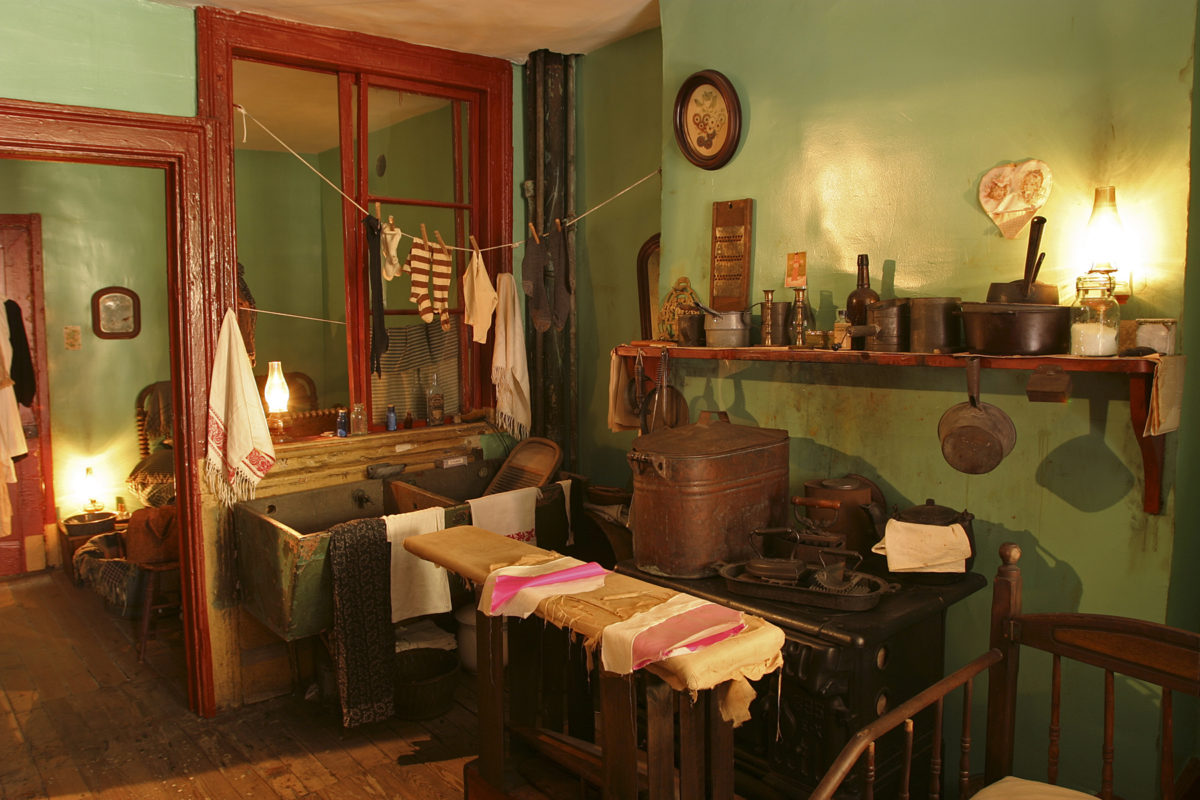
Jaffe, born in New York City of Ukrainian Jewish parents–his childhood tenement is today a museum*– was of course a natural choice to play Gunga, essentially an Indian collaborator with the Raj, but, hey, his buddies were Cary Grant, Victor McLaglen and Douglas Faibanks, Jr., so it’s all good.

*(The Tenement House Museum, on the Lower East Side. Pardon Mr. History Guy for finding Jaffe’s connection amazing.)

Anyway, I was thinking of Ben today because I’ve decided I will contact Stanford and go up there for a wee bit of brain surgery. First, the caveats:

1. I have a tumor, but it’s benign. Nonetheless, it can cause you to fall down, develop blurred vision, and it messes with your memory, like forgetting the name of the actor in the movie you just saw on TV (Robert Ryan) or the name of General Grant’s horse (Cincinnati).

2. It is not actually a “brain tumor.” It’s arises instead in the meninges, which lines the brain. Since “Meninges” sounded to me like an island group, like “Azores,” I have named my tumor Manny.

Immigrants from the Meninges.

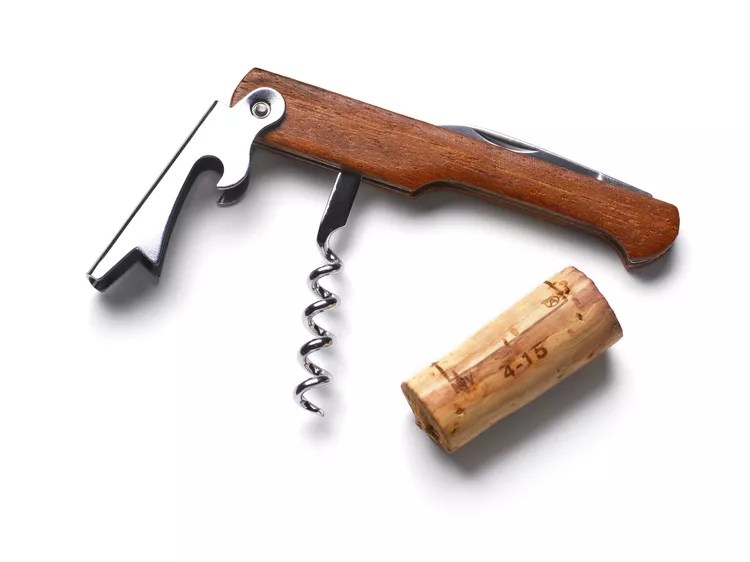
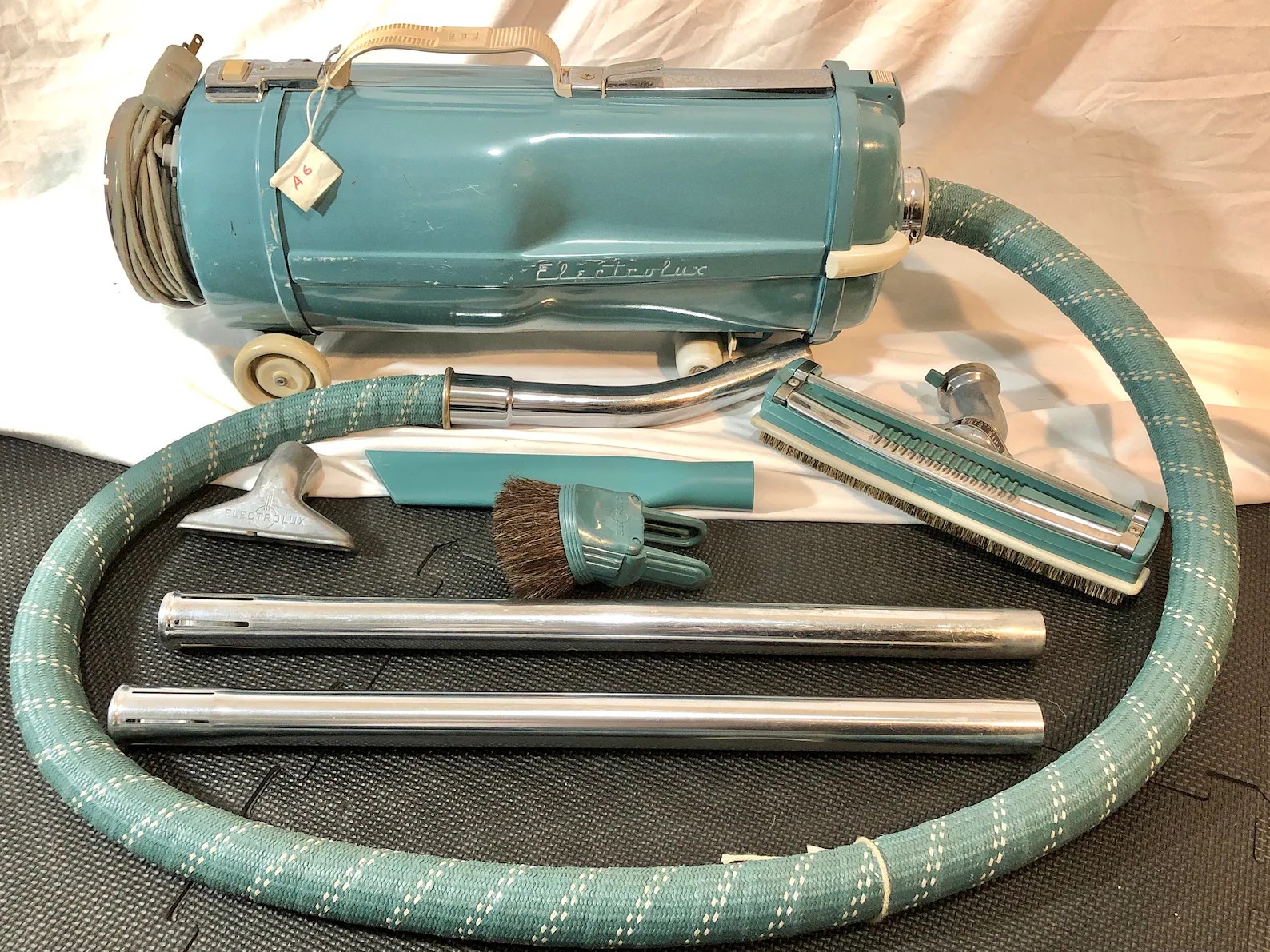
3. It’s a relatively simple procedure, requiring only a corkscrew and a 1960 Electrolux vacuum cleaner with an upholstery cleaner attachment.

4. Very high success rate, but recovery can be tough. It may involve people bringing me chiles rellenos or cheese enchiladas, sushi, Thai noodles with peanut sauce or ravioli for 60 days after the procedure. And maybe red velvet cake with cream cheese frosting.

5. Since it’s at Stanford, unless the surgeon loses the corkscrew inside, I’m sure there’s a chance that my IQ will go up, all the way to 100. I attended a week of classes at Stanford in 2004, on the Great Depression and World War II, and got to hold this X-ray of Hitler’s skull, from the Hoover Institution, so all of this is very symmetrical.


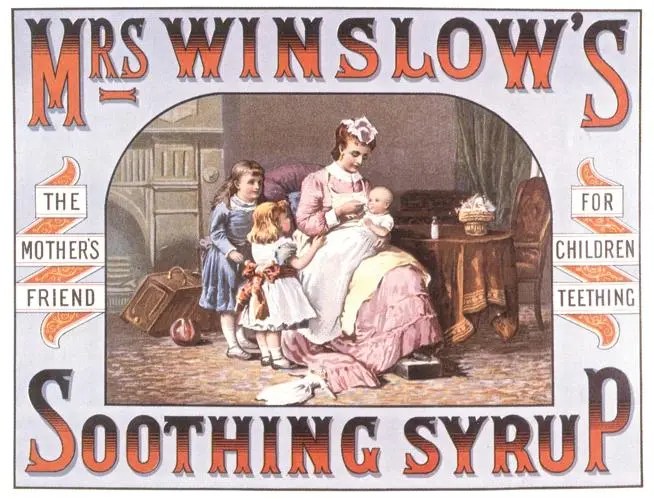
6. I get to have morphine, once a dandy additive to children’s medicine.

I’m still working up the courage, being a devout coward, to start the process that will lead to the surgery. It’s been two days now. I will try again tomorrow. I am posting this in part as an incentive for me to get off my rear end and get going.

But I’d better stop watching this video:

The Dollar Tree and Everything After

07 Saturday Jun 2025

Posted by ag1970 in American History, Arroyo Grande, Family history, History, Personal memoirs, trump, World War II, Writing

≈ Leave a comment

It’s not even the Dollar Tree anymore. It’s the $1.25 tree. At least it doesn’t smell like mothballs, like the old, old Rasco store did, and it’s like Lee Chong’s grocery in Cannery Row. It’s a miracle of supply. You can find almost anything that fits your mood: animal crackers, birthday balloons, eyeglass repair kits, navy beans in a can.

I went there for some miniature American flags and plastic flowers.

The line at the checkstand was long. It always is. The couple ahead of me, a husband with tattoos up to his chin, the young wife with yoga pants—I averted my gaze—and the little girl wearing a ZOMBIE CROSSING medallion. The husband smiled at me. Then he called over my shoulder to a woman two customers back. The man between the woman and me —tiny, deeply tanned, with a wiry salt-and-pepper beard, was as stooped as a comma and he shook uncontrollably. Parkinson’s.

“How are you?” he called to the woman behind the tiny man. She smiled. Her upper teeth were irregular, kind of crenelated. “I’m doin'” she called back. “Job?” he asked.

“Still looking.” her smile dissipated.

“Why don’t you come over tonight?” the man said. His pretty wife agreed. “Yeah! We’re doing Mexican!” It was a going-away party for someone they knew. They asked the checker for a helium balloon, so he went to fetch it. When he came back to the checkstand, they invited him over, too. I think he’s going after his shift ends.


They paid for their cart—canned and boxed food—and the husband asked if he get could $50 over on his EBT Card, from the federal food assistance program. They needed to get the fresh stuff–carne asada, shredded cabbage and lettuce, cheese, onions and peppers–because they were doing Mexican.

The cash register took a long, long time to do the cash-back transaction. It was thinking. The old, old man behind me was shaking. I was liking the little family as they left the checkout. My turn.

These people, including the gracious young man with the tattoos up to his chin, are about to suffer. The woman he called to is jobless and looking, but I suspect that he, in using the EBT card, is among what are euphemistically called “the working poor.” He may work in the fields. Maybe not. If his little girl (who wants to be a zombie) gets sick, this family might be without the Medicaid they’d need for her.

The old man behind me will die. Very soon.

So they all might suffer. But they deserve it, don’t they? Their place in the the economy’s lower tiers (economics was once called “the dismal science”) is their own fault, isn’t it? My sons, who rely on Medical, might suffer as well. And Thomas uses his EBT card to supplement our food supply when the month, as it invariably does, outlasts the money. (My sons have jobs and work hard—John repairs water wells and Thomas drives a forklift.)

If the Present Administration goes after Medicare, and the rumblings suggest that they will, then I will suffer. I must deserve it.

Then I realize I’m being stupid. The United Kingdom, Australia, Canada, Sweden, Norway, Denmark, Brazil, France and Germany all subsidize health care. South Korea’s public health system is probably the best in the world.

Then there’s Social Security. The president said today that he will “love and cherish” Social Security. He says the same about women. Eighteen have accused him of sexual assault. And, by the way, “social security” is not some bleeding-heart liberal New Deal cushion for the retired (and therefore, according to Elon Musk, the unproductive. SEE: The film Soylent Green).

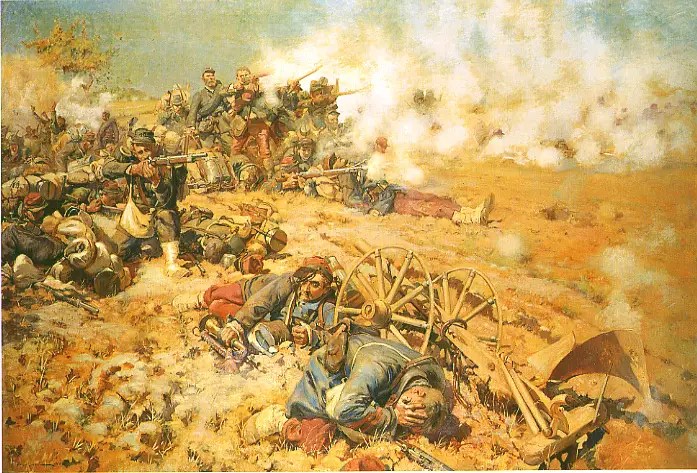
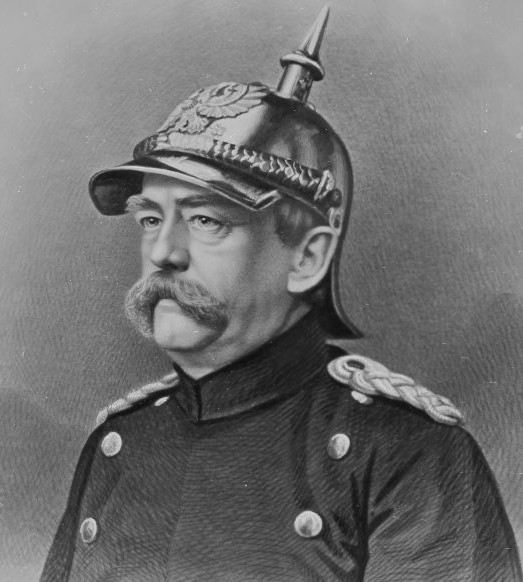
Here’s the man who invented Social Security, right after waging successful wars against Denmark, the Austrian Empire and France. He provoked all three wars and, in the process, had unified Germany by 1871. Otto von Bismarck, “The Iron Chancellor” brought an old-age pension program to Germany in 1889. The milk of human kindness, as you can see, flowed through his Prussian veins.

Above: A French defeat in the Franco-Prussian War, 1870-71; The “Iron Chancellor” who provoked it.


We need to go in a different direction than Bismarck’s. Our national resources need to be diverted to people like these. They deserve The Big Beautiful Bill.


I was thinking this and getting depressed, and angry, so to cheer myself up, I went to the cemetery.

I wanted to be with people who, like the man in line, were more far more generous than the billionaires.

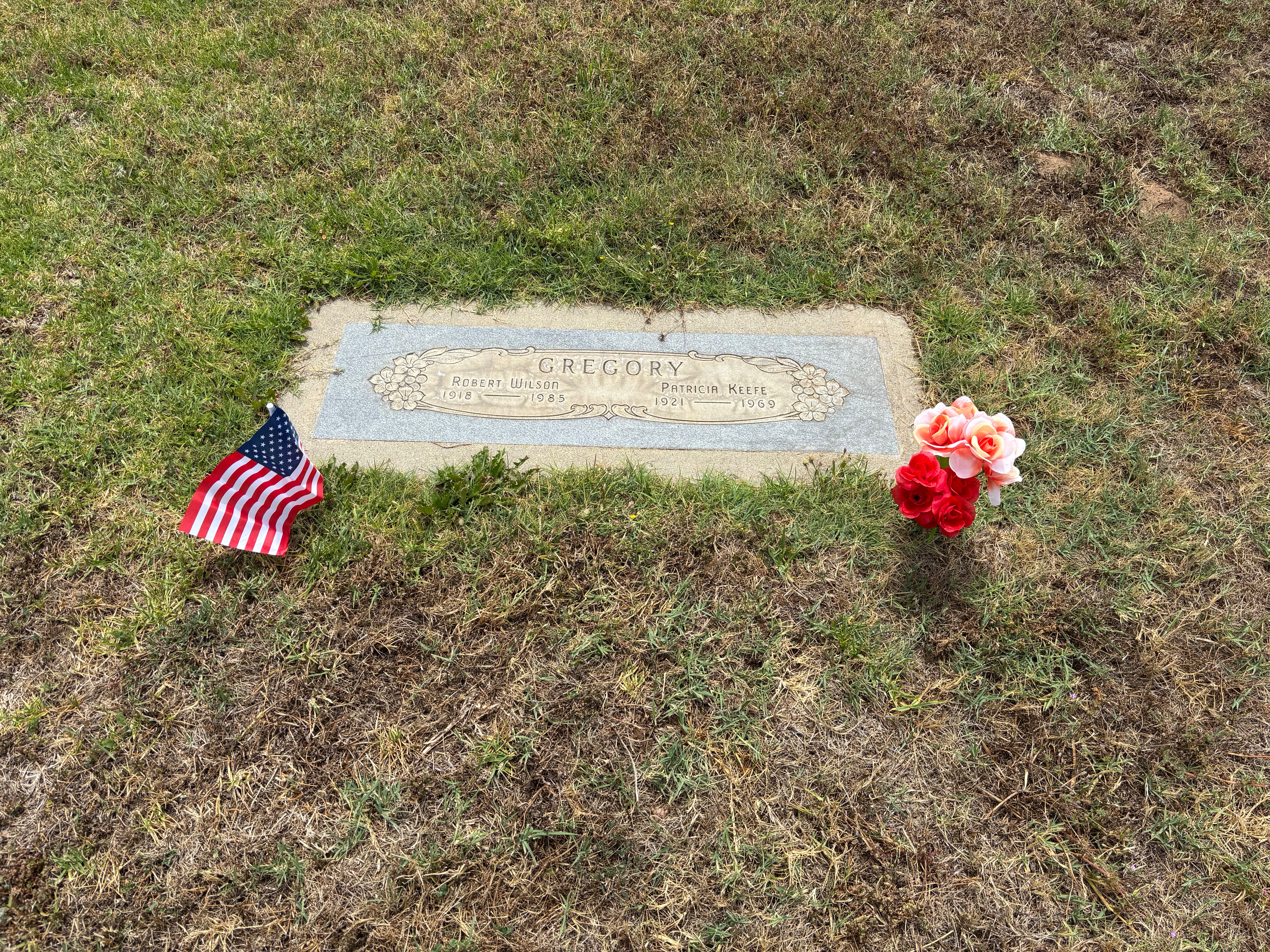
Of course, I found them. My Dad, Robert Wilson Gregory, taught me how to tell stories. Patricia Margaret Keefe was my Mom, named for two Irish Famine ancestors, Patrick Keefe and Margaret Fox. She had a fierce sense of social justice and a hunger to learn. These are the things she taught me.

I had to be a teacher.


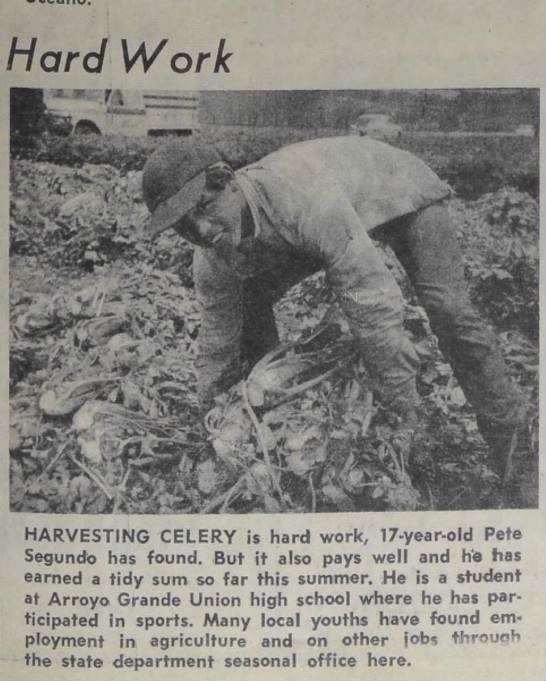
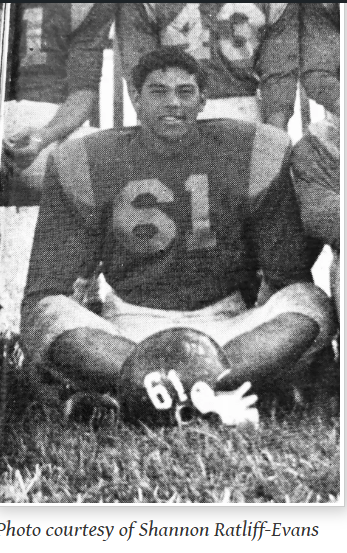
And then I looked for another young man, Pete, who was as generous to his friends as my parents were to me. “To know Pete was to love him.” I have heard that many, many times. Pete Segundo, AGUHS ’66, my big brother’s class, was an incredible athlete. He wrestled and played football. He was the Letterman’s Club president (in one yearbook photo, his arm’s broken and in a sling. He is grinning broadly). He showed a steer for FFA. While other kids went to the Choo-Choo Drive-In on East Grand after school, Pete went into the fields to chop celery.


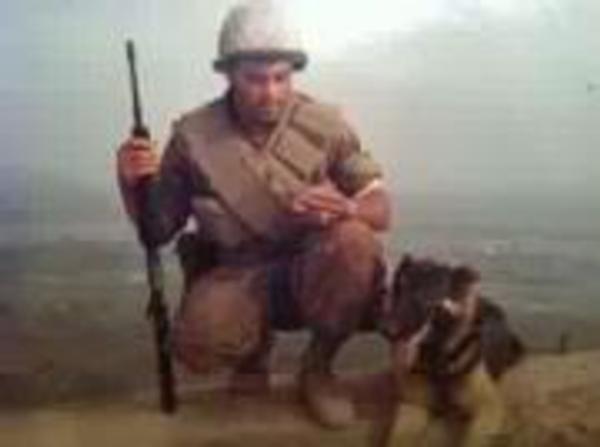
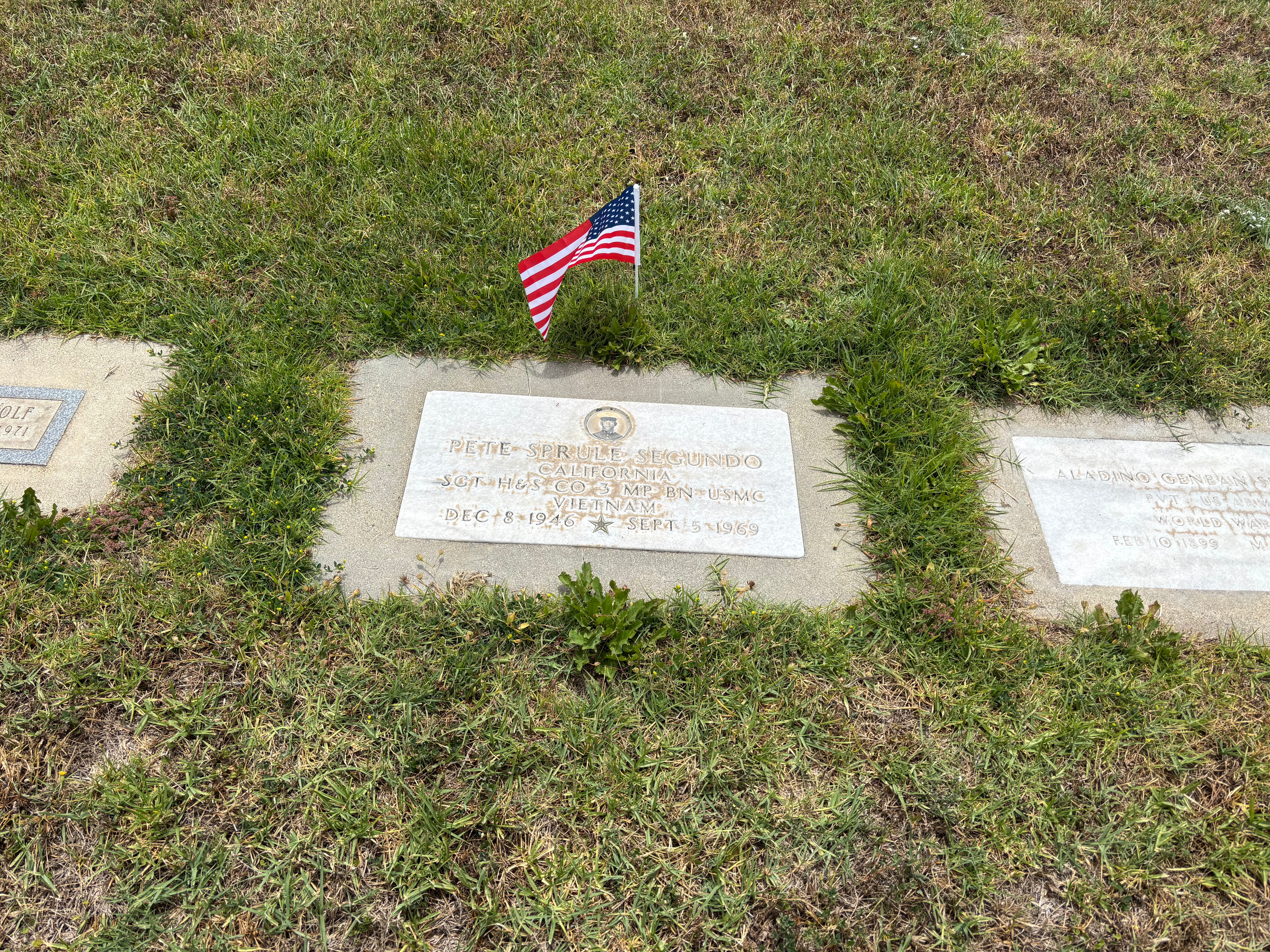
In 1969, the Marine Pete Segundo died in Vietnam, killed by “friendly fire,” which might be the worst euphemism of all for the greatest act of generosity that any American can give.

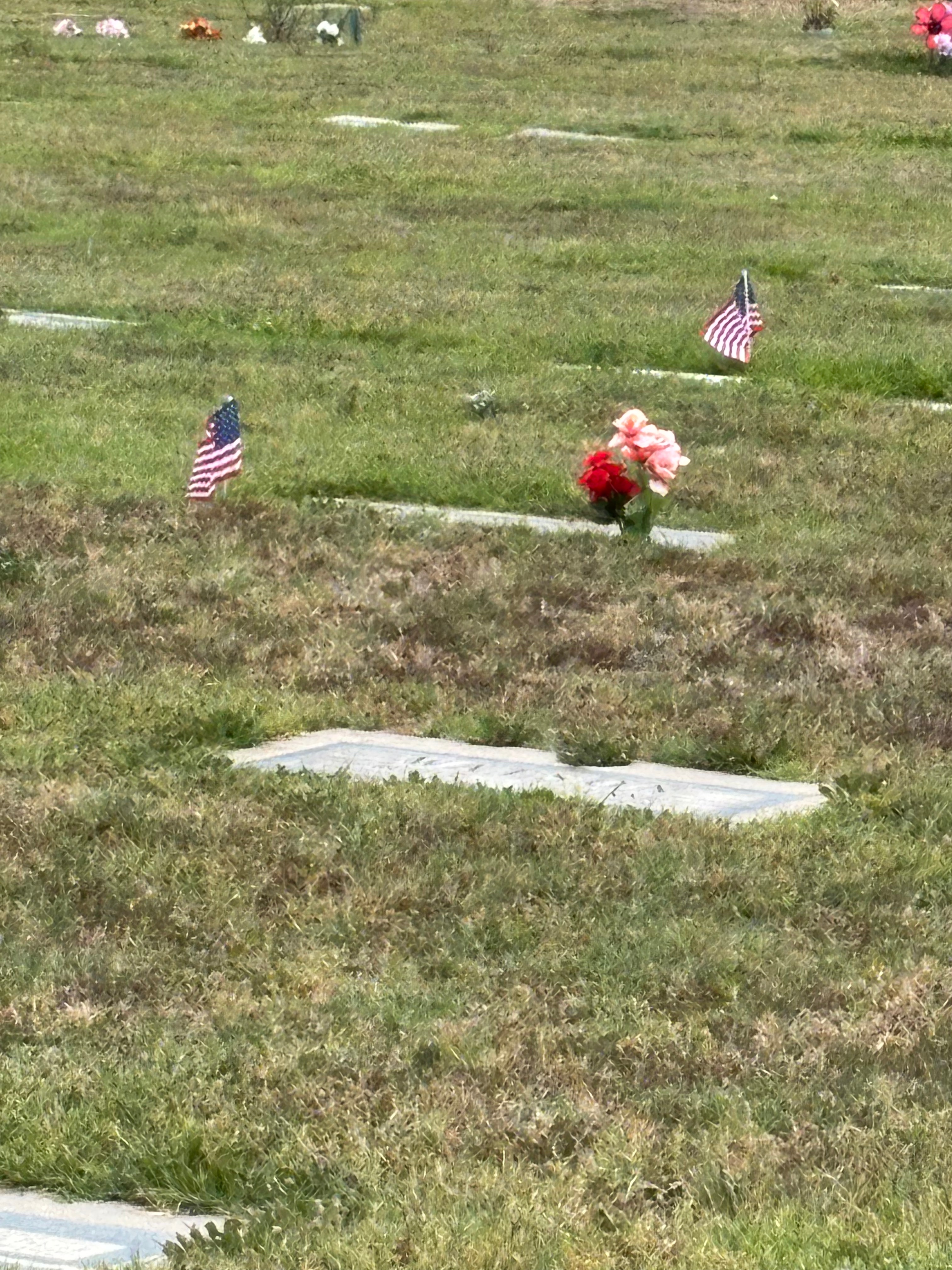
His grave was uncharacteristically bare. Usually it’s bright with flags, flowers, red-white-and-blue pinwheels spinning in the wind. Maybe they cleaned everything up after Memorial Day. Luckily, I had another American flag. I remembered, as I pushed into the turf, what my big brother said about Pete. Bruce went out for wrestling and Pete was already establishing himself as the next big thing for Coach Ruegg. Bruce was not going to be the next big thing. “Pete was nice to me,” he said once, “and he didn’t have to be.”

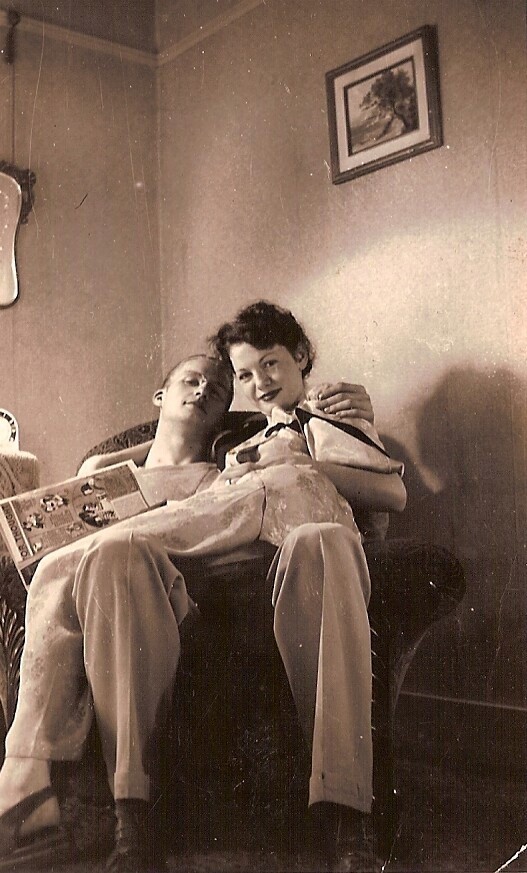
Above: My folks, with the Sunday funnies, about 1940; Pete’s grave is a row above theirs.

I was once a newspaper reporter and therefore, all my life, a news junkie. Part of my recovery from alcoholism means watching the news far less than I used to. We live in an age of meanness. I was raised to value kindness. Today I felt a little overwhelmed, so I made my deliveries, flowers and flags, and I spent more time than I ever have at the cemetery, talking to my parents, telling my Dad how proud I was of him, telling my Mom how much I loved her.

I was worried about the people in line at the Dollar Tree and thinking, painfully, about the way Pete had died.

I think my parents were whispering back to me. Suddenly, I felt at peace.

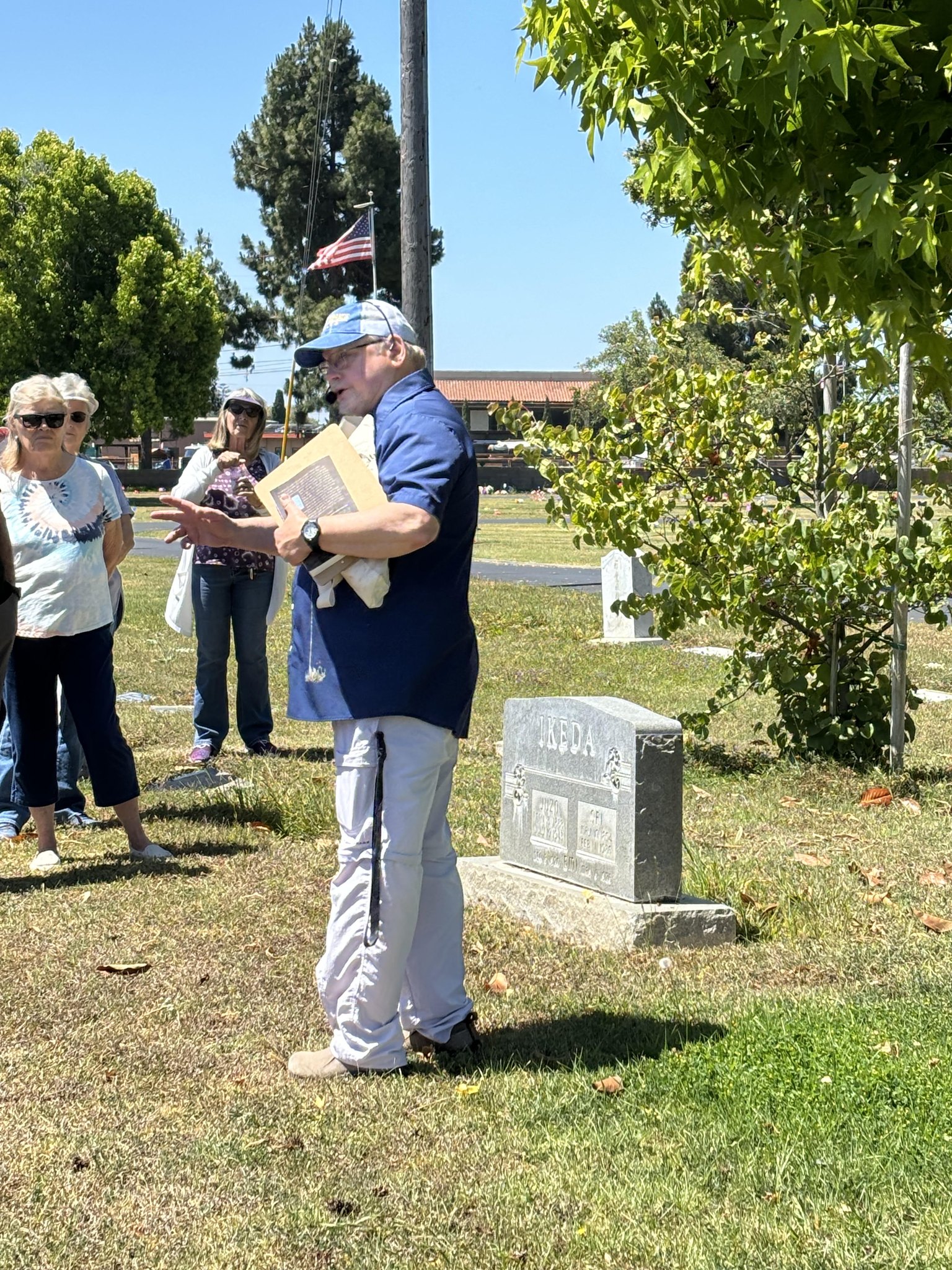
Me leading a cemetery tour for the South County Historical Society. The family I’m discussing embodied the generosity I admire so much.

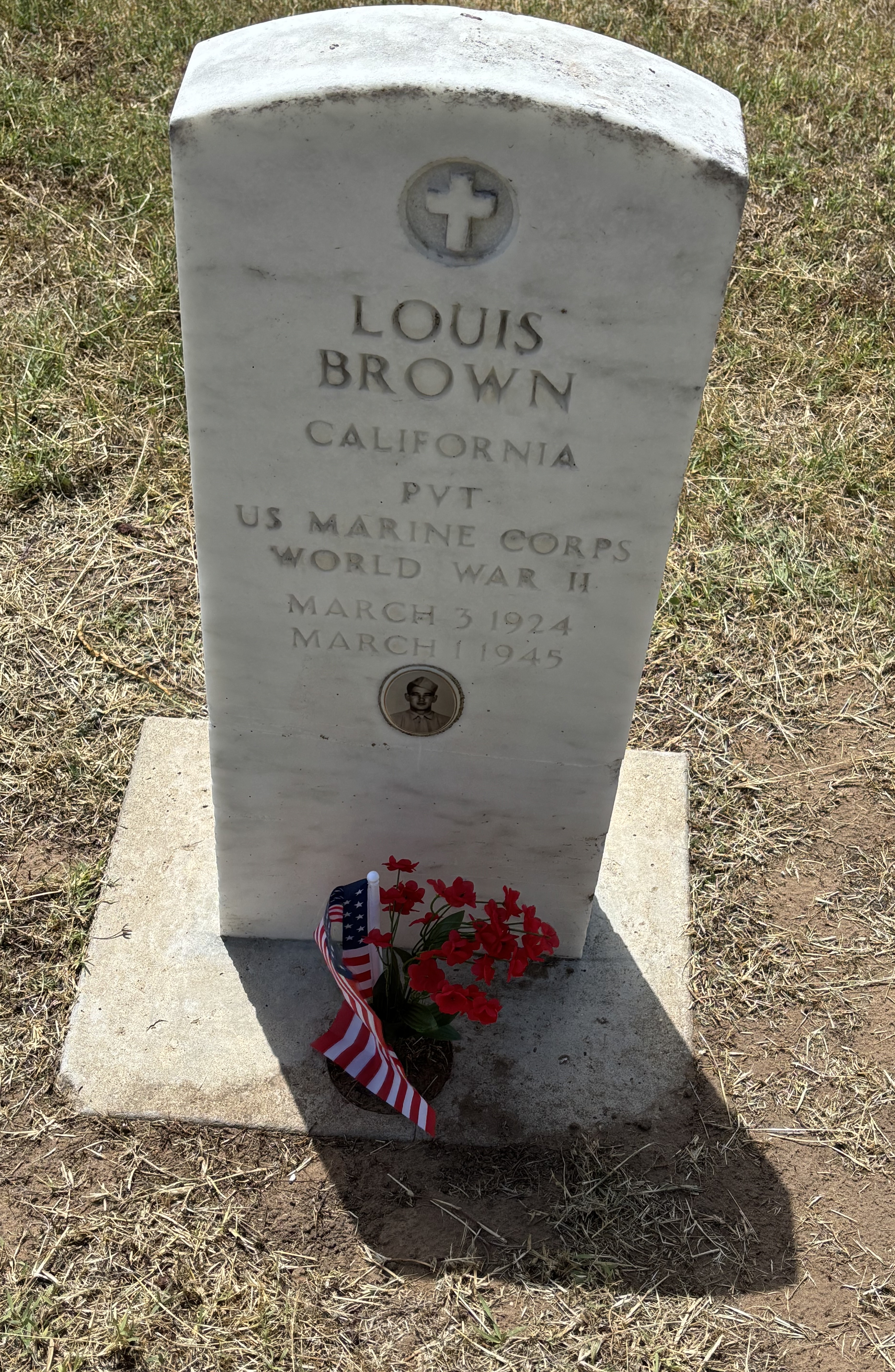
Postscript. I had one more American flag and a sprig of little red plastic flowers. My last stop was for this Marine, a Corbett Canyon farmer’s son, who died on Iwo Jima. Finding Louis Brown’s grave led to my first book. He was generous to me, to all of us, beyond imagining.

Version 1.0.0
Version 1.0.0

Pep Talk

17 Thursday Dec 2015

Posted by ag1970 in American History, California history, History, The Great Depression, Uncategorized, World War II, Writing

≈ Leave a comment

I have never been shy about writing fan letters, so I wrote one to the UC  Davis prof who’s written a terrific new book, Right Out of California, about political, economic and social conflict in 1930s California.

I also am a shameless little man, so I included the Domingo Martinez piece from the Arroyo Grande book and told her I was looking at writing about the 30s, too.

She emailed back later yesterday:

I’m so glad to hear that my book was relevant to you. I’m also very interested to learn about your own work. The central coast has some great stories from the interwar years to tell; and it seems, from the sample you provided me, that you’re the right person to tell them.

That’s nice. That’s not the clincher, though. My big sister, Roberta, wants me to write it, too.

So I guess I will.

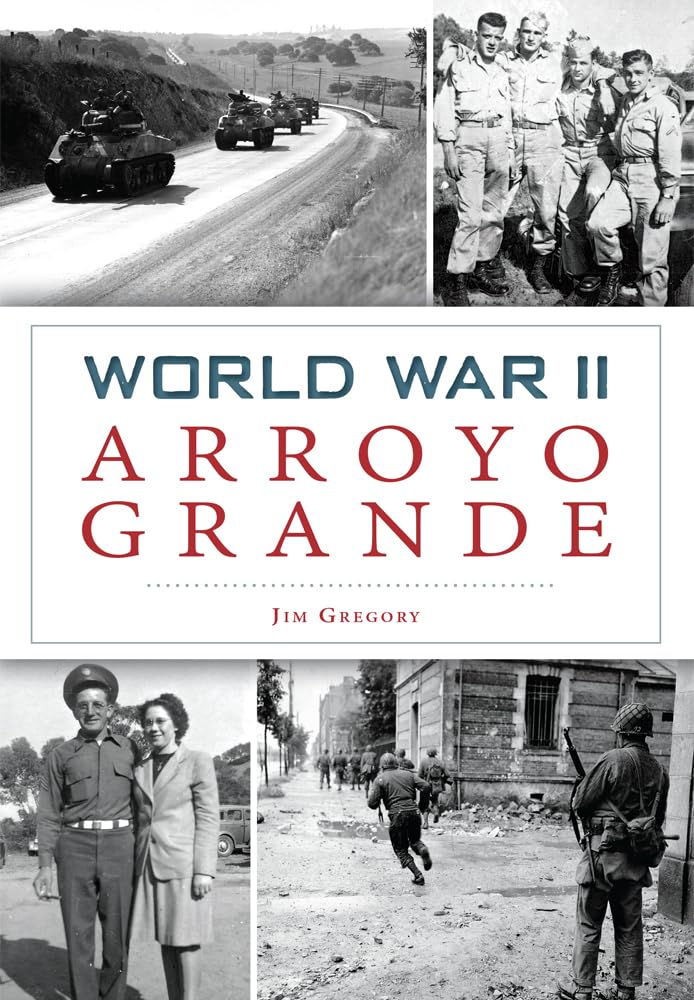
What’s making me dawdle, before I pitch the book idea, is knowing how miserly the pay is. For each $21.99 copy of the World War II book, over a year’s work, I get about $1.50. And I’ve done the research, the writing, located 70+ images from all over the world, some which required me to buy usage rights, and I’ve done a good deal of the marketing.

So I feel like your basic oppressed proletarian.

The other factor: The sheer magnitude of the subject is daunting. World War II, as large-scale as it was, was chronologically compressed and its events already so familiar, so it was much more manageable.

So I think I’ll expand the scope of this book to include the 1920s. That sounds counterintuitive, but I realized that I don’t have the talent or the graduate assistants for a narrative history. What I can do is to generate a thematic overview of the interwar years, to tell good stories well. Themes might include Prohibition and crime; politics, Mr. Hearst, contrasted with the poor; the collapse of farm prices and that impact; daily life, especially of young people; dissidents and dropouts; the New Deal’s impact; the coming of the war.

I’ve got to expand the locale as well, so we’ll include material from Northern Santa Barbara County, even a little from Taft, from San Simeon, of course–but the bulk of the book would come from the area between San Luis Obispo and Nipomo.

[What’s hardest to come by, and what I hunger for, are statistical data that’ll give a snapshot of the Central Coast–everything from foreclosures to crop prices, housing starts to high school dropout rates. Those are hard to find.]

So it would be The Interwar Years on California’s Central Coast or something like that. Or maybe Pete’s Dragon.

Now I’ve got to generate a proposal and go back to my two most important secondary sources and organize the margin notes I’ve taken. I also need to read again David Kennedy’s Freedom from Fear.

Not a good day to feel under the weather.

20151217_084729

Intimidation

08 Sunday Nov 2015

Posted by ag1970 in American History, California history, History, Writing

≈ Leave a comment

Filipino field workers thinning lettuce with the short hoe, Salinas Valley. Photograph by Dorothea Lange.

Filipino field workers thinning lettuce with el cortito, the short hoe, Salinas Valley. The tool would be outlawed in 1974. Photograph by Dorothea Lange.

I thought it would be a good idea to write about the Depression and New Deal, and I still think it is. What I wasn’t prepared for was the topic’s massiveness, the inchoate nature of local scholarship on the period, and the kind of conflict that, in some ways, is more hurtful than writing about the war.

I’m using Kenneth Starr’s series—if California has a Historian Laureate, it’s Starr, and he’s pretty even-handed—as a guide. But once you get into Starr’s depiction of the period 1934-37, the wheels start to come off your Comfort Train.

California was unique in so many ways in the Great Depression. The downturn didn’t have the wallop here that it did in the industrial Midwest, where at one point unemployment in Toledo was 80%, because California, in these prewar years, was still largely agricultural. It also, in large part thanks to a reactionary governor, Frank Merriam, resisted the New Deal–failing to stop FDR’s programs, but retarding their introduction into the state until long after they’d taken hold elsewhere. Around here, for example, the New Deal didn’t seem to have had real impact, except for the CCC, and, of course, except for AAA farm subsidies, until 1938 or 1939.

What California did have–and in spades–was a political right wing that veered, intermittently and locally, into a tight and militarized alliance between business and government: that’s a serviceable definition of corporativism–or Fascism.

This alliance had its beginning in the postwar years, with the Palmer Raids, Sacco-Vanzetti and, more locally, with the IWW and with San Francisco dockworkers’ agitation. By the mid-1930s, the right’s fear intensified, because there were communists among farm labor organizers–made manifestly clear by Steinbeck’s In Dubious Battle. In reality, the struggles of California workers at the time had little or nothing to do with ideology and everything to do with organizing for a living wage, for sanitary living conditions, and for a safer workplace.

That, according to the powerful elements in the state–the umbrella organization for big growers, Associated Farmers, Inc., the Union Pacific Railroad, Pacific Gas & Electric, and the City of Los Angeles, with the most aggressive “Red Squad” in the nation being the LAPD’s–that kind of agitation was communism, pure and simple.

The right had its roots in LA, although most of the earlier labor strife had come farther north. By the 1930s, the Imperial, San Joaquin and Salinas Valleys, and the Arroyo Grande and Nipomo Valleys, to a smaller extent, had become the front lines for fighting incipient Communism.

When Socialist Upton Sinclair ran for governor in 1934, it was the LA District Attorney who notified thousands of potential working-class voters, potential Sinclair voters, that they would have to appear and present legal proof of their residence. It was the LAPD who, in 1936, sent nearly 200 officers to entry points around the state’s borders with the extraconstitutional mandate to turn away travelers with “no visible means of support”–they waved through, for example, a gentleman in a brand-new Packard but detained, rousted, and turned away a poor family crammed into a 1921 modified Ford pickup. At night, they gathered hundreds of unemployed men–mostly very young men–handed them peanut-butter and baloney sandwiches, and put them on freight trains bound for the Arizona border.

In Salinas–there are rumbles about the 1936 strike in the old Arroyo Grande Herald-Recorders–lettuce workers were locked off the job while hundreds of scabs were brought in. The strikers threw rocks at the trucks bringing in the strikebreakers, which brought the Monterey County Sheriff, the California Highway Patrol, and hundreds of deputized citizens, armed with axe handles, onto the side of the growers. They beat strikers, men and women, senseless, used tear gas and nausea gas, set up machine gun nests, and when deputies mistakenly unloaded their shotguns on three carloads of strikebreakers, it took them all night and most of the next day to coax them out of the fields where they were hiding, terrified.

In an Imperial Valley strike, growers beat the attorney, on the courthouse steps, who was representing labor organizers indicted for criminal syndicalism. The sheriff and his deputies watched, waited, and then intervened, arresting the semiconscious attorney’s wife when she went to their car and retrieved a revolver. Another labor attorney–a Jesuit-educated Irishman, God love him–took over the case, and tore the prosecution to shreds: they had to drop four of the six charges against the organizers. The D.A. prosecuting the case had his term lapse, but was allowed to continue when the state attorney general named him a special prosecutor. The defense attorneys presented six hours of tightly-reasoned legal arguments (How can you send a man to prison, for example, for being a member of the Communist Party when the Communist Party was recognized by the state of California and regularly ran candidates?) while in his summation, the prosecutor–literally–clutched the courtroom flag to his breast and preached Americanism.

The jury deliberated sixty-six hours, brought back a handful of guilty verdicts, and recommended that the convicted be placed on probation. The judge ignored the jury and sentenced the defendants: one to eight years in prison. The women got the lesser sentences; the men went to San Quentin.

There were bitter strikes here, as well, in 1934 and again in 1937, when the CHP were imported to Nipomo, as they had been in Salinas, to protect strikebreakers and to intimidate strikers. The San Luis Obispo District Attorney, with a near-Dickensian name, van Wormer, and Sheriff Haskins felt confident enough to issue the strikers an ultimatum: Go back to work or go to jail, charged as vagrants.

99% of the workers, the Arroyo Grande Herald-Recorder proclaimed, with equal confidence, were eager and willing to go back to the pea fields, but they were intimidated by outside agitators.

The implacable 1%–doubtless, they were Communists–wanted forty-five cents a hamper to bring in the pea crop. The Herald-Recorder soberly reported that one worker maintained that twenty-five cents a hamper was more than enough to allow a family to support itself.

The final offer was presented, not by the growers, but by Sheriff Haskins: Thirty cents. Take it or leave it.

This research is going to lead me into dark places–and shining daylight there, even eighty years later, is going to make me enemies.
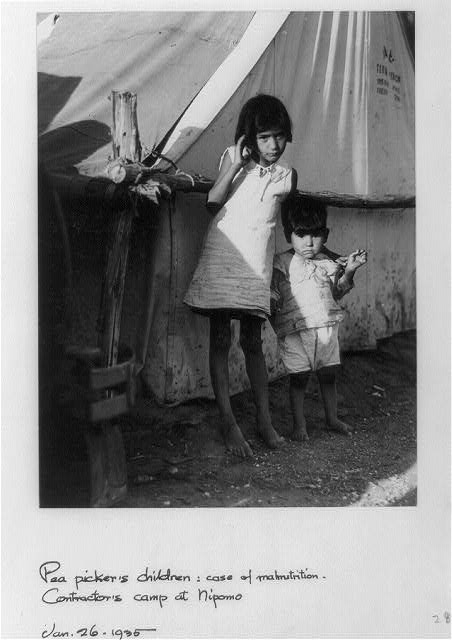
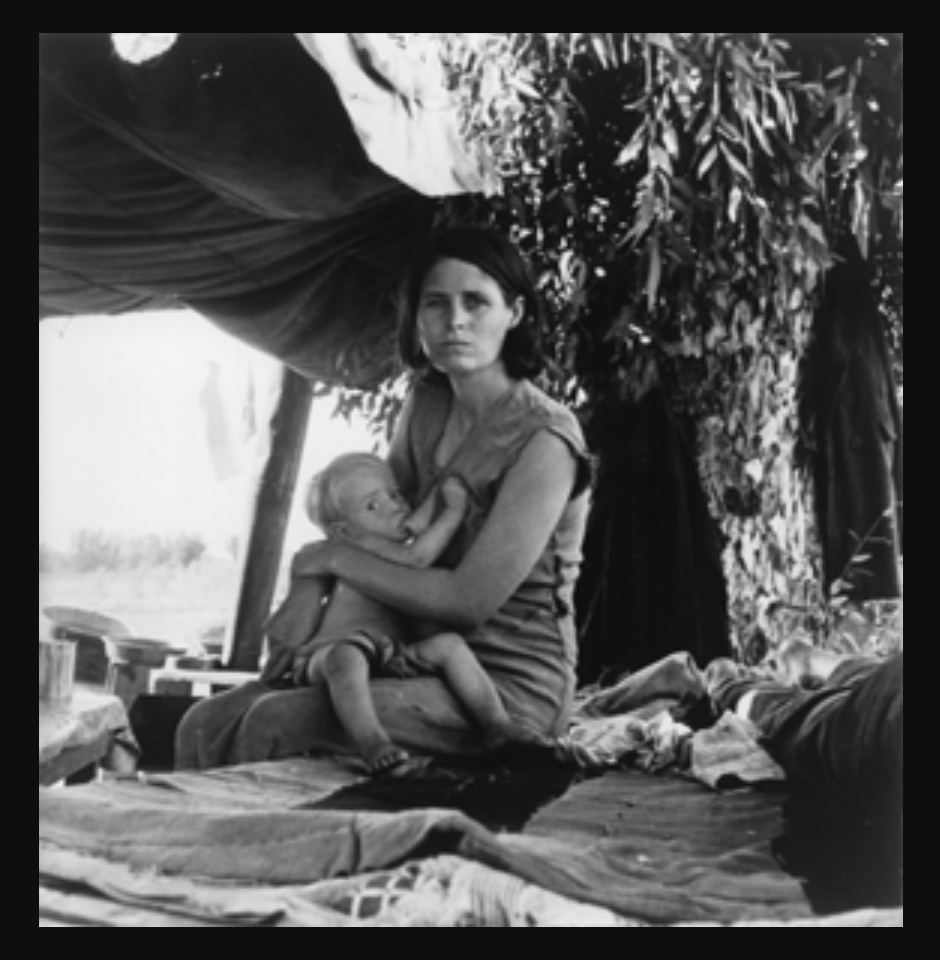
Pea pickers' children, Nipomo, 1935. The little girl's knocked knees are indicative of rickets, caused by a Vitamin D deficiency.

Pea pickers’ children, Nipomo, 1935. The little girl’s knocked knees are indicative of rickets, caused by a Vitamin D deficiency. Dorothea Lange photo.


I hate rudeness in a man…

28 Monday Jul 2014

Posted by ag1970 in Film and Popular Culture, Uncategorized, Writing

≈ Leave a comment

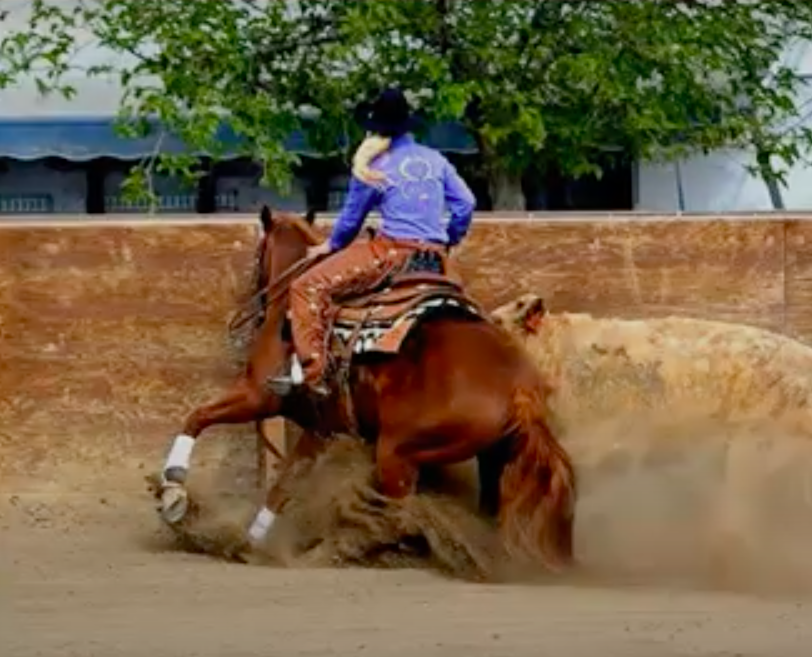
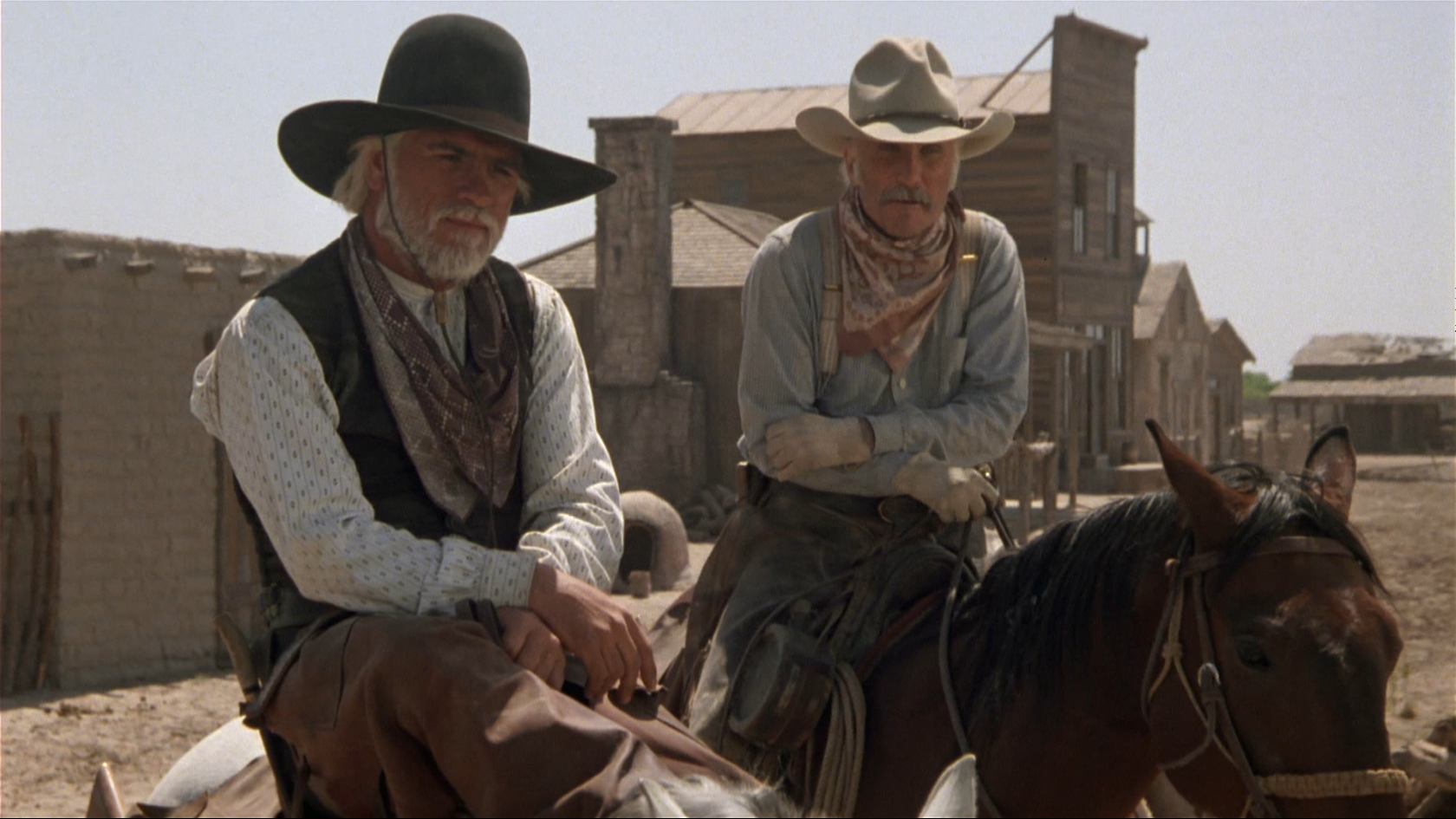
This photo of my grand-niece Sarah, a gifted horsewoman–she is lovely, like her Mom–set me to reminiscing about the miniseries Lonesome Dove, and what a grand job they did of making the TeeVee Machine literate for those nights. I will never forgive the cable company which dropped the signal the last half-hour of the last episode.

I have said it before, but the scene that still stands out is when a vicious cavalry scout is beating Woodrow Call’s illegitimate son, Newt, with his quirt. Woodrow–Tommy Lee Jones–sees the commotion from the other side of the little town, understands instantly what is happening, and leaps into the saddle to rescue Newt. Gus, Woodrow’s longtime friend and fellow former Texas Ranger, has to lasso Woodrow to keep him from killing the cavalry scout–he’s softened up a smithy’s anvil a tad with the scout’s skull–and when he’s reasonably calm, Woodrow says “I hate rudeness in a man.  I won’t tolerate it.”  It’s a lovely, albeit violent, moment.

But what’s even lovelier is the ride across town Woodrow makes to rescue Newt.  Jones is a polo player in real life, and he vaults into the saddle, gets the horse’s head turned around, and is off like a shot. That ride–that enraged gallop–is seamless.  There is absolutely no movement on Jones’s part; it’s as if he’d been welded to his mount and the two are, as the Aztecs thought of Cortez’s cavalry, one being. I have never seen a more beautiful moment of horsemanship, sorry, Vienna Riding School fans. Here’s the excerpt.


https://youtu.be/77ZuwtX3B80?t=74


When I taught at Mission, our senior English teacher, Isaak, assigned Lonesome Dove and I was a little taken aback.  No Bennet sisters, no tormented Russian boarders, no Pequod, and Larry McMurtry is still alive, in violation of all the rules of what can decently be called “literature.” Then I, Mr. Smartypants, read McMurtry’s book and Isaak couldn’t have been more right.

I have a little bit of what McMurtry has:  he is crazy in love with the language and in his hands, it’s malleable, plastic, more like paint or music than prose. It’s easy for a writer in that place to get clever and precious (guilty), where you can see he’s showing off.  You don’t get that sense with McMurtry–instead you get the feel for the language as it must have really sounded on the frontier.

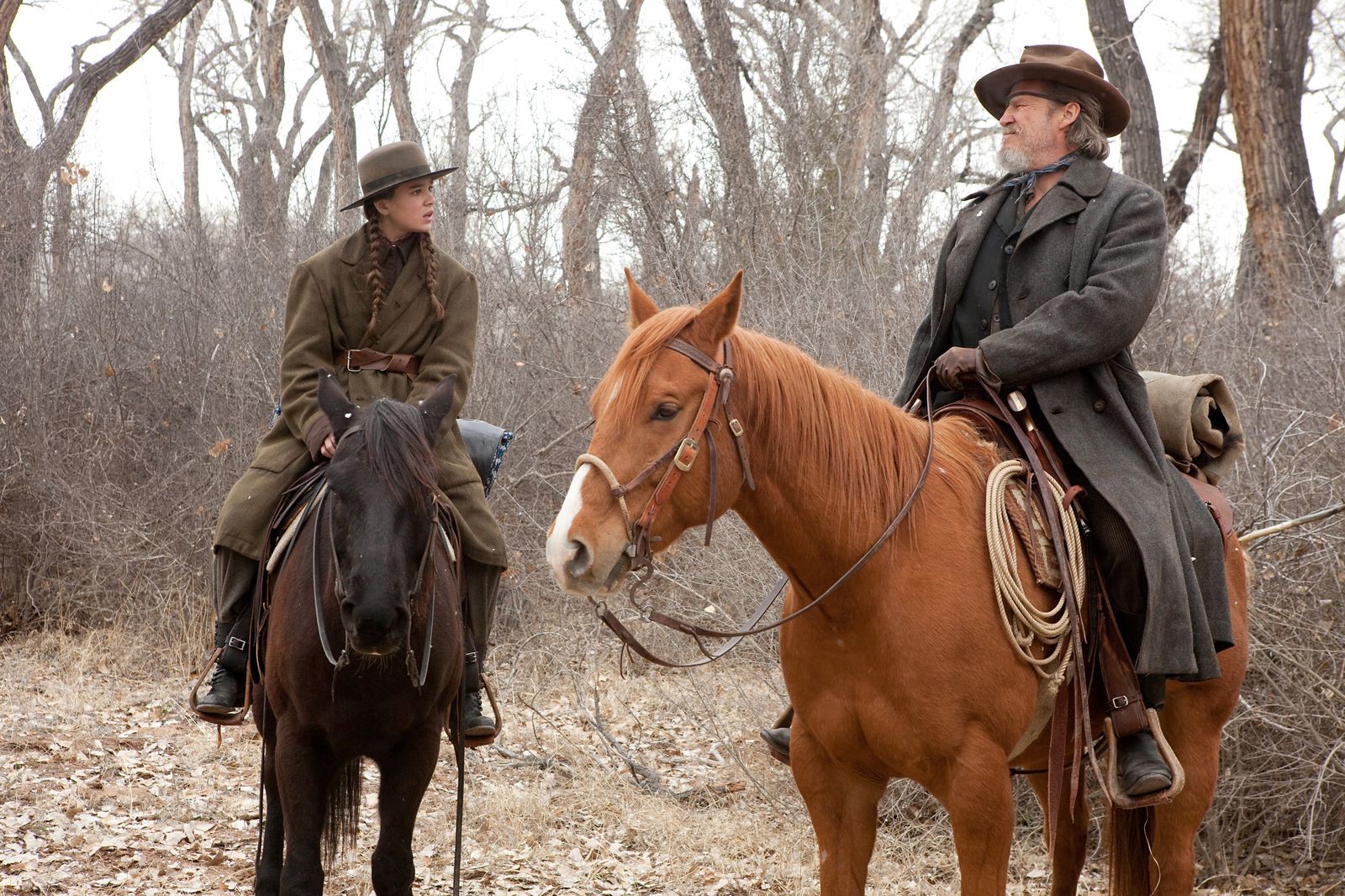
That is why I am so impressed with Portis’s True Grit–the two excellent films adapted from that novel didn’t need all that much adapting: the dialogue and Mattie Ross’s narrative are lifted word-for-word from Portis. What he did between the pages of that book–I think the best picaresque novel since Huck--is to strap his readers securely into a time machine and transport them back into the midst of the spectators, with wicker baskets of fried chicken wrapped in picnic linen, waiting impatiently for condemned men to swing from the gallows in Fort Smith, Arksansas.  It is a remarkable work.

McMurtry’s Dove is much the same.  The names alone that he gives his characters show an imagination alive with the wonderful sounds and combinations of sounds that can make a book come alive.  For example:

  • Jake Spoon
  • Lippy Jones
  • Deets
  • Blue Duck
  • Mox-Mox the Man Burner
  • Dish Bogget
  • Pea Eye
  • Peach Johnson
  • July (pronounced, as my Dad did, JOO-ly) Johnson

Of course, the most memorable character of all is Gus, and Robert Duvall was perfect. He always had, in almost any situation, that faintly bemused look on his face, which I think meant, as in the book, that Augustus McRae was listening to a symphony nobody else could hear.


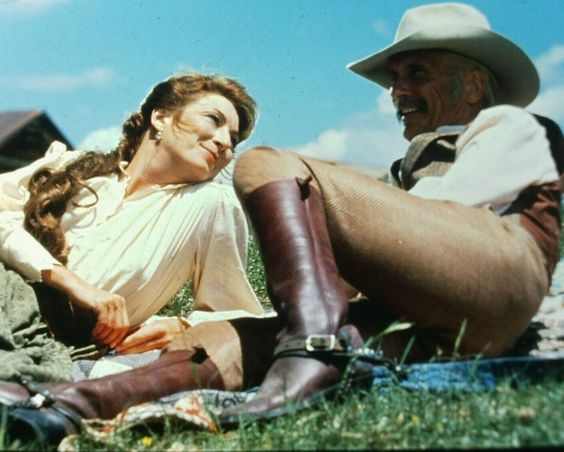
He’s a perfect foil for the Puritan Woodrow, never afraid to needle him, and under it all he is a Romantic, in the best sense of the word: he protects the weak. His relationship with Laurie the prostitute, in shock after a vicious gang rape and beating, is touching; he doesn’t do what other action heroes would do–immediately track down the perps and air-condition them with his revolver. Instead, he becomes like a father to her, stays with her but not near her, feeds her, and gives her time and space to begin to recover. He is utterly loyal to his friends but will not hesitate to hang one who’s crossed the line, like Jake, from honor to barbarity, and there is only one woman in the world for him, Clara, and that accounts for that ache, that melancholy, that Gus’s bemusement hides so well.  It is easy to love a man that strong and that vulnerable.


A Reporter’s Notebook

16 Wednesday Jul 2014

Posted by ag1970 in Writing

≈ Leave a comment

I’m sorry I’m posting so much, but I am laid up and besides that, but this is how my mind has worked all my life. It always has lots to think about.

This morning it was about two wonderful interviews I got to do when I was a reporter.

One was with Tom Carolan of the Carolan House in Grover. He was 100 when a gifted photographer, Thom Howells, and I met him. Carolan’s home was, to borrow Steinbeck, like a museum of uncatalogued exhibits, like an incredible antiques shop.  I was particularly  taken, and so was Thom, by a pair of beautifully-crafted binoculars from 1906. Carolan was Irish-born–not fond of Oueen Victoria–funny, eccentric, and delightful. He still missed the love of his life. He outlived Mrs. Carolan by twenty years.  She was a New York girl, I think, with whom he, a young immigrant had fallen in love, during the McKinleyvAdministration. . I loved the interview and I loved his little house, one of the first in Grover City.

I get a little emotional in old homes because some part of me intuits the lives that have left their traces in them, and the Anne Frank home in Amsterdam very nearly overwhelmed home me. Even as a supposedly objective historian, I have a consistent habit of making friends I have never met. The young men of World War II  I am now researching are from my father’s generation, but their lives ended so young that they become, in a way, like adopted sons. They are my boys, and I miss them.

The second wonderful interview was with Gene Saruwatari over coffee at what is Pancho’s today. It was still Sambo’s, and a place where in high school I had spent hours talking about books and music and poetry and ideas over botomless cups coffee–ten cents, no limit on refills–with my friend Paul. A peroxide blonde with a beehive who snapped her gum and looked tough–she more than held her own with truckers, farmhands,  and drunks– served us. But she liked Paul and me, called us “Hon,” and so I liked it when Gene suggested that place for the interview.

(By the way, we all had crushes on Gene’s lovely sister, Gayle, back in high school and also with the car Gayle drove–their Dad’s 1969 400-horsepower Pontiac GTO, black top over midnight blue.)

It had suddenly suddenly occurred to me that all the walnut trees of my youth, including the groves that had once surrounded the high school, were gone. I remember that Joe Loomis, in his woodcutting days, had cut enough firewood from them to keep all the fireplaces at Hearst Castle roaring for fifty years.

Gene told me a pest–the husk fly larvae–had infested the trees and so killed walnut cultivation in the Valley. But Gene made it interesting, and then even more interesting when he talked about how his grandfather, who harvested walnuts as well as vegetables (My Kelly grandparents had 40 acres of almond trees in Williams, California) had come from Japan and settled here.

I remember Tom and Gene because in both interviews, I had to struggle to take notes. Sometimes you just want to put down your pen and Reporter’s Notebook and listen to good people tell good stories. It is a great honor.

4102443434_d5a3f95405

Subscribe

  • Entries (RSS)
  • Comments (RSS)

Archives

  • January 2026
  • December 2025
  • November 2025
  • October 2025
  • September 2025
  • August 2025
  • July 2025
  • June 2025
  • May 2025
  • April 2025
  • March 2025
  • February 2025
  • January 2025
  • December 2024
  • November 2024
  • October 2024
  • September 2024
  • August 2024
  • July 2024
  • June 2024
  • May 2024
  • April 2024
  • March 2024
  • February 2024
  • January 2024
  • December 2023
  • November 2023
  • October 2023
  • September 2023
  • August 2023
  • July 2023
  • June 2023
  • May 2023
  • April 2023
  • March 2023
  • February 2023
  • January 2023
  • December 2022
  • November 2022
  • October 2022
  • September 2022
  • August 2022
  • May 2022
  • April 2022
  • March 2022
  • February 2022
  • January 2022
  • December 2021
  • November 2021
  • October 2021
  • September 2021
  • August 2021
  • July 2021
  • June 2021
  • April 2021
  • March 2021
  • February 2021
  • January 2021
  • December 2020
  • November 2020
  • August 2020
  • July 2020
  • June 2020
  • May 2020
  • April 2020
  • January 2020
  • December 2019
  • November 2019
  • October 2019
  • September 2019
  • August 2019
  • May 2019
  • April 2019
  • March 2019
  • February 2019
  • January 2019
  • December 2018
  • November 2018
  • October 2018
  • September 2018
  • July 2018
  • June 2018
  • May 2018
  • April 2018
  • March 2018
  • February 2018
  • January 2018
  • December 2017
  • November 2017
  • October 2017
  • April 2017
  • March 2017
  • December 2016
  • November 2016
  • October 2016
  • September 2016
  • August 2016
  • July 2016
  • June 2016
  • April 2016
  • March 2016
  • February 2016
  • January 2016
  • December 2015
  • November 2015
  • October 2015
  • September 2015
  • August 2015
  • July 2015
  • June 2015
  • May 2015
  • April 2015
  • March 2015
  • February 2015
  • January 2015
  • December 2014
  • November 2014
  • September 2014
  • August 2014
  • July 2014

Categories

  • American History
  • Arroyo Grande
  • California history
  • Family history
  • Film and Popular Culture
  • History
  • News
  • Personal memoirs
  • Teaching
  • The Great Depression
  • trump
  • Uncategorized
  • World War II
  • Writing

Meta

  • Create account
  • Log in

Blog at WordPress.com.

  • Subscribe Subscribed
    • A Work in Progress
    • Join 68 other subscribers
    • Already have a WordPress.com account? Log in now.
    • A Work in Progress
    • Subscribe Subscribed
    • Sign up
    • Log in
    • Report this content
    • View site in Reader
    • Manage subscriptions
    • Collapse this bar
 

Loading Comments...