
Righteous Brother


Don’t ask me how I knew this. I don’t know, either. And I am not and never have—well, until this year, with their sensational rookie quarterback, C.J. Stroud, a Californian—paid the Houston Texans much attention.

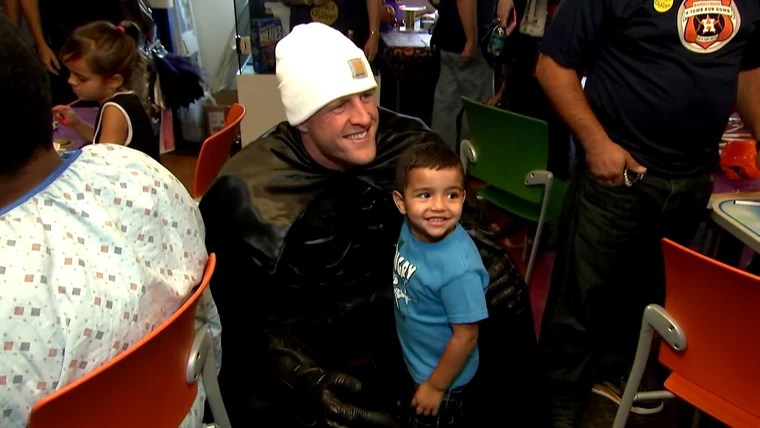
But I always had the sense that this huge, powerful man, a defensive end, loves children. Of course, he loves his own: JJ and his wife, Kealia, with their son, Koa.


I love my sons, too, who are ever-so-much bigger than I am. But Watt’s love for children has always been obvious. That’s what made me first notice him.


You have every right to be cynical. Visits to children’s hospitals soften the image of what is admittedly a brutal sport. But I am reminded of these photos, too:

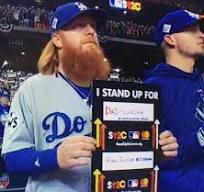
You can’t fake some things, PR opportunities or not. Justin Turner was Ryan Texeira’s friend. They enjoyed being together, in the same way that Watt so transparently enjoys being with children.

Here’s the best part, for me, at least currently: I asked Elizabeth the other night if I could watch the news at the top of the hour. I could only take about thee minutes of it before I turned the channel.

But, courtesy of Tribune editor Joe Tarica, we got this image of a tweet—or whatever they call them—that Watt posted earlier this week at Louisa’s Place in San Luis Obispo. It should be noted that Elizabeth and I taught a batch o’Sweeneys, the family that owns the restaurant, and we loved them. That does not detract from the glory of this image: A Louisa’s omelet is about the size of a fleet submarine and what’s inside them (my favorite is the avocado and bacon) can lead you to Glory.


He evidently was in town for a wedding, and he wrote of how excited the bride was and how happy that made him.

Righteous brother. He makes me happy, too.

What does that mean, younger folks? This beautiful young woman is French. Watch her face as she hears a Righteous Brothers song—Bill Medley and Bobby Hatfield—from about 1965.

I guess, in losing Alexei Navalny and then watching the video of his beautiful, tiny, and immensely courageous widow, Yulia, I needed a Righteous Brother to comfort me because I fear so much for her, my Righteous Sister. This song is perfect for her.


I just never expected to find my Righteous Brother at Louisa’s Place.


Two historic coincidences in my life. Oh, and why is that lady naked?


Today’s blog post title shows you how much I like working without a net. I will now attempt to tie all of those elements together.

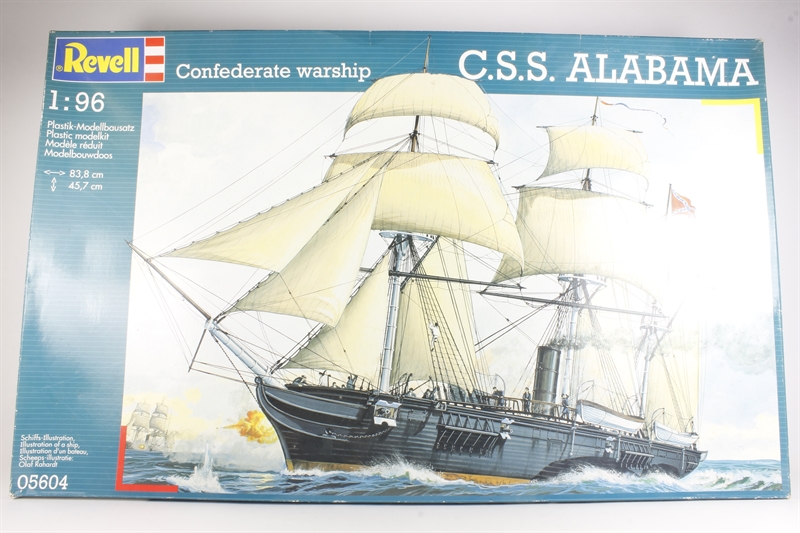
Let me start with my brother Bruce. Bruce is meticulous, precise and gifted in many ways. He builds stuff. When we were kids (he’s four years older), he built a scale model of the CSS Alabama, a sloop of war that played hell with Yankee shipping, especially with whaling ships, which I mind not very much at all. Bruce’s Alabama, a Revell kit, was gorgeous down to its copper-plated hull and including its monster swivel gun, a 110-pounder mounted amidships. (The Revell kit’s gun was somewhat smaller.)

Since yesterday marked the anniversary of the Confederate submarine Hunley’s first successful mission in attacking a Union ship—it was also her last, since the sub sank with her crew—thinking about Alabama today seemed natural.

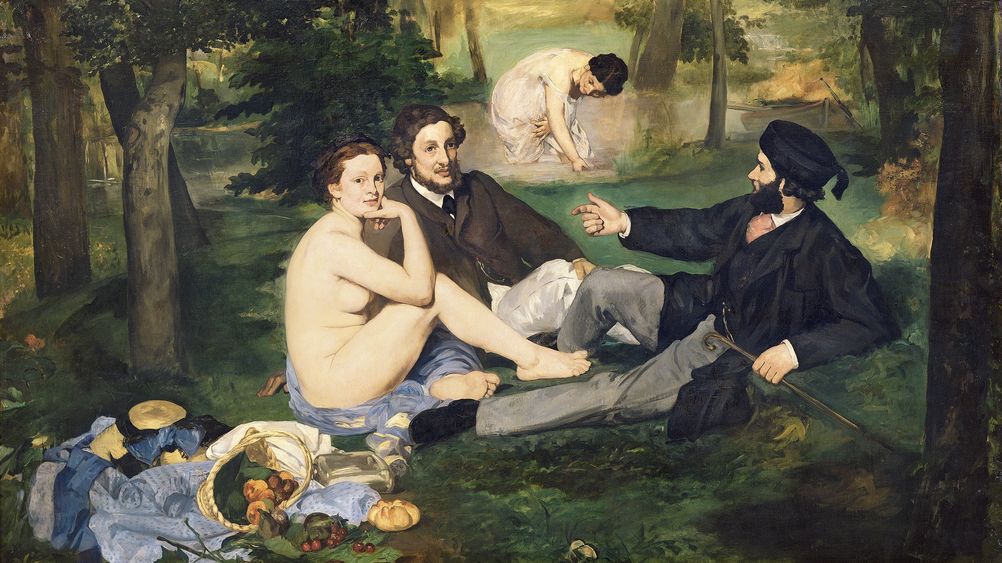
And then we come to this Edouard Manet painting, Luncheon on the Grass.

I like Manet because he threw out this style, brightened his palette, and learned from young Impressionists like Renoir and Monet. That takes courage, humility and, conversely, a good deal of self-regard.

This painting baffles me. The young men are so full of self-regard—look at that one guy staring smugly at the artist—that they have failed to notice that one of their party is, to borrow a term, buck nekkid. How could anyone be so obtuse?

And what is the other lady doing, anyway? Pulling up watercress for their sandwiches? Trying to catch polliwogs? Has she lost a contact lens? And she’s in peril of losing her clothes, too.

In a trial-and-error process, I discovered that I like the French, especially those north of Paris, from Metz to Normandy. I just don’t understand them. This painting only confirms that.


Anyway, here is the original Revell model kit and a model that looks very much like the one my brother built, except I think his was under sail, not uncommon to 19th-century steamships. Again, his model was gorgeous.

Hang on. We’re almost getting to the point.

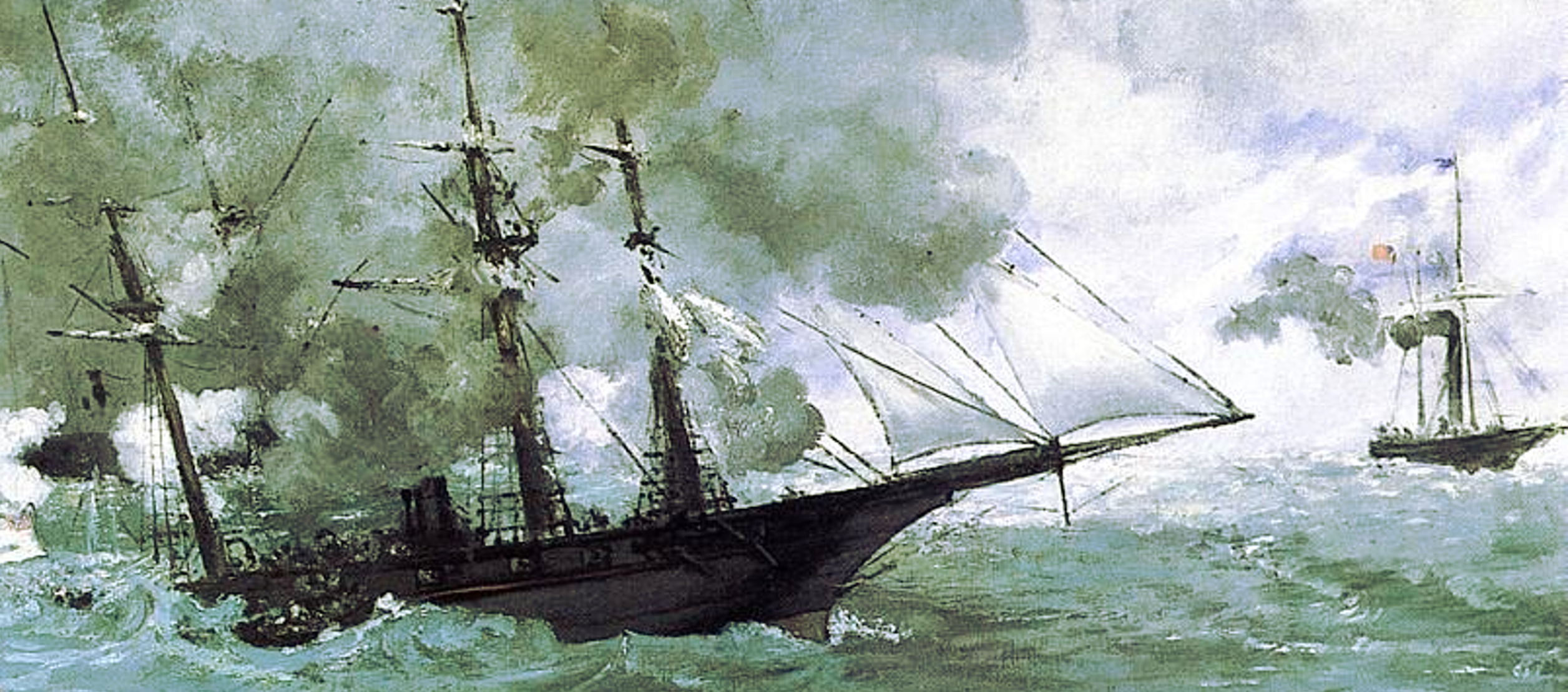
In 1864, off the coast of Cherbourg, France, citizens watched as the Union Navy finally caught up with Alabama. After a one-hour gun duel during which over 200 shots were exchanged, a hit at the commerce raider’s waterline sent Alabama to the bottom.

Edouard Manet painted the battle; below is his painting and a detail from it. A little rescue boat heads for Alabama as she begins her final plunge.


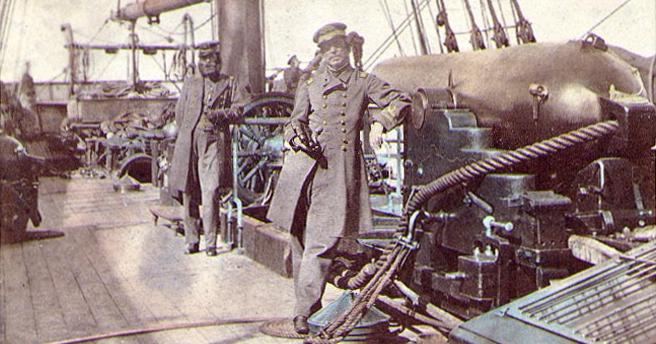
The rescue boat’s important, because Capt. Raphael Semmes, seen below next to the Big Fella during an 1863 visit to Capetown, South Africa, survived this battle. He had little Semmeses who had more of the same until…wait for it…I had the pleasure of teaching history to a direct descendant, Travis Semmes, at Mission Prep. Ta-daa!


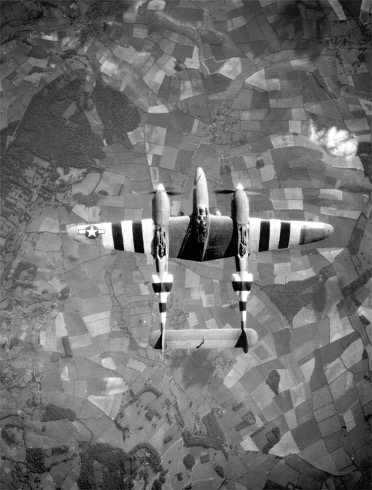
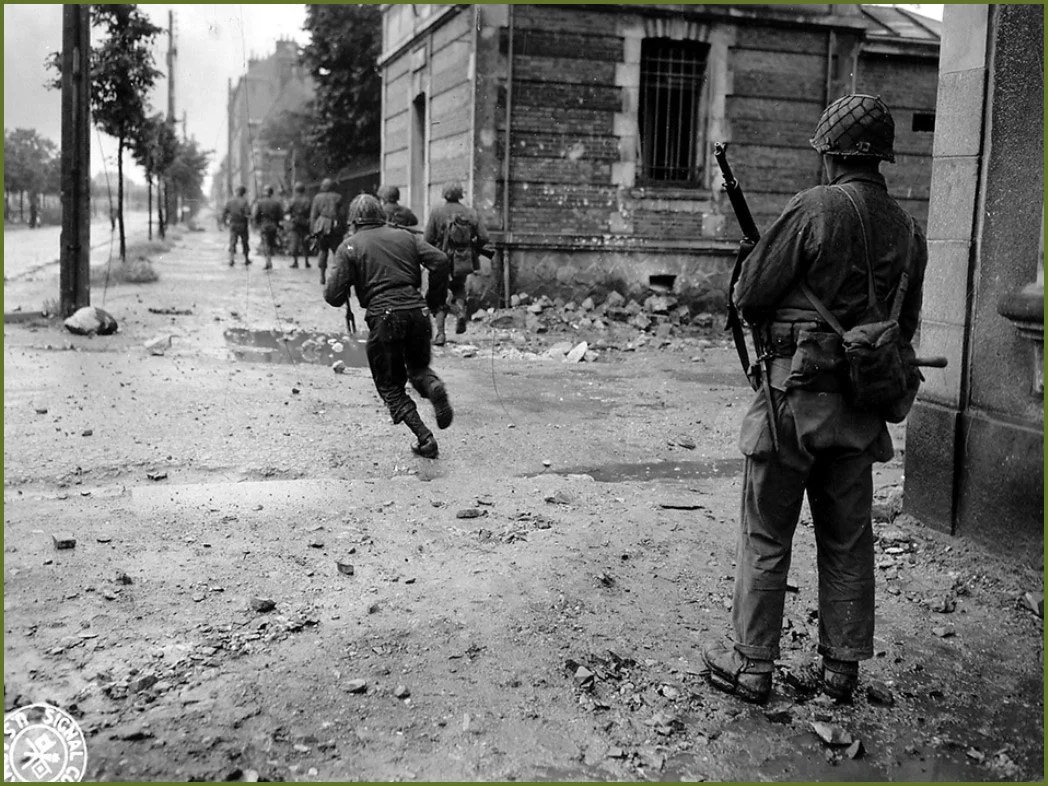
By the way, Cherbourg has ties to San Luis Obispo County history, too. In June 1944, Jack Langston of Shandon lost his life over the city when German batteries brought down his fighter, a P-38 that would’ve looked exactly like the one in the photo. He was never found. Far below, the 79th Infantry Division was fighting street to street, a terrible thing for a foot soldier to endure. One of them, a San Luis Obispo County farmworker, Domingo Martinez, was there; the 79th secured Cherbourg but Martinez was killed in the bocage beyond the city in July. My students and I found his grave at the American Cemetery above Omaha Beach on a 2010 visit.

We wanted to thank him.


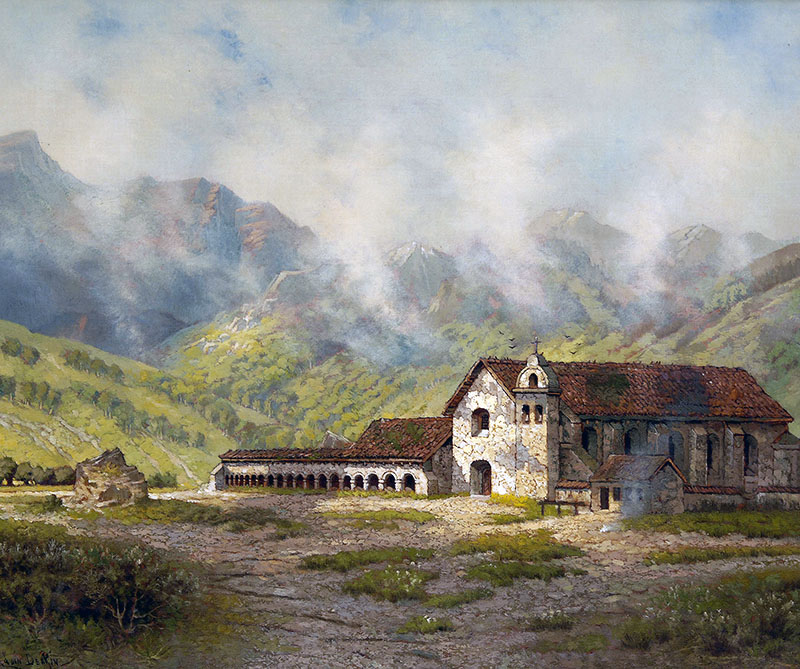
Raphael and Travis Semmes made up the first coincidence. The second has to do with the fact California mandates the teaching of state history in fourth grade. That included, in 1962 and still in 2024, the construction of a model California mission. It’s a rite of passage in California, like road rash from falling off your skateboard, Senior Class Night at Disneyland or getting lost on the 405.

Of course, this tradition of building a model of a California mission devolved into outbreaks of Helicopter Parenting, wherein in Mom and Dad “helped” their fourth-grader with their mission project, which might turn out to look liked something architect Julia Morgan had turned out in her studios.

Mine didn’t.

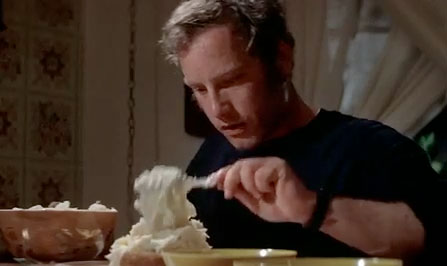
Mine, consisting of cut-up grocery store cardboard boxes, strips of newsprint that became gobs of papier-mache (the goo doesn’t taste all that bad, I found out), looked more or less like Richard Dreyfuss’ s mashed potatoes in Close Encounters of the Third Kind. Contrast that image with the companies who figured out how to make a buck off modern fourth-graders by selling them manufactured kits (“Insert Bell Part 36a into Belltower Part 12”). This kit depicts Mission Santa Ines, my Mom’s favorite mission and my fourth-grade project.

Mine really shouldn’t have been named for little St. Agnes, who’d already been martyred once. It instead wound up looking like Our Lady of the Mashed Potatoes.


I passed fourth grade, despite that project. The historic coincidence? Here are Mom, Roberta, Bruce and me visiting Mission Santa Ines about 1960. Twenty-six years after that photo was taken, and twenty-four after my Mission Santa Ines fourth-grade project, my wife Elizabeth and I were married there.

The end.

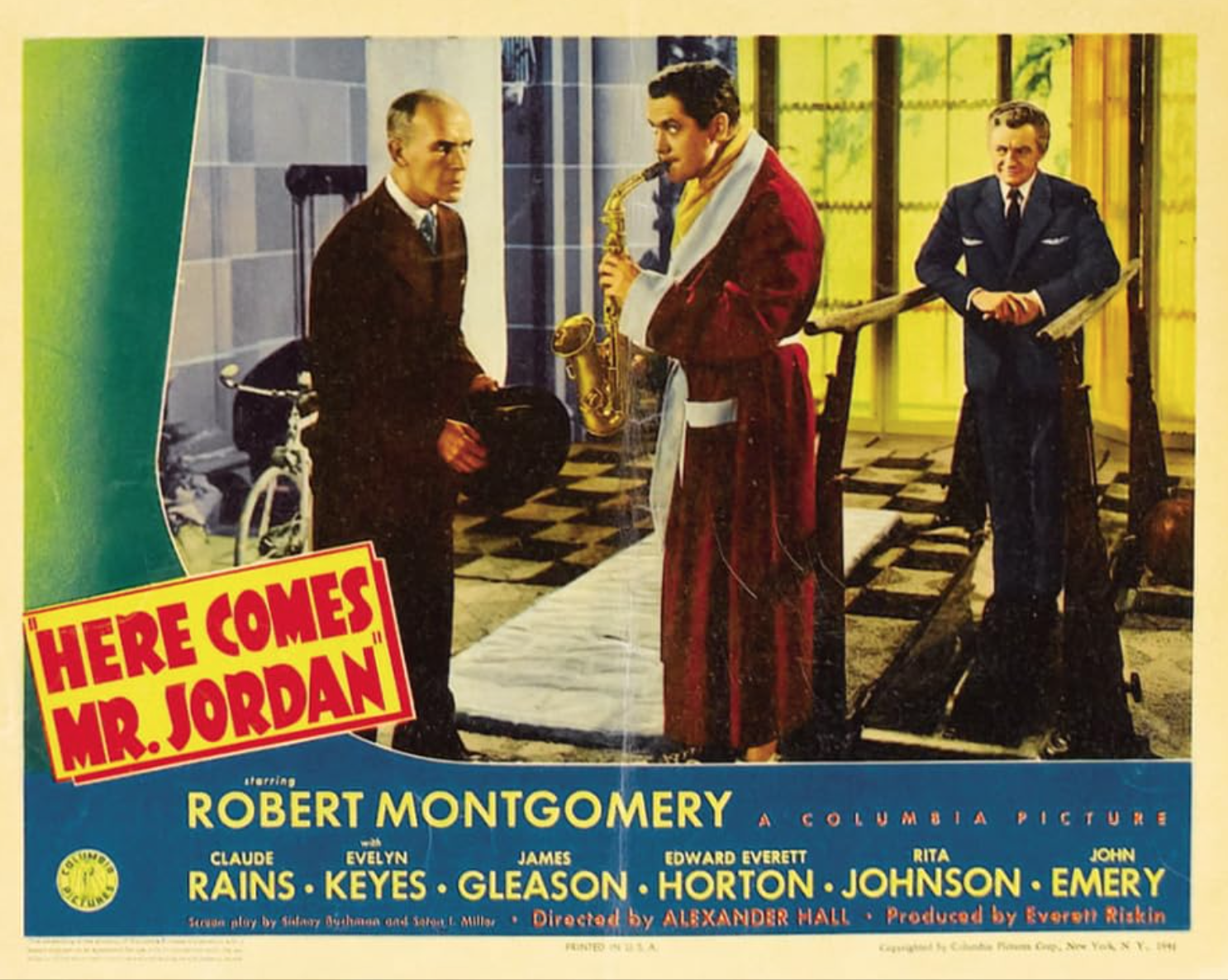
Here Comes Mr. Jordan (1941)

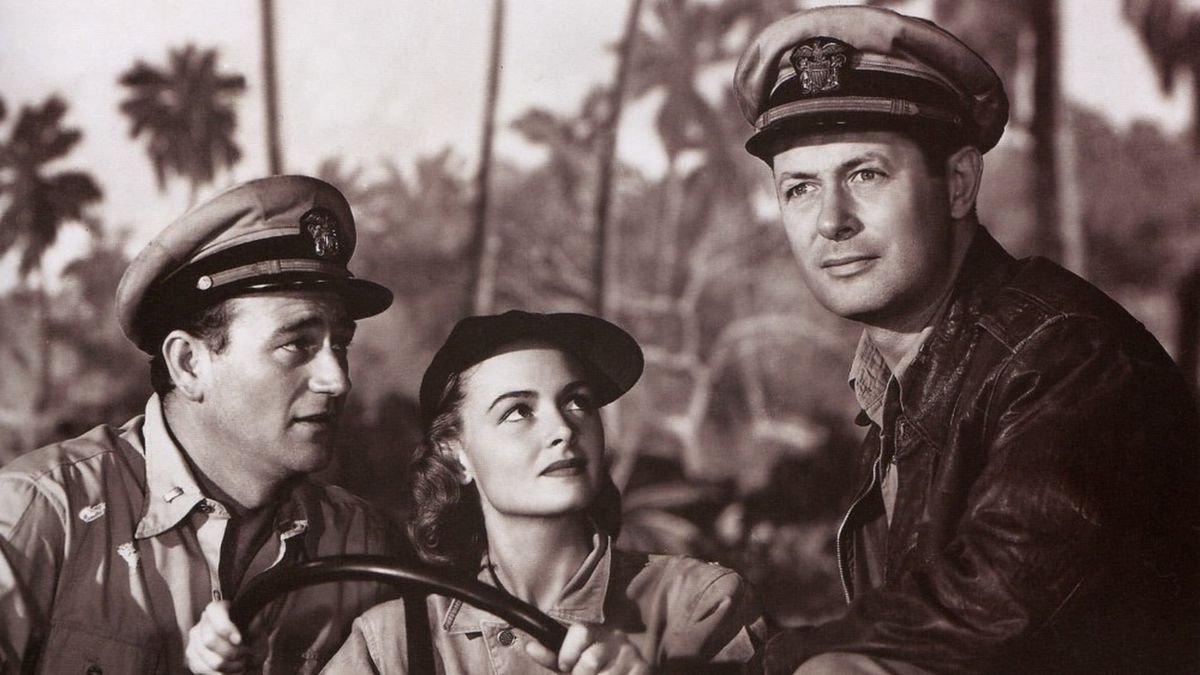
I knew this film was a four-star classic, but I’d never seen it, maybe because I wasn’t acquainted with all the leads, especially Robert Montgomery, whom I knew only as John Wayne’s PT Boat commander in They Were Expendable. More on Montgomery to follow; he was perfect in Mr. Jordan.

John Wayne, Donna Reed and Robert Montgomery in They Were Expendable.

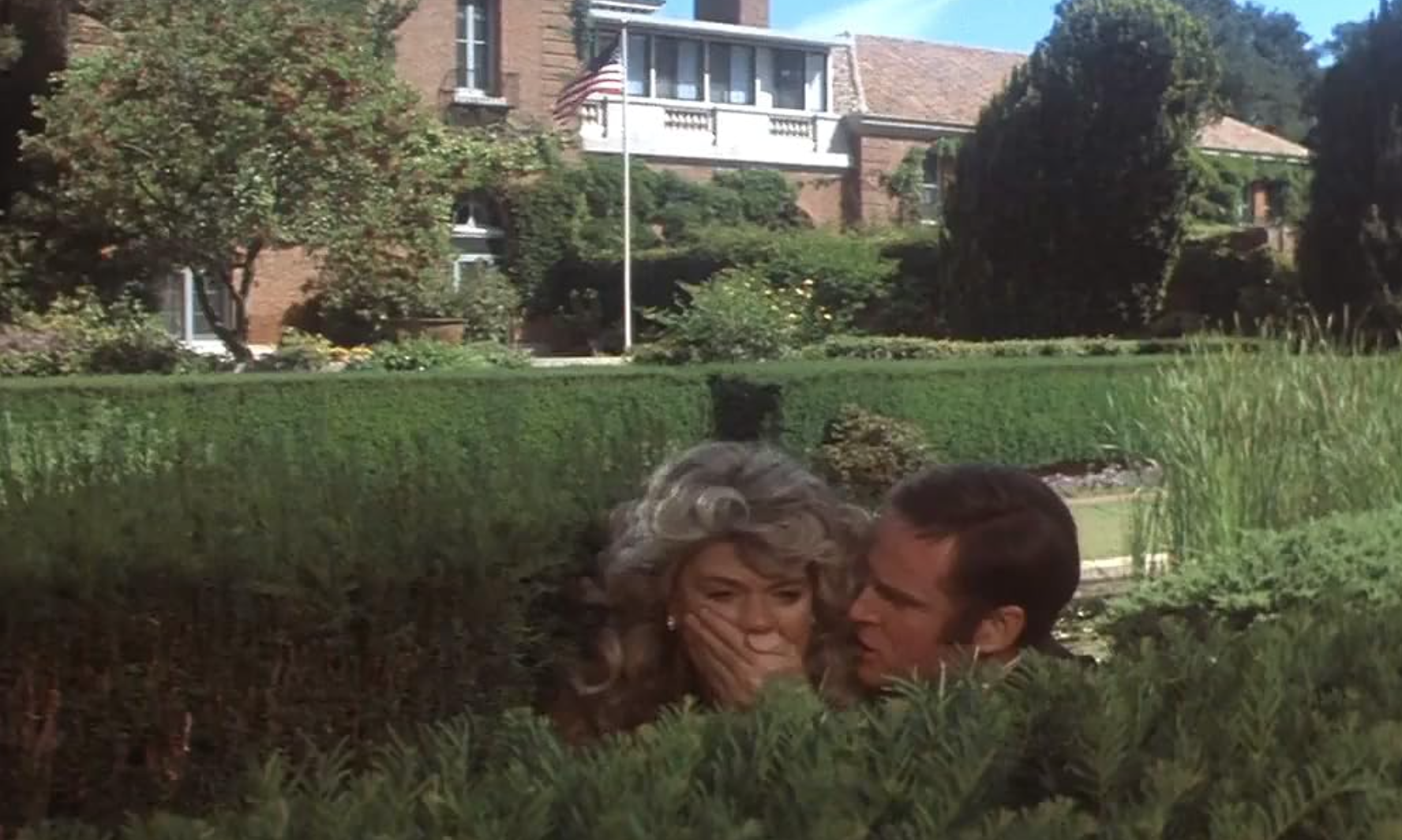
Mr. Jordan, of course, belongs to my parents’ generation—at least it did, before Turner Classic Movies (thank you, TCM). But since imitation is the sincerest form of flattery, the remake that belongs to my generation is its own classic. Heaven Can Wait. No wonder it’s a classic, too: Elaine May wrote the screenplay, Buck Henry directed it and Warren Beatty was that film’s producer and star.

The premise for both films is that an athlete is snatched from his body just before a painful death by a well-meaning collector/angel. When he gets to St. Peter’s Gate, it’s actually an airport where a fog-enshrouded airplane awaits for another manifest of souls to board. Both the dead protagonists, Joe (Robert Montgomery) the boxer and Joe (Warren Beatty) the Rams quarterback, are not on the admittance list. It’s not there time. So both have their souls kind of transfused into not-dead-yet bodies to give them a chance to live out their lives. In both cases, the bodies belong to ruthless tycoons who have victimized countless people in their climb to the top.

Among their victims are the beautiful young women that will figure in Joe’s second chance at life.

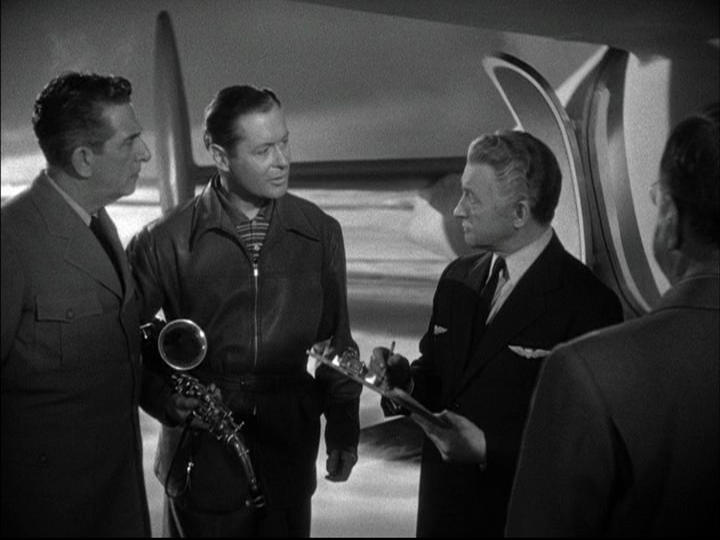
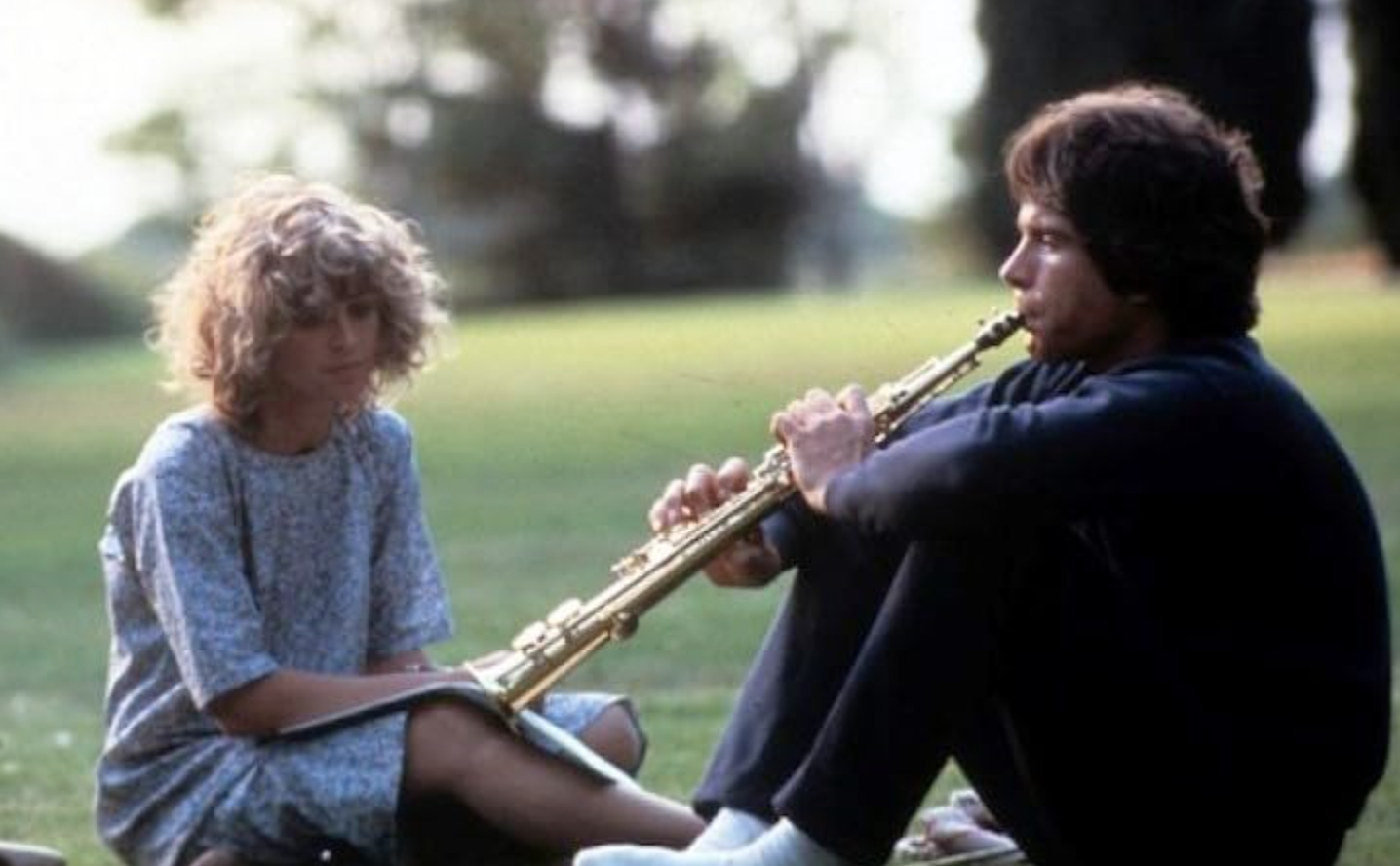
Montgomery’ s boxer—is that a Bronx accent?—is a big dumb guy who really isn’t dumb at all. He’s an innocent, a man who’s driven to be a boxing champ takes great joy in playing an atrocious sax. He’s also kind, innately generous, loves kids and he falls in love. Beatty, who is masterful at playing characters who are on the verge of incoherence, due mostly to their shyness, is likewise charming. His Joe’s a good Joe, too.

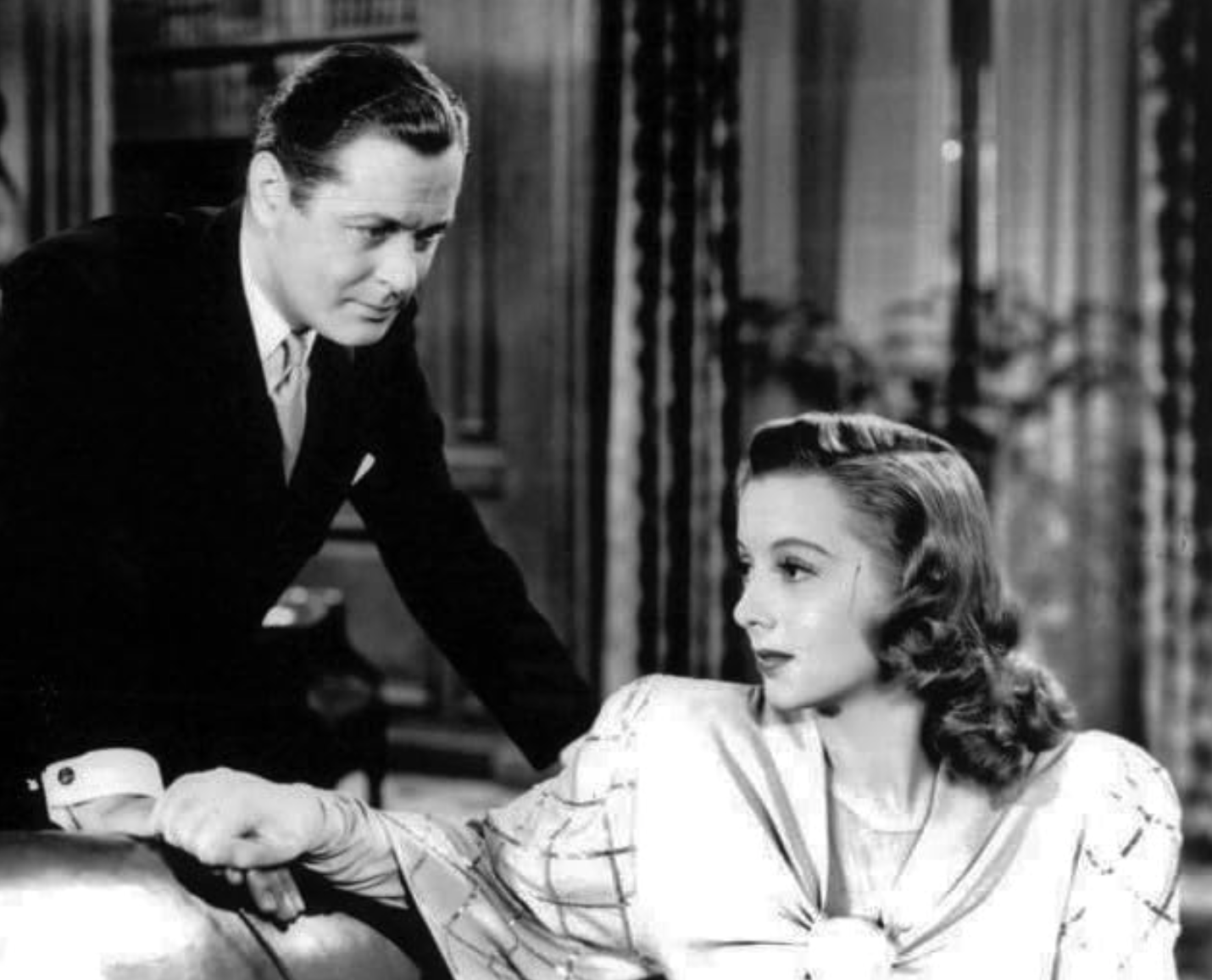
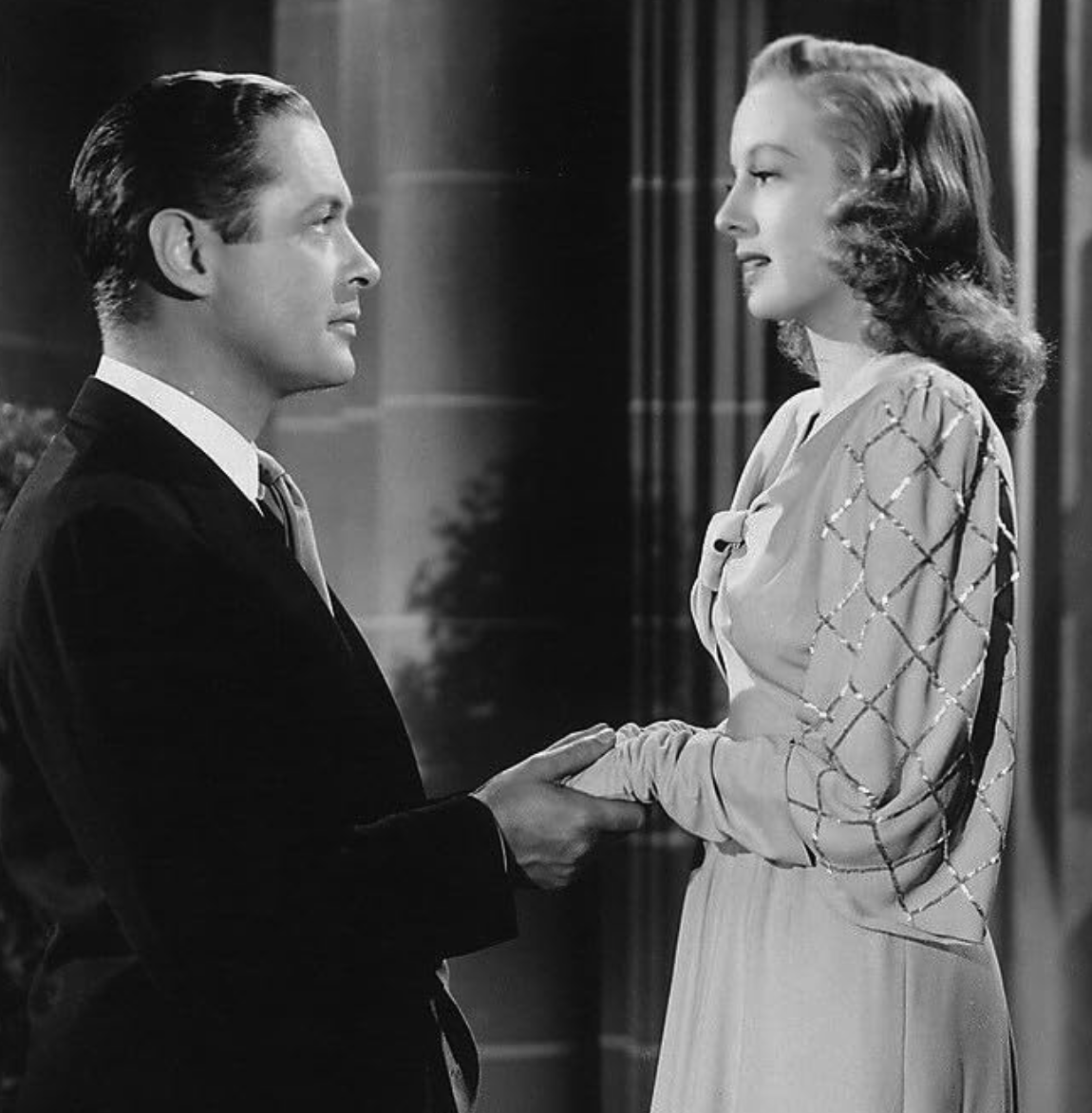
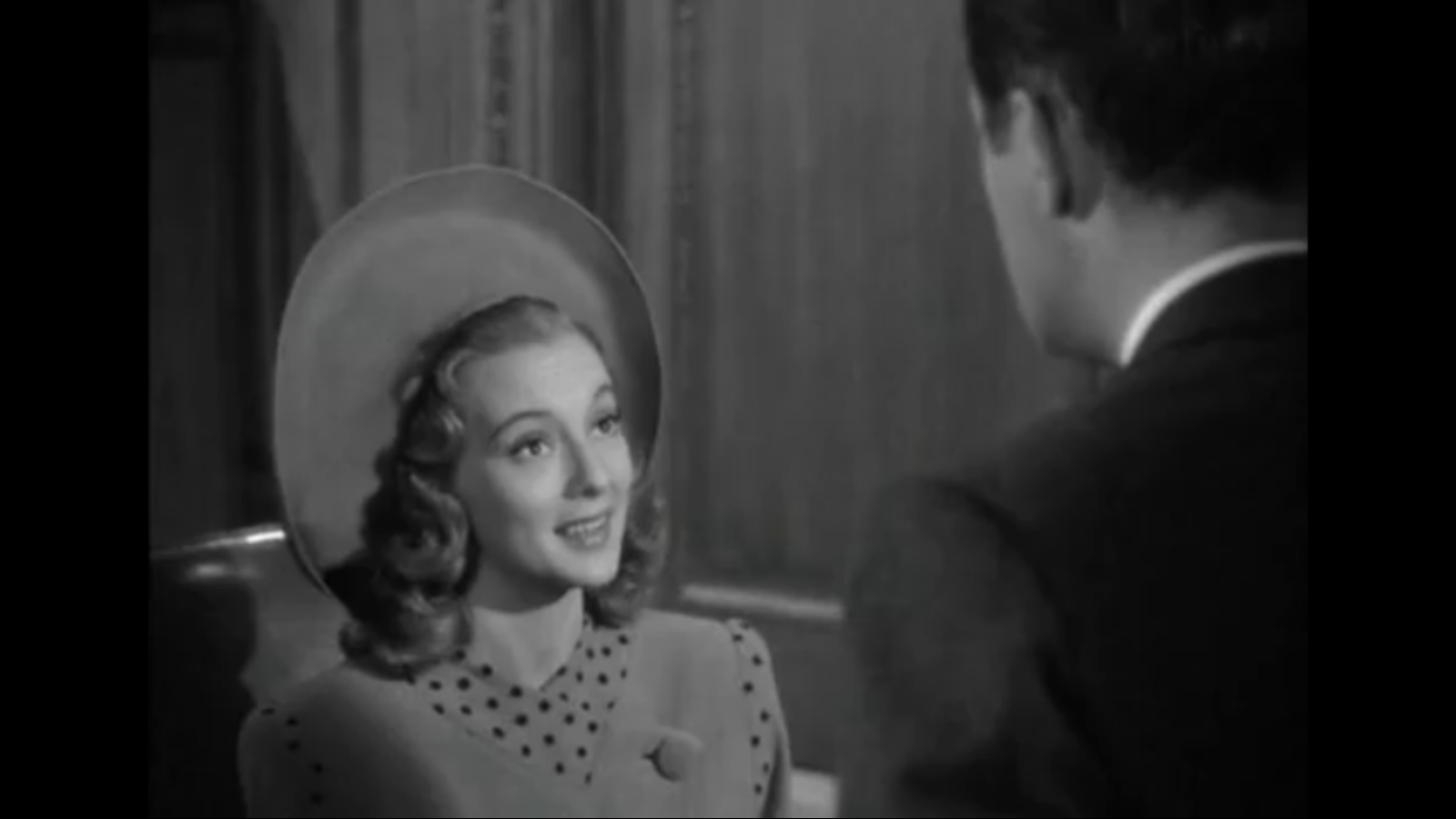
And both fall in love, hit by the thunderbolt, with young women who are very much like the Joes, pure of heart. Evelyn Keyes (Betty) plays that role in Mr. Jordan. She is stunning. I got hit by the thunderbolt, too.

Montgomery and Evelyn Keyes.

Keyes was 25 when she made this film; she was 23 as Suellen O’Hara, in GWTW, where she got two minutes’ screen time as a whiny kid sister. In Mr. Jordan, she’s so pure of heart that she’d kind of shiny. Hollywood’s a fantasy factory, of course: the real-life Keyes was married five times, had an abortion just before Gone With the Wind, and took as lovers Kirk Douglas, Glenn Ford, Anthony Quinn, Eddie Fisher (later Elizabeth Taylor’s husband), Mike Todd (ditto), David Niven, Robert Stack, Peter Lawford, directors John Huston (a husband) and Charles Vidor (another, no relation to King Vidor) and studio executives Harry Cohn and Joseph Schenck. She paid, by golly, for all those bedroom gymnastics, dying in Montecito in 2008.

She was 91.

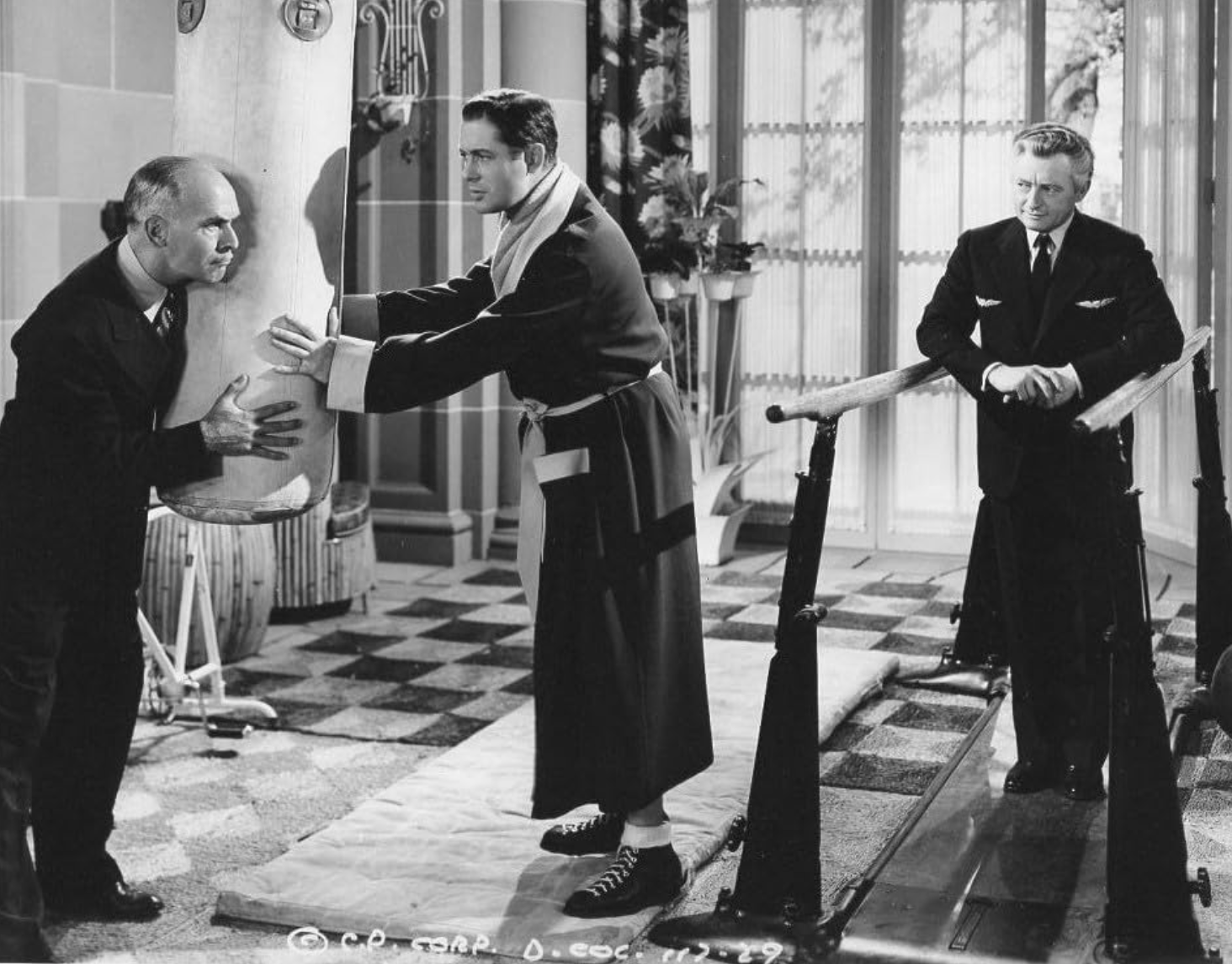
The cast of Mr. Jordan is slightly smaller, but it includes three actors I admire. Claude Rains was a pain in the ass to work with, it’s said, as demanding as a rock band that demands iced Stolicynaya and a gallon jar of M&Ms, but no green ones, in the dressing room. His arch portrayal of Captain Renault almost steals the show in Casablanca; in this film, he is suave and unrufllable, a word I just made up. That’s a wonderful character actor in the photo below, James Gleason, as Joe’s manager, Montgomery, and Claude Rains as Mr. Jordan. In the second, on the left, is Edward Everett Horton, and endearing comedic actor who became the voice of “Fractured Fairy Tales,” in an equally endearing cartoon show, The Adventures of Rocky and Bullwinkle, from my long-ago youth.

The Beatty film’s actors are just as impressive. Jack Warden is Joe’s football coach and James Mason is the perfect counterpart to Rains’s Mr. Jordan.

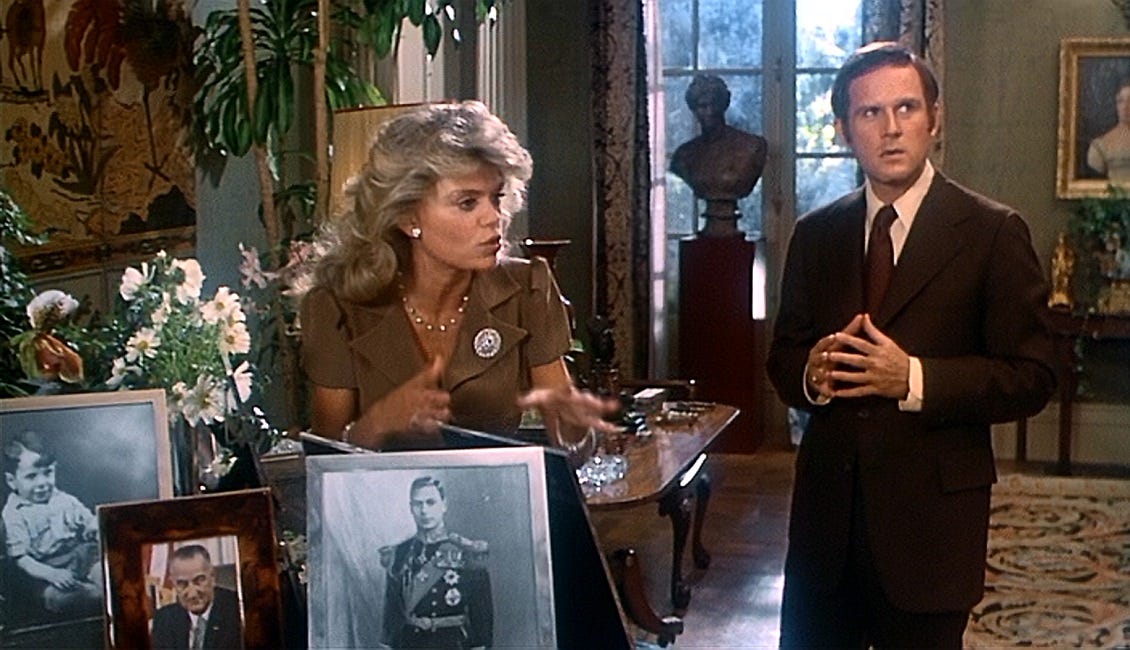
This film is nearly stolen by the two co-stars, Dyan Cannon and Charles Grodin, who plot to murder the Beatty character, now in a millionaire’s body, for his estate. Their ineptitude is spectacular. In the earlier film, Rita Johnson and John Emory are the would-be killers.

And the young woman who falls in love with her Joe in the later film is Julie Christie. (Montgomery’s tenor sax in 1941 has become a soprano sax in 1978.)


When we see both young women in both films the first time, we are gobsmacked. No wonder it wasn’t Joe’s time.


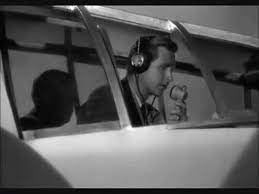
Robert Montgomery’s Joe discovers it’s not his time in the transport to Heaven way-station early in the 1941 film. Unfortunately, the plane chosen for the 1978 version is the ill-fated Concorde. But there’s one more little payoff: the co-pilot in 1941 is twenty-eight-year-old Lloyd Bridges, I wonder why Evelyn Keyes didn’t conquer that incredibly handsome young man.

But, of course, maybe she did.


For Valentine’s Day

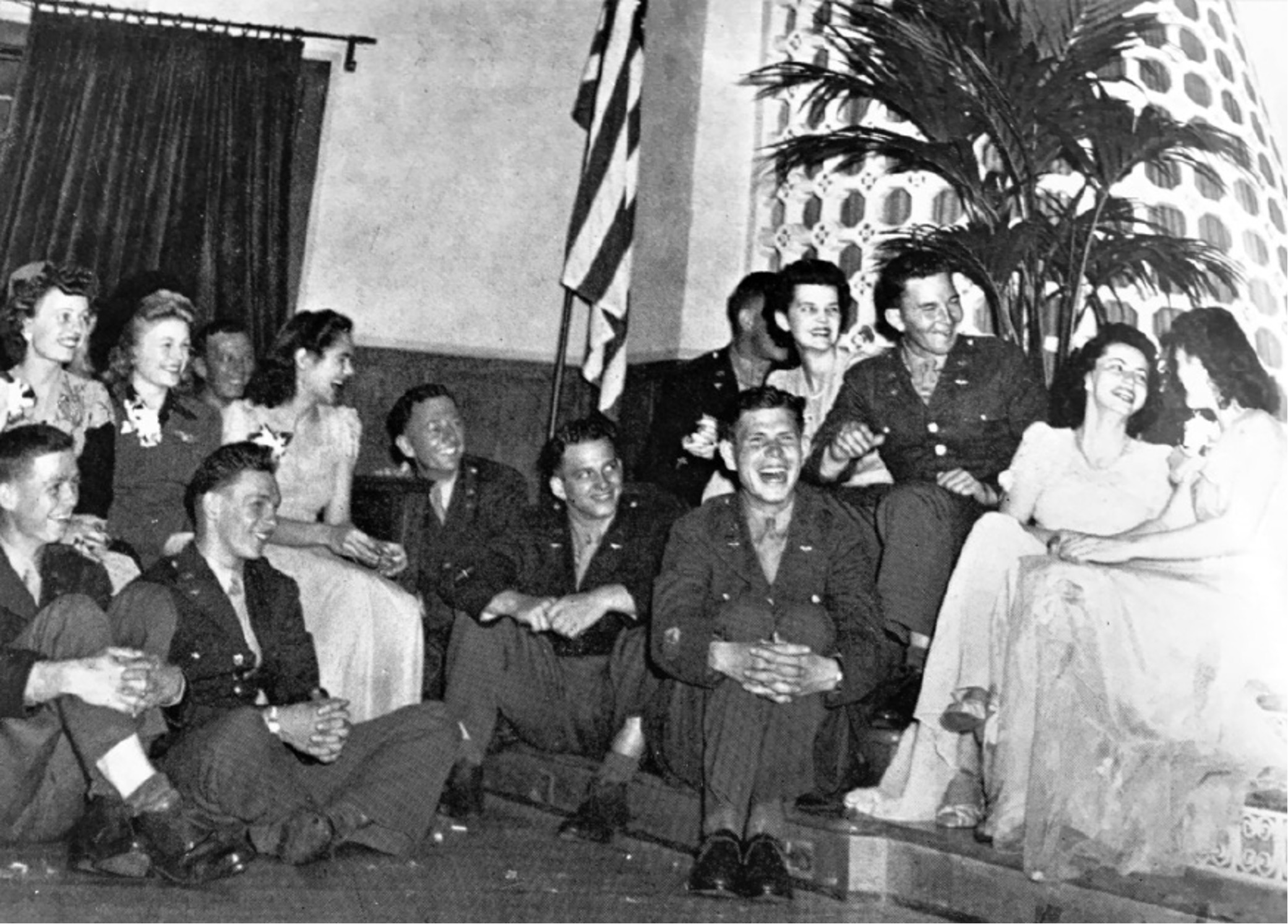
Graduation dance, circa 1943, to celebrate graduation from Primary Flight Training, Hancock Field, Santa Maria, California. Some of these young fliers are nearing the ends of their lives.

I once met a woman who’d been a teenager when she attended a dance like this, heavily chaperoned by the USO. Her dance partner was an infantryman about to ship out overseas. They hit it off, talked most if not all of the night. The next morning—this is a true story—they went to church together. Then they had pancakes.

She never saw him again.

So, for Valentine’s day the elegant Glenn Miller standard, “Moonlight Serenade,” has to be one of the most romantic and poignant songs I can think of.

Of course, after 1944, we never saw Miller again, either.

The images in the video never fail to move me. They are all of them so young.


In reply.

An old, mad, blind, despised, and dying King;

Princes, the dregs of their dull race, who flow

Through public scorn,—mud from a muddy spring;

Rulers who neither see nor feel nor know,

But leechlike to their fainting country cling

Till they drop, blind in blood…

–Shelley, “England in 1819”


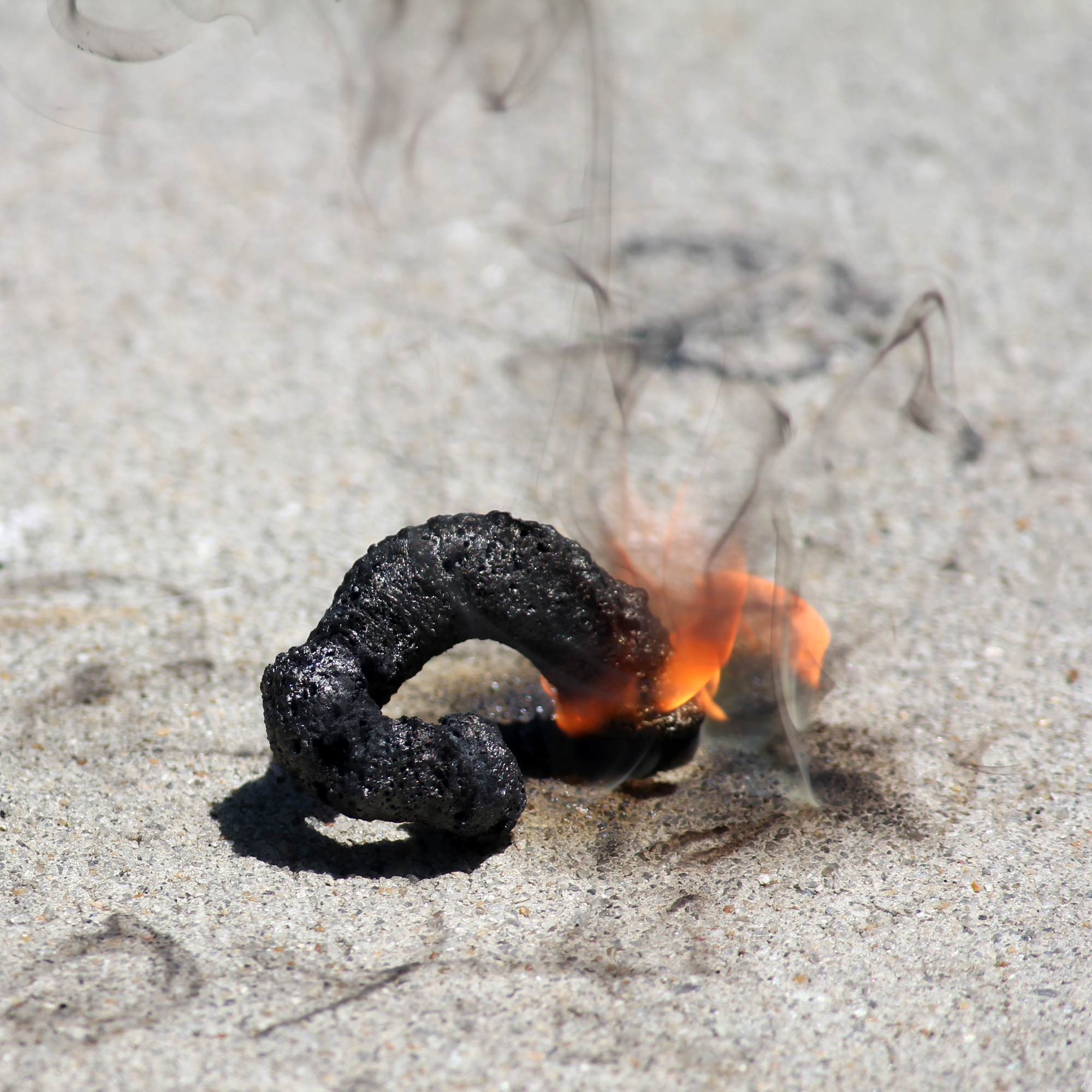
Donny reminds me of those July 4th fireworks that became ashen black worms once you lit them.


All the worm—billed inaccurately on the box as a “cobra”—left behind was a black smudge. 

It was, of course, a classless social media post, expected from a classless man—“mud from a muddy spring.”

What does class look like? Thank you for that rhetorical question. I have several answers.


Twice blessed.

Walter

Sometimes I think, and for good reasons, that the Good Lord dislikes me. Then I reflect on the two Basset hounds, Wilson and Walter, who are so important to me, and I realize that I’m wrong.

Losing Wilson, a rescue from Baskersfield, wasn’t unexpected; he’d lived to great old age. But with dogs, even the expected breaks your heart.


When we found Walter, in National City, near the Mexican border, the trip down to pick him up was a long one, but it was one of the happiest days of my life.


Another blessing has been the friendship between Walter, now two going on three, and the latest addition to our family, Winston the barn kitten. So make that three blessings, after all, in three marvelous lives, all of them part of my family’s lives, too.

Why I love the film Bridge of Spies

Tags

, , , ,


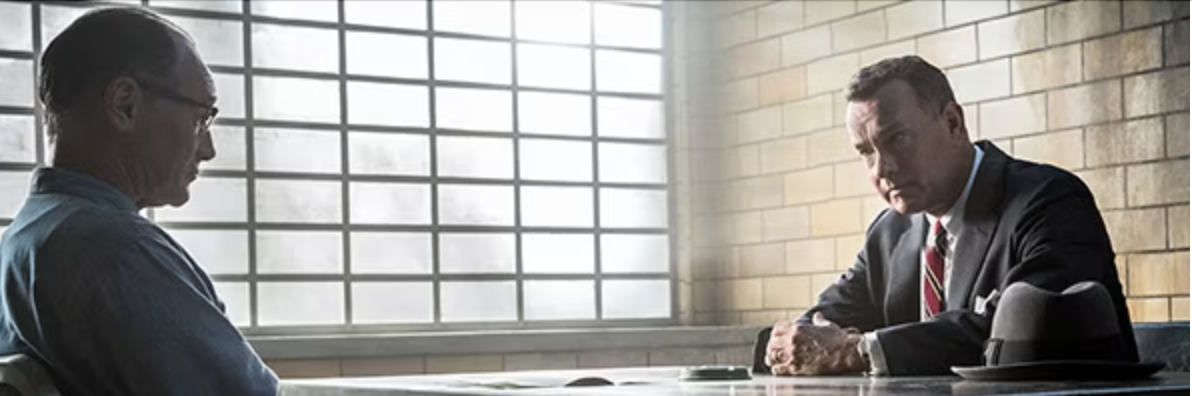
Feb 10, 1962: No wonder Bridge of Spies was on this morning. This is the date when Soviet spy Rudolf Abel was exchanged in Berlin, for CIA pilot Francis Gary Powers.

Bridge is an excellent movie on so many levels. The Spielberg-Hanks tandem is such a good fit. The script was written by the Coen Brothers (Fargo, Raising Arizona, O Brother Where Art Thou?) and the muted, faded colors, blues and grays, of Cold War East Berlin. Brooklyn is warmer, rich browns and ambers, deep red mahogany staircases,-autumnal colors and the colors subtl conveys the difference between dictatorships and democracies.

Spielberg used a Polish cinematographer, Janus Kaminski, who knew the difference.

Mark Rylance, as Abel, is a personal favorite of mine (Dunkirk, and the PBS series about Henry VIII and Cromwell, his chancellor, Wolf Hall.)

You could get the electric chair, Hanks warns Rylance at one point. Aren’t you worried?

Would it do any good? Rylance replies.

I am a sucker for movies about personal integrity (A Man For All Seasons, Julia, Dead Poets’ Society, Spotlight, Shane, To Kill a Mockingbird, Casablanca) which I guess explains why I’m so fond of this film and of Tom Hanks’s acting in it. I think he just might be my generation’s James Stewart or Gregory Peck.

And if you think my taste in films reveals me as one of those Damned Liberal history teachers, you’re right. The scene below reveals precisely the kind of Damned Liberal stuff I taught your children for thirty years. I still believe very word of Hanks’s reply to his CIA handler, and that’s because, quite simply, I have always loved my country and I always will.

Its imperfections are glaring and obvious. As Churchill noted, democracy is by far the worst of all government systems. Except for all the others. But the system that’s sliding toward plutocracy and a gerontocracy needs men and women of integrity, not destruction. The arts, including this film, reveal that truth to us.

The final scenes are moving: A woman recognizes Hanks, previously vilified as Rudolf Abel’s counsel, on the subway, and she gives him an ever-so-subtle smile for bringing Powers safely home.

Hanks’ smile, as mine would be, too, is wider. He is proud of himself.

But when he looks out the subway window and sees neighborhood kids jumping a chain-link fence–he’s just seen young men gunned down by border guards at The Wall—the smile rapidly fades. The character recedes into the ambivalence that is the lot of most of us, as human beings, every day of our lives.

It’s now hard for me to believe that so much of my life was lived during the Cold War. One day, chaff—aluminum strips designed to obscure enemy radar—came raining down on the Branch School softball field. Somewhere high above us, U.S. Air Force warplanes were practicing for World War III.

The first rule of history teaching: Teach the truth.

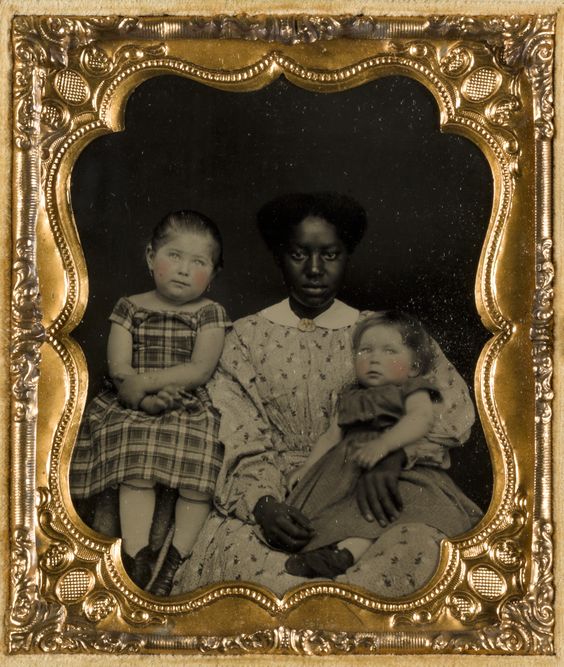
A gifted photographer recorded this image of her five-year-old daughter.


Happy Birthday today to Margaret Logan Gregory (Feb. 7, 1766), my 2nd great-grandmother, and to her son George Washington Gregory (Feb. 7, 1808), my great-grand uncle.

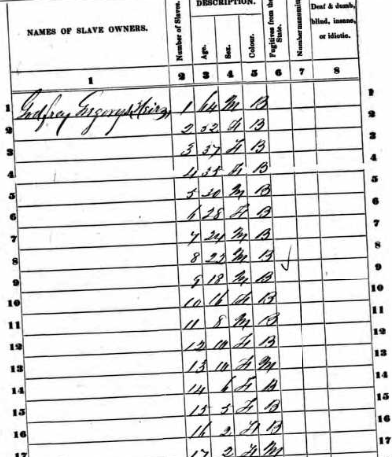
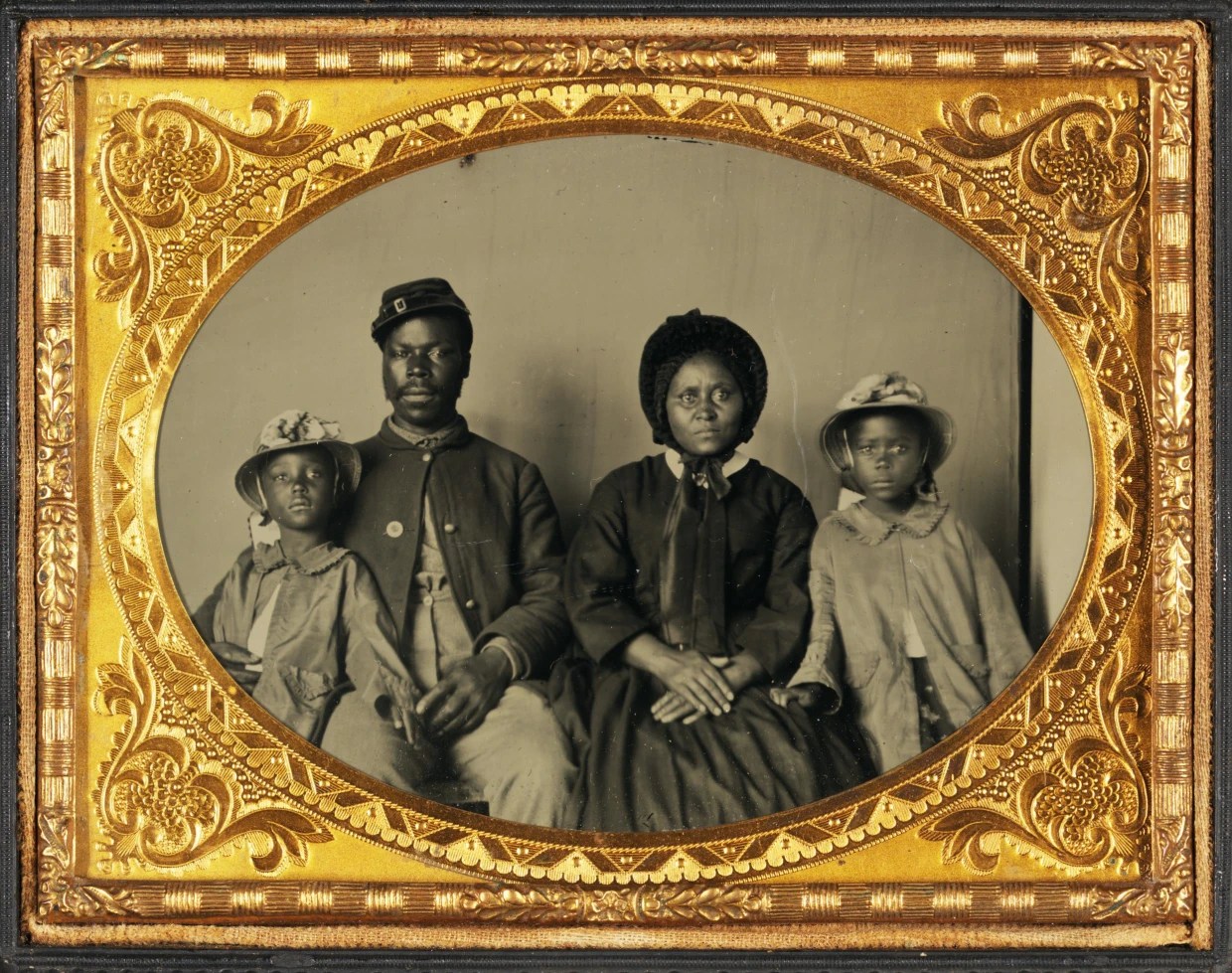
Margaret’s husband and GW’s father, Godfrey Gregory, claimed to own the human beings in the 1850 Kentucky census below. They have no names, of course.

By extension, and in Black History Month, Happy Birthday to these unnamed people. If there’s even the slightest chance that the slightest amount of their blood flows in my veins, I’d be proud beyond imagination.

They Gregorys are all buried in a family cemetery in Washington County, Kentucky.

When Elizabeth and I visited Stratford-on-Avon, we noticed that the churchyard is bounded by a fence made up of black granite tombstones from which time has erased the names.

There’s a good chance that the Gregory family cemetery and its tombstones’ names have vanished, too. History has a way of getting even.

I think that we leave behind is intangible. Godfrey’s grandson was my grandfather, the Kentucky-born John Smith Gregory, the man in the chair in front of his farmhouse.

What Mr. Gregory left behind was a legacy of kindness, service to others and the indelible reputation as the most graceful waltzer in Texas County, Missouri. Maybe the most graceful waltzer on the Ozark Plateau. He made the teenaged girls who shyly lined up for his dance card believe that a sawdust-strewn barn floor was made of polished glass.

So there is, indeed, is slightest chance that my grandfather and I share a common ancestor—one I might meet someday meet–who had his or her origins in Africa, not in Lowland Scotland or the English Midlands.

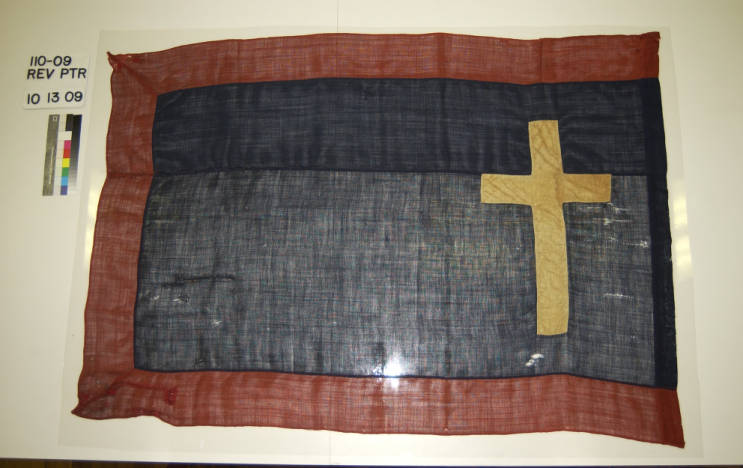
I read a rant on Facebook on Critical Race Theory, which is not taught in any California high school, despite the ranter’s insistence that it is. Willful ignorance seems to be seductive nowadays. It was in 1861, too. My namesake from another branch of the family, Confederate officer James McBride, led his Confederate into battle under this flag. They knew what they were about: States’ Rights, the defense and extension of slavery, and Jesus Christ.


I am fond of the Bogart line from Casablanca, when Rick informs Major Strasser that he came to Casablanca for the waters. “I was misinformed,” Rick says.

I do know this: I took a year of the History of the American South in college and, I, the namesake of two Confederates, was entranced. That led to me teaching Black History to my high-schoolers for thirty years.

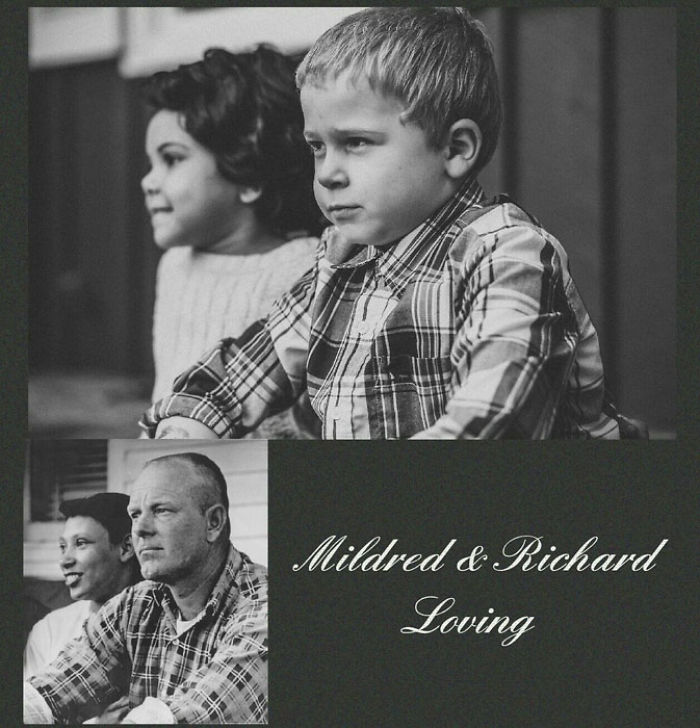
So they learned about Harriet Tubman and Maya Angelou, Frederick Douglass and Malcolm X, Bessie Smith and Louis Armstrong (they instinctively loved Armtrong), osh Gibson and Satchel Paige,  Brown v. Board and Loving v. Virginia.


They were entranced. Learning this history made my kids proud to be Americans.

Immensely proud, you might say.

Black history’s part of their history, after all:

–The ferocity of the assault of Black soldiers on the Confederate center as Nashville in 1864 guaranteed the success of an the Ohio regiment’s assault on the Confederate left a few hours later. That’s where Arroyo Grande farmer Otis Smith earned his Medal of Honor.

–Huasna Valley rancher Adam Bair, a Mankins ancestor, watched the Black troops descend into the Crater outside Petersburg, Virginia, in 1864, where they were slaughtered like sheep. That’s because they knew what they were doing and should have gone in first, instead of the White troops who preceded them, chosen because they were White.


–The all-Black 54th Coast Artillery had barracks in Shell Beach. The audience demanded three encores when a 54th octet sang spirituals at a 1943 Christmas concert at the Army Rec Camp in Monarch Grove in Pismo Beach. Sometimes those GI’s played baseball against the AGUHS Varsity.

My students, nearly all White or Latino, loved learning about these Americans.

During World War II, “these Americans” were not allowed within the Arroyo Grande city limits after sundown. Black History month means learning the painful parts, too. Learning them only makes us stronger.


.

Duchesses and their wigs.

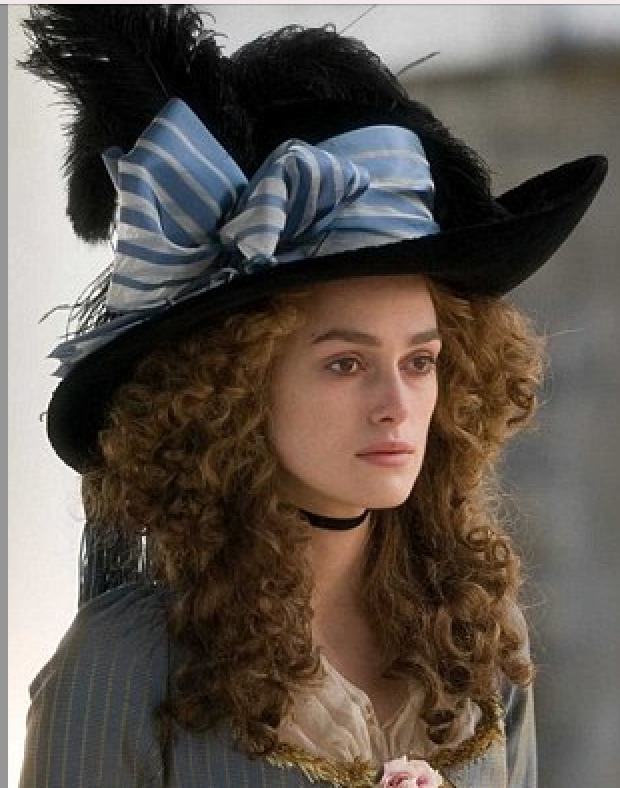
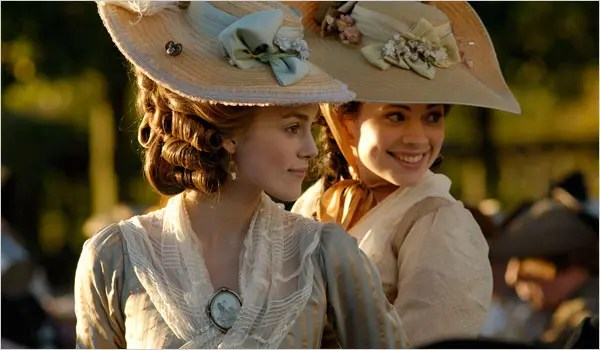
Leave it to me to wake up thinking about 18th-Century women’s wigs. A couple of weeks ago, Elizabeth and I watched again the film The Duchess, about Georgiana, the Duchess of Devonshire, the ancestral great-aunt of Princess Diana. Georgiana was played by Keira Knightley, she of the oddly beautiful underbite and delicate bone structure, and Knightley did her job well.


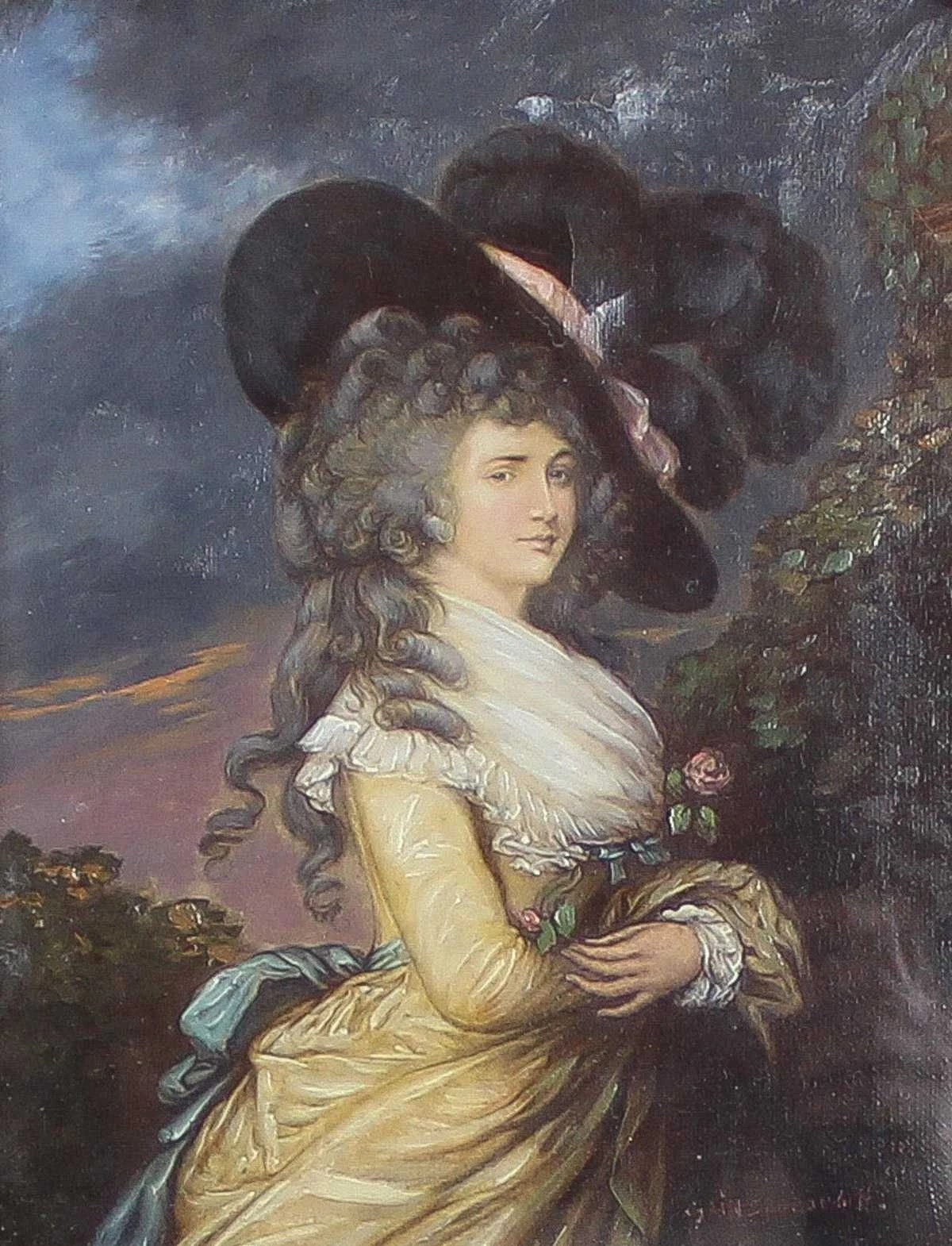
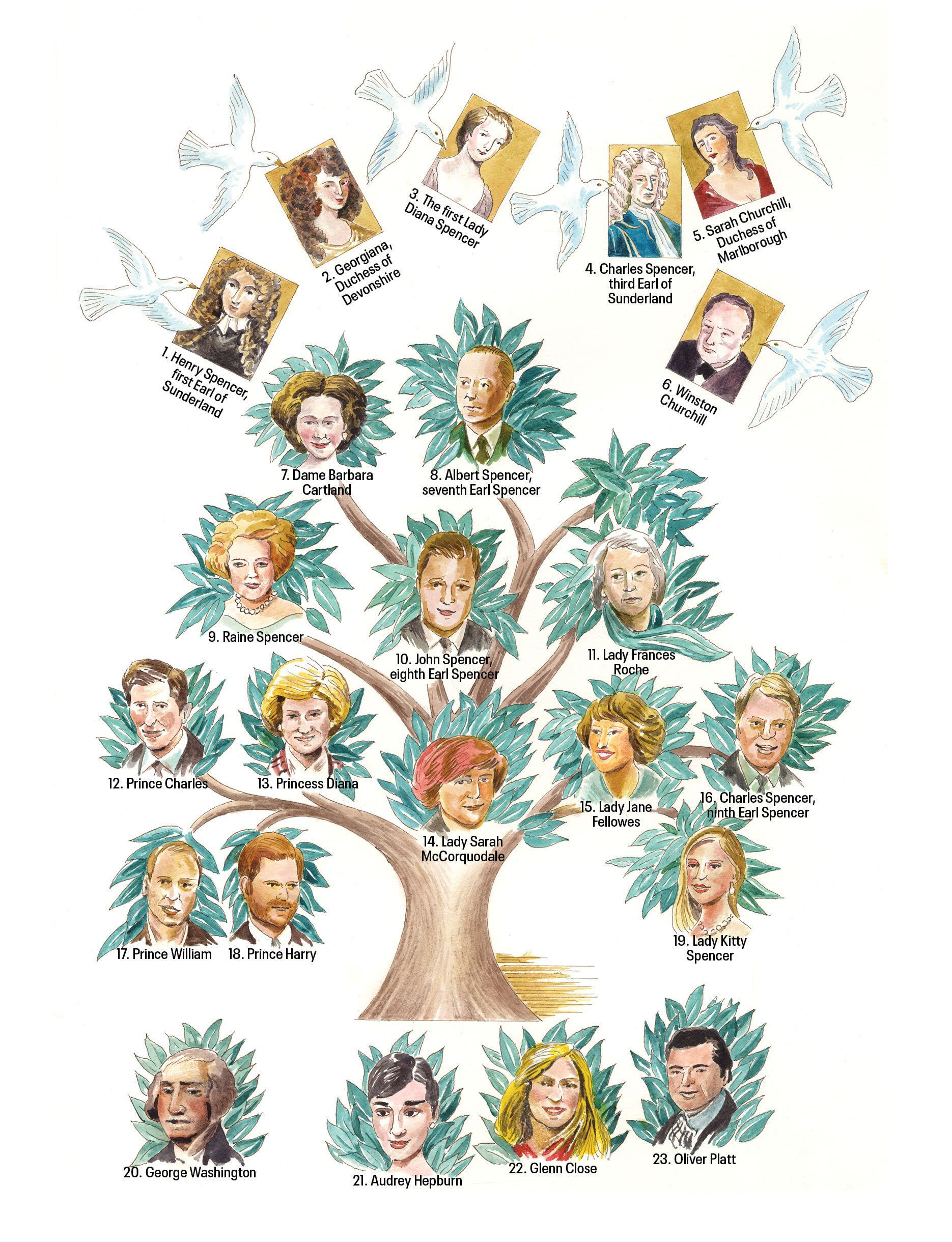
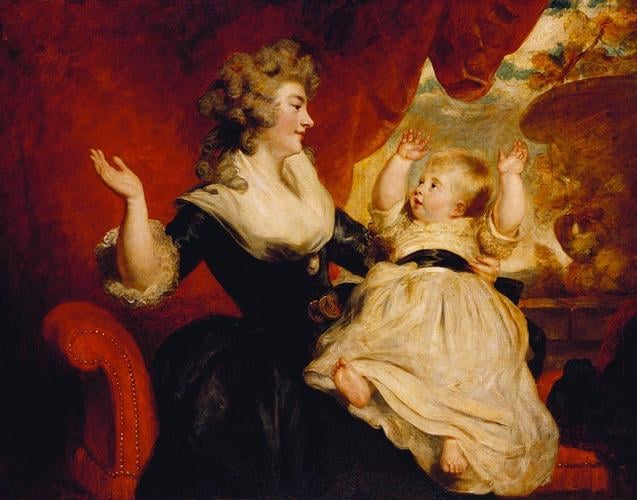
The real Georgiana—she’s portrayed by Gainsborough in the painting— had some impressive branches on her family tree, given that she was a Spencer:

He life was not so stellar. She married William Cavendish, the Duke, at 16 to bring wealth to her own family, and the marriage was not happy. Ralph Fiennes portrays Cavendish and I almost bought a bag of frozen cod the other day because it reminded me of Fiennes in the film. Not all of him was frozen: there was enough warmth in the hearth for him to invite his mistress, Elizabeth Foster, to live with him and Georgiana. (Eventually, the two women become friends and fellow-sufferers.)

Knightley with Hayley Atwell as Lady Elizabeth Foster

Georgiana consoles herself in drinking, partying, running up immense gambling debts (although she gained entry into British politics by shrewdly choosing her gambling partners at cards) and cavorting with the handsome MP Charles Grey. In one film scene, daughter she bears by Grey is taken from her to be raised with “his people,” and the exchange of the baby is done between two carriages on a remote country road. It is gut-wrenching.

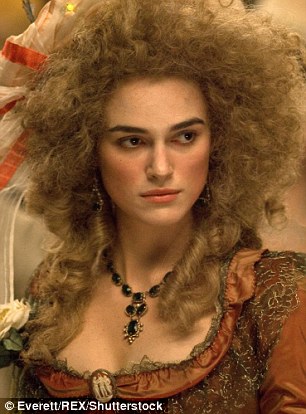
Despite all of this, Georgiana would be remembered as a loving friend and mother, good-humored and devoted to the poor, especially children. Good for her. She was also beautiful: here she is, in 1786, with one of her daughters, and, again, portrayed by the many-wigged Knightley.

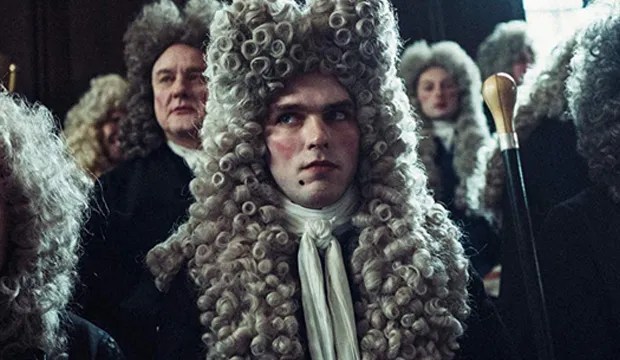
The Favourite, produced ten years after The Duchess but set in the century before Georgiana’s time, won the Academy Award for costume design, as did the earlier film. Well-deserved. But when it comes to wigs, it was the men who outdid the women in The Favourite. In that film, it’s Lord Harley’s wigs, not to mention his beauty mark, that steal the show (the young Nicholas Hoult is wonderful as the acidic and opportunistic Parliamentarian).

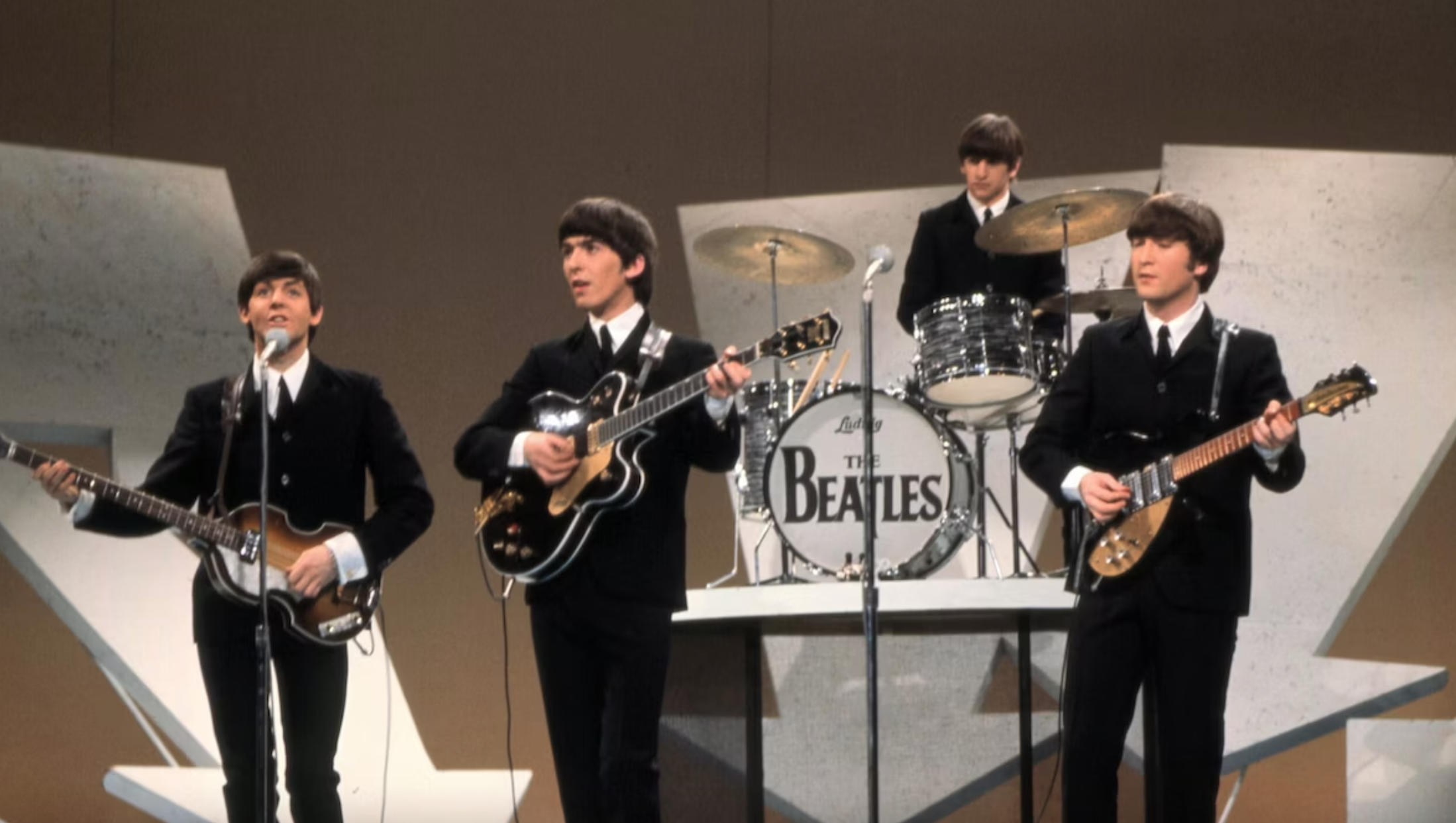
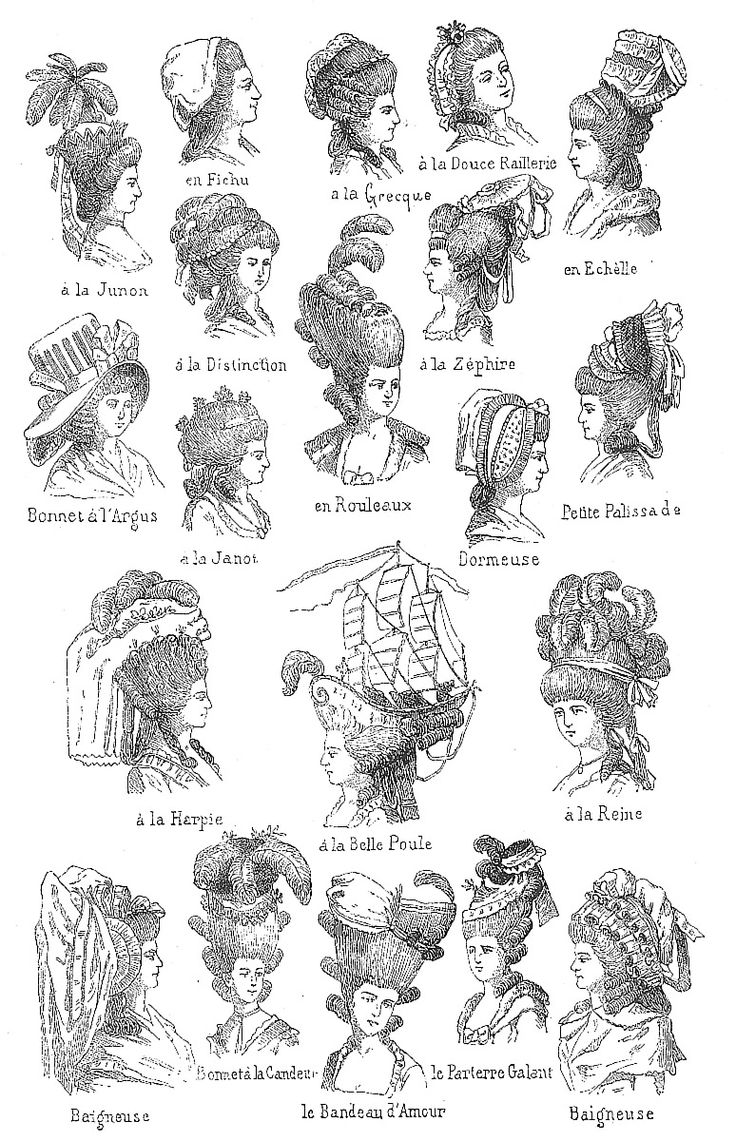
But in Georgiana’s time, even Lord Harley’s wigs would be surpassed, in this century by women’s wigs. I’ve always loved this Bow Wow Wow song anyway, and it’s appropriate to this scene from Marie Antoinette (2006).

And there were so many to choose from! I’m pretty fond of the ship model wig.


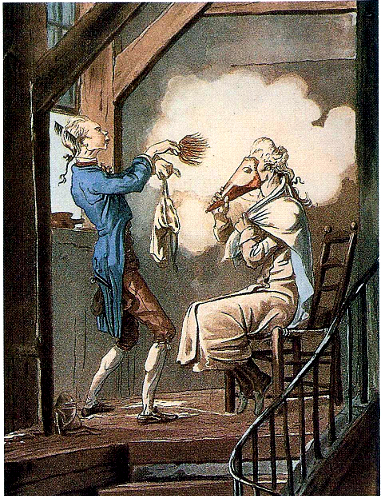
Finally, “freshening up” in Georgian England would’ve had a different meaning, because for men and women, that meant getting properly powdered before you showed your noble head to the public.

What the films don’t always show is the fashion accessory that went with 18th-century wiggery. Long-handled scratchers like this one, made of whalebone, were vital in this age of big hair, because underneath it all was a warm, dark home for lice.