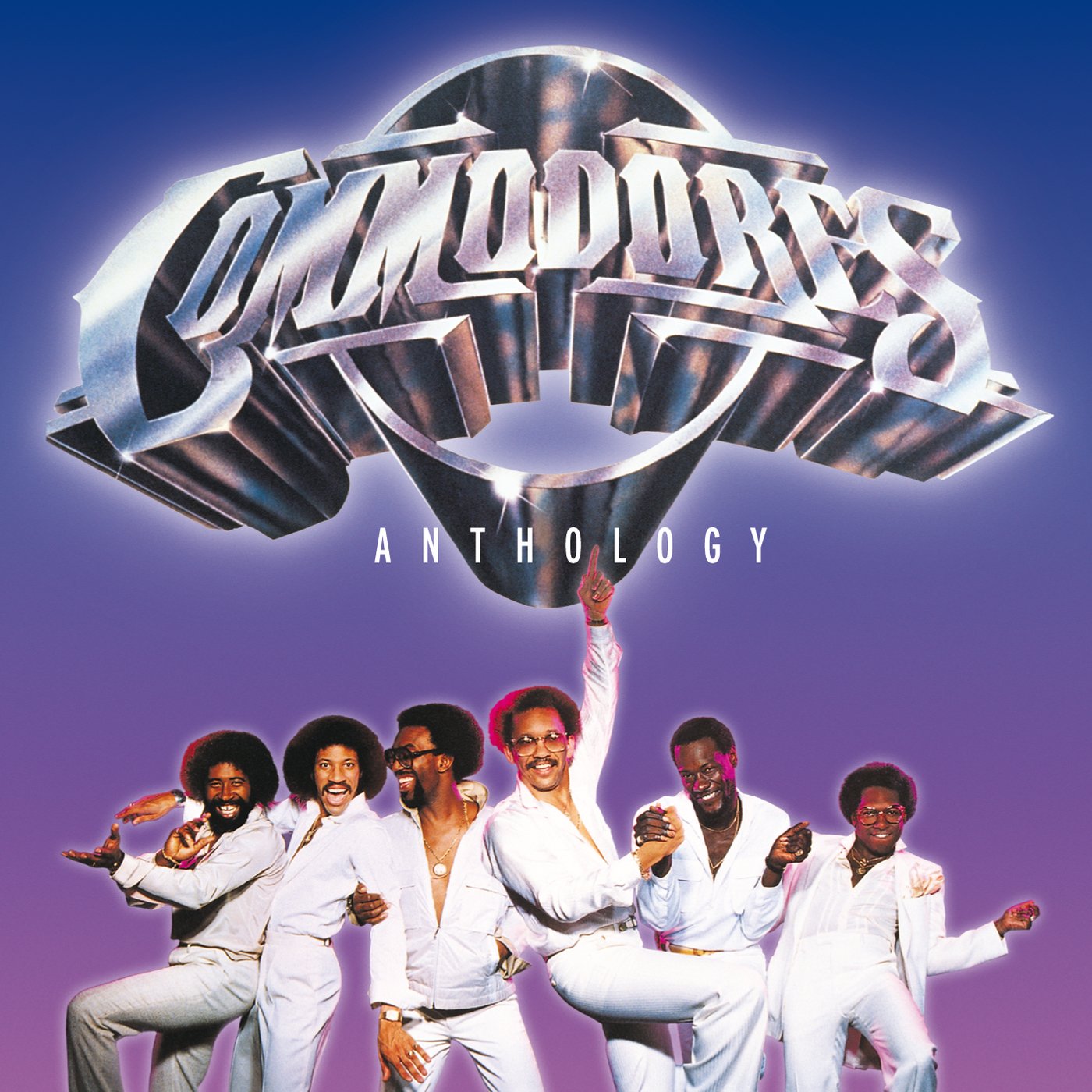
Sandy Mershon is a friend Elizabeth and I love. And she just had the audacity to post THIS song on Facebook.
So hearing this song again led me to several more meditations, none of them invited. Mind you, the Seventies was when I was wearing embroidered cowboy pearl-button shirts, listening to the Eagles, the Allman Brothers and the Ozark Mountain Daredevils. And then something like this would come on the radio:
And I was reduced to Silly Putty. Or maybe a Slinky going down a long, long staircase.
This one might come on the radio, too. I loved the singing, so smoooooth, and maybe I loved the costumes just as much—you will notice that winged shoulders were in vogue.
It didn’t take very long for Funk to kind of meld with Disco, which, among my people back then, was about as popular as Pneumonic Plague. I’d graduated to Fleetwood Mac. But, every once in awhile, I’d kind hop up and down in my car seat when this came on the radio.
This song is sublime.
And then there was that whole “Toot toot! Beep beep!” thang.
We’re talkin’ mid- to late-1970s here. But my whole thang began when I was nineteen, a student at Bakersfield College, and so deeply depressed–I’d just moved from Arroyo Grande, okay? I was on my way home from school and four kids needed a ride. Three girls, one boy. All Black. For whatever reason—I’d prefer to credit the Lord God Himself—I pulled over my little yellow Mustang and beckoned them to hop in.
The girls were packed, uncomfortably, in the back. The guy sat next to me, looked through my eight-track tapes, uttered a little yelp, and put this song in. It was performed at Woodstock in 1969.
We all danced, all five of us, as much as the confines of a 1965 Mustang would permit, all the way home, until I dropped them off.
I won’t say that I have loved Black people ever since that day, because that would be a generality just as pernicious as any hateful racist generality can be. But I will say this: That ride home made me love being an American.
Many years later, for John’s birthday, we went to a Niners game during a woeful season. We had seats in the end zone at Candlestick, facing the sun, and so resembled lobsters by the fourth quarter. But when Our Guys kicked a field goal with no time remaining and won–one of their two victories that year–I jumped up and yelled. So did the Black woman next to me. We turned to each other without hesitation and hugged. And then we jumped up and down, still hugging.
That ride. That hug. Those are the kind of moments the Good Lord intended for me, from the moment He knit me in my mother’s womb.
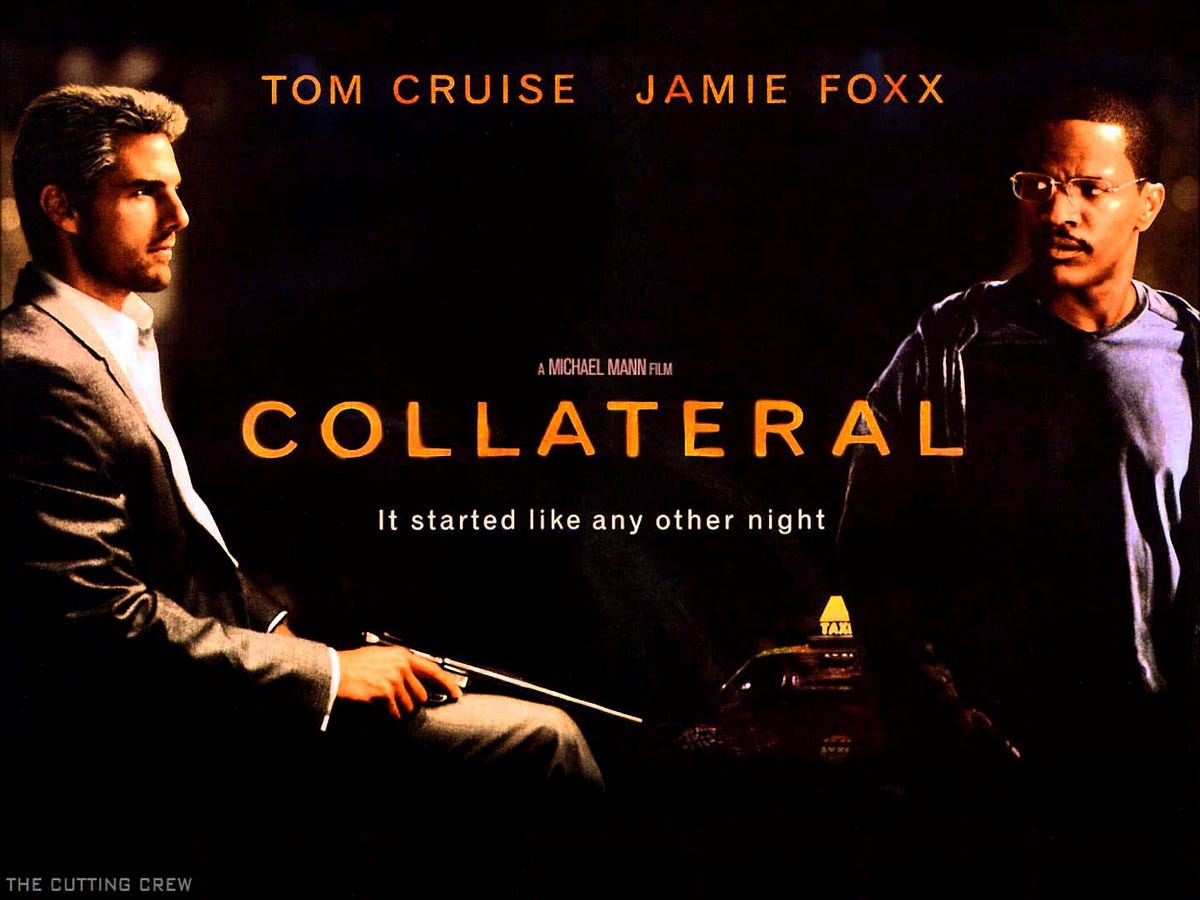
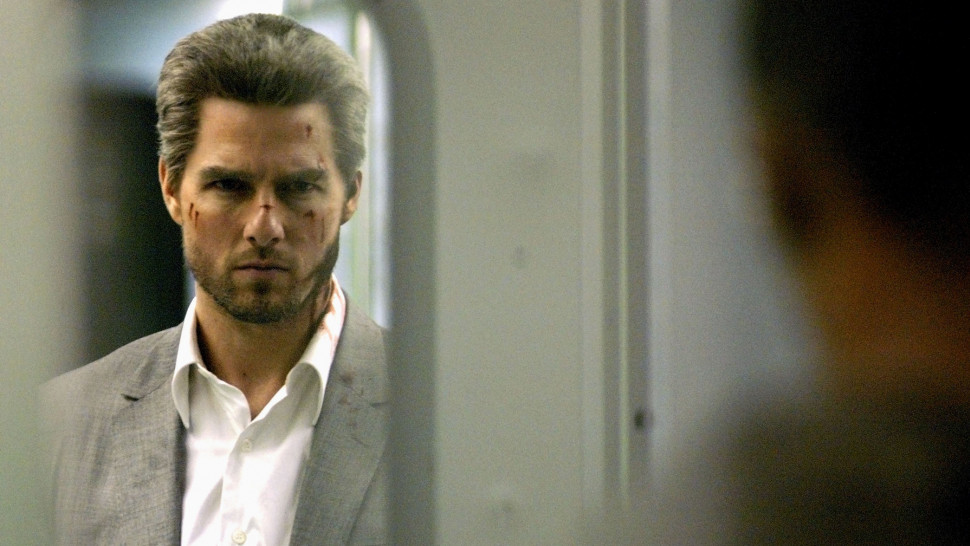
My Guilty Pleasure: 2004’s “Collateral,” starring Tom Cruise and Jamie Foxx.
I am not a Cruise fan, with the exception of his dancing movie mogul in “Tropic Thunder,” which was a generous and self-effacing performance.
But in this film, he is a slick assassin–remindful of an older film, 1973’s “Day of the Jackal,” with Edward Fox–and you almost but not quite wind up rooting for Cruise. just as you did for Fox, out to assassinate French President Charles de Gaulle.
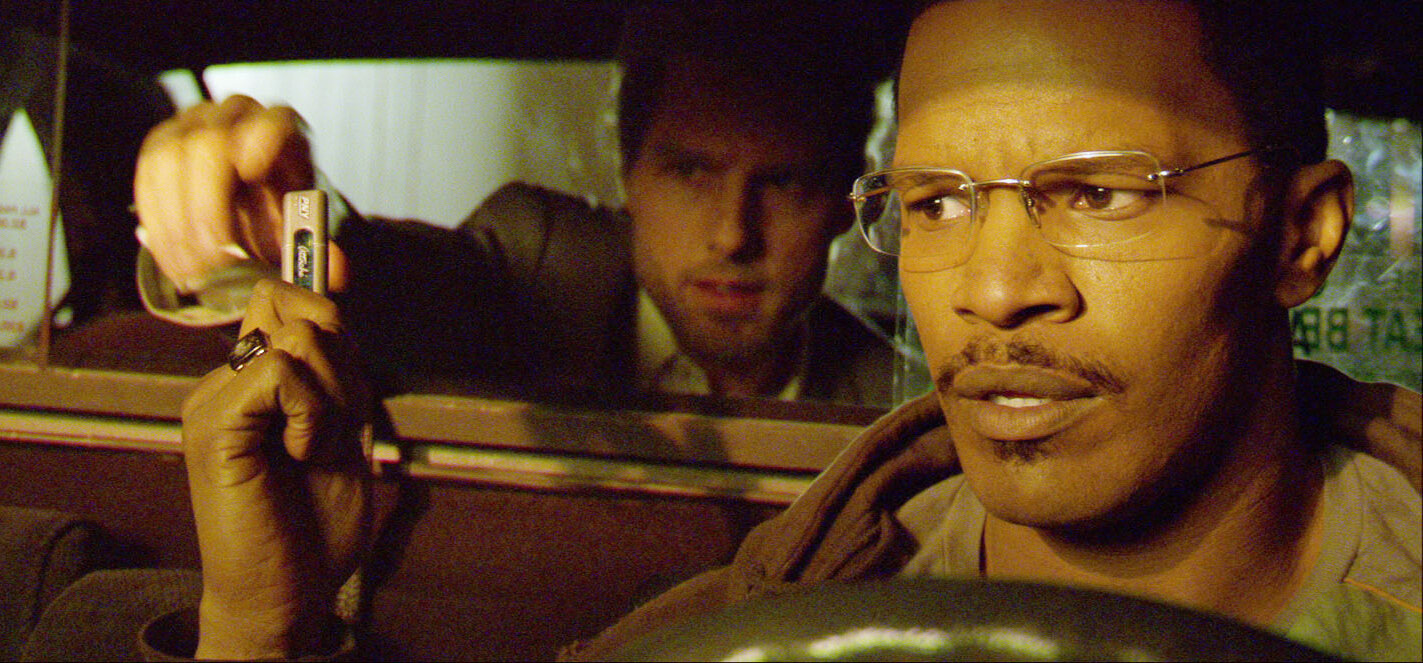
Cruise’s character has a laundry list of mob informants to murder before the Big Boss’s case goes to trial. He kidnaps taxi driver Jamie Foxx to drive him around El Lay, and along the way, you visit a South Central walk-up apartment, a slick high-rise office building, an L.A. County Morgue, a Black jazz club, a Latino dance hall and an Asian disco.
It’s like a tour, deep in the night, of modern L.A.
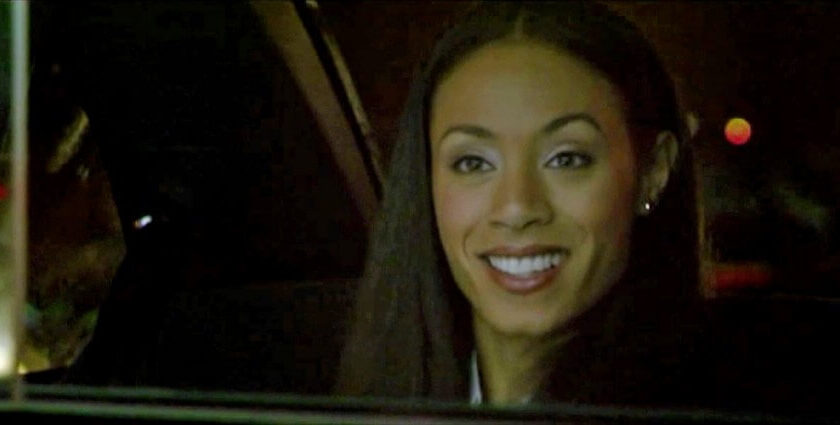
Jamie Foxx, the taxi driver, is Everyman, and one of the victims on Cruise’s hit list, Jada Pinkett Smith, is smart and beautiful. Beyond beautiful. Foxx has a crush on her. Me, too. She is luminous.
She’s not my favorite character. That honor goes to Mark Ruffalo, who’s reimagined himself from the rumpled (“Columbo” comes to mind) San Francisco detective in “Zodiac”–another favorite of mine–to an LAPD narcotics detective, street-smart, courageous and with dress and hairstyle that identifies him as a cholo.
It’s identified as “neo-noir.” I can’t argue with that.
Bryson DeChambeau is leading the Masters with a first-round 65. About him I do not give a damn. He’s built like a middle linebacker and hits the ball just that violently. His swing, looks like he’s splitting rails inside a porta-potty.
But that’s not the problem.
The problem is That De Chambeau plays on the LIV Tour, sponsored by, among others, Saudi Crown Prince Mohammad bin Salman, who is prone to having his political opponents whacked and who believes, bless his heart, in the moral instruction conferred by public beheadings.
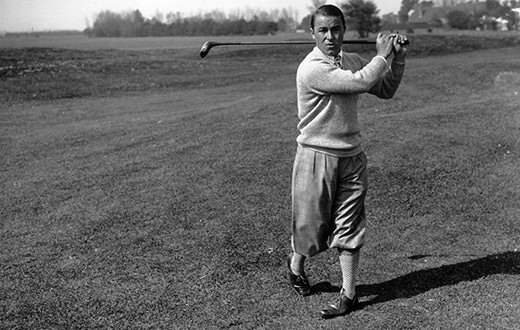
So I’m rooting for the guy in second place, Scottie Scheffler. I might even root for the ghost of Gene Sarazen. This guy:
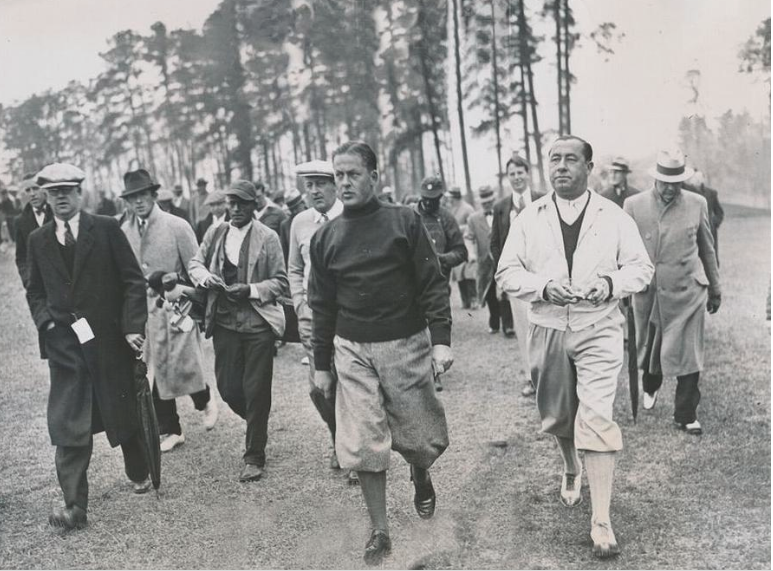
In 1935, Sarazen, was very unlike Bryson DeChambeau. Sarazen’s legs, in his plus-fours, looked like toothpicks. He was playing in his first Masters. His partner was Walter Hagen, the suave party boy who urged Sarazen, as they marched down the 15th fairway, to hurry up for his second shot. Hagen had dinner to get to. There would be Martinis and honey-baked ham and smoked oysters. That was where he was headed, maybe in a yellow Stutz-Bearcat convertible.
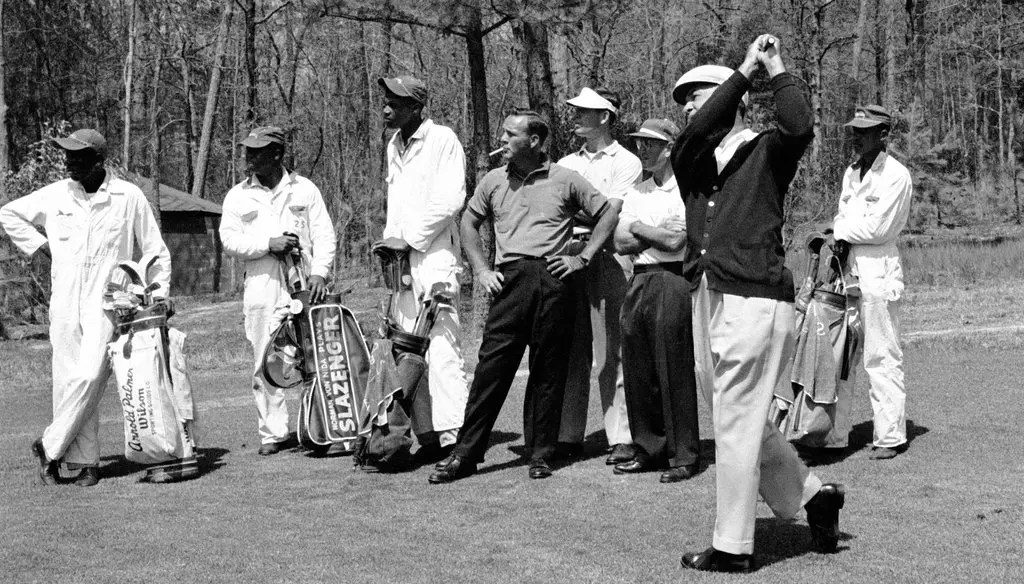
Sarazen was diplomatically ignoring Hagen. He instead haggled with his caddie, invariably, back then, a Black man. The caddy, in the convention of the time, referred to Sarazen as “Mr. Gene.” They were debating which club to use. Sarazen thought he’d need a brassie, a 2-wood, a club that is today obsolete.
Firethorn
The holes at Augusta have nicknames. The fifteenth is called “Firethorn.” Sarazen’s caddy had a nickname, too, in the days when Black Americans were meant to be invisible. They called him Stovepipe.
No, Mr. Gene, Stovepipe must’ve said. A brassie is too much club, sir.
Augusta caddies and Arnold Palmer watch Ben Hogan hit his tee shot.
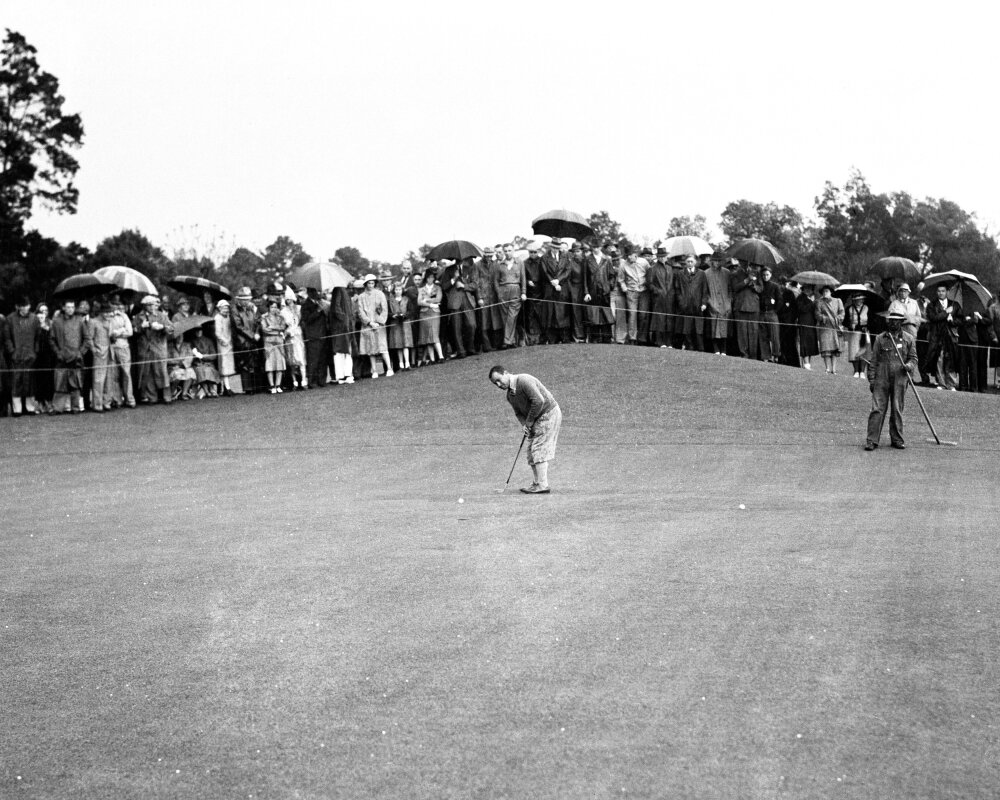
As Hagen lit another cigarette, Sarazen took his caddie’s advice. Stovepipe handed him a spoon–the modern equivalent of a 4-wood–and then Sarazen hit his shot. It must’ve felt good, but Sarazen didn’t know how good it was until he approached the 15th green and saw the crowd–that would be about twenty-five people, back in 1935–jumping up and down. Then he heard them hollering.
He didn’t know just yet why they were hollering, but among the golfers who did know, because they saw Sarazen hit the fairway wood, were Bobby Jones—the closest, outside Hobie Baker and Brad Pitt, that we Americans have ever come to blonde Adonis–Byron Nelson and Ben Hogan.
Bobby Jones, center, and Walter Hagen
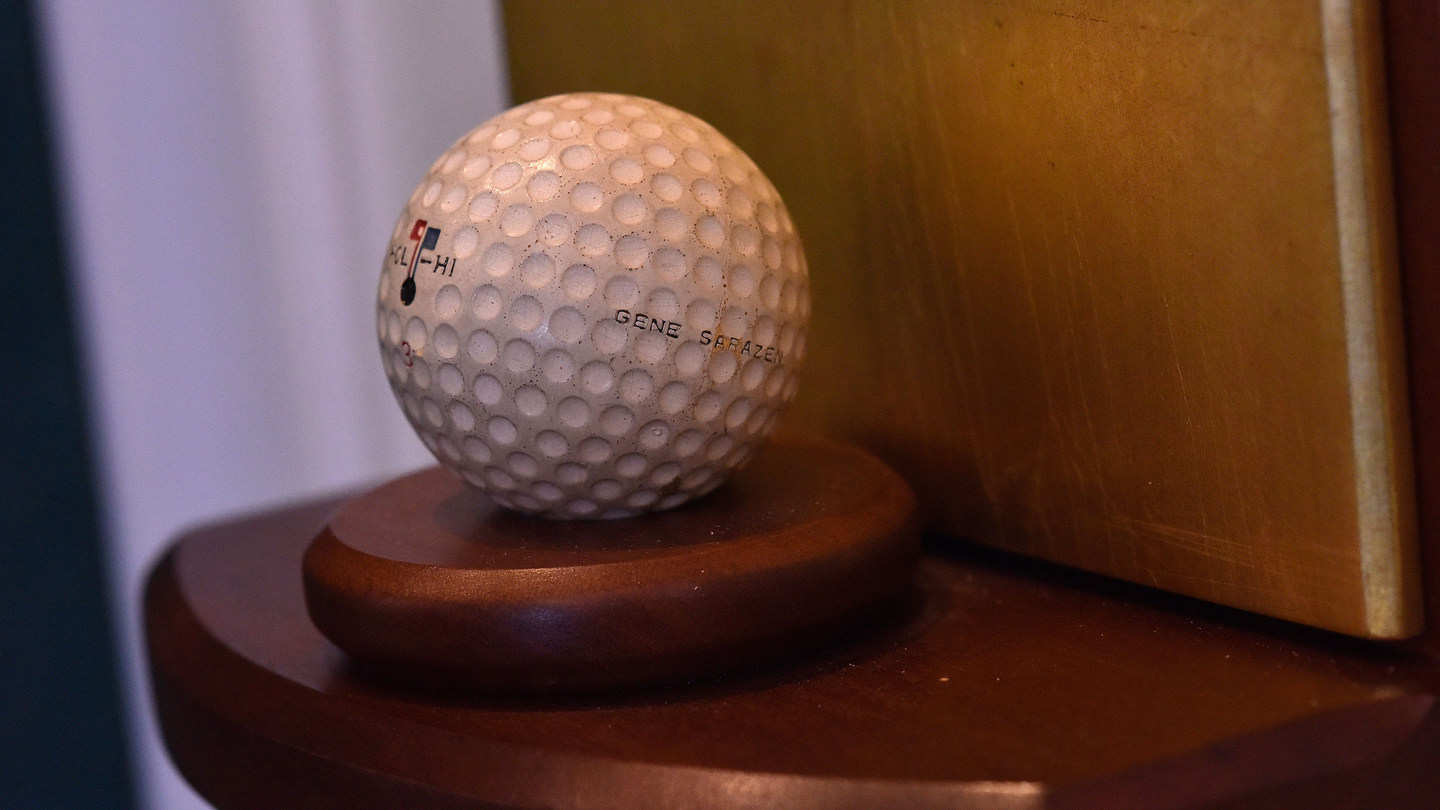
The spoon traveled 215 yards in the air, rolled another twenty, and dropped into the cup.
That’s a replica of the club Sarazen hit, thanks to Stovepipe. The ball is the original.
That did not win the comparatively elderly Masters rookie–Sarazen was 33–the tournament. It took him another day and 36 holes to break the tie with Craig Wood, who’d been three shots ahead going into the 15th hole.
But the newspapers had already labeled Sarazen’s spoon at the 15th “the shot heard ’round the world.”
When I was a little boy, I used to watch Sarazen, as a commentator, on Shell’s Wonderful World ofGolf, and I was charmed by both his knowledge of the game and the grace of his manners. I am sure the same things could be said about Stovepipe..
Call me old-fashioned. I don’t mind. But I’m not so old-fashioned as to wonder what became of Stovepipe, the man who made this moment possible. I hope to somehow find him someday and find out what his life was like after the 15th hole.
I’m in a kind of spiritual desert right now, so I went to visit the Rev. James Johnson-Hill of the SLO Agape Church in SLO, a church far afield from the structured tradition of the Episcopal Church in which I was raised.
As neglectful as I’ve been toward my faith, and how much I’ve tried to hide it, are hallmarks of my life. But in every minute of my teaching, I was also artfully and subversively, preaching, the message that we are all brothers and sisters, even with the dead, and that the membrane–Walt Whitman’s word choice–that connects us is love. This is the message my mother, a devout almost-but-not-quite Roman Catholic, taught me. Mom and Jesus were always there with me in the classroom.
Maybe missing my kids also means that I am missing the passion I felt in teaching.
So I drove up to San Luis to visit James, the husband of a former Mission student, Anicia Bonds, who is very dear to me.
I just needed another perspective.
Once we’d finished talking, I understood that what I take for a crisis is really an opportunity to come closer to God. Talking to, and learning from this wise and wise man, was an immense gift.
Guess whose gift he really was.
And when we were done talking and praying, Anicia was there and we shared a hug. I needed that, too.
Thank you, Pastor James. Thank you, Mom. I think you were right next to me today.
The story that Sugarcane tells , the stunning documentary from Julian Brave NoiseCat and Emily Kassie, is set in British Columbia. But it resonates even here, in San Luis Obispo County.
The last speaker of her dialect of her language, referred to by scholars as Obispeño Chumash, was named Rosario Cooper. She died in Lopez Canyon, east of Arroyo Grande, in 1917, but her language was recorded and so survives. Many Chumash—the yak titʸu titʸu yak tiłhini (ytt) people—went to the Sherman Indian School in Riverside, where they were punished for speaking Rosario’s language.
So were the children of the Williams Lake First Nations of British Columbia when they were sent to the St. Joseph Mission Residential School, which closed in 1981. The school that Sugarcane (the film takes its name from a nearby reservation) depicts punishments that are unbelievable for little boys and girls. A barn was used to tie up miscreant students and whip them. Six-year-olds who talked in class were made to hold oversized Bibles, the weight of cinderblocks, over their heads for an hour.
The intent of schools like these was, as the film points out, was to annihilate the Indian.
It wasn’t enough to “annihilate” living Native Americans, the little boys who learned manual labor and wood shop and the little girls who learned baking and canning and dusting.
Even the dead have suffered.
In the 1880s, a ytt burial ground that lay in the path of the Pacific Coast Railroad near Avila Beach was obliterated. In the 1890s, crews installing a new water main beneath Chorro Street, near the Mission, did the same to the remains of the indigenous people buried there.
Near the St. Joseph School, a preliminary scan from ground-penetrating radar revealed at least ninety-three potential burials, likely the bones of residential school students whose names will never be known. One former student remembered nuns carrying the body of a newborn infant inside a shoebox down to the school incinerator.
Julian Brave NoiseCat’s Father, Ed Archie NoiseCat, was luckier. A dairyman found him, soon after his birth, in an ice-cream carton hidden inside a dumpster.
What makes the film powerful is the story of reconciliation between Julian and Ed Archie, abandoned by a mother who was ashamed to bear him.
Why was she ashamed? Another former student, at his wife’s behest, has a DNA search done. He is an indigenous Canadian, but his DNA reveals that he is 50% Irish and 5% Scots, and a match is made with a distant cousin named “McGrath.”
Father McGrath was a teacher at the school.
The same priest who heard his confession, one former student remembered, pulled him out of his bed in the boys’ dormitory at night.
Every year, in the first week of September, a cattle truck arrived at “The Rez” to take the children back to school. Parents had to drag some of those students, crying and shrieking, to the waiting truck.
In the late 1940s, the ytt children at the Sherman School were summarily dismissed and replaced by Navajo children. They were no longer wanted.
Neither were the children whose parentage, thanks to the Oblate fathers and brothers, were partly White. They weren’t wanted by either world, Native American or White.
This is a sobering film. It is not hopeless. The grace with which the two NoiseCats find healing is Sugarcane’s pivot, and the courage with which an indomitable investigator, Charlene Belleau, pursues the fates of the missing children and the priests who abused them is remindful of another powerful film about a similar subject, Spotlight.
It’s not incongruous to call this a beautiful film: Dust mites dance in a shaft of sunlight, Native American horsemen pivot together to run down a hillside, rain-slick roads penetrate thick stands of pine.
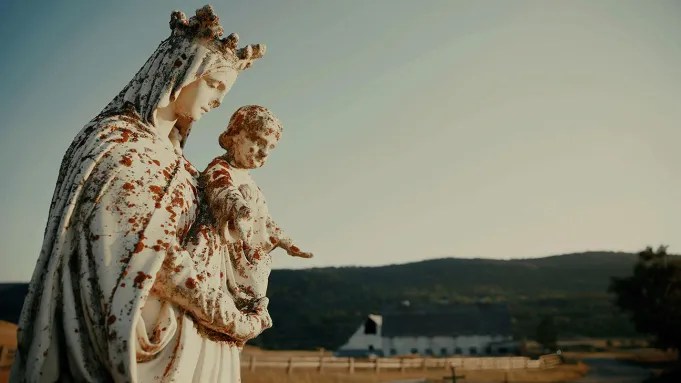
Above the little Mission cemetery is a statue of Mary, Queen of Heaven, the marble turning mossy. The same statue, draped softly in snow, reappears later in the film, and it is beautiful. Many indigenous people remain Catholic, to the point of defending their churches in the wake of a spate of arson fires set as retribution as more and more unmarked graves were revealed across Canada.
The sounds, too, are evocative: a horse pulling grass just beyond the cemetery fence, crackling embers as men prepare a sweat lodge, a spade hitting the ground and striking wood, the harsh clank as a gate flies open for a bronco and rider at the Fort Williams Stampede, the cooing of doves within the tragic barn where little boys were once whipped.
The most stunning sound is a long moment of silence, when Rick, a tribal elder, confronts the Superior General of the Mission Oblates with the story of three generations of physical and sexual abuse. The priest is numb, and the filmmakers allow his silent hurt to fill the space.
Near Surgarcane’s end, Ed Archie kneels in the way boys once did in what were called the “Indian Schools” across the United States and Canada. They did so to prepare for the switch.
But this is what happens instead: Julian Brave NoiseCat gently waves an eagle feather above his father’s head and then brushes it along his body in a healing ceremony. It is a moment of redemption that the Mission Oblates had no power to confer.
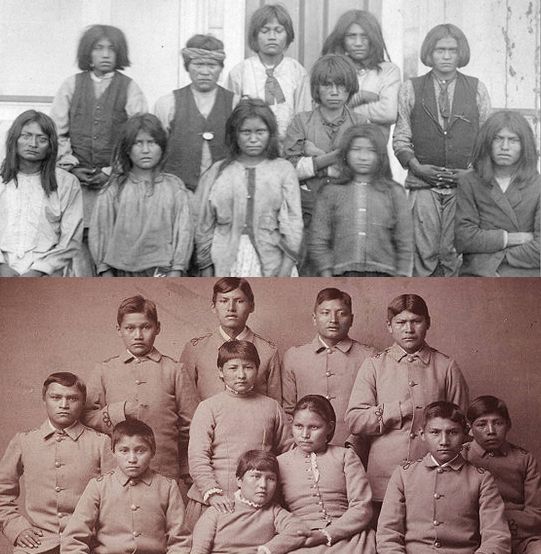
Before and after, Chiricahua Apache children at the Carlisle School, made famous by Jim Thorpe.
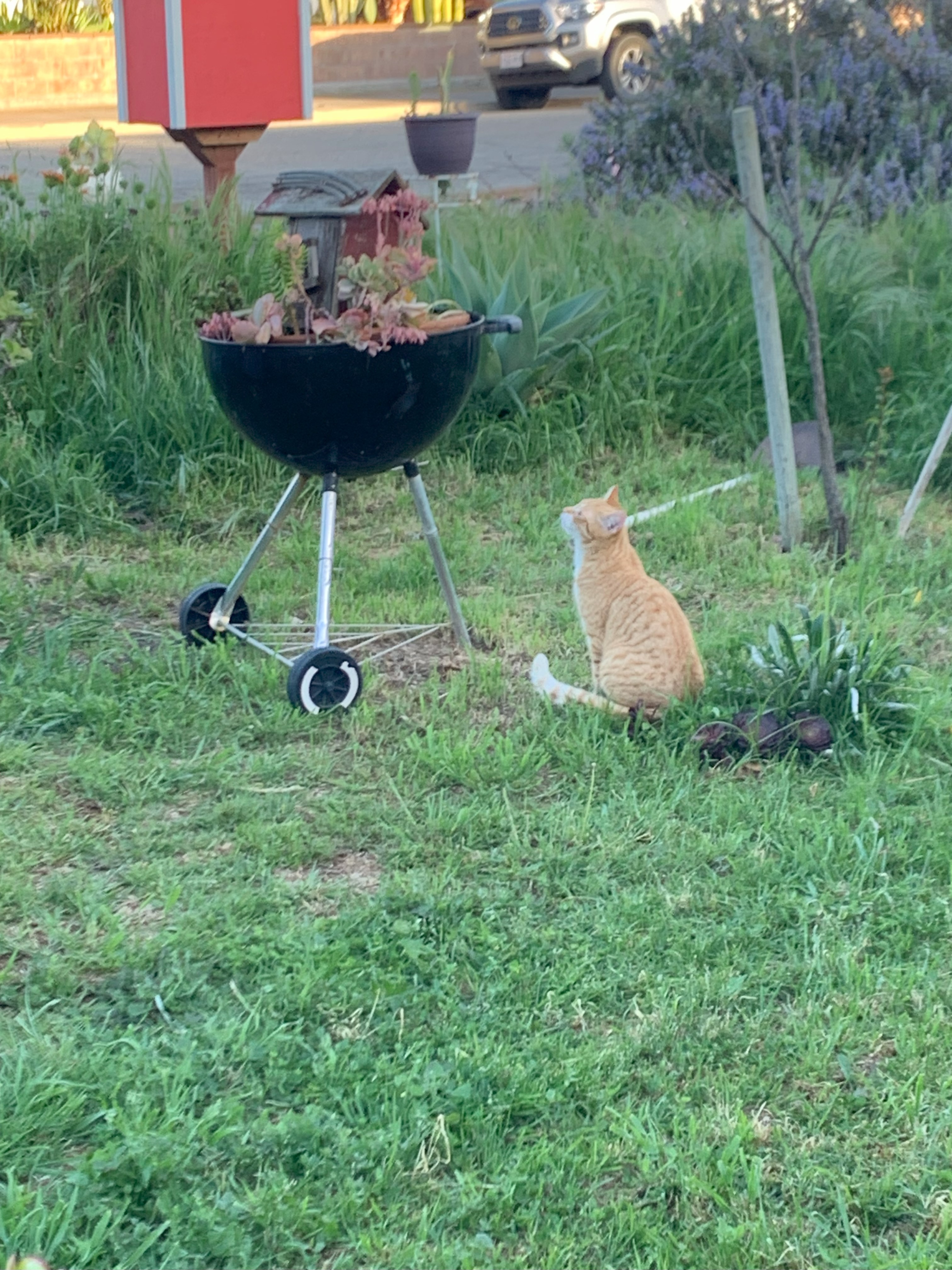
Winston the cat ponders a bug flitting atop the Weber-turned-planter.
We had a brief but big rain yesterday. This is our oak tree in the back yard as the last big storm (I think) of the season started a couple of weeks ago.
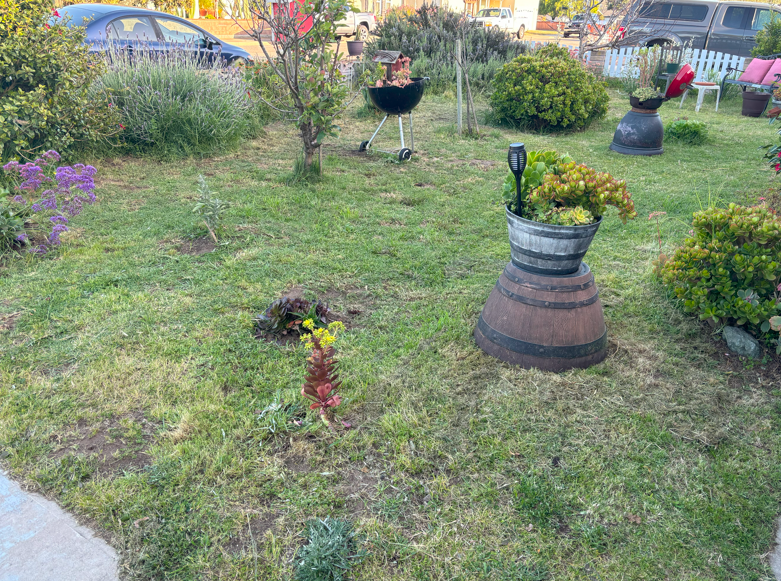
Big rain in the back yard meant monstrous weeds in the front.We are trying to kill our lawn, in favor of succulents and native plants, but miscreant lawns grew like sugar cane. Elizabeth and I whacked (mostly Elizabeth) at the growth–positively Tarzanian—today.
We deserved a reward, so I grilled some chicken.
And, in mid-grilling, noticed the kite flying over the playground at Harloe Elementary. Another sure sign of Spring.
And, doggone it—you’ll forgive the pun—Spring also means new life. We have one example. He’s our neighbor’s German Shepherd puppy, Ralph, who’s just taken up residence in his Forever Home. Walter, our Basset, loves Ralph already.
So, yes. Life is good. It takes Spring to remind us of that fact.
My wife, Elizabeth, and I just made the switch from cable to streaming. No thanks to me. When eight-track tapes were popular, I had a four-track tape player. When it was universally agreed that video tapes should be VHS, Dad had a Beta player on our TV. I distinctly remember one of my high-school students, when all my music was on cassette tapes, which frequently unspooled and vomited torrents of celluloid spaghetti, about something new called a “CD.” He put one on for me—was it Flock of Seagulls? The Thompson Twins?—and we listened to it. He closed his eyes as the music played, like a dreamer in a 19th-century opium den. That CD was State of the Art.
Once upon a time, so were these television shows.
So, given my penchant for history (and for being 72 years old), I started to search for TV shows from my younger years. The only other requirement was, on our new-fangled Streaming Contraption, that they be free. Sure enough, up came my second-favorite TV theme, from one of my all-time favorite TV shows, a wicked take on life in El Lay, just a few generations removed from the arch (and evocative) writing of Raymond Chandler, the creator of Rockford’s archetype (and The Dude’s, in The Big Lebowski), Philip Marlowe.
This was a detective show, too, and not one of my favorites, because it was about a bunch of snitches who worked undercover. The problems are that it’s a decent opening theme and that it includes one of the stars, Peggy Lipton, the mother of the just-as-beautiful Rashida Jones, below, in her recurring role on Parks and Rec.
Karen Valentine was adorable, too, but about all she did after Room 222, a show about high school teachers, was to appear regularly as a guest star on The Love Boat, a show I detested because it was insipid, as was its theme song. But Room 222’s theme was kind of charming. Maybe that show was one of the reasons I became a teacher. The Black teacher, Lloyd Haynes, was handsome and cool and nobody’s fool. The principal, Michael Constantine, kind of immortalized himsefl (Windex!) many years later in My Big Fat Greek Wedding.
But the second show, after Rockford Files, that I streamed was based on yet another crush from my teens. Here she is:
My family watched Marlo Thomas every week. Mom adored her, too. As to me? The lavender dress and parasol, and then, when she musses her hair at the end of the sequence, were pretty much all I needed, at fourteen, to get through the following week. (I met her father, Danny Thomas, at the Madonna Inn and got his autograph for my AGHS Christmas Formal date, Jeri Tomson. VICTORY!)
If you know that I loved That Girl, it’s not a far jump to my next favorite TV theme. The song’s not all that great. Mary Richards’ Mustang is cool, and, of course, Mary Richards Herself was Mary-freakin’-Tyler Moore, with whom most males my age had already fallen in love—when we were little boys— thanks to her Laura Petrie on The Dick Van Dyke Show.
When I was in college at the University of Missouri, about six of my (male) friends and I watched the last episode together at our fiend Tom’s house in Columbia. We were devastated, and drinking far too much after the closing credits did not help at all. We just became even more morose, and it lasted a couple of days.
Lest you think I watched shows only because of my Teen Crushes, I will remind you that I also wanted to be a spy when I grew up. Pays more than teaching, I guess. The Man from U.N.C.L.E. was a favorite—it was on Friday nights, enough to lead me to begging for a ride home after AGHS football games so I’d get there in time to watch. But my personal favorite, in the spy genre, was I Spy, with Robert Culp’s cover (a pro tennis player) and the banter with his trainer, Bill Cosby. It was revelatory to have a Black man as a lead character. Many years later, of course, Cosby would betray us—I never liked the smugness of Dr. Huxtable, anyway. My Cosby drove a stick-shift Shelby Cobra in downtown San Francsico, afraid to the point of death of letting go of the clutch and brake on Telegraph Hill. Maybe my distaste for Dr. Huxtable was a premonition. But I Spy was a terrific show and the chemistry between Culp and Cosby was brilliant.
Finally, and many of you might know this already, but our favorite spy show—my big sister Roberta and me— was Britain’s The Avengers, very camp, very spoofy, very Mod. I wanted to be the protagonist, John Steed. He was unruffled, wry, prone to popping a bottle of Moet Chandon at the drop of a (bowler) hat, drove an MG convertible. If anything, he was cooler than Culp and Cosby and just a shade shy of James Garner in whatever international measure they might use for Coolness.
So, yes, this is my all-time favorite television theme.
But let’s be real, okay? The other reason I wanted to be John Steed was the fact that his co-spy and best friend was Emma Peel, as played by Diana Rigg. Here’s the opening to the 1965 version of The Avengers.
And lest you think me alone in my regard for Emma Peel, here’s a song about her, among many alt-rock songs performed in her honor (Dishwalla, a group I love, has a song about her, too.)
And, in case you’re wondering, we would’ve watched these shows on a TV a lot like this one, a 1964 Zenith color TV—the first color TV we had—when, out on Huasna Road, we got three channels: KSBY (NBC), KCOY (a latecomer, CBS) and, thank the gods, KEYT (ABC), because it was ABC that ran The Avengers.
I’d love to take that TV apart today and regard all its tubes and transistors, all of them now quite quaint. But the other reason I’d love to take the 1964 Zenith apart is in the faint hope that Emma Peel might still be inside.
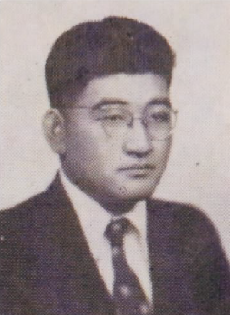
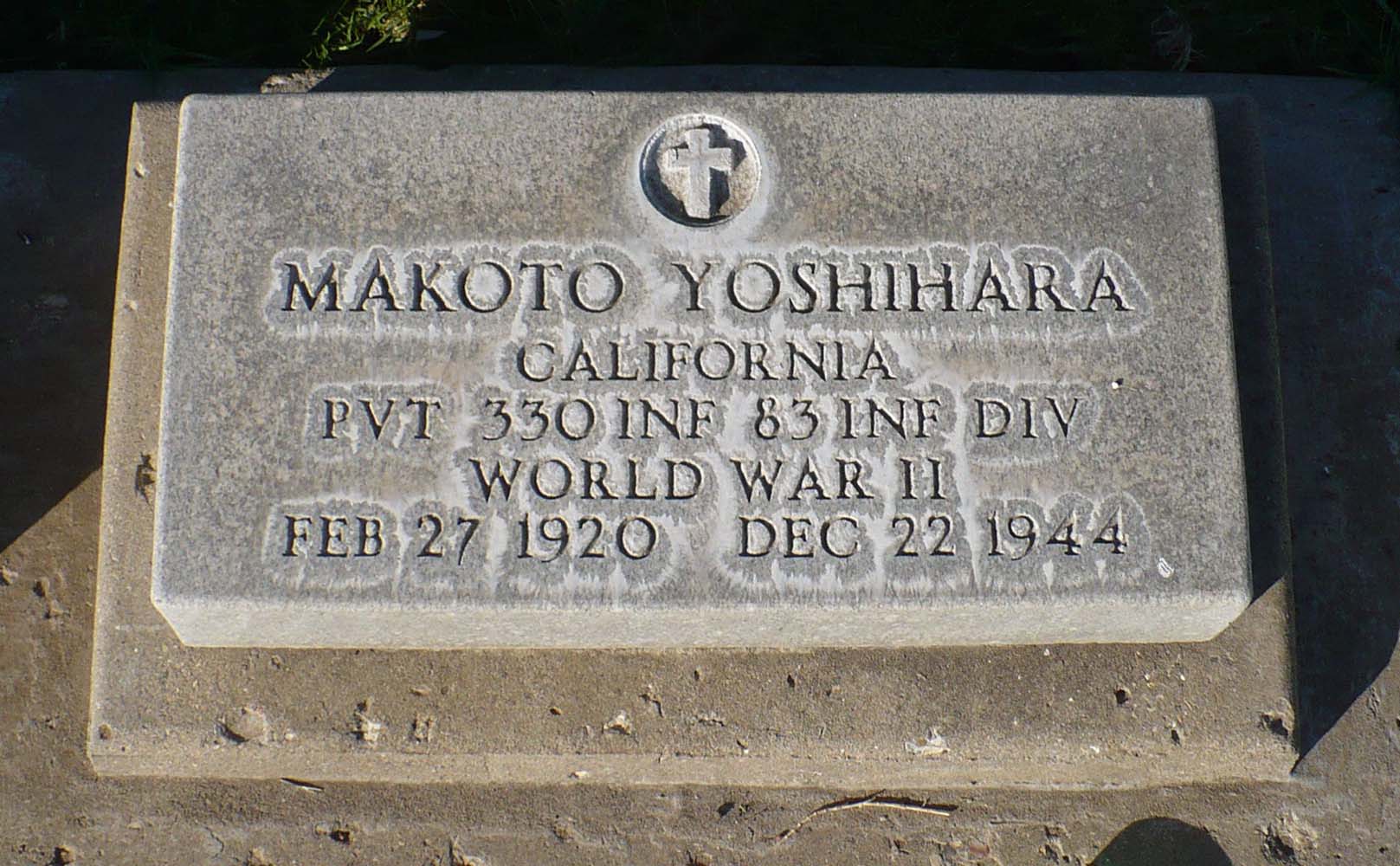
Makoto Yoshihra was a Guadalupe boy who played football for Santa Maria High School. He wanted to become an automobile mechanic, but Pearl Harbor intervened.
He instead became the only Nisei medic in the 83rd Infantry Division, a unit made up overwhelmingly of White boys from Ohio who’d never seen a Japanese-American in their lives.
This Japanese-American, once the 83rd went into action in Europe, began to save their lives.
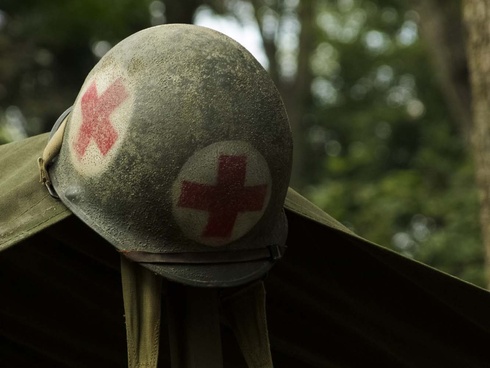
Because he was a medic, he wore the helmet insignia–a red cross on a white background–that designated him as such. Because medics wore that helmet, they became favored targets for German snipers. If a sniper could kill a medic, then he could kill, indirectly, the six or seven or twenty lives that the medic might save.
So that is why the sniper shot Makoto dead in the Huertgen Forest in late 1944. He was kneeling over a wounded comrade when the bullet hit.
Makoto’s helmet doomed him.
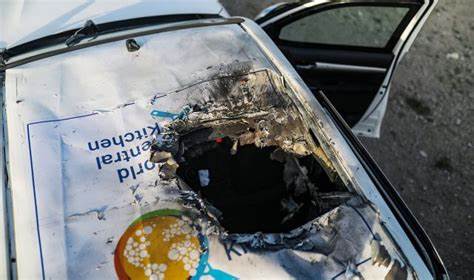
So did the logo of the World Central Kitchen convoy.
If you are about to accuse me of being anti-Semitic, you don’t know me. You don’t know what I taught my students about anti-Semitism and you don’t know the emotional toll that teaching the Holocaust took on me every year of the thirty years I taught.
You don’t know my mother, who never forgave Germany.
But now we have the Israeli airstrike on the World Central Kitchen convoy. My mother would never have forgiven that, either.
There is a difference between Israel and Bibi Netenyahu. I am convinced that he pulled the trigger on Chef Andres’ people. The impact? Now the people of Gaza are deprived of the 300,000 meals a day that the World Central Kitchen provided them.
And so they will die. They will die because that is what Netenyahu and the extremists in his cabinet want.
In the last great shipment of European Jews from Hungary to Auschwitz-Birkenau, once they’d been offloaded from the cattle cars, processed through the selection ramp and then shunted to a field near the gas chambers, there are photos of Jewish children who have only a half-hour or so to live.
They are eating bread provided by the SS. One photo shows another little girl still eating her bread on the way to her death.
There will be no bread for the children of Gaza. They won’t enjoy even the cynical mercy of the SS.
This is mercy: The Army’s Graves Registration Teams gently carried Makoto’s body–it did not matter that he “looked” Japanese– away from the battlefield, perhaps with the body of the G.I. he could not save. They would have meticulously catalogued his personal effects, enclosed him in a canvas shroud, and then they would have taken him to a military cemetery on the Franco-German border.
When the war ended, the Army brought him home to Guadalupe. His coffin would’ve come across the Atlantic in the cargo hold of a Liberty Ship, inside a metal coffin draped in an American flag. We have a tradition of treating our war dead with care.
The children of Gaza will die now because now there is no one left to care for them. Because they will die in such great numbers, bulldozers will bury them.
You may bring up October 7, and you have every right to do so. I will counter with December 7.
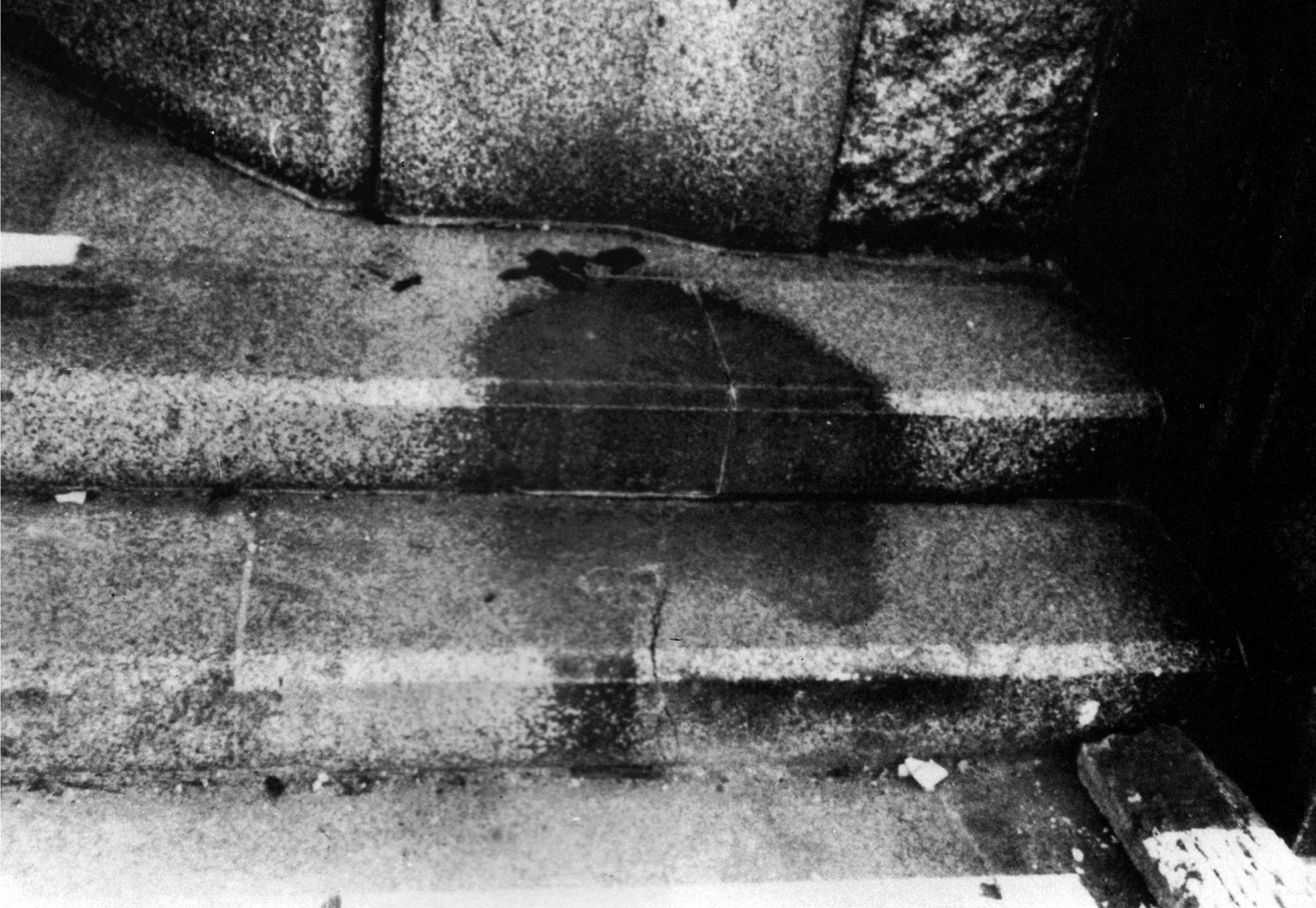
This is the image of a woman waiting for the bank to open in Hiroshima—rather, this is the shadow of her vaporized body. Can you tell me which plane she flew along Battleship Row? Was it a Zero? A torpedo bomber? Did she fly the dive bomber that dropped the fatal bomb on USS Arizona?
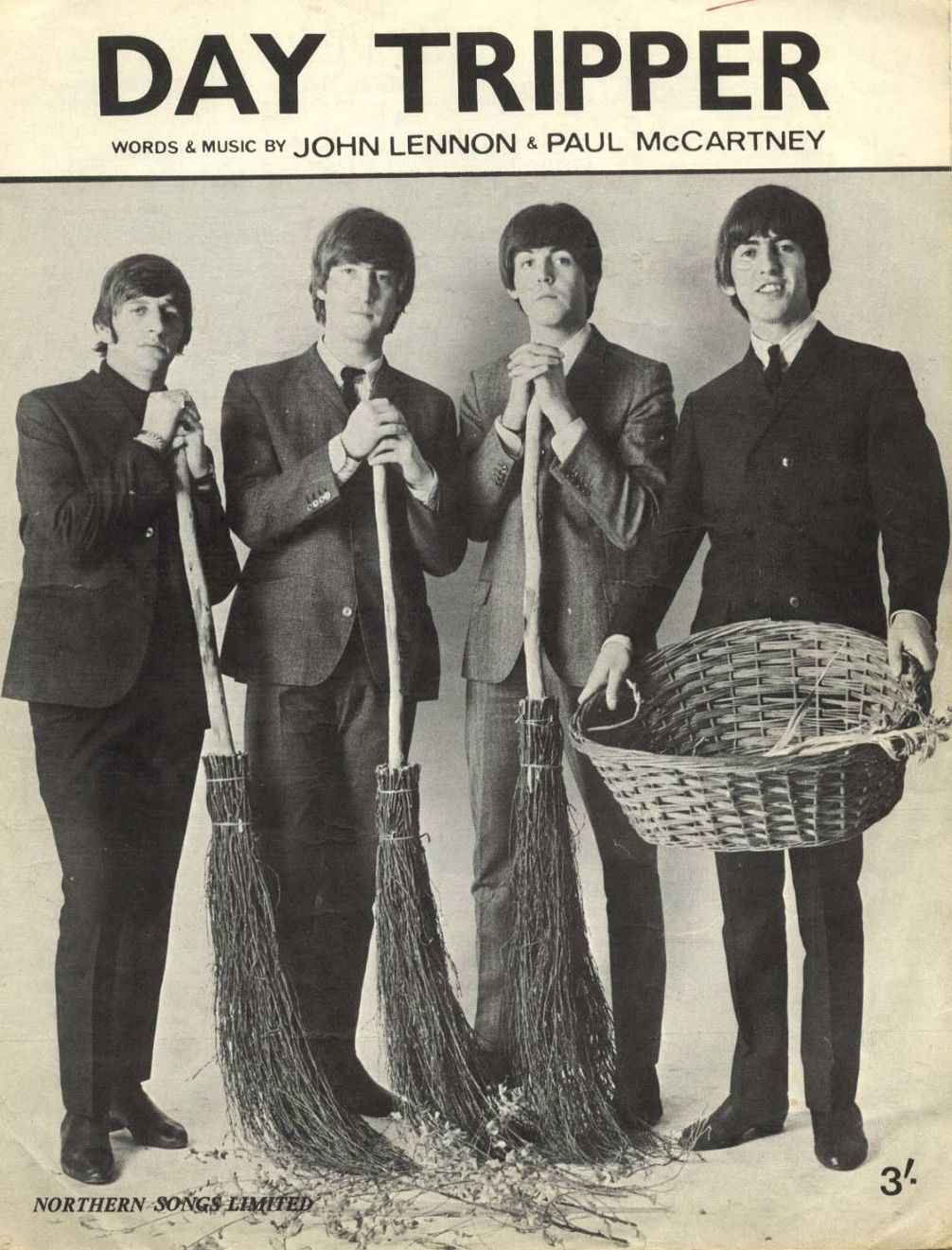
It’s one of my favorite Beatle songs, and I never really examined it beyond the fact that it makes me row faster on my rowing machine when it comes on my MP3 player. So does Taylor Swift’s “Holy Ground,,” Of Monsters and Men’s “Dirty Paws,” The Killers’ “Read My Mind,” Imagine Dragons’ “Radioactive” and, of course, The Chicks’ “Goodbye Earl.”
Go figure.
I just need to talk about the Beatles song, if you’ll indulge me, very briefly.
The intro which sizzles, was written by John Lennon. Of course.
But it was played by George Harrison, the group’s baby, on lead guitar. The lads turned it over to George, with a rare generosity of spirit that reminds me of Brian Wilson turning the lead over to Carl for “God Only Knows,” which might be both the best Beach Boys song ever and also one of the best songs in the Known Universe.
But as to this song, it’s George who sets the tone and it’s, of all people, Ringo, who drives the song. It’s an exquisite drum track, laid down by The Guy Who Replaced Pete Best.
Ringo was recently in our county in Paso Robles, and I’m damned. I wish I’d had the chance to thank him for all he’s done but most especially, for “Day Tripper.” I have mentioned this fact not more than fifty or sixty times, but our Mum adored Ringo (And Petula Clark. And Diana Ross. Pretty hip for a lady born eight weeks before Warren G. Harding was sworn in.)
Here is the song, as perfomred on some dreadful 60s rock show. The song’s still great and so, to be honest, are the dancers, but I’m still grateful that they exit soon enough to let The Lads take over.
Then, to borrow from midcentury Liverpudlian slang, it’s Gear.
P.S.: Purely gratuitous, but here’s Imagine Dragons:
And, for cryin’ out loud, here’s Of Monsters and Men, live from Austin, 2015