1966: “The Last Train to Clarksville” makes its debut on national TV for the always-adorable Monkees. It’s their first #1 hit. I was a freshman at AGHS.
1988: The Beach Boys’ last #1 hit, “Kokomo,” is released. It’s been labeled the group’s most-hated song, and featuring it in Tom Cruise’s Cocktail–big hair, skimpy bikinis—did it no favors. I was a Daddy; my son John was three weeks old.
Terry Melcher, whom Manson really wanted to kill that awful night, co-wrote the song. Mike Love is also credited as a co-writer it and, many years later, he had the B. Boys booked at Mar-a-Lago. Bad Karma all around.
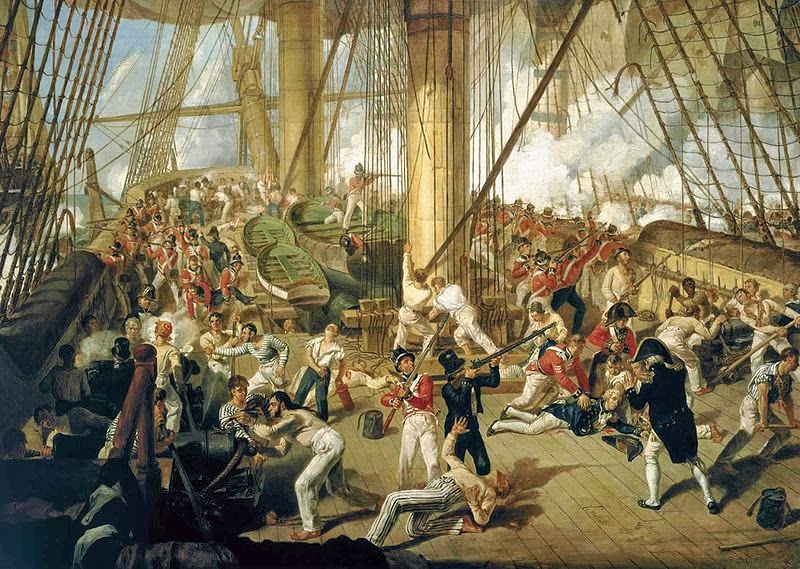
A royal marine and a midshipman return fire on the French sniper that has just shot Admiral Nelson, lying on the deck, right-center.
October 21 is “Trafalagar Day,” commemorating the overwhelming victory of Lord Admiral Horatio Nelson’s British fleet over a combined Franco-Spanish fleet off Spain’s Cape Trafalgar. It’s also the day Nelson died. As he paced the quarterdeck of his flagship, HMS Victory, a French sniper shot him in the shoulder. The musket ball wento on to puncture Nelson’s lung and shatter his spine. He died several hours later belowdecks.
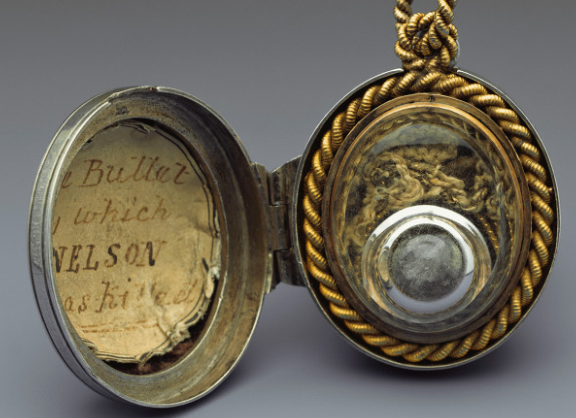
The musket ball was removed by Victory’s surgeon. It wound up preserved in this locket, surrounded by gold braid taken from the little admiral’s dress coat. (He was somewhere between 5’4″ and 5’7″.)
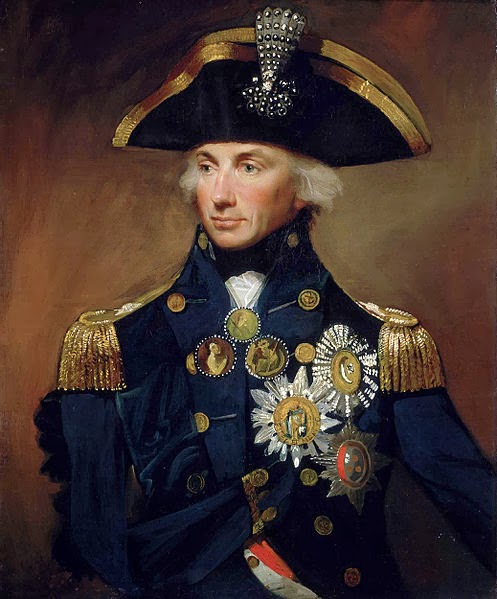
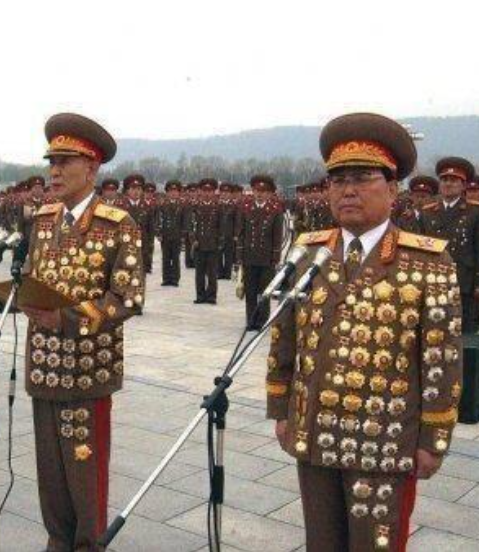
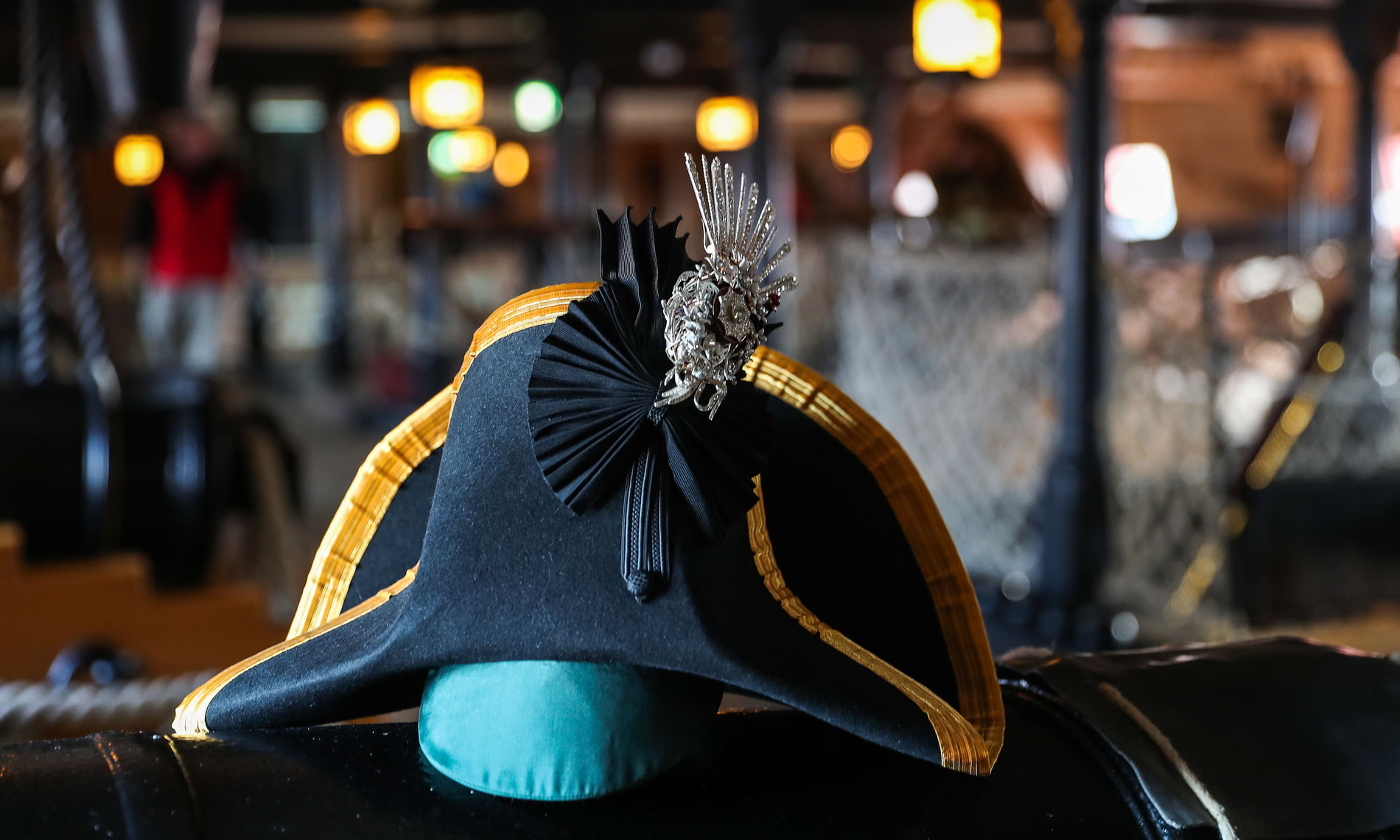
–To be truthful, Nelson got himself shot. He gloried, as George Custer did, in elaborate uniforms and was wearing all his medals (not quite so many as a North Korean general, to be sure) as Victory went into battle, including the diamond-encrusted cockade presented him by the Sultan of Turkey in 1798. This replica (the original was stolen years ago) shows what it looked like. All those medals and foofery made him an easy target for an ambitious sniper.
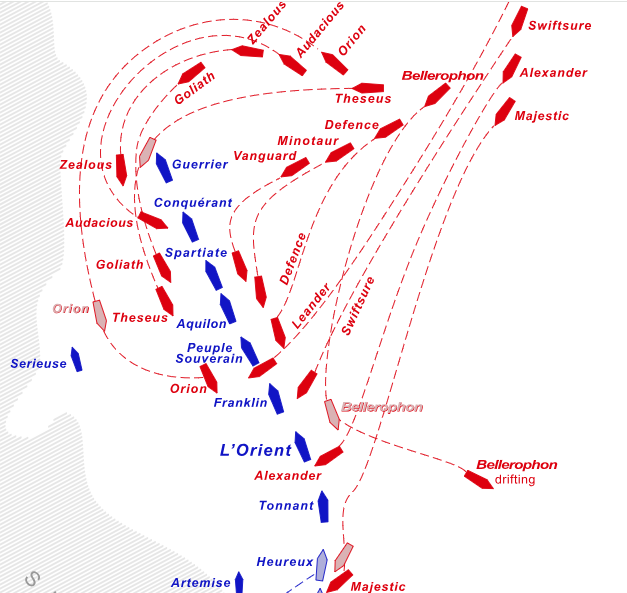
–Nelson was awarded that hat accessory after his victory over a French fleet at Aboukir Bay in Egypt. What came to be called “The Nelson touch”—shameless audacity—was in full display at Aboukir Bay. The French had anchored their fleet just beyond shoal waters, so shallow that no attacking ship would dare enter. They were wrong. Nelson divided his fleet, sending half into the shallowest part of the bay. Another column of British ships attacked the seaward side of the French ships, meaning that all of the French guns, port and starboard, were very, very busy that day. The British lost 218 sailors at what came to be called the Battle of the Nile. The French lost over 5,000. The fleet was there, by the way, in support of Napoleon’s invasion of Egypt. After Nelson’s victory, the Emperor, as he would do in the retreat from Moscow, abandoned his army and went back to Paris.
–Nelson’s audacity was shown even when he was a sixteen-year-old midshipman. On a voyage to the far north in search of the Northwest Passage, he was onshore and confronted a polar bear. I think both parties eventually fled, but the incident’s notoriety led to this 1809 painting.
–In 1794, during an assault on Corsica, a cannonball’s impact sent sand and stone into then-Captain Nelson’s face, leaving him nearly blind in his right eye. Seven years later, in an attack on the French-Allied Danish fleet at Copenhagen, the admiral in command used signal flags to order a withdrawl. Nelson raised his telescope toward the flagship and insisted that he saw no such order. He was holding the telescope to his blind eye—we get the expresson “to turn a blind eye” from this incident. The Brtish went on to win the Battle of Copenhagen.
A collector peers through the telescope Nelson used at Trafalgar in 1805.
–A musket ball hit Nelson in the right arm during an attack on Spanish forces in the Canary Islands. The wound was so serious that a surgeon had to amputate. Nelson adapted, teaching himself to write left-handed and using this combined fork and knife to eat.
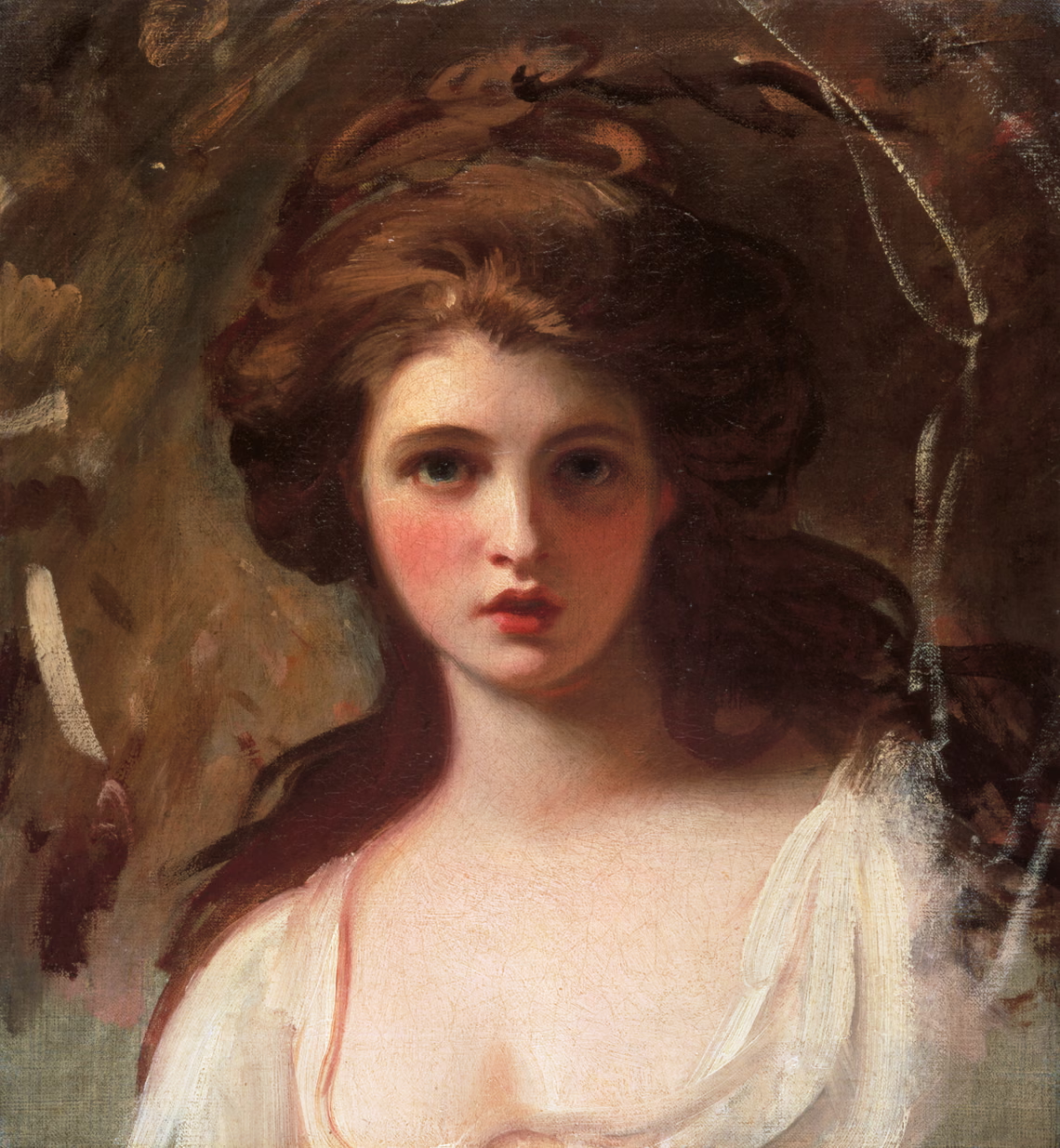
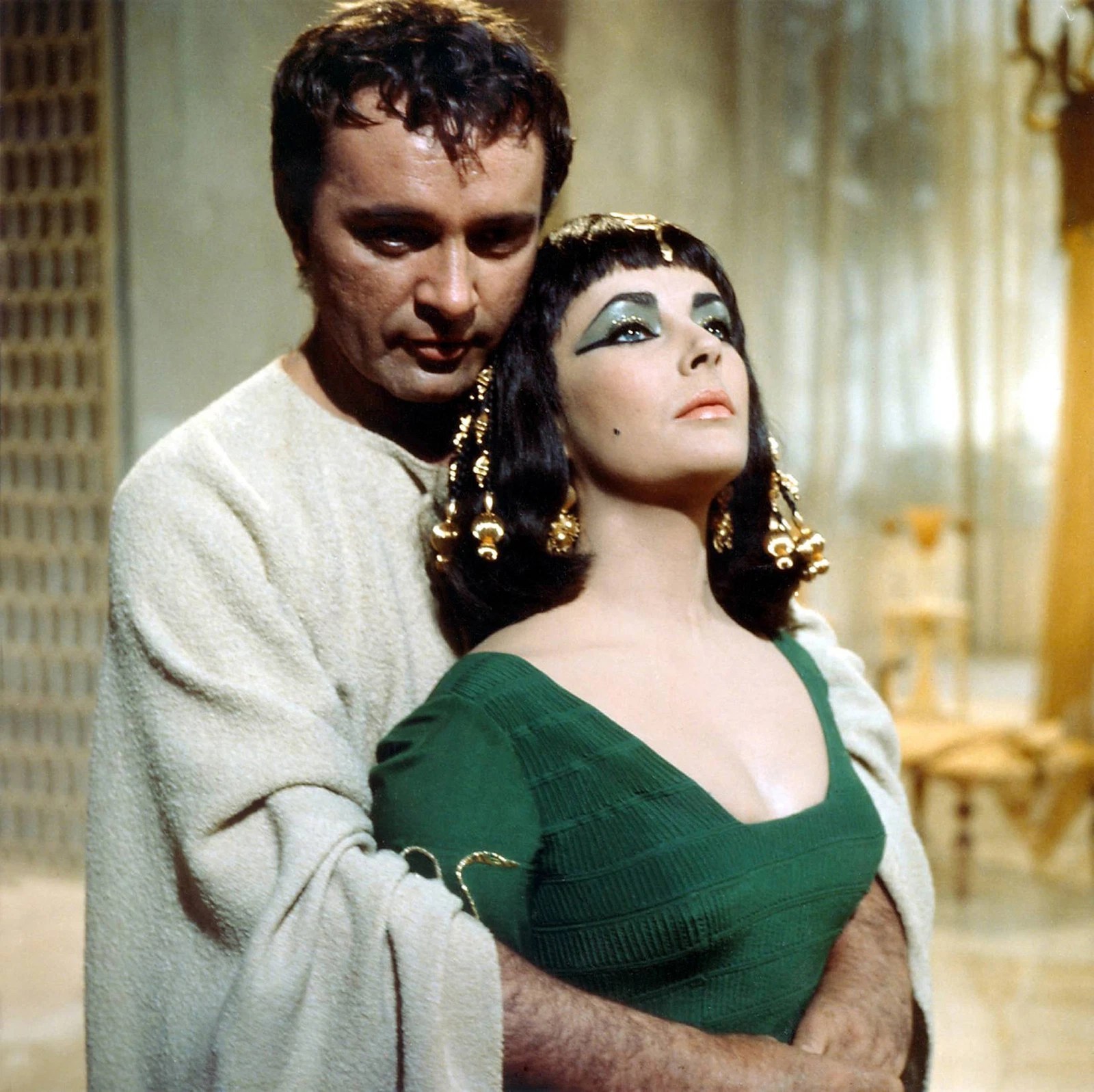
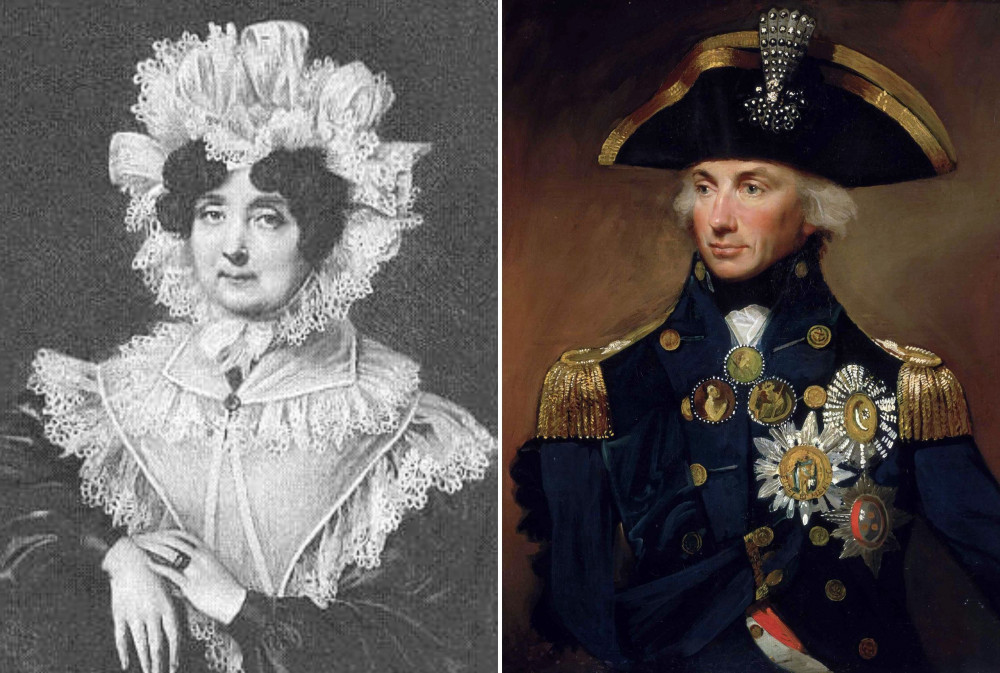
–He was the son of an Anglican minister and was properly married to a widow, Frances Nisbet, in 1787. Six years later, on a visit to Sir William Hamilton, the British ambassador to Naples, he first caught sight of Sir William’s wife, Emma. It was all over after that. The two marrieds entered into a lively relationship that was analogous perhaps only to the Richard Burton/Elizabeth Taylor scandal that began during the filming of Cleopatra. While Nelson continued to support his wife—she remained “devoted” to him, it’s said—Nelson’s devotion lay forever after in the charming arms of Emma. The relationship produced a daughter, tragically named Horatia.
A young Emma Hamilton.An artist imagined Nelson and Emma in Naples.Liz and Dick in a scene from Cleopatra.Frances Nisbet—“Fanny”—and His Lordship. Her father had lots of money.
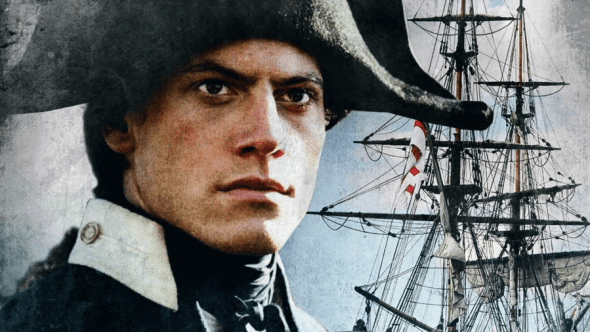
–Like my fictional naval hero, Horatio Hornblower, played by Ioan Gruffudd in a TV miniseries, Nelson was largely out of sight once his ship sailed from England. That’s because both salty sea-dogs were prone to violent seasickness, which both overcame only after several miserable days at sea.
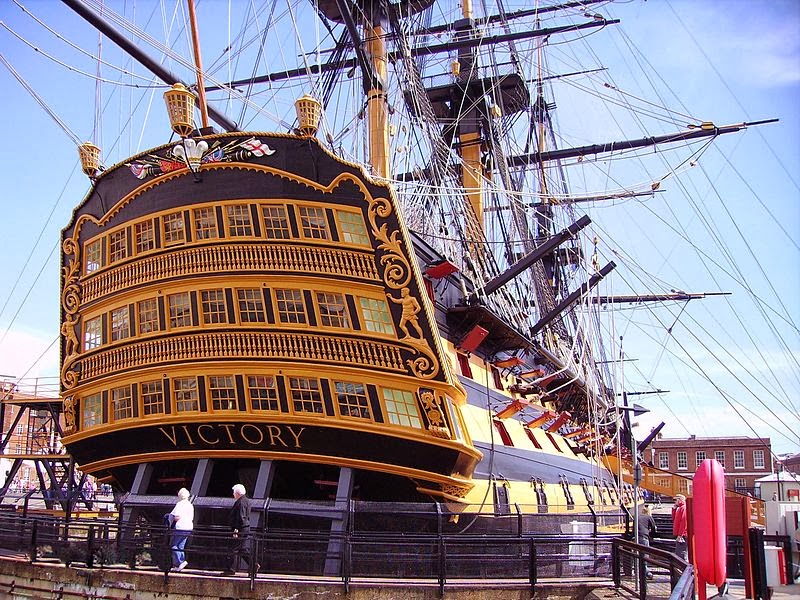
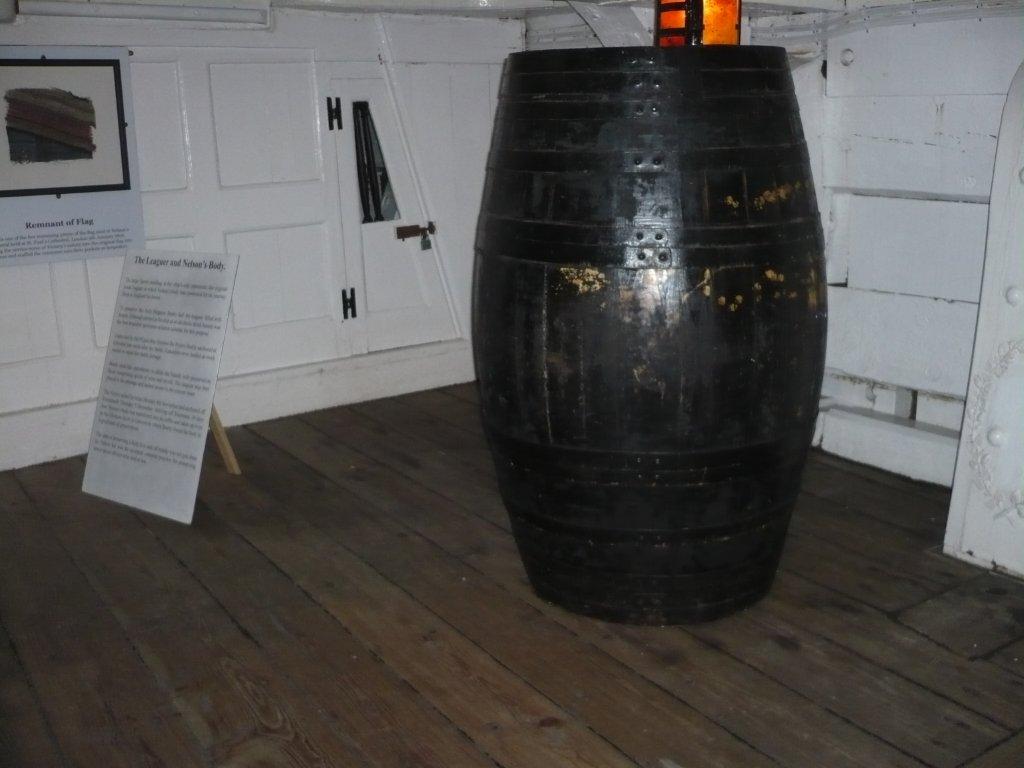
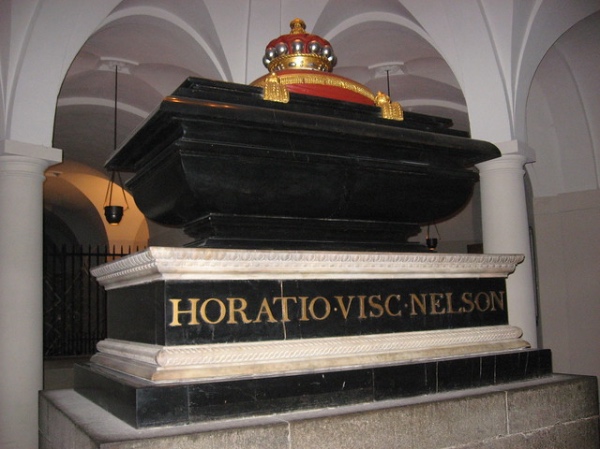
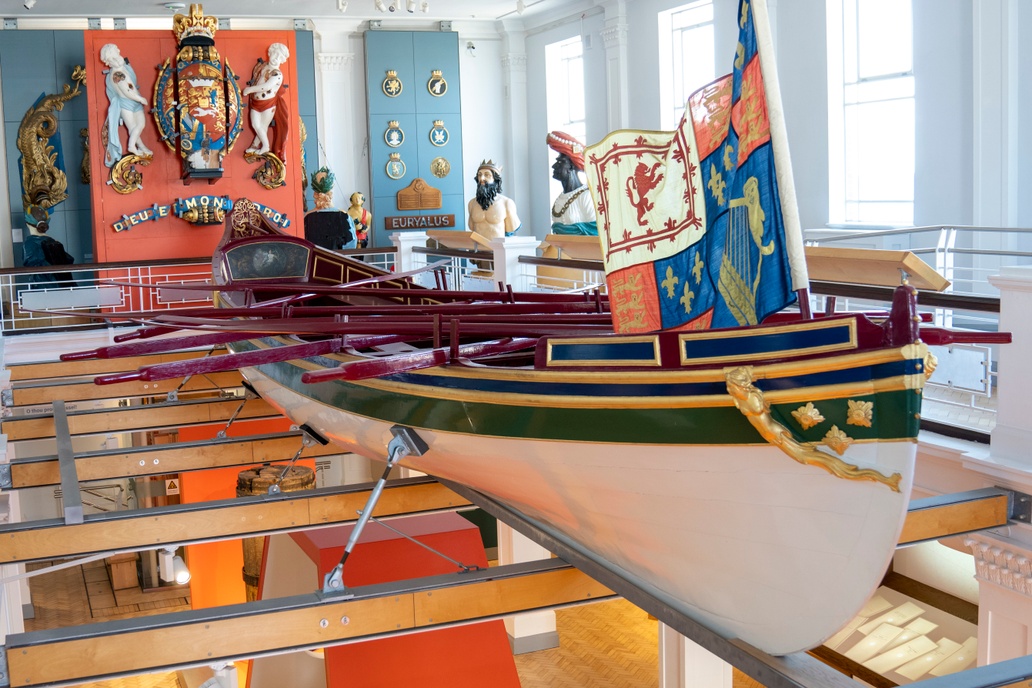
–Nelson died on the orlop deck of HMS Victory, the 104-gun ship still on display in Portsmouth. But in 1805, it was a long voyage (Victory had been mostly dismasted) back to England. What to do with his lordship? It was decided to insert him into an empty ship’s cask and then fill the cask with brandy to preserve the body. It worked. Mostly. On lying in state, Nelson’s face had to be covered with a handkerchief; the rest of him was in his full-dress uniform. He’s buried in a massive tomb in St. Paul’s that belies the actual size of its occupant. Elizabeth and I saw the funeral barge that carried his coffin to St. Paul’s. In the novel Hornblower and the Atropos, the junior captain is in charge of the barge when it begins to take on water from the Thames. Hornblower and the barge crew make it to the cathedral, but not before he suffers the most epic panic attack, I think, ever recorded in fiction.
Oh, and a ration of rum or brandy allotted daily to British sailors came to be known as “Nelson’s Blood.” Ew.
HMS Victory’s stern, Portsmouth.A water cask like the one that carried Nelson’s body.Nelson’s tomb in the crypt of St. Paul’s, London.The royal barge, on display in Portsmouth, that gave young Capt. Hornblower such a hard time.
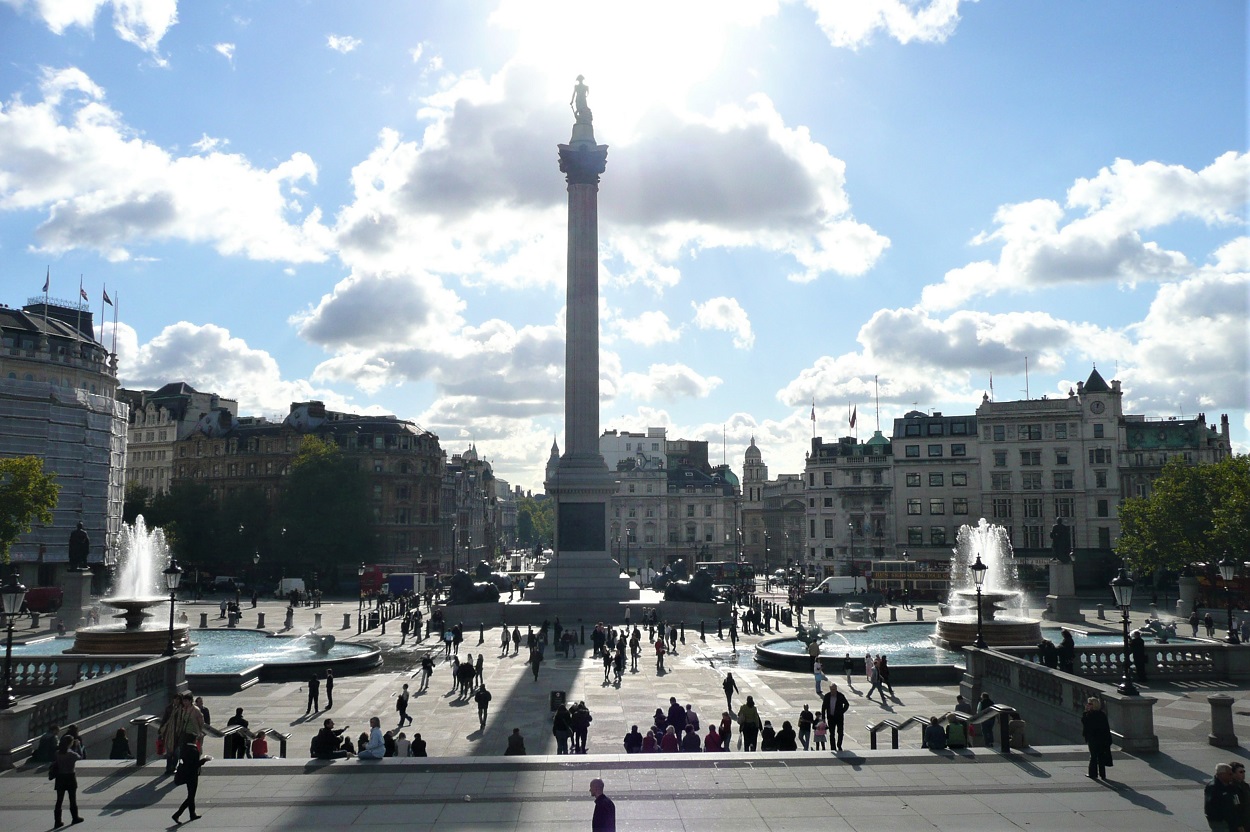
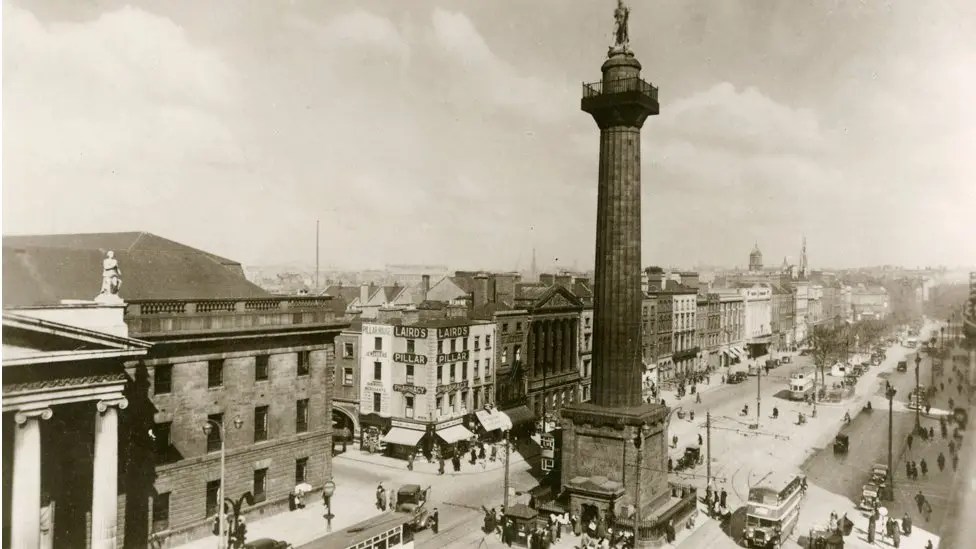
–What Nelson lacked in height he made up for in monuments. The little admiral was placed, in stone, atop two famous columns. One stands in, of course, London’s Trafalgar Square. Another once stood on O’Connell Street in Dublin, uncomfortably close to the General Post Office, the site of the 1916 Easter Rising. Fifty years after the Rising, the IRA blew Lord Nelson up.
So it goes.
Nelson’s Column, Trafalgar Square.“Nelson’s Pillar,” Dublin. The General Post Office ia at the extrme left edge of this photo.
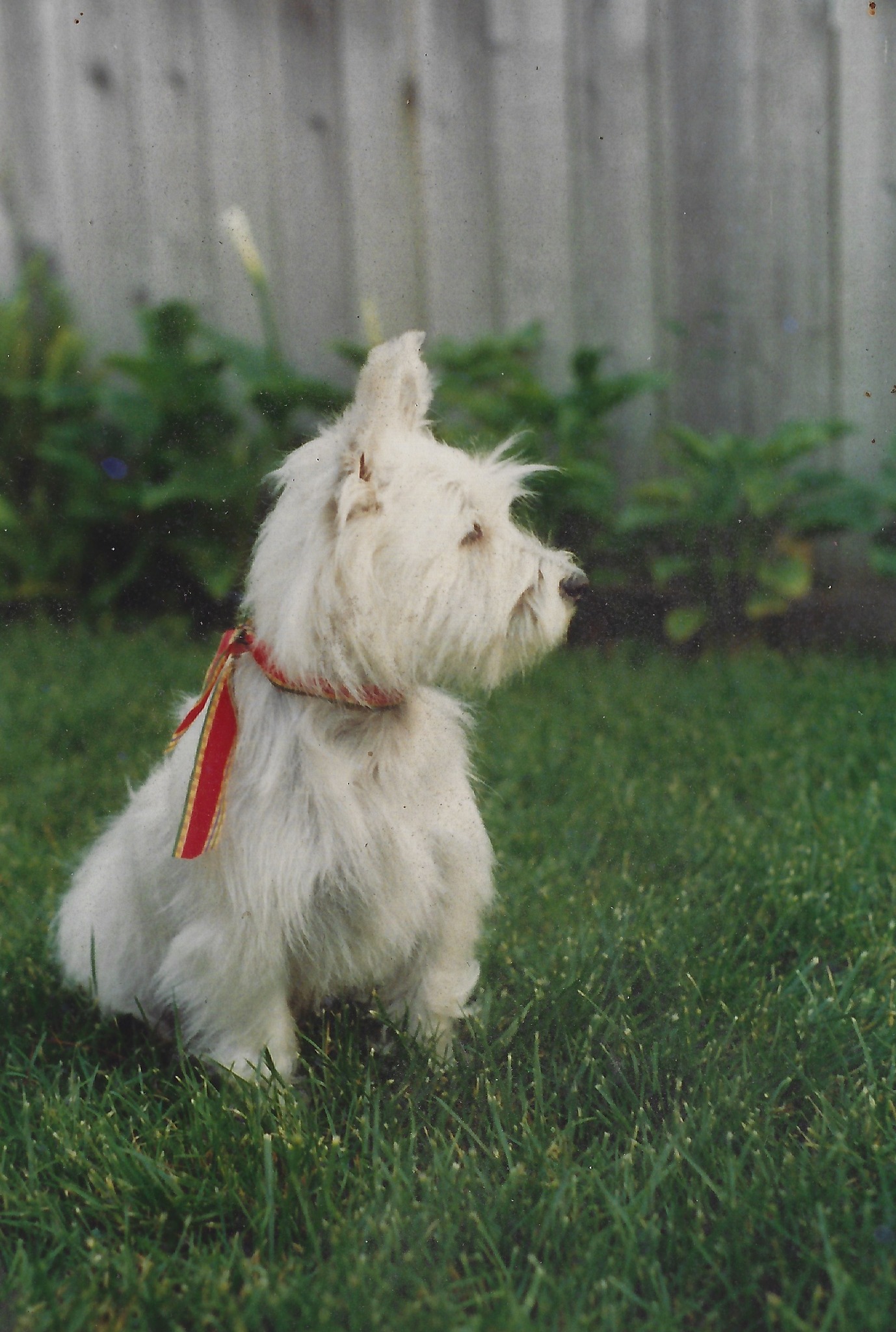
My doggie, Nelson, was a West Highland White Terrier.
And it’s only appropriate to close this piece with this song.
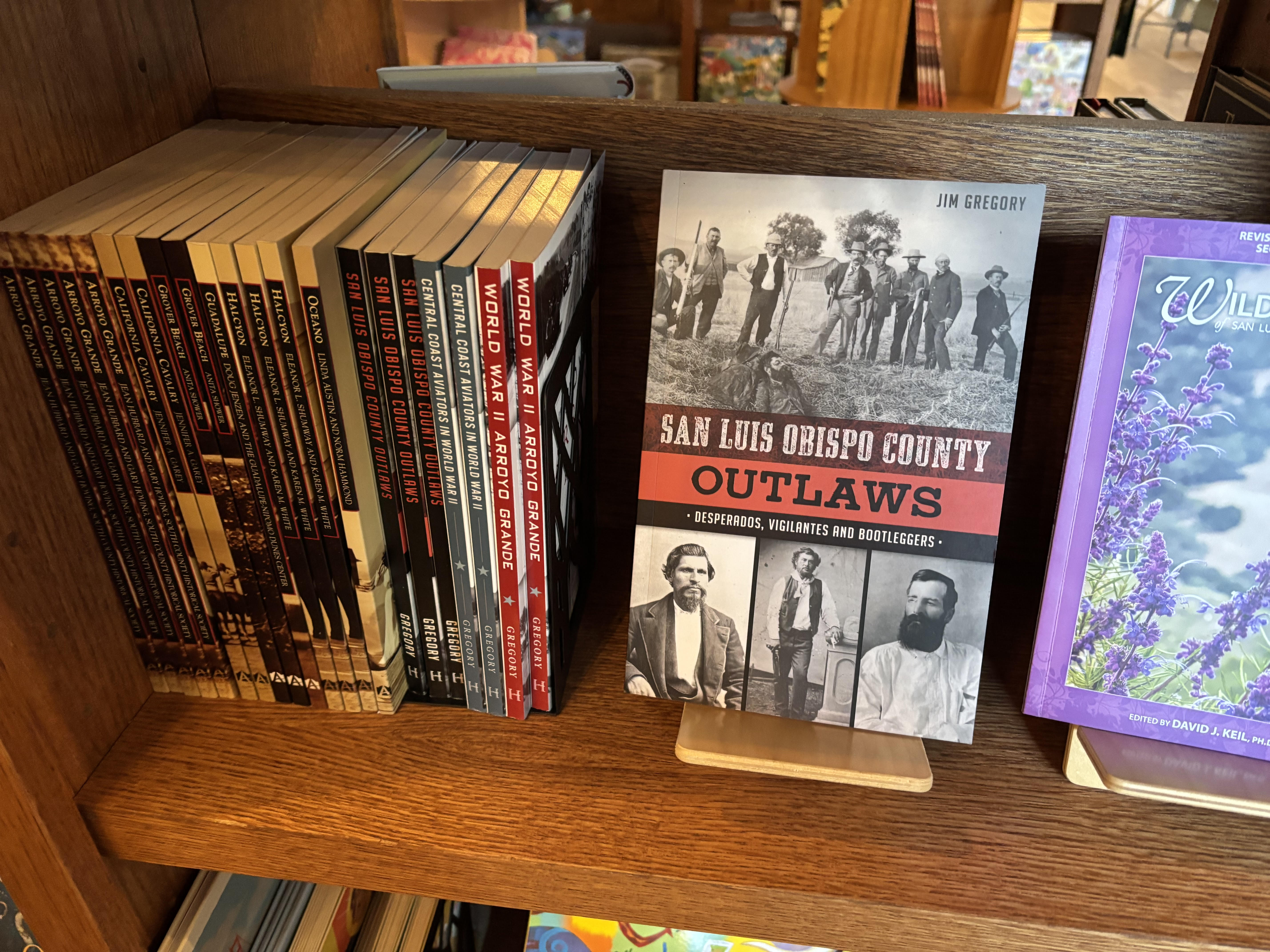
I love that Arroyo Grande—especially Branch Street Arroyo Grande—has an independent bookstore. My ego is happy because Monarch Books carries my books. We were waiting for a table to open across the street—my elder son’s and my younger sister’s birthdays—so I wandered across Branch to look for my books. I found them, but even I’m not so vain as to go into a bookstore and just looky-loo.
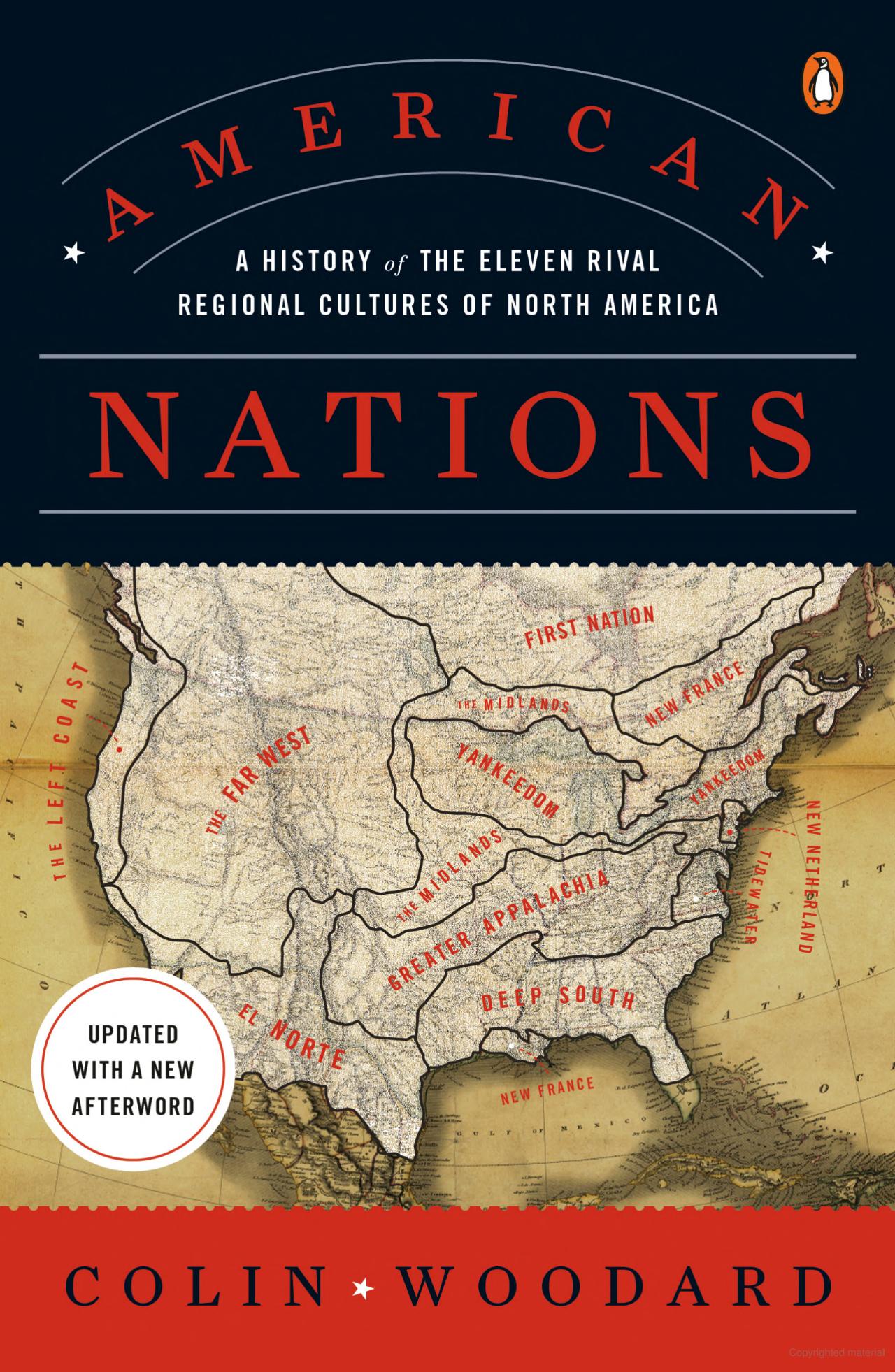
So I bought a book. This book.
I’ve only just started it, but it’s already one of the most extraordinary books I’ve read in years. I rarely start books at the beginning, so I dove into the first chapter about one of Woodard’s seven nations, “Greater Appalachia,” because my father’s family has roots there, planted firmly on Missouri’s Ozark Plateau.
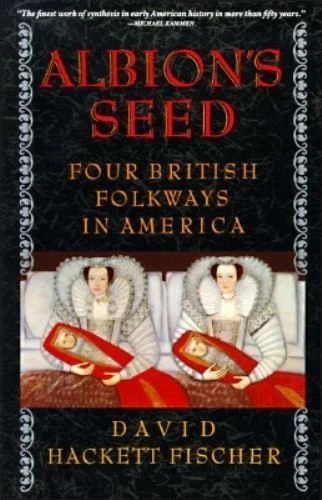
It reminded me of another extraordinary book I read years ago. I shared excerpts from Albion’s Seed with my AGHS history students, again, partly out of vanity, because another part of my family, Episcopalians all, comes from a second nation in Woodard’s book, “Tidewater.” They lived in places whose names—Fredericksburg, Spotslyvania, Petersburg—would be known as terrible battlefields a century after their arrival in America.
One of them, a collateral ancestor, Roger Gregory, married Mildred Washington, the great man’s aunt, and that homely name has persisted in my family, down to my own Aunt Mildred, who preferred to be called “Bill.”
Roger eventually sold Mt. Vernon to Washington’s father. My family is not known for its real estate acumen.
But Albion’s Seed revealed that Tidewater Virginians socialized their children by teaching them dance. That tradition carried down to my grandfather, John Smith Gregory, allegedly the sweetest waltzer in Texas County, Missouri. John could make his partner believe that the sawdust-strewn floor at a barn dance was polished glass. Even in his fifties, his partners were usually teenaged girls, waiting patiently for their turn on Mr. Gregory’s dance card.
My grandmother seethed. What can I say about my Grandmother Gregory? When she visited us kids in Arroyo Grande, we hid her dentures.
Her fried chicken, however, was sublime.
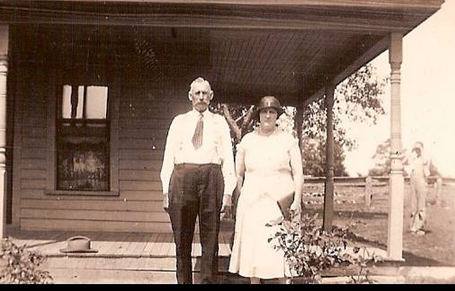
My grandparents, John and Dora Gregory, in front of the farmhouse. As you can tell, my grandmother–a delegate to the 1924 Democratic Convention in Madison Square Garden—was a hard woman to knock down in a windstorm. My dad is at right.
One day in 1933, she called my dad back to the farmhouse, which is still there, because he was barefoot. Dad was going to cross the road with Grandfather John to visit a neighbor. Grandma Gregory’s Scots-Irish pride would not permit a son of hers to visit Mr. Dixon barefoot.
So my grandfather, mostly deaf by then, never heard the speeding Ford roadster that killed him.
They let schools out the day of Mr. Gregory’s funeral.
There have been other books written about people like my ancestors, who migrated from the English Midlands to Tidewater Virginia, then Kentucky, then Missouri, until oil brought them to California. But other ancestors, like my Grandmother Gregory’s, came from Ulster or the Scots Lowlands, desperately poor, oppressed and spoiling for a fight. If they couldn’t get one in the British Isles, they’d be happy to start one in America. Woodard calls them the Borderlanders.
Former Virginia Sen. James Webb wrote Born Fighting, about the Scots-Irish military tradition in American history. Many of them, of course, marched in Stonewall Jackson’s “foot cavalry,” perhaps the finest infantry in the Victorian world, named for the rapidity of their marching. My Uncle Tilford’s middle name was “Stonewall.” So it goes.
And, of course, JD Vance’s offering was Hillbilly Elegy, a petulant book I started twice and then put down, never to return. I have started David Copperfield six times, and I will finish it because the book deserves it.
American Nations deserves a first reading and then many more.
To my shock, I discovered the echo of the January 6 people in the first chapter about “Greater Appalachia,” a region whose culture informs the Ozark Plateau.
REUTERS/Leah Millis/File Photo
Among the observations that Woodard makes about the people of Greater Appalachia, whom he calls the Borderlanders:
–They didn’t trust law courts. Justice, instead, was personal and retributive. The Hatfield-McCoy bloodletting is an example of a Borderland tradition that persisted long after their ancestors came to America.
–Within the group, Borderlanders did not tolerate dissent. Those, including kin, who violated the moral code, grounded in a cultural construct of reality, were dealt with violently.
–Borderlanders hated outsiders, most of all Native Americans, on whose land they squatted. When indigenous people resisted, the retribution visited on them was merciless, including the scalping of children.
–Because they’d been so exploited by absentee landlords in England, Scotland and Ulster, they despised city people, including those in Philadelphia, where a group took up arms, marched on the City of Brotherly Love (even Philadelphia’s Quakers took up arms) and were turned back by cannon loaded almost to the muzzle with grapeshot and by sweet Enlightenment reasoning. Negotiation with Benjamin Franklin finally persuaded the insurrectionists, known as “the Paxton Boys,” to go home.
–While Borderlanders resented the wealthy and the powerful, they followed their own leaders, who rose to the top not because of their command of policy or sweet reasoning, but by the force of their personalities, their emotional appeal and the blandishment of their personal wealth. Disparities in wealth were enormous among these people, and they were tolerated. Woodard notes that the top ten percent monopolized land in AppalachianAmerica, while the lower half had no land at all.
It struck me, in reading the passage about the march on Philadelphia, that MAGA, as far back as 1764, has been an American tradition. Today’s movement, of course, is not ethnic, but it has the trappings—a sense of injustice, of entitlement, of envy and of incipient rage— the same forces that drove the Paxton Boys’ march on the city they despised.
I found some comfort in this understanding, which I hope is accurate, because, after all, we survived 1764.
There are other inklings of hope in my Borderland ancestry. I am named for and descended from two Confederate officers, one, a brigadier general (James McBride died of illness in 1862); the other, his son, Capt. Douglass McBride (my middle name), was vaporized by a Yankee artillery shell in Arkansas the same year.
You’d think we would’ve learned, except for my Uncle Tilford Stonewall Gregory’s middle name.
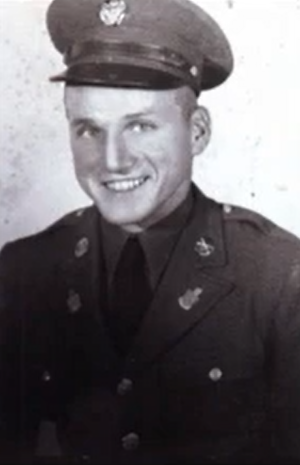
One of Tilford’s sons, Roy, was my cousin. When World War II came to America, Roy, from the Missouri Ozarks, joined the Army and became a member of the Oklahoma-based 45th Infantry Division. He would fight in Italy and Western Europe and was wounded twice—both times from shell fragments from the superb German field gun, the 88— and was recovering from the second when the Germans launched Operation Nordwind in January 1945, in support of the greater offensive in the Battle of the Bulge.
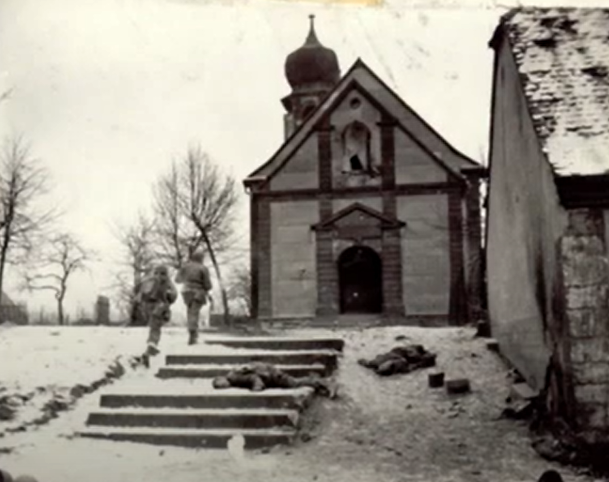
Roy, in recovery, was discharged from the hospital and sent to the front, to a French town, WIngen-sur-Moder, on the German frontier. His company was attacked by Waffen-SS mountain troops, soldiers who fought without mercy, and it was their artillery that finally claimed him. He died on the steps of the village church.
He came home to Greater Appalachia, to the Allen Cemetery in Texas County, Missouri, where his grave is not far from our Grandfather John’s, the sweetest waltzer in Texas County, Missouri.
My cousin, you see, was an Antifascist.
My cousin Roy; the church where he died.
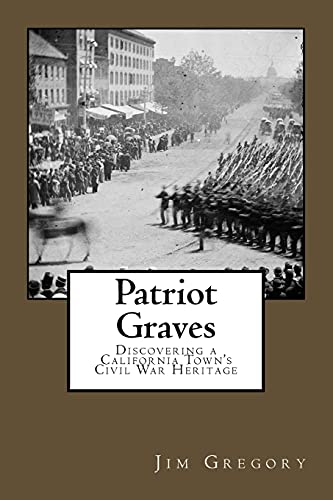
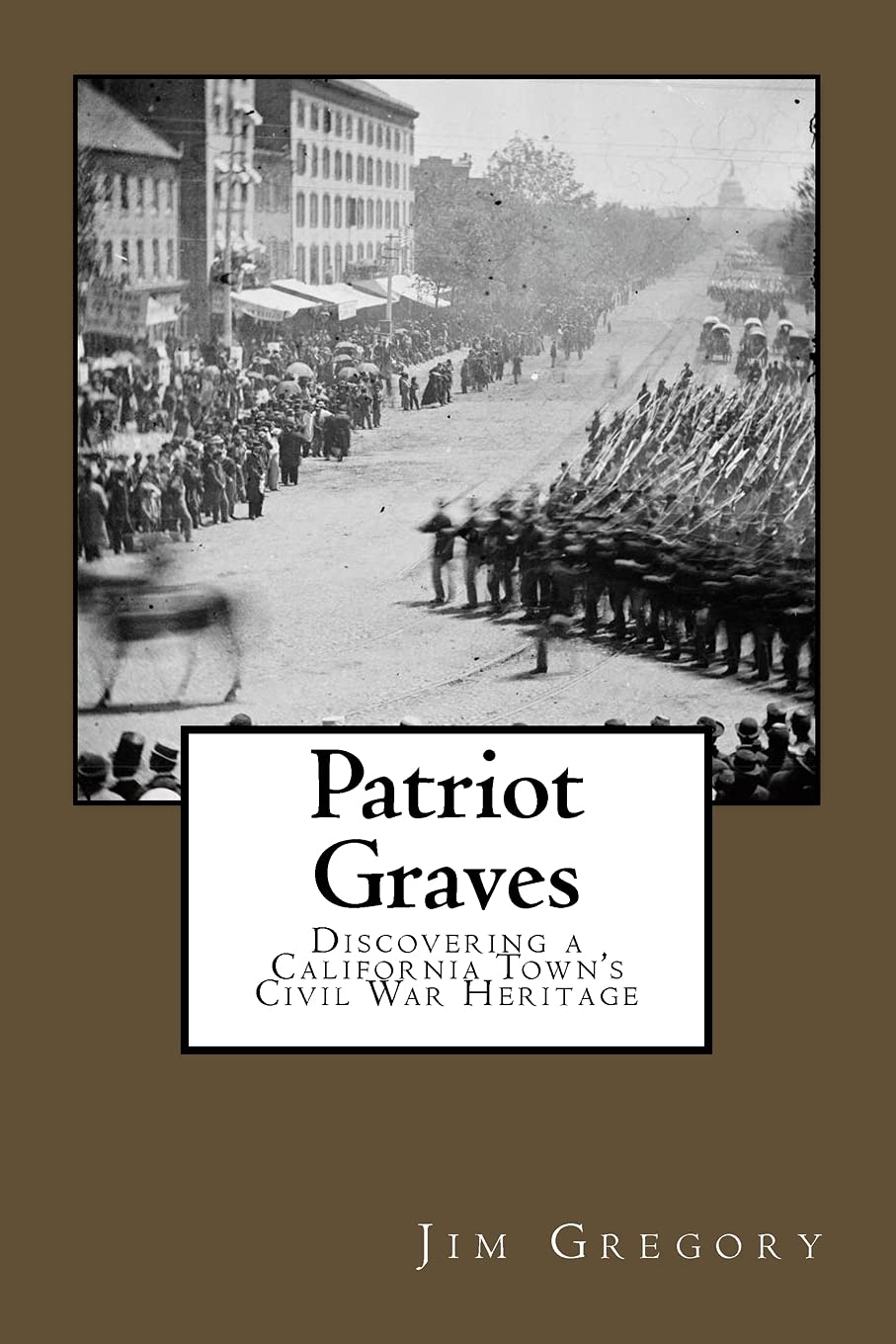
–Jim Gregory’s book Patriot Graves: Discovering a California Town’s Civil War Heritage, is about the sixty Union Civil War veterans buried in the Arroyo Grande District Cemetery.
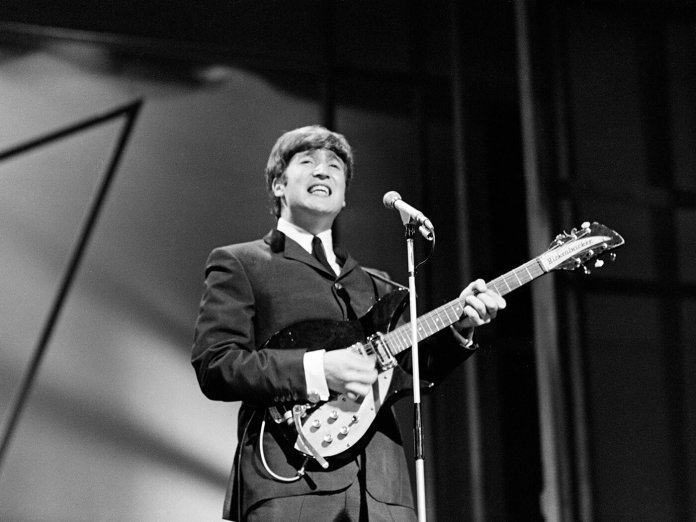
John Lennon was born on October 9, 1940, in Liverpool. The following month, the first round of raids from The Blitz, the Nazis’ attempt to pulverize England from the air, began. In an often merciful phenonmenon that neuroscientist call “infantile amnesia,” Lennon’s earliest memories, as he tried to sleep in the arms of his mother, would’ve been the detonations of Luftwaffe bombs, both muffled and instant, the fetid stink of human waste in the network of shelters designed to protect the port city’s workers and stevedores and their families, and, when the raid was over, he would’ve felt cold air and smelled the stink of burning buildings, burned Liverpudlians, and air made dense and moist by firehoses.
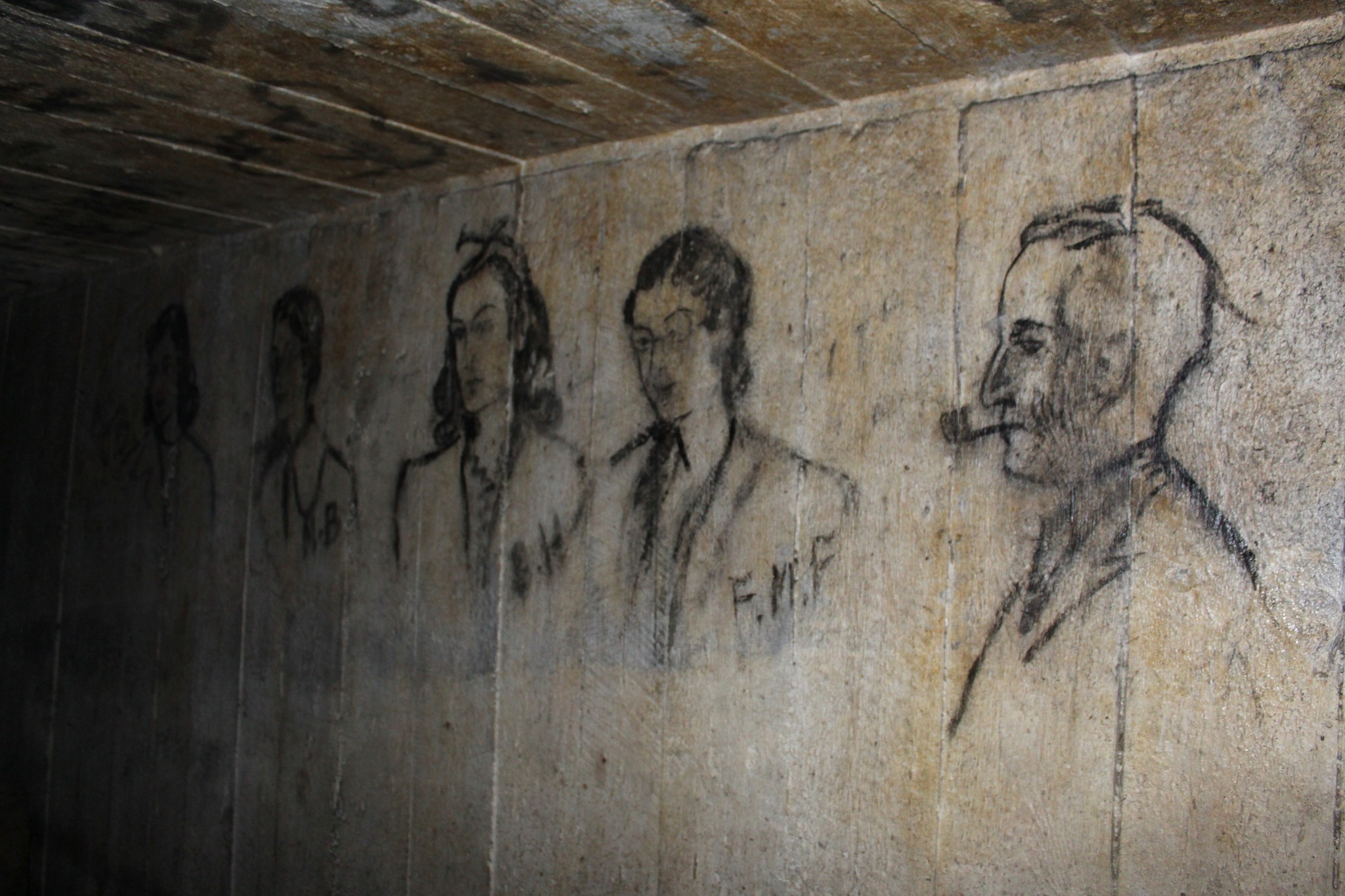
An artist of a different kind left his or her mark in this Liverpool air-raid shelter.
So that’s how Lennon’s life began.
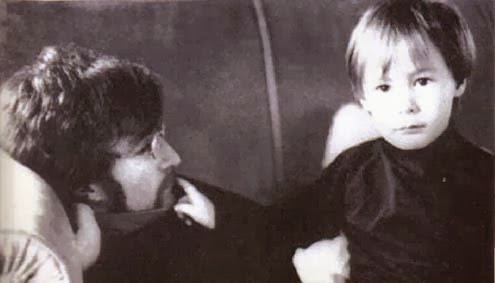
John and Cynthia Lennon
His father, Alfred, was a merchant seaman; and the month John was born, U-boats sent 350,000 tons of Allied shipping to the bottom. The u-boats’ goal was to starve Great Britain, and, in 1940, they were winning. Alfred, also known as “Freddie,” wasn’t. He went AWOL in 1943, allegedly fleeing for stealing a bottle of beer, and the checks he sent to his little family stopped coming.
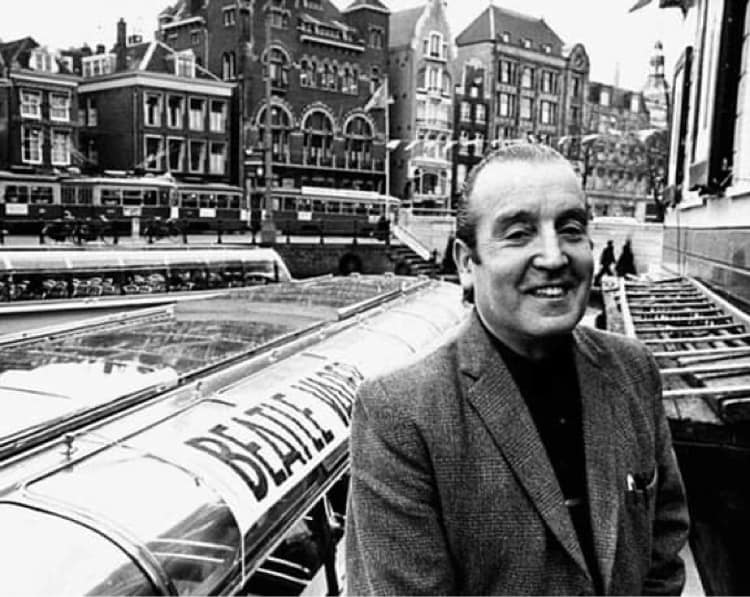
Freddie in the 1970s.
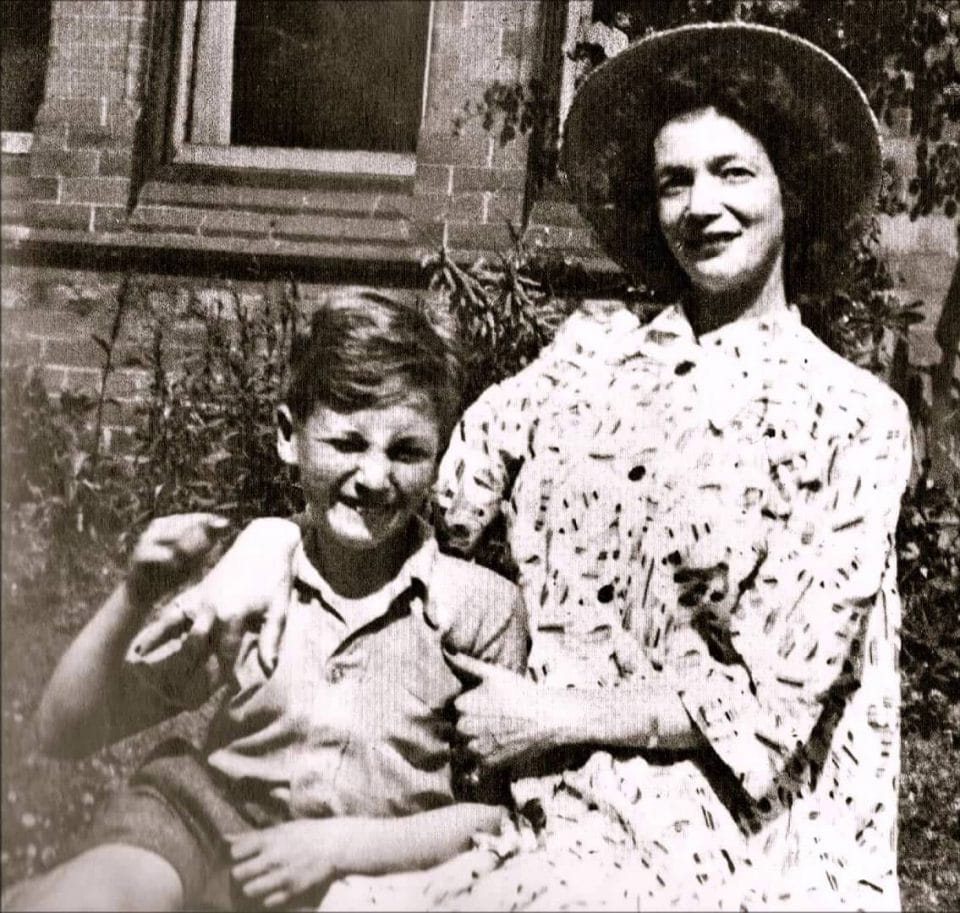
This means that John’s childhood would’ve been a meager one, and that included the love any little boy would’ve wanted from his parents. He adored him Mum, Julia, but she was more of a playmate—musical, as was Freddie, high-spirited, funny—than a real Mum. It was her sister, Mimi, who did the mothering when Lennon was five.
Julia was walking near Mimi’s house in 1958 when she was killed. She was run down by a car driven by an off-duty policeman. John succumbed to what he called a “blind rage” for the next two years, fighting and drinking.
But what Julia left behind for her son the guitar she bought for him. It was his first.
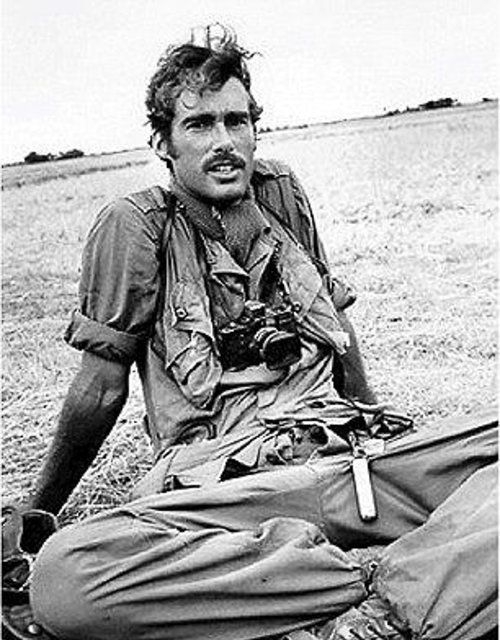
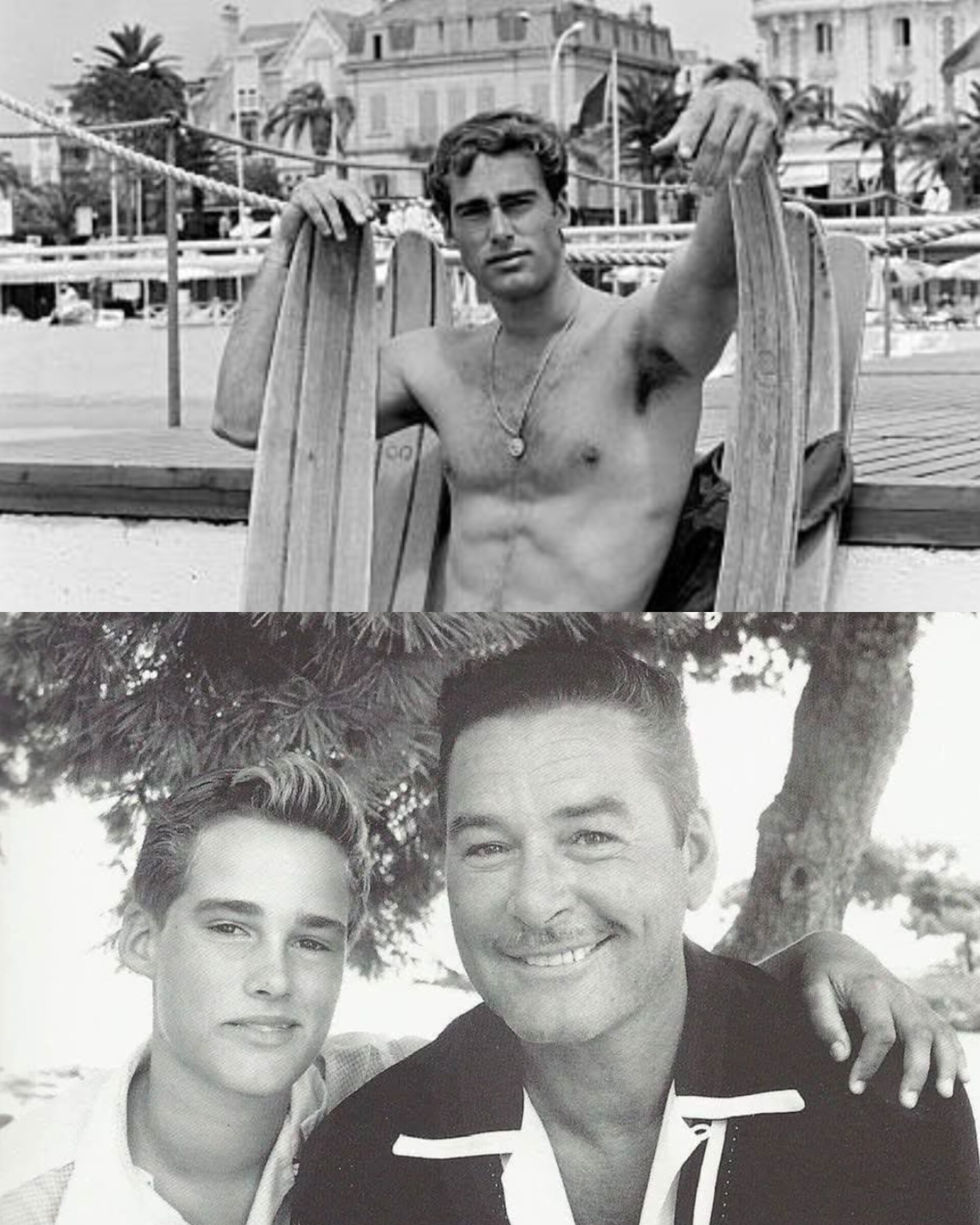
This frankly gorgeous man was Sean Flynn, the son of the actor Erroll Flynn.
Some Facebook posts today reminded me of him.
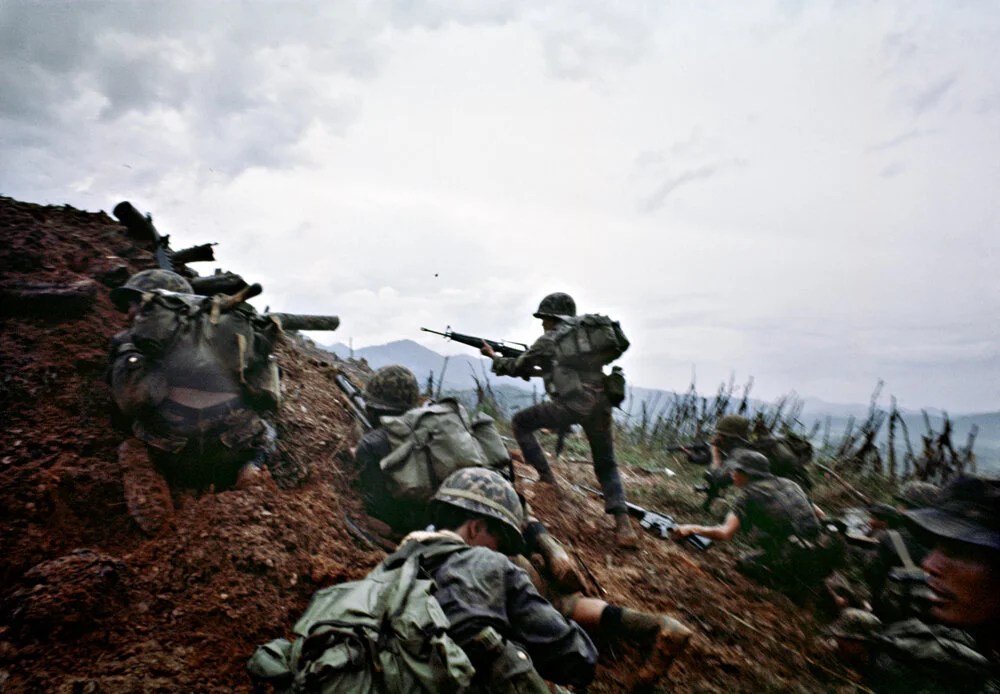
Sean, Australian, became a combat photographer in Vietnam–that extraordinary color photo is his, and I first “met” him in the book Dispatches, Michael Herr’s vivid account of that war. Flynn, indelibly drawn by Herr, became unforgettable to me.
The Clash wrote a song about him.
Dennis Hopper’s character in “Apocalypse Now” is said to have been inspired by Flynn, although Flynn could also have played one of Robert Duvall’s surfers in the scene so tastelessly referenced recently [“I love the smell of deporations in the morning.”] by the president.
In April 1970, Flynn disappeared somewhere in Cambodia. He was 29. The best guess is that he and a fellow photographer were executed by Khmer Rouge guerrillas, also made indelible to me in the 1984 film “The Killing Fields.”
His mother spent years coordinating the search for Flynn, until, in 1984, he was officially declared dead. This reminded of a line from a poet, once upon a time a soldier in the North Vietnamese Army:
The bullet that kills a soldier/Passes first through his mother’s heart
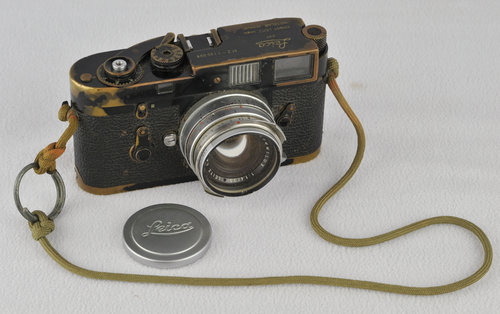
Flynn carried a Nikon with him the day he vanished, but his favorite camera was the Leica he’d left behind in his lodgings, with a parachute cord in place of a leather strap, secured to the camera’s body with a grenade pin’s ring.
The camera disappeared, too.
Until 2018, when a photographer bought the Leica at auction; it eventually proved to be Flynn’s.
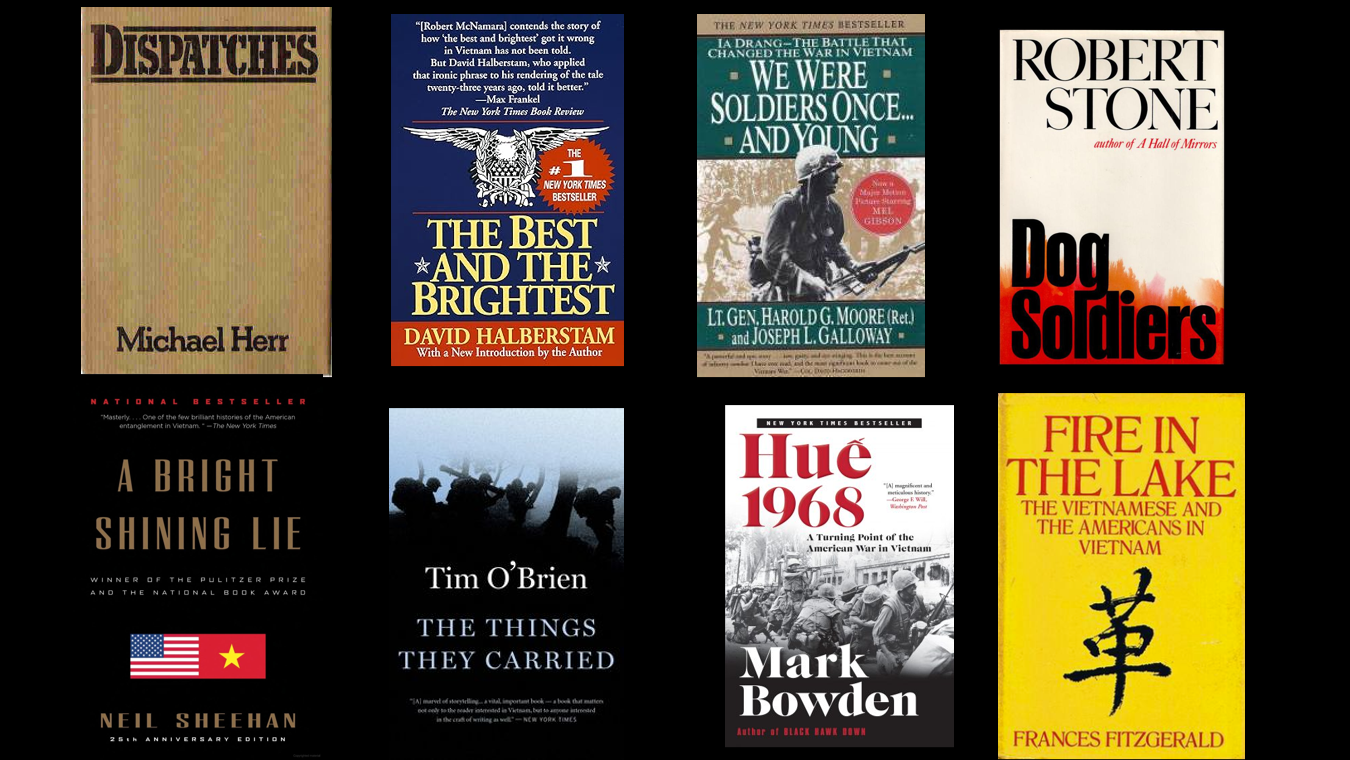
I am not a Vietnam scholar, but Herr’s book remains one of the most influential of my life.
I think the State of California now allots three days for teaching Vietnam. When I was lucky enough to teach U.S. History at AGHS, I took ten days, and this is because students were hungry to learn about their grandparents’ war.
Their favorite guest speaker was a Marine pilot who had flown hundreds of missions in various aircraft. He was approachable and self-effacing, but he made their eyes widen when he described some of his experiences.
He was my best education, but here are a few of the books I have read, all of them vividly written, even if great pain came with the reading.
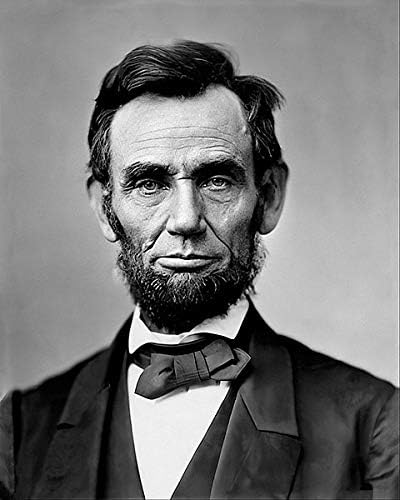
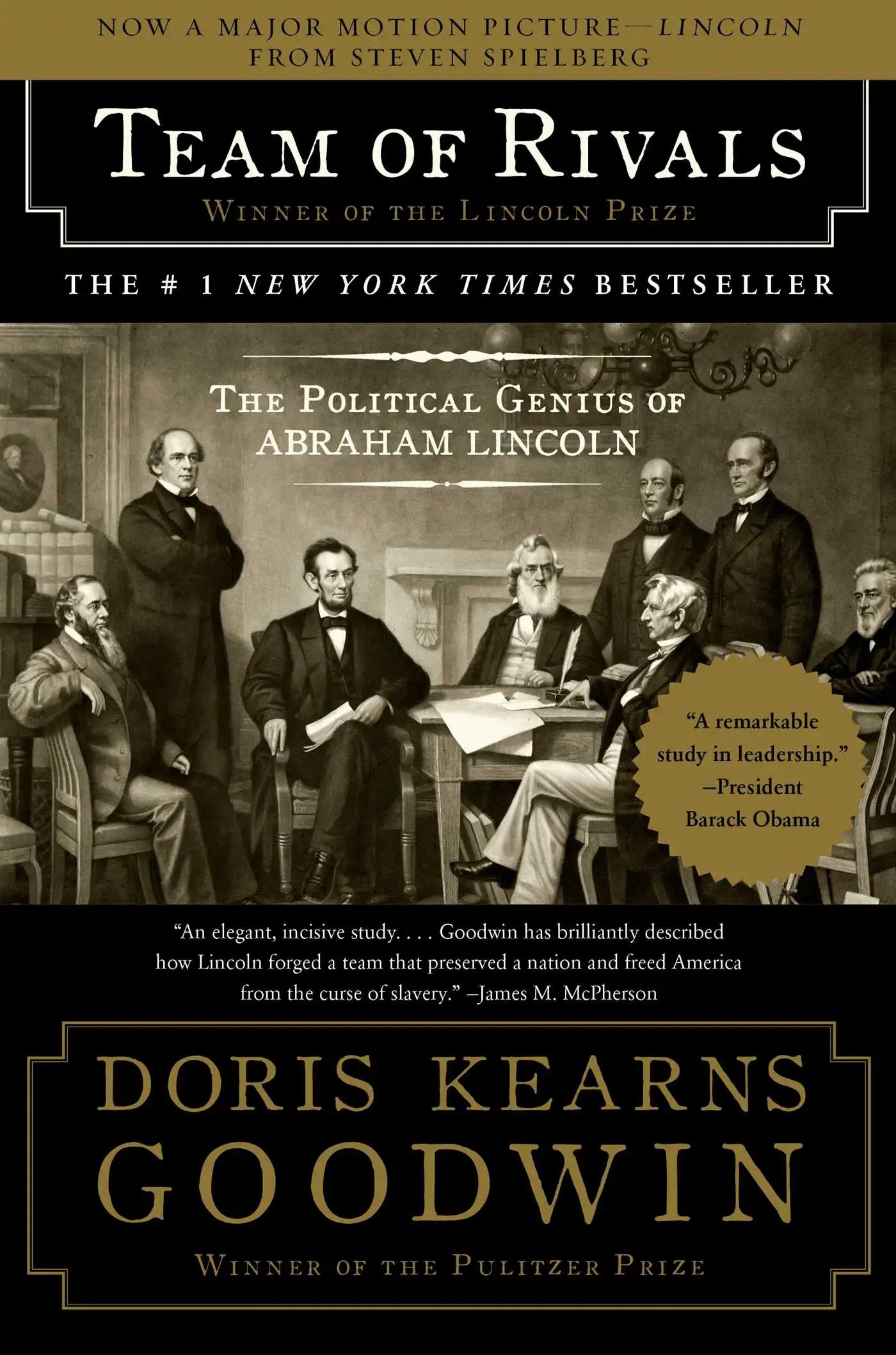
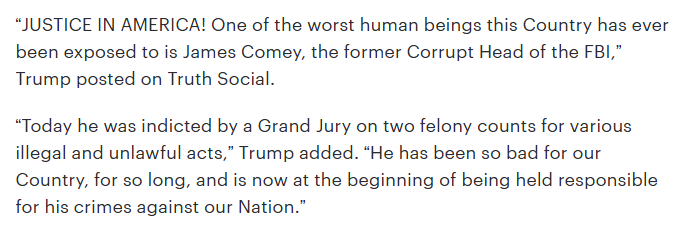
Given today’s headlines, I remembered again Doris Kearns Goodwin’s superb Pulitzer-Prize winning book, Team of Rivals. James Comey, Lincolneque in height, anyway, was indicted today on charges that, it’s reported, DOJ litigators have maintained, that will never stand in court. But that’s how the president deals with critics and enemies: He sues them to death.
Lincoln’s approach, given Goodwin’s guidance, was far different. Here are just three examples.
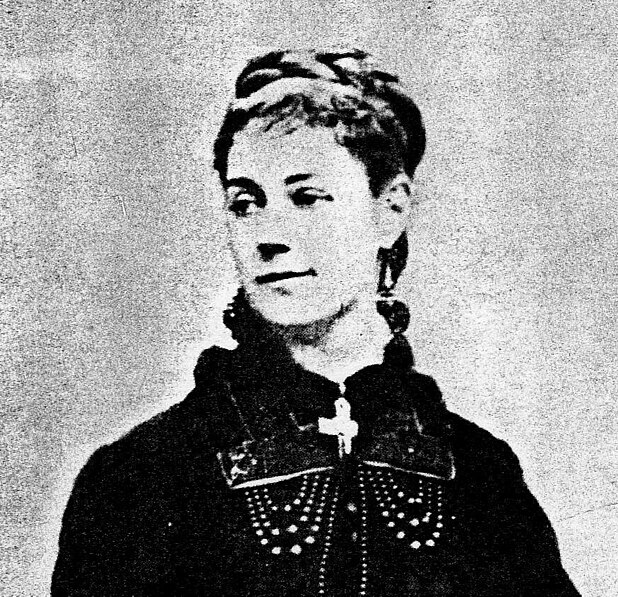
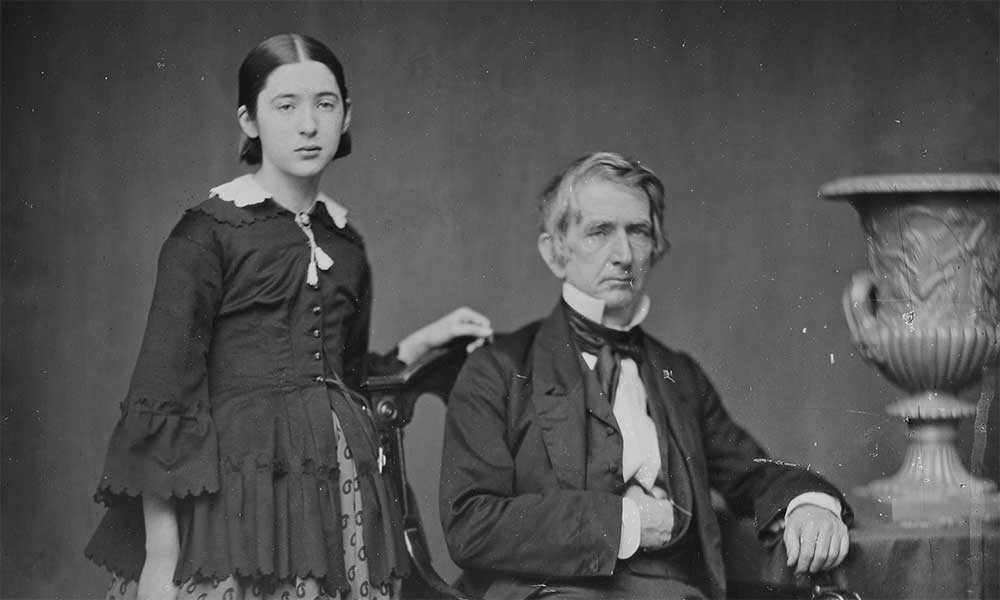
(Above) Salmon P. Chase and his daughter, Kate.
“[Salmon P.] Chase (as in Chase-Manhattan) is a good man, but his theology is unsound. He thinks there is a fourth person in the Trinity.” Sen. Ben Wade.
Chase, as Secretary of the Treasury, was one of the harshest critics and the most frequent resigner in Lincoln’s Cabinet. When Lincoln finally accepted one of them, in 1864—Chase was planning to challenge Lincoln for the Republican nomination that year—Chase was shocked.
(Chase’s daughter, Kate, one of the most beautiful young women in Washington, despised Mary Lincoln and worked tirelessly to support her father’s presidential ambition.)
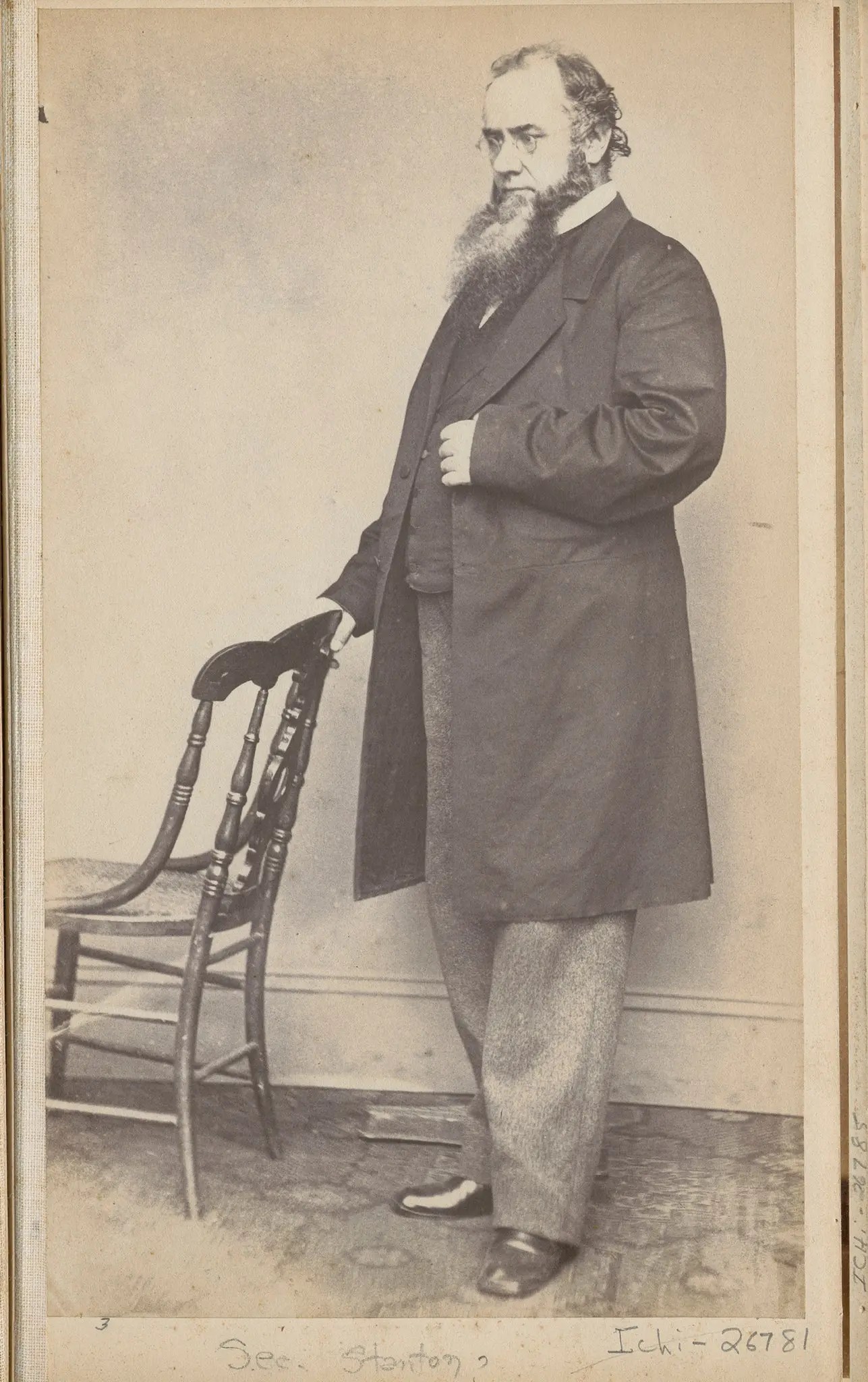
Edwin Stanton was a railroad lawyer who’d worked a case with Lincoln as a far junior litigator. From that acquaintance, Stanton labeled Lincoln “The Original Gorilla.”
Stanton became Lincoln’s Secretary of War, when that title was less ironic than it is today. A delegation to the White House reported that Stanton had called Lincoln a fool. Lincoln, with mock astonishment, inquired: “Did Stanton call me a fool?” – and, upon being reassured upon that point, remarked: “Well, I guess I had better go over and see Stanton about this. Stanton is usually right.”
When Lincoln died, Stanton, standing at the foot of the death bed, heartbroken, said “Now he belongs to the angels,” maybe more aptly interpreted as “Now he belong to the Ages.”
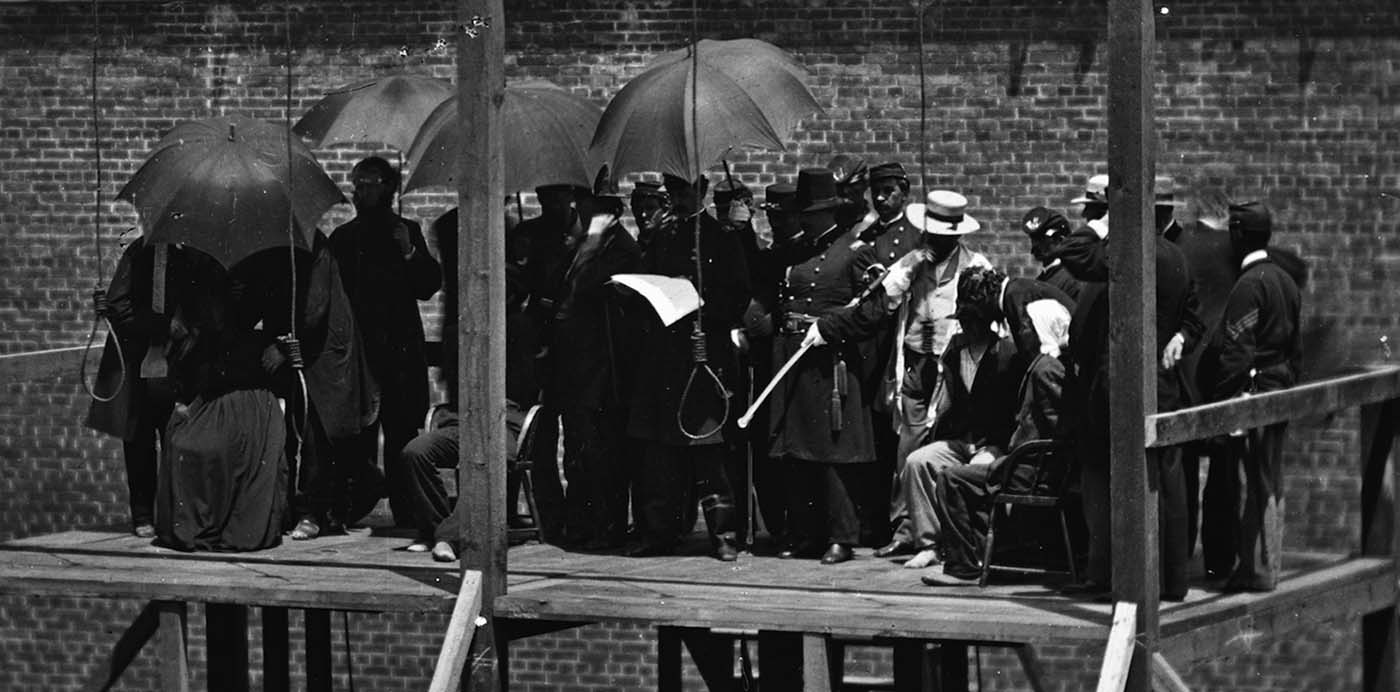
Stanton was merciless in pursuing and then trying four surviving plotters–Booth was mortally shot in a Virginia tobacco barn. They were hanged in sweltering heat in June 1865, including Mrs. Mary Surratt, at far left in the photograph.
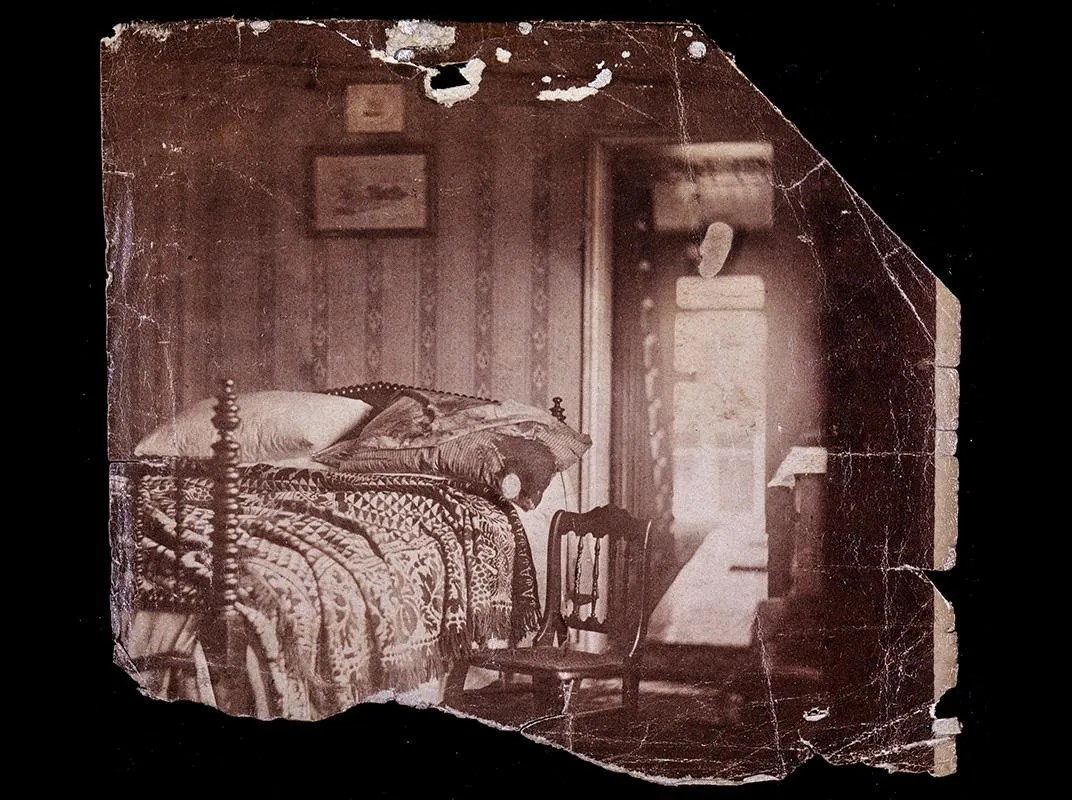
(Below: Lincoln died Saturday morning, April 15, in this rooming house bed across the street from Ford’s Theater. The president was so tall that he had to be positioned diagonally; when Army doctors stripped Lincoln of his clothing, onlooker were astonished at the president’s musculatrity. He was a powerful man–even though the war so worried him that sometimes all he ate was an apple he nibbled at throughout the day. Lincoln was able to hold an axe extended straight out at arm’s length, a feat admiring soldies witnessed. None of them could duplicate it.
William Seward was bitterly disappointed when Lincoln defeated him for the 1860 Republican nomination. One historian described him as A man of ripe political experience, he could show impressive astuteness, and had a fine capacity for persuasive public speech. Yet he revealed at times superficial thinking, erratic judgment, and a devious, impetuous temper, which were the more dangerous because he was cockily self-confident. He had immense vanity…
Lincoln made Seward his Secretary of State and, sensing his need for approval, invited him to the White House nearly every day for “consultations.” Like Stanton, Seward eventually became an admirer of the president’s.
Seward and one of his daughters, Fanny. On the night of the president’s assassination, plotter Lewis Herold barged into Seward’s sickroom, shoved Fanny aside, and stabbed the helpless Secretary of State in the face and neck. Seward surived, Herold was hanged with the other conspirators, and Fanny died two years after the attempted murder.
Lincoln had a temper, and it was frequently aimed at a parade of incompetent Union generals. One of them George McClellan, despised Lincoln, once walking past the president, sitting in the McClellans’ parlor, and walking upstairs without uttering a word.
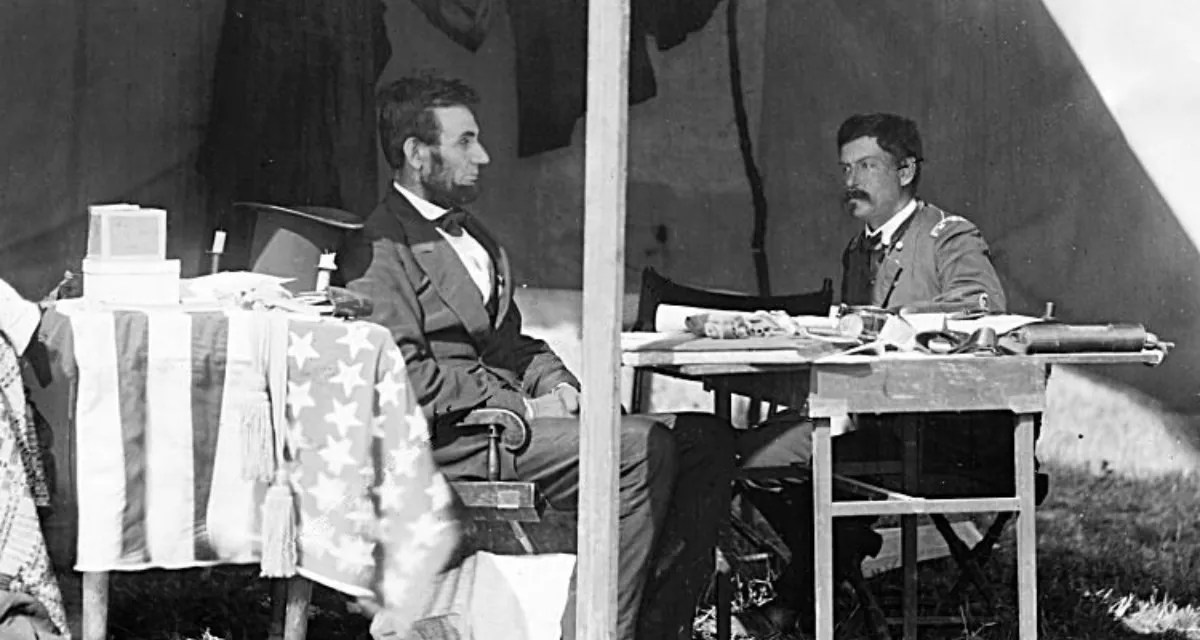
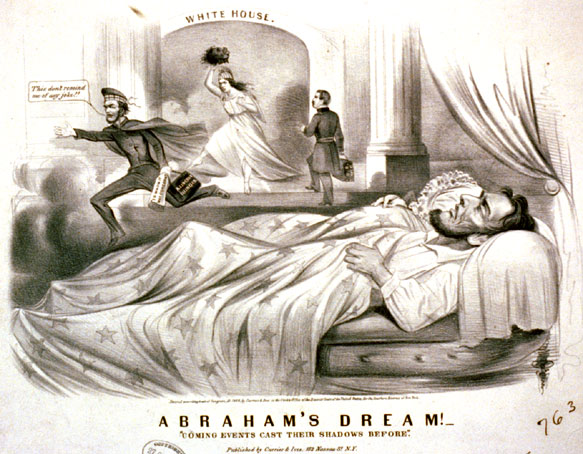
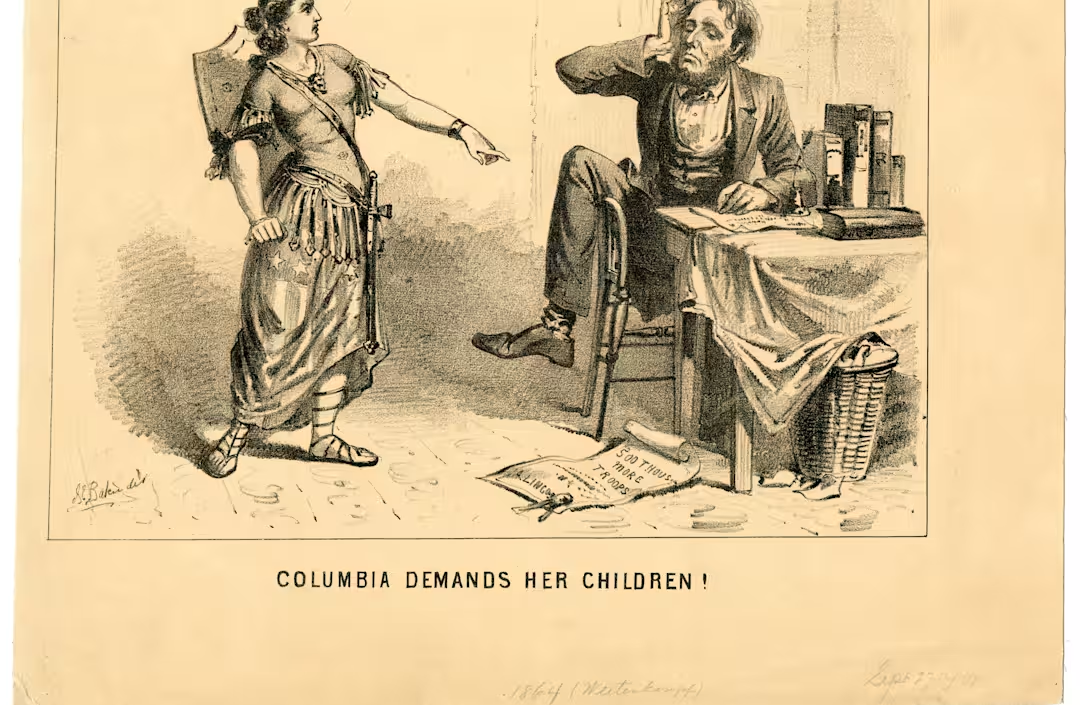
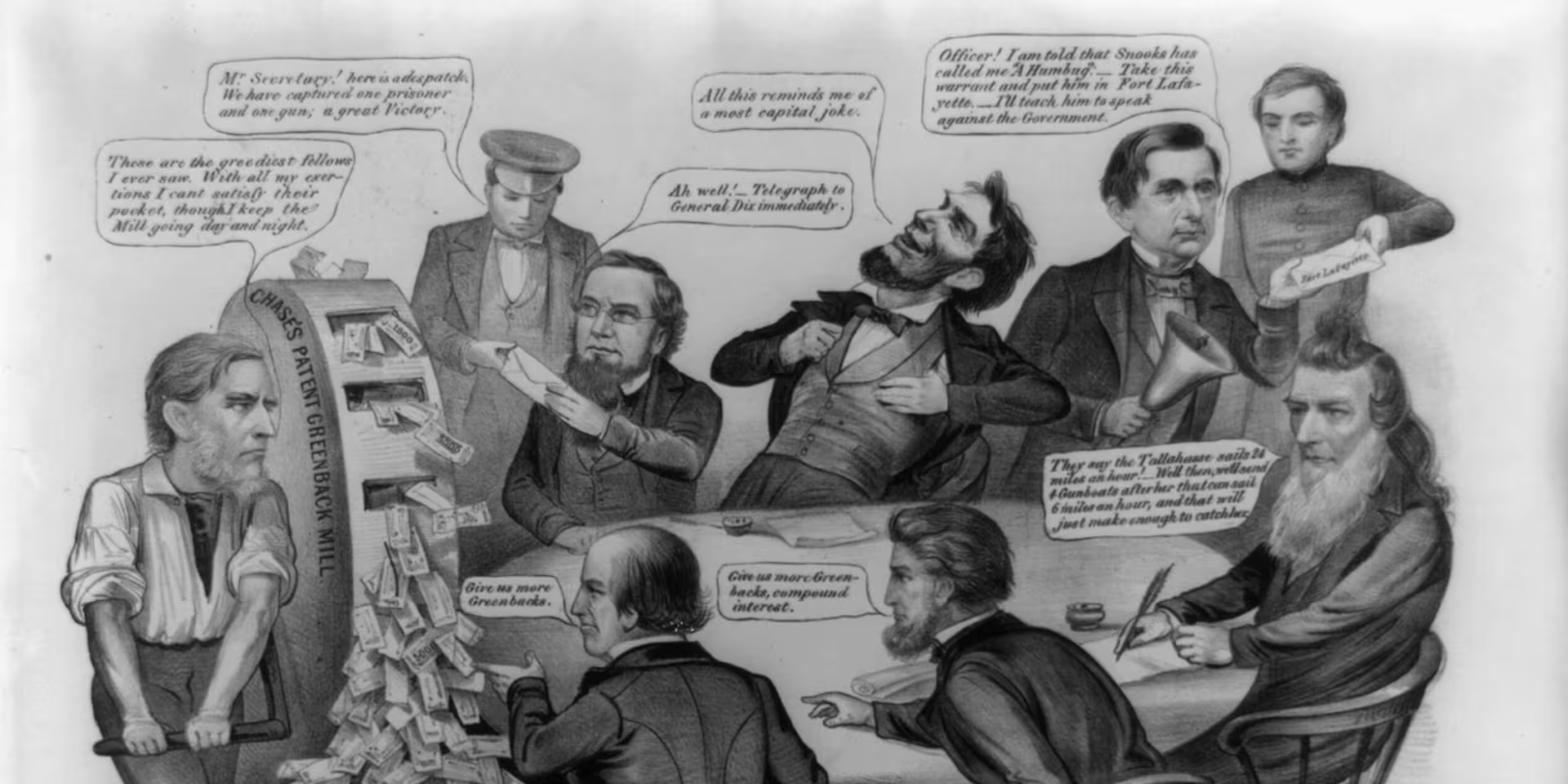
At the 1862 Battle of Antietam, Lincoln believed that McClellan has allowed Lee’s army to escape destruction. Not long after that battle, the two look tense in the general’s tent. In 1864, McClellan ran against Lincoln; this cartoon repeats the Scotch bonnet story. Lincoln’s nightmare depics the general ascending to the presidency.
Typically, Lincoln used humor to critcize those who either let him down or betrayed him.
–“If Gen. McClellan isn’t going to use my army, I’d like to borrow it,” the President allegedly said of the man who later became his rival.
–Gen. John Pope resolved to fight a war of movement. “From headquarters in the saddle,” his dispatches to the president allegedly concluded. “His headquarters are where his hindquarters are supposed to be,” the president observed.
–Lincoln’s first Secretary of War, Simon Cameron, was a Pennsylvania politician widely known for his corruption. Lincoln defended him, arguing that Cameron would never steal a hot stove. Then he made him the American ambassador to Russia.
Returning to the Comey story, this is what the current president had to say today.
For a parade of deficient generals, Lincoln used the 1860s version of Truth Social. He’d write them vitriolic letters, seal them, and then lock them inside a White House desk drawer, never to see the light of day again.
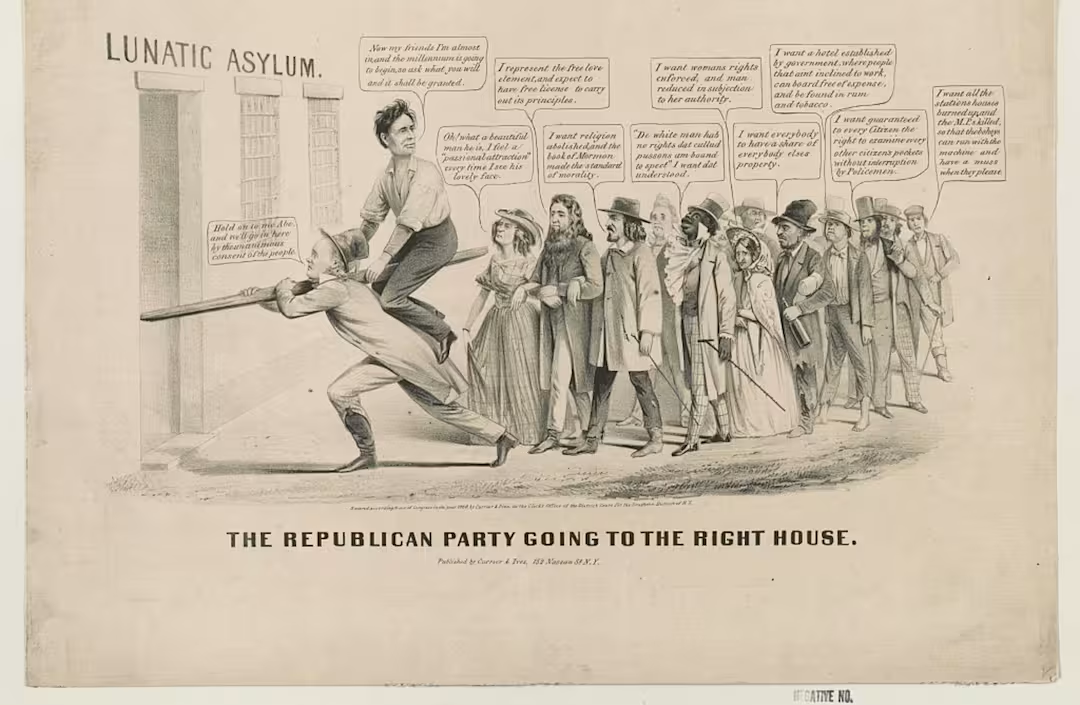
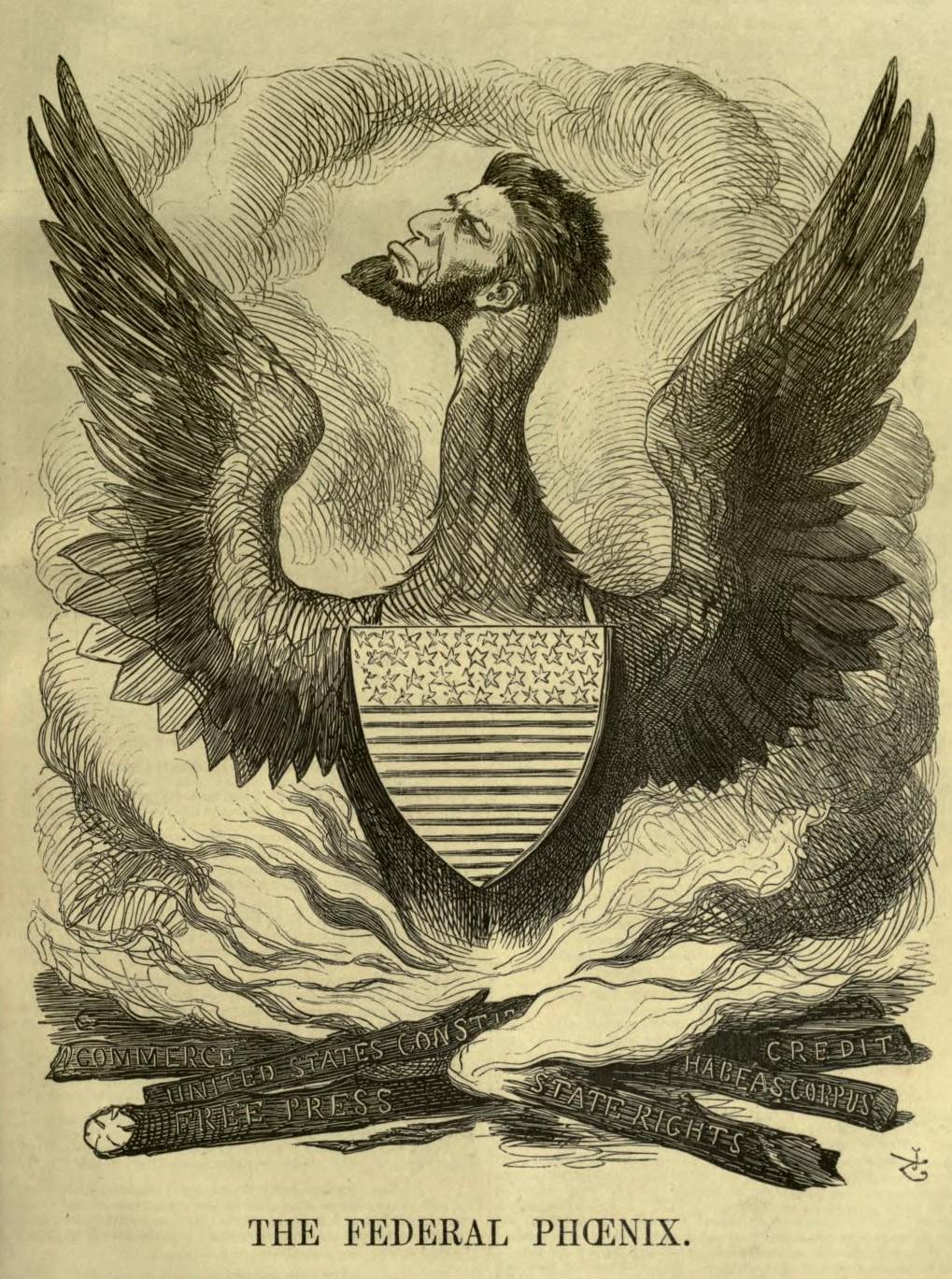
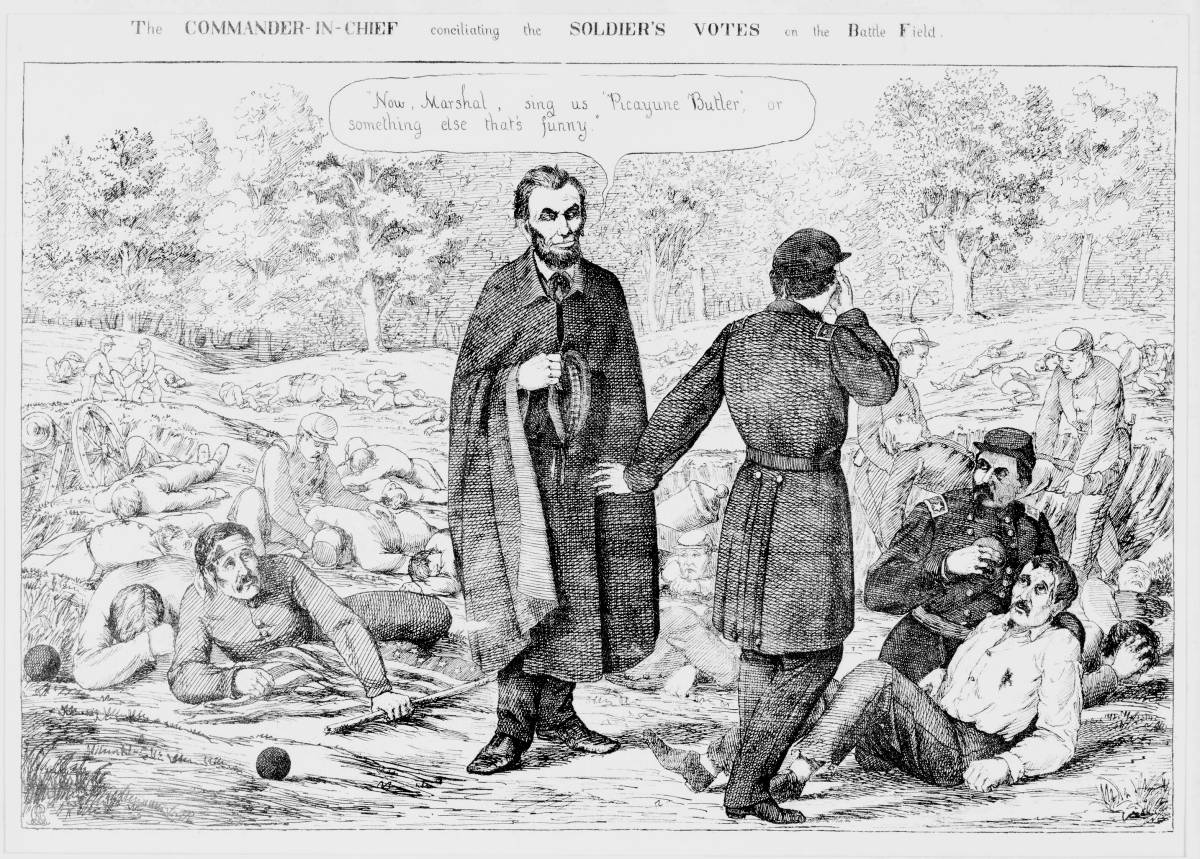
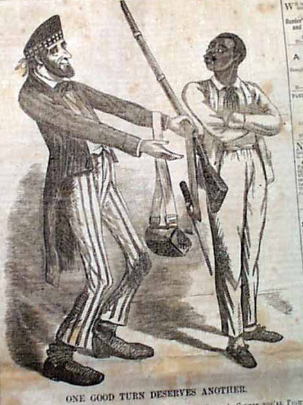
A gallery of anti-Lincoln cartoons.
“No politician has been treated worse or more unfairly than me.” President Trump.
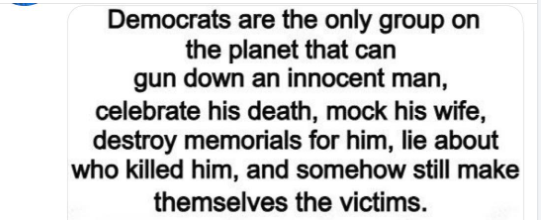
I saw this on Facebook today, posted by a former history student of mine, and I am heartbroken. “The Truth hurts,” this person said, in response to a comment that criticized the post. “The Truth,” of course, killed 720,000 of us between 1861 and 1865, the modern equivalent of seven million Americans.
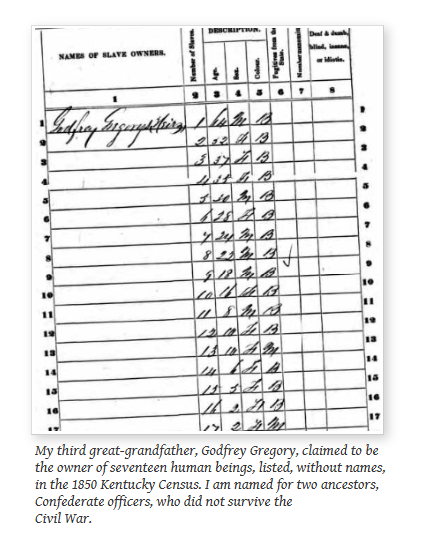
And this kind of hatred lands on my doorstep. I am a Democrat from a long line of Democrats, including my third great-grandfather, Godfrey Gregory, who claimed to own seventeen human beings, listed, without names, in the 1850 Kentucky Census.
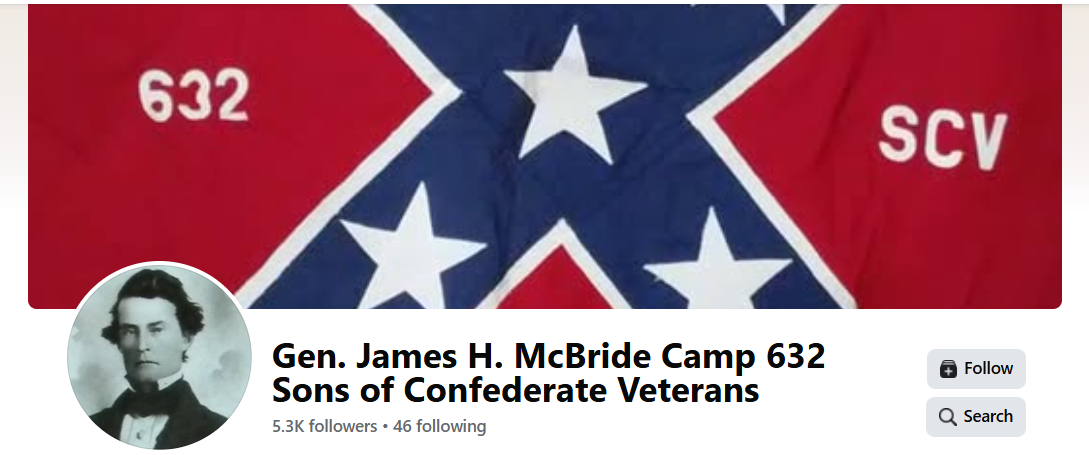
I am named for this Democrat, James McBride, my second great-grandfather, who so hated what was called “Black Republicanism” and that party’s candidate, Abraham Lincoln, that he took up arms against his country as a Confederate officer.
My Grandfather John was struck by a car in 1933 that crushed his legs, but he was such a powerful man that it took him weeks to die. Those legs had waltzed at barn dances on the Ozark Plateau where teenaged girls waited their turn to dance with Mr. Gregory. When his time came to die, they let the schools in Texas County, Missouri, out for the day so that children could go to Mr. Gregory’s funeral. He was that kind of man. He was a Democrat.
My Grandmother Gregory was a delegate to the 1924 Democratic Convention, held in sweltering heat in Madison Square Garden, which, after more than 100 ballots, nominated John. W. Davis (trounced by Cooldige). We still have the penciled thank-you note Davis wrote her.
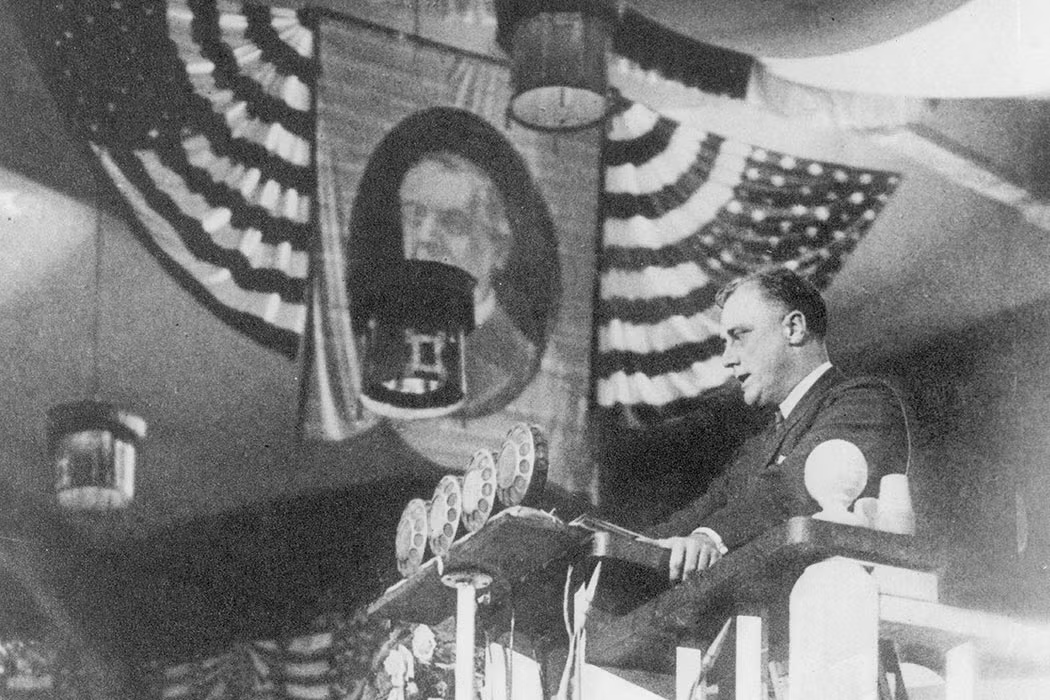
She at least had the chance to hear Franklin D. Roosevelt speak, in his return from paralysis, as he put Al Smith’s name into nomination.
As president, Roosevelt brought electricity to the Ozark Plateau, where women, as the writer Robert Caro noted about the Hill Country of Texas, acted the way washing machine machine agitators do, punching the clothes in zinc washtubs full of lye with broom handles, holding the wet clothes with the broom handle to rid them of excess water before transferring to a tub of bluing, then a tub of rinse. This work tore women’s abdominal muscles, induced miscarriages, and bent them like question marks. The New Deal’s electrification, and the advent of primitive “automatic” washers ended that.
The Natonal Youth Authority employed my father in relief work, including distributing food to desperately poor and incredibly proud Hill People, who were so isolated that they did not understand grapefruit.
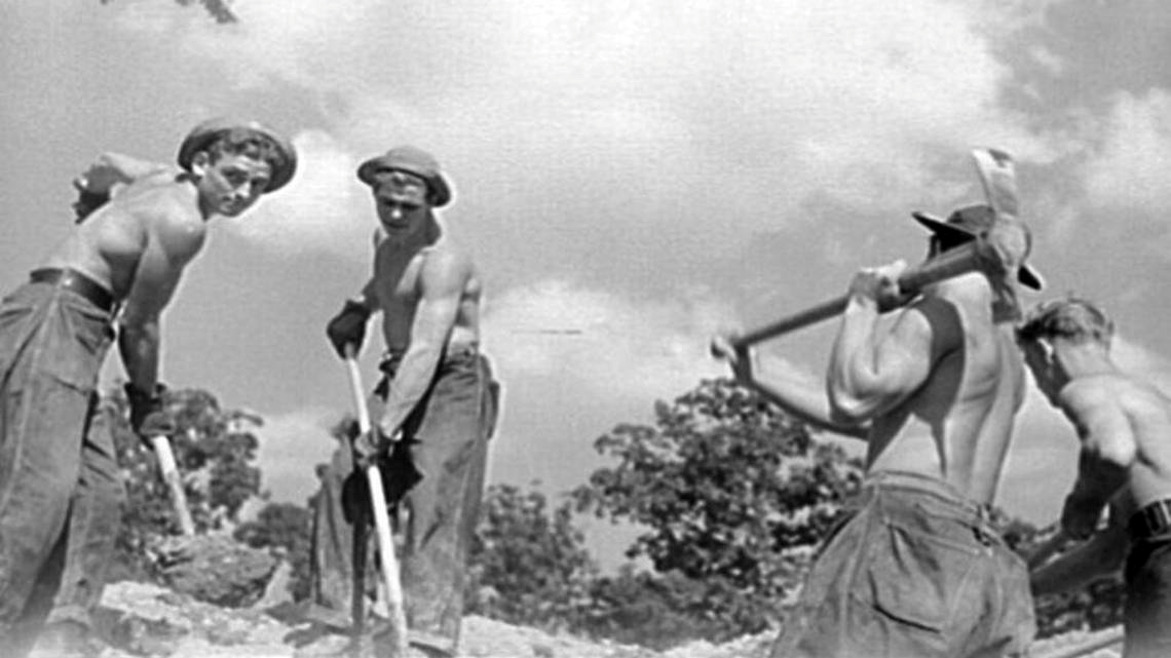
That Democrat left his mark on Arroyo Grande, as well, already scored by bankruptcies, foreclosures and a Biblical invasion of grasshoppers: The stone wall around the cemetery, the Paulding Gym, the sidewalks on Mason Street, the road to Lopez Canyon and the beautiful park that now lies beneath the lake, the Arroyo Grande High School math wing, the tennis courts below Paulding—all were New Deal Projects. So are check dams still remaining from the New Deal’s CCC. The head of the Soil Conservation Service said, in 1934, that the soil erosion that the CCC would combat was the worst he’d seen in the United States.
Civilian Conservation Corps workers on a hill above the Methodist Campground. 230 young men came to Arroyo Grande to combat erosion, clear the creek channel and fight wildfires. They were from New York City, New Jersey and Delaware.
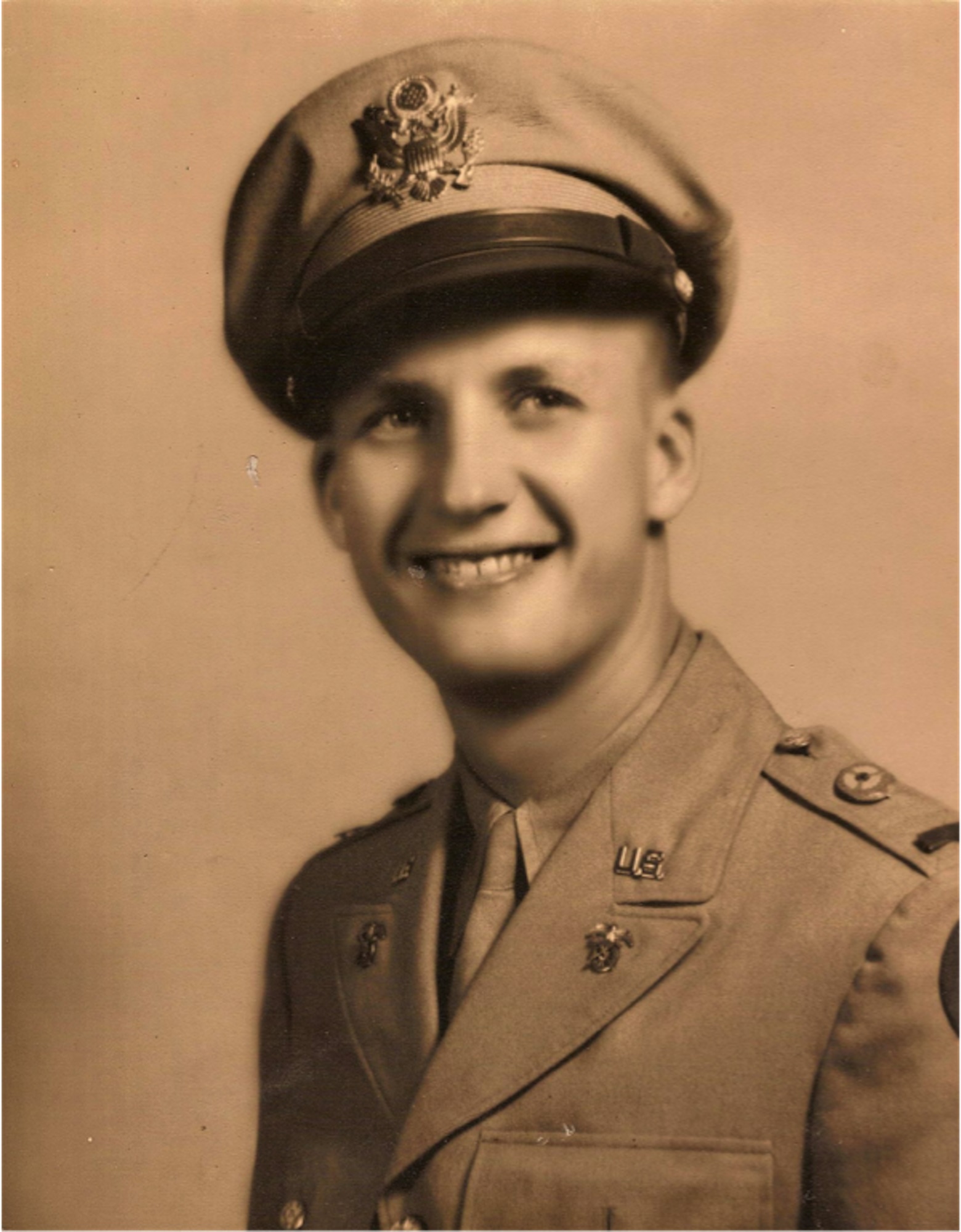
My father, an accountant, was promoted to corporal after discovering that the camp cook was embezzling mess funds. The commanding officer at his post—Garnder Field in Taft, where Chuck Yeager trained—recommended him for officers’ candidate school, which was endorsed by a Democrat, Harry Truman, who’d grew fond of my grandfather’s blackberry wine on his campaign swings downstate.
Dad, as an Army officer, was the last soldier to vote in the European Theater of Operations in 1944, according to Stars and Stripes. He voted for FDR.
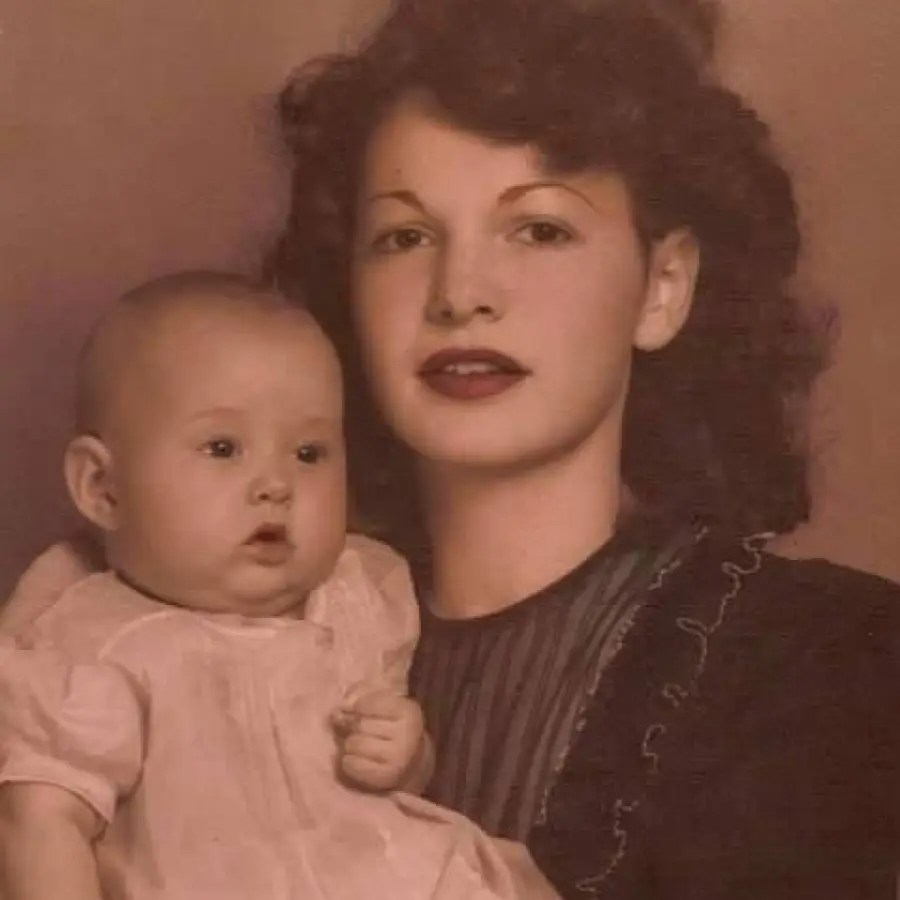
(Below) My parents during World War II.
My mother was a Republican, an Eisenhower Republican, but since her ancestors came from Ireland, she voted for John F. Kennedy in 1960.
My first vote was for World War II veteran George McGovern, a Democrat, a B-24 pilot during World War II. He was trounced as badly as John W. Davis had been in 1924. His opponent endorsed a minimum national annual income, found the Occupational Safety and Health Administration and the Environmental Protection Agency and took daring executive action against inflation, including a wage and price freeze. Richard Nixon also made Elvis an honorary U.S. Marshal.
I was less an Elvis and more a Beatles fan, and the same year they released the White Album, another assassin shot another young leader dead, in Los Angeles, and that was Robert Kennedy, who was the Democrat I felt closest to. My parents were just waking up when I came in to break the news, and they were as stricken (I will never forget their faces) as they could have been if the bullet had somehow hit them, as well.
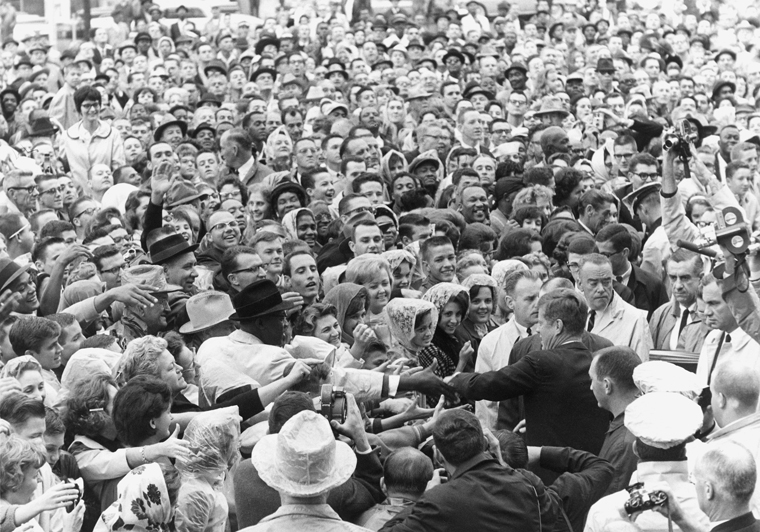
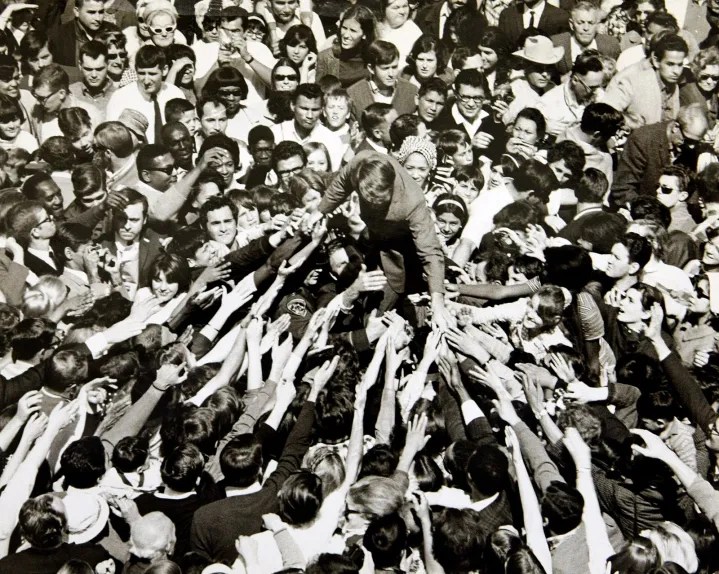
(Below) John Kennedy in Fort Worth, Texas, a few hours before his assassiantion; Robert Kennedy campaigning in Monterey, California, 1968.
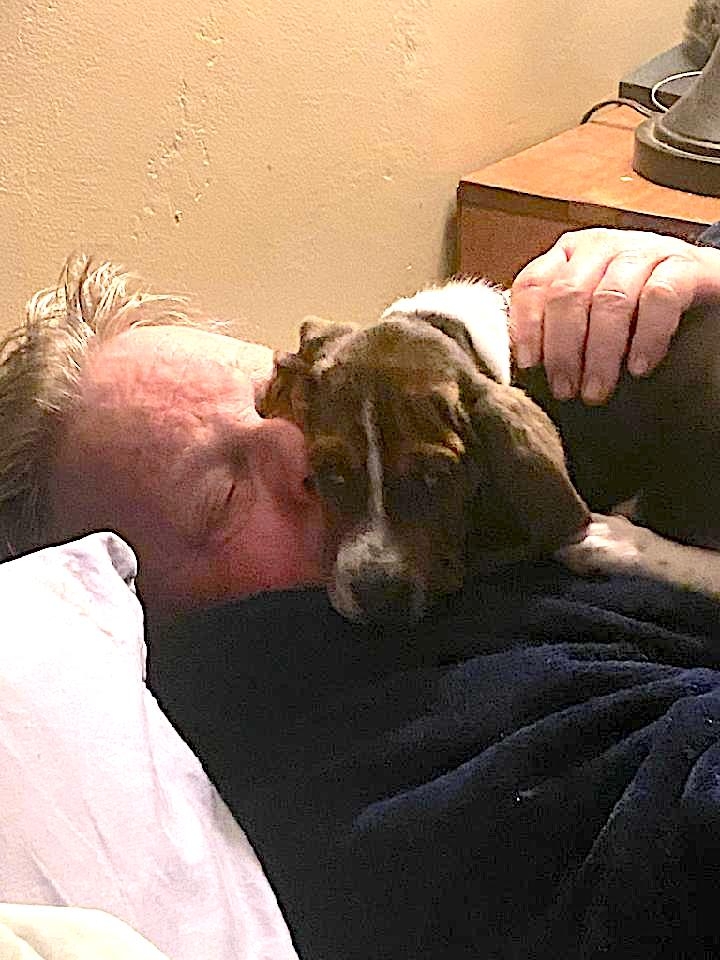
The kind of hatred this post suggests will lead to the same kind of violence that claimed Charlie Kirk and Bobby Kennedy. Since I am a Democrat, I presume, as the darkness of 1861 once again envelops us, that there’s a bullet meant for me, too. I am 73, and there’s not much left for me to do, so I guess I’m as ready as I ever will be to die. I have, at least, found my best friend.
And I’ve taught children and written books, both of which brought me incredible joy. I wrote a book about the Civil War and I took its title from Lincoln’s First Inaugural.
I am loath to close. We are not enemies, but friends. We must not be enemies. Though passion may have strained it must not break our bonds of affection. The mystic chords of memory, stretching from every battlefield and patriot grave to every living heart and hearthstone all over this broad land, will yet swell the chorus of the Union, when again touched, as surely they will be, by the better angels of our nature.
A few weeks later, the killing began with the bombardment of Fort Sumter. The honor of firing the first shot went to a True Believer, Edmund Ruffin, who, four years later, put the muzzle of his rifle inside his mouth and used a forked stick to pull the trigger.
Ruffin
I guess I’m less afraid for myself than I am for the country I love so much, and I am afraid for my former student, as well. The hatred that consumes her, all of it the work of Democrats, can consume us all.
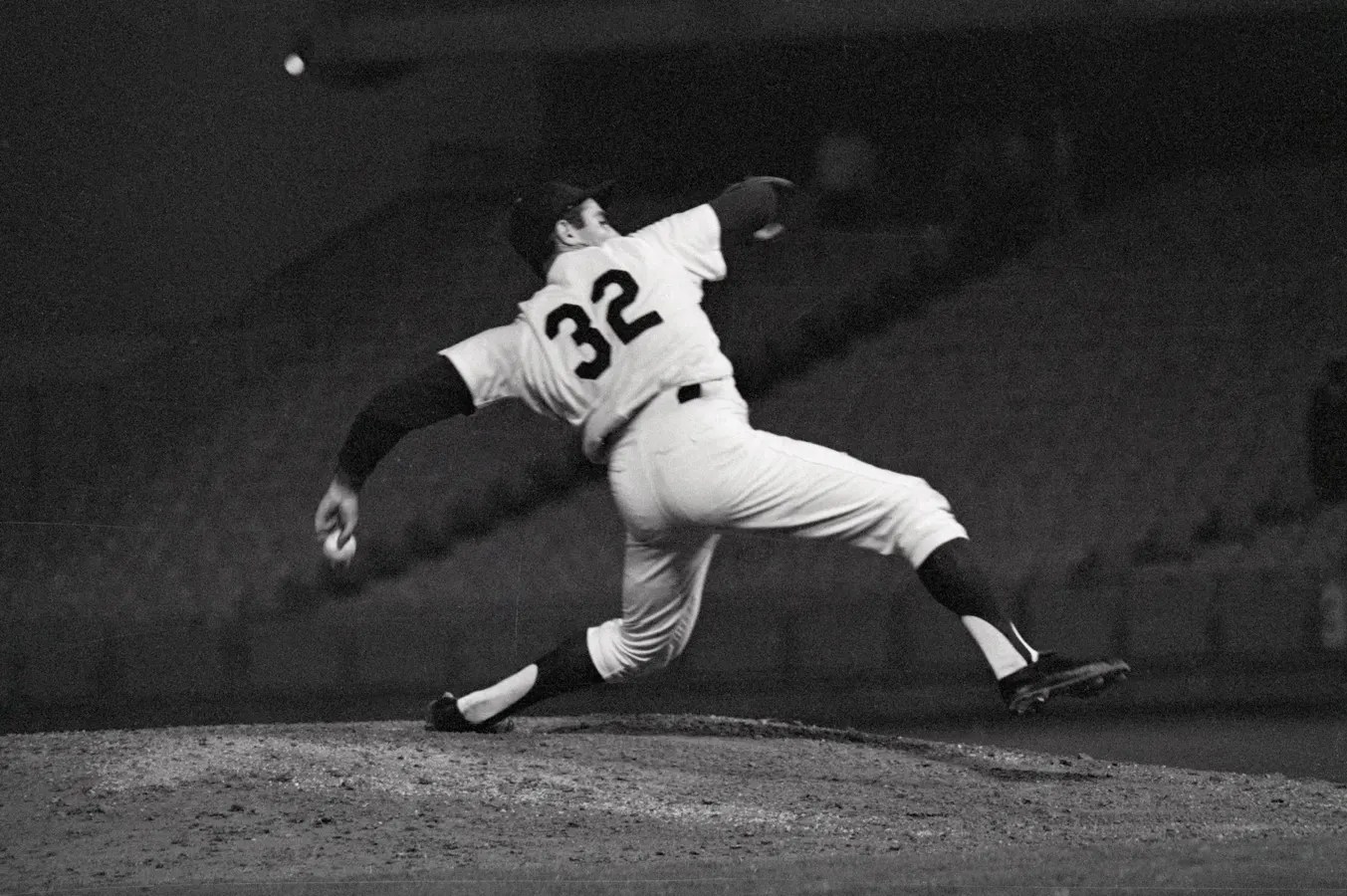
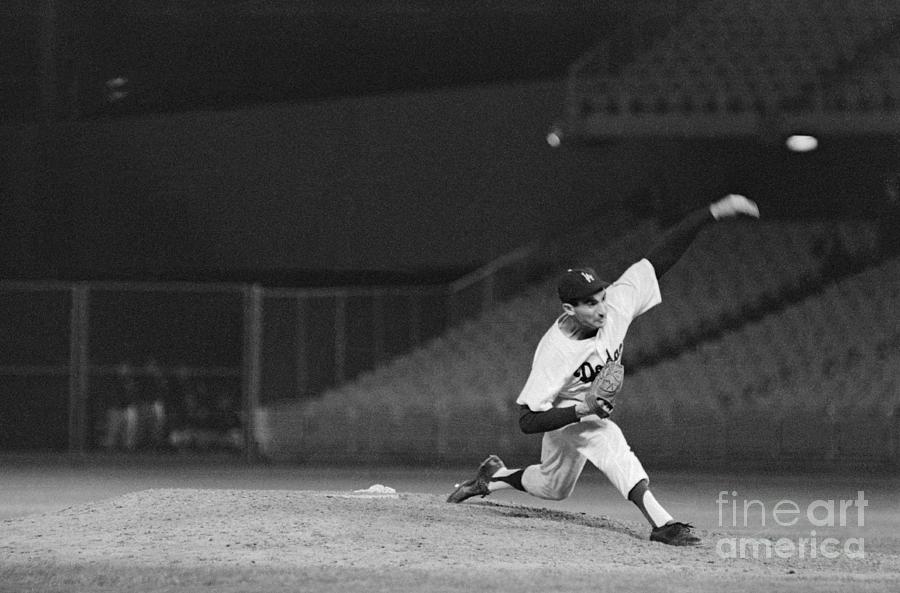
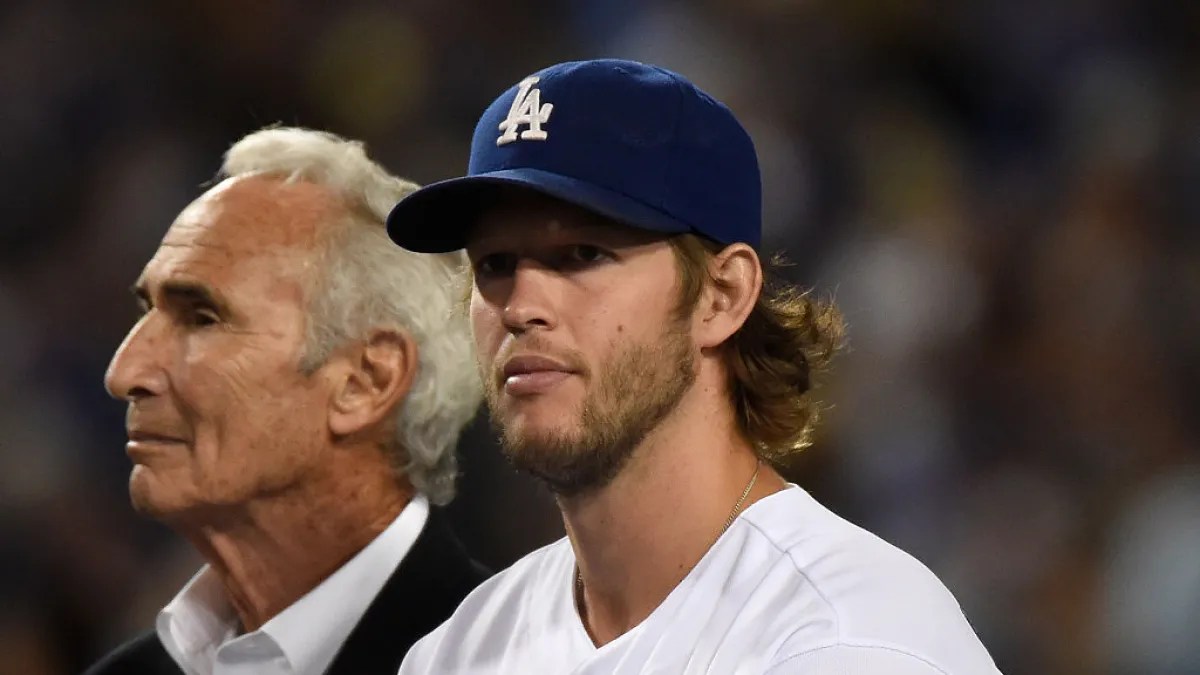
Let me be clear about something: Sandy Koufax was my childhood hero. Well, so were Abraham Lincoln and Jane Goodall, but those are other stories. When Koufax pitched his perfect game, my Dad and I stood by the radio in our kitchen and didn’t breathe much the entire ninth inning.
If you haven’t heard it, here is Vin Scully’s call.
My mother’s ancestors were Irish Catholics from County Wicklow, south of Dublin. But there’s nothing Mom admired more than character, especially when it was paired with faith. When Koufax refused to pitch Game 1 of the 1965 World Series, which fell on Yom Kippur, she was a fan for life.
So Koufax was a mensch, and it broke my fourteen-year-old heart when my hero announced his retirement—his abused and overused arm was shriveling, like the Wicked Witch’s legs beneath Dorothy’s farmhouse in The Wizard of Oz. My folks and I were spending the weekend in Solvang, Calfiornia, founded as a Danish town, and there I was on the sidewalk, surrounded by bakery smells and fudge-shop smells and tik-tokking cuckoo clocks, borrowed from Bavaria, but all I could do is stare at the Los Angeles Herald-Examiner in its rack, with font the size of V-E Day announcing Sandy’s decision.
I stood in front of that newsrack for many minutes, too numb even to summon tears, which would’ve been appropriate.
So Sandy is enthroned in my life in a way that not even Don Sutton is, and Sutton deserves a massive throne. So does Fernando, but that’s another story.
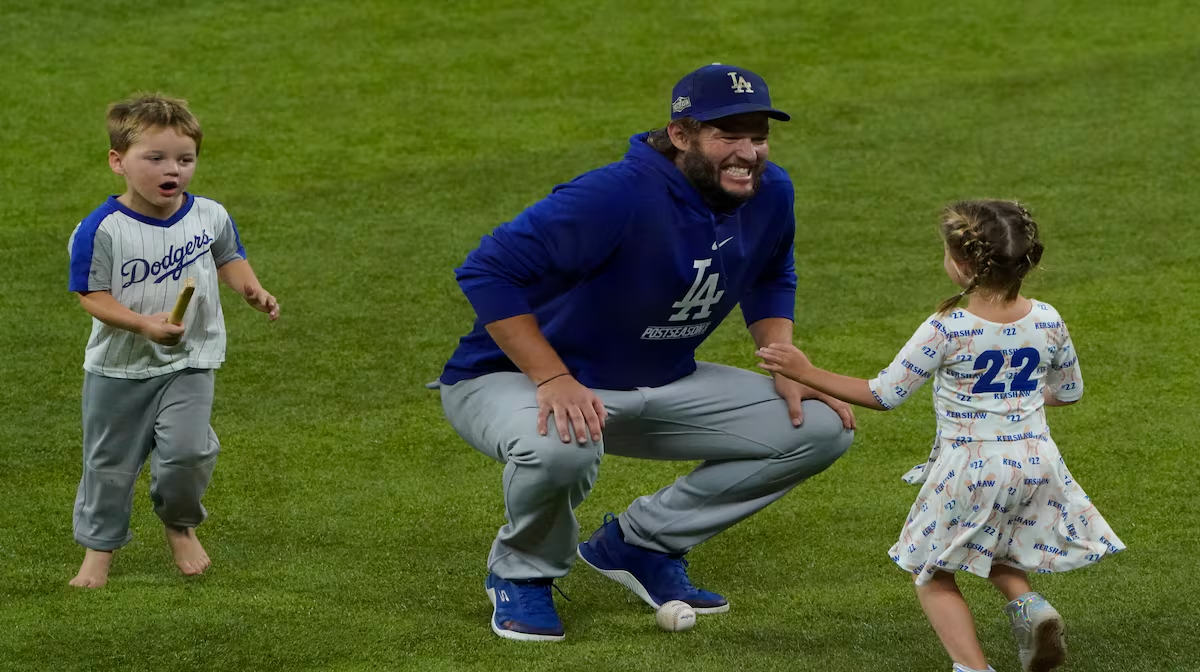
Besides his prowess on the mound, including that hands-up this is a Butch Cassidy holdup stretch, which sometimes results in that distinctive twelve-to-six-o’clock curveball, Kershaw has proved to me that a Texas Presbyterian can be a mensch, too.
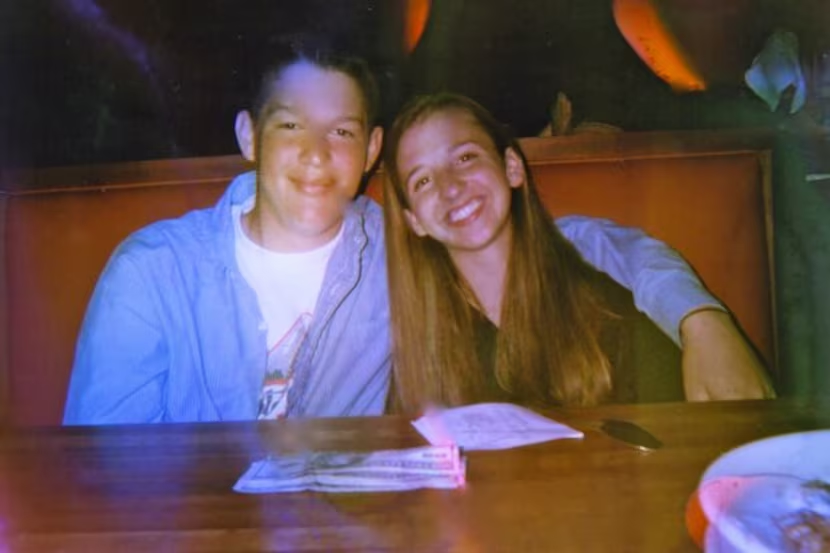
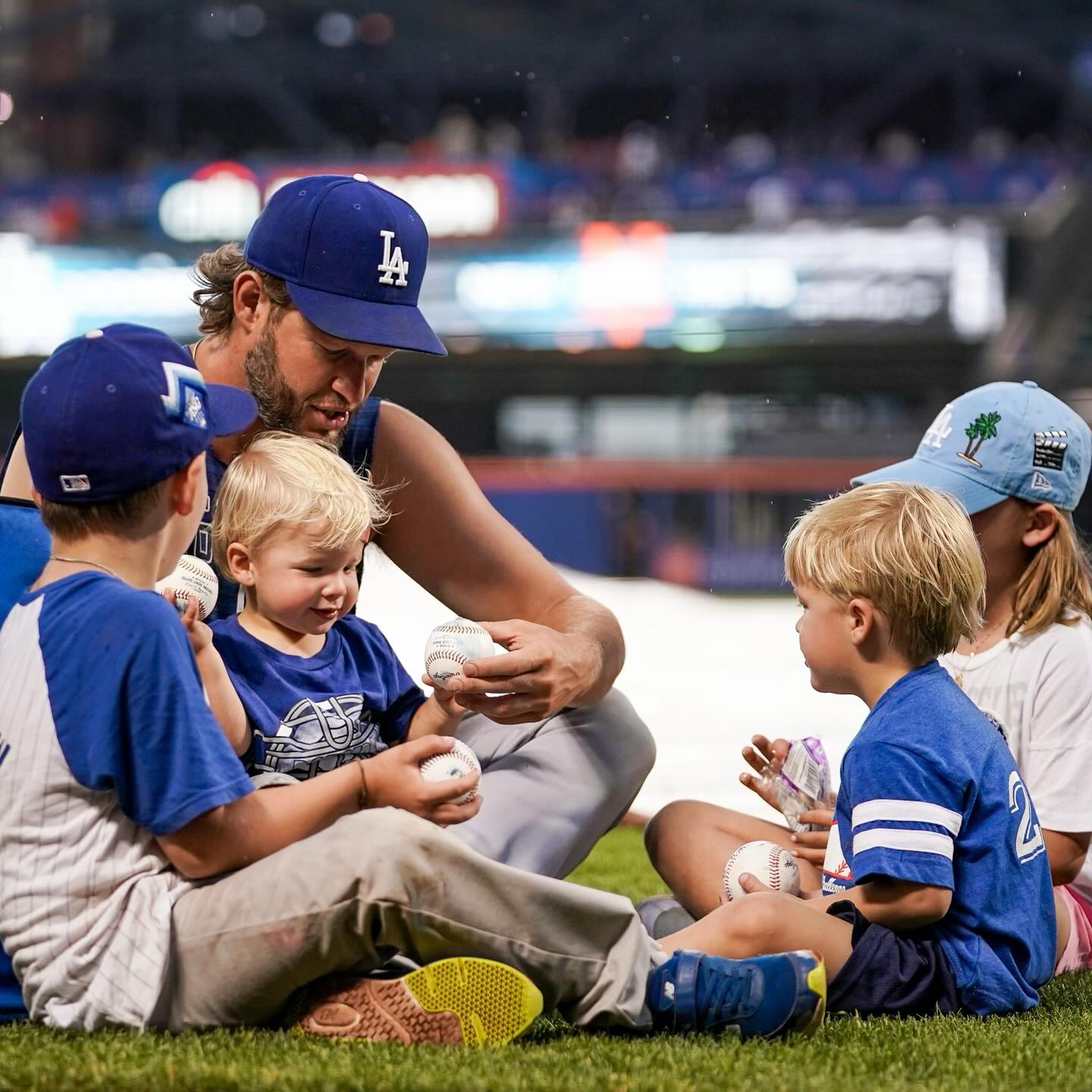
Koufax was serious about his faith, and so is Kershaw and so is his wife, Ellen. But oddly, what the Kershaws are serious about is sharing their joy, which is bewildering to me and completely authentic in them. So is the joy they find in their children (four, with one warming up in the bullpen.) The family does not, as one article noted, live in a gated compound. The couple unwinds by watching The Office reruns.
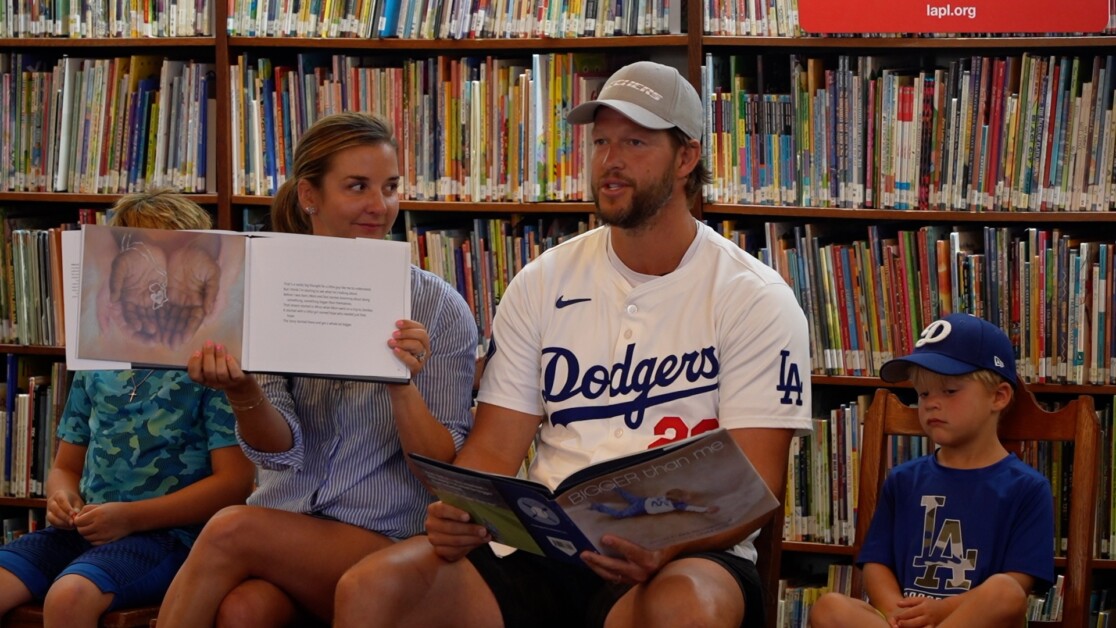
Here they are, in high school, and today.
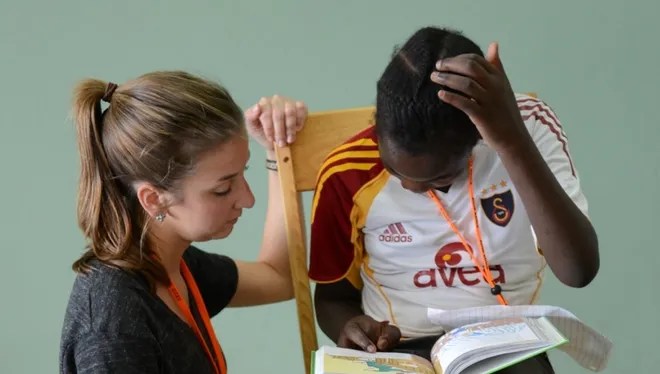
Yeah, they’re reading to children, in what any right-minded cynic would assume is a Dodgers publicity department photo op. That’s not exactly the case.
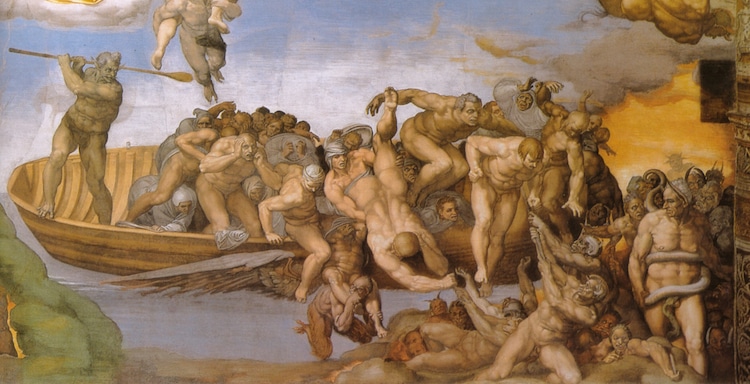
The thing I admire about the Kershaws’ faith is that it’s not condemnatory, with the one exception of the time Kershaw quietly pointed out that the Sisters of Perpetual Indulgence might not be appropriate for Pride Night at Dodger Stadium. Their faith, I think, is alive and unpoisoned, unlike so many smug and unexamined Christians, who are ready to send mainline believers, non-Christian believers and nonbelievers alike—and Democrats—across the River Styx in Charon’s boat, the way both the Lord and Michelangelo intended it.
This is Clayton Kershaw’s faith.
That faith is manifest in the way he and Ellen love other children—in this case, in their visits to Zambian orphans and the school they founded for them. Kersh does manual labor–laying a sidewalk, digging a well—for their Zambian family.
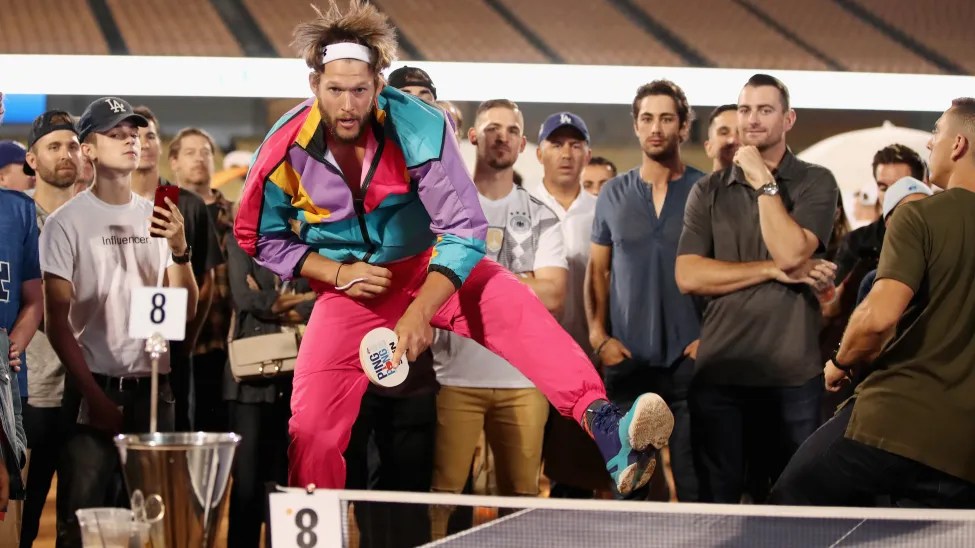
And then there are the Southland kids he raises money for and supports, in a variety of ways, one of them being his ping-pong tournament, in which he is just as fierce, if a little more flamboyant, as he is on the mound. (Here, he and old friend Justin Turner hand out backpacks full of school supplies to kids in L.A.)
And Kershaw’s faith must be what sustains him. He is so intense that not only do his teammates avoid talking to him in the dugout during a game, which is baseball etiquette, but you can see them take a wide path around him, as if he were a bull buffalo in the middle of the road. That intensity, in a career marked by brilliance, is manifest in his failures, too, particularly in the postseason, and they have been epic, even Shakespearean.
No one can replace Sandy. But Clayton Kershaw has every right to stand right beside him. Here the two are: They are a half-Rushmore, symbolic of integrity and faith. Baseball, as it has in the past, has the potential to cure what ails us today.
First, a little about my hometown. There’s a connection between it and the Powder River Expedition of 1865.
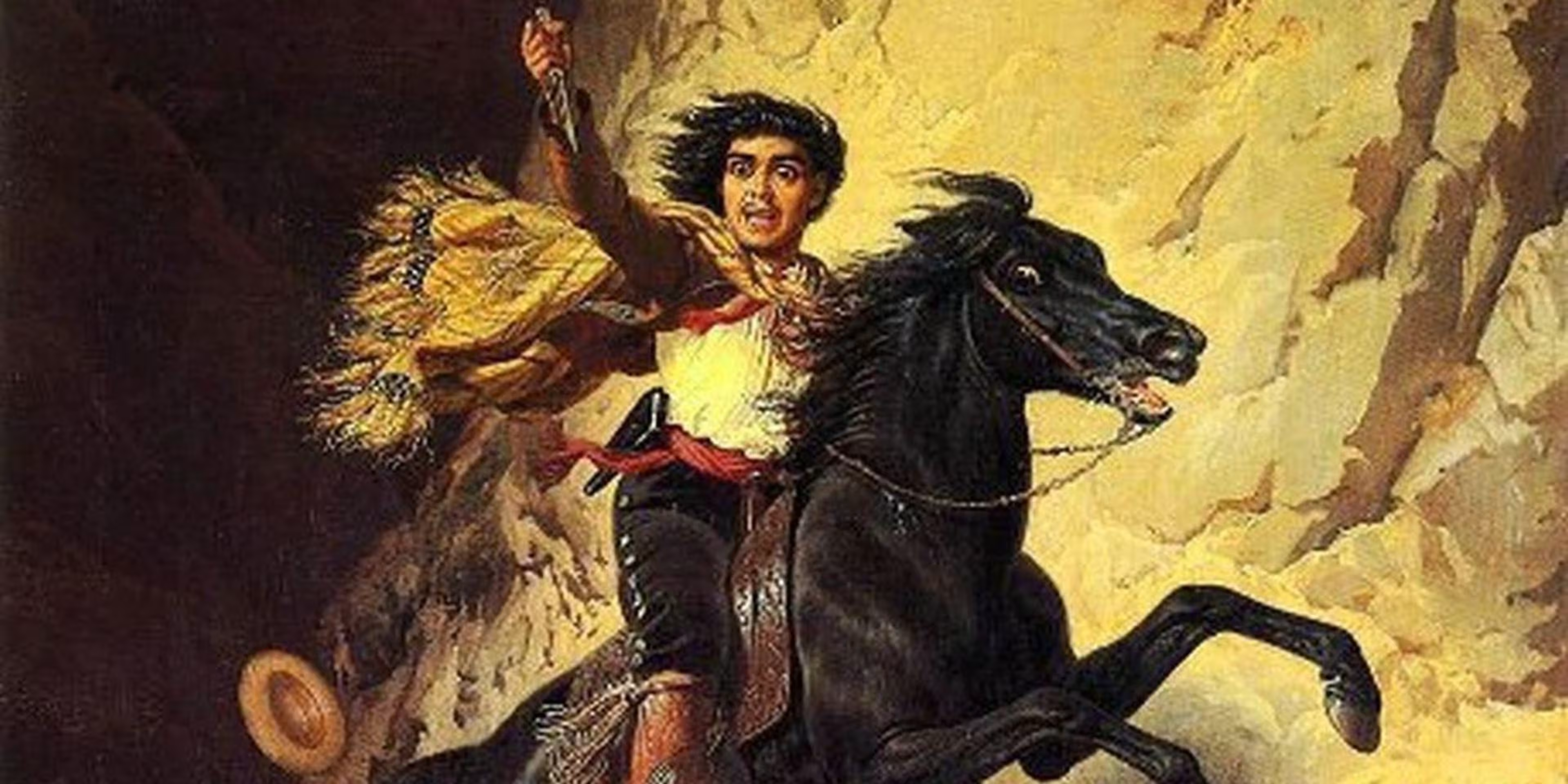
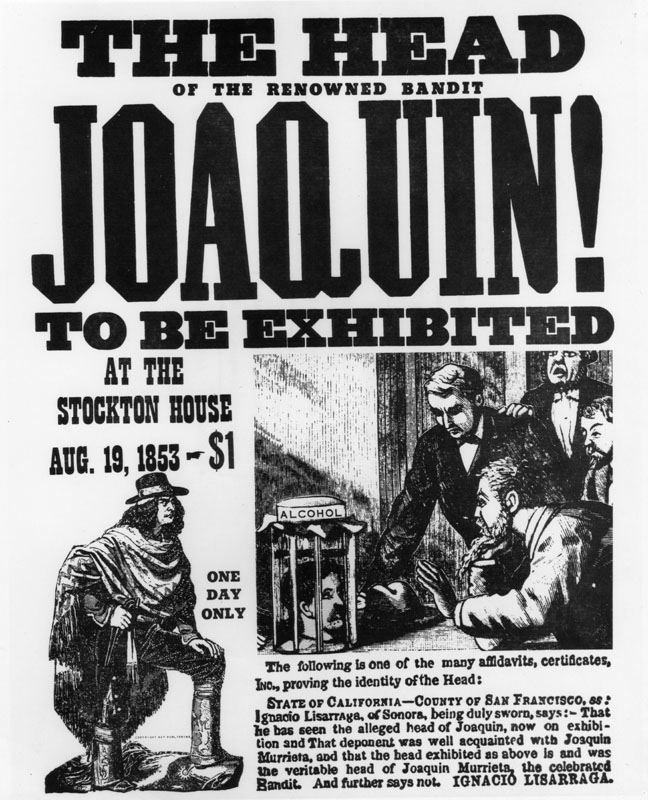
The leader of that expedition, Patrick Connor, was also a member of the California Rangers, an ad hoc police force that hunted down and killed Joaquin Murieta, a noted Gold-Rush era criminal, in 1853. If you ask me, Connor’s comrades look scarier than most outlaws. Capt. Harry Love, center, was the Rangers’ leader.
It is hot in the Central Valley, where the Rangers caught up with the man (alleged to be) Murieta and shot him dead. Since the state government offered a $5,000 reward, the bandit’s head was preserved in alcohol in a large jar as evidence. The Rangers got their reward. Joaquin got to tour California until, mercifully, his head vanished in the 1906 San Francisco earthquake and fire.
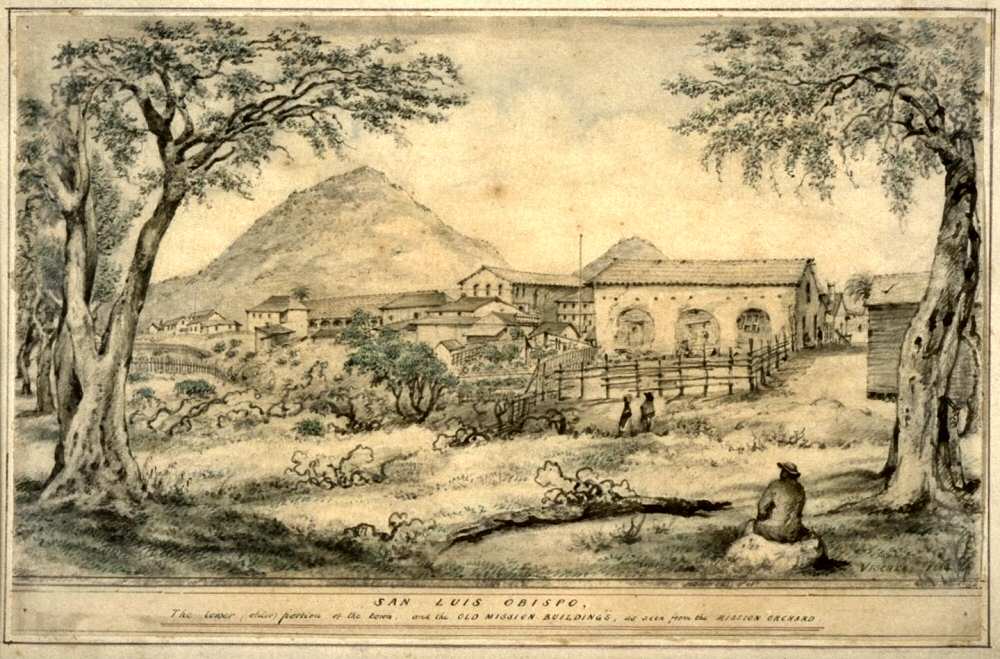
It’s probably apocryphal, but Joaquin’s mother is said to have lived on Chorro Street in the county seat, nearby San Luis Obispo, and one story has him buying drinks for all present, unless they were gringos.
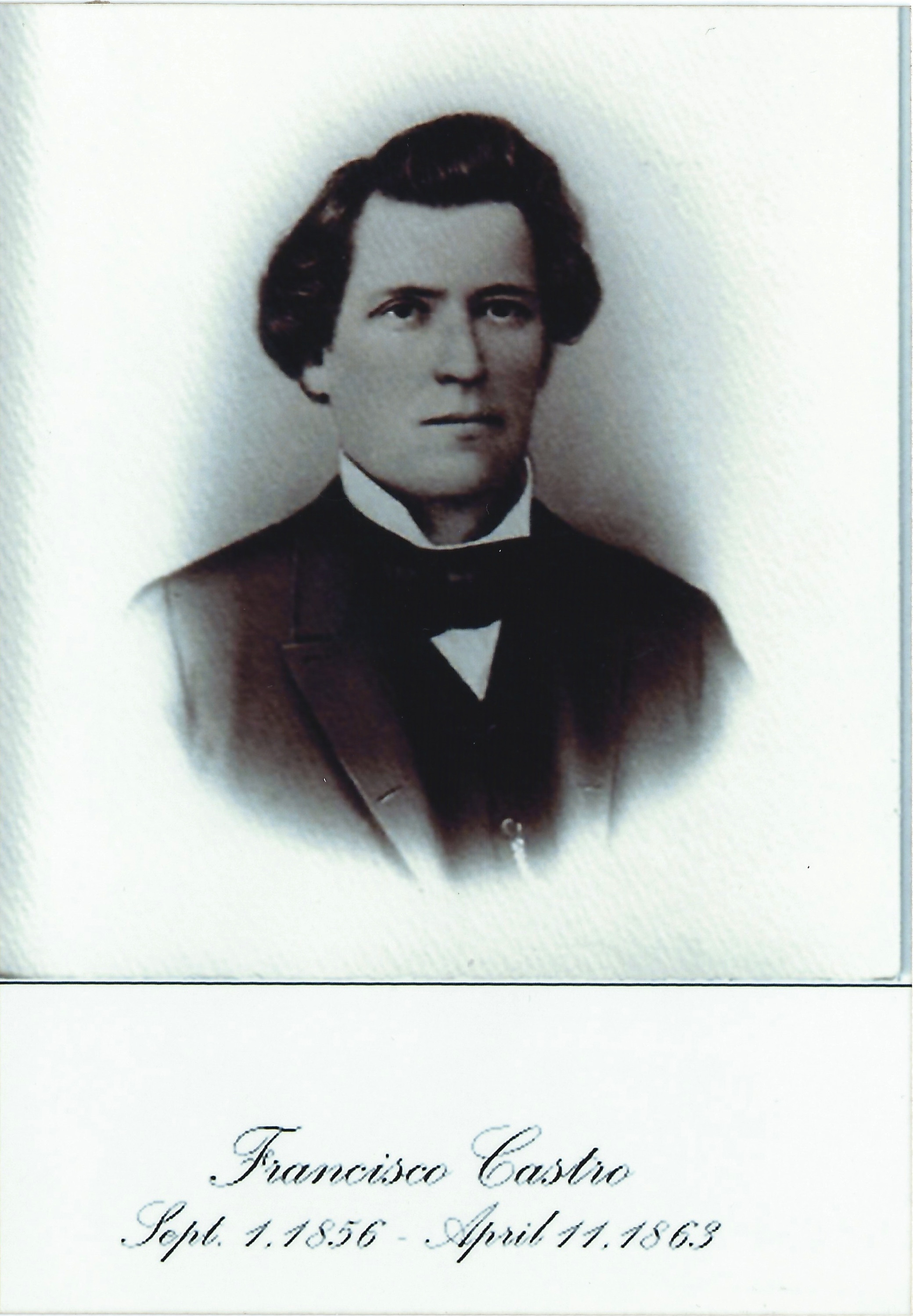
San Luis Obispo in Joaquin’s time. His gang is said to have camped overnight behind the Mission (founded 1772), the building at the distance, center, with three archways for its bells. In the 1850s, San Luis Obispo went through five sheriffs in four years because the job was simply too dangerous. Finally, Francisco Castro (at right) took over, was sheriff for seven years, conducted the only hanging in county history in the same place where Joaquin had camped, and died twenty years later from a pistol wound. Castro’s revolver wouldn’t fire, so he used the butt to beat the man who’d shot him.
By the 1880s, things had calmed down considerably in our county, except for the 1886 double lynching of two accused killers, a father and his fifteen-year-old son, and the occasional bank robbery or saloon killing, so in Arroyo Grande, my hometown, and there was an influx of Civil War veterans. Nearly all of them were farmers: Arroyo Grande was known then as it is today for the richness of its soil, and 1881 brought, with the completion of a narrow-gauge railway, connections to markets in San Francisco and (much smaller) Los Angeles.
That led to at least fifty—it’s now approaching sixty or more— Civil War veterans settling here. They were restless men—at least a third of them had moved twice from their home states to Arroyo Grande. And that fact, once I’d discovred it, led to a book.
Version 1.0.0Version 1.0.0
And among them were two cavalrymen who’d served (and somehow survived) the Powder River expedtion.
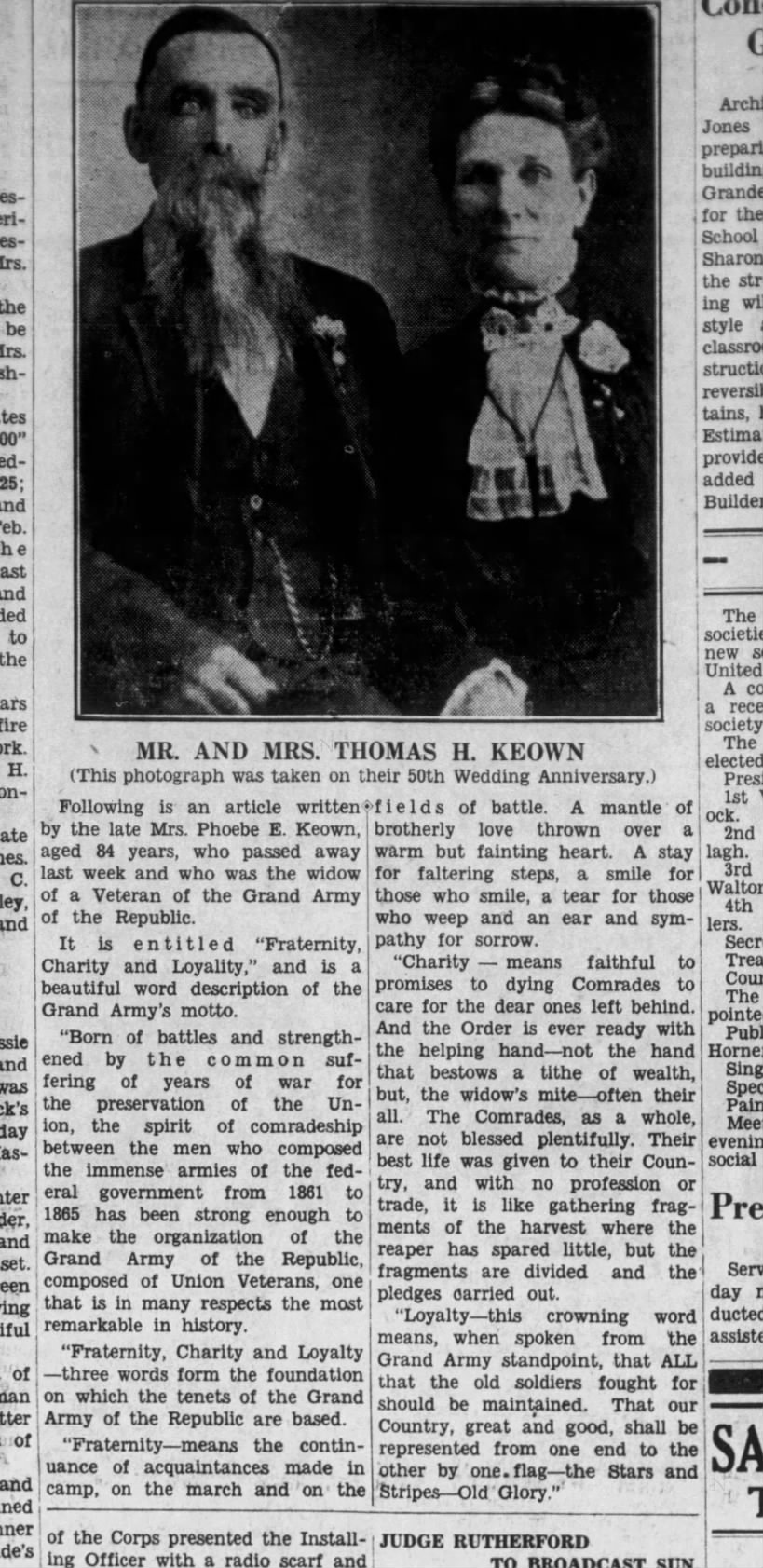
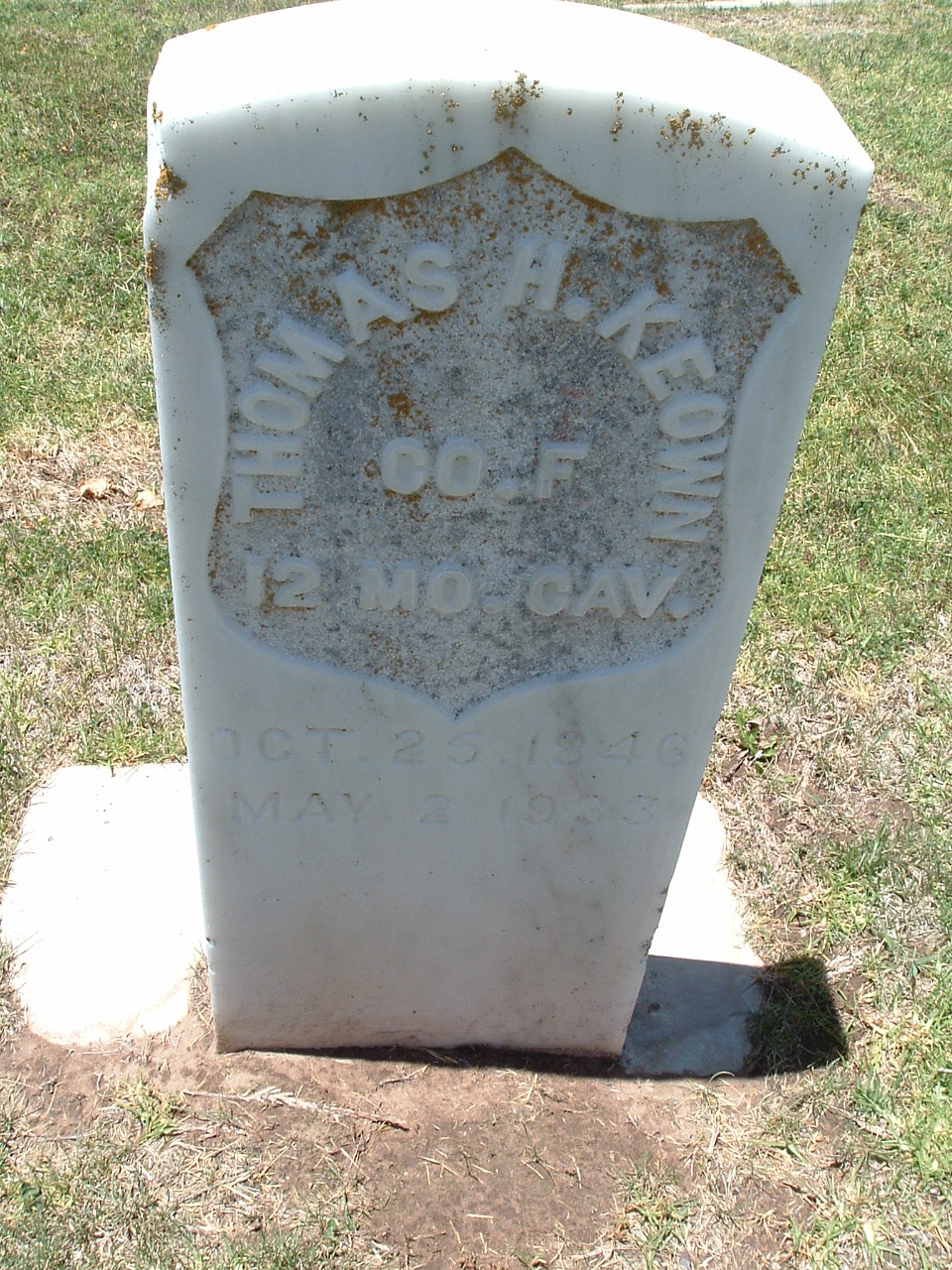
Thomas Keown is one of them. Here’s a little about him and his wife, Phoebe, from a 1935 Arroyo Grande Herald-Recorder.
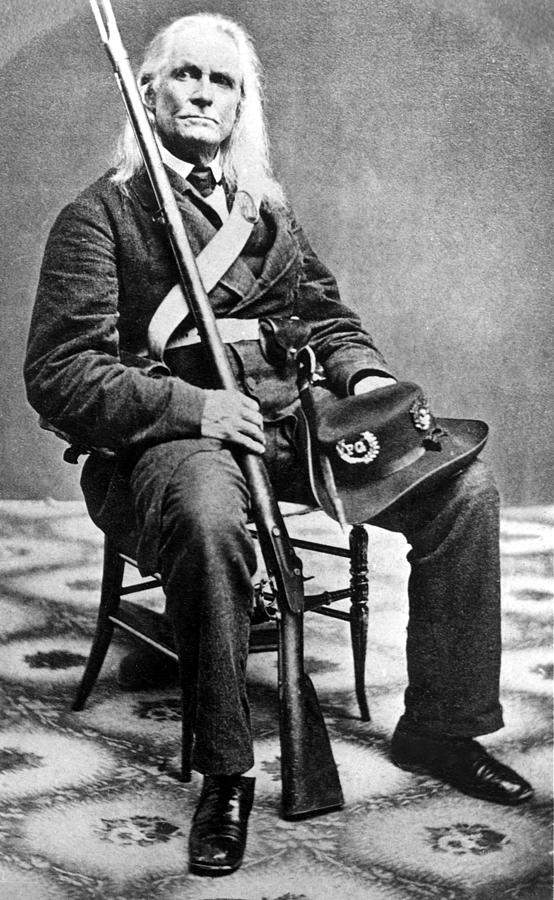
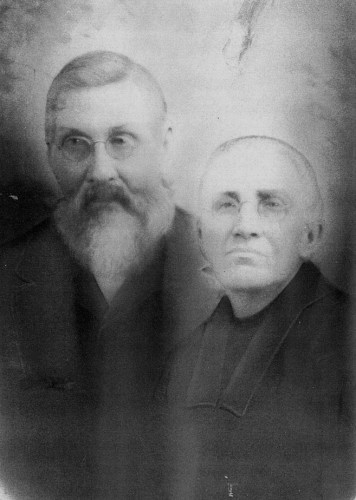
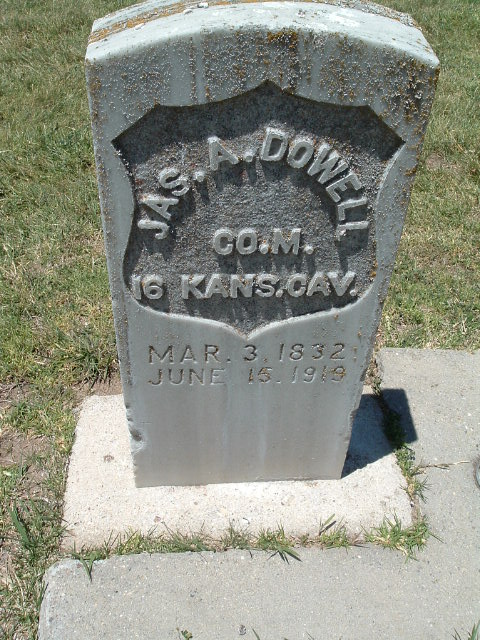
One of Keown’s comrades in the expedition was James Anias Dowell, and there are still Dowells in our area; as a high-school history teacher, I taught one of them, Joanna. Here are James and his wife, Louisa, late in life. Allegedly, one local resident descended from a Union soldier who fought at Gettysburg has Dowell’s kepi; their families were friends.
And here are the two old soldiers at rest, and not far from each other, in the Arroyo Grande District Cemetery.
The Expedition, of course, was a betrayal of the Fort Laramie Treaty. Gold negates honor. While I’m thankful that Gen. Connor never got his wish—to kill every Indian male over the age of twelve—the fact that your state shares a history with my hometown is gratifying. These are fraught times and, after nearly 250 years as a nation, we have far, far more in common than we might realize. We are Americans, all of us.
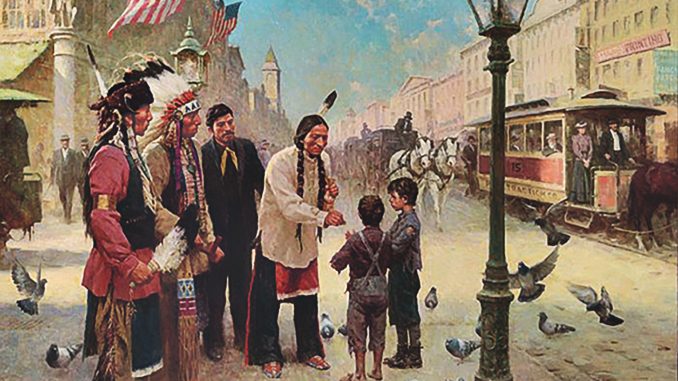
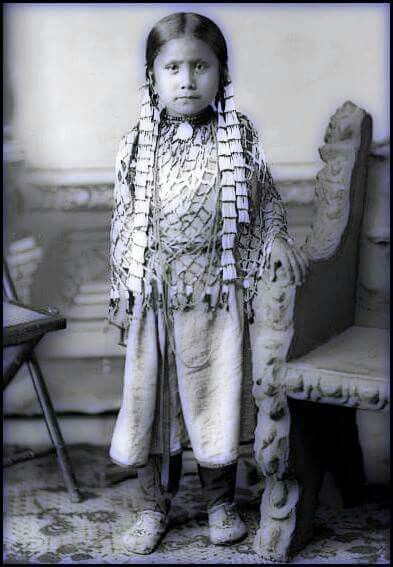
(Above): Buffalo Bill’s Wild West Show visited San Luis Obispo twice, but that was long after one of his stars, Sitting Bull, was shot dead at the Standing Rock Reservation. When he toured, he was appalled at the poverty of urban children; he’s shown giving away money to Philadelphia children. At right is White Dove, one of his daughters.















 A Work in Progress