July 20, 1944: My role in the plot to kill Hitler

Tags

, , , , , ,

Why can’t my generals be more loyal, like Hiter’s generals? Donald Trump to Chief of Staff Gen. John Kelly.

Hitler’s generals tried to kill him, and they almost pulled it off, Kelly replied.

The most famous example of Kelly’s history, which is factual, as opposed to the President’s knowledge of history, which is nonexistent, is the July 20, 1944 bomb plot, engineered, as we all know, by Tom Cruise (Valkyerie), not my favorite actor, with an assist by Bill Nighy, who is.
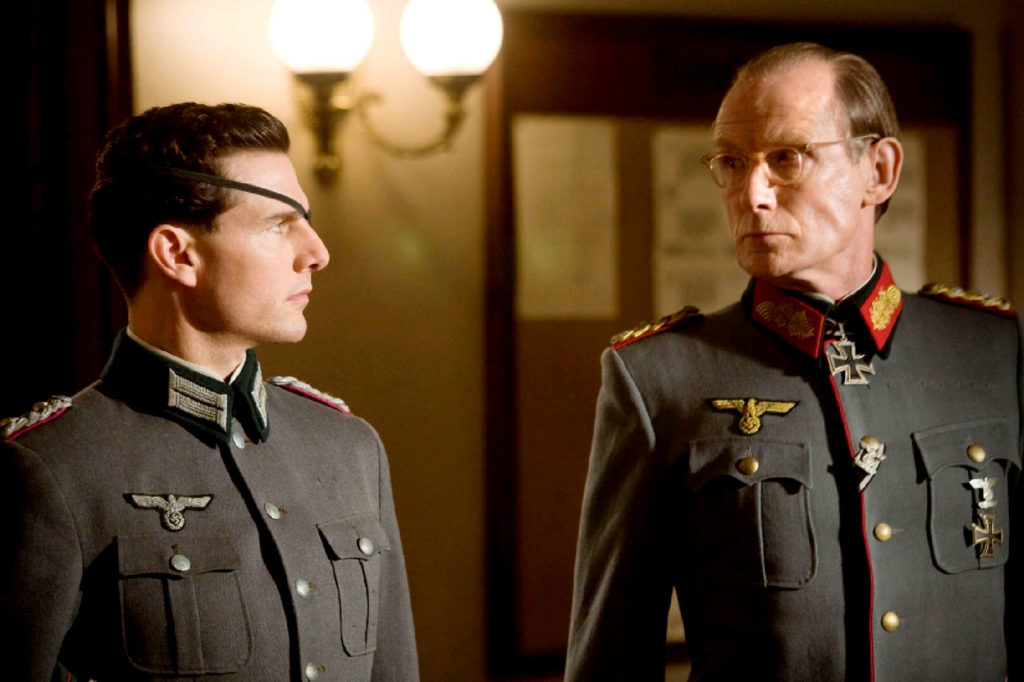
The story is familiar to those who study history. Claus von Stauffenberg, a decorated German officer who kept losing parts of himself (one eye, one arm), was, like most of modern Washington D.C., disgusted with his nation’s leader. Unlike most of D.C., he was willing to do something about it.

At Hitler’s bunker in East Prussia, the Wolf’s Lair, Stauffenberg nudged a briefcase full of plastique under the map table to the edge of the Fuhrer’s kneecaps. He then discreetly left. Another officer, wanting a better view of the movement of the mythical panzer divisions–reinforced, equipped and sped into action across the map—Normandy at one end and the Russian frontier at the other, by Hitler, nudged the briefcase out of his way and behind a support that held the map table up.

The finicky offer painted the wall when the bomb detonated.

The Fuhrer had his pants shredded. Sadly, the explosion did not kill him at all.

Hours later, Stauffenberg was shot, the lucky fellow, unlike other senior officers, Bomb Plot plotters, who were hanged with piano wire, a procedure filmed and played for Hitler’s pleasure.
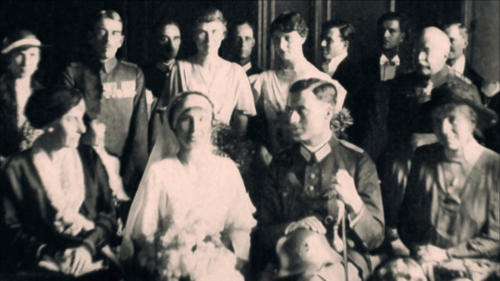
Claus and Nina von Stauffenberg in their 1933 wedding.


Our piano-wire days are not here yet, but we need to be patient. We’re firing already, nicely, on all eight cylinders of Gestapo.


The doomed nationalist, Stauffenberg, was from Baden-Wurttemberg, and so were the ancestors of my beloved Grandma Kelly, whose maiden name (Kircher, from the word for “Church”) was blended with Irish blood, which may have led to two Irish husbands—one Keefe, a charming drunk and a car thief, my biological grandfather; one Kelly, a cop, my real grandfather.
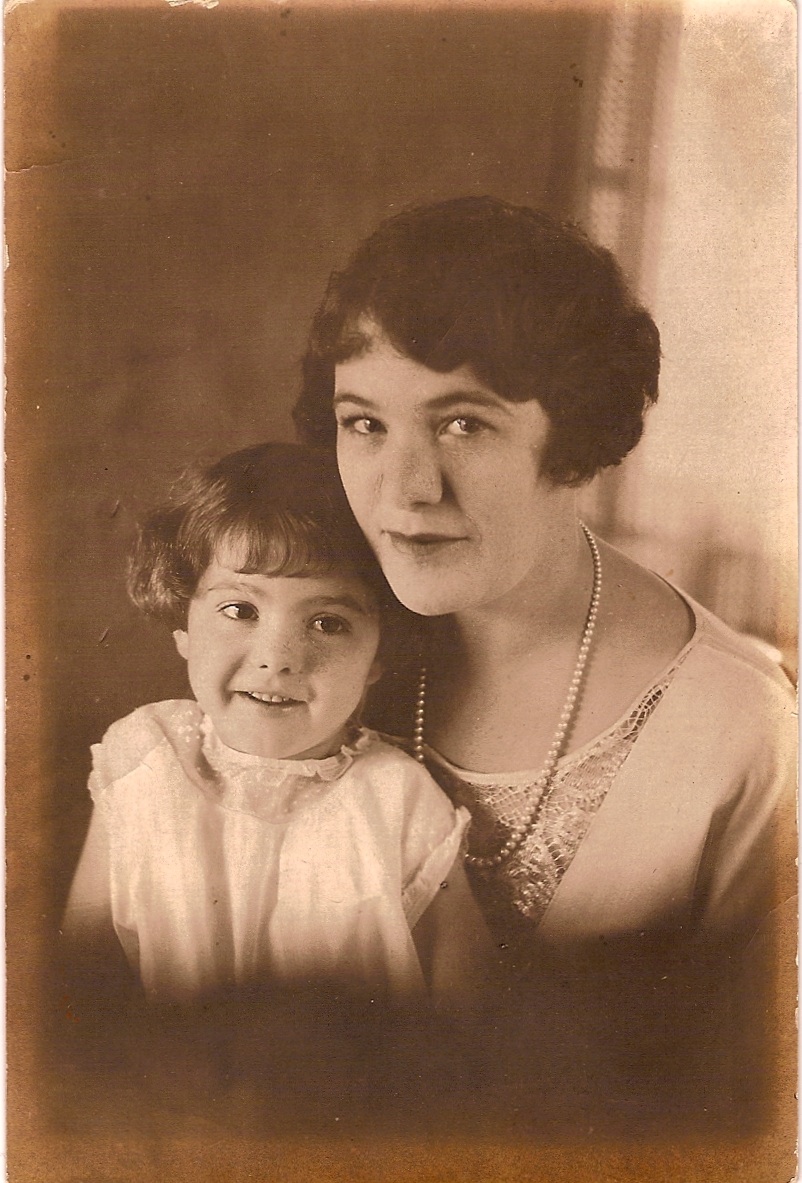
My grandmother and my mother, circa 1925, about when the first Irishman, Ed Keefe, disappeared forever.

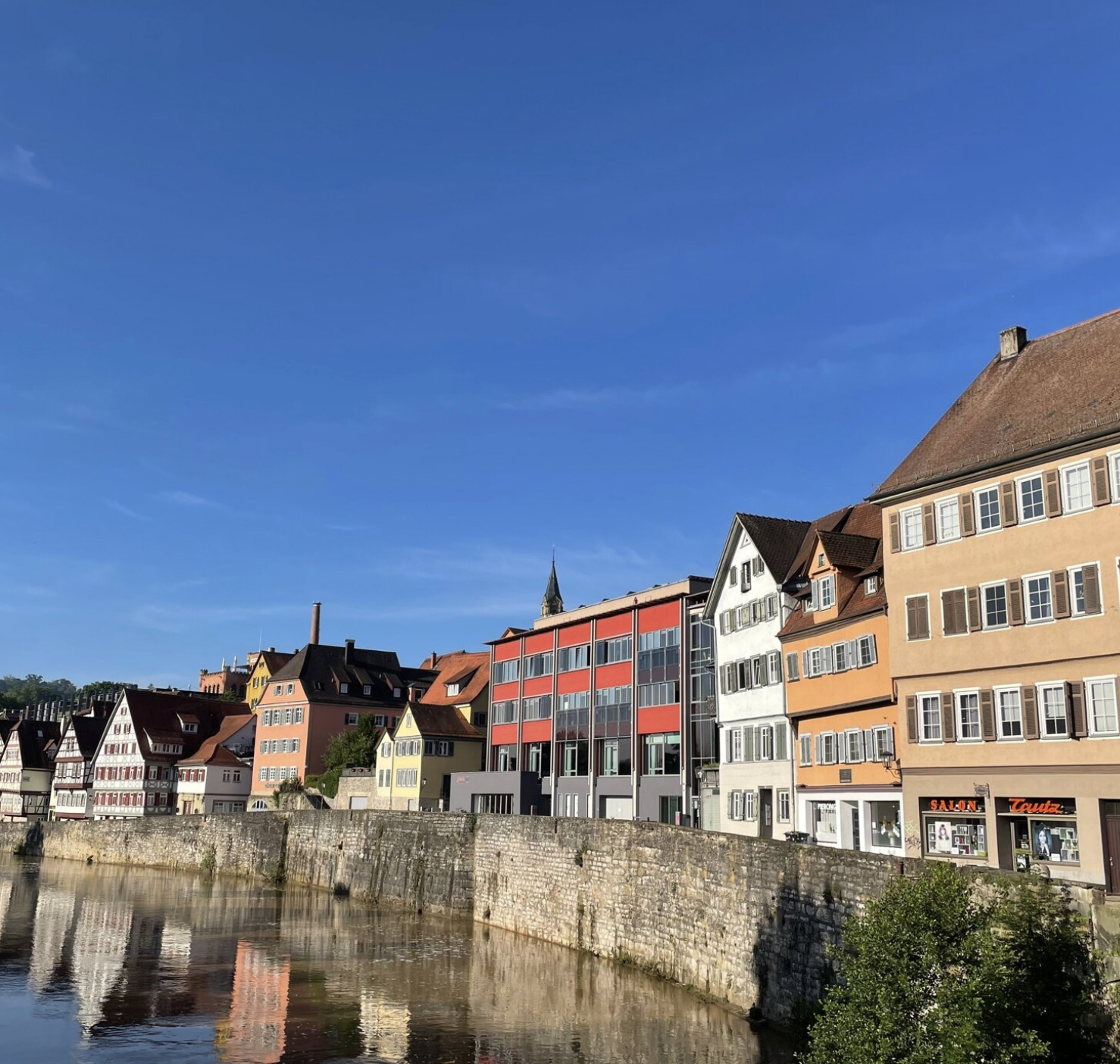
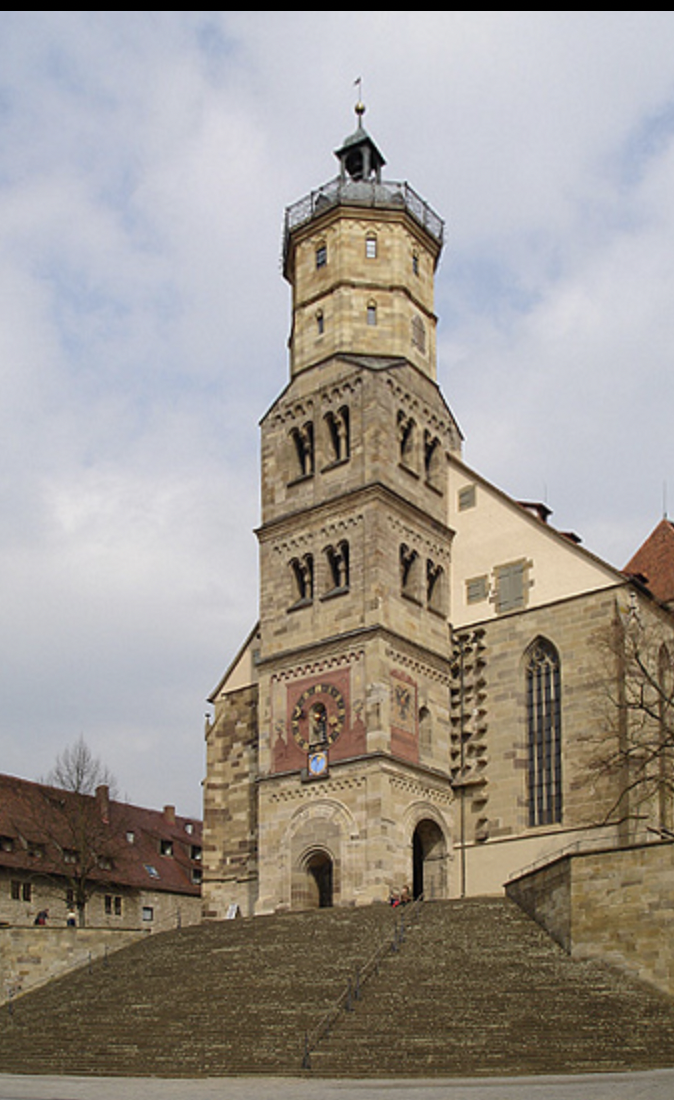
Baden-Wurttemberg, where the bomb plotter and a California gold chlorider (my Grandma Kelly’s father, Michael, who worked in a gold-processing mine and mill now beneath Lake Shasta) is stunningly beautiful.. On the left is the town where the Kirchers lived, until the 1830s; on the right is the Evangelical Lutheran church were Michen, my third great-grandfather, was baptized.
So there’s little chance that Stauffenberg and I are distant cousins. I wouldn’t mind it.

That’s not all. Oh, no.

Hitler was examined intensively after the bomb’s detonation had reduced his pants to crenelated culottes, There was not damage Down There, not that der Pilz des Anführers (“The Leader’s Mushroom”), a term suggested by porn star and Trump couplet and strumpet Stormy Daniels.

But up there? Here’s where I come in. I attended Stanford University.

Okay, for a week.

I studied the history of Depression, New Deal and World War II America with Dr. David Kennedy—an amazing man—who’d written the Pulitzer Prize-winning account of those years, Freedom from Fear. On one of our breaks—all of us high-school history teachers—we toured the Hoover Institute.

To refresh your memory, Hoover accomplished this in the 1932 presidential election (in red).


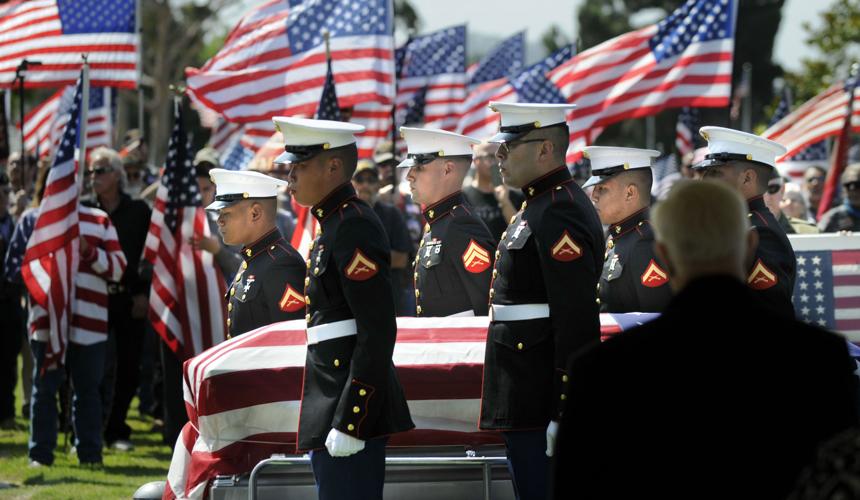
He was succeeded, of course, by some fellow from upstate New York who gave my teenaged father a job in relief work, distributing food to proud Ozark hill people whose starvation, briefly, overcame their pride, who sent CCC teenagers from New York City to Arroyo Grande to reclaim the soil that had been devastated by erosion, whose federal employees built school buildings extant in Arroyo Grande, whose vice president appointed my father to Officers’ Candidate School during World War II, whose tour of Camp Lejeune in December 1944 was guided by a Marine, a motor pool driver, a sergeant, a woman, from nearby Oceano, California, who’d lost her brother two years before on Tarawa.

So there’s all that.

The Murrays are all that. Our alleged president isn’t. He gives us nothing, sacrifices nothing, cares nothing for us, deserves nothing from us.

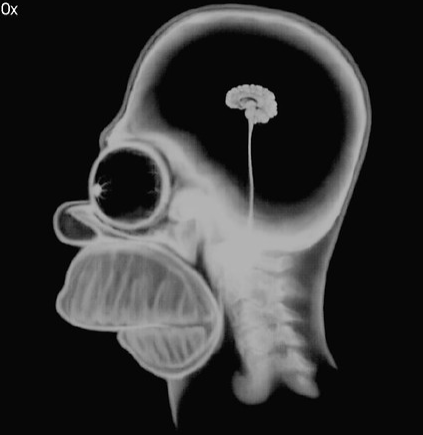
But at the Hoover Institute, an incredible repository, I was allowed to hold the X-ray of Hitler’s skull, taken after the misdirected explosion at the Wolf’s Lair this day in 1944. I have not seen an x-ray of our leader’s skull, but I have seen this one.

What I’ve seen instead, and just in the last few days, are President’ Trump’s ankles. They are grossly swollen, explained away glibly by the latest of his snake-oil doctors, like the one who proclaimed him the fittest man ever to occupy the White House.
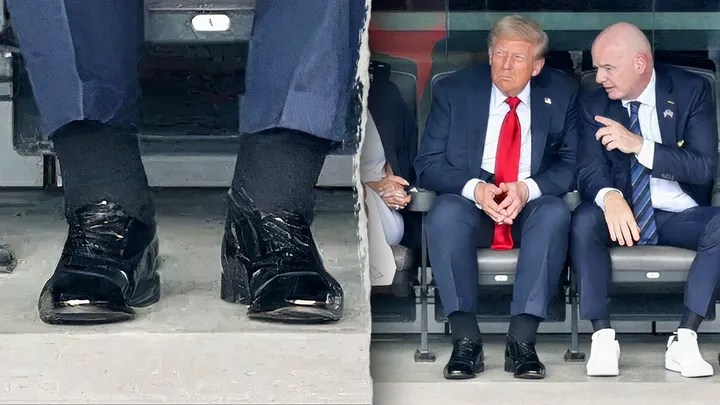
But I’ve learned not to take his doctors’ word for anything. A more hopeful explanation, after a steady diet of Big Macs, incinerated New York steaks, gray inside, and colored only by Heinz ketchup, Kentucky-fried buckets whose grease is wiped clean on the armrests of Air Force One, double Mar-a-Lago helpings of chocolate cake with ice cream—he eats piggishly in front of his guests, allowed slivers of cake—complemented by exercise that consists of driving a golf cart across painfully manicured—by immigrants–putting greens. So there is a good chance that those bloated ankles portend congestive heart failure.

And, with God’s help, and may it be soon, the arteries that supply his heart and his brain will collapse.

He will not die for awhile.

He will stare, silent and furious, just as Stalin did at his Inner Circle after his stroke—many of them were soon the be shot at the Lubyanka, the secret police slaughterhouse in Moscow—at the the White House eunuchs who’ve abetted his every aberrant behavior, most of all the predatory ones, and they will have nothing for him, nothing to save him from the drowning his cruelty has earned him.

The cruelty he’ll leave behind is vast and invasive. The healing will take years. The war that lies ahead of us will be the hardest we have ever fought. To fight it, we need to look beyond ourselves.
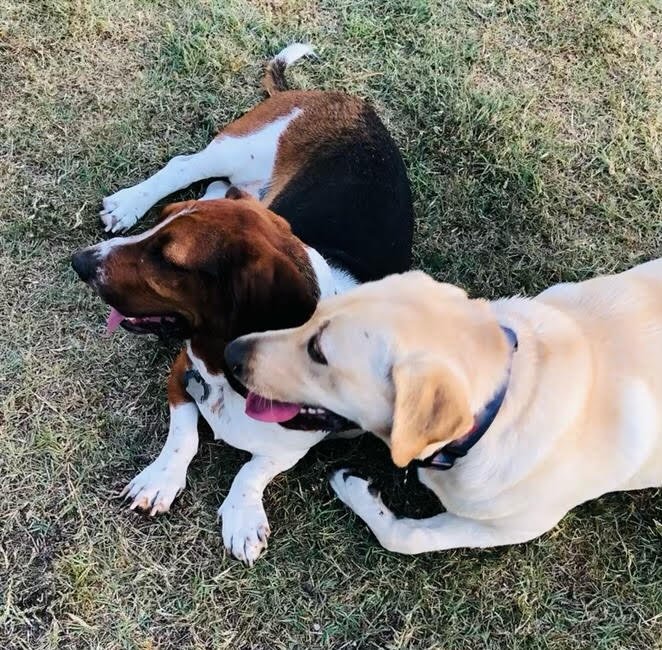
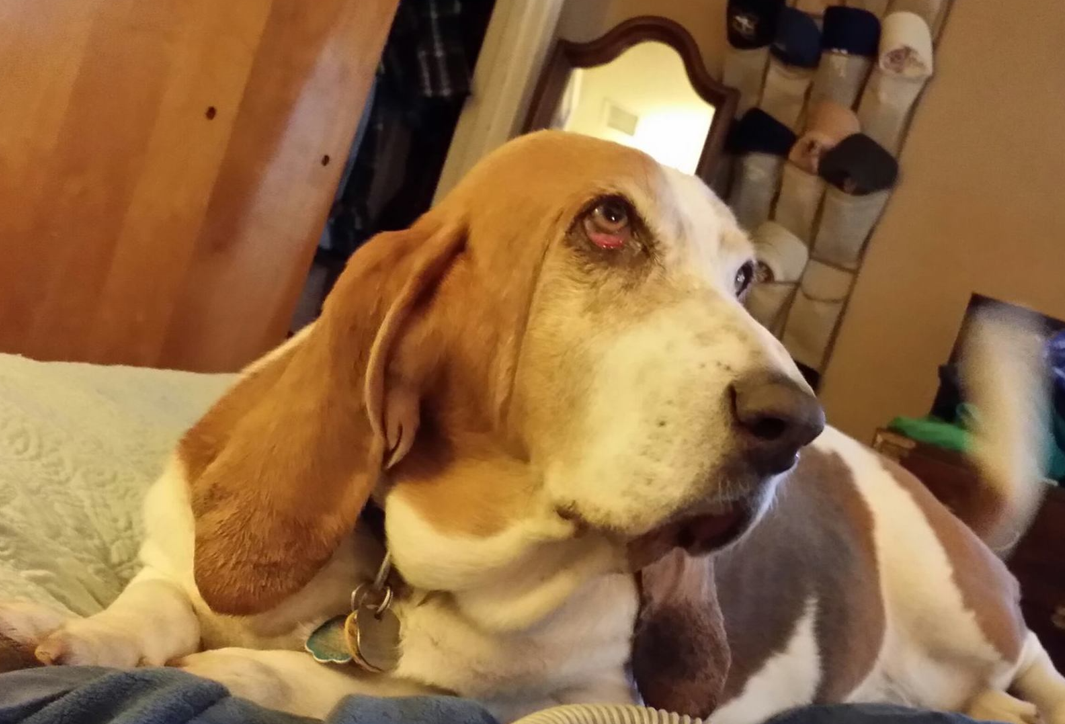
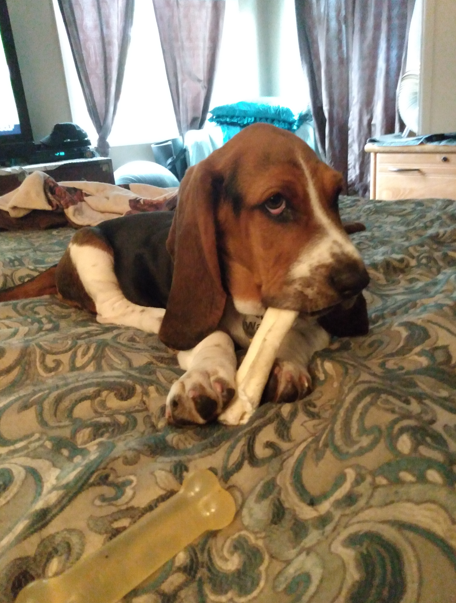
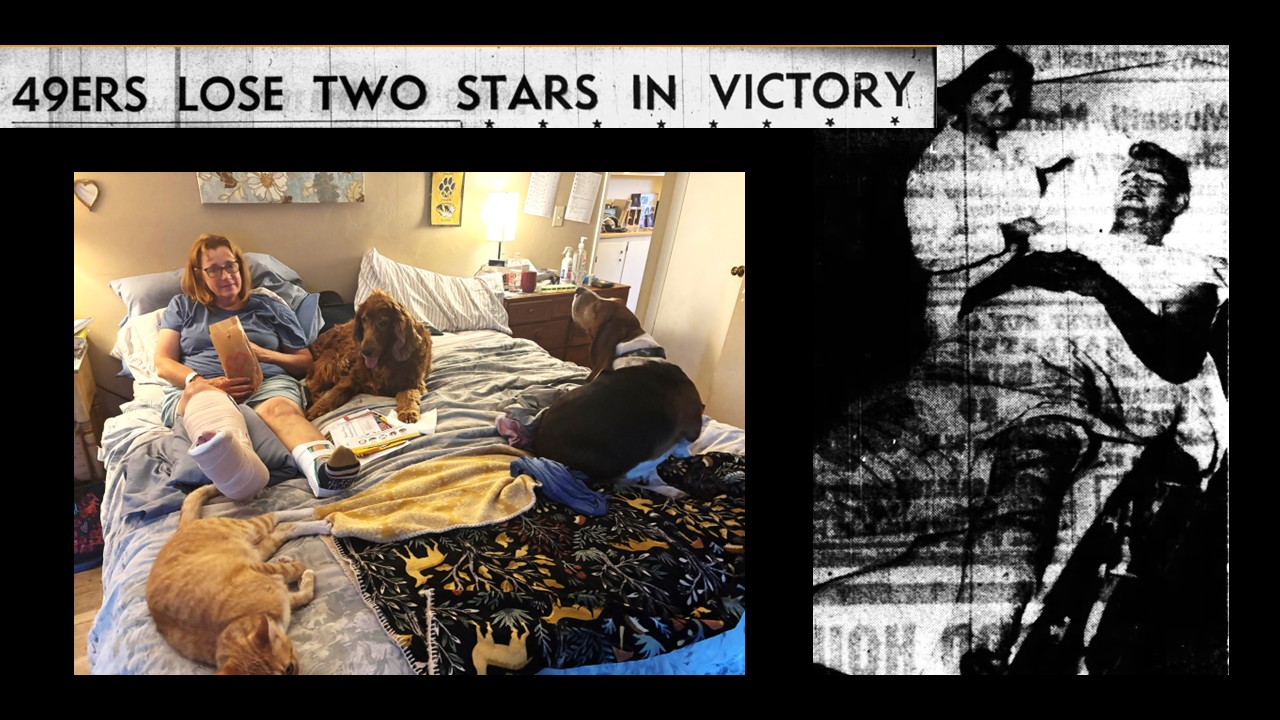
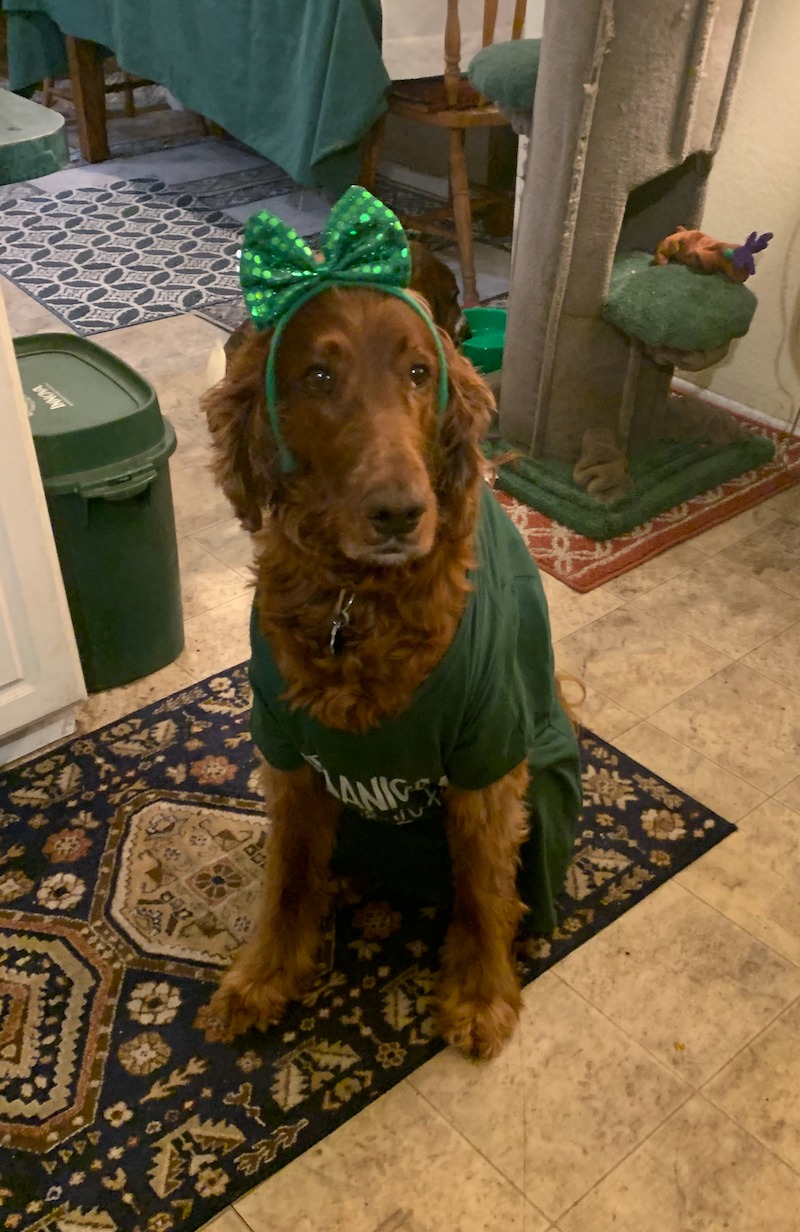
Just another day at La Casa de Gregory

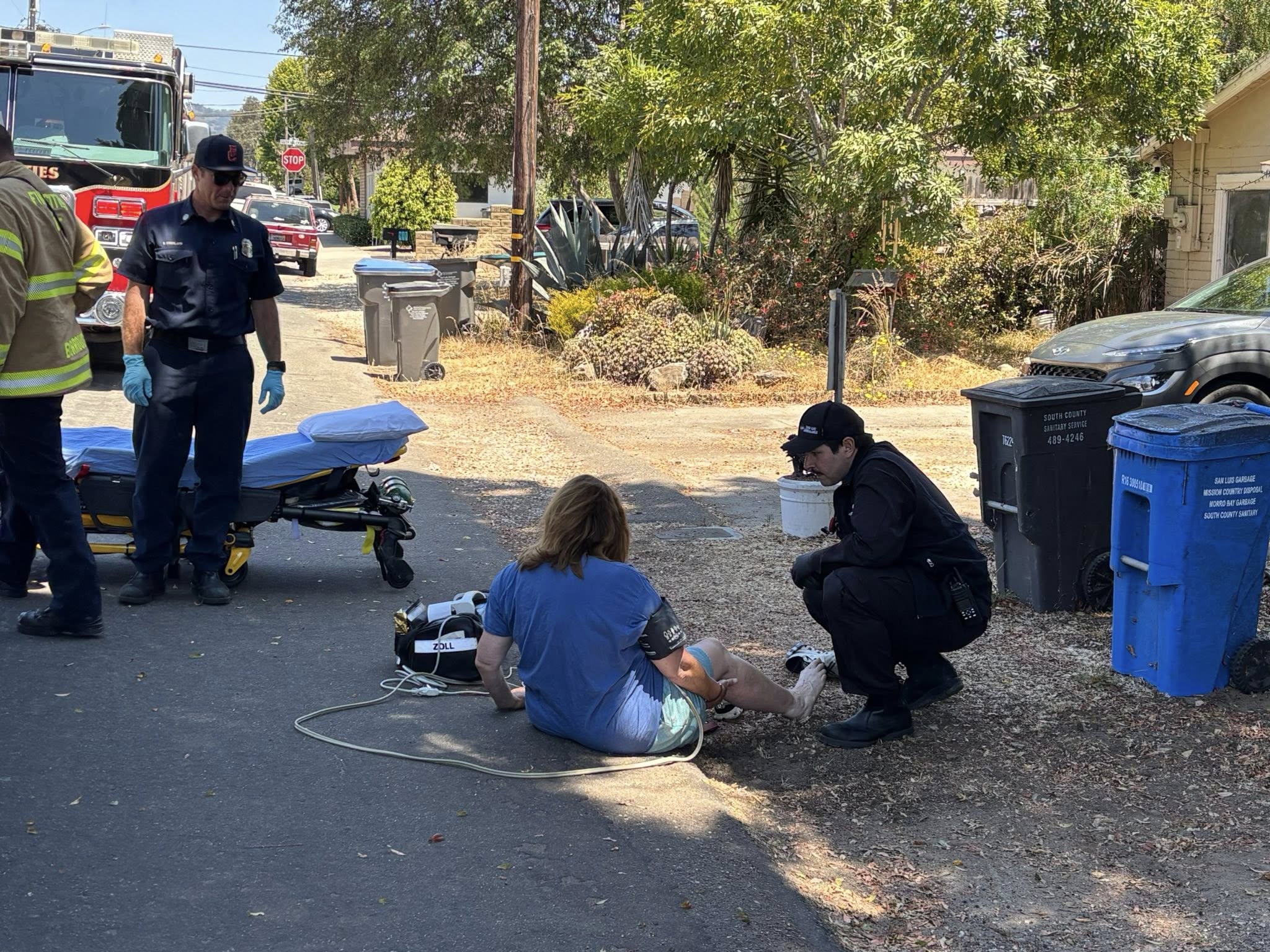
We brought Elizabeth home from the hospital this afternoon with one sprained and one broken ankle. It was a team effort: Brother-in-law Rick, sister-in-law Evie, #2 son Thomas, cheering by sister Sally and niece Becky. Thank the Lord.

I was about to work out when she called. She’d fallen on Dodson Way. Oh, crap. Was it the knee she shattered a year ago? Nope. Ankle(s).

When I arrived, some nice Dodson Way people were minding the dogs and comforting Elizabeth until the ambulance and the fire truck, whose sirens we could hear from WAY off, arrived.

They said you could hear the final artillery barrage on July 3 at Gettysburg in Harrisburg,, Philadelphia and Baltimore. The sirens reminded me of that.

Four cute young men took care of her.

The ambulance guys were very solicitous. I asked one if Frank Kelton still owned the ambulance company. We were altar boys together at St. Barnabas. Nope, the ambulance guys replied. Frank’s retired, but his son is the boss now.

$3500 for the ambulance? one cute young man asked. Or, your husband could drive you to the ER.

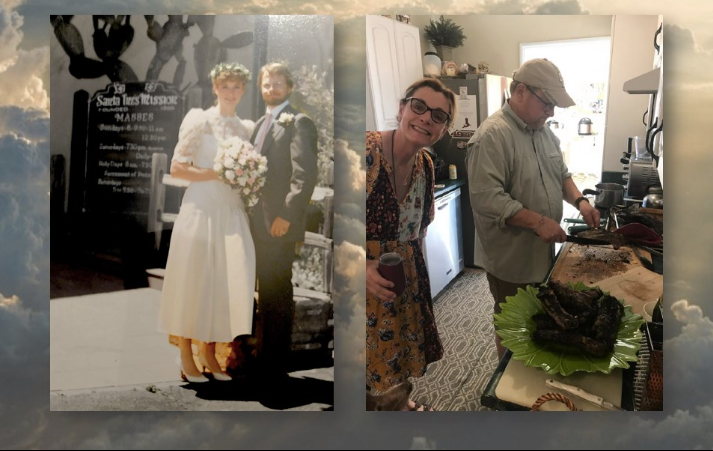
Two crazy kids, 1986 and 2021.

We chose the latter.

So I pull up to the AG Community Hospital with one wife in pain, one Irish Setter and one Basset Hound. I dash inside.

Dash, dash dash.

They point me to a wheelchair.

Wheel, wheel, wheel.

STAY, doggies!

I take Brigid and Walter home. Then I change out of my stinky gym gear into a nice shirt and shorts. I hear the front screen door click.

Sprint, sprint, sprint.

Brigid is in the front yard, doing puzzled orbits. She looks like she’s about to take off. Maybe, she’s thinking, there are ducks nearby for me to find?

NO! I shout. She stops. IN THE HOUSE! She obeys.

Wait. Didn’t we have TWO dogs? Confirmed. So this is what I do next:

WALTER!

Walter?

Walter Walter Walter Walllll-ter?

Repeat 17 times.
He’s not in front. He’s not in back. He’s not at his girlfriend Millie’s at the end of the block.

WALTER? Okay, I’m almost sobbing.

Walter and Millie. True love.

Meanwhile, my wife is in the ER. Without me.

I walk again to the end of the block. Then to the other end. Then I get in the car and circumnavigate Fair Oaks two and a half times.
I come home, defeated and disconsolate. Then I knock on Jim, our next-door neighbor’s door. Walter was there all along.
Basset hounds are notoriously stubborn. And selectively deaf.

But to give you an idea of what Basset hounds mean to me, I smoked a pack of cigarettes in the two days after Wilson, our first Basset, died. I hadn’t smoked in forty years. That’s Wilson, at left, and Walter, puppyish, on the right.

But I had to slap on after-shave and squeegee on deodorant. Back to the hospital.

The receptionist suggests politely: “Your wife’s credit card isn’t going through. Would you like me to try it again?”

A few minutes later: “Would you like me try it again?”

I’m flop-sweating now, because I was going to go to SESLOC to get a new credit card for the one I think is lodged somewhere in the washing machine. We had no backup credit card, and, true, we have a debit card, but it was already $187 overdrawn.

“Would you like me to try it again?” She was so nice about it.

Fourth time. It worked. “The problem was on our end,” she admitted. I was so nice about it.

When we got home, we found out that the card had, indeed, been charged four times.

I thought about telling them that Dr. Cookson, who founded the hospital, was my doctor when I was little, but the Frank Kelton story didn’t go over all that well, so I held my tongue.

As I did when they kept calling out a woman named Maria in the waiting room. I had to put my hands around my own neck to keep from belting out “Maria” from “West Side Story.”

Getting home was as painful for Elizabeth on crutches and a borrowed wheeliemajig . Thank goodness, Thomas had made dinner. It just took awhile to get Elizabeth inside so she could enjoy it.

We got her situated in the same bed where she’d lived for so many weeks last summer with the shattered kneecap.

Winston the Cat, Wilson the Basset and Brigid the Irish Setter all squeezed in close to Mom.

Elizabeth broke her right ankle. In a game against the Steelers, her dad broke his left ankle.

Brigid has occasional seizures and the medication prescribed her sometimes makes her forget what her hind end is doing.

Yup. She forgot.

Brigid, looking perplexed on St. Patrick’s Day.

To give you an idea of how wet the bed was, I will have to refer you to Pharoah’s army getting drownded in Cecil B. DeMille’s 1956 “The Ten Commandments,” which the four-year-old me saw at the Fair Oaks. The struggling horsies [SEE: Jim Morrison, the Doors, the song “Horse Latitudes,” which includes the line “Mute nostril agony”] forever traumatized me, although not quite as much as Bambi’s mother.

That much pee.

So I/we changed the sheets.

Change, change, change.

Do you feel a wet spot?

Yes.

Do you feel a wet spot?

Yes.

I think we have it all.

Wait. She got this pillow, too.

* * *

Just another day at La Casa de Gregory.

The Arroyo Grande Valley and its People

Tags

, , , , , , , , , , , , , , ,

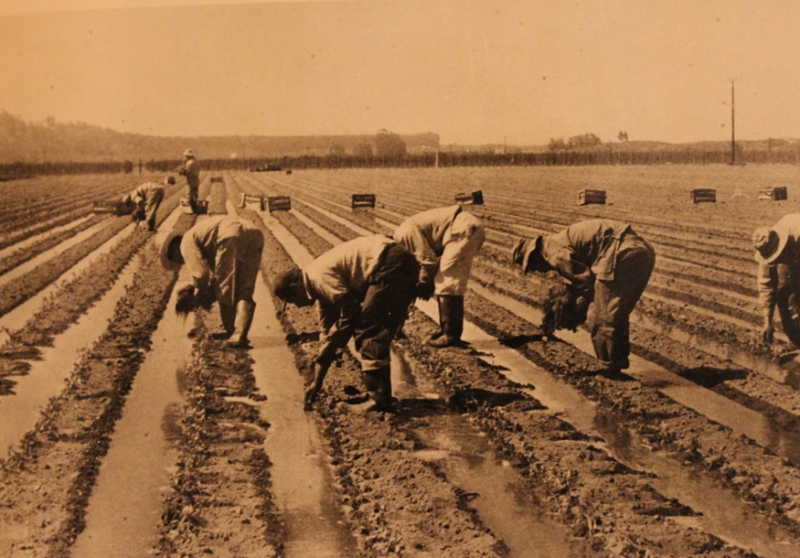
Japanese American farmworkers planting seedlings in the Lower Arroyo Grande Valley. Pismo-Oceano Vegetable Exchange.

It’s just a first draft, and it’s not Hollywood Production Quality. But this presentation draft, to be given in final form next Saturday, is still very close to my heart.


“Unfit to be the ruler of a free people.”

Jefferson’s document has inspired similar declarations by France, Israel, Haiti, Mexico, Venezuela, Kosovo, Chile, Liberia and Vietnam. Maybe it’s time we took it back. The majority of the 1776 document is taken up by grievances justifying revolution against tyranny. Here are some examples:

He has refused his Assent to Laws, the most wholesome and necessary for the public good.

He has instead advocated laws that endanger the health and safety of the public.

He has forbidden his Governors to pass Laws of immediate and pressing importance, unless suspended in their operation till his Assent should be obtained; and when so suspended, he has utterly neglected to attend to them.

He has interfered in the jurisdiction of his Governors in matters of maintain domestic peace, substituting, against their will, armed Guardsmen in the place of local police.

He has refused to pass other Laws for the accommodation of large districts of people, unless those people would relinquish the right of Representation in the Legislature, a right inestimable to them and formidable to tyrants only.

He has advocated punitive measures against large states whose votes he could not win, has harassed them with lawsuits, has withheld public funds that were their due.

He has called together legislative bodies at places unusual, uncomfortable, and distant from the depository of their public Records, for the sole purpose of fatiguing them into compliance with his measures.

He has set capricious deadlines for the passage of a voluminous, arcane and deceitful bill, fatiguing Senators into compliance with its passage.

He has endeavoured to prevent the population of these States; for that purpose obstructing the Laws for Naturalization of Foreigners; refusing to pass others to encourage their migrations hither, and raising the conditions of new Appropriations of Lands.

He has erected walls and let loose secret police forces on foreigners whom he refuses to naturalize, notwithstanding their proven benefit to the economies of the states and the capitalists therein.

He has obstructed the Administration of Justice, by refusing his Assent to Laws for establishing Judiciary powers.

He has subjected the judiciary to denigration and harassment, even to veiled threats of harm, in an effort to discredit them in the eyes of the people.

He has made Judges dependent on his Will alone, for the tenure of their offices, and the amount and payment of their salaries.

He has subjected judges and legislators who defy his Will to arrest and public humiliation.

He has erected a multitude of New Offices, and sent hither swarms of Officers to harass our people, and eat out their substance.

He has used ICE  and DOGE to intimidate both the people he is sworn to govern and to punish those who serve the government with faith and diligence.

He has kept among us, in times of peace, Standing Armies without the Consent of our legislatures.

He has mobilized state militia and Standing Armies—the Marine Corps– given them no clear mission and deployed them, at great public expense, without the Consent of state and municipal authorities.

He has effected to render the Military independent of and superior to the Civil power.

He has subverted the authority of the Los Angeles Police Department, a civil agency, with armed militia and Marines

For Quartering large bodies of armed troops among us:

For quartering armed troops in civic buildings maintained by states and/or municipalities; they are subjected to primitive and debilitating conditions therein.

For cutting off our Trade with all parts of the world:

For imposing capricious and nonsensical tariffs on foreign trade partners in the naïve belief and the constant assertion that it is foreigners who will actually pay those duties.

For imposing Taxes on us without our Consent:

And for relieving the wealthiest among us of their share of the burden of Taxes.

For depriving us in many cases, of the benefits of Trial by Jury:

For the increasing use of arbitrary arrest and secret confinement, practices which subvert the tradition of Due Process of Law.

For transporting us beyond Seas to be tried for pretended offences:

For rewarding, from the Public Treasury, foreign dictators who incarcerate, without trial, those accused of pretended offenses.

In every stage of these Oppressions We [through our elected representative and through civic gatherings] have Petitioned for Redress in the most humble terms: Our repeated Petitions have been answered only by repeated injury. A Prince, whose character is thus marked by every act which may define a Tyrant, is unfit to be the ruler of a free people.

The Vanished

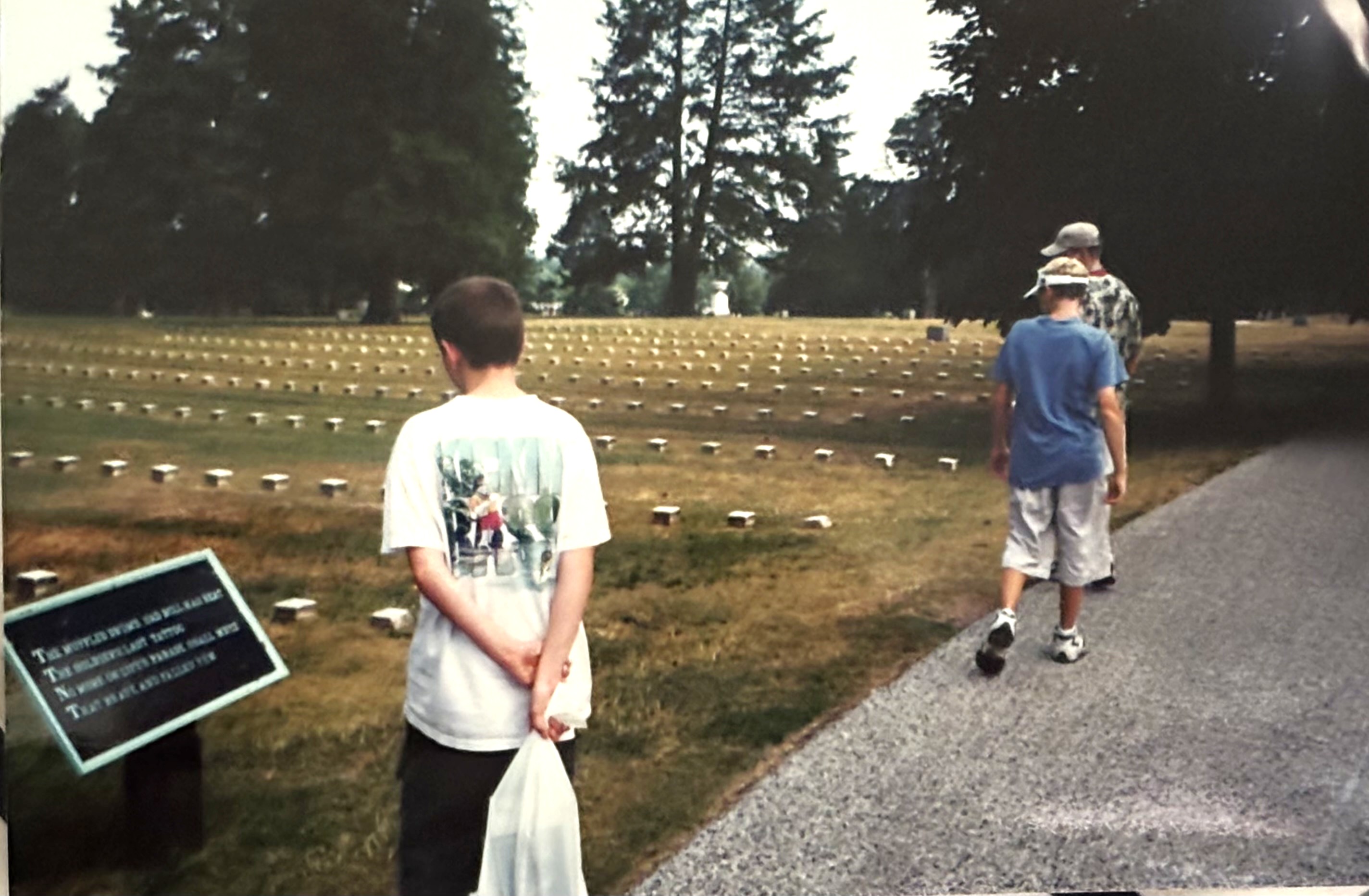
My sons and I at Gettysburg, 2000. The graves are marked only by numbers. The names will never be known.

July 1-3, the days when Gettysburg was fought in 1863, never fail to move me. When Elizabeth and I took our sons to the battlefield in 2000, I’d read so much, from little boyhood, that we didn’t need a guide. With one exception—Culp’s Hill—I knew where we were and what had happened there: This was where Buford’s cavalry held the Confederates off until reinforcement could arrive. This was Little Round Top, where the 20th Maine turned back a flanking movement on July 2 and essentially saved the Union. That, in the distance, was the copse of trees that was the target point for what came to be called Pickett’s Charge. That was the door that failed to stop the bullet that killed Jenny Wade when she was in the kitchen baking biscuits for her sister.

Death in the American Civil War changed death itself.

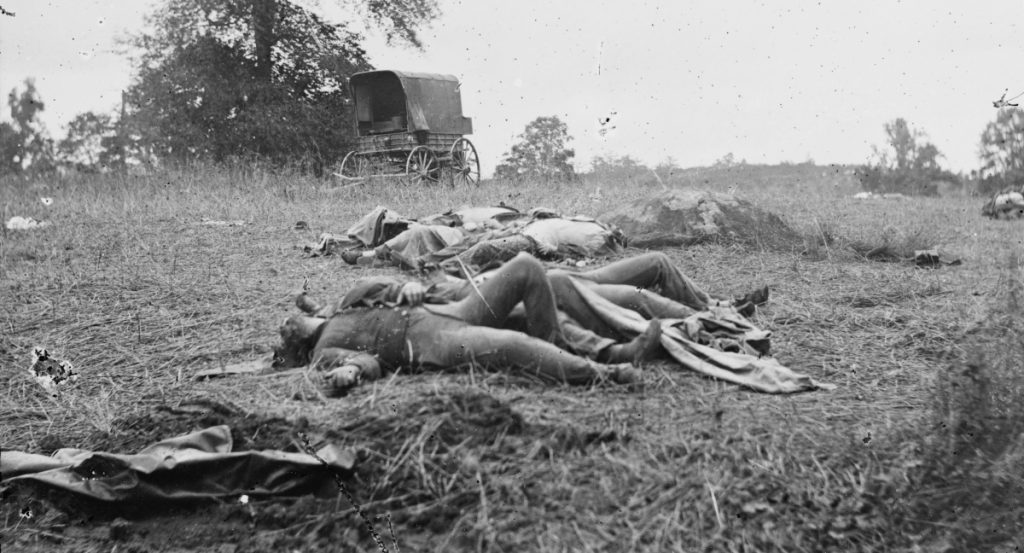
Confederate dead at Gettysburg. A third of Lee’s army marched into Pennsylvania barefoot. Had these been Union soldiers, their shoes would’ve been missing.

I say this because of the magnitude of deaths. The traditional figure was always 620,000, but Cliometricians, historian who specialize in statistical analysis, have now put that figure at 750,000. The modern equivalent would be eight million dead Americans.

Before the war, death had been familial and familiar. There is a marvelous scene in the film Places in the Heart, set in the 1930s South, that replicates the old way of dying. Sally Field plays a character whose husband, the county sheriff, is accidentally shot dead by a young Black man. Friends carry his body into the family home, where it’s laid gently down on the biggest surface—the dining room table, covered by a sheet—and friends and relatives gently wash the the body and dress it again in Sunday clothing.

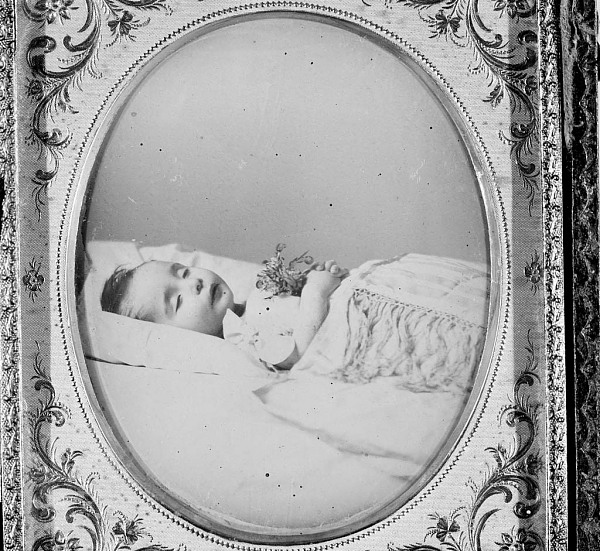
In antebellum America and in Western Europe, death had become so ritualized that a popular practice was “death daguerreotypes,” especially of children, like the one below. This was actually reflective of a newfound attachment to children, who had been treated brutally in early modern Western history. Farmers made the attachment between parent and child more intimate: more and better food meant that most children lived longer and that their parents were more likely to love them. The photographs show, indeed, that they didn’t want to let their children go.


The Civil War meant something new and terrible. The children—some soldiers as young as fifteen—couldn’t be photographed. They couldn’t be found. For the first time, development in weaponry, including high-explosive artillery shells, meant that soldiers simply disappeared. And armies on the move sometimes had no time to bury their dead. As Union soldiers advanced into the trees and scrub of The Wilderness in 1864, the skulls of their comrades, killed the year before at Chancellorsville, now uncovered, leered at them in macabre welcome.

So for soldiers like these, there was no funeral to be had, no body to wash, no chance to say goodbye.

It’s not a coincidence that the war generated the spiritualist movement, with grieving parents attempting to communicate with the Other Side, with their boys, at seances. Sadly, most of them were conducted by charlatans. Another example of this kind of callousness is this postwar photo of Mary Lincoln. The photographer has created a double exposure to convince the widow that her husband is still with her.

As much as the war itself fascinates me, its emotional impact in the years after was far-reaching and tragic. Many veterans became addicted to alcohol or morphine. Two-thirds of the inmates in American penitentiaries in 1880 were Civil War veterans. One source puts the suicide rate among active-duty soldiers at about 15 per 100,000. In the year after war, among veterans the figure doubled.

The war’s emotional impact on civilians was just as far-reaching. There would be, for so many families, no reunion, and the lost chance to say goodbye marked families for many years after. Sometimes this pain was so grievous that it was passed down to generations a century or more beyond Civil War battlefields.

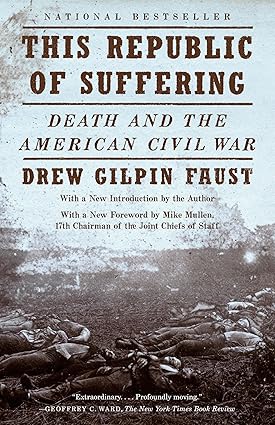
An extraordinary book about the war’s emotional impact is This Republic of Suffering, by Drew Gilpin Faust. Faust later became president of Harvard, and Jordan Hayashi, one of our AGHS grads, Harvard ’16, played a piano recital in Faust’s home during his student days there.

Sophie’s Choice

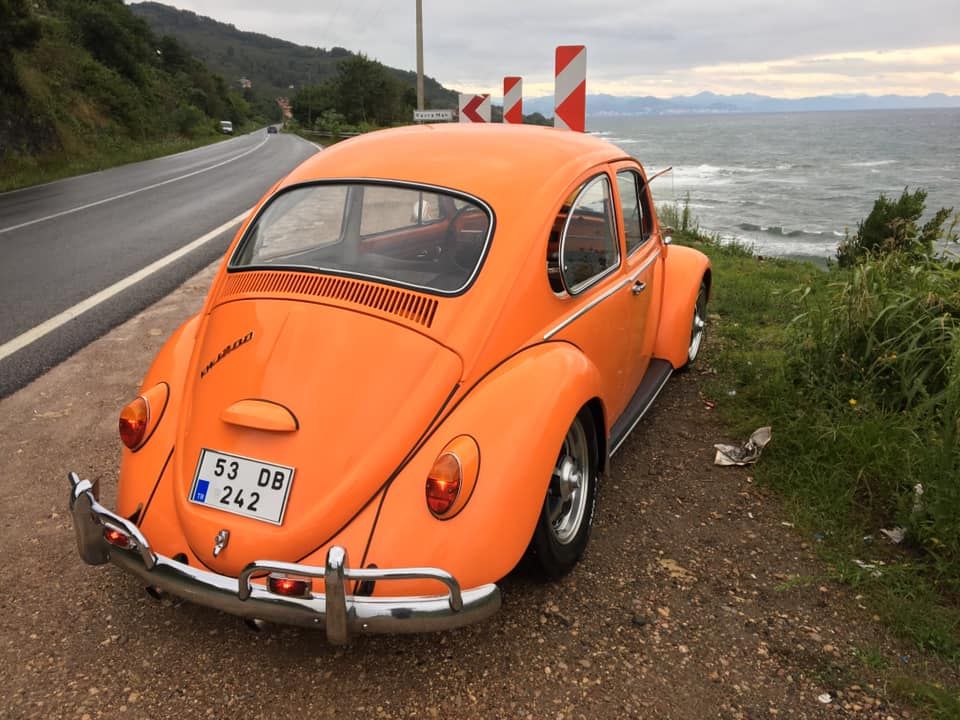
I saw an orange VW Beetle today and came completely unraveled. In March 1969, when I was a junior at AGHS, waiting for the bus home, our neighbor Cayce Shannon offered me and our friend Carolyn Kawaguchi a ride home. We all lived in the Upper Valley and all of us were Branch School kids. Almost relatives, because we went back so far, even, in my case, as a sixteen- year-old. Nothing could be cooler than riding in the orange Beetle, and with Cayce, a wonderful young man who became an elementary school teacher. I think we laughed a lot, the three of us, on the short drive home.

It was after Cayce had dropped me off that I found my mother dying on the living room sofa. I called the ambulance. It got lost. By the time they got her to the hospital, Patricia Margaret Keefe, named for two ancestors, Famine refugees from Wicklow, had left us.

I believe what happened today was what psychologists call a “flashback,” where you feel as if you’re actually reliving a trauma, and this one from fifty-six years ago. What happened today has never happened to me before. I was literally numb for several hours and am still cobwebby.

And then this happened: A former student named Sophie, Dublin-born, wanted suggestions for learning more about Irish history. (Sophie, as you can see, is beautiful. It was difficult for the boys in her section of AP European history to focus on their lessons.) She is also extremely bright and just the right amount of saucy. She was a delight to teach.

She is a delightful human being.

So when she asked for a little help, I plunged into it with my usual reckless abandon and came up with a four-page list of suggestions: books, films, and, immodestly, my own blog posts, in the link below.

It should be obvious that Sophie’s choice—apologies to the late novelist William Styron—to ask me for history guidance moved me very deeply.

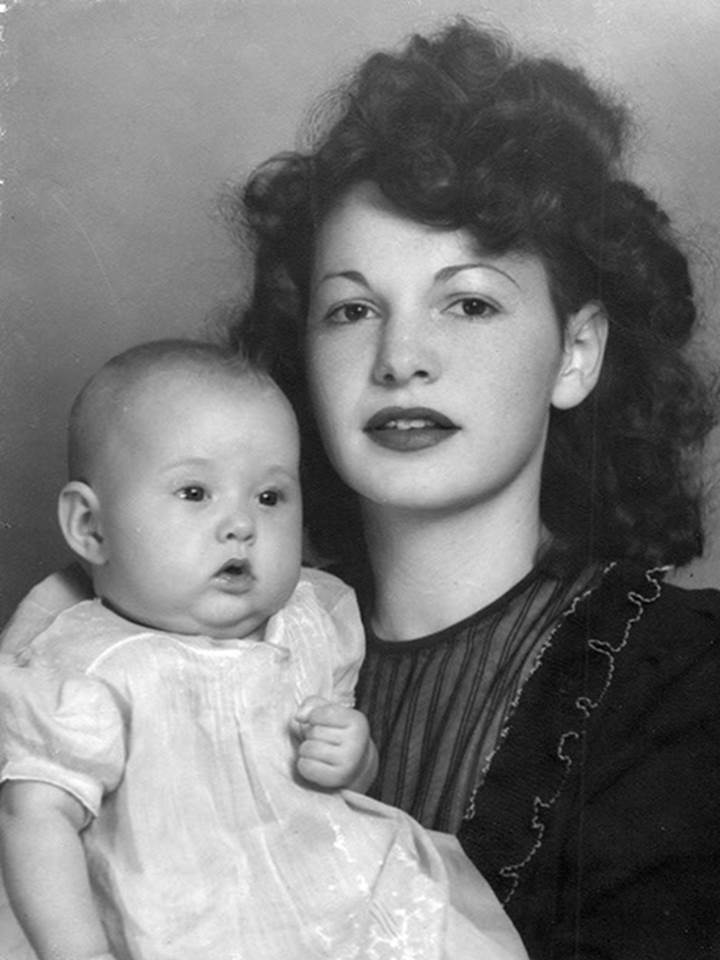
I hope it’s okay that I share this picture of Sophie and of another lovely Irish-descended girl—my Mom. She is twenty-two in this photo, holding my big sister Roberta.

The young woman on the left made me feel better. I believe to the bottom of my heart that the young woman on the right sent Sophie to me today.

Irish v. Irish

Tags

, , , ,

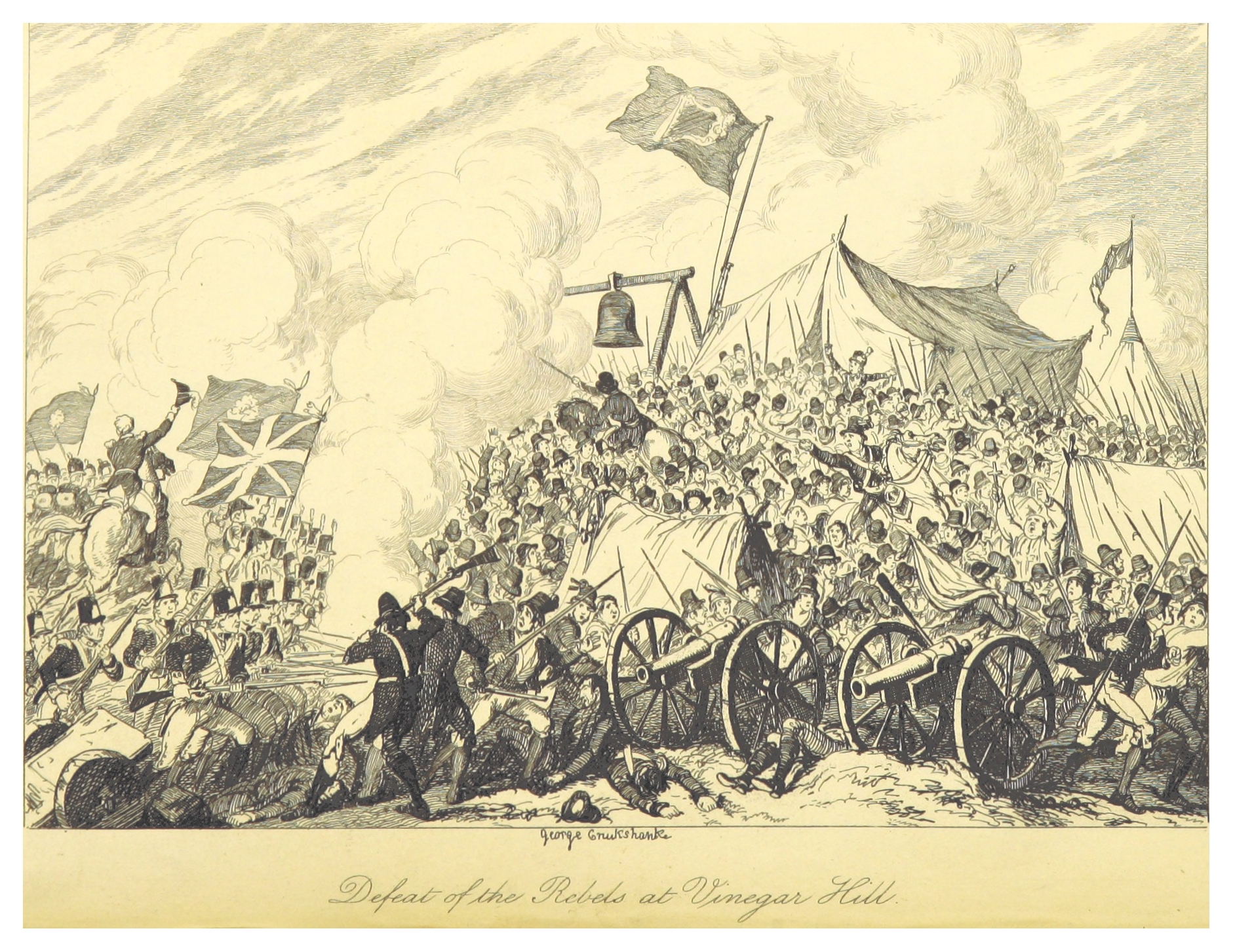
Today is a sad day for Irish nationalism. The culmination of the Wolfe Tone rebellion in 1798—planned with the hope that the French would intervene against England—was a humiliating defeat at the Battle of Vinegar Hill, June 21, 1798. The illustration below, by an artist George Cruikshank, depicts the defeated Irish (1,200 dead and wounded to England’s 100) and they are terrified. Justly so. British soldiers were disciplined, trained with brutality, and so remorseless. The Americans, twenty years before, had the magic formula, including foreign help, which the French provided—but half-heartedly—to the rebels like those who died that day.

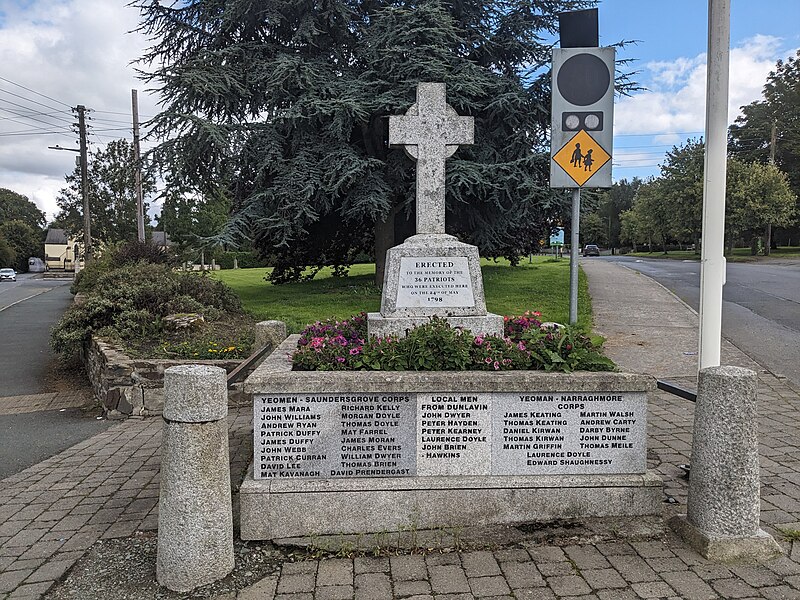
The month before, in what was called the Wolfe Tone rebellion, after its nationalist (and Protestant) leader, firing squads executed thirty-six suspected rebels, in front of their families, on the village green in Dunlavin, County Wicklow. Wicklow is where my ancestors came from. Twenty years after the firing squads, St. Nicholas Church (below) was completed. This is where my third great-grandfather, Hugh Keefe, was baptized in 1821. The church faces the Dunlavin green and the memorial to the executed.

The executioners, as it turns out, weren’t English at all. The Yeomanry was the Irish paramilitary group, allied with England, that did the deed that day in May 1798. This pattern would continued for over a hundred years. The memorial below, from the 20th Century, is in County Kerry, where our friend Sister Teresa O’Connell is buried

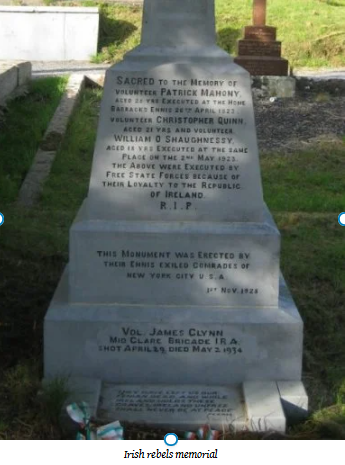
This is what I wrote about this memorial in Sister Teresa’s cemetery:

Maybe it’s typical that this memorial was made possible by expatriates, Irish living comfortably and happily distant in New York. What it commemorates might be too painful to remember for the people who live in Ennis today. The four Irish Republican Army men cited on this monument were killed in the Civil War that followed the Republic’s creation, but not by the English. Three of the four were shot by firing squads made up of fellow Irishmen during the Civil War of 1922. Two were eighteen years old. They were Republicans executed by soldiers of the Irish Free State, the government that shot three times as many Irish revolutionaries in 1922 as the English had during the rising of 1919-1921.

One of the eighteen-year-olds wrote this on the eve of his execution:

Home Barracks, Ennis

Dearest Father,

My last letter to you; I know it is hard, but welcome be the will of God. I am to be executed in the morning, but I hope you will try and bear it. Tell Katie not to be fretting for me as it was all for Ireland; it is rough on my brothers and sisters–poor Jim, John, Joe, Paddy, Michael, Cissie, Mary Margaret–hope you will mind them and try to put them in good positions. Tell them to pray for me. Well father, I am taking it great, as better men than ever I was fell. You have a son that you can be proud of, as I think I have done my part for the land I love. Tell all the neighbours in the Turnpike to pray for me. Tell Nanna, Mary and Jimmy to pray for me, Joe, Sean, Mago, Julia, Mrs. Considine and family, also Joe McCormack, the Browne family, my uncle Jim and the Tipperary people which I knew. I hope you will mind yourself, and do not fret for me. With the help of God I will be happy with my mother in Heaven, and away from all the trouble of this world, so I think I will be happy...

Dear father, I will now say goodbye – goodbye ‘till we meet in heaven.

I remain,
Your loving son,
Christ
ie

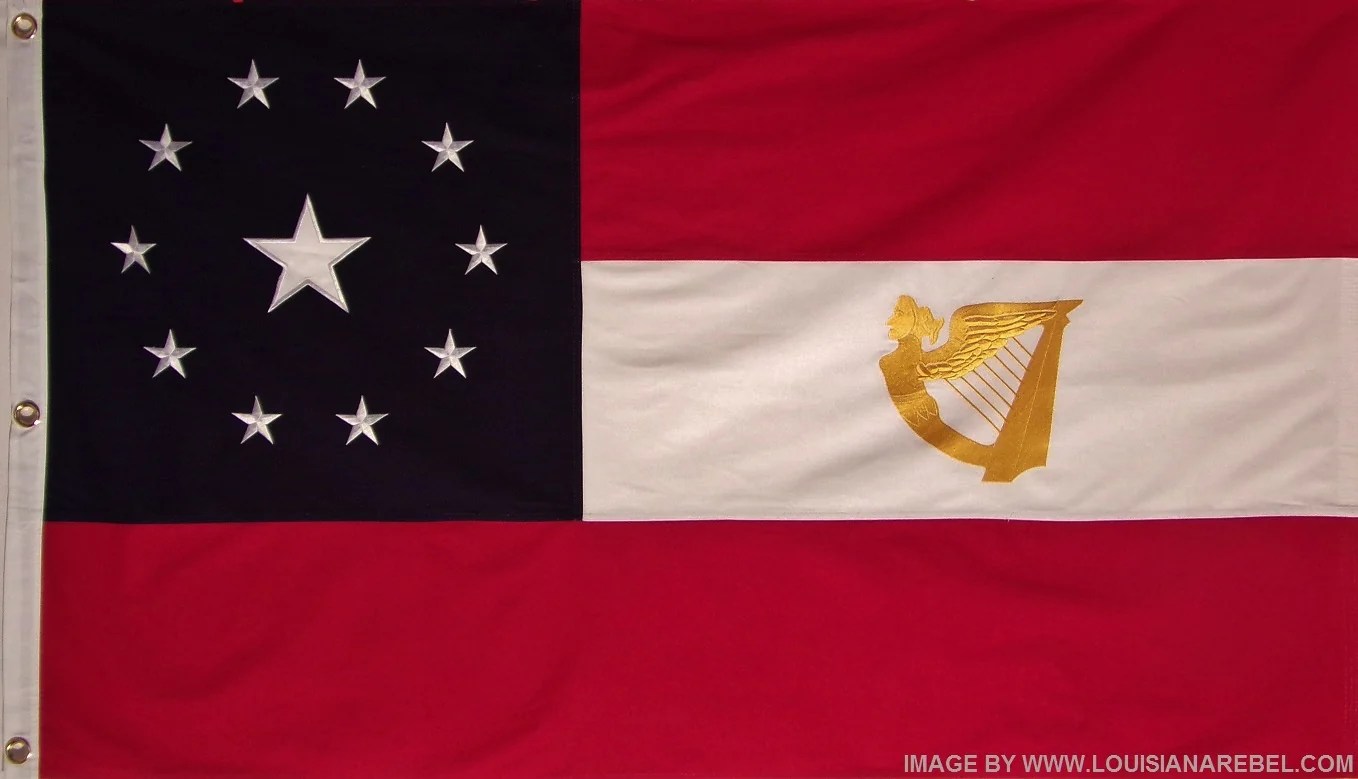
An Arroyo Grande resident, buried in our cemetery, fought in the 24th Georgia, recruited and raised in counties dense with Irish immigrants. There was a gold Irish harp on the 24th’s flag.

In December 1862, the Irish in the 24th repeated the terrible pattern from 3,000 miles away, from their homeland. This is what about I wrote about them and the Battle of Fredericksburg, transmuted into a short video.


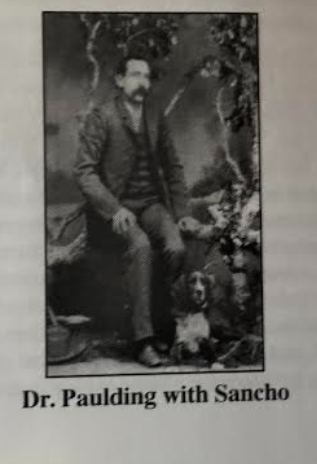
Dr. Paulding and Sancho the Dog

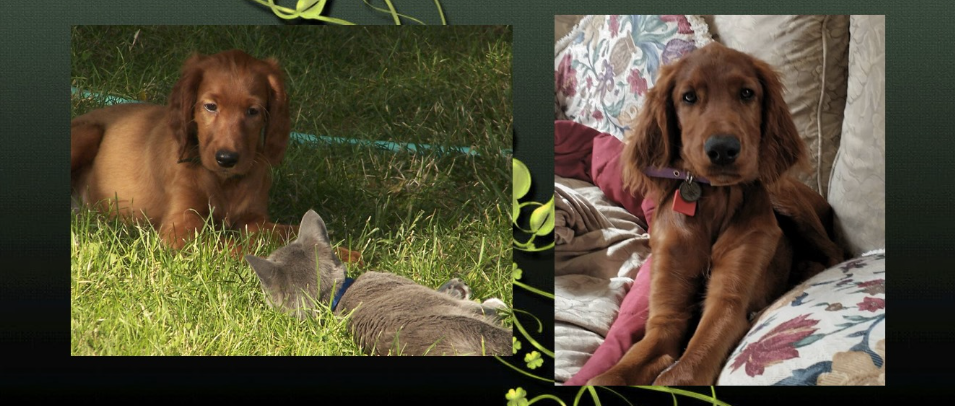
You know how my wife, Elizabeth, and I feel about Irish Setters. Here are our Mollie, with Dallas the cat, and Brigid, when they were puppies.

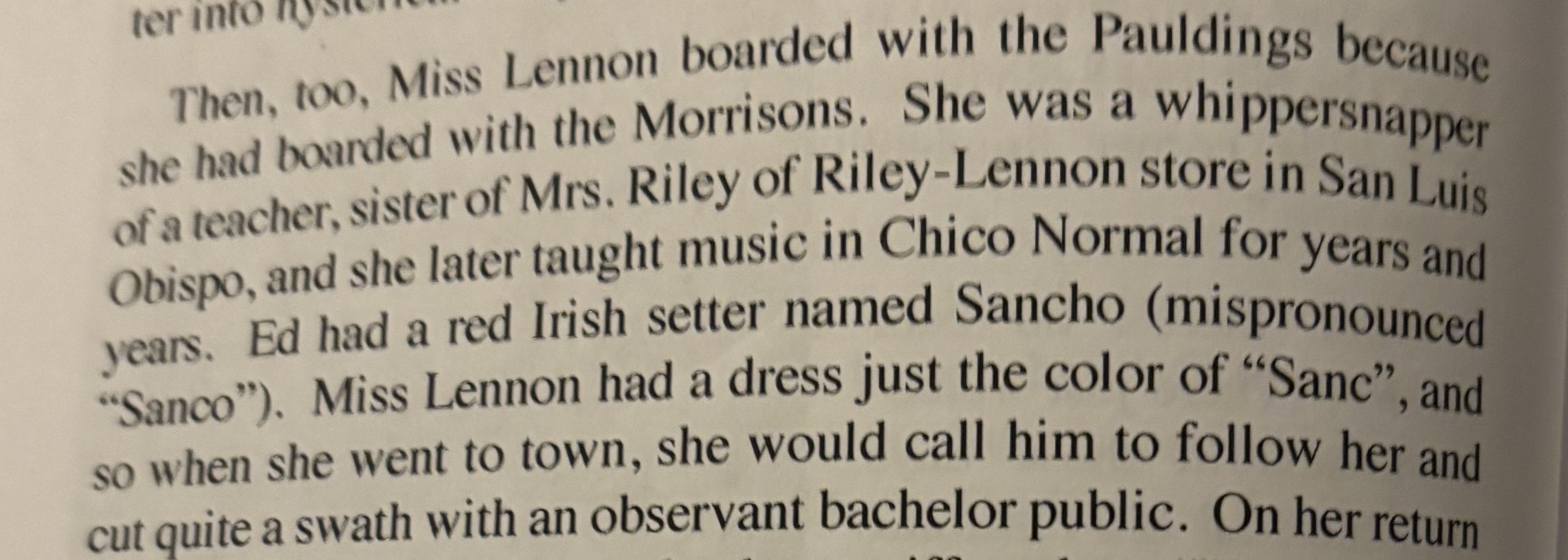
Well, it turns out that we’re not the only ones. Elizabeth was reading Ruth Paulding’s biography of her schoolteacher mother (more below Clara and her family) and found this passage about Dr. Ed, her father.

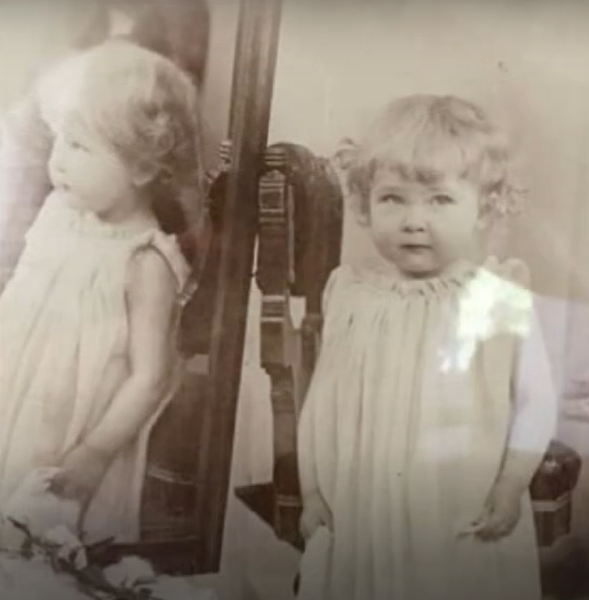
Sancho (pronounced “sanko,” for reasons I don’t know) looks like a Setter mix—maybe even a red and white Setter (the red ones came later), but his behavior can be common among male Setters, who will shift alliances at the slightest hint of treasonous behavior. But, also like Setters, Sancho was very forgiving. And he came to love little Ruth (below). What’s not to love?

Sancho figures in a story about a schoolteacher–about 35 at the time of Ruth’s birth in 1892–who boarded with the Paulding family.

Arroyo Grande in the 1880s. Hopefully, the board sidewalks were more complete by 1892, when Miss Lennon took her walks in her Sancho-colored dress. South County Historical Society.

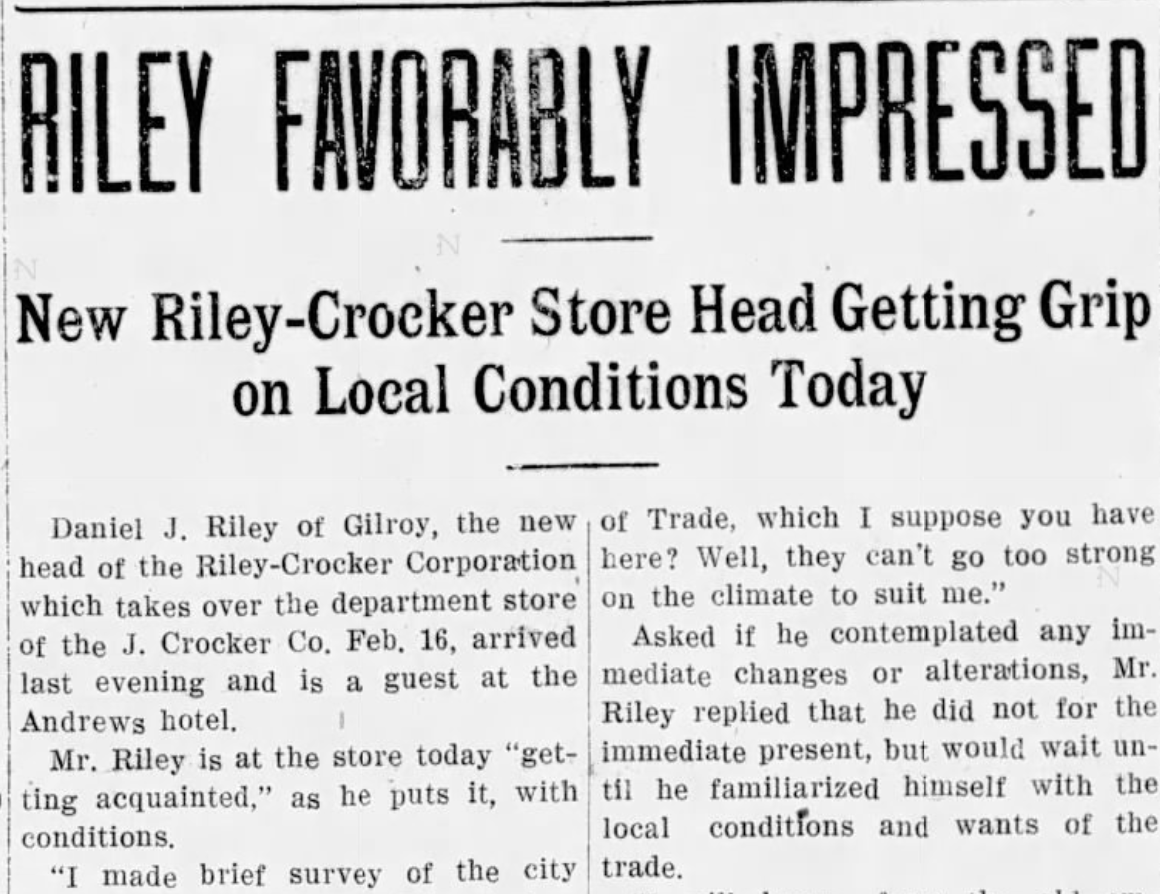
The passage about Miss Lennon’s connection to the Rileys intrigued me. Riley’s Department store was a big part of my boyhood here. Here’s a blog post about the store.


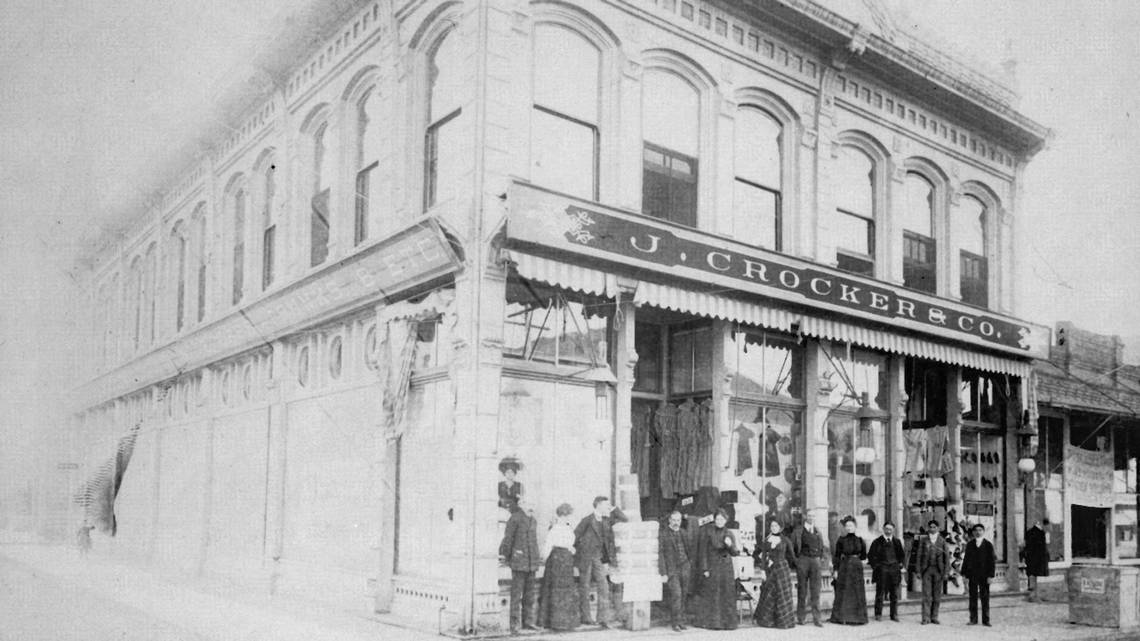
So I snooped around. At about the time Miss Lennon was sashaying with Sancho, this was the Crocker store in San Luis Obispo, at Garden and Higuera; D.J. Riley later owned this store. (This is from “Photos from the Vault,” David Middlecamp’s excellent history column in the San Luis Obispo Tribune.)


And this is the store, the tall dark building on the right, in a photo of Higuera Street from about 1918.

In 1914, Riley arrived and began casing the joint—San Luis Obispo, that is.

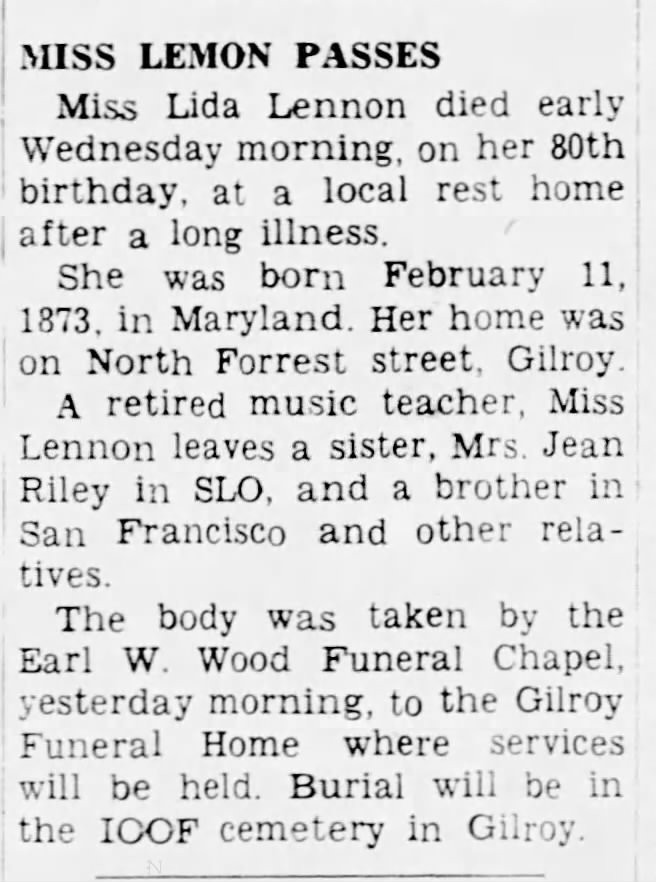
And, despite her russet dress and Sancho, the russet-colored Setter, Miss Lennon remained Miss Lennon until her death in 1953. Here’s her obituary from the Arroyo Grande Herald-Recorder and an image of her family in Gilroy, circa 1930.

And, sadly, at her death, she was remembered as “Miss Lemon.” It reminded me of a line from Ken Burns’s Civil War, when a Union officer opined that there’s not greater honor than dying for your country and then having your name misspelled in the local paper.

Drat.

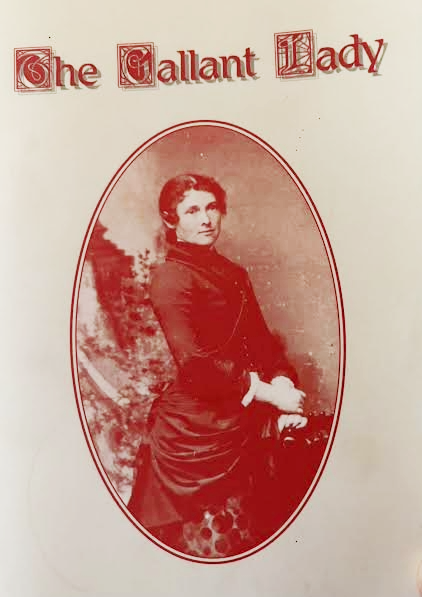
More on Clara Paulding and her family:


I’m back in the saddle again…

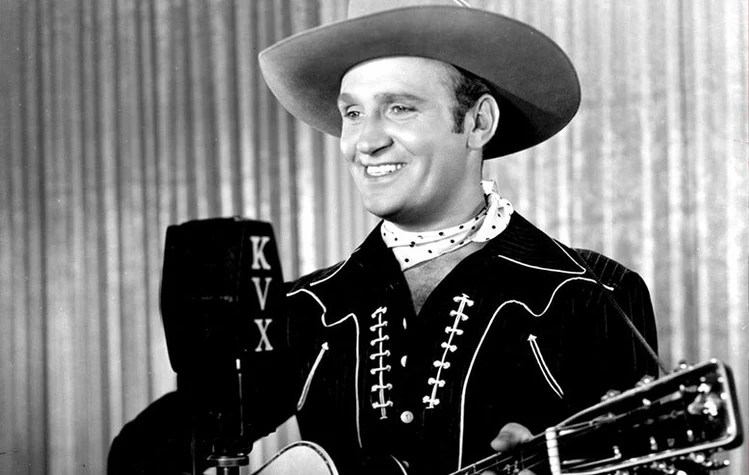
Gene Autry singing “Back in the Saddle,” 1939. His horse, Champion, was a beautiful sorrel with a cream-colored mane and tail.

Well, I’m trying, anyway. I’m going to speak on local history—probably our “Wild West”—at the Wyndham Residence on Elm Street soon. I enjoy talking to seniors. When you’re done, some of them come over and tell their stories. I met a woman from Japan who’d married her Air Force husband during the Korean War.

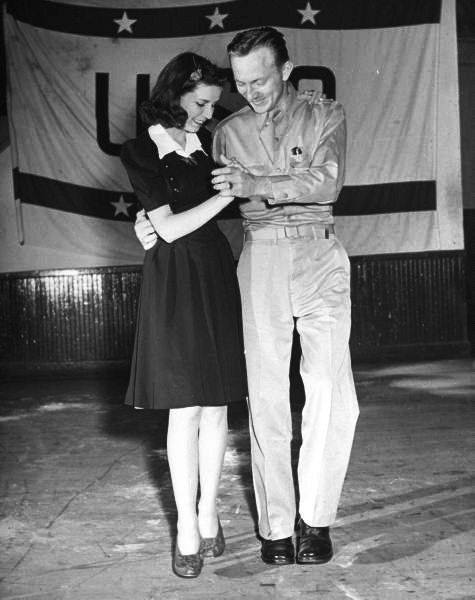
Another remembered going to (densely-chaperoned) USO dances during World War II. She and a soldier boy kind of hit it off, spent all night talking and went to church the next morning. While that might not have been typical of all wartime encounters, I sure enjoyed hearing her story.

She never saw her G.I. again, of course.

And I’m starting to research and write again. I’d like to do an article on four local dance halls during the 20s and 30s, when dancing was actually learned and apparently a vital part of socialization for kids and, for adults, dances established a sense of community. And, I would guess, kept marriages together.

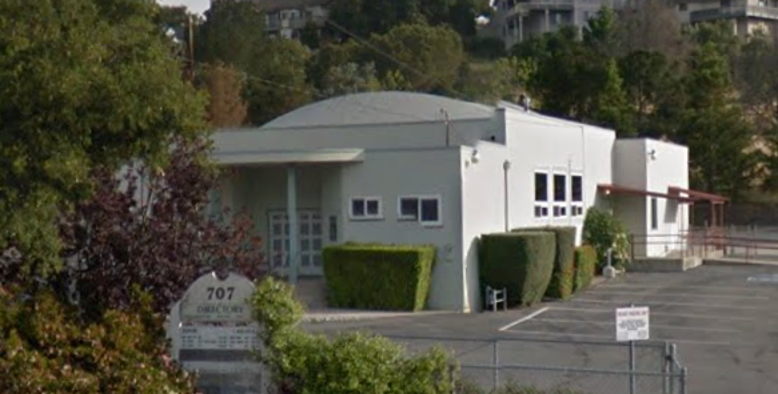
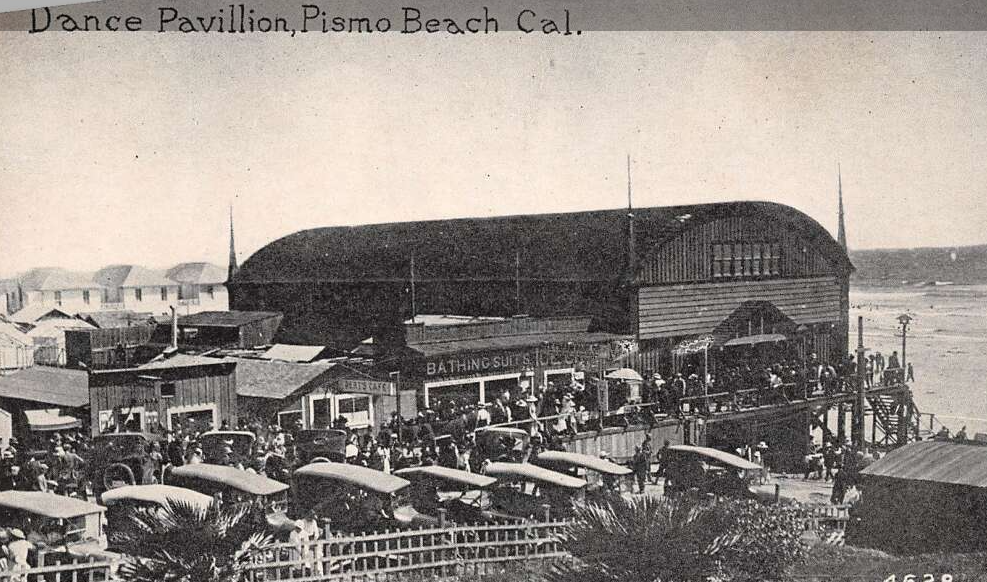
I’ll probably focus on four: Trinity Hall in Edna and our IDES Hall in Arroyo Grande, both founded by Portuguese-American fraternal societies; the Pismo Pavilion, where in 1925, a benefit dance was held for visiting sailors whose destroyers were anchored off the pier; and Tanner Hall in Arroyo Grande where, in 1966, as I was about to enter ninth grade up on Crown Hill, I saw two high-school girls get into the most epic fight I’d ever seen. It gave me pause.

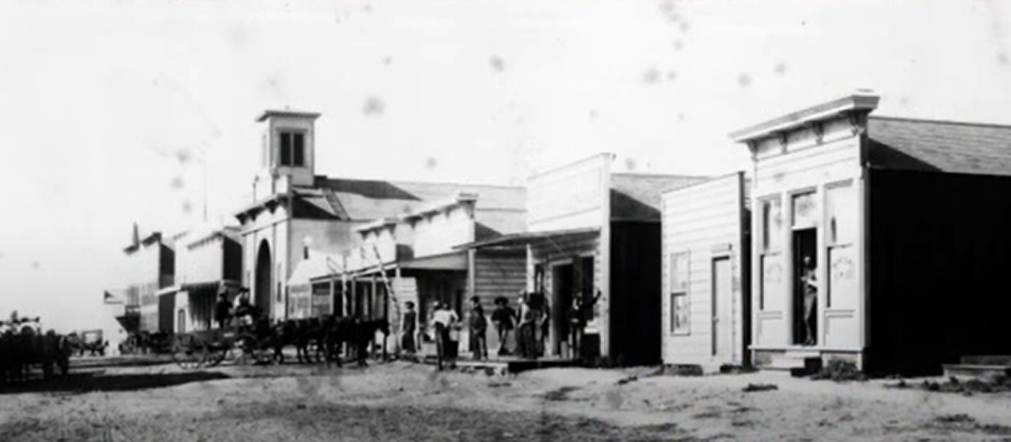
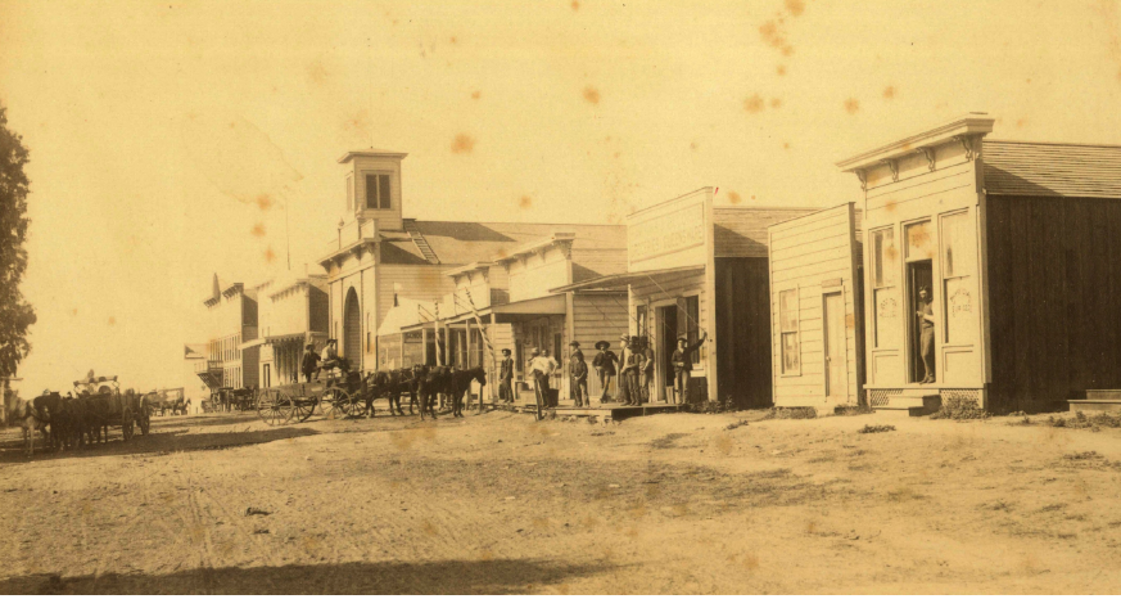
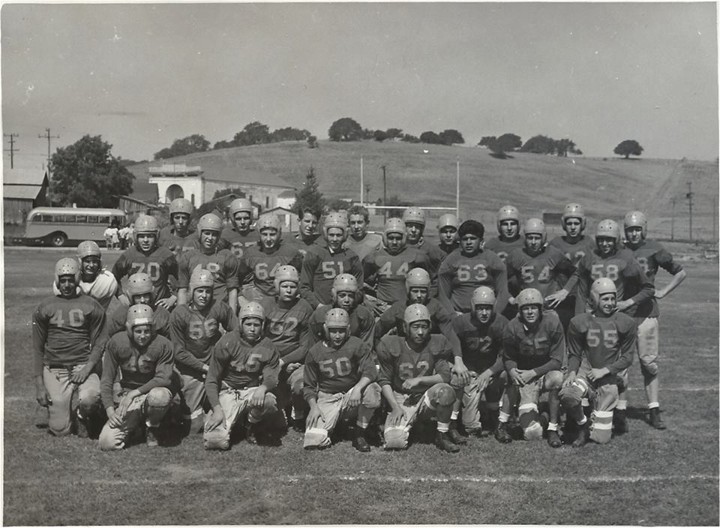
Above: Trinity Hall, Arroyo Grande’s IDES Hall (1948). It was preceded by the whittled-down Columbian Hall—kind of the Clark Center of its time–the steepled building in the 1880s Branch Street photo. You can see the whittled-down version, the first IDES Hall, behind the football team. The photo was taken after the war, near what is today the Lucia Mar bus barn. The Pismo Pavilion and Tanner Hall are in the next photos.

And as to Gene Autry? It’s officially Christmas at our house when Elizabeth plays her ancient vinyl record of “Rudolph the Red-Nosed Reindeer.” And I had the great pleasure of interviewing Jeanne Wilkinson Frederick at 94. Her family owned the meat market that’s still a meat market on Branch Street, and, as a preteen and teen she went to the movies at the Grande Theater, today’s Posies in the Village. She loved Gene Autry Westerns, she told me in the interview, and then demonstrated it by pointing her index fingers and going pew! pew! as if she were Autry shootin’ the pistols out of the bad guys’ hands.

Good Lord, she was a delightful human being.

This is for you, my friend.