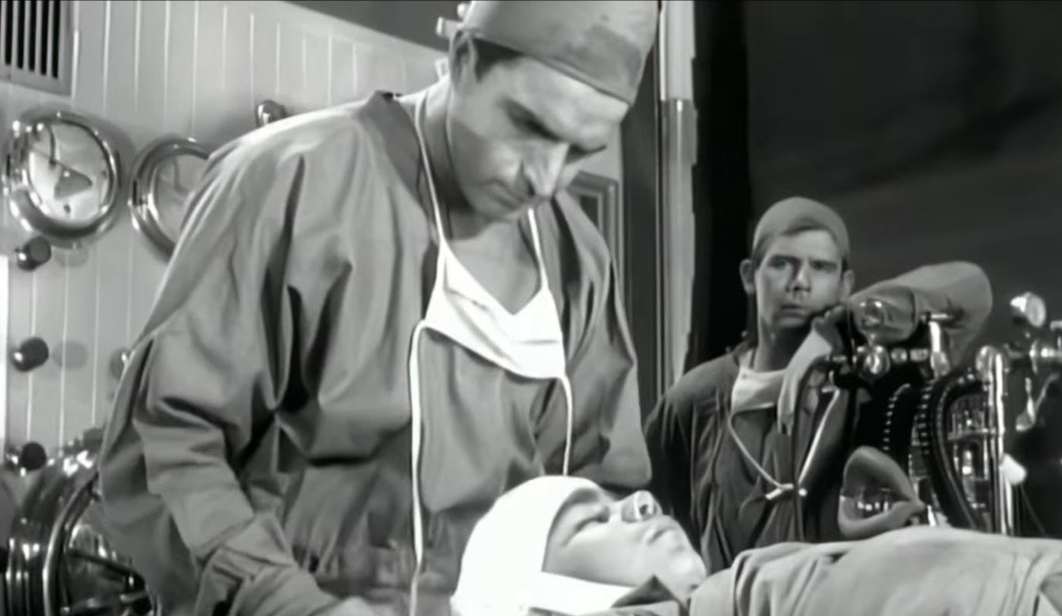
At the end of this post, you’ll see the opening credits to “Ben Casey,” a popular 1960s medical show about handsome Dr. Ben, a neurosurgeon, played by Vincent Edwards.
Dr. Ben deftly picked up the brain he’d dropped earlier in this little boy’s surgery.
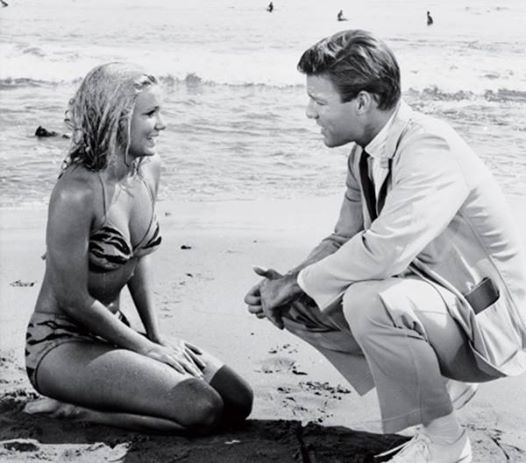
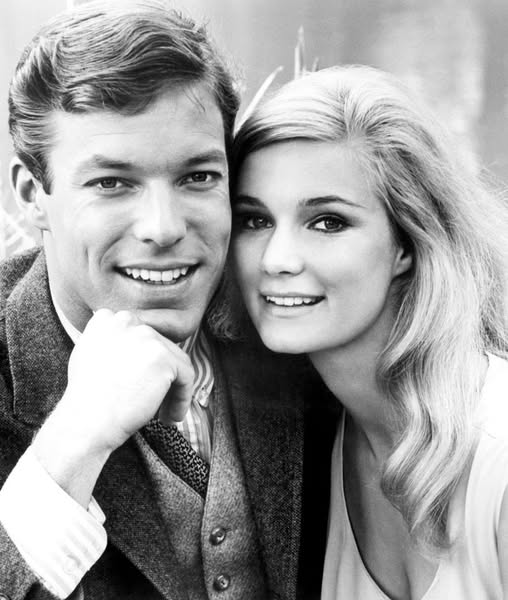
His competition was handsome Richard Chamberlain, on another network, as Dr. Kildare, whose love interests included the actress Yvette Mimieux. She was beautiful, and that didn’t prevent her from getting excellent reviews for her performance. (Okay, maybe the bikini helped a little.)
(Her character died, like every last ONE of the young women who set foot on the Ponderosa in “Bonanza.” Those Cartwrights were hell on women.)
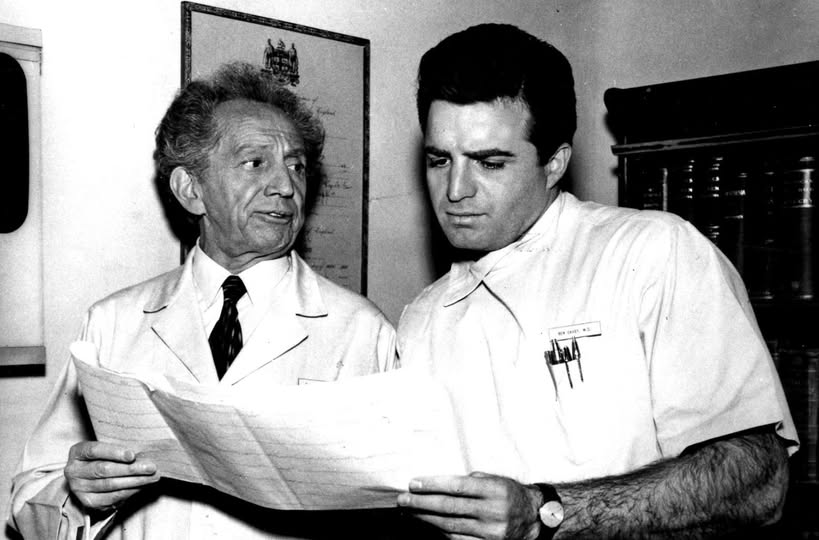
Ben Casey’s boss, writing on the blackboard in the video below, was Sam Jaffe, featured in 1939’s “Gunga Din.”
Jaffe as Gunga Din, with Cary Grant, about to swash and buckle.Jaffe, as Dr. Zorba, with Edwards, as Dr. Casey.
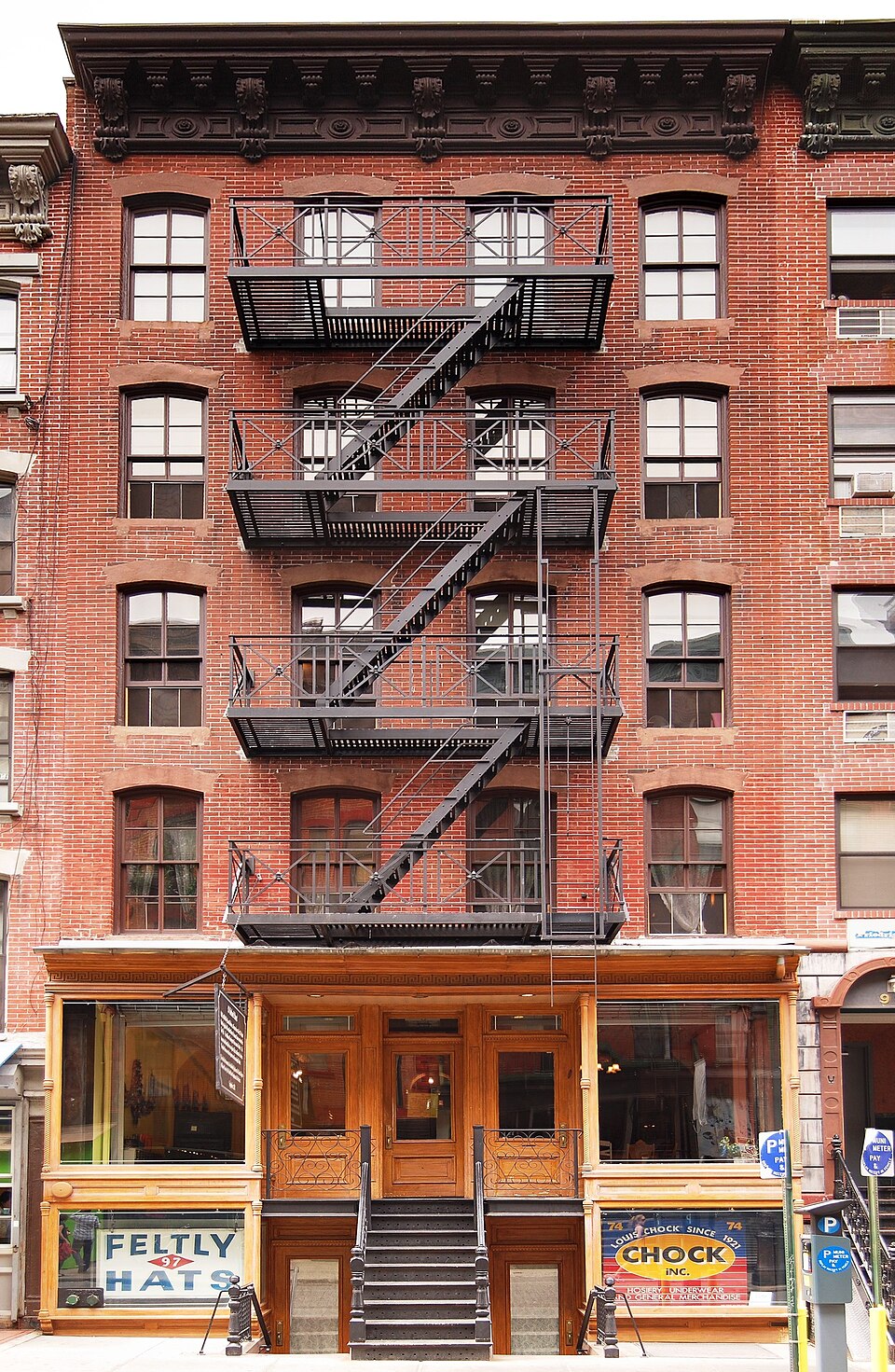
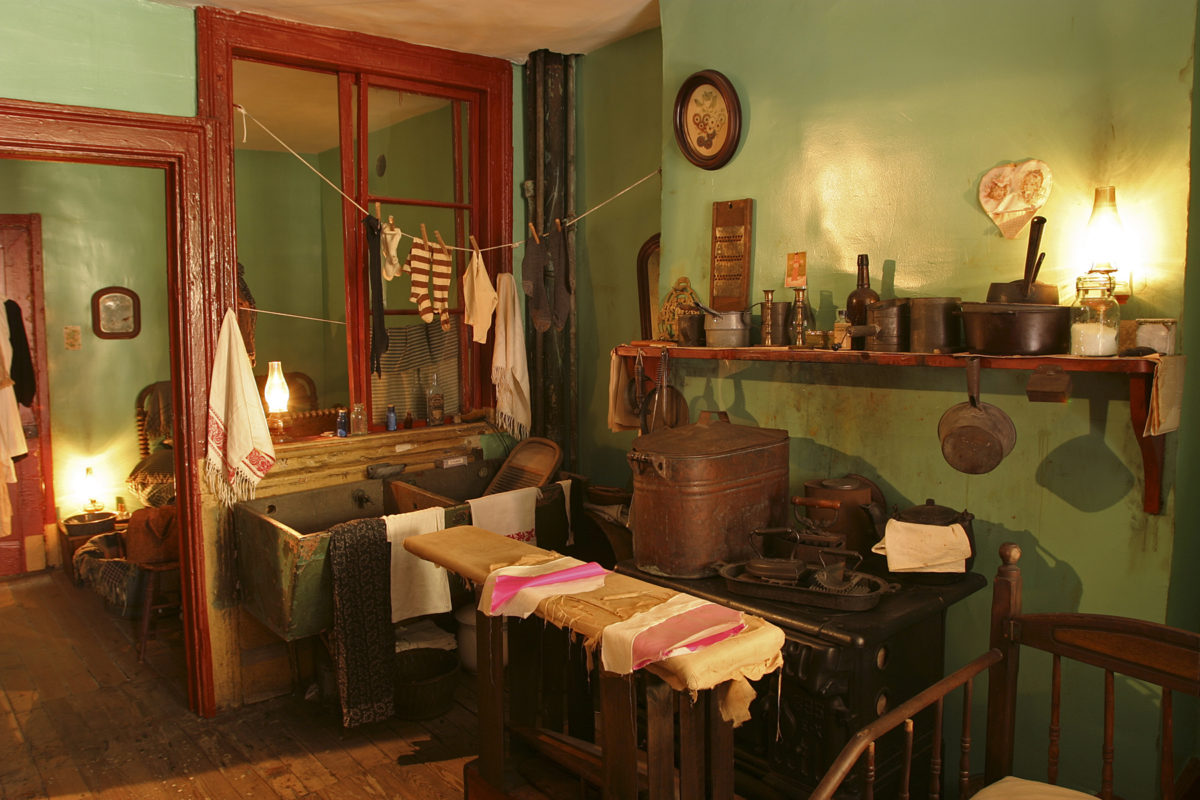
Jaffe, born in New York City of Ukrainian Jewish parents–his childhood tenement is today a museum*– was of course a natural choice to play Gunga, essentially an Indian collaborator with the Raj, but, hey, his buddies were Cary Grant, Victor McLaglen and Douglas Faibanks, Jr., so it’s all good.
*(The Tenement House Museum, on the Lower East Side. Pardon Mr. History Guy for finding Jaffe’s connection amazing.)
Anyway, I was thinking of Ben today because I’ve decided I will contact Stanford and go up there for a wee bit of brain surgery. First, the caveats:
1. I have a tumor, but it’s benign. Nonetheless, it can cause you to fall down, develop blurred vision, and it messes with your memory, like forgetting the name of the actor in the movie you just saw on TV (Robert Ryan) or the name of General Grant’s horse (Cincinnati).
2. It is not actually a “brain tumor.” It’s arises instead in the meninges, which lines the brain. Since “Meninges” sounded to me like an island group, like “Azores,” I have named my tumor Manny.
Immigrants from the Meninges.
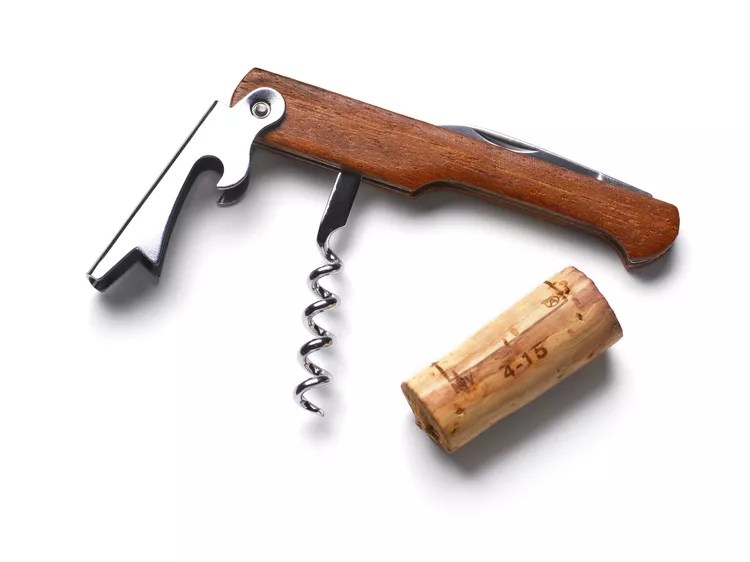
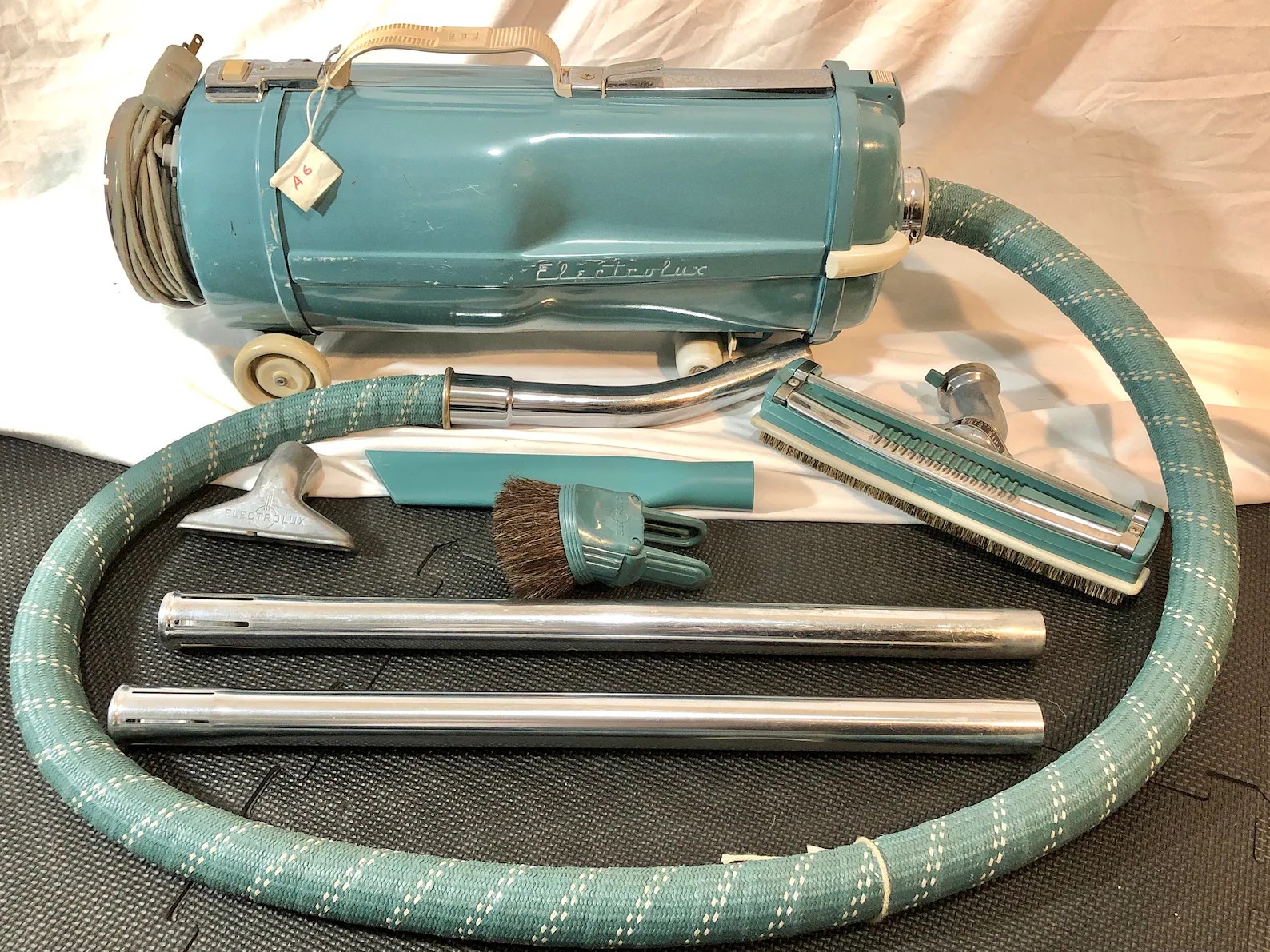
3. It’s a relatively simple procedure, requiring only a corkscrew and a 1960 Electrolux vacuum cleaner with an upholstery cleaner attachment.
4. Very high success rate, but recovery can be tough. It may involve people bringing me chiles rellenos or cheese enchiladas, sushi, Thai noodles with peanut sauce or ravioli for 60 days after the procedure. And maybe red velvet cake with cream cheese frosting.
5. Since it’s at Stanford, unless the surgeon loses the corkscrew inside, I’m sure there’s a chance that my IQ will go up, all the way to 100. I attended a week of classes at Stanford in 2004, on the Great Depression and World War II, and got to hold this X-ray of Hitler’s skull, from the Hoover Institution, so all of this is very symmetrical.
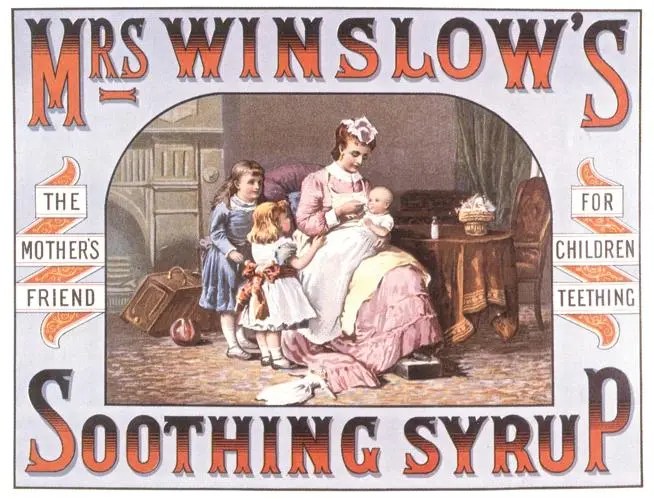
6. I get to have morphine, once a dandy additive to children’s medicine.
I’m still working up the courage, being a devout coward, to start the process that will lead to the surgery. It’s been two days now. I will try again tomorrow. I am posting this in part as an incentive for me to get off my rear end and get going.
You don’t have to believe me, not one damn bit. I don’t need your sympathy, but, many years ago, I could’ve used a Corona Familiar. I was stranded two miles northwest of Loma Enjuta, California, with the radiator steaming the way Mt. St. Helens would steam a year later. It was a miserable moment in what turned out to be the most satisfying case of my time as an L.A. private detective.
I was giving a lift to the little boy I’d found by the side of the road next to his dead horse. He regarded the Buick’s breakdown and me gravely. So did the buzzard with the head shaped like your grandfather’s Adam’s Apple. The buzzard was not in the Express Line at Taco Bell. He was content, instead, with his dark sepulchral wings spread in the sun, to wait for his dinner—that would be us–to be properly cooked.
I smiled bravely at the little boy. We’d spoken enough, in Spanglish, for me to understand that his horse, old enough to be a mount in Pancho Villa’s dorados in 1916, had decided that in this heat, it was better for him just to lie down. So, he did.
The little boy lived in Loma Enjuta, and he probably would catch hell for coming home alone, so our conversation grew a little stilted. But at least he smiled faintly back.
I’d come to this place, so bare that it makes the nearby Salton Sea look like Lake Tahoe, to look for a missing old man, Patrick O’Connell Jimenez, a sugar beet farmer, who’d gotten off the Union Station Greyhound stop in Los Angeles and then vanished.
The Jimenez family came into my office smelling like sugar beets. I’ve smelled worse smells. I once passed an Amarillo stockyard at noon.
But they were Irish Mexicans, like the actor Anthony Quinn, and so maybe my favorite kind—although, to be truthful, I like Mexicans and Mexican Americans of any variety, and, even better, like them if they have a little sugar beet money.
I came south two weeks after that interview, when the Buick overheated. I hadn’t found much up in L.A. and hadn’t gotten much help from LAPD Detective Sgt. Lopez, who’d looked at me dubiously and asked
You want my help in finding WHAT?
A lost Mexican.
A lost Mexican? In L.A.?
He was old.
That helps immensely.
And he would have smelled.
So does my abuela.
So now I needed information about Patrick O’Connell Jimenez. I needed to interview again his family, maybe, but not likely, the local priest, maybe, but even less likely, the Loma Enjuta Police.
The buzzard ruffled his wings. He was hungrier now and we weren’t dead enough yet.
“Ha!” I cried for the little boy.
The steam coming from the Buick’s radiator had subsided to the point where I could unscrew the cap without getting my arm blown off. I refilled the radiator from the Joad Family Model Waterbag, checked for potential leaks to be plugged from the bucket of Bazooka bubble gum in the back seat, and started the car.
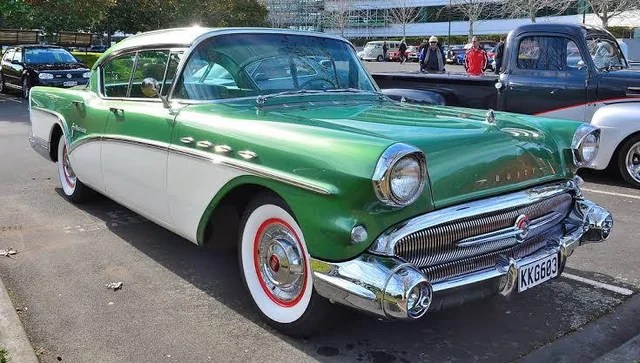
It was a grand car, a 1957 Roadmaster, emerald over cream, with the classic bullet holes alongside the hood. I loved the steering wheel, too, big enough for a World War II fleet carrier.
The Buick
The little boy and I got back in and back on the road. I managed to scrape together enough Spanish, free of conjugated verbs, and I pulled a fifty out of my wallet, asking my passenger if he’d care to translate for me. He agreed. Happily. He began to blow Bazooka bubbles. His name was Carlos.
You know you’re getting close to a town like his from all the white plastic Ralph’s shopping bags entangled in the sagebrush. This is civilization in California.
Carlos got me to pull over the parking lot of a tamale house from the shoebox school of architecture. He opened the screen door and held it for me gingerly. Once I was through, he dashed inside and the door imploded, smacking us both in the ass.
It was his mom’s place. He was relieved because he wasn’t in trouble. The old horse was an old horse. His mother’s eyes liquified a little when, I think, Carlos told her how nice I had been. She made me sit down and prepared a big plate of chiles rellenos surrounded by rice and liquidy refried beans, the way I like them. The meal came with some one-shade-short-of-thermonuclear salsa, the way I like it, and a stack of fresh corn tortillas for the scooping.
Fresh corn tortillas, unlike sugar beets, have the most the most beautiful smell on this here Planet Earth.
I was happy in my scooping and, to the buzzard’s regret, could have died right then and there a happy man.
But Carlos was on the payroll now, and his mom knew the Jimenez family. My Spanish was still alive enough to capture about every fifth word, but the one that stuck was “Doyers.”
“Dodgers?” I asked Carlos.
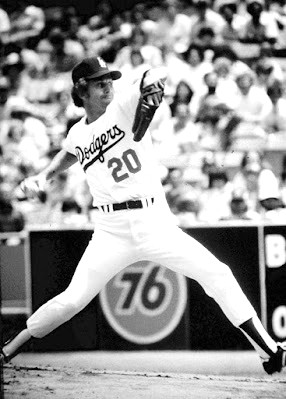
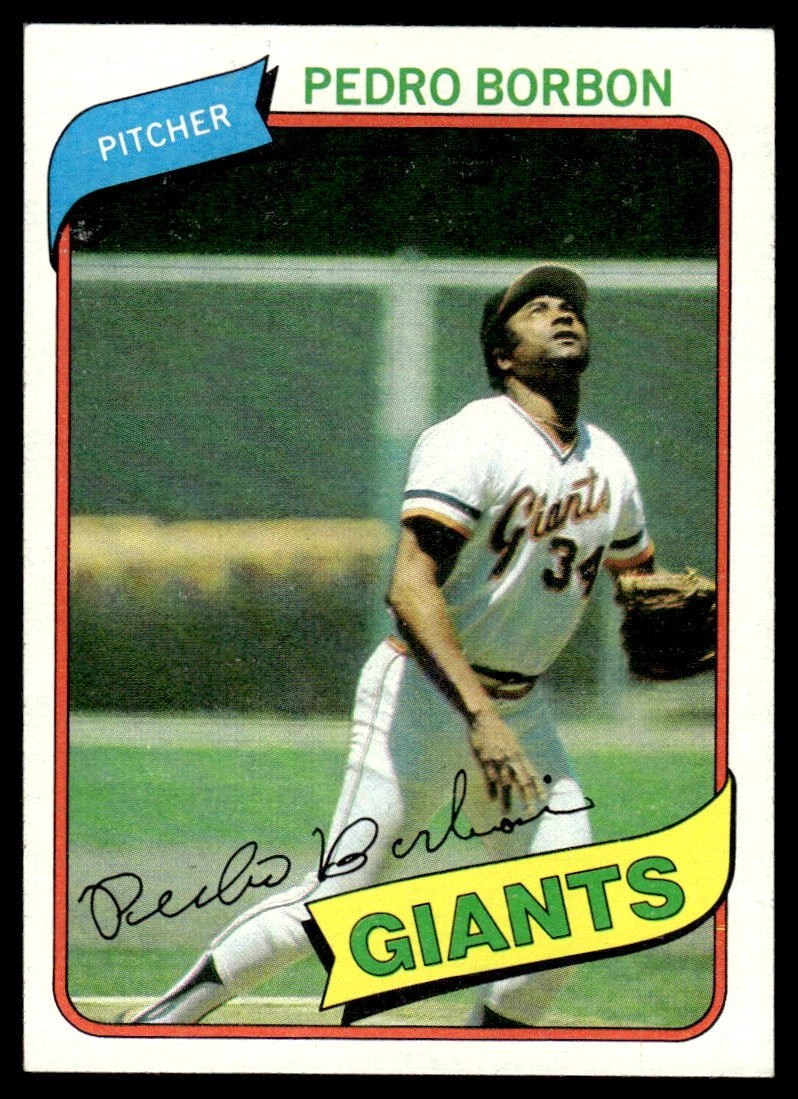
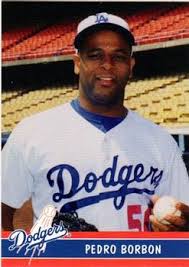
That was it. The old man had gotten a wild hair and announced it here while scooping his his frijoles.. He’d decided to take the bus taken the bus north for a three-night homestand between the Dodgers and the Gigantes of San Francisco. Don Sutton was one of the L.A. pitchers, and Patrick O’Hara Jimenez loved him. Pedro Borbon, whom the old man liked no better than a scorpion in his work boot, was one of the Giants’ pitchers. His hatred for Borbon was inexplicable and visceral.
Don Sutton.
Now, I had discovered purpose for his visit north. Carlos and I then drove to the police, who were Oklahomans and thinly pleasant, with thin blond mustaches in need of Miracle-Gro. They were stumped, too, and not terribly bright. We tried the Santa Ines de Bohemia parish house, where the young priest, Father Herman, was asleep after some vigilant taste-testing of communion wine.
No help there. Carlos took me for one more stop, the Jimenez home. Sugar beets will not get you Mt. Vernon, but the Jimenez home was large and kind of upscale Bakersfield.
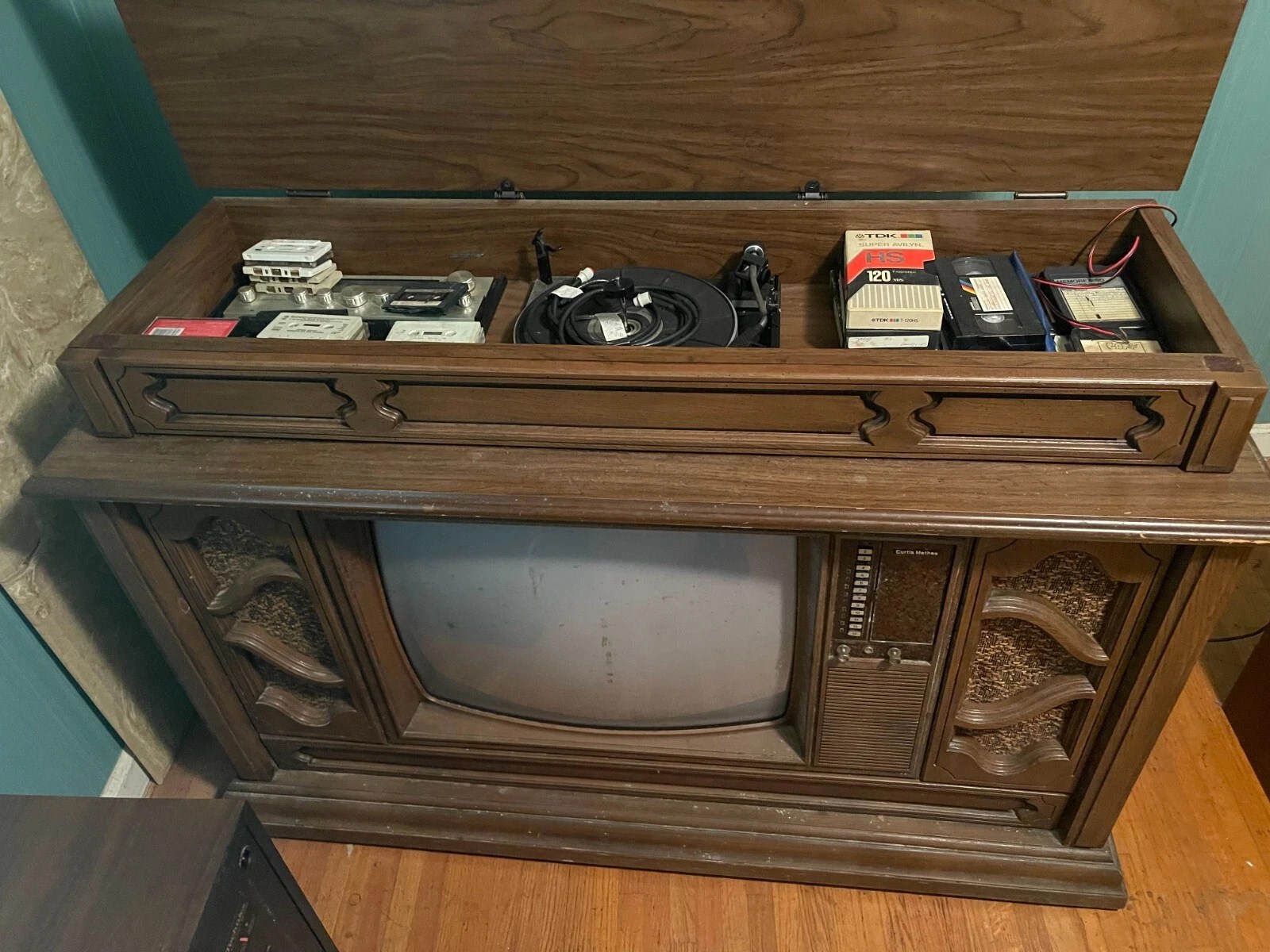
Patrick’s daughter, Scarlett Dolores, and his son-in-law, Alvino, sat me down and brought me that Corona and Carlos a lemonade. I’d liked them in my office and that didn’t let up now in their living room. We were parked on the sofa in front of the family’s massive Curtis-Mathes console television, the size of a coffin, big enough to contain a man the size of, say, Don Drysdale.
Scarlett said her dad loved watching the Dodgers on the big color screen and, when Borbon pitched for the Giants, the usually dignified old farmer hurled thick and vile Spanish insults at the Dominican starter.
A well-worn 1970s Curtis-Mathes console. The only feature it lacked was a defibrillator.
“Go home and chop sugar!” Patrick would shout and would add verbiage that the couple could not repeat in front of Carlos. Patrick hated cane sugar, too.
But they had not much more to offer. Fr When the old man decided to vanish, he did a thorough job—-but they thought a sudden and impulsive trip to Chavez Ravine, where he could yell at Borbon in person, was at least plausible.
I got home to L.A. about one in the morning.
At four in the morning, I woke up in my apartment, in many ways a duplicate of Fred MacMuray’s in Double Indemnity. I was in a MacMurrayesque cold sweat.
I’d covered the old man’s origin point. What about his destination?
I needed to go to Chavez Ravine.
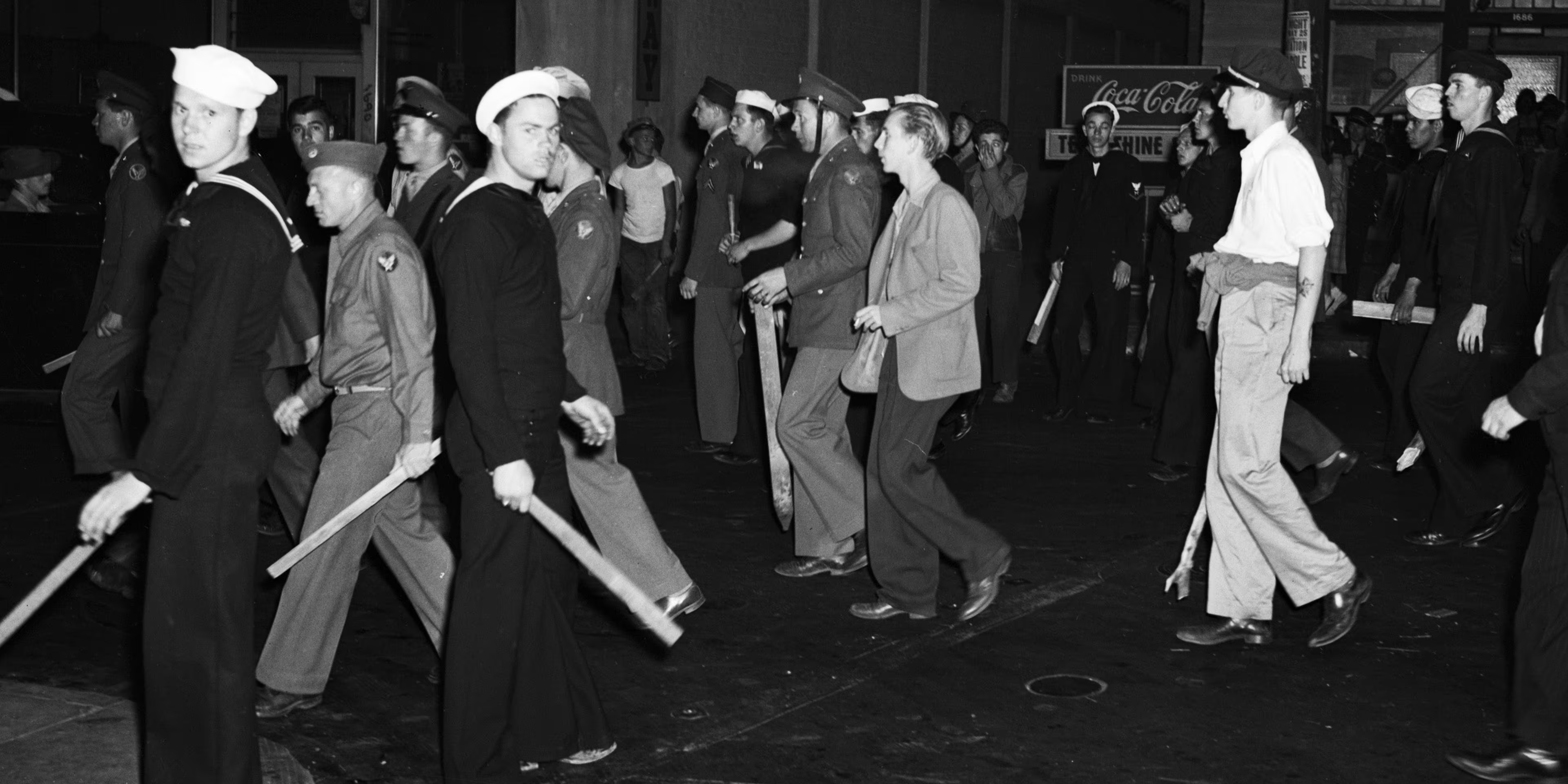
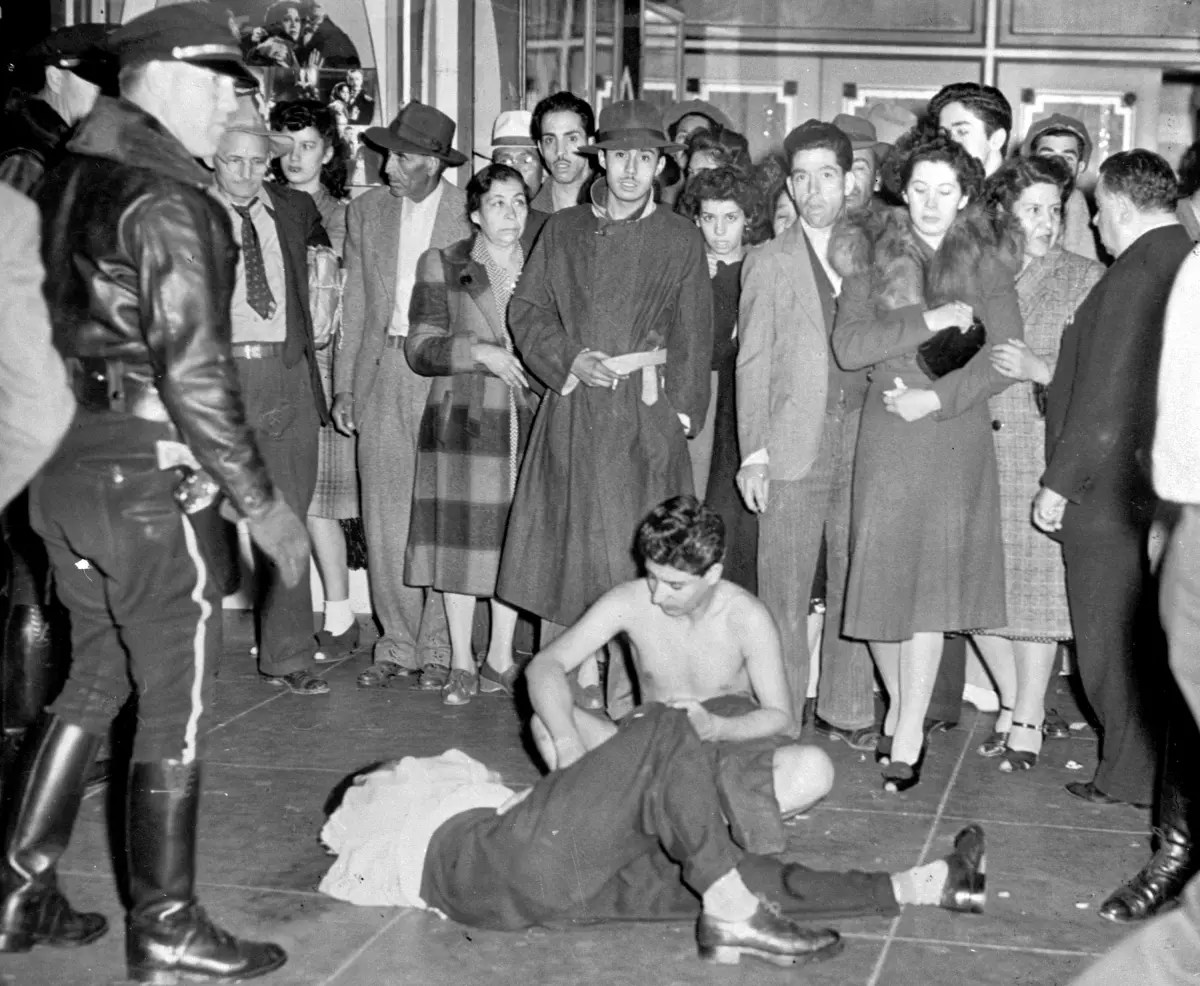
The Ravine once upon a time was the lively barrio where, in1943, Midwestern sailors wolf-whistling at lovely chicanas precipitated the Zoot Suit Riots. The LAPD intervened in the customary way: they waited until the sailors, using axe-handles, had beaten the Zoot Suiters senseless.
Then they arrested the Mexican kids.
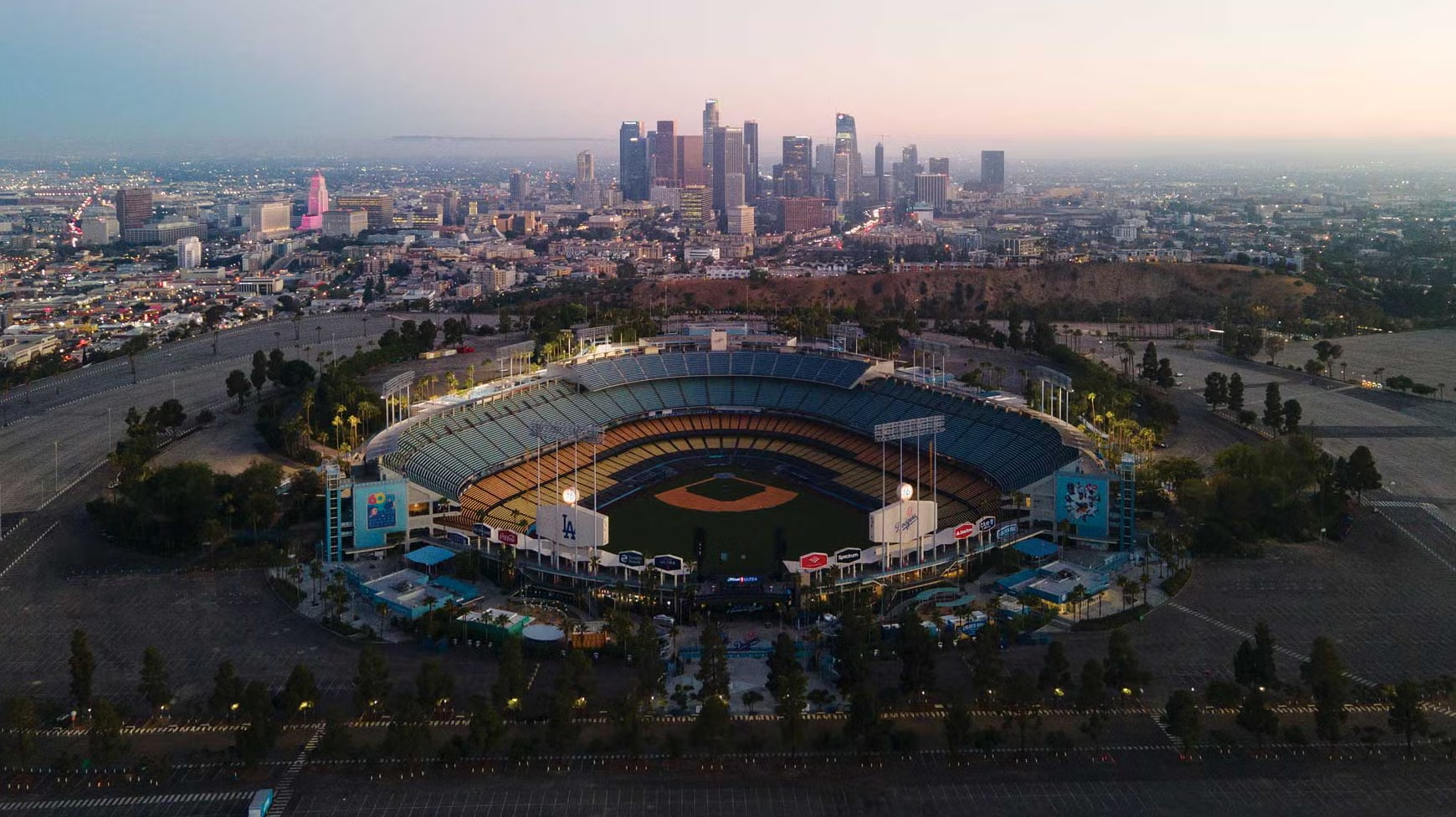
Two decades later, the City of Los Angeles flattened the Ravine with battalions of bulldozers to make way for Walter O’Malley’s Dodger Stadium. The only thing that remains of the barrio is its name, sometimes used to refer to the stadium that replaced it.
I had a friend at Chavez Ravine, and in the Dodger organization. He sold frozen lemonades, in big conical containers, in the stands during games, so he had enough pull to get me in as they were preparing the field for a night game.
I’d asked about my eleventh employee about any old Mexicans they’d seen in the last three weeks and got the Detective Sgt. Lopez treatment from all of them. The twelfth was chalking baselines and his eyes widened.
“You mean like the old guy who was nailed during batting practice?”
Well, yes, I replied, trying to be even-voiced, that might be the one.
He asked for a moment and walked into the groundskeeper’s.
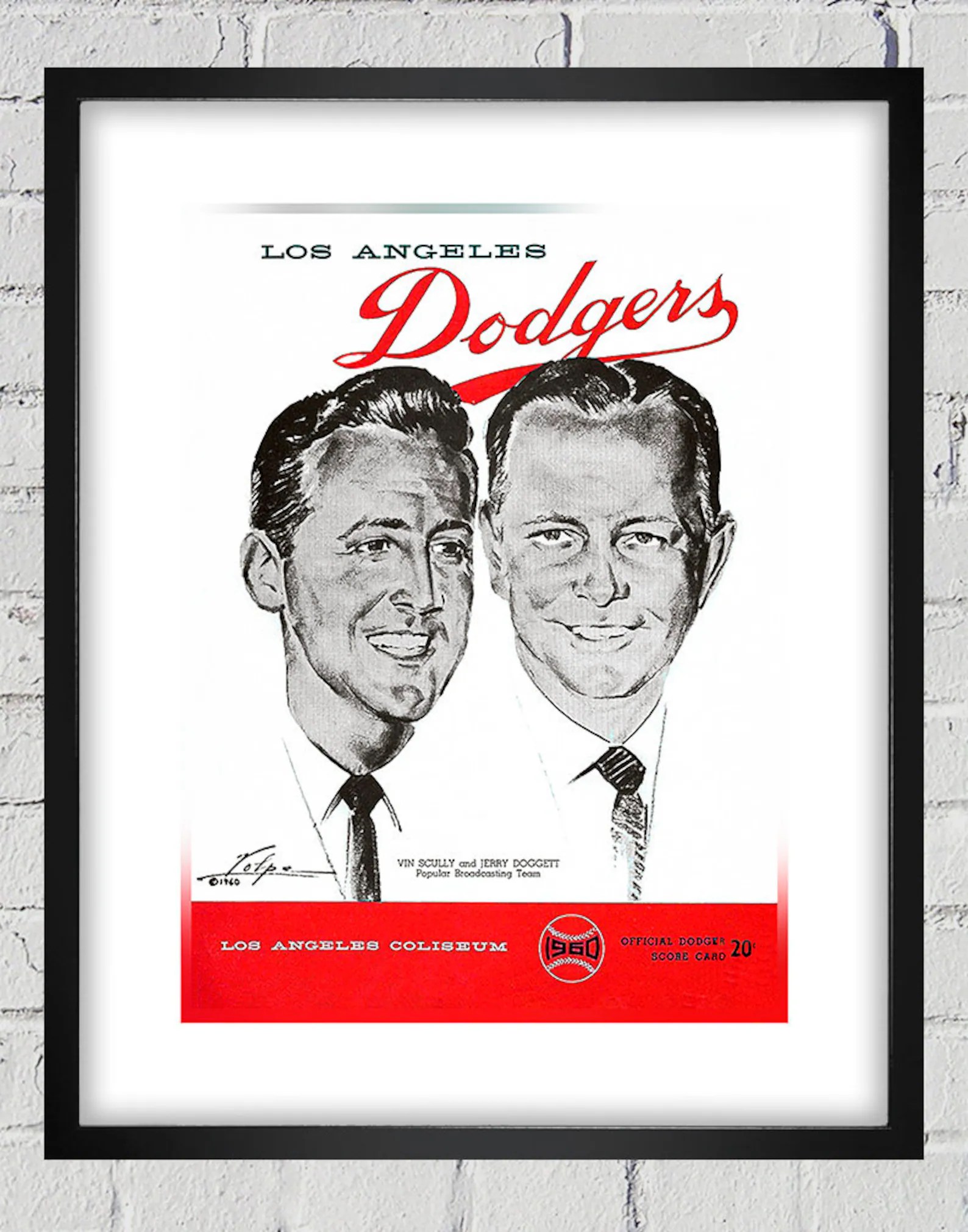
He never came back out, but two security officers did. They airlifted me, my toes never quite touching the ground, to the Dodger Stadium Corporate Offices, which even the likes of Vin Scully entered maybe two or three times a year. (Jerry Doggett Scully’s co-broadcaster, was made to wait outside.)
Broadcasters Scully and Doggett, from a 1960 program.Scully was a masterful storyteller and game-caller. Doggett, who got a few middle innings, was stolid but occasionally confused.
I was reamed by a junior executive, a young, good-looking man with a German-Jewish surname, who threatened me with arrest for trespassing.
Sure. Arrest me. But what happened to the old man?
Security was summoned.
One floor up, I got the same treatment by another executive, this one Italian American.
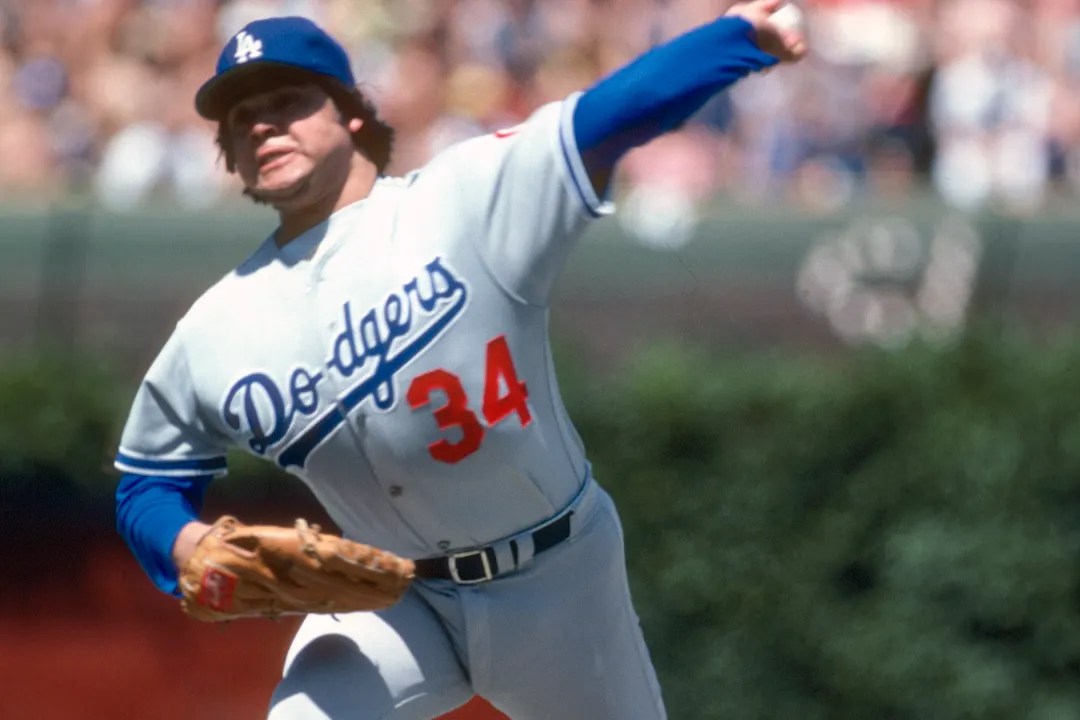
This is why I was a Dodger fan, too. They’d carried that whole immigrant ethic from Brooklyn to the West Coast. And after they’d bulldozed Chavez Ravine for the stadium, they’d even pay a little back with the kid pitcher from a town smaller than Loma Enjuta–Etchohuaquila, Sonora—the birthplace of Fernando Valenzuela.
The next-floor-up executive soon grew tired of me. He called Security. They were getting a workout that day.
They glided me up, not unpleasantly, to the sanctum sanctorum of Dodger Baseball, the O’Malley family office. They let me sweat awhile in a big leather sofa and then Himself walked in.
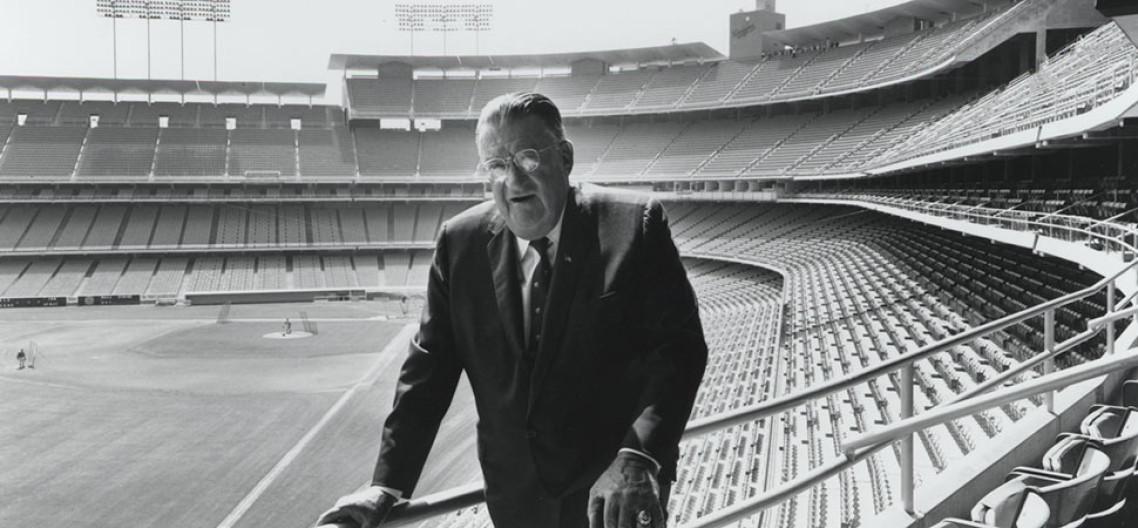
Walter O’Malley and his kingdom.
It was the Old Man, Walter O’Malley, preceded into the office, for several seconds, by his cigar. He sat in an office chair big enough for Pharaoh and looked at me a long time in silence.
What do you want? he snarled. Finally.
I want to find out about an elderly man a Mr. Jimenez, who has disappeared. I was retained by his family. Dodger Stadium was the last place he was seen alive.
And what in Christ’s Pajamas do you think we have to do with him disappearing?
Word has it he was hit here by a line drive during BP. He wasn’t seen after that.
Damned lie,O’Malley replied from behind a cumulus cloud of cigar smoke. Jesus Christ and Sandy Koufax!
Your best pinch-hitter of all time, Manny Mota, killed a kid in the stands with a line drive back in 1970.
I’d done my homework.
Silence. For a long time.
He’s still here, O’Malley finally whispered.
Manny Mota?
No. Your old man.
What?
Look, O’Malley said. I am a businessman, and I am an old man, too. It’s time for me to turn the team over to my son and, when his time comes, the team may pass into another family—maybe even a foreign family, like those Frenchies, the Rothschilds, or those Murdochs from Australia.
So?
So our brand—the Dodgers—has an immaculate reputation, and an old man getting killed during BP could do us irreparable harm. But, being an old man myself, we treated the one you’re looking for with complete dignity.
How?
He’s underneath the pitcher’s mound.
Beg pardon?
The next away series, we excavated the pitcher’s mound, wrapped him in Mexican and American flags, covered him in roses, put the mound back together. After that, we invited mariachis to play at the mound. Told them it was some kind of welcome for a kid pitcher who’d soon be coming up from Mexico.
Fernando.In his first start–Opening Day, 1981–he shut out the Astros 2-0.
You got most of the flags right. This Mexican was half Irish. His full name was Patrick O’Connell Jimenez. The name was starting to roll off my tongue now.
Ỏ, cac, O’Malley said. Oh, shit.
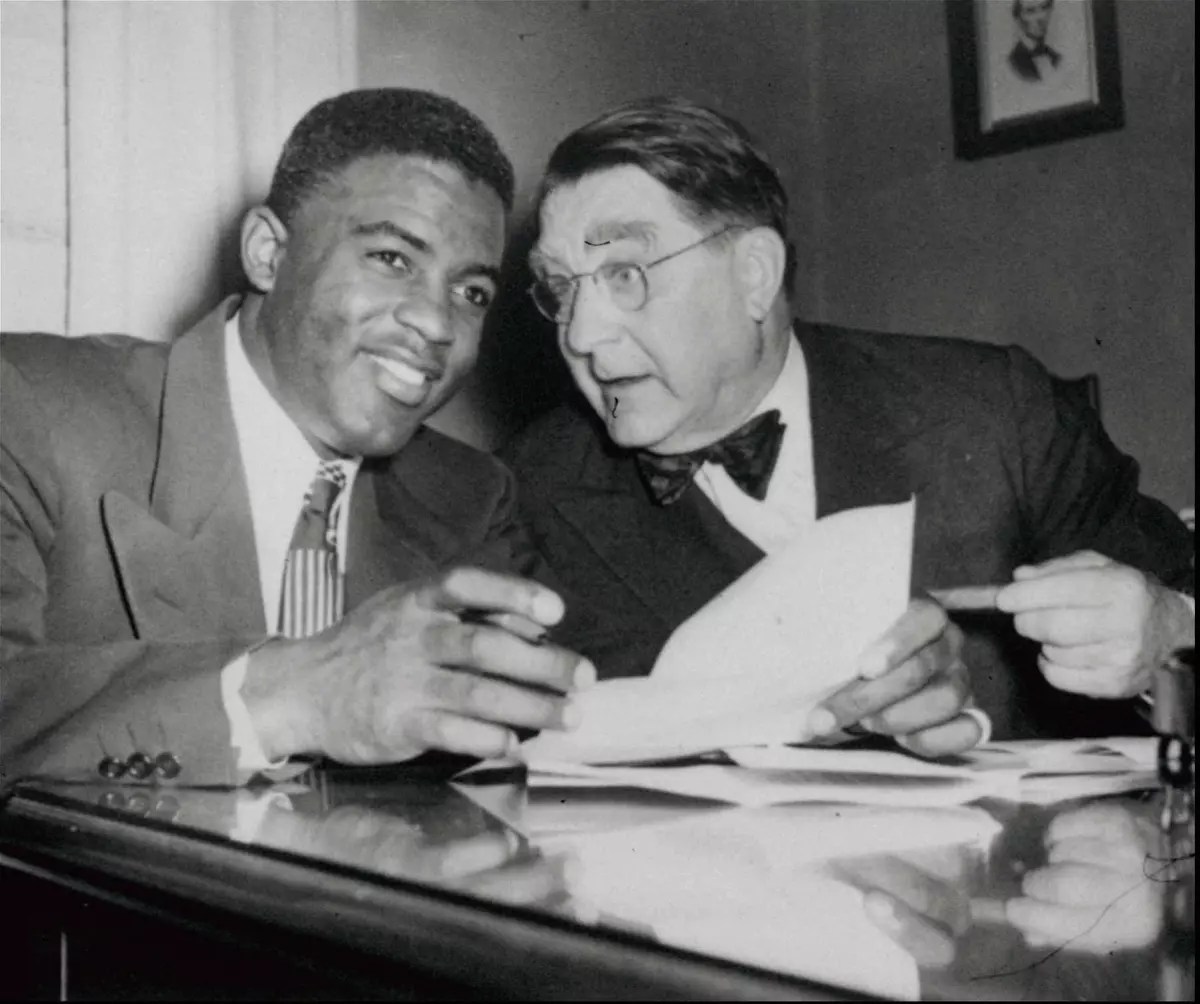
His face had softened a little, transforming into that of Jackie Robinson’s surrogate father. Surrogate uncle. Robinson’s surrogate father was Brooklyn GM Branch Rickey, Protestant Irish, who’d signed Robinson to a minor league contract in 1945.
Robinson and O’Malley; #42 and Branch Rickey.
Well, then. What is it that you want?
The family has a right to know, I said.
O’Malley’s silences were masterful.
Three days later, I drove back to Loma Enjuta. I presented Carlos with a Don Sutton autographed baseball. I presented Scarlett and Alvino with a non-disclosure agreement. They signed it because of the big color Curtis-Mathes television and, as they say in MLB trades, for a cash consideration.
For the rest of his MLB career, they believed that Borbon, who would pitch for many clubs, could never be comfortable atop that Dodger Stadium mound. They would think, while watching Dodger games on his TV, of Patrick O’Connell Jimenez, just below Borbon, and that made their secret a proud one.
Twenty years after his father’s time, Pedro Borbon, Jr., became a Dodger pitcher.In 1996, the team was sold to the Murdoch family’s Newscorp. They, in turn, sold the team in 2004.







 A Work in Progress