Someone posted the opening to Breakfast at Tiffany’s this morning and I was struck, once again, by its excellence. You had Mancini, New York in the early morning, Audrey Hepburn, that dress. It was, I think a perfect homage to begin a kind of American tour.
New York City
Mike Nichols, the ferry, the incredible camera work, and this glorious Carly Simon song. The Twin Towers still live in this film, and the sight of them still breaks my heart.
The American South
Places in the Heart, set in the Great Depression, was also evocative of my Dad’s growing up on the Ozark Plateau. This lovely hymn carries this film’s equally lovely visual essay about a small Southern town in the Cotton Belt.
New England
The premonition of a fisherman’s wife, and then the boats come in safely. From A Perfect Storm.
“The March Family seemed to create its own light…” The 1994 version; I’m especially fond of Gabriel Byrne’s German Romantic, who suddenly and instantly connects with Jo, steeped in Transcendentalism. Susan Sarandon is perfect, and I think the backdrop to this winter scene would’ve been the December 1862 Battle of Fredericksburg, in which the Union suffered enormous casualties.
Oregon
Milos Forman’s use of the musical saw and the dark landscape reminds you that, for all the fun you’ll have, this is an immensely tragic film.
The Great Plains
The master of this part of America is Terence Malick, first in his fictional treatment of the Charlie Starkweather murders in the 1950s Dakotas, then in his account of the immigrant experience in Days of Heaven. Gassenhauer’s “Street Song” has stayed with me ever since this opening sequence. Martin Sheen’s cowboy boots are impudent. The marvelous homage to this film is Wes Anderson’s Moonrise Kingdom.
The Shining is terrifying on many levels, but, to me, the Montana opening, from the air, is even scarier that “All Work and No Play Will Make Jack a Dull Boy.”
West Texas
The landscape’s evocative, and who better to narrate than Tommy Lee Jones, from No Country for Old Men. (Jones’s own film, The Three Deaths of Melquiades Estrada, in a similar locale, is superb.)
L.A.
What a contrast: Billy Wilder’s in Sunset Boulevard, with the voice of William Holden, already dead, and the freeway scene from La-la Land.
San Francisco
It’s studio-shot, but you can’t escape the bridges and the bay. And the chase scene so skillfully sets up the detective Scotty’s phobia. Poor James Stewart. A film full of evocative San Francisco street scenes and some cool vintage cars, too.
Long-ago America
In The Last of the Mohicans, the foot-chase is thrilling and tragic; the prayer to the fallen stag is profound. Malick strikes again in The New Land, whose opening sequence—about innocence about to be lost— might be the finest of them all.
One cheater, because it’s near the opening.
From Baz Luhrmann. Stunning.
“In Progress” because I’ll probably think of another dozen places and another dozen films.
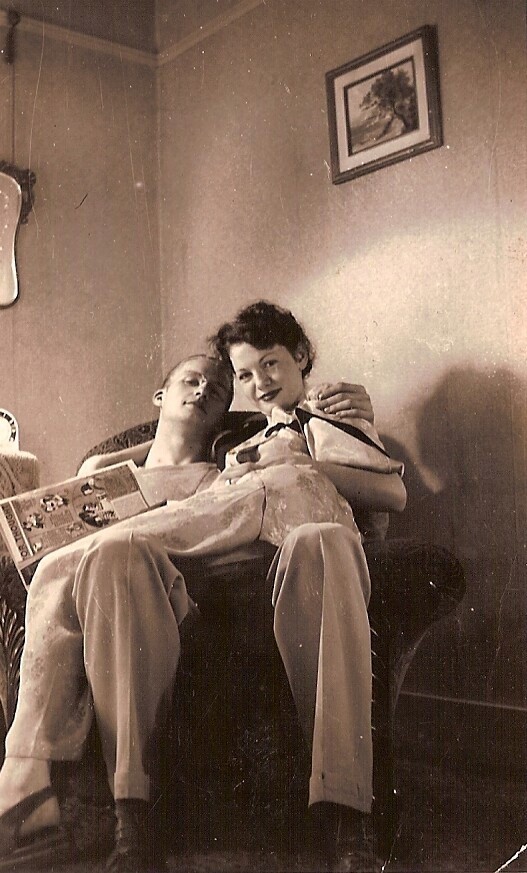
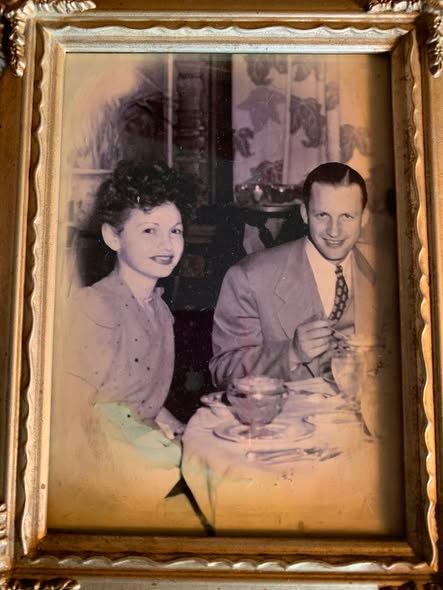
These are my parents, Robert Wilson Gregory and Patricia Margaret Keefe Gregory, before and after World War II. I remember that painting of the Monterey Cypress on the wall of our home in Arroyo Grande. In the photos, my folks are newlyweds, innocent of the catastrophe would be me several years later.. The photo on the right shows them after Dad had come home from the war in Europe. They’re at the Biltmore in Santa Barbara, as far a remove from an oil town like Taft as you can get.
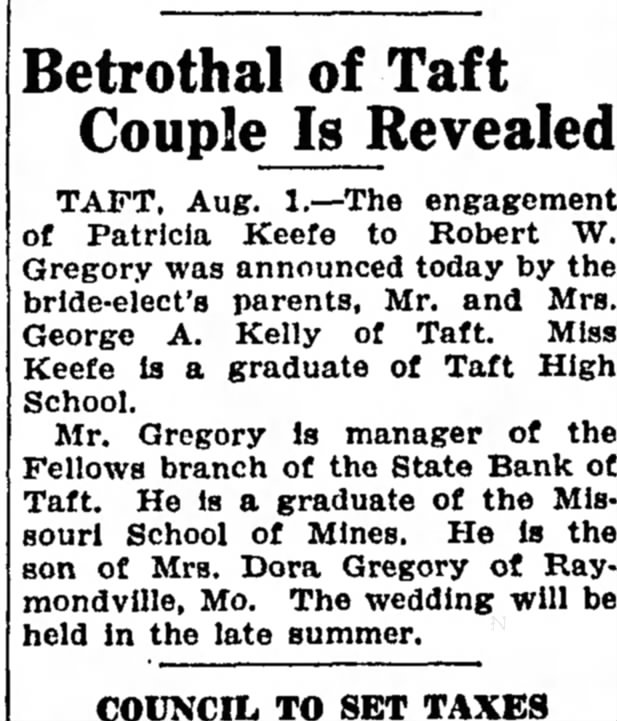
They met in 1939, when this storefront was a sweet shop/soda fountain owned by Mom’s parents, the Kellys. Dad ordered a banana split, struck up a conversation and the little newspaper clip, from July 1940, shows what followed. It’s true that my young father, only 22, was the manager of the Fellows Bank of America. He was also the teller and the janitor.
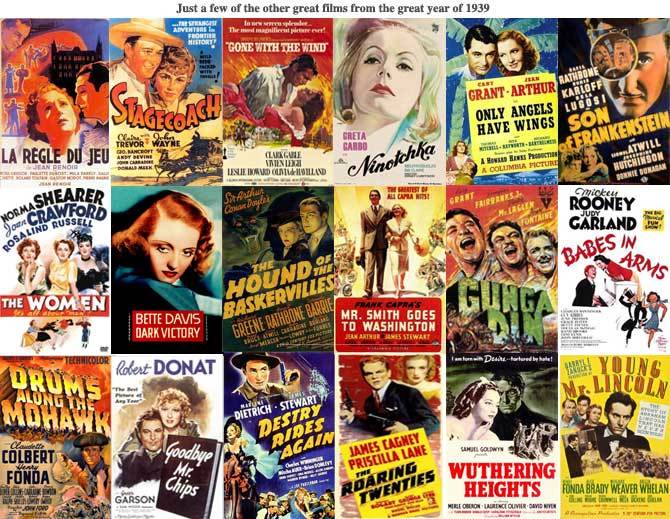
It’s what’s in between the banana split and the wedding that fascinates me. My parents were dating in 1939. Here are some of the films that were released that year:
In a very real sense (here’s to you, Turner Classic Movies!), Hollywood made my life possible.
I will now embark on a fool’s errand. If I were forced to pick three 1939 that mean the most to me, which would I choose?
I will toss two of the most obvious films: Gone with the Wind didn’t reach smaller California markets until 1940. And I’m only omitting The Wizard of Oz because, providing we strike oil in our Arroyo Grande backyard, I want desperately to see that surround-you show (DUCK! Flying monkey!) in Las Vegas.
Here, then, are my choices:
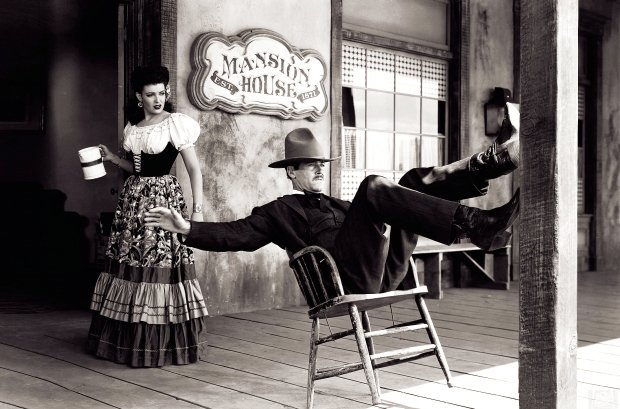
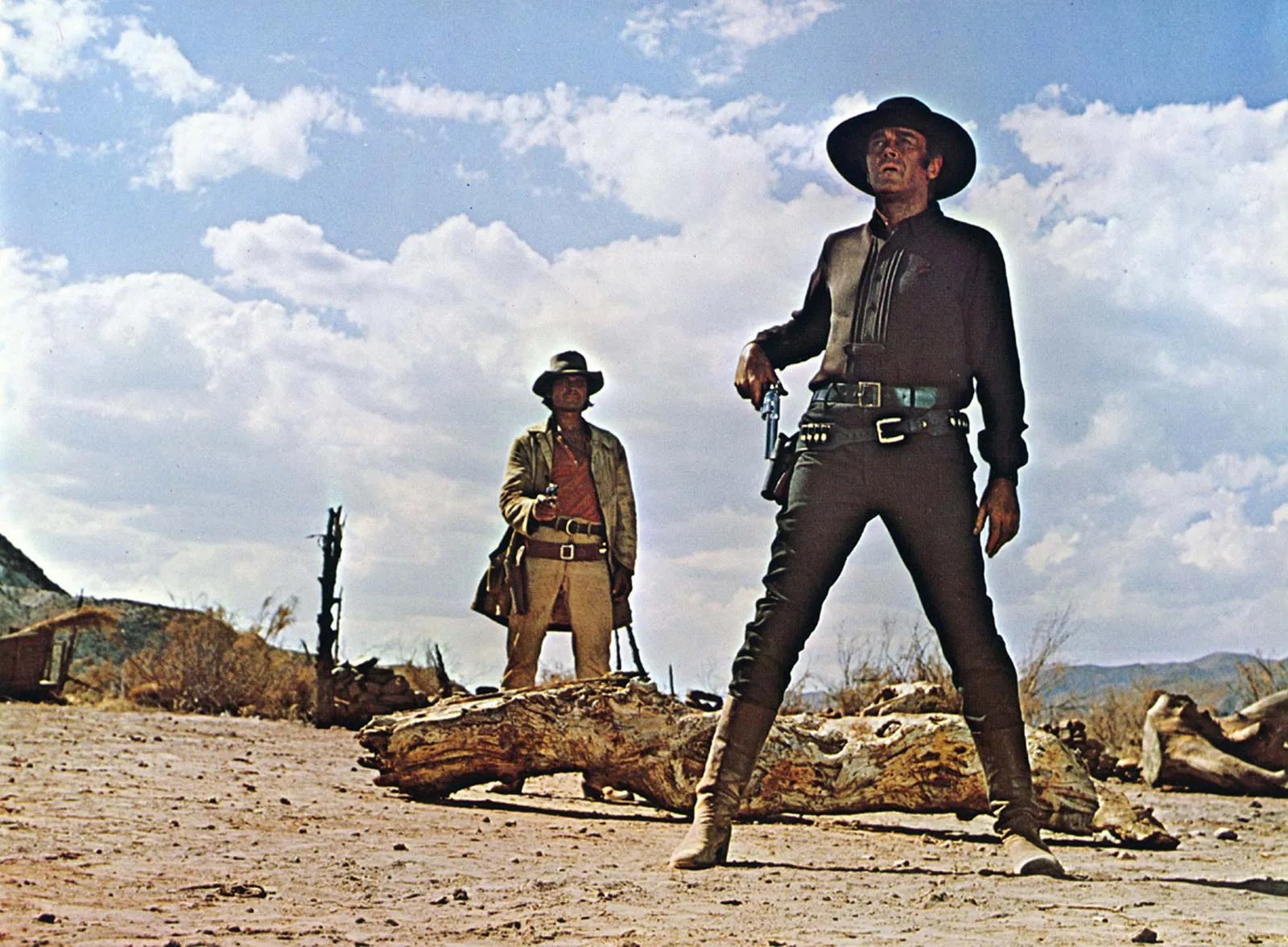
Young Mr. Lincoln. John Ford. You can criticize me for omitting Ford’s Stagecoach, a favorite, and you can condemn Ford’s hagiography, as naive as a sixth-grade textbook, but the is the first film in which Ford emphasized Henry Fonda’s legs. They are inordinately long, and young Abe—a nickname he detested—is far more comfortable resting them along a Sangamon County riverbank than he his trying to find a place for them inside a Sangamon County courtroom. Ford used those legs again, in My Darling Clementine, in a brief and funny scene where Fonda’s Wyatt Earp attempts to balance his chair along a Tombstone boardwalk. Just in case you think I’m nuts, a distinct possibility, look at what Sergio Leone did with Fonda’s legs in Once Upon a Time in the West, twenty-nine years after Young Mr. Lincoln.
In a way, I met Lincoln in Daniel Day-Lewis’s portrayal of him in Spielberg’s marvelous film. But I was a little boy when I saw the Ford film on television, and that was the Lincoln I fell in love with, the Lincoln that led me toward teaching history to young people.
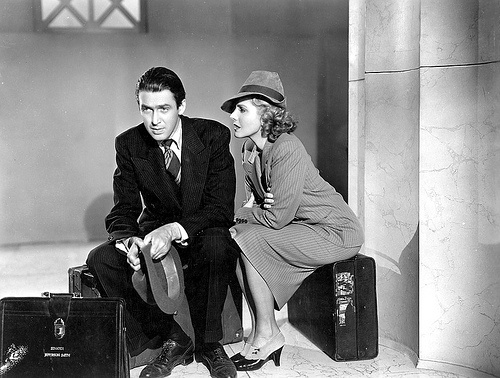
2. Mr. Smith Goes to Washington. If you want to know my politics, they’re hopelessly romantic—I’m Irish. It’s allowed—-than the perfect counterpoint to Young Mr. Lincoln is Mr. Smith Goes to Washington, where idealism collides with venality. The other thread that makes these films powerful is that their leading actors. Fonda and James Stewart were the best of friends, going back to Depression-era summer stock, and sharing a cheap apartment in New York City (Gene Hackman’s roommates, in his New York stage days, included Robert Duvall and Dustin Hoffman). In either case, you can imagine the young actors splitting a can of pork and beans.
But what made Fonda and Stewart authentic is that both loved America is vastly different ways: Fonda the Hollywood liberal, Stewart, the lifelong conservative from Indiana, Pennsylvania. Mr. Smith’s love for America is illuminated, as well, by its immigrant director, Frank Capra. You first meet that America in an earlier film, It Happened One Night, with Clark Gable and Claudette Colbert, when a busload of weary passengers suddenly comes to life by joining in singing “The Daring Young man in the Flying Trapeze.” It is an indelible scene, and Capra even inserts himself singing at the left edge of the movie frame.
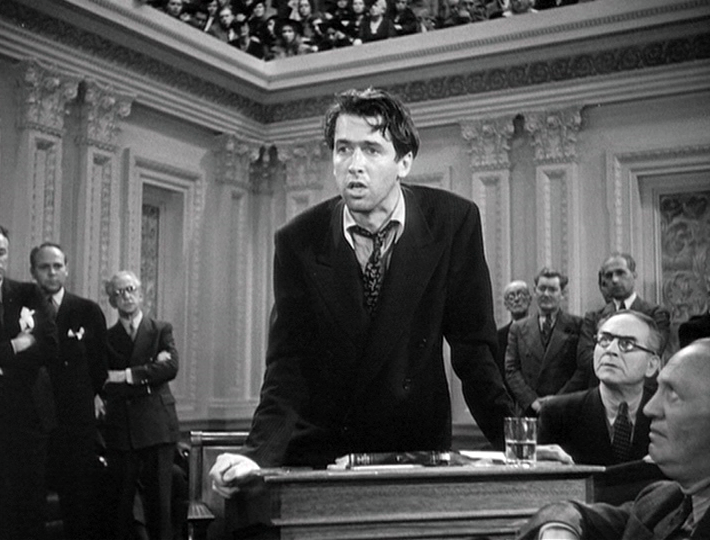
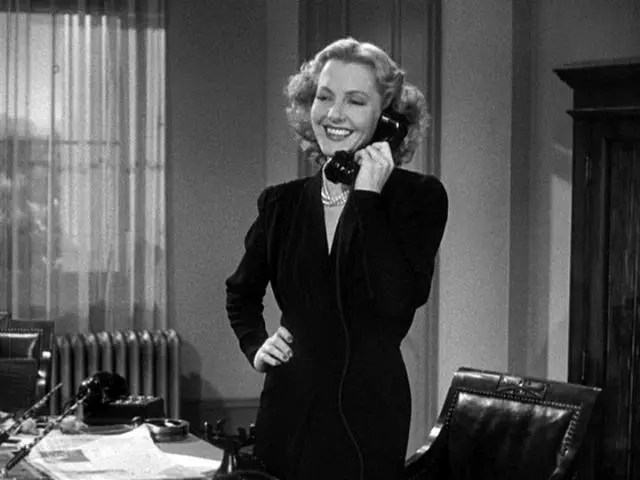
It’s Stewart’s dogged idealism that makes Mr. Smith so appealing to me, but even he, one of my favorite actors, is not my favorite part. My favorite part is his co-star, Jean Arthur, today underappreciated. Arthur was smart, appealing, and suffered, all her career, from debilitating stage fright, including on film sets, but she delivered touching and very funny performances. Stewart and Arthur had been paired before in You Can’t Take It with You, another Capra film. In Mr. Smith, she is a cynical reporter who takes Stewart under her wing. After young Smith is humiliated on the Senate floor, there’s a quiet streetside dialogue where she helps him find his courage again. It’s stunning. Arthur’s performance is stunning.
Above: Stewart near collapse in Mr. Smith’sfilibuster sequence;Arthur, as Clarissa Saunders, picks up the phone in Mr. Smith’s office; in a studio still—the scene was shot in deep shadow–Saunders restores Smith’s faith in himself.
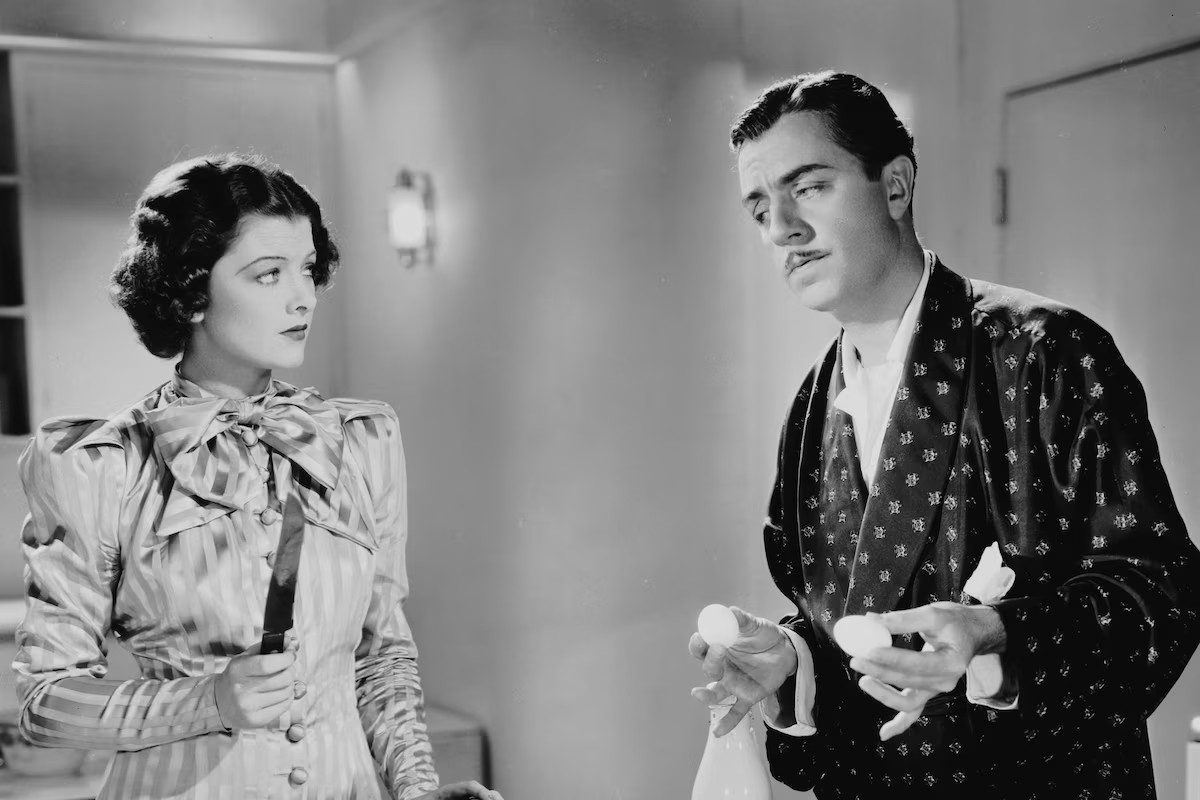
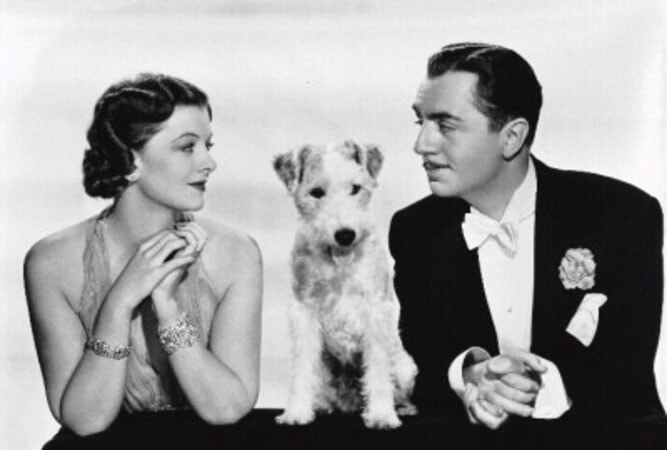
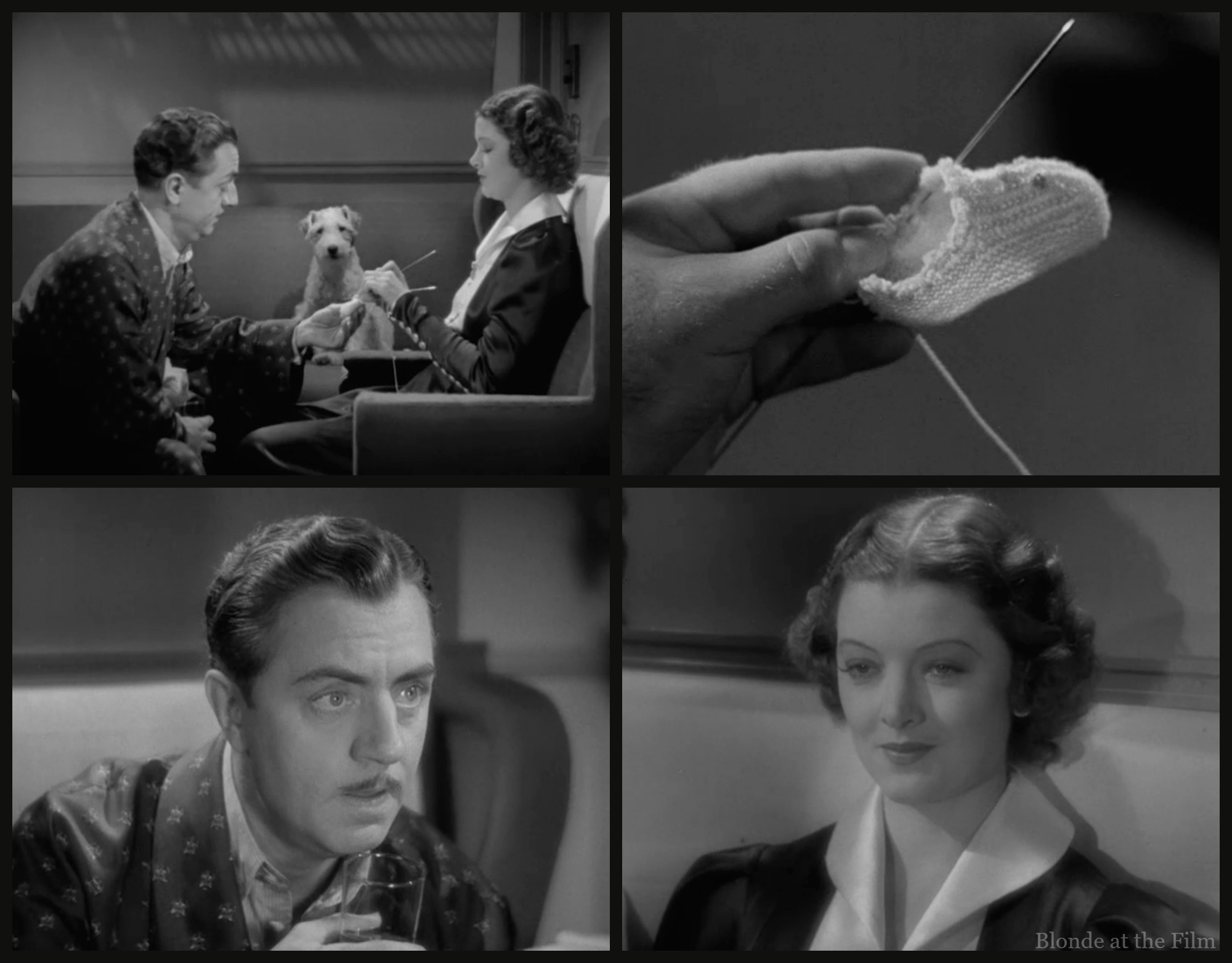
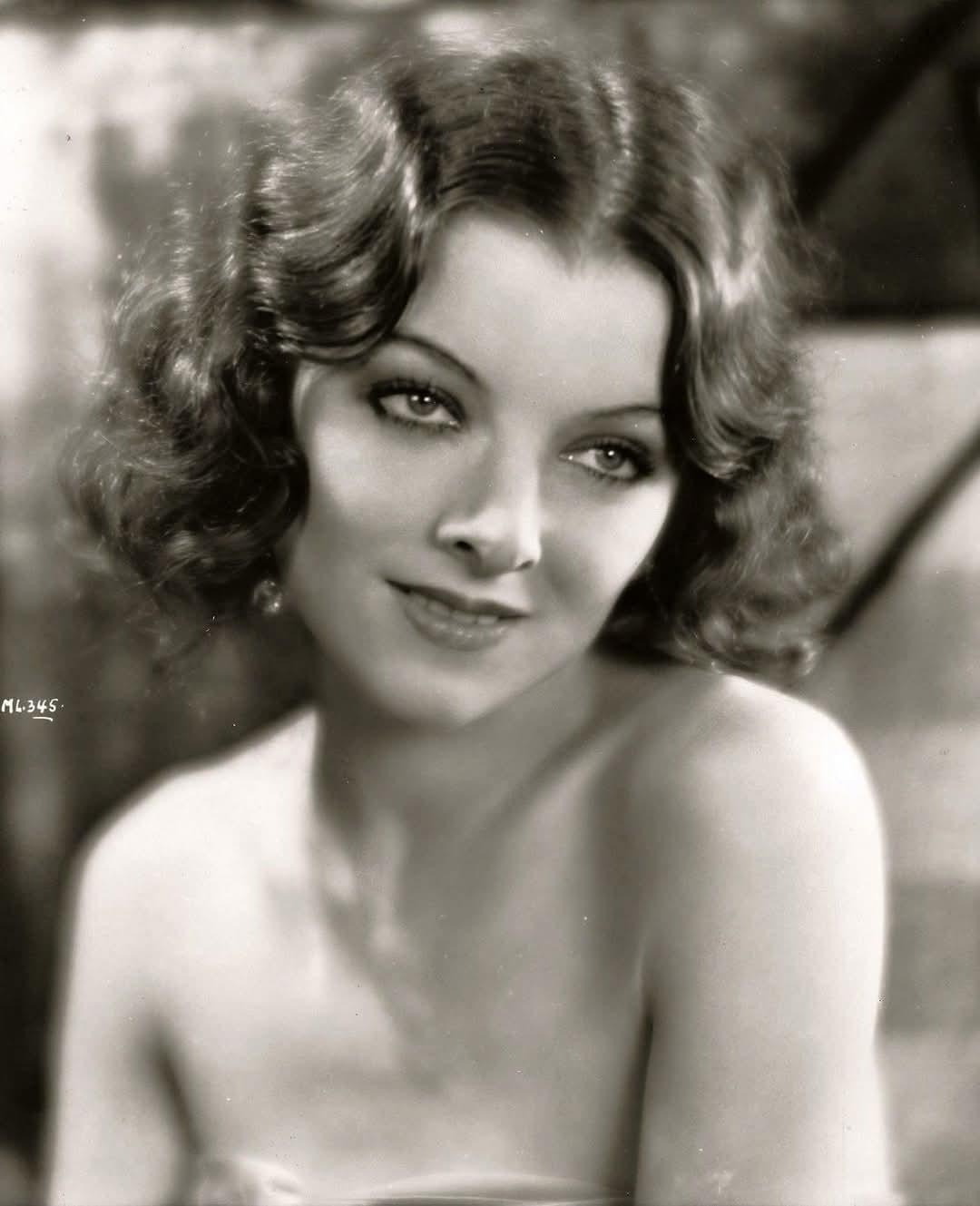
Another Thin Man. The Nick and Nora Charles film series, based on a detective invented by San Francisco writer Dashiell Hammett, may seem a trifle compared to other films from 1939. But once again, it’s the chemistry between the two leads, William Powell and Myrna Loy, that make this lighthearted detective film enduring. Their relationship was such that millions of Americans assumed they were married in real life. In this entry, the couple, new parents, are invited to a swanky estate. Their host winds up very dead. Here’s the trailer:
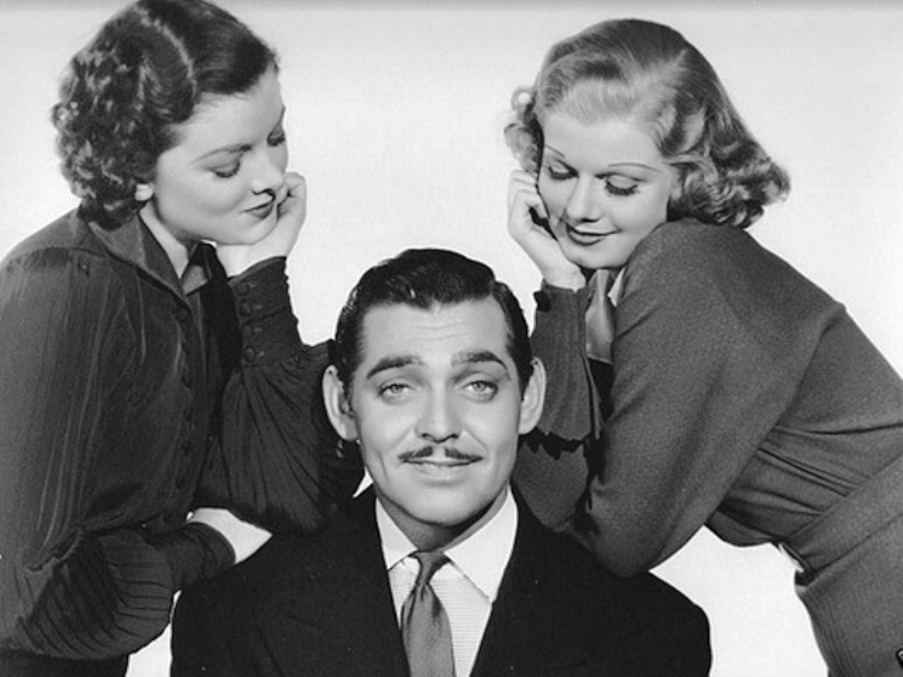
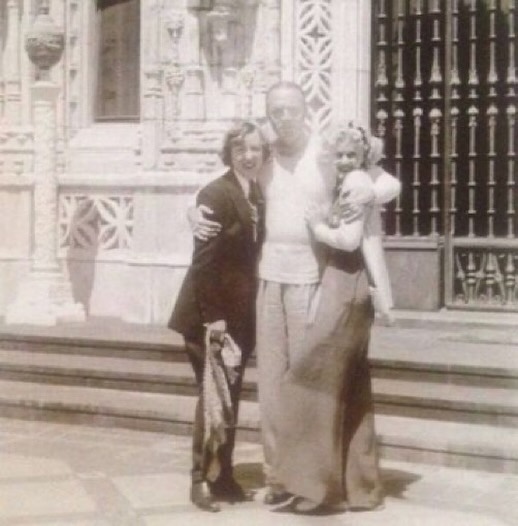
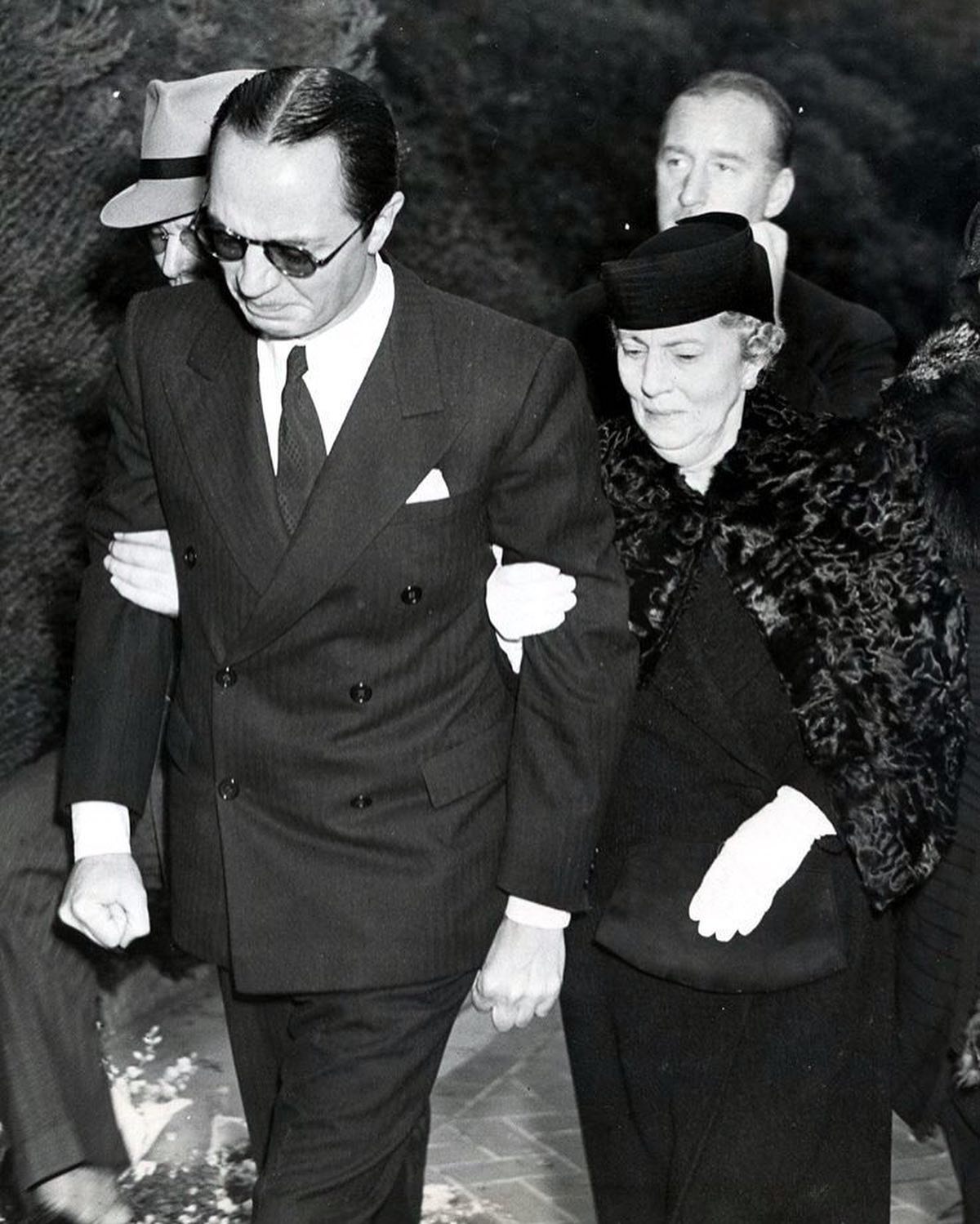
Powell and Loy weren’t married, of course. The woman who wanted to marry the impossibly suave Powell was the actress Jean Harlow. They spent time together at Hearst Castle, where Harlow continued her courtship. Powell wasn’t ready for that kind of commitment. When Harlow died of kidney failure in 1937, the impact on Powell, seen here with his mother at Jean’s funeral, was overwhelming. He had lost the love of his life.
Above: Nora (Myrna Loy) can’t sleep, so Nick (William Powell fixes her scrambled eggs; the couple with their dog, Asta; Loy, Jean Harlow– real-life friends–with Clark Gable; an unidentified woman, Powell and Harlow at Hearst Castle, 1934; Powell at Harlow’s funeral three years later.
I am not ashamed of my fondness for Myrna Loy. She was beautiful and her characters were played layers deep-, most notably in The Best Years of Our Lives, in her portrayal of a veteran’s wife who discovers that her husband has become an alcoholic. If her Nora Charles is far less worldly than Nick, she can still get the best of him, as she does in this charming closing scene from After the Thin Man, the 1936 film and predecessor to Another Thin Man.
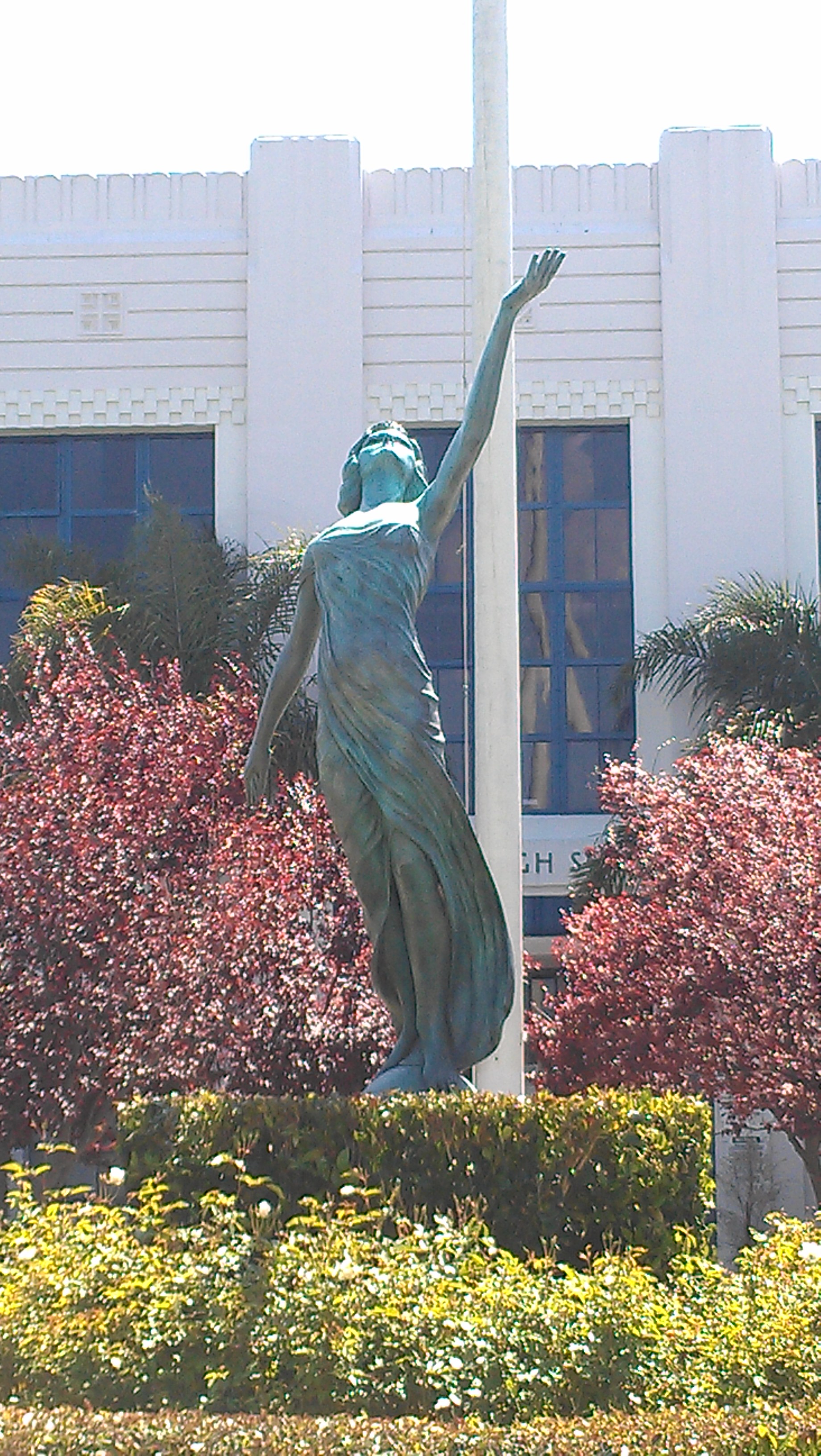
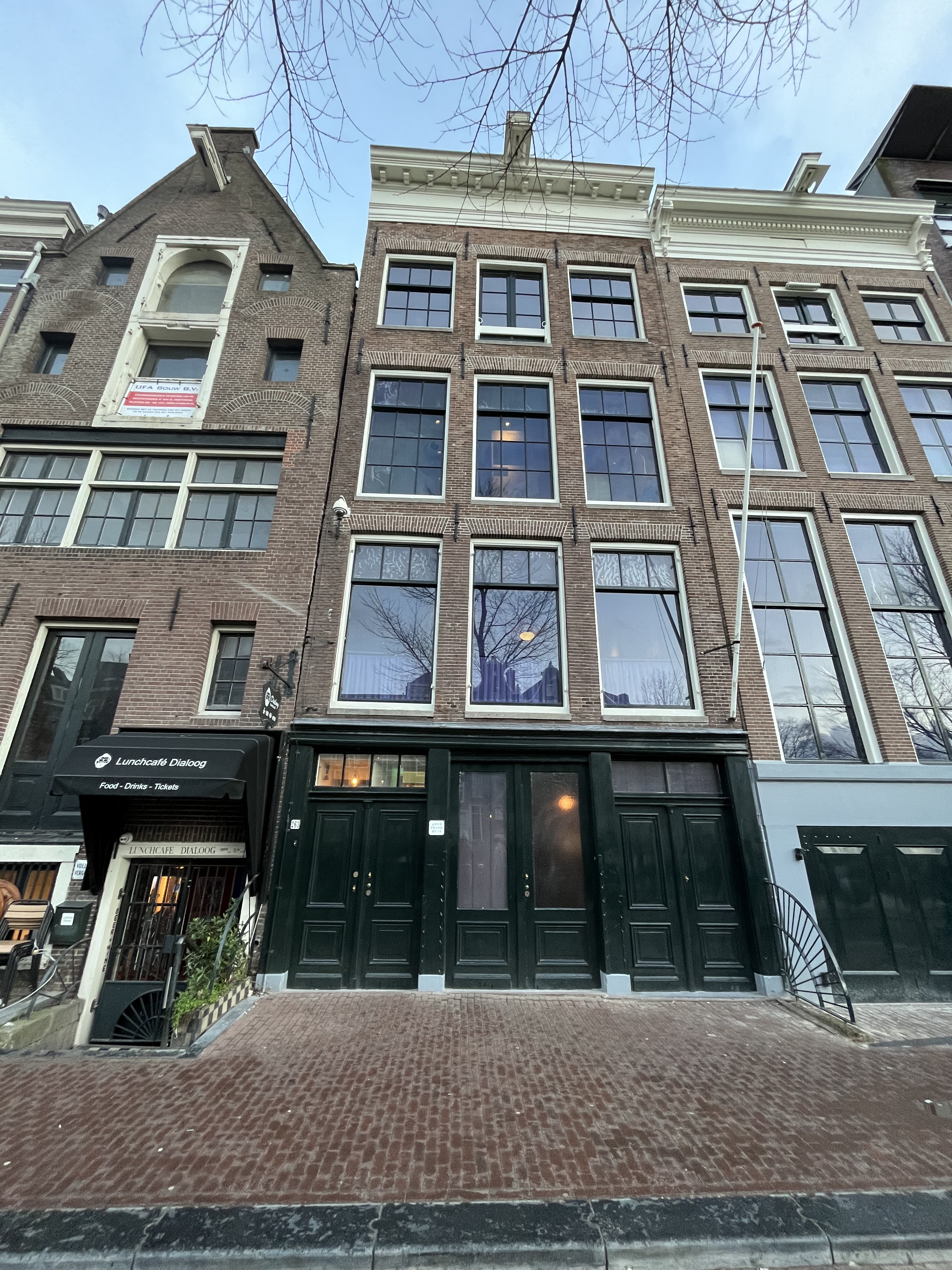
I’m not alone in my admiration for Myrna Loy. That’s her in the statue in front of her Alma Mater, Venice High. My students and I visited the Frank home in Amsterdam many years ago. In Anne’s room, inside the Secret Annex, she’d cut a photo of Loy from a movie magazine and glued it to the wall. It was still there, carefully preserved beneath plexiglass.
The statue, Venice High School; Loy as a very young actor; the Frank home, Amsterdam.
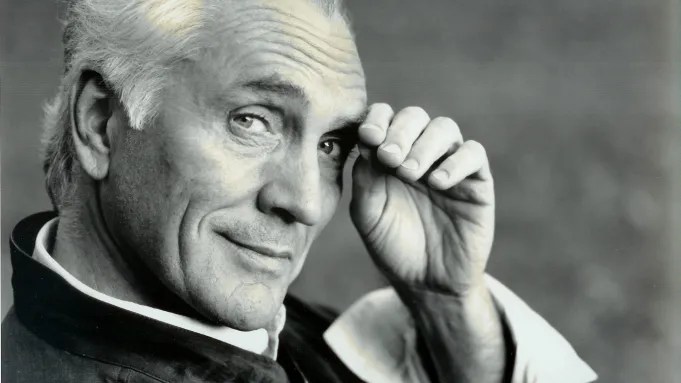
His Da was a merchant seaman and so rarely home. Home was London and, as a toddler, he survived The Blitz. Two decades later he even survived Peter O’Toole, his friend. O’Toole, common to British actors, wasn’t just a drinker. He was a carouser. Maybe this man, Terence Stamp, was among the crowd who went bar-hopping all night Friday and decided to stop into a West End theater for the Saturday matinee. They were there to hoot at the actors from their seats in the dark.
Just before the curtain, though, O’Toole leaped from his seat.
“Good GOD!” he cried. “I’m IN this!”
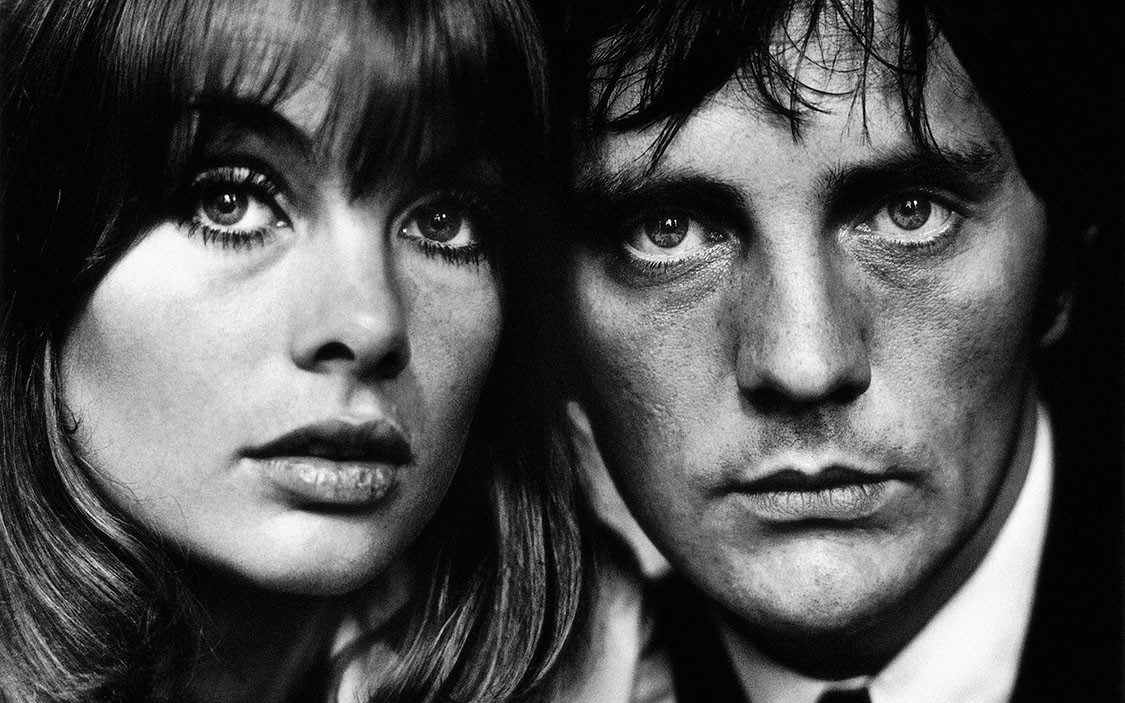
This story is, of course, apocryphal, but carousing, and booze, was a kind of second Blitz that Stamp survived. He even survived a relationship with the woman, Jean Shrimpton, whom many consider the first modern Supermodel, she who paved the way for Cindy Crawford, Gigi Hadid, Tyra Banks, and even Shrimpton’s contemporary, Twiggy. (Shrimpton is now eighty-two.)
An older O’Toole outside a Soho watering hole.Shrimpton and Stamp, about 1965.
We Yanks take some credit in the creation of this marvelous actor. He was smitten by Gary Cooper when his Mum took him to see Beau Geste when he was a little boy; when he was a teen, James Dean cemented his decision to become an actor.
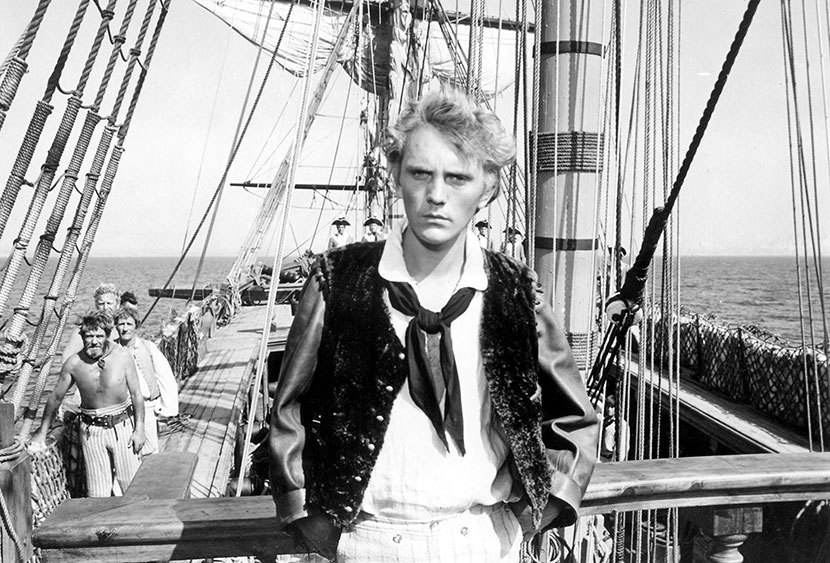
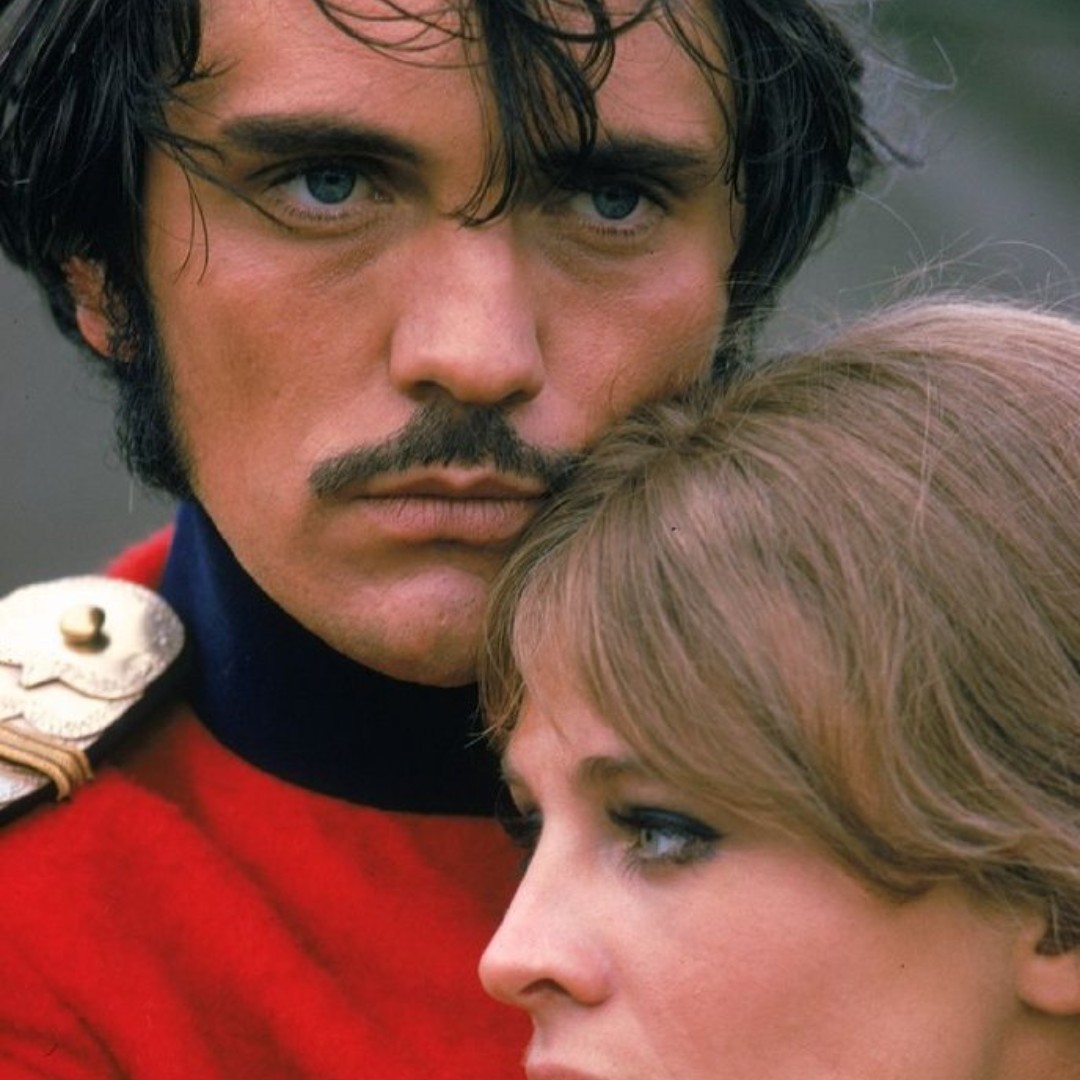
It was a sound choice. At the very beginning of his film career, Stamp’s range was already extraordinary: He was the guileless and doomed young sailor in Billy Budd, and a few years later was the brooding and paranoid soldier, the flame to Bathsheba’s moth in the first film production of Thomas Hardy’s Far from the Madding Crowd. (I enjoyed both that version, with Julie Christie, and the later one, with Carey Mulligan. The earlier version led me to Thomas Hardy novels, and that was a good choice on my part. For one thing, I learned as much about dairying from Hardy’s Tess of the d’Urbervilles as I had about whales from Moby-Dick, and the former learning was far less painful.)
For purely gratuitous reasons, Carey Mulligan’s horseback ride from the second film version. (The video link should work if you click on it.)
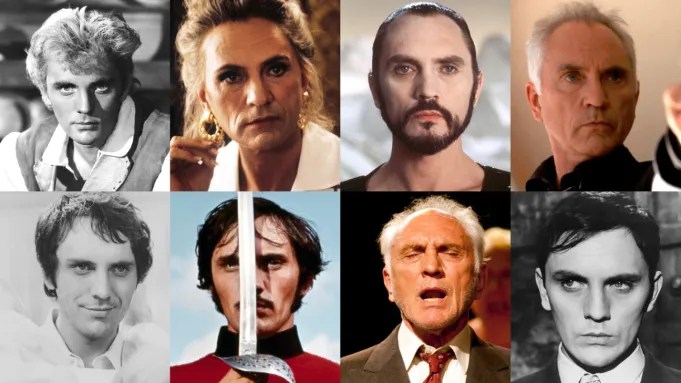
Thankfully, the news services put together a composite of some of Stamp’s roles. He made an indelible impression as General Zod in the first Superman films with Christopher Reeve. He was a superb supervillain, and those were films that he was very proud of.
Because I am a hopeless Romantic, it’s one of his supporting roles that I remember best. The film was called The Adjustment Bureau, and it’s based on a story by the brilliant American science fiction writer Philip K. Dick.
The premise is simple, and similar to The Matrix. We are not in control of our lives. They are foreordained, every moment planned from birth to death, and if someone or something threatens to violate The Plan, the Adjustment Bureau intervenes for course correction. They’re easy to spot, because all of them were slim-lined early 1960s suits. And all of them wear hats.
In the film, Matt Damon, as David, is an earnest young United States Senator who falls head-over-heels with a dancer, Elise, played by Emily Blunt. She falls in love with him. He is a button-downed traditionalist. She’s a free spirit. Can’t blame either one.
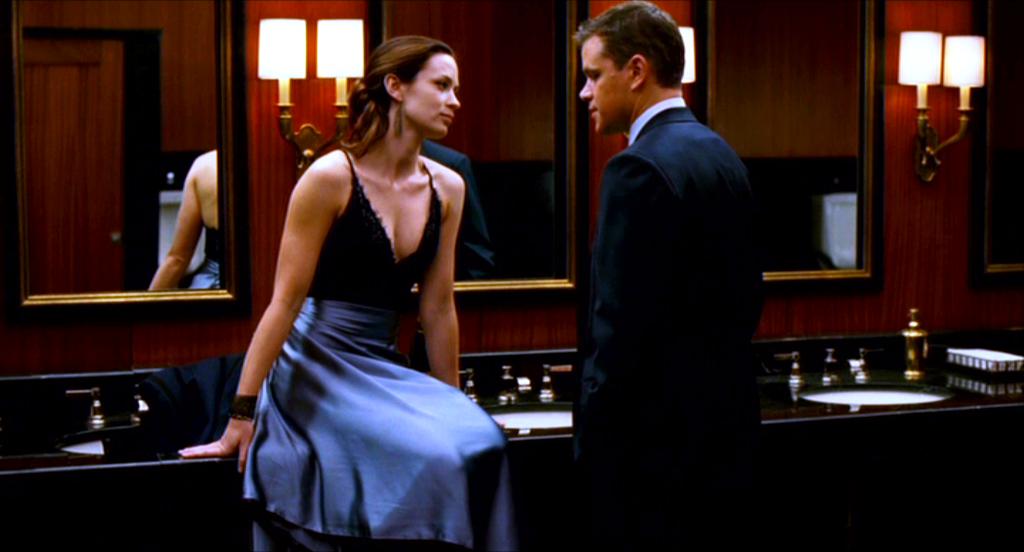
In The Adjustment Bureau, Blunt and Damon first meet in the men’s room at the Waldorf, where he’s trying to gather himself after a defeated run for office; she’s hiding in there because she’d crashed a wedding party.
But this love is NOT in the young senator’s Plan. So, the Adjustment Bureau agents, led by Stamp, intervene to separate the young couple forever. Stamp’s gravitas is expertly played in this scene, and it allows Damon’s line, at the end, the weight that it deserves. Sometimes there would be cheers from the film’s audiences at this point.
Stamp, an inherently generous actor, made those cheers happen.
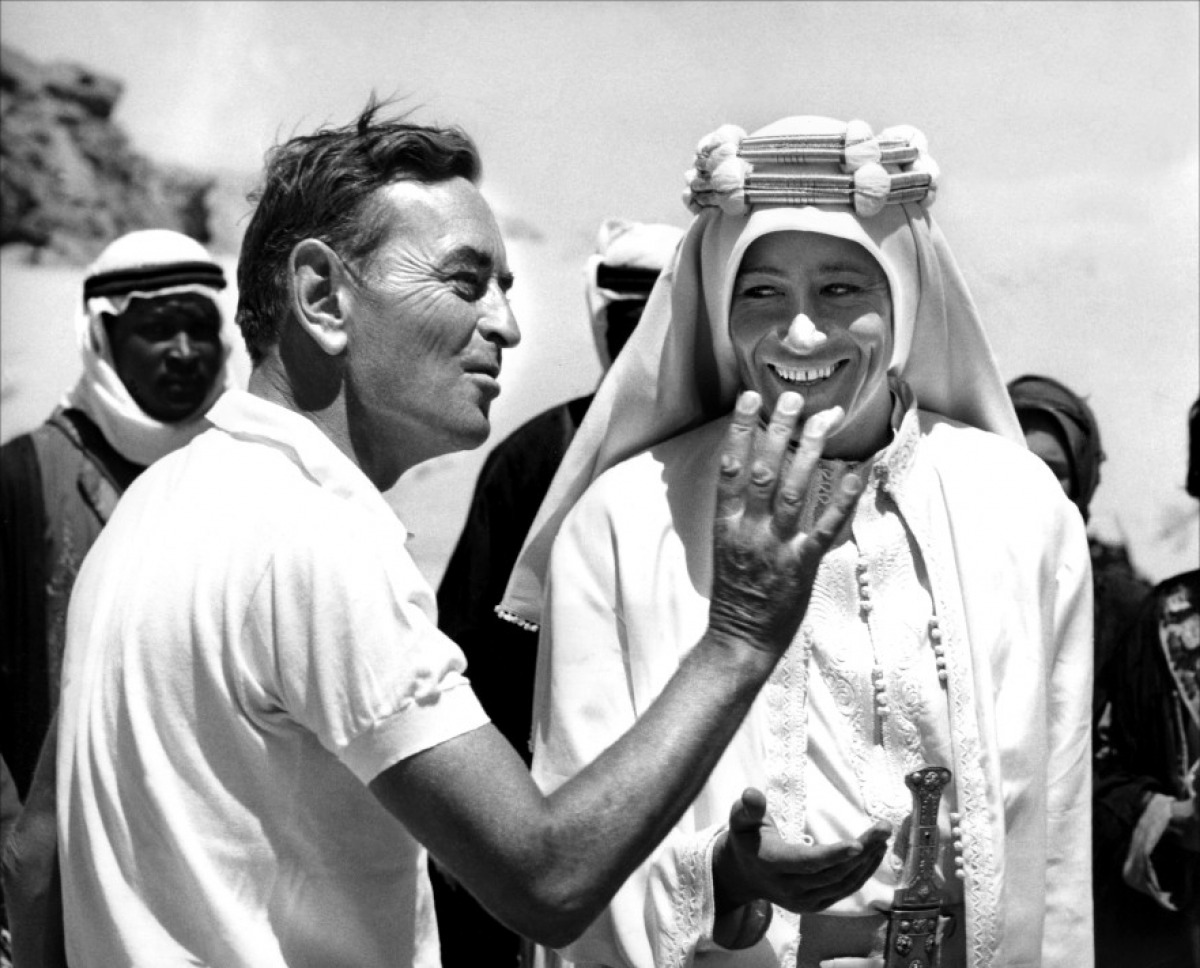
I’ve always thought of the director David Lean in terms of vastness and Technicolor. The desert scenes in Lawrence of Arabia come to mind—it’s said that thirsty theater patrons mobbed the concession stand for Cokes at the intermission. The most epic entrance in film history, I think—when Omar Sharif kills the Bedouin stealing water from his well—is an example of vastness.
And in Dr. Zhivago—theater patrons were warned to wear sweaters because that film’s cold was so vivid—there’s a set piece, where Lean communicates “cold” as Sharif’s Zhivago and Lara seek refuge from the Revolution in his family’s dacha, far, far away from Moscow or what was no Petrograd. It’s stunning and Dickensian scene, like Miss Haversham’s cobwebbed parlor and wedding cake in Great Expectations.
Dickens’ novels had as their fattest pages richly-depicted English eccentrics, from the delightful Micawber to the lizard-like Uriah Heep to the tragic Sidney Carton. In Bridge on the River Kwai, the Allied POW’s are led by Alec Guinness, who has crossed the line that divides eccentricity from madness. (The film also features one of William Holden’s finest performances.) Alert moviegoers might have spotted something off at the film’s beginning, when Guinness’s Col. Nicolson marches him POW’s into camp while whistling “The Colonel Bogey March.” It’s a little mad.
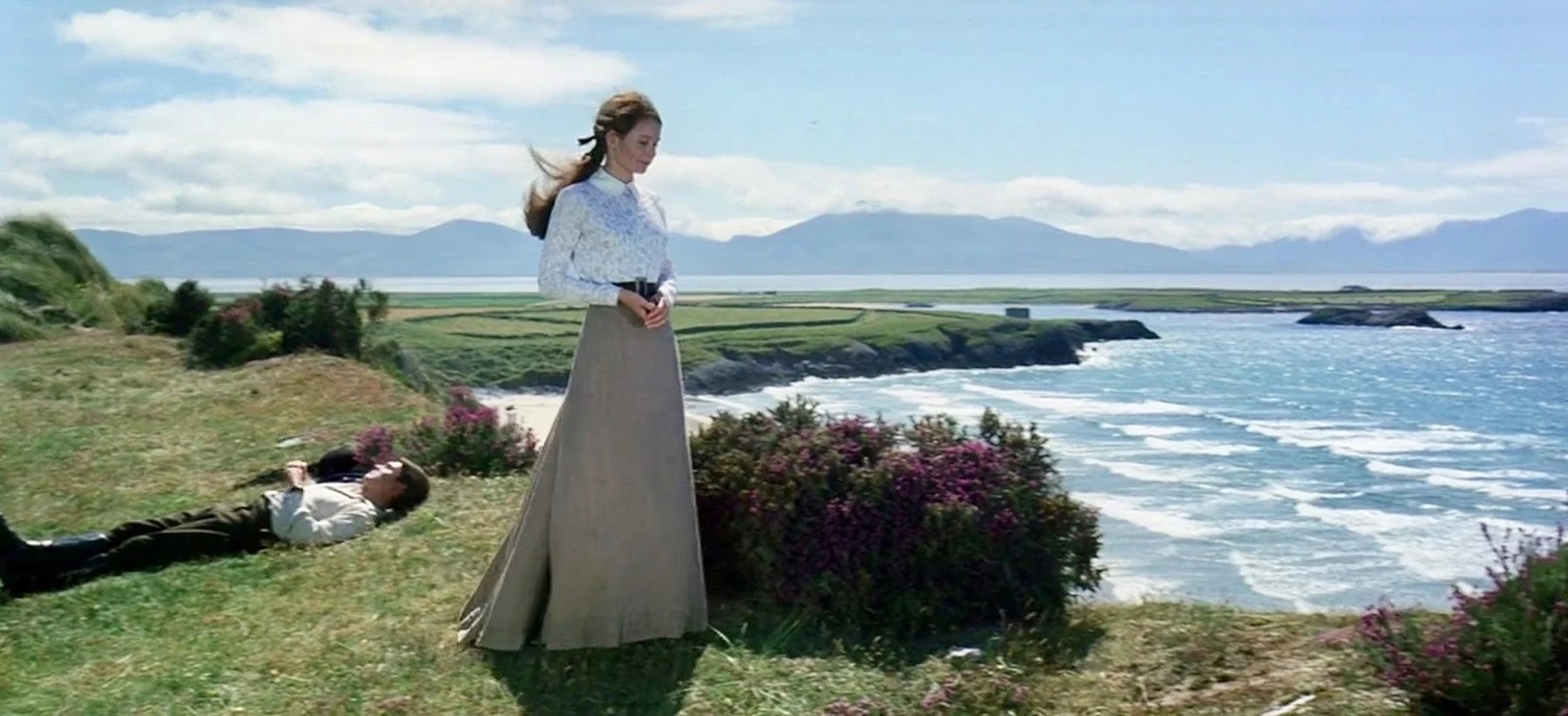
But long before Lean made grand color films–Ryan’s Daughter, while not among his great films, still made evocative use of the Ring of Kerry, a landscape far different from that of the Arabian desert.
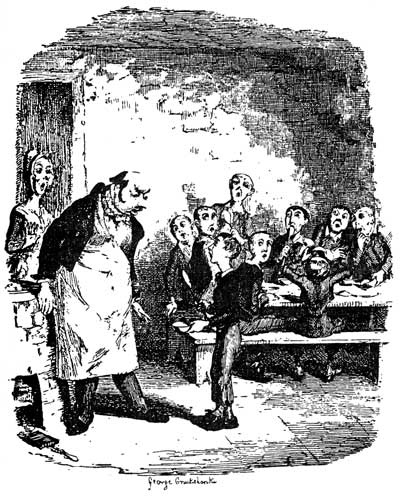
I realized that Lean’s earlier work, in black and white, is just as stunning. I’d long ago seen Great Expectations, with John Mills and Guinness, but I hadn’t seen Oliver Twist in a long time. It’s a film that makes you feels as if you’re inside a Dickens novel (Turner Classic Movies noted that the film’s dialogue was lifted almost verbatim from the novel.
Oliver asks for more. Illustration by George Cruikshank.
What struck me in yesterday’s viewing was the pathos of Oliver’s mother as she trudges exhausted, to the workhouse where she will give Oliver life and lose her own. Someone had the idea of setting the scene (the original, with its sound effects, is stunning) this one’s set to haunting music from an Australian World Music duo, Dead Can Dance. I don’t know if David Lean would approve. For what it’s worth, I do.




 A Work in Progress