
• About
  • The Germans

A Work in Progress

A Work in Progress

Monthly Archives: November 2025

Tom Stoppard is Dead. Damn

30 Sunday Nov 2025

Posted by ag1970 in Uncategorized

≈ Leave a comment

British playwright Tom Stoppard died today at 88.

Tom Stoppard may be best known to Americans for the Academy-Award winning screenplay for Shakespeare in Love, which I watch maybe not quite as often as Casablanca, The Searchers or The Godfather.

But almost that much.

It’s full of deliciousness, even from the lips of Ben Affleck, thanks to Stoppard’s words.


My big brother Bruce was an English major at UCSB and left around a copy of the absurdist Stoppard play Rosencrantz and Guildenstern are Dead, about two doomed and not terribly bright courtiers—messengers—in the court at Elsinore in Prince Hamlet’s time. I read it and didn’t understand most of it, except the coin-tossing scene (I loved it) a commentary on, I guess, free will, or the lack of it—if the two are powerless to turn up “tails,” then they’ll have no more power to save themselves from Hamlet’s merciless plot.


That scene was from a 1990 film adaptation of the Stoppard play. The then-very young actors are Gary Oldman, a favorite, and Tim Roth, marvelous in this scene with an even-more-marvelous Samuel L. Jackson. Tarantino, of course, not Stoppard.


Tom Stoppard, who died today at 88, loved our language in the same way that Jackson does in this scene, free-styling Old Testament Yahweh verses that don’t exist. He makes our language marvelous, including that f-word that would’ve been familiar in the England of Hamlet’s time.

https://www.instagram.com/reel/DRpwwX4D8T3/

Stoppard’s work, like Shakespeare’s, is so often beyond my poor understanding that I finally had to forgive myself. These are words meant to heard, not just read. Then they come to life. Another great playwright, Robert Bolt, reconstructs the trial of Sir Thomas More in his play A Man for All Seasons. In this scene, a onetime member of More’s household, Richard Rich (the wonderful Sir John Hurt, he of the Alien Belly Eruption) has just committed the perjury that will send More to the scaffold. But More wins anyway, with that delicious little dig at the scene’s end.

English insults don’t sear the way they do in Spanish or Italian, but their aftereffect is such that Hurt’s character must leave the courtroom with the sudden realization that his legs are missing below their knees.


I am fond of snide humor, but when Elizabeth and I saw the Stoppard play, early in our marriage, I was intimidated because we were Yanks in Levi’s inside what I think is this magnificent theater in the West End. (We were later Yanks in Levi’s at Oxford when the chapel sexton insisted we come in to hear the boys’ choir for a sung Mass. He was a lovely man. And we were Yanks in Levi’s still later, at Stratford-on Avon, for Twelflth Night, a little saddened that our seats were standing-room only.

Until, we realized at intermission that we were closest to the bar.)
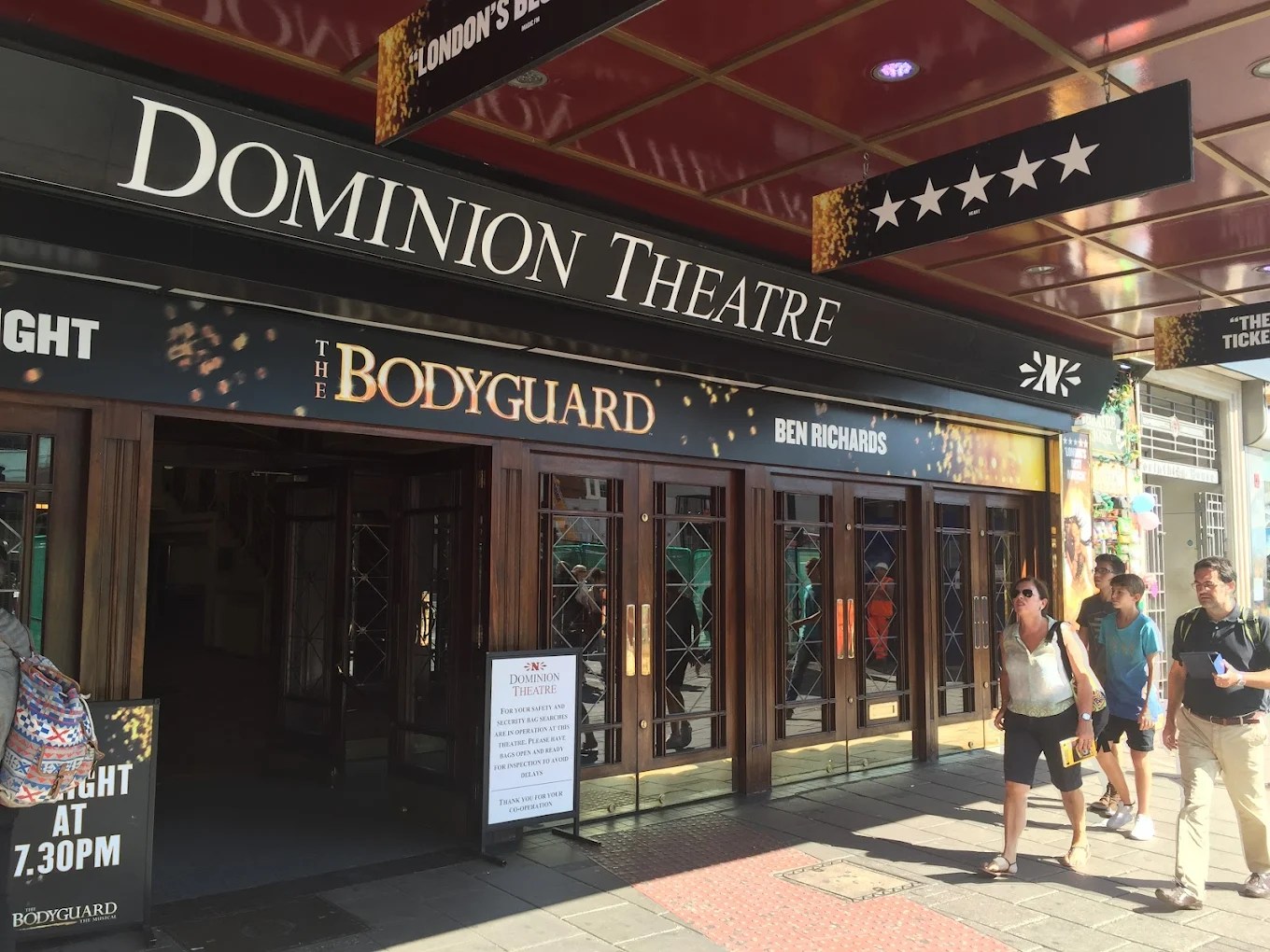
My previous awesome theater experience was at the Obispo in San Luis, beautiful but about the size of Cinderella’s glass slipper compared to this place.

Then I noticed the opera glasses. They were for rent–rather, “for hire”–and I thought that was supremely cool. I hired us a pair.



And then Rosencrantz and Guildenstern are Dead began, and I began to laugh so hard that I began to feel quite at home. We wanted to take the young actors, made larger by our opera glasses, home with us, but, after all, they were in the right place at the right time, playing the right roles, and they were enjoying themselves, too.

This two hours of happiness was Stoppard’s work, the man who could make our beautiful language flow and, when he wanted, make it hiccup, too. I wrote this to thank him.


P.S. Speaking of Shakespeare—and why not speak of him?—director Chloe Zhao’s Hamnet, whose emotional center is Shakespeare’s son, is coming to Arroyo Grande in mid-December. Here’s the trailer. I can’t wait. Maybe I’ll rent some opera glasses.


An American Thanksgiving in England, 1944

22 Saturday Nov 2025

Posted by ag1970 in Uncategorized

≈ Leave a comment

Tags

eighth-air-force, History, thanksgiving, world-war-ii-england

More and more, as I age (Oops! One arm just fell off!) the more I appreciate Thanksgiving.

We forget sometimes that it’s a uniquely American holiday, first declared by my foremost hero, Abraham Lincoln.

When I wrote a book about local World War II aviators, I found dozens of heroes. Most of them were Eighth Air Force fliers, stationed in England.

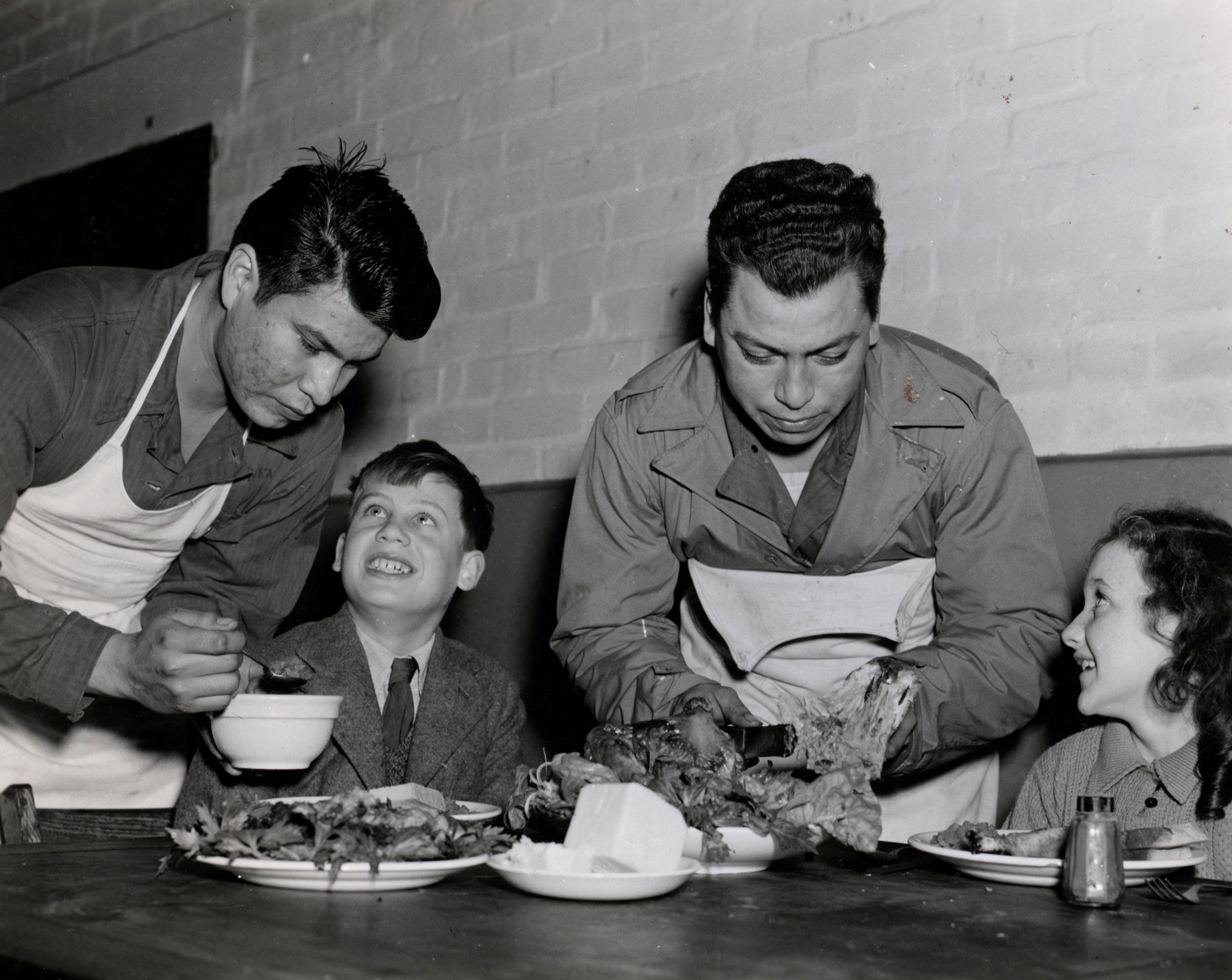
These photos show some of those Yanks. One teaches British war orphans about baseball.

Joseph Sleeping Bear, on the left, helps to serve a Thanksgiving meal to British kids.

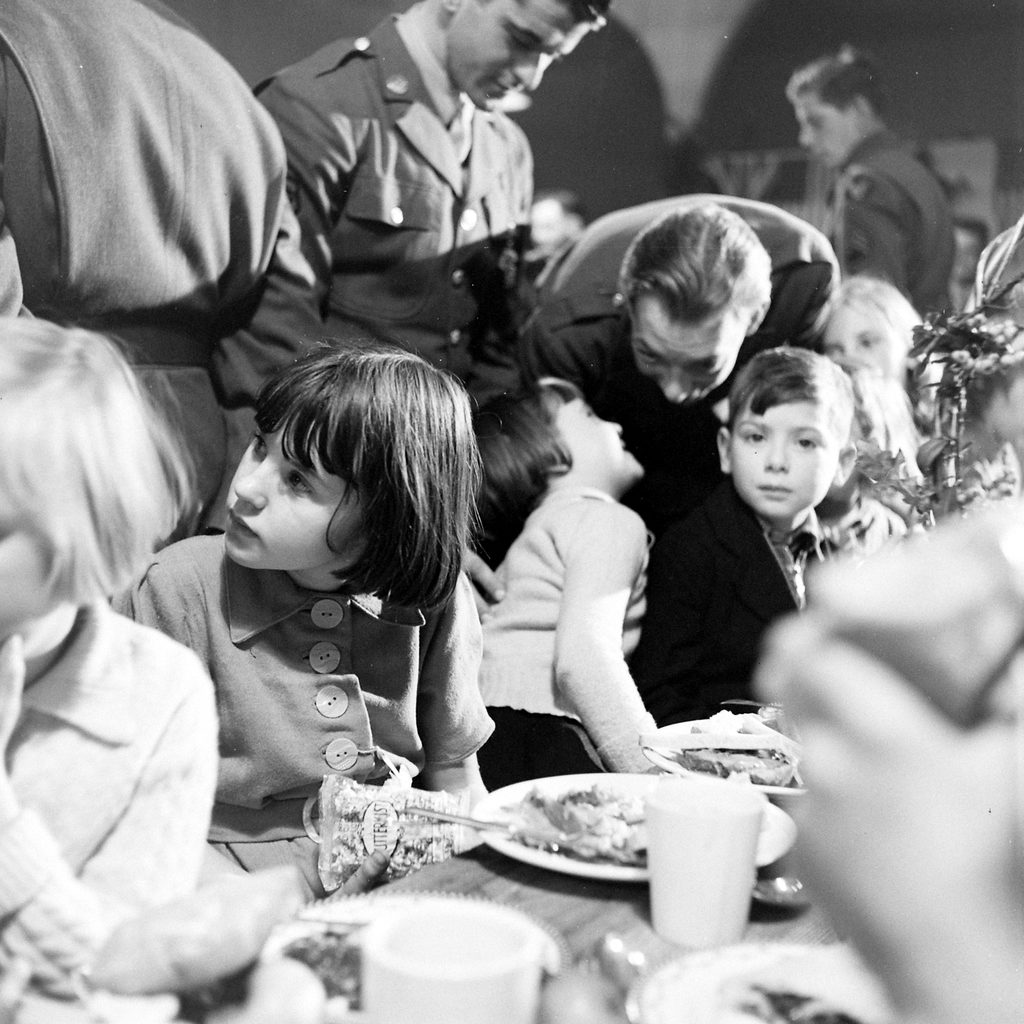
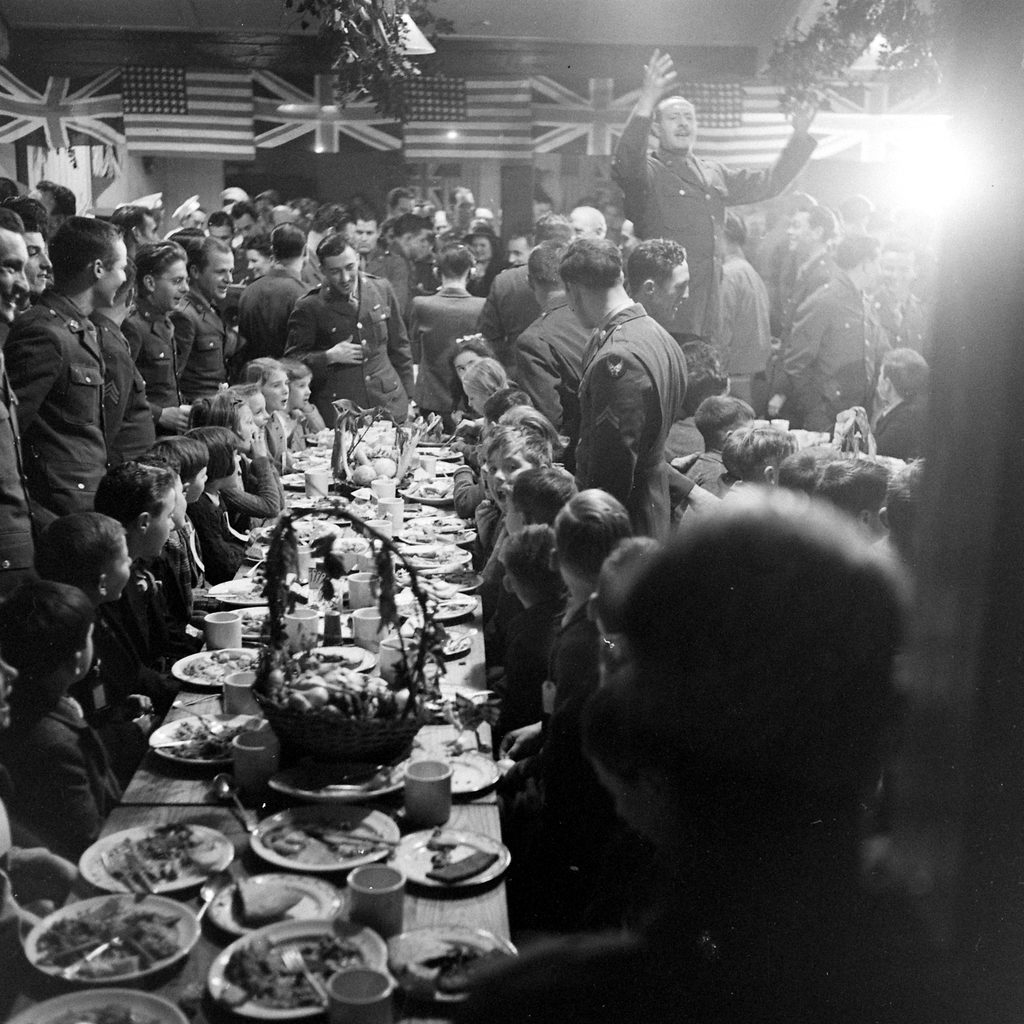
Two photos show a grander Thanksgiving celebration, with Army Air Forces officers in conversation with their little guests.

Sand
S

For British children, Thanksgiving was an impossible holiday. Thanks to the U-boat campaign, the British had been going hungry for years.

I’ve told the story before because I’m so touched by it. My father, an Army officer, was kind of “adopted” by a family in London–a common occurrence–and when he brought them a bag of California oranges in the summer of 1944, the family’s mother burst into tears. Her family hadn’s seen fresh oranges since 1939.

What the Yanks brought was their brashness, their loudness, and their determination to romance English girls–the elder sisters of children like these. So they left behind Anglo-American babies.

But they left behind their good will, offered in seemingly endless Hersey bars and spearmint gum. Their rough kindness remains vivid in the memories of children, now in old age, who will never forget the Americans.

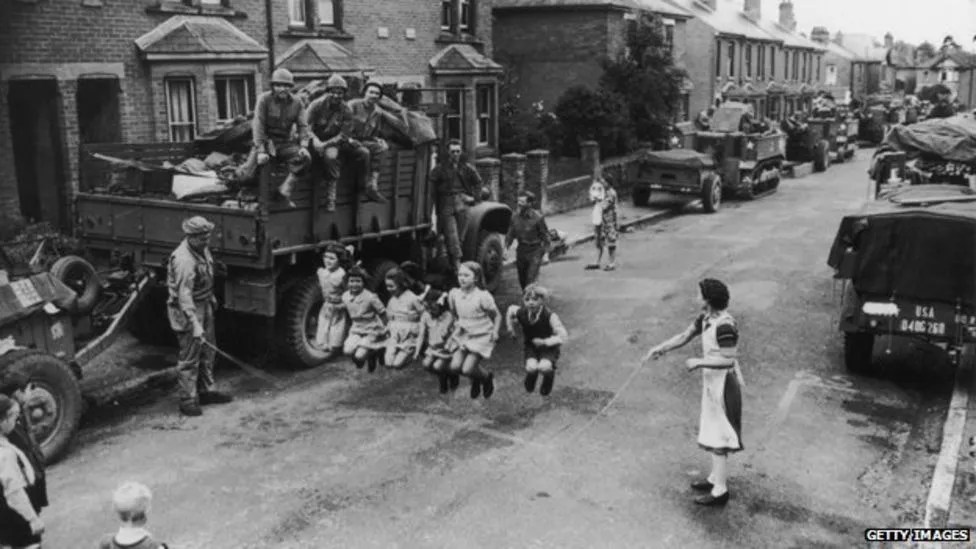
An American soldier, among those marshaling for D-Day in southern England, finds time for a little jump rope.
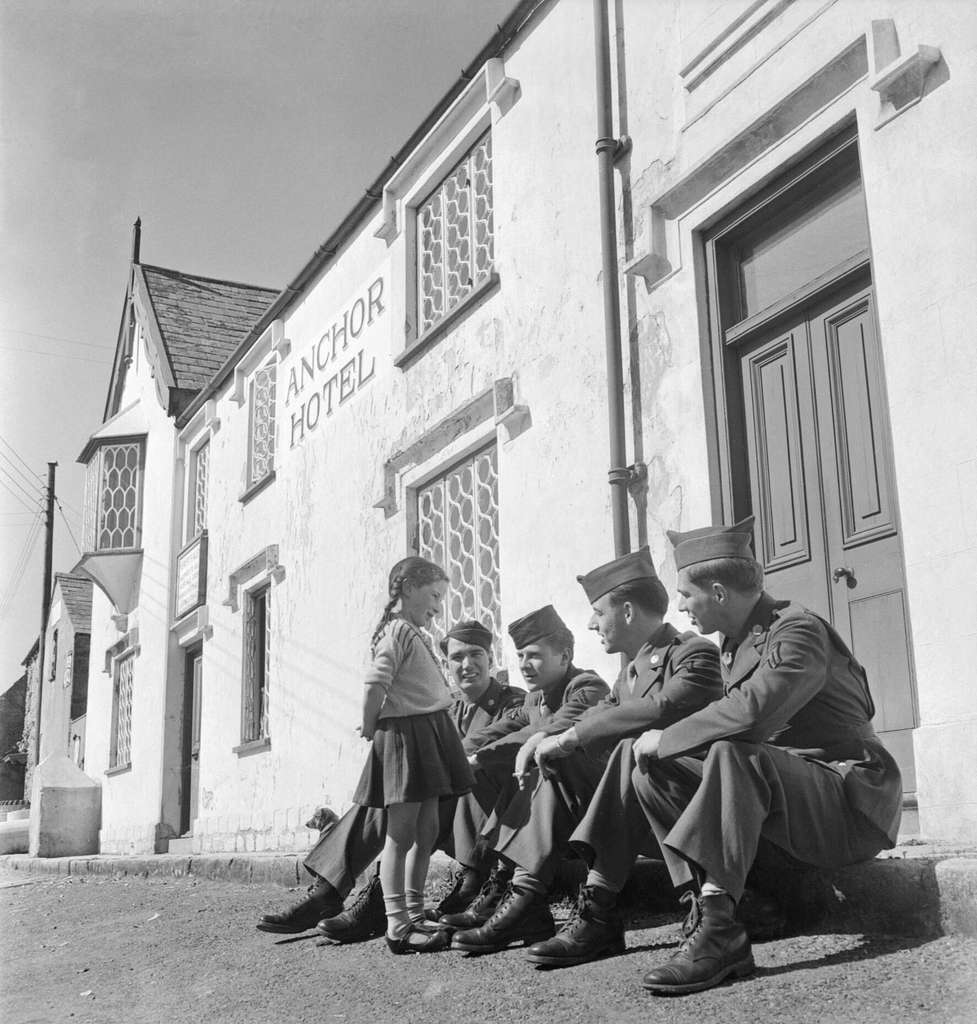
Yanks and “Freckles,” the little Dorset girl who befriended them.

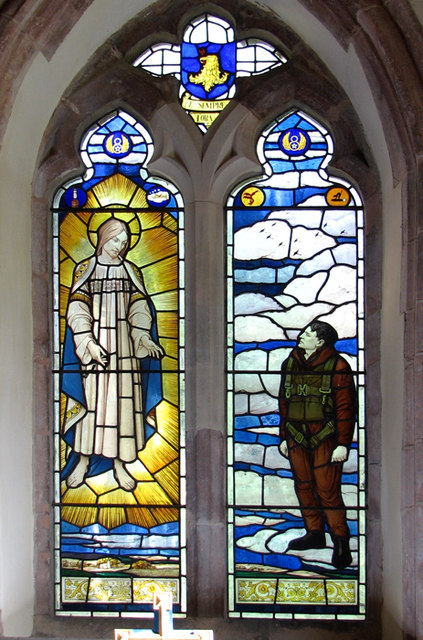
There’s proof of that remembering. The stained-glass window is from a church near a wartime airfield, RAF Alconbury, from which at least three Arroyo Grande airmen, B-17 crewmen, flew.

The left panel depicts the Risen Christ. In the right panel, looking up at Jesus, is a Yank airman.

I keep writing about this generation, stupidly condemned by prewar sociologists as self-centered and pleasure-seeking, because I loved my parents so much, and because the war brought out in these Americans the generosity that I think is a fundamental American trait.

It’s a trait that has been nearly destroyed in the last year.

Picture this about the impact we had in England: On nearly every heavy bomber mission taking off from nearly every American airfield in England, little schoolchildren would gather to line the airfield’s perimeter fence.

They were there to wave goodbye to their Yanks.


Addenda: This kind comment appeared in he original Facebook post of this essay.


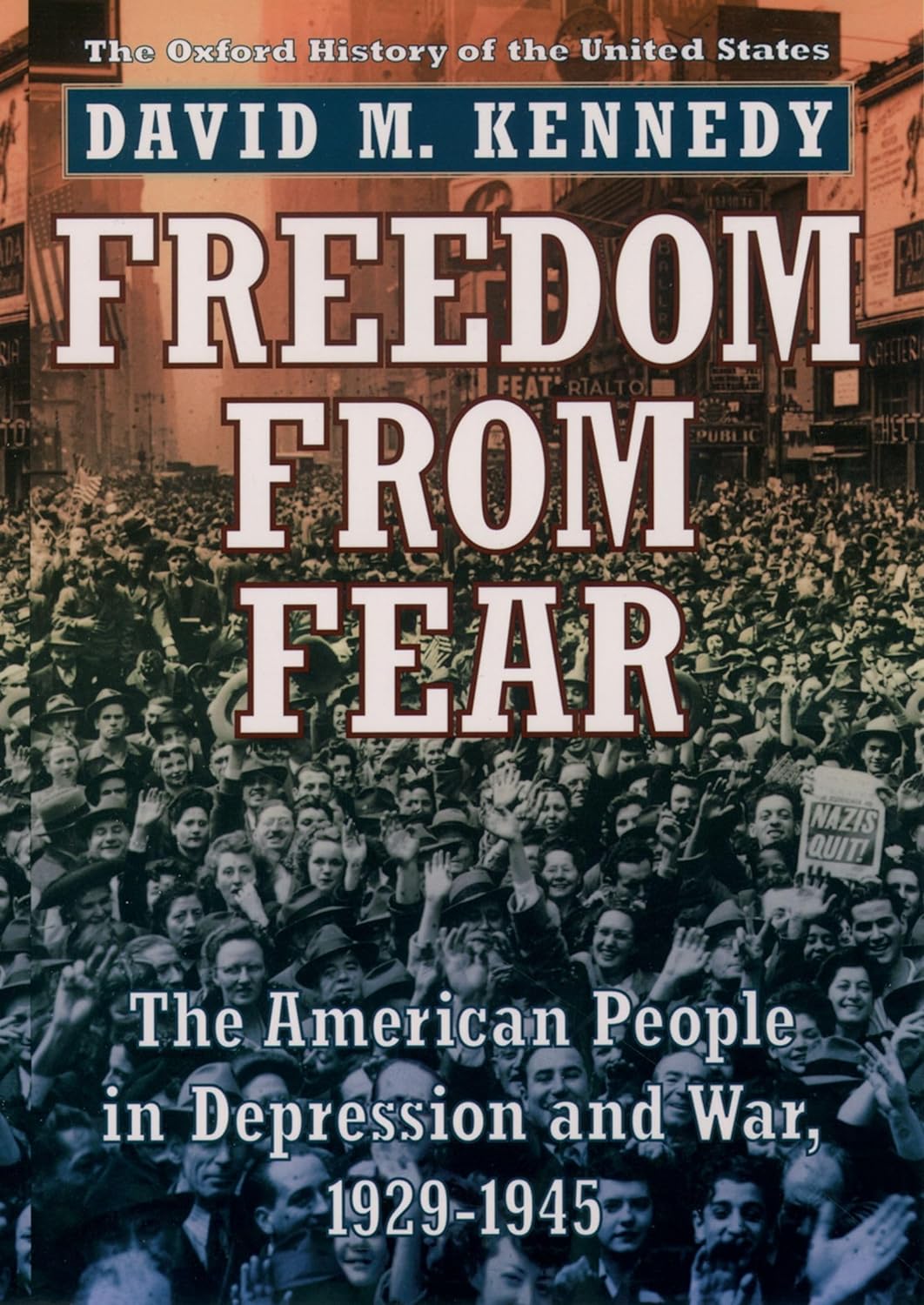
Stanford history professor David M. Kennedy published the book Freedom from Fear, about America in depression and war. It won the Pulitzer Prize.


I took a weeklong class from Kennedy, along with thirty history teachers from all over America, at Stanford in 2004. It was one of the great experiences of my life: Kennedy was warm and engaging, answered questions with both brilliance and respect, and his admiration for the Americans he’d written about was obvious. My admiration for Kennedy will remain with me always.

Jimmy’s Trip to the Dermatologist

21 Friday Nov 2025

Posted by ag1970 in Uncategorized

≈ 1 Comment

Tags

dermatologist, Writing

Screenshot 2025-11-21 152127.png


Today it was time to eradicate all those little precancers that we of Anglo-Irish descent tend to accumulate, so I went to the dermatologist for the Blue Light Treatment.

 I forgot that the Blue Light Treatment lasts an hour and a half. First they put a substance on you that smells like an exploded still on the Ozark Plateau. Then they leave you in a darkened room to fidget for an hour. Then they sit you in a chair and wheel you inside the Blue Light Machine, which looks amazingly like Robocop’s mask.

Screenshot 2025-11-21 153142.png

Then they go away. The machine goes hmmmmmmmmmmmmmmmmmmm, only softer. Most of the light is yellow but there’s definitely blue bars above you and to your sides.

Hmmmmmmmmmmmmmmmmmmmmm.

It starts to get warm. They give you a little fan but, being a he-man type male, I only used it once. The rest of the time I was counting “One Mississippi, Two Mississippi…”

For seventeen minutes and forty seconds.

Sometimes the nurse comes in to tell you how much time you have left, kind of like Leslie Nielsen:

both-good-luck.gif

ONLY ELEVEN MORE MINUTES!

Hmmmmmmmmm. 

Three hundred twelve Mississippi, three hundred thirteen Mississippi…

Panic begins to set in. The machine’s supposed to shut off automatically. What if it doesn’t? What if the nurse’s boyfriend is breaking up with her over the phone and she forgets about me?

Phew! She pops in:

ONLY SEVEN MORE MINUTES!

Seven hundred thiry-eight Mississippi, seven hundred thirty-nine Mississippi…

Your face feels like copulating fire ants. 

Leslie Nielsen is replaced by Robert Duvall.

apocalypse-now-coppola.gif

Then, thank the Good Lord, the machine goes dark. They give you lots of post burning tips: Don’t go out in the sun, refrigerate Vaseline for pain relief, use sunscreen, don’t stand under a napalm strike. They give you two prescriptions for an ointment and a steroid for pain.

They want you back in January.

War and Innocents

18 Tuesday Nov 2025

Posted by ag1970 in Uncategorized

≈ Leave a comment

Tags

History, japan, mrs-hall-all-creatures, pearl-harbor, politics, prince-of-wales, repulse, wwii

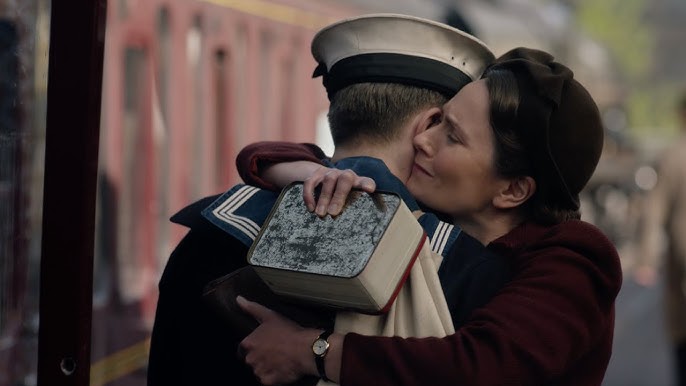
Last night, PBS reprised the 2024 All Creatures Great and Small Christmas episode. It tugged, as usual, at the heartstrngs, but this was set at Christmas 1941, when the world had gone quite mad.

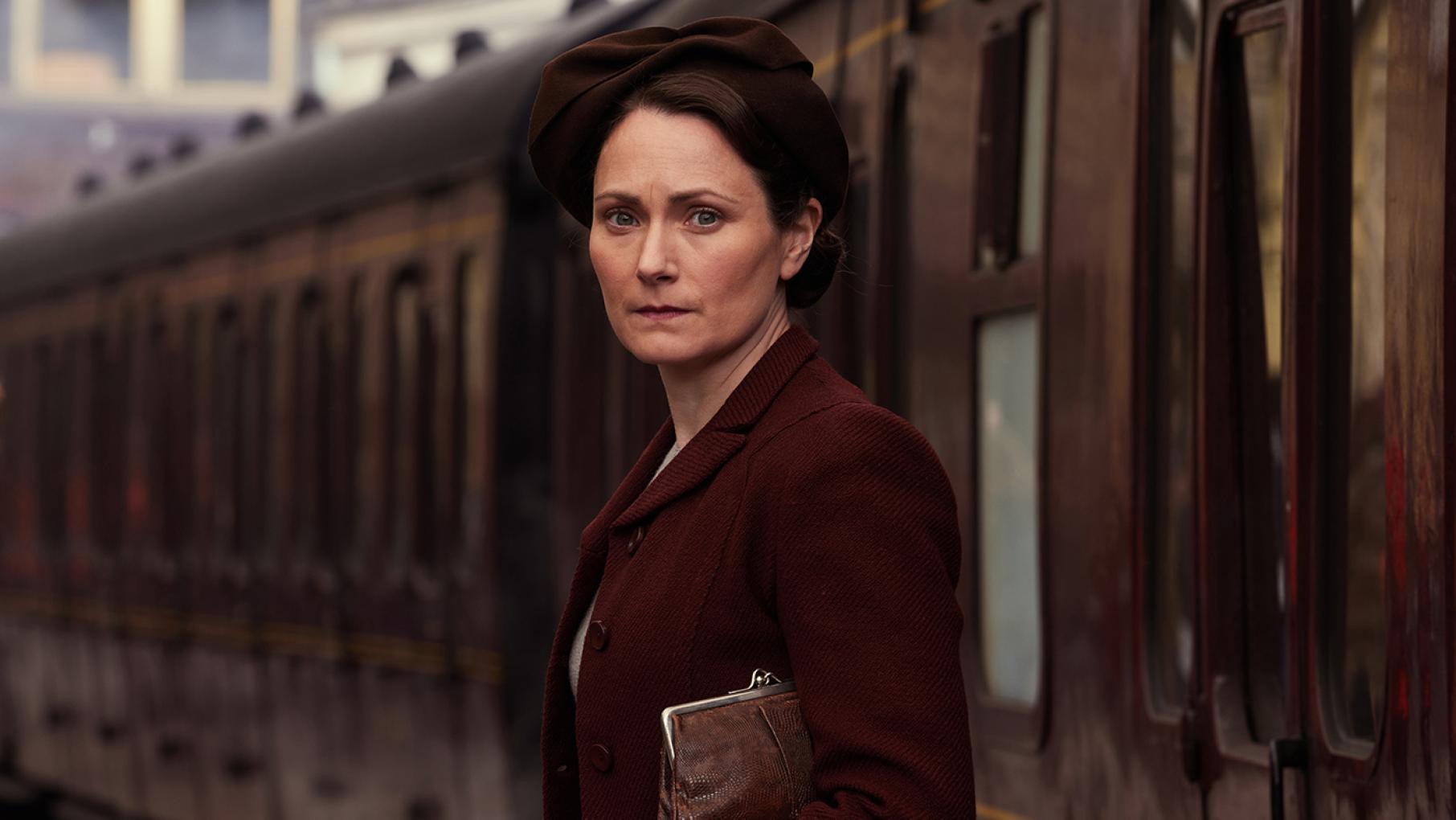
Earlier in the season, the housekeeper, Mrs. Hall, had reunited with her estranged son, only to see his train take him away to a war in progress in Britain since 1939, and to his duty in the Royal Navy.

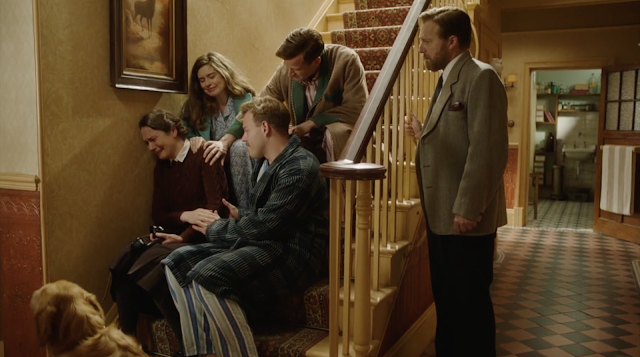
Word comes over what was called the wireless that her son’s ship, the battle cruiser HMS Repulse, has been sunk, along with the battleship Prince of Wales. The Farnons and the Herriots were about to attend to Christmas dinner when Siegfried, the head of the veterinary practice, had to break the news to the woman who is the emotional glue of the home. When she collapses, the ripple that spreads through Skeldale House is seismic.

The news shouldn’t have been brought because the tragedy shouldn’t have happened. Only three days after Pearl Harbor, the two great ships sailed north heedlessly, without air protecton, and, just as Pearl Harbor had proven, battleships were vulnerable to air attack. 840 British sailors died, the victims of that terrible and seemingly congenital White Man’s disease, arrogance. Swarms of Japanese planes descended on the pride of the Royal Navy in the Far East. Twenty-eight Japanese aviators gave their lives for their country in a running battle that lasted a little over an hour.

The illustration depicts Prince of Wales with Repulse in her wake.

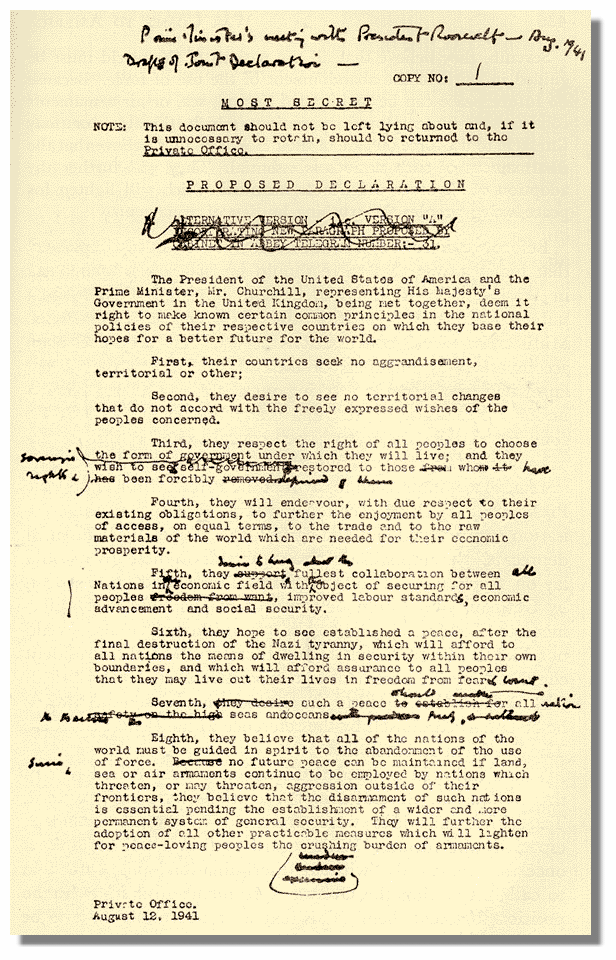
The loss of Prince of Wales would have resonance in America, waiting to learn about the destruction wreaked on the American base at Pearl Harbor. The British battleship represented the birth of the Anglo-American alliance that seems to be in grave danger today. It was on Prince of Wales, off the coast of Newfoundland, where Winston Churchill and Franklin Roosevelt met—in person, for the first time— for a conference that concluded with the issuing of The Atlantic Charter, a set of principles that seem to be in grave danger, as well. This is Churchill’s annotated copy:


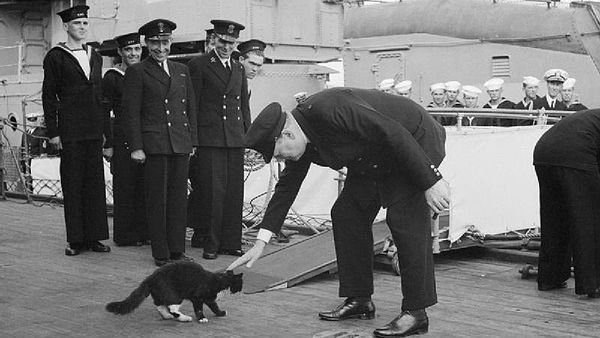
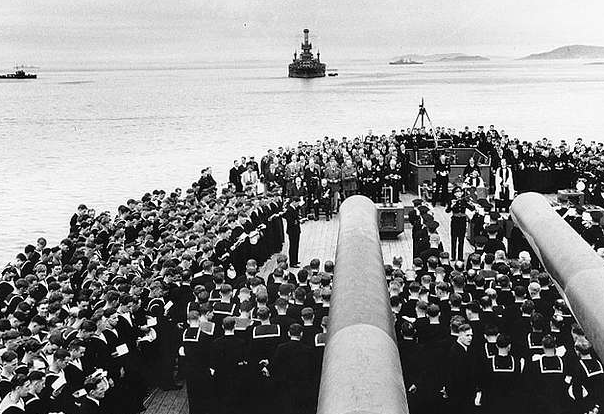
(Above) Churchill, always fond of cats, greets Prince of Wales mascot Blackie on arriving for the conference. Blackie survived the battleship’s sinking; many of the sailors, attending divine services with the two leaders, would not.

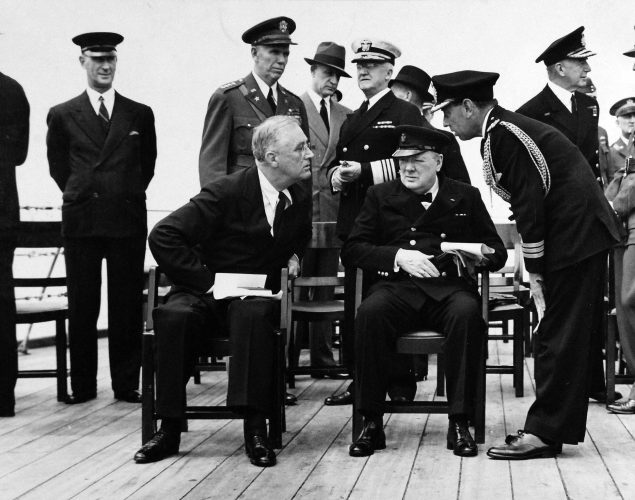
The great ship was ideal for the meeting between the president and the prime minister. One of the similarities that cemented their friendship was their love for the navy. Churchill had served as First Lord of the Admiralty (he used the term “Naval Person” to refer to himself in his correspondence with Roosevelt) FDR, like his wife’s uncle Theodore, had served as Assistant Secretary of the Navy.

FDR and Chuchrill aboard Prince of Wales. Gen. George Marshall is just behind the president.

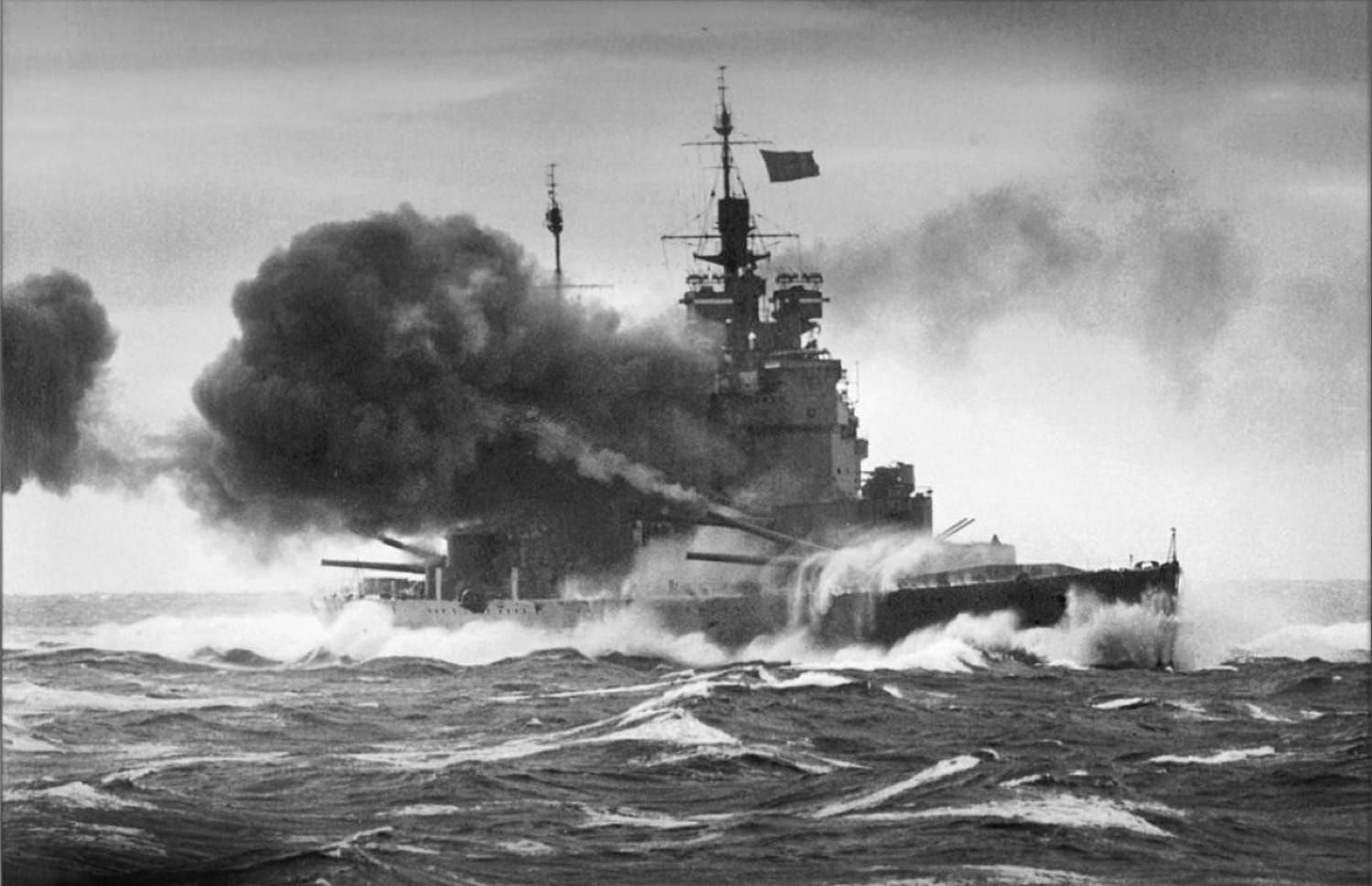
Three months later, it was appropriate that another battleship, HMS Duke of York ( engaging a German battleship, Scharnhorst, in the 1943 photo below) brought Churchill to America.

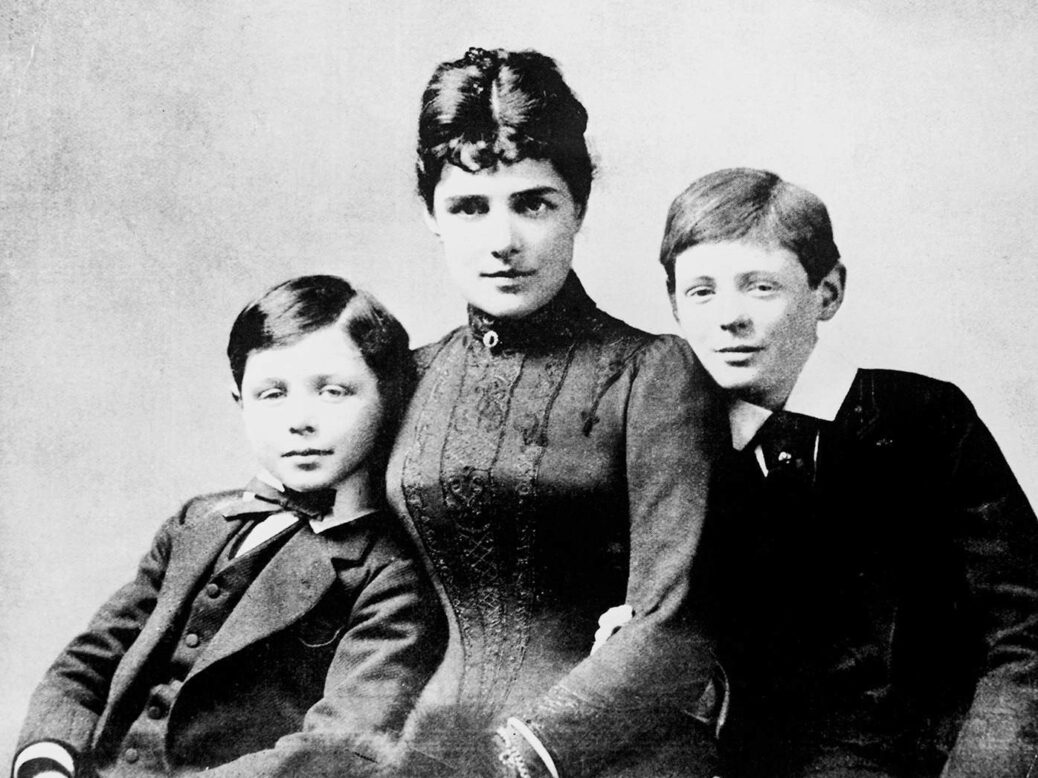
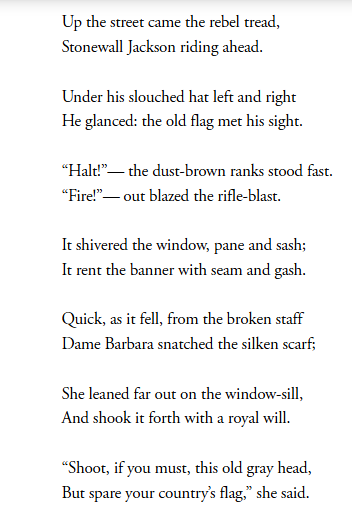
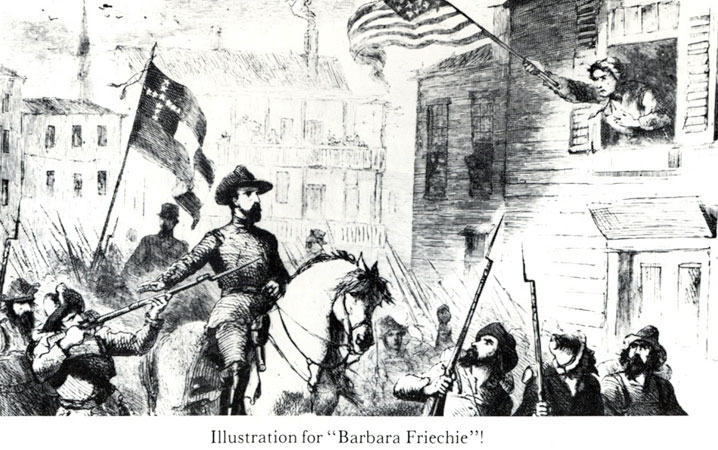
On the way to the White House, motoring through Maryland, the Prime Minister regaled the President by reciting, from memory, the Whittier poem “Barbara Fritchie,” about an elderly Frederick, Maryland, woman who defied the invading Confederates by waving the American flag out her window. The poem is very long and not very good, but Churchill relished it—reminding his hosts that he, thanks to his mother, Jennie, was half-American.

Jennie Jerome Churchill and her sons, Jack and Winston

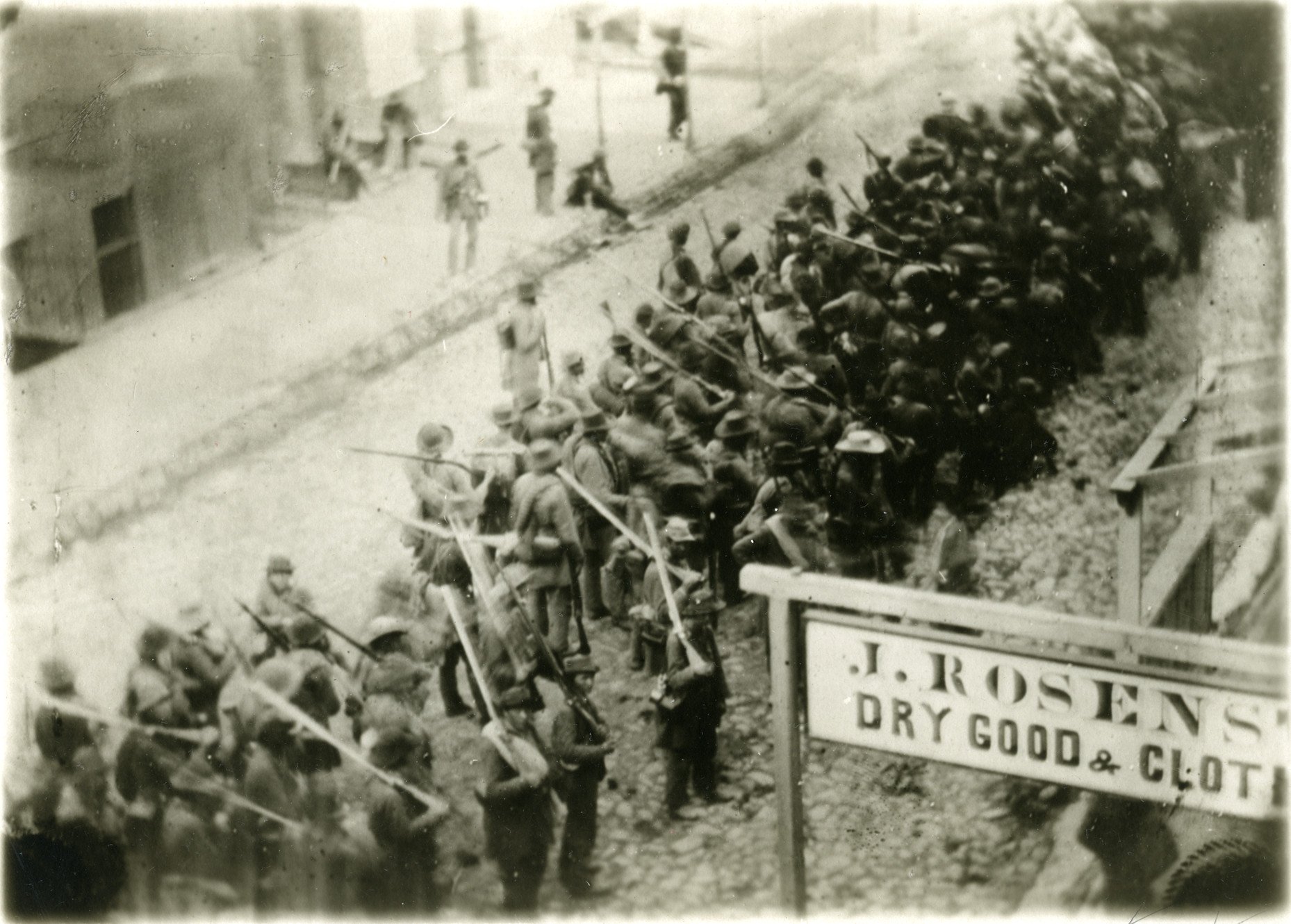
Lee’s troops in Frederick, September 1862. They’re on their way to Antietam, the costliest battle in American history.

Churchill arrived at the White House on December 13 and didn’t return home until January 17, 1942. Along the way he horrified White House staff with his breakfast orders, which included copious amounts of whiskey and soda, remained naked—not counting the cigar— and pink as a cherub when the president visited him immediately after a bath. Churchill, a late-late riser, worried Eleanor because he kept her husband up until the wee hours; the P.M. also made discreet use of the White House’s potted plants because the president adored cocktail hour and invented concoctions for his guests that were said to be truly dreadful.

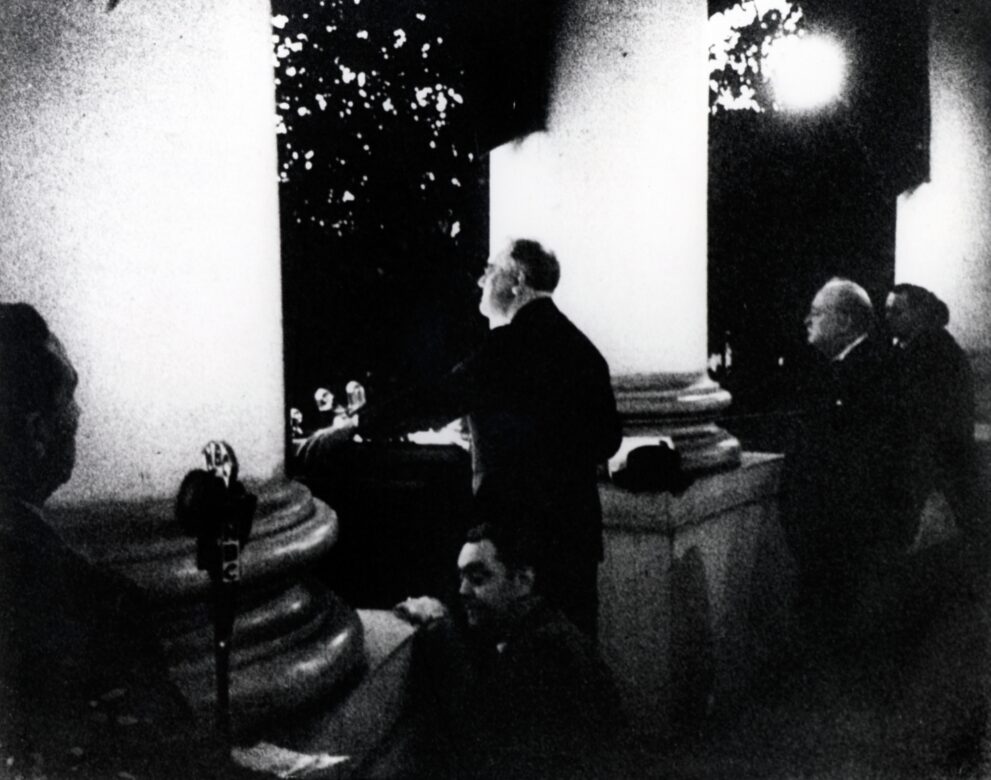
Churchill, to FDR’s right, witnesses the lighting of the National Christmas tree, December 24, 1941.

The meetings were productive but fraught: The two leaders (Churchill may have had a mild heart attack) were enduring the aftershocks of Pearl Harbor and the capital ships’ sinkings: Japanese troops were advancing rapidly in the Philippines, the fall of Hong Kong on Christmas Day crushed the prime minister.

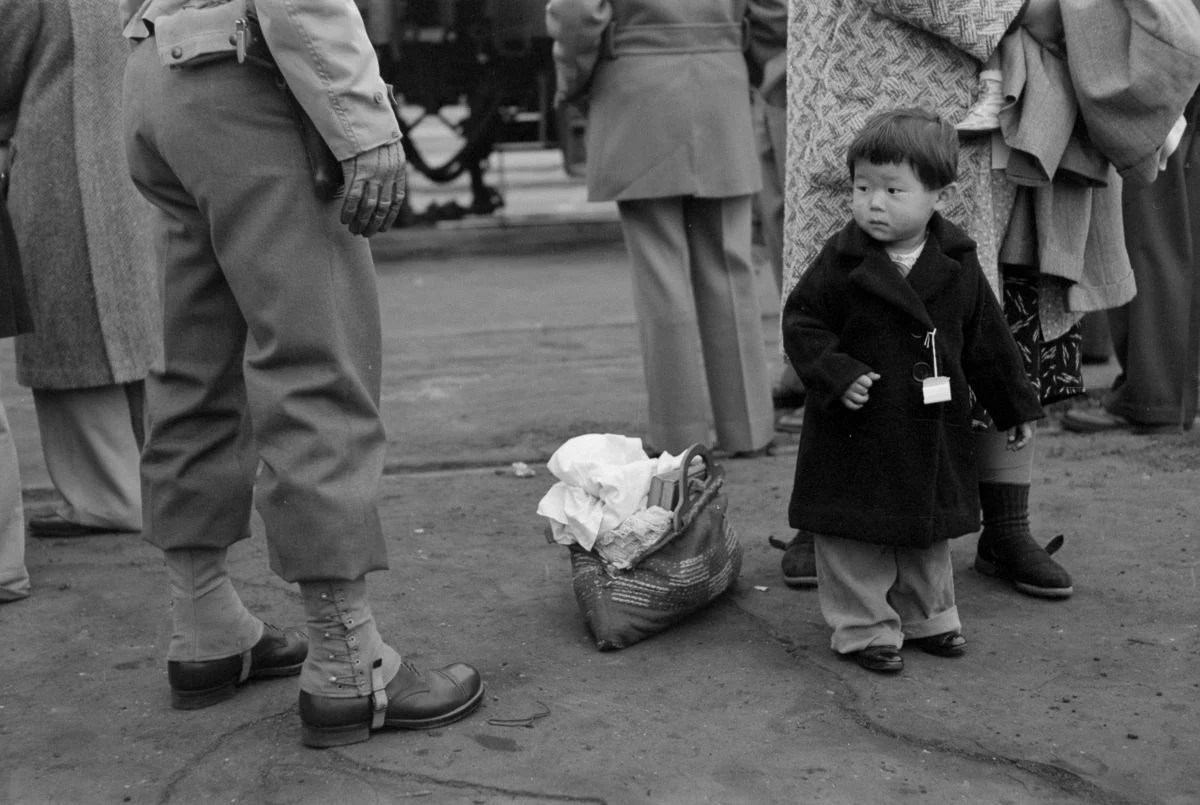
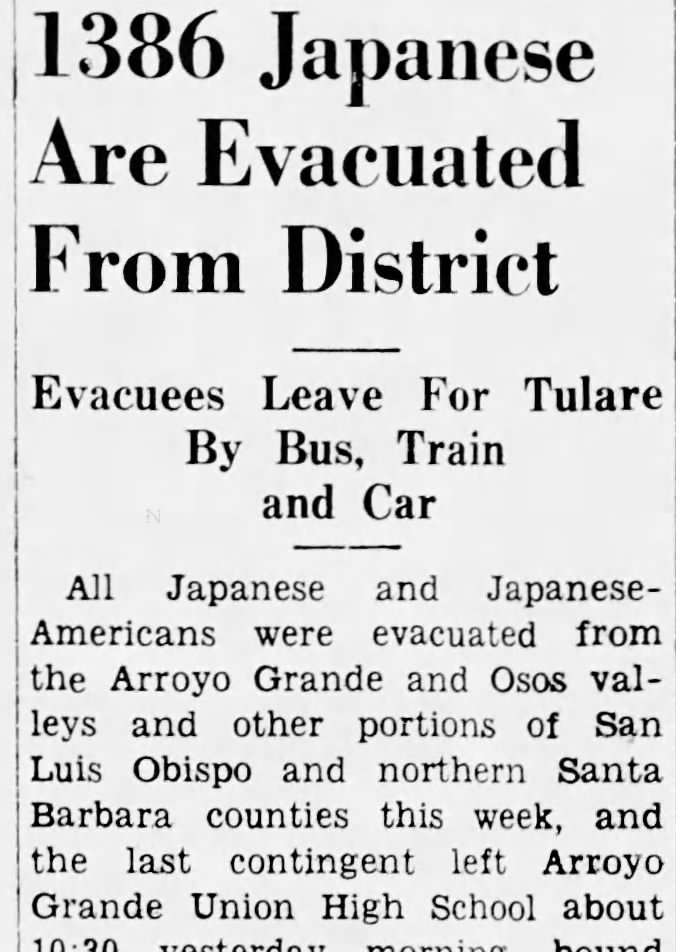
Historians theorize that these runaway Japanese successes, and FDR’s fondness for his new friend, played a key role in the president’s decision to issue Executive Order 9066, which was enforced here, in Arroyo Grande, 2400 miles from Pearl Harbor, 2800 miles from Washington DC and 5400 miles from London.

The aftershocks of December 1941 finally crested here on April 30, 1942. This war spared no one.

November 5 in Rock and/or Roll History

05 Wednesday Nov 2025

Posted by ag1970 in Uncategorized

≈ Leave a comment

1966: “The Last Train to Clarksville” makes its debut on national TV for the always-adorable Monkees. It’s their first #1 hit. I was a freshman at AGHS.

1988: The Beach Boys’ last #1 hit, “Kokomo,” is released. It’s been labeled the group’s most-hated song, and featuring it in Tom Cruise’s Cocktail–big hair, skimpy bikinis—did it no favors. I was a Daddy; my son John was three weeks old.

Terry Melcher, whom Manson really wanted to kill that awful night, co-wrote the song. Mike Love is also credited as a co-writer it and, many years later, he had the B. Boys booked at Mar-a-Lago. Bad Karma all around.

Subscribe

  • Entries (RSS)
  • Comments (RSS)

Archives

  • January 2026
  • December 2025
  • November 2025
  • October 2025
  • September 2025
  • August 2025
  • July 2025
  • June 2025
  • May 2025
  • April 2025
  • March 2025
  • February 2025
  • January 2025
  • December 2024
  • November 2024
  • October 2024
  • September 2024
  • August 2024
  • July 2024
  • June 2024
  • May 2024
  • April 2024
  • March 2024
  • February 2024
  • January 2024
  • December 2023
  • November 2023
  • October 2023
  • September 2023
  • August 2023
  • July 2023
  • June 2023
  • May 2023
  • April 2023
  • March 2023
  • February 2023
  • January 2023
  • December 2022
  • November 2022
  • October 2022
  • September 2022
  • August 2022
  • May 2022
  • April 2022
  • March 2022
  • February 2022
  • January 2022
  • December 2021
  • November 2021
  • October 2021
  • September 2021
  • August 2021
  • July 2021
  • June 2021
  • April 2021
  • March 2021
  • February 2021
  • January 2021
  • December 2020
  • November 2020
  • August 2020
  • July 2020
  • June 2020
  • May 2020
  • April 2020
  • January 2020
  • December 2019
  • November 2019
  • October 2019
  • September 2019
  • August 2019
  • May 2019
  • April 2019
  • March 2019
  • February 2019
  • January 2019
  • December 2018
  • November 2018
  • October 2018
  • September 2018
  • July 2018
  • June 2018
  • May 2018
  • April 2018
  • March 2018
  • February 2018
  • January 2018
  • December 2017
  • November 2017
  • October 2017
  • April 2017
  • March 2017
  • December 2016
  • November 2016
  • October 2016
  • September 2016
  • August 2016
  • July 2016
  • June 2016
  • April 2016
  • March 2016
  • February 2016
  • January 2016
  • December 2015
  • November 2015
  • October 2015
  • September 2015
  • August 2015
  • July 2015
  • June 2015
  • May 2015
  • April 2015
  • March 2015
  • February 2015
  • January 2015
  • December 2014
  • November 2014
  • September 2014
  • August 2014
  • July 2014

Categories

  • American History
  • Arroyo Grande
  • California history
  • Family history
  • Film and Popular Culture
  • History
  • News
  • Personal memoirs
  • Teaching
  • The Great Depression
  • trump
  • Uncategorized
  • World War II
  • Writing

Meta

  • Create account
  • Log in

Blog at WordPress.com.

  • Subscribe Subscribed
    • A Work in Progress
    • Join 68 other subscribers
    • Already have a WordPress.com account? Log in now.
    • A Work in Progress
    • Subscribe Subscribed
    • Sign up
    • Log in
    • Report this content
    • View site in Reader
    • Manage subscriptions
    • Collapse this bar
 

Loading Comments...