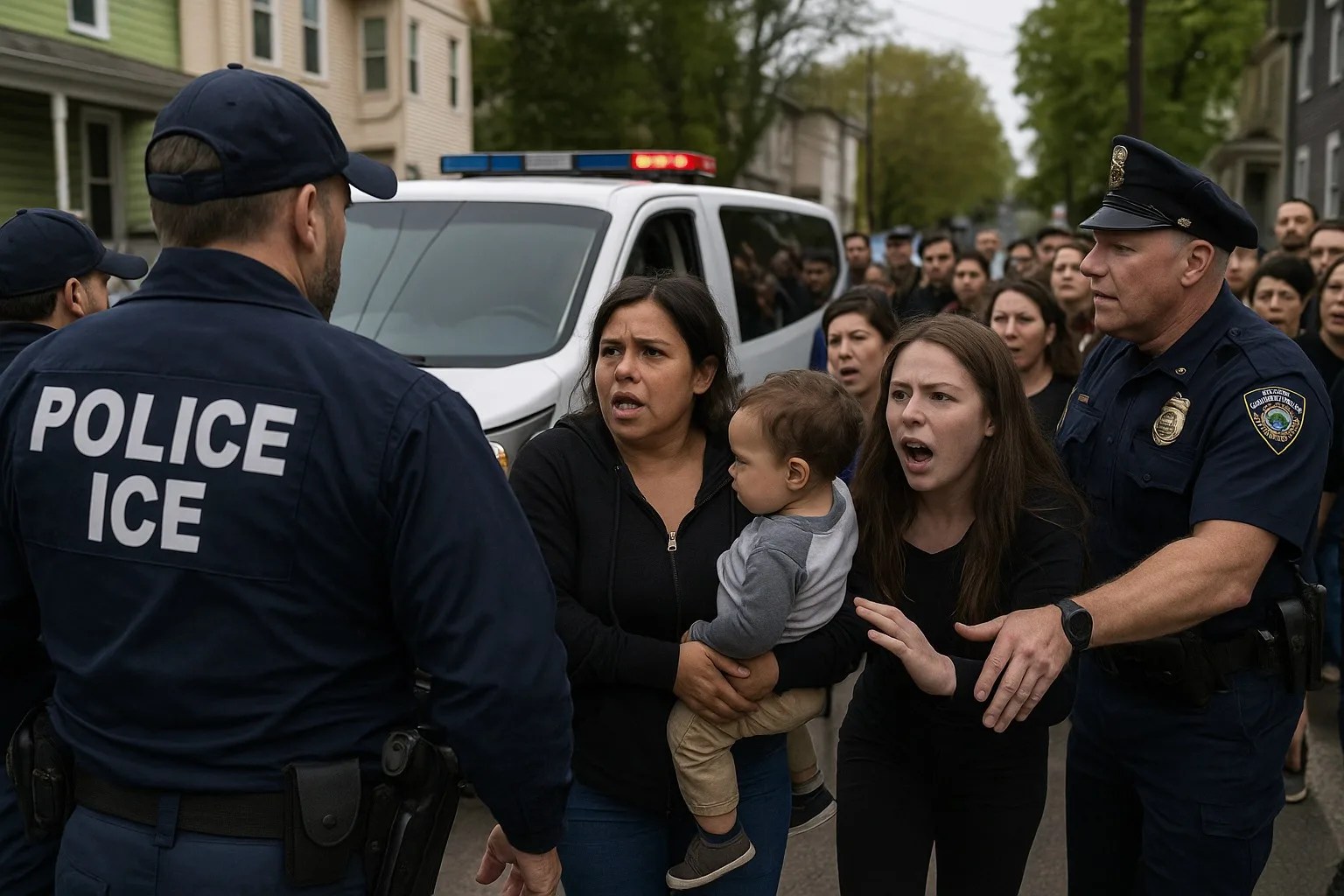
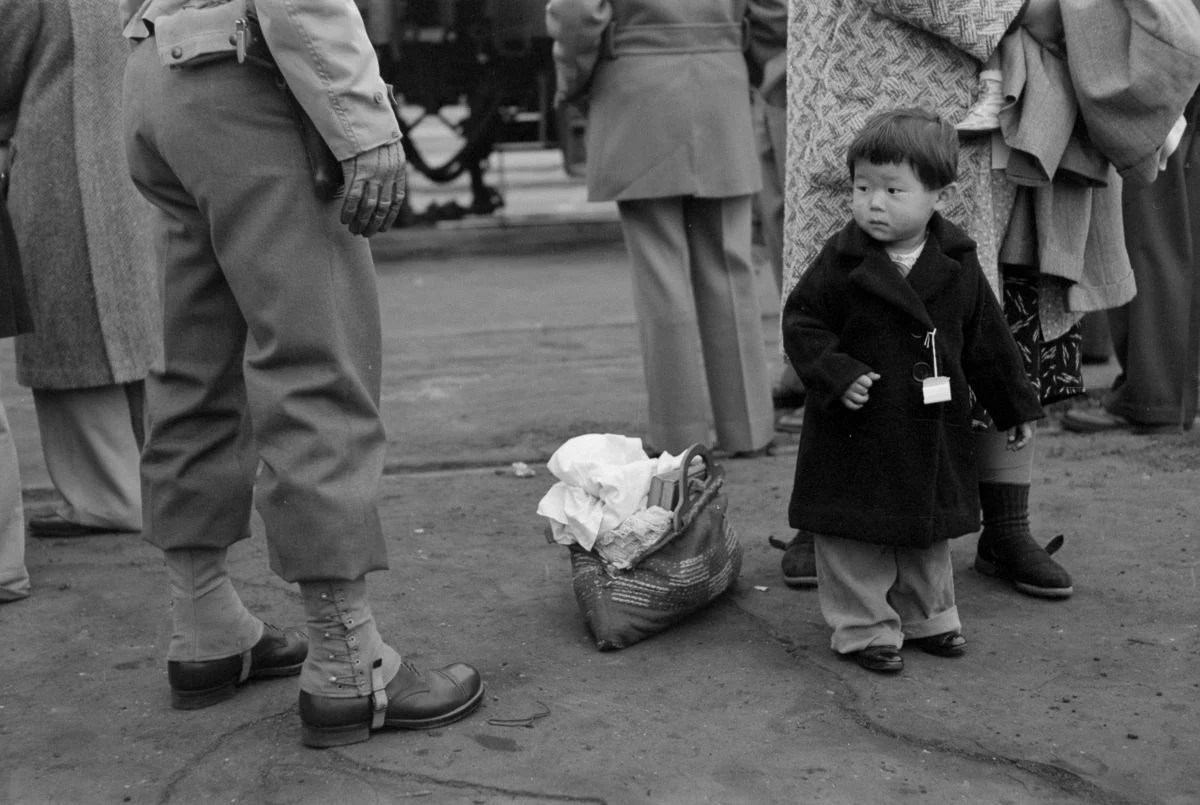
A mother and child are taken into custody, May 2025, Worcester, Massachusetts
Terrific talk this morning by historian Naomi Shibata about the Japanese–Nikkei– immigrant experience before, during and after World War II.
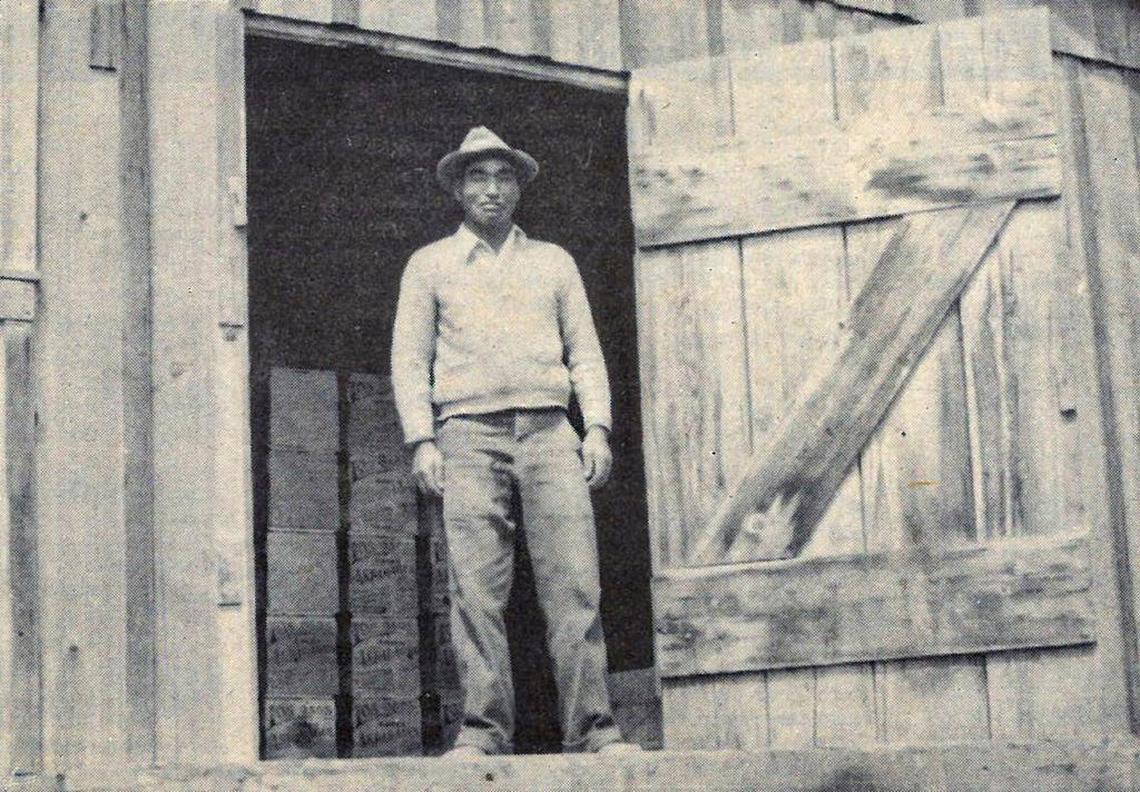
Her grandfather, Tameji Eto, farmed the Los Osos Valley. He was still in his work clothes, about to go to bed, when a knock on the door roused him about ten at night on December 7, 1941.
It was the sheriff and two FBI agents. They just wanted for him to come along for a few questions.
Mr. Eto asked them to wait for a few moments. He left the room and changed into his suit–it was a sign of respect for authority, including the three men inside his home.
On the way out the door, one of the FBI agents said, “you may want to bring your coat.”
Eto was bound for a prison camp for “enemy aliens” in Missoula, Montana. He spent a week or so first in the Santa Barbara County Jail.
He was allowed to tell his family where he was headed–his train would come through San Luis– but he had no clothes. Certainly, no clothes for Missoula, Montana, in December.
The family contacted Mr. Sinsheimer, who opened his store in the middle of the night so they could find some warm clothing. I’m pretty sure he told them to pay him later.
They were waiting at the SLO train station, with their purchases wrapped in paper and twine, for Tameji’s train. They waited all night.
It had been re-routed.
* * *
Vard Loomis, so deservedly lauded for the support he gave to the South County interned, made sure the property taxes on the Eto family’s farm were paid on time.
* * *
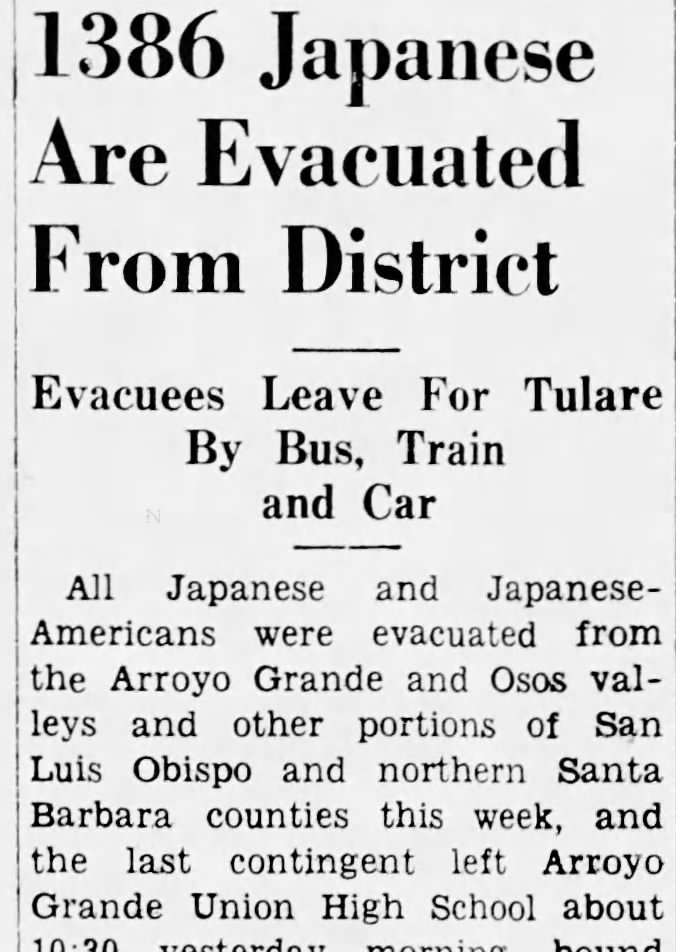
The FBI picked up Eto and, here, in Arroyo Grande, men like Shig Kobara, because they were successful men perceived as natural leaders. The aim was to decapitate Nikkei leadership. That would make the enforcement of 9066, five months later, a little easier.
* * *
Shibata made a stunning point about Executive Order 9066, which ordered the removal of “all alien and non-alien” Japanese. She found that a curious passage.
What do you call a “non-alien?” she asked the audience.
“An American citizen,” a man called from the back of the room.
* * *
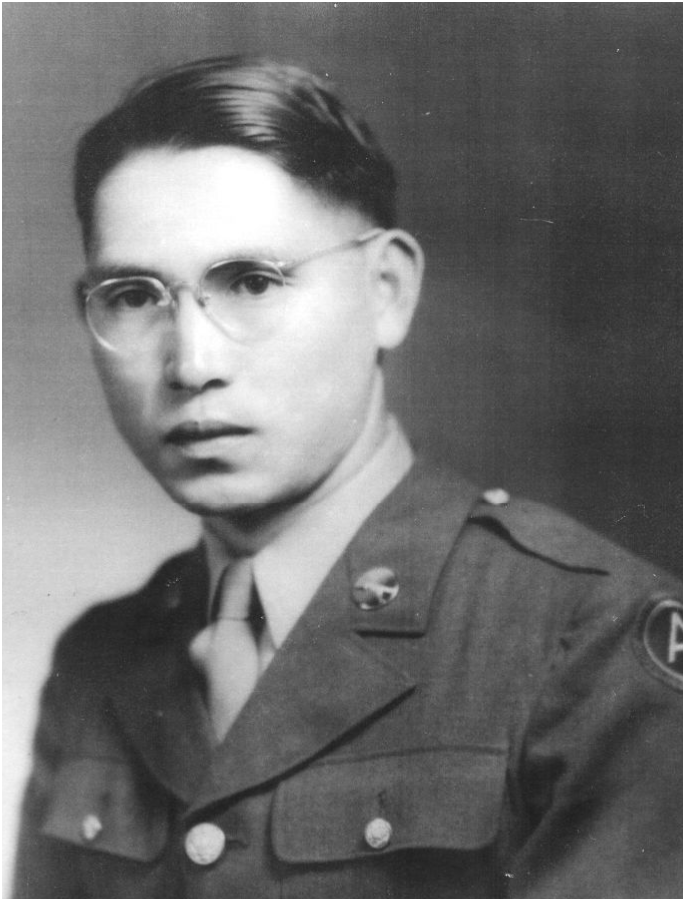
Mr. Eto’s son-in-law, Leo Kikuchi, was killed in action in Italy. Here, in the South County, Arroyo Grande farmworker Sadami Fujita was killed in action in France.
They were American citizens.
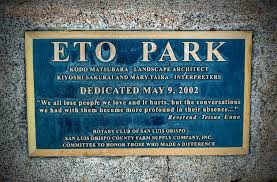
Mr. EtoLeo KikuchiThere used to be an “Eto Street.” This park was intended to honor the name that had been discarded during World War II>
Last night, PBS reprised the 2024 All Creatures Great and Small Christmas episode. It tugged, as usual, at the heartstrngs, but this was set at Christmas 1941, when the world had gone quite mad.
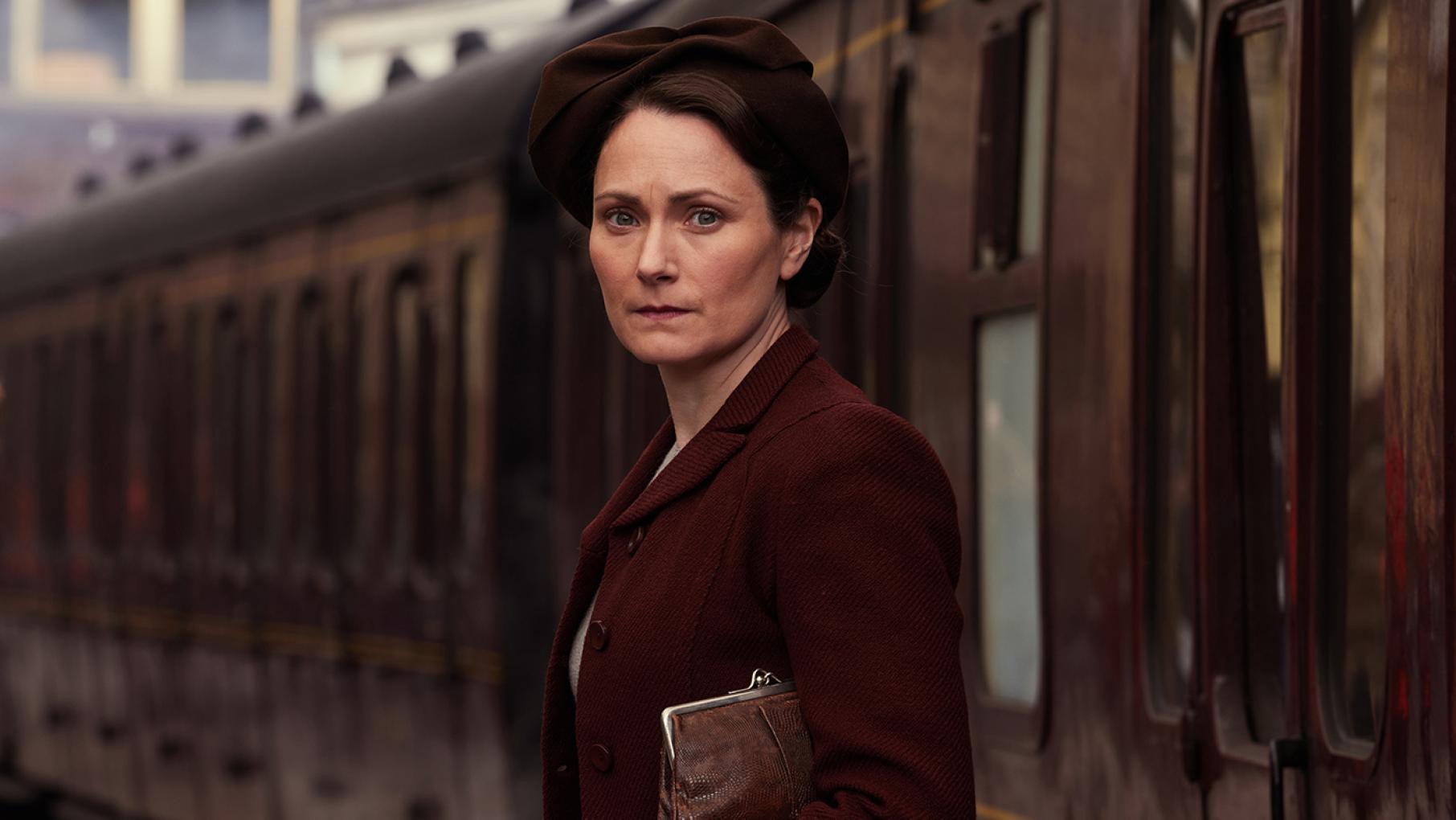
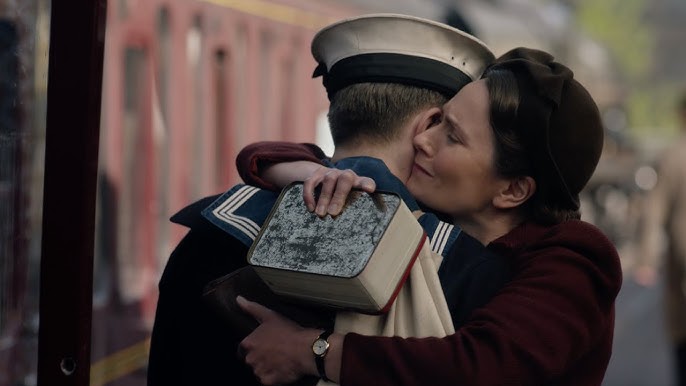
Earlier in the season, the housekeeper, Mrs. Hall, had reunited with her estranged son, only to see his train take him away to a war in progress in Britain since 1939, and to his duty in the Royal Navy.
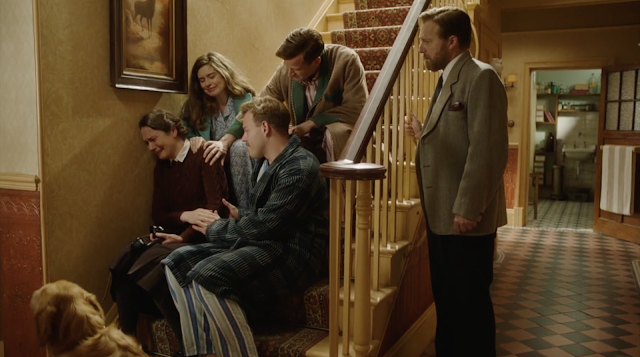
Word comes over what was called the wireless that her son’s ship, the battle cruiser HMS Repulse, has been sunk, along with the battleship Prince of Wales. The Farnons and the Herriots were about to attend to Christmas dinner when Siegfried, the head of the veterinary practice, had to break the news to the woman who is the emotional glue of the home. When she collapses, the ripple that spreads through Skeldale House is seismic.
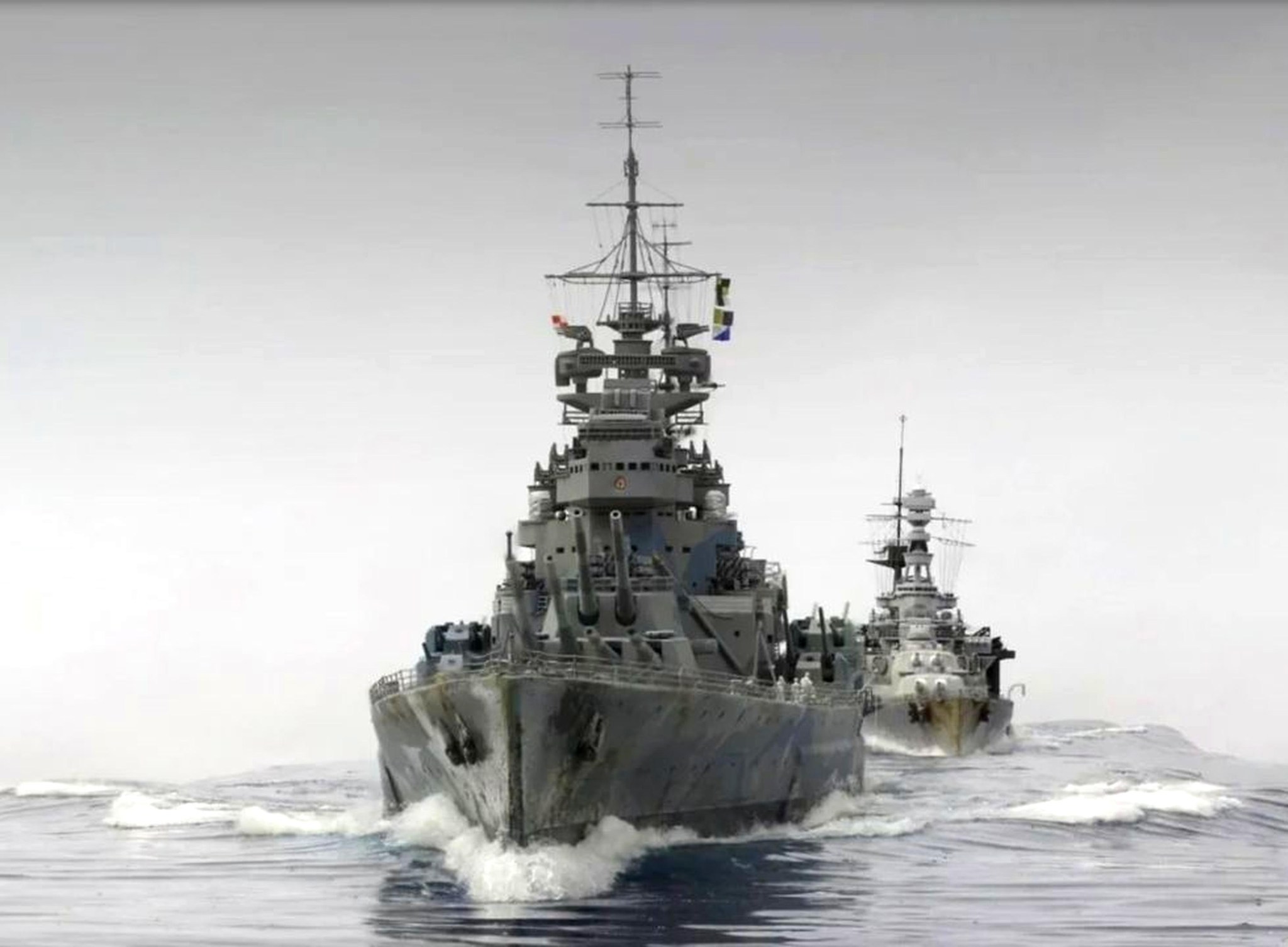
The news shouldn’t have been brought because the tragedy shouldn’t have happened. Only three days after Pearl Harbor, the two great ships sailed north heedlessly, without air protecton, and, just as Pearl Harbor had proven, battleships were vulnerable to air attack. 840 British sailors died, the victims of that terrible and seemingly congenital White Man’s disease, arrogance. Swarms of Japanese planes descended on the pride of the Royal Navy in the Far East. Twenty-eight Japanese aviators gave their lives for their country in a running battle that lasted a little over an hour.
The illustration depicts Prince of Wales with Repulse in her wake.
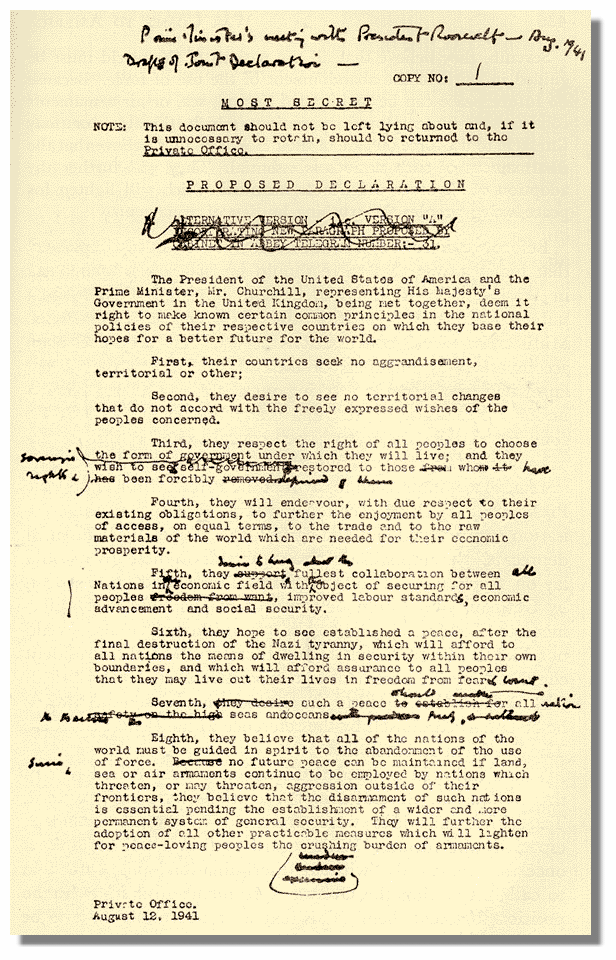
The loss of Prince of Wales would have resonance in America, waiting to learn about the destruction wreaked on the American base at Pearl Harbor. The British battleship represented the birth of the Anglo-American alliance that seems to be in grave danger today. It was on Prince of Wales, off the coast of Newfoundland, where Winston Churchill and Franklin Roosevelt met—in person, for the first time— for a conference that concluded with the issuing of The Atlantic Charter, a set of principles that seem to be in grave danger, as well. This is Churchill’s annotated copy:
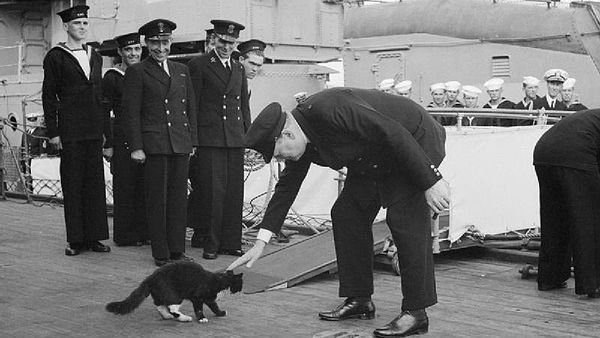
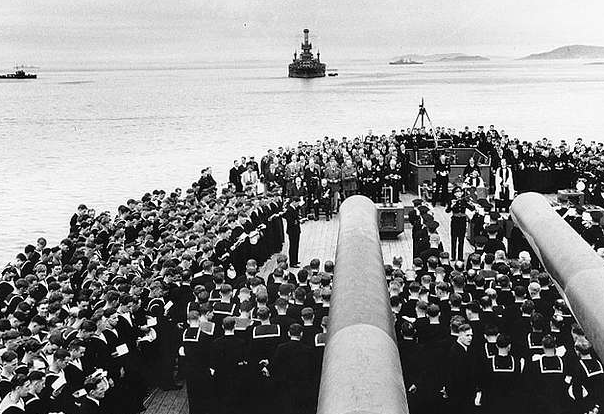
(Above) Churchill, always fond of cats, greets Prince of Wales mascot Blackie on arriving for the conference. Blackie survived the battleship’s sinking; many of the sailors, attending divine services with the two leaders, would not.
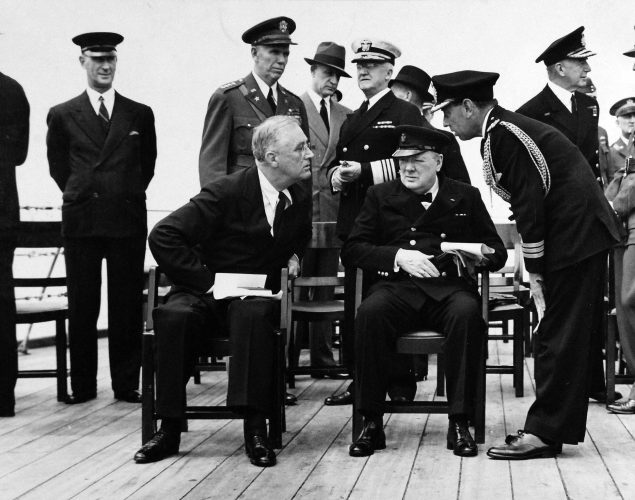
The great ship was ideal for the meeting between the president and the prime minister. One of the similarities that cemented their friendship was their love for the navy. Churchill had served as First Lord of the Admiralty (he used the term “Naval Person” to refer to himself in his correspondence with Roosevelt) FDR, like his wife’s uncle Theodore, had served as Assistant Secretary of the Navy.
FDR and Chuchrill aboard Prince of Wales. Gen. George Marshall is just behind the president.
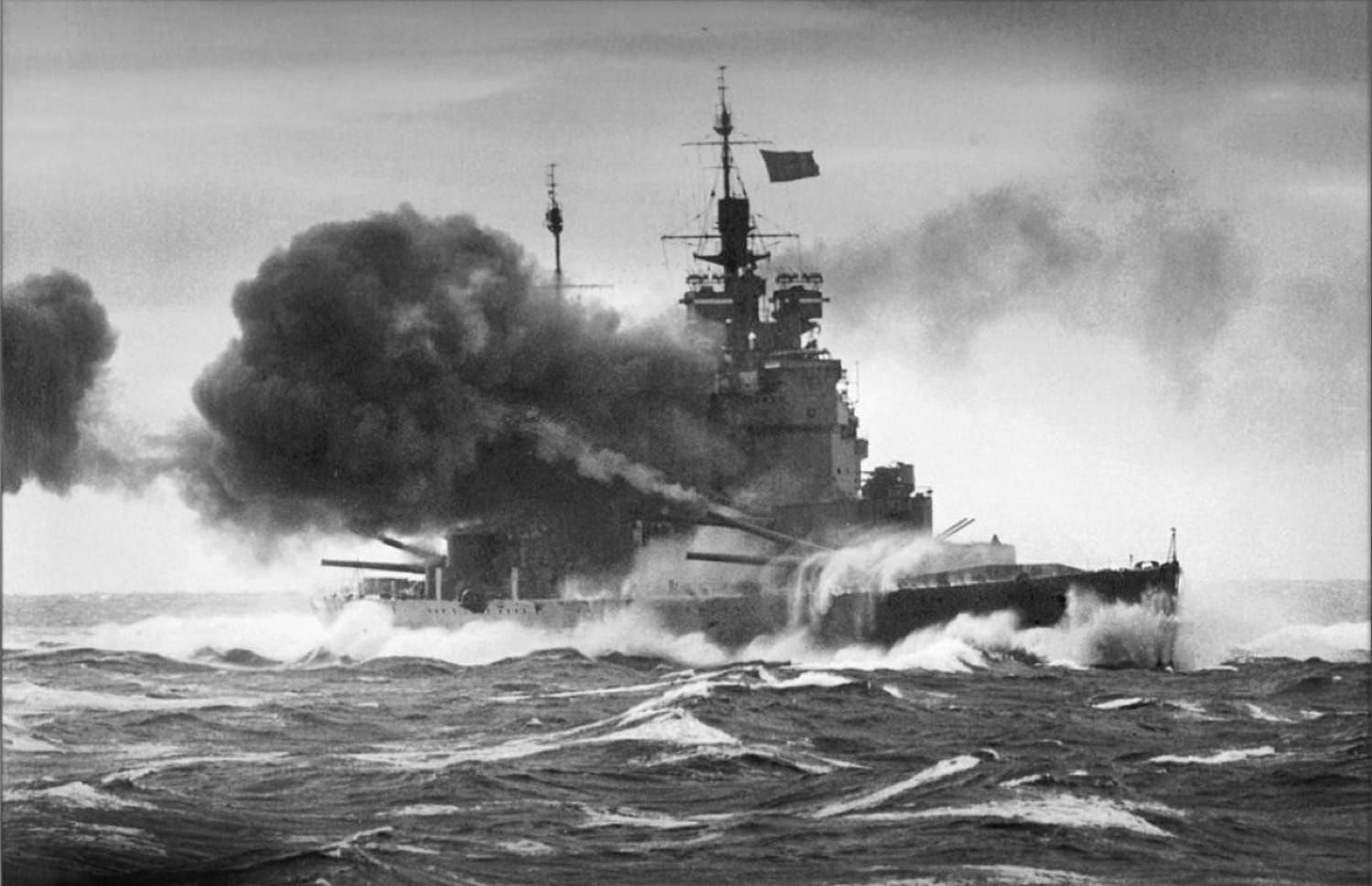
Three months later, it was appropriate that another battleship, HMS Duke of York ( engaging a German battleship, Scharnhorst, in the 1943 photo below) brought Churchill to America.
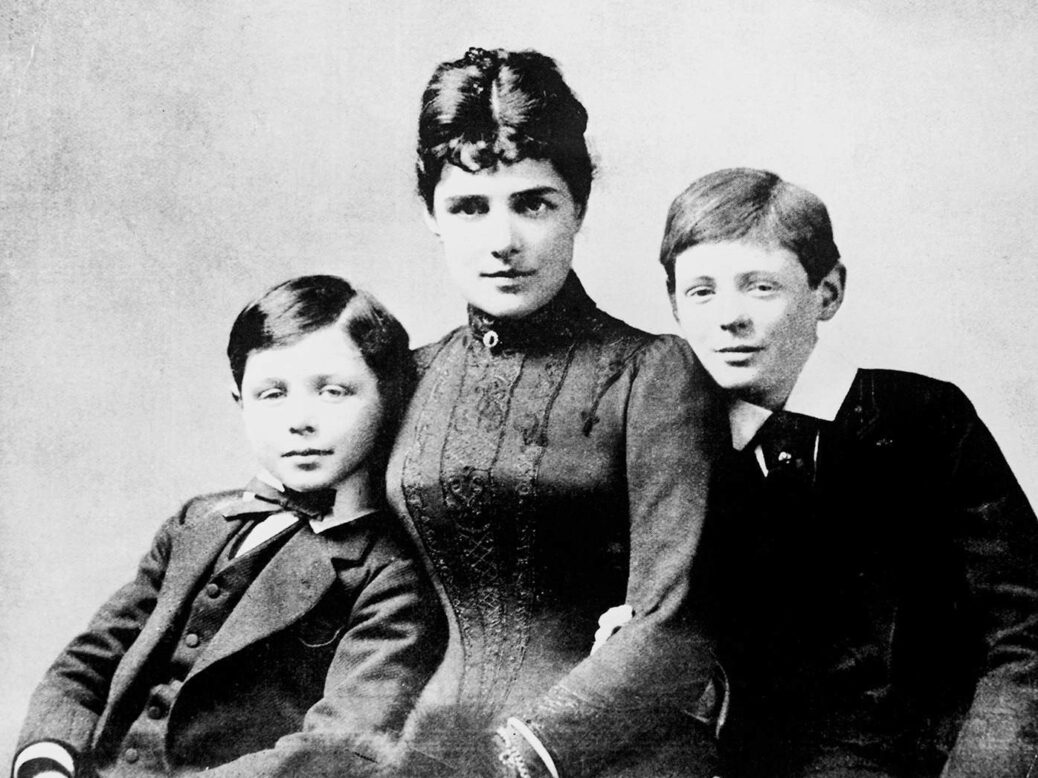
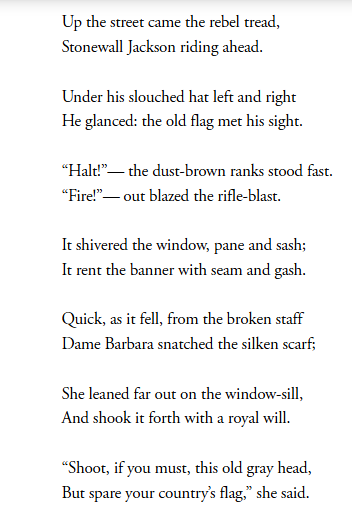
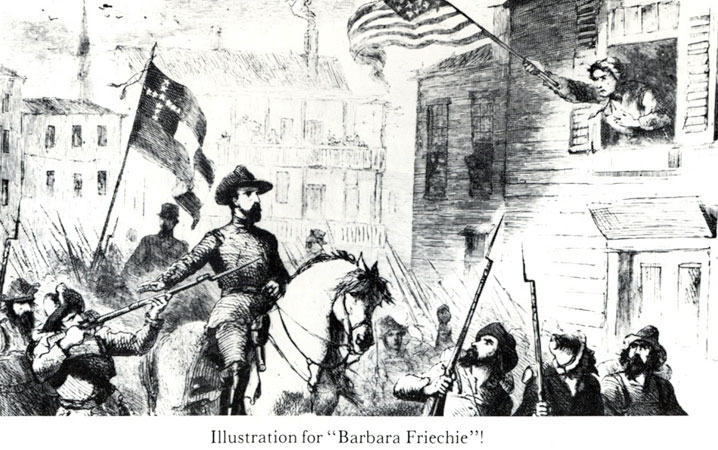
On the way to the White House, motoring through Maryland, the Prime Minister regaled the President by reciting, from memory, the Whittier poem “Barbara Fritchie,” about an elderly Frederick, Maryland, woman who defied the invading Confederates by waving the American flag out her window. The poem is very long and not very good, but Churchill relished it—reminding his hosts that he, thanks to his mother, Jennie, was half-American.
Jennie Jerome Churchill and her sons, Jack and Winston
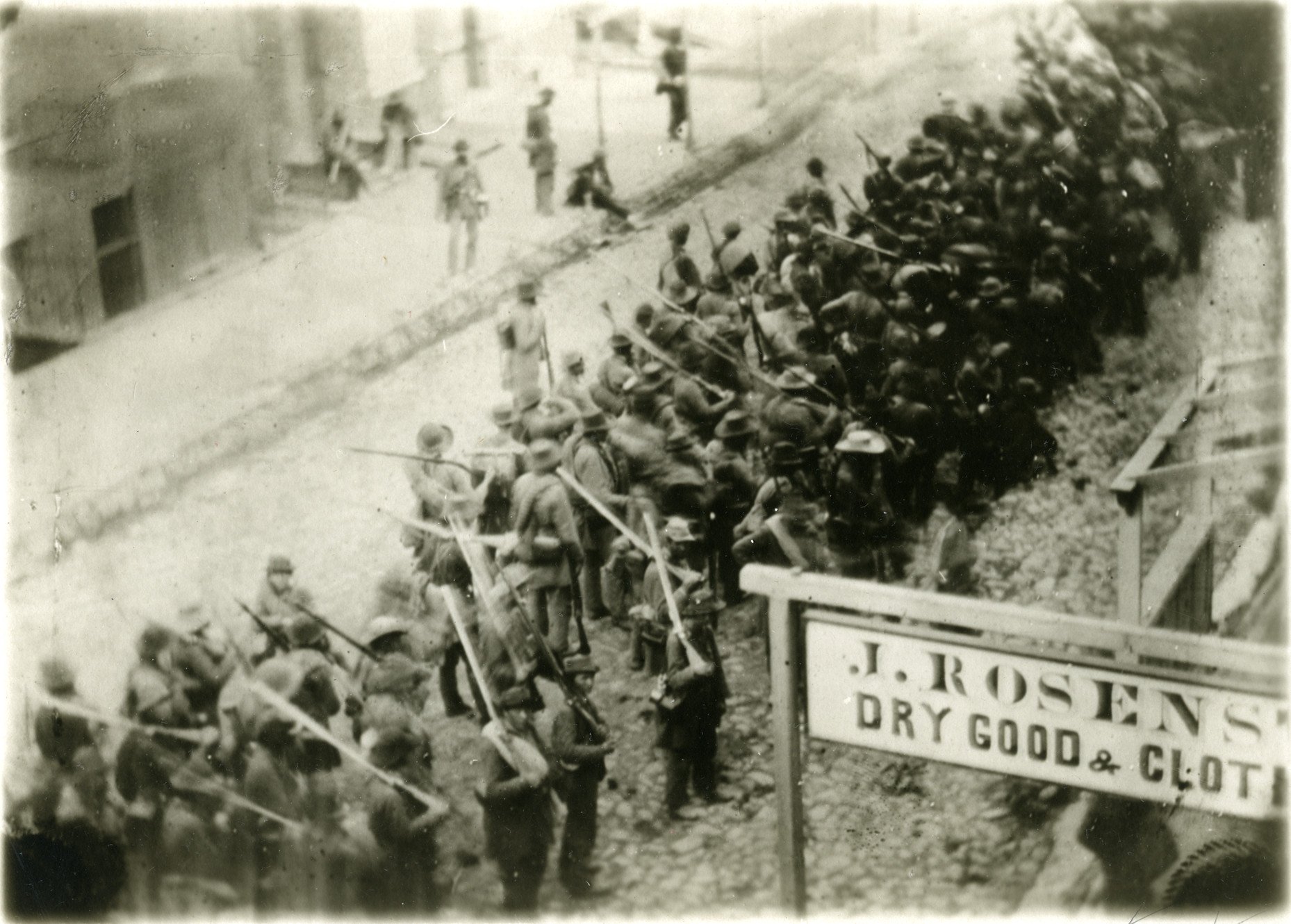
Lee’s troops in Frederick, September 1862. They’re on their way to Antietam, the costliest battle in American history.
Churchill arrived at the White House on December 13 and didn’t return home until January 17, 1942. Along the way he horrified White House staff with his breakfast orders, which included copious amounts of whiskey and soda, remained naked—not counting the cigar— and pink as a cherub when the president visited him immediately after a bath. Churchill, a late-late riser, worried Eleanor because he kept her husband up until the wee hours; the P.M. also made discreet use of the White House’s potted plants because the president adored cocktail hour and invented concoctions for his guests that were said to be truly dreadful.
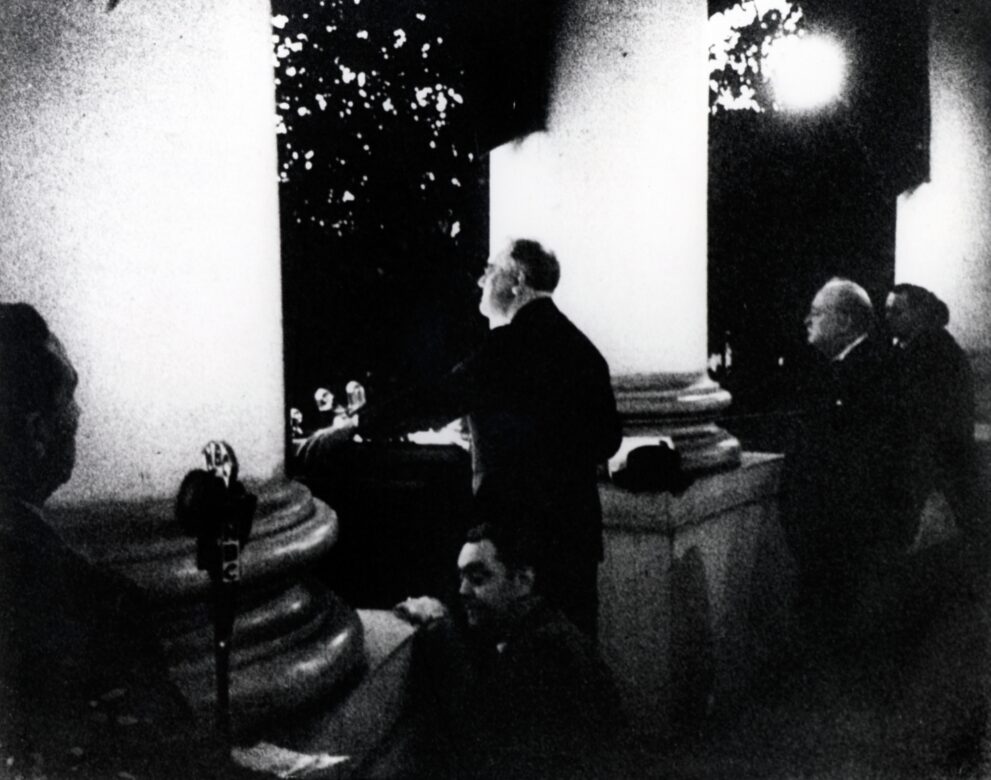
Churchill, to FDR’s right, witnesses the lighting of the National Christmas tree, December 24, 1941.
The meetings were productive but fraught: The two leaders (Churchill may have had a mild heart attack) were enduring the aftershocks of Pearl Harbor and the capital ships’ sinkings: Japanese troops were advancing rapidly in the Philippines, the fall of Hong Kong on Christmas Day crushed the prime minister.
Historians theorize that these runaway Japanese successes, and FDR’s fondness for his new friend, played a key role in the president’s decision to issue Executive Order 9066, which was enforced here, in Arroyo Grande, 2400 miles from Pearl Harbor, 2800 miles from Washington DC and 5400 miles from London.
The aftershocks of December 1941 finally crested here on April 30, 1942. This war spared no one.