
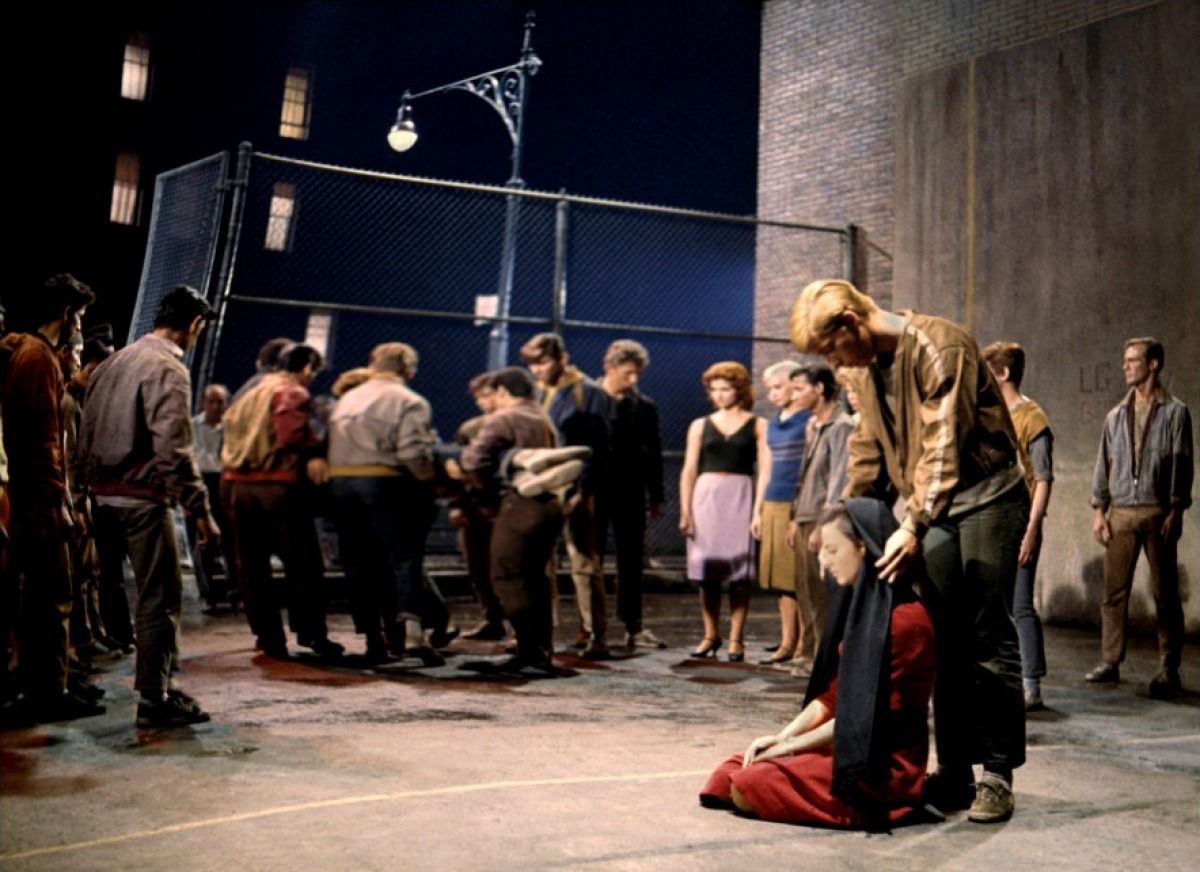
It’s almost a cliche now when two Sharks join the Jets in carrying Tony’s body backstage in 1961’s West Side Story. What I’d forgotten is this moment, when a Jet drapes Maria’s shawl over her head and shoulders, transforming her into a West Side Our Lady.
For those who object to a non-Latina, to Natalie Wood, playing Maria, her casting, given her Ukrainian ancestry, carries more freight today than it did in 1961. And, as the Jets recede from the playground, one of the last, Anybodys, is trans, a term that did not exist in 1961.
When Elizabeth and I watched the film again on TCM last night, the last people you see, beyond the chain-link fence, are the cops, with Chino, the shooter, in handcuffs. Then the screen goes black.
We’ve seen this film many times, but we went black, too. Silence. My inference is that the musical, in its 1957 debut on Broadway, was the same. Silence. It hurt too much.
It was also too powerful. The flip side of that 1957 reaction is that wealthy Manhattanites were suddenly confronted with the humanity of the Sharks and their barrio neighbors. They’ve had to deal with this discomfort ever since. The only one who hasn’t, from Queens, is the man who claims to be our president, the man who mocked Puerto Rico with an exaggerated Spanish pronunciation of the island and who flipped paper towels toward Puerto Ricans. hurricane victims, as if he were shooting free throws.
But he’s a despicable man, and he’s killed, through willful inattention, far more people than Chino or Tony.

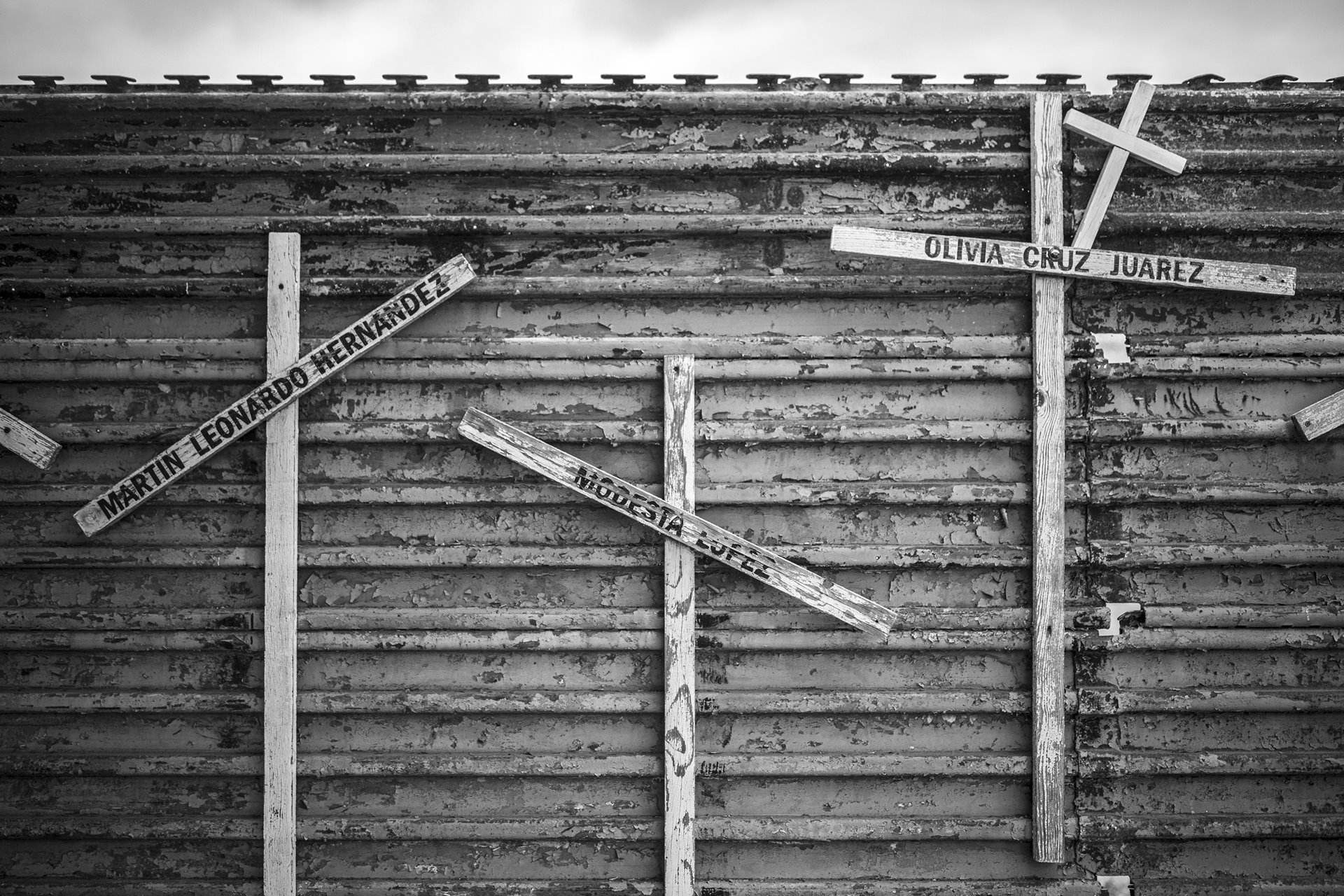
We’re here! the film seemed to say about Latino immigrants. We were almost here! this border fence near Tijuana says about Mexicans found dead, dry as driftwood, in the desert on the far side of their border.
The late comedian Ralphie May, in an incredibly politically incorrect way, explained why deportation is an error in judgment:
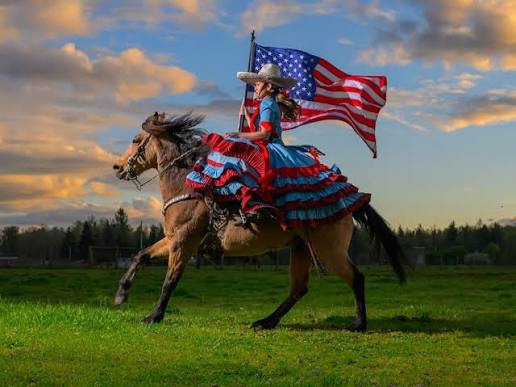
And in the casually insolent and imprecise way that typifies ICE, we run the chance of losing horsewomen. This Mexican is an American.
Returning to the East Coast, it was Wood’s Maria that brought us this:
And it think it’s safe to say that this film had the kind of staying power that compelled Spielberg, a film student as well as a filmmaker, to make his version:
And In the Heights took us into beauty parlors, bodegas and nightclubs inside barrios we would never otherwise imagine:
Antonio Banderas and Katya Virshilas took us farther south, to Argentina
As did Robert DuVall, dreamily on his way home, in Assassination Tango:
And now we are home: Academy-Award caliber Salsa, male, Eduardo, Despicable Me 2:
Home again. New York City again, Salsa again, but this time it’s Academy-Award caliber female. Penelope Cruz woos her police officer boyfriend, the late Paul Walker.
Oh, my.
And “home” implies a flag, a flag that you’re proud of. If you’re an immigrant from somewhere in Latin America, your “other” flag is the American flag: the flag of Los Estados Unidos Americanos.
I’m wearing a necklace that depicts the cross of St. Brigid, the Irish patroness, and Ireland is where many of my ancestors came from. I haven’t forgotten, and neither have these young people forgotten, our long-ago homelands. There is great joy to be found in remembering our origins–remembering, I think, only intensifies the joy we once felt–and seek to fell again–in being Americans.

