\
I’m afraid that this piece includes a solicitation. Any amount will help,

11 Saturday Jul 2026
Posted in Uncategorized
\
I’m afraid that this piece includes a solicitation. Any amount will help,
25 Thursday Jun 2026
Posted in Uncategorized
I am exhausted from The Donald. We are called to be better. History, if we bother, is within our reach.
24 Wednesday Jun 2026
Posted in Uncategorized
I’m from a small California town, but I took high school history students to Paris twice. On the second trip, I went
Oh!
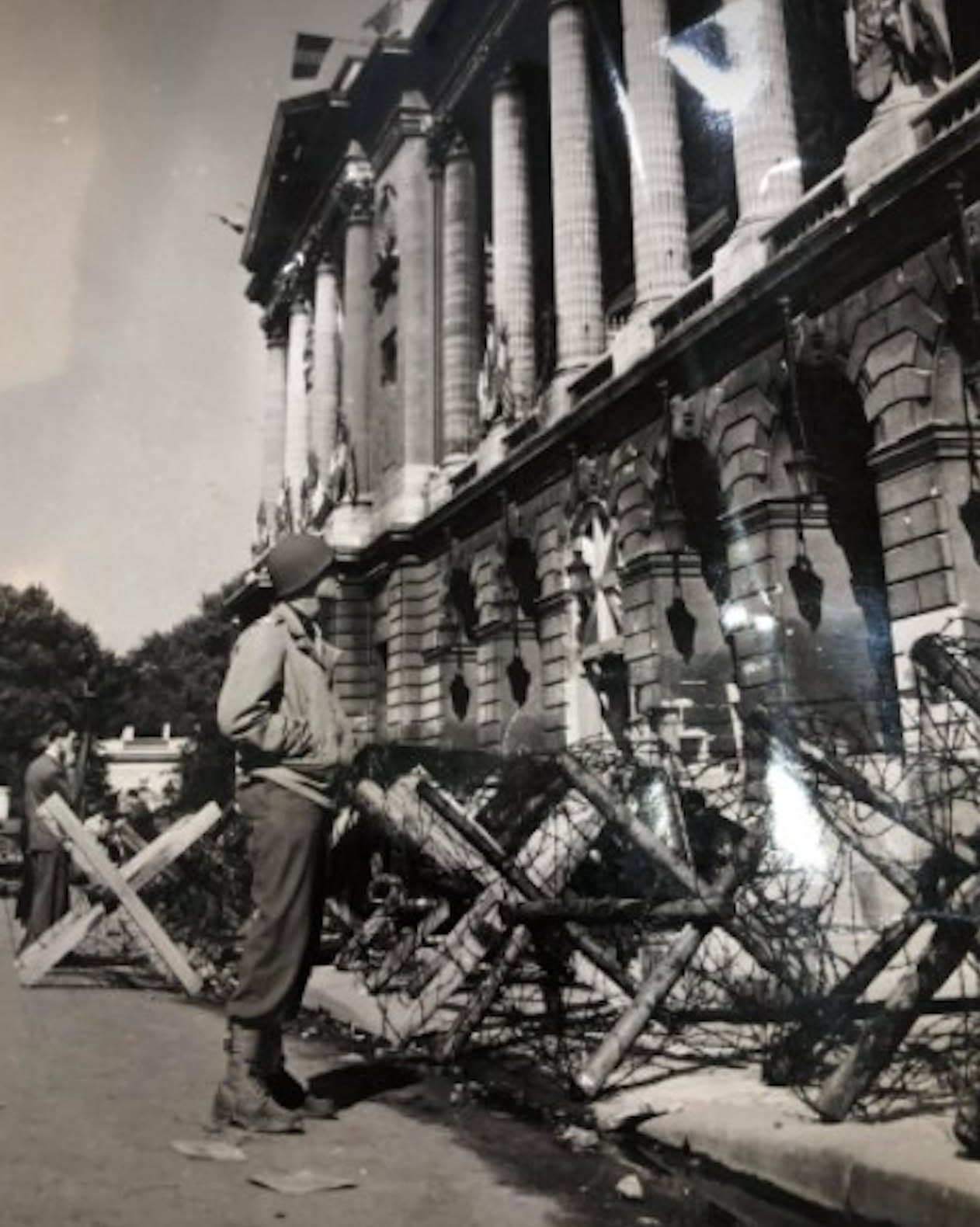
I showed my AP Euro history students when we studied 19th century Paris, in a unit on urban social history.
Or this one.
This one was more for me.
This one was harder to show, and to understand, when we visited.
As was this one.
But the city kind of comes back to delight you. Like this:
Or this:
Or this.
Or even this:
I’m from a small town in California, so I may never dance in Paris. But it’s not a bad idea.
22 Monday Jun 2026
Posted in Uncategorized
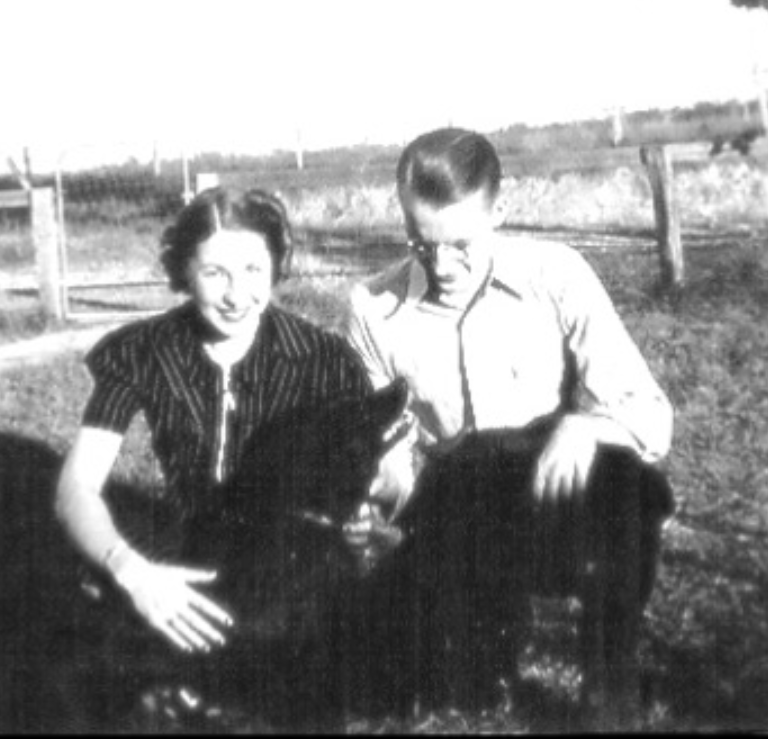
As many of you know, I’m recovering from both brain surgery and alcoholism. Tomorrow I will be sober two weeks.
But my recovery assignment for the next week, ugly to think about on Father’s Day, will be to deconstruct my dad.
I’ve spent the last twenty years mythologizing him, writing about him frequently in my blog. He has assumed heroic stature. And he was such a big influence on my life. He was a masterful storyteller, and in many ways he taught me how to teach. He was brilliant, capable, very funny and charming. An accountant, he was, as was his father, in supreme command of dense columns of numbers, arranged like parade-ground soldiers. His adding machine emitted machine-gun bursts from the den of our home on Huasna Road.
The part I’ve been concealing for twenty years is the other side. He, like me, was an alcoholic; It finally killed him in 1985, when he was only 67, and now I’m a bewildered 74.
You might say that I‘ve outlived him. No, I haven’t.
You might say “he did his best.” No, he didn’t.
My father was terrifying. He had an explosive temper and was sometimes violent, attacking our mother. He was inexplicably cruel toward my big brother. There was always an undercurrent of violence in our home. I might go to bed wondering if I would die.
After one of his explosions, he would open the bedroom door and plaintively apologize. It was confusing.
After our mom died, he locked her Basset hound in his kennel, and when the dog bayed, begging our company, he beat it with his belt. Now you know why I have Basset hounds.
He drove drunk with us in the car down the Kern River Canyon. I still have nightmares about going over a cliff into the water. Once on Branch Street, he left Bruce and I in the car for three hours while he got drunk at Bill’s Place. He came out staggering and squinting in the sunlight and some stranger—an angel?—intervened, took his keys and got us home safely.
He did income taxes in addition to his work at Madonna Construction. The Outrigger, a Shell Beach bar, was his favorite place to do taxes. He’d show up late for open houses at school or my Boy Scout meetings. Or he wouldn’t show up at all.
On weekends he would get drunk twice. He’d start with Coors in the morning, start to slide, and take a nap. Then when he started the barbecue he’d transition to Ten High whiskey.
It was my job late at night when he was passed out at the kitchen table to make sure his cigarette would not burn the house down. Just before he passed out he demanded ice cream. I want my ice cream! he would shout.
Later, if I didn’t have to carefully remove the burning cigarette from his fingers, I might find it stubbed out in the ice cream
There are a lot of other things I need to talk about in this recovery business. But on Father’s Day I wanted to put this down because I know that some of you had had a similar experience with your father.
It’s okay for you to love your father. It’s okay for me to love my father. But now I have to make a break with him so that, unlike him, I can be free.
08 Monday Jun 2026
Posted in Uncategorized
From the Sports Desk:
I am so happy that today Nelly Korda won the U.S. Women’s Open. She has one of the longest and most elegant swings I’ve ever seen—the kind of swing that can get any golfer into trouble—but she’s machine-honed it. Here’s her driver:
She’s no slouch with iron shots, either. Like this one:
The other thing that made me happy was that this year’s open was played at L.A.’s Rivera Country Club. It was a beautiful day, and every once in awhile they’d break away for a telephoto shot: Marina del Rey, where my wife, Elizabeth, rowed in college, or Venice Beach. Then they’d have to come back to the actual golf, which included a shot down the 18th fairway at the mission-style clubhouse, featured in films and TV shows.

Films and TV shows? But of course. In Pat and Mike, Katharine Hepburn takes to the Riviera driving range to deal with a snotty lady.
I wish this scene, with Cate Blanchett’s excellent Hepburn, was at the Riviera, but it was instead shot at a course in Woodland Hills. But it certainly evokes the more famous golf course. I also love, for some reason, the filter Scorsese used to make the scene kind of bluish. It’s a beautifully shot film. Howard Hughes, evidently, was a member of the Riviera Club
Both Leo and Cate’s swings look a little as if they’re chopping wood. Ben Hogan won the 1950 U.S. Open at the Riviera, and his swing came from practices so grueling that his hands bled. He knew, on the practice tee, that it was time to shift to a longer club, say from an eight iron to a seven iron, when he began repeatedly hitting his caddy in the distance.
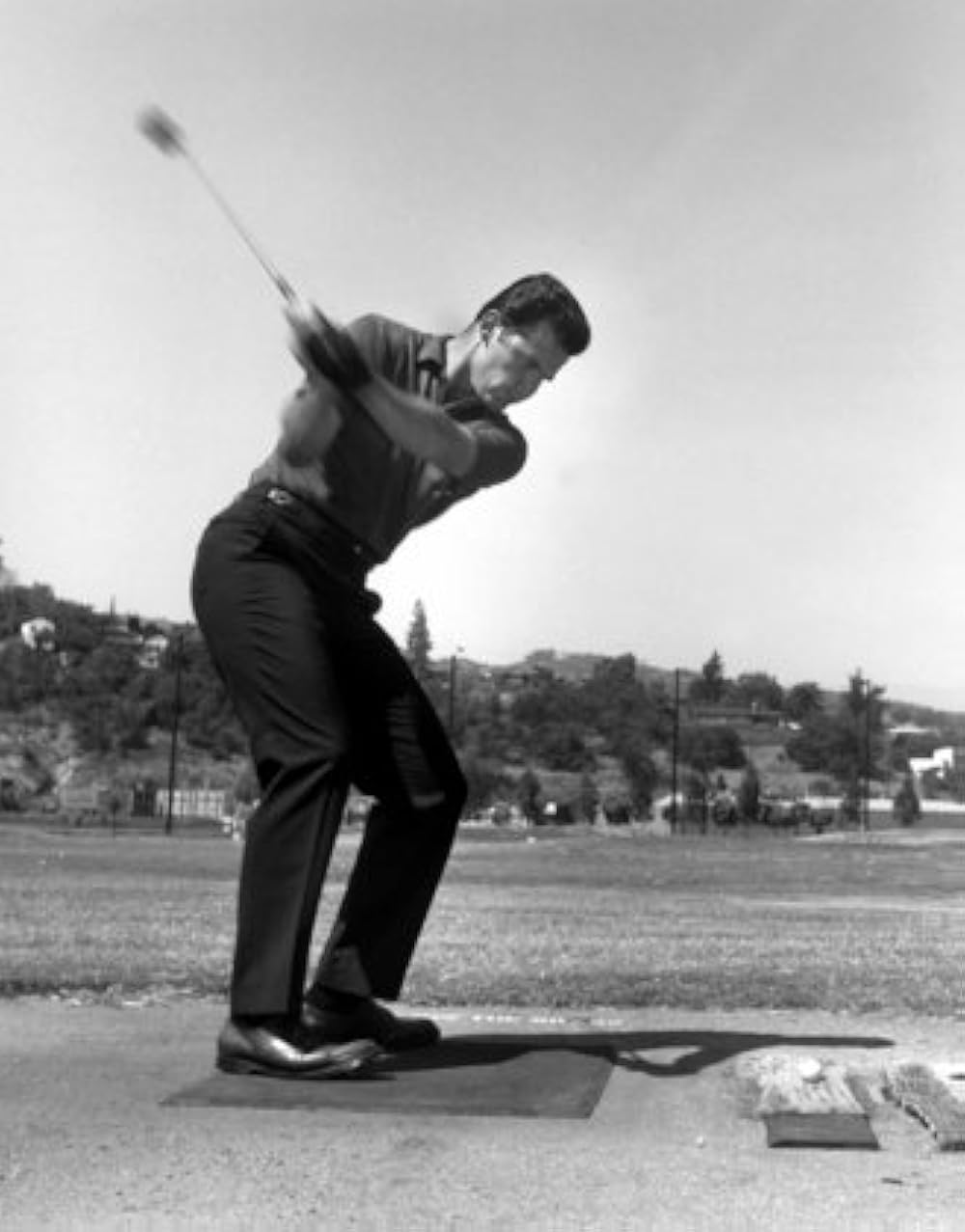
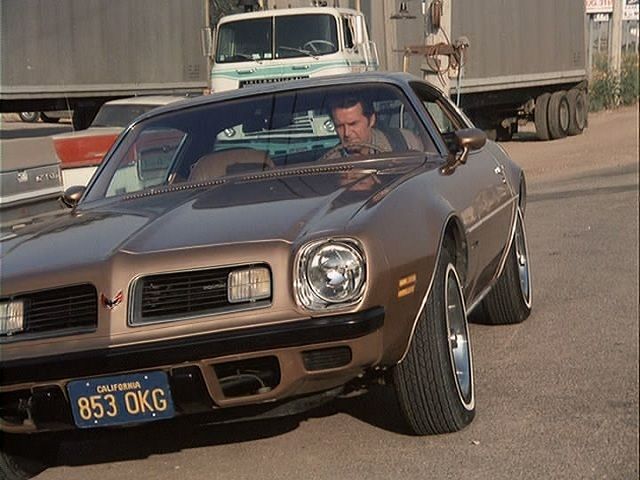
One of Riviera’s most accomplished amateurs was also one of my favorite actors–James Garner, he of film and TV (that Pontiac Firebird in The Rockford Files.) Garner’s handicap was five, which is miniscule–like an MLB pitcher with an ERA under 3.00.
Another favorite actor was a member here and used to watch tournaments, sipping bourbon, near a tree on the twelfth hole. Today it’s called “Bogey’s Tree.”
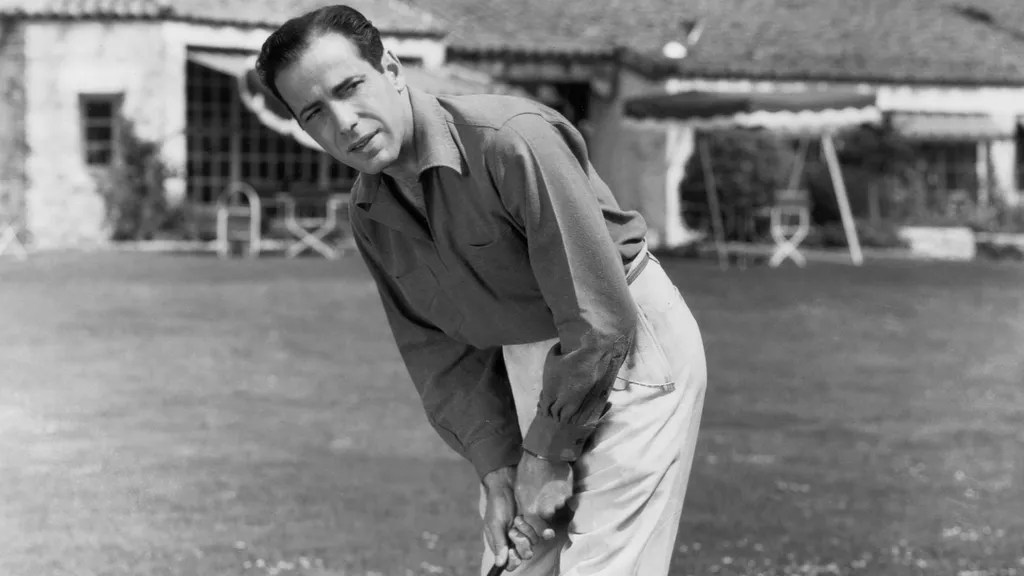
My favorite Riviera story might seem morbid until you consider the man who inspired it. This is the eighth hole at the club, a par four, made tragically famous by one of Bogart’s co-stars, whom he killed, in Casablanca, before the co-star died on the eighth.

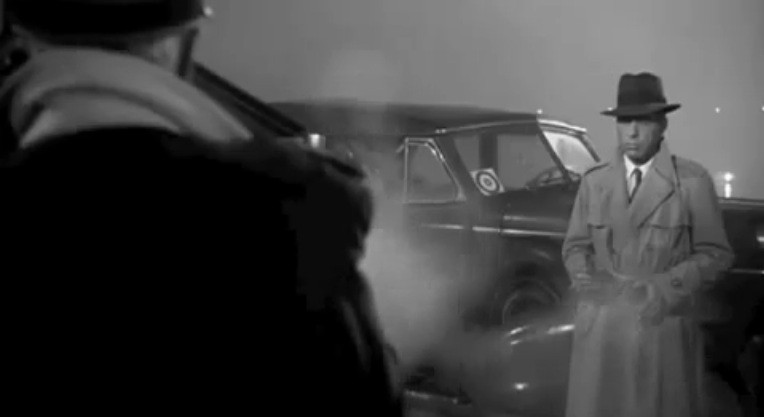
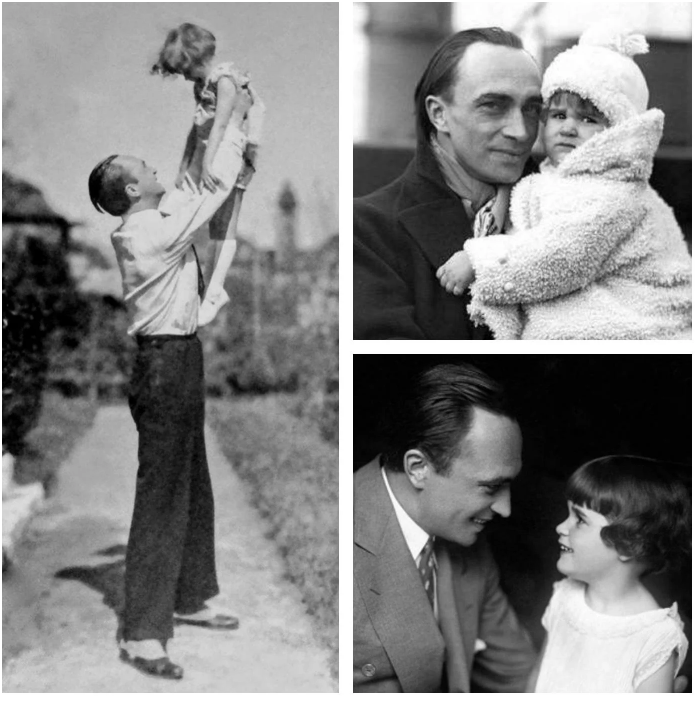
Conrad Veidt was a German expatriate, with a long and distinguished career in German Expressionist films, who came to Hollywood because he despised Hitler and the Nazi Party to his core.
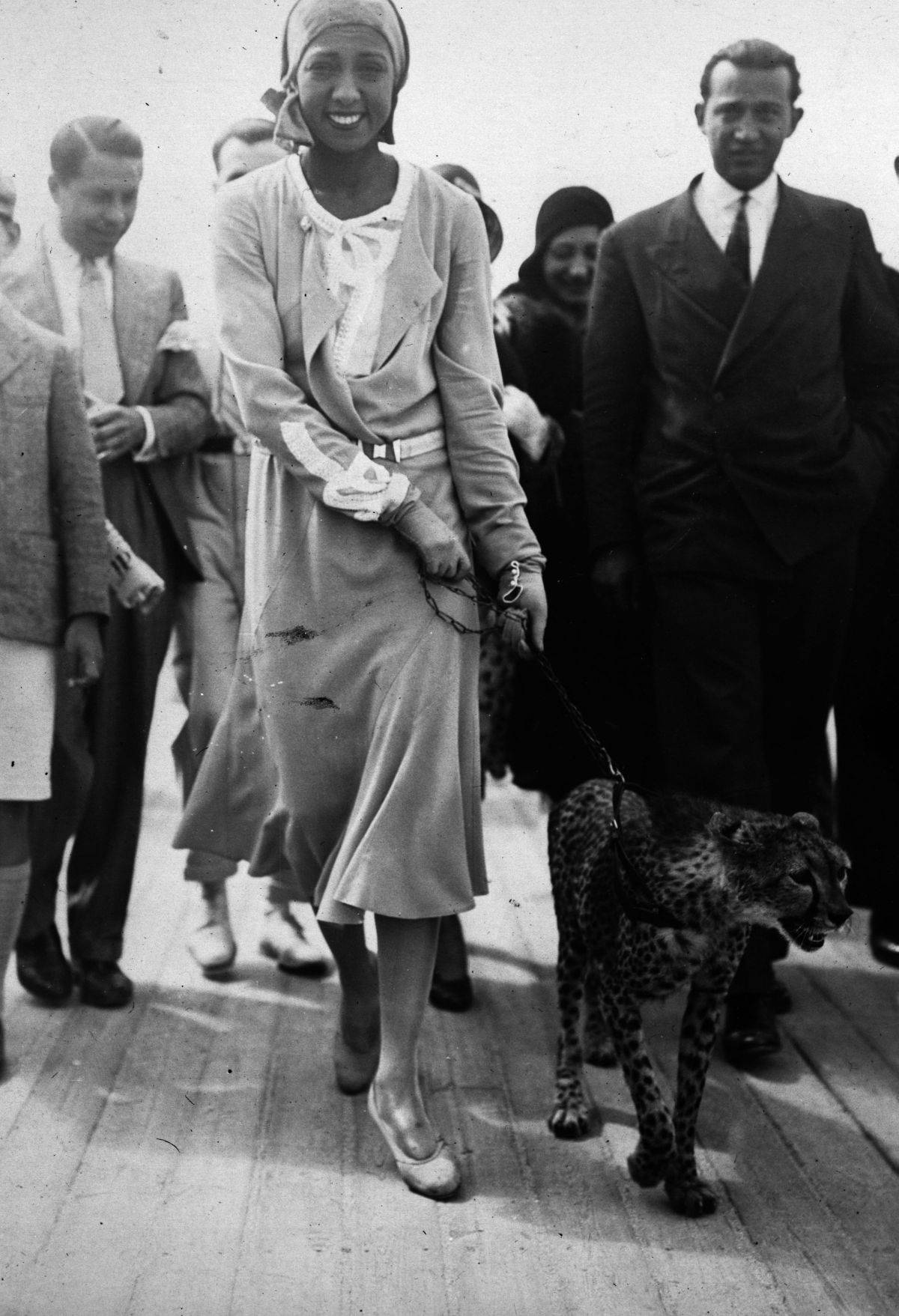
He would not have done well had he stayed. He was sexually fluid, in the heady days of the Weimar Republic, when Berlin rivaled Paris as Europe’s most avant-garde city. Writing this reminded me of a scene from the excellent Netflix series Babylon Berlin, with this stunning, very fluid and very avant-garde establishing scene, set at a Weimar-era Berlin nightclub. The song is called Zu Asche zu Staub–“Ashes to Dust.” (The young women with the bananas were borrowed from Paris’s sexiest and most-beloved American entertainer, Josephine Baker, here walking the pet cheetah she adored.)
So, ironically, Veidt escaped Berlin only to become a series of Nazi characters in his Hollywood films–a U-boat commander here, a Gestapo officer, like Casablanca’s Major Strasser, there. And he was on the losing end of one of Hollywood’s biggest put-downs: the wonderful “Marseillaise” scene from the film he made with Bogey.
And Veidt was a golfer, and the Riviera was his club. Sadly, in 1943—about a year after Casablanca was released—Veidt, playing with his doctor, suffered a massive heart attack on the eighth hole and died.
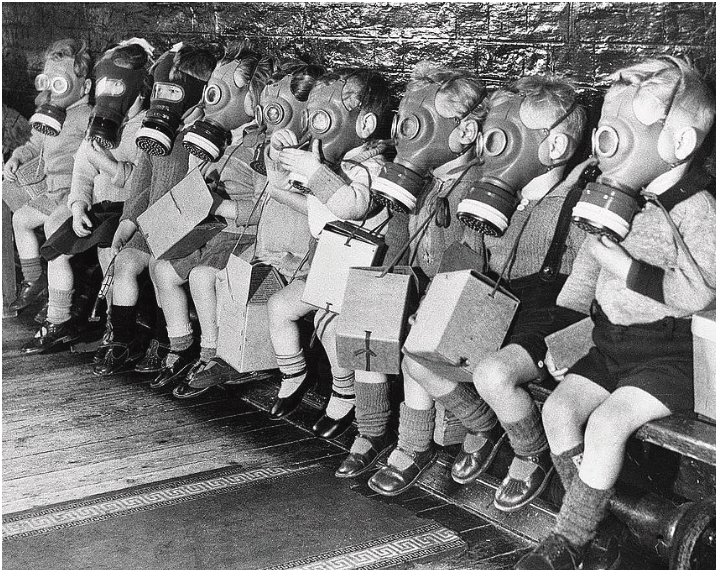
He was not buried in Hollywood, nor in Berlin. His ashes are instead in Golders Green, a London crematorium. This may be why: In 1940, Veidt became desperately worried about the suffering of British children, like those in the photo below, under Hitler’s air attacks—under the “Blitz.” He spent thousands to send London children one-pound tin boxes of hard candy, 2,000 large chocolate bars and greeting cards containing British pound notes.
Conrad Veidt, golfer, actor, was also a supreme humanitarian.
05 Friday Jun 2026
Posted in Uncategorized
31 Sunday May 2026
Tags
Arroyo Grande, History, military, pearl-harbor, usa, World War II, wwii
My Facebook friend Shannon Ratliff-Evans keeps a faithful record of Arroyo Grande High School Eagles who have passed on. I noted today this article she posted from the local weekly, probably from 1943, citing this sailor from the high school class of 1941, the last peacetime class for four years:
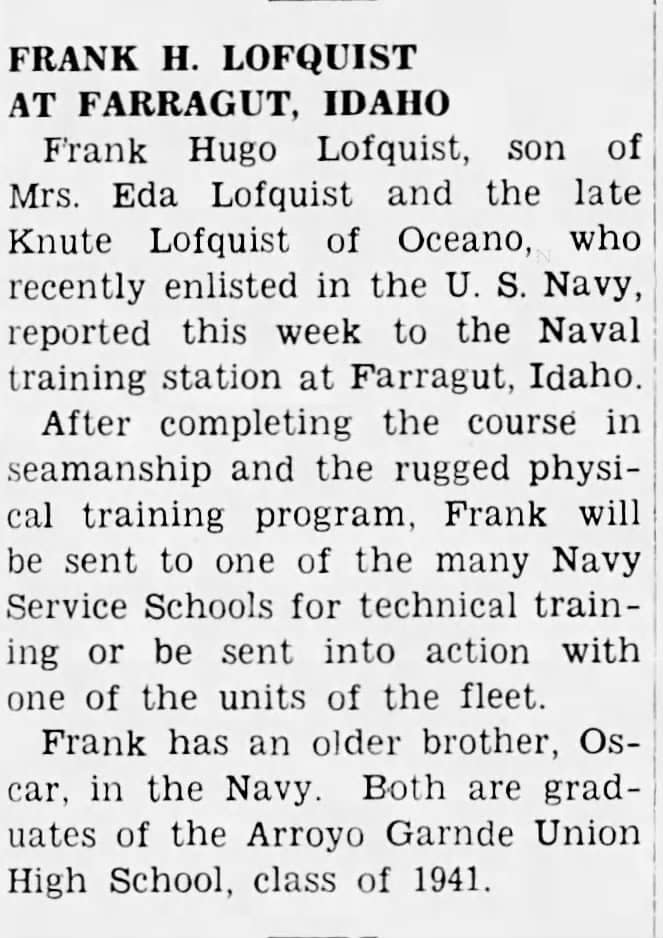
I had to find out more. I’m nosy that way.
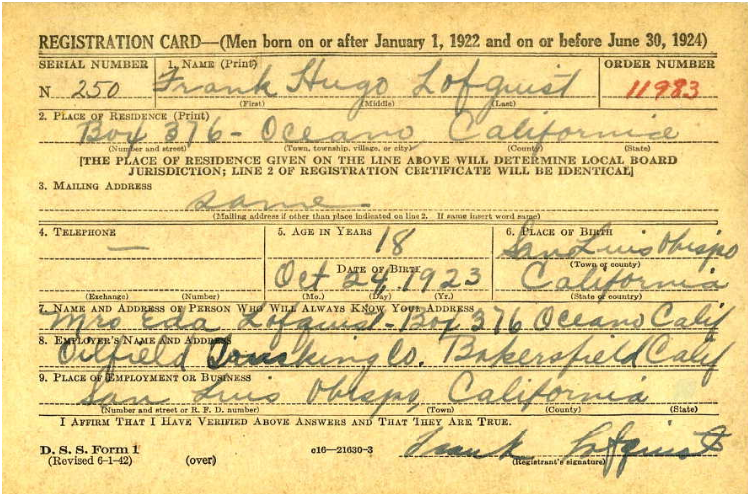
Here’s Frank’s draft card (his father, as the article notes, had died by then: Knute was a Swedish immigrant, but Frank’s mother was a Californian)
After his time at Farragut–named for a Civil War admiral–Frank would be sent to another landlocked place, Ames, Iowa, home of Iowa State University, for specialized training as a mechanic.
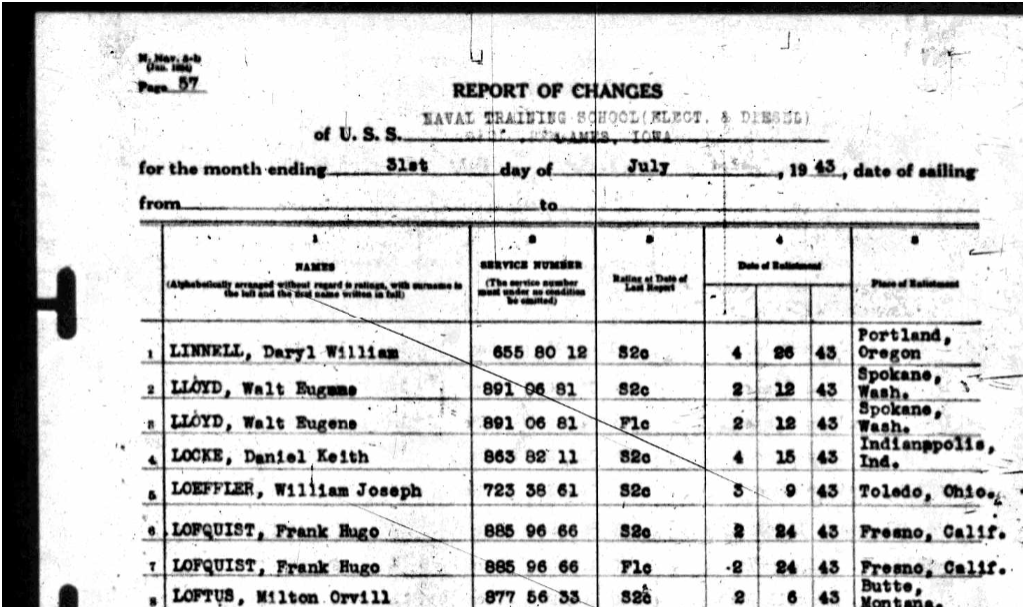
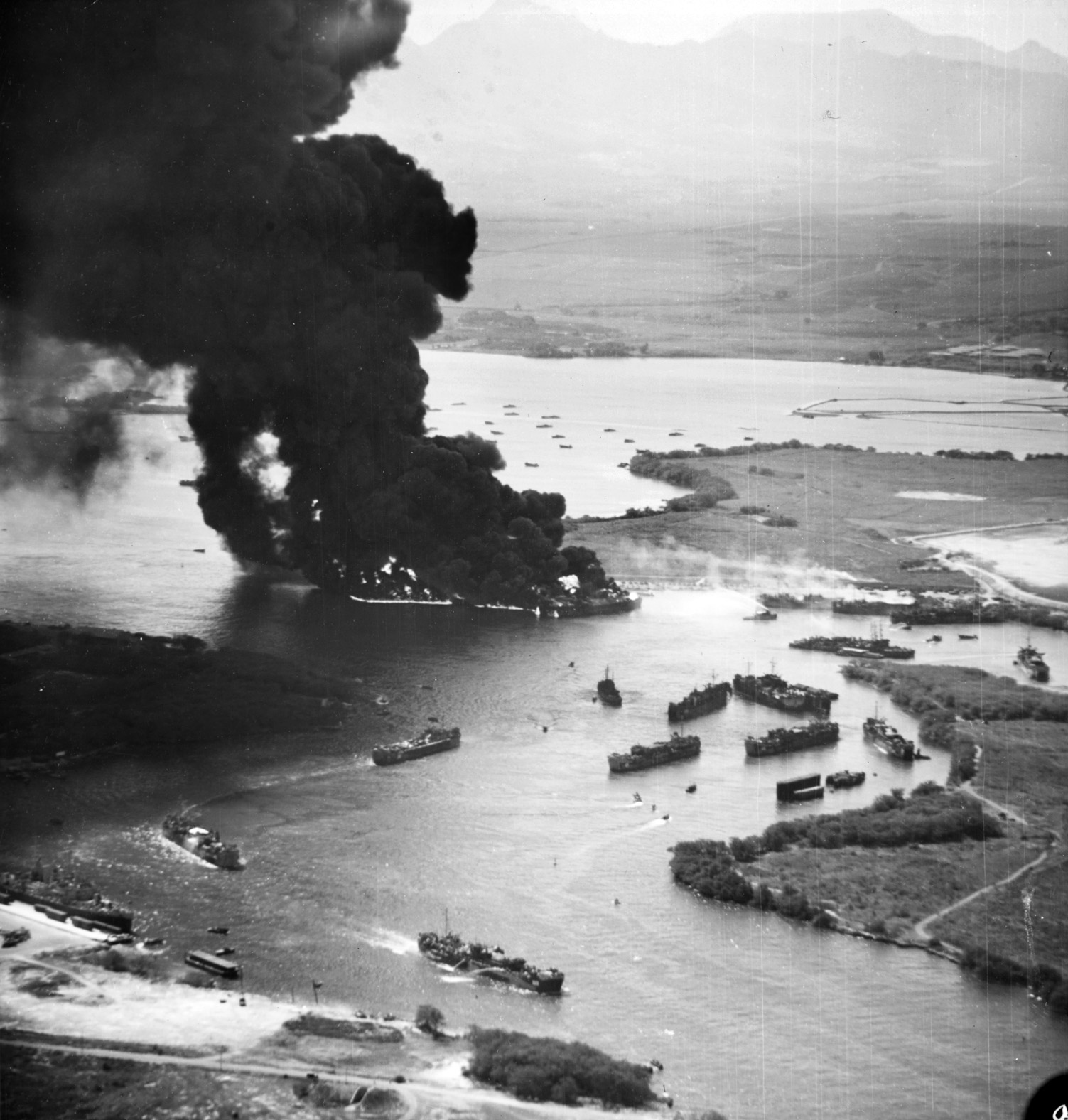
After this, Frank would go to war. I was hoping he would see service on a carrier or a cruiser or a destroyer. No. His skills sent him to the Landing Craft Unit 34 at the Waipo Amphibious Operating Base, on a peninsula bounded by Pearl Harbor’s West Loch. So, if Frank wasn’t steaming into action against the Imperial Navy, he was doing something just as important: helping to train servicemen and maintain landing craft in preparation for the costly landings across the Central Pacific in 1944-45.
Among the craft at Waipo:
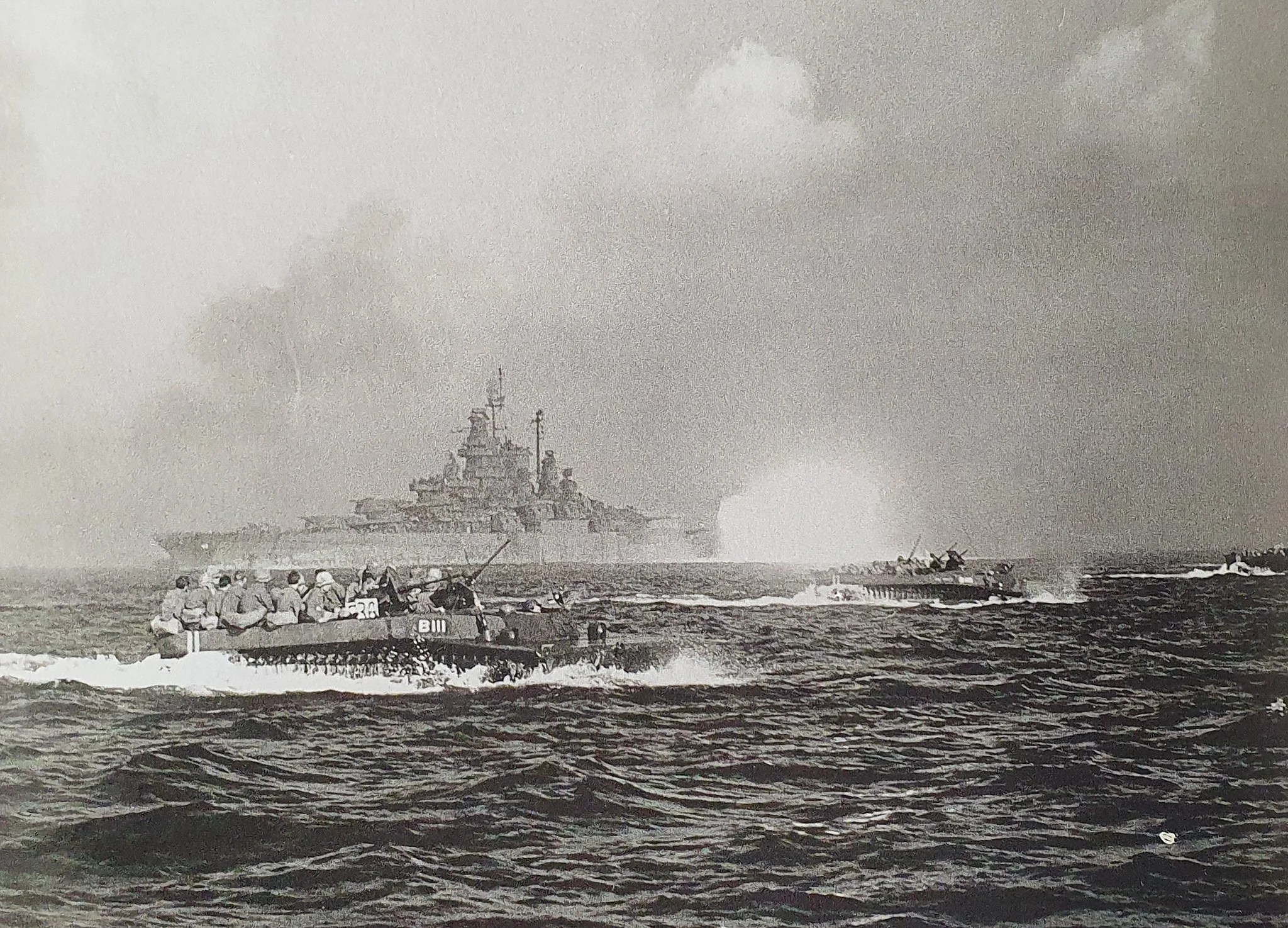
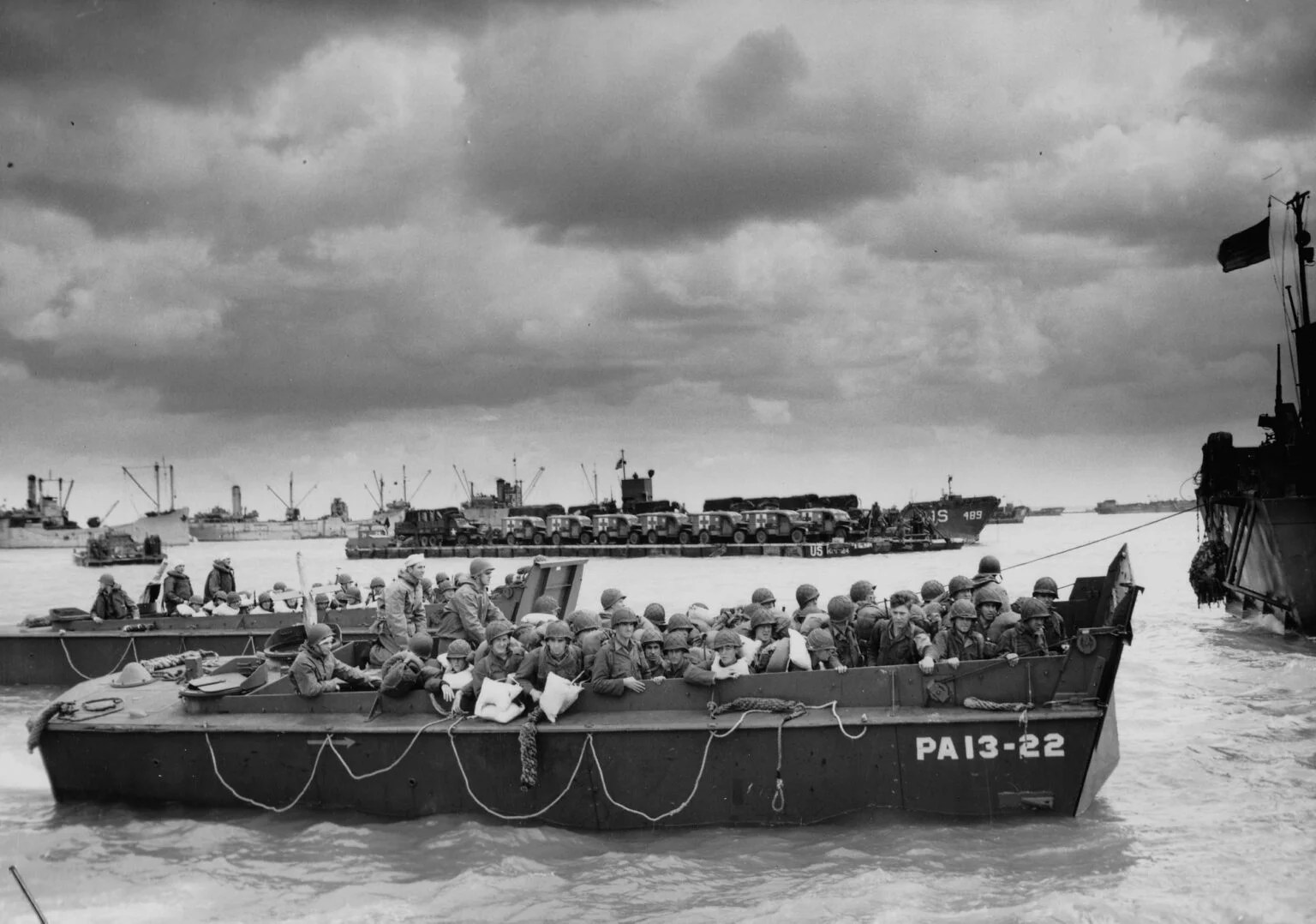
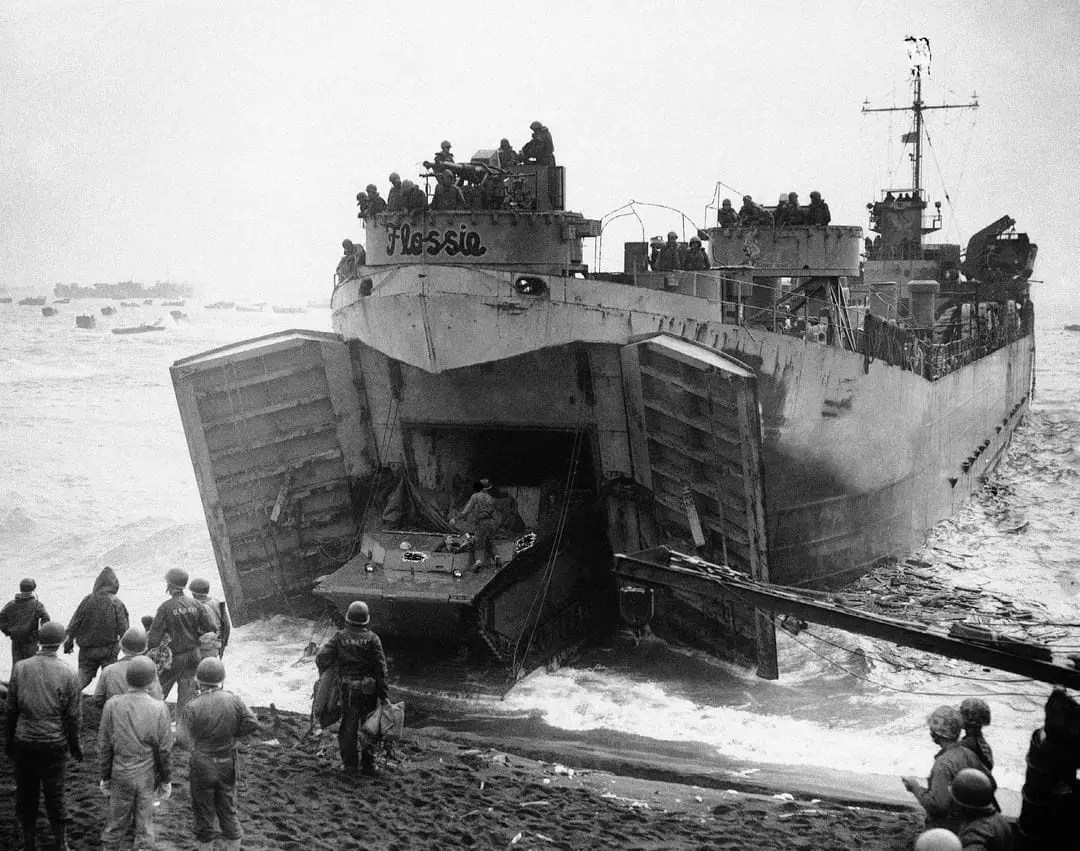
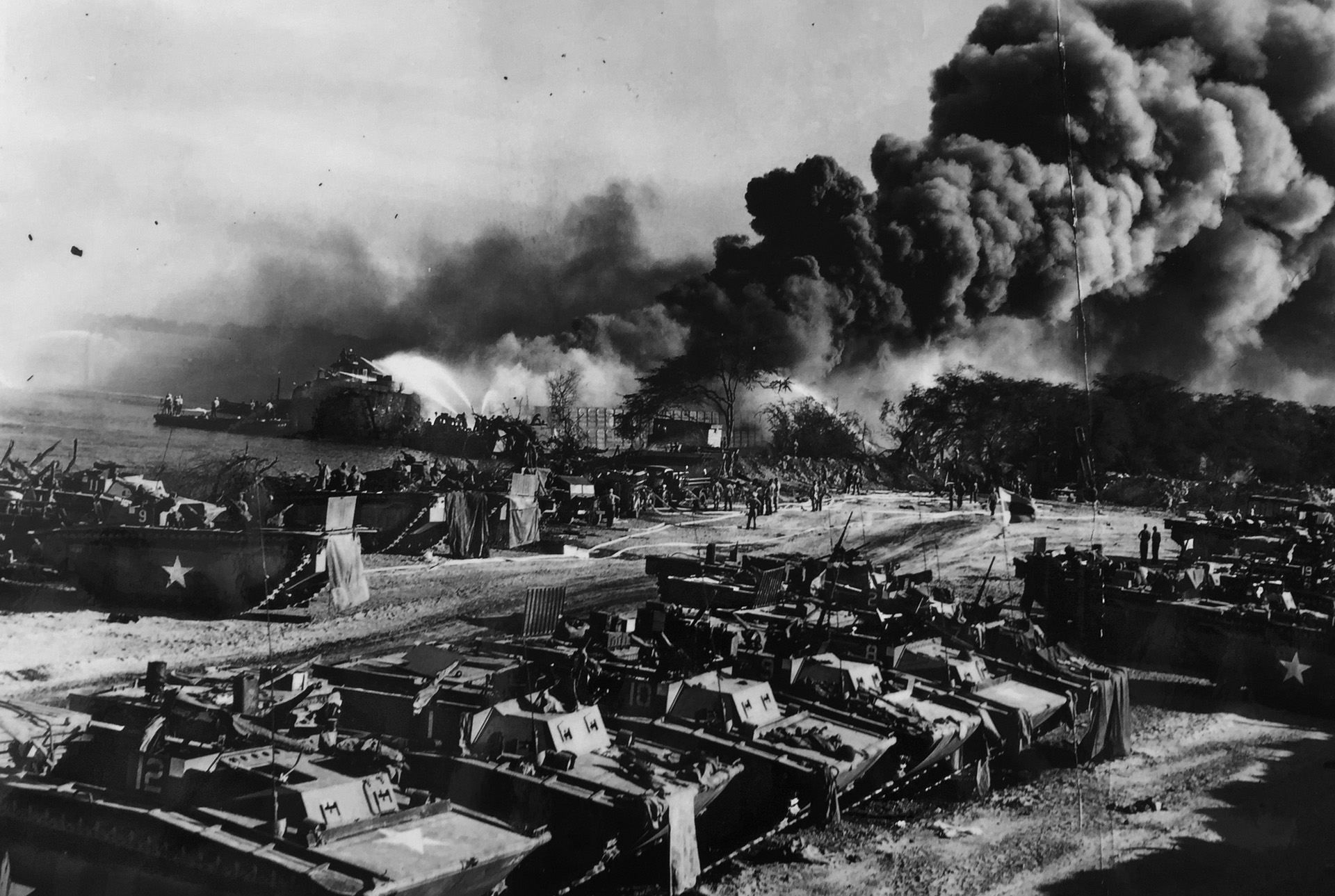
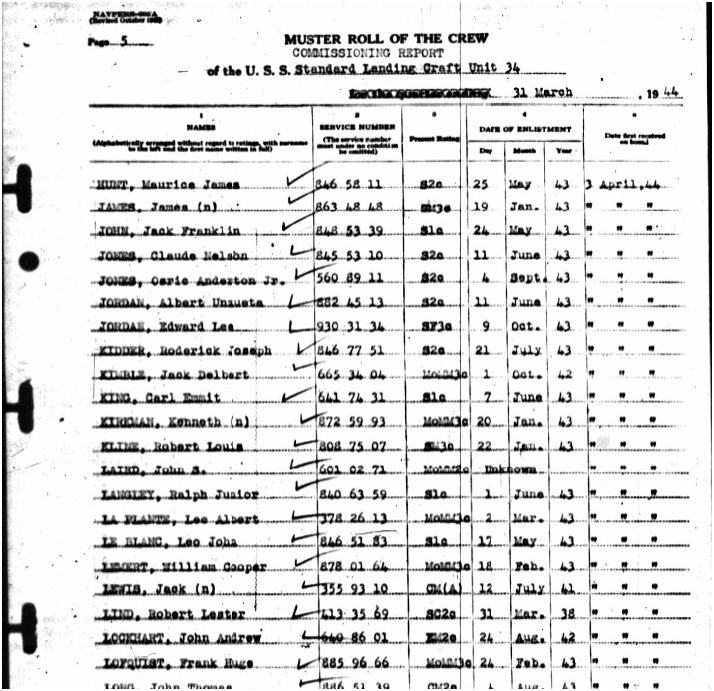
According to U.S. Navy Muster Rolls, Frank (at the bottom, below) reported to Waipo in April 1944. He would be stationed there until the end of the war. But it only took a month for the war to come to him.
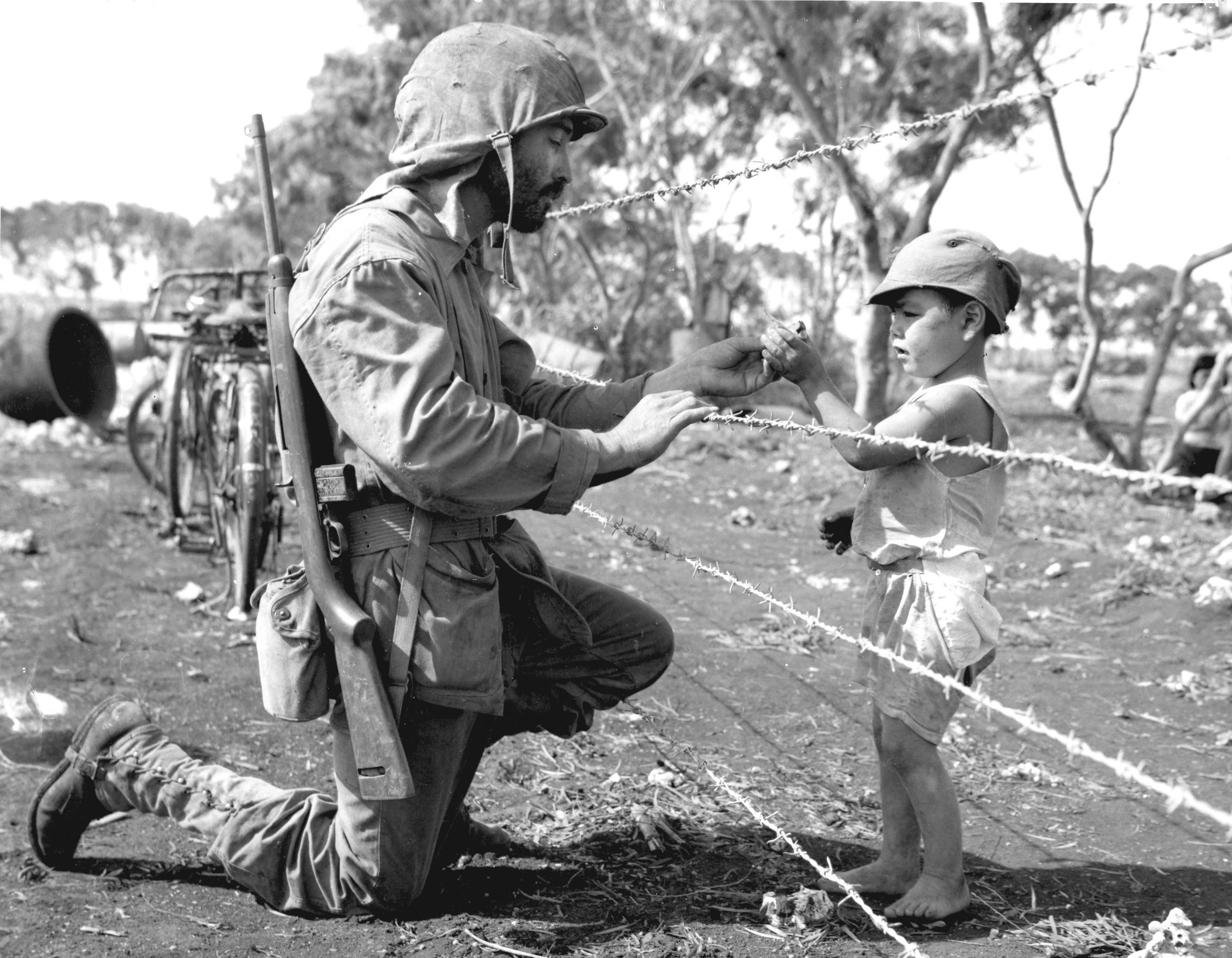
In May 1944, Unit 34 would have been preparing sailors, Coast Guardsmen and Marines for the invasion of the Marianas Islands, which included the horrific Battle of Saipan. The invading Marines included Archie Harloe, the son of the Arroyo Grande schoolteacher, and some of them witnessed civilians, convinced that the Americans would torture them, leaping to their deaths from sea cliffs.
That was in June. Another tragedy–this one at Waipo–preceded Saipan’s. On May 21, 1944, the West Loch, in preparation for the Marianas, was packed with the big ships, the LST’s. Mortar ammunition was being transferred to one of them when a mortar round either fell or was detonated by gasoline vapors, The resultant explosion was massive, but not as massive as the second explosion, which showered the LST’s with burning debris, which in turn set off aviation fuel and ammunition.
The fires burned for twenty-four hours. Six LST’s were destroyed. One of them, LST-480, remains alongside the West Loch today:
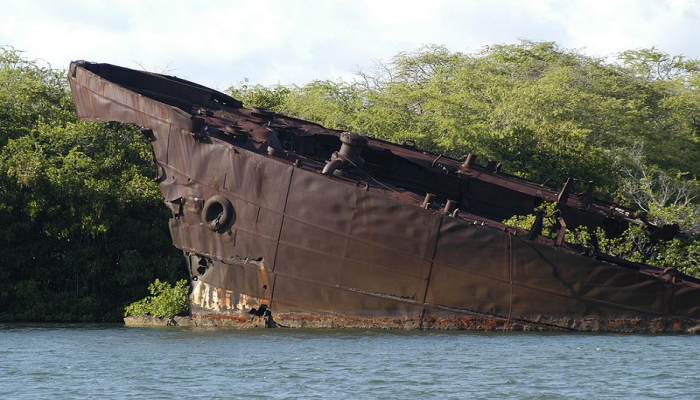
The official Navy casualty list cites 163 killed. That is almost certainly an underestimate. It may not reflect the deaths of Marines from the 2nd and 4th Divisions and soldiers from Schofield Barracks acting as stevedores at Waipo. Some estimates put the deaths at 1,000 young Americans.
Frank Lofquist was there, and, as fate would have it, he would live a long life–he died, at eighty, in 2003. I’ll post below a video of some South County sailors and their ships, but it occurred to me that Lofquist’s service at Pearl Harbor was just as important, and, since I just learned about the West Loch disaster, almost as dangerous.
Using the World War II Army ratio, for every American combat soldier, there were 4.3 support troops (like my father, a quartermaster officer who sent gasoline supply companies to Omaha Beach, and like Lofquist). World War II was their war, too.
Thank you for your service, Frank Hugo Lofquist.
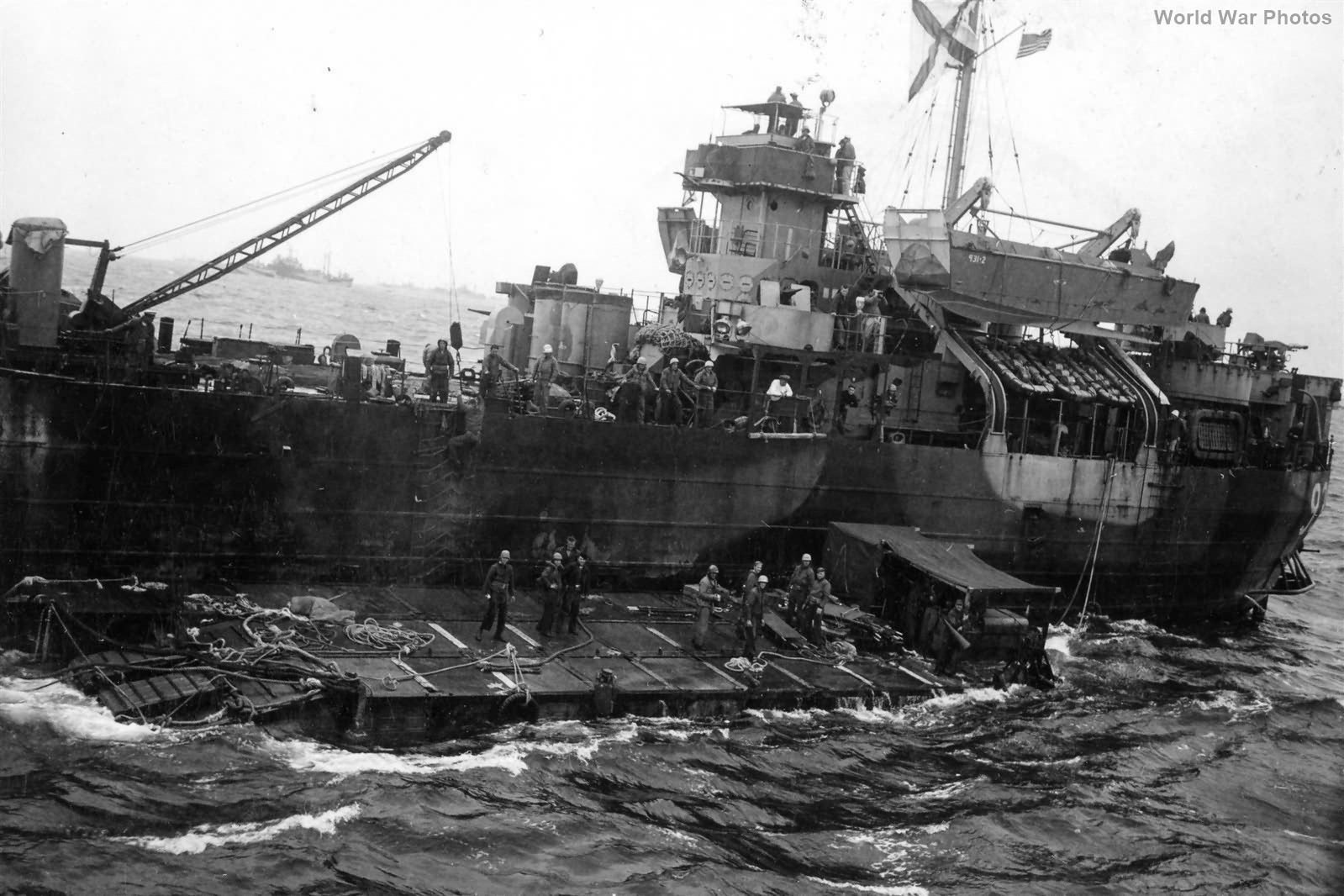
It was Lofquist’s war, and, of course, it was the war of the Black sailors at Port Chicago, near San Francisco. An explosion there three months later killed at least 320 of them, detailed as stevedores, when an ammunition ship blew up. What happened after is another story that needs to be retold every few years.
23 Saturday May 2026
Posted in Uncategorized

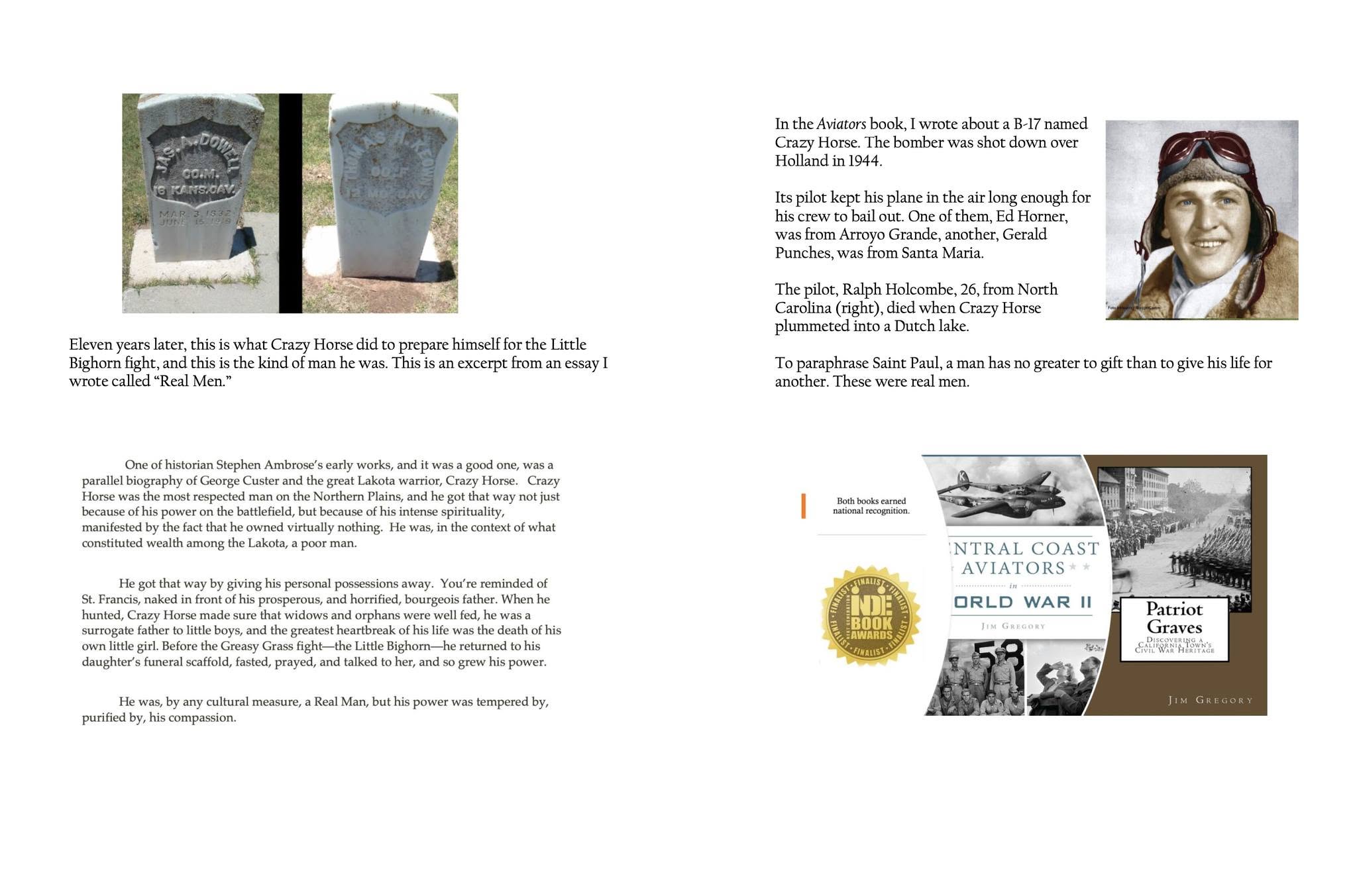
The MonaLisa Twins really are twins, fraternal sisters born in Austria—I think in Vienna. Their Dad , Rudolf, Wagner, is a Boomer, like me, taught the girls his love for playing music and his love for British Invasion music. The girls inherited both loves and, as young women, are the featured act in The Cavern Club, a Liverpool pub that duplicates the Hamburg Cavern where the four lads first made a big splash.
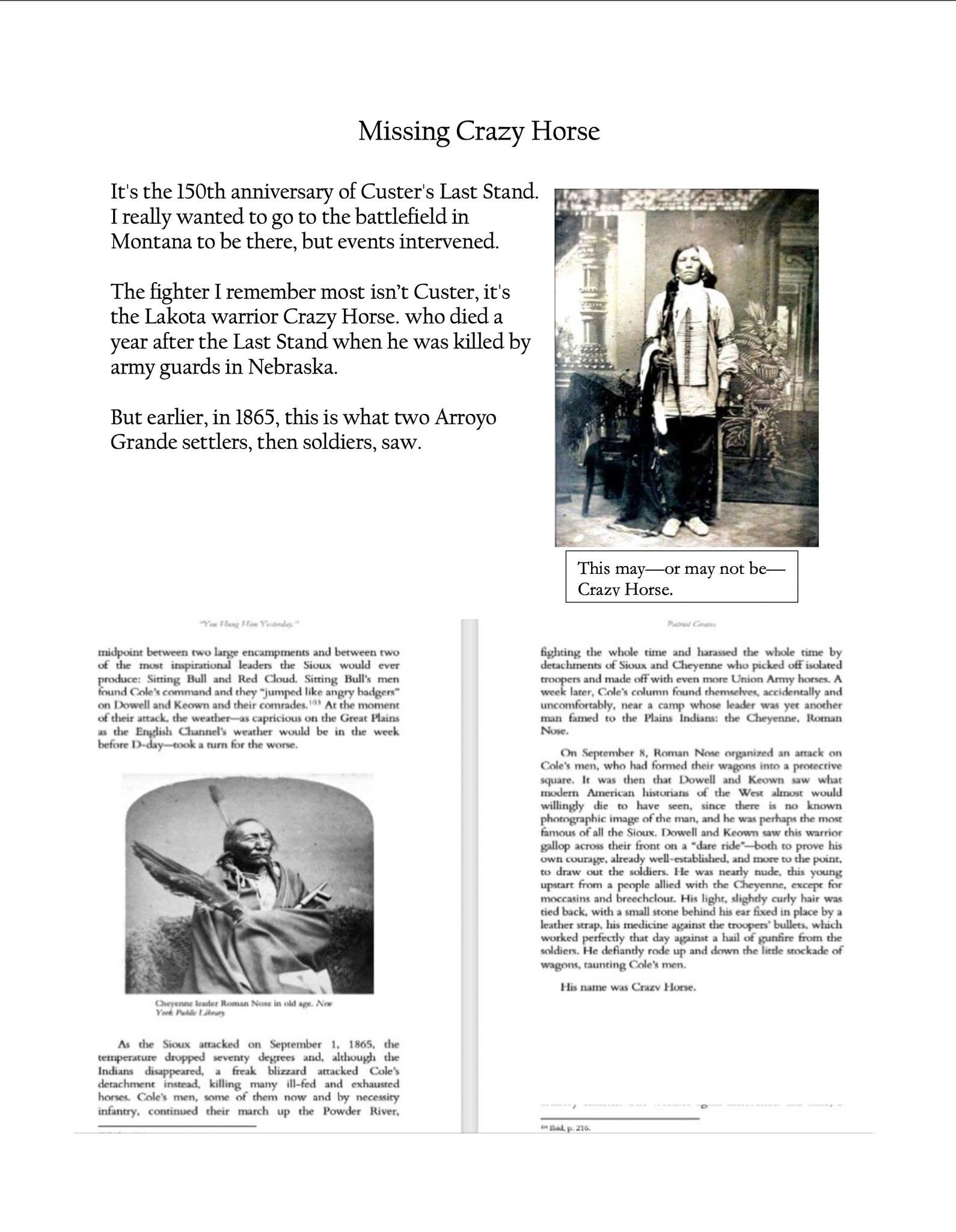
So they do Beatles. Like this:
And this:
They do Revolver:
They do Rubber Soul:
They let old guys onstage for one of my favorite Beatles songs:
They do Hollies.
And they cover one of my favorite one-hit wonders:
So,, if bug’s ears are cute, these two are. They are also great fun. And, no, I haven’t yet figured out which is Mona and which is Lisa
P.S. There’s “cute” and then there’s “beautiful.” Like this:
18 Monday May 2026
Posted in Uncategorized
There was something terribly morbid and terribly wrong about FBI Director Kash Patel’s VIP snorkeling dive on USS Arizona. It’s yet one more example of this administration’s casual indecency.
I take it personally, and this is why.
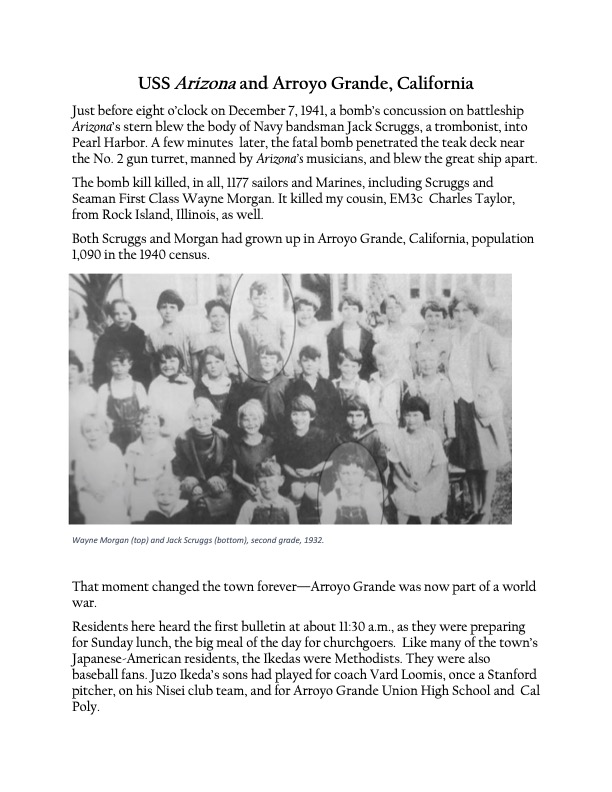
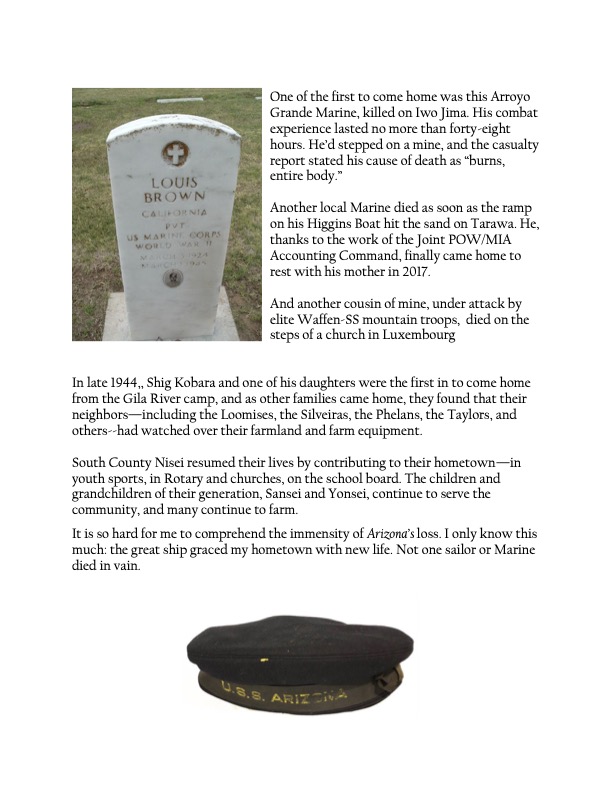
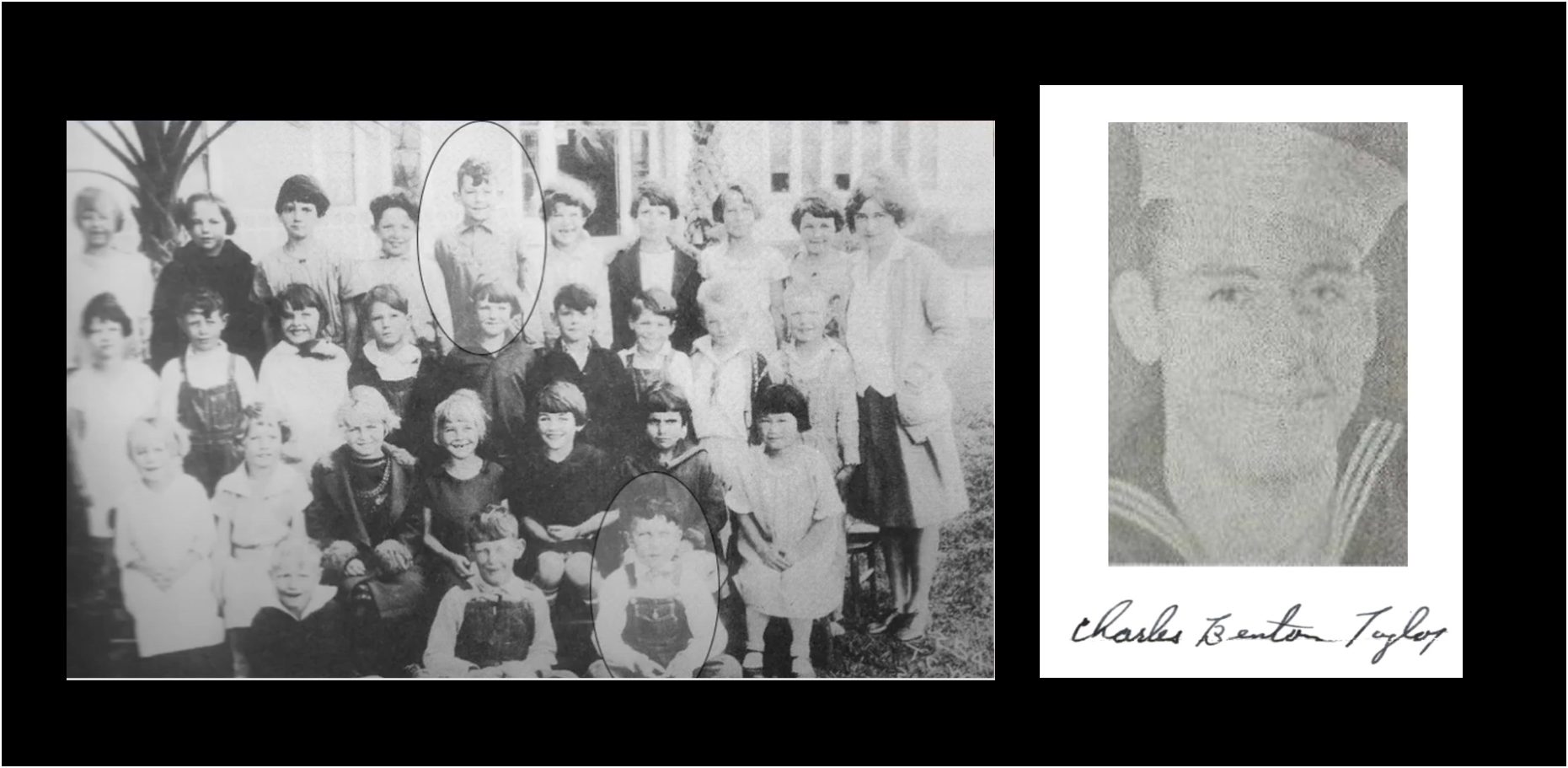
Two sailors who died on Arizona were from my hometown, Arroyo Grande, population 1,090 in the 1940 Census. Wayne Morgan and Jack Scruggs had been second-grade classmates in Arroyo Grande in 1932.
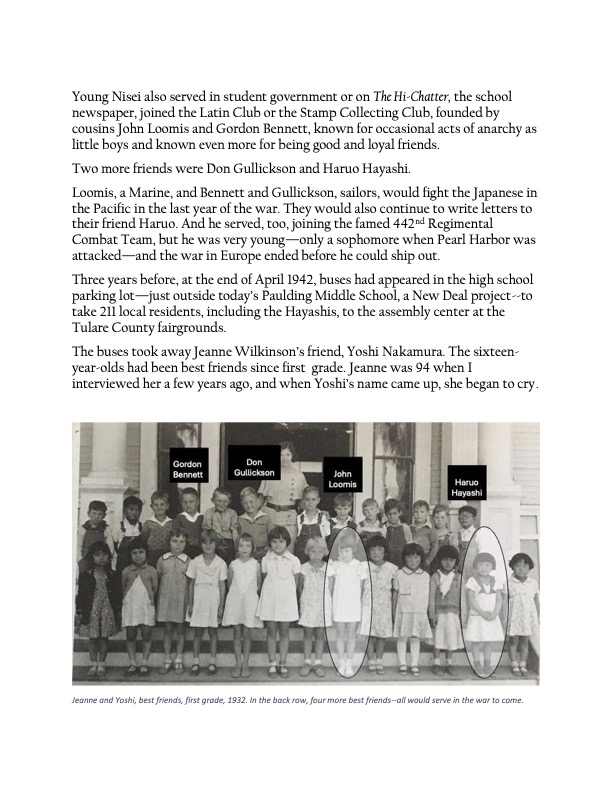
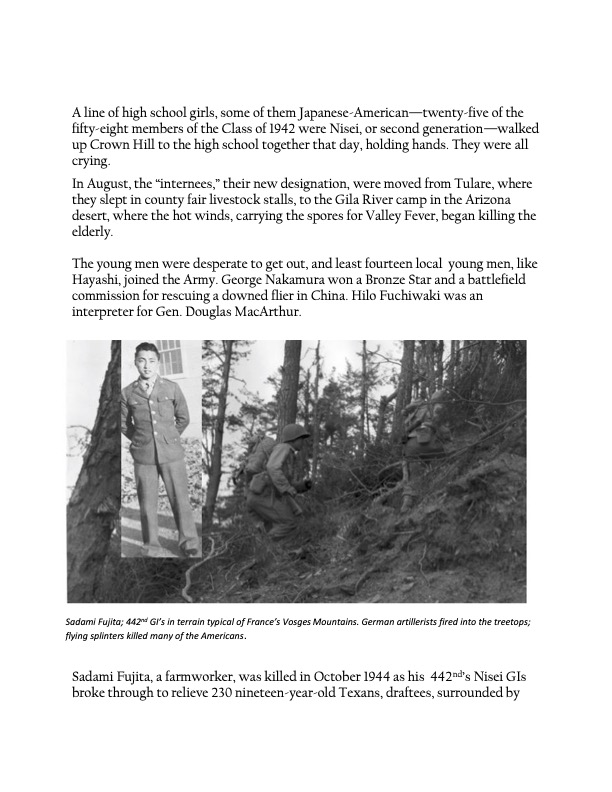
Arizona’s destruction had a tragic impact here: 25 of the 58 seniors in the high school’s Class of 1942 were Nisei, or second-generation Japanese. On April 30, 1942, they were taken away to be incarcerated in the Arizona desert. Many never came back.
More than eighty years later, Project 85 is devoted to using refined DNA science to identify the battleship’s casualties. Many of the unidentified sailors and Marines were buried, some in mass graves, in the Punchbowl Cemetery on Oahu.
In December, those remains will be disinterred for DNA testing.
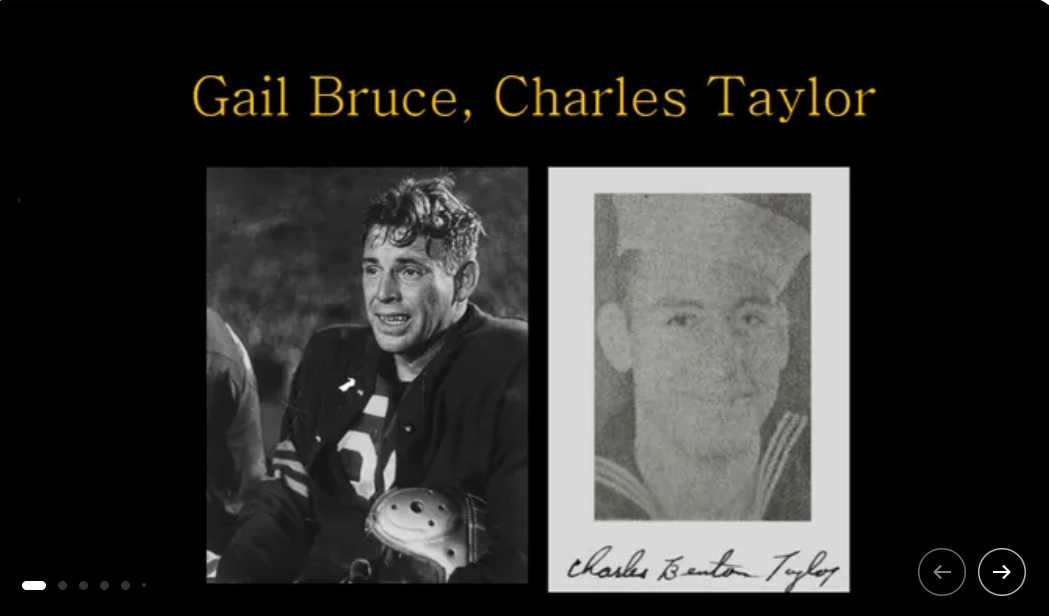
I just sent Project 85 a sample of my DNA. An Arizona sailor, Electrician’s Mate 3c Charles B. Taylor, is my cousin—we share a common grandfather—and, God willing, they might find him so that my family can bring him home.
“Home” would be the Boone Creek Cemetery in Missouri. His mother, my Aunt Aggie, is buried there, along with Charles A. Taylor, the sailor’s father. Despondent over his lost son, in July 1942, Charles A. Taylor walked out to the middle of one of his farm fields, put a .22 rifle to his heart, and pulled the trigger. Aggie Gregory Taylor carried the burden of those losses for the rest of her life, for thirty-eight years.
We got Christmas cards from her, and my dad a birthday card, every one of those years.
So, yes, Kash Patel, in my mind, you had no right to your little “joy dive.”
06 Wednesday May 2026
Posted in Uncategorized
My knowledge of Japanese cinema pretty much begins with “Seven Samurai” and ends with “Rashomon.”
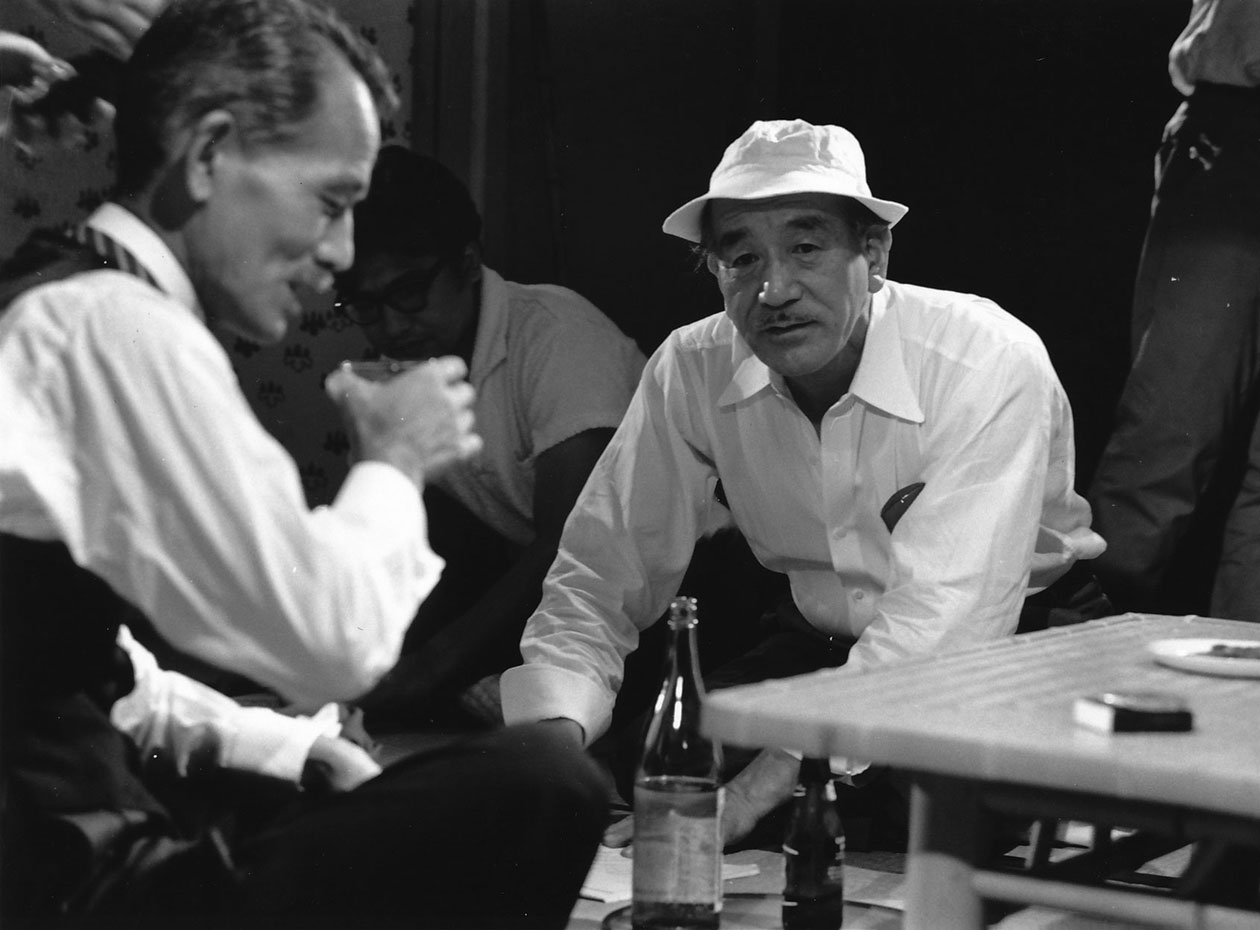
Director Yasujirō Ozu knew–directing, in the hat, above, knew to compose a frame, as John Ford did. Ozu’s, framed by Japanese interior screens, are particularly intimate. And, unlike Ford, he was much more understanding of women–his women were lovely, and they register emotion, including deep anger–and he worked particularly well with children. With children, he liked to include fart jokes in their scenes. I am okay with that.
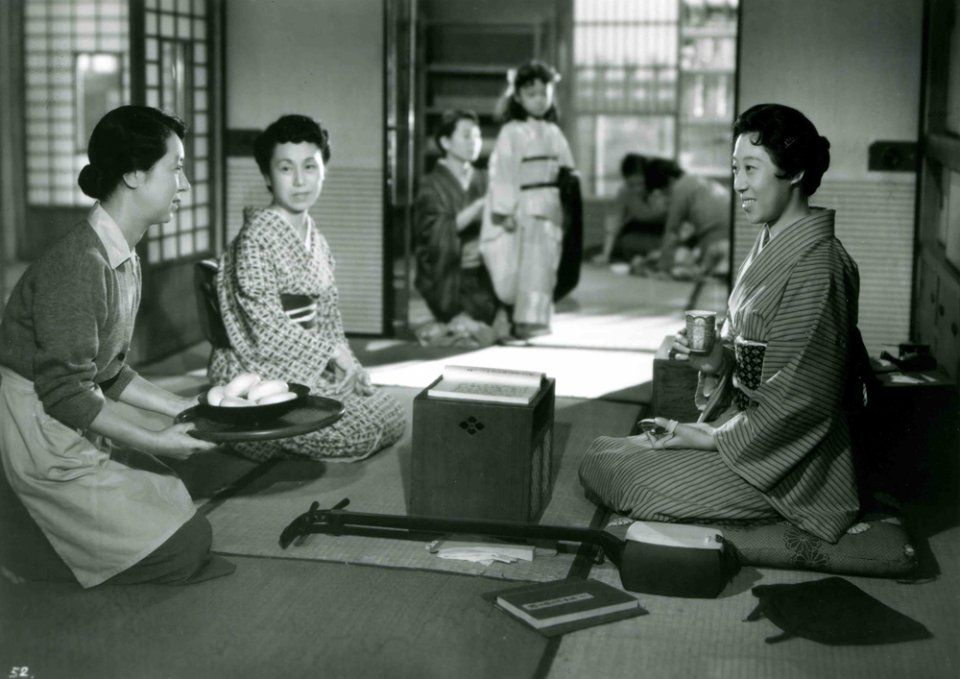
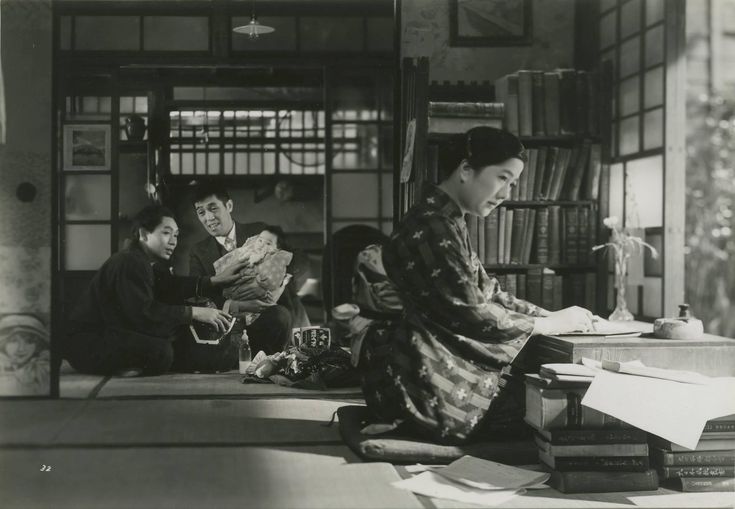
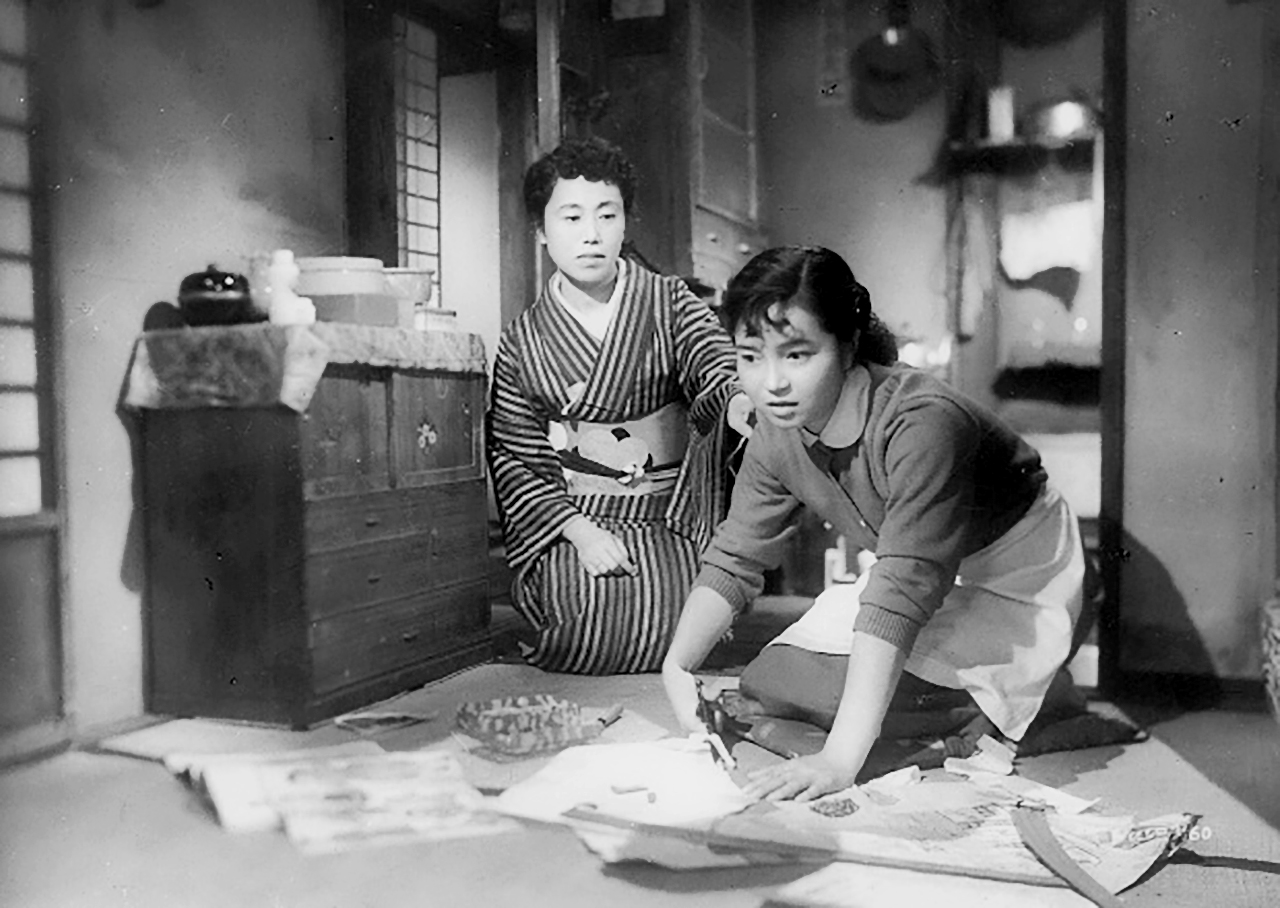
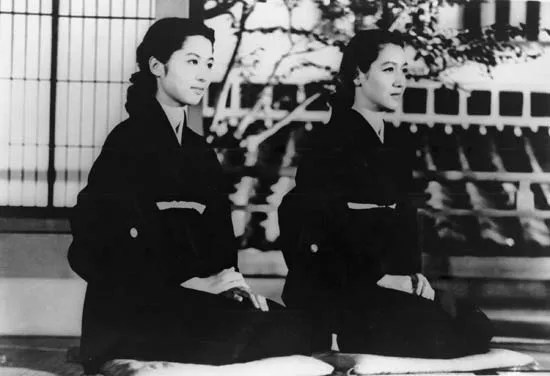
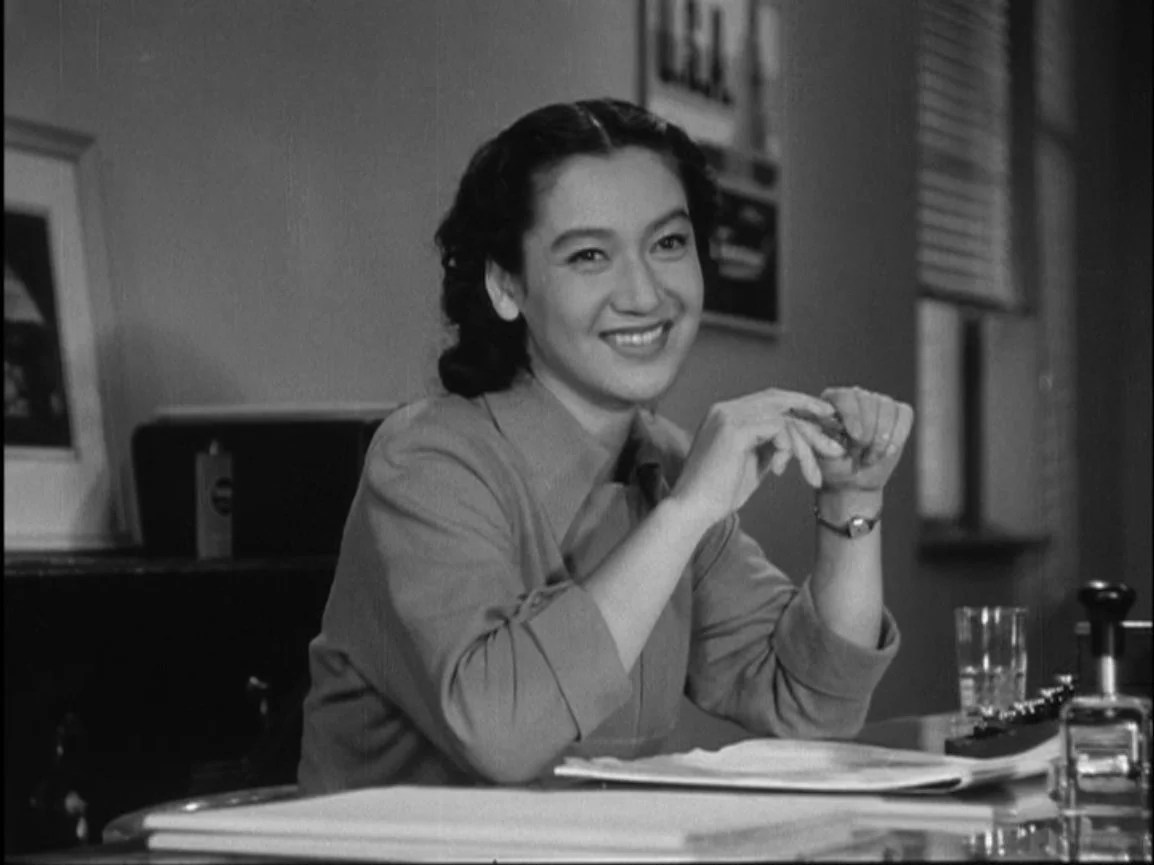
That’s a good thing, because much of his work–he died in 1963–was focused on postwar Japanese families, bewildered and drifting apart in a sea of social change.
It reminded me of a song that played a lot on KSLY, our San Luis Obispo County, California, AM station in 1963, with the Americanized title “Sukiyaki.”
But it’s a song about the kind of loss that Ozu addressed. The lyrics follow the excerpt from his performance.
The singer, Kyo Sakomoto, born three days after Pearl Harbor, was killed in the 1985 crash of Japan Airlines Flight 123. It was the worst single-airplane accident in history; claiming the lives of 520 passengers and crew.

