• About
  • The Germans

A Work in Progress

A Work in Progress

Category Archives: History

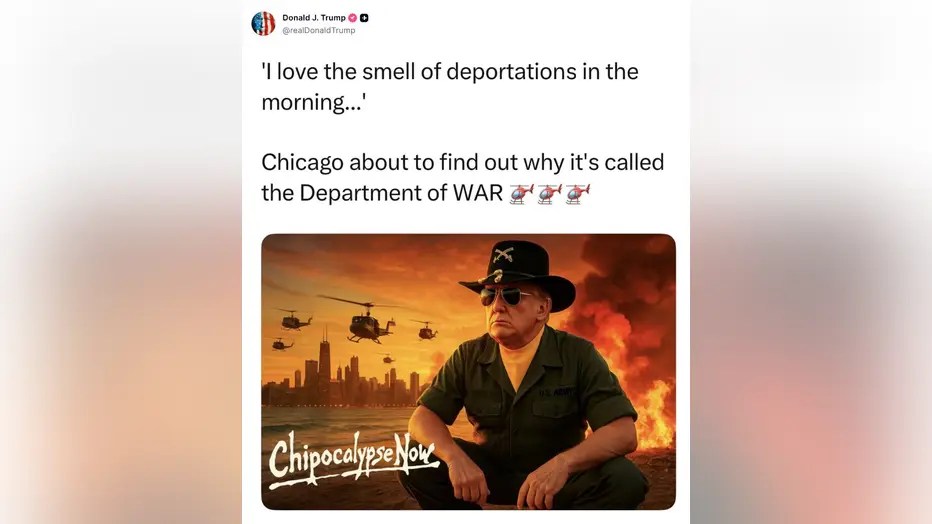
The Department of War

08 Monday Sep 2025

Posted by ag1970 in American History, Arroyo Grande, California history, History, trump, Uncategorized, World War II

≈ Comments Off on The Department of War


This was Saturday. He’s half-heartedly apologized today: “We’re not going to war with Chicago.” I’m sure, with the bellicose re-naming of the Department of Defense, that Chicago is overwhelmed with gratitude.

War would overwhelm this president* because, like all bullies, he is a coward. It takes so much air to fill him, but he has a kind of army—his sycophants—who stand ready to provide it.

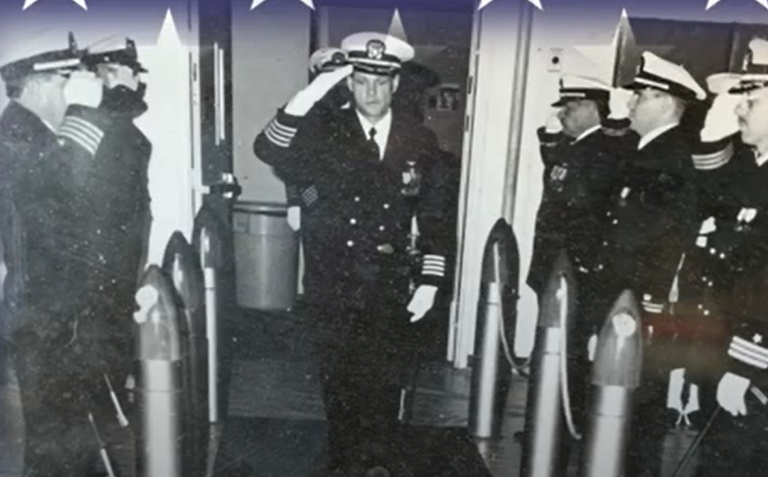
The president* visits London


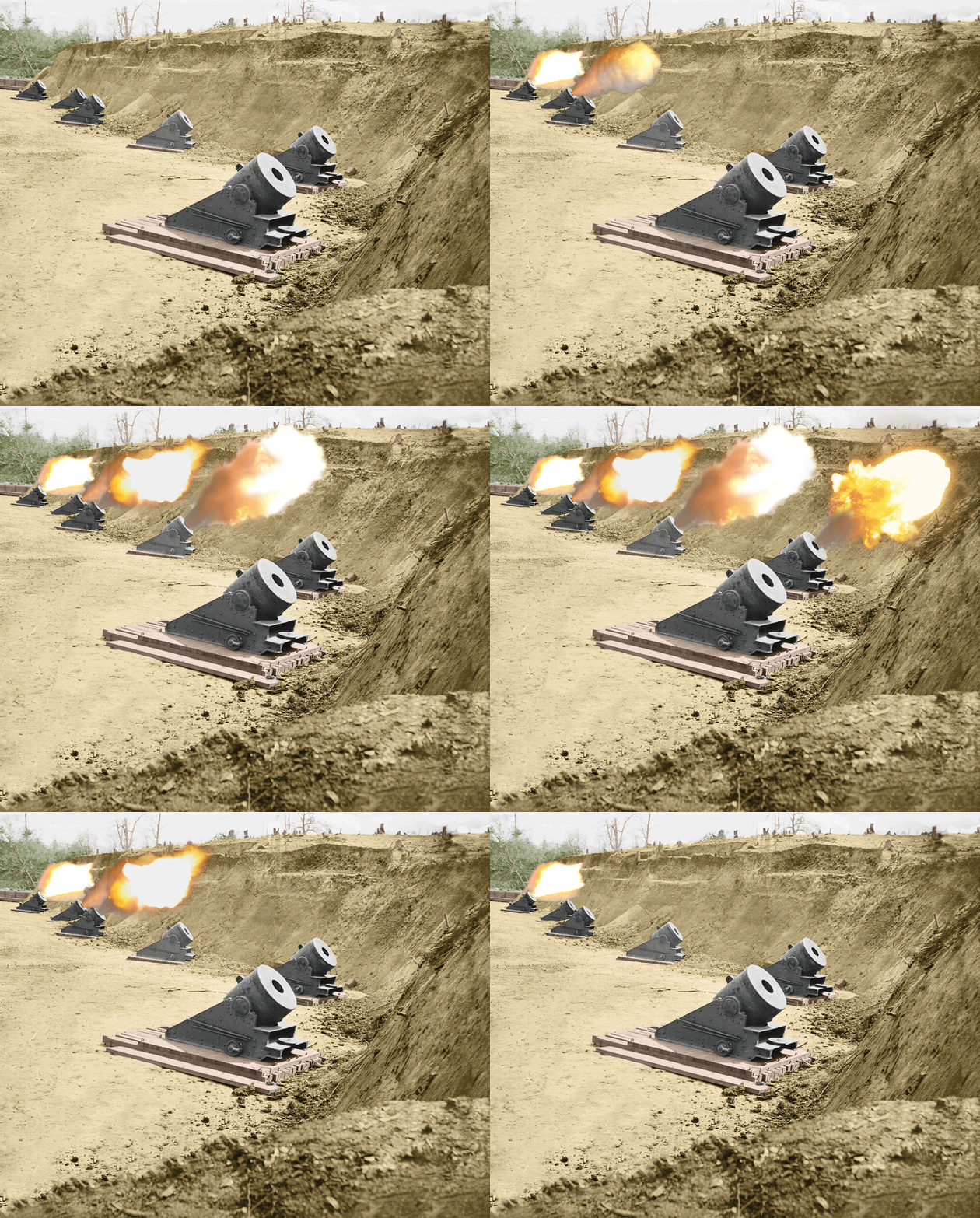
This is a re-creation of the 1918 Battle of Belleau Wood (the re-enactors are real Marines), but the men who actually fought that battle were called by the first-term Trump, the milder version, “losers” and “suckers.” He was to honor them on the 100th anniversary of the assault, but it was raining in France.


And this is what war was like for local men who endured it.

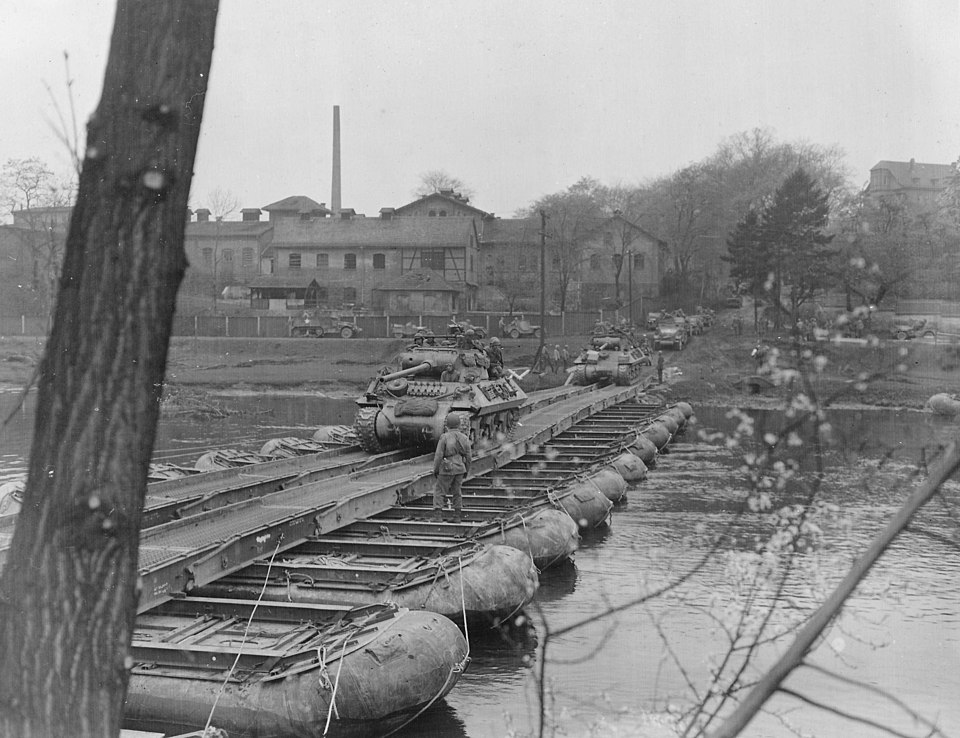
The 607th Tank Destroyer Battalion, 1944.


   The Americans’ breakout from Normandy, after claustrophobic weeks in the death traps of the hedgerows, must have been a jubilant one, but the 607th would encounter another death trap whose brutality sobered them. The Americans, under Omar Bradley, and the British and Canadians, under Bernard Law Montgomery, had the chance to encircle the entire German Army in Normandy. They would fail, and thousands of Germans would escape, battle-weary, some of them now barefoot, running for their lives along narrow roads and cattle trails through what became known as the Falaise Gap.

    But American artillery units still found many of them there–artillery spotters were nearly incoherent because there were so many targets to call in on their field radios–and the slaughter they inflicted was horrific.19 Seventy years later, one of the 607th’s soldiers, Frank Kunz, remembered the results in an interview with his hometown newspaper:  “ Christ help me. There were 6 to 8 inches of bodies and horses ground up on the road. There was nothing you could do. You had to drive through it.” People, Kunz added, don’t understand what war is.20

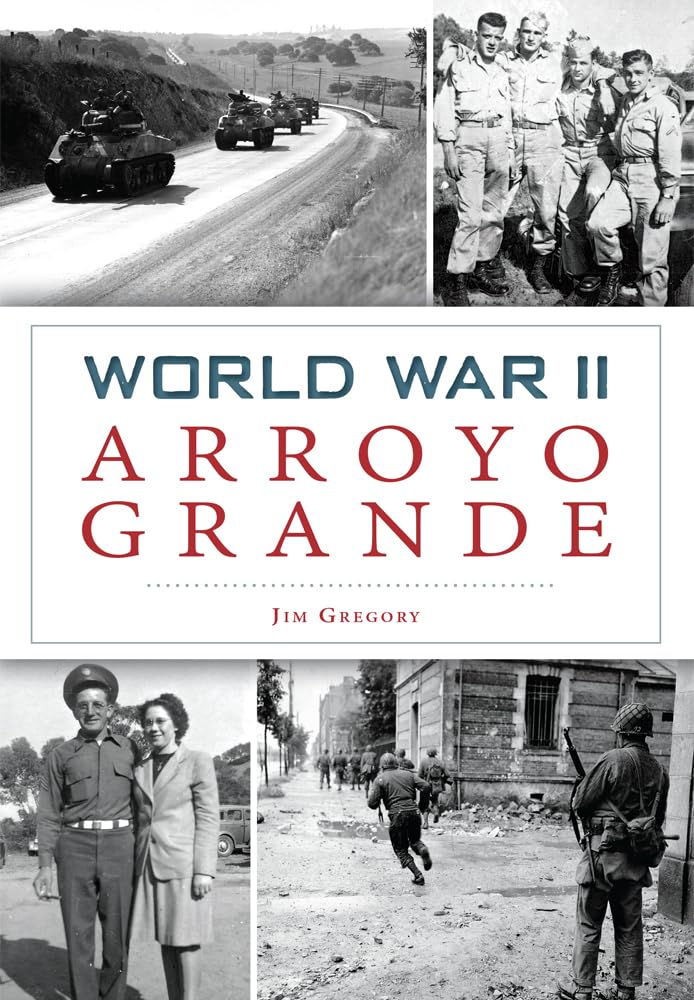
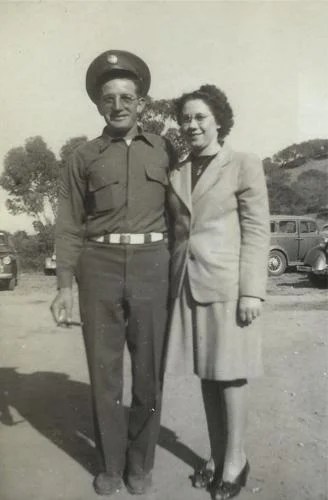
In the photos: Frank and Sally Gularte at a family barbecue in Arroyo Grande before he shipped out as a member of the 607th Tank Destroyer Battalion, seen crossing a river into Germany. A German sniper claimed Frank’s life in November 1944. Sally gave birth to Frank Jr. five days later. From the book World War II Arroyo Grande.


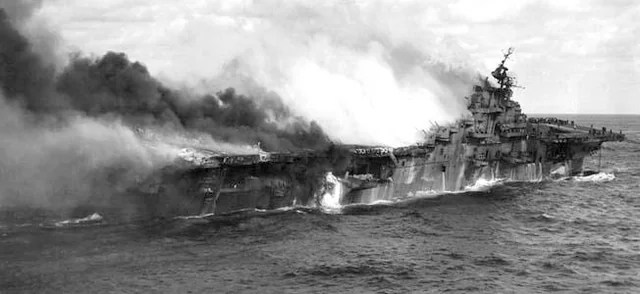
The aircraft carrier Ben Franklin, 1945

The bomb’s detonation [one of two that his the aircraft carrier Franklin off Japan in 1945] flipped a 32-ton deck elevator like a flapjack, leaving it canted at a 45-degree angle in its well. The shaft below it and the decks adjacent were an inferno: crewmen were incinerated instantly; aircraft on the hangar deck melted and plummeted to decks farther below. Twelve of the 13 pilots in the famed Marine Corps “Black Sheep” Squadron, based, since the beginning of the year, at a naval air station near Goleta, died in their ready room.19

Ships below the horizon felt the explosions. Camilo Alarcio clambered up to the flight deck only to realize that he was freezing: he made his way back to his quarters to fetch a jacket, flak jacket and flashlight and bolted topside again with his shipmates. Those emerging from below would have seen sailors running for their lives as the fires spread. In the black, heavy smoke, some ran into the turning propellers of aircraft, their engines still running for their next combat mission.

Alarcio’s deliverance, and that of many others, began when he saw the cruiser Santa Re move alongside. That ship’s crew began to throw lines across to Franklin as the flames threatened to engulf the entire flight deck. He grabbed one of the lines and made his way across–other sailors fell and drowned, some so badly burned that they couldn’t save themselves, while others were pulled under by the turning of Franklin’s screws. Alarcio survived.2020

   Franklin’s survival was in doubt. The initial explosion was just the beginning. As fires reached twenty more aircraft, fueled and ready for flight on the hangar deck, and ignited a chain reaction that, throughout the day, set off stores of bombs, rockets, anti-aircraft ammunition and aviation gasoline. At one point, the violence inside Franklin made the 32,000–ton ship shudder and spun her, like the needle on a compass, hard to starboard, where she lay dead in the water. 

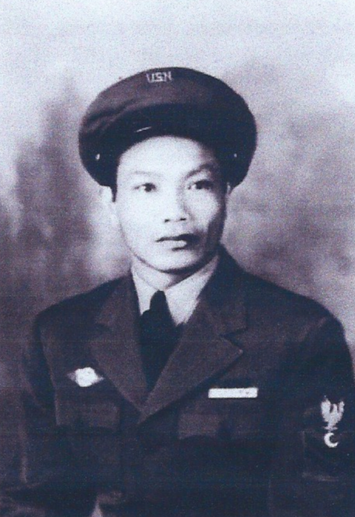
Photos: South County sailor Camilo Alarcio; his ship, the carrier Ben Franklin, afire. Somehow Franklin, with Alarcio aboard, made it back to her birthplace, the Brooklyn Navy Yard.
The 91st Bomb Group, 1945

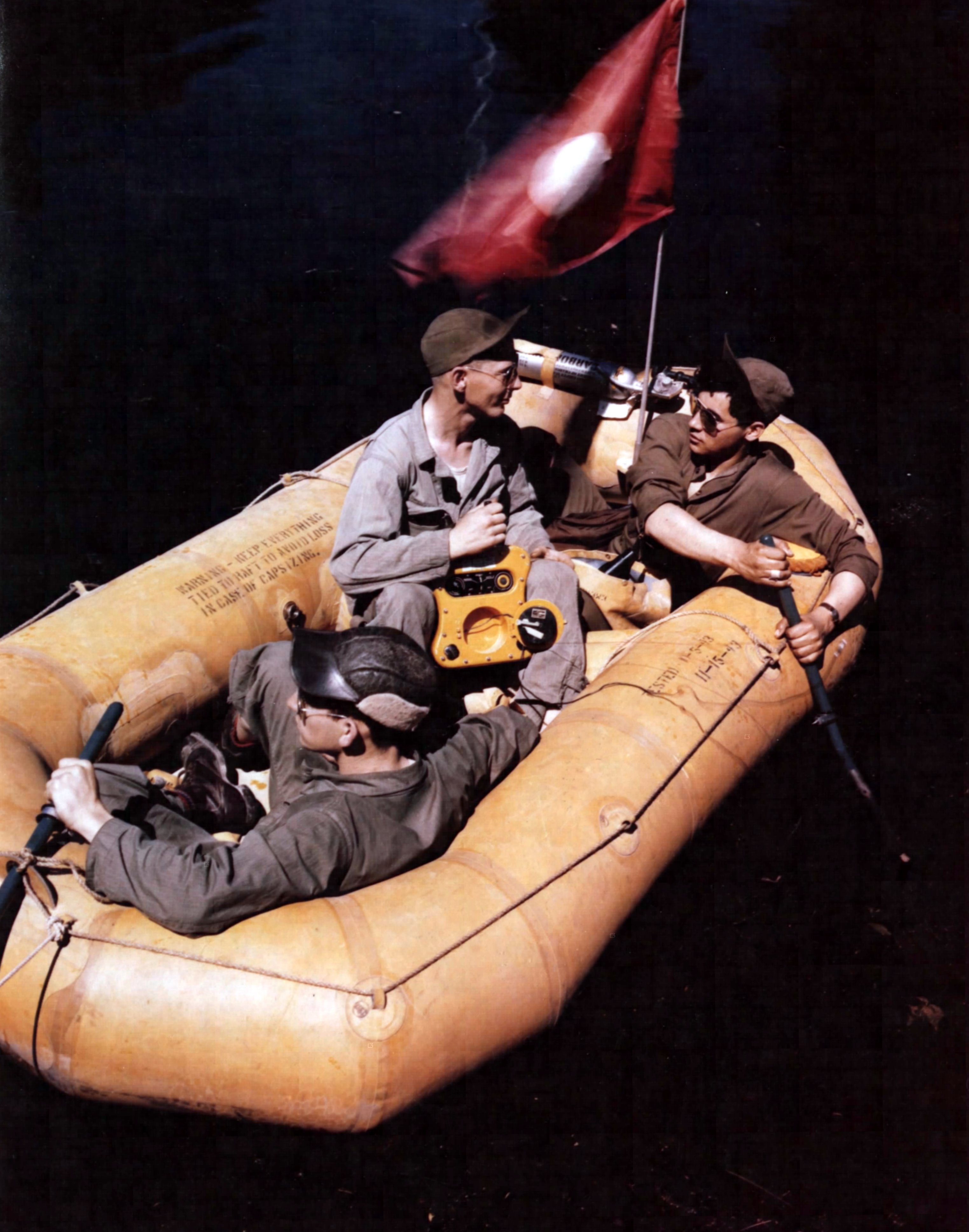
Henry Hall now lives in Cayucos; he was a Kansan transplanted to Bakersfield before the war and then to San Luis Obispo County afterward to become a gunner in the Ninety-First Bomb Group, the “Ragged Irregulars.”

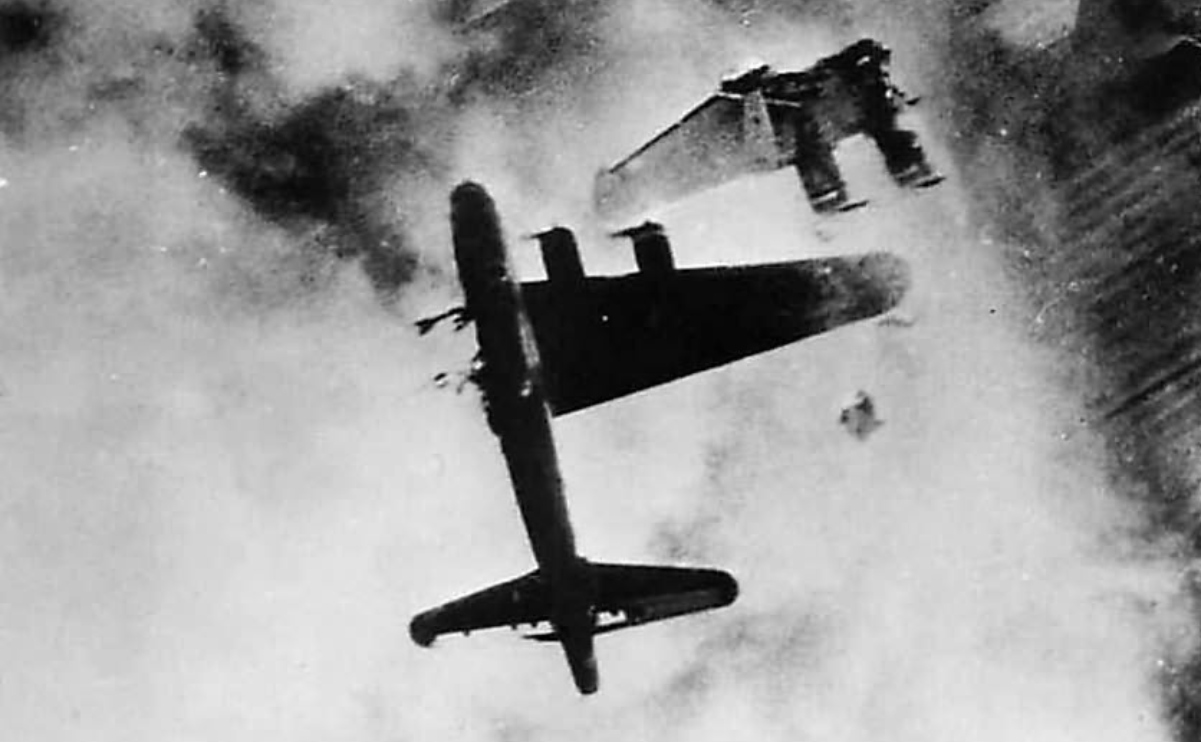
Hall witnessed a horrific chain reaction over Holland: a swarm of German fighters singled out a B-17 ahead, and the multiple hits on the bomber registered for him when he saw the right- side landing gear listlessly drop and an engine on the right wing catch fire. When the out-of-control bomber began its final plunge, it clipped two more B-17s in the formation—both of them went down as well.

It was the hardest of days for Hall’s bomb group: they lost six B-17s on a mission that gained nothing: their primary target, a ball-bearing factory near Berlin, was obscured by clouds, so the Ninety-First dropped their payloads on “targets of opportunity”—on this day, Hall remembered, on a little crossroads town that probably contributed little to the Nazi war effort.55

That was Hall’s first mission. He was twenty years old when he saw the three Ragged Irregular bombers plummet to earth together. Many members of his bomb group were even younger. Some of them, thanks to crafty misdirection aimed at recruiting sergeants pressured to meet their quotas, were as young as sixteen.

Far below them, in German cities like Hamburg and Dresden—or in relatively obscure Japanese cities like Toyama, the size of Chattanooga, or Kagoshima (the seat of the prefecture from which most San Luis Obispo County Japanese had emigrated), the size of Richmond, Virginia—the ashen bodies of schoolchildren stained sidewalks and streets.

Photos:  Henry Hall, with his back turned, practicing water survival with his comrades. The B-17 “Wee Willie,” from Hall’s 91st Bomb Group, on its way down. There was one survivor. From the book Central Coast Aviators in World War II.
The 60th Ohio Volunteer Infantry, 1864

So under [Union Gen. Ambrose] Burnside, the 60th Ohio, on the afternoon of May 5, crossed the Rapidan River at the Germanna Ford. From a rise, they could see dust clouds raised by Lee’s army on the move and began to march into The Wilderness, a vast tangle of forest and scrub so dense that it shut out the sun. Adam Bair was a corporal and therefore, like Richard Merrill had been at Antietam, a file closer. Bair must have been tired after the river crossing. His role was like that of a border collie, striving constantly to keep his company together and moving forward, cajoling potential stragglers, barking, like a collie, at men who’d packed too heavily when they had been warned to travel light.

The wake of the 60th would have been a Civil War treasure-collector’s dream, strewn as it would have been with all manner of equipment: rubber blankets, coffeepots, needless overcoats and extra clothing, books that would never be read. Eventually, as the sounds of battle began to become more distinct, the 60th would leave behind what many Civil War soldiers left: playing cards, dice, flasks of brandy or whiskey, packets of what were euphemistically called “French postcards” with their leering plump models. These are not the items a man would want on his person if he “fell,” to use another euphemism common to describing the indescribable violence of a Civil War soldier’s death in combat.

Union soldiers would begin to see, as they crunched through the carpet of leaves in the closeness of the woods, dead soldiers grinning  at them in their  passage.  These  were the skulls of the men who’d fought the year before at Hooker’s debacle, Chancellorsville, either disinterred from their shallow graves by hungry animals, perhaps by a hardscrabble Virginia farmer’s hogs, or simply lost and left where they’d fallen in the days when Lee and Jackson had played hammer and anvil with the Army of the Potomac.

The woods themselves would become the enemy in this new battle, in 1864, because the dark wasteland made a mockery of combat drill; its density cut up infantry formations into little knots of soldiers  who became separated from one another as they struggled forward, whipped by branches, tripping over roots, cursing in the close humidity and heat already descending on northern Virginia. For many Union soldiers, the dark was suddenly illuminated by the muzzle flashes of Confederate infantry with their bullets amputating tree branches, vaporizing leaves, buzzing like hornets past men’s ears. Some of them, with a dull thud, a sound familiar to Civil War soldiers but now as lost as the sound of the rebel yell, found their targets in the bodies of young men. The flash of powder did something else: firefights sparked fires that would rage in the tangle of trees and scrub and the fires burned wounded men alive as they shrieked for help. No battle in the Civil War was more grotesque than the one fought in this forbidding place.

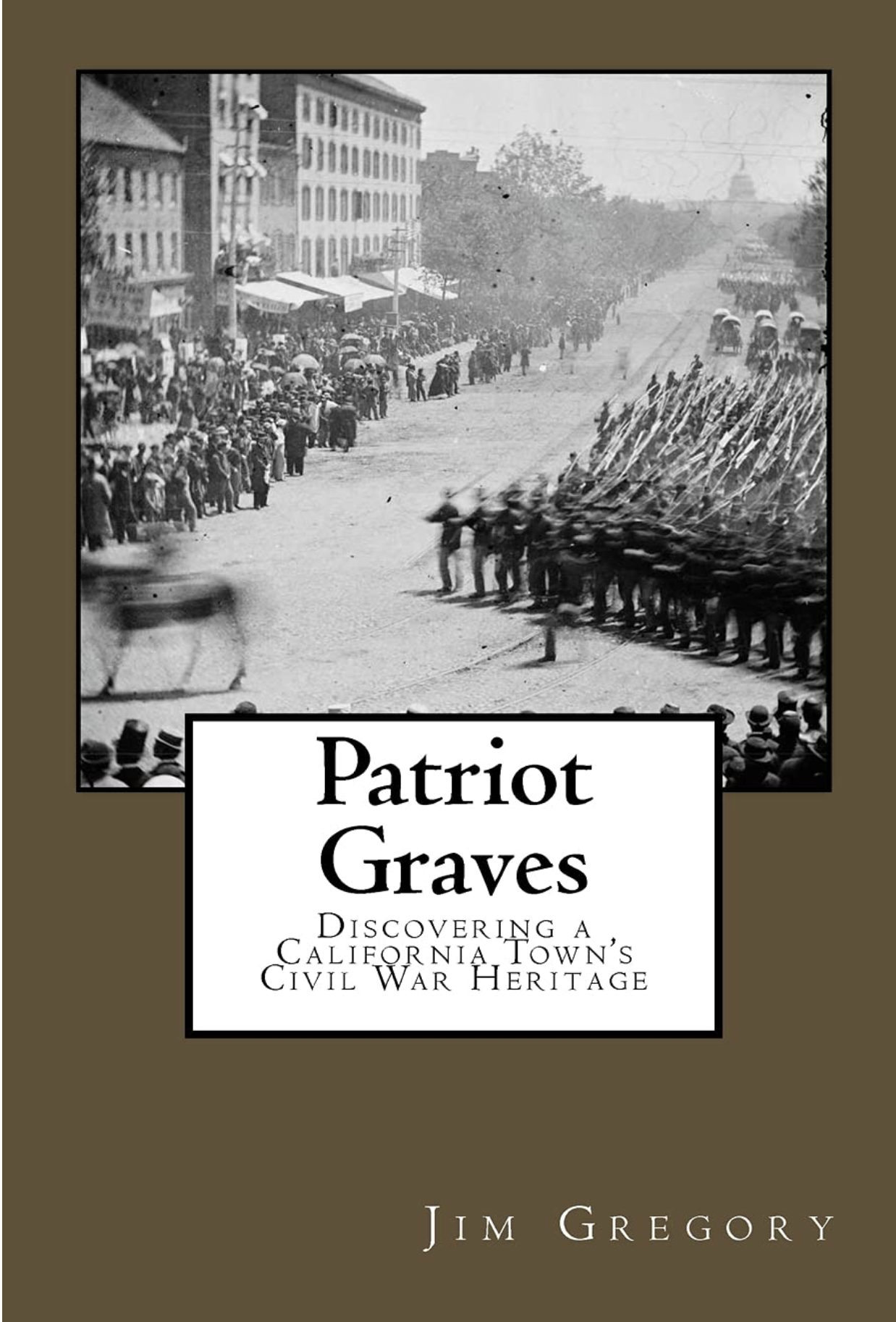
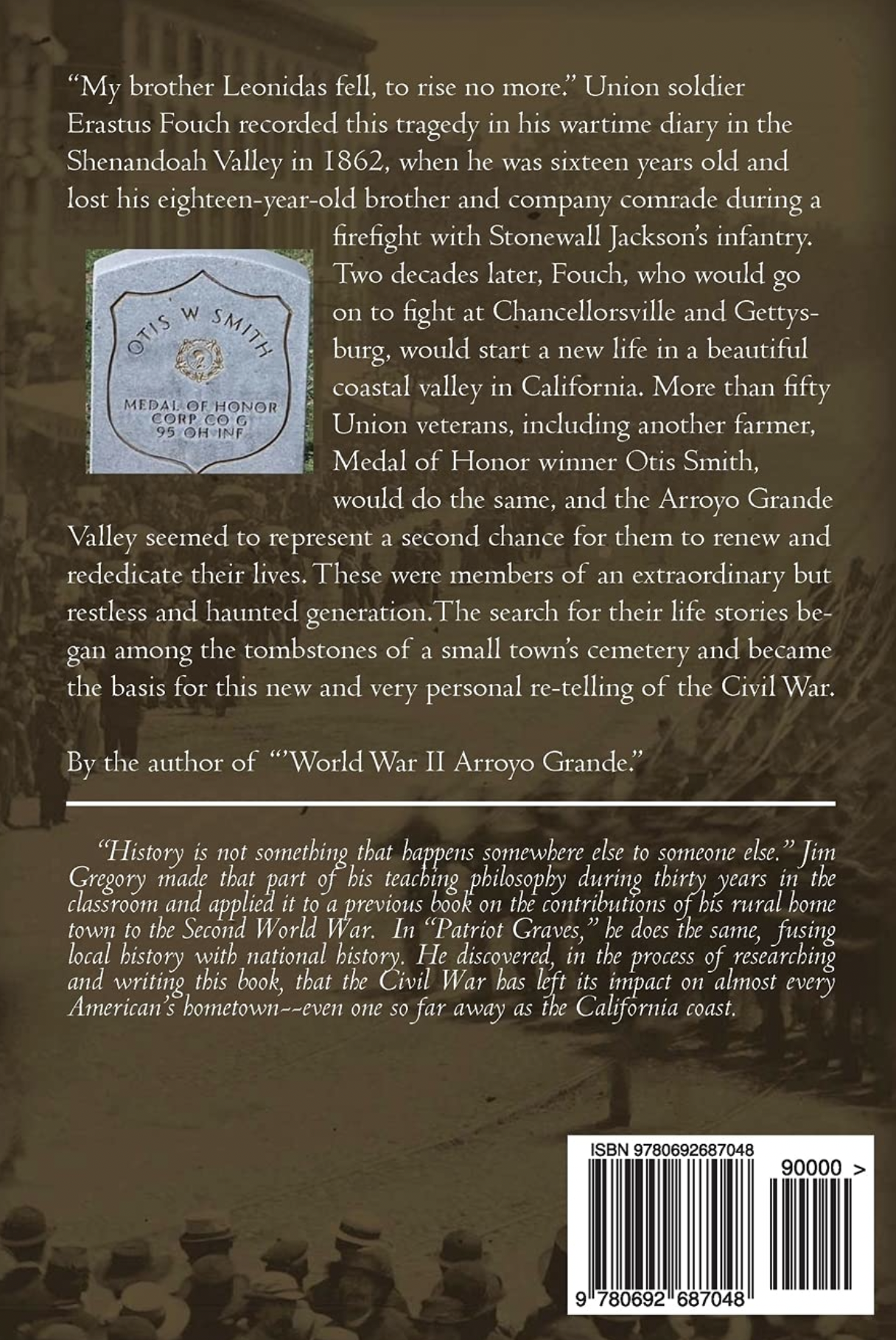
Photos: 60th Ohio soldier Adam Bair became a Huasna Valley farmer after the war. Combat artist Alfred Waud depicts the fires that swept The Wilderness in May 1864. From the book Patriot Graves: Discovering a California Town’s Civil War Heritage.

The Dollar Tree and Everything After

07 Saturday Jun 2025

Posted by ag1970 in American History, Arroyo Grande, Family history, History, Personal memoirs, trump, World War II, Writing

≈ Leave a comment

It’s not even the Dollar Tree anymore. It’s the $1.25 tree. At least it doesn’t smell like mothballs, like the old, old Rasco store did, and it’s like Lee Chong’s grocery in Cannery Row. It’s a miracle of supply. You can find almost anything that fits your mood: animal crackers, birthday balloons, eyeglass repair kits, navy beans in a can.

I went there for some miniature American flags and plastic flowers.

The line at the checkstand was long. It always is. The couple ahead of me, a husband with tattoos up to his chin, the young wife with yoga pants—I averted my gaze—and the little girl wearing a ZOMBIE CROSSING medallion. The husband smiled at me. Then he called over my shoulder to a woman two customers back. The man between the woman and me —tiny, deeply tanned, with a wiry salt-and-pepper beard, was as stooped as a comma and he shook uncontrollably. Parkinson’s.

“How are you?” he called to the woman behind the tiny man. She smiled. Her upper teeth were irregular, kind of crenelated. “I’m doin'” she called back. “Job?” he asked.

“Still looking.” her smile dissipated.

“Why don’t you come over tonight?” the man said. His pretty wife agreed. “Yeah! We’re doing Mexican!” It was a going-away party for someone they knew. They asked the checker for a helium balloon, so he went to fetch it. When he came back to the checkstand, they invited him over, too. I think he’s going after his shift ends.


They paid for their cart—canned and boxed food—and the husband asked if he get could $50 over on his EBT Card, from the federal food assistance program. They needed to get the fresh stuff–carne asada, shredded cabbage and lettuce, cheese, onions and peppers–because they were doing Mexican.

The cash register took a long, long time to do the cash-back transaction. It was thinking. The old, old man behind me was shaking. I was liking the little family as they left the checkout. My turn.

These people, including the gracious young man with the tattoos up to his chin, are about to suffer. The woman he called to is jobless and looking, but I suspect that he, in using the EBT card, is among what are euphemistically called “the working poor.” He may work in the fields. Maybe not. If his little girl (who wants to be a zombie) gets sick, this family might be without the Medicaid they’d need for her.

The old man behind me will die. Very soon.

So they all might suffer. But they deserve it, don’t they? Their place in the the economy’s lower tiers (economics was once called “the dismal science”) is their own fault, isn’t it? My sons, who rely on Medical, might suffer as well. And Thomas uses his EBT card to supplement our food supply when the month, as it invariably does, outlasts the money. (My sons have jobs and work hard—John repairs water wells and Thomas drives a forklift.)

If the Present Administration goes after Medicare, and the rumblings suggest that they will, then I will suffer. I must deserve it.

Then I realize I’m being stupid. The United Kingdom, Australia, Canada, Sweden, Norway, Denmark, Brazil, France and Germany all subsidize health care. South Korea’s public health system is probably the best in the world.

Then there’s Social Security. The president said today that he will “love and cherish” Social Security. He says the same about women. Eighteen have accused him of sexual assault. And, by the way, “social security” is not some bleeding-heart liberal New Deal cushion for the retired (and therefore, according to Elon Musk, the unproductive. SEE: The film Soylent Green).

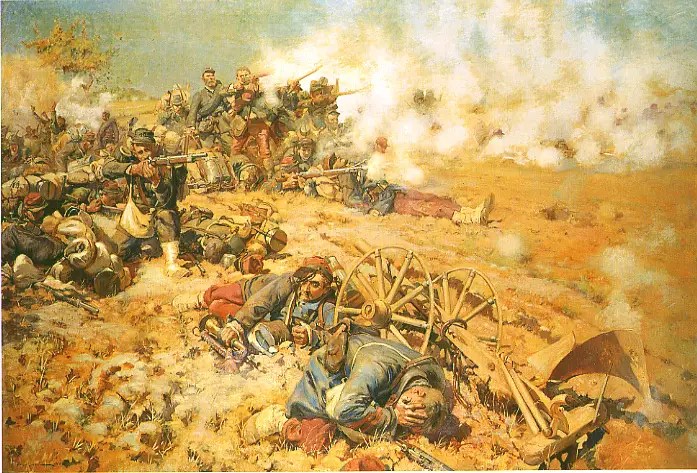
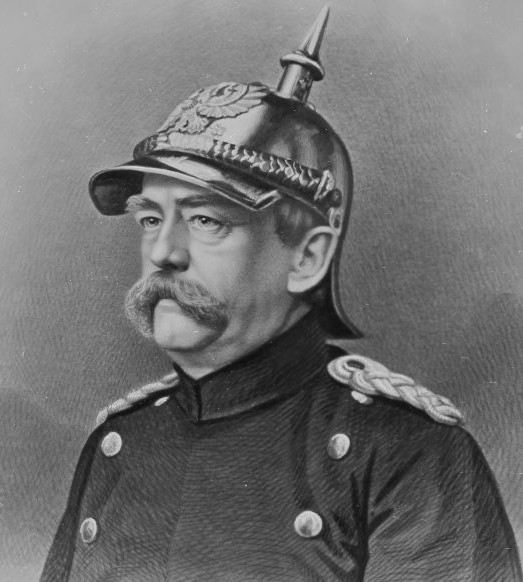
Here’s the man who invented Social Security, right after waging successful wars against Denmark, the Austrian Empire and France. He provoked all three wars and, in the process, had unified Germany by 1871. Otto von Bismarck, “The Iron Chancellor” brought an old-age pension program to Germany in 1889. The milk of human kindness, as you can see, flowed through his Prussian veins.

Above: A French defeat in the Franco-Prussian War, 1870-71; The “Iron Chancellor” who provoked it.


We need to go in a different direction than Bismarck’s. Our national resources need to be diverted to people like these. They deserve The Big Beautiful Bill.


I was thinking this and getting depressed, and angry, so to cheer myself up, I went to the cemetery.

I wanted to be with people who, like the man in line, were more far more generous than the billionaires.

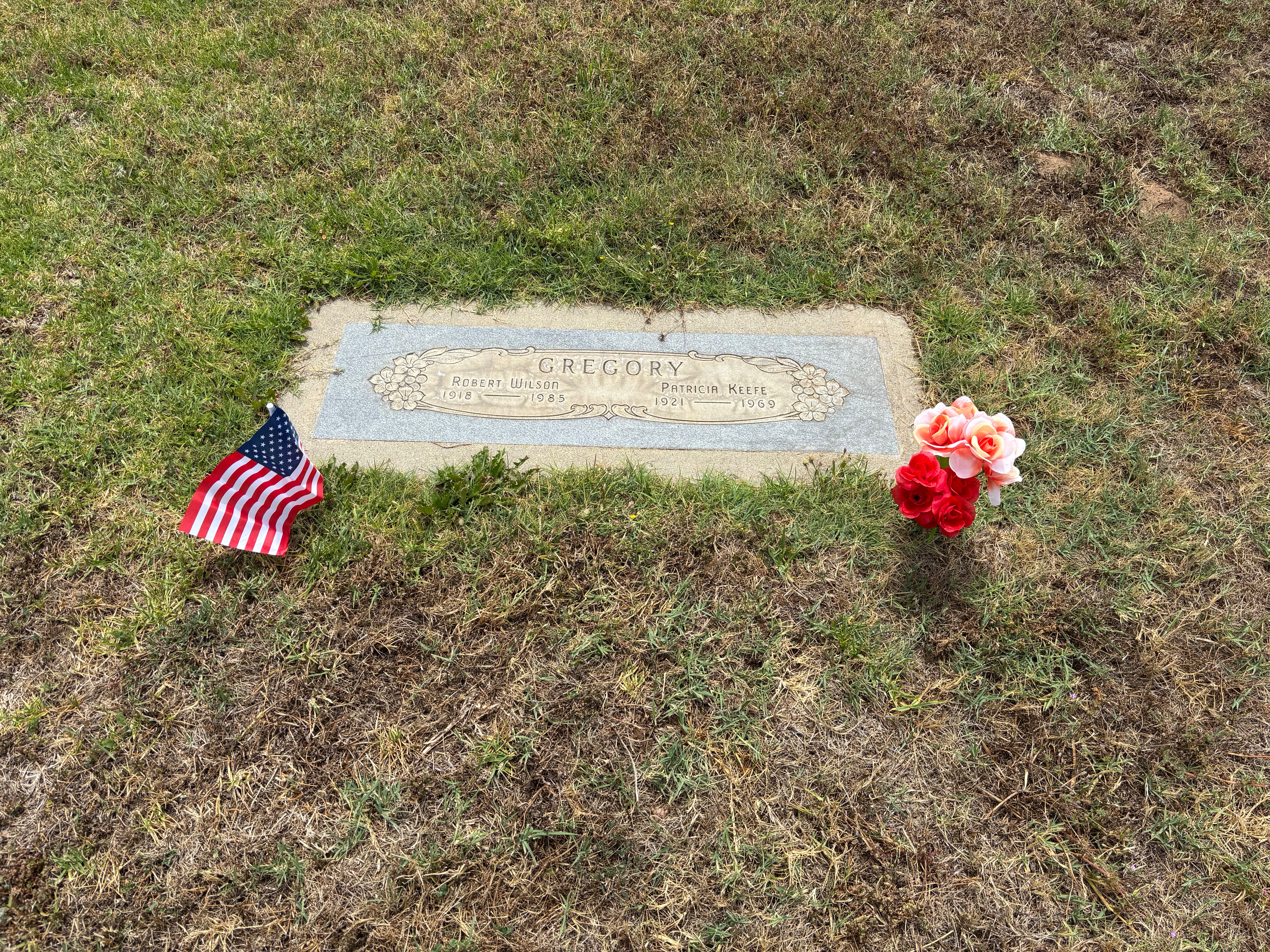
Of course, I found them. My Dad, Robert Wilson Gregory, taught me how to tell stories. Patricia Margaret Keefe was my Mom, named for two Irish Famine ancestors, Patrick Keefe and Margaret Fox. She had a fierce sense of social justice and a hunger to learn. These are the things she taught me.

I had to be a teacher.


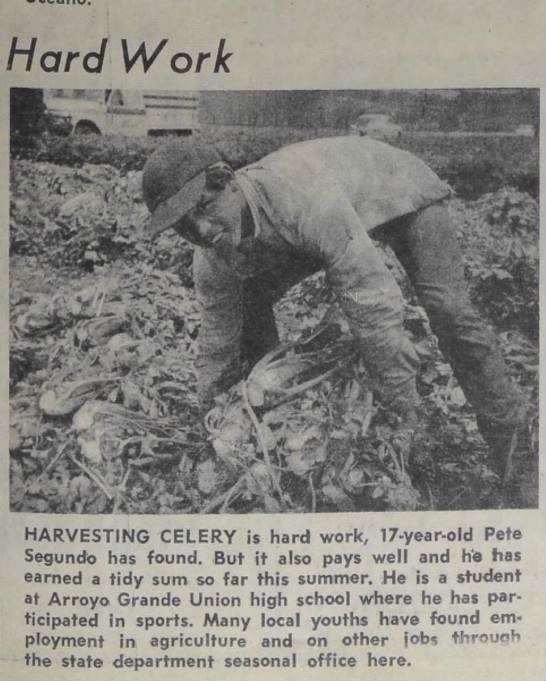
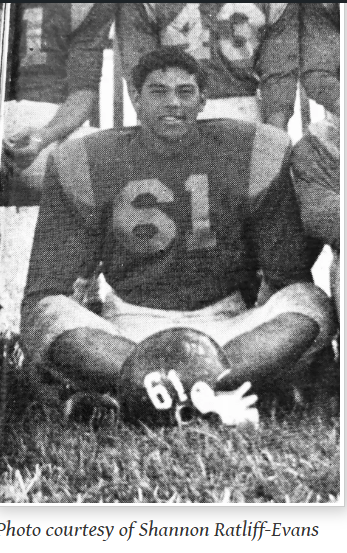
And then I looked for another young man, Pete, who was as generous to his friends as my parents were to me. “To know Pete was to love him.” I have heard that many, many times. Pete Segundo, AGUHS ’66, my big brother’s class, was an incredible athlete. He wrestled and played football. He was the Letterman’s Club president (in one yearbook photo, his arm’s broken and in a sling. He is grinning broadly). He showed a steer for FFA. While other kids went to the Choo-Choo Drive-In on East Grand after school, Pete went into the fields to chop celery.


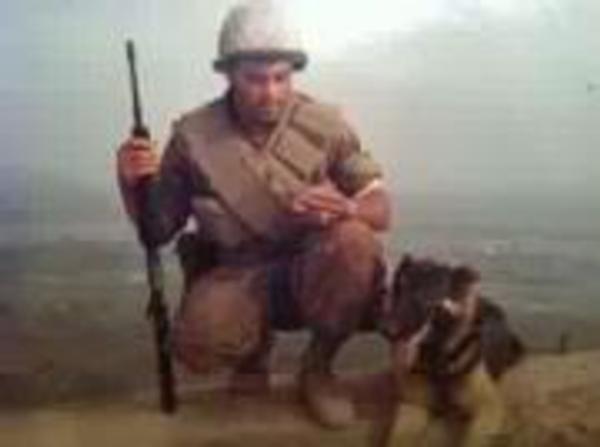
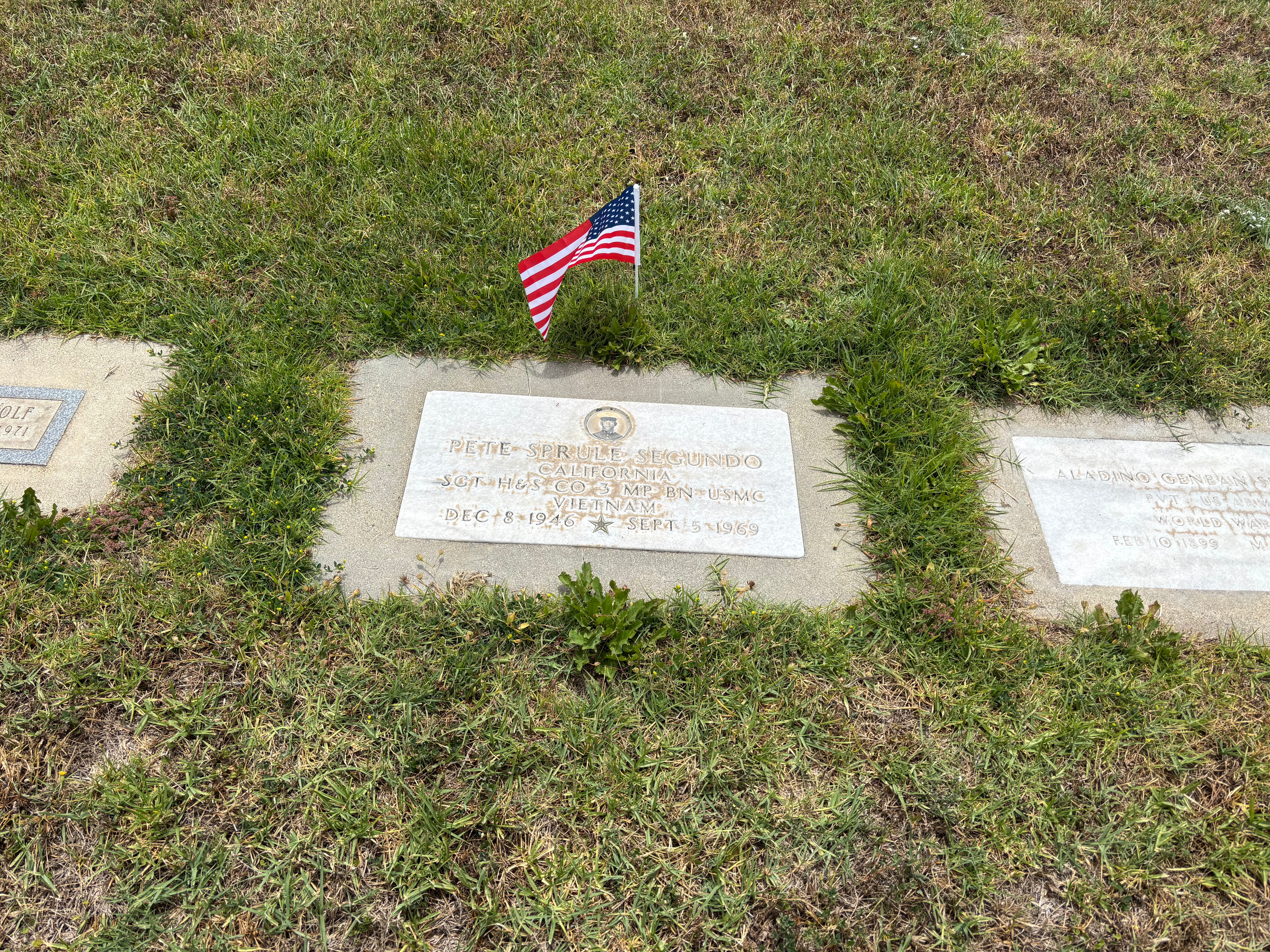
In 1969, the Marine Pete Segundo died in Vietnam, killed by “friendly fire,” which might be the worst euphemism of all for the greatest act of generosity that any American can give.

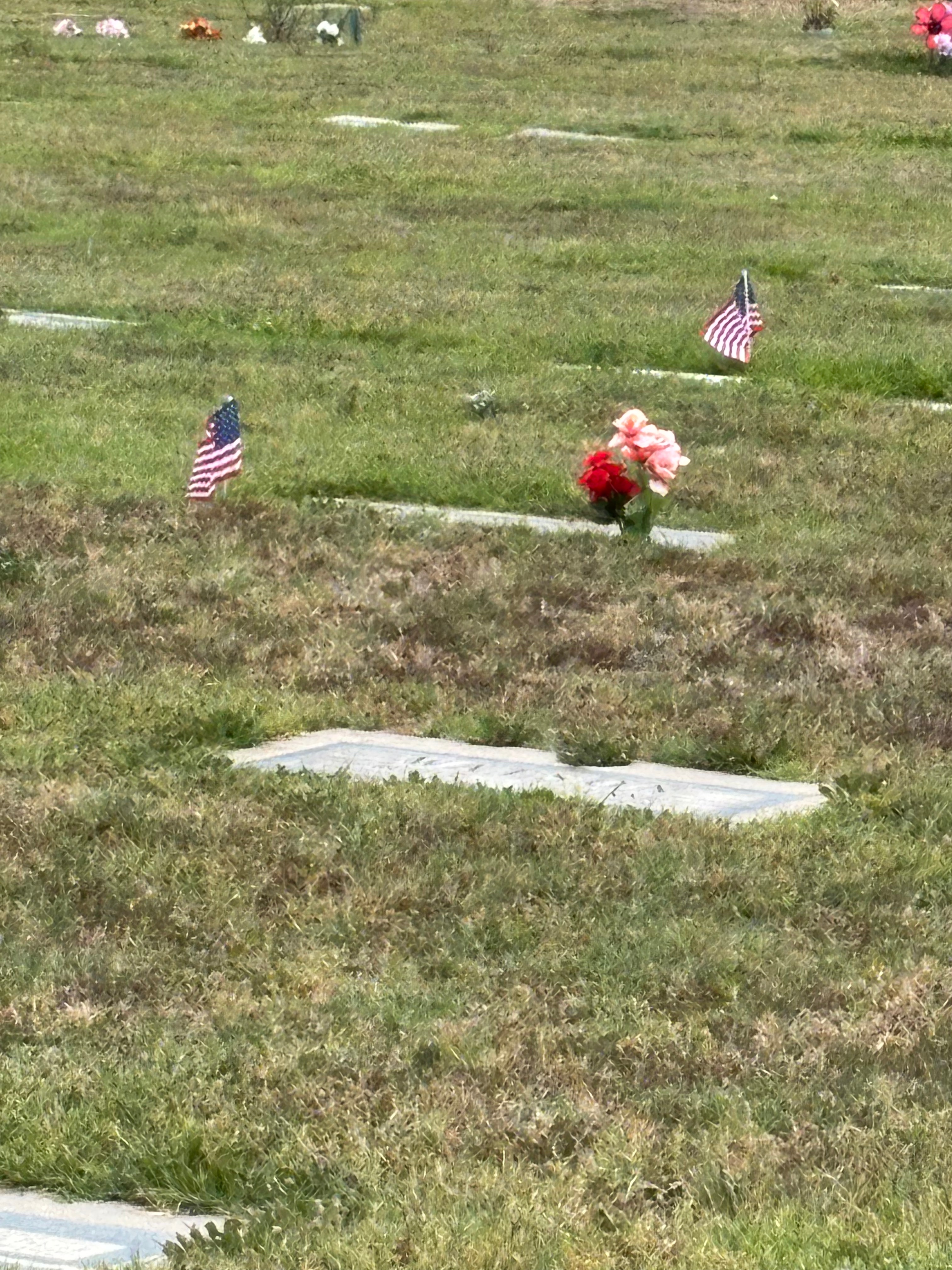
His grave was uncharacteristically bare. Usually it’s bright with flags, flowers, red-white-and-blue pinwheels spinning in the wind. Maybe they cleaned everything up after Memorial Day. Luckily, I had another American flag. I remembered, as I pushed into the turf, what my big brother said about Pete. Bruce went out for wrestling and Pete was already establishing himself as the next big thing for Coach Ruegg. Bruce was not going to be the next big thing. “Pete was nice to me,” he said once, “and he didn’t have to be.”

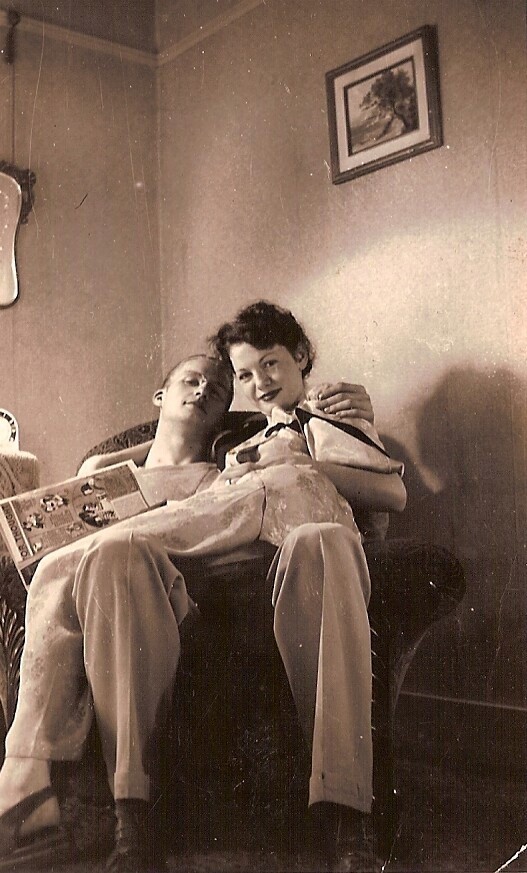
Above: My folks, with the Sunday funnies, about 1940; Pete’s grave is a row above theirs.

I was once a newspaper reporter and therefore, all my life, a news junkie. Part of my recovery from alcoholism means watching the news far less than I used to. We live in an age of meanness. I was raised to value kindness. Today I felt a little overwhelmed, so I made my deliveries, flowers and flags, and I spent more time than I ever have at the cemetery, talking to my parents, telling my Dad how proud I was of him, telling my Mom how much I loved her.

I was worried about the people in line at the Dollar Tree and thinking, painfully, about the way Pete had died.

I think my parents were whispering back to me. Suddenly, I felt at peace.

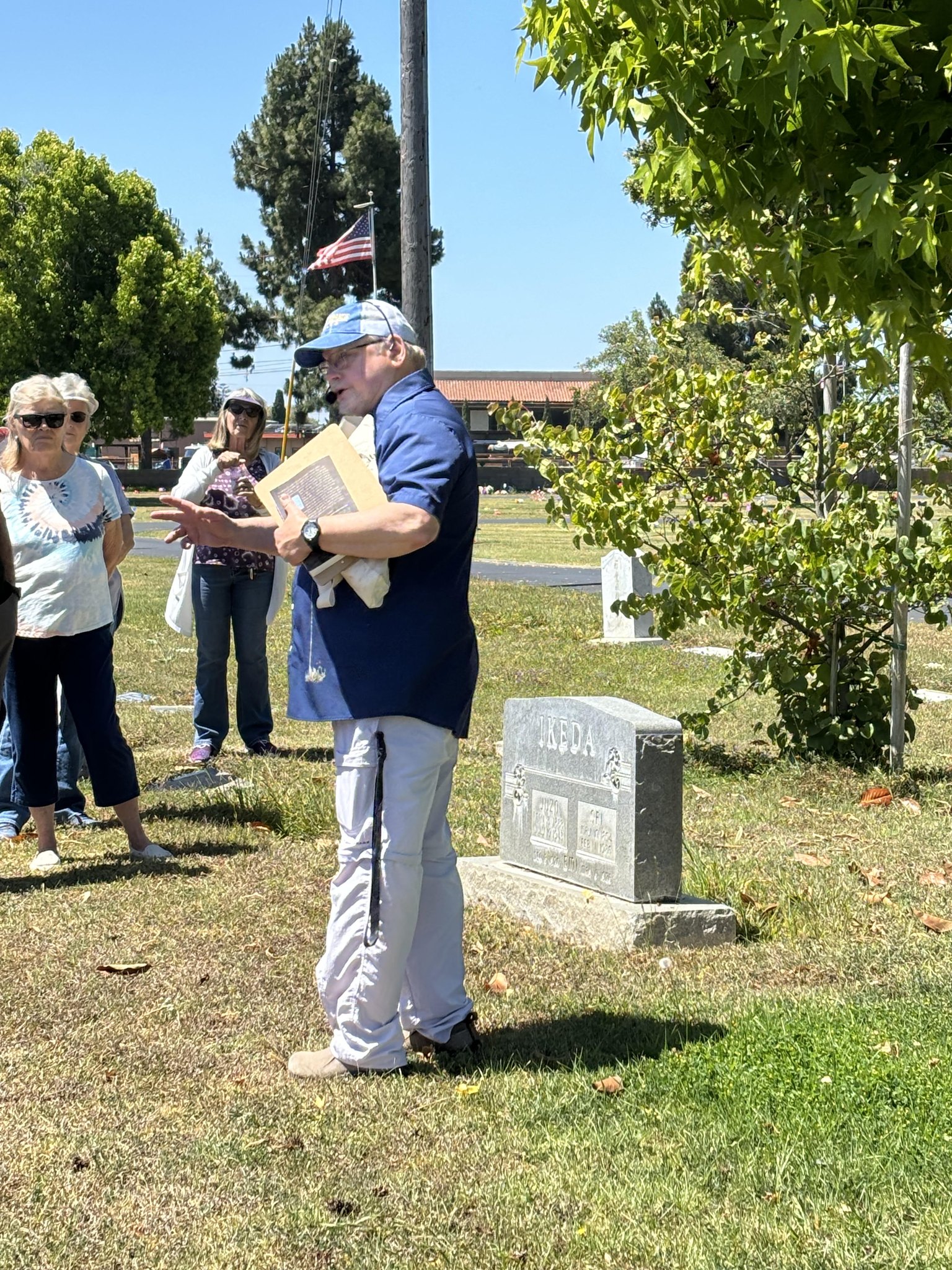
Me leading a cemetery tour for the South County Historical Society. The family I’m discussing embodied the generosity I admire so much.

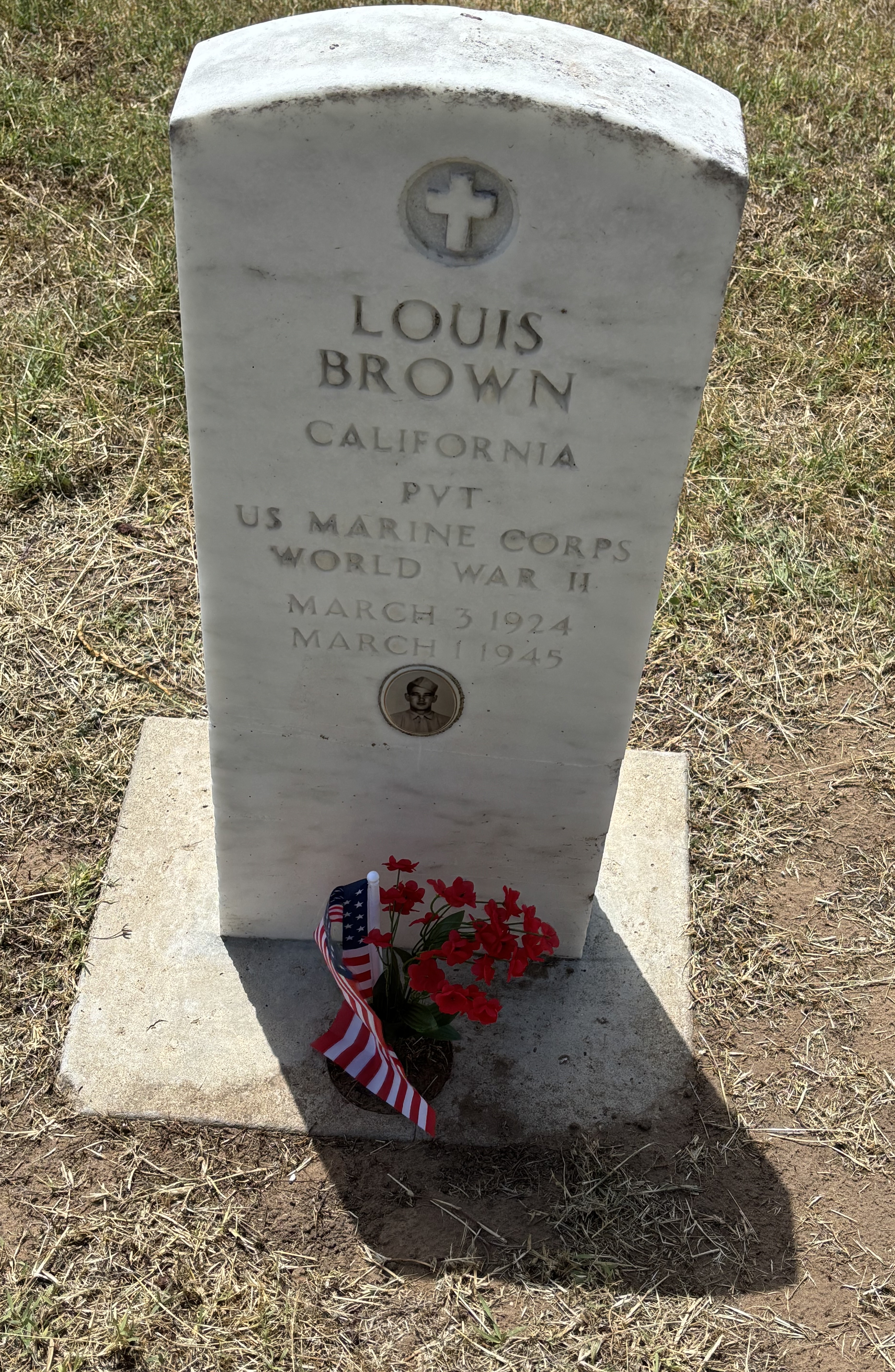
Postscript. I had one more American flag and a sprig of little red plastic flowers. My last stop was for this Marine, a Corbett Canyon farmer’s son, who died on Iwo Jima. Finding Louis Brown’s grave led to my first book. He was generous to me, to all of us, beyond imagining.

Version 1.0.0
Version 1.0.0

“Our army manned the air, it rammed the ramparts, it took over the airports…”

06 Friday Jun 2025

Posted by ag1970 in American History, History, trump

≈ Leave a comment

Surely you know by now that the president’s grasp of American history is as shallow as it is narrow. When confronting our past, the man’s in a dim room and afraid to strike a match for fear of setting his hairspray alight.

Here are just a very few examples:

“Frederick Douglass is an example of somebody who’s done an amazing job and is being recognized more and more, I notice.”  Douglass died in 1895.

“Great president. Most people don’t even know he was a Republican,” Trump said. “Does anyone know? Lot of people don’t know that.” Trump on Abraham Lincoln.

“People don’t realize, you know, the Civil War, if you think about it, why?” It was slavery. The Confederate Ordinances of Secession are explicit.

“No politician in history, and I say this with great surety, has been treated worse or more unfairly. [See: Abraham Lincoln.]

 In a phone conversation with Canadian Prime Minister Justin Trudeau that got somewhat heated over the tariffs, Trump brought up the War of 1812, claiming that Canadians burned down the White House during that conflict. It was the British.

The Battle of Gettysburg. What an unbelievable — it was so much and so interesting, and so vicious and horrible, and so beautiful in so many different ways. It represented such a big portion of the success of this country. Gettysburg, wow. I go to Gettysburg’s Pennsylvania to look and to watch, and the statement of Robert E. Lee, who’s no longer in favor, did you ever notice that? No longer in favor. ‘Never fight up hill, me boys. Never fight up hill,’ he said. Wow. That was a big mistake. Lee attacked uphill two days in a row, July 2 and 3.

“Our army manned the air, it rammed the ramparts, it took over the airports, it did everything it had to do, and at Fort McHenry, under the rockets’ red glare, it had nothing but victory,” The president on the Revolutionary War, July 4, 2019.

Mind you, I’m not arguing that a president need have an advanced degree in American history. It would be enough if he or she could pass the old-timey California High School Exit Exam in American History. Or the New York Regents exam in the same subject. (A 65, for New York eighth graders, is sufficient.)

Of course, the man’s ignorance is complemented by cruelty. He did not know who won the First World War. And he referred to the Marines who fought at Belleau Wood in 1918—in a battle many historians see a a key turning point in that terrible war–as “suckers” and “losers.”

Here are the suckers and losers from Camp Lejeune re-enacting the Marines’ opening assault in June 1918:


I don’t necessarily regard his failure to understand history laughable. He just doesn’t care. I did not find this headline, from CNN today, funny at all.


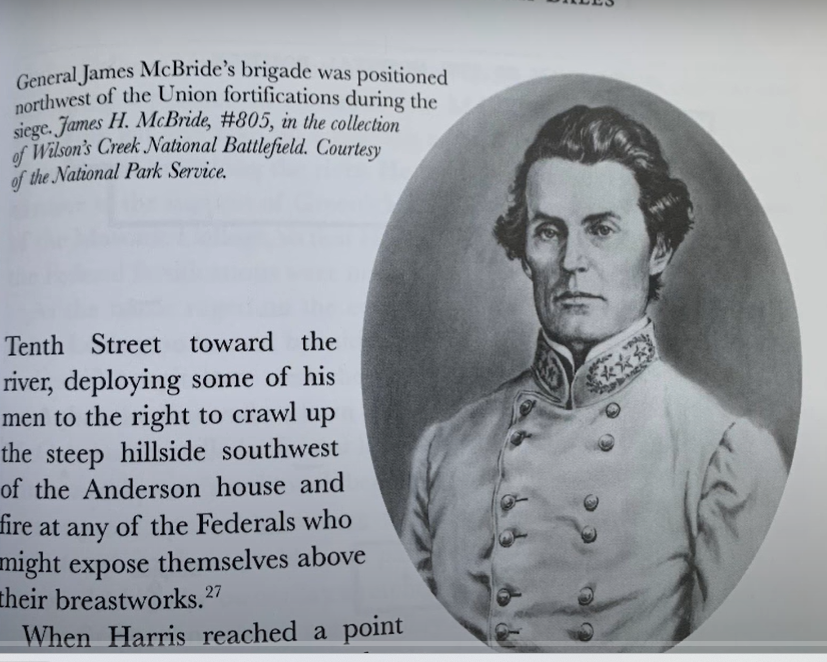
Now, even though most of my tongue is in my cheek, I’m about to speak with some authority on how Trump’s ignorance may doom him. “Authority” because I’m named for my Confederate great-great grandfather, James McBride. My middle name comes from his staff officer son, Douglas.

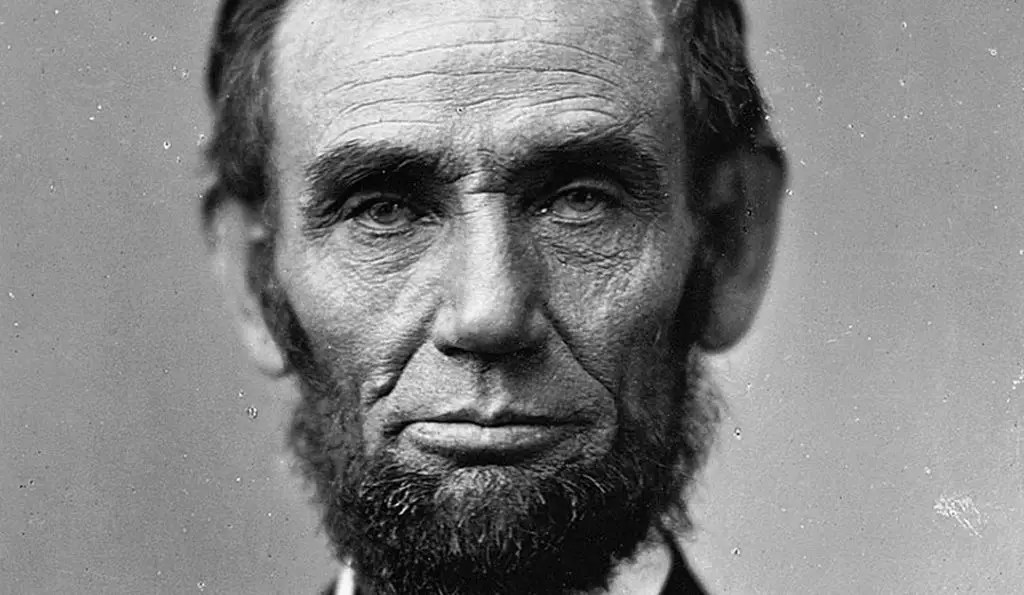
Let me qualify this by reiterating that I am a Lincoln man. On the off-chance that I make it to heaven, the first people I want there waiting for me are Mom, Jesus and Lincoln. In that order.

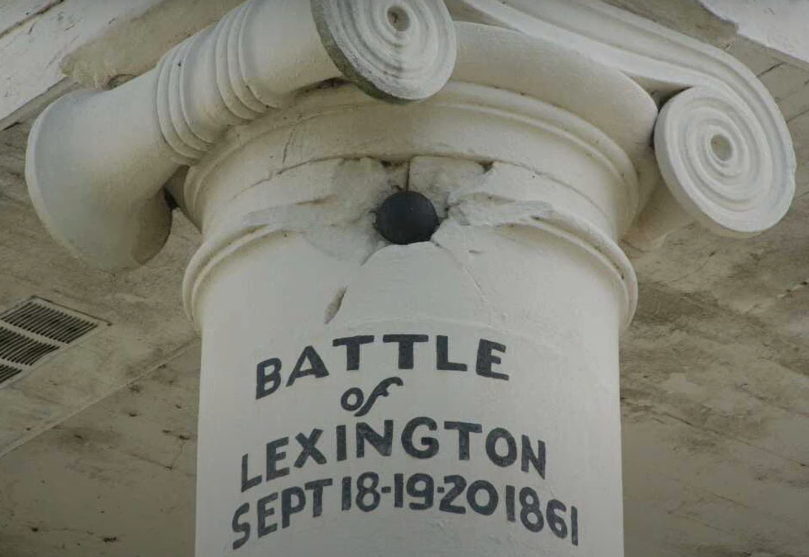
Below: My great-great grandfather; a souvenir his boys left in the Lexington, Missouri, courthouse, his son, Douglas. (Yankee artillery shell, Arkansas, 1862).


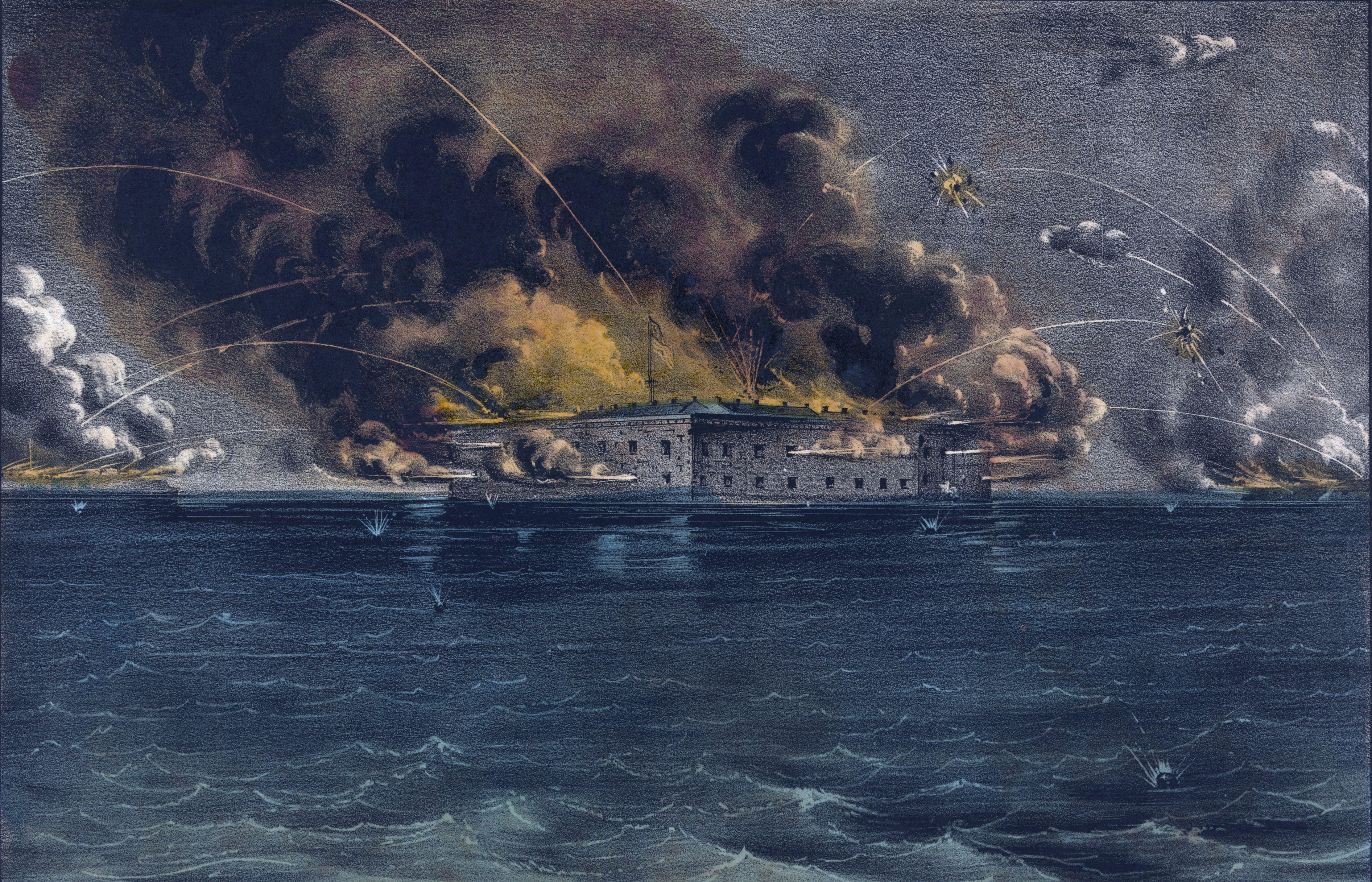
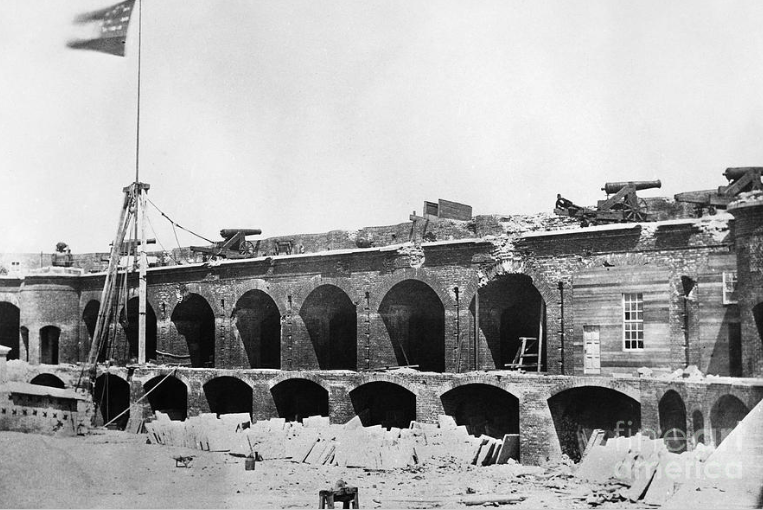
Unlike the cannonball above, there is no history lodged in the presidential brain. There’s one more thing he does not know about history, and it bears on his messing with California. The place where the Civil War started is Fort Sumter, Charleston, South Carolina.

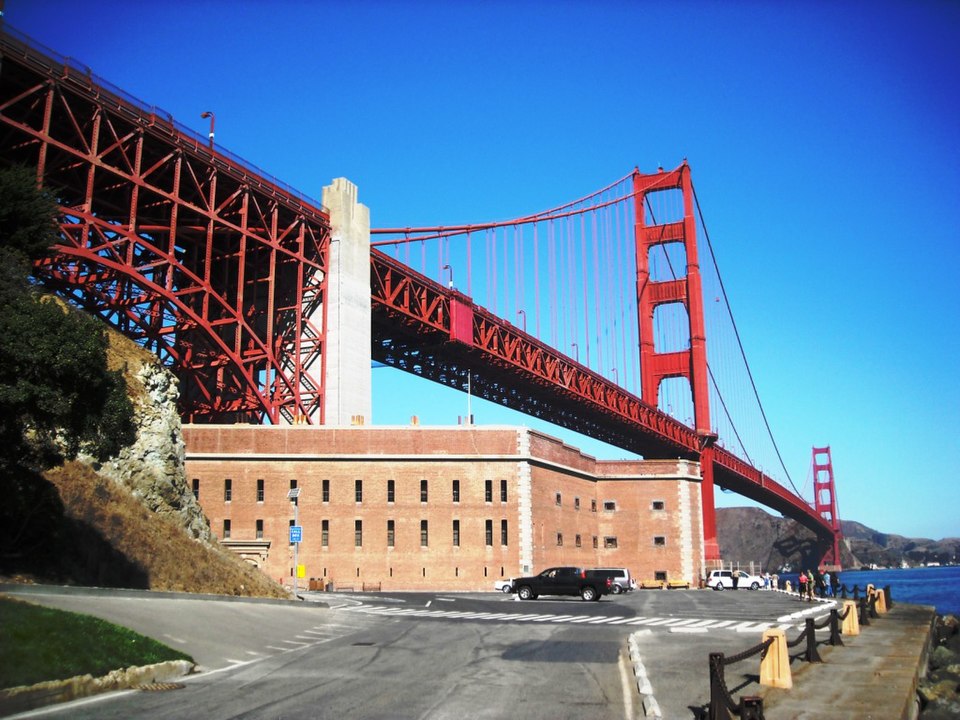
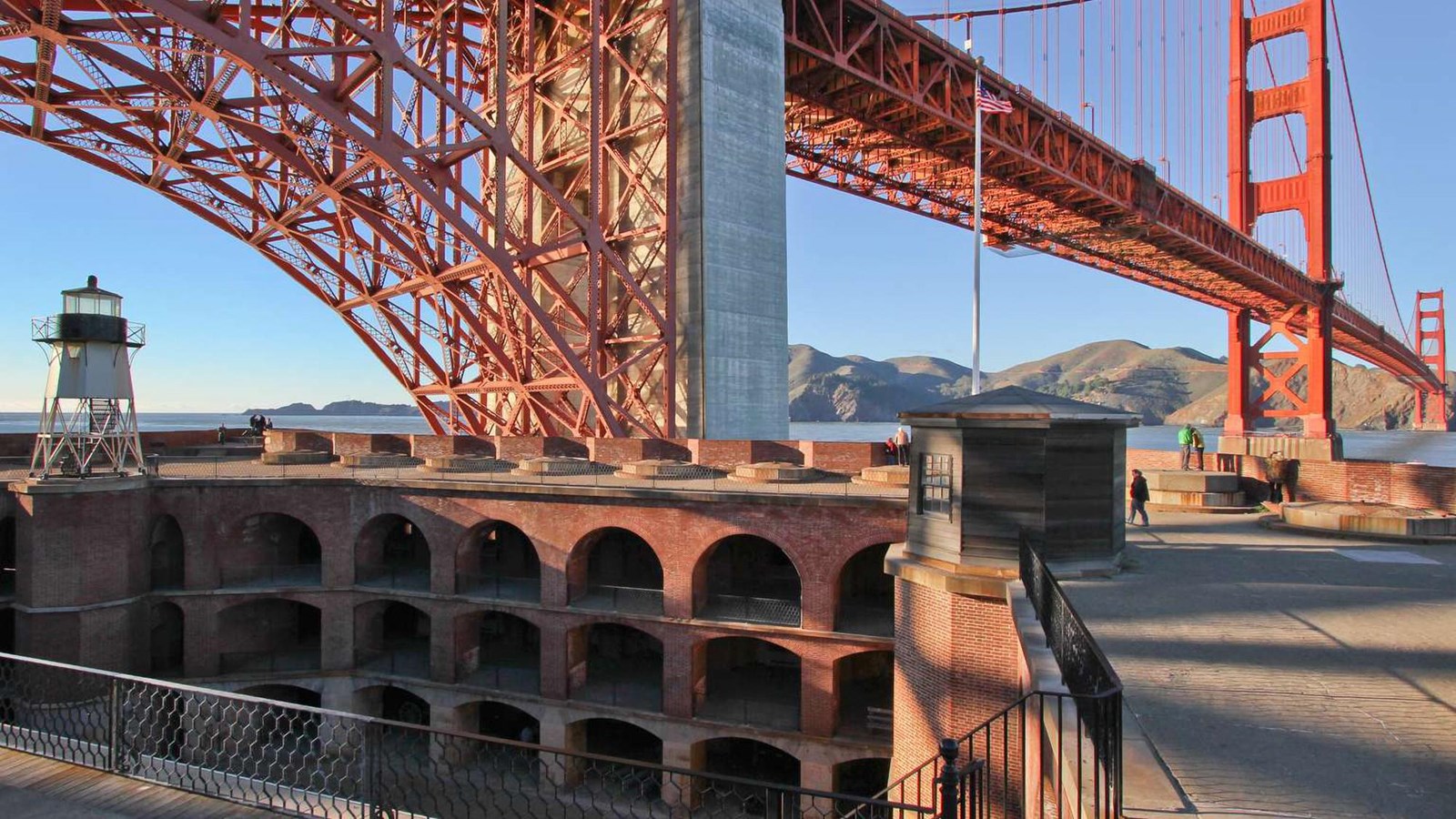
Fort Point, San Francisco, California is essentially Sumter’s twin.


That’s some powerful symbolism there. God forbid that this comes true, but maybe the West will rise again.


Shame is where you find it

04 Wednesday Jun 2025

Posted by ag1970 in American History, History, Uncategorized

≈ Leave a comment

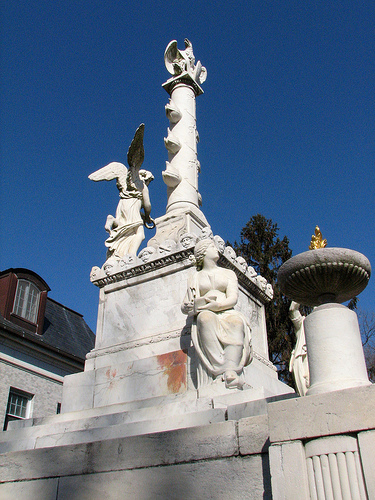
The Tripolitan Monument, United States Naval Academy, dedicated to Stephen Decatur

Stephen Decatur was an early 20th-century U.S. Navy hero.

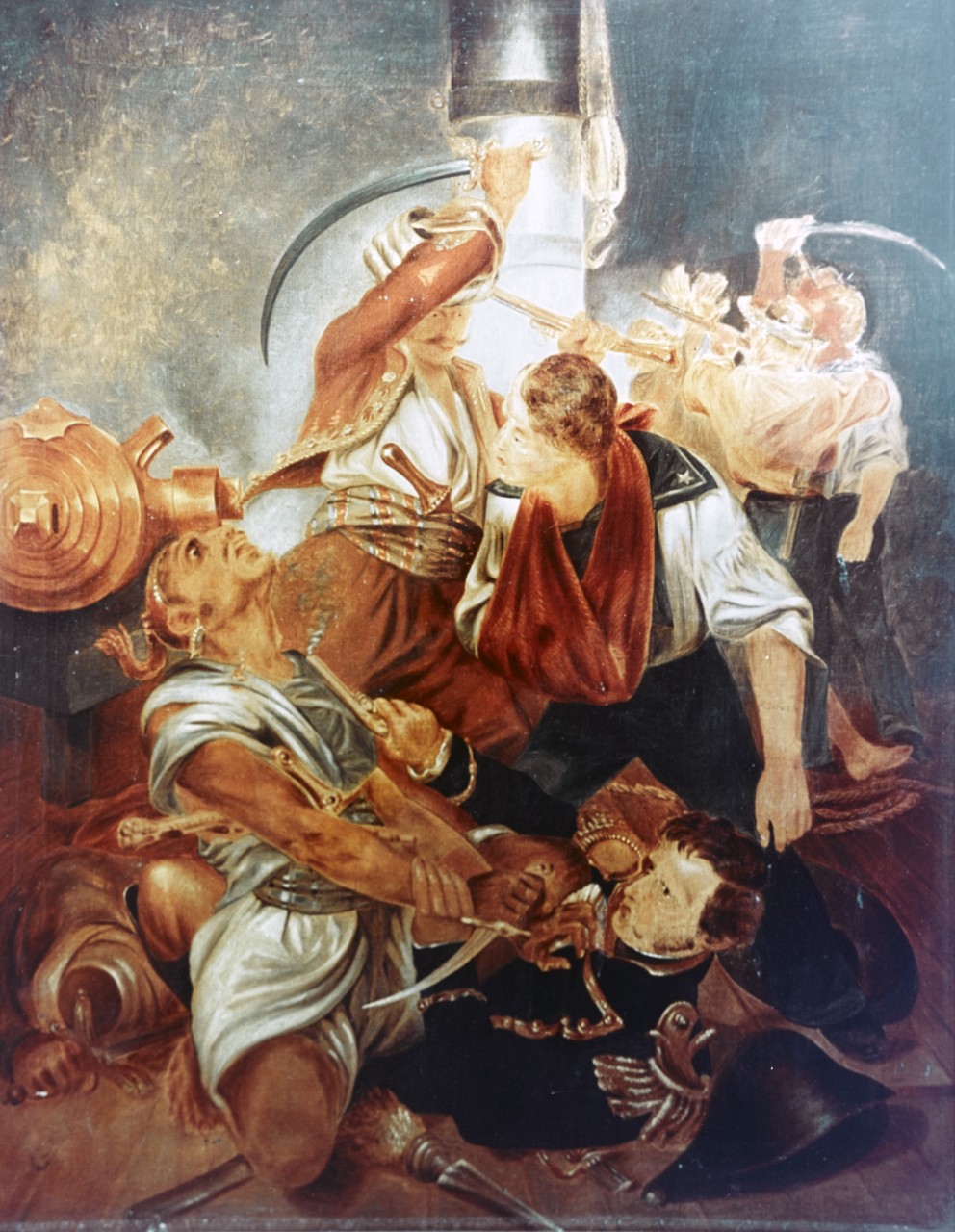
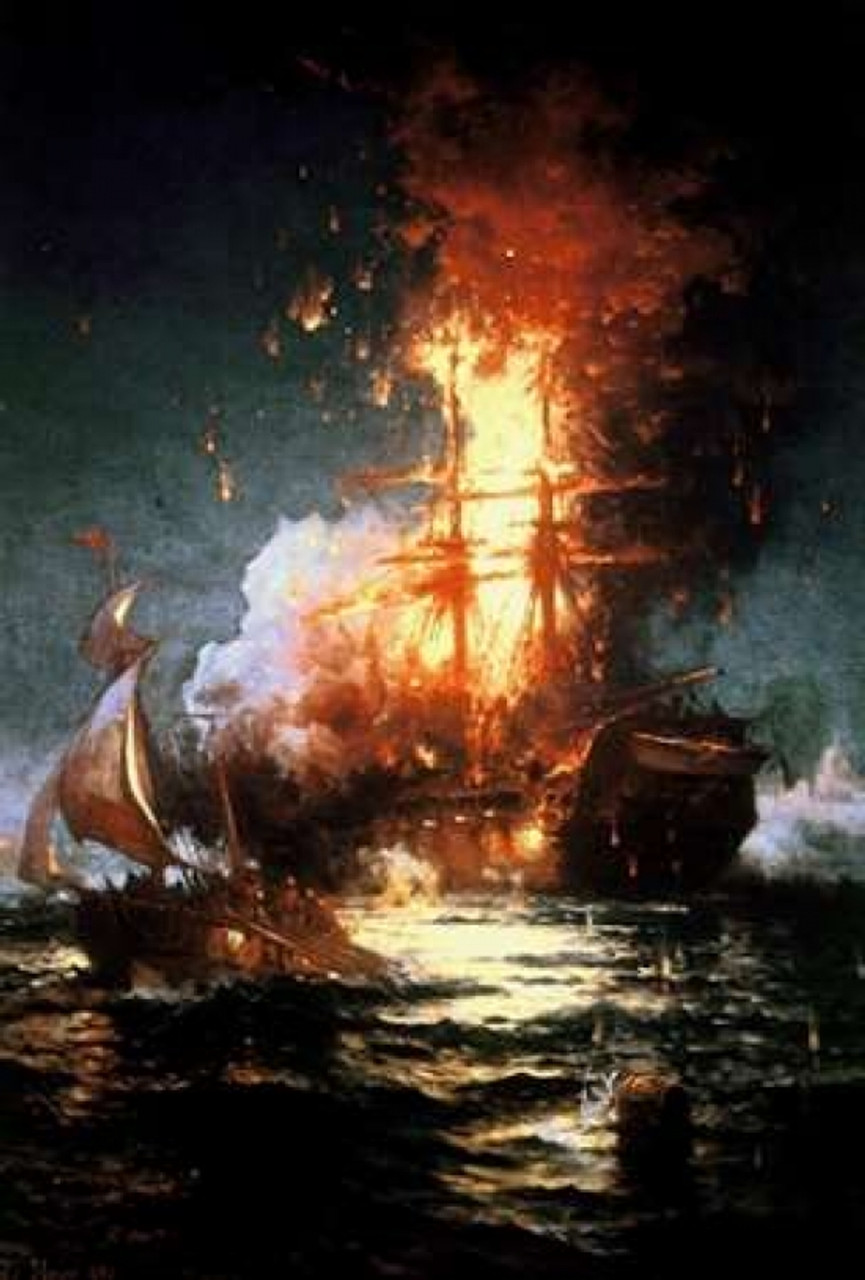
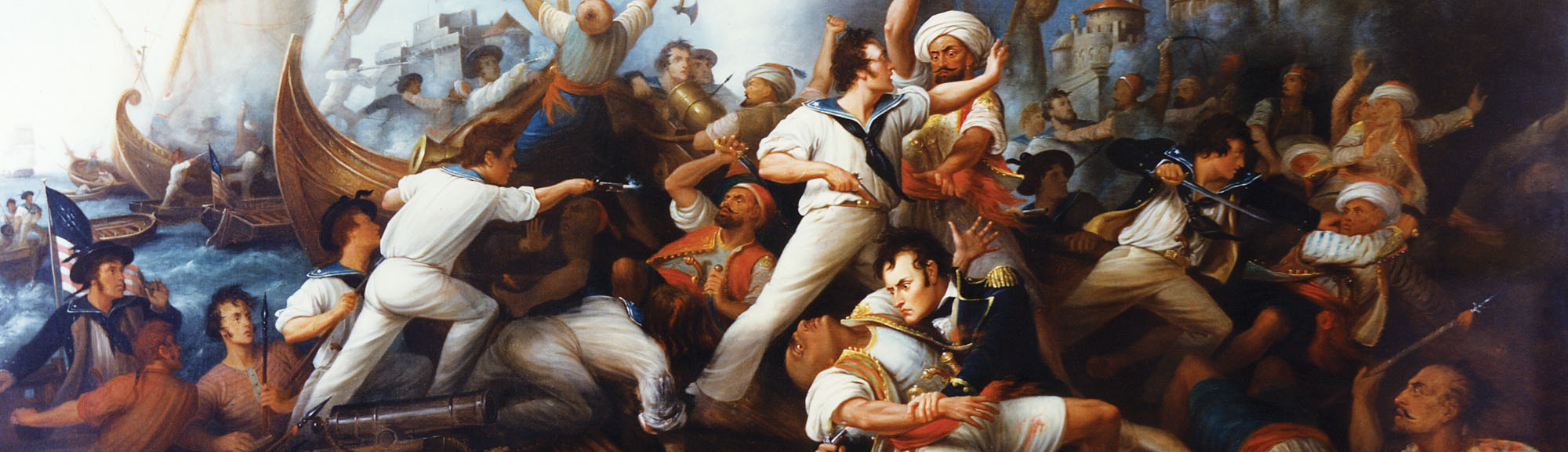
Tripolitan pirates were kidnaping American merchant sailors in the Mediterranean. In 1803, they seized the USS Philadelphia, a 36-gun American frigate. Decatur led a sixty-man boarding party aboard. At the cost of one man slightly wounded, Decatur’s sailors killed twenty pirates and set Philadelphia ablaze. The British admiral, Horatio Nelson, called it the most daring action “of our age.”

(Above) Decatur kills a Tripolitan Pirate; the USS Philadelphia ablaze.

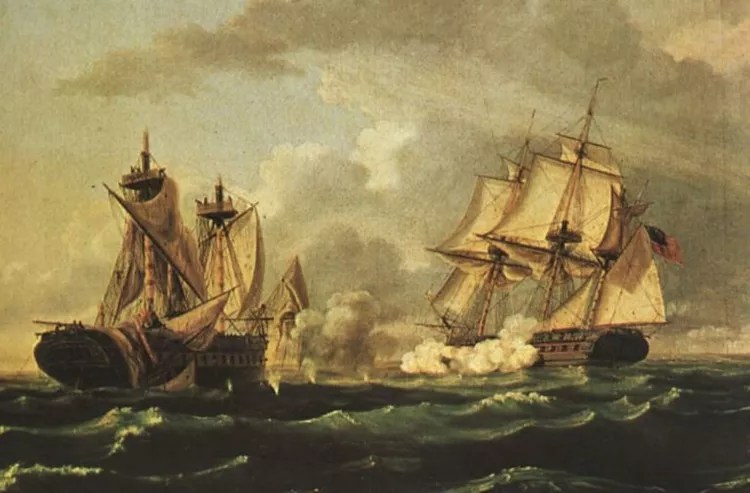
In the War of 1812, Decatur commanded the USS United States. His ship pummeled the British frigate Macedonian so severely that the ship surrendered and was captured. The battle lasted seventeen minutes.

United States (r) defeats HMS Macedonian

In 1815, commanding the frigate President, he became a British prisoner after his ship was defeated and captured. Decatur and his executive officer were hit by flying splinters; Decatur was hit in the chest and forehead; his lieutenant, standing next to him, lost his leg. The battle lasted eighteen hours.

After that war, he was put in command of the Navy’s Mediterranean squadron and, in 1820,, finally forced the “Barbary Pirates,” based in Tripoli, to surrender.

USS Harvey Milk; Secretary Hegseth


Secretary of Defense Pete Hegseth today ordered the oiler USS Harvey Milk renamed. Milk was a U.S. Navy diver during and after the Korean War. He was the San Francisco supervisor who was assassinated in 1978. In both his naval and political life, Harvey Milk was fearless. His assassination and Hegseth’s order both stem from the fact that Harvey Milk was a gay man.

Decatur, bottom right-center, in the hand-to-hand fight with the pirates.

Harvey Milk was gay.

So was Stephen Decatur.

The shame lies in neither Milk nor Decatur. Pete Hegseth owns it today.

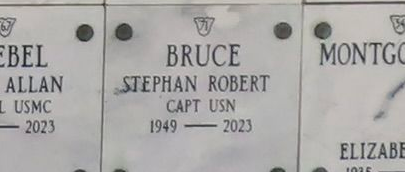
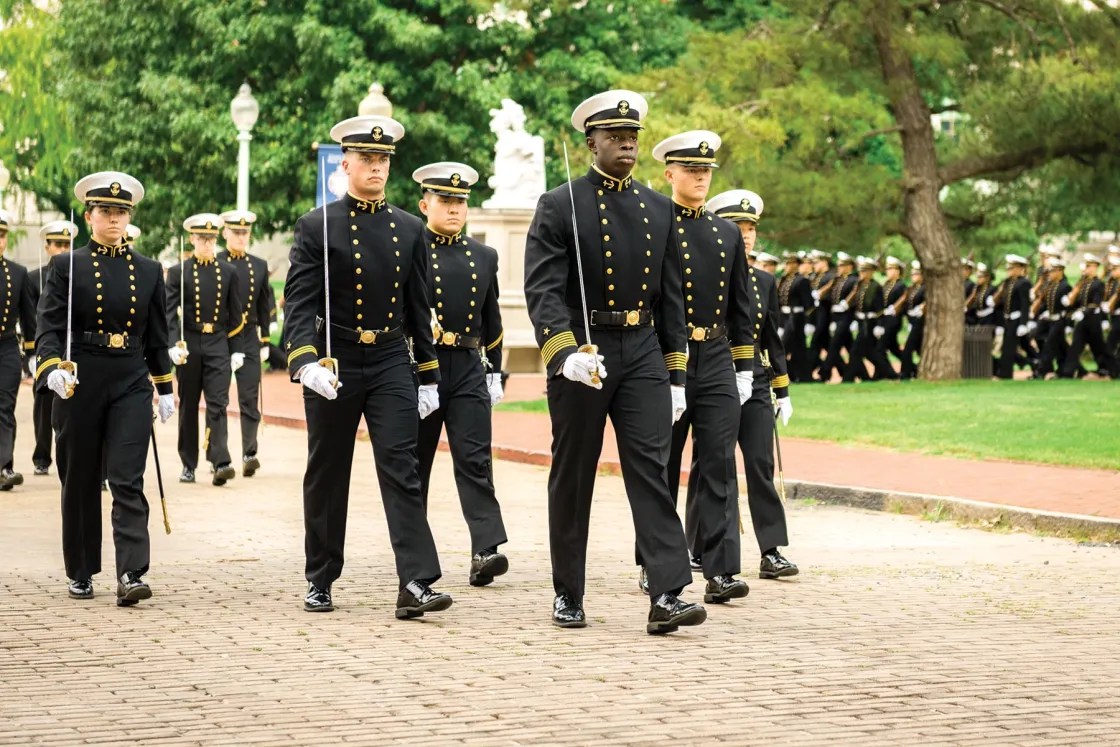
Naval Academy cadets on parade. My beloved brother-in-law, Steve, a husband and father, would have seen the Tripolitan Monument many times. Steve was an Annapolis grad. This is his memorial in the Academy Columbarium.

Captain Stephan Bruce in the ceremony that marked his retirement from the Navy. He flew Sea Stallion helicopters.

Why we teach history, why we teach literature. Why we teach.

22 Thursday May 2025

Posted by ag1970 in American History, History, Teaching

≈ Leave a comment

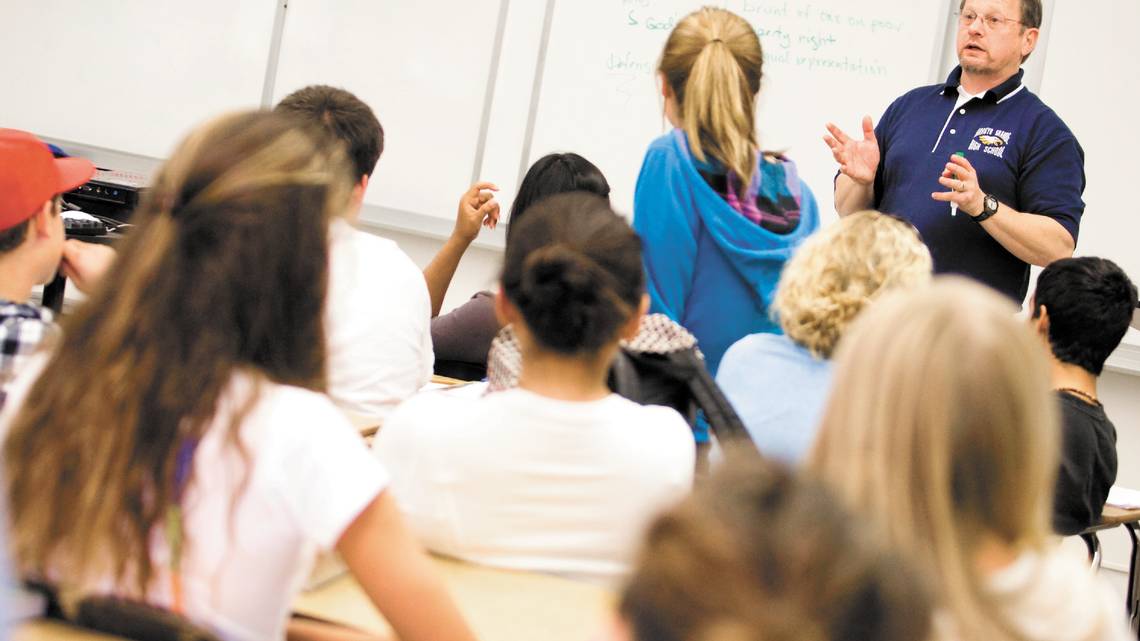
Above: French Senegalese soldiers, World War I; me teaching my “troops” ninety years later.

Forgive me for going all History Teacher on you.

May 22, tomorrow’s date, in History:

German forces launch a counterattack during the months-long Battle of Verdun, aimed at recapturing Fort Douamont, a strongpoint in the French defenses.

In 2010, my teaching partner, Amber Derbidge, and I took a group of AGHS students to Northern France and the trip included a visit to the Verdun battlefield, including Fort Douaumont.

Over 300,000 French and German soldiers were killed in this battle. 100,000 were killed or wounded in the struggle for this fort.

We were touring the battlefield museum when a French docent took me aside.

“Are these YOUR students?” she hissed. My crests fell.

“Yes,” I admitted.

“They are so RESPECTFUL!”

I once said that the year I quit getting angry over teaching the First World War was the year I should quit teaching.

One year, I asked one of my students what her favorite unit was in AP European History.

Her answer was almost immediate.

“The First World War,” she said.

I was flabbergasted. WHY?

“Because now I understand the value of human life.”

This is why, as quaint and impractical as the courses may seem, we still teach history and literature to high school students.


Cinco de Mayo, the incredible 1860s, and Oaxaca

05 Monday May 2025

Posted by ag1970 in History

≈ Leave a comment

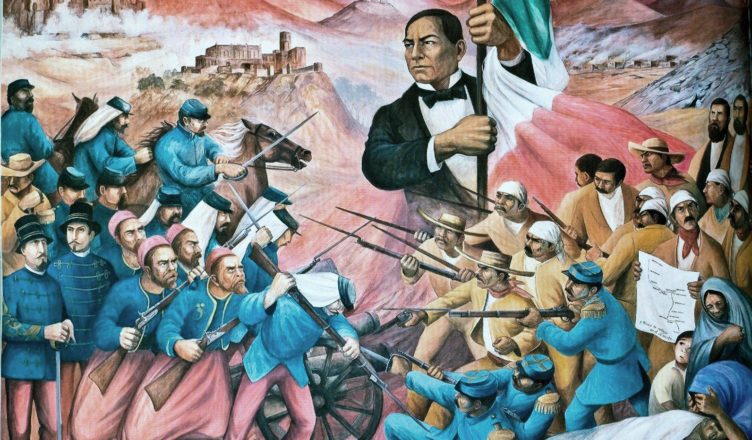
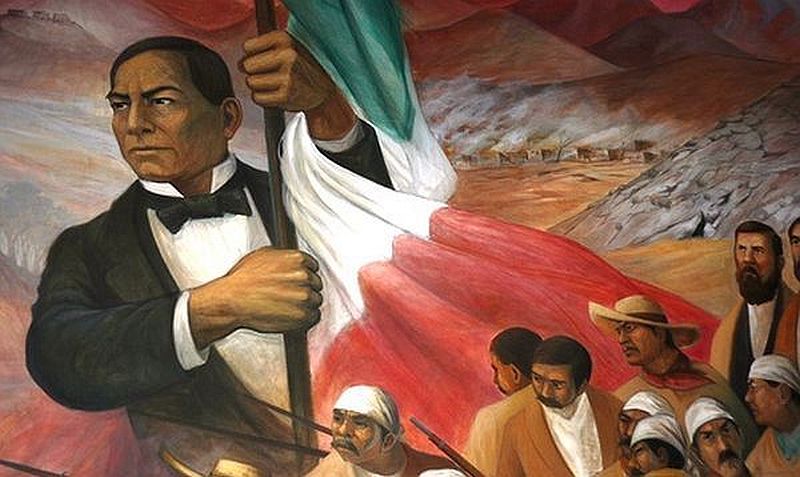
It’s not Mexican Independence Day, but it’s almost as important. On May 5, 1862, Mexican troops loyal to President Benito Juarez defeated a superior French army, sent to Mexico by French Emperor Napoleon III to subjugate the nation. This was so he could keep some unemployed royals (Prince Harry might be a modern analogy), the Austrian Maximilien I Hapsbug and his wife, Carlota, on the throne as the emperor and empress of Mexico.

That didn’t work out. Puebla was a kind of turning point and Napoleon III’s forces eventually were driven out.

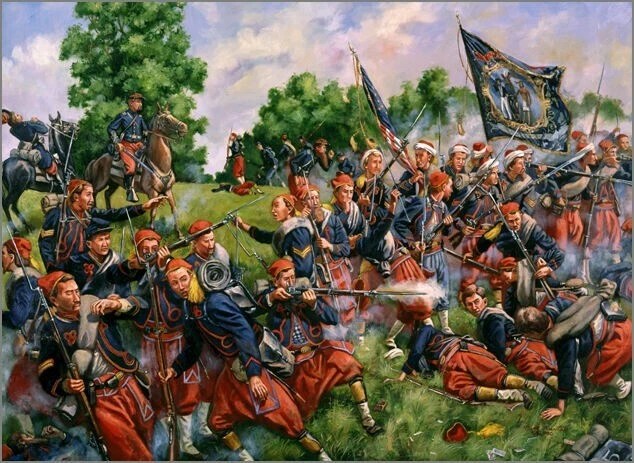
If the French lost the Battle of Puebla, but they at least made a fashion statement. You can see their zouaves, with the baggy pants characteristic of French North African colonial troops, on the left (that’s triumphant Juarez in the center.) The style would be adopted by both Union and Confederate troops–for the latter, the Louisiana Tigers-in our Civil War. The second illustration shows Union Zouaves at the Second Battle of Manassas, also in 1862.

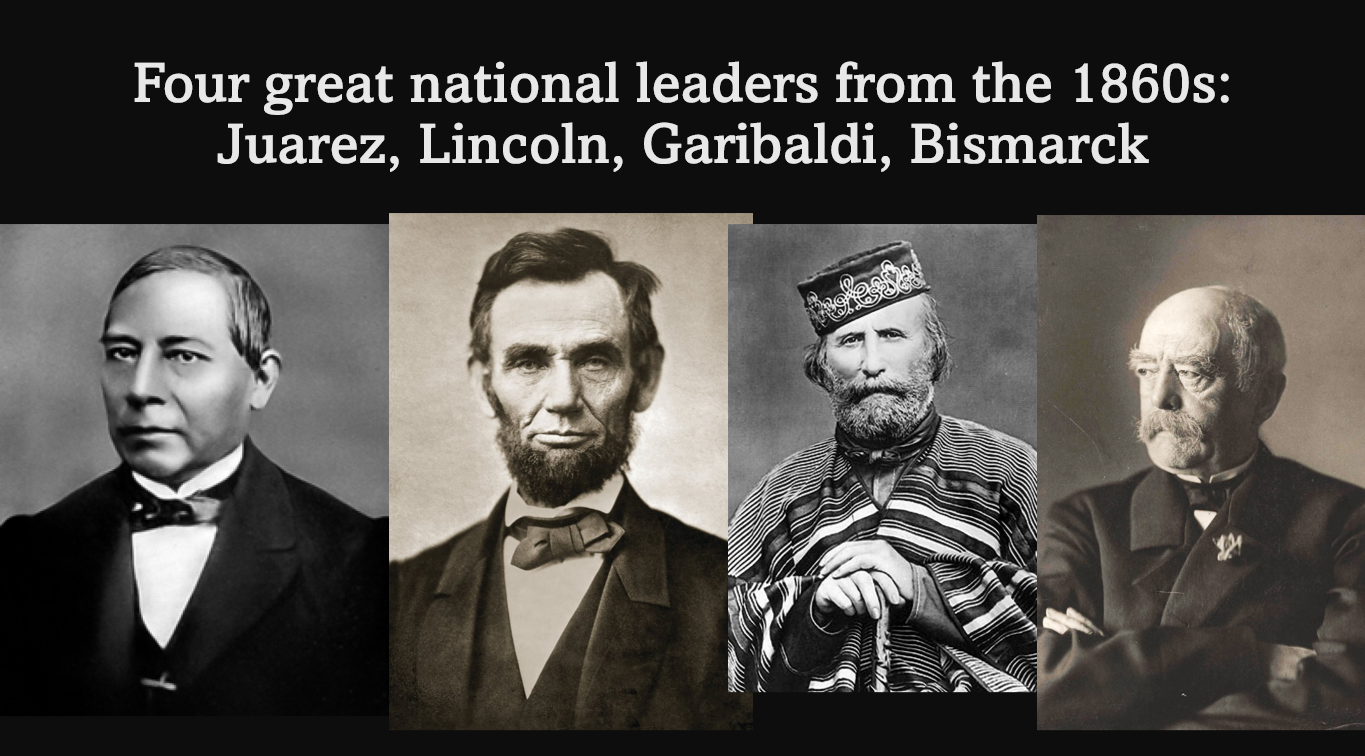
The 1860s, then, were a time of intense and fratricidal struggles toward nationalism, and these were a few of that decade’s incredible leaders.


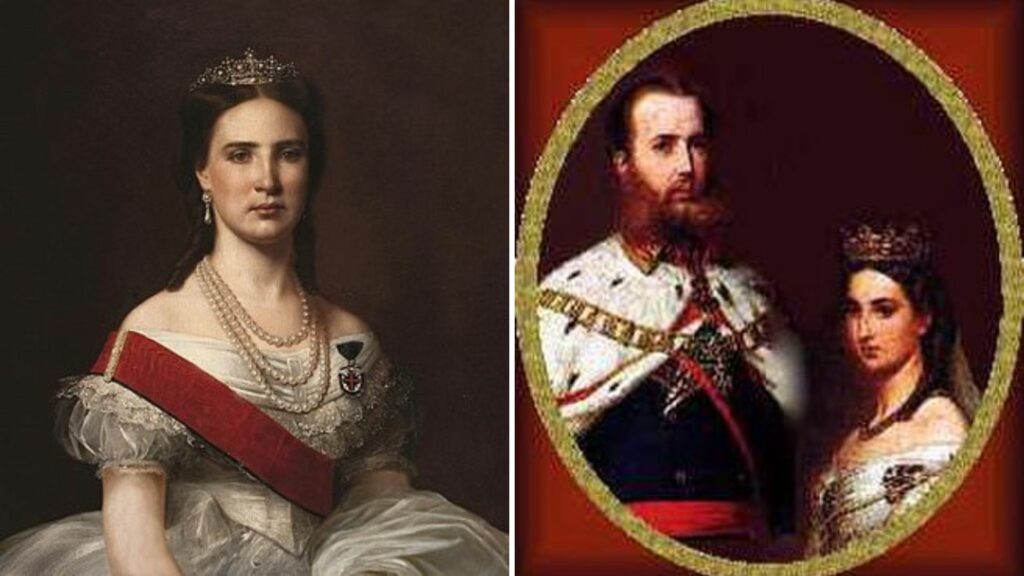
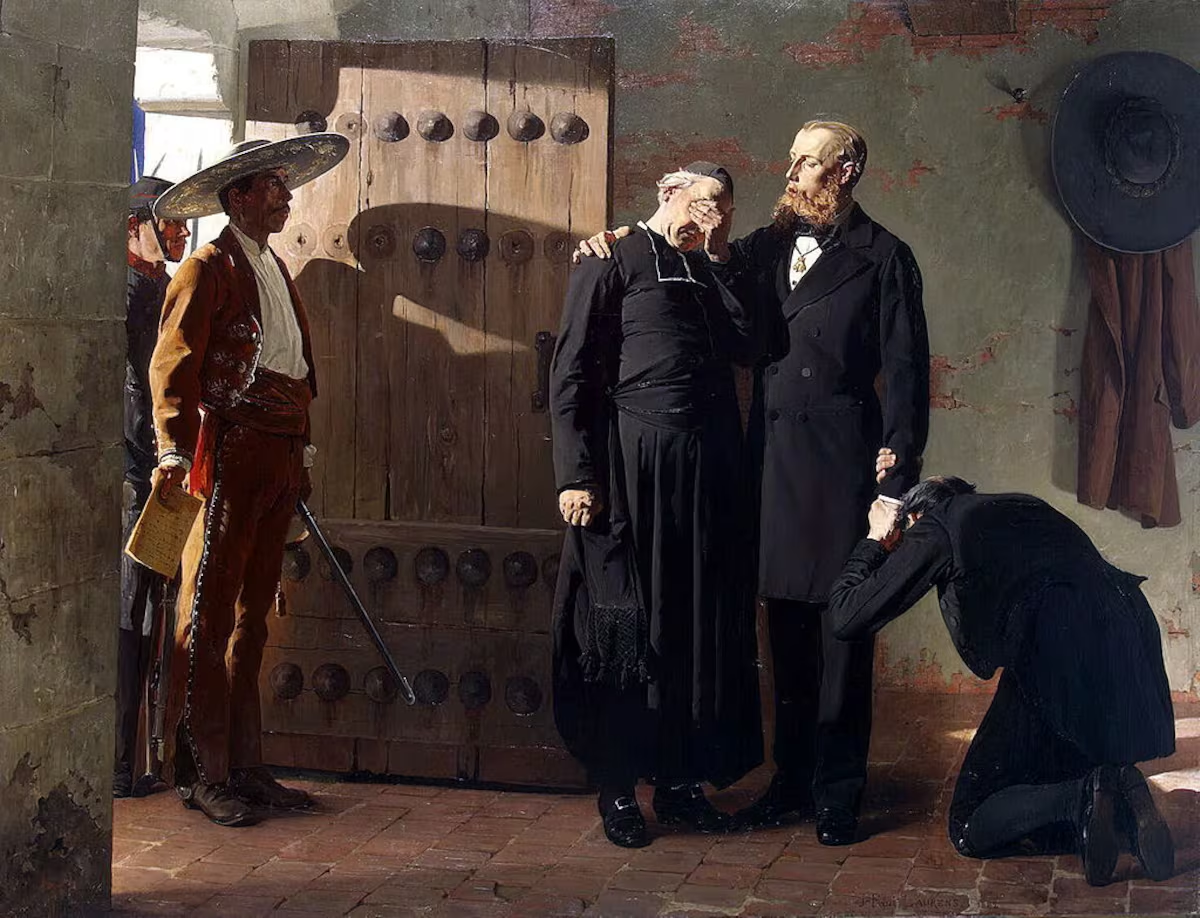
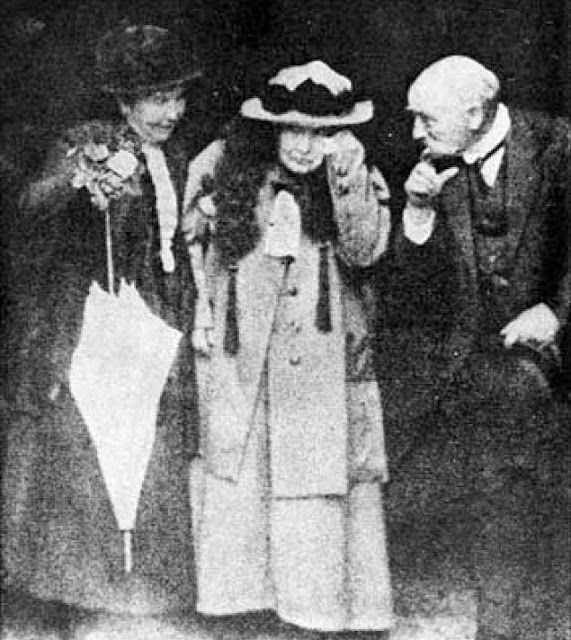
Maximilien and Carlota were not among them. Here are the two of them—she was lovely—then there’s Maximilien, in the painting, just informed of his imminent execution by Mexican Republican soldiers, in 1867, and finally, there’s elderly Carlota, confined to a Belgian palace where she went loony. Sometimes she’d prance out to a fountain in the front of the palace, jump in, and announce boldly that she was sailing back to Mexico.

So it goes.


Here’s the palace where the imperial couple lived, above Mexico City. It’s also marked by its defense, in the Mexican War, by teenaged military cadets as they fought the United States Marines (“The Halls of Montezuma…”). One of them, to avoid the shame of losing it to the gringos, wrapped the Mexican national flag around his body and leaped to his death over Chapultepec’s cliffs.


One of the things that makes me mark this battle and Juarez himself is the fact that his ancestry was indigenous, from the Zapotec people of Oaxaca. In the last decade or so, the Oaxacan presence on the Central Coast of California, where I live, has grown significantly. And, while this is a grand statement—these are beautiful people—Vogue magazine appears to agree with me.


And then there’s the food. This young man, a Londoner, gets it.

@xavskitchen

OAXACA CITY EATS
Oaxaca will completely change how you view food and let me show you why. Now if you didn’t know, Oaxaca is widely known as the food capital of Mexico and for GOOD reason, the food here is on another level, this place is a non negotiable if you ever visit this wonderful country! My full list, including recommendations, advice and locations of each spot will be on my weekly newsletter soon… Go subscribe, link in my bio. #oaxaca #mexicanfood #mexico #food #fyp

♬ DtMF – Bad Bunny

So, Viva Benito Juarez y Feliz Cinco de Mayo!


The Cypress Trees along Halcyon Road

02 Friday May 2025

Posted by ag1970 in Arroyo Grande, California history, History

≈ 1 Comment

Tags

Writing

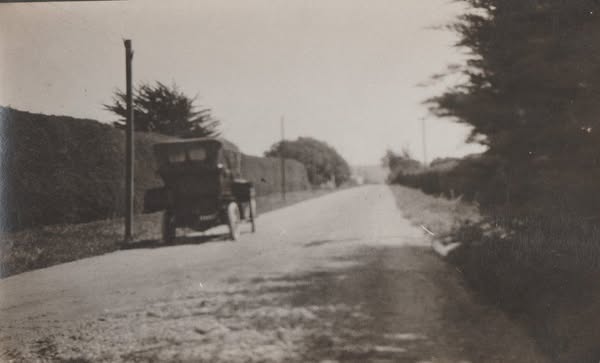
My Facebook friend Jason Blanco posted this photo and leave it to my historian friends Shirley Gibson and Michael Shannon, all of us are now pretty sure that this is Halcyon Road, somewhere between the mobile home park and the Halcyon store today. 

Jason’s photo is from about 1908.

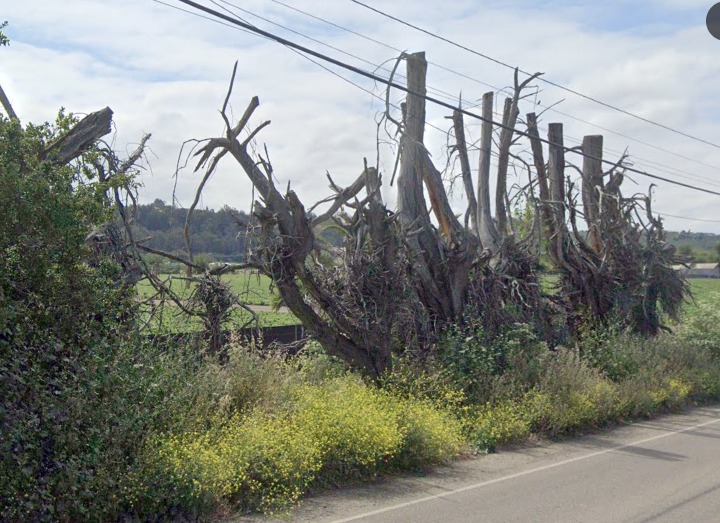
Those cypress trees are nearly all dead now, and ghastly-looking, but more than 100 years ago, they were dense. Halcyon Road was like a funnel, bounded by thick and dense green cypress, until you hit the County Highway, today’s Highway 1, to Oceano.

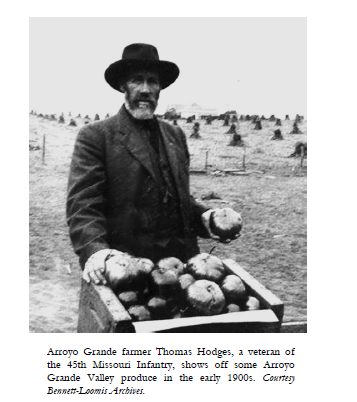
Shirley and Michael pinpointed the man who planted the cypress. He was Thomas Hodges, a Civil War veteran (45th Missouri Volunteer Infantry), who planted them as a windbreak to protect his fruit trees. He made a guest appearance in my Civil War book.

Arroyo Grande has always been famous for its row crops. You can read about them in old newspapers as far away as Kansas and South Carolina. Our pumpkins were astonishing.

But tree crops were important too—some of you may remember dense walnut groves that surrounded AGHS, until they were decimated by the husk fly larvae.

Arroyo Grande High School at the bottom of the photo with the vast walnut orchards beyond.

But even on the “farmette” (3 acres) where I grew up, on Huasna Road, there were fruit trees that preceded our house, built in 1956. So I grew up with:

–Plums

–Apricots

–Peaches

–Apples

–Oranges

–Lemons

–Avocados. 

The house where I grew up, Lopez Drive and Huasna Road. Two walnut trees remain at left, in the lower pasture. The big fella out front is a loquat tree. The Queen Anne’s Lace in the foreground was always there. Arroyo Grande Creek is just beyond the left edge of this photo.

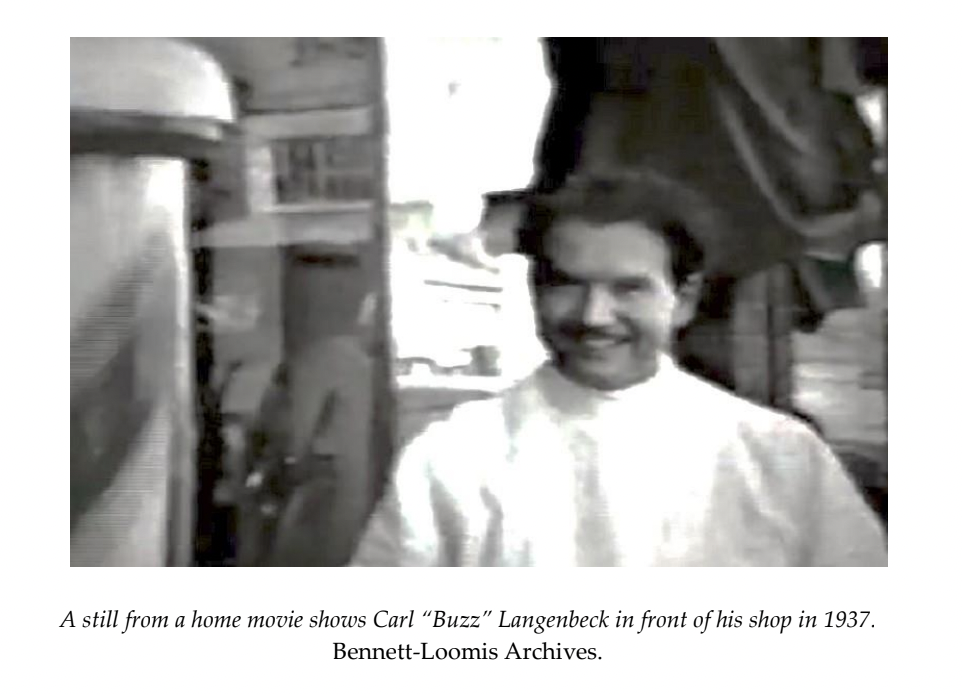
We had nine avocado trees. They were nowhere near the best. The best avocados were grown by barber “Buzz” Langenbeck, whose barbershop is today’s Heritage Salon on Branch Street. Sadly, I did not appreciate avocados until the day I discovered guacamole, probably when I was in my twenties.

And you can find, if you look for them, at least two more generations of Hodges at AGUHS, playing sports, starring in school plays, elected to class office, graduating–the venues varied–at the movie theater in Pismo or the one in Arroyo Grande, today’s Posies in the Village.
Like any other living thing, cypress trees get old, turn brittle, and die. I don’t think that my hometown’s ties to history, even to the Civil War, ever die.
Adapted from The Heritage Press, South County Historical Society

“The animals were followed by 30,000 Confederates…”

30 Wednesday Apr 2025

Posted by ag1970 in American History, History

≈ Leave a comment

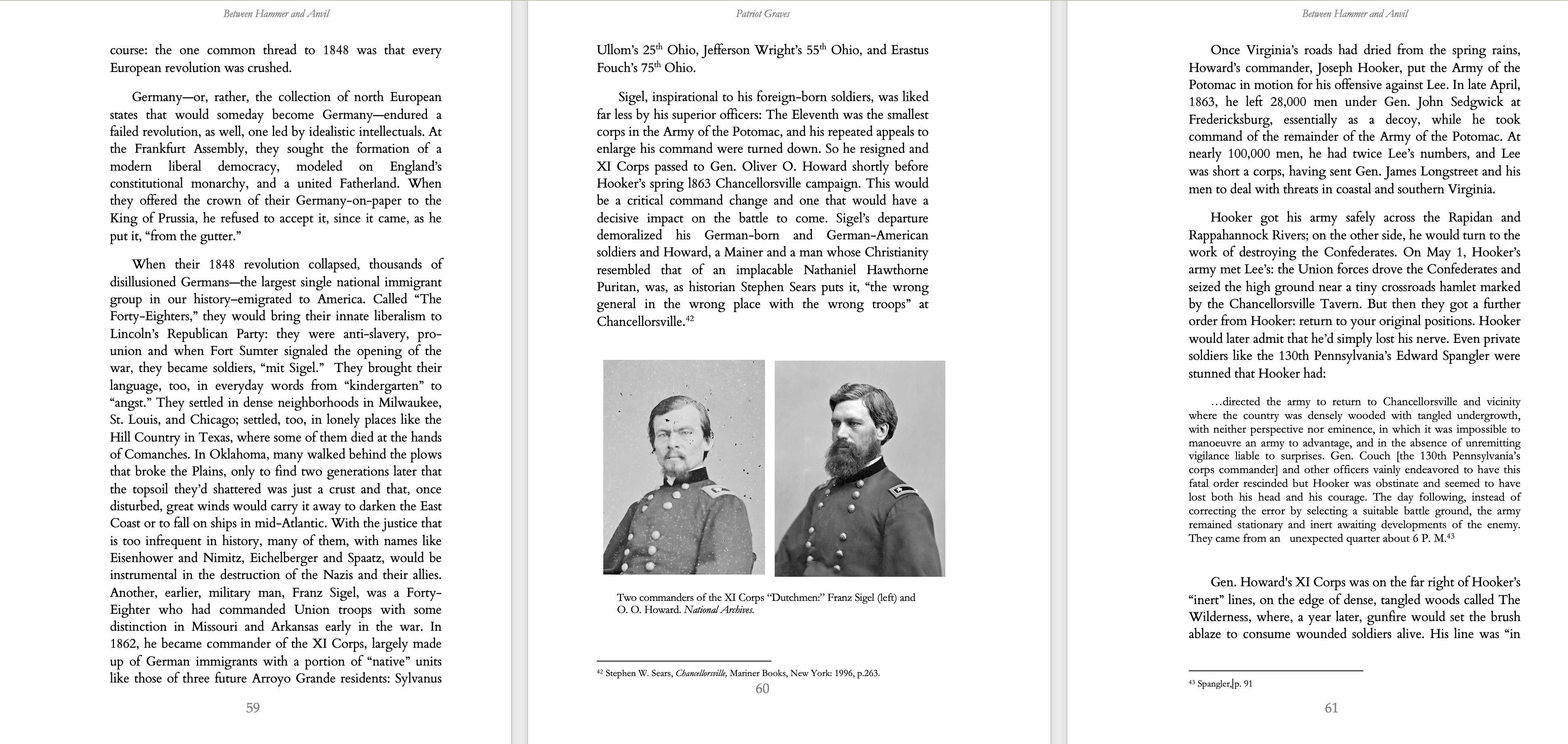
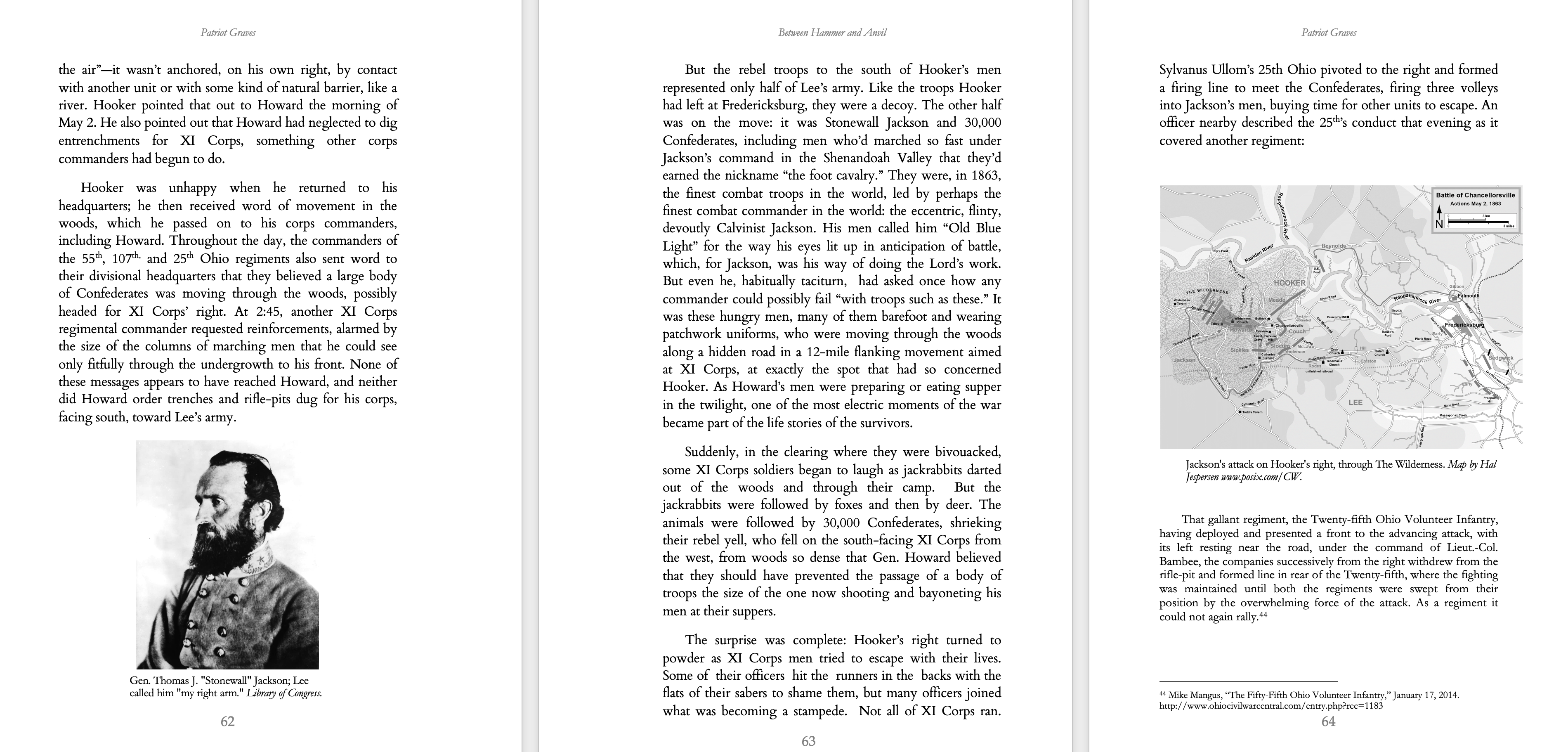
On May 1, 1863, three future Arroyo Grande settlers were involved in one of the most electric moments of the Civil War. Here’s how I described it in this book.


HMS Bounty’s Arroyo Grande Connection

28 Monday Apr 2025

Posted by ag1970 in Arroyo Grande, California history, History

≈ Leave a comment

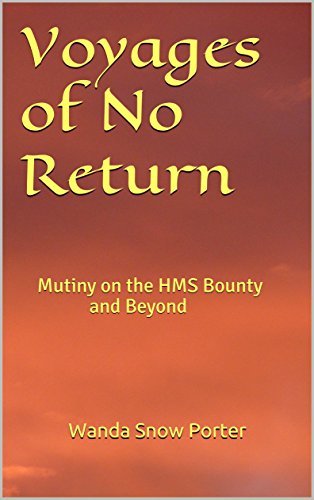
Wanda Snow Porter’s wonderful book about her husband’s ancestor. Charles Porter was a descendant of Isaac Sparks.

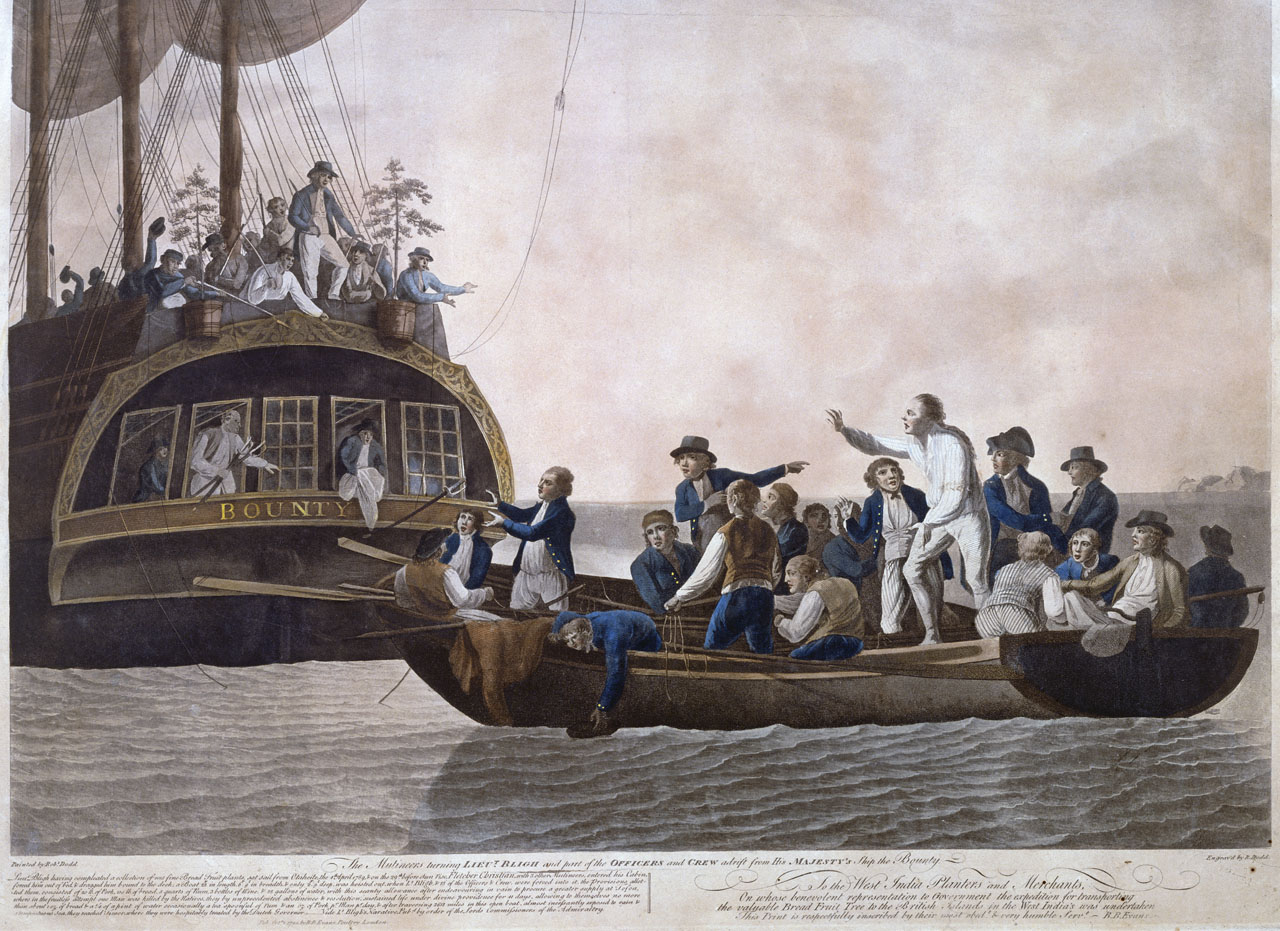
On April 28, 1789, mutineers led by Fletcher Christian put Capt. William Bligh and his loyalists into a longboat and sailed away with HMS Bounty. Bligh navigated his way to safety.

The mutineers sailed for Pitcairn Island and settled there, but violence was frequent. Some of their descendants still live on Pitcairn.

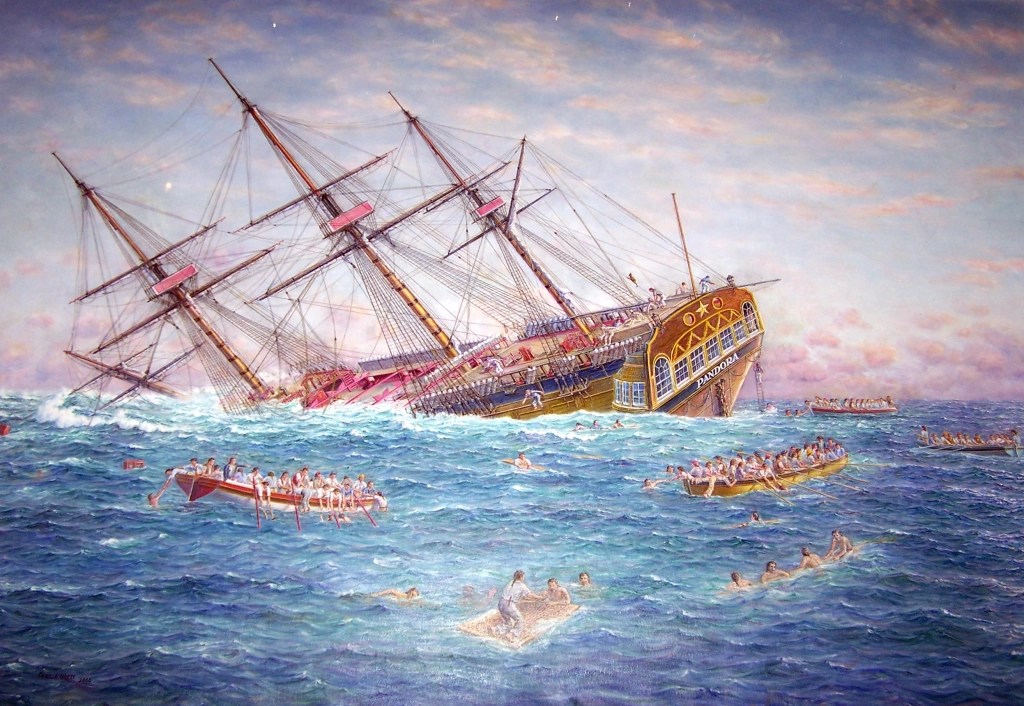
In 1791, the frigate HMS Pandora captured some of the mutineers and sailed for England for their trials. But Pandora wrecked on a reef near Australia and several mutineers died.

Among them was midshipman George Stewart, 21, killed by a falling gangway as Pandora broke up.

Stewart left behind his Polynesian wife, Pegue (“Peggy”) and their little girl, Maria Stewart (1790-1871).

Maria married George Washington Eayrs (1775-1855), an American ship captain, in Tahiti in 1809.

Their little girl, Maria de Los Remedios Josefa Antonio Eayrs, was born aboard Eayrs’s ship, Mercury, in Bodega Bay in 1813. (She died in 1871).

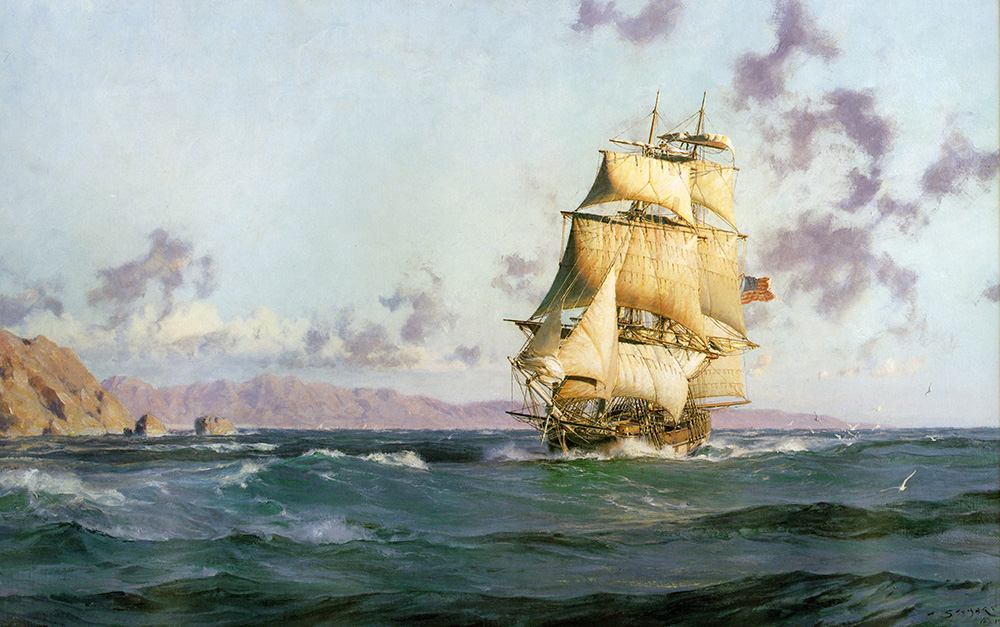
The brig Pilgrim, depicted leaving Santa Barbara for Monterey, was part of the active California trade with the East Coast, as was George Washington Eayrs.

She married Isaac James Sparks (1800-1865), the master of the Huasna Rancho, in Santa Barbara in 1836.

Their daughter, Maria Rosa, married Arza Porter in Santa Barbara in 187-.

The Porters still own the Huasna ranch today, and it’s still an active cattle ranch. This incredible pioneer family is our connection to the mutiny on HMS Bounty.

A short list of similarities: 1933, 2025

13 Wednesday Nov 2024

Posted by ag1970 in American History, History, News, Uncategorized

≈ Leave a comment


A citizenry that feels victimized.

The promise, for them, of vindication and retribution.

Propaganda that effectively generates alternative reality.

The promise of quick solutions to the nation’s problems.

An obedient and cowed legislature.

A legislature, thanks to minority dominance, that has proved unable to pass meaningful legislation.

Hypermasculine appeal to young men.

Executive power magnified by placing sycophants in high office.

The threat—or the actuality—of purging the military command and replacing its leaders with loyalists.

The threat of prosecution of political opponents, including imprisonment of the same—Dachau’s major purpose.

Allusions to mythical greatness in the nation’s past.

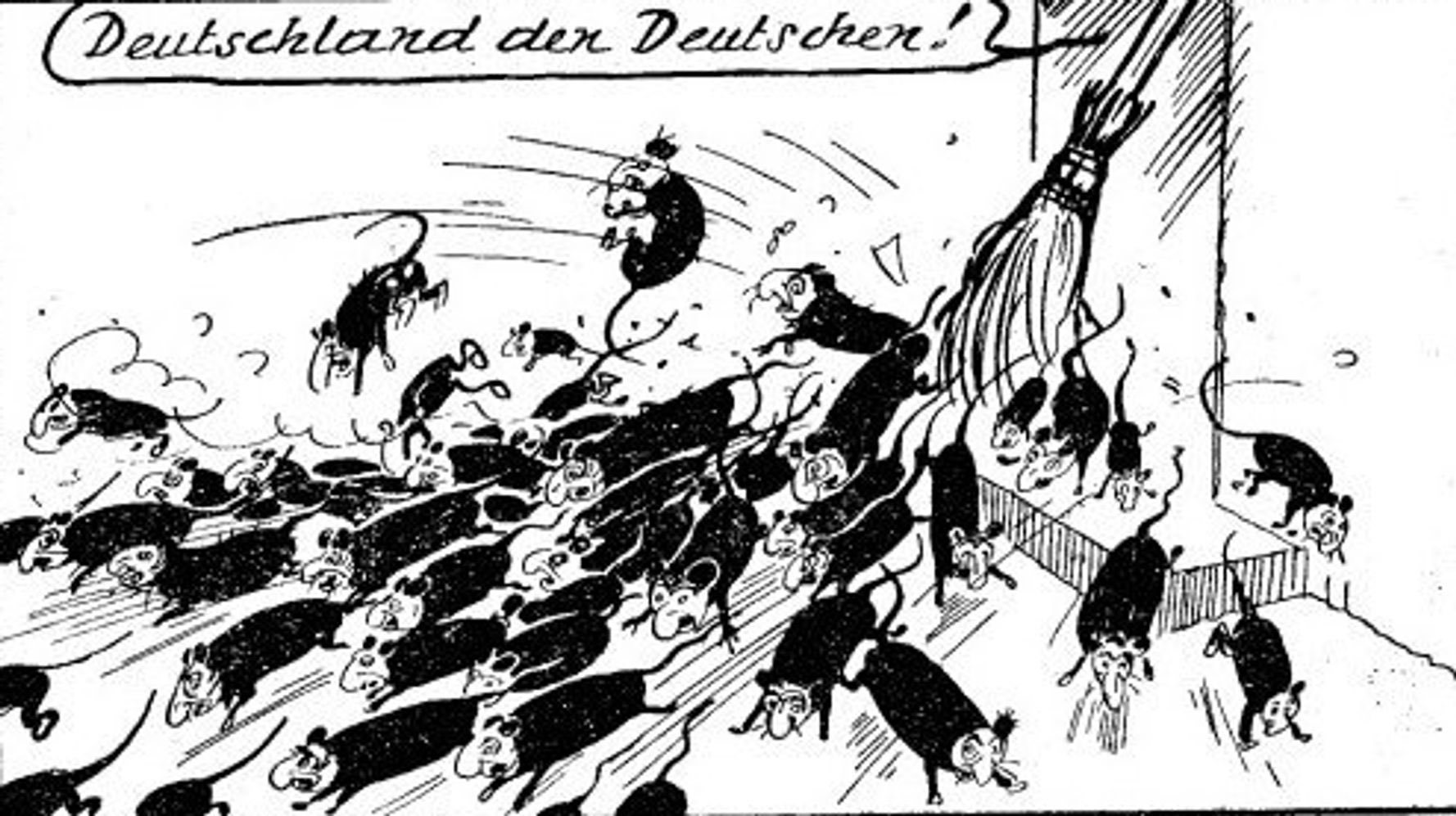
Pseudobiological assertions about threats to national /racial purity.

The denial that a dictatorship could ever happen in a nation like Germany (Goethe, Bach) or the United States (Lincoln).

The subordination of women.

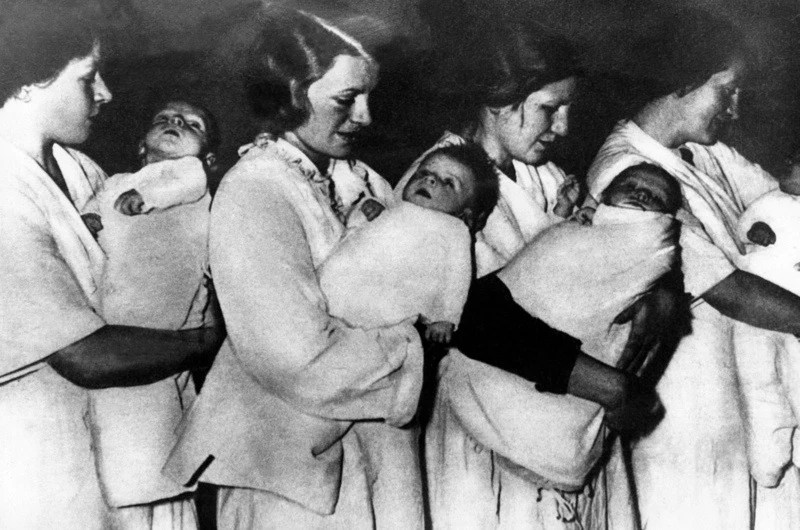
Mothers and babies, part of the SS “lebensborn” movement.


← Older posts

Subscribe

  • Entries (RSS)
  • Comments (RSS)

Archives

  • January 2026
  • December 2025
  • November 2025
  • October 2025
  • September 2025
  • August 2025
  • July 2025
  • June 2025
  • May 2025
  • April 2025
  • March 2025
  • February 2025
  • January 2025
  • December 2024
  • November 2024
  • October 2024
  • September 2024
  • August 2024
  • July 2024
  • June 2024
  • May 2024
  • April 2024
  • March 2024
  • February 2024
  • January 2024
  • December 2023
  • November 2023
  • October 2023
  • September 2023
  • August 2023
  • July 2023
  • June 2023
  • May 2023
  • April 2023
  • March 2023
  • February 2023
  • January 2023
  • December 2022
  • November 2022
  • October 2022
  • September 2022
  • August 2022
  • May 2022
  • April 2022
  • March 2022
  • February 2022
  • January 2022
  • December 2021
  • November 2021
  • October 2021
  • September 2021
  • August 2021
  • July 2021
  • June 2021
  • April 2021
  • March 2021
  • February 2021
  • January 2021
  • December 2020
  • November 2020
  • August 2020
  • July 2020
  • June 2020
  • May 2020
  • April 2020
  • January 2020
  • December 2019
  • November 2019
  • October 2019
  • September 2019
  • August 2019
  • May 2019
  • April 2019
  • March 2019
  • February 2019
  • January 2019
  • December 2018
  • November 2018
  • October 2018
  • September 2018
  • July 2018
  • June 2018
  • May 2018
  • April 2018
  • March 2018
  • February 2018
  • January 2018
  • December 2017
  • November 2017
  • October 2017
  • April 2017
  • March 2017
  • December 2016
  • November 2016
  • October 2016
  • September 2016
  • August 2016
  • July 2016
  • June 2016
  • April 2016
  • March 2016
  • February 2016
  • January 2016
  • December 2015
  • November 2015
  • October 2015
  • September 2015
  • August 2015
  • July 2015
  • June 2015
  • May 2015
  • April 2015
  • March 2015
  • February 2015
  • January 2015
  • December 2014
  • November 2014
  • September 2014
  • August 2014
  • July 2014

Categories

  • American History
  • Arroyo Grande
  • California history
  • Family history
  • Film and Popular Culture
  • History
  • News
  • Personal memoirs
  • Teaching
  • The Great Depression
  • trump
  • Uncategorized
  • World War II
  • Writing

Meta

  • Create account
  • Log in

Blog at WordPress.com.

  • Subscribe Subscribed
    • A Work in Progress
    • Join 68 other subscribers
    • Already have a WordPress.com account? Log in now.
    • A Work in Progress
    • Subscribe Subscribed
    • Sign up
    • Log in
    • Report this content
    • View site in Reader
    • Manage subscriptions
    • Collapse this bar
 

Loading Comments...