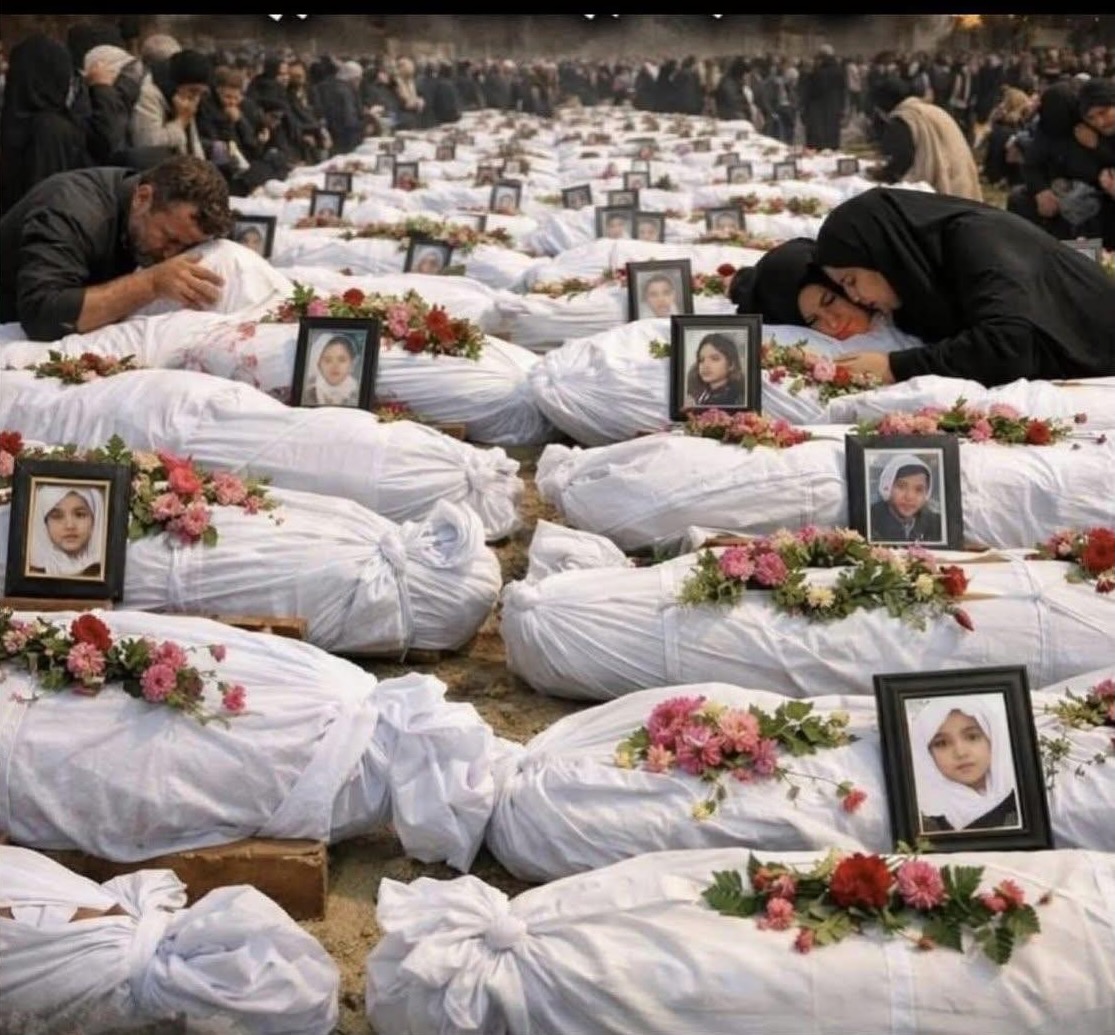
The victims of the airstrike on the Iranian girls’ school, wrapped in mourning, await their burial.
This was evocative to me because it reminded me of an American tragedy that I taught every year to my AGHS students.
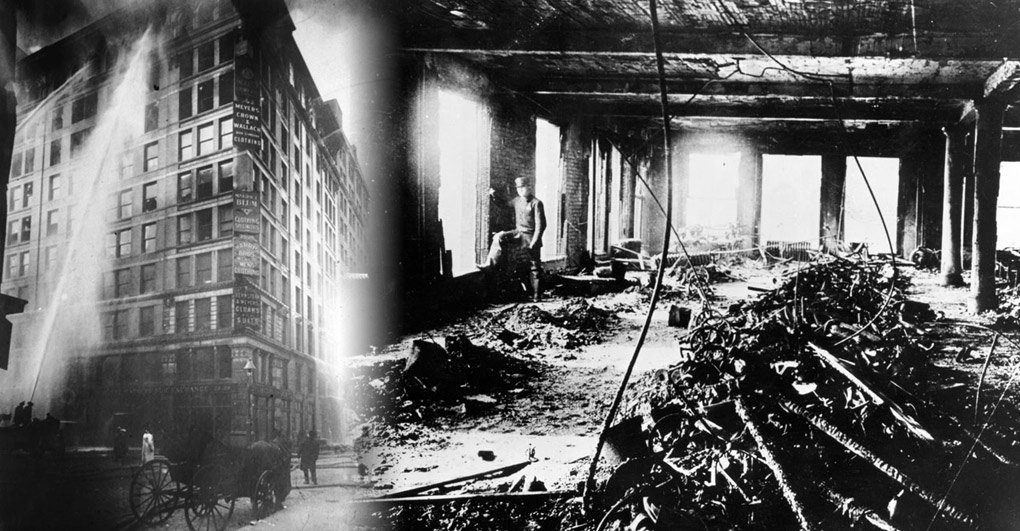
In 1911, the Triangle Fire in New York City claimed the lives of seventeen men and 129 women. Most of the women, garment workers, were the daughters of Jewish or Italian immigrants, and most were in their teens.
The factory fire escape doors were locked on the outside.
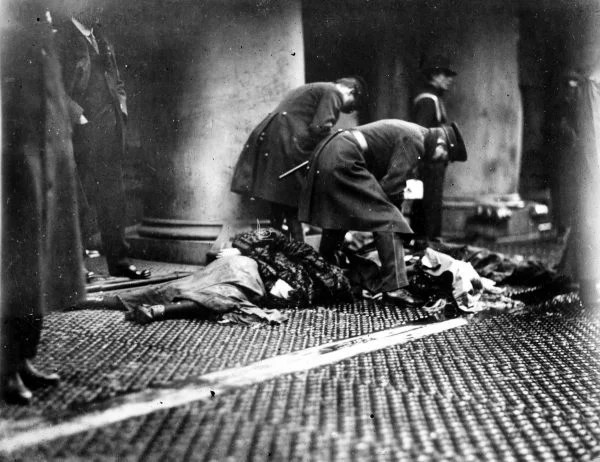
. Those are NYPD officers tending to the jumpers. The story my students read, a vivid piece of newspaper reportage, had a young man and a young woman jumping together, holding hands. The reporter described the sound of the bodies hitting the sidewalk, as painful in 1911 as the sound would be in the falls to the final floors of the 2001 World Trade Center.
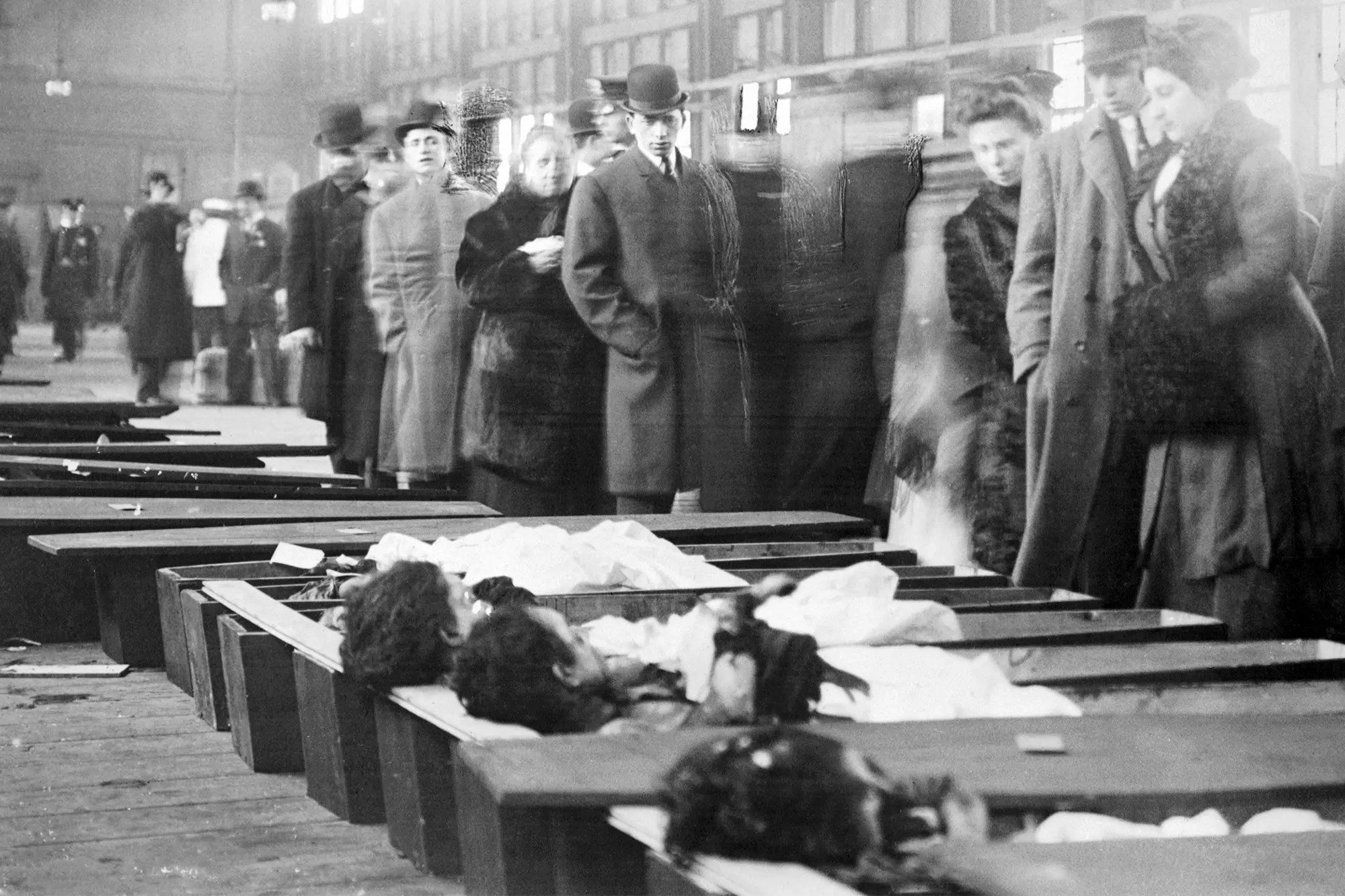
And these are the coffins of the victims, awaiting identification.
Thirty-six engagement rings were recovered from the factory ruins.
Our much-loved niece, Emily, is a graduate of NYU. The Brown Building there was rebuilt from the Triangle Fire. Night-shift custodians hear rapid footsteps on the stairwells, They hear screams. Sometimes a lecturer will pause in mid-sentence because she, and her class, can hear, albeit faintly, the crackling of flames.
I compare the two because brutality has such a long and painful half-life. We will live with the little girls of Tehran for a lng time to come. They may have died at the hands of Americans; they may have died at the hands of Israelis.
That doesn’t really matter, does it?
The little girls of Tehran were our little girls, too.
The bitterness I’ve felt in the last 72 hours—I have no patience for stupidity when it’s coupled with brutality—grows even more painful when I listen to what Anthony Bourdain taught me.
Today the president* revoked the findings on the impact of greenhouse gases on the environment and so opened the way for accelerated climate change.
That’s because the EPA—an agency founded by a noted Bolshevik, Richard Nixon—has been stripped of its power to regulate greenhouse gases.
And so we turn to history, and, predictable considering it’s me posting this, eventually to Ireland.
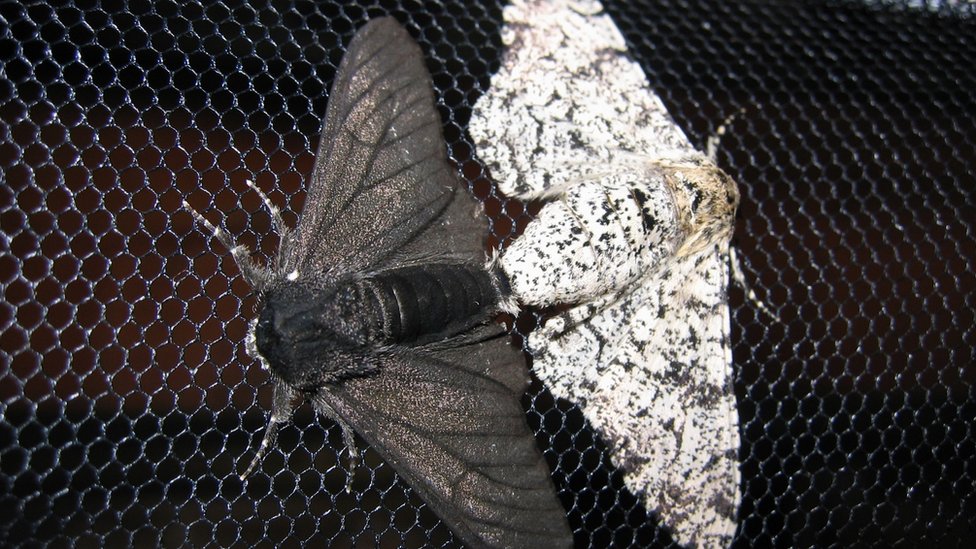
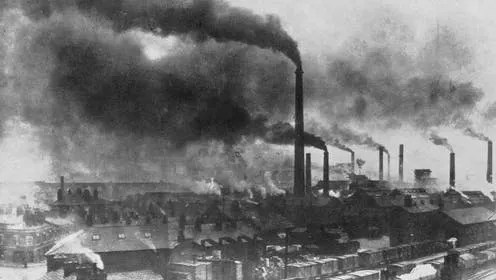
White birch trees proliferated in and around London and the white moths that made them home did, as well. That was until the industrial smoke of the Industrial Revolution made white moths easy prey for hungry birds, because the birch trees were now stained, irrevocably, gray. Black and peppered moths, less visible, survived, according to that theory propagated by a devout Anglican, Charles Darwin.
The president* is 79, and doddering at a rate uncommon even for someone his age. (He will assemble a Filet o’FIsh rogether with a Big Mac t at lunch, chase that monstrosity with a Quarter Pounder, fries, and an extra-large Diet Coke.)
So he will die soon, if not soon enough and, for a man who epitomizes Malignant Narcissism, it’s perfect opportunity, in encouraging greenhouse gases, to kill the rest of us human beings, too. We deserve it, in his eyes, and we’re not so adept at changing colors. (His is White.)
That brings us to St. Patrick’s Day, coming next month.
I’m not suggesting that the Irish have some kind of monopoly on goodness or on holiness. More Irish died at the hands of brother Irishmen during the terrible Irish Civil War of the 1920s. And even in our Civil War, at Fredericksburg, the Confederate 24th Georgia, so Irish that a gold harp was sewn into the fabric of their regimental flag, stood up from behind a stone wall and fired into the faces of the Union Irish Brigade, immigrant soldiers from New York, Massachusetts and Pennsylvania. The slaughter they inflicted was terrible.
But the Irish, despite those exceptions, have a reverence for life—exemplified by desperate Irish mothers, during the Famine, who gathered nettles in church burying grounds to make soup. That reverence extends to the sea, to thorn trees, where the fairies live, to animals, to the Earth.
You can even see this in the original version of the Cranberries’ “Dreams,” where Irish mourners dislodge a tree whose spirit is revealed when washed with water.
No Irish immigrant—to South County San Luis Obispo, where I grew up—exemplified that reverence more for the natural world than did the poet Ella Young. The only thing remotely like her that I’ve encountered comes from the Northern Chumash—the ytt People–the First People to live where I now live—who breathed every breath along with the Earth’s.
I have no power as monstrous as the president’s*, but I do have Ella Young’s power as part of my faith, a faith that grows from my own roots in County Wicklow, where dolphins dance in the air just offshore.
The image below is a young man named Patrick, who loves whales.
So this St. Patrick’s Day, there a creature of God asleep below the surface of God’s waters, rising in sunlight like this blue whale off the California coast.
If you are at all Irish, this makes perfect sense: this is my mother’s daughter. This whale is my sister. She comes to surface in the hope of someday seeing my son Thomas as he casts his line into the sea from the Pismo Beach pier.
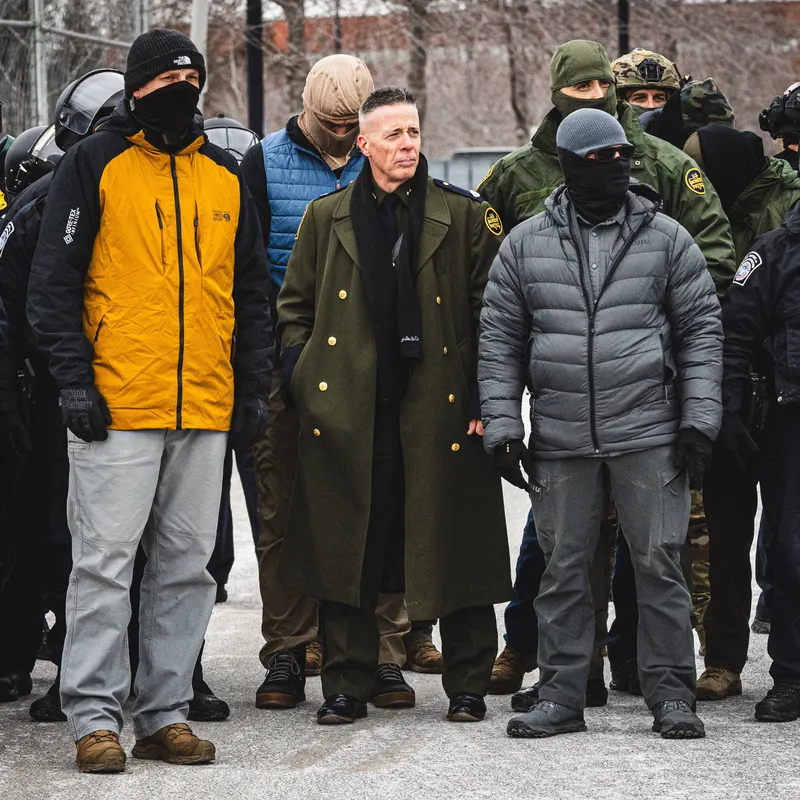
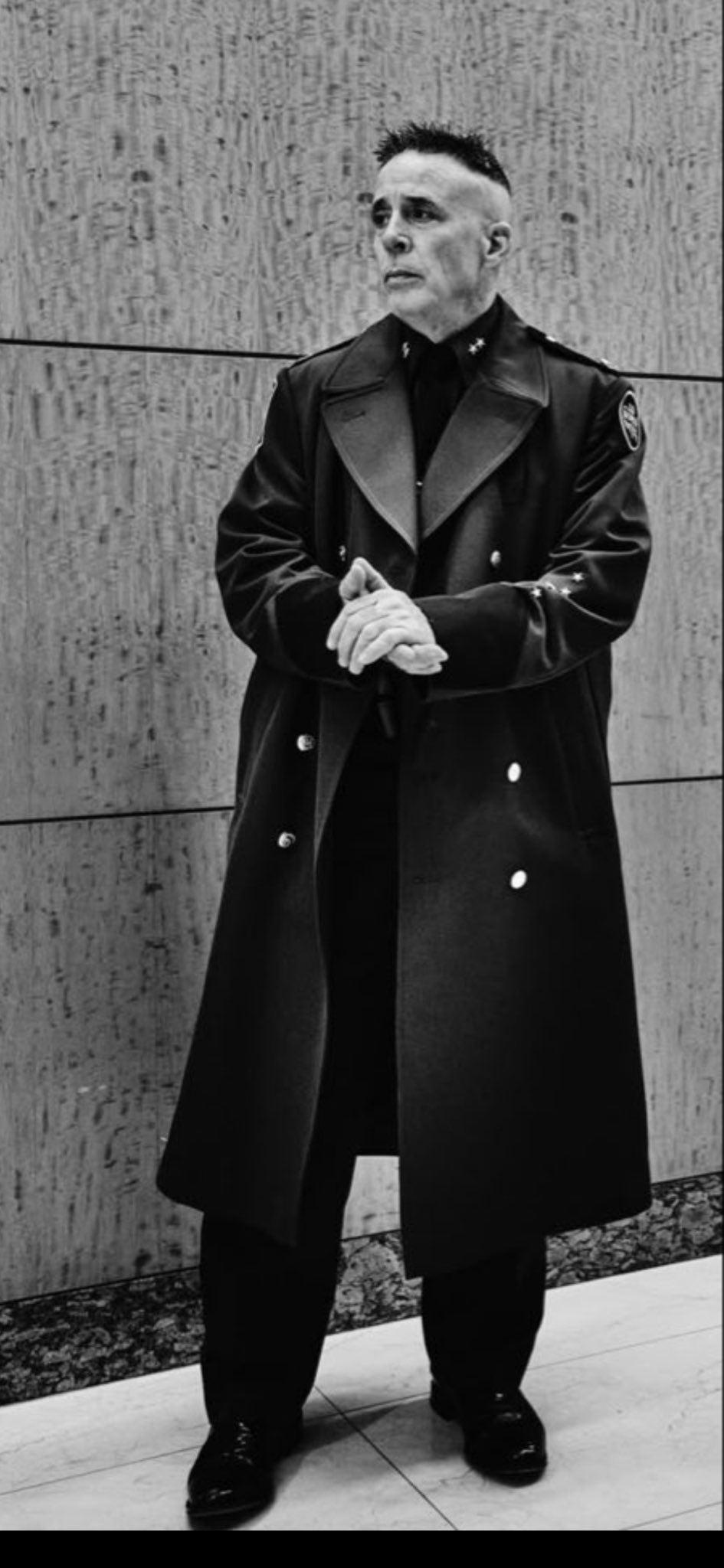
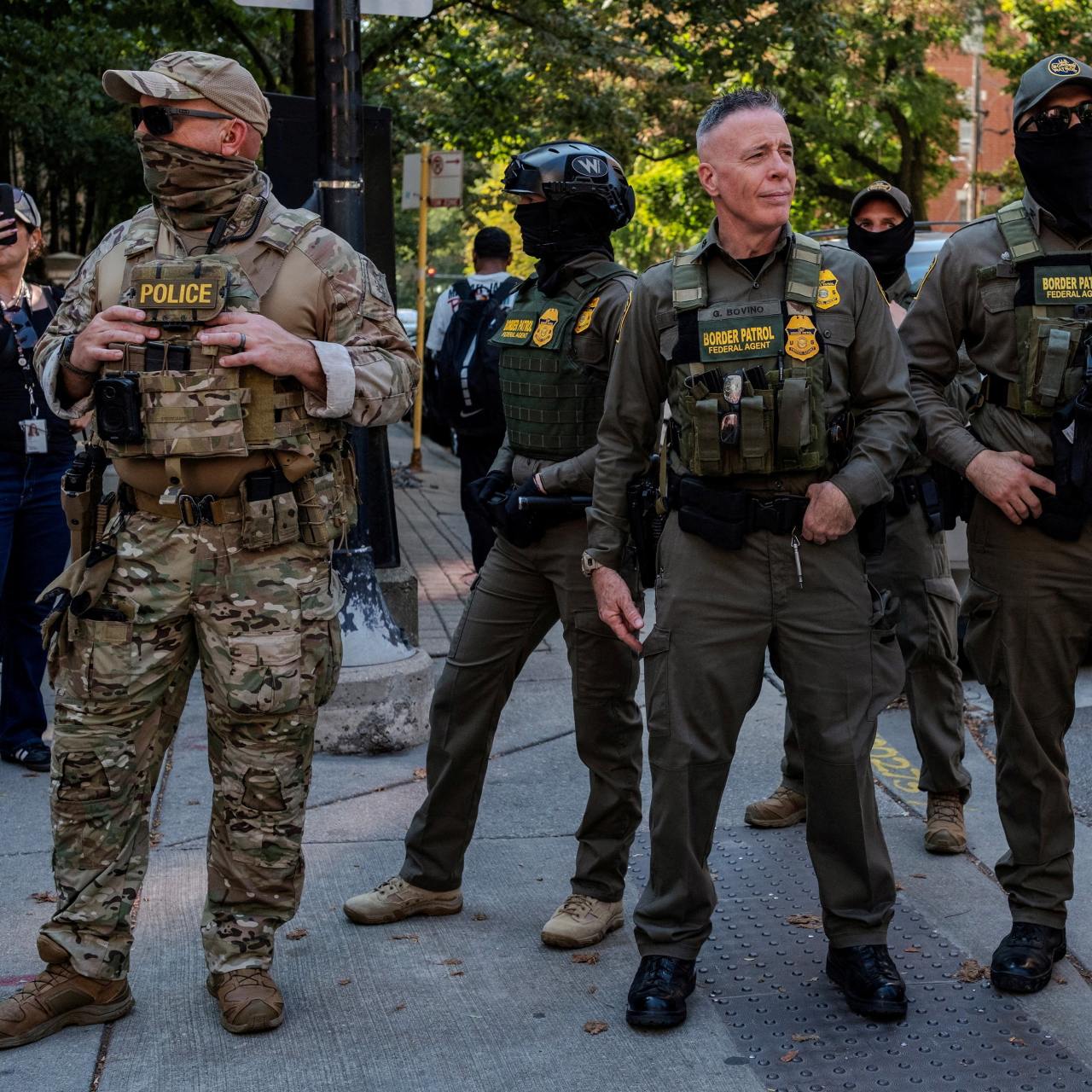
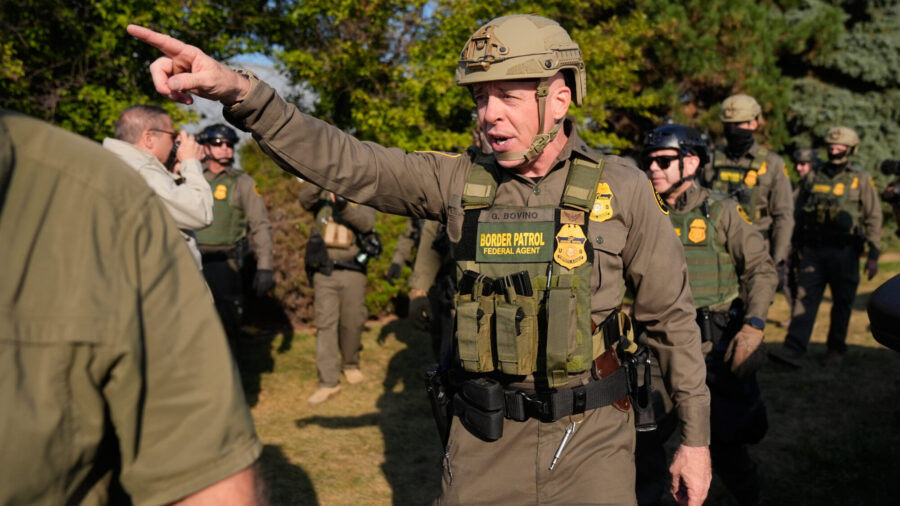
That’s Border Patrol head Gregory Bovino on CNN this morning, defending the second fatal shooting by federal agents in Minneapolis. I could take only about thirty seconds before I muted the television’s sound. That left me with his image. Why is he wearing a Sam Browne belt?
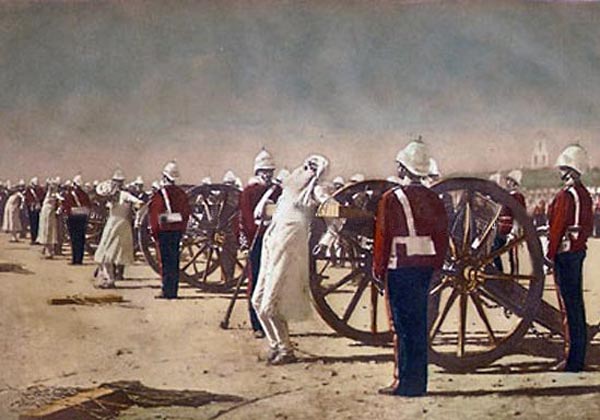
The belt was an innovation by British General Sam Browne: after losing an arm in the Sepoy Rebellion, it stabilize Browne’s sword belt, making it easier for him to draw it from its scabbard.
Oh, and this is how the British dealt with accused Sepoy (Indians who served in the Raj’s army) rebels: Blowing them apart from the muzzle of a cannon.
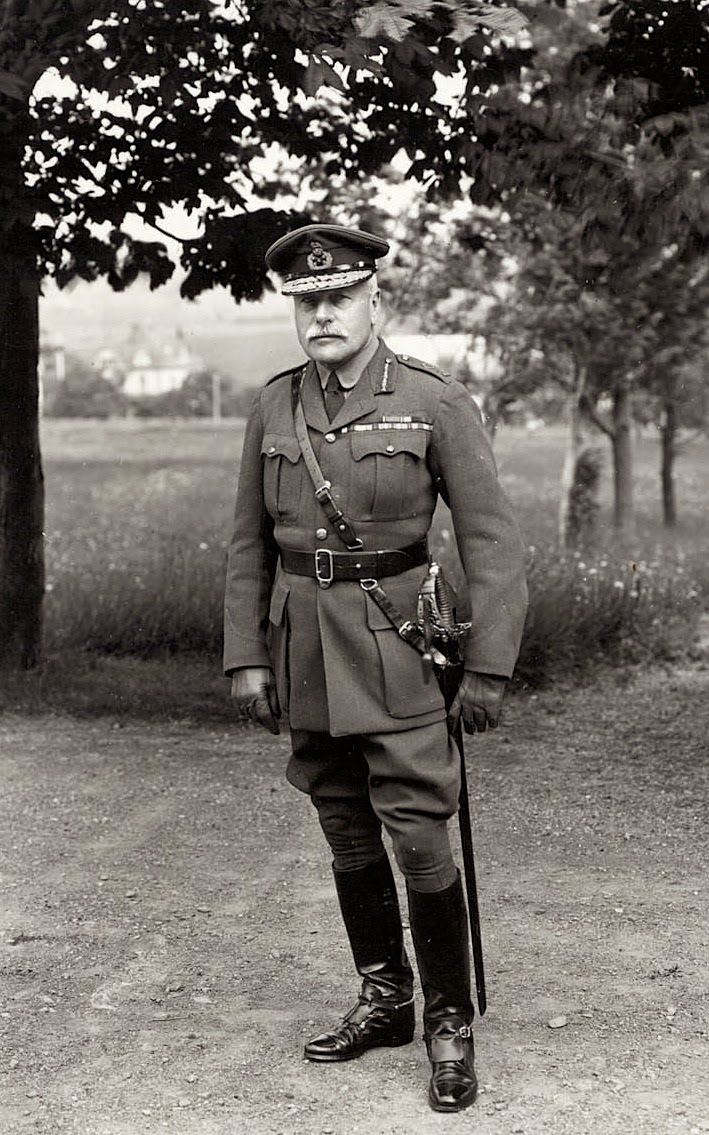
The Sam Browne belt became a regular feature in the British Army, down to the present. For one thing, it immediately distinguished officers from their inferiors. And, in class-conscious Britain, “inferiors” is not an accidental word choice. After his catastrophic losses in the 1916 Battle of the Somme–7,000 British soldiers mowed down by German machine-gun teams in the first thirty minutes—their commander, Field Marshal Sir Douglas Haig wryly commented that “it certainly keeps them off the streets, doesn’t it?”
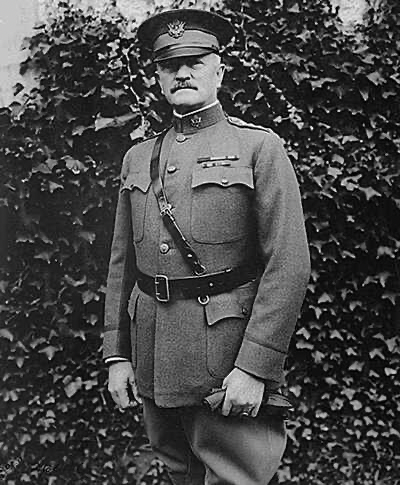
Unfortunately, the belt also became standard for American officers until it was discontinued in World War II. That’s Haig, on the left, and his contemporary, our John J. Pershing, on the right. American police forces adopted it, as well, until it was realized that criminals were using the belt to strangle arresting officers.
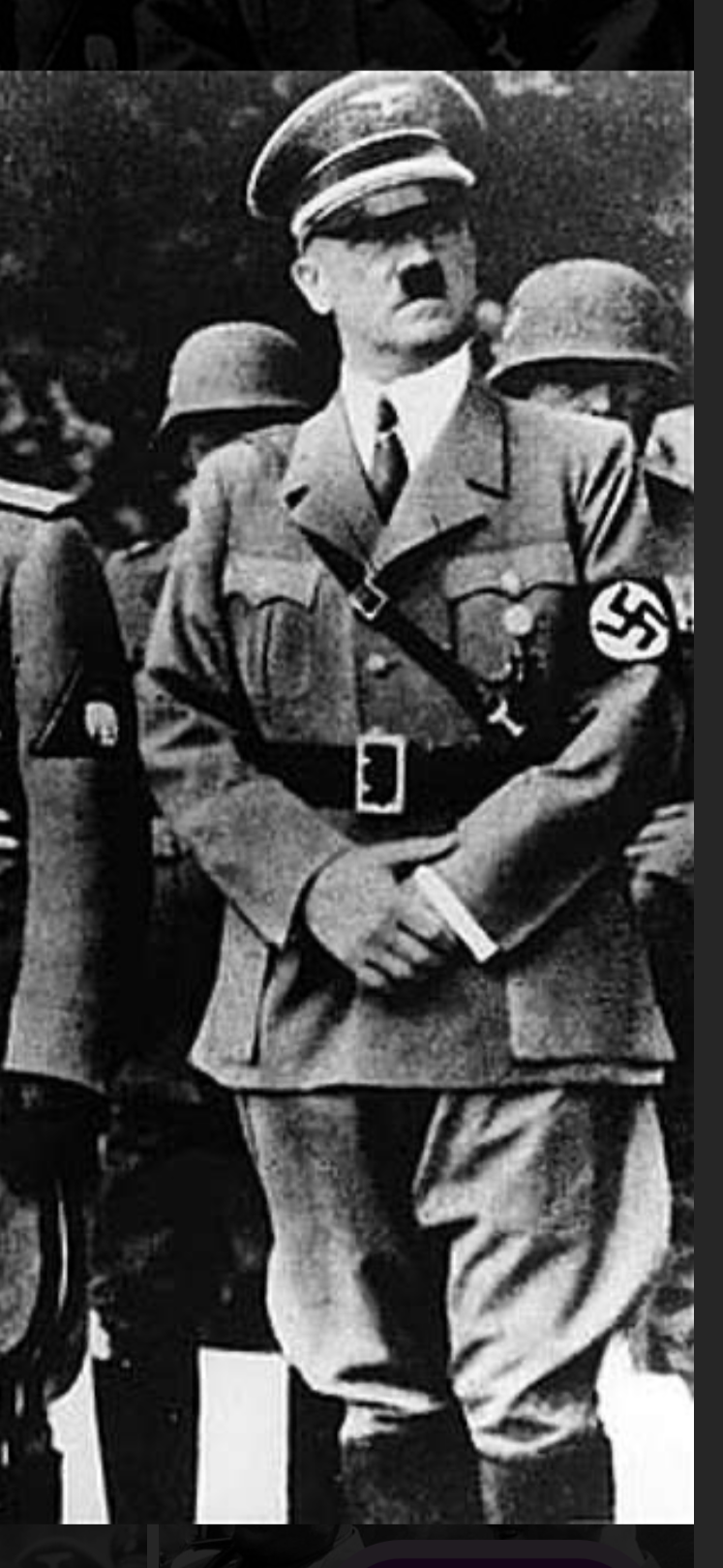
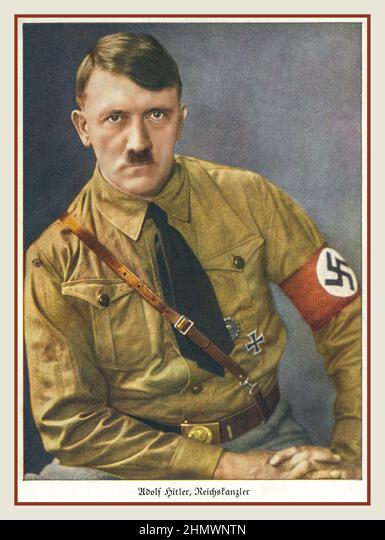
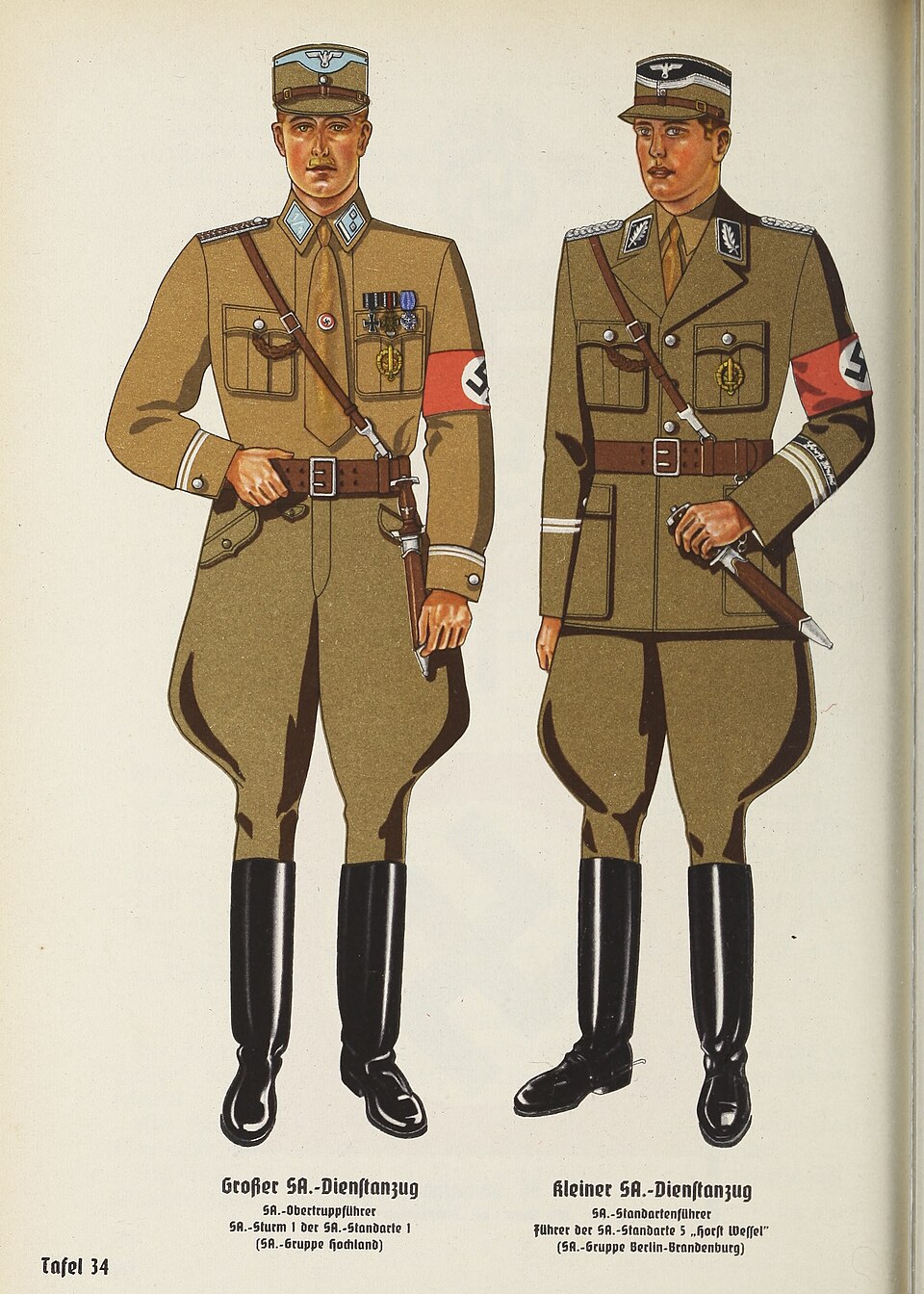
The accessory found its way into Hitler’s hypermilitarized Germany, as well. The Fuhrer, even as a humble early-on National Socialist, rarely appeared in public without his, and the Sam Browne belt became standard for the SA, or Brownshirts, the nearest historical equivalent to ICE.
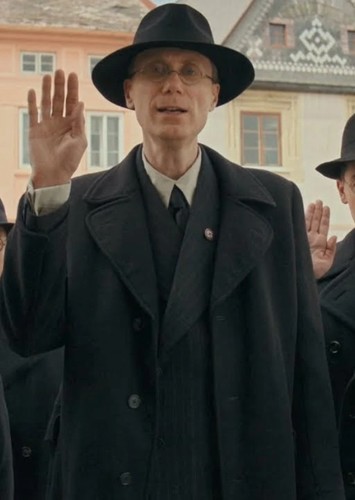
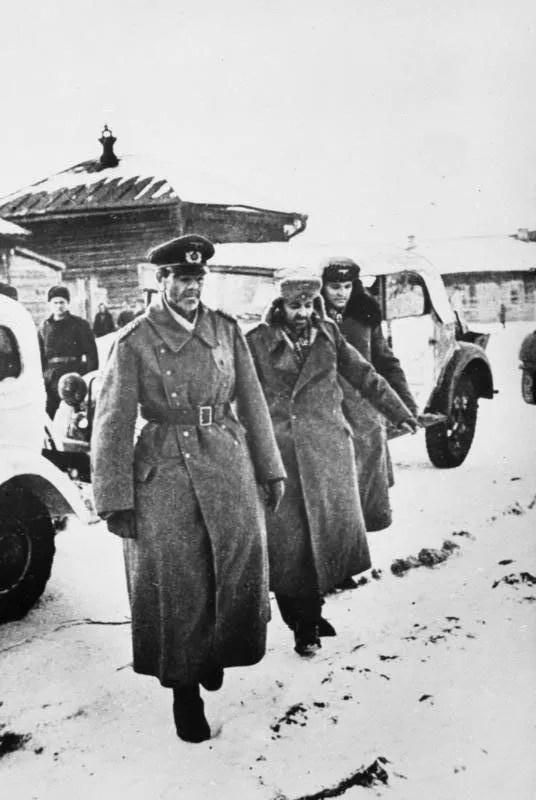
Bovino is fond of long trenchcoats, another feature of another Nazi organization, the Gestapo, or Secret Police (the movie still is from Jojo Rabbit), another apt description of the masked paramilitaries now infesting Minneapolis. It was also favored by Wehrmact officers, including those celebrating the 1940 fall of Norway in front of the Oslo National Theater. The fashion statement is more dire when it’s illustrated by an exhausted Field Marshal Paulus surrendering in 1943 Stalingrad.
So if appearance is everything, Gregory Bovino, a small man, is meticulous about his.
It’s so ironic when the same man, with supreme gall, tells us not to believe what our eyes see.
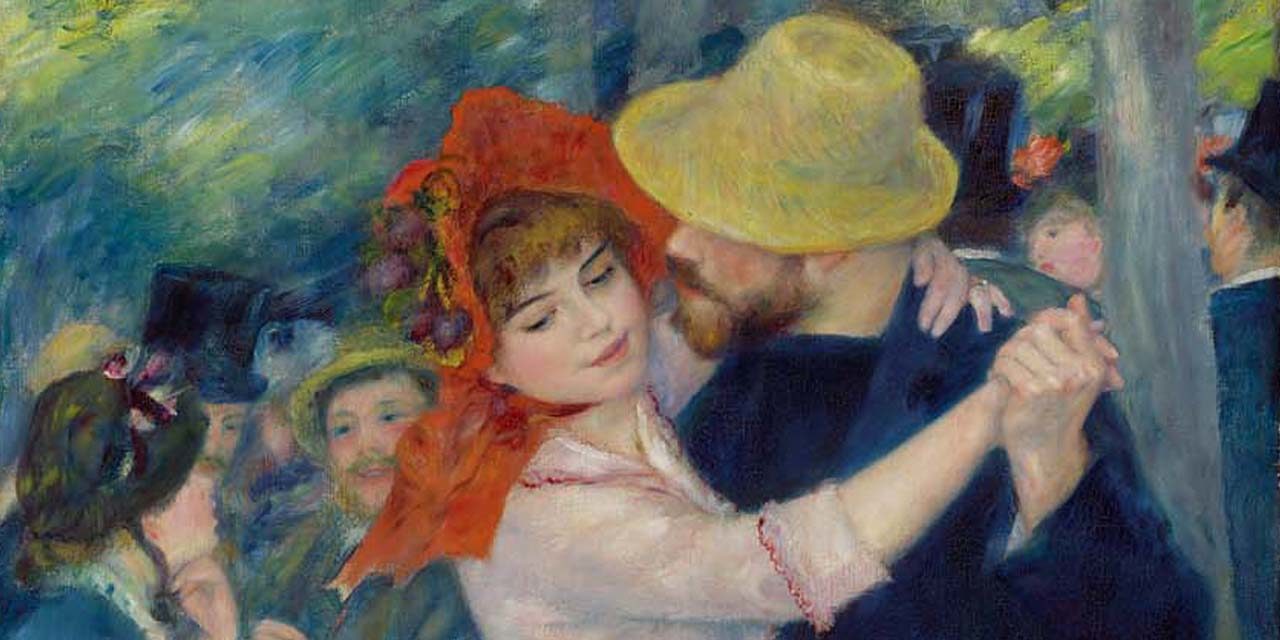
Renoir’s dancers have always charmed me, particularly this couple, from 1883:
But I not necessarily a snooty highbrow. Coequal in my mind is Emma Stone’s “Parisian” dancer: Pure goofiness, and it makes me smile every time. From Saturday Night Live:
And why not dance down the Champs? This Supremes video, from 1965, makes me just a little nervous.
Must not forget Baz Luhrmann’s Moulin Rouge!
Not dancing, exactly, but I’ve always found this video charming.
A spontaneous Gloria Estefan tribute. I love these guys.
Anyway, what led to these thoughts was finding this morning a video that suggests it’s about The Frug, a dance popular when I was a freshman or so in high school. I don’t know that this is the actual Frug, but it’s in Paris, and it’s dancing, and I loved it, too.
One Hundred Years Ago (with additional commentary from me)
February 6
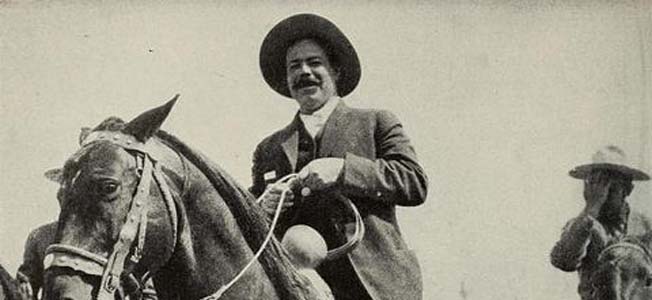
The skull of Mexican revolutionary Pancho Villa is stolen from his grave in Chihuahua. Its whereabouts are unknown to this day. (His widow, Luz, keeps the touring car in which Villa was shot, in 1923, in the front yard of their hacienda. It becomes a planter.)
March 4
A writer in in Budapest commits suicide and leaves behind a note containing a crossword puzzle. The puzzle is yet to be solved.
May 9: Explorer Richard E. Byrd and his Navy Chief Aviation pilot Floyd Bennett claim to be the first people to fly over the North Pole, in their plane named “Josephine Ford,” which, if you ask me, looks far to small to make such a demanding trip.
May 12: Norwegian Roald Amundsen and his fifteen-strong crew fly over the North Pole in their “Norge” airship, becoming the first verified explorers to accomplish the feat. Seventy years later, it’s revealed that “Josephine Ford” had sprung an oil leak and the Americans had to turn back before they reached the Pole.
Damn.
June 23
The first Scholastic Aptitude Test (now commonly referred to as SAT) is administered to 8,000 high school students. The test, based on a World War I aptitude test administered to immigrants, is aimed at keeping Jewish students, disturbingly bright and hard-working, out of Ivy League colleges. I am not making this up.
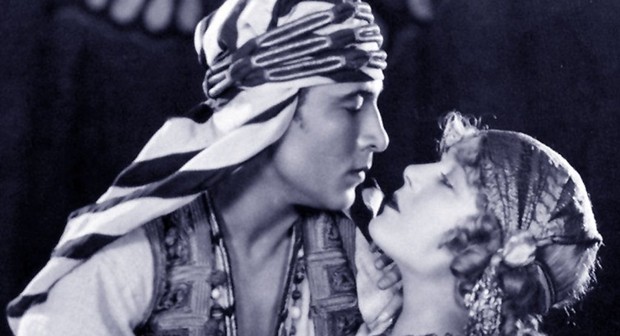
“The Latin Lover” Rudolph Valentino, Hollywood silent movie star, dies suddenly of perforated ulcers, aged 31. His condition is named after him as “Valentino’s syndrome”. The following day, 60,000 mourners cause a riot in New York trying to reach Valentino’s body. (Part of Valentino’s 1921 film The Sheik was filmed in the Guadalupe Dunes.)
September 20
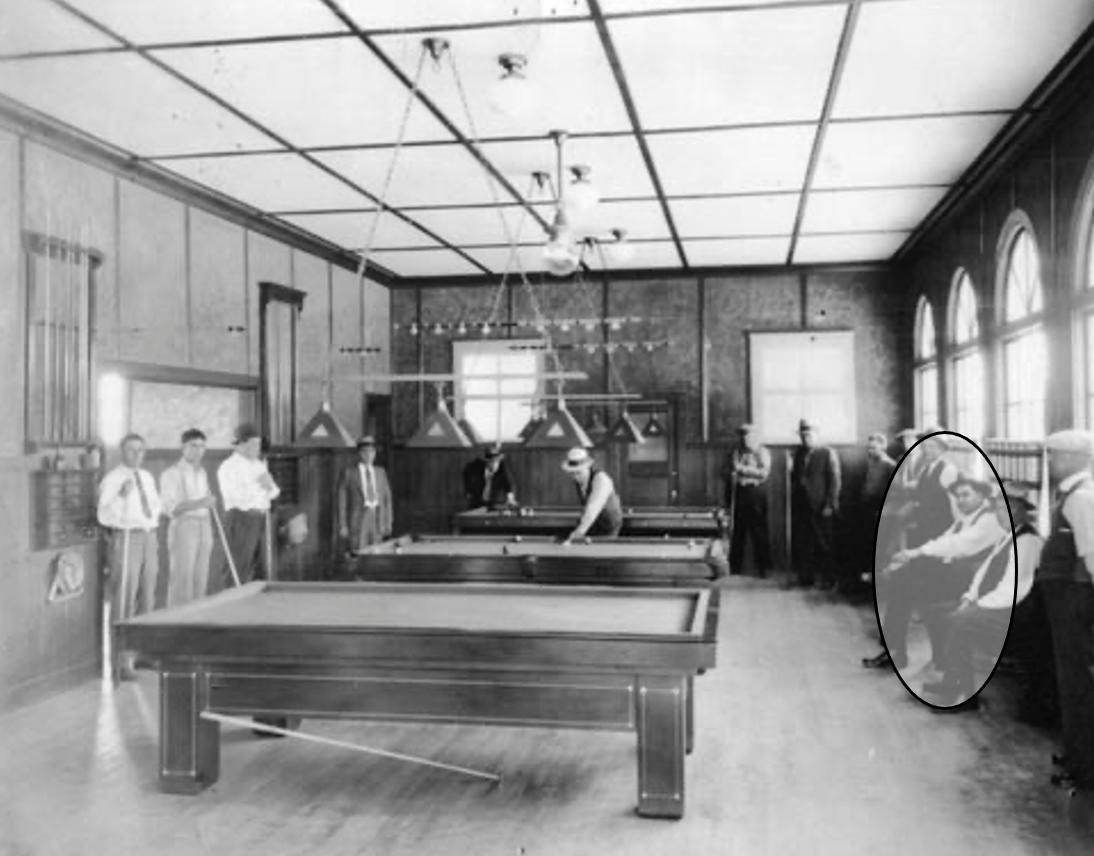
The North Side Gang attempts to assassinate powerful mob boss and rival Al Capone at the Hawthorne Hotel in Cicero, Illinois. Despite over a thousand rounds of submachine gun ammunition being fired, Capone escapes unharmed. (Capone favored the Central Coast as prime territory for bootlegging. By tradition, the photo below shows Capone shooting pool at what is today the Cool Cat Cafe in Pismo Beach. Those windows remain.)
October
6. Against the St. Louis Cardinals, The Yankees’ Babe Ruth hits three home runs in a World Series game, the first player ever to do so.
14. A.A. Milne’s children’s book Winnie-the-Pooh published by Methuen & Co. in London. (Eeyore fan here.)
22. Ernest Hemingway’s debut novel The Sun Also Rises is published. (About bulls but not balls.)
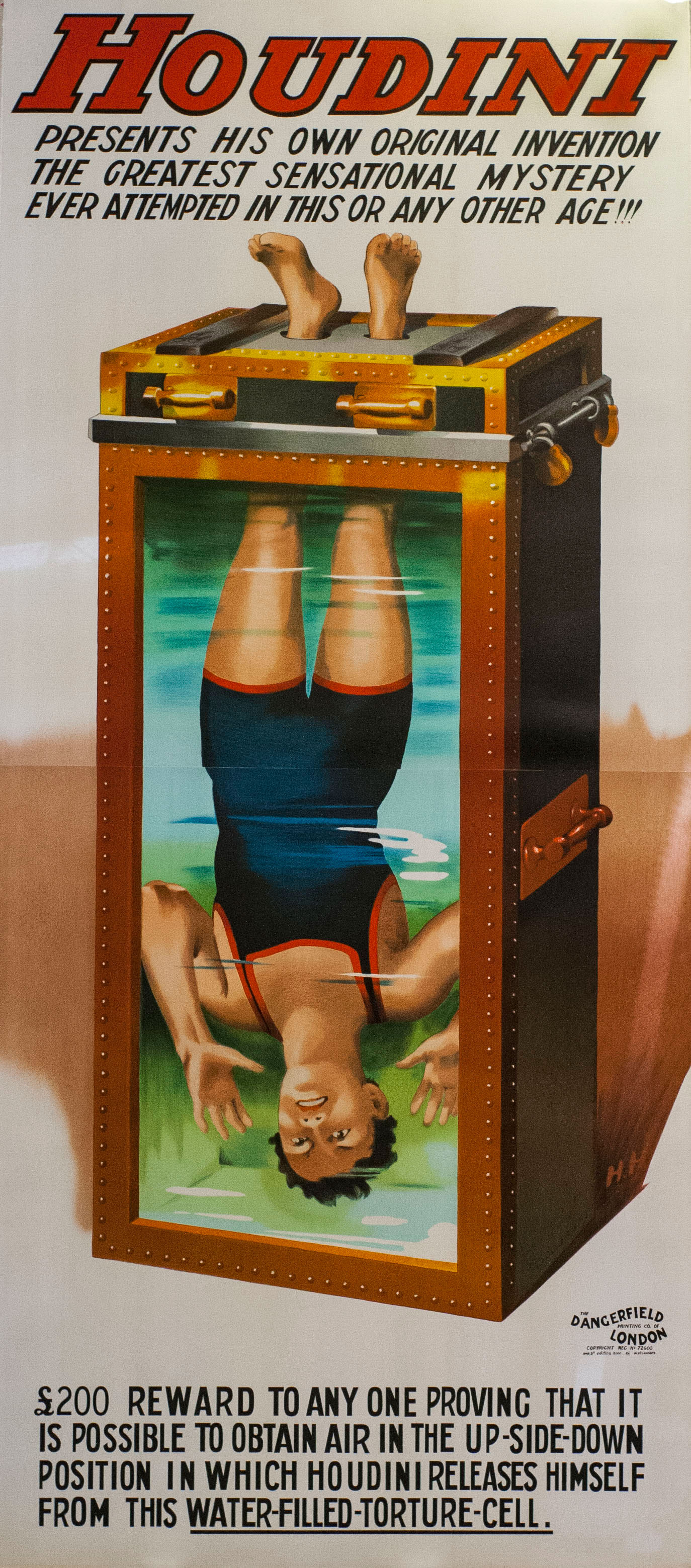
31. On Hallowe’en, escapologist and illusionist Harry Houdini dies from sepsis after suffering a ruptured appendix during a dangerous escape attempt from a water tank.
November
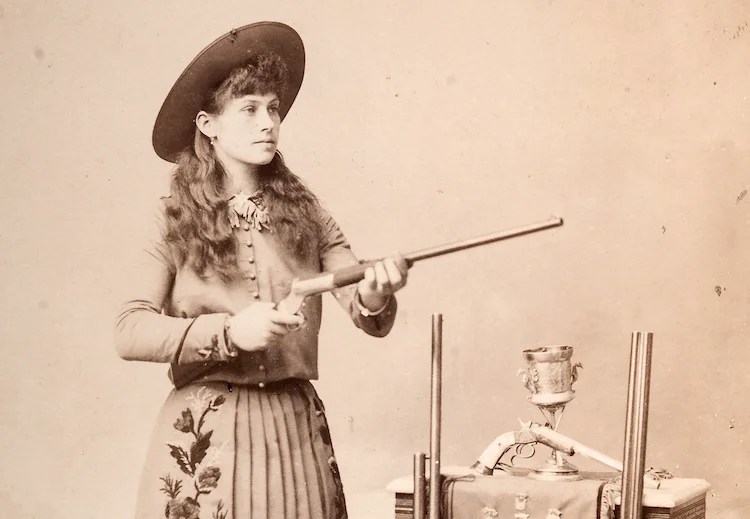
3. Sharpshooter Annie Oakley, star of Buffalo Bill’s Wild West show and later the subject of the musical Annie Get Your Gun, dies in Greenville, Ohio aged 66. (Sitting Bull, who befriended her, called her “Little Miss Sure Shot; the Wild West Show visited San Luis Obispo twice in the early 1900s.)
13. P. L. Travers’ short story “Mary Poppins and the Match Man” appears in The Christchurch Sun in New Zealand, marking the first published appearance of the eponymous character. (Mary’s a Kiwi!)
December
3. Mystery and thriller writer Agatha Christie disappears from her home in Surrey, England. She would be found 11 days later at a spa in Harrogate, purportedly suffering from amnesia.
5. Soviet silent film Battleship Potemkin is released in America, being shown in New York. (The stairway shootout in Kevin Costner’s The Untouchables is an homage to a similar scene in Potemkin.)
11. Adolf Hitler, leader of the Nazi Party, publishes Volume 2 of his manifesto Mein Kampf. (It is the safest place for Germans to hide their money, in that no one has ever read Volume 2.)
31. Buster Keaton’s brilliant film The General–his unlikely hero, a Southerner, steals a locomotive during the Civil War—debuts in Tokyo.
When I was little, growing up on Huasna Road, we had a big stack of yellow vinyl 45 records—the ones with the big holes—and a record player in a box. Mom showed me how to work the record player and how to be careful with the records. I listened endlessly to Disney stories like “Little Toot,” about a tugboat, and “Tubby the Tuba.” (Our sons listened later to “Baby Beluga” and “Gnarly Road Rash” on CDs, and so did Elizabeth and me.
None of those records delighted me more than the stack—it took a lot of 45s—that included The Nutcracker. I was enchanted then and I still am, a feeling only heightened from my niece Emmy’s performance as a gumdrop at the SLO Ballet’s production awhile back. That’s me and Emmy. Note the expression on my face.
Anyway, a berserk sugar plum fairy nearly knocked Emily off the stage. She started to cry, caught herself, and carried on. She graduated from NYU with a degree in Drama and that courage I first saw in “The Nutcracker” has marked her all her life. Her grandmother, my mother, would have adored this young woman.
Back to the yellow records. I think I played The Russian Dance, agonizingly brief, so much that the vinyl became transparent. Normally the dancers are male, but this Bolshoi version, and I guess they should know, includes a ballerina. Good call, Bolshoi Ballet.
This music was my second-favorite passage. Balanchine choreographed this version. Wow.
The Arabian Dance, with those mysterious reeds and strings, was another beloved passage. These dancers, from the City Ballet of Singapore, are extraordinary.
The same dance, from 1986 and the Pacific Northwest Ballet, is immensely tragic. The dancer is Maia Rosal.
Clara finally gets a shot in “Dance of the Reed Flutes.” You go, girl!
This is sacrilege, to be sure, but I’ve never cared for the finale–“The Final Waltz and Apotheosis”–which is supposed to be all erotic and stuff. It’s pretentious, like its title, it doesn’t fit the rest of the ballet, and, if I were the stage manager, I’d prepare the stage with some strategically-placed dog poops. Especially for these blondies.
Someone posted the opening to Breakfast at Tiffany’s this morning and I was struck, once again, by its excellence. You had Mancini, New York in the early morning, Audrey Hepburn, that dress. It was, I think a perfect homage to begin a kind of American tour.
New York City
Mike Nichols, the ferry, the incredible camera work, and this glorious Carly Simon song. The Twin Towers still live in this film, and the sight of them still breaks my heart.
The American South
Places in the Heart, set in the Great Depression, was also evocative of my Dad’s growing up on the Ozark Plateau. This lovely hymn carries this film’s equally lovely visual essay about a small Southern town in the Cotton Belt.
New England
The premonition of a fisherman’s wife, and then the boats come in safely. From A Perfect Storm.
“The March Family seemed to create its own light…” The 1994 version; I’m especially fond of Gabriel Byrne’s German Romantic, who suddenly and instantly connects with Jo, steeped in Transcendentalism. Susan Sarandon is perfect, and I think the backdrop to this winter scene would’ve been the December 1862 Battle of Fredericksburg, in which the Union suffered enormous casualties.
Oregon
Milos Forman’s use of the musical saw and the dark landscape reminds you that, for all the fun you’ll have, this is an immensely tragic film.
The Great Plains
The master of this part of America is Terence Malick, first in his fictional treatment of the Charlie Starkweather murders in the 1950s Dakotas, then in his account of the immigrant experience in Days of Heaven. Gassenhauer’s “Street Song” has stayed with me ever since this opening sequence. Martin Sheen’s cowboy boots are impudent. The marvelous homage to this film is Wes Anderson’s Moonrise Kingdom.
The Shining is terrifying on many levels, but, to me, the Montana opening, from the air, is even scarier that “All Work and No Play Will Make Jack a Dull Boy.”
West Texas
The landscape’s evocative, and who better to narrate than Tommy Lee Jones, from No Country for Old Men. (Jones’s own film, The Three Deaths of Melquiades Estrada, in a similar locale, is superb.)
L.A.
What a contrast: Billy Wilder’s in Sunset Boulevard, with the voice of William Holden, already dead, and the freeway scene from La-la Land.
San Francisco
It’s studio-shot, but you can’t escape the bridges and the bay. And the chase scene so skillfully sets up the detective Scotty’s phobia. Poor James Stewart. A film full of evocative San Francisco street scenes and some cool vintage cars, too.
Long-ago America
In The Last of the Mohicans, the foot-chase is thrilling and tragic; the prayer to the fallen stag is profound. Malick strikes again in The New Land, whose opening sequence—about innocence about to be lost— might be the finest of them all.
One cheater, because it’s near the opening.
From Baz Luhrmann. Stunning.
“In Progress” because I’ll probably think of another dozen places and another dozen films.
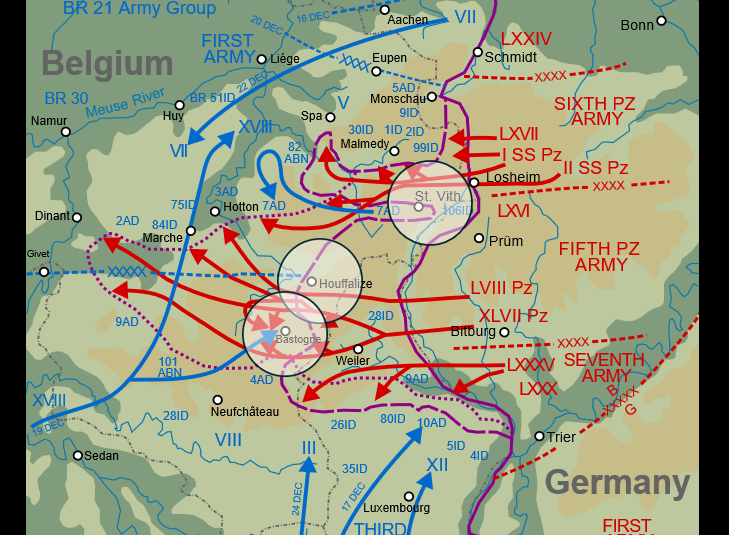
The “Bulge,” in the dotted line, indicates the depth of the German assault, intended to drive a wedge between the American and British armies and drive to the Channel.
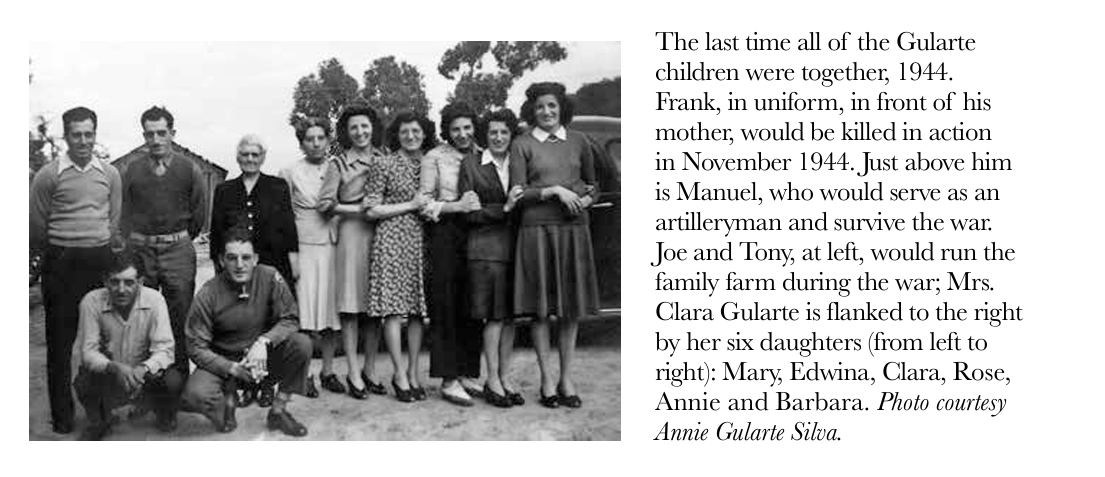
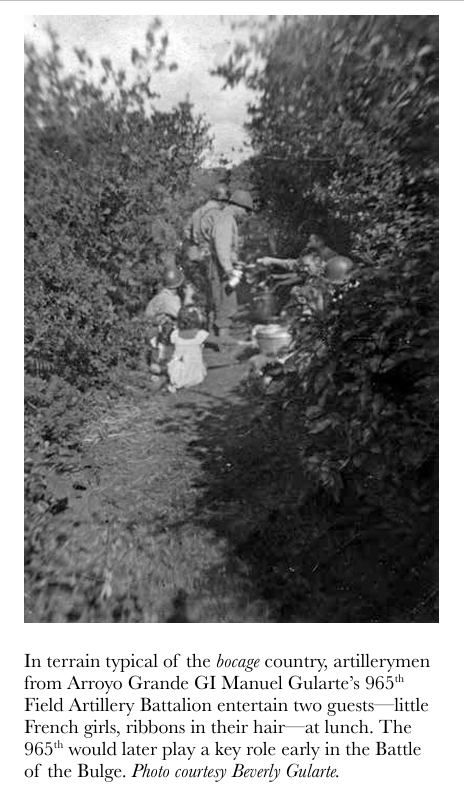
Manuel Gularte, Arroyo Grande, 965th Artillery Battalion
The 965th provided fire support at the town of St. Vith for the 7th Armored Division and the 106th Infantry Division. Their fire and the resistance of the two divisions stalled the German attack at its onset, which later took its toll as German tanks and trucks began to run out of fuel—by now, Berlin taxis were running on firewood. Oil had never been a German resource, which led to HItler’s Russian debacle. This was his Western Front disaster.
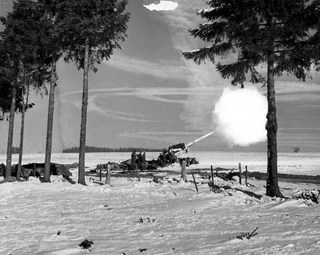
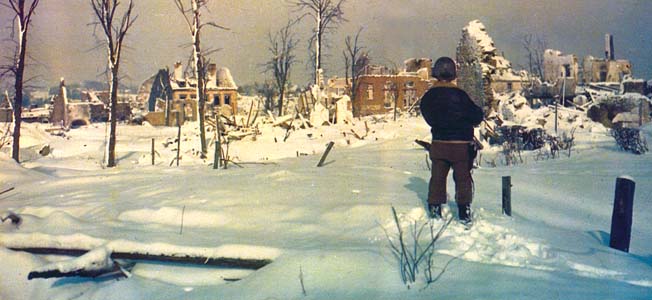
A 155mm “Long Tom” fires a round in the Battle of the Bulge.A G.I. in St. Vith.
Art Youman, Arroyo Grande, 101st Airborne
The “brothers” were Easy Company, 506th Parachute Infantry, 101st Airborne, and Youman, before the war a firefighter at Camp San Luis Obispo, was among them. He’d been promoted to Sergeant by Easy Company commander Dick Winters in Holland in September, and now the 101st was being asked to hold Bastogne, a Belgian town awash in the German advance. Their stand, during the coldest winter in Europe in thirty years, was, like St. Vith, a critical fight, diverting German forces determined to wipe the Americans out. They failed.
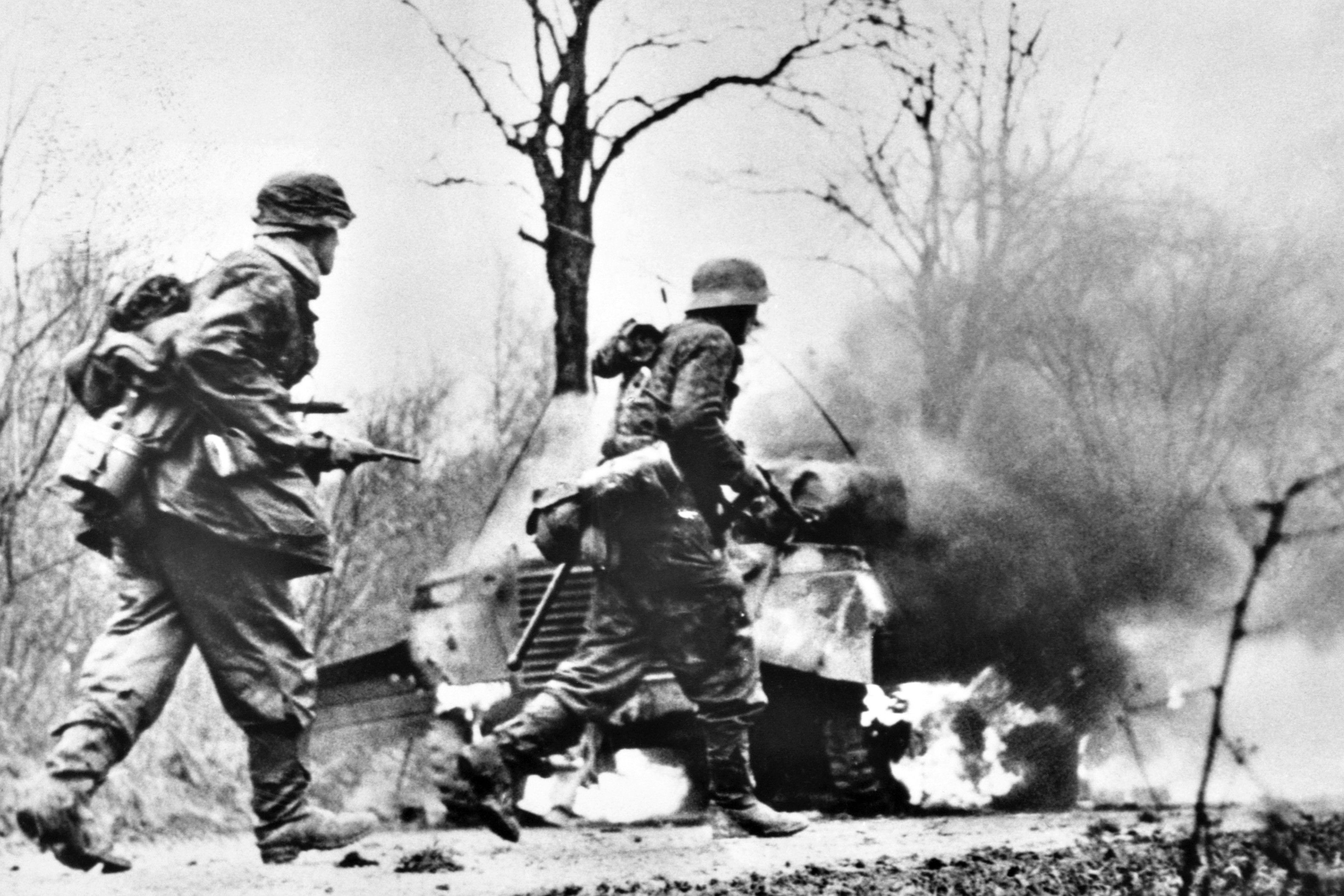
German infantry during their offensive.
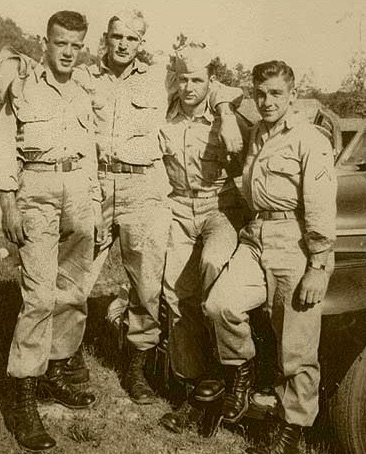
Youman, second from left, during Easy Company training.
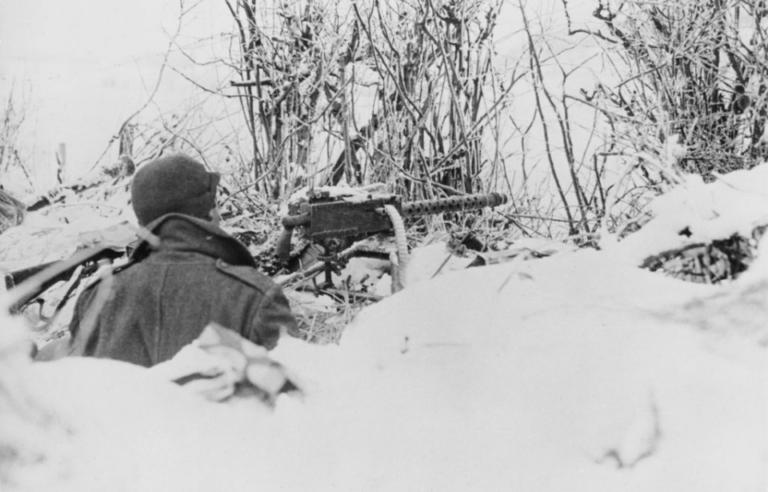
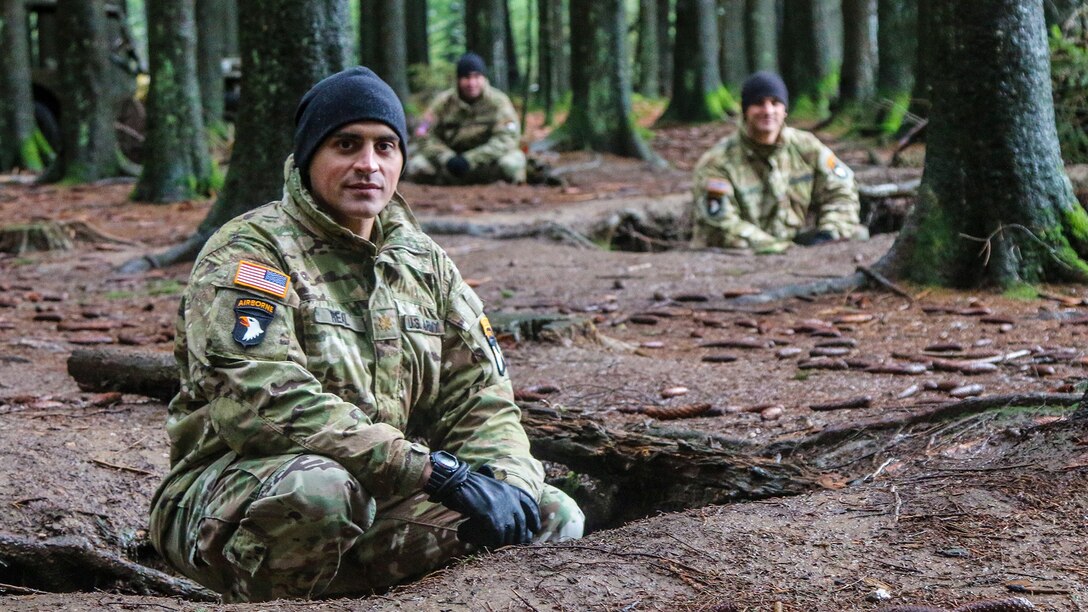
(Above): A 101st machine gunner in his foxhole; 101st soldiers in the 1944 foxholes their comrades had dug. This photo was taken 75 years after the Bulge.
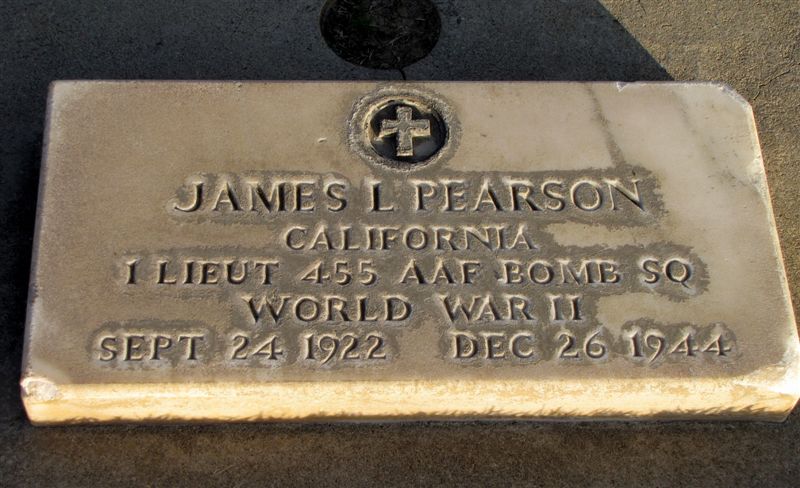
James Pearson, Paso Robles, 455th Bomb Squadron, 323rd Bomb Group
(Above: Houffalize, Belgium; a German Panther tank in the town center suggest this town’s importance in the Battle of the Bulge.
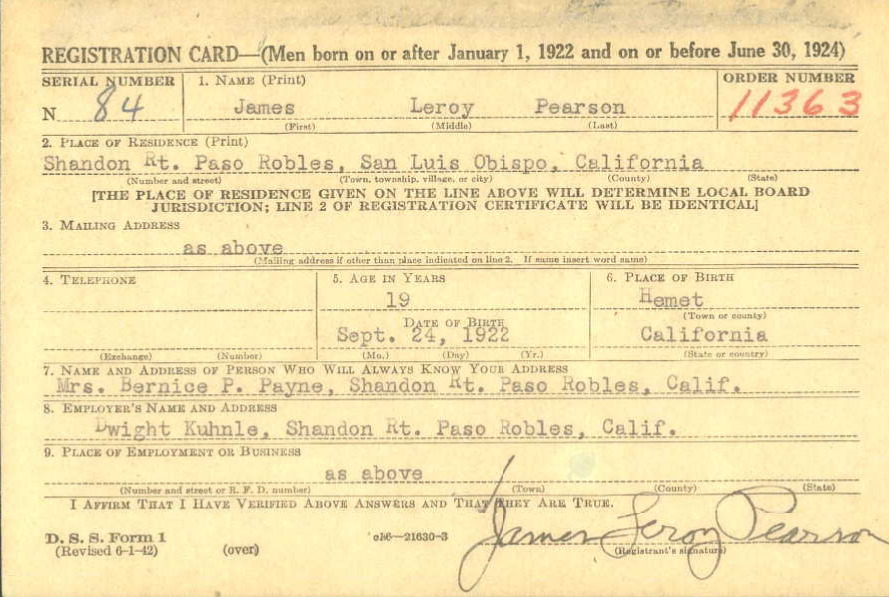
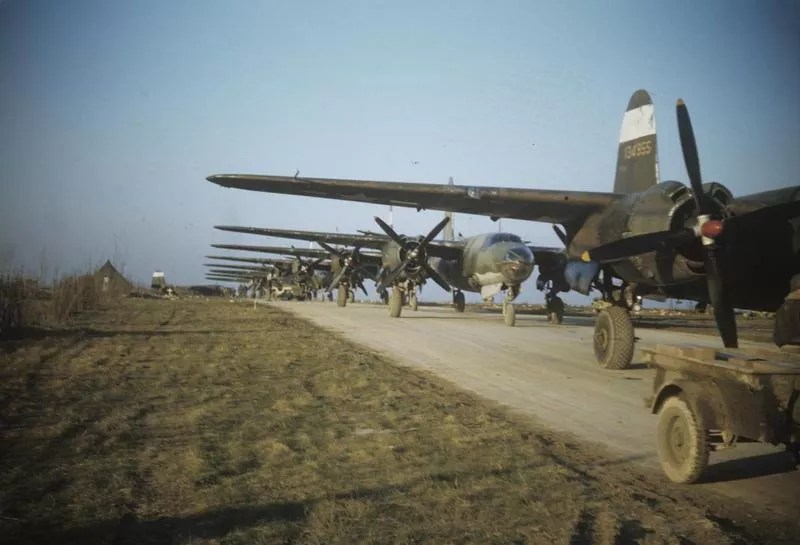
Another key turning point in the Battle of the Bulge was the lifting of a stubborn overcast, which allowed American airpower to assert itself. One medium bomber that participated in this effort, a Martin B-26 Marauder, had a crew that included 1st Lt. James Pearson, the navigator. On December 26, 1944, that aircraft, “Mission Belle,” was shot down over this beautiful town. There were no survivors.
Pearson’s draft cardHe is buried in Hanford
“Mission Belle,” with an earlier aircrew, February 1944. The aircraft flew 149 combat missions.“Belle” at the right edge of this photo, taking off from Laon, France, in December 1944, the month Pearson was killed.
(Below): B-26 Marauders from Pearson’s bomb group–the “White Tails”–over Germany. The video’s music is touching, as is the sight, far below the Marauders, of P-38 fighters, which have connections to the Central Coast. You hope they are safely headed home.















 A Work in Progress