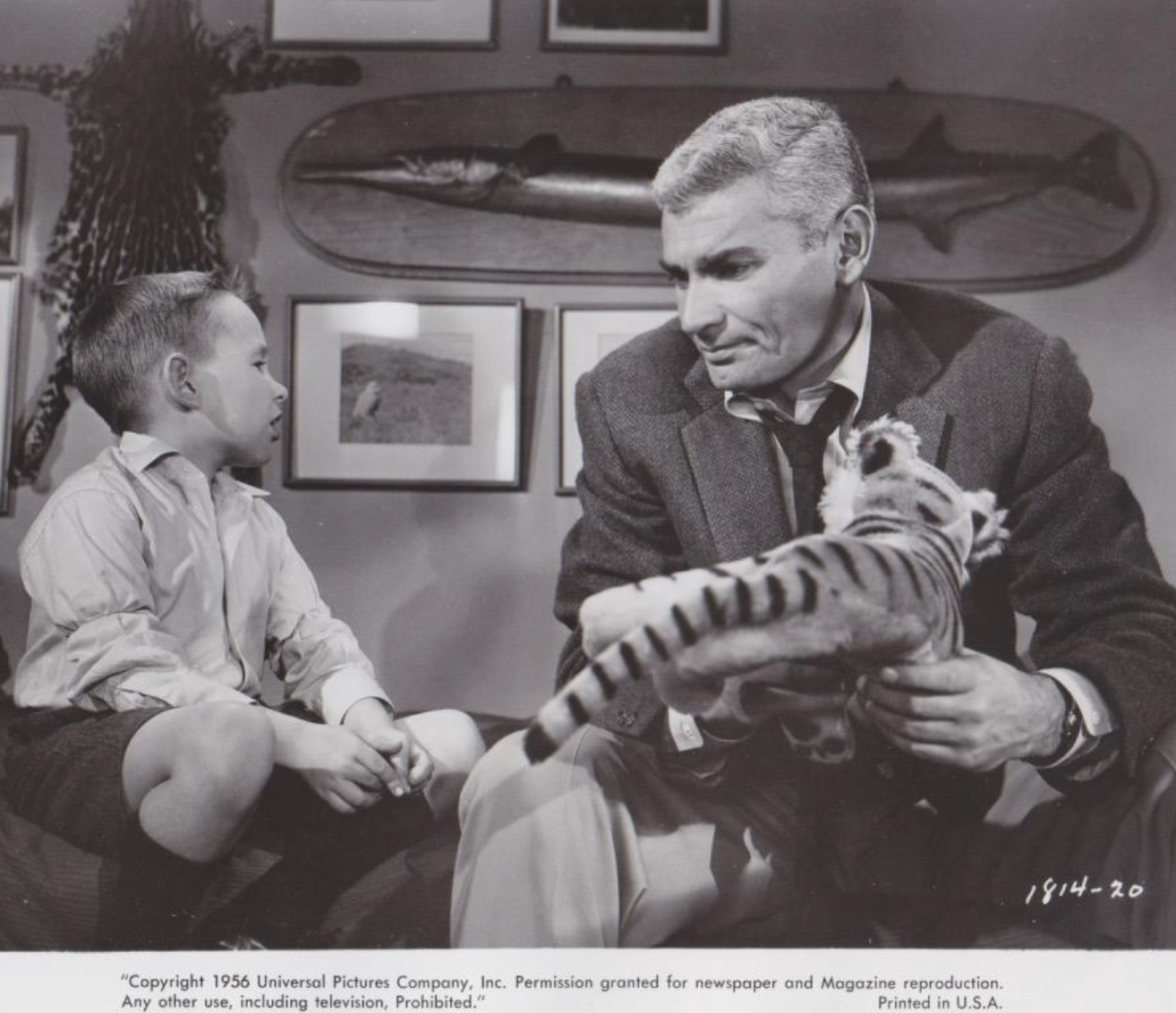
In 1956, Mom took me to the Fair Oaks Theater—just a short walk from where me and my family live today—to see a romantic comedy, Toy Tiger, starring Jeff Chandler.
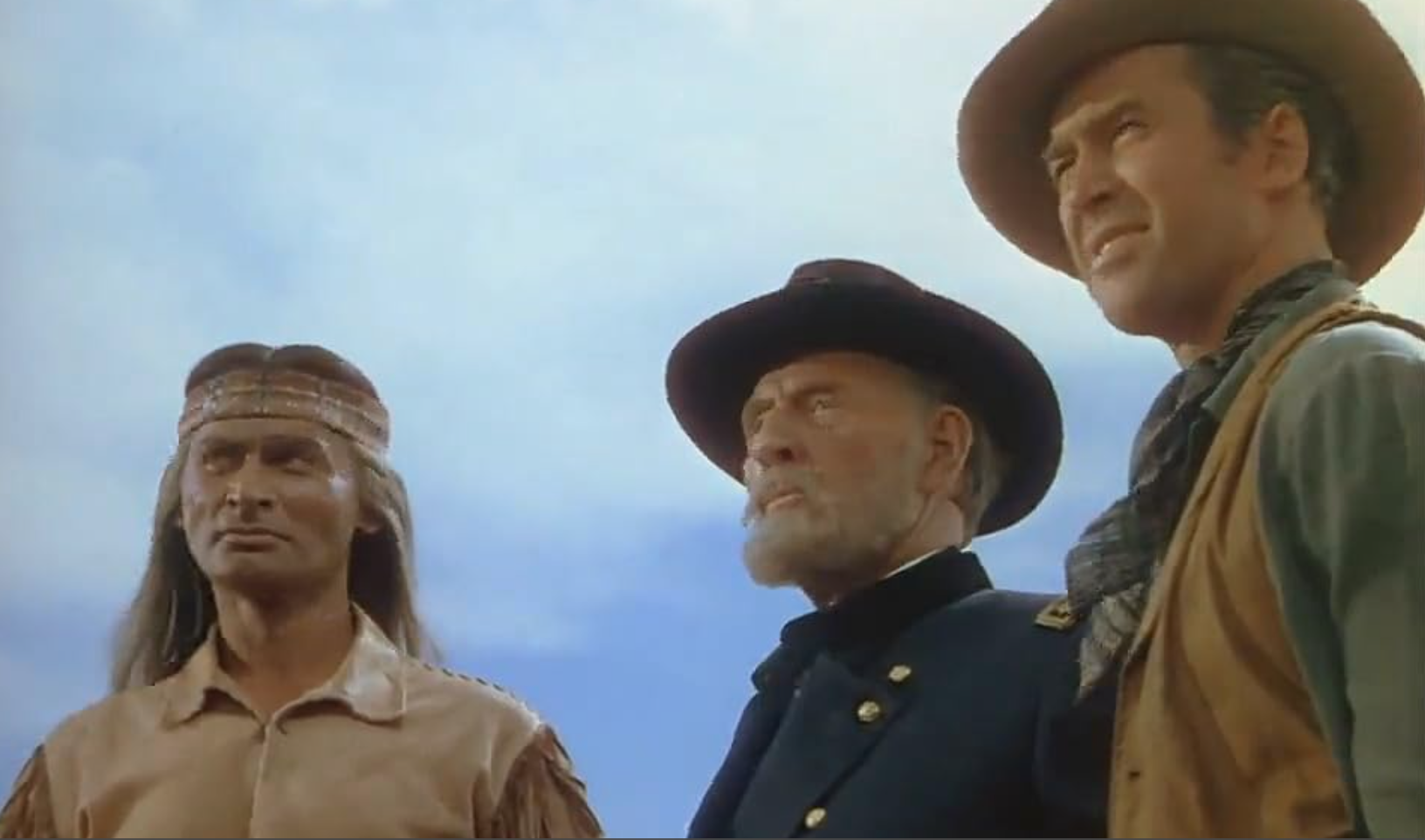
Chandler was not your romantic comedy kind of guy. Usually he was a Marine officer leading his rifle platoon onto a Central Pacific beach, or a lawman protecting a frontier town from evil gunslingers or an Apache chieftain. He was an awesome Apache chieftain.
Jeff Chandler, Basil Somebodyorother and James Stewart in Broken Arrow (1950).
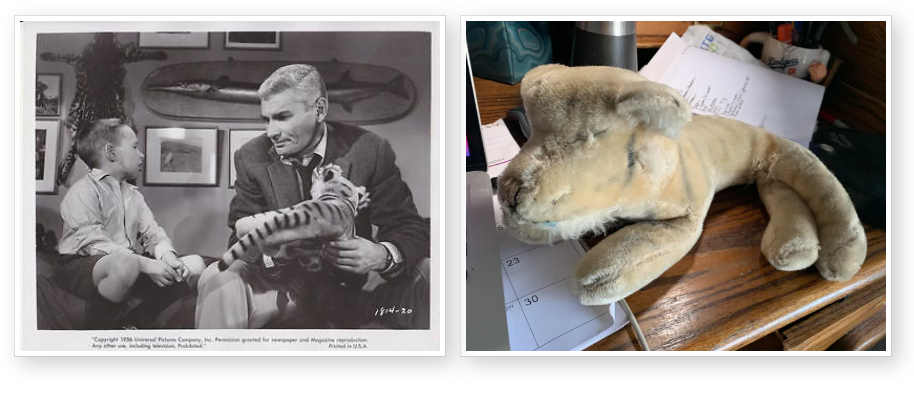
But the Toy Tiger in the film was an early experiment in Hollywood merchandising. I don’t think the Scarlett O’Hara whalebone corsets went over so well. I fell for this one. Hard. I think he came into my life at Christmas.
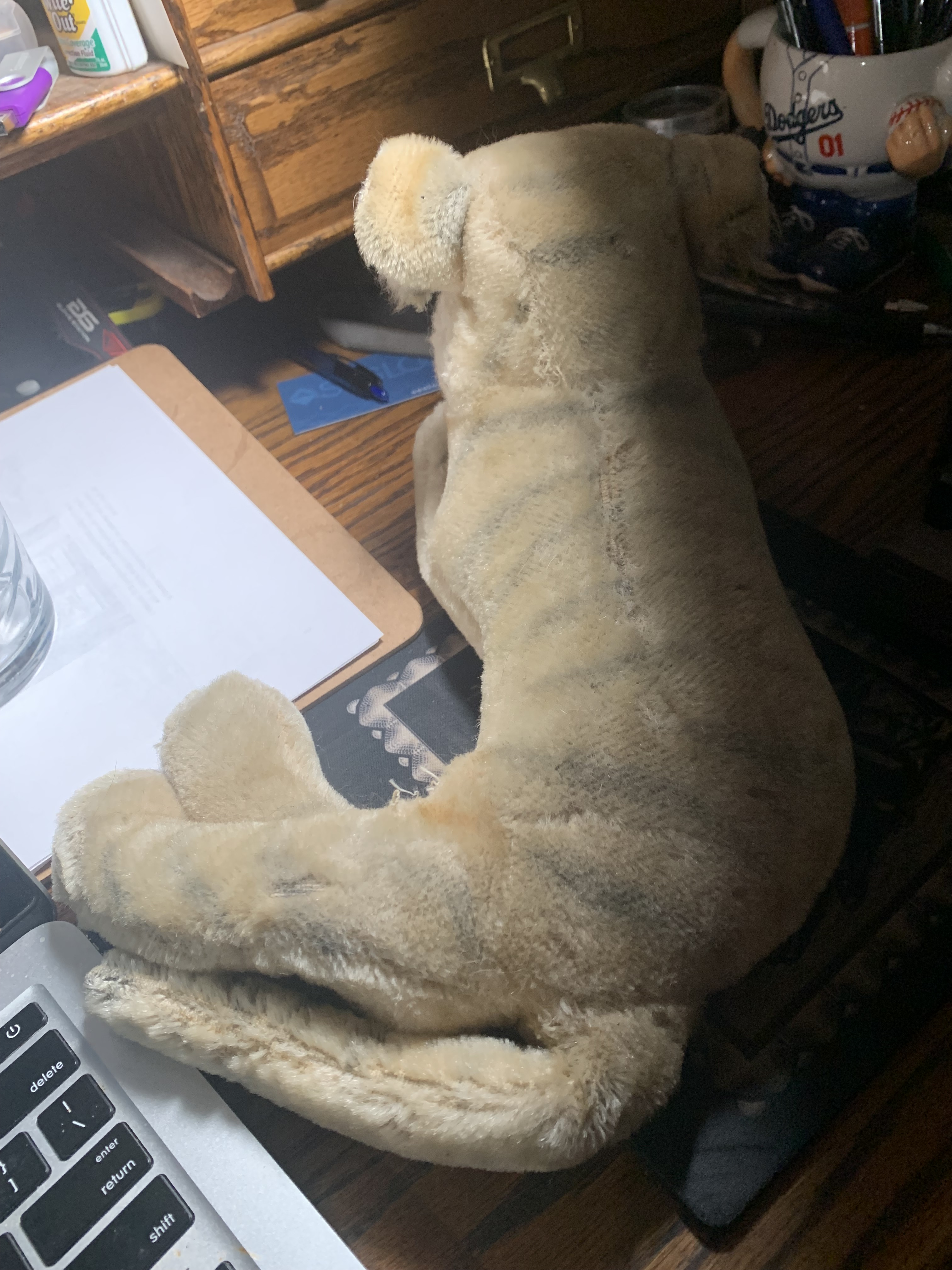
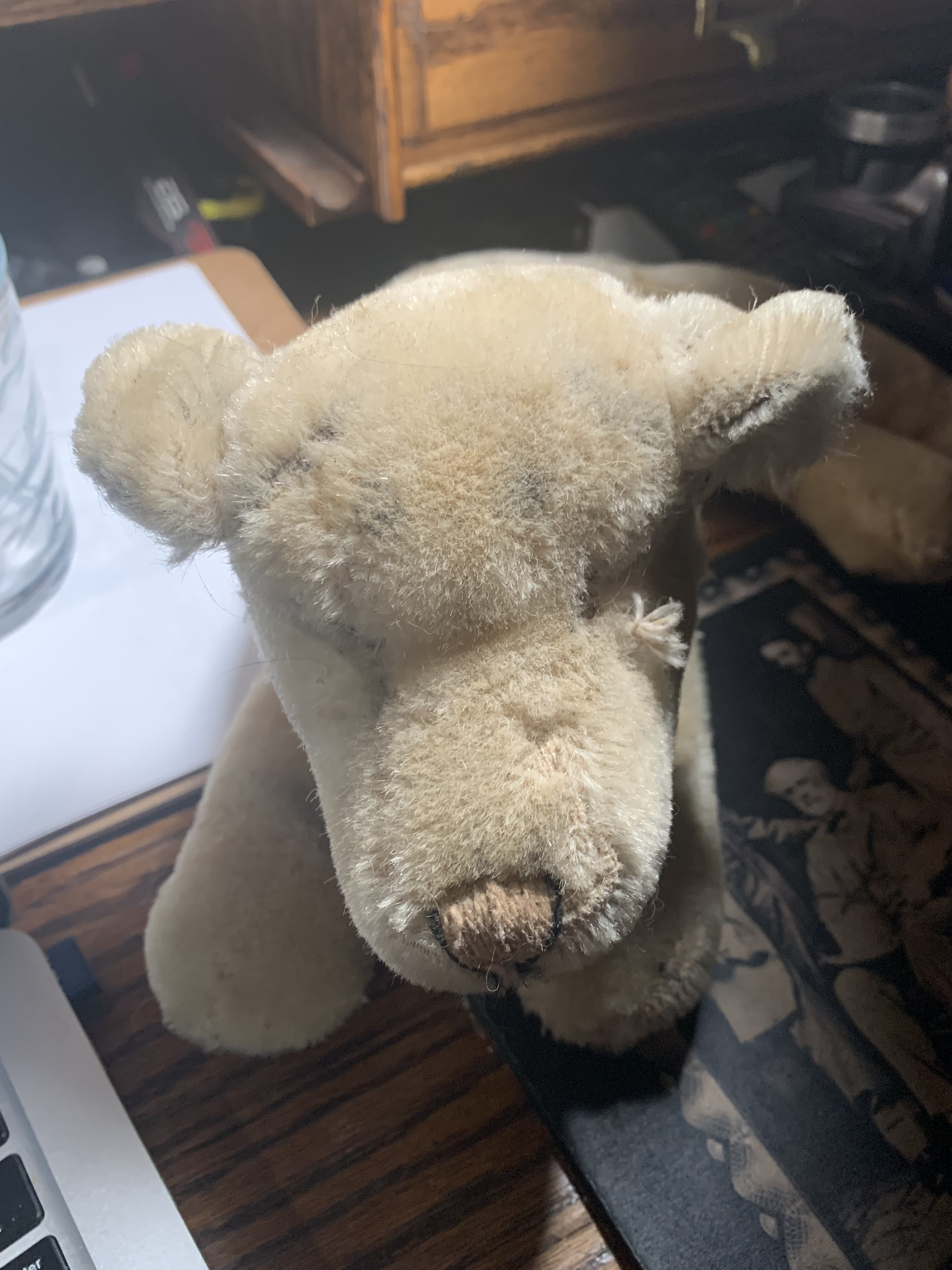
That’s the original Toy Tiger in the film still above and this is mine, sixty-seven years later. He’s blind and faded and some of his stuffing is starting to come out, but he’s always within reach, just above my computer. I needed him when I was four.
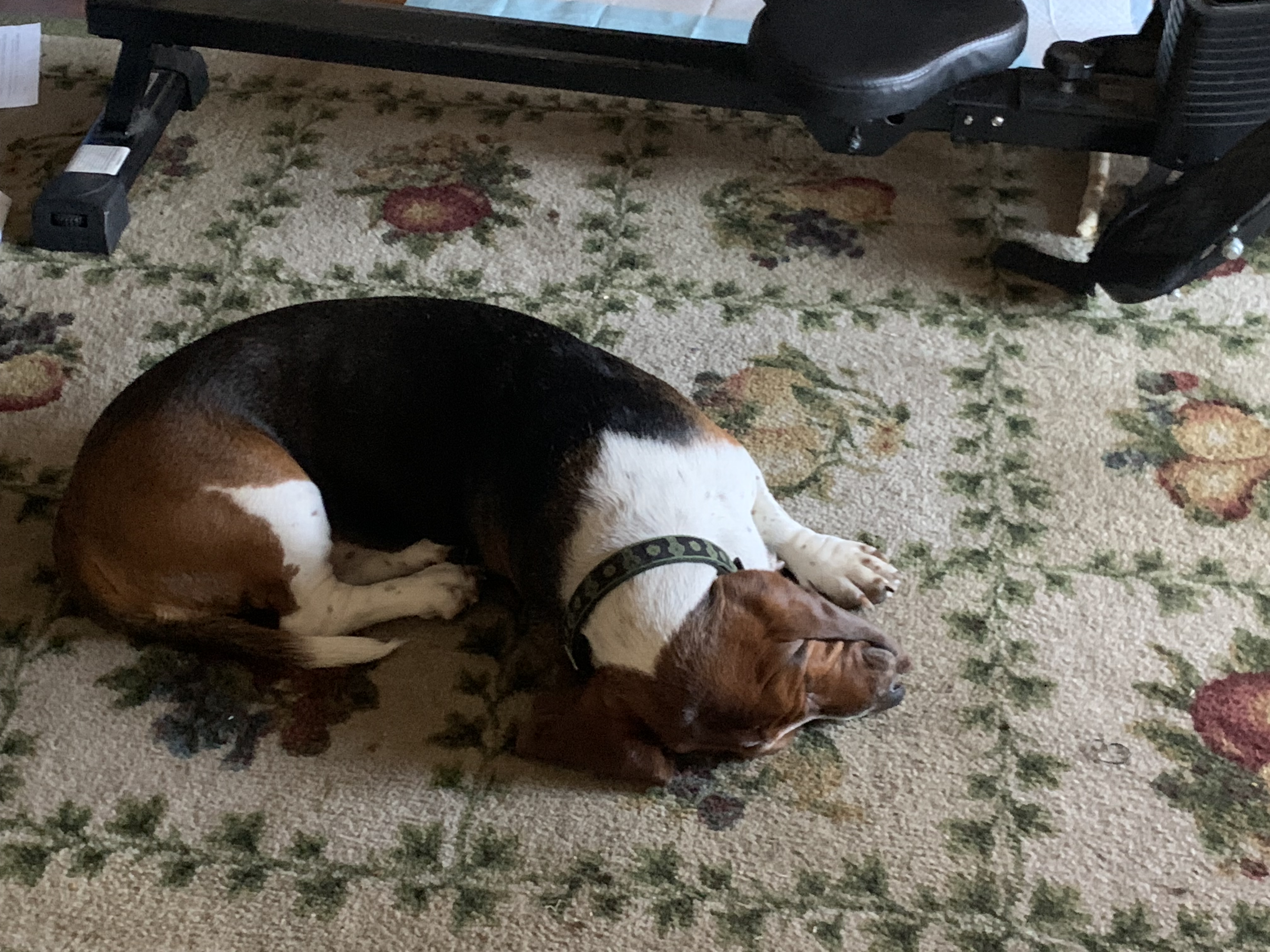
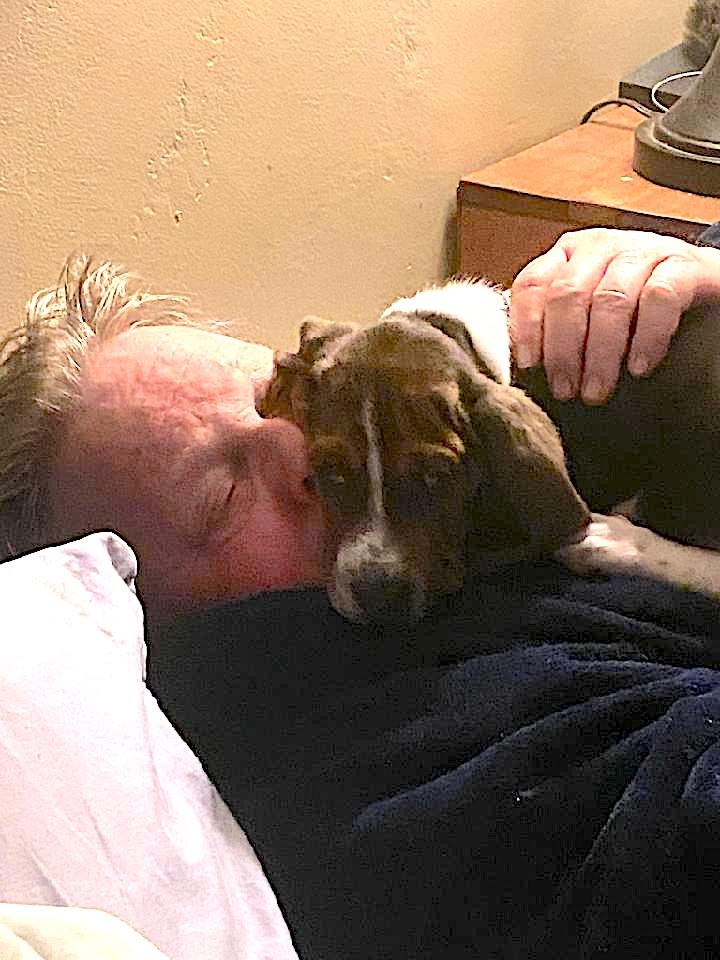
Walter fills a similar need today. Sometimes in the middle of the night I will feel a very cold Basset Hound nose pressing into the nape of my neck. It’s Walter sniffing to make sure I’m still there. I’ll turn over and gather him next to me and then we go back to sleep.
Walter doesn’t know this—-wait, maybe he does—but he makes me feel just as safe at seventy-one as Toy Tiger did when I was four.
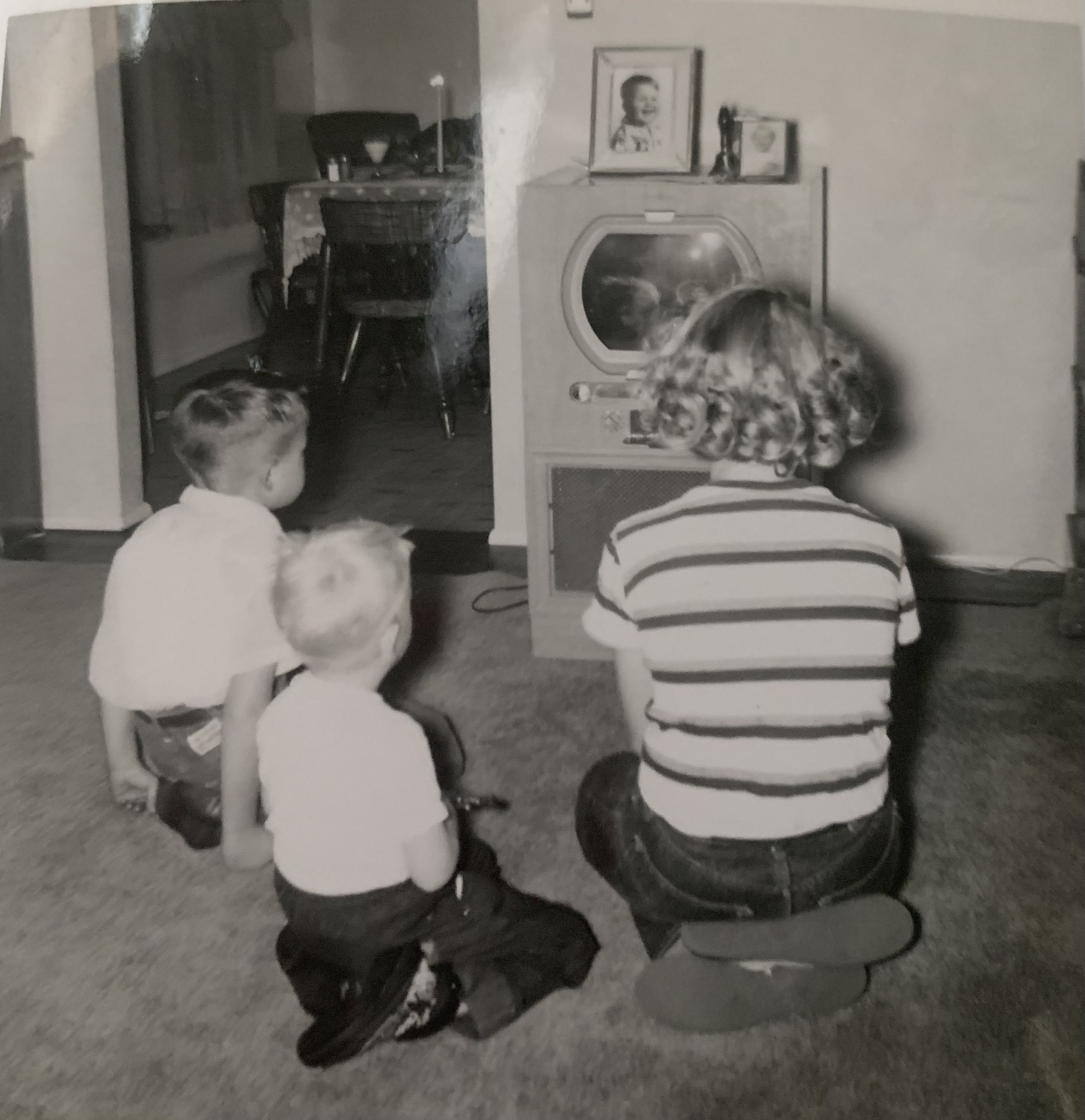
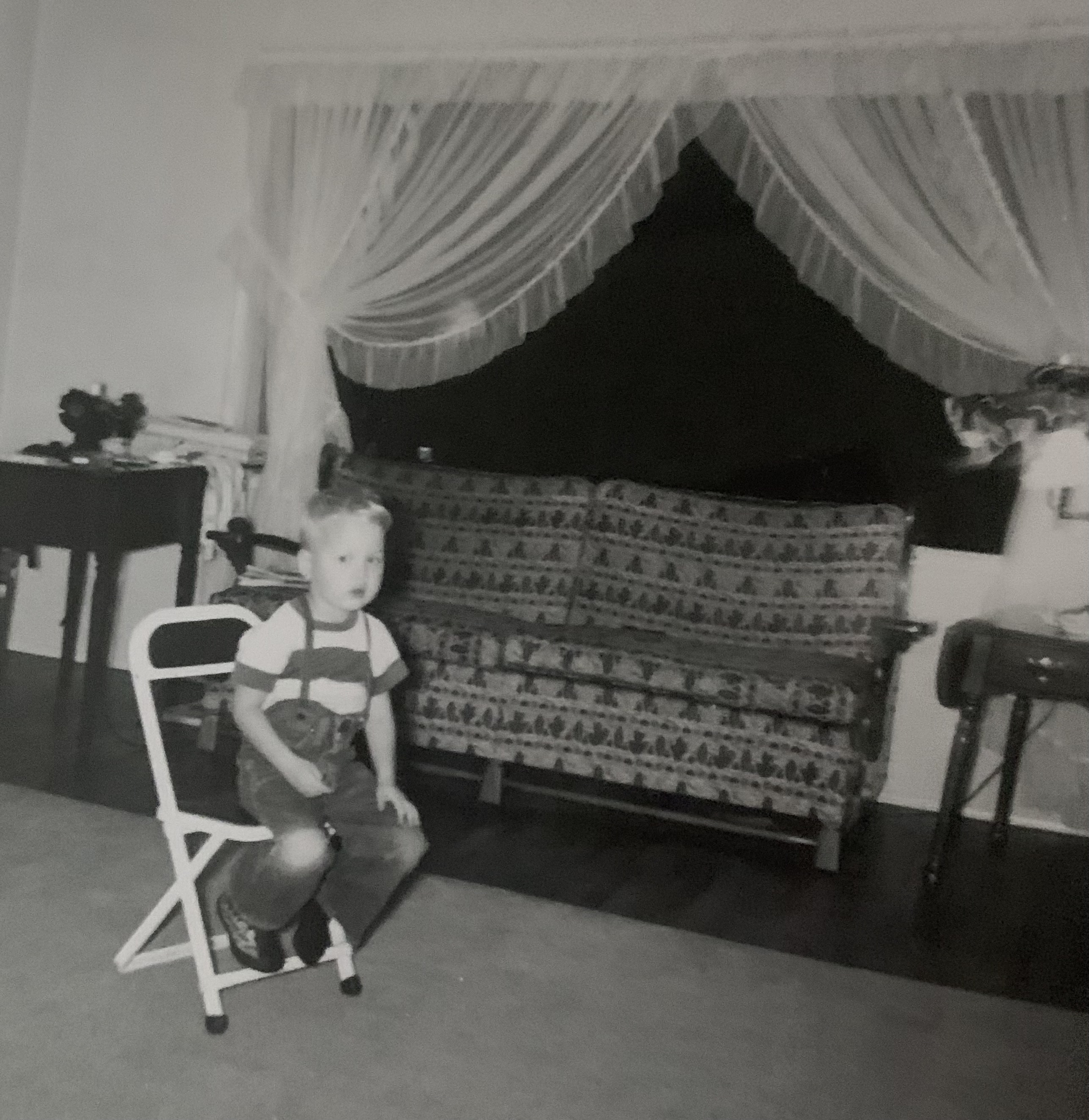
This was taken in 1956, when the as-yet-incomplete Gregory family (Sally would debut later, when we lived on Huasna Road) lived at 1063 Sunset Drive.
In the first photo in the gallery below, it appears that I have just been informed that the Soviets have the hydrogen bomb.
Either that or Bishop Fulton J. Sheen was on TV. He appeared fully vested and berobed, complete with skullcap. I think I confused him with Count Dracula.
I didn’t realize for years that Sheen was a kindly man whose spiritual bent tended toward the optimistic.
Or it might’ve been another favorite show of theirs, Liberace. He scared me, too.
Here’s a little video that helps to demonstrate why.
Note Mom’s Singer showing machine, behind me at left.
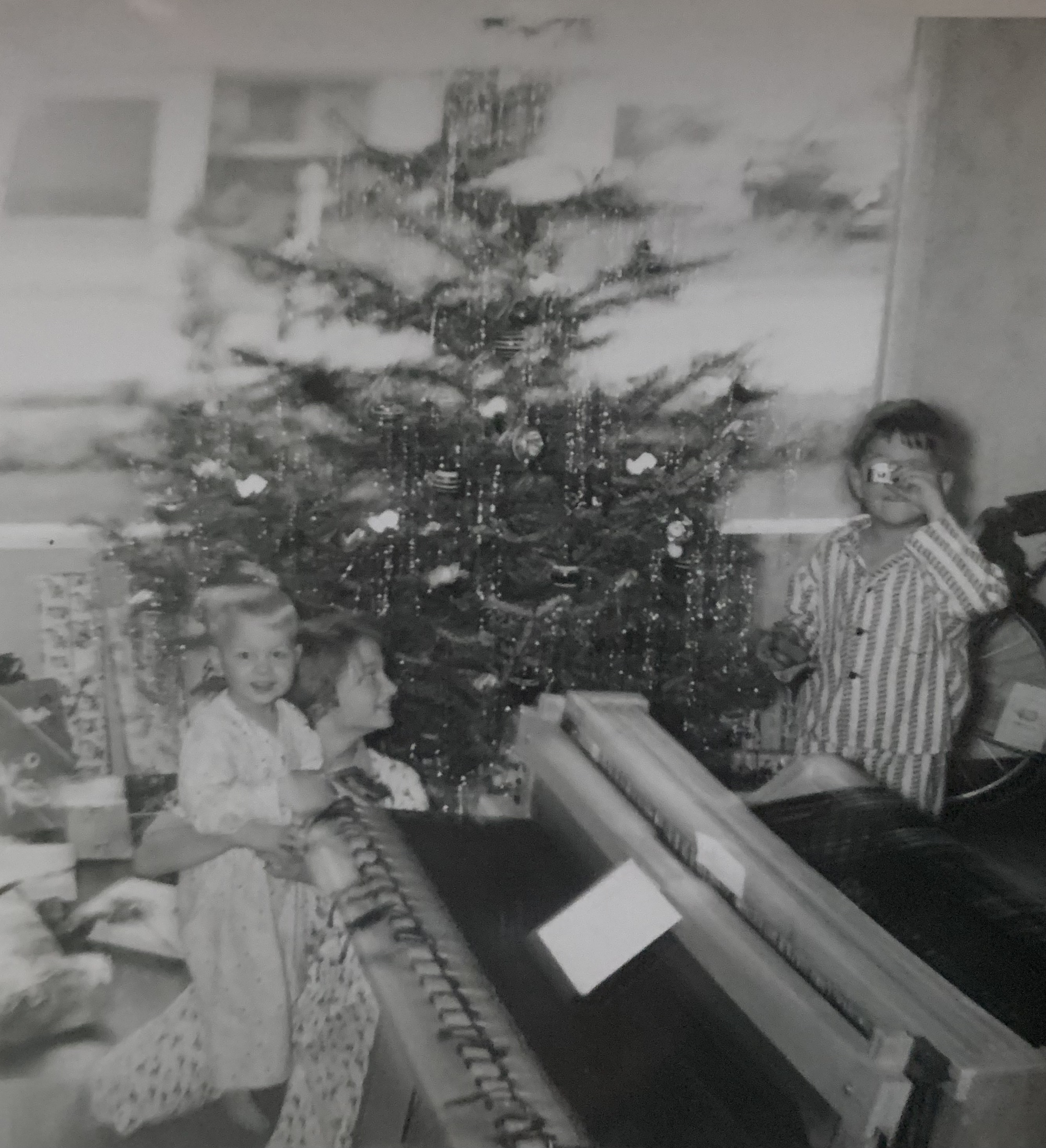
She also had a loom. Since the Industrial Revolution began in textiles, that made teaching that topic so easy for me fifty years later. I could explain power looms and flying shuttles and spinning jennies. The loom was a Christmas gift, seen in the photo above.
And Mom was kind of an artist: knitting, sewing, weaving, crocheting, a little needlepoint here and there.
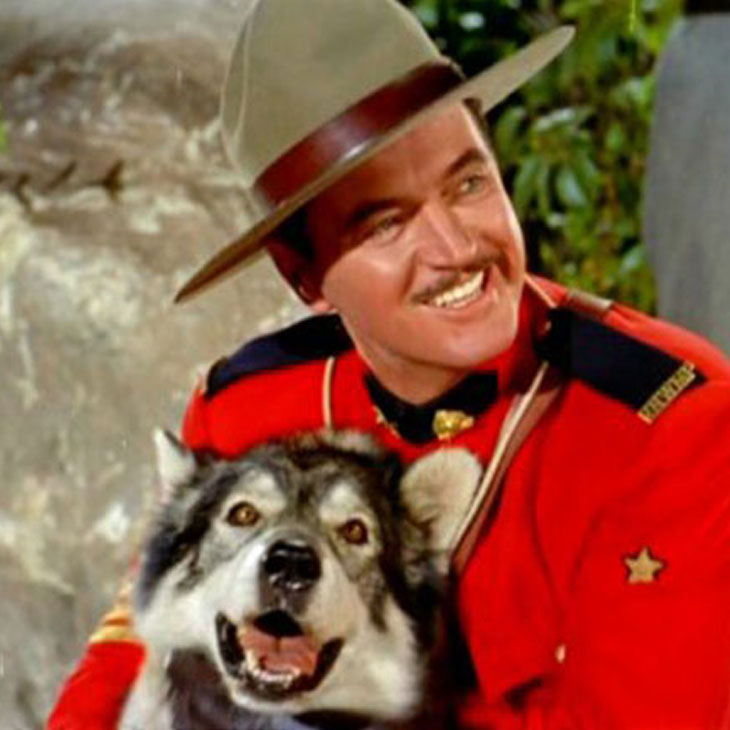
That is a washing machine we are watching in the photo at the top of the blog enrtry. We were simple folk. Just kidding. Sgt Preston of the Yukon must be on. With his dog, King.
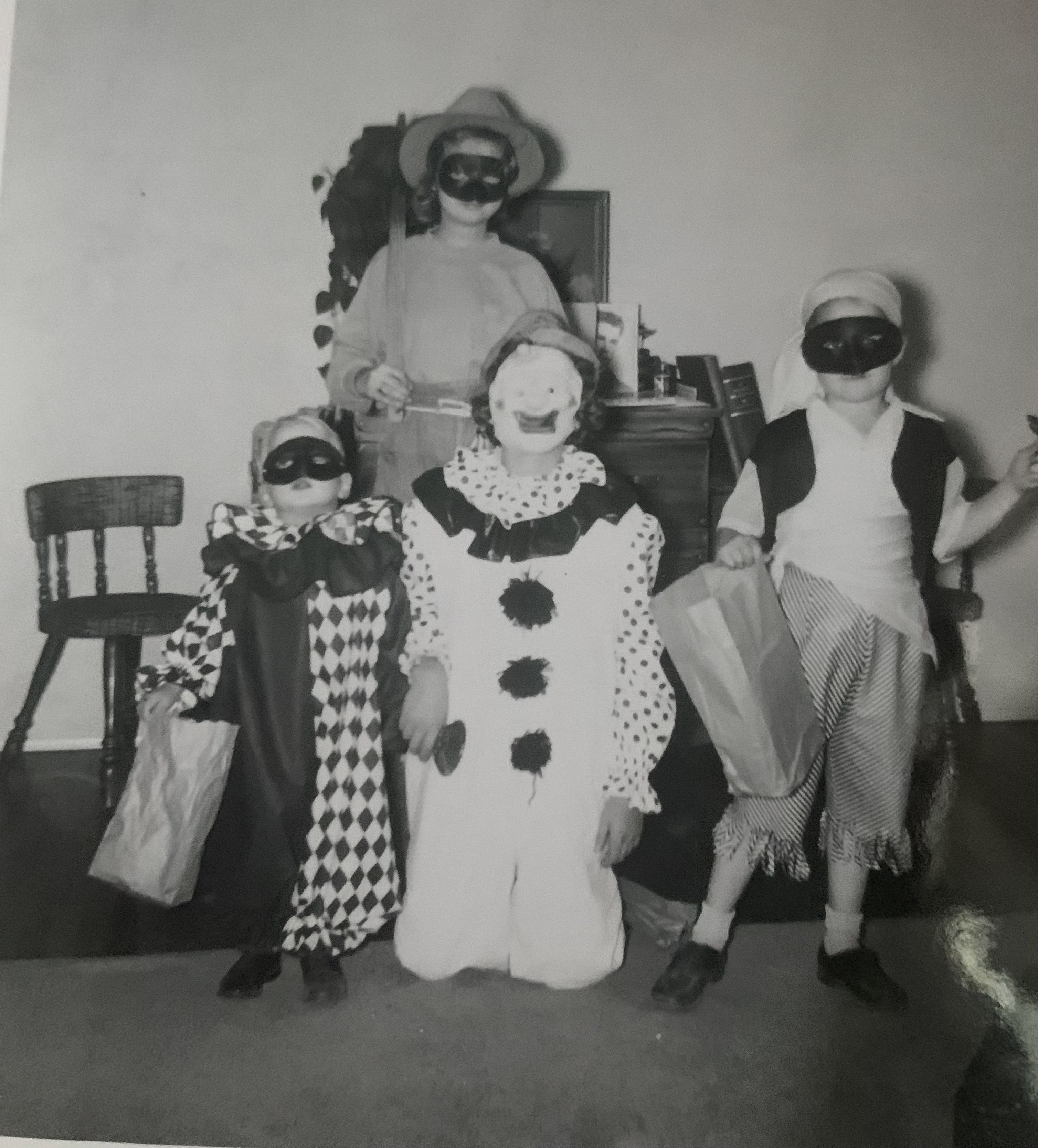
That’s me, Roberta as a hobo and Bruce as a pirate at Halloween. Roberta’s wearing Dad’s beautiful felt hat, which were just out fashion. That makes me sad. Men’s hats are one reason I love old movies so much. The other clown, holding my hand, was all grown-up. At least twelve. She was very kind to me.
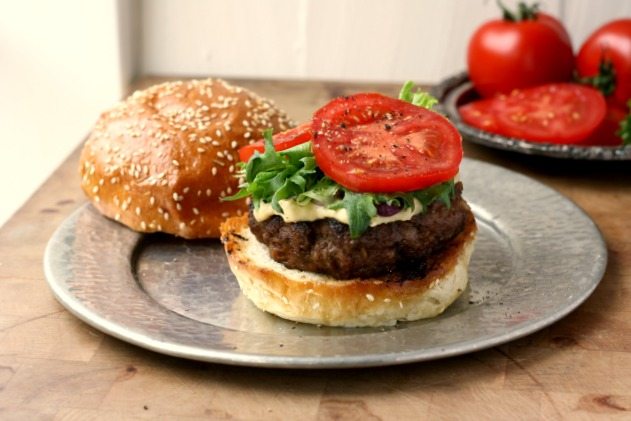
Once Mom and Dad went out on a date and dropped me off at another very kind person’s house, an older lady (meaning ten-fifteen years younger than I am now.) She made me hamburger. She put a tomato slice in it. I shrugged and took a bite. When my parents came back to pick me up a couple of hours later, I was still raving about how good tomatoes on hamburgers were. Elizabeth pointed out that it probably was a home-grown tomato, because they taste so much better than the store-bought once, and I bet she’s right.
Once it snowed. Once I ran out the front door and realized I hadn’t put on my pants yet. That was embarrassing.
Once Mom dressed us all up, including the Cocker spaniel, as desert Bedouins. She used eyeliner, I think, to give Bruce and me curly mustachioes. Both Roberta and the Cocker, a little girl, had gauzy headdresses and the boys wore burnooses made out of dishtowels. We all wore our bathrobes. Yup. Mom was pretty cool.
And the Fair Oaks was pretty close. That’s where we saw Lady and the Tramp (the Cocker’s name was Lady, of course.) and also The Ten Commandments (hated it when Pharaoh’s horsies drownded in the Red Sea) and The Searchers (the Comanche attack scene, where you don’t see the Comanches, scared the hell out of me.)
We also saw a movie with Jeff Chandler, The Toy Tiger, and I still have mine, eyeless but more or less intact. We were gullible, what with Cocker spaniels and stuffed animals. I think I also watched a couple of Tammy movies with my big sister, and Darby O’Gill and the Little People. Scared the hell out of me.
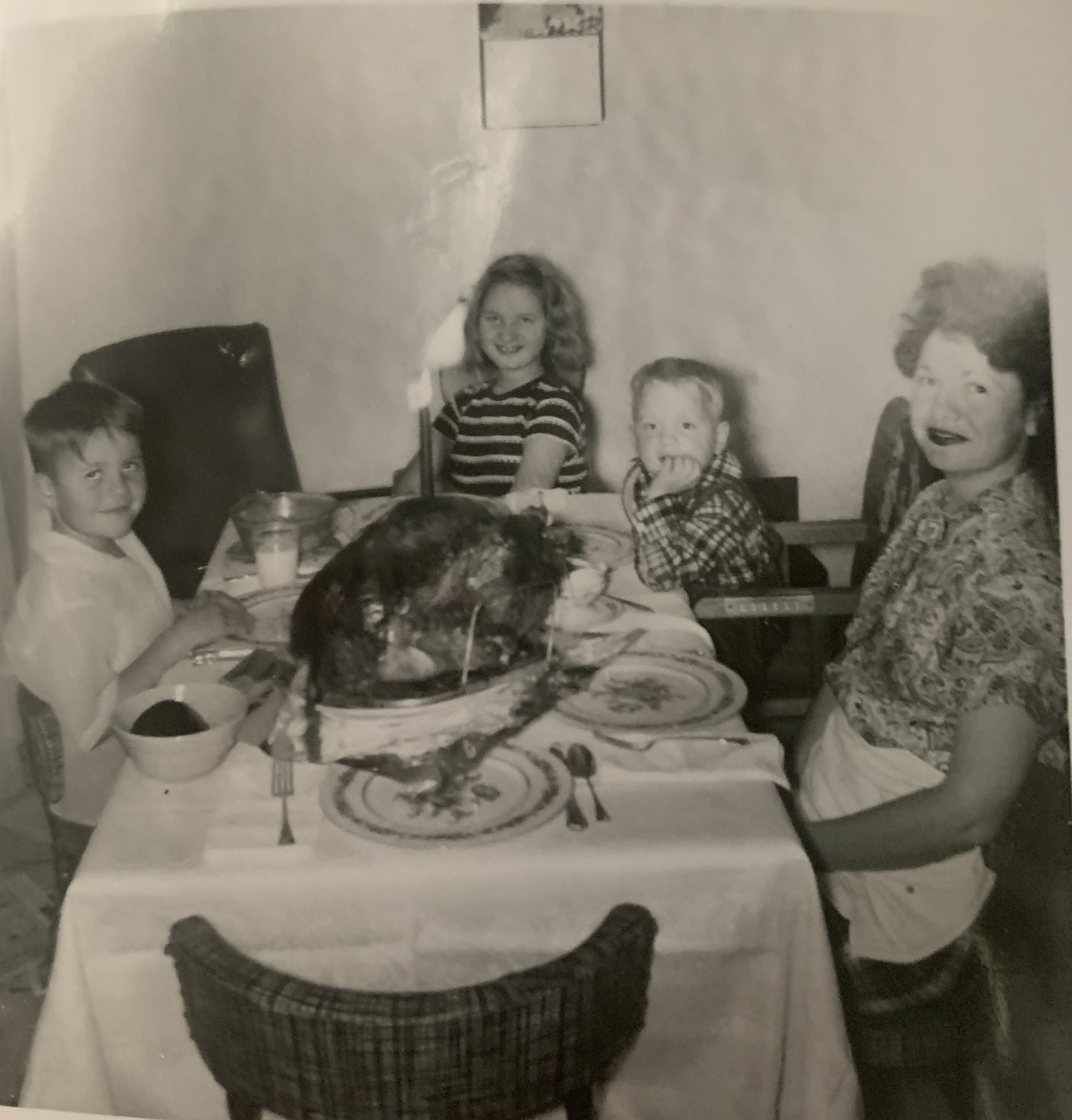
Note Dad’s love of large turkeys. Shipped overseas (Grandma Kelly STILL said “Clean your plate. Children in Europe are starving!”), one of ‘em would need its own container ship. That’s what nearly twenty years of Great Depression and wartime rationing did to Dad. We always ate well.
Speaking of food, I was a ham even then.
Sgt. Preston and his dog King. When he announced “King, this case is closed,” it was time for bed.
I was headed yesterday for the basement of the French Hospital Medical Plaza (with a name like that, they should have a Vegas floor show) and was waiting for the elevator doors to open. When they did, there was a young woman about twenty-five and about four months pregnant. I didn’t expect to see that. I could feel the smile start to spread across my face because she was so beautiful. Our eyes met and she smiled back. I was there for a cardiac test, and I could feel my heart, feel that little flush of pleasure that flooded it, that moment we all feel when we are happy. I was still smiling at the receptionist’s window.
I was thinking about Siena, a former student of whom I am very fond, who is just now expecting her second child (the first is a beautiful little blond girl). Siena reminds me of a quote from a Steinbeck short story: “God, a kid of hers is going to have fun!”
Part of recovery from alcoholism, I’ve discovered, involves re-wiring your brain, which, in most cases, including mine, has inside of it a voice with a megaphone that tells you insistently that you are a bad human being. I got one wire rewired yesterday at the elevator doors. We need to learn, as the old song goes, to accentuate the positive and part of that involves periodically stopping for a moment for recognizing–and articulating– those things that make us happy.
So here are some of mine, in no particular order and several hundred more should be on the list, but I had to limit myself. You don’t need a War and Peace blog entry.
1. Seeing a young mom-to-be when the elevator doors open.
We were asked today in group to name something that made us happy. I said
2. Seeing babies in the grocery store.
Here are some more, and I didn’t say this was going to be profound:
3. Dogs, of course. And puppies, especially these breeds, Basset Hounds, West Highland White Terriers, Irish Setters, and all of the Pound Puppies we’ve adopted. All of them have been important to my life. Seventy-one years of unconditional love.
4. Learning about my ancestors:
5. Friends.
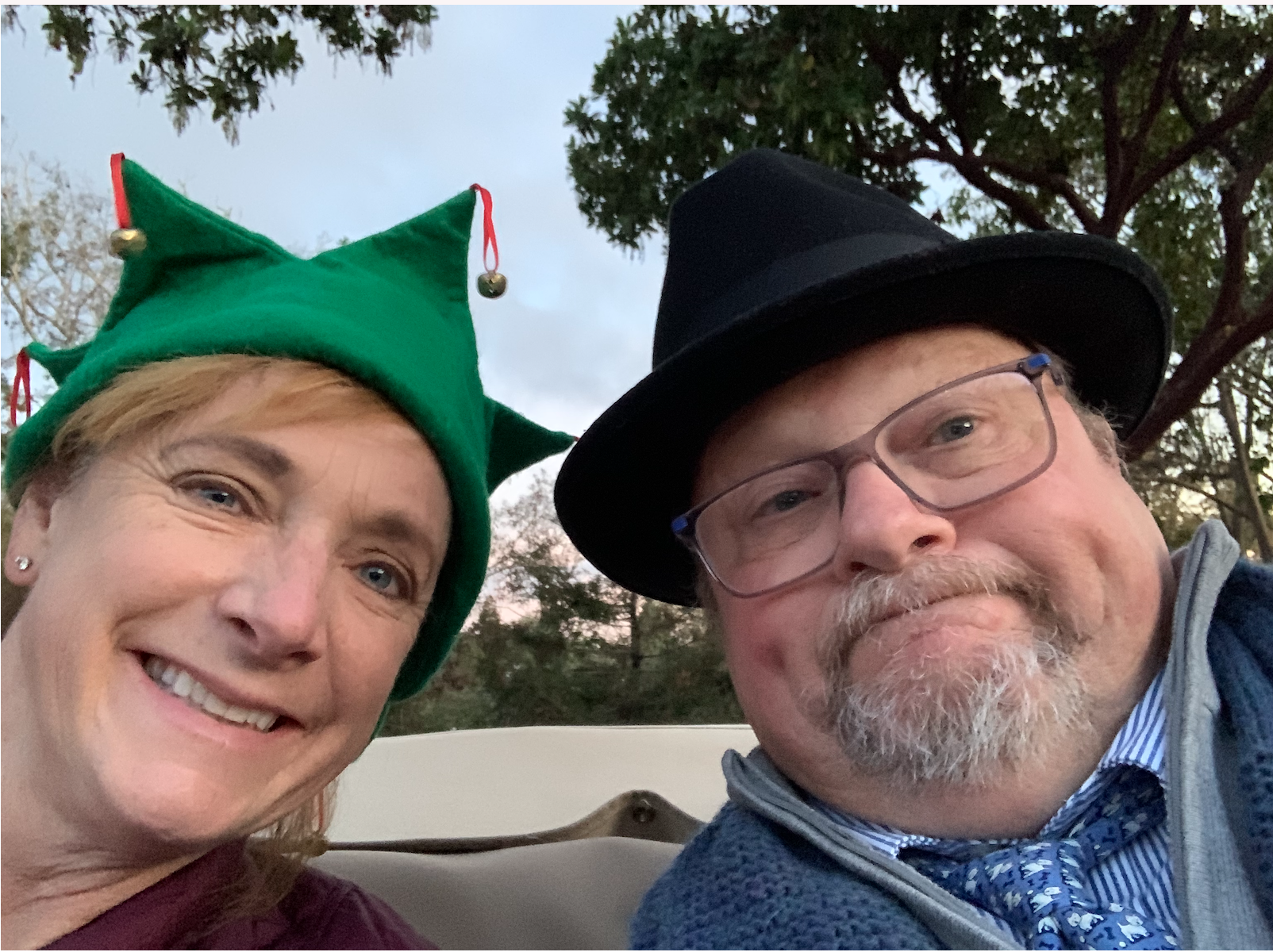
6. Family. My boys and of course Elizabeth. Here we are in the 2022 Arroyo Grande Christmas Parade.
7. Food. Three favorites. I forgot butternut squash ravioli. Mmmm, hash browns.
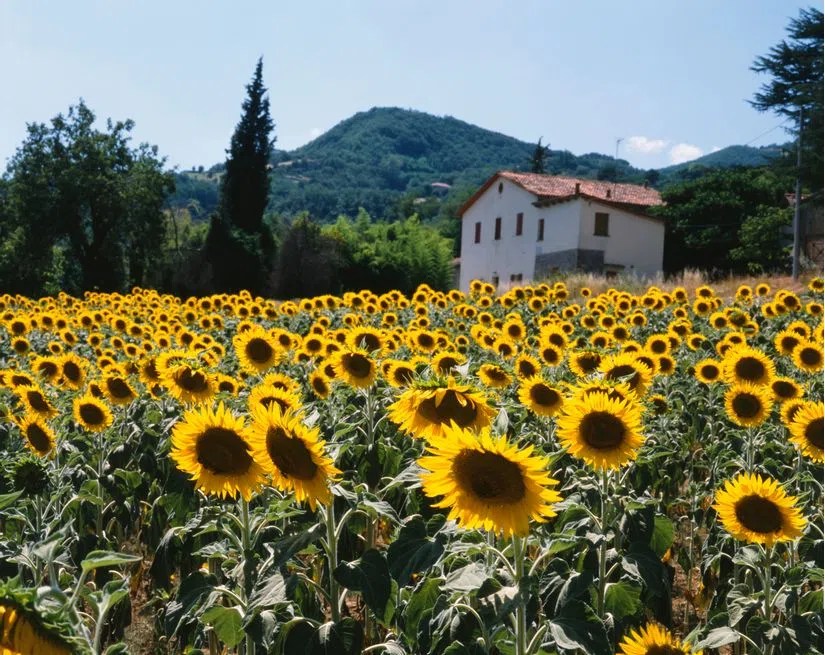
8. Fields of sunflowers in Tuscany or Umbria, with a medieval town atop a hill every ten miles or so.
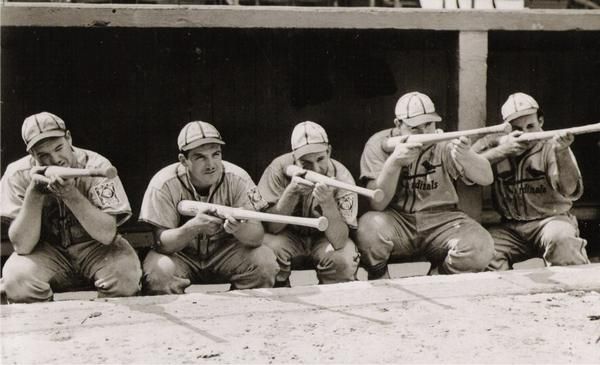
9. Baseball.These are the 1934 St. Louis Cardinals, the “Gashouse Gang.“
10. My nieces.
11. Writing.
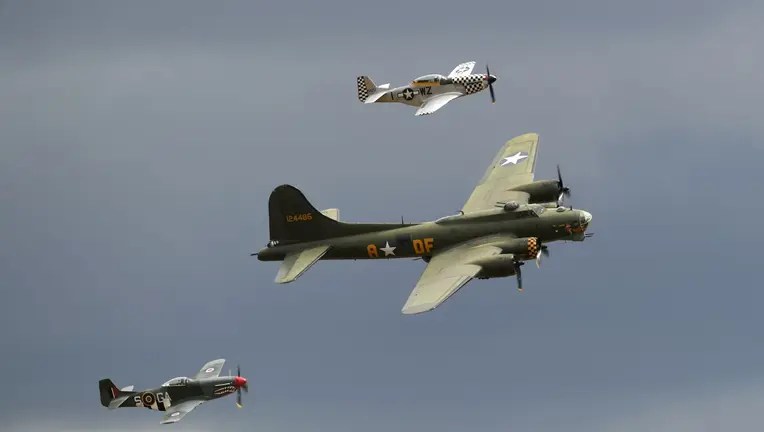
12. World War II airplanes.
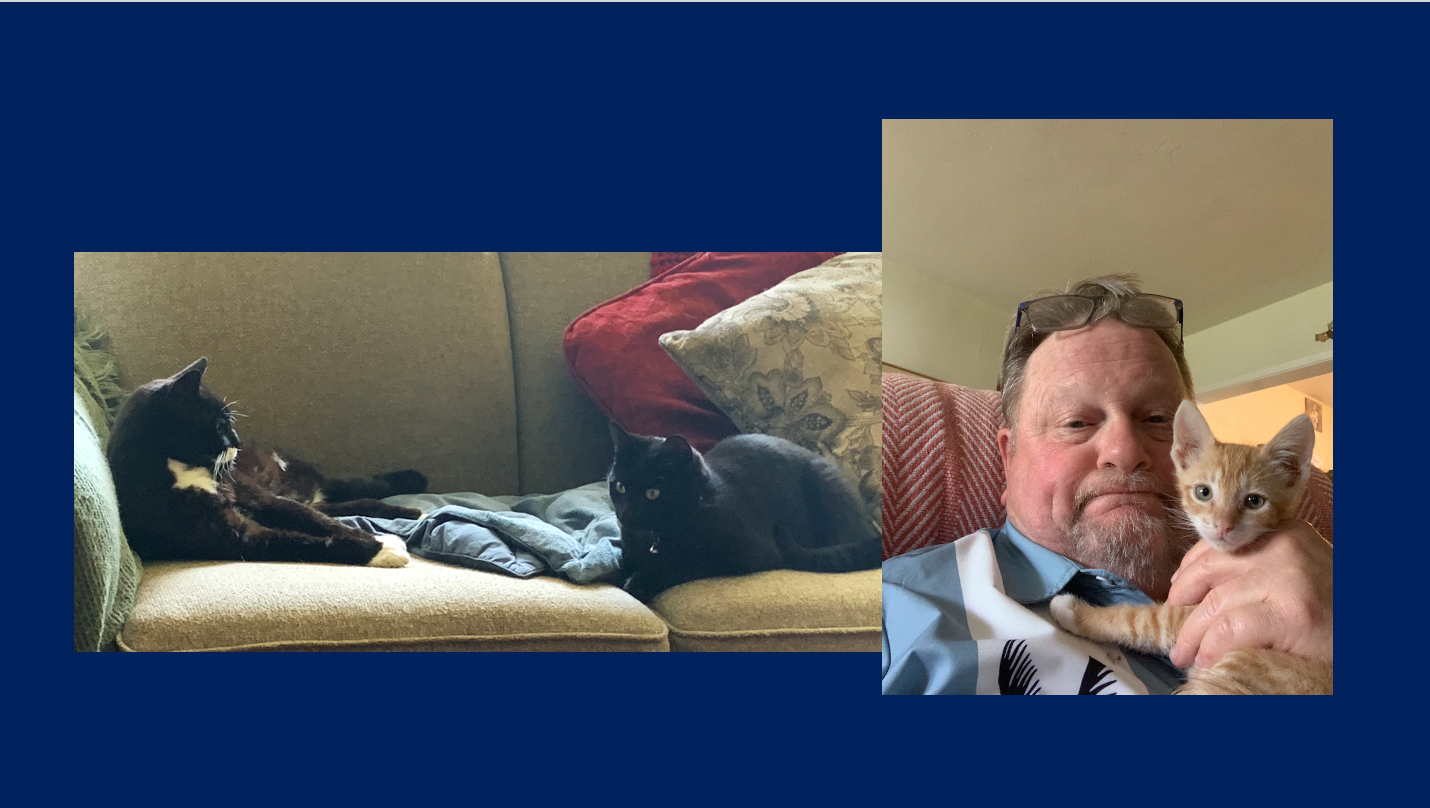
13. Cats.
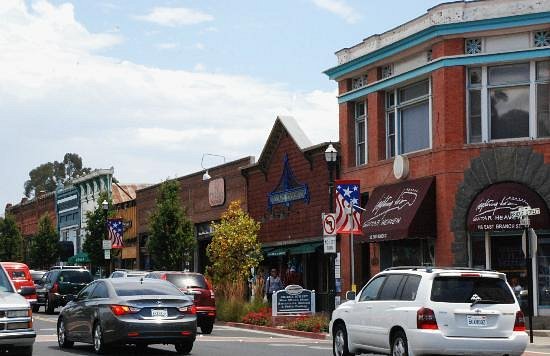
14. Branch Street.
15. Music. This one, by Florence and the Machine, is five years old but I just discovered it, and a good thing, too. It’s about addiction.
… At seventeen, I started to starve myself I thought that love was a kind of emptiness And at least I understood then, the hunger I felt And I didn’t have to call it loneliness
… We all have a hunger We all have a hunger We all have a hunger We all have a hunger
… Tell me what you need, oh, you look so free The way you use your body, baby, come on and work it for me Don’t let it get you down, you’re the best thing I’ve seen We never found the answer but we knew one thing
… We all have a hunger (we all have a hunger) We all have a hunger (we all have a hunger) We all have a hunger (we all have a hunger) We all have a hunger (we all have a hunger)
… And it’s Friday night and it’s kicking in In that pink dress, they’re gonna crucify me Oh, and you in all your vibrant youth How could anything bad ever happen to you? You make a fool of death with your beauty, and for a moment
… I thought that love was in the drugs But the more I took, the more it took away And I could never get enough I thought that love was on the stage You give yourself to strangers You don’t have to be afraid Then it tries to find a home with people, or when I’m alone Picking it apart and staring at your phone
… We all have a hunger We all have a hunger We all have a hunger We all have a hunger
… Tell me what you need, oh, you look so free The way you use your body, baby, come on and work it for me Don’t let ’em get you down, you’re the best thing I’ve seen We never found the answer but we knew one thing
… We all have a hunger (we all have a hunger) We all have a hunger (we all have a hunger) We all have a hunger (we all have a hunger) We all have a hunger (we all have a hunger)
… And it’s Friday night and it’s kicking in In that pink dress, they’re gonna crucify me Oh, and you in all your vibrant youth How could anything bad ever happen to you? You make a fool of death with your beauty, and for a moment I forget to worry
My friend Tony Hertz just posted gentle advice from a vet. When a dog has to be put down, they want us with them. I was with Mollie–Molliebears–when Dr. Murphy helped her make that transition.
It was such a painful experience, but it moved me deeply. I at least felt confident, in talking softly to her in those last moments, that she knew how very much we loved her.
When her head fell into my hands, I was disconsolate for the rest of the day. What brought me back is my belief, no matter how irrational it might seem, that we will see each other again. That will be a joy beyond imagining.
Here’s to you, Mollie, our darlin’ Irish girl. We will love you until the end of time, and beyond it, too.
The tears now running down my cheeks are proof of that.
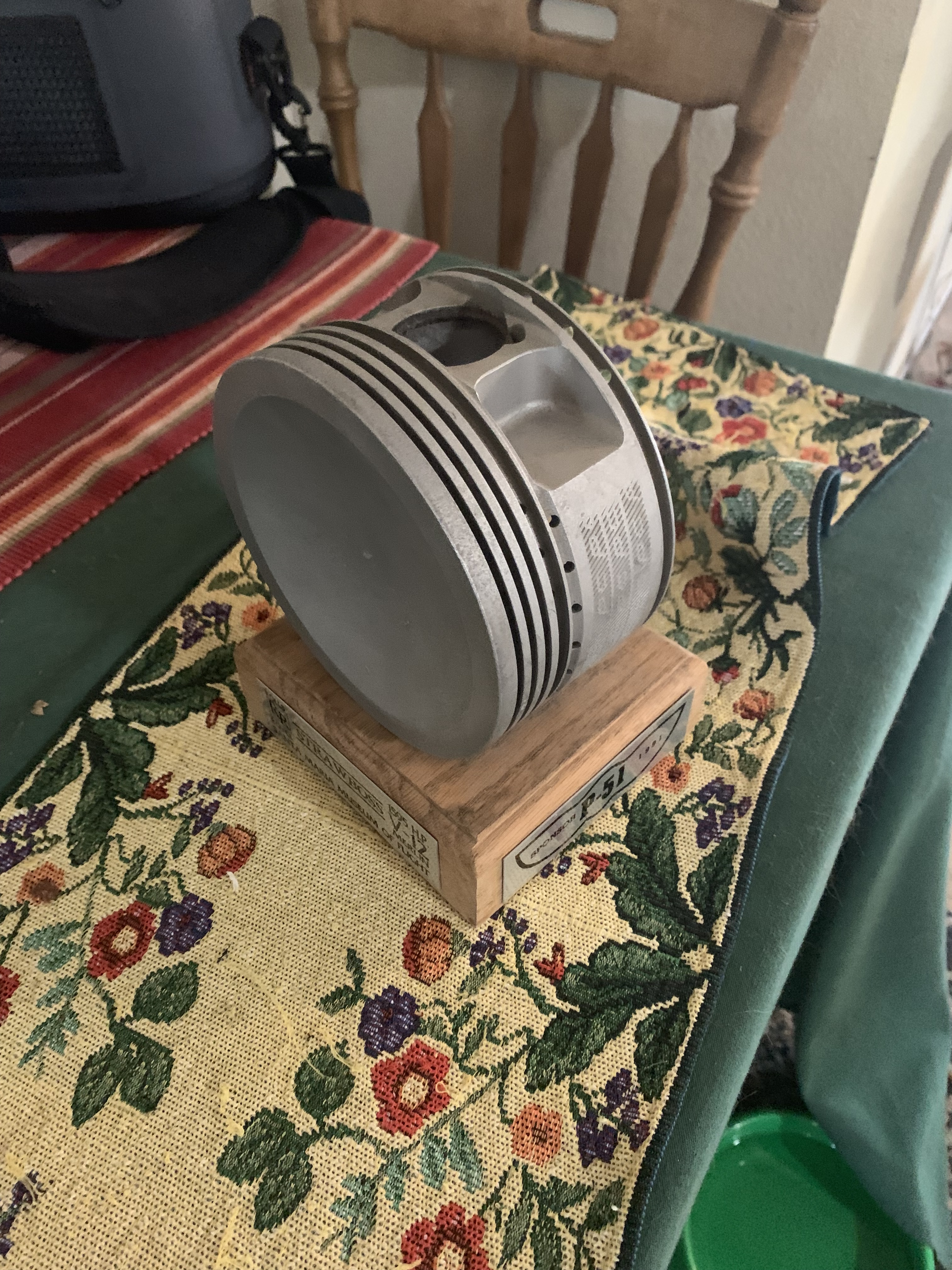
I am admittedly a little nutty about this airplane. I fell in love hard many years ago when we took the boys to a P-51 Mustang Fly-In at the Santa Maria Airport. The planes, even though they weren’t piloted by small, wiry 23-year-olds but by middle-aged men with enormous amounts of disposable income, have a mystique that is their own.
This piston head, which I treasure (along with my Civil War bullet, my fragment of the Berlin Wall and my piece of oak from HMS Victory), was a Christmas gift.
And here are the obligatory stats:
Wingspan: 37 feet Length: 32 feet Maximum Speed: 437 miles per hour Cruising Speed: 275 miles per hour Maximum Range: 1,000 miles Engine: Packard Rolls Royce Merlin V-1650-7 (1,695 hp)
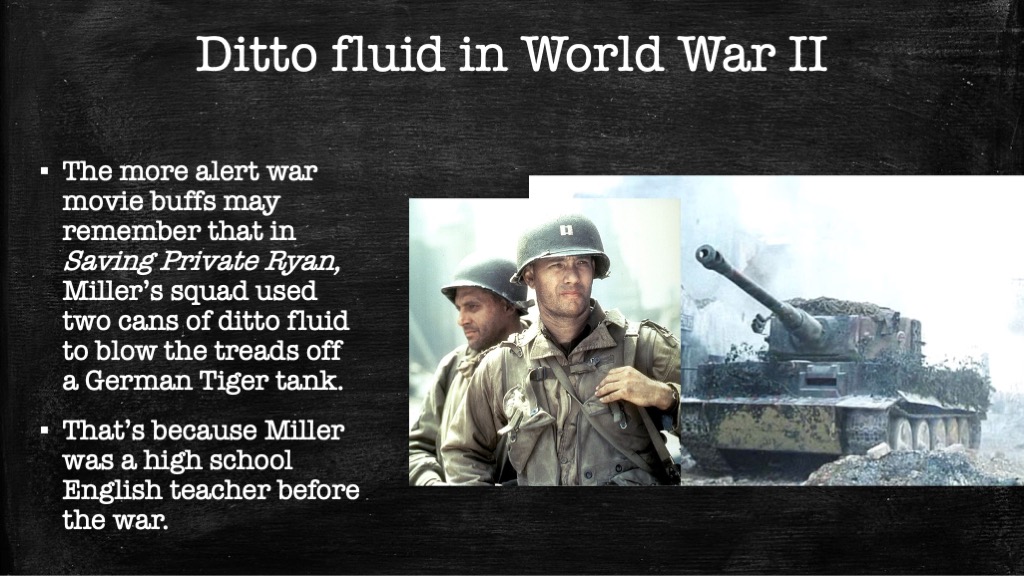
The engine was miraculous and the sound it produced—nicknamed “whistling death”—was unforgettable, I guess especially if you were a German soldier. Near the sad end of Saving Private Ryan, P-51’s make a brief star turn as the Panther tank closes in on the doomed Capt. Miller:
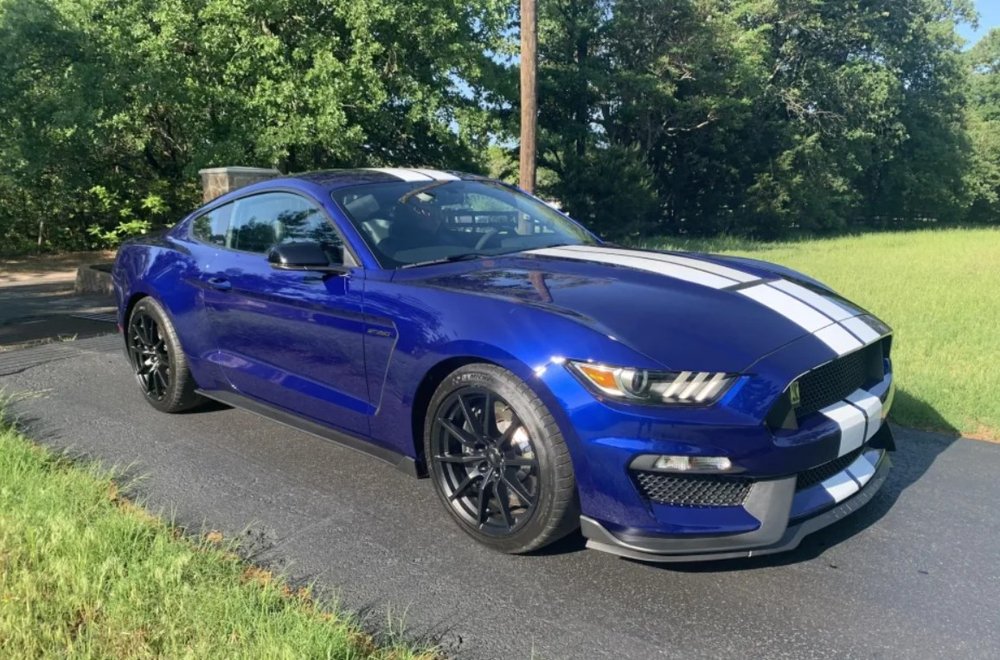
The sum total of my mechanical abilities consists of reaching into my wallet for my AAA Card, but there are certain engine sounds that are unforgettable. Yesterday I watched, mouth flopped open, as a late-model Mustang, I think a Shelby GT350, pulled up next to me and then made a stately left turn; the driver punched it once he’d passed the intersection and the result was a kind of deep bubbling sound that you could almost feel in your breastbone. It was beautiful.
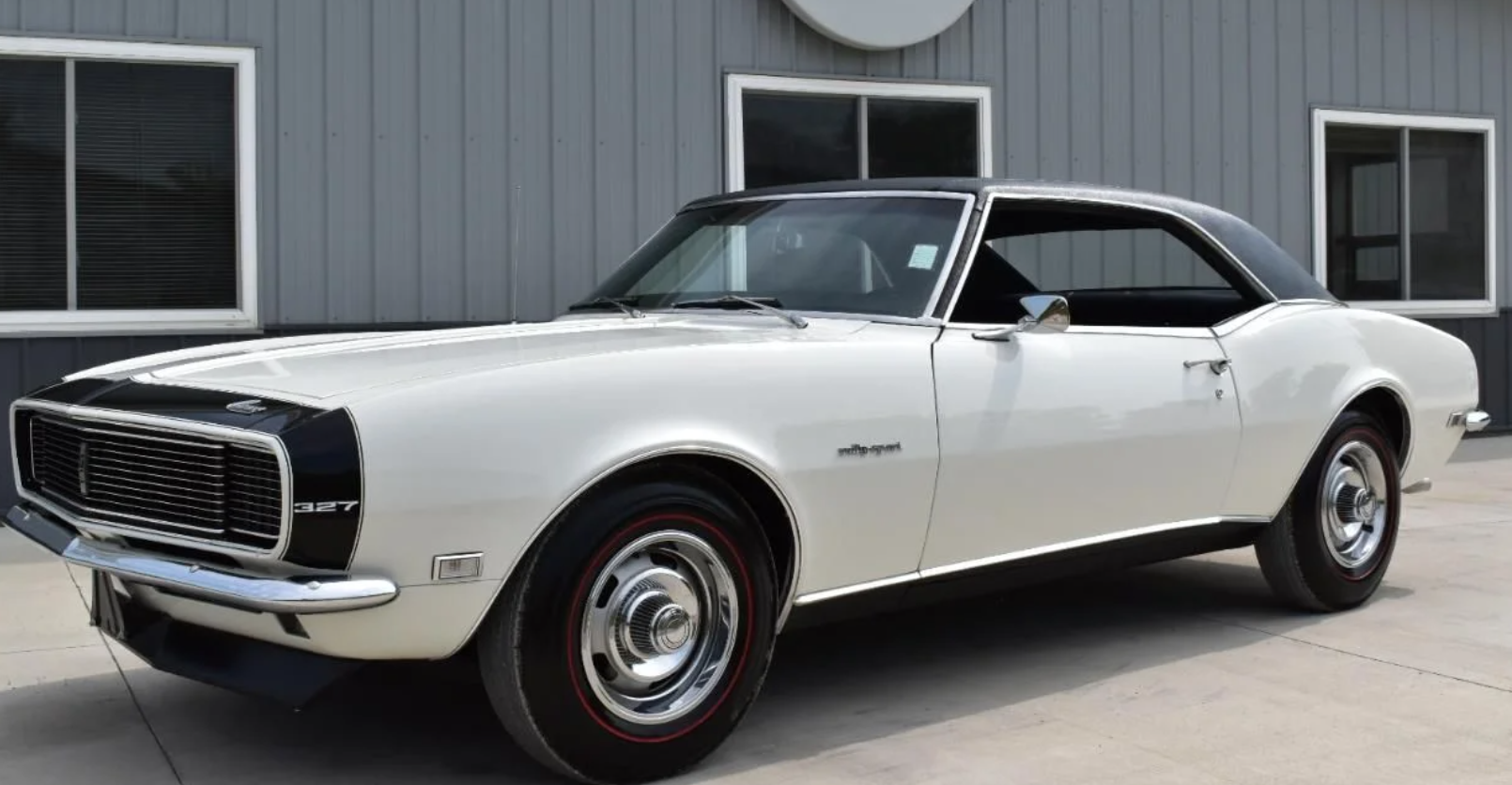
We can’t afford to fix it up yet, but we have my late mother-in-law’s 1968 Camaro Rallysport in the garage. (Hers has wire wheels. Very cool.) It has a 327 V-8 and when it was running, entering freeways driving this car was one of the great joys of my life. From inside the passenger compartment, it was more of a guttural rumble with the bubbles hovering in two-part harmony just above it. For those of you of a Certain Age, it was the Righteous Brothers of automobile engines. Since you hit 65 mph so quickly, it was a little sad—like that last bite of an In-And-Out burger—when you let off the accelerator. Sigh.
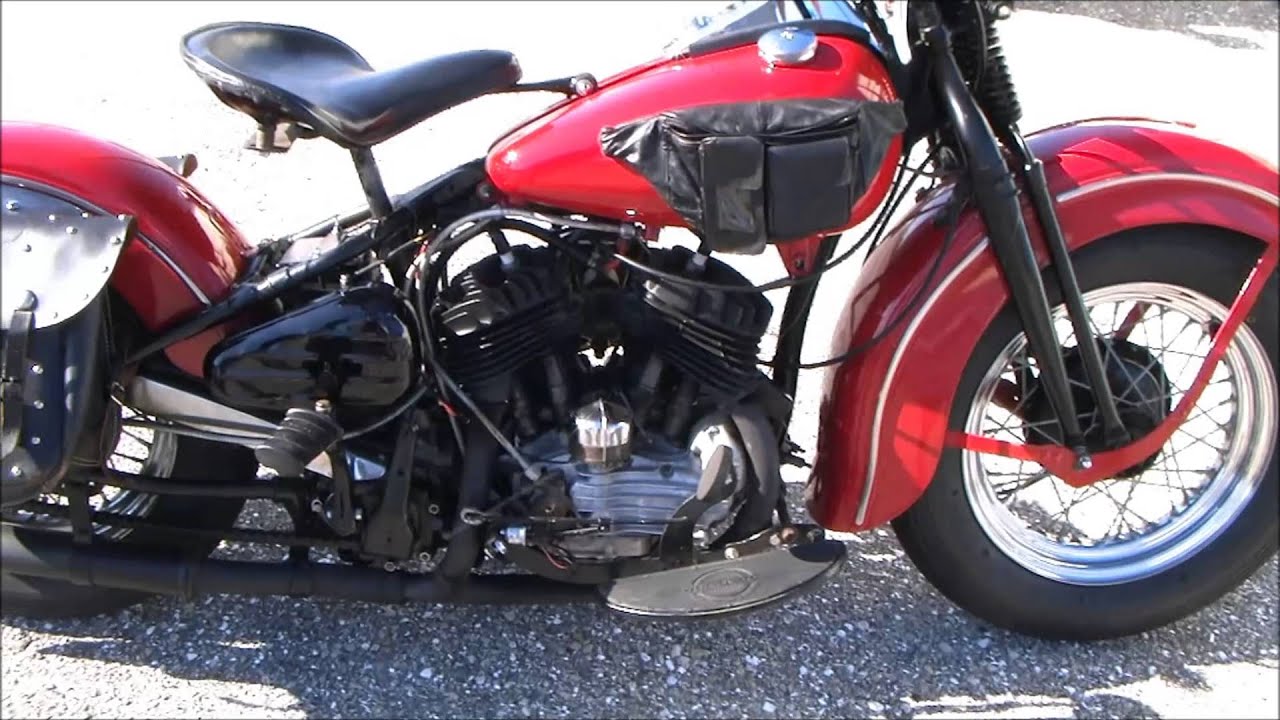
One more: Like the Mustang, the Harley-Davidson has an inimitable sound. My dear friend David Cherry once owned a Harley 45 Flathead with a suicide shift (a gearshift on the left side near the footrest) and when he bought it, I followed him as he drove it back to our apartment in San Luis. That might’ve been the one day the bike actually ran; it became a collection of discordant parts in many boxes and I’m not sure David ever had the chance to rebuild it. But following him home was a happy day. He was happy. The Harley was (momentarily) happy. Hearing that sound, even inside my car’s compartment, made me happy.
Here’s a photo of a restored 1948 45, I think the same year as David’s bike:
This British guy (no helmet law?) demonstrates the sound of his Harley; this late-model bike sounds mellower than Dave’s old-school Harley, but you get a sense of the sound anyway.
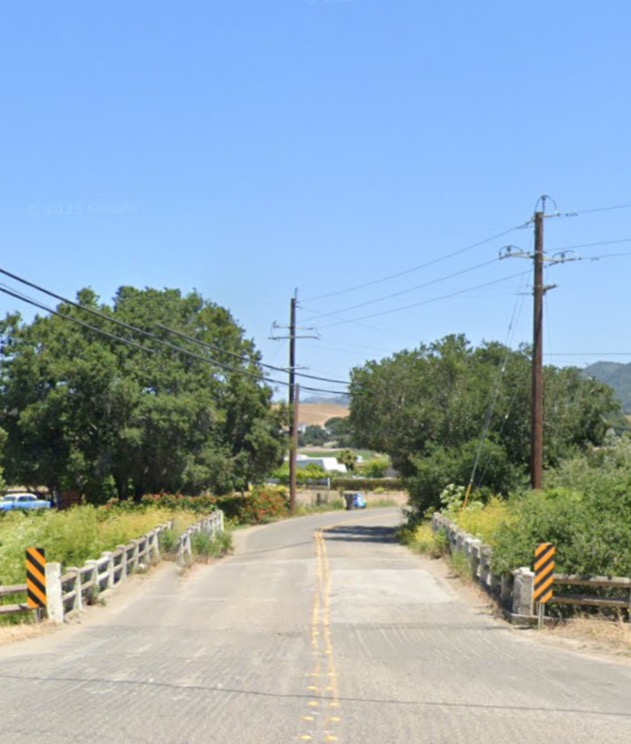
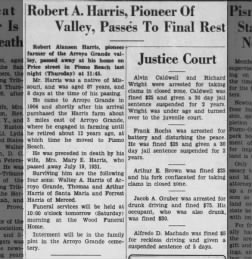
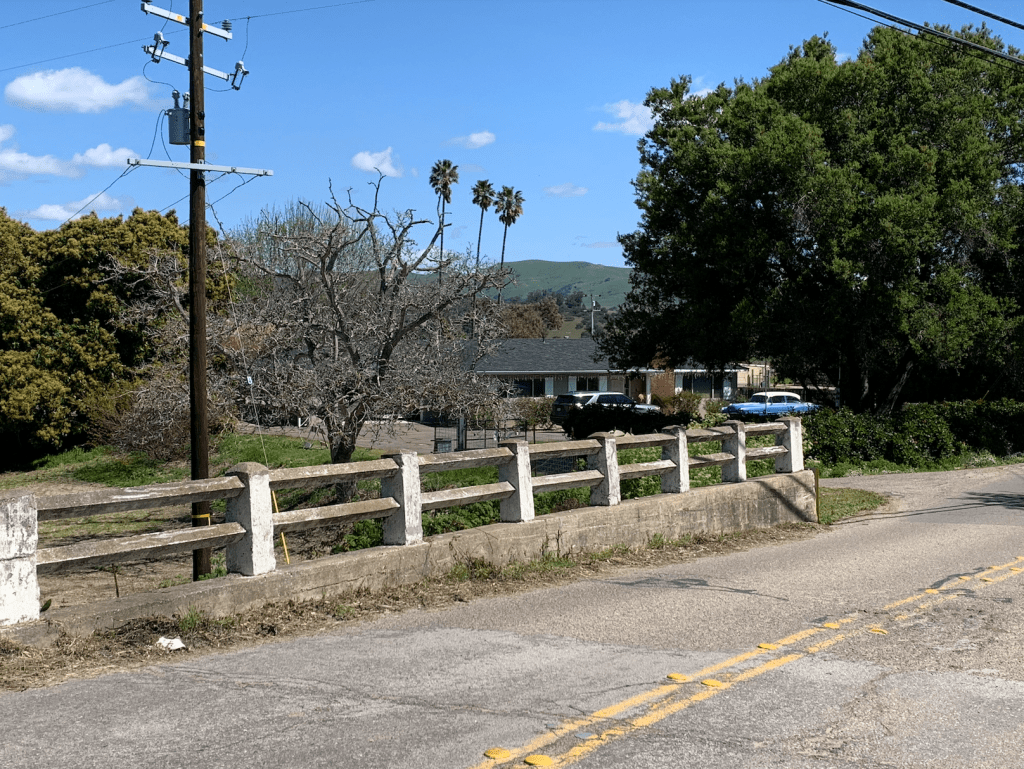
lt looks as if the County is finally going to replace the 100-year-old Harris Bridge, a focal point for my childhood. It’s about time, I guess.. But it’s also bittersweet. It was named for this man, who farmed nearby. From 1936:
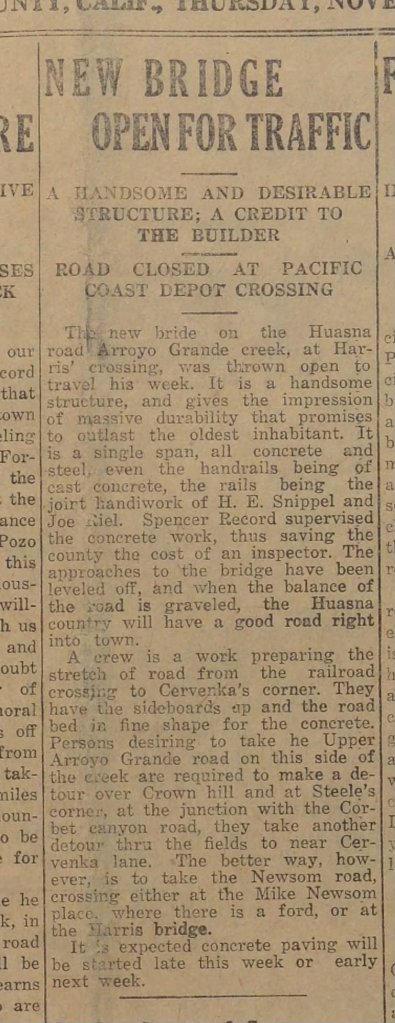
The bridge was completed in November 1923 with some fanfare:
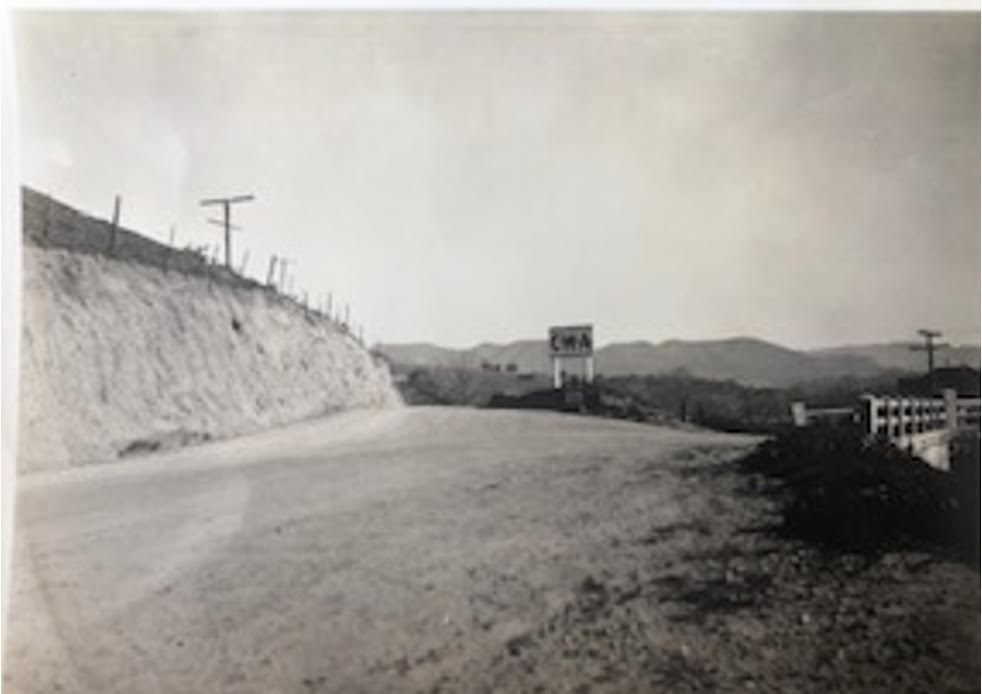
Here it is in 1934. The CWA, a precursor to the WPA, was oiling what was then called Musick Road to Lopez Canyon, a project administered by Supervisor Asa Porter.
Twenty-three years later, we moved into the house just past the bridge, on the left.
So it’s figured a lot in my writing. From World War II Arroyo Grande:
That month, in the Upper Arroyo Grande Valley of coastal California, this is what you would see, if not clearly, because the cold morning fog can be dense: labor contractors drop off pickup loads of field workers at the Harris Bridge, which spans the creek that gives the valley its name and that nourishes it.
The workers cross the bridge whistling, an incredibly beautiful, almost baroque whistling, Mexican folk tunes from the time of the Revolution, or love songs, as they walk down to the fields to their work with their lunches–wine-jugs filled with drinking water and perhaps chorizo-and-egg burritos, wrapped in wax paper, the fuel a man needs to do the kind of physical work that would make most men sit in the freshly turned field, gasping and woefully regarding their quickly-blistered hands, within fifteen minutes.
Their summer work might be in a new bean field and the whistling would stop because it is such a tax on men who work beans, whose breathing soon becomes laborious and therefore precious. To begin a newly planted field of beans, the field workers have to drive wooden stakes into precise parade-ground lines along the furrows, so that the bean vines can use the stakes to climb and twist—they will eventually yield bell-shaped flowers–toward the sun.
The sun invariably appears in late mornings when it burns the sea fog away and the colors of the valley, wheaten hills and verdant bottom land where the crop is in, are reborn, vivid and sharply focused.
To drive the wooden stakes, the field workers use a heavy metal tube, hollowed, with a handle attached that resembles that of an old-timed pump primer pioneer men and women once used to draw water out of the ground. So the whistling stops and is replaced by the rhythmic ring of the stake drivers as the workers pound hundreds of them into the field.
It is a musical sound, but, of course, what you cannot hear are the grunts of the men at each stroke of the stake driver and what you cannot feel is the enormous weight that exhausted arms and shoulders soon take on and what you cannot avoid, if you think about it sensibly, is admiration for the men who feed you. In turn, they are determined to feed families who live in camps or tarpaper shacks in the Valley, or, for some, part of the work force that will dominate agriculture here for the next twenty years, for families who are living in the tier of states of northern Mexico.
This is what the creek looked like this spring in this view from the bridge:
From a blog post inspired by that scene this spring:
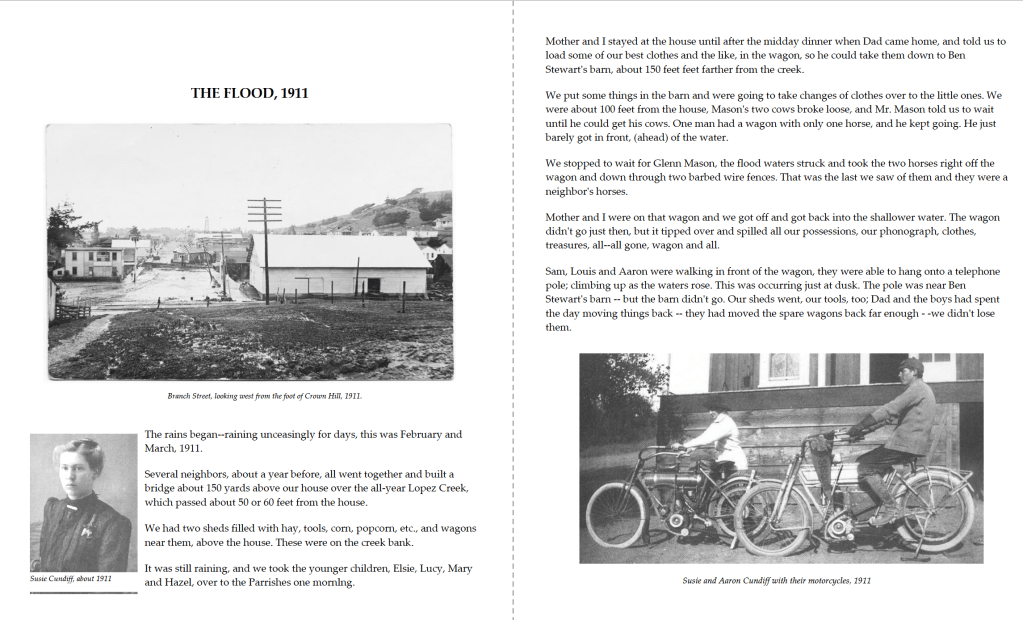
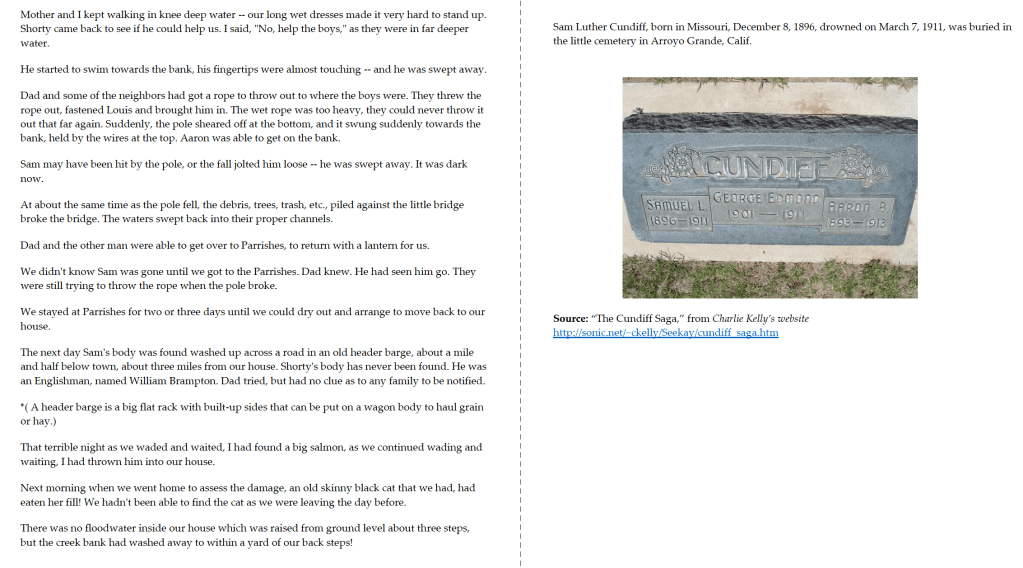
–The Harris Bridge. Before the bridge, this was near the spot where fourteen-year-old Sam Cundiff drowned in the flood of 1911.
Our house was (and is, much improved) just over the bridge, which was built, I think in 1927, [it was 1923] when Lopez Drive was called Musick Road. I was very happy to see that our walnut trees, just beyond that bank of Queen Anne Lace, are dead. I hated harvesting walnuts, stoop labor, and your hands and nails were black for weeks. Walnut trees used to cover the fields between the high school and Halcyon Road before an insidious pest, the husk fly larvae, began to kill them. I did not much mind. The only way I found walnuts tolerable was in my Mom’s chocolate-chip cookies. In the winter of 1968-69—you can get a sense of it from the video above—the creek rose above that chasm and spilled into our walnut orchard. There were ponds and lakelets in the Upper Valley for months afterward.
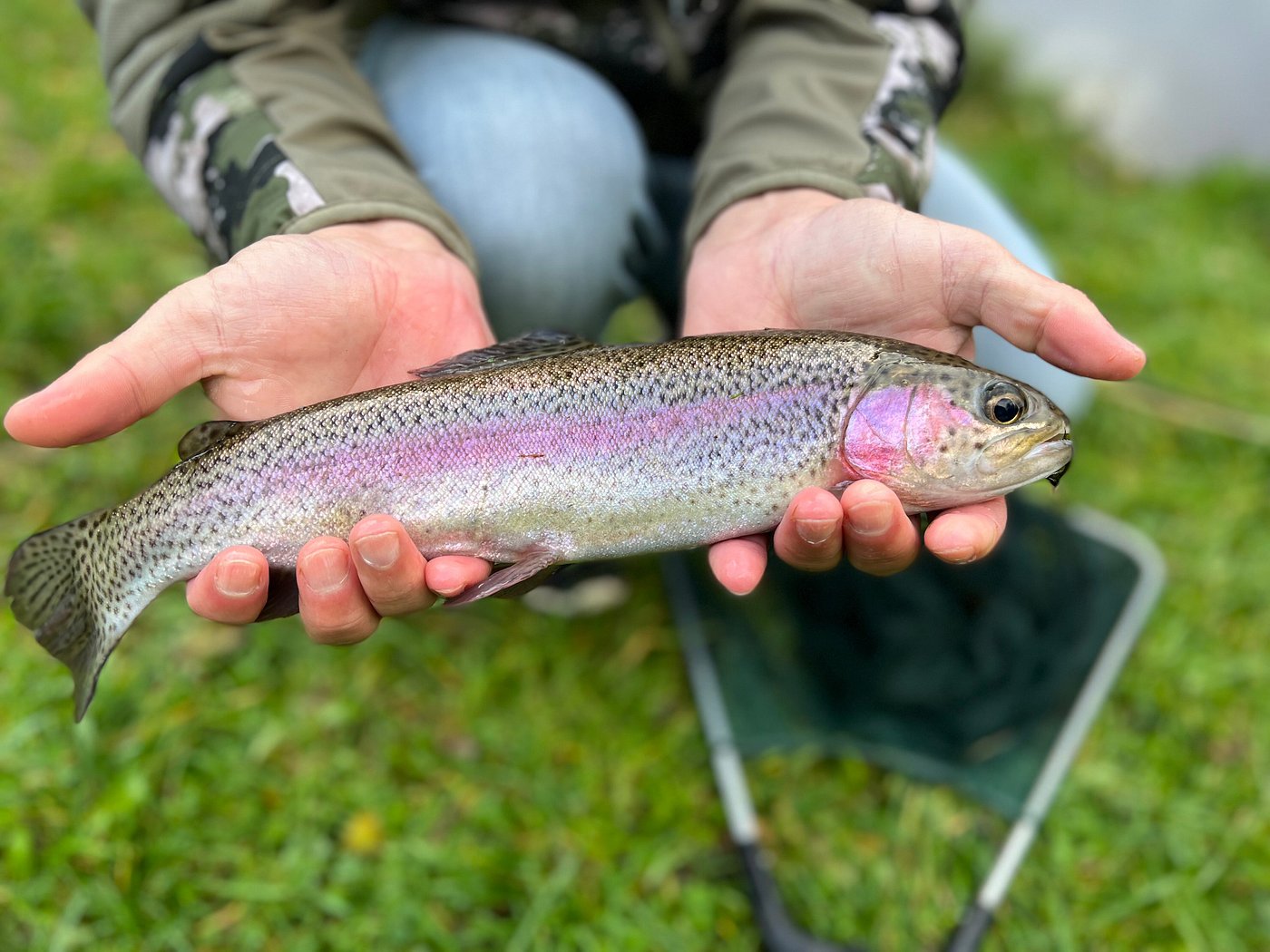
I used to catch rainbow trout in the chasm below and, of course, I did NOT catch the big female steelhead who hit my line one afternoon. She was so fierce that I nearly had a twelve-year-old heart attack. It was glorious the way she broke the surface, with a terrific splash, and it was only seconds before she snapped my leader and went upstream for the business of motherhood...
A rainbow from County Wicklow, Ireland, where my mother’s ancestors once lived.
Once my friends and I found the heads and innards of two spike bucks—yearlings, illegal to hunt in California—tossed over the side of the bridge by the hunters who’d butchered them and who wanted to get rid of the evidence. We pondered their remains, appalled, for a long time as the creek rushed past.
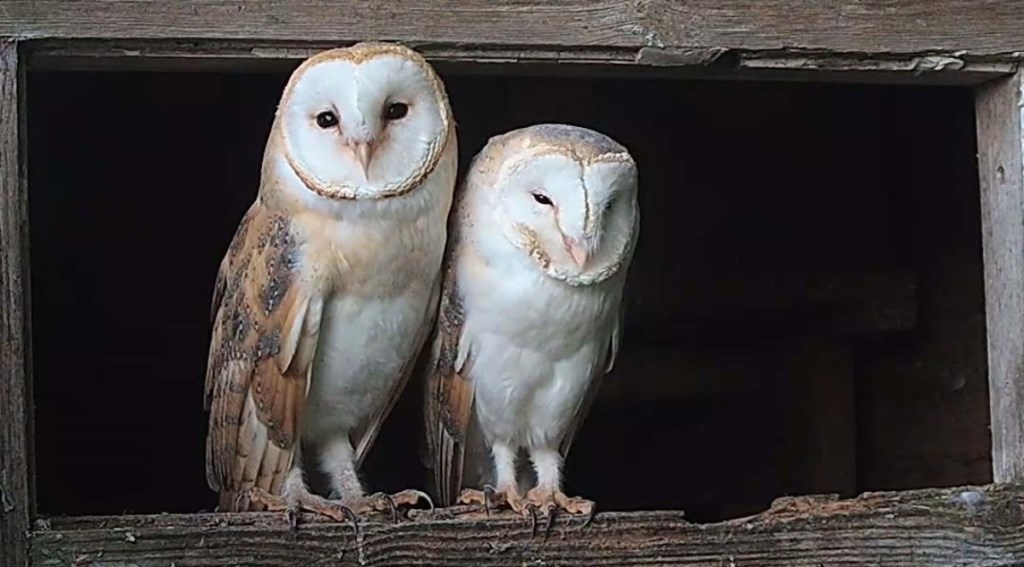
But once, on a ledge just below the bridge railing, I saw two barn owls asleep, one’s head sweetly on the other’s shoulder. I will never forget them.
Ghost and Willow, photographed by writer Robert Fuller. Barn owls mate for life.
I wrote about what happened to the Cundiff family at just about the site where the bridge would be built twelve years later. You can click on each image to enlarge it:
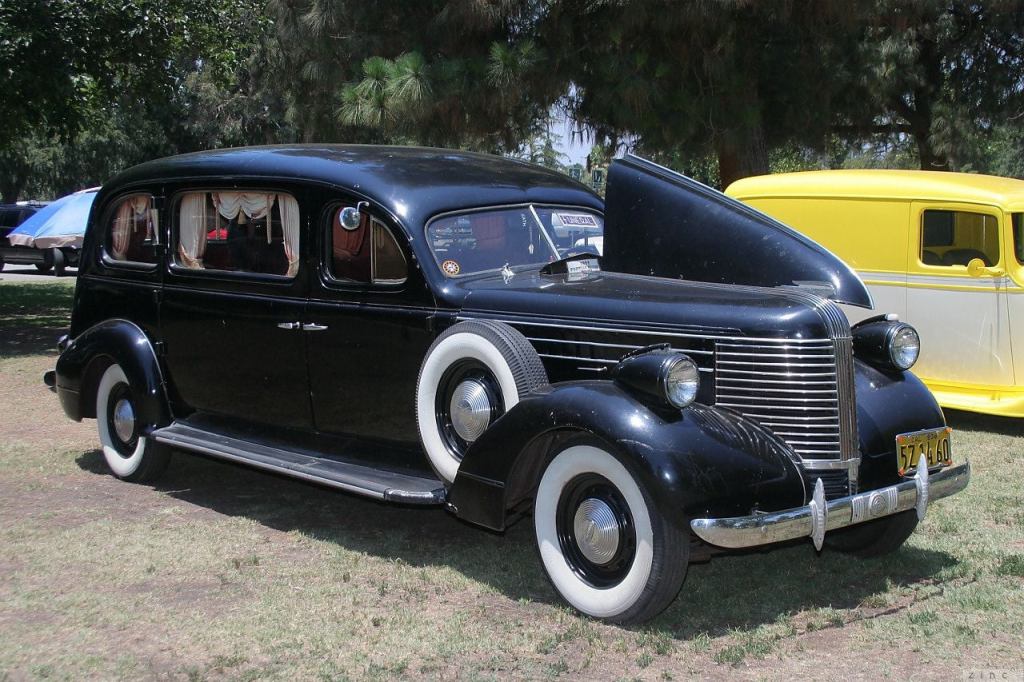
And since our house fronted Huasna Road, I got to know every car (a lot of celery trucks, too) as it approaced the bridge, including Michael Shannon’s hearse:
I grew up near the Harris Bridge, at the intersection of Huasna Road and what is now called Lopez Drive. So a favorite pastime was waving at neighbors as they approached the intersection.
–Mrs. Coehlo, a stunning woman (Wait, that’s not the right word. One of the most beautiful women I’ve ever known.), and so nice, drove a navy-over- powder-blue 1954 Cadillac.
–The Esteban family, including my friends Frieda and Paula, had a kinda funky light gray 1952 Plymouth.
–Glenn Cherry had a 1968 green Pontiac GTO. Forgive me, but in the argot of the times: Bitchen car. 400 cubic inches under the hood. (Glenn’s was green. Stone Saruwatari’s was a kind of midnight blue. Stone’s daughter, Gayle, was, I think, one of the prettiest girls at AGHS, so seeing Gayle behind the wheel caused teenaged males to tumble like felled redwoods when she drove past.)
–Sometimes a woodcutter would drive past in a ’58 Chevy pickup. We lost a Beagle named Snoopy once. Then we saw him, months later, his tongue wagging happily, atop a load of the woodcutter’s red oak.
–Cayce Shannon drove an orange VW bug.
–The Berguia family had a 1958 Chevy wagon–the only year they came out with the taillight design seen on Ron Howard’s Chevy in “American Graffiti.” There were a LOT of Berguias, which is a good thing, because they’re such a marvelous family, so the wagon was usually packed. I interviewed Jean Wilkinson Frederick, whose father owned the meat market on Branch Street, and she still has the ledgers. The first page I opened, there was Mr. Berguia’s tab. I know it doesn’t seem like a big deal, but I was thrilled. He paid on time, by the way.
–Occasionally a Sheriff’s deputy would drive by. The cars then were silver, and deputies wore straw cowboy hats. When I was five, my Mom asked one of them if he’d give me a ride. No problem. He punched the gas and let me hit the siren button. That was a great moment in my life.
–It’s kind of cheating, because he drove past the bridge, not over it, but Arroyo Grande High School principal Earl Denton drove a 1960 Ford Falcon, the brainchild of Robert McNamara, who also brought you the Vietnam War. Denton was so incredibly tall that you could almost see his kneecaps just under the Ford’s steering wheel.
–My speech team partner Jon Bolton drove a 1954-ish, tan-ish–there was a lot of “ish” about Jon’s car–Chevy station wagon. Once he stopped in front of our house with a leaky radiator. We chewed a lot of bubblegum together to plug the leaks.
–Mitzi Ikeda drove a 1964-ish Ford station wagon. Mitzi liked to drive fast, so you had to wave real quick.
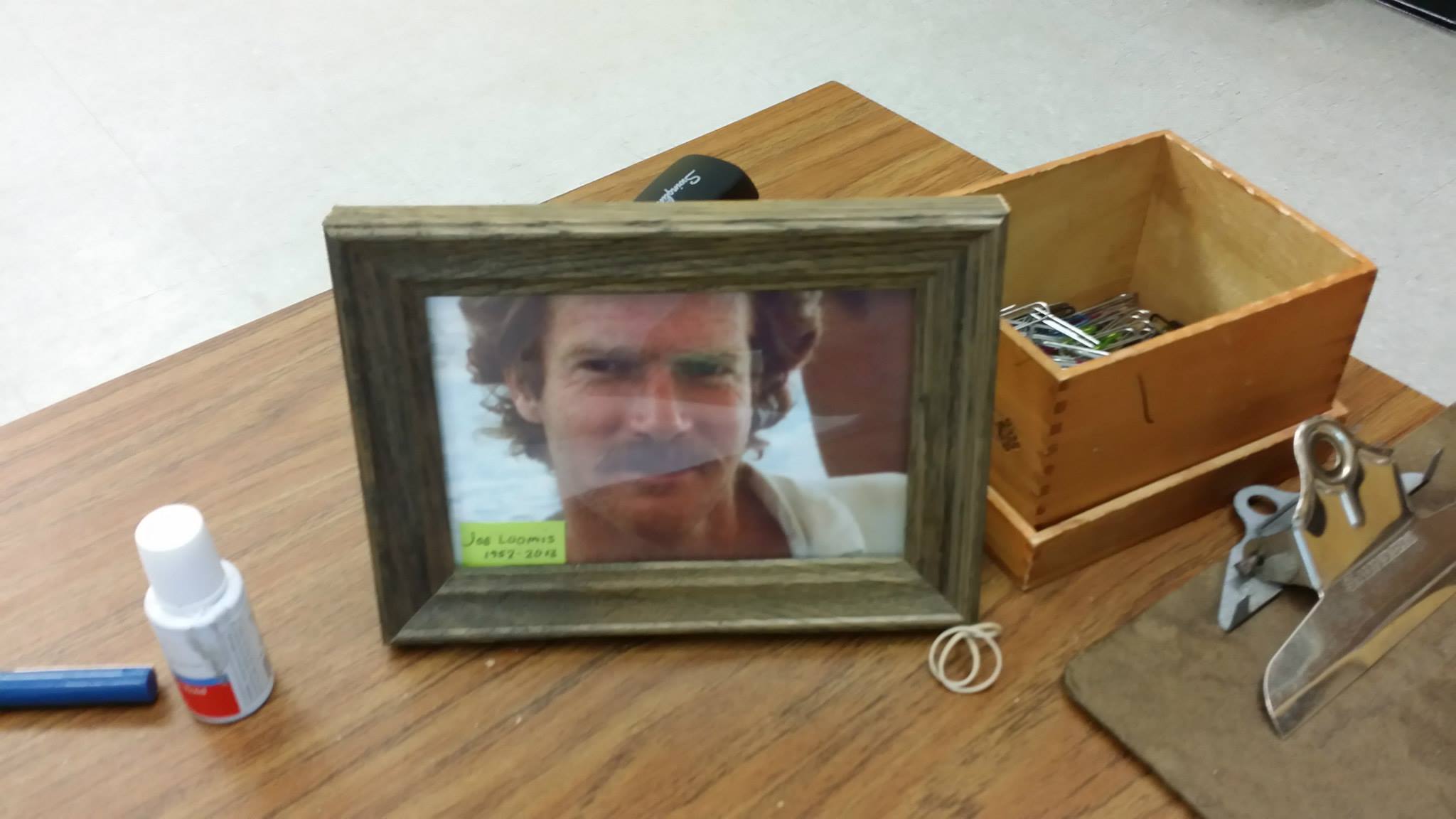
–My speech team partner Joe Loomis drove an eminently practical 1964 blue Chevy Nova. When my Mom died, he showed up in our driveway in a blue Jeep. “Hop in!” he said. The Loomises took care of me for awhile.
–Manuel and Johnny Silva drove also eminently practical Ford F150s. When they weren’t driving by our house, they were stopped cab-to-cab in the middle of Huasna Road talking about garbanzo beans, I guess, even though they’d just had breakfast together at Sambo’s. A car would pull up behind them, and they’d pull to the side to let the car pass. That wasn’t enough. They’d wave cheerily at the driver. The Silvas kind of invented “Have a Nice Day!’ about forty years before some other guy took credit for it.
But by far my favorite car–the whole family’s, in fact– was Michael Shannon’s Pontiac hearse, I think a 1938 model. It was for his surfboards, of course.
The hard-packed dirt between the bridge-rail that fronted Huasna Road (now Lopez Drive, before that Musick Road) was our bus stop for Elsie Cecchetti’s little Branch school bus. Later, for high school and Bus #34, driven by Betty, it was the Four Corners, where we waited with a bunch of Polettis and Evensons, nice company indeeed. So I associate the bridge, the Branch School stop, with Elsie and with Mary Gularte, and with Richard Ayres’ corn, which we covered in wet gunny sacks and sold from a pickup bed on the same spot. We were sunburnt strawberry red by sundown.
Elsie Cecchetti was our bus driver. In the same way that Louis Tedone was SLO’s baby doctor. Elsie was everybody’s bus driver.
Yes, I go back to the days of Branch School’s yellow pickup with bench seats and the tarp overhead, when we bounced happily over creek crossings.
We waited for her at the Harris Bridge.
I think she had mechanical problems one morning–and it was a cold one–when Mary Gularte took me inside from the bus stop for some sopa. That was a good morning.
Both Mary and Elsie called me “Jimmy.”
We tormented Elsie with “99 Bottles of Beer on the Wall” and then, in 1964, with “She Loves You,” ” I Want to Hold Your Hand” and she always headed us off in “The Name Game” song, before we got to “Chuck.”
And I always looked over the edge of the bus window as she drove confidently up Corralitos Canyon. There were some good drops there, but Elsie knew what she was doing. At the Canyon’s end, past the Dentons, she made a three-point turn that the California Department of Motor Vehicles should have filmed for posterity.
Elsie. Photo by Vivian Krug.
I remembered that ther’s a plaque on the bridge with the names of the Board of Supervisors that commemorates its completion one hundred years ago. I had sense enough to ask that it be donated to the South County Historical Society, so at least that small piece of a bridge that’s felt the weight of so much history—and so much weight!—will remain with us.
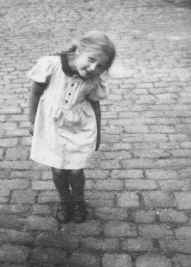
Some of my favorite World War II photos include children. The first is of a little Berlin girl, soon after the war’s end. She is meeting her first American, a G.I. in the 77th Infantry Division.
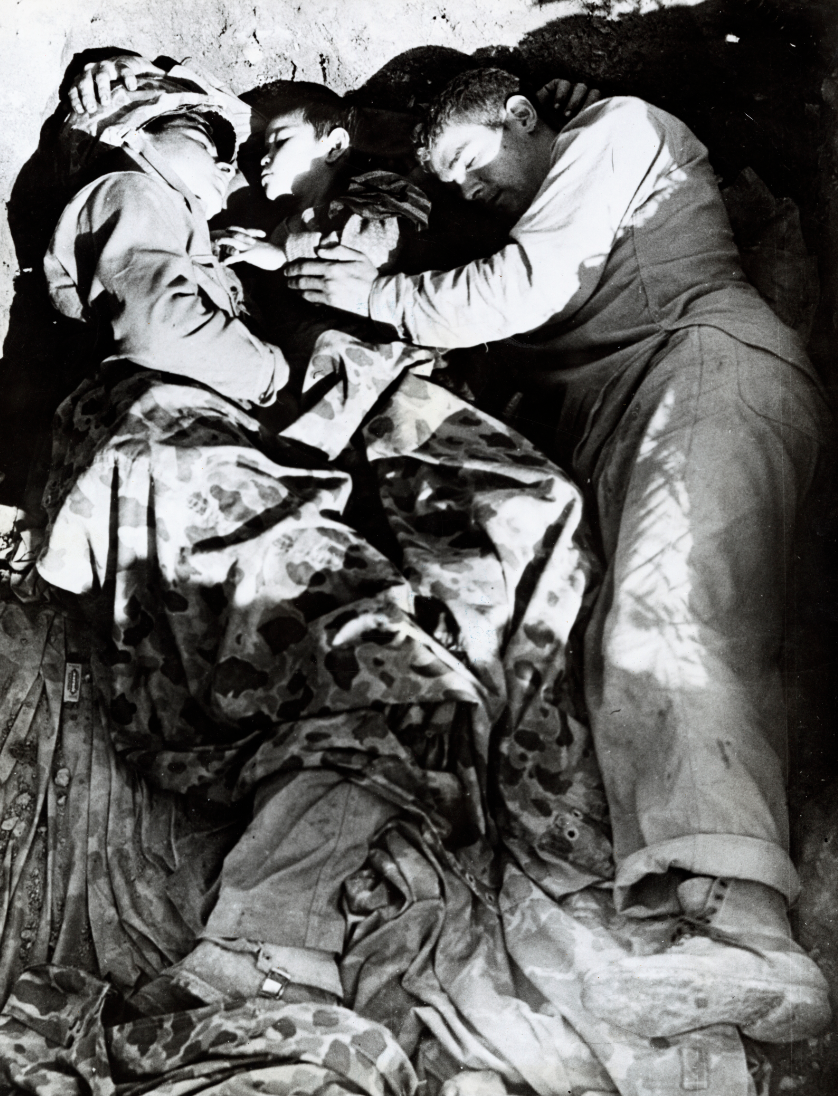
The second gets me misty. The little boy lost his immediate family in the horrific battle for Okinawa. The two young Marines cared for him until relatives were found.
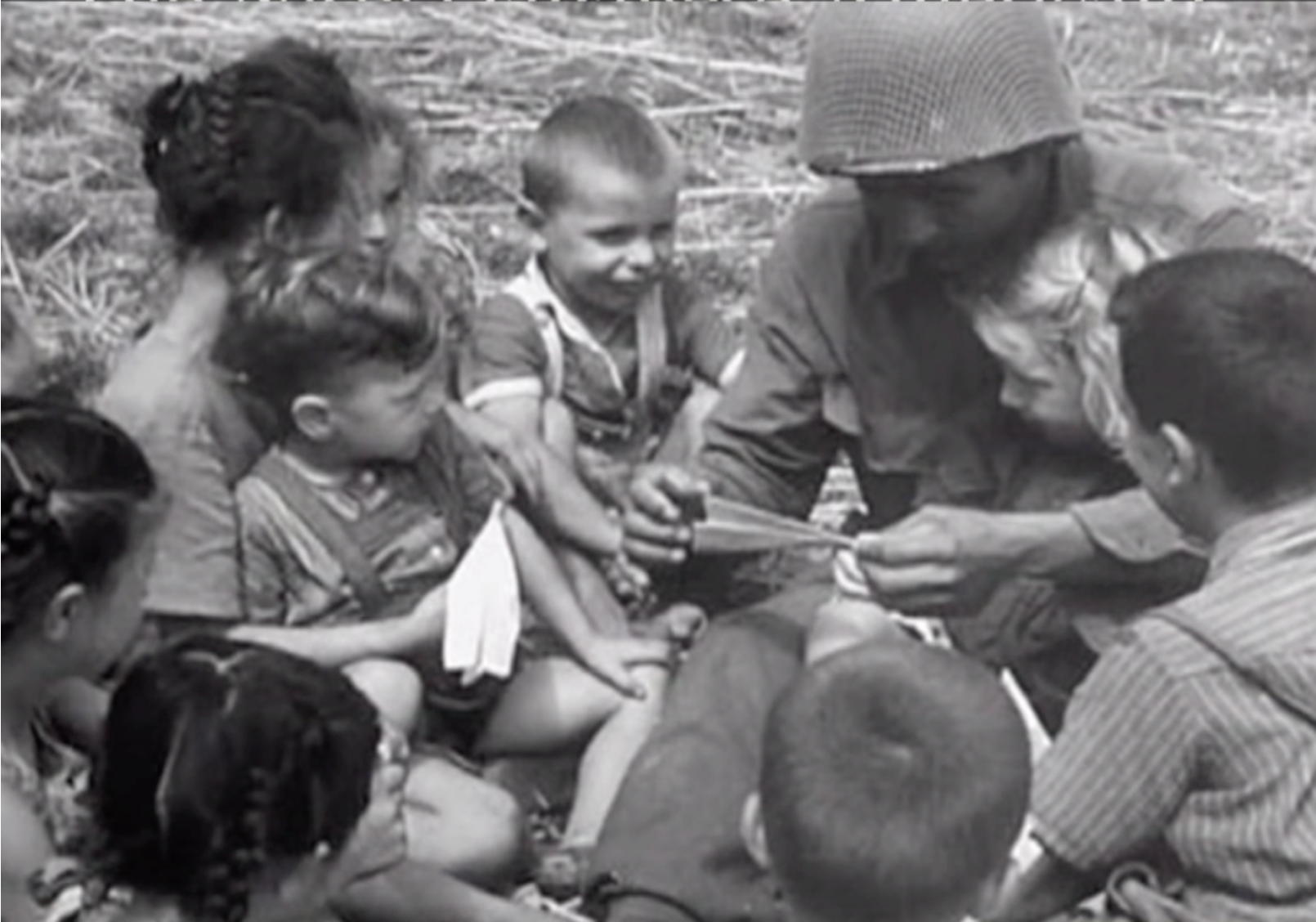
A Nisei G.I. with the 442nd Regimental Combat Team teaches a rapt audience how to make a paper airplane. His arm’s around a little girl who’s nestled close to him. I suspect that in this moment she feels safe, probably for the first time in a long time.
In England, shortly before D-Day, a G.I. gives a British lady help with the jump rope.
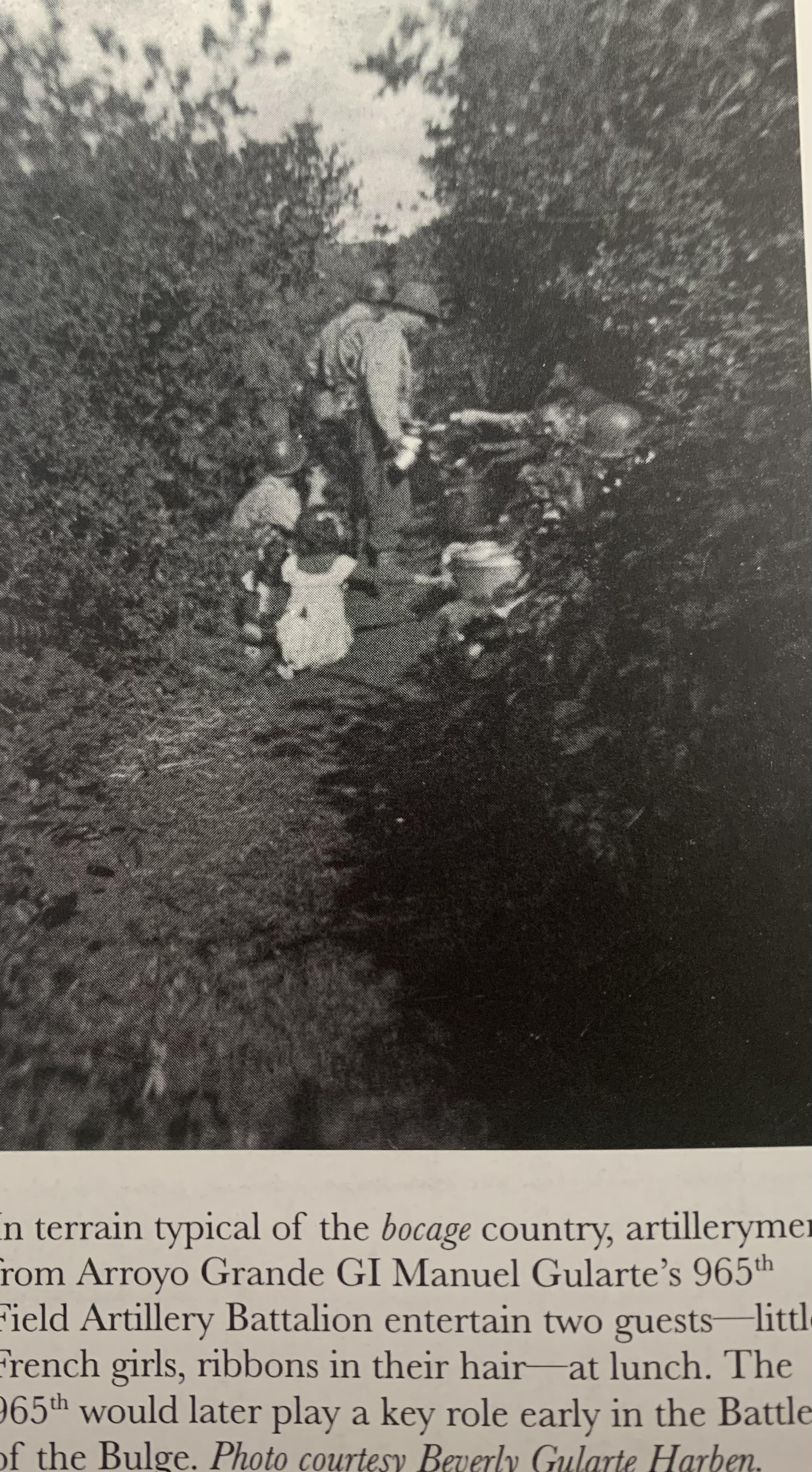
Manuel Gularte of Arroyo Grande and his comrades entertain guests for lunch in Normandy. Manuel’s brother, Frank, was killed on the German border just five days before his son, Frank Jr., was born at the Mountain View Hospital in San Luis Obispo.
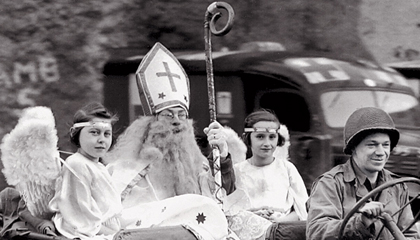
And in Luxembourg, Christmas 1944, while the Battle of the Bulge is raging nearby–there’s an amazing Battle of the Bulge museum in Diekirch, Luxembourg–a G.I. playing St. Nicholas, flanked by two angels, heads out to distribute gifts. Note the expression on the jeep driver’s face.
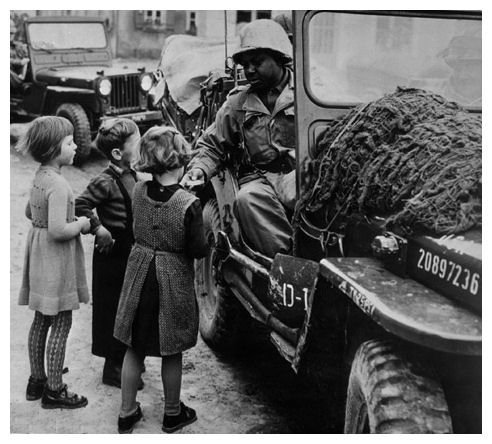
Finally, a soldier, I suspect a member of the famed Red Ball Express, makes friends with a little refugee while another little girl–her sister?–makes sure that she doesn’t leave her doll behind.
I am not naive enough to suggest that all Americans were angels. They weren’t. There were rapes, murders, thefts. Racism was a given and violence, especially attacks on Black G.I.’s, was commonplace, at its height in 1943. In New Zealand, American Marines attacked Maori soldiers for entering the bar where the Yanks were drinking beers.
Filipino-Americans were subject to some of the most virulent and racist invective–you can find examples in the old Arroyo Grande “Herald-Recorders”–and they responded by becoming some of the finest infantrymen of the war.
While their parents and grandparents were behind barbed wire, Japanese-American G.I.’s were marked by the frequency of their Purple Hearts, by Bronze Stars that should’ve been Silver Stars, by Silver Stars that should’ve been Medals of Honor. Nearly 1,000 of them were killed or wounded in October 1944 to break through and rescue a Texas National Guard Unit–240 justifiably terrified 19-year-olds- surrounded by the Germans in France’s Vosges Mountains.
These weren’t hyphenated Americans. They were Americans.
My parents’ generation was condemned before the war by sociologists who saw them as self-indulgent and frivolous. They proved the eggheads wrong. Spectacularly. That’s why I write about World War II so much.
In my book Central Coast Aviators in World War II, I wrote about a brilliant man named John Keegan:
If there was a military historian with a gift close to Shakespeare’s, it was another Englishman named John Keegan. Keegan was a little boy in the English countryside, in Somerset, when the Americans began to arrive in late 1943 and into the spring of 1944. Little English boys had lived for years with the deepest of privations—thanks, in large part, to the U-boat campaign that had nearly starved Shakespeare’s “sceptred isle” to death—and then the Americans came. They were, as Keegan later said—for once at a loss of words while narrating a documentary on the 1918 turning point of World War I—“Well, they were Americans!” By which he meant they were boisterous, cocky, well fed, well clothed and, thank God, friendly, with an innocence and immediacy that was distinctly American. Their World War II counterparts taught English boys baseball, and they flirted with their big sisters and married some of them—but most of them not—which meant that little boys Keegan’s age would inherit littler half-Yank nieces and nephews. Most of all, they were generous. There seemed to be no end to their Hershey bars (there wouldn’t be after the war, either, when, during the Berlin Airlift,one of Arroyo Grande bomber pilot Jess Milo McChesney’s comrades, Gail Halverson, air- dropped Hershey bars, floating on little parachutes, to the hungry children of blockaded Berlin) and no end to the rough affection for children that came with these big, loud men from across the sea.
And then they were gone. Keegan has vividly described the early morning dark when that happened, when the chinaware and modest family crystal on every shelf in the Keegan home began protesting, rattling an alarm soloud that it woke the family up, if the motion beneath their beds hadn’t already made them sit bolt upright. The anxiety of Keegan’s family, their neighbors and other families all across East Anglia was relieved only when they went outside. Then anxiety gave way to wonder. They could feel in their breastbones the vibrations—“the grinding forced you to the ground,” Keegan remembered—of the engines of thousands of airplanes, but they could see only dim red and amber lights in the sky, heading east, toward France. Some of the Americans Keegan had learned to love so quickly, his heroes, were on those airplanes, and tens of thousands of more, his heroes, were riding deathly pale on landing craft corkscrewing in foul Channel waters, and they were all headed for Normandy.
It was D-day.
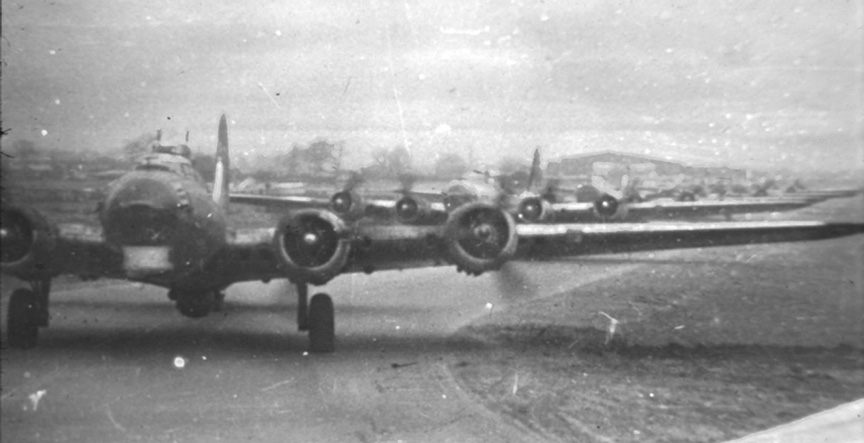
B-17’s from the 398th Bomb Group assemble for takeoff. At most any American airfield, British children were there for moments like this. Pressed agains the airfield’s perimeter fence, they’d come to wave goodbye to “their” Yanks.
A (wonderful) AGHS German teacher, Mark Kamin, was leading a group of students on a tour of Bavaria. I think they were waiting for their bus when an older German woman approached them.
“You’re Americans, aren’t you?” she asked Mark.
Yes, we are, Mark replied
Her eyes began to fill with tears. “I just wanted to thank you,” she said, “for how kind your soldiers were to me when I was a little girl.”
Candy, Berlin, May 1 1945
We are so divided now, but these photos of men long dead fill me with hope. Their generation lit a path for us to follow. It’s up to us to find it.
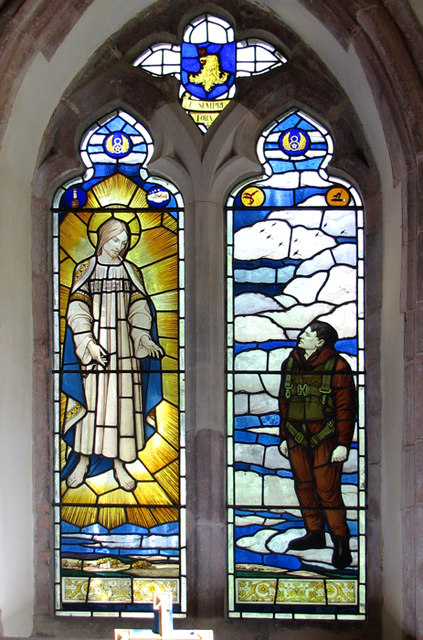
St. Andrew’s Church, England. Two Arroyo Grande B-17 fliers served at the nearby 8th Air Force Base at Snetterton Heath. One of them, Clarence “Hank” Ballagh, the AGUHS 1937 Valedictorian, was killed eighty years ago next month. Here, an American airman looks up to the Risen Christ. The English have not forgotten Yanks like Hank Ballagh.
Jürgen Prochnow (the white cap) as the U-boat captain. It is Christmas and he and his crew are listening intently for the telltale sound of reindeer hooves on the deck above them.
Das Boot
Top of the line–the 1981 version, that is. You got your sturm. You got your drang. You got beards like the Hatfields and McCoys by the film’s end. The grief comes, alas, becaue of the Americans and their air atttacks on the sub pens. You get the thrill of a high-speed run in heavy seas through the Straits of Gibraltar and an impish junior officer with a red beard. AND you have the Nazi “political officer” everyone despises. He doesn’t care for the crew’s taste in music, either. Maybe the best sub film of all time.
20,000 Leagues Under the Sea
Yeah, it’s a Disney movie from 1954, but where ELSE are you going to get to see Kirk Douglas sing to a sea lion? And where else can you see James Mason, a vengeful 19th century version of Elon Musk or Richard Branson, bust up warships AND—the scene that initiated my fondness for calamari–you get Douglas in a fight to the death again a giant squid!
U-571
Any boarding party led by Pulp Fiction’s Harvey Keitel is the boarding party for me, yo-ho! Lots of good male grunting and bonding and killing and stuff, and Matthew McConaghey is the most clean-shaven sub sailor in history. Keitel’s knit cap with the little dingleball on top is a definitive fashion statement, and this depth-charge scene, from the 2000 film, nearly equals Das Boot’s. Nearly.
The Enemy Below (1957)
This is as much a psychological thriller as it is a war movie and, as many critics like to note on Mr. Google, the Germans, led by (too old) captain Kurt Jurgens, are NOT cartoonish. His counterpart is Robert Mitchum as the American destroyer captain and the two ships look for an opening—any opening—so that they can kill the other guy. It’s like a Frazier-Ali 15-rounder, but in the middle of the South Atlantic. And Mitchum? I could watch that man butter his toast and get a kick out of it. I can do without the trailer intro/narration by Dick Powell, he of 1935’s Lullaby of Broadway. Lullabye-bye, Powell.
K-19: The Widowmaker
In this 2002 thriller, Harrison Ford is the Russian commander whose accent periodically disappears; Liam Neeson’s is far more reliable. Since Vikings invaded both Russia and Ireland, good on Neeson, whose accent might come from some Viking who invaded both places, too. Maybe Ford can be forgiven, since he was born in Chicago and very few longships were seen on 9th-Century Lake Michigan. But, there you go. When a reactor begins to melt down, the last 2/3 of the film is tragic, of course . Doom doom doom. Collective society may suck, but the film at least shows Soviet sailors willing to give everything to save their crewmates and their submarine. No one can save Ford’s Russian accent; it evidently fell overboard.
Runners Up
The Hunt for Red October:While I am fond of Sean Connery’s spiky hairpiece, the movie goes downhill after he murders Red October‘s political officer, a moment of sudden violence that’s kind of fun. After that. It’s as if the defecting Soviet sub is plowing through maple syrup. And I detest Tom Clancy’s writing. I remain sad that Sean Connery is dead but content because Clancy is. He won’t inflict anymore of his technobabble on us. Red October has a magnetohydrodynamic “caterpillar drive” ANNNNND she’s
Just a little deuce coupe with a flathead mill But she’ll walk a Thunderbird like she’s standing still She’s ported and relieved, and she’s stroked and bored She’ll do a hundred and forty with the top end floored
The only other compelling character is the American sub commander Scott Glenn, who has Balls the Size of Church Bells, a mystery after the tight Wranglers and mechanical bull rides he endured in Urban Cowboy.
Run Silent, Run Deepis based on a pretty good novel I read when I was about thirteen, but since it revolves around a personality clash between one of my favorite actors, Burt Lancaster, as the exec, and his captain, Clark Gable, I am unimpressed. If I want personality clashes, I’ll watch Matthau and Jack Lemmon in The Odd Couple.
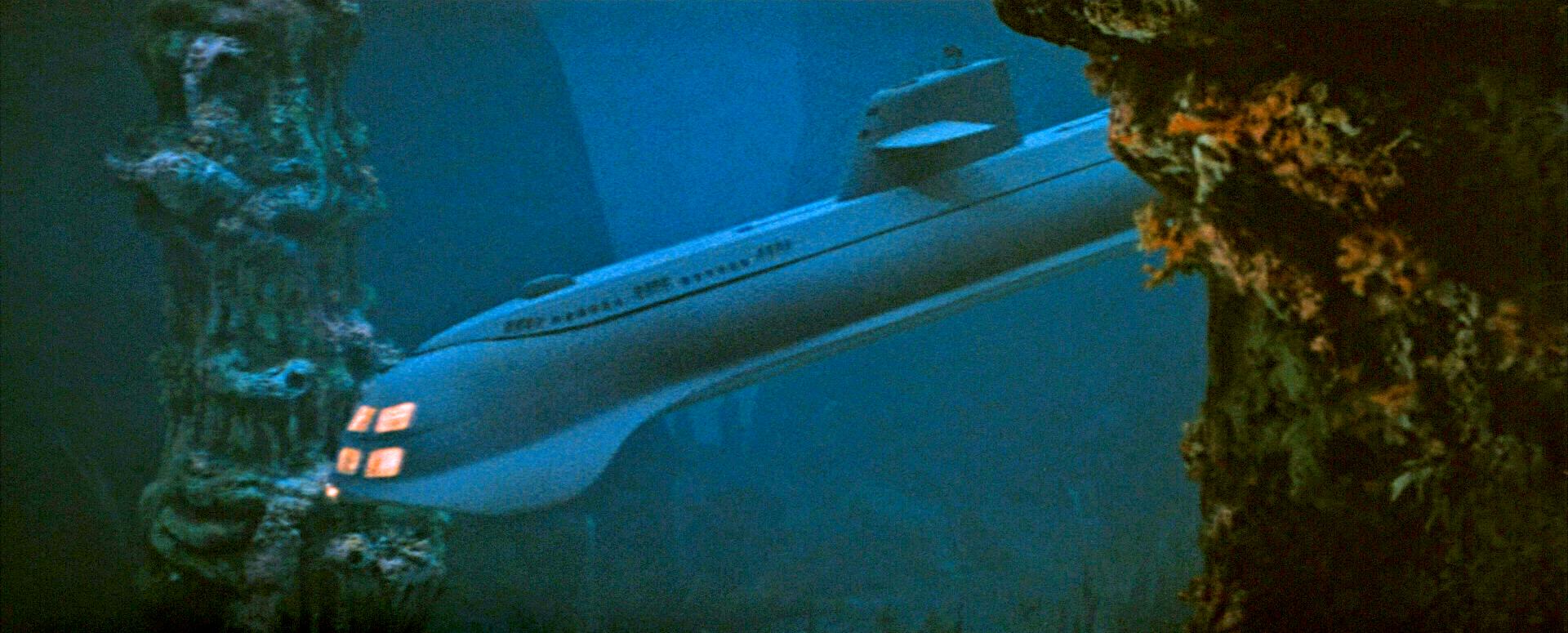
Voyage to the Bottom of the Sea (1961). Just stay there. Cool sub, though, but the ones at Disneyland have windows too and you can see mermaids from them. Barbara Eden’s in this film, but she’s in the sub, alas, and not outside combing her mermaid hair with a golden brush while perched on rock, which I would pay good money to see.
Ice Station Zebra: Ice Station Zero.
Operation Petticoat. What a great idea! Let’s trivialize submariners!
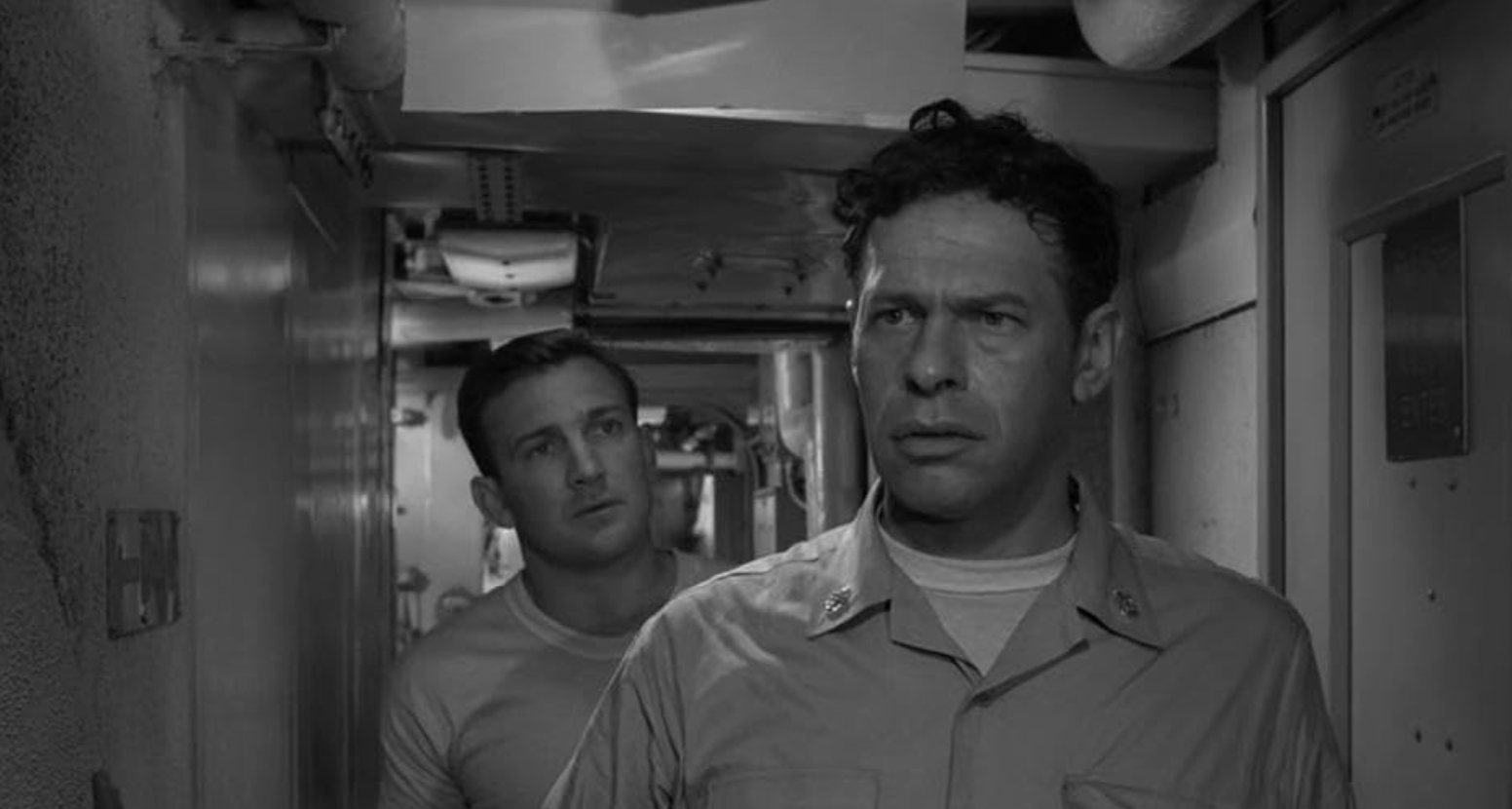
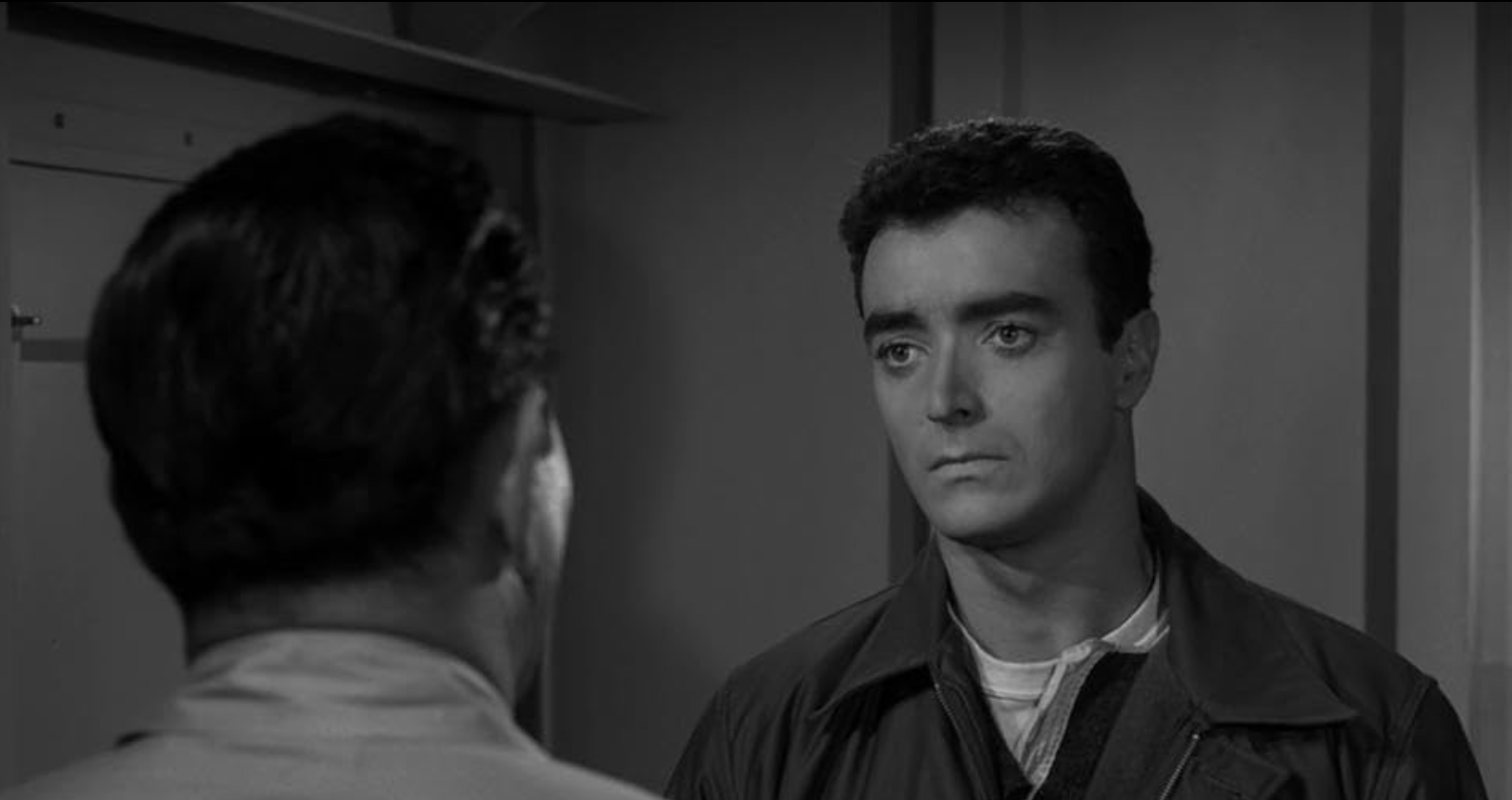
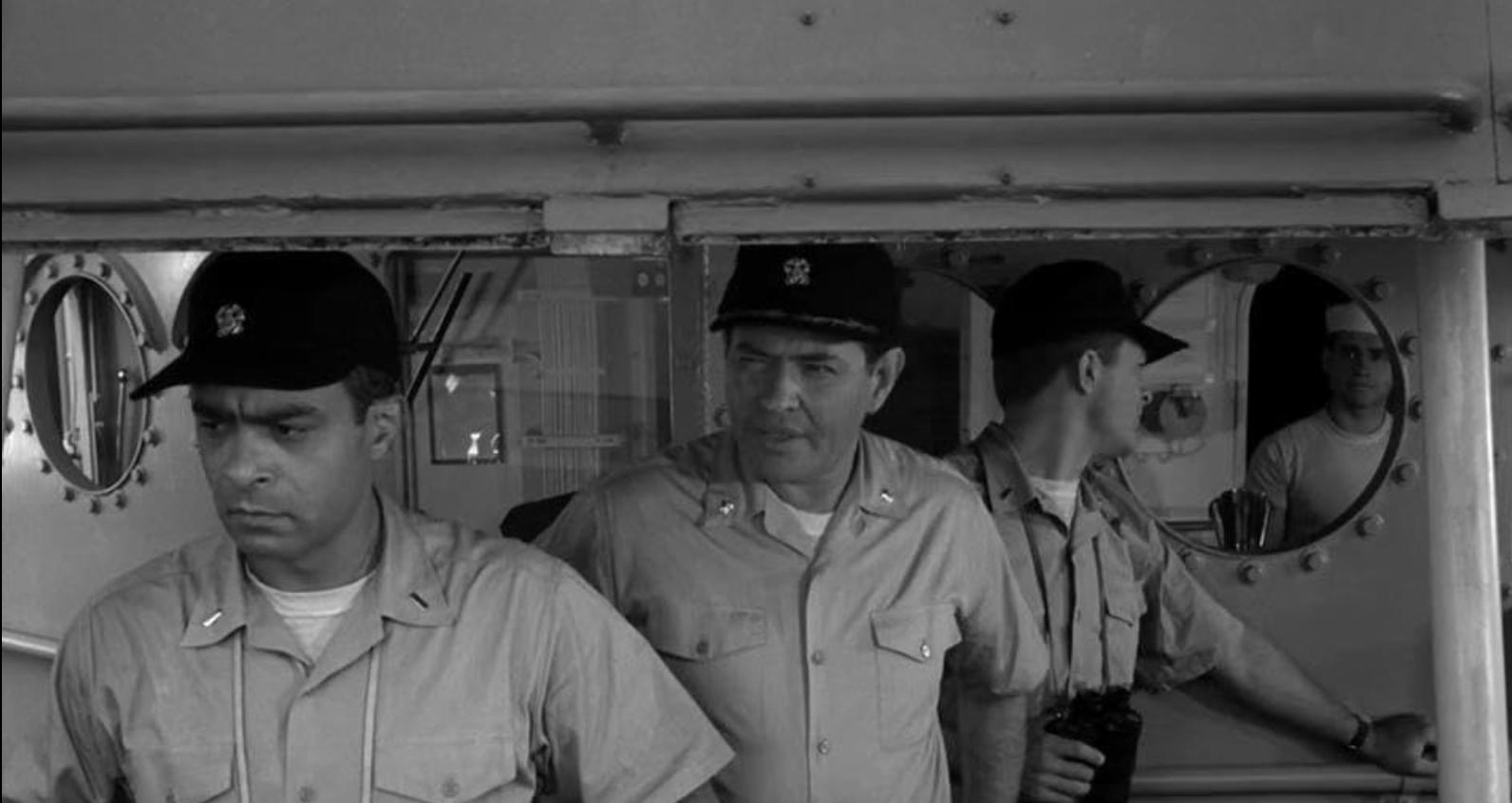
BEST RUNNER-UP:Twilight Zone, “The Thirty-Fathom Grave.” Rod Serling was such a talented writer, but I much prefer his ghostie stuff to his Serious Social Stuff. He wrote the script for this episode. An American destroyer’s sonar, in our time (that would be about 1960 in TV time) picks up what sounds like a hammer pounding against metal beneath the surface. Alas, it’s a sunken submarine, and a destroyer sailor and World War II submarine vet, played by an excellent actor, Mike Kellin, suddenly realizes that that was his sub and the pounding comes from his lost crewmates, calling for him to come join them. The ship’s captain, played by Simon Oakland, is quite good, as is John Considine, who explores the wreck (for you Boomer types, Considine brother, Tim, was in My Three Sons. He left the show to college and never returned. I suspect he was crushed to death while telephone-booth* stuffing, popular among college students before they began occupying adminsitration buildings a few years later.
(*Younger people: Use Google Image Search for the term “telephone booth.”)