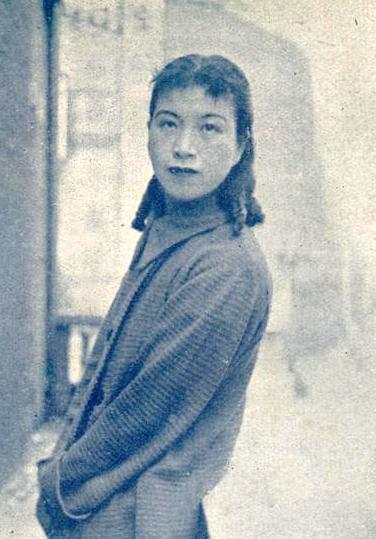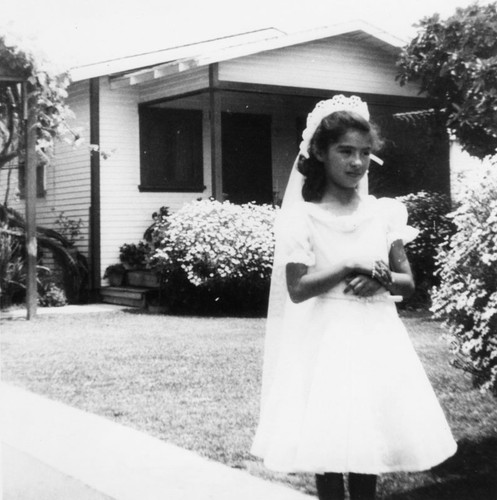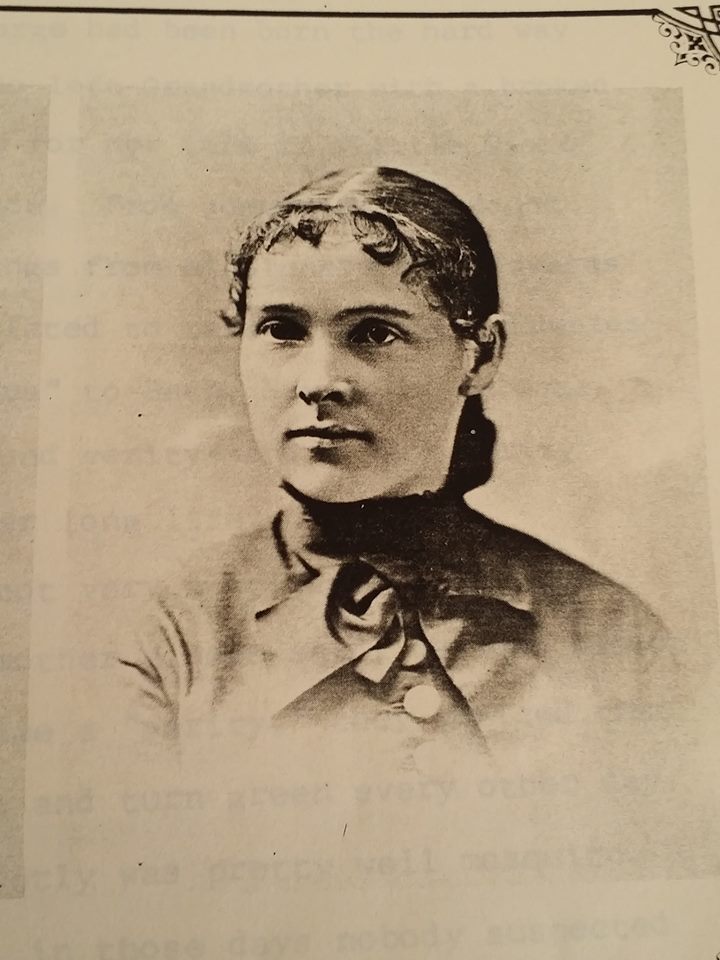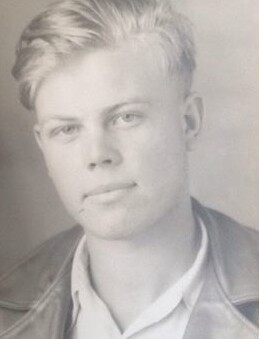
To the girl on the lawn at Cal

Patricia Keefe, Taft (CA) High School, about 1938

This year AVID students–kids whose family backgrounds do not include a college experience– invited me to go on the northern college tour, and I was honored. I had never visited Cal until a few years ago, with another AVID group.  I did go to Stanford. For a week. I won a teaching fellowship in 2004 and got to study the Great Depression and New Deal with David Kennedy, whose book on the subject won the Pulitzer Prize for History.  I tried not to look too adoringly at him while he taught us.  It was difficult, because not only was he brilliant, but he was a real human being– engaging, witty, and you could tell he loved the history of the time and the Americans who had lived it.

I instantly loved Stanford’s rival, Cal, when we visited, even though I had to fight the impulse, so common to my generation, to run off and occupy the administration building, Sproul Hall, and demand that we leave Vietnam.  It is so beautiful and I am convinced just walking around campus with the kids boosted my I.Q. a full 20 points, up to 100.

The other thing I thought, with a little sadness, was that my Mom–Patricia Margaret Keefe–should’ve been here.   She was desperately poor, a child of the Great Depression.  She was a human footnote in the immense body of Kennedy’s scholarship.  Her father, my Irish-American grandfather, deserted the family in the mid-1920s, so my grandmother worked long hours as a waitress in a Taft, California, coffee shop, where “extra sugar” meant a healthy dollop of bootleg Canadian whiskey in your coffee.  It meant my mother, as a little girl, spent a lot of time alone. Those years left their mark on her. We had a can cupboard longer than the cupboards in the back of my classroom, full of food we’d never eat, because the thought of being hungry must have terrified her. And so going to college, for the daughter of a waitress from an isolated outpost on the oil frontier, had been out of the question.

Earl Denton, the first superintendent of the Lucia Mar Unified School District in southern San Luis Obispo County, and a family friend, said that my mother, whose education ended with her graduation from Taft High School, was the most brilliant woman he had ever met.  I remember her devouring the works of the Jesuit theologian and anthropologist Pierre Teilhard de Chardin, who argued that evolution was no contradiction of faith; in fact, it was a divinely-inspired process.  She–-as I would years later with Das Kapital–-wrote almost as much in the margins of Teilhard’s books as he had written in the text.

When I was very little, we played school.  She even rang a hand bell when “recess” was over. It had been my grandmother’s—Dora Gregory, her mother-in-law, had been a schoolmarm in a one-room school in the Ozark foothills.  My first day of formal education was in first grade in a two-room school, Branch Elementary, in the Upper Arroyo Grande Valley.  I remember realizing, with a little shock of pleasure, that I could read the names of my classmates as our teacher, Mrs. Brown, wrote them on the blackboard.

Me and my kids. My Mom was part of every lesson I ever taught.

My mother and I hadn’t been “playing” school at all.  She just made it seem that way. Losing her, when I was 17, remains the central tragedy of my life.

So, many, many  years later, on that visit to Cal, while the AVID kids explored, I had the briefest and loveliest mental image of her, about 1938 or 1939-–blouse, pleated skirt, saddle shoes, bobby socks, with her books and notebook spread out on one of those lush, verdant lawns, studying between classes. My mother was a beautiful woman, but the most beautiful thing about her may have been her mind.

memorialglade

And I think that’s why I enjoy these particular trips, with this particular group of kids. It’s my way of repaying Mom. One of them might take her place, studying in the sunlight on the lawn at a place like Memorial Glade.  She would love that idea.

And she would love these kids because she would understand them completely.  Despite my ne’er-do-well grandfather, I believe completely that my mother’s love for learning and for the the written word had deep genetic and psychological roots in County Wicklow.

So she would love without hesitation the AVIDS who show the incredible desire, the hunger, to improve themselves that she’d had, who refuse to complain when things get tough, who extend themselves to help their classmates, because she believed that all of us, and all of our lives, are intricately and intimately connected, and that this connection requires us to be responsible to and accountable for each other.

The young person who understands these things is close to my mother’s heart.

My mother and my big sister, Roberta, 1943. Mom was twenty-two.

Going to be a teacher? *Sigh!* Well, here’s some trade secrets.

10492258_10204106681091042_2162799464749117961_nI always wanted to be among those teachers who seem to command the fondest memories and the greatest respect, and in my high school experience—-the school where I teach today-—those would be Sara Steigerwalt, my speech teacher, and Carol Hirons, my journalism teacher. They generate fond and respectful memories, and I was terrified of both of them.

I also loved them.

I knew another teacher, with a fabulous reputation and whom I observed for an education class, who terrified his students; in fact, tyranny was the bedrock of his classroom technique. He did not hesitate to use humiliation and he used it frequently, and he did it to push his kids into thinking and speaking and writing in ways that made them better students, and it worked. He was gifted, charismatic, and passionate, and I hated the way he taught.

In his defense, he really did care for his students. The English loved the Parthenon, too, which is why they mutilated it, breaking off huge chunks of Antiquity so they could sail them across the seas and up the Thames to the British Museum.

I tried to be a Tough Guy, like him, early on in my teaching career, but something unexpected happened: My stomach began to hurt so badly that I would actually have to stop and catch my breath. I couldn’t sustain it.

So I went back to being myself. And, as much as I’d like to, mostly to salve my male ego, I can’t be a tough guy. It saved my pride a little when I came to realize that I deal with children, not calves at branding time.

Don’t be mistaken: That doesn’t mean I’m not demanding. I expect a lot from my kids, and I hold them to those expectations. And my most demanding demands are for civility and effort.

But I fail, every year, the basic Jesuit rule about teaching: Don’t smile until Christmas. This is because if I couldn’t be funny when I teach-—I was my high school’s Class Comedian, 1970—-I would almost certainly die, and it also means that sometimes, especially when I’m watching students write an essay or take a test, when they’re not watching me, they make me so happy that I can’t help but smile. Children are so beautiful, and what’s just as beautiful is thinking about the kinds of people they will grow up to be. They will, I think, do a better job than my generation did.

[Sure, Gregory. You teach really smart kids. I get that a lot from one or two teachers, who think teaching AP European History is easy. Here’s a little secret for them: It isn’t, and, by the way, I have taught all kinds of students, and I love teaching knuckleheads, having been one myself. One of my all-time favorite teaching experiences came in a support class for Alternative kids—the kids we try desperately to keep in school, and they taught me something valuable. They weren’t knuckleheads at all. They were some of the funniest and most honest and most decent kids I’ve ever taught, and some of them came from homes that would’ve made mine, sometimes a Reign of Terror with Dad as Robespierre, look like a Thanksgiving episode of The Waltons. ]

I once took one of those education classes—and you know how I feel about education classes—when we observed a not-very-competent teacher on videotape and the prof asked for feedback after. Mine was that the teacher didn’t seem to like kids much. The professor looked as if I were the Village Idiot with two of his prize hens under my arms. “Who said,” he asked, both rhetorically and icily, “that it’s necessary to like kids?”

I later taught two of his children. They were brilliant students and gentle, selfless human beings. I liked them. I really liked them. I came to realize that my professor must have been going through a hard time; he would father these two a little later in his life, in another, better, marriage, and when I met him again, at Parent Conference Night—-I didn’t bring up our previous acquaintance-—he was a changed man. He was much happier and he was, most deservedly, a proud father. He had done a beautiful job with them, and the gift he gave me in those children trivialized that bitter moment years before in his classroom.

I need to point out that I am not a saint, plaster or otherwise, either. I’ve screwed up in the classroom in ways that still make me flinch, years later. I’ve gotten angry—-absolutely and flamboyantly lost my temper, and reamed a class with more fury, minus the profanity, than a Parris Island D.I. could summon, and left them shaken.

Two years ago, I completely mishandled a situation involving a young man throwing the F-bomb at a young woman sixty feet away. I was furious, he was suspended, and, it wasn’t until much later that I realized she probably was fluttering her eyelashes, the whole time, in shocked innocence. What he said was completely inappropriate, and the chances were that she completely deserved it.

But that was kind of an exception. This is the part I love about getting older. I seldom get angry anymore. At my students, anyway.

I make an exception for most educational theorists, and that stems from their theories but it also has a lot to do with they way they savage the language I love so much. They B.F. Skinner English to death, and there’s nothing more infuriating and less enlightening than a sentence written by a typical Doctor of Education.

When I do get angry in the classroom, it’s more likely that I’m pretending to be angry. I’ve learned to pick my spots: those talks, at the right moment, can be marvelous motivators, and it’s fine with me if I’m the only person in the room who knows I’m delivering a monologue in the Globe Theater of my mind, usually as either Henry V or Richard III.

But when I do get genuinely angry, and, in the process, I belittle a student, here is what I’ve learned to do:

Apologize.

If possible, within earshot of that student’s friends.

Here’s why: Teaching is about human relationships, and a kid you’ve humiliated isn’t going to be in relationship with you. He’s going to shut down, he’s not going to learn, and you’ve failed him. And I do fail, with such blithe regularity, and in so many areas of my life, and while it’s all right for kids to see an adult fail, it’s essential for them to see that adult accept responsibility for his mistake.

The basketball player Charles Barkley was absolutely right when he said it wasn’t his job to be a role model. But it is for teachers.

Finally, all of us deserve to be treated with respect and dignity, and I don’t have the right to take any student’s dignity away, and that is the difference between me and the brilliant, but abrasive, teacher I observed so many years ago.

That goes for my behavior outside the classroom, as well. If I want to buy something from the lunch ladies, I’ve made this a cardinal rule: Never cut in front of the kids. Wait your turn with them instead. Inside the classroom, I will never ask a student to do an assignment I haven’t done myself.

I believe these things so strongly and try to live them, too, because of the biggest single influence on my life: My Mom. She was no saint, either—-she had an Irish temper, on occasion, so I come by mine honestly—tragically, she died when she was only forty-eight, when I was seventeen—but in our short time together she was, to me, one of the strongest, one of the most brilliant, and one of the most generous persons I’ve ever known. Every moment I’m in the classroom is meant to honor her.

My values and my spirituality—-because, to me, teaching has always been a vocation, a ministry, and while my faith is mine, and personal, it includes Humanity—-are my way of letting my Mom touch, and inspire, through all the years of my career, the four thousand children who are hers, too, because her life still burns inside me.

My relationship with my Dad was fraught, but he was the most engaging storyteller I’ve ever heard in my life. You forgot to breathe when he was telling a story about our ancestors and you never, ever saw the punchline coming when he delivered it at joke’s end. I inherited that from Dad. I will always be grateful to him.

I’ve also discovered, years later, that “classroom management” isn’t about disciplining kids: It’s about disciplining yourself. It means thinking out your lesson—my role model in lesson design is Filippo Brunelleschi, the jeweler who designed the Florence duomo and engineered the incredible machinery that made its construction possible. It’s means you make your objectives clear, you know how to change the subject or the learning style at least three times in a class period, and you know your students–the last is as much intuition as it is science–and, most of all, it means what comes easiest for me: being excited about what you’re teaching and, for that matter, about the honor of being a teacher.

It is amazing how something so unmeasurable—educational theorists adore the term “data driven,” and they’re easy to visualize with tape measures, calipers, and slide rules, always measuring, and meanwhile an eighth-grade girl has tied their shoelaces together–is also so marvelously effective.

But it also takes a tremendous amount of hard work. My easy workdays are ten hours. We don’t, despite the popular belief, go home at three. School is why we’re scribbling in our weekly plan books at our kids’ soccer games, or why I’m grading essays at the local coffeehouse while my peers are stopping by for a cup before they go on a bike into one of our beautiful coastal valleys, or sipping a cappuccino with the New York Times Book Review. That’s not how teachers spend their weekends.

And while I love kids, they can take a toll: I’m also a raging introvert, and all those surging emotions and all the needs and all the questions that young people have can wear me out. Sometimes, on my prep period, I have to turn out the classroom lights and put my forehead down on my desk and just let the exhaustion take over for a little while. That moment comes to every teacher. It’s a price, we’ve decided, that’s worth paying.

Fortunately, I am not so absorbed in my own noble suffering that I’m not willing to share some outrageously cheap stunts. in the name of classroom management, that might illuminate the gifted young teachers that will replace me:

Not getting an answer to a question you’ve asked? Threaten to hold your breath until you die, in which case it will all be their fault, and will have to live with that for the rest of their lives! Somebody will raise her hand!

Also, I will sometimes lie down on the floor and pretend to take a nap, and ask them to wake me up when they want to re-engage in the class discussion.

It’s useful to have a few stage tricks, too. Sometimes I will have to chew out a kid, but we’ll go outside to do it, get our signals straight again, and then I will hit a locker (darn it, they are gone now) with my fist and we’ll re-enter the classroom with the kid rubbing his arm and wincing. When they laugh, it’s because the joke is ours––mine and the kid who got into trouble––and we’ve turned the tables on something that could have been hurtful.

I hate them in the classroom, but parents with cell phones are quite useful. It’s a marvelous thing to call to the door a student who’s frittering away a chance to study for an exam, hand him your cell phone, and whisper:

“It’s your Mom.”

By the way, I once asked a parent, and my anger was not well disguised, who was texting during my Back to School Night presentation to turn the phone off. He did.

Early in my career, in a Catholic high school, I had a rambunctious class that wouldn’t settle down for the lesson. I assigned them an essay instead, due the next day. I collected them at the beginning of class and then, in front of the classroom, ripped them all apart and threw them into the wastebasket.

“Now,” I said, “do you understand why I was upset with you yesterday?”

I believe they did.

Another time, I got so frustrated with a class that I left the room and walked out in seeming cold fury. Then I ran around to the other side of the building, where there’s a bank of windows, and crawled under the lowest ones and brought my face up, glowering, very, very slowly, as if I were a periscope. When they started laughing, I got them back.

I’ve gotten the kind of angry teachers can get with a kid that’s such a bad anger that it keeps you up all night. We lose a lot of sleep worrying about you, American students. Here’s what I finally learned to do: I go to the records office, find the student’s folder, and look at the first-grade school photo. That little, little boy, whose hair has been combed so carefully, is your student, too. And if his hair’s not combed, then you begin to understand how the two of you arrived your sad meeting place, and you can start to look for a better one.

At the same time, my humanitarian tendencies are tempered by a catalogue of snappy lines:

When they’re supposed to be doing quiet seated work:

“I can hear voices, and the last time I checked, I wasn’t Joan of Arc.”

I asked two chatty girls to leave the room, then went outside and asked them: “There are two variants of the Plague. What are they?” They knew: Bubonic and Pneumonic.

“Which variant are you two?”

Bubonic?

“WRONG! You are pneumonic, because you’re more contagious. You’re out here because the two of you were talking, and then there would be two more, and two more after that, and what that means is that one of your friends is going to miss a question on the next exam because they’ve been distracted. They’ve been cheated out of a chance to study. Do you understand?”

They nodded. Enthusiastically. I was kind of flummoxed, but the best part was I got the chance to do a little re-teaching.

Two boys were sending eye signals when they were supposed to be reading. Some teachers would immediately launch an all-out nuclear strike. I waited instead, in the bushes, for twenty-four hours, then took them outside.

“Gentlemen,” I said. “I’ve been teaching for a long time, and can always tell the kind of guys who are going to give me trouble, the kind of guys I’m going to butt heads with.”

Pause. The pause is the most important part.

“And you aren’t those guys.”

Pause. I learned to pause from the sportscaster I so admire, Vin Scully.

“I like you.”

And then you describe the behavior, and why it’s a problem, and they get it.

They get it, too, when they get a good grade on a difficult test, or they try to answer a difficult question, or when they are kind to another student, because when I pass that student’s desk and give him or her just the briefest pat on the shoulder, they know what I’m saying: You matter, your did your best, your behavior is admirable, and I admire you, too.

When it comes to behavior, I am, ironically, the worst note-passer in my own class. A 15-year-old honors student last week told me she was having a panic attack and left the classroom in tears. Later I passed her a note: I’ve had them, too. So have Lincoln, Adele, Johnny Depp, and John Steinbeck, We’re not weirdos. We’re humans, you and me. Love, Mr. G.

Summer, 1944, Arroyo Grande, California

100_1460In the early summer of 1944—when Eisenhower pauses at the end of his weather officer’s report for June 6 and says simply, “Okay, we’ll go,” when Rome falls to Mark Clark’s armies, and when horrified Marines watch Japanese civilians leap to their deaths from the cliffs of Saipan—the war, for Americans at home, was both distant and painfully intimate, but even the war could not touch the work to be done.

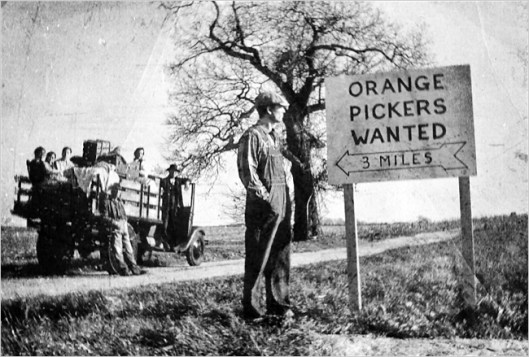
That month, in the Upper Arroyo Grande Valley of coastal California, this is what you would see, if not clearly, because the cold morning fog can be dense: labor contractors drop off pickup loads of field workers at the Harris Bridge, which spans the creek that gives the valley its name and that nourishes it.

The workers cross the bridge whistling, an incredibly beautiful, almost baroque whistling, Mexican folk tunes from the time of the Revolution, or love songs, as they walk down to the fields to their work with their lunches–wine-jugs filled with drinking water and perhaps chorizo-and-egg burritos, wrapped in wax paper, the  fuel a man needs to do the kind of physical work that would make most men sit in the freshly turned field, gasping and woefully regarding their quickly-blistered hands, within fifteen minutes.

Their summer work might be in a new bean field and the whistling would stop because it is such a tax on men who work beans, whose breathing soon becomes laborious and therefore precious. To begin a newly planted field of beans, the field workers have to drive wooden stakes into precise parade-ground lines along the furrows, so that the bean vines can use the stakes to climb and twist—they will eventually yield bell-shaped flowers–toward the sun.

The sun invariably appears in late mornings when it burns the sea fog away and the colors of the valley, wheaten hills and verdant bottom land where the crop is in, are reborn, vivid and sharply focused.

To drive the wooden stakes, the field workers use a heavy metal tube, hollowed, with a handle attached that resembles that of an old-timed pump primer pioneer men and women once used to draw water out of the ground. So the whistling stops and is replaced by the rhythmic ring of the stake drivers as the workers pound hundreds of them into the field.

It is a musical sound, but, of course, what you cannot hear are the grunts of the men at each stroke of the stake driver and what you cannot feel is the enormous weight that exhausted arms and shoulders soon take on and what you cannot avoid, if you think about it sensibly, is admiration for the men who feed you. In turn, they are determined to feed families who live in camps or tarpaper shacks in the Valley, or, for some, part of the work force that will dominate agriculture here for the next twenty years, for families who are living in the tier of states of northern Mexico.

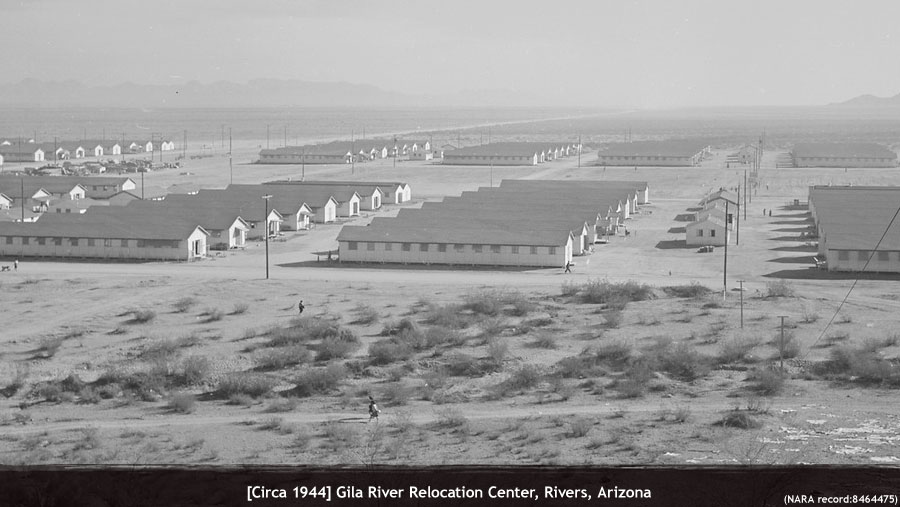
In 1944, Mexican nationals are doing this work. Four years before, many of the laborers would have been Japanese, but they are gone now, to bleak, colorless, and hopeless camps–where they would cultivate hope nonetheless– like Poston or Gila River. A few of them, as the war begin inexorably to wind down, will begin to trickle home. The Kobara family will be the first. But many, many families–now unfamiliar surnames in yellowed 1941 high school yearbooks–will never come home. The wound may have been too deep.

Beans are no longer central to the agriculture of the Arroyo Grande Valley, but once gain, Japanese American farmers—like the Kobaras, the Ikedas, the Hayashis—are. Agriculture has changed—the seemingly limitless groves of walnut trees that once competed with row crops are gone, victims of a malevolent infestation of insect larvae.

Today farmers grow more exotic crops, like bok choy or kale, and along the hillsides once given over,  in the 19th centur, to beef cattle, there are new farmers and nearly endless row of wine grapes, multiplying every year, profitable, lovely, and greedy for water, a commodity that isn’t always plentiful in California.

That is why beef cattle haven’t dominated the coastal hills since the 1860s, when the drought that periodically afflicts the state hit as hard as it ever has. The cattle, either killed outright by ravenous coyotes come down from distant folds in the hills, or dead of thirst and hunger, would have covered the hills with their bones.

It was that kind of drought that may have brought a field worker–not a Mexican, but an American, a New Mexican–to these coastal valleys in 1940.

Much of his native state, of course, in the years before, had been swept away by the Dust Bowl. Winds had carried the copper-red soil as far east as the mid-Atlantic to drop it, like gritty rain from a place that had none, onto ships still sailing freely between continents.

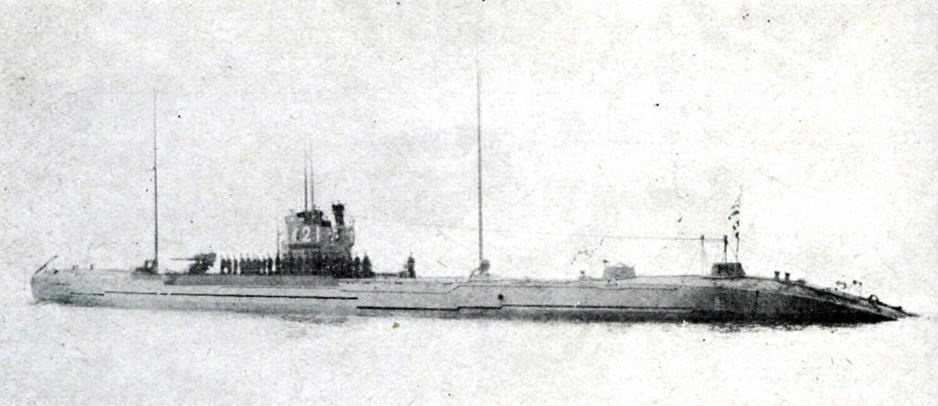
Those ships would lose their freedom in the years immediately after, and the coyotes that hunted them without fear, of course, were U-boats come out of their lairs in Kiel, and later in L’Orient. U-boat captains called this “The Happy Time.” Martinez

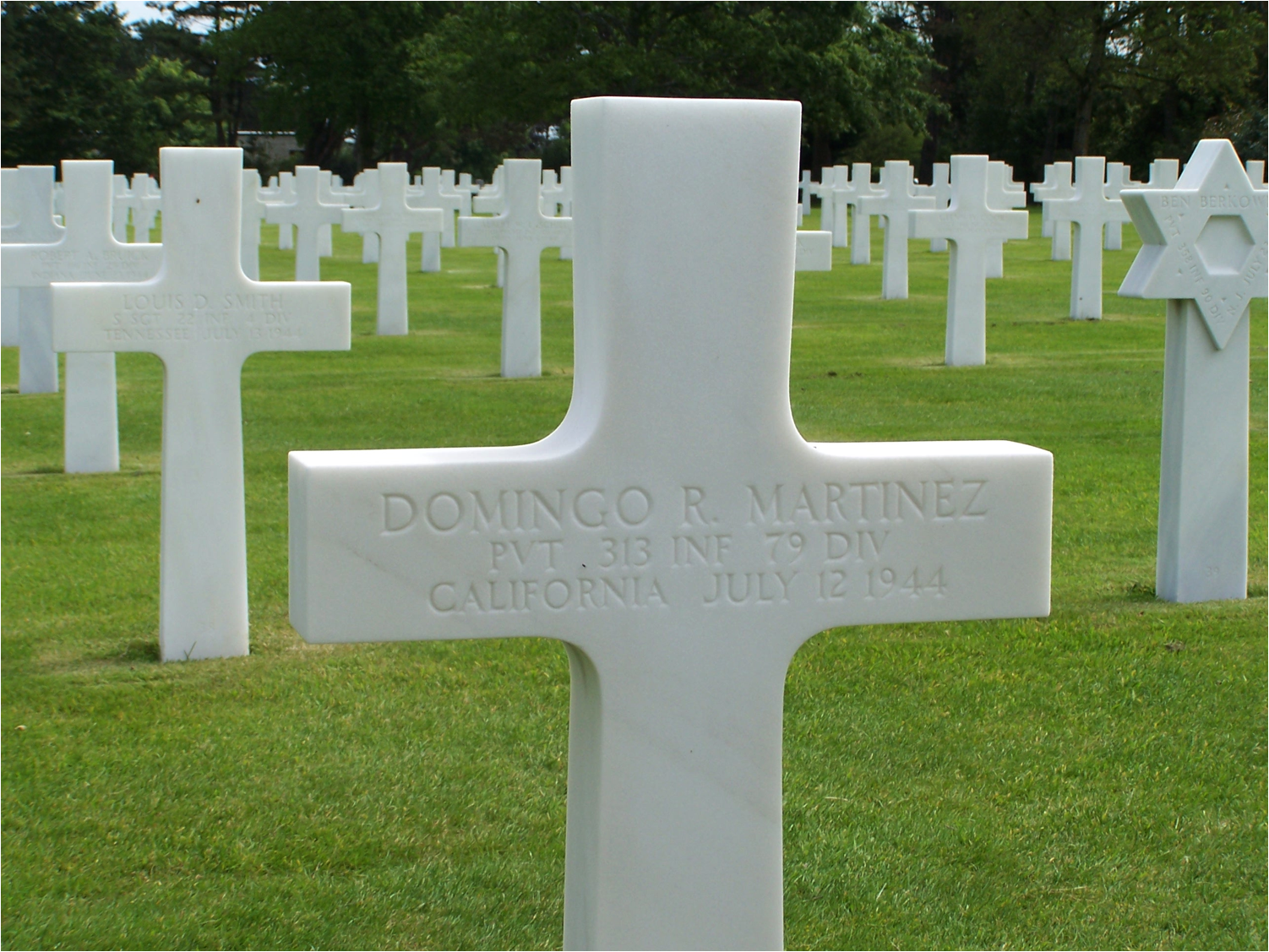
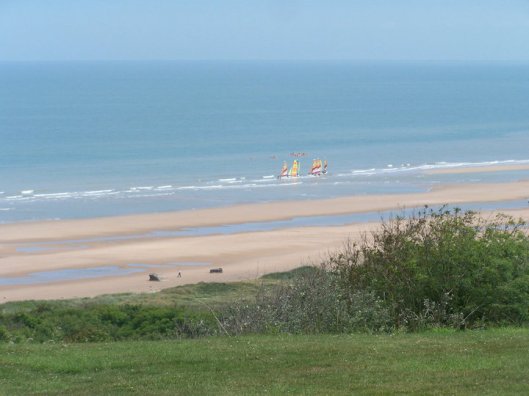
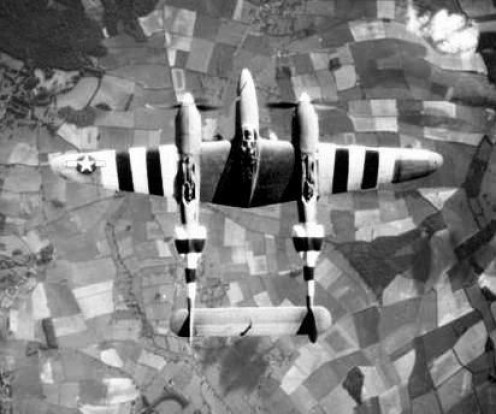
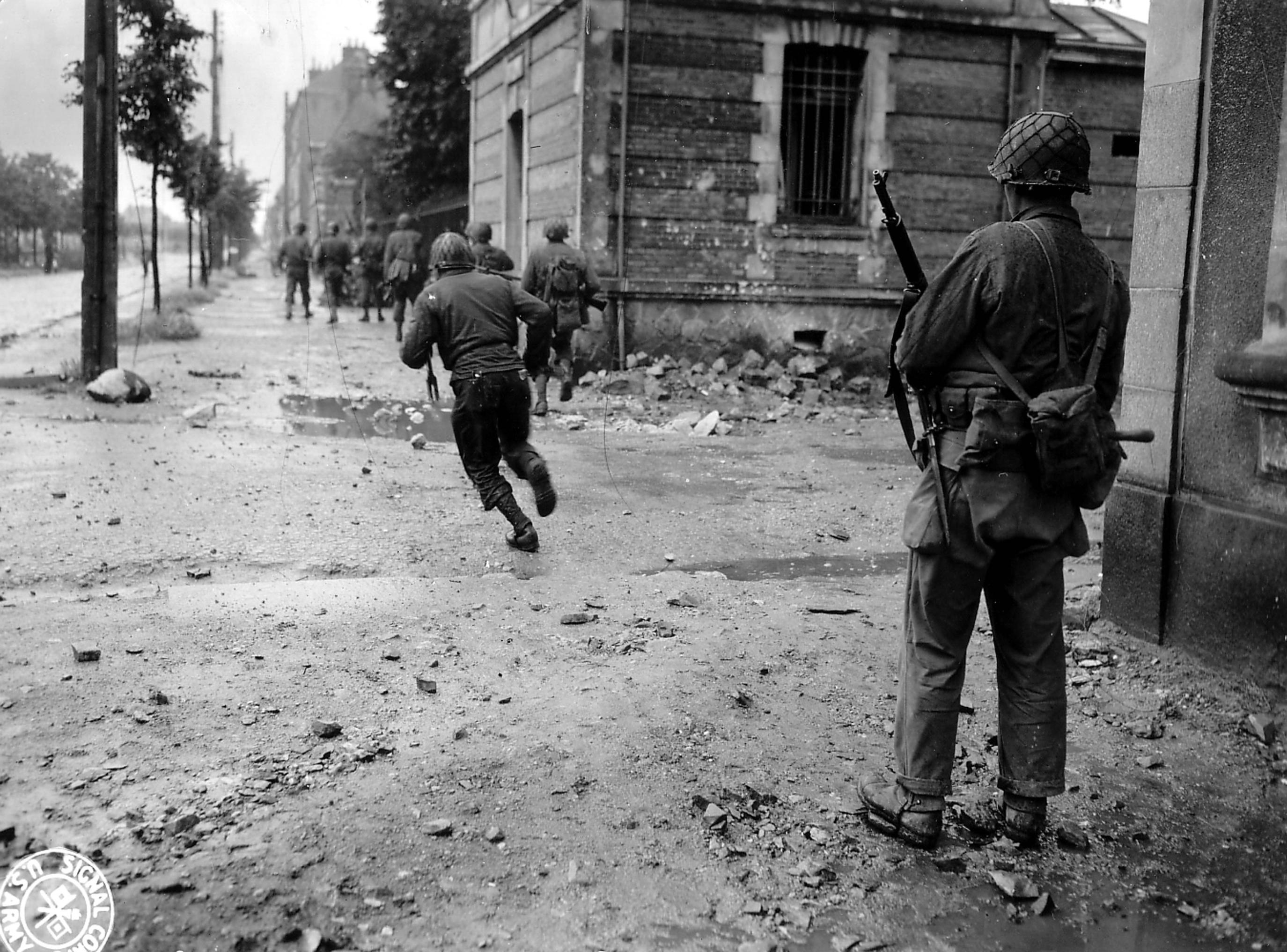
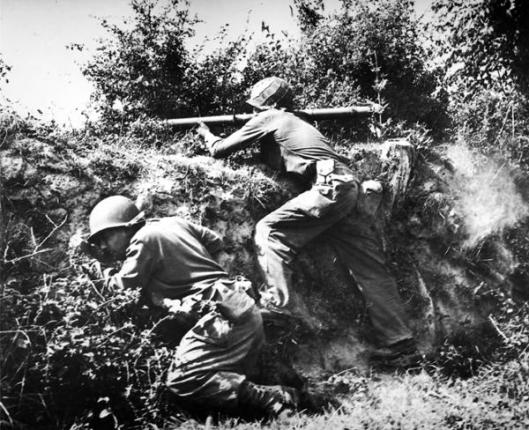
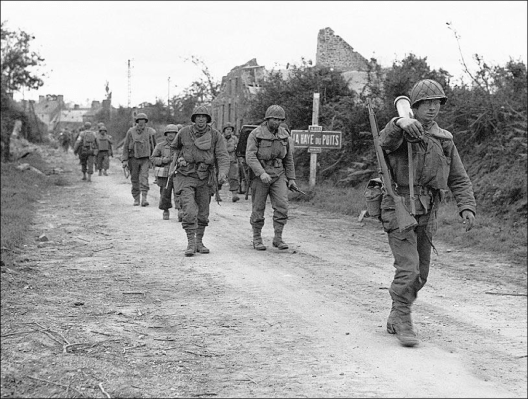
The U-boats would someday kill that young field worker, if indirectly, as part of an inexorable chain of events that would lead him to Normandy, 5,500 miles away from the fields that border Arroyo Grande Creek, and to pastures bound by hedges and grazed by fat dairy cows, cows that lowed piteously to be milked in what had become killing zones. One of them, dead in the crossfire, may have provided scant cover for the field worker, now a rifleman, Private Domingo Martinez, from the German machine-guns that harvested crops of young men.

A Reporter’s Notebook

I’m sorry I’m posting so much, but I am laid up and besides that, but this is how my mind has worked all my life. It always has lots to think about.

This morning it was about two wonderful interviews I got to do when I was a reporter.

One was with Tom Carolan of the Carolan House in Grover. He was 100 when a gifted photographer, Thom Howells, and I met him. Carolan’s home was, to borrow Steinbeck, like a museum of uncatalogued exhibits, like an incredible antiques shop.  I was particularly  taken, and so was Thom, by a pair of beautifully-crafted binoculars from 1906. Carolan was Irish-born–not fond of Oueen Victoria–funny, eccentric, and delightful. He still missed the love of his life. He outlived Mrs. Carolan by twenty years.  She was a New York girl, I think, with whom he, a young immigrant had fallen in love, during the McKinleyvAdministration. . I loved the interview and I loved his little house, one of the first in Grover City.

I get a little emotional in old homes because some part of me intuits the lives that have left their traces in them, and the Anne Frank home in Amsterdam very nearly overwhelmed home me. Even as a supposedly objective historian, I have a consistent habit of making friends I have never met. The young men of World War II  I am now researching are from my father’s generation, but their lives ended so young that they become, in a way, like adopted sons. They are my boys, and I miss them.

The second wonderful interview was with Gene Saruwatari over coffee at what is Pancho’s today. It was still Sambo’s, and a place where in high school I had spent hours talking about books and music and poetry and ideas over botomless cups coffee–ten cents, no limit on refills–with my friend Paul. A peroxide blonde with a beehive who snapped her gum and looked tough–she more than held her own with truckers, farmhands,  and drunks– served us. But she liked Paul and me, called us “Hon,” and so I liked it when Gene suggested that place for the interview.

(By the way, we all had crushes on Gene’s lovely sister, Gayle, back in high school and also with the car Gayle drove–their Dad’s 1969 400-horsepower Pontiac GTO, black top over midnight blue.)

It had suddenly suddenly occurred to me that all the walnut trees of my youth, including the groves that had once surrounded the high school, were gone. I remember that Joe Loomis, in his woodcutting days, had cut enough firewood from them to keep all the fireplaces at Hearst Castle roaring for fifty years.

Gene told me a pest–the husk fly larvae–had infested the trees and so killed walnut cultivation in the Valley. But Gene made it interesting, and then even more interesting when he talked about how his grandfather, who harvested walnuts as well as vegetables (My Kelly grandparents had 40 acres of almond trees in Williams, California) had come from Japan and settled here.

I remember Tom and Gene because in both interviews, I had to struggle to take notes. Sometimes you just want to put down your pen and Reporter’s Notebook and listen to good people tell good stories. It is a great honor.

4102443434_d5a3f95405

The Return of the “St. Louis”

St. Louis passengers waiting to disembark in Havana. They would be turned away.

St. Louis passengers waiting to disembark in Havana. They would be turned away.

In May, 1939, the German liner St. Louis left Hamburg, bound for Havana, with over 900 passengers—most of them European Jews.

They hoped their stay in Cuba would be a short one; they’d applied there for U.S. visas. But when the St. Louis reached Havana, only 28 of the passengers were admitted. The rest were turned away at the demand of Cuban President Frederico Laredo Bru. Cuba was still feeling the effects of the Depression, the immigrants were seen as a threat, and Cuba’s right-wing press was powerful.

St. Louis had not stayed in Havana long enough for the Europeans, now stateless refugees, to have their U.S. visas processed. But her German captain–a determined man, and one deeply sympathetic to the passengers in his care–set course for the American mainland.

Despite intense press coverage of the passengers’ plight—Kristallnacht and the “racial laws” had bluntly served notice of what Nazi Germany had in store for them—this, according to the Holocaust Encyclopedia, is what happened.

Sailing so close to Florida that they could see the lights of Miami, some passengers on the St. Louis cabled President Franklin D. Roosevelt asking for refuge. Roosevelt never responded.

U.S. Coast Guard cutters shadowed St. Louis to make sure she did not try to enter an American port. Despite pleas on the passengers’ behalf, Canadian Prime Minister Mackenzie King also denied them entry. Eventually the ship returned to Europe. The UK admitted 288 passengers; the remainder were dispersed throughout France, Belgium, and Holland, all overrun by the Wehrmacht in 1940.

At least 227 vanished in the Holocaust.

Today the United States deported a group of Hondurans: 17 women and 21 children, boys and girls between 15 and 18 months. Their charter flight landed in San Pedro Sula, Honduras, the city, according to U.N. data, with the highest murder rate in the world.

This is where the photograph of these deportees, a mother and daughter, was taken.

immig16n-7-web

We cannot condemn…


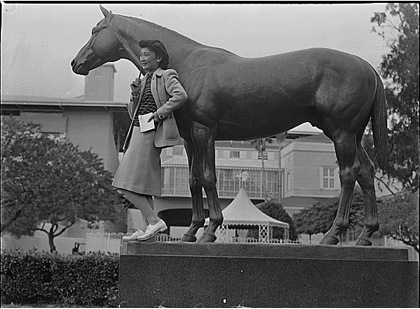
Japanese-Americans await transport at the Santa Anita Racetrack. They slept in the stables.

Japanese-Americans await transport at the Santa Anita Racetrack. They slept in the stables.

From a letter to a University of Oregon alumni magazine that ran an article on the internment of World War II:

“In 1942, U.S. Marines were battling the Japanese in the Guadalcanal jungles. American aircraft carriers were sunk by Japanese warplanes. So many ships were sunk in the Solomon Islands ‘slot’ that it was nicknamed Iron Bottom Sound. The fighting was a match of equals that could have gone either way. The American public was frightened of a West Coast invasion. We cannot condemn 1942 policy using our 2013 mores and sensibilities. The prospect of a ready made collaborationist population, following a Japanese invasion, impelled the internments of Japanese Americans.”

This, of course, excuses the irrational. Consider the other coast of the United States:

–In 1941, German U-boats were already attacking American warships: the destroyers Greer and Kearny came under fire before a torpedo took the Reuben James and 115 of her 159-man crew in October, five weeks before Pearl Harbor. Even before then, with the fall of France in June 1940, war hysteria in America had been intense. With FDR’s blessing, J. Edgar Hoover would compile voluminous lists, aided by wiretaps, of suspected German Fifth Columnists living in the United States; the agency included more lists of any American who subscribed to periodicals written in German or Italian, and until FDR ordered the registration and monitoring of all aliens, there were isolated but frightening cases of Germans or German-Americans who were attacked–one was murdered–by wrongheaded “Patriots,” deprived of our 2013 mores and sensibilities.

–By 1942, American troops were fighting Rommel’s Afrika Korps—and getting routed, at Kasserine Pass. In general, the war was going against the Allies on both the Western Front—the disastrous Dieppe Raid is a notable example–and Eastern Front, with Gen. von Paulus’s Sixth Army, which would eventually surrender at Stalingrad, defeating Soviet forces in combat around Kharkov.

In the Pacific war, we had lost the Philippines, just as the War Department knew we would, and our Pacific possessions, but we’d taken the war to Japan with the Doolittle Raid in April and achieved a much more substantive victory–the first American turning point–at Midway in June with destruction of four of the six carriers that had begun the war against us at Pearl Harbor, along with the cadre of the Japanese naval air forces.

–German U-boats sank 82 American ships in all waters in December 1941 alone; In 1942, they sank 121 American ships off the East Coast and 42 along the Gulf Coast out of a total of 500 American merchant marine ships sunk by German submarines that year. Americans on holiday, from Coney Island to Miami, could see our ships glowing at night as they burned,, with their crews.  A U-boat also delivered a team of Abwehr saboteurs  onshore near Jacksonville, Florida. We were bleeding ships and English children were beginning to go hungry: they were allowed one small egg every four weeks.

During the same period, Japanese submarines sank a total of four ships off the West Coast.

–120,000 Japanese-Americans were interned under Executive Order 9066. Fewer than 3,000 Italian-Americans or Italian aliens and 11,000 German-Americans or German aliens were interned.

Stabbed in the Arras, Bigod!

Give me a flit-flit here...

Give me a flit-flit here…

...and a flit-flit there...

…and a flit-flit there…


Sir John Gielgud-Obit

John Gielgud as Hamlet. This look’s for you, Mother…

I’m sorry.  I cannot sit through Olivier’s Hamlet. There’s entirely too much flitting, and Ophelia, he’s just not that into you. We saw the play, perhaps Shakespeare’s longest, and I was ready to shake off his mortal coil about halfway into Act III. Tedious. Now Olivier’s Richard III—that’s delicious malevolence. I love that film.

Elizabeth and I saw Rosencrantz and Guildenstern Are Dead in London; I rented a little pair of opera glasses but we couldn’t focus them because we were laughing so hard. That’s good Shakespeare, that.

One of the best Hamlets ever was said to be John Gielgud, and Gielgud directed one of my favorite actors, Richard Burton, in the role in a 1964 film.

Both Gielgud and Burton were big drinkers and did not mind imbibing before or during a performance, like the way Babe Ruth ate hot dogs.  Burton once drank a fifth of vodka, gave a flawless performance in Camelot, then threw up.

Gielgud was in his cups a wee bit in a London play where his character was to commit suicide in the final act, which, now that I think about it, makes Hamlet’s failure to act after the mid-play “To be or not to be…” soliloquy even more painful. In Gielgud’s play, his final line was delivered to a butler: “A pint of port and a pistol, if you  please.”

Burton suspects Guinevere's mind is not on a Doe, a Deer, A Female Deer.  Instead, she's thinking about...

Burton suspects Guinevere’s mind is not on a Doe, a Deer, a Female Deer. Instead, she’s thinking about…

...Robert Goulet's Lancelot.

…Robert Goulet’s Lancelot!

Well, of course, it didn’t come out that way. Gielgud asked instead for “a pint of piss and a portal.”

The rest was Silence.

A few of the 9,478 reasons why I love “Casablanca”

casablanca1Since it’s Bastille Day, and we’ll always have Paris. I’m thinking about Casablanca.

It is fascinating to read about this film because so much of the cast was caught up in the events of the day: A native Berliner, Conrad Veidt, had played one of the principal roles in the 1920 Expressionist masterpiece The Cabinet of Dr. Caligari.  Veidt, who despised the Nazis, played the remorseless and humorless Major Strasser and thus set the standard for a generation of faux-Nazi film officers.  He was not remotely like Strasser in real life: he loved golf as much as he hated Hitler, but died, tragically, of a heart attack only a year after Casablanca’s release, while playing at the Riviera Country Club.

Strasser’s nemesis, the freedom fighter Victor Laszlo, was played by an Austrian who was living in England when war broke out in 1939, Paul Heinreid. The English were about to deport him as an enemy alien when Veidt spoke up for his friend and made his Hollywood career possible.

Peter Lorre was another Austrian—his character, who has the stolen Letters of Transit, is shot ten minutes into the film—and Lorre was, like Veidt, a star in German Expressionist film: he was the child-killer in the sensational and controversial 1931 film, M.  Lorre, a Jew, recognized quickly the nature of Hitler’s rule and fled Germany. Several of the lesser players are, like Lorre, refugees from the Third Reich: Hitler was indirectly responsible for a real Golden Age in American film.

Neither the studio nor Bogart thought much of Casablanca at the time–it was just another job for him, for Warner Brothers, just another assembly-line feature; it was shot in a little over nine weeks. Off the set, Bogart’s major concern was surviving the violent temper tantrums of his alcoholic wife—his third—Mayo, whom he sardonically nicknamed “Sluggy.” On the set, Bogart was extremely uncomfortable with the love scenes: he didn’t consider himself a romantic lead, and his favorite part of the film must have been when he finally got a revolver in his hand. That was his moment—not, as is the case for the rest of us, the closing dialogue with Ingrid Bergman’s Ilsa.

Bergman wasn’t even thinking about Casablanca. She was preoccupied with snagging the role of Maria in For Whom the Bell Tolls. The bromide that “the camera loved her” was certainly true in Casablanca; director Michael Curtiz’s cinematographer, Arthur Edeson, used soft focus skillfully in her closeups–not to hide Bergman’s age, because there wasn’t a need to, but to idealize her beauty, which, for Rick, would always be a dream. She was delighted, near the end of the filming of Casablanca, to hear that she had been cast as Maria, never realizing, of course, that her Ilsa would be the role that would endure.

Other than Ilsa, my favorite part of the film–my favorite film–is the banter between Bogart’s Rick and Claude Rains’s corrupt Captain Renault. I am always thinking of Renault when I tell my students that wonderful things MIGHT happen to their essay grade if a latte magically appears at my table at Cafe Andreini while I’m grading them.

If you read the script alone, this is a melodrama that is graced by some of the funniest dialogue in American film. The policeman, Captain Renault, gets my favorite line:

“I’m shocked, shocked to find that gambling is going on in here!” [Pocketing his winnings from the roulette wheel in Rick’s Place.]

One of Bogart’s lines is a very close runner-up.. Major Strasser asks Rick his nationality.

“I’m a drunkard,” Bogart deadpans.

Our soldier, my hero: Pfc. Sadami Fujita, Arroyo Grande, California

220px-442nd_US_Army_RCT_squad_leader_in_franceI recently found a local man who fought, like this soldier, with the 442nd Regimental Combat Team. Pfc Sadami Fujita was killed in action and awarded the Bronze Star and Purple Heart during the relief of the “Lost Battalion” in the Vosges Mountains in October 1944.

Sadami was born and raised in Hawaii. Here he is, as an eight-year-old, in the 1920 census.  You can click on the images to make them larger.

Screen shot 2014-07-13 at 9.20.02 PM

But in 1939, he left Hawaii for California on the President Pierce, evidently with a younger brother, Jimmy.  Here’s the “alien” passenger list and; below, Pierce passes one of the Bay Bridge’s towers, probably in 1935, the year before the bridge opened.

Screen shot 2014-07-13 at 9.26.49 PM neg_0226_SS_President_Pierce_helped_Earhart_stay_on_courseThis ship was intimately tied to the career of Amelia Earhart. She was one of the dozens of ships, both military and civil, which searched fruitlessly for the lost flier in 1937. But in 1934, Pierce had saved Earhart’s life on her Hawaii-to-California flight, in her beloved Lockheed Vega. From a website on that flight:

In the final hours of the journey Earhart found herself surrounded by a thick blanket of fog. Glancing down through a hole in the fog, she suddenly caught sight of a ship. She dove down through the hole, she wrote later, “faster than I ever flew before from 8,000 feet to 200!” The ship was the President Pierce, outward bound from San Francisco. Earhart lined her plane up with the wake of the ship and headed for California—now only 300 miles away!

In the 1940 Census, Sadami, too, has found a home in California: he is living with two brothers, Jimmy, who will go to the Poston internment camp, and Dick, in Arroyo Grande.  The page from that year’s census is like a Who’s Who–it includes the Ikedas, the Hayashis, the Fukuharas, and Javier Pantaleon, the foreman at the Waller Seed Co. to whom doomed sailor Felix Estibal wrote one of his last letters before being killed in action off Guadalcanal in November 1942. Screen shot 2014-07-13 at 9.21.56 PM

Five months after FDR re-instated the draft, the United States Army tapped Sadami on the shoulder–and, not unusual in the Army–they spelled his name wrong, though not as egregiously as the case of Marine Private Louis Brown, from Corbett Canyon. Killed on Iwo Jima, the twenty-year-old’s name was spelled “Louise” in the Navy casualty records.

Screen shot 2014-07-13 at 9.24.24 PM He would be assigned to the 100th Infantry Battalion, a tough outfit made up of Hawaiian Japanese-Americans. The 100th would later be merged with the famous 442nd Regimental Combat Team as that unit’s First Battalion. The 442nd included Nisei soldiers from all 48 states. The unit would do most of its fighting in Italy, but was transferred to France in the fall of 1944.

Sadami, a PFC in “B” Company of the 100th Battalion, was killed on October 28 in the relief of the “Lost Battalion,” a unit made up largely of Texans that had been surrounded by German troops in the Vosges Mountains.

This is what it was like that day, from a website on the 442nd: (http://www.the442.org/battlehistory/vosges.html)

The following day [October 28th], both battalions continued the drive forward in the teeth of stubborn resistance and heavy artillery and mortar fire. Casualties went up and up, caused largely by tree bursts, from which there was no escape. Our own artillery was active, and the Cannon Company and 4.2 mortars performed yeoman service, but the Germans were below ground, while our troops were up and moving forwards. At the end of the day, the regiment was 1,500 yards nearer to the “lost battalion,” but only at [a] terrible cost in men and material. During the night, biting cold and rain kept the men from resting.

So it’s probable that it was artillery fire that killed Fujita–the Germans fired .88 shells into the treetops and, as was the case in the Hurtgen Forest, a ferocious battle being fought at the same time in in Germany, just over the Belgian border, many GI’s were killed by flying shrapnel and splinters. This is what the combat zone looked like then, and today: 83c2948e0878bc66e016cbc1dc475822Screen shot 2014-07-13 at 9.53.12 PM The 442nd broke through two days later. 800 Nisei soldiers were killed or wounded to rescue the 230 Texans.

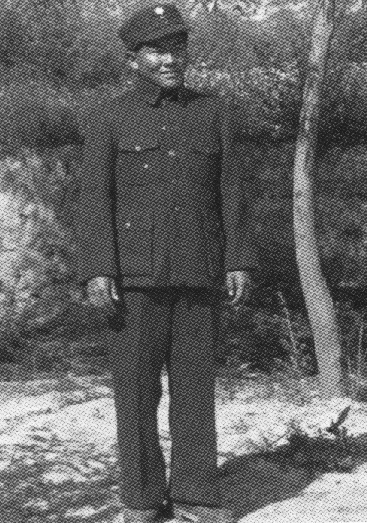
Several Nisei soldiers, like  Masami Hamakado, in Fujita’s “B” Company, kept extensive photographic records of their service years and of their comrades. Two of Hamakado’s photographs show paired soldiers, but each is labeled only with last names. In both photos one of the names is “Fujita.”

This is what drives historians nuts.  No first names. Here’s the first photograph, labeled “Ono and Fujita at Parade Rest.” hamakado_masami-127x

Here’s the second, “Fujita and Umihara.” hamakado_masami-141xOne of these men has to be the Arroyo Grande Fujita. A hint: Sadami was only 5′ 1″, so he’s likely to be the shorter man in either photograph.  I looked up the enlistment record of the other “B” Company Fujita., whose first name was Hasami.

He was 5′ 2″.  Great.

I’m reasonably sure–but will never be certain– that the lower photo is of “our” soldier, because Sadami Fujita outweighed Hasami Fujita by 22 lbs., so the smaller soldier in the lower photograph is a more likely choice.

He’s a nice-looking young man.

My next step is to hope to get a return email from the Fujita family still living in Hawaii–maybe the will know more about Sadami and maybe they’ll have photographs.

Sadami Fujita would go home to his family.  His grave is in the Punch Bowl, an incredibly beautiful place; I visited in 1996. I owe it to him to find out more. IMG_8606-1024x690 Screen shot 2014-07-13 at 9.27.12 PMI owe to these young men, too.  These are the 442nd Regimental Combat Team soldiers who gave their lives for the country:

MEMBERS OF THE 100th INFANTRY BATTALION AND 442nd REGIMENTAL COMBAT TEAM KILLED IN ACTION IN WORLD WAR II

Chester K. Abe / Matsuei Ajitomi / Tokio Ajitomi / Frank Chujiro Akabane / John Akimoto / Victor Akimoto / Hideo Akiyama / Zentaro G. Akiyama / Eugene T. Amabe / Nobuo Amakawa / James H. Anzai / Yoshiharu N. Aoyama / Harold J. Arakawa / James Y Arakawa / Masashi Araki / Frank N. Arikawa / Hiroaki Arita / Shiro Asahina / Ralph Y. Asai / Shotaro H. Asato / Kenneth L. Asaumi / Shigeo Ashikawa / Daniel D. Betsui / James Boodry / Howard Vernon Burt / Joseph Lawrence Byrne / Henry Chibana / Guchi Chinen / Onso Chinen / Jenhatsu Chinen / Danny K. Chorike / Cloudy Gary Connor Jr. / Walter Maurice Crone / Haruo Doi / Kenneth E. Eaton / Tetsu Ebata / George Eki / Hachi Endo / Hiroo H. Endo / Masaharu Endo / Robert T. Endo Kaname Enomoto / Kiyozo Enomoto / Ralph Burnell Ensminger / Harold C. Ethridge / Charles Oliver Farnum Jr. / Fred H. Fritzmeier / Abe M. Fuji / Paul Fuji / Masao Fuji / Richard T. Fujii / Samuel A. Fujii / Yutaka Fuji / Jitsuro Fujikawa / Masaki Fujikawa / Hideo Fujiki / Toshiaki Fujimoto / Noboru Fujinaka / Russell Takeo Fujino / Yasuo R. Fujino / Yoshimi Fujino / Teruo Fujioka / Wendell S. Fujioka / Sadami Fujita / Ross K. Fujitani / Peter Fujiwara / Takeo Fujiyama / Akira W. Fukeda / Shigeo F. Fukuba /Masami Fukugawa / Barbara Fukuhara /Herbert M. Fukuhara / Kakutaro Fukuhara / Edward Fukui / Roy S. Fukumoto / Ichiji Fukumura / Chester T. Fukunaga / Arthur M. Fukuoka / Katsumi Fukushima / Kaoru Fukuyama / Stanley K. Funai / Satoshi Furukawa /Tatsumi Furukawa / Tsuyoshi Furukawa / Kenneth K. Furukido / Henry T. Furushiro / Mitsuo Furuuchi /George M. Futamata / Shigeto Fuyumuro / Roland Joseph Gagnon / Seikichi Ganeko / Hiroshi Goda /Kazuo Goya /Yeiko Goya / George Gushiken / Frank T. Hachiya / Victor Hada / Hatsuji Hadano / Eichi F. Haita / Tom S. Haji / Tetsuo Hamada / Kenichi Hamaguchi / Katsuyoshi Hamamoto / Seuchi Hamamoto / Fred Y. Hamanaka / Clifford H. Hana / Richard S. Hanaumi / Tamotsu Hanida /Ben Hara / Charles K Harada /John Y Harano / Kiyoshi Hasegawa / Mikio Hasemoto / Denis M. Hashimoto / Hisao Hashizume /Masao Hatanaka / Kunio Hattori / Harry M. Hayakawa / Makoto Hayama / Stanley Hayami / Donald S. Hayashi / Eugene Hayashi / Joe Hayashi / Robert N. Hayashi /Tadao Hayashi / Torao Hayashi / Henry Hayashida / Henry Y. Hayashida / Hideyuki Hayashida / Robert Hempstead / Eiji Hidaka / Charles Higa / Eddie K. Higa / Katsumori Higa / Masao Higa / Takei Higa / Toshio Higa / Wilson E. Higa / Yeiko Higa / Bert K. Higashi / Harold T. Higashi / James T. Higashi / Harry N. Hikichi / Aranari Hiraga / Tomosu Hirahara / Mitsuo Hiraki / Kazuo L. Hiramatsu / Hiroyuki Hiramoto / Frederick M. Hirano / John Hirano / Robert R. Hirano / Genichi Hiraoka / Satoru Hiraoka / Gerome M. Hirata / Louis M. Hirata / Himeo Hiratani / Yasuo Hirayama / Yutaka Hirayama / Masao Hisano / Gary T. Hisaoka / Yeichi Hiyama / Richard M. Honda / Tomio Honda / Kay I. Horiba / James J. Horinouchi / Paul F. Horiuchi / Robert S. Hoshino / Earl Hosoda / Max M. Hosoda Jr. / Kihachi Hotta / Teruo Hozaki / Toshio Hozaki / Kenichi Ichimura / Edward Y. Ide / Shigeo Igarashi / Kiyoshi Iguchi / Masao Iha / Kazuo Ihara / Martin M. Iida / George Ikeda / Isamu Ikeda / Masao Ikeda / Roy Y. Ikeda / William Y Ikeda / Yoshio Ikeda / Lloyd Ikefuji / Henry S. Ikehara / Kikuichiro D. Ikehara / Haruyuki Ikemoto / James S. Ikeno / Tomio lmai / William I. Imamoto / Larry M. Imamura / Shunichi Imoto / Thomas T. Inada / Ben M. Inakazu / Masami Inatsu / Minoru Inoue / Henry Inouye / Masato Inouye / Takeshi Inouye / Masaji Irie / Tadayoshi Iriguchi /Mitsuo M. Iseri / Haruo Ishida Hidemaro Ishida / Minoru Ishida / George F Ishii / Richard H. Ishii / Stanley T. Ishiki / Walter S. Ishiki / Kiyoshi lshimizu / Kusaku Isobe / Hachiro Ito / Roy Ito / Takashi Ito / Tetsuo Ito / Robert K. Iwahiro / Hisashi lwai / Yoshio Iwamasa / Lawrence T. Iwamoto / Henry S. Izumizaki Thomas M. Jichaku / Katsui Jinnohara / John A. Johnson / Chitoshi Kadooka / Joe Y. Kadoyama / Yasuo Kagawa James J. Kagihara / Tsugito Kajikawa / Nobuo Kajiwara / Fred Y. Kameda / Bob T. Kameoka / Shinobu Kametani / Mitsuo Kami / Shizuto Kamikawa / James J. Kanada / Walter E. Kanaya / John S. Kanazawa / Frank Kanda / Takezo Kanda / Takeo Kaneichi / Katsuhiro Kanemitsu / Seichi Kaneshiro / Yasuo Kaneshiro / Isamu Kanetani / Jero Kanetomi / Akira Kanzaki / James S. Karatsu / Haruo Karimoto /Kenneth G. Kashiwaeda /Yoshitaka Kataoka /Noritada Katayama /John S. Kato /John J. Kato /Joseph Kato /Kenji Kato /Yoshio Kato /Masaichi Katsuda /John R. Kawaguchi /Richard H. Kawahara /Tetsuro Kawakami Kazuo Kawakita /Haruo Kawamoto /Sadao Kawamoto /Toshio Kawamoto /Yutaka Kawamoto /Kikumatsu F Kawanishi /Cike C. Kawano /George Kawano /Tetsuo Kawano /Yasuo Kawano /Albert G. Kawata /Satoshi Kaya /Stephen M. Kaya /Yasuo Kenmotsu /Lewis A. Key /Tadashi Kijima /Leo T. Kikuchi /John S. Kimura /Matsuichi Kimura /Paul Kimura Jr. /Tsuguo Kimura /Shomatsu E. Kina /Francis T. Kinoshita /Mamoru Kinoshita /Richard K. Kinoshita /Toshio Kirito /Robert T. Kishi /Roy J. Kitagawa /Paul T. Kitsuse /Ronald S. Kiyabu /Edward Y. Kiyota / Kiichi Koda /Sadaichi Kohara /Sadamu Koito /Hayato Koizumi /Yutaka Koizumi /Shaw Kojaku /Tadashi Kojima /Nobuo Kokame /Jimmie T. Kokubu /James K. Komatsu /Katsuto Komatsu /Fred H. Komeda /Nobuo Komoto /Harry M. Kondo /Harushi Kondo /Herbert Y. Kondo /Howard N. Kondow /Seichi Kotsubo /Shigeo Kuba /George M. Kubo /Tadashi Kubo /James Kubokawa /Mitsuharu Kuboyama /Thomas T. Kuge /Isamu Kunimatsu /Tetsuo Kunitomi /Katsuji K. Kuranishi /Jerry S. Kuraoka /Minoru Kurata /James S. Kuratsu /Ichiji H. Kuroda /Robert T. Kuroda /Satoshi Ben Kurokawa /Shigetoshi Kusuda / Shosei Kutaka /Masaji Kutara /Shozo Kuwahara /Sunao Kuwahara /John Kyono /Clarence E. Lang /Leonard H. Luna /Harry F. Madokoro /Saburo Maehara /Richard K. Magarifuji /Matsutada Makishi /Harry Makita /Seiso J. Mana /Ben Masaoka /Kay K. Masaoka /Masa Mashita /Dick Z. Masuda /Eso Masuda /Kazuo Masuda /Yoshito Masuda /George A. Matsumoto /Noriyuki Masumoto /Lawrence K. Masumura /Kiyoshi Masunaga /Peter S. Masuoka /Carl G. Matsuda /Masao Matsui /Hiroshi Matsukawa /Isamie Matsukawa / Dick Y. Matsumoto / Goro Matsumoto / Kiyuichi Matsumoto / Sadao Matsumoto / Tommy T. Matsumoto / Renkichi Matsumura / Kaname Matsunaga / Satoshi Matsuoka / Shizuo Matsushida / Kazuo Matsushima / George M. Mayeda / Jimmy Mayemura / Thomas T. Mekata / Torae Migita / Katsuaki Miho / Yoshio Minami / lsamu Minatodani / Kiyoshi Mine / Nobue Mine / Tom T Misumi / Kazuo Mitani / Kazuo Mito / Larry N. Miura / Toshio Miura / Charles M. Miyabe / Masayoshi Miyagi / Masayuki Miyaguchi / Tetsuo Miyake / James H. Miyamoto / Thomas T. Miyamoto / Yasuo Miyamoto / George S. Miyaoka / Isami Miyasato / Tamotsu Miyata / Tokio Miyazono / Tsuyoshi Miyoga / Mitsuru E. Miyoko / Noburo Miyoko / Timothy Mizokami / William S. Mizukami / Hideo Mizuki / Morio Mizumoto / Yukitaka Mizutari / Henry T. Mochizuki / Edward V. Moran / Kiyoto Mori / Shigeru Mori / Haruto Moriguchi / Rokuro Moriguchi / Arthur A. Morihara / Roy T. Morihiro / Haruto Morikawa / Hiromu Morikawa / Toshiaki Morimoto / Harold Morisaki / Joseph Morishige / Takeo Morishita / Iwao Morita / George K. Moriwaki / David Leander Moseley / Hiroshi Motoishi / Susumu Motoyama / Hachiro Mukai / Sadao S. Munemori / Isamu Murakami / Kiyoshi Murakami / Sakae Murakami / Tadataka Murakami / Tokiwo Murakami / Toshio T. Murakami / Kiyoshi K Muranaga / Richard K Murashige / Robert S. Murata / Mitsugi Muronaka / Roy L Naemura / Grover K Nagaji / Hiroshi Nagami / Hiroshi Nagano / Setsuo Nagano / Martin M. Naganuma / Goichi Nagao Hitoshi Nagaoka / Hideo Nagata / Jim Nagata / Taichi Nagata /Fumitake Nagato /Yoshiiwa Nagato /Kaoru Naito /Hitoshi Najita /Masaru Nakagaki /Hirao Nakagawa /Usho Nakagawa /Hitoshi Nakai /Masao Nakama /Shigenori Nakama /Shinyei Nakamine /Joe K Nakamoto /Seichi Nakamoto /Edward E. Nakamura /George S. Nakamura /Henry Y. Nakamura /John M. Nakamura /Kosei Nakamura /Masaki Nakamura /Ned T. Nakamura /Tadao Nakamura /Wataru Nakamura /William K Nakamura /Yoshimitsu Nakamura /Masao Nakanishi /Tsutomu Nakano /Robert K. Nakasaki /Dick S. Nakashima /Raito R. Nakashima /Wataru Nakashima /Frank K. Nakauchi /Donald T. Nakauye /Kiyoshi C. Nakaya /Minoru Nakayama /Saburo Nakazato /John T. Narimatsu /Tetsuo Nezu /Yutaka Nezu /Willie S. Nieda /Shigeto Niide /Edward Joseph Nilges /Minoru Nimura /Ban Ninomiya /Takao T. Ninomiya /Chikao Nishi /Takanori A. Nishi /Kazuo Nishihara /Takaki Nishihara /Akio Nishikawa /Tohoru Nishikawa /Joe M. Nishimoto /Tom T. Nishimoto /Shigeki Nishimura /Wilfred K. Nishimura /Charles J. Nishishita /Chieto Nishitani /Taro Nishitani /Sueo Noda /Yoshito Noritake /Al Y. Nozaki /Tadashi Nozaki /Alfred S. Nozawa /Toshio Numa /Masayoshi Oba /Sanichi Oba /Stanley T. Oba /Tadashi Obana /Larry M. Ochiai /Benjamin F. Ogata /Fred S. Ogata /Masaru Ogata /Masayoshi Ogata /Tsugio Ogata /Edward Ogawa /John N. Ogawa /Sadao Ogawa /Yoshio W. Ogomori /Abraham G. Ohama /Arnold Ohki /Muneo Ohye /Shigeo Oikawa /Teiji T. Oishi /Akira Oiji /John T Okada /Donald M. Okamoto /James S. Okamoto /James T. Okamoto /Ralph S. Okamoto /Tomiso Okamoto /Togo Okamura /Isao Okazaki /Takaaki Okazaki /Katsu Okida /Richard M. Okimoto /Seiei Okuma /Toyokazu Okumura /Susumu Okura /George Omokawa /Ken Omura /Takeyasu T. Onaga /Satoru Onodera /Lloyd M. Onoye /Choyei Oshiro /Edward Oshiro /Kenneth Oshiro /Sam Y. Oshiro /Seikichi Oshiro /Wallace H. Oshiro /Yeishin Oshiro /Daniel C. Ota /Randall M. Ota /Roy Ota /Tadashi Otaguro /Masanao Otake /Douglas K. Otani /Kazuo Otani /Bill M. Otomo /Akira Otsubo /Jiro Otsuka /Harumatsu Oyabu /Francis K. Oyakawa /Robert Y. Ozaki /George Y. Ozawa /Francis J. Rerras /Roy T. Reterson /Neill M. Ray /Masatsugu Riyu /Ben W Rogers Jr. /Herbert K. Sadayasu /Yohei Sagami /Thomas T. Sagimori /Atsuo Sahara /Masami Saiki /Hoichi Saipan /Calvin K. Saito /Chuji Saito /George S. Saito /Kinji Saito /Masuto Sakada /Masaaki Sakaguchi /Richard M. Sakai /Yoshinori Sakai /Atsushi Sakamoto /Louis K. Sakamoto /Masa Sakamoto /Noburo Sakamoto / Robert /. Sakamoto / William Samonji / Minoru Sasaki / Yoshio Sasaki / Toshio Sasano / Itsumu Sasaoka / Andrew Y. Sase / Michael Sato / Saburo Sato / Shin Sato / Shukichi Sato / Tadao Sato / Yukio Sato / George K. Sawada / Kurt E. Schemel / Toll Seike / Koichi K Sekimura / Hihumi Seshiki / Hiroshi Shibao / Kenneth K. Shibata / Mitsuru Shibata / Tetsuo Shigaya / Masao F. Shigemura / Hideo Shigeta / Masao Shigezane / Takeshi Shigihara / George M. Shikata / Ted T. Shikiya / Roy K. Shimabuku / Hideo Shimabukuro / Tomoaki Shimabukuro / George M. Shimada / Akira R. Shimatsu / Jimmy T. Shimizu / Takeo Shimizu / Robert Shinde / Takeo Shintani / Nathaniel A. Shiotani / Joe A. Shiomichi/ Roy R. Shiozawa / Shigeomi Shiraishi / Kiyoshi J. Shiramizu / Kizo Shirokane / Henry M. Shiyama / Toshiaki Shoji / David I. Suda / Sadami R. Sueoka / Theodore T. Sueoka / Shinichi Sugahara / Kenji Sugawara / Hiroshi Sugiyama / ltsuo Sugiyama /Togo S. Sugiyama / Michiru Sumida / Albert M.Sunada / Nobuyuki Suwa / George W. Suyama / Jiro Suzawa / Kenny R. Suzuki / Takashi Suzuki / YonezoSuzuki / Edward H. Sweitzer / Teruo Tabata / Shigeo Tabuchi / Sadao Tachibana /Yoshio Tagami / Hitoshi B. Taguchi / Cooper T. Tahara / Masaru Taira / Seitoku Taira / Boon E. Takagi / David Kiyoshi Takahashi / ltsuo Takahashi / lwao A. Takahashi / Mon Takahashi / Toru T. Takai / Thomas T. Takao / Ronald K. Takara / Gordon K. Takasaki / Katsumi L. Takasugi / Shigeo J. Takata / Jo Takayama / Yoshito Takayama / Masaharu Takeba / Jimmy Takeda / Shoichi J. Takehara / Yosh Takei /Haruo Takemoto /lwao Takemoto /Tami Takemoto /Tooru Takenaka /Robert M. Takeo /Jimmy Y. Taketa /Peter Taketa /Shigeto Taketa /William H. Taketa /Ichiro S. Takeuchi /Tadashi Takeuchi /Thomas Takizawa /Kenji Takubo /Douglas Tamanaha /Kuneo Tamanaha /Masao H. Tamanaha /Thomas T. Tamashiro /Masaru Tamura /Osamu Tamura /Toyoshi Tamura /Kei Tanahashi /Harley Tanaka /Jack M. Tanaka /James J. Tanaka /Jiro Tanaka /John Y. Tanaka Keichi Tanaka /Ko Tanaka /Matsusaburo Tanaka /Saburo Tanamachi /Larry T. Tanimoto /Teruto Tanimoto /Yukio Tanimoto /Mitsuo Tanji / Katsushi Tanouye /Ted T. Tanouye /Yukio Tanouye /Masaru Tashima /Michio Tachima /Haruyoshi H.Tateyama /George Tatsumi /Masaru Tengan /Yoshio Tengwan /Henry M.Terada /Ted A. Teramae /Lloyd M. Teramoto /Shizuo Teramoto /Henry Terazawa /Herman T. Teruya /Kenkichi K. Teruya /Michio Teshima /Theodore T. Tezuka /Shiro Togo /Clifford T. Tokunaga /Hidetoshi Tokusato /Harry H. Tokushima /Patrick M. Tokushima /Minoru Tokuyama /Takaya Uragami /Moriichi Uyeda /Theodore T. Uyeno /Daniel M. Wada /Kenneth Y. Wasada /Shigeo Wasano /Hiroshi Watanabe /Kiyotoshi Watanabe /Kozo Watanabe /Theodore H. Watanabe /James D. Wheatley Jr. /Earl White Jr. /Steve S. Yagi /Hideo Yamada /Raymond T. Yamada /George T Yamaguchi /Fred M. Yamamoto /George I. Yamamoto /John T. Yamamoto /Masaru Yamamoto /Takeo Yamamoto /Tsuyoshi Yamamoto /Thomas I. Yamanaga /Tsutomu Yamaoka /Harry S. Yamasaki /Gordon K. Yamashiro / Lei S.Yamashiro /Joichi Yamashita /Kazuo Yamashita /Setsuro Yamashita /Chioyoaki J. Yamauchi /GoroYamaura /Thomas T. Yamazaki /Fred S. Yasuda /Joe R. Yasuda /Arata Yasuhira /Hideo Yasui /Yoji Yasui /Mitsuru Yeto /Masuichi Yogi /Hideo Yonamine /Satoshi Yonekura /Hitoshi Yonemura / Kenjiro Yoshida /Yoshiharu E. Yoshida /Mitsuichi Yoshigai /Makoto Yoshihara /Toraichi Yoshihara /Minoru Yoshimura /Saburo Yoshimura /Akira Yoshinaga /Hajime Yoshino /Isami Yoshioka /S. Yoshioka / Tatsuo Yoshizaki /Don Yumori /Shiyoji Yunoku   .