• About
  • The Germans

A Work in Progress

A Work in Progress

Category Archives: Uncategorized

Disappeared

27 Saturday Sep 2025

Posted by ag1970 in Uncategorized

≈ Leave a comment

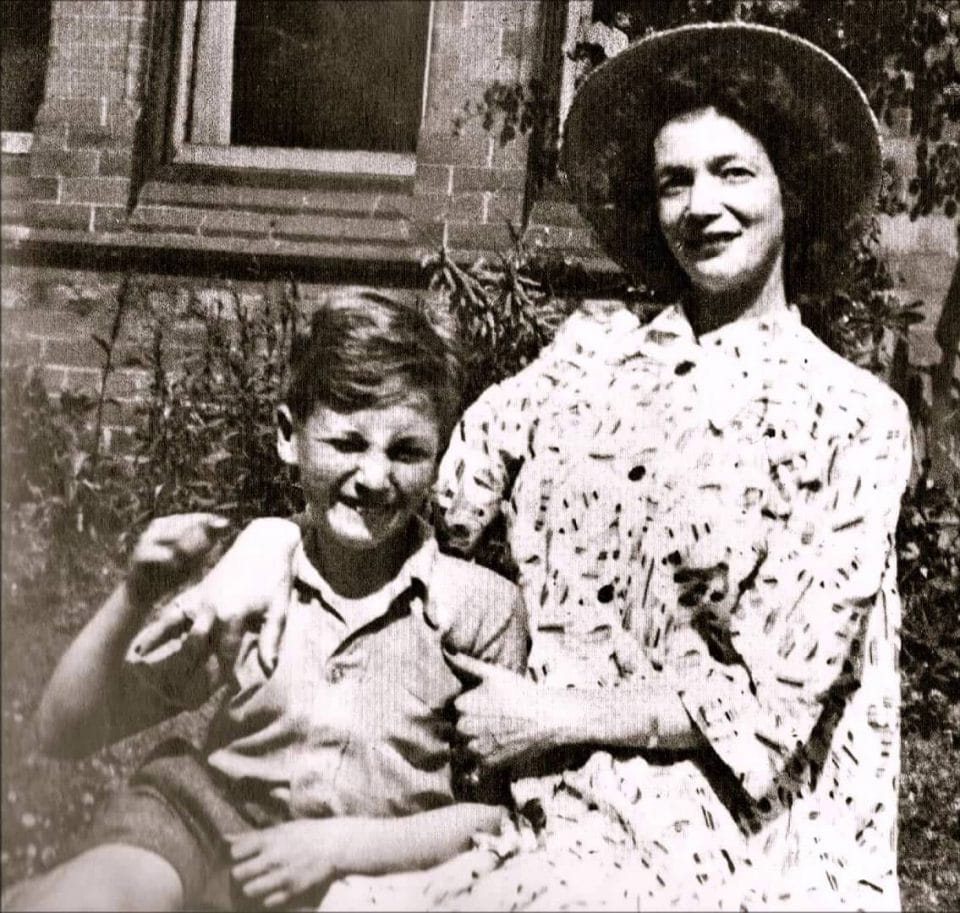
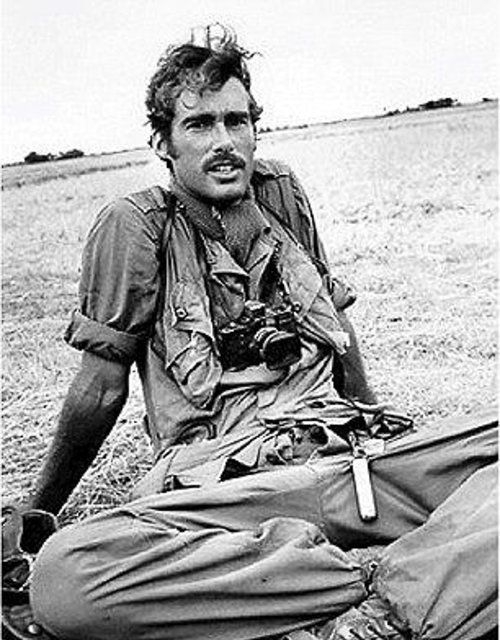
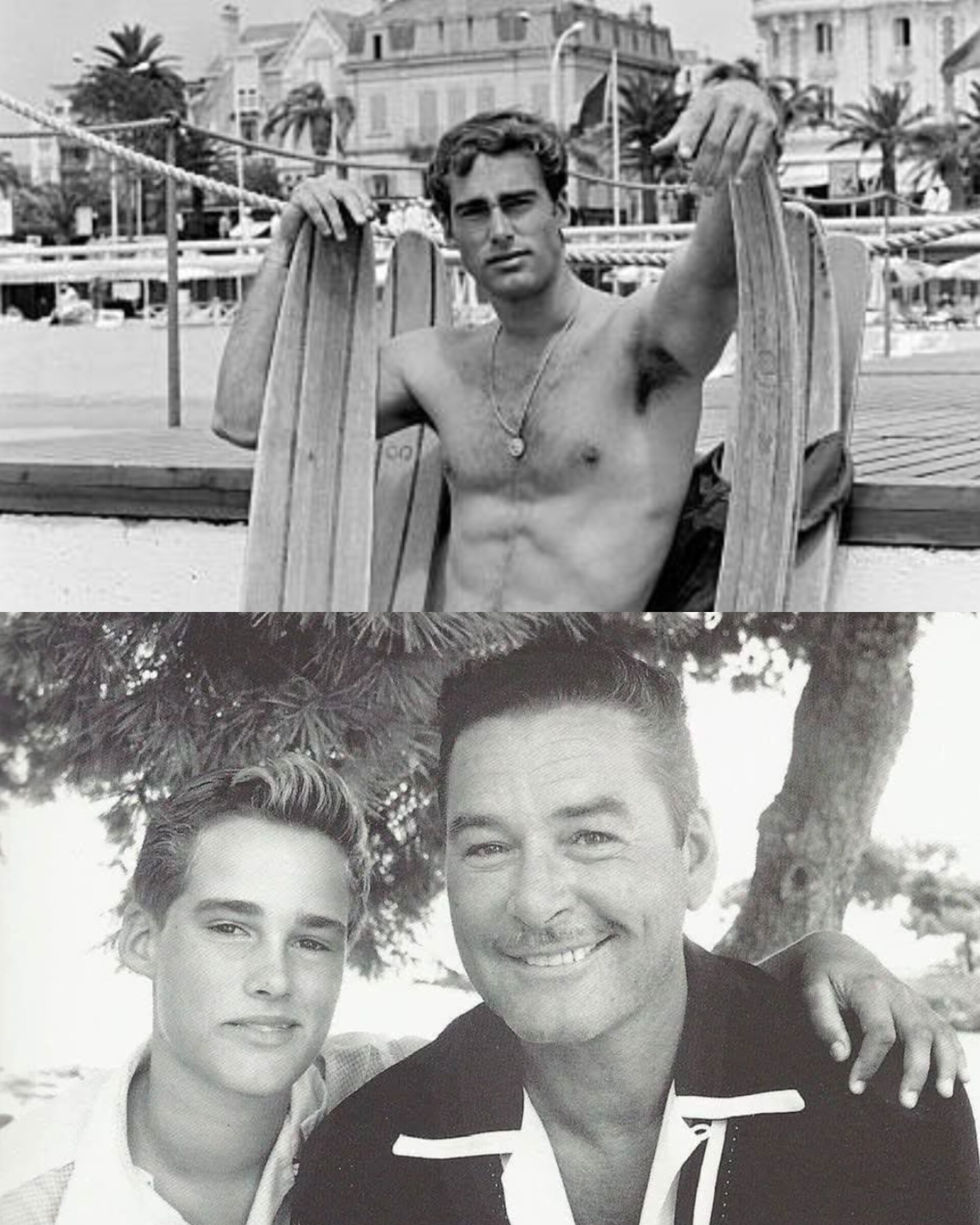
This frankly gorgeous man was Sean Flynn, the son of the actor Erroll Flynn.

Some Facebook posts today reminded me of him.

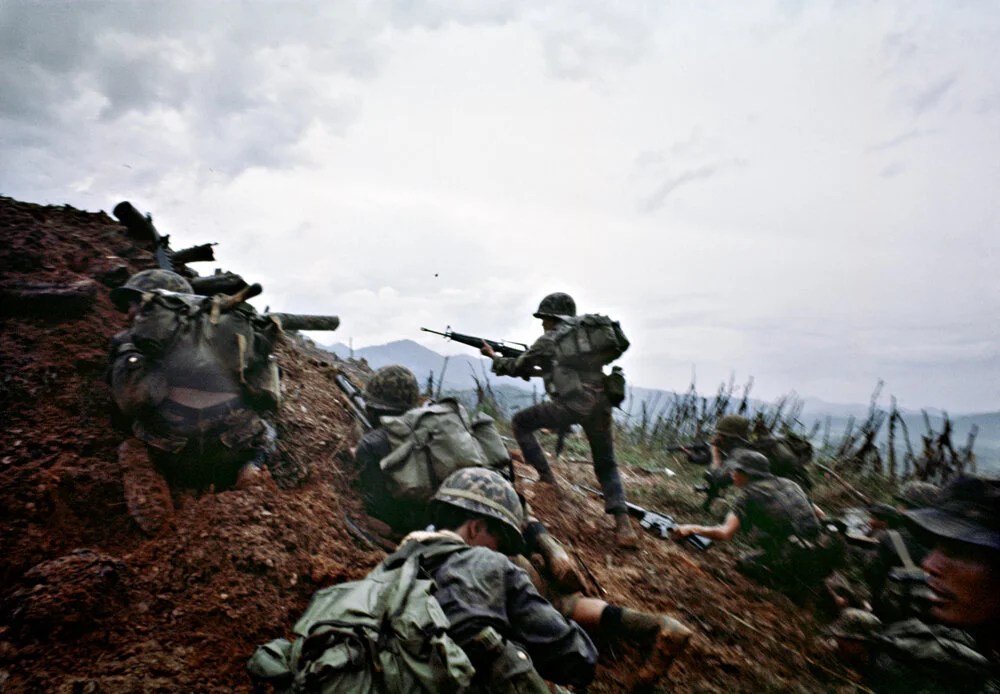
Sean, Australian, became a combat photographer in Vietnam–that extraordinary color photo is his, and I first “met” him in the book Dispatches, Michael Herr’s vivid account of that war. Flynn, indelibly drawn by Herr, became unforgettable to me.

The Clash wrote a song about him.

Dennis Hopper’s character in “Apocalypse Now” is said to have been inspired by Flynn, although Flynn could also have played one of Robert Duvall’s surfers in the scene so tastelessly referenced recently [“I love the smell of deporations in the morning.”] by the president.

In April 1970, Flynn disappeared somewhere in Cambodia. He was 29. The best guess is that he and a fellow photographer were executed by Khmer Rouge guerrillas, also made indelible to me in the 1984 film “The Killing Fields.”

His mother spent years coordinating the search for Flynn, until, in 1984, he was officially declared dead. This reminded of a line from a poet, once upon a time a soldier in the North Vietnamese Army:

The bullet that kills a soldier/Passes first through his mother’s heart

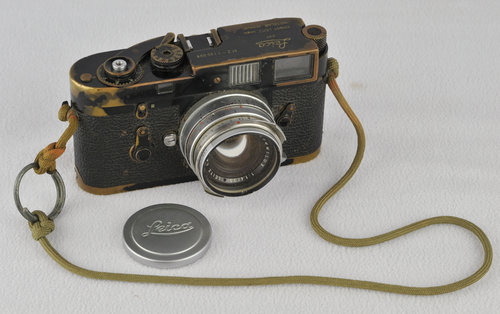
Flynn carried a Nikon with him the day he vanished, but his favorite camera was the Leica he’d left behind in his lodgings, with a parachute cord in place of a leather strap, secured to the camera’s body with a grenade pin’s ring.

The camera disappeared, too.

Until 2018, when a photographer bought the Leica at auction; it eventually proved to be Flynn’s.

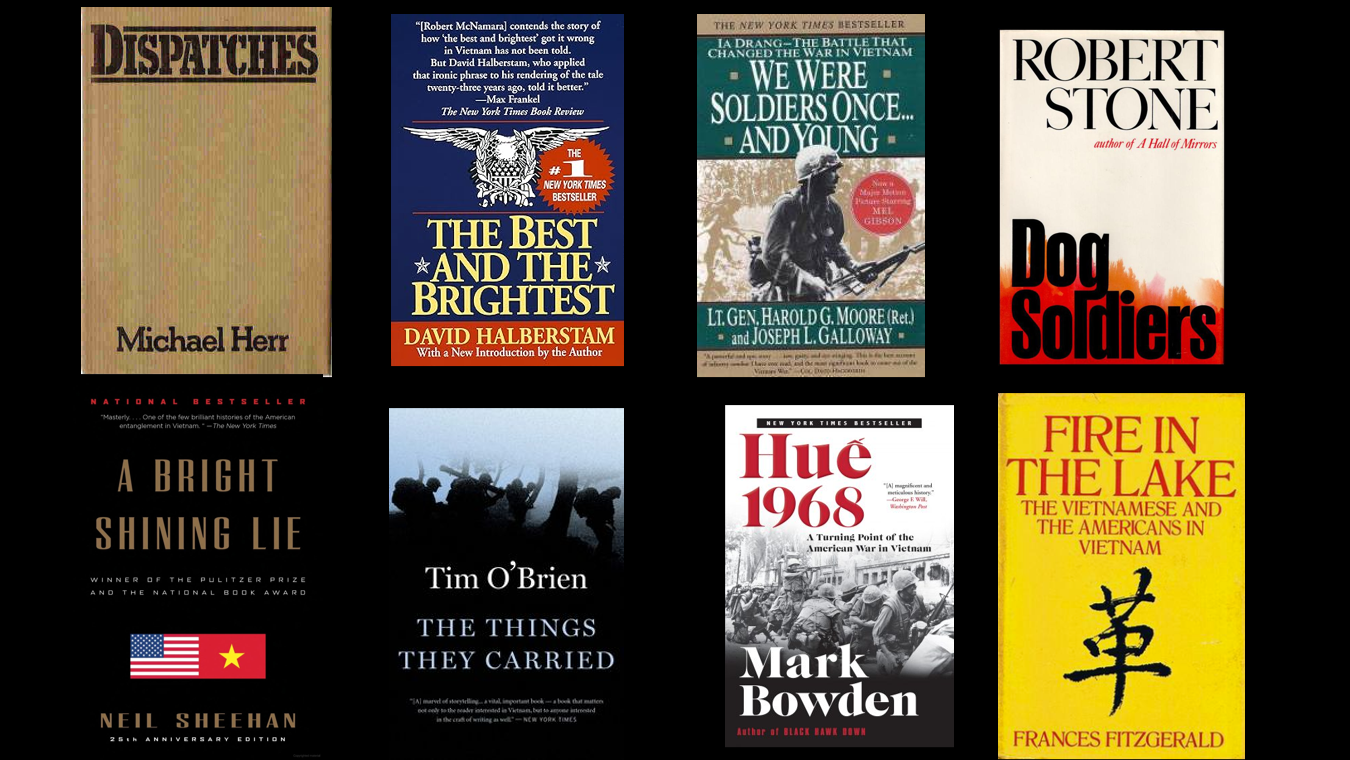
I am not a Vietnam scholar, but Herr’s book remains one of the most influential of my life.

I think the State of California now allots three days for teaching Vietnam. When I was lucky enough to teach U.S. History at AGHS, I took ten days, and this is because students were hungry to learn about their grandparents’ war.

Their favorite guest speaker was a Marine pilot who had flown hundreds of missions in various aircraft. He was approachable and self-effacing, but he made their eyes widen when he described some of his experiences.

He was my best education, but here are a few of the books I have read, all of them vividly written, even if great pain came with the reading.

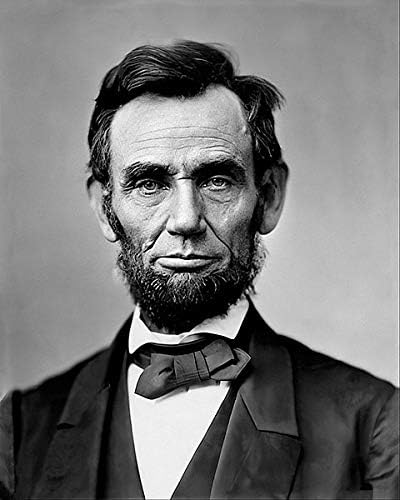
How Lincoln dealt with his critics

26 Friday Sep 2025

Posted by ag1970 in trump, Uncategorized

≈ Leave a comment

Trump on the Kimmel show, 2016

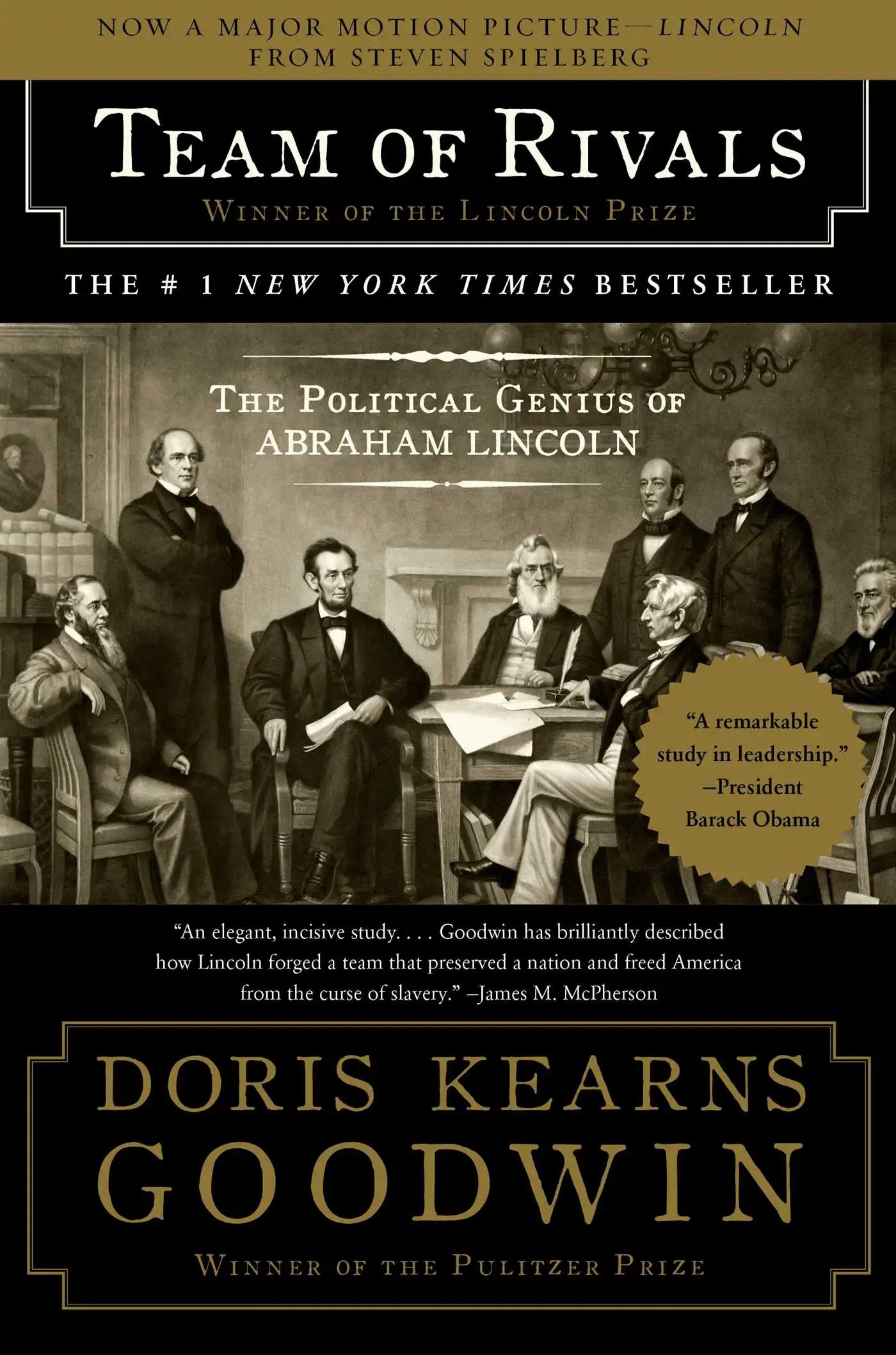
Given today’s headlines, I remembered again Doris Kearns Goodwin’s superb Pulitzer-Prize winning book, Team of Rivals. James Comey, Lincolneque in height, anyway, was indicted today on charges that, it’s reported, DOJ litigators have maintained, that will never stand in court. But that’s how the president deals with critics and enemies: He sues them to death.

Lincoln’s approach, given Goodwin’s guidance, was far different. Here are just three examples.

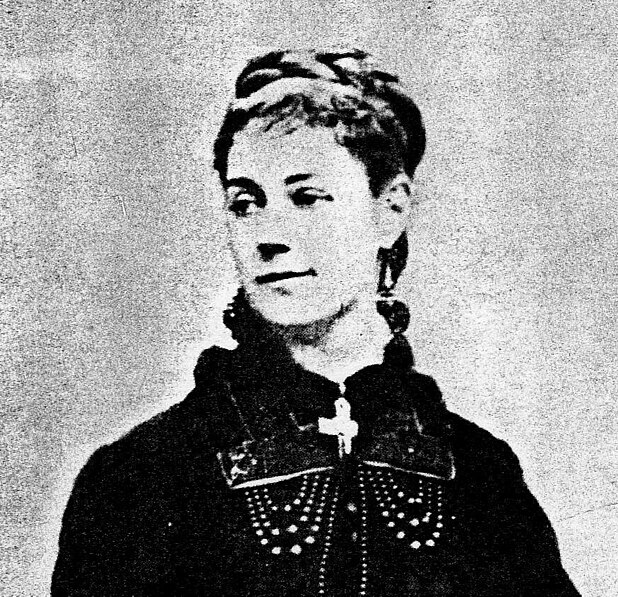
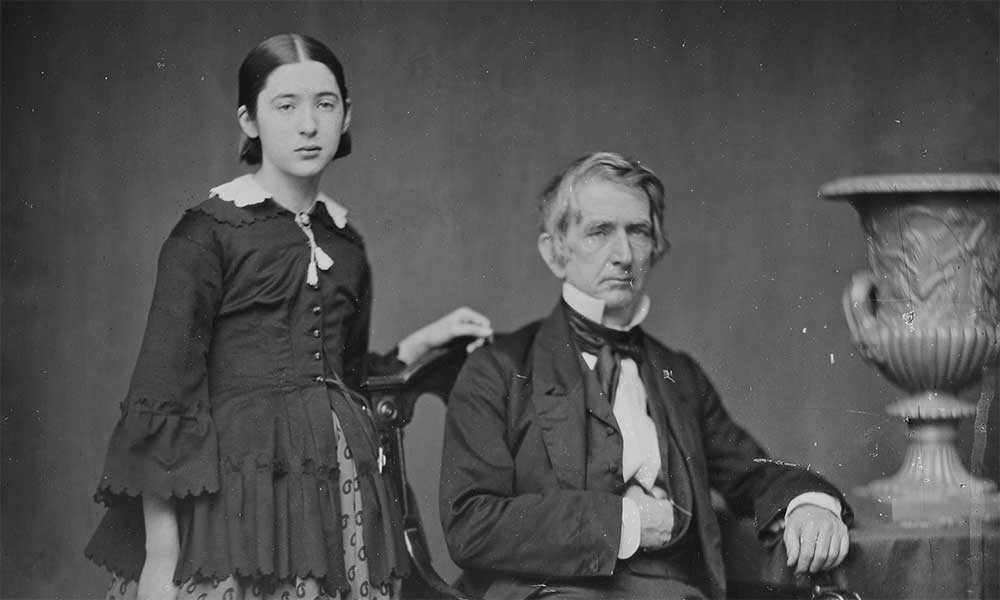
(Above) Salmon P. Chase and his daughter, Kate.

“[Salmon P.] Chase (as in Chase-Manhattan) is a good man, but his theology is unsound. He thinks there is a fourth person in the Trinity.” Sen. Ben Wade.

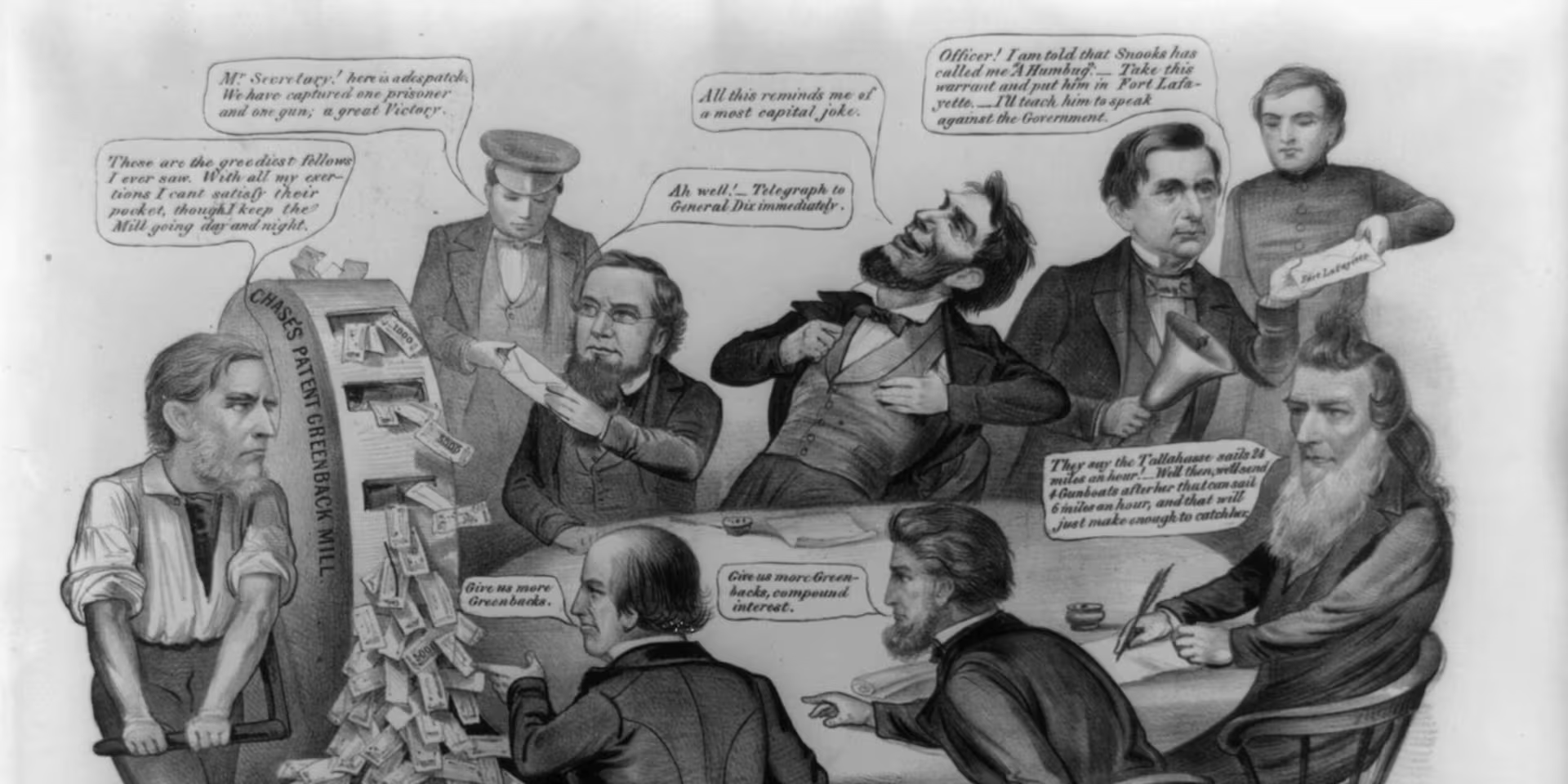
Chase, as Secretary of the Treasury, was one of the harshest critics and the most frequent resigner in Lincoln’s Cabinet. When Lincoln finally accepted one of them, in 1864—Chase was planning to challenge Lincoln for the Republican nomination that year—Chase was shocked.

(Chase’s daughter, Kate, one of the most beautiful young women in Washington, despised Mary Lincoln and worked tirelessly to support her father’s presidential ambition.)

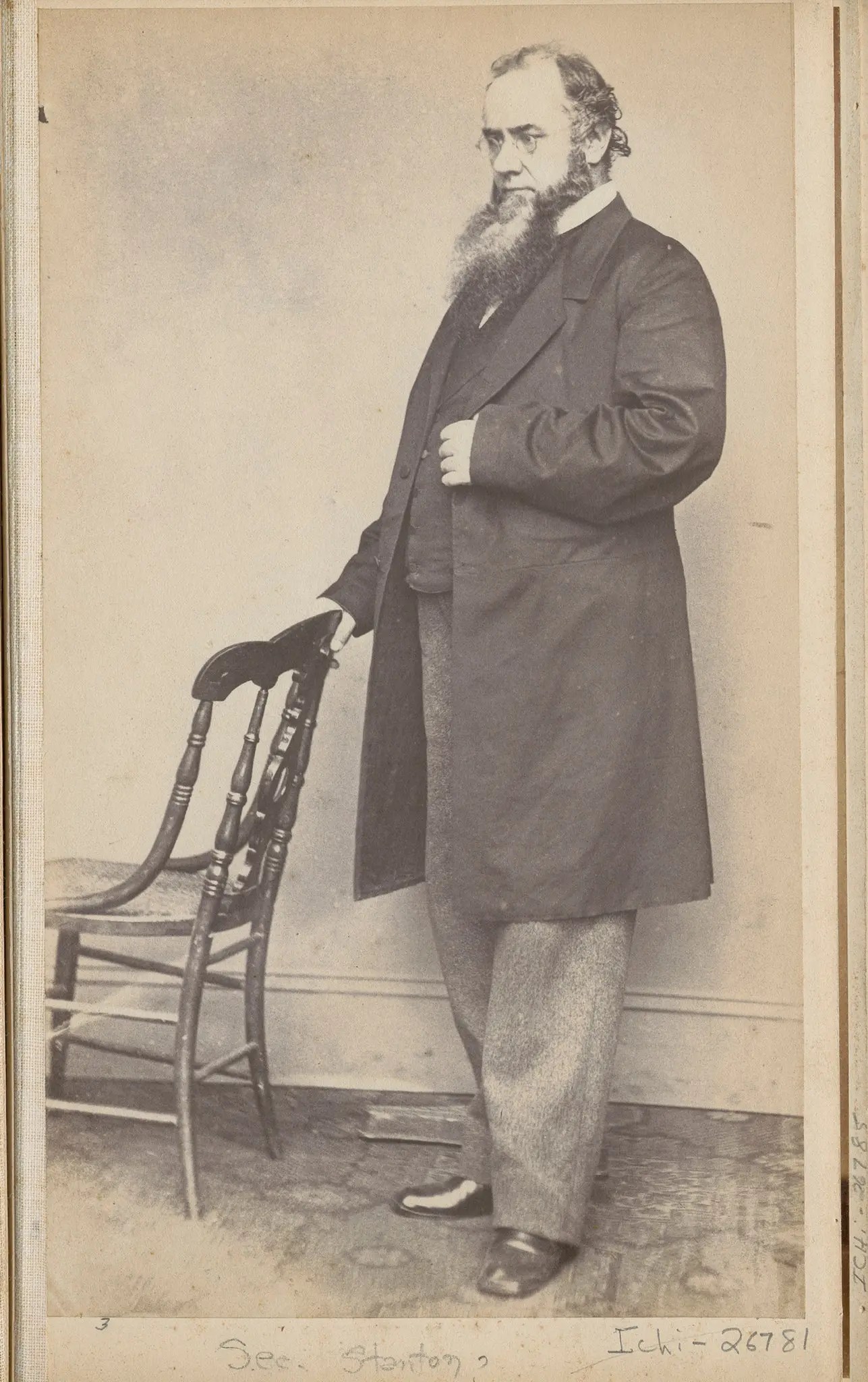
Edwin Stanton was a railroad lawyer who’d worked a case with Lincoln as a far junior litigator. From that acquaintance, Stanton labeled Lincoln “The Original Gorilla.”

Stanton became Lincoln’s Secretary of War, when that title was less ironic than it is today. A delegation to the White House reported that Stanton had called Lincoln a fool.  Lincoln, with mock astonishment, inquired: “Did Stanton call me a fool?” – and, upon being reassured upon that point, remarked: “Well, I guess I had better go over and see Stanton about this. Stanton is usually right.”

When Lincoln died, Stanton, standing at the foot of the death bed, heartbroken, said “Now he belongs to the angels,” maybe more aptly interpreted as “Now he belong to the Ages.”

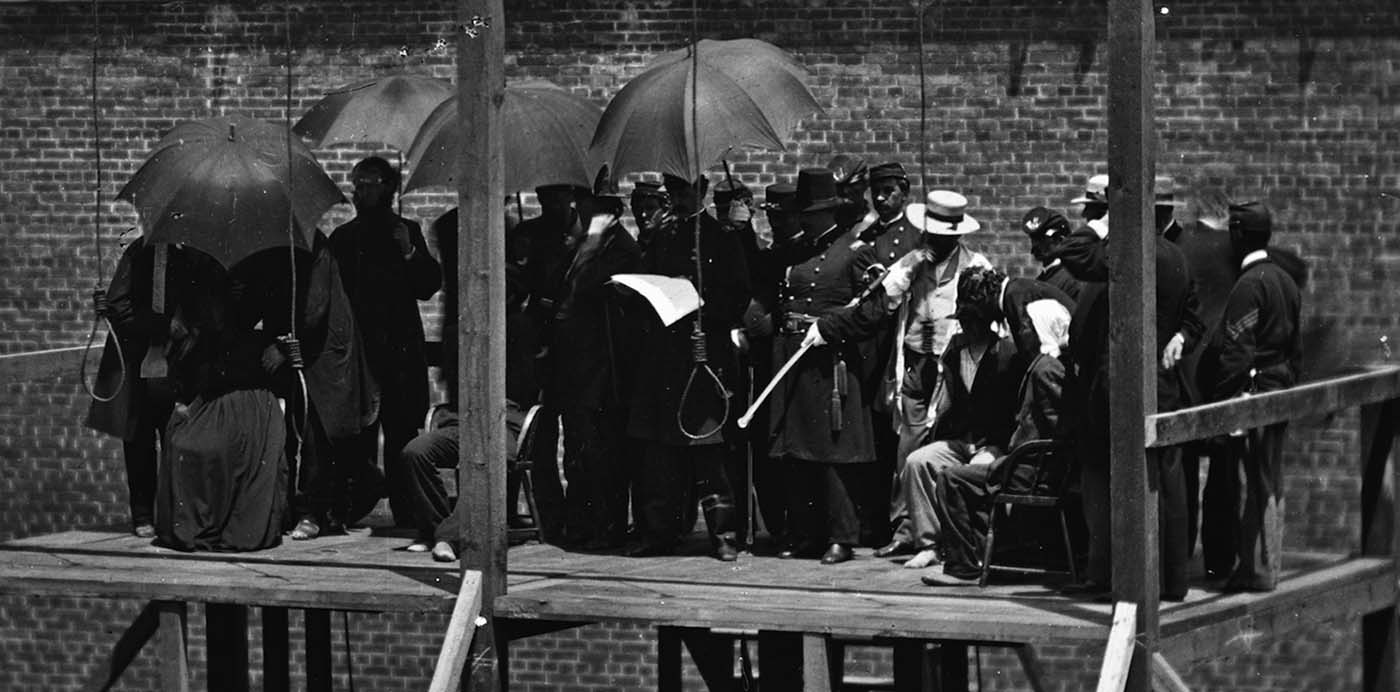
Stanton was merciless in pursuing and then trying four surviving plotters–Booth was mortally shot in a Virginia tobacco barn. They were hanged in sweltering heat in June 1865, including Mrs. Mary Surratt, at far left in the photograph.

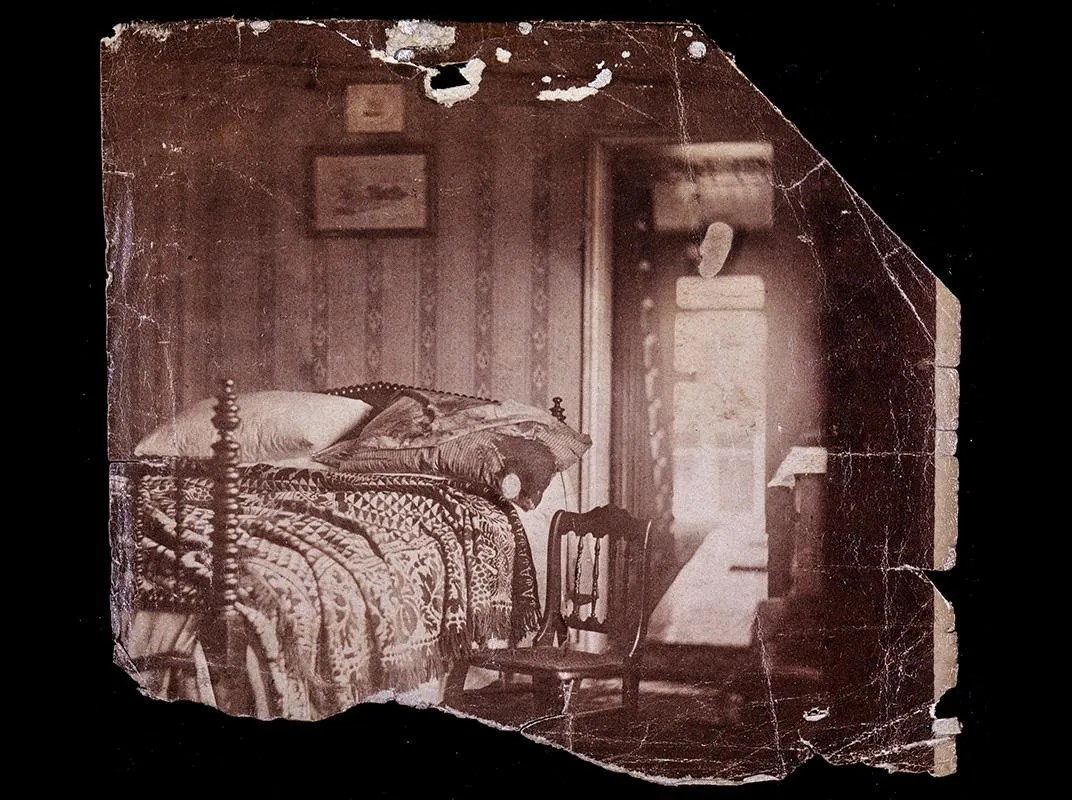
(Below: Lincoln died Saturday morning, April 15, in this rooming house bed across the street from Ford’s Theater. The president was so tall that he had to be positioned diagonally; when Army doctors stripped Lincoln of his clothing, onlooker were astonished at the president’s musculatrity. He was a powerful man–even though the war so worried him that sometimes all he ate was an apple he nibbled at throughout the day. Lincoln was able to hold an axe extended straight out at arm’s length, a feat admiring soldies witnessed. None of them could duplicate it.


William Seward was bitterly disappointed when Lincoln defeated him for the 1860 Republican nomination. One historian described him as A man of ripe political experience, he could show impressive astuteness, and had a fine capacity for persuasive public speech. Yet he revealed at times superficial thinking, erratic judgment, and a devious, impetuous temper, which were the more dangerous because he was cockily self-confident. He had immense vanity…

Lincoln made Seward his Secretary of State and, sensing his need for approval, invited him to the White House nearly every day for “consultations.” Like Stanton, Seward eventually became an admirer of the president’s.

Seward and one of his daughters, Fanny. On the night of the president’s assassination, plotter Lewis Herold barged into Seward’s sickroom, shoved Fanny aside, and stabbed the helpless Secretary of State in the face and neck. Seward surived, Herold was hanged with the other conspirators, and Fanny died two years after the attempted murder.


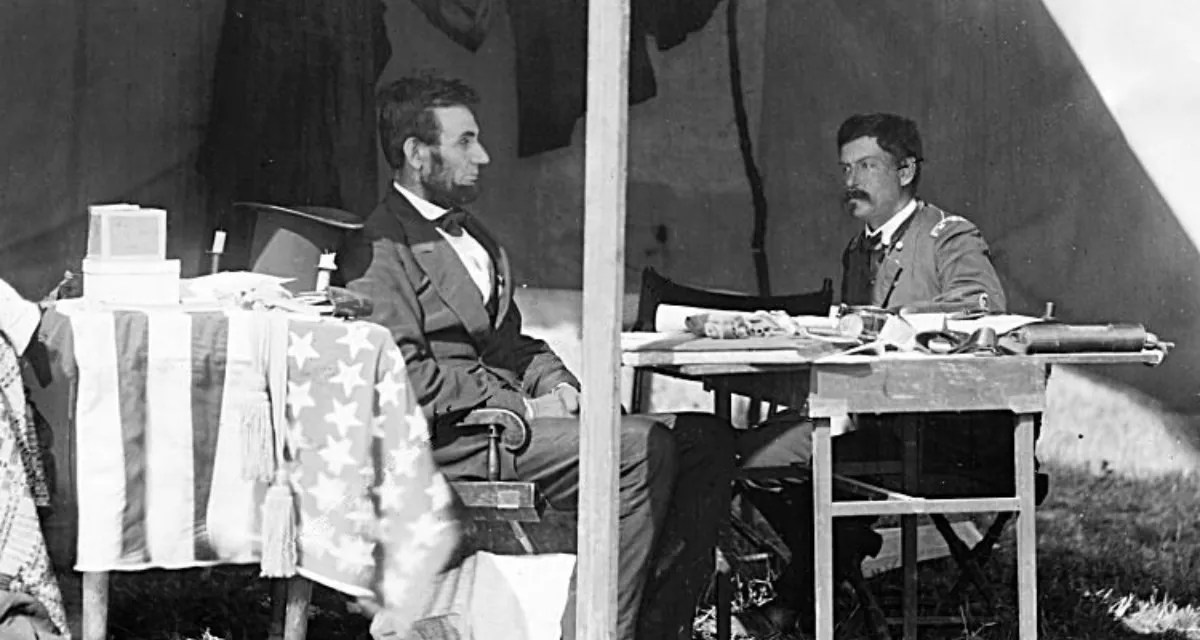
Lincoln had a temper, and it was frequently aimed at a parade of incompetent Union generals. One of them George McClellan, despised Lincoln, once walking past the president, sitting in the McClellans’ parlor, and walking upstairs without uttering a word.

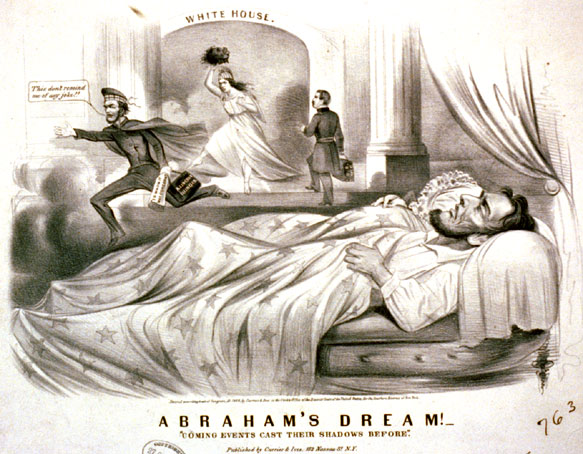
At the 1862 Battle of Antietam, Lincoln believed that McClellan has allowed Lee’s army to escape destruction. Not long after that battle, the two look tense in the general’s tent. In 1864, McClellan ran against Lincoln; this cartoon repeats the Scotch bonnet story. Lincoln’s nightmare depics the general ascending to the presidency.

Typically, Lincoln used humor to critcize those who either let him down or betrayed him.

–“If Gen. McClellan isn’t going to use my army, I’d like to borrow it,” the President allegedly said of the man who later became his rival.

–Gen. John Pope resolved to fight a war of movement. “From headquarters in the saddle,” his dispatches to the president allegedly concluded. “His headquarters are where his hindquarters are supposed to be,” the president observed.

–Lincoln’s first Secretary of War, Simon Cameron, was a Pennsylvania politician widely known for his corruption. Lincoln defended him, arguing that Cameron would never steal a hot stove. Then he made him the American ambassador to Russia.

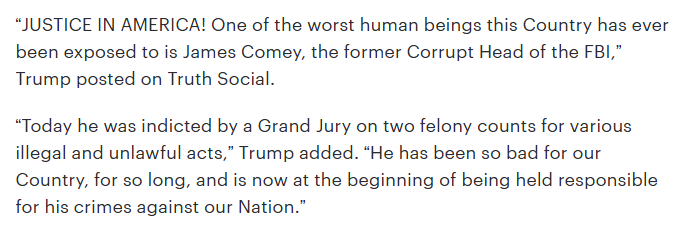
Returning to the Comey story, this is what the current president had to say today.


For a parade of deficient generals, Lincoln used the 1860s version of Truth Social. He’d write them vitriolic letters, seal them, and then lock them inside a White House desk drawer, never to see the light of day again.


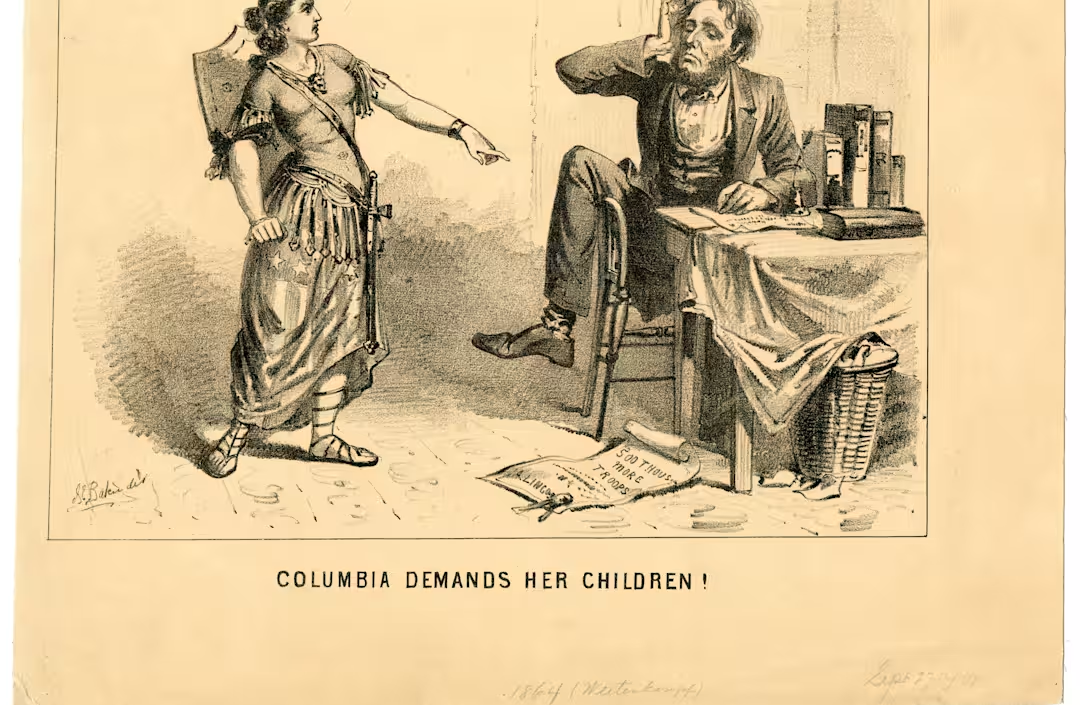
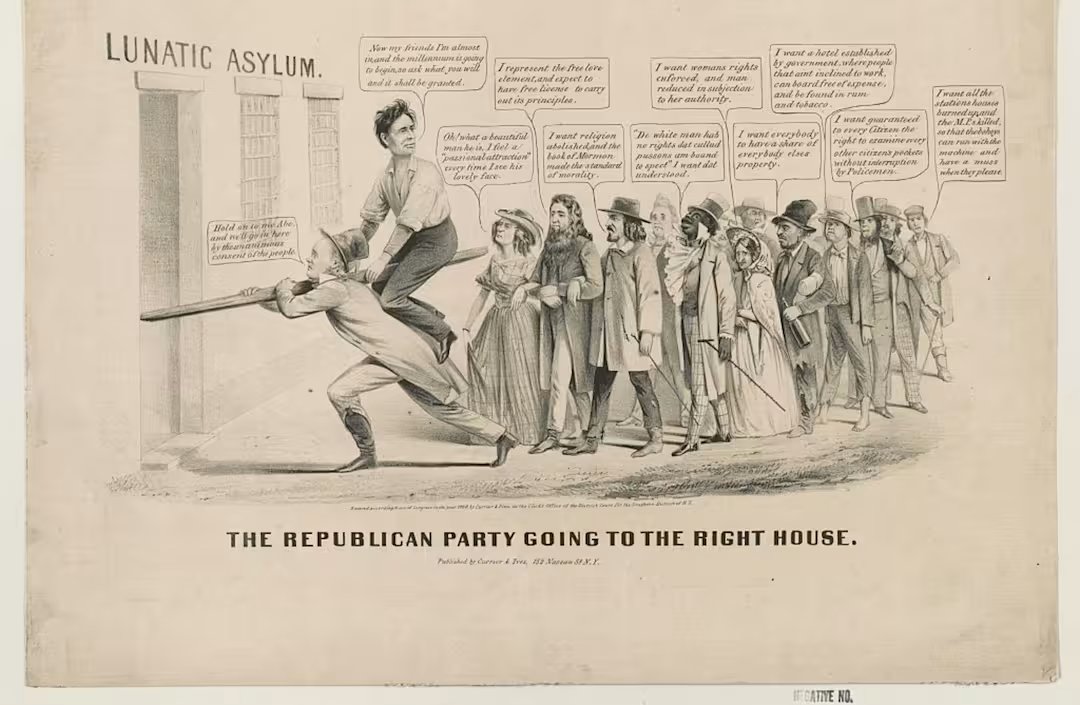
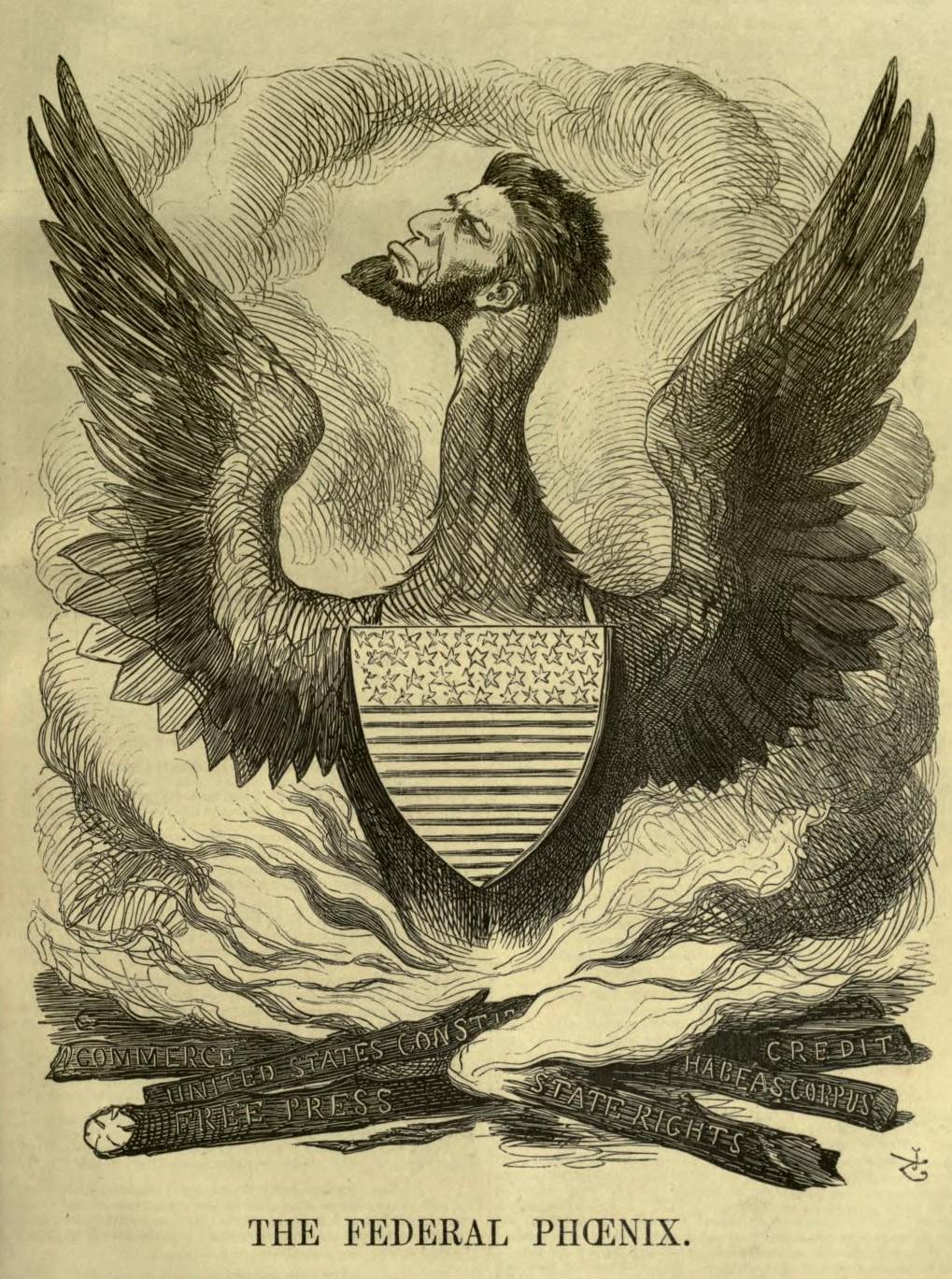
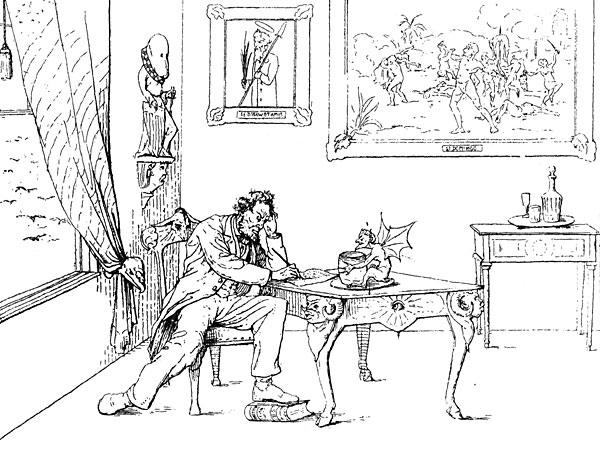
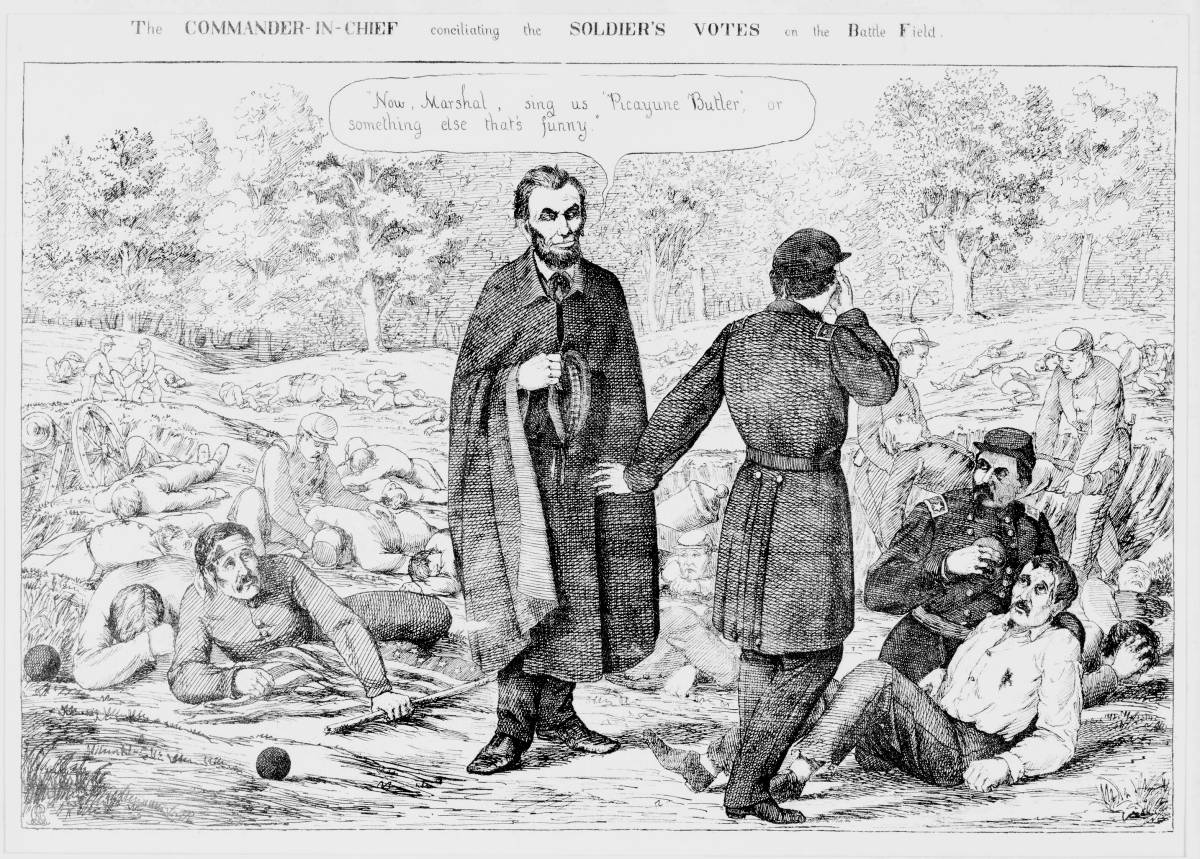
A gallery of anti-Lincoln cartoons.

“No politician has been treated worse or more unfairly than me.” President Trump.

The Confessions of Jim Gregory

21 Sunday Sep 2025

Posted by ag1970 in Uncategorized

≈ Leave a comment

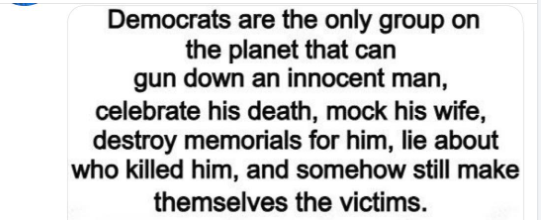
I saw this on Facebook today, posted by a former history student of mine, and I am heartbroken. “The Truth hurts,” this person said, in response to a comment that criticized the post. “The Truth,” of course, killed 720,000 of us between 1861 and 1865, the modern equivalent of seven million Americans.

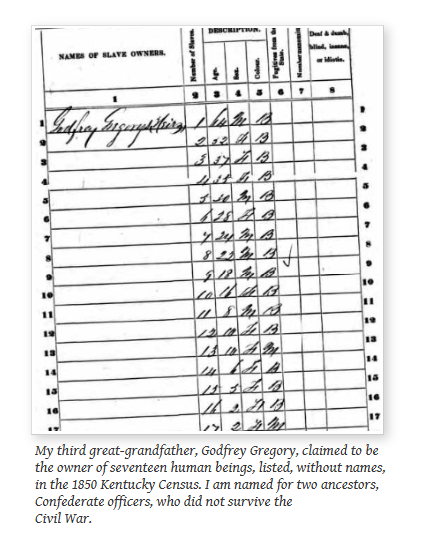
And this kind of hatred lands on my doorstep. I am a Democrat from a long line of Democrats, including my third great-grandfather, Godfrey Gregory, who claimed to own seventeen human beings, listed, without names, in the 1850 Kentucky Census.

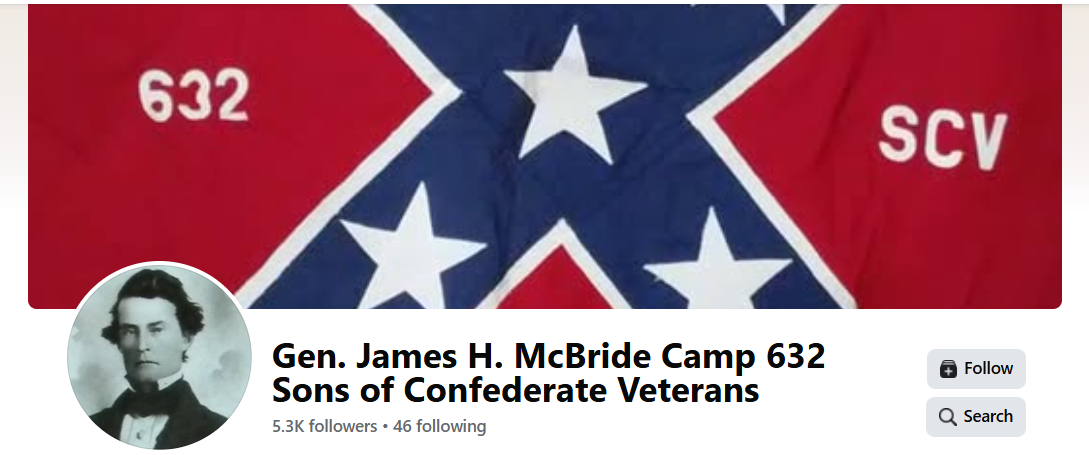
I am named for this Democrat, James McBride, my second great-grandfather, who so hated what was called “Black Republicanism” and that party’s candidate, Abraham Lincoln, that he took up arms against his country as a Confederate officer.


My Grandfather John was struck by a car in 1933 that crushed his legs, but he was such a powerful man that it took him weeks to die. Those legs had waltzed at barn dances on the Ozark Plateau where teenaged girls waited their turn to dance with Mr. Gregory. When his time came to die, they let the schools in Texas County, Missouri, out for the day so that children could go to Mr. Gregory’s funeral. He was that kind of man. He was a Democrat.

Kentucky Gentle Man

My Grandmother Gregory was a delegate to the 1924 Democratic Convention, held in sweltering heat in Madison Square Garden, which, after more than 100 ballots, nominated John. W. Davis (trounced by Cooldige). We still have the penciled thank-you note Davis wrote her.

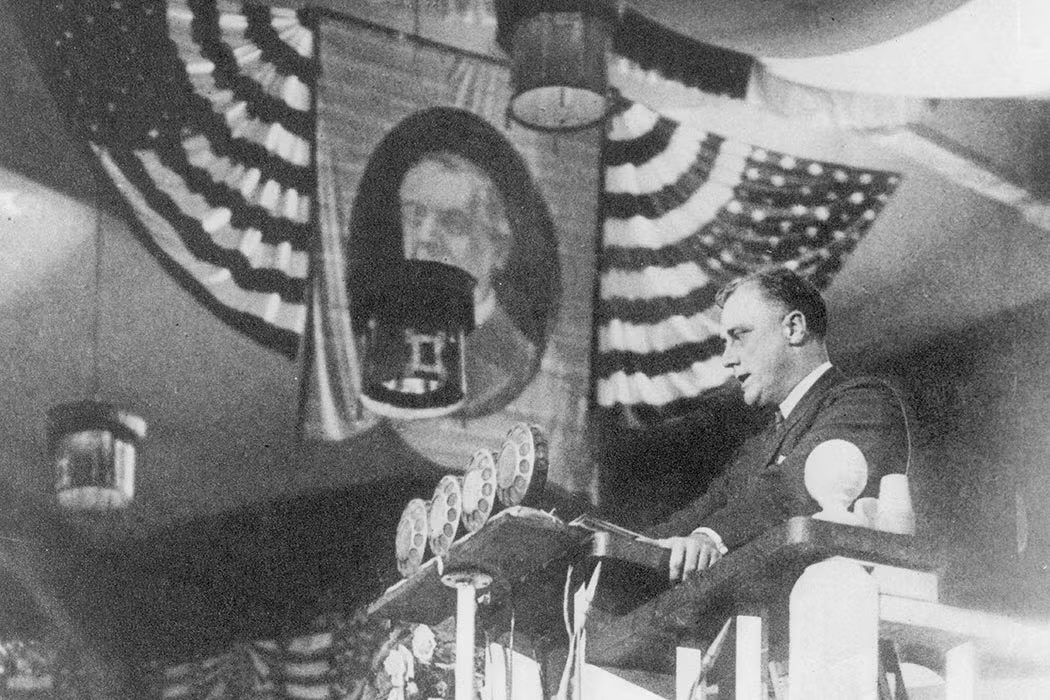
She at least had the chance to hear Franklin D. Roosevelt speak, in his return from paralysis, as he put Al Smith’s name into nomination.

As president, Roosevelt brought electricity to the Ozark Plateau, where women, as the writer Robert Caro noted about the Hill Country of Texas, acted the way washing machine machine agitators do, punching the clothes in zinc washtubs full of lye with broom handles, holding the wet clothes with the broom handle to rid them of excess water before transferring to a tub of bluing, then a tub of rinse. This work tore women’s abdominal muscles, induced miscarriages, and bent them like question marks. The New Deal’s electrification, and the advent of primitive “automatic” washers ended that.

The Natonal Youth Authority employed my father in relief work, including distributing food to desperately poor and incredibly proud Hill People, who were so isolated that they did not understand grapefruit.

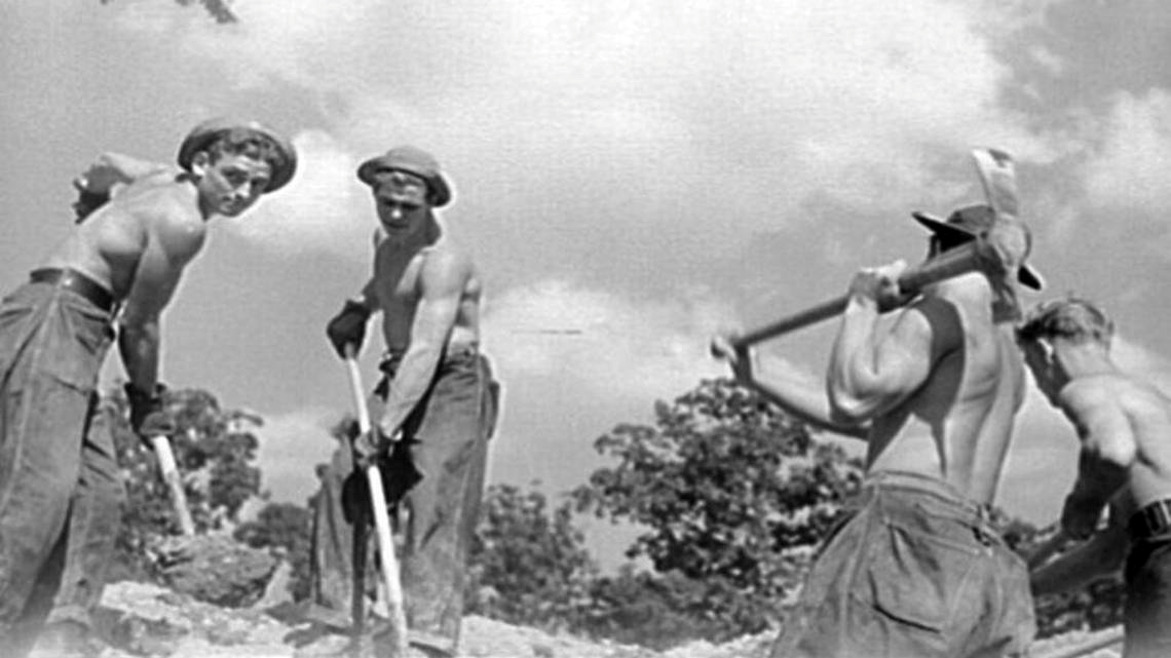
That Democrat left his mark on Arroyo Grande, as well, already scored by bankruptcies, foreclosures and a Biblical invasion of grasshoppers:  The stone wall around the cemetery, the Paulding Gym, the sidewalks on Mason Street, the road to Lopez Canyon and the beautiful park that now lies beneath the lake, the Arroyo Grande High School math wing, the tennis courts below Paulding—all were New Deal Projects. So are check dams still remaining from the New Deal’s CCC. The head of the Soil Conservation Service said, in 1934, that the soil erosion that the CCC would combat was the worst he’d seen in the United States.

Civilian Conservation Corps workers on a hill above the Methodist Campground. 230 young men came to Arroyo Grande to combat erosion, clear the creek channel and fight wildfires. They were from New York City, New Jersey and Delaware.

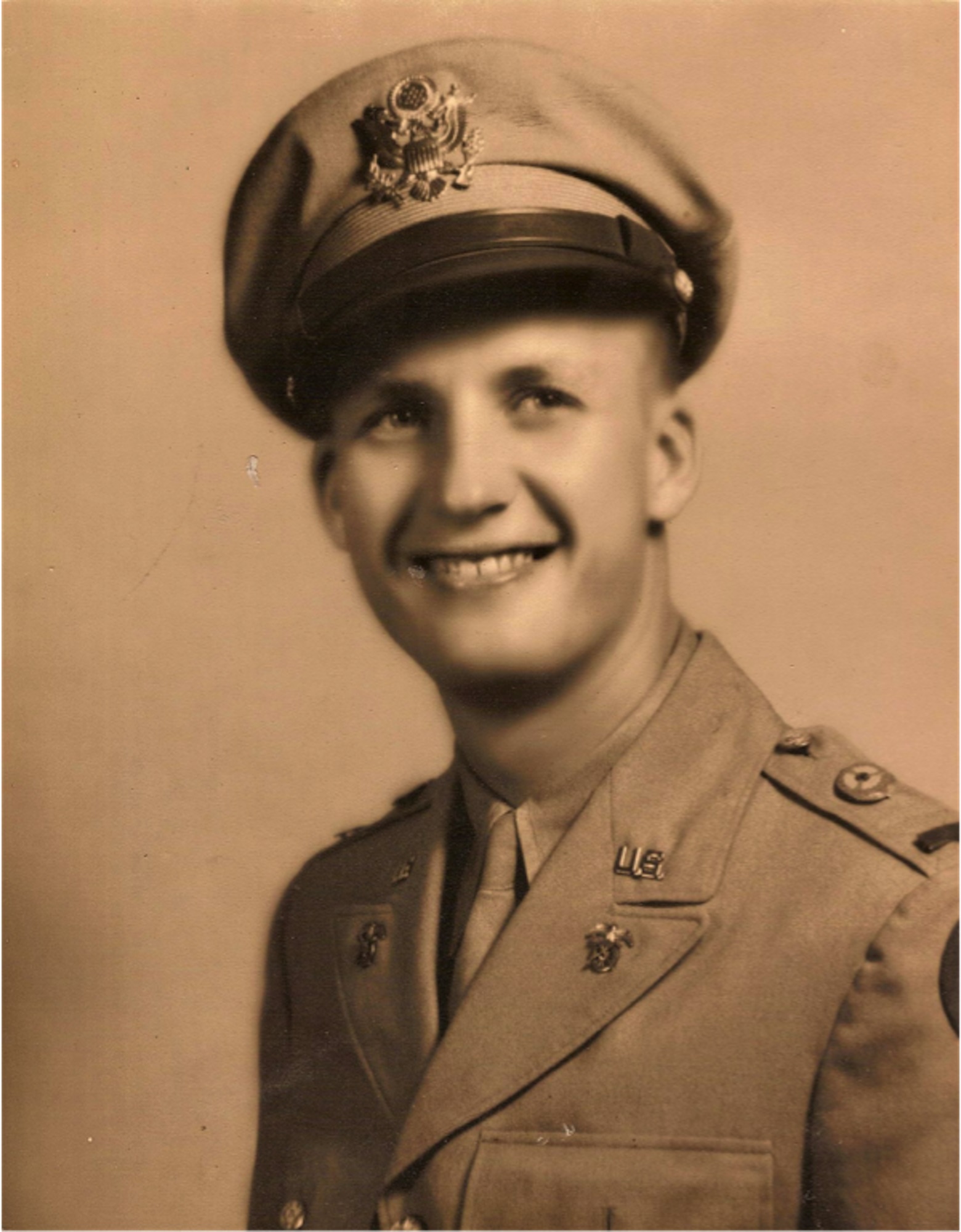
My father, an accountant, was promoted to corporal after discovering that the camp cook was embezzling mess funds. The commanding officer at his post—Garnder Field in Taft, where Chuck Yeager trained—recommended him for officers’ candidate school, which was endorsed by a Democrat, Harry Truman, who’d grew fond of my grandfather’s blackberry wine on his campaign swings downstate.

Dad, as an Army officer, was the last soldier to vote in the European Theater of Operations in 1944, according to Stars and Stripes. He voted for FDR.

(Below) My parents during World War II.


My mother was a Republican, an Eisenhower Republican, but since her ancestors came from Ireland, she voted for John F. Kennedy in 1960.

JFK


My first vote was for World War II veteran George McGovern, a Democrat, a B-24 pilot during World War II. He was trounced as badly as John W. Davis had been in 1924. His opponent endorsed a minimum national annual income, found the Occupational Safety and Health Administration and the Environmental Protection Agency and took daring executive action against inflation, including a wage and price freeze. Richard Nixon also made Elvis an honorary U.S. Marshal.

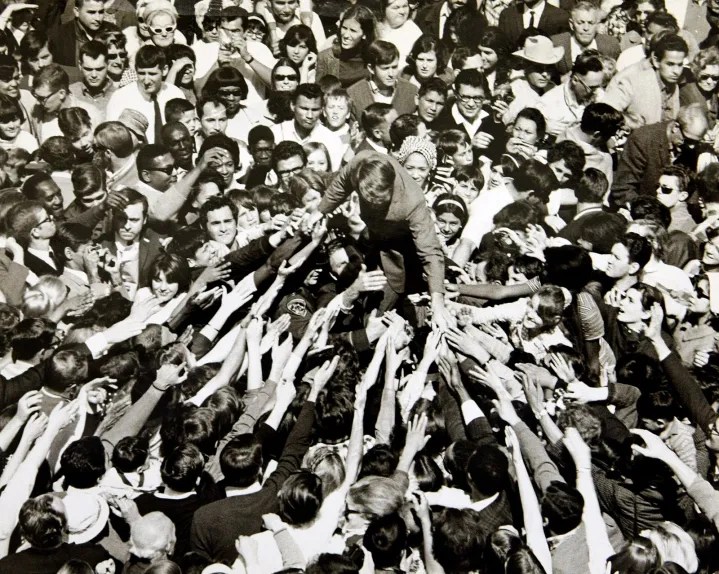
I was less an Elvis and more a Beatles fan, and the same year they released the White Album, another assassin shot another young leader dead, in Los Angeles, and that was Robert Kennedy, who was the Democrat I felt closest to. My parents were just waking up when I came in to break the news, and they were as stricken (I will never forget their faces) as they could have been if the bullet had somehow hit them, as well.

Children’s Crusade


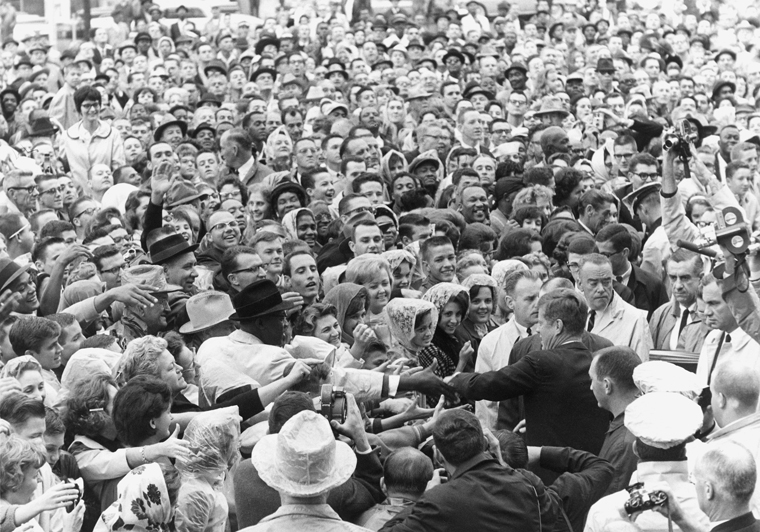
(Below) John Kennedy in Fort Worth, Texas, a few hours before his assassiantion; Robert Kennedy campaigning in Monterey, California, 1968.


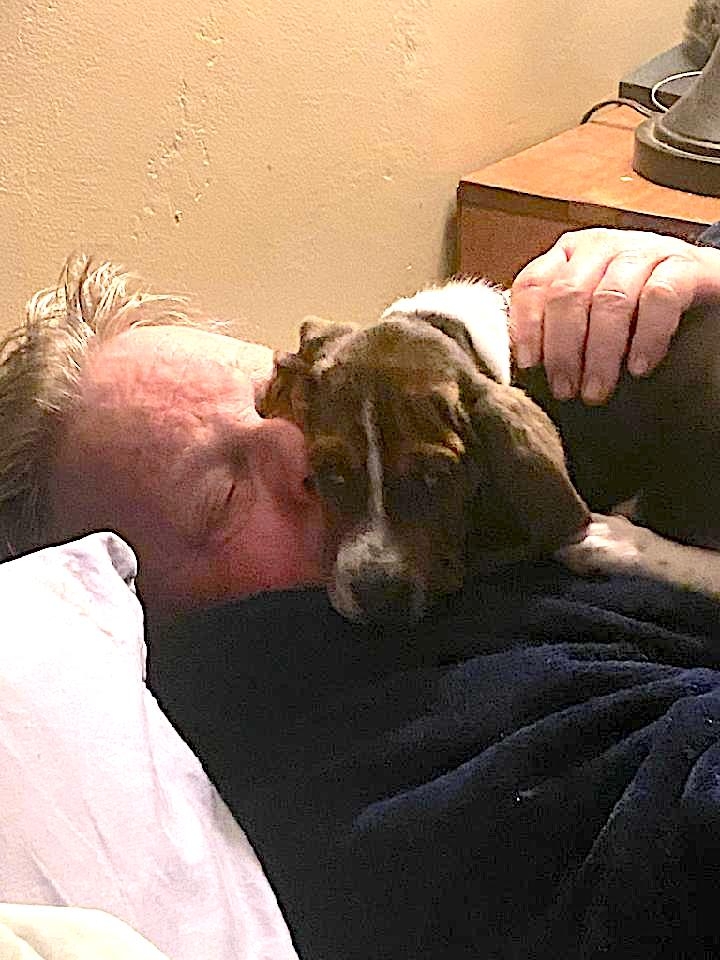
The kind of hatred this post suggests will lead to the same kind of violence that claimed Charlie Kirk and Bobby Kennedy. Since I am a Democrat, I presume, as the darkness of 1861 once again envelops us, that there’s a bullet meant for me, too. I am 73, and there’s not much left for me to do, so I guess I’m as ready as I ever will be to die. I have, at least, found my best friend.


And I’ve taught children and written books, both of which brought me incredible joy. I wrote a book about the Civil War and I took its title from Lincoln’s First Inaugural.

I am loath to close. We are not enemies, but friends. We must not be enemies. Though passion may have strained it must not break our bonds of affection. The mystic chords of memory, stretching from every battlefield and patriot grave to every living heart and hearthstone all over this broad land, will yet swell the chorus of the Union, when again touched, as surely they will be, by the better angels of our nature.

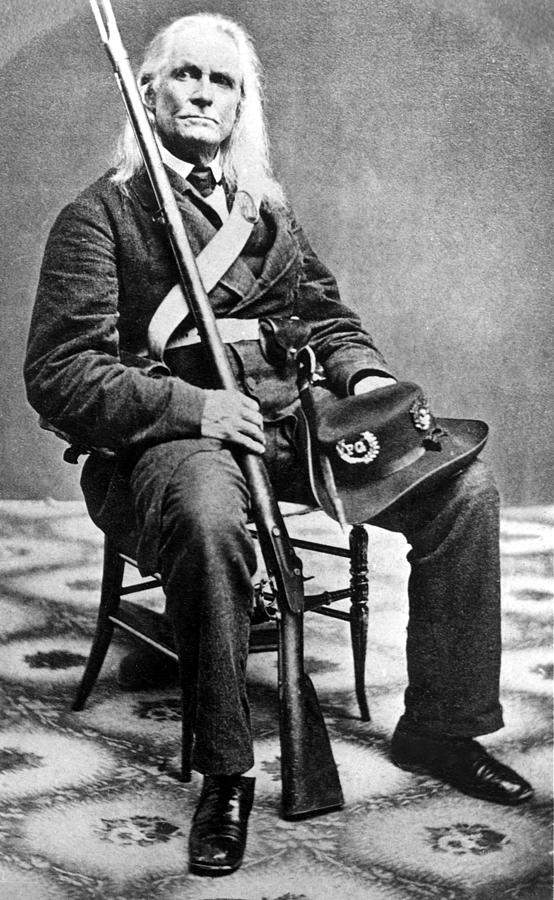
A few weeks later, the killing began with the bombardment of Fort Sumter. The honor of firing the first shot went to a True Believer, Edmund Ruffin, who, four years later, put the muzzle of his rifle inside his mouth and used a forked stick to pull the trigger.

Ruffin

I guess I’m less afraid for myself than I am for the country I love so much, and I am afraid for my former student, as well. The hatred that consumes her, all of it the work of Democrats, can consume us all.

The Boss, “Detroit Medley,” Passaic, 1978

20 Saturday Sep 2025

Posted by ag1970 in Uncategorized

≈ Leave a comment

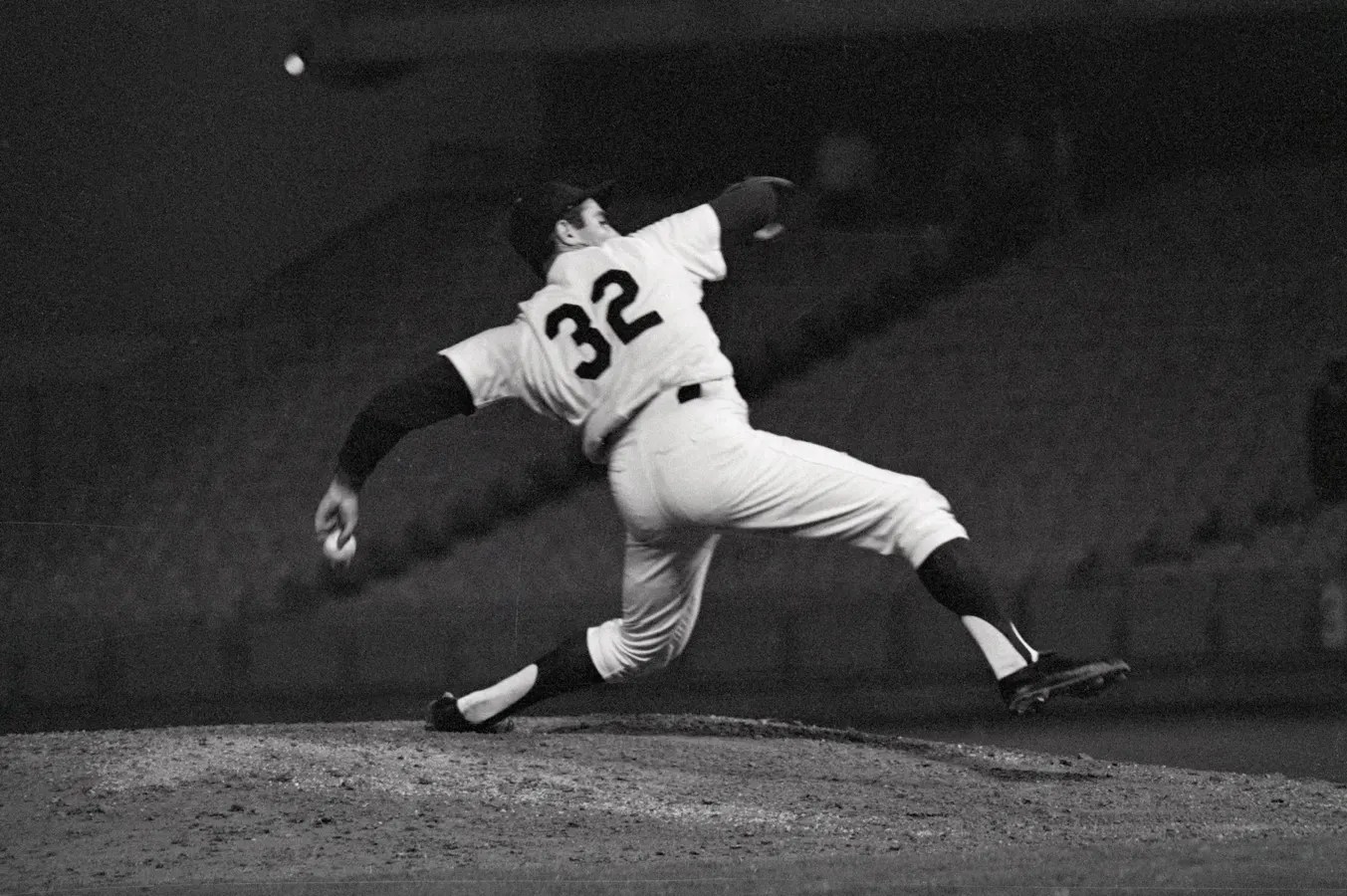
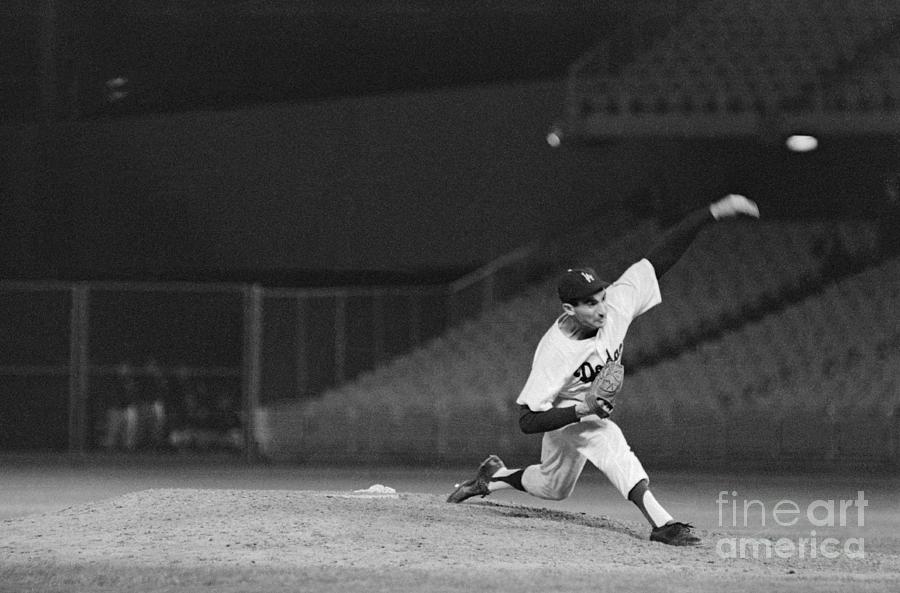
I knew I would never see Sandy Koufax’s like again. I am so happy that I was wrong.

20 Saturday Sep 2025

Posted by ag1970 in Uncategorized

≈ Leave a comment

Tags

baseball, clayton-kershaw, dodgers, faith, jesus, mlb, sandy-koufax, sports

Let me be clear about something: Sandy Koufax was my childhood hero. Well, so were Abraham Lincoln and Jane Goodall, but those are other stories. When Koufax pitched his perfect game, my Dad and I stood by the radio in our kitchen and didn’t breathe much the entire ninth inning.

If you haven’t heard it, here is Vin Scully’s call.

My mother’s ancestors were Irish Catholics from County Wicklow, south of Dublin. But there’s nothing Mom admired more than character, especially when it was paired with faith. When Koufax refused to pitch Game 1 of the 1965 World Series, which fell on Yom Kippur, she was a fan for life.

So Koufax was a mensch, and it broke my fourteen-year-old heart when my hero announced his retirement—his abused and overused arm was shriveling, like the Wicked Witch’s legs beneath Dorothy’s farmhouse in The Wizard of Oz. My folks and I were spending the weekend in Solvang, Calfiornia, founded as a Danish town, and there I was on the sidewalk, surrounded by bakery smells and fudge-shop smells and tik-tokking cuckoo clocks, borrowed from Bavaria, but all I could do is stare at the Los Angeles Herald-Examiner in its rack, with font the size of V-E Day announcing Sandy’s decision.

I stood in front of that newsrack for many minutes, too numb even to summon tears, which would’ve been appropriate.

So Sandy is enthroned in my life in a way that not even Don Sutton is, and Sutton deserves a massive throne. So does Fernando, but that’s another story.
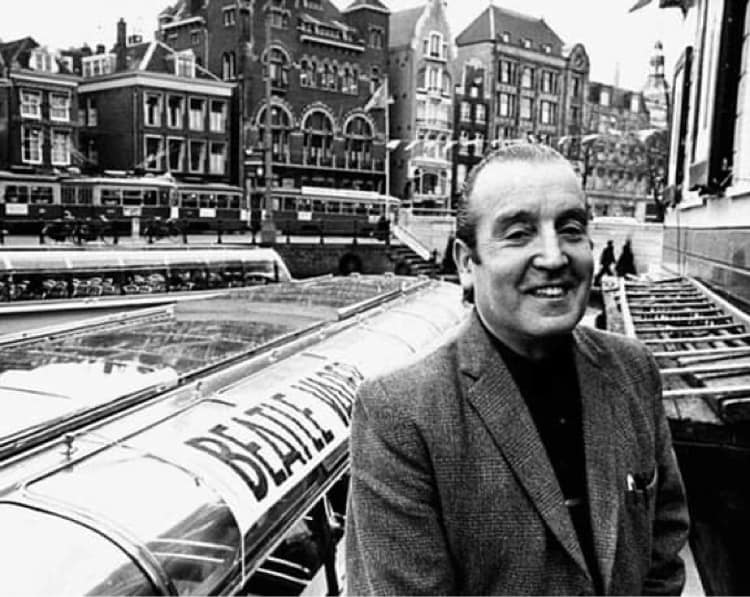
Fernando


And now, Clayton Kershaw is retiring.

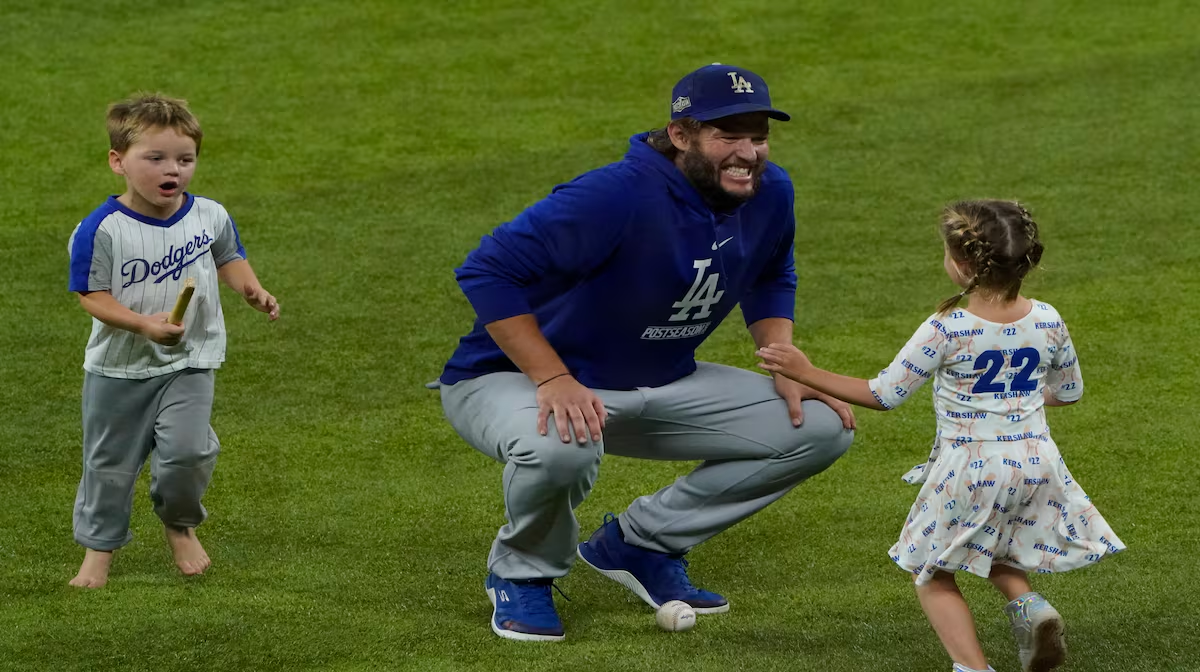
Besides his prowess on the mound, including that hands-up this is a Butch Cassidy holdup stretch, which sometimes results in that distinctive twelve-to-six-o’clock curveball, Kershaw has proved to me that a Texas Presbyterian can be a mensch, too.

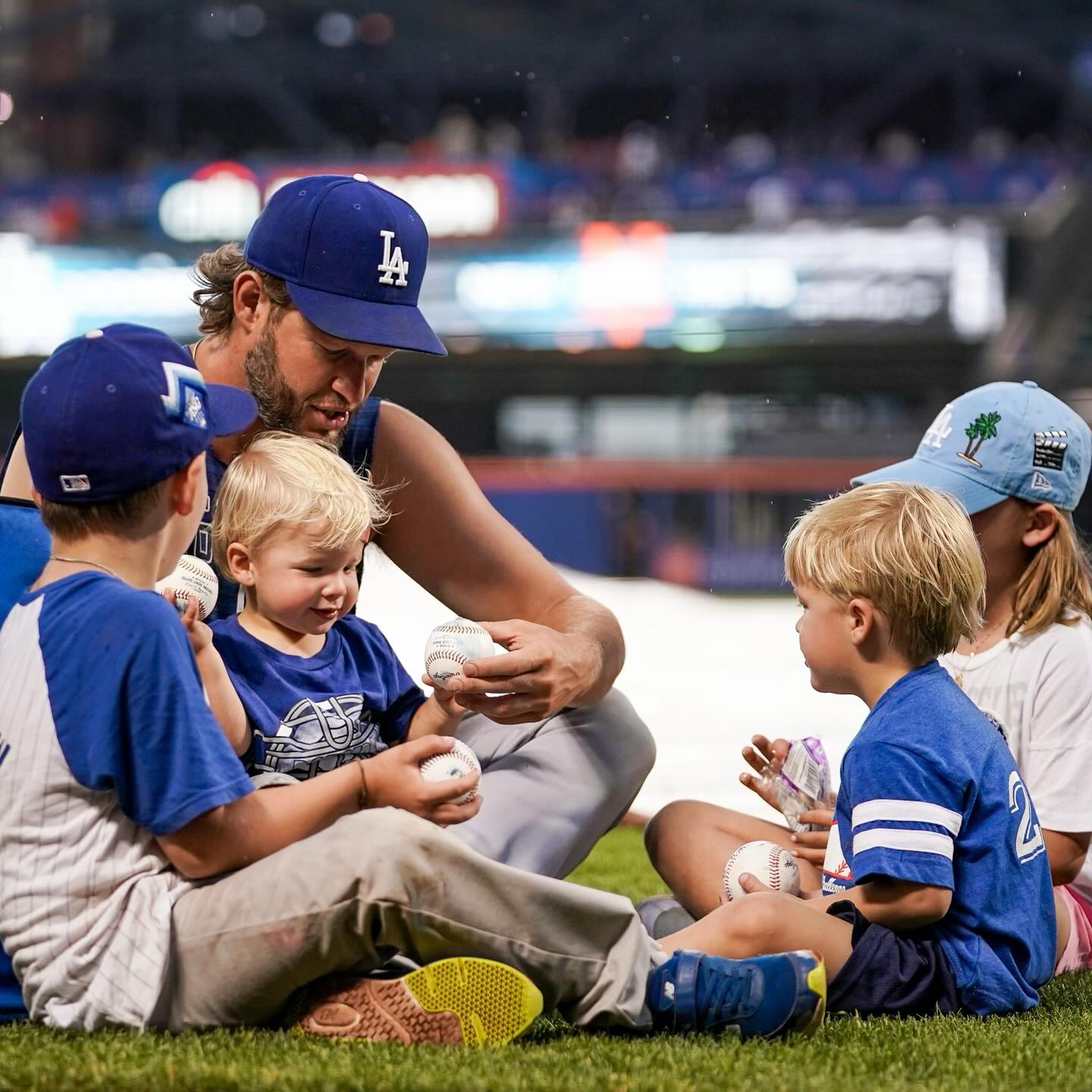
Koufax was serious about his faith, and so is Kershaw and so is his wife, Ellen. But oddly, what the Kershaws are serious about is sharing their joy, which is bewildering to me and completely authentic in them. So is the joy they find in their children (four, with one warming up in the bullpen.) The family does not, as one article noted, live in a gated compound. The couple unwinds by watching The Office reruns.

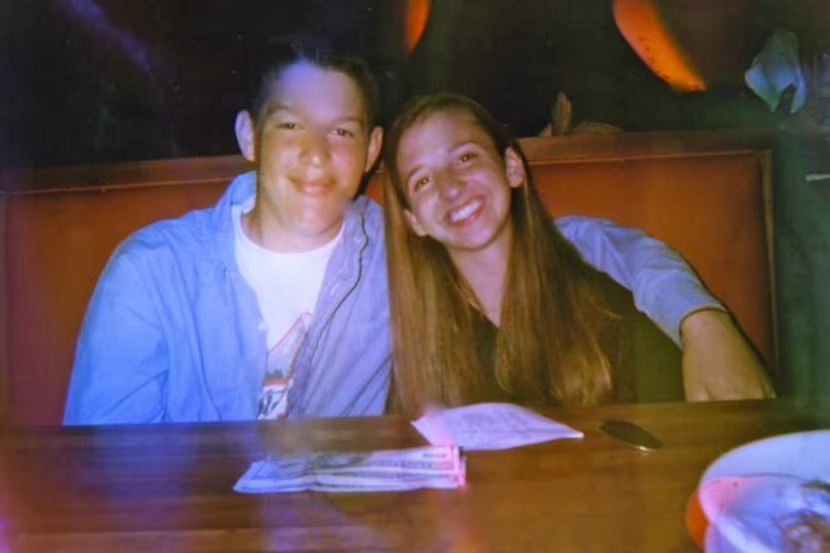
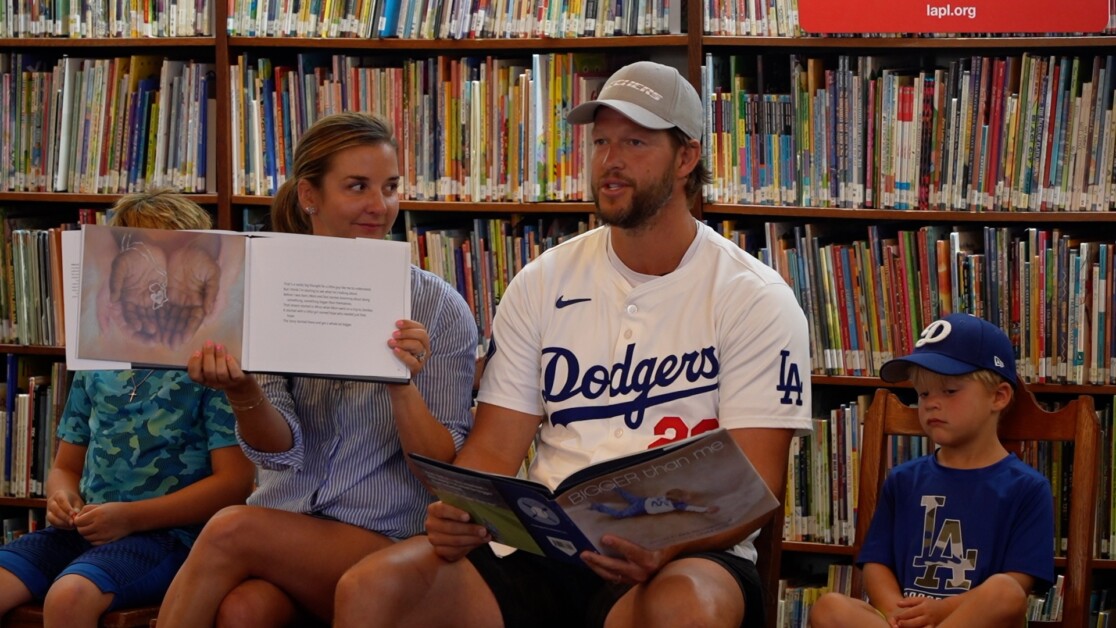
Here they are, in high school, and today.

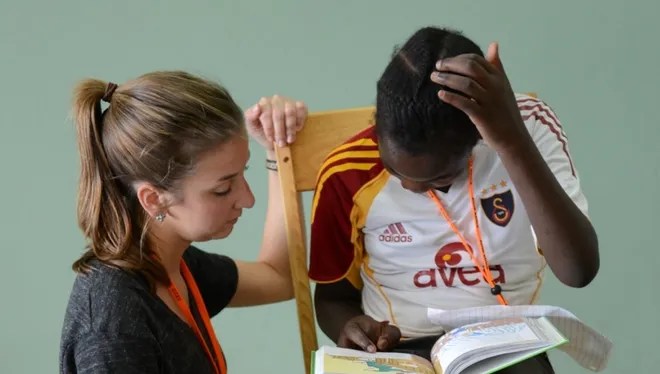
Yeah, they’re reading to children, in what any right-minded cynic would assume is a Dodgers publicity department photo op. That’s not exactly the case.

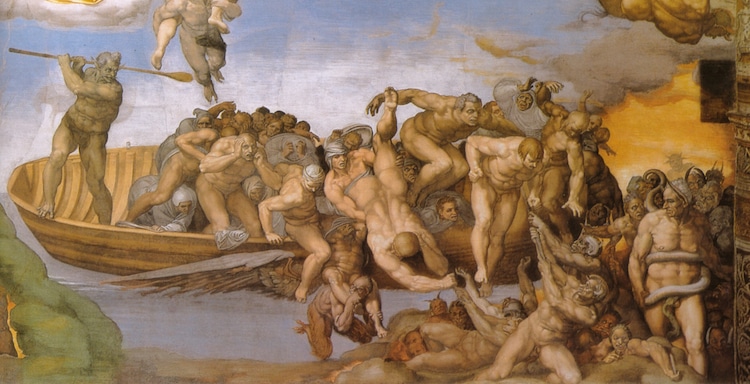
The thing I admire about the Kershaws’ faith is that it’s not condemnatory, with the one exception of the time Kershaw quietly pointed out that the Sisters of Perpetual Indulgence might not be appropriate for Pride Night at Dodger Stadium. Their faith, I think, is alive and unpoisoned, unlike so many smug and unexamined Christians, who are ready to send mainline believers, non-Christian believers and nonbelievers alike—and Democrats—across the River Styx in Charon’s boat, the way both the Lord and Michelangelo intended it.


This is Clayton Kershaw’s faith.

That faith is manifest in the way he and Ellen love other children—in this case, in their visits to Zambian orphans and the school they founded for them. Kersh does manual labor–laying a sidewalk, digging a well—for their Zambian family.

And then there are the Southland kids he raises money for and supports, in a variety of ways, one of them being his ping-pong tournament, in which he is just as fierce, if a little more flamboyant, as he is on the mound. (Here, he and old friend Justin Turner hand out backpacks full of school supplies to kids in L.A.)

And Kershaw’s faith must be what sustains him. He is so intense that not only do his teammates avoid talking to him in the dugout during a game, which is baseball etiquette, but you can see them take a wide path around him, as if he were a bull buffalo in the middle of the road. That intensity, in a career marked by brilliance, is manifest in his failures, too, particularly in the postseason, and they have been epic, even Shakespearean.

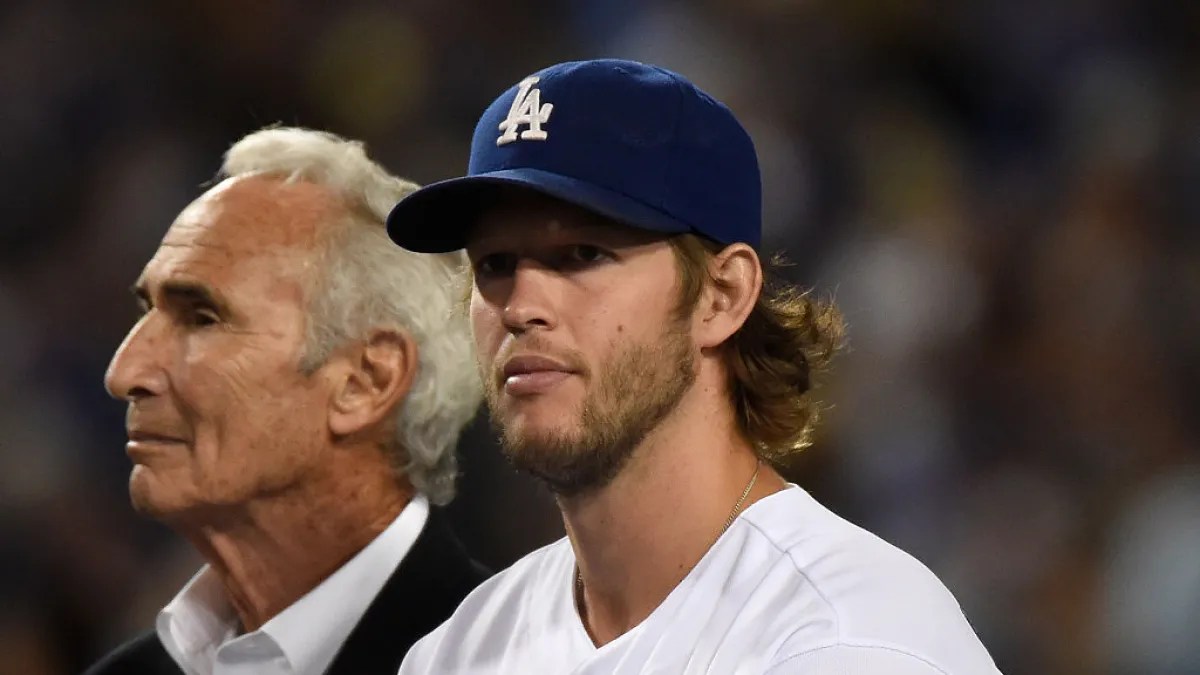
No one can replace Sandy. But Clayton Kershaw has every right to stand right beside him. Here the two are: They are a half-Rushmore, symbolic of integrity and faith. Baseball, as it has in the past, has the potential to cure what ails us today.

To the Historians of the Powder River County, from Central California

16 Tuesday Sep 2025

Posted by ag1970 in Uncategorized

≈ Leave a comment

First, a little about my hometown. There’s a connection between it and the Powder River Expedition of 1865.


The leader of that expedition, Patrick Connor, was also a member of the California Rangers, an ad hoc police force that hunted down and killed Joaquin Murieta, a noted Gold-Rush era criminal, in 1853. If you ask me, Connor’s comrades look scarier than most outlaws. Capt. Harry Love, center, was the Rangers’ leader.


It is hot in the Central Valley, where the Rangers caught up with the man (alleged to be) Murieta and shot him dead. Since the state government offered a $5,000 reward, the bandit’s head was preserved in alcohol in a large jar as evidence. The Rangers got their reward. Joaquin got to tour California until, mercifully, his head vanished in the 1906 San Francisco earthquake and fire.

It’s probably apocryphal, but Joaquin’s mother is said to have lived on Chorro Street in the county seat, nearby San Luis Obispo, and one story has him buying drinks for all present, unless they were gringos.

San Luis Obispo in Joaquin’s time. His gang is said to have camped overnight behind the Mission (founded 1772), the building at the distance, center, with three archways for its bells. In the 1850s, San Luis Obispo went through five sheriffs in four years because the job was simply too dangerous. Finally, Francisco Castro (at right) took over, was sheriff for seven years, conducted the only hanging in county history in the same place where Joaquin had camped, and died twenty years later from a pistol wound. Castro’s revolver wouldn’t fire, so he used the butt to beat the man who’d shot him.

By the 1880s, things had calmed down considerably in our county, except for the 1886 double lynching of two accused killers, a father and his fifteen-year-old son, and the occasional bank robbery or saloon killing, so in Arroyo Grande, my hometown, and there was an influx of Civil War veterans. Nearly all of them were farmers: Arroyo Grande was known then as it is today for the richness of its soil, and 1881 brought, with the completion of a narrow-gauge railway, connections to markets in San Francisco and (much smaller) Los Angeles.

That led to at least fifty—it’s now approaching sixty or more— Civil War veterans settling here. They were restless men—at least a third of them had moved twice from their home states to Arroyo Grande. And that fact, once I’d discovred it, led to a book.

Version 1.0.0
Version 1.0.0


And among them were two cavalrymen who’d served (and somehow survived) the Powder River expedtion.

Thomas Keown is one of them. Here’s a little about him and his wife, Phoebe, from a 1935 Arroyo Grande Herald-Recorder.

One of Keown’s comrades in the expedition was James Anias Dowell, and there are still Dowells in our area; as a high-school history teacher, I taught one of them, Joanna. Here are James and his wife, Louisa, late in life. Allegedly, one local resident descended from a Union soldier who fought at Gettysburg has Dowell’s kepi; their families were friends.


And here are the two old soldiers at rest, and not far from each other, in the Arroyo Grande District Cemetery.


The Expedition, of course, was a betrayal of the Fort Laramie Treaty. Gold negates honor. While I’m thankful that Gen. Connor never got his wish—to kill every Indian male over the age of twelve—the fact that your state shares a history with my hometown is gratifying. These are fraught times and, after nearly 250 years as a nation, we have far, far more in common than we might realize. We are Americans, all of us.

(Above): Buffalo Bill’s Wild West Show visited San Luis Obispo twice, but that was long after one of his stars, Sitting Bull, was shot dead at the Standing Rock Reservation. When he toured, he was appalled at the poverty of urban children; he’s shown giving away money to Philadelphia children. At right is White Dove, one of his daughters.

Faith and Hope. And mothers.

10 Wednesday Sep 2025

Posted by ag1970 in Uncategorized

≈ Leave a comment

Bruce and Mom.

I may have more than enough Irish melancholy in my personality, but there’s a flip side: The Irish can be stubbornly optimistic and many have a faith deeper than the Irish Sea.

Which is where my mother’s grandparents and great-grandparents came from: County Wicklow, on the Irish Sea.

That’s Mom with my big brother Bruce in 1948, and that’s Bruce, front row left, during his first year at Harloe, not long after we’d moved to Sunset Drive from Taft.

I just saw a Harloe mother walking down our street, bringing her towheaded little kindergarten boy home. She was wearing his backpack and had her towheaded daughter on her hip.

She was lovely. She reminded me of one of my favorite AGHS history students, Siena, here with her little girl. (Siena and Dylan now have a little boy, too.)

This young mother brought out the stubborn optimist and the deeply faithful in me. It’s a humid day, and she was starting to struggle just a little.

Her little boy was just behind her. He had to stop and touch EVERY PICKET in every picket fence. Sometimes he absently did small u-turns. I watched them go right at the corner when he—much like a Basset Hound—decided he’d had enough walking.

He sat in the shade on the curb.

If this young woman is a good mother, and I think she is, she’ll let drop that there are oreos and milk waiting for him at home.

I just enjoyed watching them. It did my heart good. In the last decade, we’ve been subjected to fear, cruelty, crudeness and supreme selfishness.

If just for five minutes, the sight of this good mother, like Siena, like Patricia Margaret Keefe Gregory, my mother, filled me with hope. The last decade, if just for five minutes, was a vague and unimportant blur.

Siena and her little girl. Siena and Dylan now have a little boy named Lincoln, a name which I heartily endorse.

The Department of War

08 Monday Sep 2025

Posted by ag1970 in American History, Arroyo Grande, California history, History, trump, Uncategorized, World War II

≈ Comments Off on The Department of War


This was Saturday. He’s half-heartedly apologized today: “We’re not going to war with Chicago.” I’m sure, with the bellicose re-naming of the Department of Defense, that Chicago is overwhelmed with gratitude.

War would overwhelm this president* because, like all bullies, he is a coward. It takes so much air to fill him, but he has a kind of army—his sycophants—who stand ready to provide it.

The president* visits London


This is a re-creation of the 1918 Battle of Belleau Wood (the re-enactors are real Marines), but the men who actually fought that battle were called by the first-term Trump, the milder version, “losers” and “suckers.” He was to honor them on the 100th anniversary of the assault, but it was raining in France.


And this is what war was like for local men who endured it.

The 607th Tank Destroyer Battalion, 1944.


   The Americans’ breakout from Normandy, after claustrophobic weeks in the death traps of the hedgerows, must have been a jubilant one, but the 607th would encounter another death trap whose brutality sobered them. The Americans, under Omar Bradley, and the British and Canadians, under Bernard Law Montgomery, had the chance to encircle the entire German Army in Normandy. They would fail, and thousands of Germans would escape, battle-weary, some of them now barefoot, running for their lives along narrow roads and cattle trails through what became known as the Falaise Gap.

    But American artillery units still found many of them there–artillery spotters were nearly incoherent because there were so many targets to call in on their field radios–and the slaughter they inflicted was horrific.19 Seventy years later, one of the 607th’s soldiers, Frank Kunz, remembered the results in an interview with his hometown newspaper:  “ Christ help me. There were 6 to 8 inches of bodies and horses ground up on the road. There was nothing you could do. You had to drive through it.” People, Kunz added, don’t understand what war is.20

In the photos: Frank and Sally Gularte at a family barbecue in Arroyo Grande before he shipped out as a member of the 607th Tank Destroyer Battalion, seen crossing a river into Germany. A German sniper claimed Frank’s life in November 1944. Sally gave birth to Frank Jr. five days later. From the book World War II Arroyo Grande.


The aircraft carrier Ben Franklin, 1945

The bomb’s detonation [one of two that his the aircraft carrier Franklin off Japan in 1945] flipped a 32-ton deck elevator like a flapjack, leaving it canted at a 45-degree angle in its well. The shaft below it and the decks adjacent were an inferno: crewmen were incinerated instantly; aircraft on the hangar deck melted and plummeted to decks farther below. Twelve of the 13 pilots in the famed Marine Corps “Black Sheep” Squadron, based, since the beginning of the year, at a naval air station near Goleta, died in their ready room.19

Ships below the horizon felt the explosions. Camilo Alarcio clambered up to the flight deck only to realize that he was freezing: he made his way back to his quarters to fetch a jacket, flak jacket and flashlight and bolted topside again with his shipmates. Those emerging from below would have seen sailors running for their lives as the fires spread. In the black, heavy smoke, some ran into the turning propellers of aircraft, their engines still running for their next combat mission.

Alarcio’s deliverance, and that of many others, began when he saw the cruiser Santa Re move alongside. That ship’s crew began to throw lines across to Franklin as the flames threatened to engulf the entire flight deck. He grabbed one of the lines and made his way across–other sailors fell and drowned, some so badly burned that they couldn’t save themselves, while others were pulled under by the turning of Franklin’s screws. Alarcio survived.2020

   Franklin’s survival was in doubt. The initial explosion was just the beginning. As fires reached twenty more aircraft, fueled and ready for flight on the hangar deck, and ignited a chain reaction that, throughout the day, set off stores of bombs, rockets, anti-aircraft ammunition and aviation gasoline. At one point, the violence inside Franklin made the 32,000–ton ship shudder and spun her, like the needle on a compass, hard to starboard, where she lay dead in the water. 
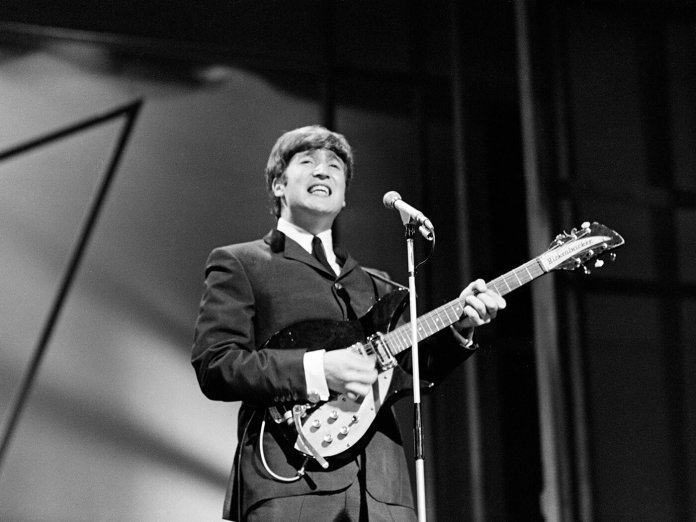
Photos: South County sailor Camilo Alarcio; his ship, the carrier Ben Franklin, afire. Somehow Franklin, with Alarcio aboard, made it back to her birthplace, the Brooklyn Navy Yard.
The 91st Bomb Group, 1945

Henry Hall now lives in Cayucos; he was a Kansan transplanted to Bakersfield before the war and then to San Luis Obispo County afterward to become a gunner in the Ninety-First Bomb Group, the “Ragged Irregulars.”

Hall witnessed a horrific chain reaction over Holland: a swarm of German fighters singled out a B-17 ahead, and the multiple hits on the bomber registered for him when he saw the right- side landing gear listlessly drop and an engine on the right wing catch fire. When the out-of-control bomber began its final plunge, it clipped two more B-17s in the formation—both of them went down as well.

It was the hardest of days for Hall’s bomb group: they lost six B-17s on a mission that gained nothing: their primary target, a ball-bearing factory near Berlin, was obscured by clouds, so the Ninety-First dropped their payloads on “targets of opportunity”—on this day, Hall remembered, on a little crossroads town that probably contributed little to the Nazi war effort.55

That was Hall’s first mission. He was twenty years old when he saw the three Ragged Irregular bombers plummet to earth together. Many members of his bomb group were even younger. Some of them, thanks to crafty misdirection aimed at recruiting sergeants pressured to meet their quotas, were as young as sixteen.

Far below them, in German cities like Hamburg and Dresden—or in relatively obscure Japanese cities like Toyama, the size of Chattanooga, or Kagoshima (the seat of the prefecture from which most San Luis Obispo County Japanese had emigrated), the size of Richmond, Virginia—the ashen bodies of schoolchildren stained sidewalks and streets.

Photos:  Henry Hall, with his back turned, practicing water survival with his comrades. The B-17 “Wee Willie,” from Hall’s 91st Bomb Group, on its way down. There was one survivor. From the book Central Coast Aviators in World War II.

The 60th Ohio Volunteer Infantry, 1864

So under [Union Gen. Ambrose] Burnside, the 60th Ohio, on the afternoon of May 5, crossed the Rapidan River at the Germanna Ford. From a rise, they could see dust clouds raised by Lee’s army on the move and began to march into The Wilderness, a vast tangle of forest and scrub so dense that it shut out the sun. Adam Bair was a corporal and therefore, like Richard Merrill had been at Antietam, a file closer. Bair must have been tired after the river crossing. His role was like that of a border collie, striving constantly to keep his company together and moving forward, cajoling potential stragglers, barking, like a collie, at men who’d packed too heavily when they had been warned to travel light.

The wake of the 60th would have been a Civil War treasure-collector’s dream, strewn as it would have been with all manner of equipment: rubber blankets, coffeepots, needless overcoats and extra clothing, books that would never be read. Eventually, as the sounds of battle began to become more distinct, the 60th would leave behind what many Civil War soldiers left: playing cards, dice, flasks of brandy or whiskey, packets of what were euphemistically called “French postcards” with their leering plump models. These are not the items a man would want on his person if he “fell,” to use another euphemism common to describing the indescribable violence of a Civil War soldier’s death in combat.

Union soldiers would begin to see, as they crunched through the carpet of leaves in the closeness of the woods, dead soldiers grinning  at them in their  passage.  These  were the skulls of the men who’d fought the year before at Hooker’s debacle, Chancellorsville, either disinterred from their shallow graves by hungry animals, perhaps by a hardscrabble Virginia farmer’s hogs, or simply lost and left where they’d fallen in the days when Lee and Jackson had played hammer and anvil with the Army of the Potomac.

The woods themselves would become the enemy in this new battle, in 1864, because the dark wasteland made a mockery of combat drill; its density cut up infantry formations into little knots of soldiers  who became separated from one another as they struggled forward, whipped by branches, tripping over roots, cursing in the close humidity and heat already descending on northern Virginia. For many Union soldiers, the dark was suddenly illuminated by the muzzle flashes of Confederate infantry with their bullets amputating tree branches, vaporizing leaves, buzzing like hornets past men’s ears. Some of them, with a dull thud, a sound familiar to Civil War soldiers but now as lost as the sound of the rebel yell, found their targets in the bodies of young men. The flash of powder did something else: firefights sparked fires that would rage in the tangle of trees and scrub and the fires burned wounded men alive as they shrieked for help. No battle in the Civil War was more grotesque than the one fought in this forbidding place.

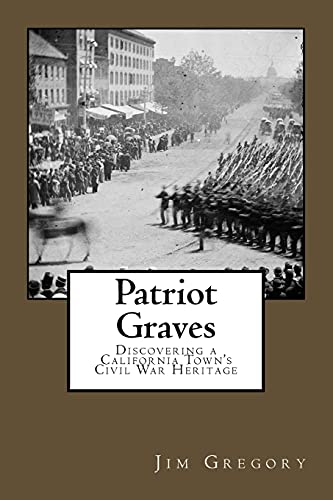
Photos: 60th Ohio soldier Adam Bair became a Huasna Valley farmer after the war. Combat artist Alfred Waud depicts the fires that swept The Wilderness in May 1864. From the book Patriot Graves: Discovering a California Town’s Civil War Heritage.

Three favorite movie villains from a week of watching Turner Classic Movies

01 Monday Sep 2025

Posted by ag1970 in Uncategorized

≈ Leave a comment

Bette Davis, Jezebel (1938)

Davis’s Julie has a spat with her betrothed, banker Henry Fonda, who is graced with impossibly poofy hair. So her vengeance is showing up at a New Orleans ball, where young women traditonally wear white, in a red dress. She is disgraced. Fonda is humiliated by her upstagery, so heads north on Banking Business. When word comes that he is coming back to New Orleans, Julie, in a fever primp, is ecstatic over his return. He returns with a wife. Damn damn damn. Fortunately for both, yellow fever strike New Orleans, Fonda comes down with it, and the rest has Julie channeling Sydney Carton in A Tale of Two Cities. Davis is deceitful, scheming, amoral, enormously flirty and quite mad. She is delightful.

Burt Lancaster, Seven Days in May (1964)

Lancaster is a four-star Air Force General, Chief of the Joint Chiefs, Medal of Honor awardee with enough “scrambled eggs” (braid) on the vistor of his dress cap for two Denver Omelets. And, by comparison, he makes Julie’s madness seem tame. He is paranoid and a megalomaniac who is planning a coup against the President so he can become America’s dictator. Darn, those old movie themes never quite go away, do they? Lancaster’s intense, coil-springed and impulsive villain is balanced by his aide, Kirk Douglas, a Marine colonel, who is still Kirk Douglasy intense but is also intuitive, thoughful and honorable. Gradually, Douglas unravels the plot and the rest of the cast attempts to stop the coup. Lancaster’s character reminds me also of Gen. Jack D. Ripper, immortalized by Sterling Hayden in a contemporary film, Dr. Strangelove. The film is also notable for old cars, most notably Douglas’s 1963 Thunderbird.

Bruce the Shark, Jaws (1975)

Unlike Lancaster, who chews up the scenery and several hundred yards of film in Seven Days in May, Bruce might be his scariest when he’s unseen, which prepares you for the Boogah Boogah! moments when he appears. And, granted they are both boogah and boogah. Part of that might be because the mechanized shark was so difficult to work with and broke down so often, but I re-watched the last 40 minutes a few nights ago—I stopped before Quint becomes the main course for Bruce—and the final chase sequence, when all you see of the shark are the racing yellow barrels, is brilliant. Spielberg scores it with what might be called happy pirate music, and the film’s mood, after Quint describing the Indianapolis horror, is actually exuberant. Even if you’d read the book, the chase sequence is such a skillful bit of misdirection that it makes the grisly scenes hit that much harder. I still remember, when I first saw Jaws, that the crowd groaned in unison and then grew very quiet. When Roy Scheider blows Bruce the Shark up, there were cheers. It was a grand communal moment.

For National Dog Day: Doggie videos!

26 Tuesday Aug 2025

Posted by ag1970 in Uncategorized

≈ Leave a comment

Mollie and Brigid as puppies

Walter’s Birthday!

Brigid’s bath.


The Wilson tribute.

And one for Mollie.

← Older posts
Newer posts →

Subscribe

  • Entries (RSS)
  • Comments (RSS)

Archives

  • January 2026
  • December 2025
  • November 2025
  • October 2025
  • September 2025
  • August 2025
  • July 2025
  • June 2025
  • May 2025
  • April 2025
  • March 2025
  • February 2025
  • January 2025
  • December 2024
  • November 2024
  • October 2024
  • September 2024
  • August 2024
  • July 2024
  • June 2024
  • May 2024
  • April 2024
  • March 2024
  • February 2024
  • January 2024
  • December 2023
  • November 2023
  • October 2023
  • September 2023
  • August 2023
  • July 2023
  • June 2023
  • May 2023
  • April 2023
  • March 2023
  • February 2023
  • January 2023
  • December 2022
  • November 2022
  • October 2022
  • September 2022
  • August 2022
  • May 2022
  • April 2022
  • March 2022
  • February 2022
  • January 2022
  • December 2021
  • November 2021
  • October 2021
  • September 2021
  • August 2021
  • July 2021
  • June 2021
  • April 2021
  • March 2021
  • February 2021
  • January 2021
  • December 2020
  • November 2020
  • August 2020
  • July 2020
  • June 2020
  • May 2020
  • April 2020
  • January 2020
  • December 2019
  • November 2019
  • October 2019
  • September 2019
  • August 2019
  • May 2019
  • April 2019
  • March 2019
  • February 2019
  • January 2019
  • December 2018
  • November 2018
  • October 2018
  • September 2018
  • July 2018
  • June 2018
  • May 2018
  • April 2018
  • March 2018
  • February 2018
  • January 2018
  • December 2017
  • November 2017
  • October 2017
  • April 2017
  • March 2017
  • December 2016
  • November 2016
  • October 2016
  • September 2016
  • August 2016
  • July 2016
  • June 2016
  • April 2016
  • March 2016
  • February 2016
  • January 2016
  • December 2015
  • November 2015
  • October 2015
  • September 2015
  • August 2015
  • July 2015
  • June 2015
  • May 2015
  • April 2015
  • March 2015
  • February 2015
  • January 2015
  • December 2014
  • November 2014
  • September 2014
  • August 2014
  • July 2014

Categories

  • American History
  • Arroyo Grande
  • California history
  • Family history
  • Film and Popular Culture
  • History
  • News
  • Personal memoirs
  • Teaching
  • The Great Depression
  • trump
  • Uncategorized
  • World War II
  • Writing

Meta

  • Create account
  • Log in

Blog at WordPress.com.

  • Subscribe Subscribed
    • A Work in Progress
    • Join 68 other subscribers
    • Already have a WordPress.com account? Log in now.
    • A Work in Progress
    • Subscribe Subscribed
    • Sign up
    • Log in
    • Report this content
    • View site in Reader
    • Manage subscriptions
    • Collapse this bar
 

Loading Comments...