• About
  • The Germans

A Work in Progress

A Work in Progress

Category Archives: Arroyo Grande

Growing up in the Upper Arroyo Grande Valley

26 Sunday Mar 2023

Posted by ag1970 in Arroyo Grande, Uncategorized

≈ 8 Comments

This is the place that made me a teacher and a writer.

I probably haven’t got everything right–I rarely do–but my wife took me on a little trip this morning that meant a lot to me. My big sister was wondering what the Arroyo Grande Creek looked like after the rains, so we went to take some photos.

So Elizabeth drove me out to our old house, where I grew up, on Huasna Road, and along the way I began prattling.

This has happened to me only once before, but that was at Gettysburg. I had read so much about the battle that I knew exactly where we were–Elizabeth and our sons, John and Thomas–and what had happened there.

This was far more personal.

* * *

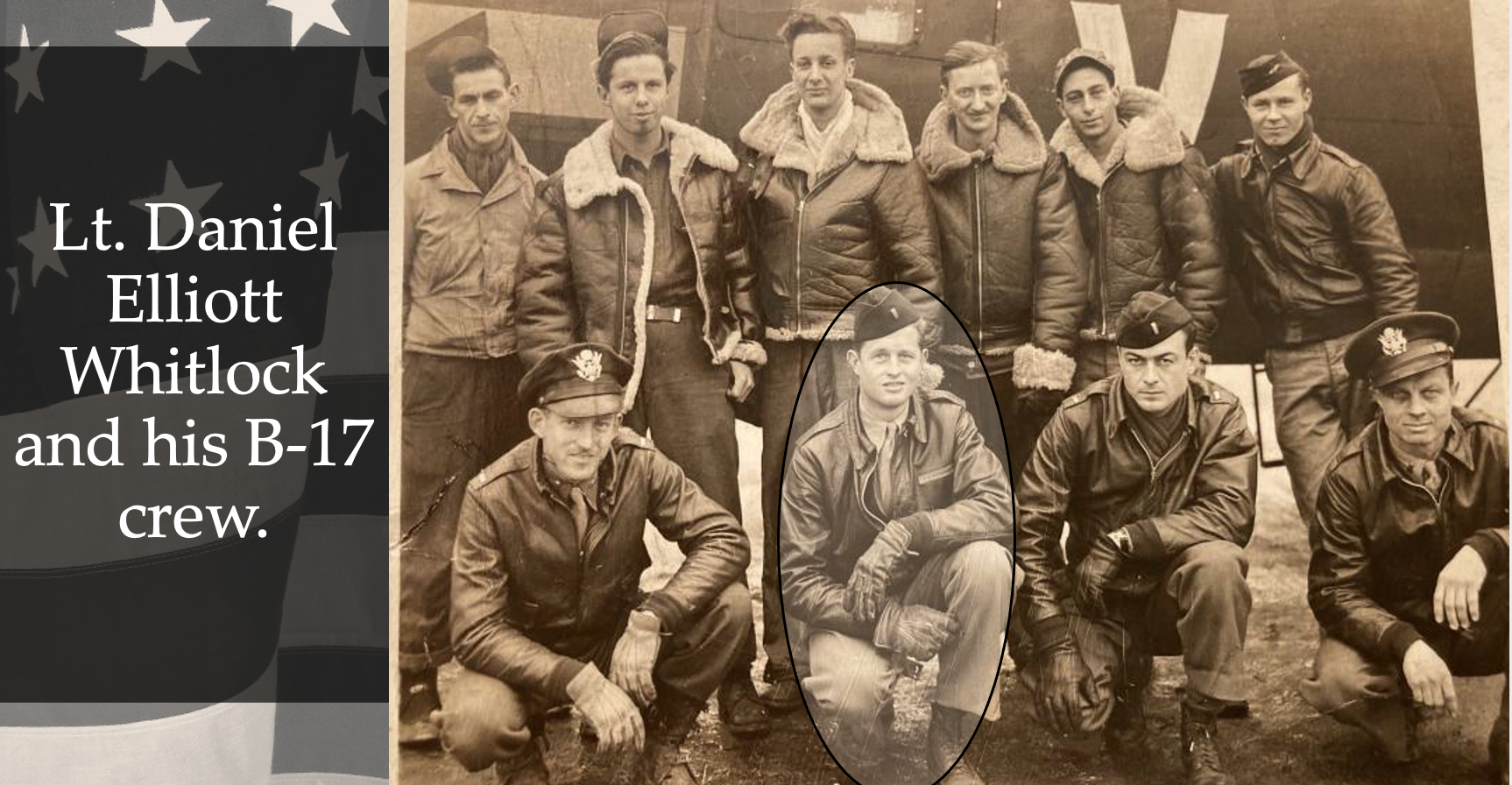
–Mason Bar. The son of the owner when it was the Commercial Company, Lt. Daniel Elliott Whitlock, was awarded a Silver Star for bringing his crippled B-17 home safely after a mission over Berlin. A flak hit set the ship afire. Elliot’s pilot, Jim Lamb, ordered the crew to bail out. Elliott, the co-pilot, countermanded the order when he saw Jim was badly burned. So was his parachute harness, burned through. Whitlock refused to abandon his friend. He knocked down the fire with an extinguisher–he never remembered where it came from–and turned the plane back to the safety of England’s Norfolk Coast.

He was terrified, he admitted to his folks in Arroyo Grande, whose home still stands just below Paulding. “Your prayers are standing by me,” he wrote them.
–Paulding Middle School. The gym was a PWA project completed for $14,300 in 1938 for the old Arroyo Grande Union High School and it put a lot of local men to work. The high school student body gathered inside the gym on December 8, 1941. They listened to a radio set up on the stage, where my son Thomas performed for Mr. Liebo, to hear FDR’s call for a declaration of war on Japan.

Haruo Hayashi, whom we have just lost, was the team manager for Coach Max Belko, who coached basketball in that gym. He also coached the Eagle football team. Belko, the son of tough Jewish immigrant steelworkers from Gary, Indiana, was overlooked by nearby Notre Dame and instead became an All-American at USC. His field goal against Montana–they drop-kicked field goals then, enormously difficult–would be the last field goal kicked by a Trojan for fifteen years. Some Bakersfield kid named Frank Gifford kicked the next one.

Belko’s coach, Howard Jones, called him “the finest example of a man I have ever coached.”

Belko, a Marine lieutenant, was killed on the beach at Guam in 1944.

The Arroyo Grande Men’s Club, including my friend Randy Fiser, restored the stone retaining wall below the campus that was originally a WPA project. So are the basketball courts below. And the cemetery stone wall. The Orchard Street building, now the AGHS math wing, was another PWA project. (The campus’s landscaping was done for free by volunteers–Japanese American farmers whose children attended the school. Twenty-five of the 58 members of the high school’s Class of 1942 were Japanese American.)

The beautiful park that’s now underneath Lopez Lake was another WPA project. So was the hard-surfaced Musick Road, a CWA work project early in the New Deal, supervised by county supervisor Asa Porter, that led to that park.

Arroyo Grande doesn’t today look like North Africa in part because of the reclamation work, made urgent by overcultivation, a product of collapsing farm prices in the Great Depression.
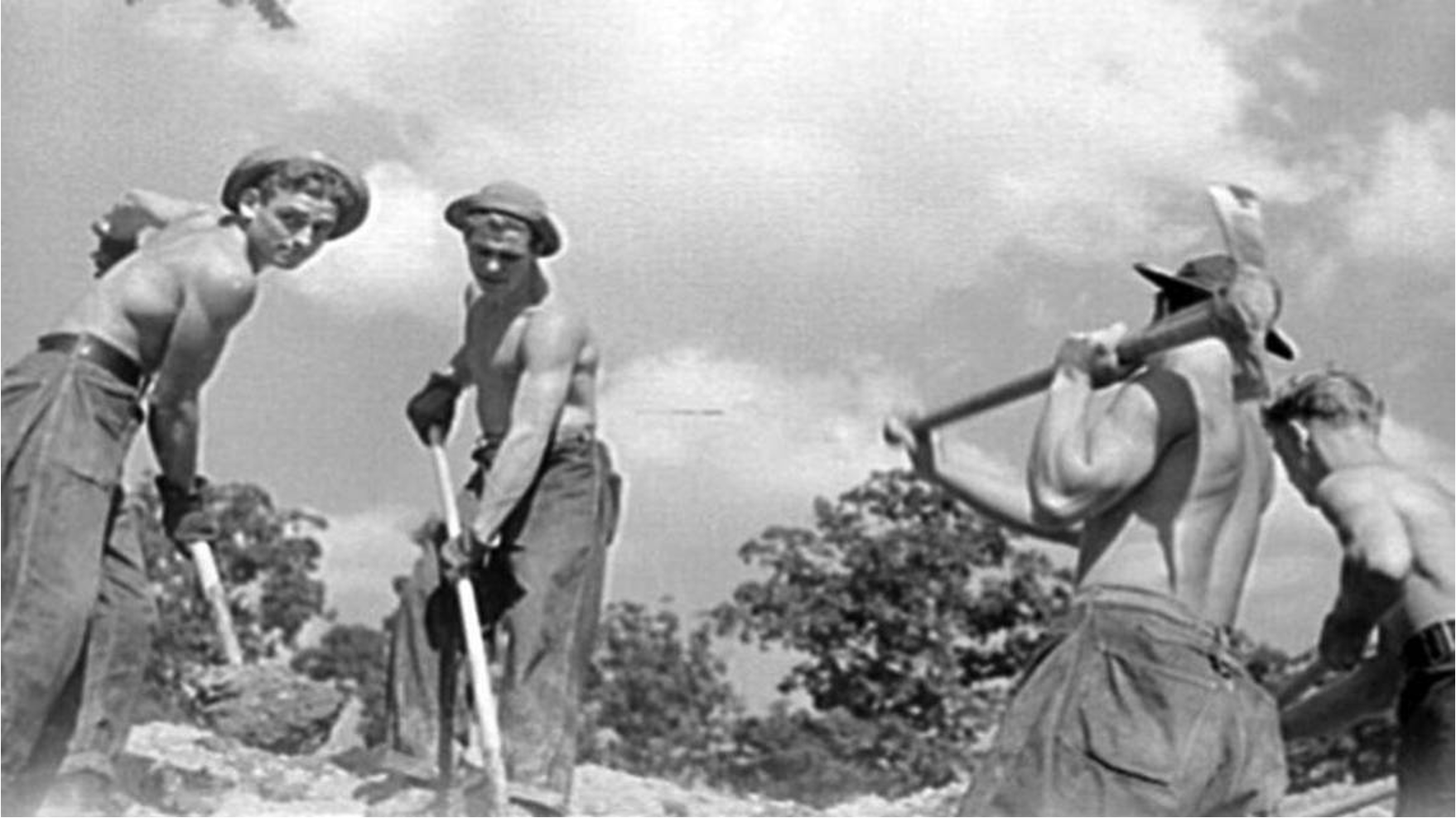
CCC workers in Arroyo Grande.


Arroyo Grande had the worst soil erosion the head of the New Deal’s Soil Conservation Service had ever seen in America. It was the Civilian Conservation Corps, 230 kids from New Jersey, Delaware and New York City, who lived in barracks on the site of today’s Arroyo Grande Woman’s Club, who terraced hills, built check dams and planted trees and so, at the very least, began to reverse the effects of what could have been an environmental disaster here. It was that damnable Federal Government Overreach that accomplished these things.

–The IDES Hall. This one was built in 1948. It’s the second one. The first one was the remnant of the old Columbian Hall on Branch Street. They had lectures, concerts and meetings there. Young women, in gauzy Greek gowns, used to dance to honor sweet peas at the Sweet Pea Festival.

Frank Gularte, killed in action on the Franco-German border in 1944, grew up on the farm that includes the hill just above the Hall. His son, Frank Jr. was born the same week; his widow, Sally, would’ve celebrated a christening and endured a funeral mass at St. Patrick’s on Branch Street in the same month.
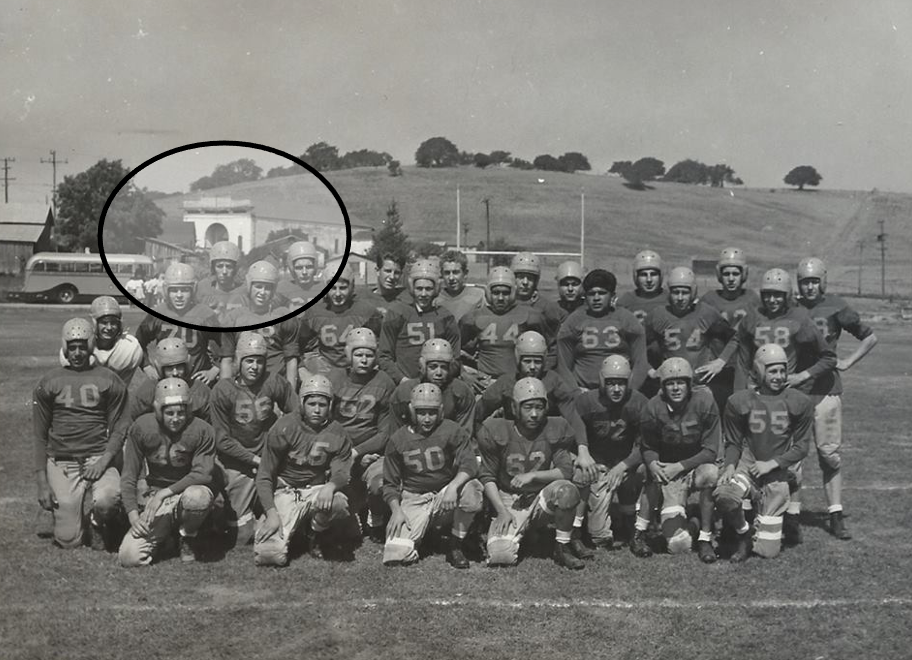

The old IDES Hall, just behind the 1946 AGUHS football team.

–Unplanted fields on the right, along Huasna Road. Those were, and probably will be, reserved for seed flowers. Thanks to Louis Routzahn and the Waller Family, Arroyo Grande flower seeds were known all around America. You can still find their seed catalogues online.

Clara Paulding, who taught here for so many years, rode her bicycle to my Alma Mater, the two-room Branch School, in the 1890s. It was so much fun for me to write a piece about her bike ride, because the smell of seed flowers and sweet peas must have been delicious. She loved Branch kids, by the way. A woman of sound judgment, Clara was.
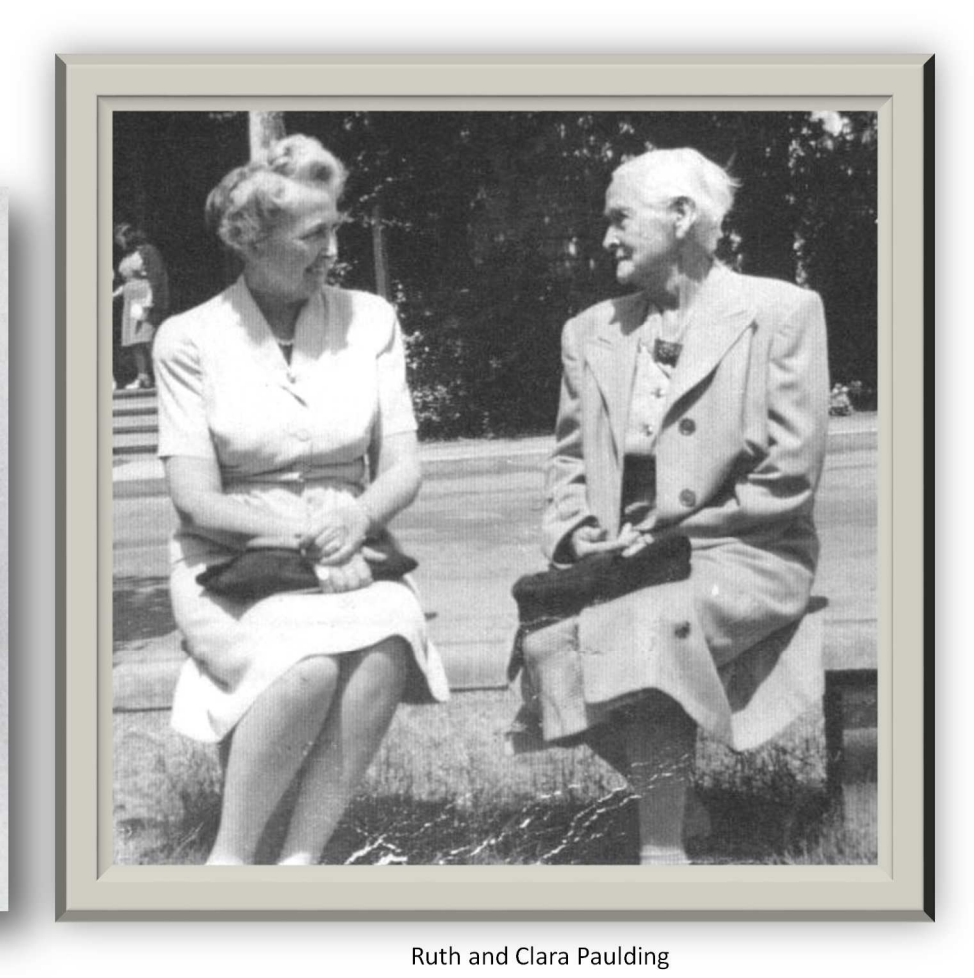

My favorite Clara anecdote: She went back to her Alma Mater, Mills College in Oakland, with her daughter, Ruth, for whom the middle school is named, during World War II, when there was finally money enough for teachers like Ruth, whose commute consisted of walking across the street from the house in which she was born to her Spanish classes at Arroyo Grande Union High School–to earn salary advancement for taking college course. So she invited her retired teacher Mom—Clara was in her nineties– to come along. Clara did. She decided to take a Mills College course entitled “The History of the United States before 1865.”

“That’s because I remember everything else,” she told a newspaper reporter.

–Strother Park. This was a Chumash village, or rancheria, whose chief was dubbed “Buchon” by the Portola Expedition, after the large goiter on his neck. That’s why we have a Buchon Street in San Luis Obispo. The rancheria was called Chiliquin; Rosario Cooper, the last speaker of Obispeño Spanish, has roots here—this is probably where her mother, a “Mission Indian” only because of catastrophic drought and the chance of survival the Mission Fathers offered, was born. I taught two of Rosario’s descendants, beautiful and brilliant young women, at Arroyo Grande High School.

Newell Strother was the editor of the Arroyo Grande Valley Herald-Recorder for twenty years. After Pearl Harbor, he urged his readers to suspend judgement on their Japanese American neighbors. They were loyal to America, he explained in an editorial message some in Arroyo Grande did not want to hear.

–Tony Azevedo’s place. Elsie Cecchetti, our beloved Branch School bus driver, was an Azevedo. Her father’s dairy, on the site of today’s Trader Joe’s, was a dairy farm where Elsie’s first driving lessons were on a Farmall tractor. The Azevedos were Azoreans, come to America because of earthquakes, volcanoes and political unrest in the Islands. They were whalers—there was a shore whaling station at Port San Luis—before John Davison Rockefeller and Thomas Alva Edison put them out of business. They turned toward crops and dairy farming. “I don’t know much about history,” my Branch School friend John Silva told me once when he was helping me research a book. He then proceeded to name every Azorean dairy family between Lopez Canyon and Corbett Canyon. My mouth fell open.

John’s father, Johnny, and his uncle, Manuel, among the kindest men I have ever known, used to pull up pickup cab to pickup cab on Huasna Road to gossip, even thought they’d probably had breakfast together that morning at Sambo’s, many years later the still un-demolished Francisco’s Country Kitchen. I’ve seen farmers do the same thing in Kansas and Colorado, by the way. When a car approached, the Silvas would pull just off the road to the edge of their farm fields to let the motorist pass. They would wave cheerily at the driver. Then they’d pull back onto the road and resume their conversation.

–Clair Gibson’s home. Two generations of bankers—first, the Bank of Arroyo Grande then the Bank of Italy and finally the Bank of America. Today it’s Lightning Joe’s. The Gibsons were the kind of bankers you read about, but only in novels. They were generous with credit in hard times and with loans when they believed in what we today call a “business startup.” Once Mr. Gibson advanced a desperately needed emergency loan to the rock and roll star Peter Frampton. Frampton, needed it to secure a concert and couldn’t get the money from his own bank. Afterward, his people began to make deposits in the Bank of America in Arroyo Grande, California.

When I wrote a piece about Jack Leo Scruggs, a USS Arizona trombonist killed in the attack on Pearl Harbor, Clair called me. “Jack Scruggs,” he said—the two had been classmates in the Arroyo Grande Grammar School that stood where Mullahey Ford stands today—“I haven’t thought about him in years.” He chuckled over the phone line. Then there was a long quiet. He thanked me before he hung up. The memory of his lost classmate still moved him.
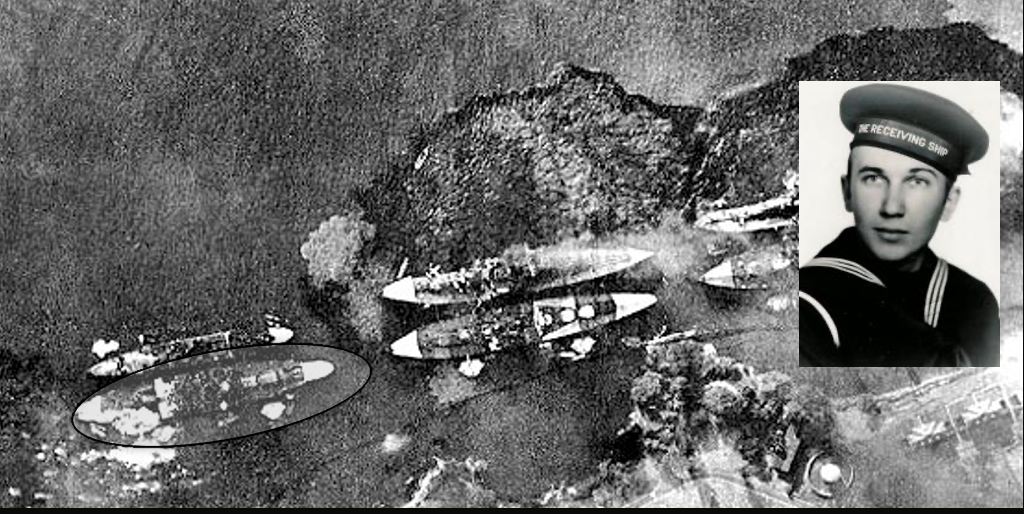
Bomb hits off Arizona’s stern, in the oval, mark the moment of Jack Scrugg’s death (his image is in the insert.) Concussion from those near-hits killed Scruggs as the ship’s band was assembling for the National Anthem. The ship blew up about twelve minutes later from a bomb hit forward.


–The Kawaguchi Home. Japanese immigrants, mostly from Kyushu, the southernmost Home Island, were Buddhists and Methodists. The Kawaguchis, if I remember right, were Catholics, which means that history has a long reach. St. Francis Xavier proselytized in Japan in the 17th Century; both cities targeted by the atomic bombs had large Catholic populations. Carolyn Kawaguchi, along with Vard and Patricia Ikeda, was the fastest runner I ever saw as a little kid. In those P.E. tests they used to do in grammar school, she would pass by me—in skirts, mind you—laughing apologetically.

Kaz Ikeda gently cured me of the uppercut in my softball swing on a visit to Branch School one day. The wooden home plate behind which he caught at the Gila River Internment Camp is now on loan to the Baseball Hall of fame. And, of course, one son is named “Vard” because Vard Loomis, a Stanford baseball alum, a pitcher, coached the Nisei team, the Arroyo Grande Growers, before World War II. After the enforcement of Executive Order 9066, Vard invited Kaz to stay in his family’s home. (His wife, Gladys, had been the Growers’ Team Mom.) Kaz had stayed behind until his father, Juzo, the assistant manager of the Growers, was strong enough to travel. A team of horses dragged him away on the Ikeda farm one day and Juzo was paralyzed as a result. Kaz made it back home. His dad didn’t. Juzo died in a camp hospital in the desert heat of Arizona in 1943.

But my favorite Arroyo Grande Growers story is about a rest stop at a park in the Valley. The team bus, which Vard drove, pulled up next to another bus. The passengers in that bus were young Black men, members of a touring jazz orchestra. The Black kids approached the Nisei kids and asked if they’d like to play ball in the park. That sounded like a good idea to everyone. So there was a game—the Growers tossing their mitts to the musicians during in between innings–and what sounded like a good idea turned out to be a good baseball game.

Since Vard was kind of the odd man out, he became the empire. Jokingly, both sides agreed, at the end of the game, that they’d never met a White man with eyesight as bad as Vard’s.

–The Gularte Home. I’m not sure where to start with this family, parented by Rudolph and Mary Gularte. We loved them. Rudy was a vegetable broker who bailed us out frequently when either our creek pump (for irrigation) or our spring pump, which we shared with his family (for drinking water) broke down. He drove at first a dark olive 1953 Chevy stepside pickup and then one of the first El Caminos in town—copper-colored, with Chevy fins. It was classy. He was a pallbearer at my Mom’s funeral. He cried, which moved me, because Rudy was a quiet, undemonstrative man. We would nearly drive off the road waving at him when we saw the El Camino approaching. Rudy, with not much more than his felt hat visible just above the steering wheel, was intent on driving. He was a small man; it took Mom’s death to make me realize what a big heart he had.

The size of her heart was immediately apparent with his wife. Mary was a warm, generous woman with a sharp bite when my friend Dennis, one of her sons, crossed her. Her bite was very brief. She’s the one who one day, because Elsie Cecchetti’s bus was somehow, inexplicably, late, took me that cold morning from the bus top and fed me a bowl of sopa—Portuguese Stew—with a big hunk of coarse bread intended for soaking. I soaked. I did not have to eat for the rest of the day.

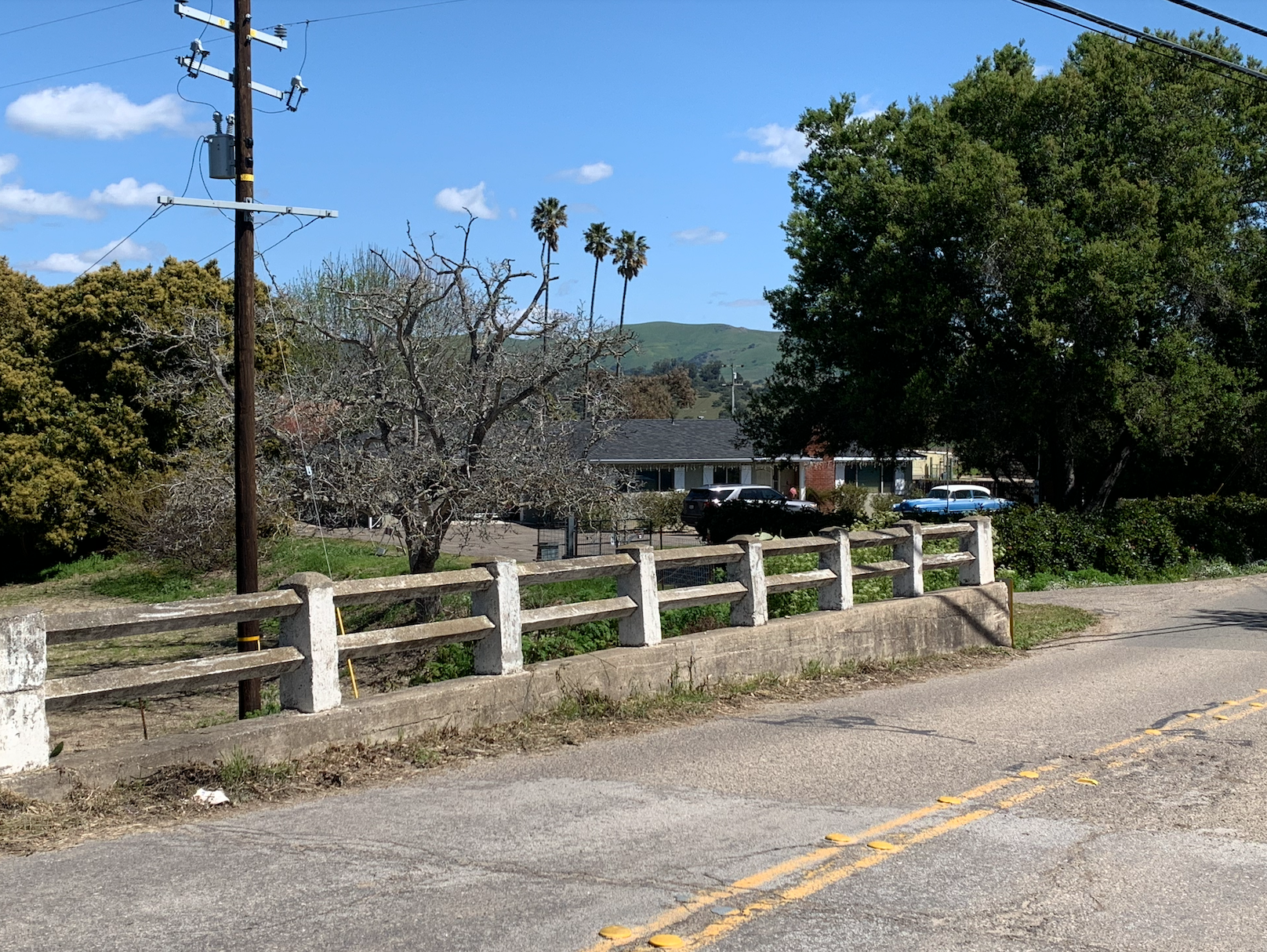
–The Harris Bridge. Before the bridge, this was near the spot where fourteen-year-old Sam Cundiff drowned in the flood of 1911.

Our house was (and is, much improved) just over the bridge, which was built, I think in 1927, when Lopez Drive was called Musick Road. I was very happy to see that our walnut trees, just beyond that bank of Queen Anne Lace, are dead. I hated harvesting walnuts, stoop labor, and your hands and nails were black for weeks. Walnut trees used to cover the fields between the high school and Halcyon Road before an insidious pest, the husk fly larvae, began to kill them. I did not much mind. The only way I found walnuts tolerable was in my Mom’s chocolate-chip cookies.

In the winter of 1968-69—you can get a sense of it from the video below—the creek rose above that chasm and spilled into our walnut orchard. There were ponds and lakelets in the Upper Valley for months afterward.

I used to catch rainbow trout in the chasm below and, of course, I did NOT catch the big female steelhead who hit my line one afternoon. She was so fierce that I nearly had a twelve-year-old heart attack. It was glorious the way she broke the surface, with a terrific splash, and it was only seconds before she snapped my leader and went upstream for the business of motherhood.

In the winter of 1911, when the tragic Cundiff family returned to their home—fourteen-year-old Sam had been swept away by the flood, one of three sons they lost in the space of a year— which had been underwater, they found the skeletal remains of a steelhead and, not far away, a very contented cat, fast asleep.

Once my friends and I found the heads and innards of two spike bucks—yearlings, illegal to hunt in California—tossed over the side of the bridge by the hunters who’d butchered them and who wanted to get rid of the evidence. We pondered their remains, appalled, for a long time as the creek rushed past.

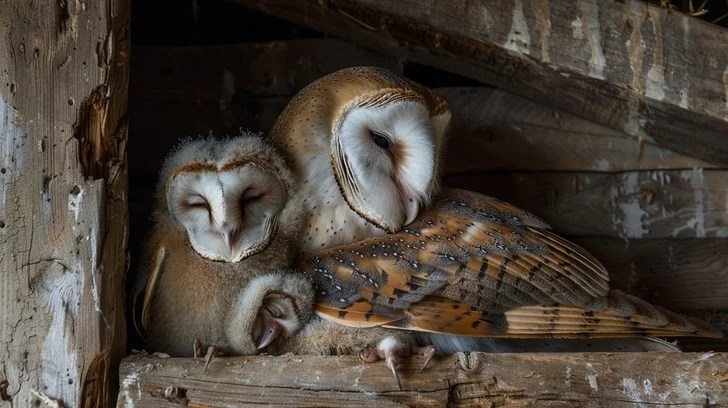
But once, on a ledge just below the bridge railing, I saw two barn owls asleep, one’s head sweetly on the other’s shoulder. I will never forget them.
Then we turned up Huasna Road toward the Four Corners at Huasna and Branch Mill Roads, near the bridge over Tar Spring(s) Creek. Don’t get me started. I did, on monte, the willow scrub that used to cover the Upper Valley. But I was–finally–starting to get a little tired. It was time for Elizabeth and me to come home.
“I’d sooner kill a man than a hawk.”

03 Friday Mar 2023

Posted by ag1970 in Arroyo Grande, Uncategorized

≈ Leave a comment

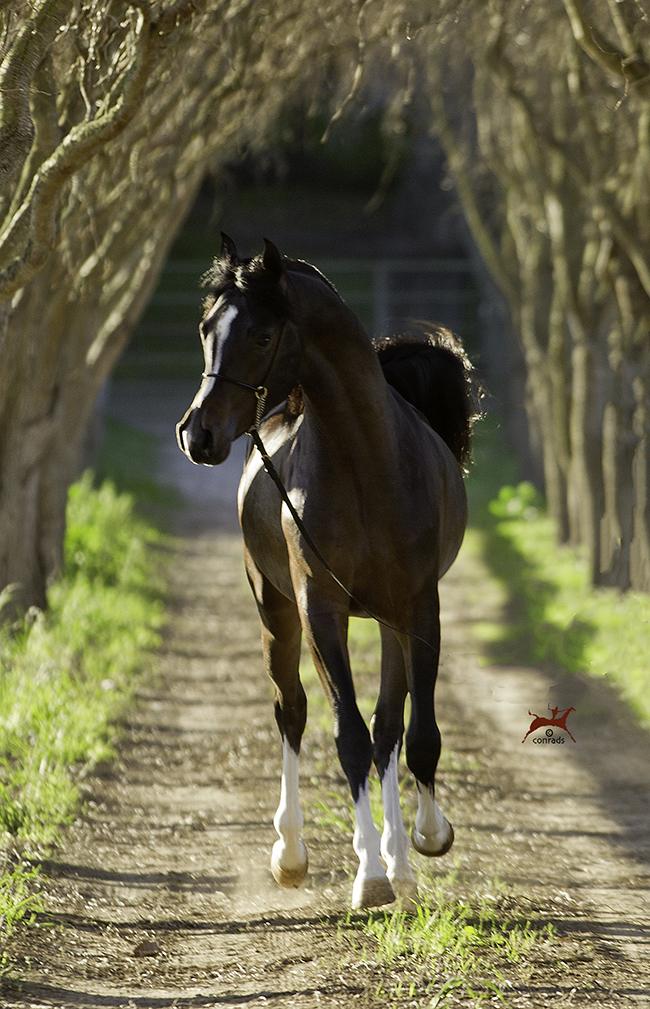
I am not always safe to drive with. I nearly drove off Corbett Canyon Road once, where are roadside ditches only a smidge shallower than the Grand Canyon, at the sight of the Varian stallion Major Mac V, who was just peacefully nosing his oats. I don’t think I’ve ever seen anything quite that beautiful.

Major Mac V. Varian Arabians.

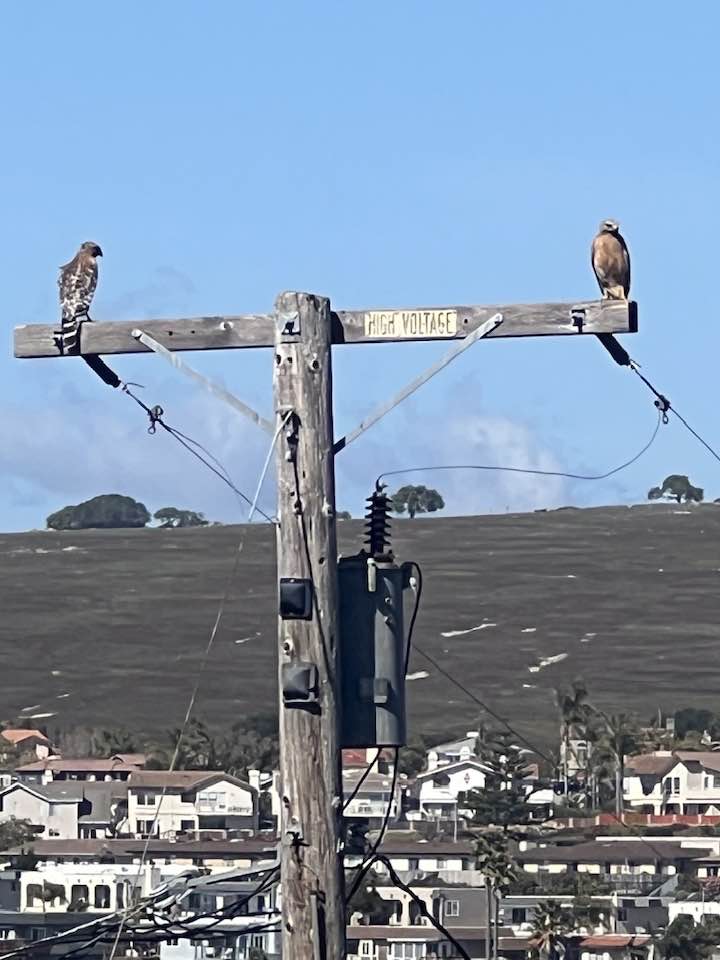
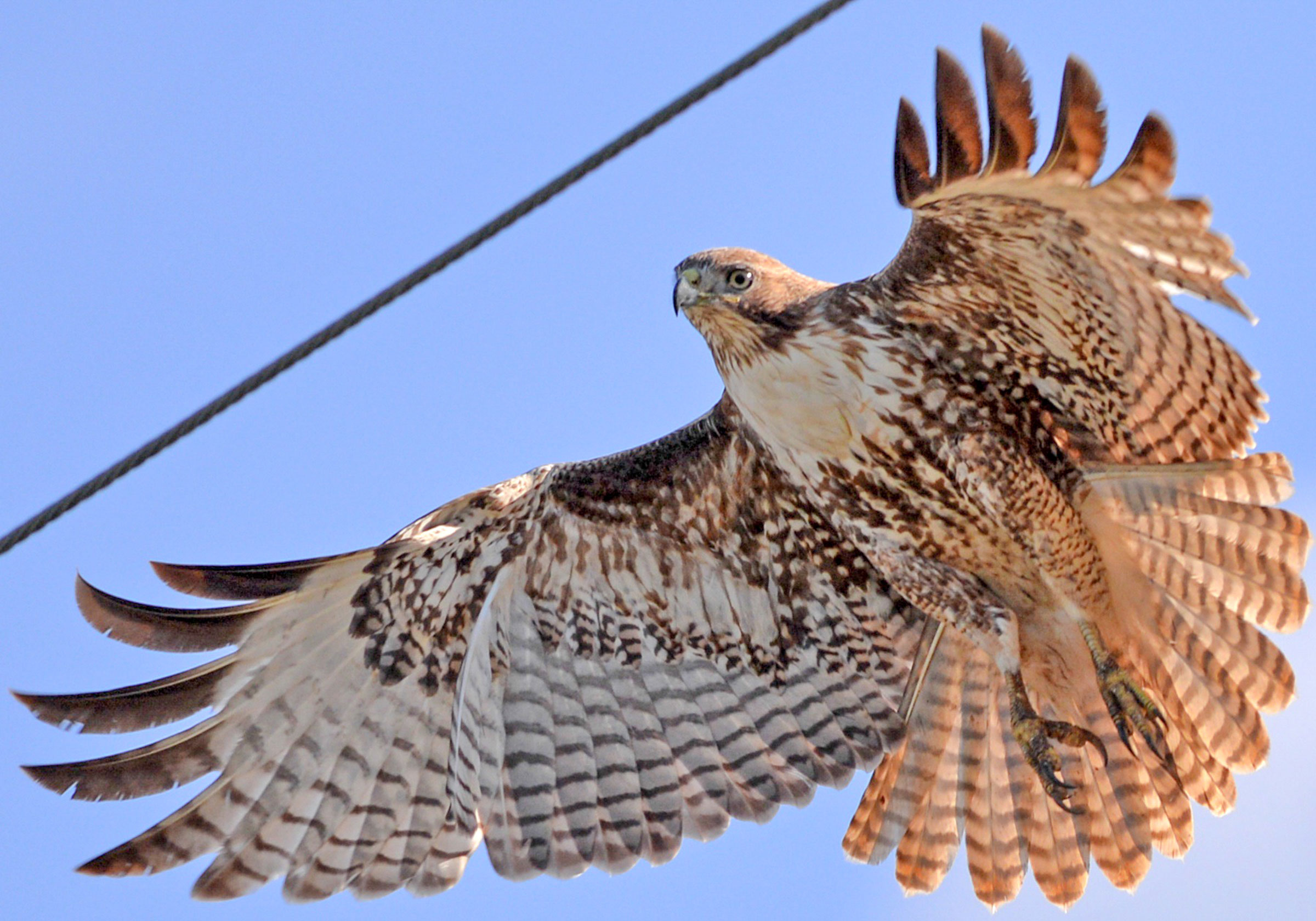
A friend just posted on Facebook this photo of two red-shouldered hawks—courting?—and I think they are beautiful, too. We have one who perches atop an electrical pole that rises just beyond the reach of our ancient California oak. She reigns up there, imperious and sometimes indignant, as if to say Move, you stupid humans. You’re blocking my view and I’m hungry. Being stupid humans, we just stare back her, transfixed.

Photo by Lynn Hubbell

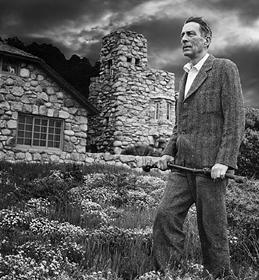
I would use almost any excuse possible, in any class, to teach a terrible and wonderful poem, “Hurt Hawks,” by Robinson Jeffers, because of the immense respect the Big Sur poet had for red-tails. He built himself, in Carmel, a house made of stone—he called it Tor House—and wrote from what he called Hawk Tower.


He didn’t have much use for people, but he was writing during World War II, and places like Stalingrad or Treblinka or Saipan or the Ardennes, I guess, will do that to a poet. Poets feel the ripples from faraway places.

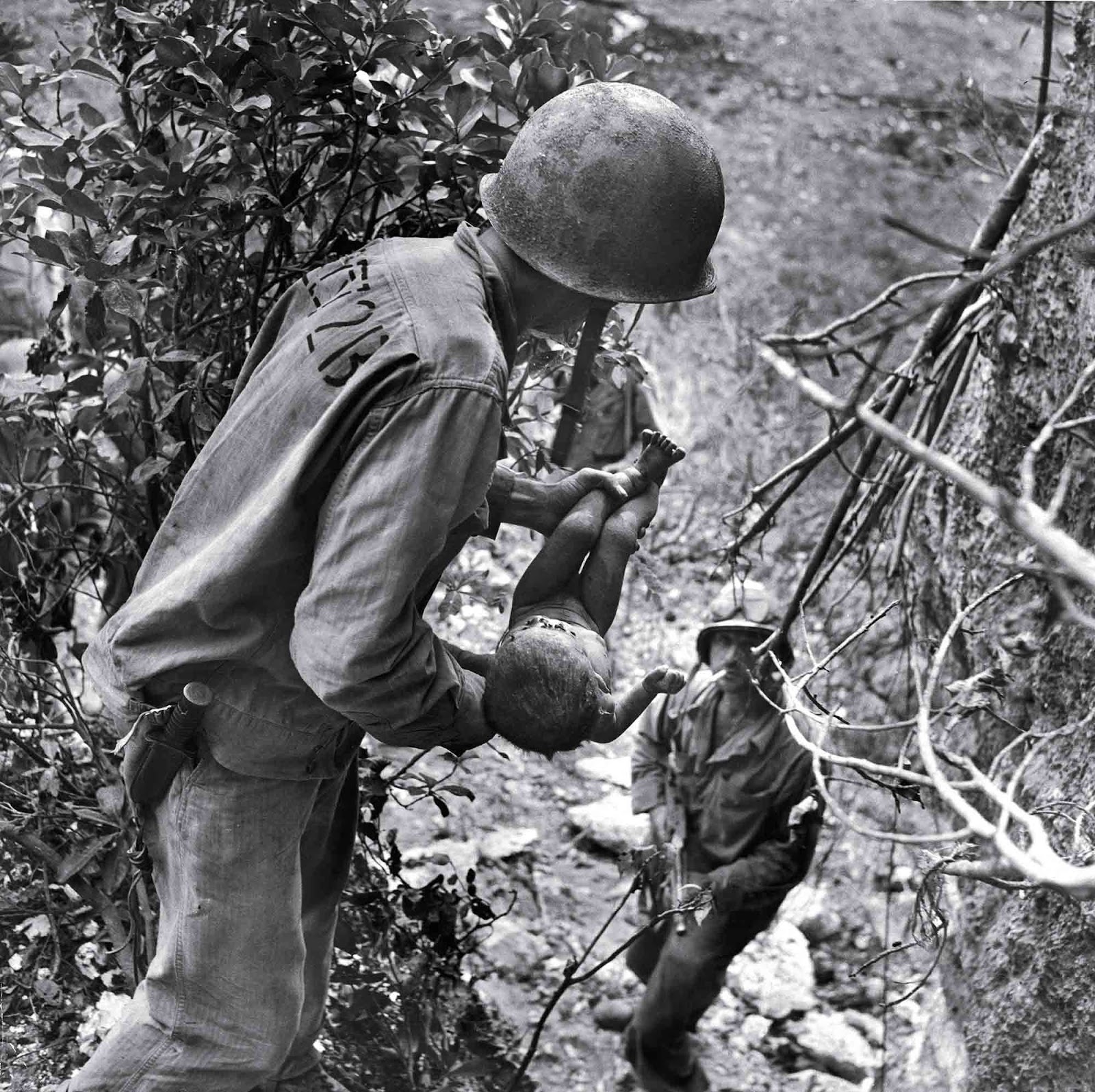
A Marine holds a baby, near death, found in a cave during the battle for Saipan in 1944. Many of the islanders, convinced by propaganda that the Americans would torture them, leaped to their deaths from seaside cliffs.

Hurt Hawks

The broken pillar of the wing jags from the clotted shoulder,
The wing trails like a banner in defeat,

No more to use the sky forever but live with famine
And pain a few days: cat nor coyote
Will shorten the week of waiting for death, there is game without talons.

He stands under the oak-bush and waits
The lame feet of salvation; at night he remembers freedom
And flies in a dream, the dawns ruin it.

He is strong and pain is worse to the strong, incapacity is worse.
The curs of the day come and torment him
At distance, no one but death the redeemer will humble that head,

The intrepid readiness, the terrible eyes.
The wild God of the world is sometimes merciful to those
That ask mercy, not often to the arrogant.

You do not know him, you communal people, or you have forgotten him;
Intemperate and savage, the hawk remembers him;
Beautiful and wild, the hawks, and men that are dying, remember him.

II

I’d sooner, except the penalties, kill a man than a hawk;
but the great redtail
Had nothing left but unable misery
From the bone too shattered for mending, the wing that trailed under his talons when he moved.

We had fed him six weeks, I gave him freedom,
He wandered over the foreland hill and returned in the evening, asking for death,
Not like a beggar, still eyed with the old
Implacable arrogance.

I gave him the lead gift in the twilight.
What fell was relaxed, Owl-downy, soft feminine feathers; but what
Soared: the fierce rush: the night-herons by the flooded river cried fear at its rising
Before it was quite unsheathed from reality.

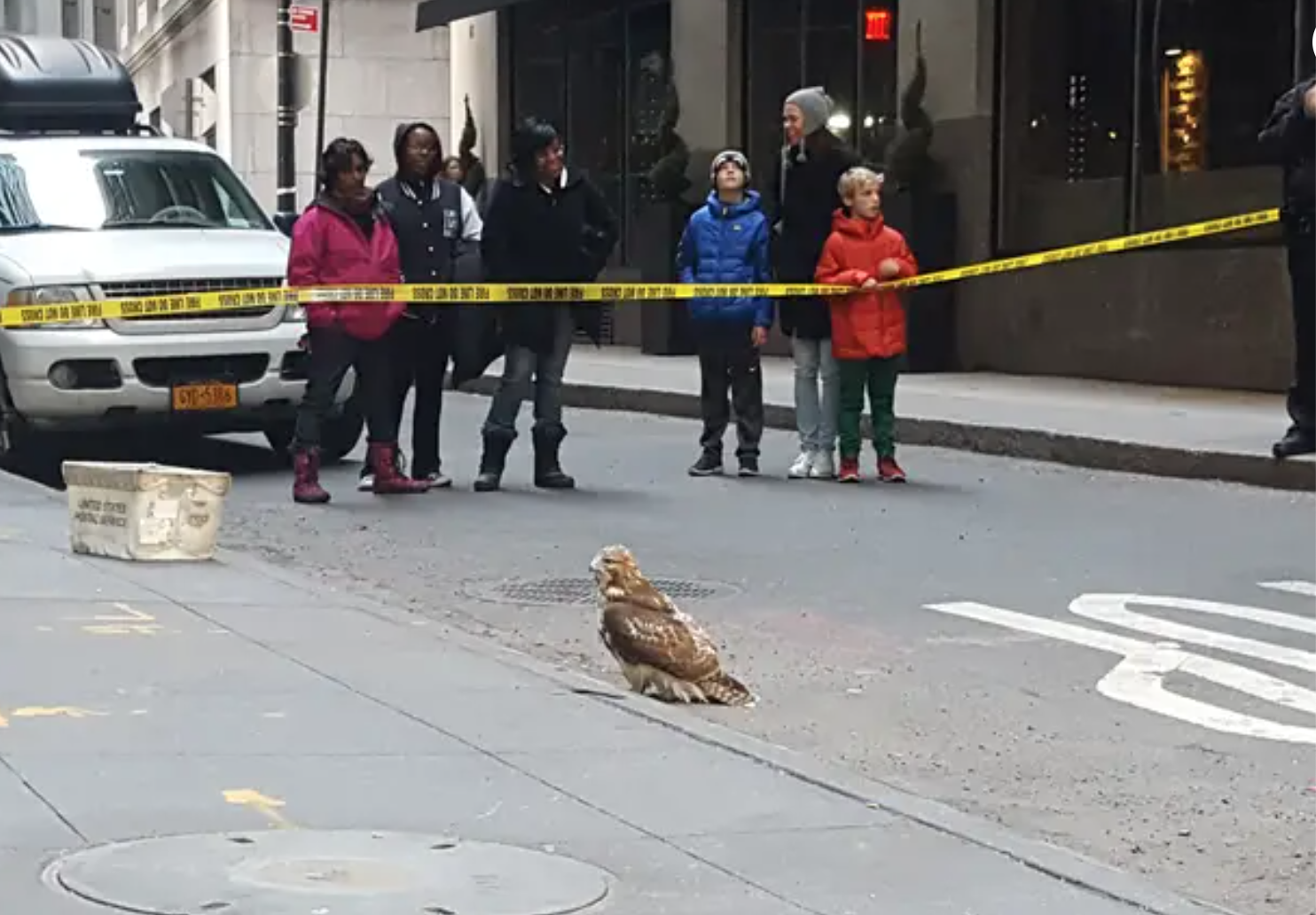
Hurt Hawk, Manhattan, 2016.

The South County’s Civil War Veterans: Why Did They Move Here?

17 Thursday Nov 2022

Posted by ag1970 in Arroyo Grande, Uncategorized

≈ Leave a comment

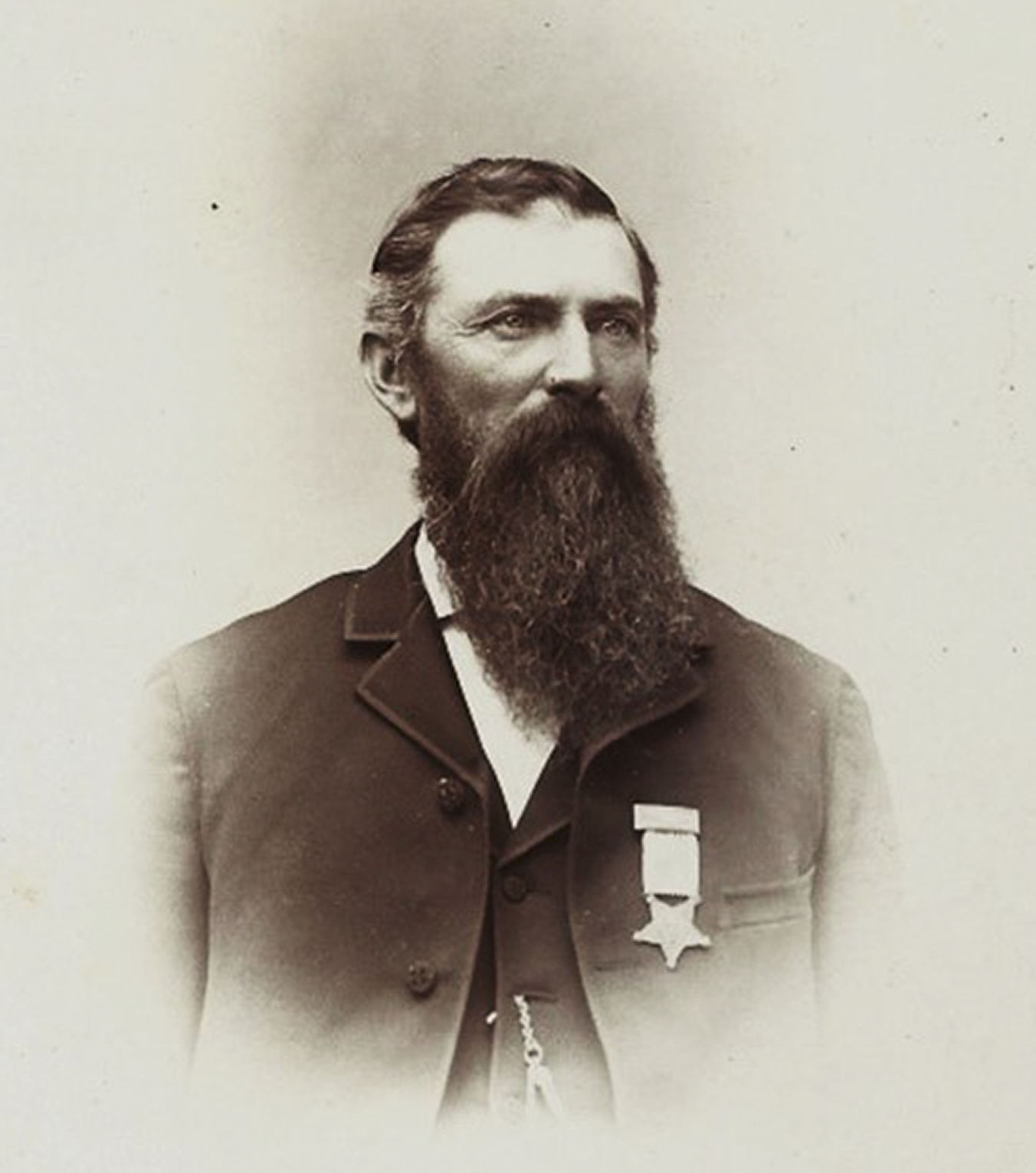
In the 1880s, Erastus Fouch farmed along was is today Lopez Drive. As a sixteen-year-old he’d fought in the Shenandoah Valley where he saw his brother killed in action. He later fought at Chancellorsville and Gettysburg. Here he wears his Grand Army of the Republic badge. Jack English photo.

Nearly sixty Civil War veterans are buried in the Arroyo Grande District Cemetery. This excerpt from the book Patriot Graves describes the forces that drove them here.


…A soldier who had endured the third day of Gettysburg and emerged unhurt, and who had then seen his own boys in their counterattack destroy Pickett’s Charge…had already passed the zenith of his life. Nothing like this would ever happen to him again, and what had happened to them brought them, ironically, great joy.

So, for a generation enmeshed in the ethical web spun tightly by mid-Victorian Protestantism—these were Christian soldiers who fought in armies, on both sides, marked by intense waves of wartime revivalism within their camps—the excitement of battle generated a profound moral contradiction. In This Republic of Suffering, a superb account of coming to terms with the scale of death the Civil War generated, Harvard president and historian Drew Gilpin Faust describes the experience of a stunned Confederate who, during a firefight, came to the aid of a shrieking comrade, only to find out that he was “executing a species of war dance,” exulting over the body of the Union soldier he’d just killed. In another battle in 1862, Union soldiers on the firing line called their shots, as if combat were billiards: “Watch me drop that fellow,” one said to his comrades; battle was, indeed, like a game.[1]

The killing didn’t end when the war did. Violent crime rose at three times the rate of population growth in the decades following the war, and perhaps as many as two-thirds of the nation’s convicted felons were veterans.[2] Soldiers understood, on some level, that combat had changed them irrevocably and some worried about it. Society, one Vermont soldier wrote his sister, “will not own the rude soldier when he comes back, but turn a cold shoulder to him, because he has become hardened by scenes of bloodshed and carnage.”[3] He was, in many respects, right: some of the soldiers who came home to Vermont, New Jersey or Iowa brought with them a measure of fear—they had become, in the Civil War novelist Michael Shaara’s term, “Killer Angels.”

Many Union soldiers had demonized themselves and by extension all of their comrades by celebrating their mustering out with epic alcohol binges and episodic violence throughout the demobilization summer of 1865.[4] A Chicago civilian’s insulting comment about William Sherman set off a saloon brawl that cascaded into a riot that police were helpless to put down. Only the fortuitous appearance of the legendarily hard-drinking Gen. Joseph Hooker, who had the credibility to intervene with combat veterans, brought the violence to an end.

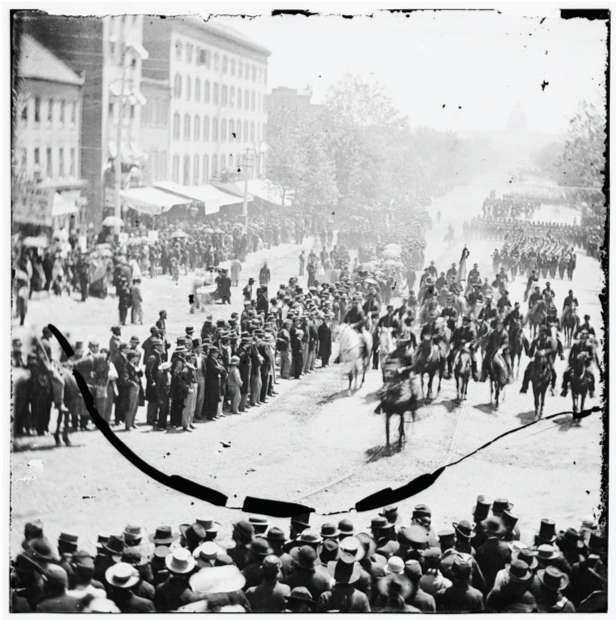
The Grand Review of the Armies at war’s end, Washington D.C., May 1865. Arroyo Grande settler Morris Denham marched with this unit, Francis Blair’s XVII Corps, Sherman’s army.

But for even the most sober of veterans that was precisely the problem with homecoming: it brought them little peace. Professor Jordan describes a sense of what, at its mildest, could be called disorientation. Home wasn’t home anymore. Even little farm towns had changed so much in four years that, for some veterans, they didn’t feel like home at all. Soldiers from the hard-fighting regiments of the Old Northwest, states like Iowa and Minnesota, couldn’t reconcile themselves to the cold winters they’d forgotten while fighting in Mississippi or Georgia. There was a more sinister change to which they couldn’t adjust: Union veterans resembled the little boys who’d survived the 1918 influenza epidemic and were finally let out to play, only to find there was no playmate on their city block left alive. The survivors of “Pals” Battalions who’d joined the Great War’s British Army together went home to neighborhoods empty of the young men with whom they’d grown up. Their pals were gone, swallowed up by the Western Front.

Gone too, in 1865, were whole towns of young men in New York or Vermont or Indiana, dead and buried on Southern farmland that had been poisoned by violence, land still studded with spent bullets. Other young men had vanished without a trace in dark, dense woodlots or fetid swamps.  Soldiers came home, then, ostensibly alive and whole and strong but with unseen dead spaces inside where their comrades had once lived. Missing them, or the trauma of seeing them killed, figured in the chronic depression with which so many veterans struggled. Now that the war was done, they still were caught in its aftermath like swimmers in an undertow, struggling to break surface, to find light and cool air, to breathe again.

They recognized, too, that what they had fought for—for the rededication of the democracy Lincoln had described at Gettysburg in November 1863—was fast slipping away. Union veterans remained intensely suspicious of and hostile toward the defeated South; Lincoln’s assassination had been one impetus for their rancor but their anger only intensified when they read the newspaper accounts of the postwar emergence of the old Slave Codes, now called Black Codes.  They read, too, of the defiance and the terrorism of the Ku Klux Klan, co-founded by a cavalryman, Nathan Bedford Forrest, who had bedeviled some of them in the Deep South. When Reconstruction ended in 1877, Jim Crow laws revived white supremacy in a way that rivaled the days of slavery. The Union veterans’ hostility was exacerbated because the other side refused to admit—significantly, on a moral level—that they’d lost the war. Typical, in 1894, were the dedicatory remarks that accompanied the unveiling of a Confederate memorial in Richmond, when newspapers noted that the clouds parted and the sun emerged when the speaker, the Rev. R.C. Cave, began an oration that included passages like this:

But brute force cannot settle questions of right and wrong. Thinking men do not judge the merits of a cause by the measure of its success; and I believe

The world shall yet decide

In truth’s clear, far-off light,

that the South was in the right; that her cause was just; that the men who took up arms in her defence were patriots who had even better reason for what they did than had the men who fought at Concord, Lexington, and Bunker Hill; and that her coercion, whatever good may have resulted or may hereafter result from it, was an outrage on liberty.[5]

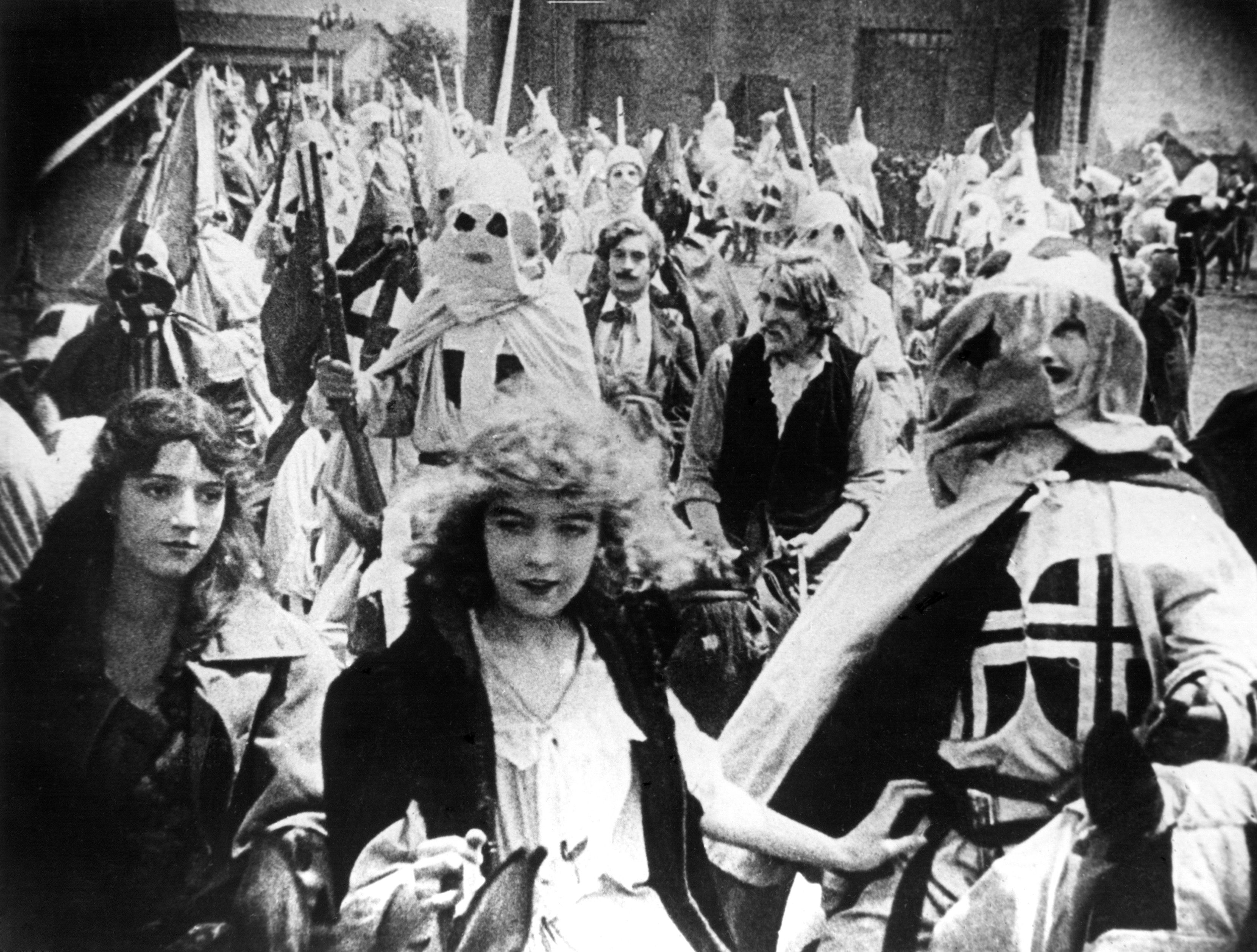
White supremacy triumphant, Birth of a Nation.

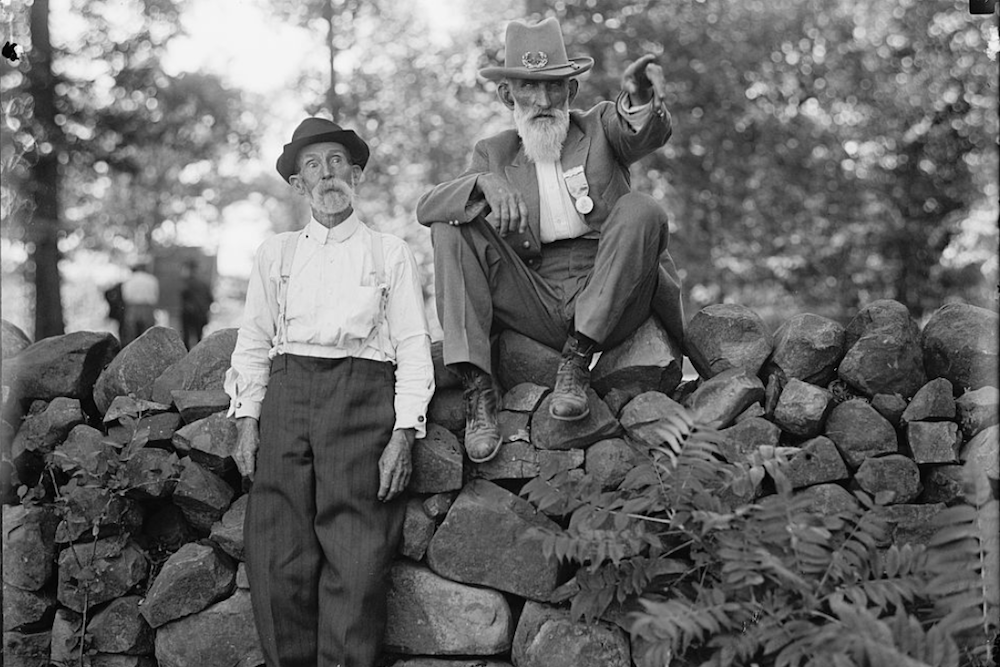
Similar remarks by Southern speakers invited to a Gettysburg reunion in 1913, Professor Jordan notes, rankled the same Union veterans who had protested another unveiling, in 1909, in the Capitol’s Statuary Hall: a sculpture of Robert E. Lee. No matter how chivalrous Lee had been (He never, for example, uttered the word “Yankees,” using instead, in his verbal orders to his subordinates, the term “those people.”), he was a killer, and he had harvested thousands of solders’ lives. The survivors of what they saw as Lee’s war would protest again at the rapturous reception, one that included the Southern-bred President Woodrow Wilson, awarded the 1915 D.W. Griffith film Birth of a Nation, which depicts Klansmen, too, as chivalric heroes who reassert Southern white supremacy over rapacious carpetbaggers and predatory African Americans. “It is like writing history with lightning,” the president said, “and my only regret is that it is all so terribly true.”[6] The most enduring image of the 1913 Gettysburg reunion is that of Confederate survivors of Pickett’s Charge reaching across the stone wall–fifty years before, it had been their objective–to shake the hands of Pennsylvania veterans. What goes unmentioned is the fistfight at the same event that sent seven aged Yankees and Confederates to the hospital.[7]

How the 1913 Gettysburg Reunion Came to Be ‘the Greatest Gathering of Conqueror and Conquered’ in History | Zocalo Public Square • Arizona State University • Smithsonian
Two Gettysburg veterans, seemingly reconciled at the 1913 Reunion.

Even as Southern whites reasserted their social and political primacy, American democracy in the North was no tribute to the sacrifice of Civil War veterans, either. The Radical Republican Congress and Andrew Johnson finished what should have been Lincoln’s second term in what resembled the political equivalent of a Western range war. Johnson escaped conviction on impeachment charges by one Senate vote. Grant’s relentlessness and drive had served him well in the struggle against Lee, but another aspect of his personal character—an almost childlike credulity—ate his presidency alive in a series of scandals perpetrated by subordinates who betrayed Grant as surely as Warren G. Harding would be betrayed by his “Ohio Gang” in the 1920s. 

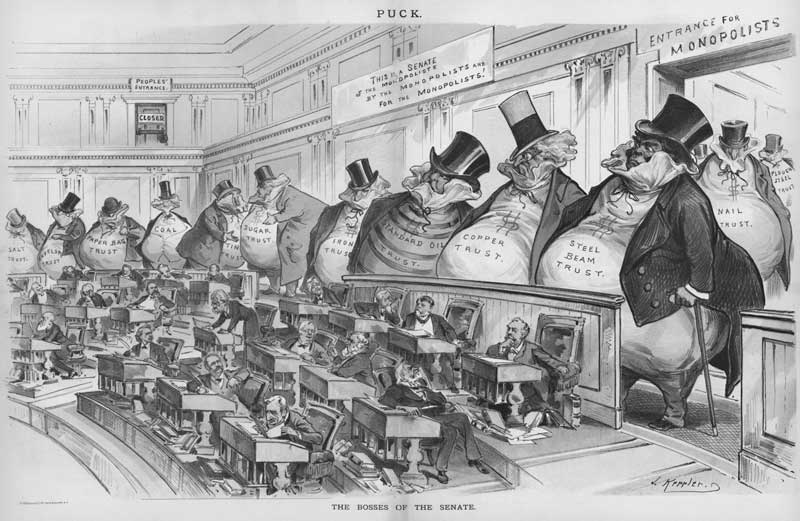
The corruption penetrated to state houses, where the lobbyist for the Santa Fe Railroad kept a slush fund in his office safe for the frequent lubrication of Kansas legislators about to vote on regulatory bills; the monopoly that railroads enjoyed in their American fiefdoms and the freight rates they demanded were so egregious that it cost a farmer more to ship a bushel of wheat from Topeka to Chicago, by rail, than it did to ship that bushel from Chicago to Liverpool, mostly by water. Machine politics dominated cities from New York to San Francisco, where Irish-American voters really did vote early and often, and deceased. In New York, the most famous political machine was Tammany Hall, and it was Tammany Hall’s Boss Tweed who disbursed the equivalent of $4 million to a Tammany-contracted plasterer for two days’ work on City Hall.

The 1889 cartoon “Bosses of the Senate” exemplifies the corruption of Gilded Age America.

In both their disillusionment and in their restlessness, the Civil War generation seems to resemble the generation that came of age during the First World War. After that war, they would become expatriates–Ernest Hemingway, F. Scott Fitzgerald, John Dos Passos among them—young men, many of them veterans, and young women, who no longer recognized or understood the America they’d known as children. They were among the members of Gertrude Stein’s “Lost Generation.”

…[Like}the young people of the 1920s, Civil War veterans were members of a generation on the move.  In postwar America, veterans, according to a 2010 study by Seoul University economist Chulhee Lee, were 54% more likely to move to a different state and 36% more likely to move to a different region than non-veterans.[8] Lee posits several reasons for this phenomenon: a central one is the idea that veterans had been exposed to the concept of a wider nation, one beyond their rural farms or row tenements, by campaigns in the South. Westerners, too, fought along the Atlantic seaboard, and some Easterners saw combat or garrison duty during the 1860s Indian Wars on the frontier.

Lee’s point is a key one: Americans had been so isolated and disparate before the war that an outbreak of measles that would make a New York regiment sick would kill soldiers in the Iowa regiment bivouacked alongside, soldiers that, before the war, were so geographically isolated that they lacked the immunity to that particular strain of measles–measles, in fact, killed 11,000 soldiers during the war.[9] The war had begun to break that isolation down, and the troop movements necessary to fighting it had opened young soldiers’ minds to the vastness of their nation and to the possibility of starting over somewhere else.

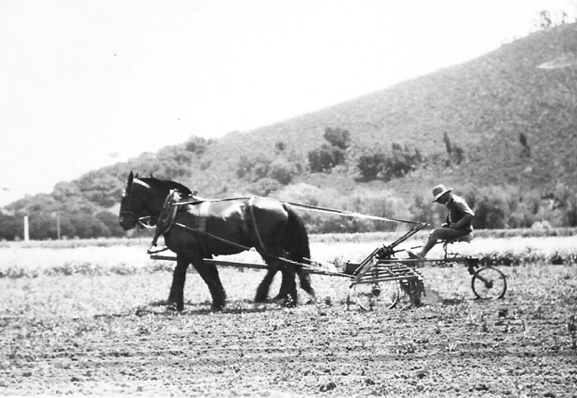
Among the area’s crops were flowers grown for seed. Here, a Waller Farms worker and his team are sowing a field. Photo courtesy Richard Waller

This pattern of increased mobility was a key factor in the lives of Arroyo Grande’s Union veterans. Over fifty would settle the Arroyo Grande Valley and nearby Nipomo. Enough census data exists to follow twenty-three of them, in the course of their lives. After the war, seven of them moved once from the state they’d served as soldiers; seven moved twice. Nine moved three times or more before they came to the Arroyo Grande area. So the men who came here had come as far as they could—like Jody’s grandfather in the Steinbeck novella The Red Pony, they had to stop because they’d arrived at the Pacific: their days of “Westering” were over.

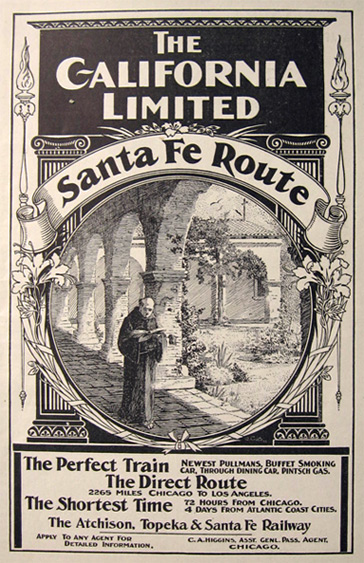
Santa Fe Ad, 1898. The fare from Chicago to Los Angeles was only $25 during the 1880s competition between the Santa Fe and Southern Pacific for California-bound passengers.


[1] Drew Gilpin Faust, This Republic of Suffering: Death and the American Civil War. Vintage Books: New York, 2008, pp. 37-38.

[2] Michael C.C. Adams, Living Hell: The Dark Side of the Civil War, Johns Hopkins University Press, Baltimore: 2014, p. 198.

[3] Edward Alexander, “Life of the Civil War Soldier in Battle: And Then We Kill,” Hallowed Ground Magazine, Winter 2013, http://www.civilwar.org/hallowed-ground-magazine/winter-2013/life-of-the-civil-war-soldier-battle.html?referrer=https://www.google.com/

[4] Jordan, pp. 46-47.

[5] R.C. Cave, “Dedicatory Remarks, Soldiers’ and Sailors’ Monument, May 30, 1894,” Southern Historical Society Papers, Volume 22. Reverend J. William Jones, Ed. http://www.perseus.tufts.edu/hopper/text?doc=Perseus%3Atext%3A2001.05.0280%3Achapter%3D1.27%3Asection%3Dc.1.27.198

[6] “D.W. Griffith’s Birth of a Nation,” The Rise and Fall of Jim Crow, PBS., http://www.pbs.org/wnet/jimcrow/stories_events_birth.html

[7] Jordan, p. 197.

[8] Chulhee Lee, “Military Service and Economic Mobility: Evidence from the American Civil War,” February 2010. http://www.sciencedirect.com/science/article/pii/S0014498312000046

[9] “Civil War Diseases,” http://www.civilwaracademy.com/civil-war-diseases.html

Al Spierling, auto shop teacher. And war hero.

26 Monday Sep 2022

Posted by ag1970 in Arroyo Grande, Uncategorized

≈ Leave a comment

Chinatowns found. And lost.

18 Thursday Aug 2022

Posted by ag1970 in American History, Arroyo Grande, Uncategorized

≈ Leave a comment

Palm Street, San Luis Obispo–“Chinatown”–early in the twentieth century.

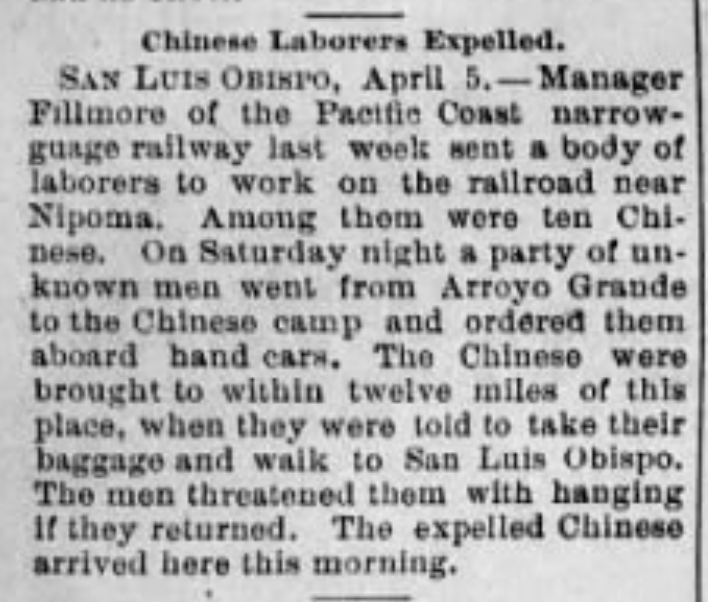
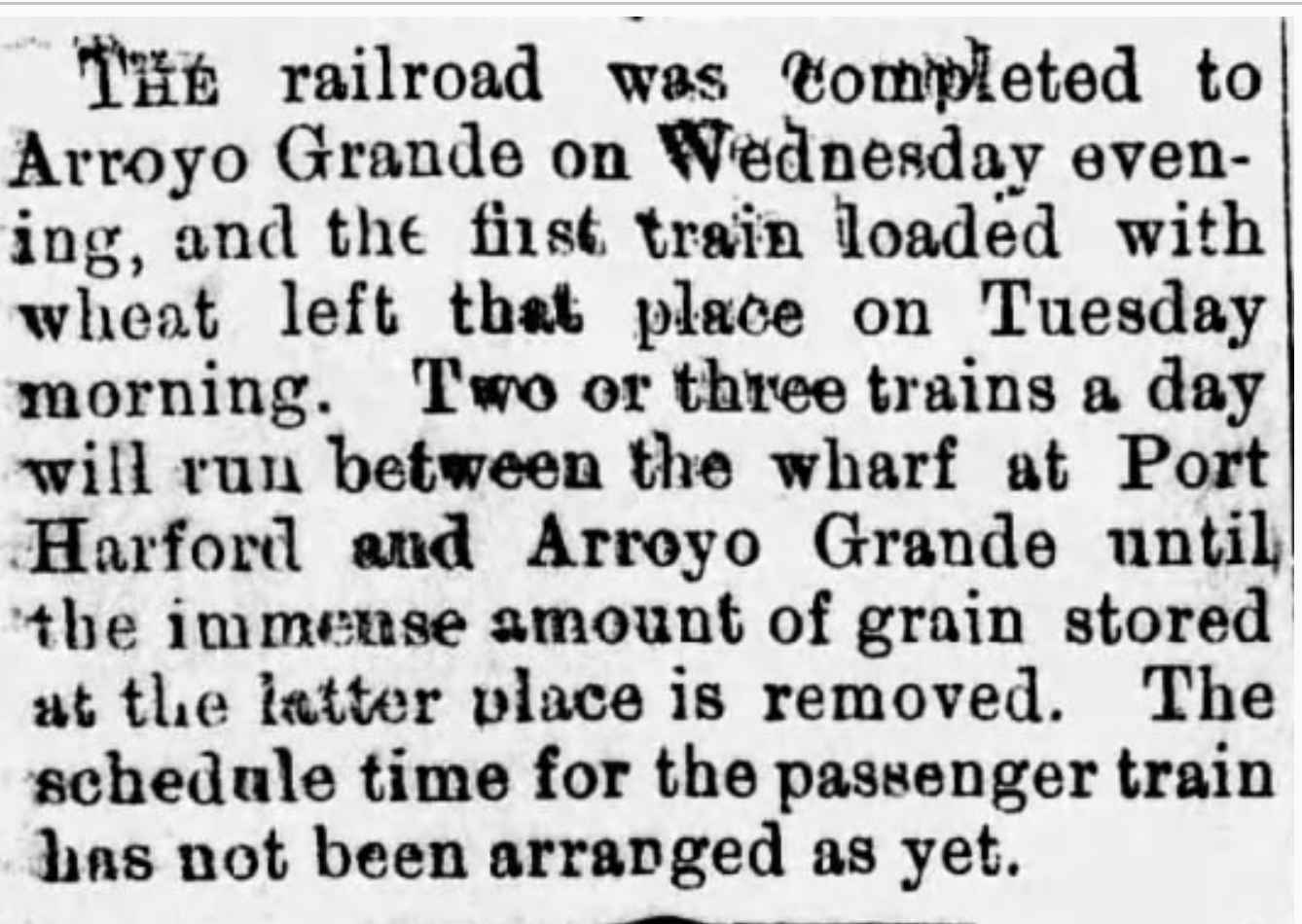
I heard the story first when I was in high school: How a mob of angry men rode down from Arroyo Grande, surrounded a Chinese crew laying track, and ordered them to leave. Years later, I found out it was true. A newspaper clipping from an 1886 San Francisco Examiner:

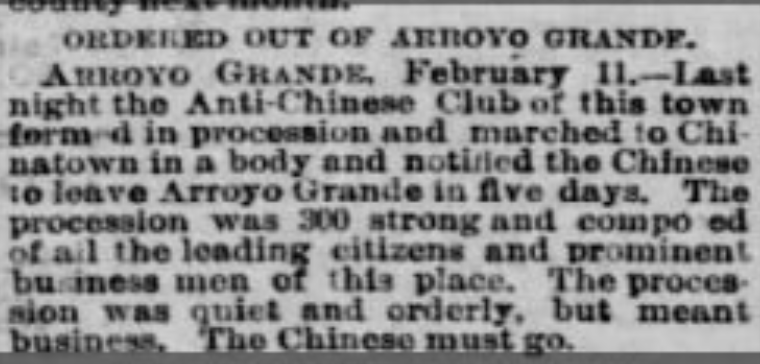
I knew that this story was a bookend because in February 1886, this article had appeared:


And when I say “bookends,” this is what I mean: In February, the “Anti-Chinese Club,” men disguised with handkerchiefs over their faces, ordered the Chinese to leave town; April 5 saw a similar group descend on the railroad workers.

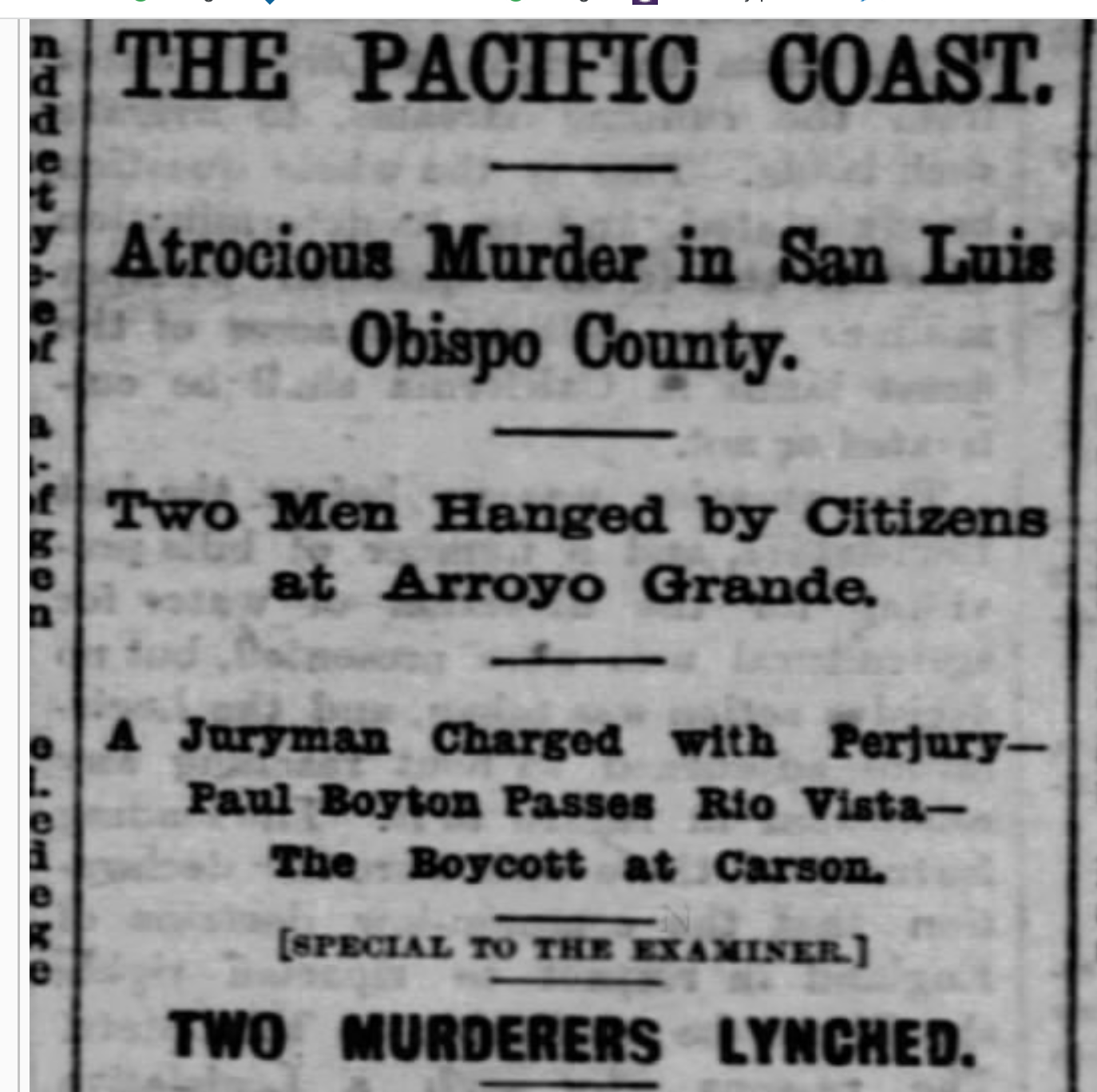
On March 31, a similar group from Arroyo Grande did this:

The victims were Peter Hemmi and his fifteen-year-old son, “P.J.” who was the accused triggerman in the murder of two neighbors in Lopez Canyon.

The 1886 lynchings were in part made possible by a citizenry, motivated by anti-Chinese rhetoric, that constituted a kind of instant lynch mob. That was bad luck for the Hemmis.

The mob executed two men. But they changed local history in a more profound way in the threats they visited on Chinese residents.

The newspaper article seems to confirm that Arroyo Grande once had a Chinatown, one that was evidently eliminated by “The Anti-Chinese Club” in February 1886. I grew up with friends whose ancestors were from Mexico, the Azores, the Philippines and Japan. Only a few claimed Chinese ancestry.

Yet there’s proof that, in 1886, this was Arroyo Grande’s second Chinatown. I turned to the Census, whose material can be poignant.

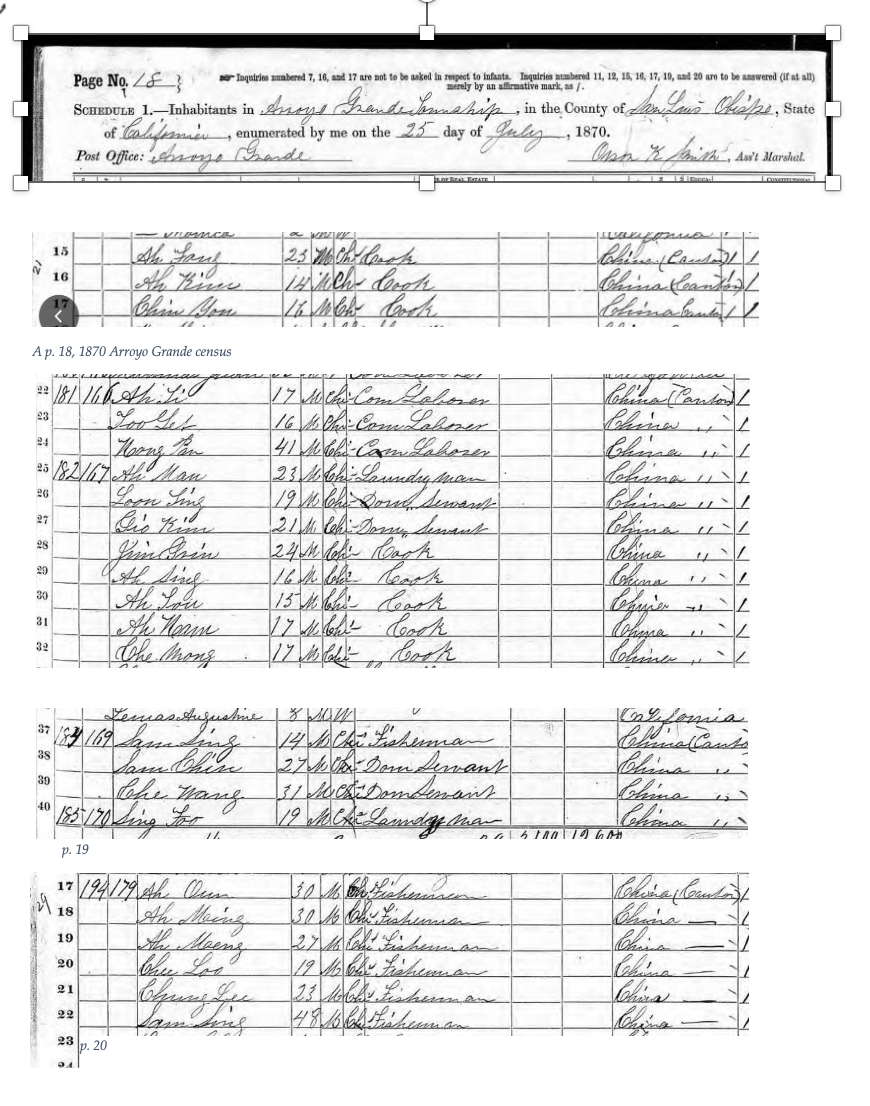
Here is what I found in the Arroyo Grande 1870 census:

In a town of perhaps 300 citizens, there’s a marked Chinese presence. I counted twenty-five individuals. All of them were listed in the last three pages of the twenty-page town census, living in dwellings numbered 149, 167, 169 and 179.

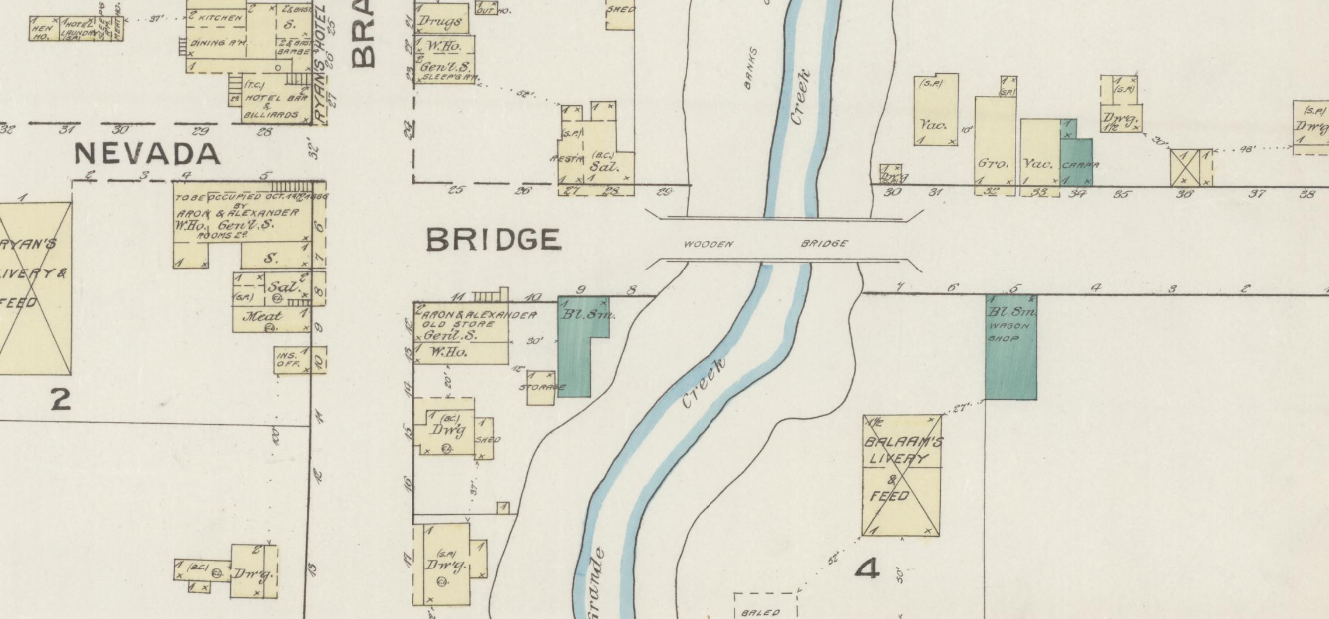
So they must have lived close together. I can’t tell where, but perhaps close enough to constitute a “Chinatown.”* [See below]

I was surprised to see so many who were fishermen.

I was even more surprised by the 1880 census. San Luis Obispo County’s Chinese population increased from 59 in 1870 to 183 in 1880 (a cursory glance at San Luis Obispo’s 1880 census revealed a narrowing of occupations: Chinese residents were most frequently “laundrymen,” against whom the city would wage a war on many fronts: punitive taxes, a competitor called “The Caucasian Steam Laundry,” and, against Sam Yee’s laundry, dynamite).

But in 1880, Arroyo Grande’s Census recorded one Chinese resident: Tom Lee, 28, a laborer who lived in a boarding house surrounded by European-Americans.

This didn’t make sense. One Chinese resident? What happened to the Chinese in my home town between 1870 and 1880?

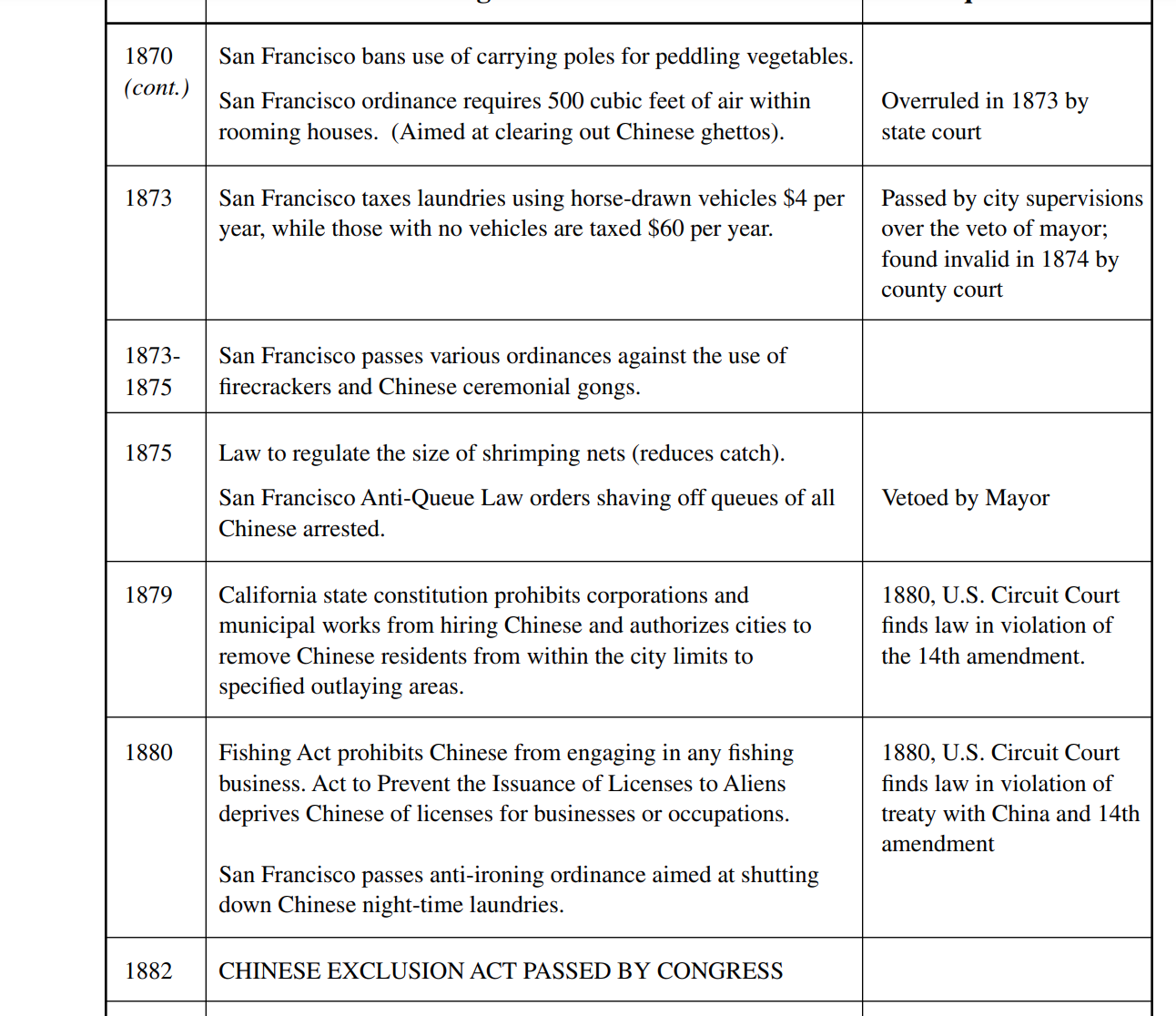
It was the California Constitution of 1879 that happened. It authorized cities, amid two decades of anti-Chinese fever-pitch prejudice (the violence, of course, went back to the 1850s and the gold fields), to remove their Chinese residents to somewhere beyond the city limits.

So if the 1870 Census indicated the possibility of an Arroyo Grande Chinatown, that would’ve been an impossibility by 1880.

The chart below summarizes some of the anti-Chinese actions of the time, and it even indicates that the fishermen listed in the 1870 census would have fallen on hard times in 1880.

But there was another problem.

If Arroyo Grande’s Chinatown was gone by 1880, how could an anti-Chinese League, the one whose official uniform included a handkerchief over one’s face, have driven residents out of a “Chinatown” in February 1886?

The answer, I think, came in a San Luis Tribune article from October 15, 1881

The arrival of the PCRR doubled the size of the town within two decades, provided untold opportunities for real estate agents and, in connecting the Valley with the larger world, made Arroyo Grande produce, most especially pumpkins, famed throughout the United States. I’ve read breathless stories about the fertility of the Valley in newspapers, from the 1890s, as far away as Kansas and South Carolina. (The lynching made it into a newspaper in Scotland.)

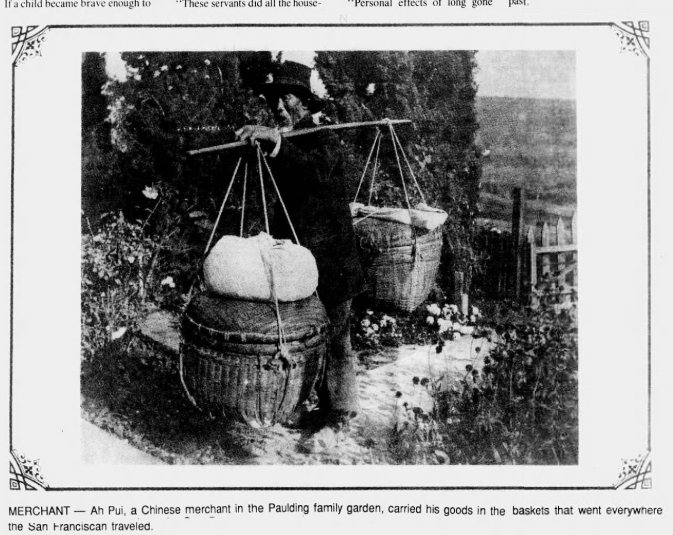
White workers were preferentially hired in constructing the PCRR from Port Harford to Arroyo Grande and in extending the route from Arroyo Grande to San Luis Obispo, but twenty-five Chinese workers, doubtlessly under the supervision of Ah Louis, one of the most prominent men in the county, were included in the project.

Those workers may be the source of a reborn Chinatown in Arroyo Grande, the one that sadly vanished again in the year of the masked men, 1886.

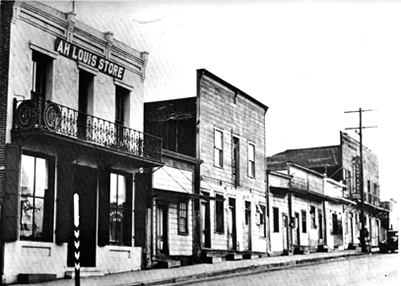
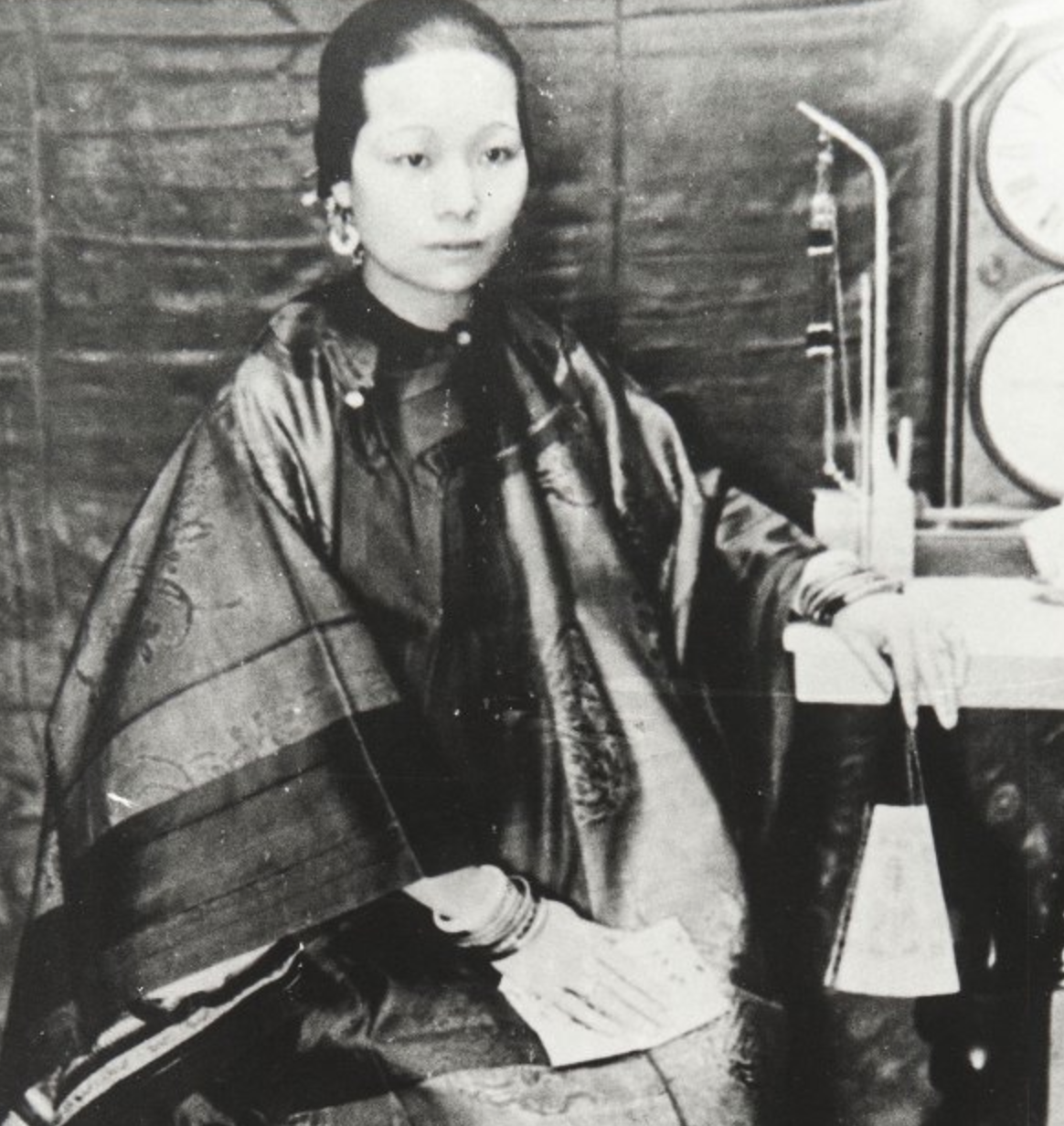
There would be further, ironic, sadness in Ah Louis’ life. In 1908, he would take the PCRR he’d helped to build from San Luis Obispo to Arroyo Grande to meet with a business partner, the famed flower seed cultivator Louis Routzahn. His wife, En Gon Ying (“Silver Dove”) bade him good bye that morning, returned to the family quarters above the Ah Louis Store on Palm Street, and went to sleep with her baby, Howard, in her arms.

She was asleep when her stepson, Willie Luis, shot her in the temple at point-blank range with the Colt revolver that was later recovered from the cistern behind the store.

Willie Luis would hang at San Quentin. In yet another irony, the murder of a wonderful mother of eight–whose children included a professional musician, an Army officer, a California State Spelling Bee Champion and a beloved merchant who loved to tell schoolchildren his family’s stories–outraged White residents throughout San Luis Obispo County.

Silver Dove wanted to be a mother, not a martyr, and her death did not mean that anti-Chinese bigotry in our area had ended. But, perhaps for the first time, the White community began to see the humanity in the neighbors they’d persecuted for decades and in the person of a cultured and beautiful woman who’d died so violently.

En Gon Ying about 1895

Addenda: July 5, 2025: As usual, it was fellow historian Shirley Gibson who helped to narrow down the possible location of our Chinatown. This article, from November 1930, quotes and unnamed old-timer who remembers fifty years before, and he gives a hint as to where Chinatown was. The friction, as was frequently the case in County and California history, was over laundries, though the majority of residents by then must’ve been construction workers on the PCRR. The speaker lacks even a hint of subtlety.


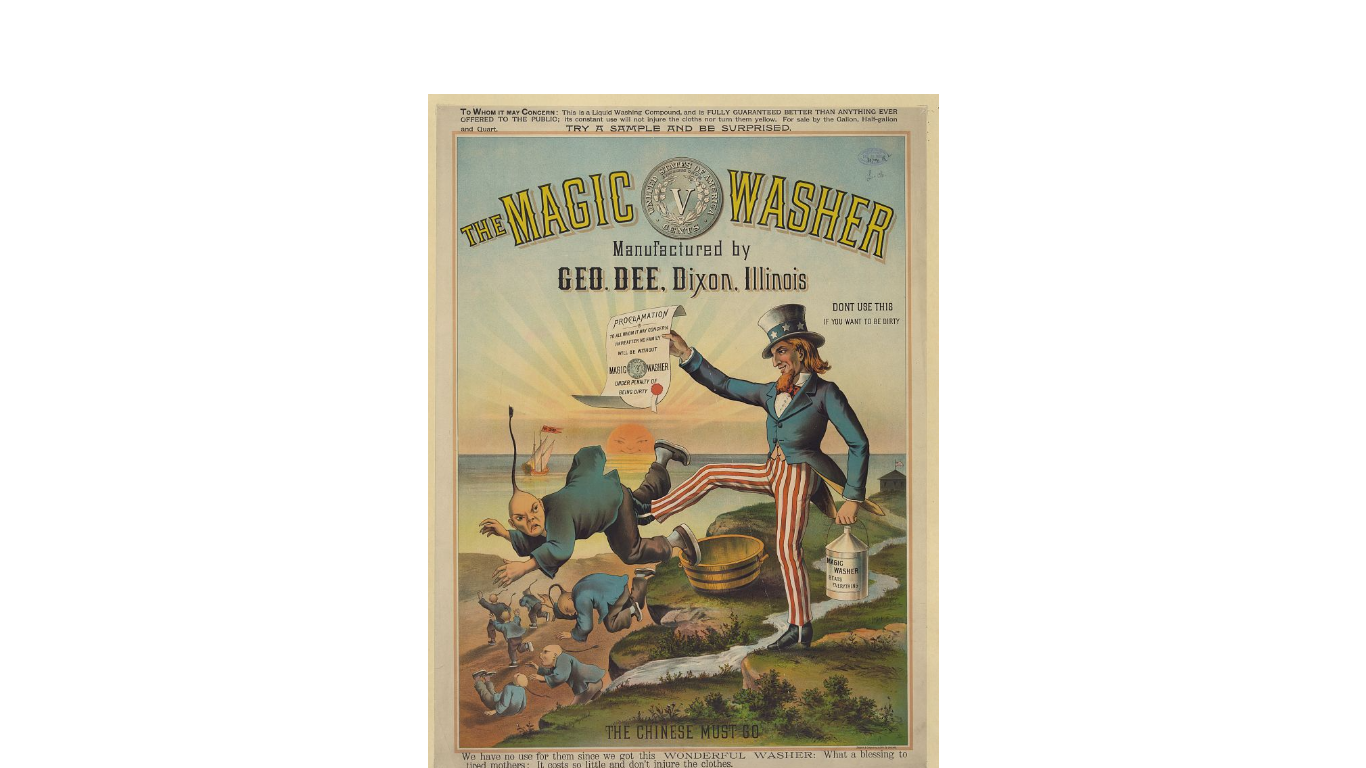
This advertisement from the times is incorporated into many high school history courses. I hope. Mr. Dee’s “Magic Washer” is so efficient that the Chinese can be deported with glee.

And here’s a Sanborn Fire Insurance map of Arroyo Grande from 1886—the year the Chinese were driven out and the year of the double lynching, just up the creek.


And evidence of the lynching remains in Arroyo Grande today.


The Ever Popular Pismo Poko Parlor, 1938-1942

20 Friday May 2022

Posted by ag1970 in Arroyo Grande, Uncategorized, World War II

≈ Leave a comment

A friend asked me about a token found–I presume by a man with a metal detector–that read “Club Poko, San Luis Obispo.” (You can find sometimes on eBay, similar tokens to one of Pete Olohan’s saloons on Branch Street.)

A search revealed no stories or ads on a Club Poko in San Luis Obispo.

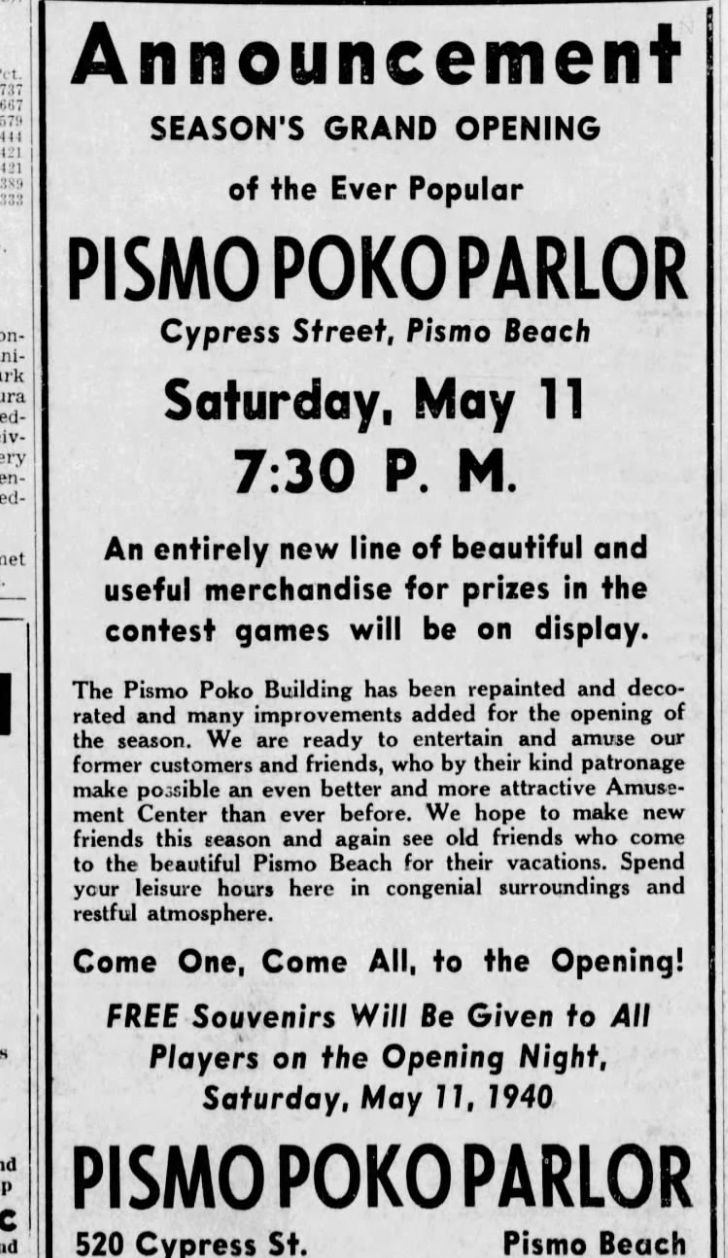
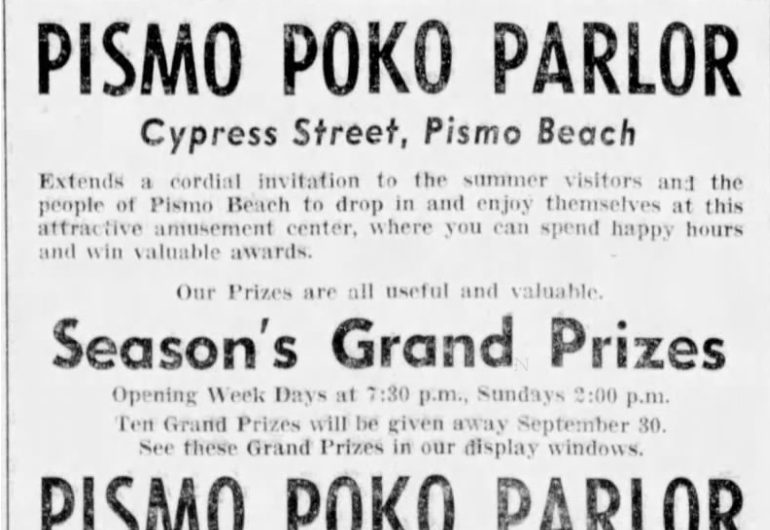
However, there was Pismo Poko, an arcade/amusement parlor at 520 Cypress, Pismo Beach, which seems to have operated between 1938 and 1942. More on these places:

* * *

1930s Arcades

Arcade patrons flocked to coin-operated peep show machines, shooting galleries, grip and strength testers, stationary bicycles, slot machines (in some areas), machines that dispensed fortunes or candy, and other mechanical amusements they could play for as little as a penny.

During the 1930s, David Gottlieb’s Baffle Ball

(1931) and Raymond  Moloney’s Ballyhoo

(1932) introduced pinball to arcades. As pinball designers added bumpers, flippers, and thematic artwork, pinball surged in popularity, even as some local legislators banned the game because they associated it with gambling, organized crime, and delinquency. Nevertheless, over the next three decades arcade owners replaced many older mechanical novelty games with pinball machines and electromechanical baseball, target shooting, horse racing, shuffleboard, [foosball] and bowling games. Pinball machines ruled arcades until the late 1960s when new more sophisticated electromechanical games such as Chicago Coin’s Speedway.

–Rochester NY Democrat and Chronicle

Why “Poko?” From an article on arcade games:

Poko-Lite was produced by Glickman Co. in 1937. Glickman Co. released 19 different machines in our database under this trade name, starting in 1937.

Other machines made by Glickman Co. during the time period Poko-Lite was produced include Treasure, Sailorettes \’42, Scandals 1942, Anti-Aircraft, and Archery.

This game appears on a list of games manufactured between 1931-1939 which was published in the January 1940 issue of the Coin Machine Journal.

* * *

Pinball machines had an unsavory reputation in the 1930s-1940s; they were perceived as akin to slot machines, a form of gambling. A dozen were seized by the SLOPD in August 1941 for operating without a city license; in January, there’d been a spirited City Council debate on whether to allow them at all. They voted to license pinball but ban taxi dances. So it goes.

Here’s a display ad for the Pismo place from May 1940:


Another 1940 ad from the Telegram-Tribune:

520 Cypress is today the site of a modern motel, which straddles the corner of Main and Cypress.

Why did Pismo Poko go out of business, evidently in 1942 (there are no newspaper references thereafter, but plenty of both display and classified ads between 1938 and 1942)? The influx of local soldiers would’ve made Henry T. Betsuin, Prop. a fortune.

So I looked him up. “Betsuin” sounded Filipino to me, which made sense, since Pismo had a vibrant Filipino community (almost all men; Filipinas were not allowed to immigrate.)

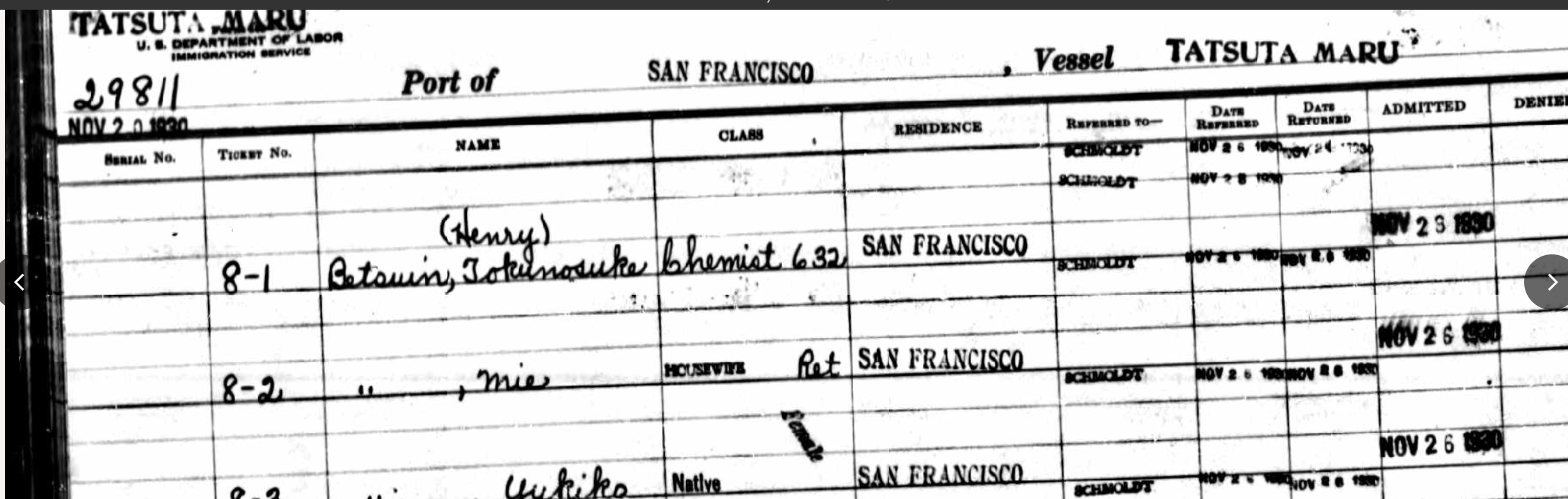
There wasn’t much on him except for this curious note on a ship arrival in San Francisco from Kobe:


“Tokunosuke” is definitely a Japanese name; but he seems to have gone by “Henry T.” instead. If he was Japanese, that explains why Pismo Poko disappears after 1942. Henry T. would’ve been in an internment camp. 

So, if that didn’t exactly answer the question, it raised several new ones–and it led me down a sad path, to the impact of Executive Order 9066, whose 80th anniversary we’re observing this year.

My Spoon River Poem

30 Wednesday Mar 2022

Posted by ag1970 in Arroyo Grande, Uncategorized

≈ Leave a comment

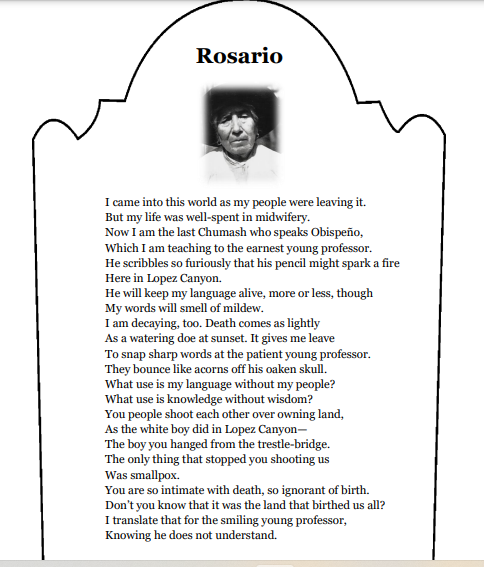
Based on the Edgar Lee Masters’ collection, this one’s about a woman a half-continent away from Illinois. Rosario Cooper was the last speaker of her dialect of Central California’s Chumash language. She was interviewed and some of her language taken down by anthropological linguist J.P. Harrington who, I guess—from reliable sources—was a jerk. But her language survives, if only in Cal’s Bancroft Library.

Rosario was a midwife and healer—her people’s knowledge of wild plant foods, herbs and curatives was vast and remains amazing to me, as was their understanding of the wild birds, the rainbow trout, the mule deer, jackrabbits, mountain lions, coyotes and, until the late 1870s, the grizzly bears that were part of their daily lives.

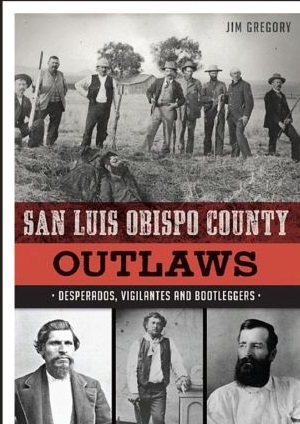
A land dispute near her, in Arroyo Grande’s Lopez Canyon, resulted in a double murder and then a double lynching of the suspects just below Arroyo Grande’s Crown Hill in 1886. A decade later, a second feud, also over land rights, led to the beating death of a man whose body was discovered by a prostitute out for her morning walk along Monterey Street in San Luis Obispo. The prime suspect was acquitted, but some justice was carried out ten years later, when he went to Folsom for horse theft.

All of this would have bewildered Rosario, who was the granddaughter of a “Mission Indian” born in the 1790s in a rancheria, or village, in the Upper Arroyo Grande Valley, near today’s Strother Park. Her grandfather may or may not have been a sailor; the marriage may or may not have been enforced by the Mission Fathers and the grandfather may or may not have been drowned at sea. So much was uncertain at the turn of that century.

The Chumash were acquainted with uncertainty: a terrible drought in what would become San Luis Obispo County forced them to become neophytes; it threatened to exterminate them before White men and their smallpox and cholera very nearly did.

Eighty years after the Mission’s founding, the City Fathers of San Luis Obispo hired a man and his wheelbarrow to cart the cholera victims up the hill that led to the Old Mission burying ground. His hard work is unrecognized, as are the human beings that were his freight. They are buried, in what must be compact stacks, like the soldiers’ bones in the Verdun ossuary, in a steeply-banked garden that faces the annex, the addition that gives the Old Mission a half-cruciform floor plan.

On the opposite side of the nave, in the Mission Gardens proper, the only legal hanging in San Luis Obispo County history was carried out in 1859. All the others, carried out by the 1858 Vigilance Committee, which has the dubious record of hanging two more men than San Francisco’s, happened facing the Mission, where a little bronze Chumash girl shares a fountain with a Grizzly. Given their propensity for carrying off rancheros’ bawling claves, the proximity of the little girl and the Grizzly might seem odd.

The statues might have made more sense to Rosario, who died in 1917 still understanding the fading natural world around her that was quickly being reduced to checkerboard ranches bounded by barbed wire. The events in Lopez Canyon, in her California, where men shot at each other over their barbed-wire fences—those White men events— would have bewildered her.

Justifiably so.

Note: The origin for this was a class I taught teens as part of the Central Coast Writers’ Conference. This was a model. The teens then chose a person from local history and wrote a “tombstone poem” for that person.

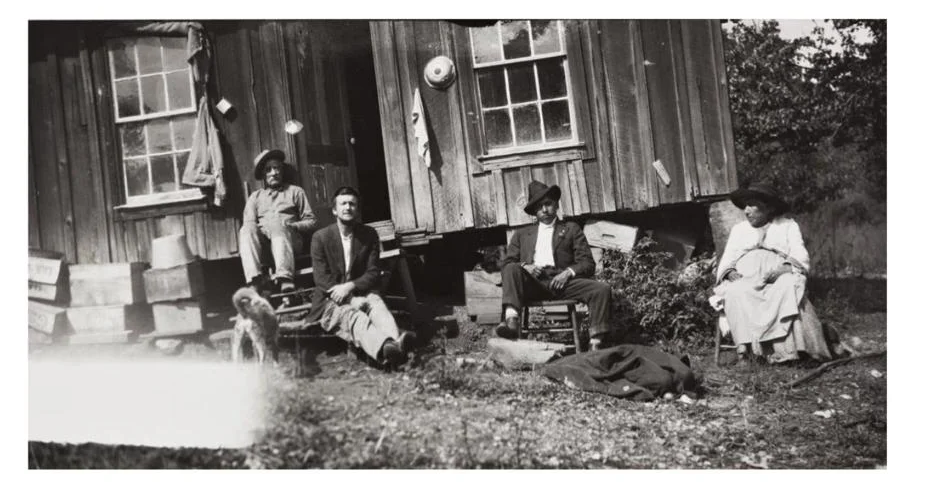
Lopez Canyon, 1916. L-R: Rosario’s husband, Mauro Soto, Anthropologist J.P. Harrington, Frank Olivas, Rosario’s son, and Rosario Cooper.

What amazed and pleased me to no end was realizing, years afterward, that I had taught two of Rosario’s great-great (great?) granddaughters in my history classes at Arroyo Grande High School.

McKenzie—with her little girl— and Hannah are beautiful, brilliant and generous young women. Beyond that, they are powerful in ways that I am sure are part of their DNA. I can’t help but think that Rosario would be even more proud of them than I am. I don’t doubt at all at the immensity of her love for them.

We are fixed on linear time: Rosario understood that time was cyclical, so she will watch over her babies, including McKenzie’s and including those not yet born. She will always be here for them. As we reckon time, Rosario Cooper died in 1917. I am convinced that the force of her life—one that gave life to newborn babies— endures.


The Medic

11 Friday Mar 2022

Posted by ag1970 in Arroyo Grande, Uncategorized, World War II

≈ 1 Comment

Pvt. Yoshihara’s grave, Guadalupe.

I’m speaking in Santa Maria next week about our county’s World War II commemoration—the eightieth anniversary of the war, and of Japanese internment—when I wondered if any Santa Maria Nisei (second generation Japanese-Americans) had been among the town’s 55 wartime casualties.

Because of his surname, Makoto Yoshihara was at the bottom of the list.

He was actually born in Morro Bay; his parents moved to Guadalupe where they ran a boarding housel and pool hall. Makoto played football for the Santa Maria Saints, joined or was drafted into the Army in October 1941. His parents, like our Arroyo Grande neighbors, went to the Rivers Camp in the Arizona desert. The photo below shows evacuation day in Guadalupe, and I knew that Guadalupe had a prominent Japanese-American presence, but the numbers surprised me: Two hundred people were taken from Arroyo Grande, 400 from Santa Maria, but 800 from little, beautiful Guadalupe.

April 30, 1942.

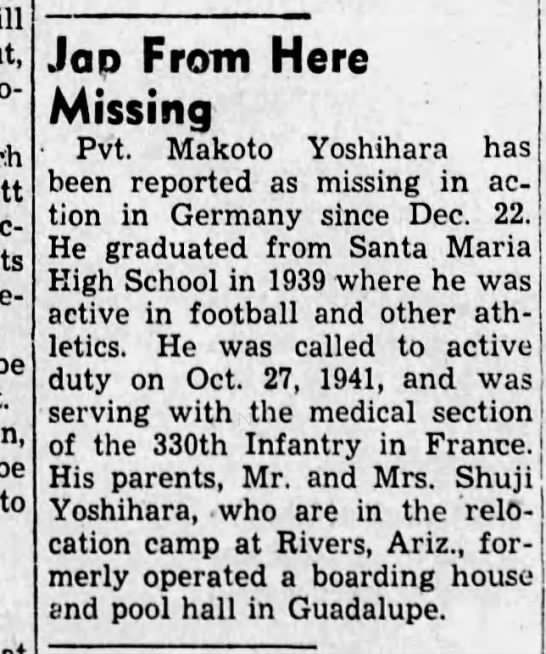
About two and a half years later, the insult heaped on our neighbors would be intensified by the headline that first reported Makoto’s fate. From the January 25, 1945, Santa Maria Times:

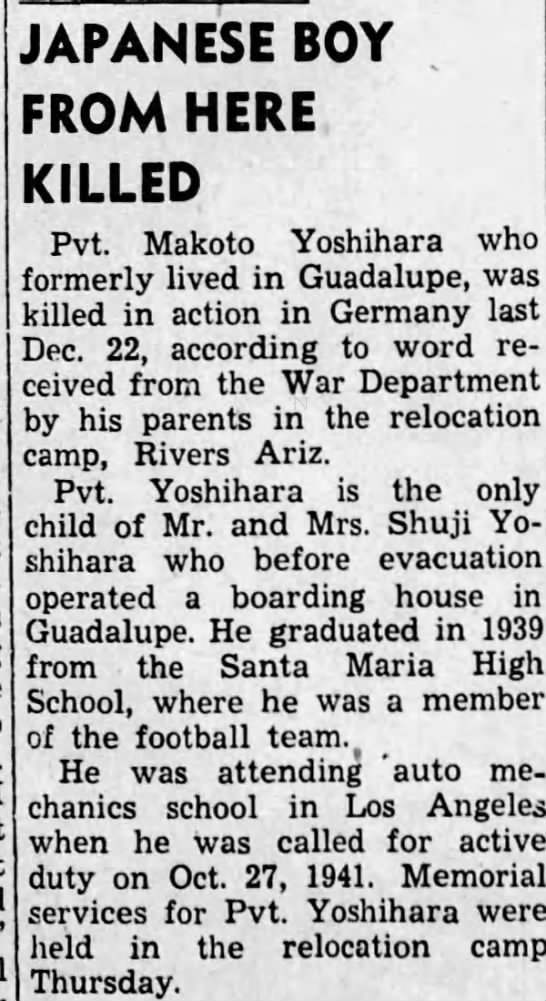
It is, of course, jarring to read. A month later, once Makoto’s death is confirmed, the newspaper softens its tone:

And you’re relieved at the slight change in tone until you read where his parents received that terrible telegram from the War Department. Everyone—everyone—behind barbed wire in the desert would’ve known almost instantly what had happened to Mr. and Mrs. Yoshihara’s son. The tarpaper barracks walls would’ve done nothing to soften the sound of a mother’s weeping for her only child.

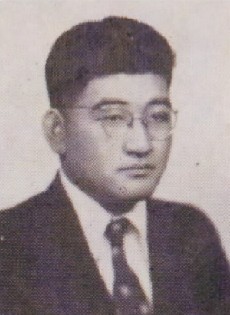
Makoto had wanted to be a mechanic. This must be his high school senior photo. He looks like a serious young man.


Which is why the Army—my father, a World War II veteran, would claim to be surprised by this—did something right. They made this serious young man a medic.

Another surprise came, at least for me, in the article with the insulting headline. Makoto was not a member of the famed 100th/442nd Regimental Combat Team, nor—since served in the European Theater—was he a Nisei intelligence officer, like so many local men were, the ones who underwent, at Camp Shelby, Mississippi, the same tough training that the 4-4-2 endured.

Makoto instead served in the 83rd Infantry Division, a unit that had a thoroughly White pedigree—the 83rd was traditionally an Ohio outfit, from the state that produced a batch of mediocre presidents, and here, probably the only Nisei among 10,000 White boys, was Makoto Yoshihara, the medic from Guadalupe, California. The Ohio boys probably had never seen the ocean. Makoto probably never got the chance to see fireflies, one of the natural wonders that make Midwestern summers, despite their oppressiveness, delightful.

He must’ve been lonely. And, if only at first, he must’ve endured racist attempts at humor.

The only other local Nisei G.I. I know of that served in a non-Nisei unit was Arroyo Grande’s Mits Fukuhara, who served in a tank battalion; Mits and his battalion missed the fighting because the war ended before they could join it.

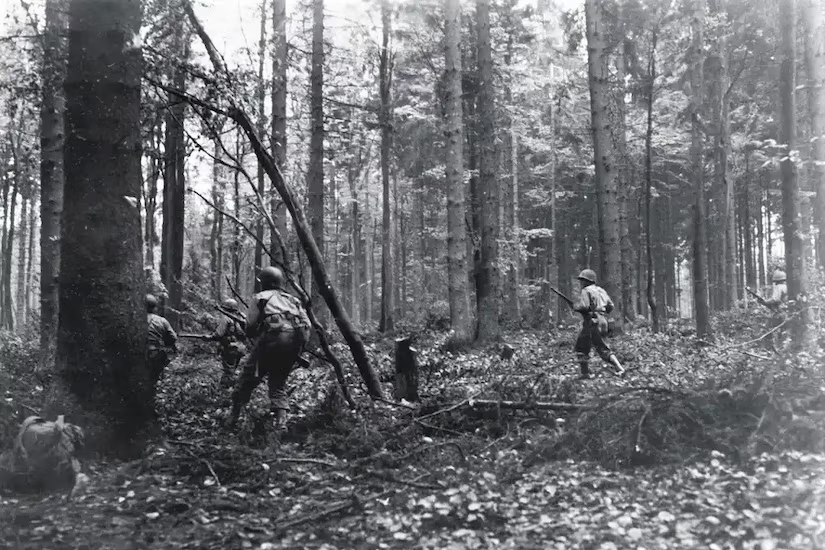
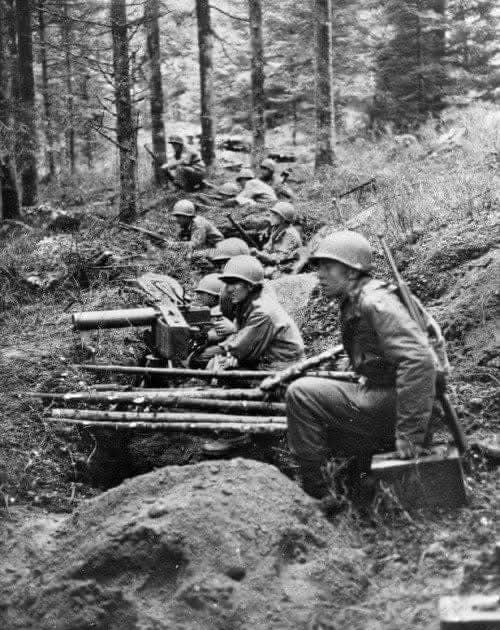
Makoto didn’t miss the fighting; in fact, he saw some of the worst combat of the Americans’ war. The 83rd and his regiment, the 330th Infantry, got into a slugging match with the Wehrmacht in the Huertgen Forest in September 1944—the photos below give an idea of the terrain there— in a horrific battle that would last for two months. The nearest approximate I can think of in the American experience would’ve been the Battle of the Wilderness in 1864, where dense forest broke Grant’s infantry companies down into little knots of men, separated by trees and dense foliage that made it impossible to see each other—or the enemy. Lee’s men appeared as shadows, mirages, and disappeared in the smoke, because the muzzle flashes from Enfields or Springfields set the Wilderness afire. The fires burned the wounded alive.


(In 1945, after Germany’s surrender, fires swept the Huertgen and detonated unexploded artillery shells. The war hadn’t ended at all for the scores of German civilians killed by buried ordnance that had been intended for soldiers.)

The battle for the Huertgen was a debacle. The Americans suffered nearly twice the casualties the German defenders did and they had to pull back and reorganize in December.

Somehow Makoto Yoshihara survived those two months in the forest.

And then, in December, the 83rd Division would face the Germans again in the massive offensive that we remember as the Battle of the Bulge, fought during one of the coldest winters in Europe in thirty years.

Makoto didn’t have to face that second, epic battle. Somewhere in the not-quite-lull in between, he died. The divisional after-action reports for the day he died, December 22, are bland; they suggested units relieving other units and the straightening of lines; battlefront housekeeping. But when you get down to the battalion level, the reports cite heavy German resistance, nighttime attacks, and cold. Always the cold.

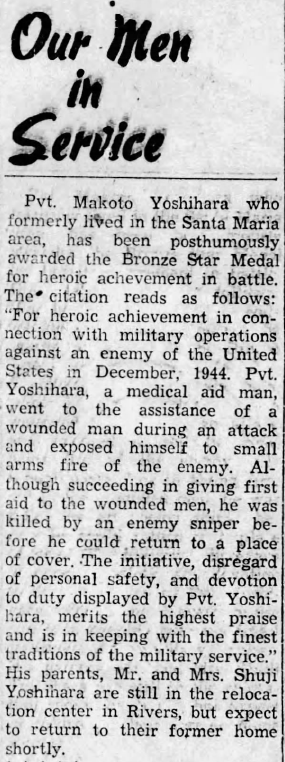
The way he died once again confirms the Army’s wisdom in assigning him to the 330th’s Medical Detachment. The Santa Maria Times kind of redeems itself, thanks to the Bronze Star citation’s wording, in this article from September 1945:

Makoto died saving a brother G.I.’s life because medics were favored targets for snipers; if you can kill a medic, the five or six wounded soldiers he might’ve saved will die, too.

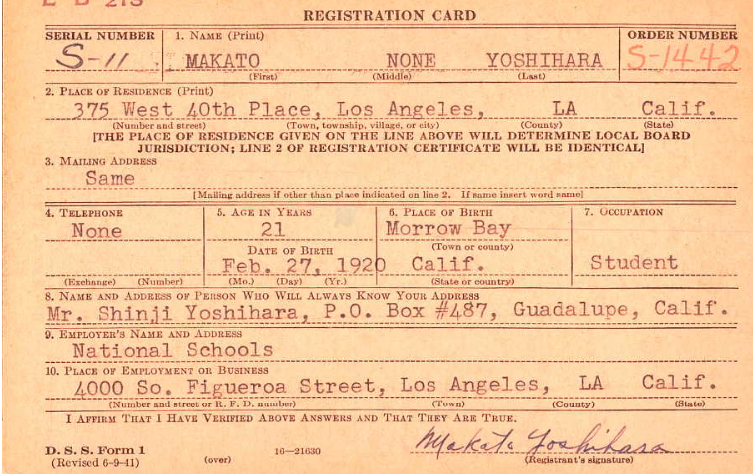
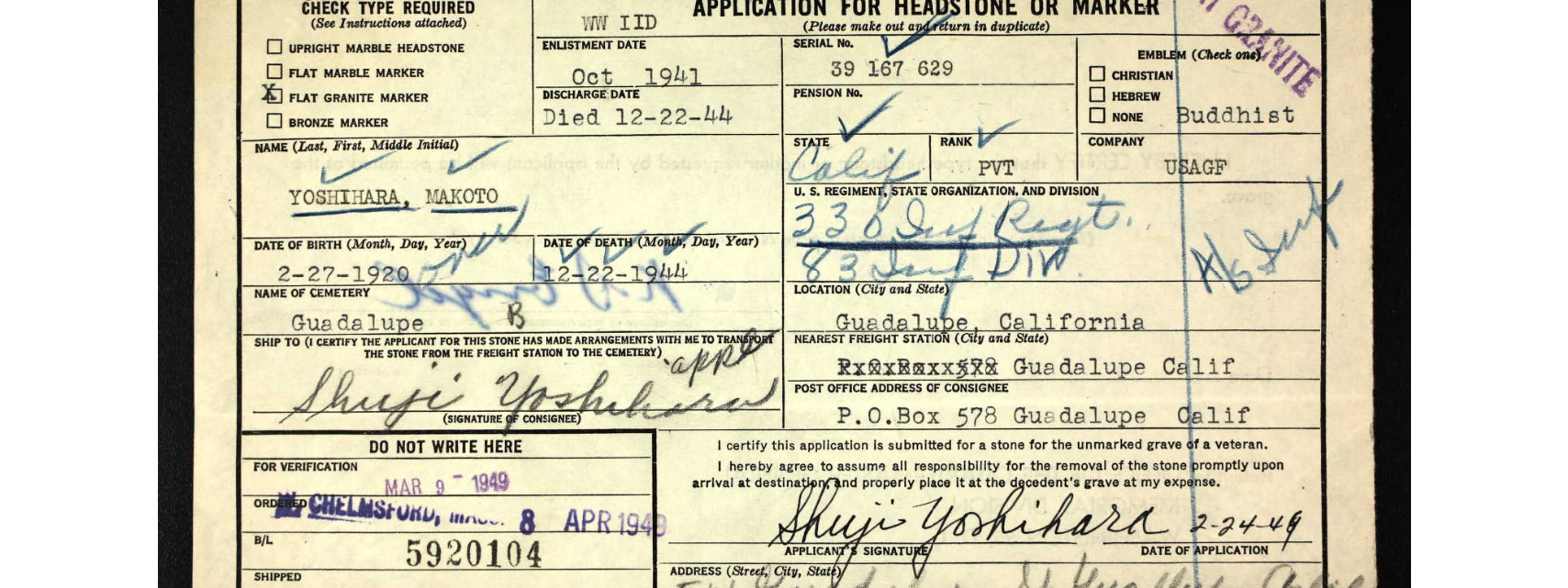
(Above): Tragic bookends: Makotto’s draft card, its spelling uncertain, and his family’s application for a military tombstone.


Makoto died 5,000 miles away from Guadalupe’s row crops, its Mexican restaurants, honky-tonks and the sand dunes and the vivid ribbon of ocean beyond.

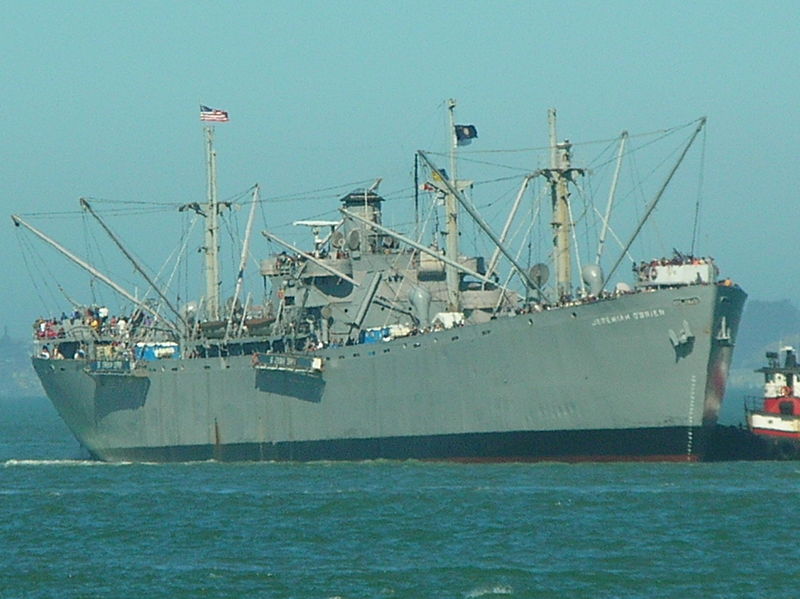
His body was returned to America in December 1948 aboard the prosaically-named Liberty Ship Barney Kirschbaum, one of the war’s industrial wonders; Kirschbaum’s duplicate, Jeremiah O’Brien, made the trip in reverse in 1994, sailing from her berth in San Francisco to England and then to the Normandy coast where she’d done duty in the invasion of the Continent in 1944; O’Brien is the last of the 6,000 ships that supported the D-Day landings.

Jeremiah O’Brien, one of three thousand Liberty Ships built during the war.


Accompanying Makoto’s coffin on Kirschbaum were the coffins of Orville Tucker of Arroyo Grande, killed on the second day of the Battle of the Bulge—five days before Makoto knelt over the wounded soldier— and Stanley Weber of Oceano, who died the next month in the counteroffensive that erased the Bulge and drove the Germans back.

The coffins, of course, would’ve been flag-draped. That’s an important detail, because belowdecks on Kirschbaum’s long voyage home, there were no “Japs;” no Ohioans, no Californians. These were our young men; even in death and even in the eighty years that separate our lives, they remind us that we, all of us, belong to each other.


Mr. Burns, Branch School

07 Monday Feb 2022

Posted by ag1970 in Arroyo Grande, Personal memoirs, Teaching, Uncategorized

≈ Leave a comment

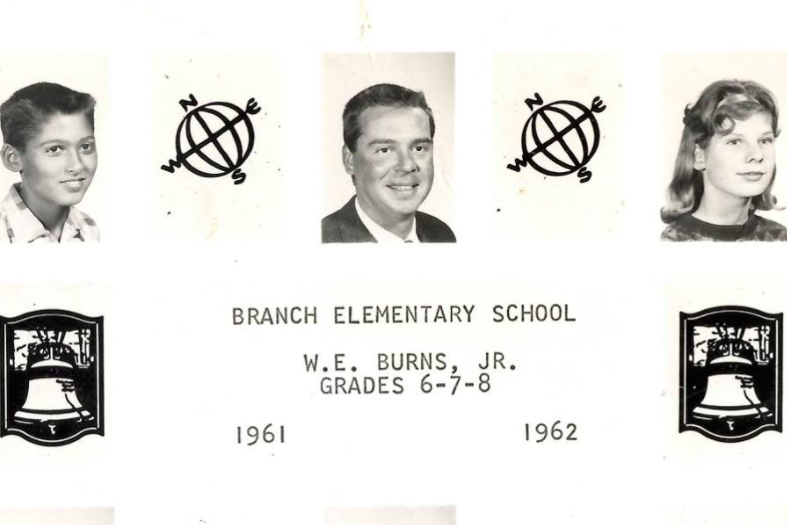
Courtesy of Michael Shannon


This photo comes from the year Dad was the clerk of the Branch School Board, and bids were being submitted for the new school. Mr. Burns drove a white-over-gold Dodge Polara with a big V-8. I have never forgotten seeing him speed down Huasna Road toward the four corners–he had to be doing 70 mph–because his passenger, picked up at the County Airport on Edna Road, was a construction company comptroller trying to get his boss’s bid in on time.

I don’t know whether the guy made it.

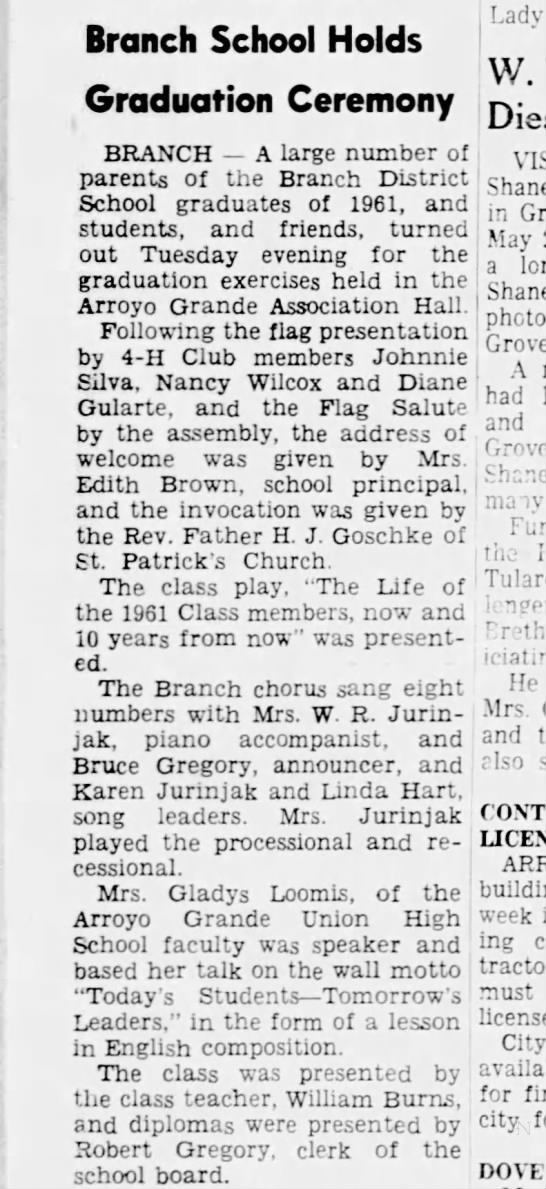
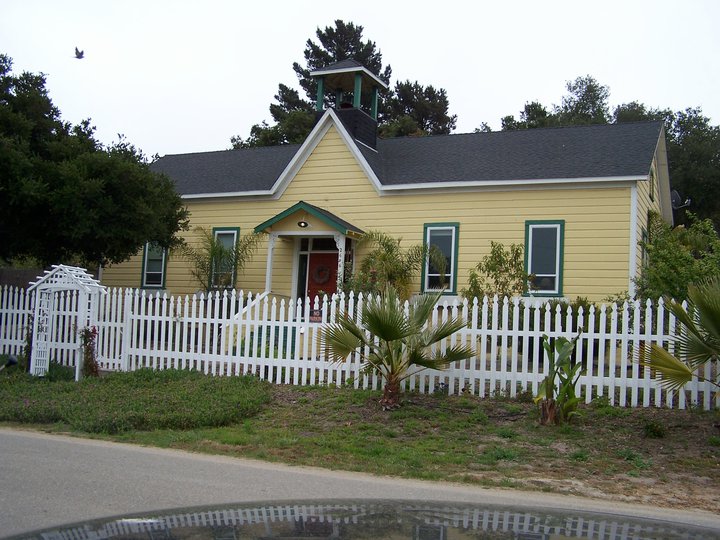
This article, from June 1961, cites Mr. Burns, my big brother and my Dad—and Mrs. Vard (Gladys) Loomis, who would’ve been a dignitary to us. She was a woman of great dignity, so the term “dignitary” fits exactly. The ceremonies were at the IDES Hall because the old 1880s two-room schoolhouse couldn’t hold any more kids–we were Boomers, after all, and there were immense and inconvenient numbers of us—so the big kids, 7th and 8th graders, had their classes at the Hall until the new school could be built.


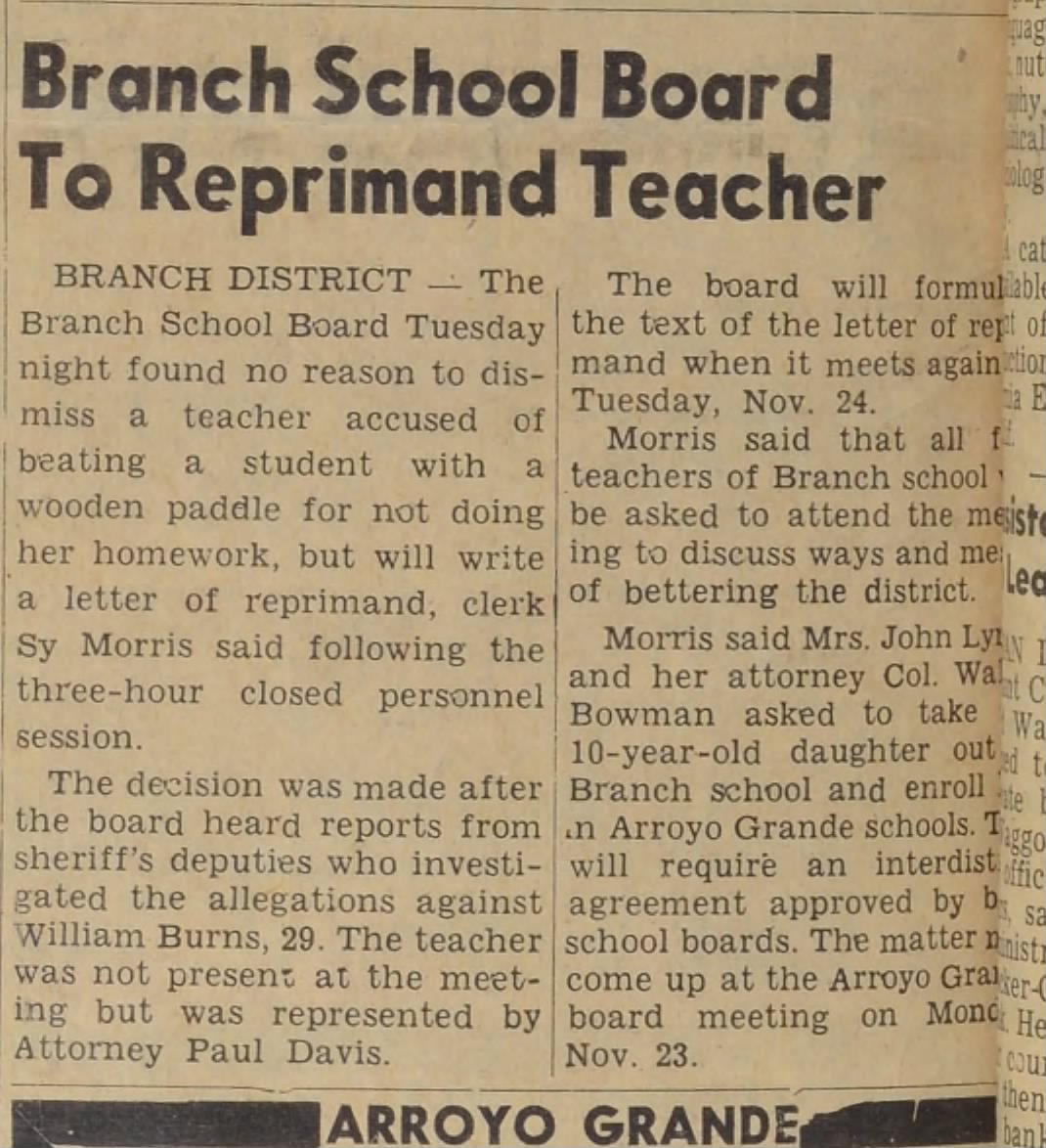
I wish this story had a happy ending. It doesn’t. Midway through one school year, Mr. Burns was fired. I’m still not sure of the cause, and I don’t want to know. No one talked about it then, and I don’t want to talk about it now. It may have involved his corporal punishment of a student who refused to do her homework. I don’t think that was the case because, just a few years before, I’d seen two Branch teachers, Mrs. Brown and Mrs. Fahey, work over Danny Hunt in the hallway of the old school. They used those hardwood rulers with the sharp copper inserts along the edges and Danny was crouched in the fetal position–and whimpering–while two teachers I loved worked him over like Bad Cop-Bad Cop. To say that I was shaken is an understatement. That was sixty years ago.

Nothing happened to them. Those were less litigious days, and country schools were their teachers’ fiefdoms.

The Old School. It was pink in our day.


So maybe Mr. Burns did something even worse than what the article below suggests.

From 1965.

It’s absurd, of course, but I’ve been trying to look for him for years. I think I have an obituary, in Los Angeles, but I’m not sure of it. I think I have a wedding, in Monterey, in 1976, and she is lovely in her high school yearbook photo. It might just be the same William Edward Burns–the age, 36, fits. She is Marcia Katherine Ross, 25, and the two were married the day after Christmas.

And, of course, this couldn’t be Mrs. Burns, not at all. I don’t have any conclusive proof of what happened to him–or even any conclusive proof that he was heterosexual, which is irrelevant– not even after years when I periodically take time to look for him on genealogical and newspaper websites.

The point remains: He screwed up. He did something I never would’ve done as a teacher.

Mr. Koehn replaced him–he would be my algebra teacher later, in ninth grade, on Crown Hill, which remains the only year in my formal education that I enjoyed math. He decided, in P.E. to introduce us to golf and brought thirty aged short irons, some with wooden shafts, and a hundred whiffle golf balls to school and we fifth and sixth graders had the time of our lives, swinging without mercy. Our beloved bus driver and custodian, Elsie Cecchetti, was less than thrilled with the divots that swinging without mercy leaves behind. Many years later, when I took my students to Normandy and we saw the enormous craters left by the D-Day gunfire of Allied naval ships, I was suddenly reminded of what we kids had done to Branch School’s front lawn.

We missed Mr. Burns, though. He was charming and unforgiving, inspirational and demanding, sometimes generous and sometimes mean.

But my family, including my big sister, who taught with him at Branch, loved him. My big brother and I loved him because of his intelligence, his wit and his passion–and, frankly, because he was the first male teacher we’d ever had.

And what this flawed man wrote in that old Thesaurus remains one of the greatest gifts of my life:

Someday I expect to read great things by you.

Glory days at The Cuestonian, early 1970s

15 Saturday Jan 2022

Posted by ag1970 in Arroyo Grande, Personal memoirs, Uncategorized

≈ Leave a comment

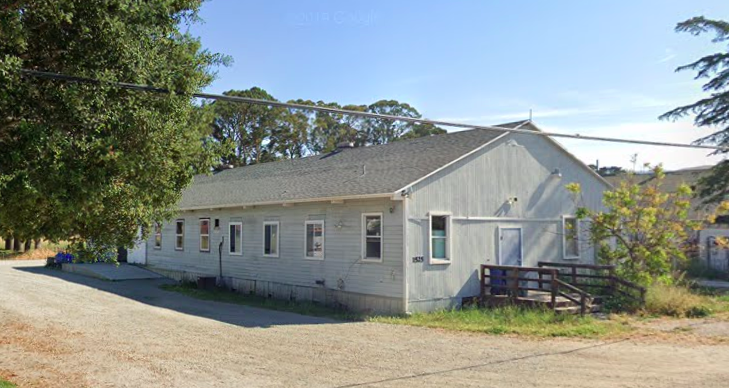
I think–but I’m not sure–that this is the old Journalism classroom at Cuesta College, where classes were taught by a gifted instructor, Bob Tomlinson–gifted, most of all, in teaching the ethics of good reporting–and where the campus newspaper, The Cuestonian, was once produced. It was still in the Eleanor Roosevelt green-over-khaki paint scheme back in our days.

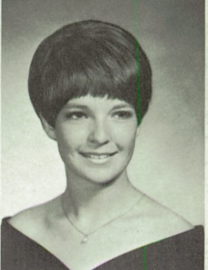
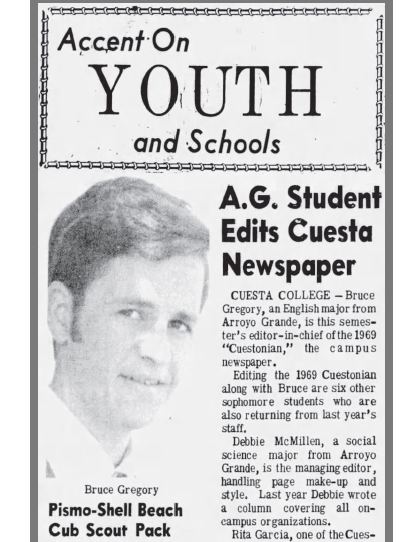
“Our days” because The Cuestonian is an old Gregory family tradition. My big brother Bruce, AGUHS ’66, was the editor in 1968-1969 and he developed a crush on one of his reporters. Fifty-two years later, Bruce and Evie are still married.


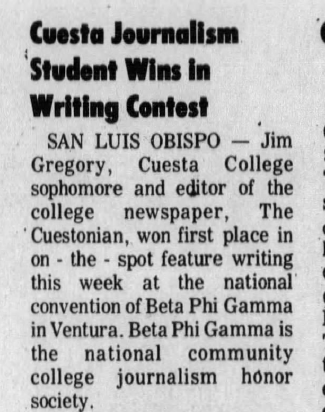
I, AGHS ’70, was the editor a few years later and we won, for such a little punky junior college operating out of World War II barracks, an embarrassing amount of awards, in statewide competitions, in writing, photography, graphics and page design.

You don’t judge a newspaper by its barracks.

This was the convention where one of the speakers gushed about a hot young television news talent named “Brokaw.“


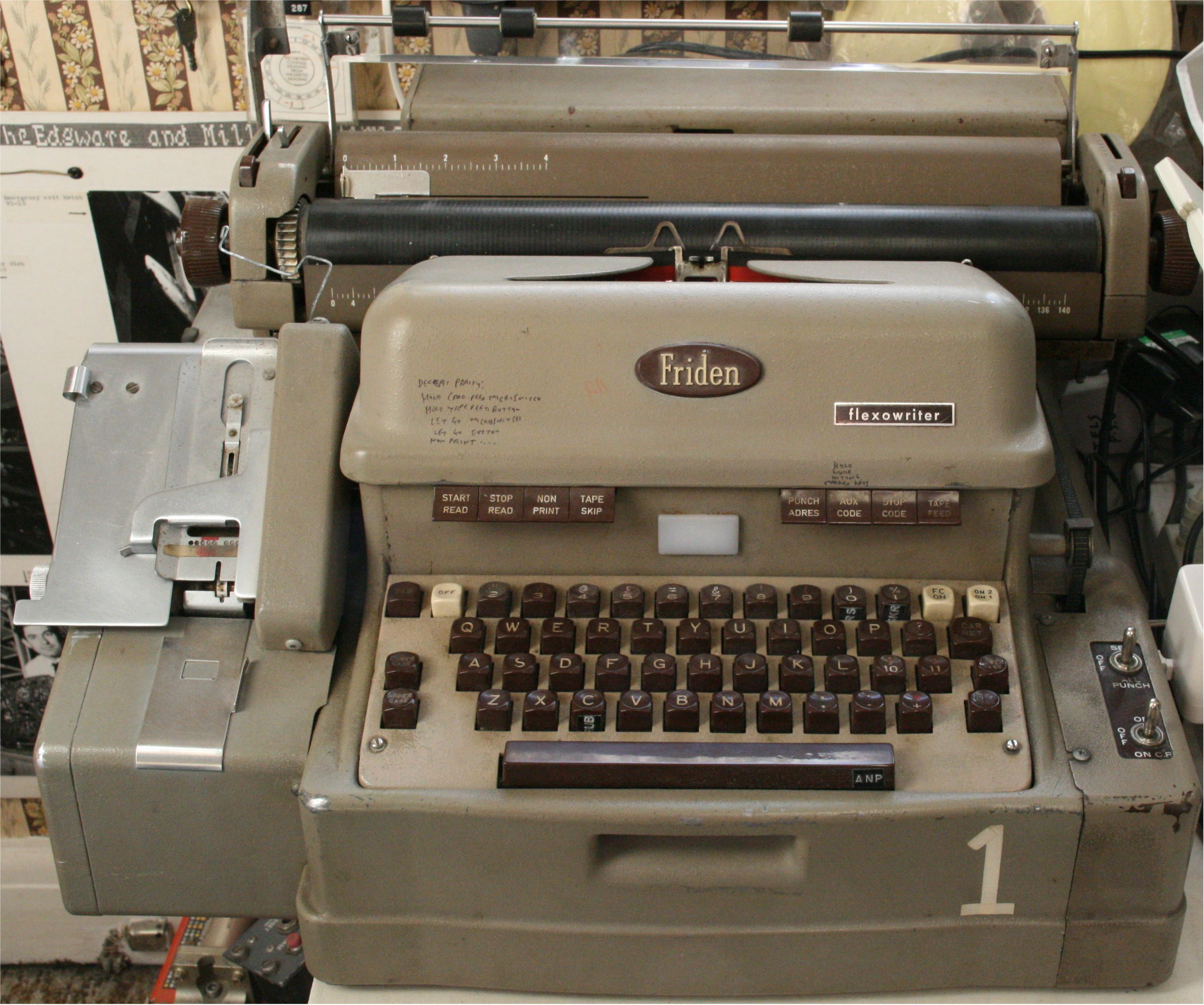
Once you went up the steps, Mr. T’s office was inside the window to the left. He had no more room than a submarine ensign, because most of the office was filled with a monstrous machine called a “Justowriter,” which allowed the keyboard operator to type up the news stories which emerged in a perforated pink ribbon and then, through some alchemy still mysterious to me, the pink ribbon was translated into news columns. (In my imagination, the Justowriter—that’s one of the great beasties below— was steam-powered and drove monstrous pistons, but’s that’s just my imagination.)


The window to the right was my turf and that of the News Editor. We had, at age nineteen or twenty, our own DESKS and so felt immensely important. We filled the room with clackety-clack typewriter noises and immense blue clouds of cigarette smoke–smoking was as fundamental a part of news reporting as were the press passes tucked into the ribbon of your fedora.

Oh, right. We didn’t wear fedoras anymore.

The biggest part of the building was the journalism classroom, edged with banks of tabletops. When it was time to go to press, the desks were cleared away–the process for staging a square-dance in a Victorian one-room schoolhouse was much the same–and the banks of tabletops came alight in the panes of glass that punctuated them.

That’s where you laid out the newspaper, on the glass panes. You’d lay down a big sheet of blue-checkered paper (blue doesn’t pick up in offset photography) and the news stories composed on the Justowriter appeared as long printed columns. They were affixed to the page, guided by the blue lines now transparent in the light, with wax and you rolled them onto the paper with little plastic rollers.When you needed more room, you clipped the end of the story, which is why journalists are trained to get all the good stuff into the lead, or first paragraph, and the ones just following.

Clipping the ends off of stories generated immense emotional anguish from the reporters who’d written them. Me too.

In the back of the building was the darkroom. The reporters did not go into the darkroom. That was the place for more alchemy and photographers (Nikons, Pentaxes, Minoltas)–the ones who used something called “film” that had “speeds,” like Pan X and Plus X–were a justifiably prickly lot.All of them kept the door to the darkroom shut not just out of necessity but because they remembered the story of the great combat photographer Robert Capa, who shot seven rolls of film on Omaha beach on D-Day, was nearly killed seven times, and when the film was shipped back to the darkroom in London, the processor ruined six of them. Even the seventh roll was damaged–it still produced the immortal image below.


So we left the photographers alone, out of respect.

I sometimes wondered if they might not be working out a way to make moonshine out of developer fluid back there.

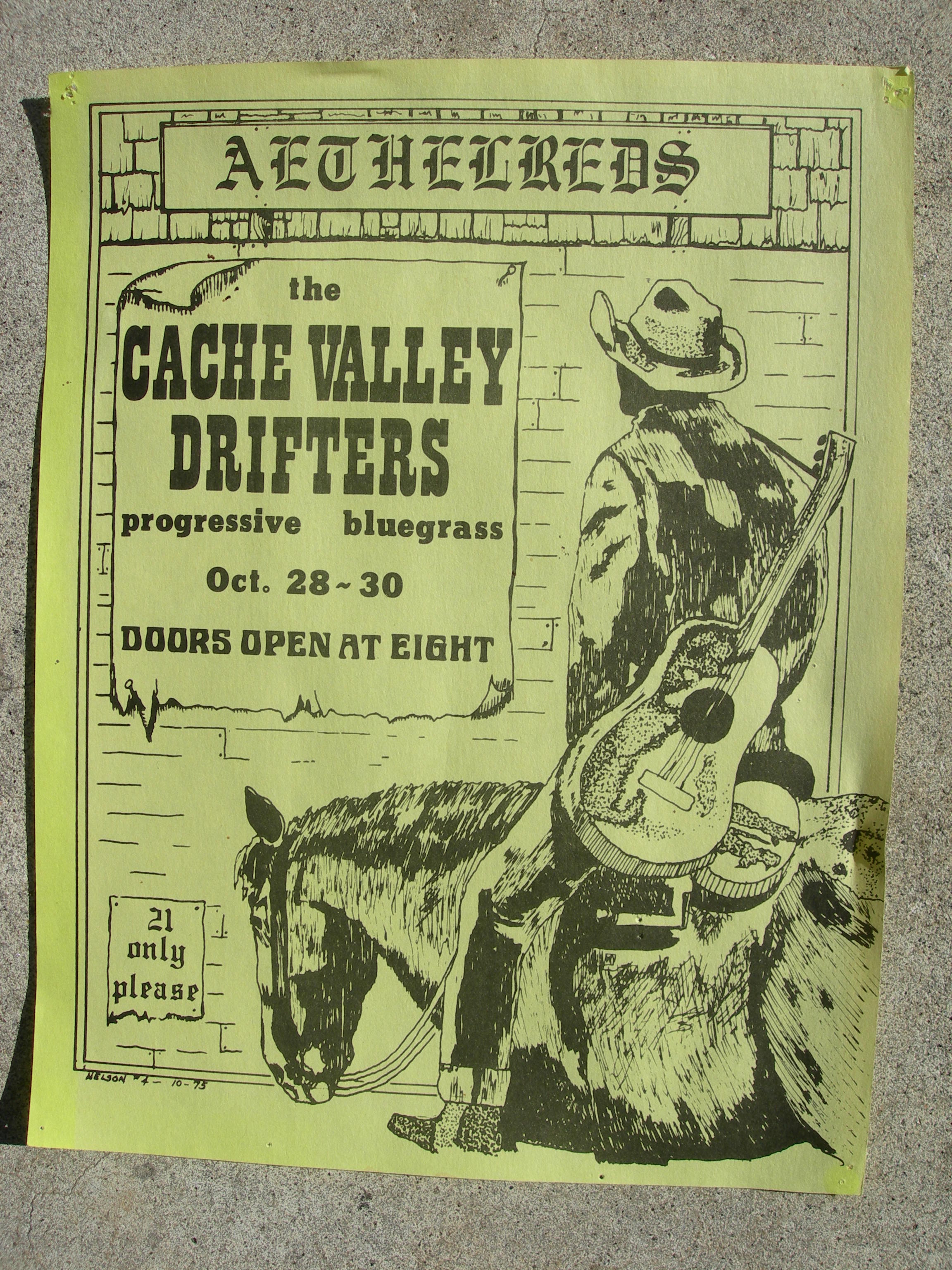
However, I was the only one who could actually go back there from time to time, because sometimes we had to trim headlines, not just stories, and we had a camera called a strip-printer that generated headlines along a strip of photographic paper one letter at a time–in Bodoni Bold. I got to be the Strip Printer Guy, which, just as Aethelred’s Bar on Monterey Street–the Hippie/Biker place that featured incredible bands- had a forever impact on my hearing, the strip printer did the same for my vision.


Putting the paper to bed–a process that sometimes lasted until the wee hours–meant me taking the assembled pages in a big box to Kent Blankenburg’s house–Kent and his brother, Dick published the Five Cities paper, which I still miss– in Arroyo Grande and pretty much throwing them out of the car onto his front porch.

Then I’d drive back to Madonna Plaza Shopping Center (Our Motto: “The wind doesn’t blow here. It sucks.”) to what I think was a Straw Hat Pizza Parlor where all of us would consume obscene amounts of pizza and a platoon or so of ice-cold pitchers of beer or Coca-Cola.

Ah, youth, when we had the metabolisms of muskrats.

We had some great news stories then. A small plane crashed into the roof of the gym where all of us Cuesta students pulled punch cards to register for classes. There was a Vietnam War protest with pallbearers carrying an empty black coffin and I interviewed one, a helicopter pilot in the war, who was both stricken by his experience and one of the most gentle persons I’ve ever met.

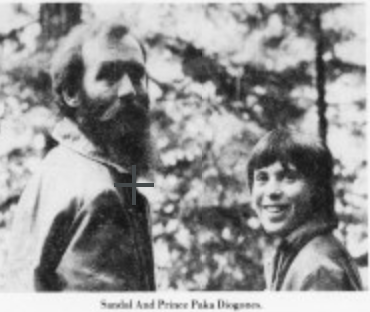
I got to interview a guy who lived on a boat in Morro Bay Harbor, and he was a happy fellow because of it. Moored nearby was the houseboat of two legends, Sandal and his son Paka, reclusive and gentle folks, artists, who took injured seabirds into their care and hand-fed them fish scraps until they were strong enough to fly again.


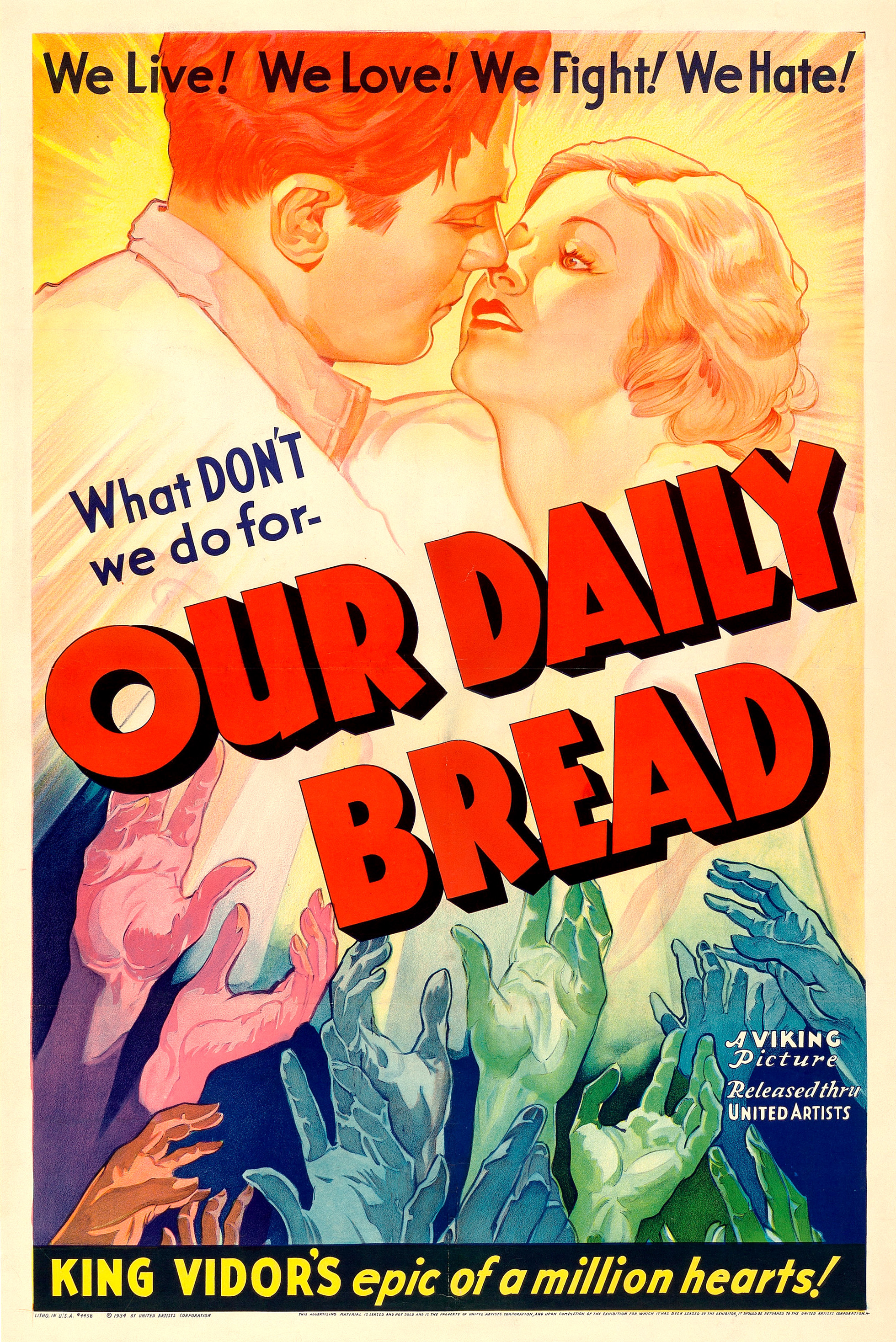
I got to interview the Black Panther Bobby Seale and the classic film director King Vidor and, during a journalism convention at a hotel in Sacramento–I was within a Frisbee toss of Gov. Ronald Reagan, the guest speaker– I accidentally stepped on state Attorney General Evelle J. Younger’s hand as he came up the stairs that I was descending and he tripped, falling flat on his face.


Evelle J. Younger was the California Attorney General. I didn’t like the way his bodyguards looked at me.

The cafeteria was just behind the journalism building, and the only good thing about the cafeteria was Ginger the Checkout Lady, given to smoking 100-mm cigarettes, wisecracking and referring to you as “Hon.” Ginger was a hoot. The food was not. Then the district somehow, either through divine intervention or Trustee Vard Loomis, one of my heroes, hired a European chef named Maurice who made marvelous lunches.

Swedish Meatball Day meant a throng of nineteen-year-old nouveaux Hippie peacenik students packed at the cafeteria doorway–another surplus Army building–trying to claw each other’s eyeballs out before Maurice ran out of meatballs.


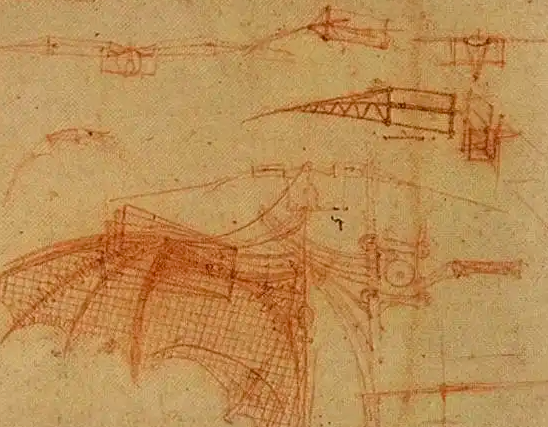
One of my favorite stories was about a slightly mad Canadian artist who took up residence in the Art Department–more barracks, the Art Department was, but augmented by Dali-esque murals–and began building an exquisite wooden replica of a Leonardo da Vinci flying machine. He was going to fly it. He gathered a little coterie of students who believed that he was going to fly it–one volunteered to be the co-pilot– and so they all worked on it merrily together, over there in the Art Department, and I still, to this day, believe it would’ve flown had not the mad artist’s sister driven down from British Columbia to take him, under sedation, back home.
The best part was The Cuestonian staff. I’ve read similar stories about Admiral Nelson’s captains, about the artists and writers who produced the classic Warner Brothers cartoons (Bugs Bunny, Daffy Duck, Elmer Fudd) and, in the book and film “The Right Stuff,” the Mercury astronauts. Gifted people in groups like these last no longer than snowflakes in March, so it remains one of the greatest honors of my life that I got to work with such talented, and now, from the great distance and advantage I have in age, such outrageously young women and men.
← Older posts
Newer posts →

Subscribe

  • Entries (RSS)
  • Comments (RSS)

Archives

  • June 2026
  • May 2026
  • April 2026
  • March 2026
  • February 2026
  • January 2026
  • December 2025
  • November 2025
  • October 2025
  • September 2025
  • August 2025
  • July 2025
  • June 2025
  • May 2025
  • April 2025
  • March 2025
  • February 2025
  • January 2025
  • December 2024
  • November 2024
  • October 2024
  • September 2024
  • August 2024
  • July 2024
  • June 2024
  • May 2024
  • April 2024
  • March 2024
  • February 2024
  • January 2024
  • December 2023
  • November 2023
  • October 2023
  • September 2023
  • August 2023
  • July 2023
  • June 2023
  • May 2023
  • April 2023
  • March 2023
  • February 2023
  • January 2023
  • December 2022
  • November 2022
  • October 2022
  • September 2022
  • August 2022
  • May 2022
  • April 2022
  • March 2022
  • February 2022
  • January 2022
  • December 2021
  • November 2021
  • October 2021
  • September 2021
  • August 2021
  • July 2021
  • June 2021
  • April 2021
  • March 2021
  • February 2021
  • January 2021
  • December 2020
  • November 2020
  • August 2020
  • July 2020
  • June 2020
  • May 2020
  • April 2020
  • January 2020
  • December 2019
  • November 2019
  • October 2019
  • September 2019
  • August 2019
  • May 2019
  • April 2019
  • March 2019
  • February 2019
  • January 2019
  • December 2018
  • November 2018
  • October 2018
  • September 2018
  • July 2018
  • June 2018
  • May 2018
  • April 2018
  • March 2018
  • February 2018
  • January 2018
  • December 2017
  • November 2017
  • October 2017
  • April 2017
  • March 2017
  • December 2016
  • November 2016
  • October 2016
  • September 2016
  • August 2016
  • July 2016
  • June 2016
  • April 2016
  • March 2016
  • February 2016
  • January 2016
  • December 2015
  • November 2015
  • October 2015
  • September 2015
  • August 2015
  • July 2015
  • June 2015
  • May 2015
  • April 2015
  • March 2015
  • February 2015
  • January 2015
  • December 2014
  • November 2014
  • September 2014
  • August 2014
  • July 2014

Categories

  • American History
  • Arroyo Grande
  • California history
  • Family history
  • Film and Popular Culture
  • History
  • News
  • Personal memoirs
  • Teaching
  • The Great Depression
  • trump
  • Uncategorized
  • World War II
  • Writing

Meta

  • Create account
  • Log in

Blog at WordPress.com.

  • Subscribe Subscribed
    • A Work in Progress
    • Join 69 other subscribers
    • Already have a WordPress.com account? Log in now.
    • A Work in Progress
    • Subscribe Subscribed
    • Sign up
    • Log in
    • Report this content
    • View site in Reader
    • Manage subscriptions
    • Collapse this bar

Loading Comments...