A mother and child are taken into custody, May 2025, Worcester, Massachusetts
Terrific talk this morning by historian Naomi Shibata about the Japanese–Nikkei– immigrant experience before, during and after World War II.
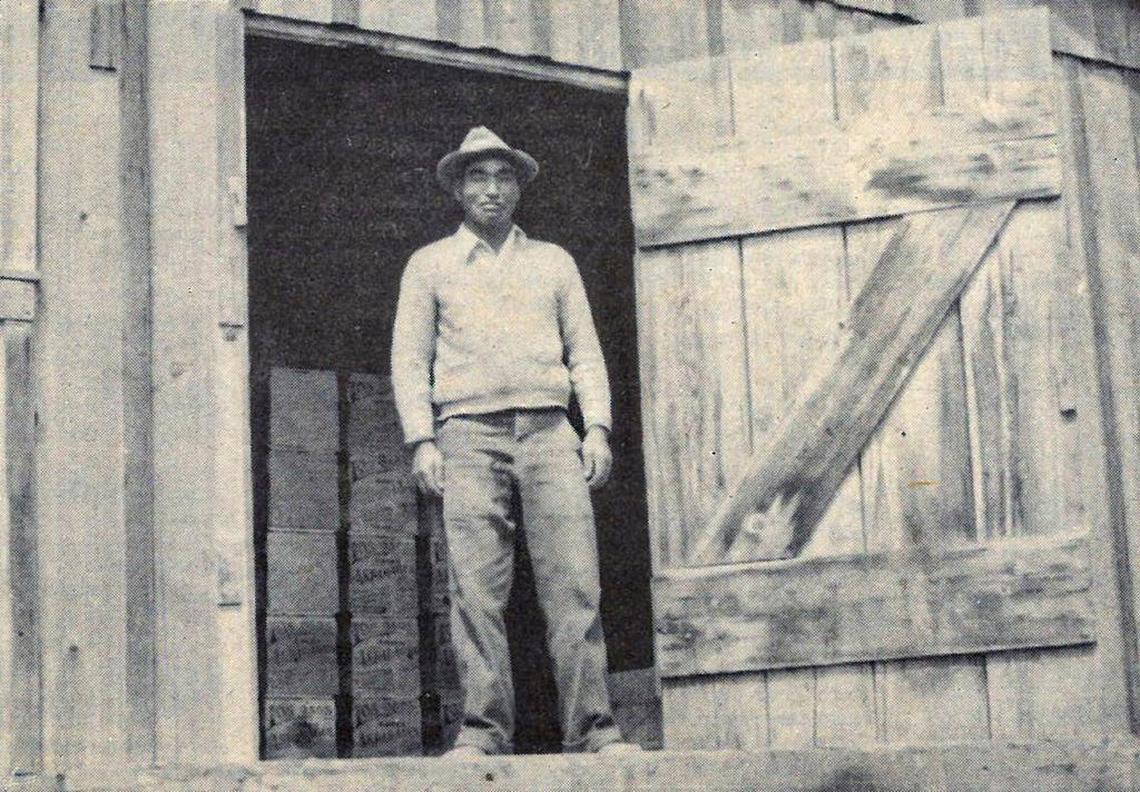
Her grandfather, Tameji Eto, farmed the Los Osos Valley. He was still in his work clothes, about to go to bed, when a knock on the door roused him about ten at night on December 7, 1941.
It was the sheriff and two FBI agents. They just wanted for him to come along for a few questions.
Mr. Eto asked them to wait for a few moments. He left the room and changed into his suit–it was a sign of respect for authority, including the three men inside his home.
On the way out the door, one of the FBI agents said, “you may want to bring your coat.”
Eto was bound for a prison camp for “enemy aliens” in Missoula, Montana. He spent a week or so first in the Santa Barbara County Jail.
He was allowed to tell his family where he was headed–his train would come through San Luis– but he had no clothes. Certainly, no clothes for Missoula, Montana, in December.
The family contacted Mr. Sinsheimer, who opened his store in the middle of the night so they could find some warm clothing. I’m pretty sure he told them to pay him later.
They were waiting at the SLO train station, with their purchases wrapped in paper and twine, for Tameji’s train. They waited all night.
It had been re-routed.
* * *
Vard Loomis, so deservedly lauded for the support he gave to the South County interned, made sure the property taxes on the Eto family’s farm were paid on time.
* * *
The FBI picked up Eto and, here, in Arroyo Grande, men like Shig Kobara, because they were successful men perceived as natural leaders. The aim was to decapitate Nikkei leadership. That would make the enforcement of 9066, five months later, a little easier.
* * *
Shibata made a stunning point about Executive Order 9066, which ordered the removal of “all alien and non-alien” Japanese. She found that a curious passage.
What do you call a “non-alien?” she asked the audience.
“An American citizen,” a man called from the back of the room.
* * *
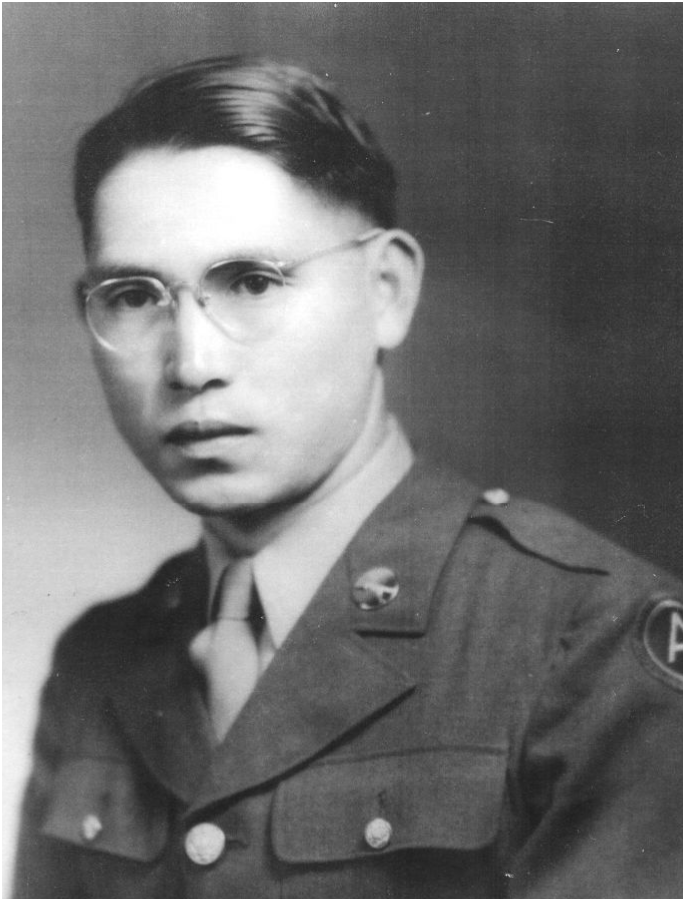
Mr. Eto’s son-in-law, Leo Kikuchi, was killed in action in Italy. Here, in the South County, Arroyo Grande farmworker Sadami Fujita was killed in action in France.
They were American citizens.
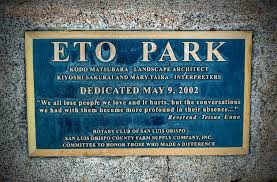
Mr. EtoLeo KikuchiThere used to be an “Eto Street.” This park was intended to honor the name that had been discarded during World War II>
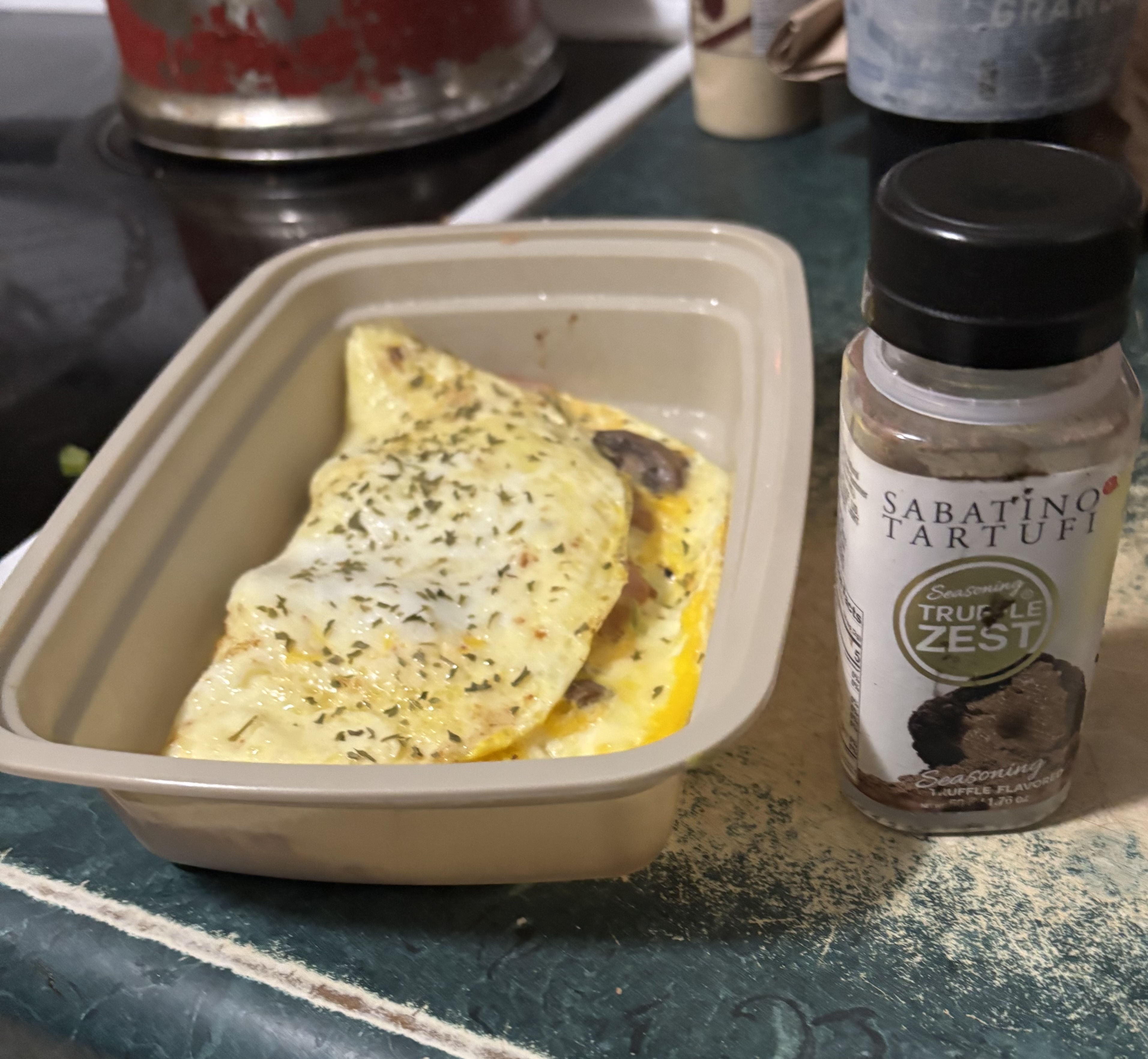
By golly, that’s not bad. A 2 1/2 egg omelet (eggs and egg whites) with cheese, sauteed bacon, peppers, mushrooms and red onions. I made three of ’em for Elizabeth and our sons. The magic ingredient is that truffle spice. It goes on the inside. Parsley flakes on the outside. Ciabatta bread with avocado spread added to the omelet.
I think I’m up because I have a meningioma, a benign tumor attached to the brain lining, and that’s a common side effect. I have at least two sleepless nights a week.
My brain.
I’m having surgery at Stanford in June to remove what I call Manny the Meningioma, so I’m sure anxiety plays a part.
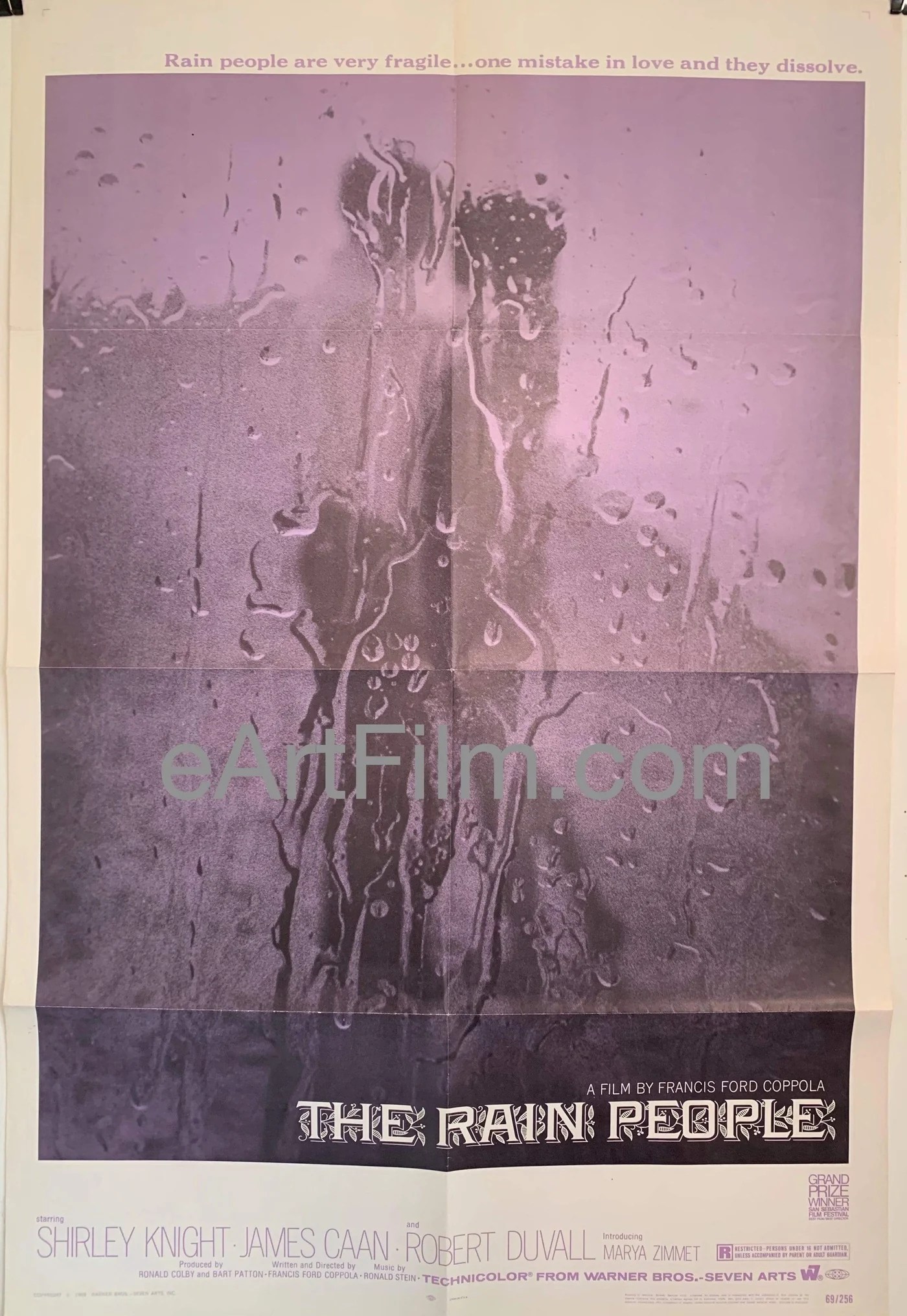
But why waste a sleepless night? So I make omelets. And I watch movies on Turner Classic Movies. Tonight it was this one.
To be truthful, it wasn’t all that good. The lead, Shirley Knight, is very attractive, a woman running away from her husband in a Ford Galaxy station wagon the size of USS Nimitz, so it’s kind of a road picture like so many from the late 60s and early70s—Easy Rider, Vanishing Point, Sugarland Express, but not, say Rosemary’s Baby.
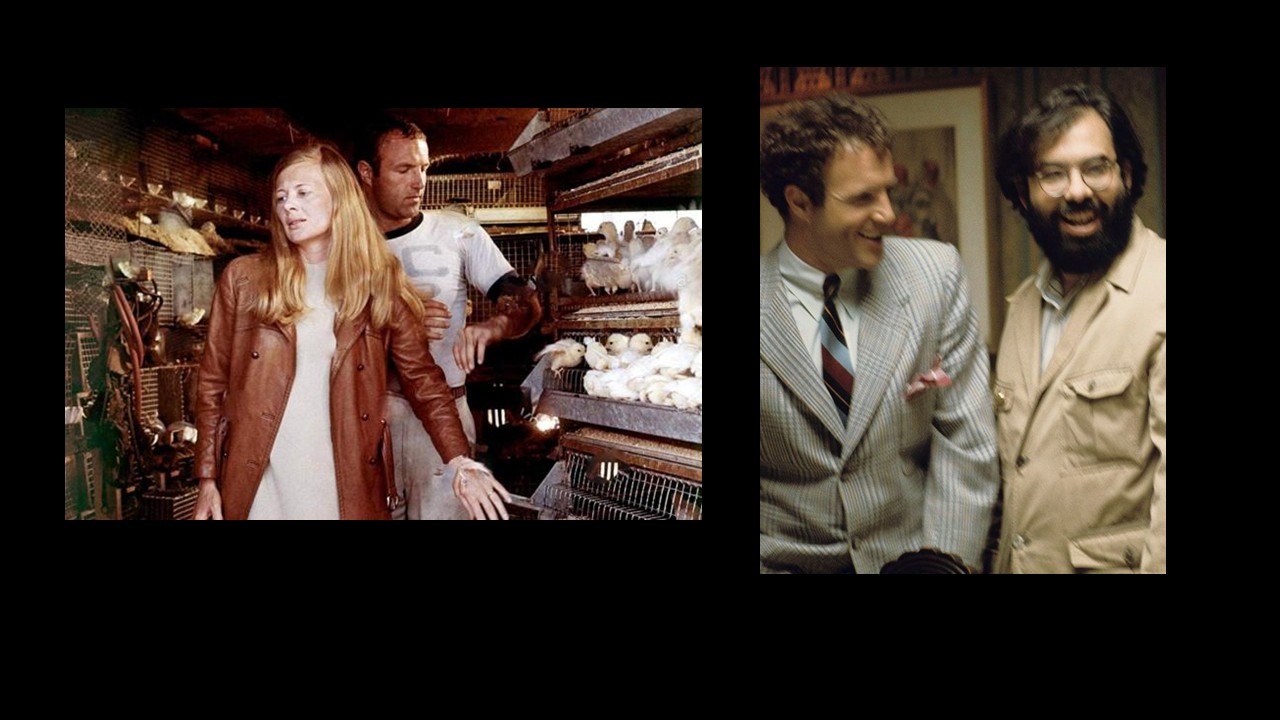
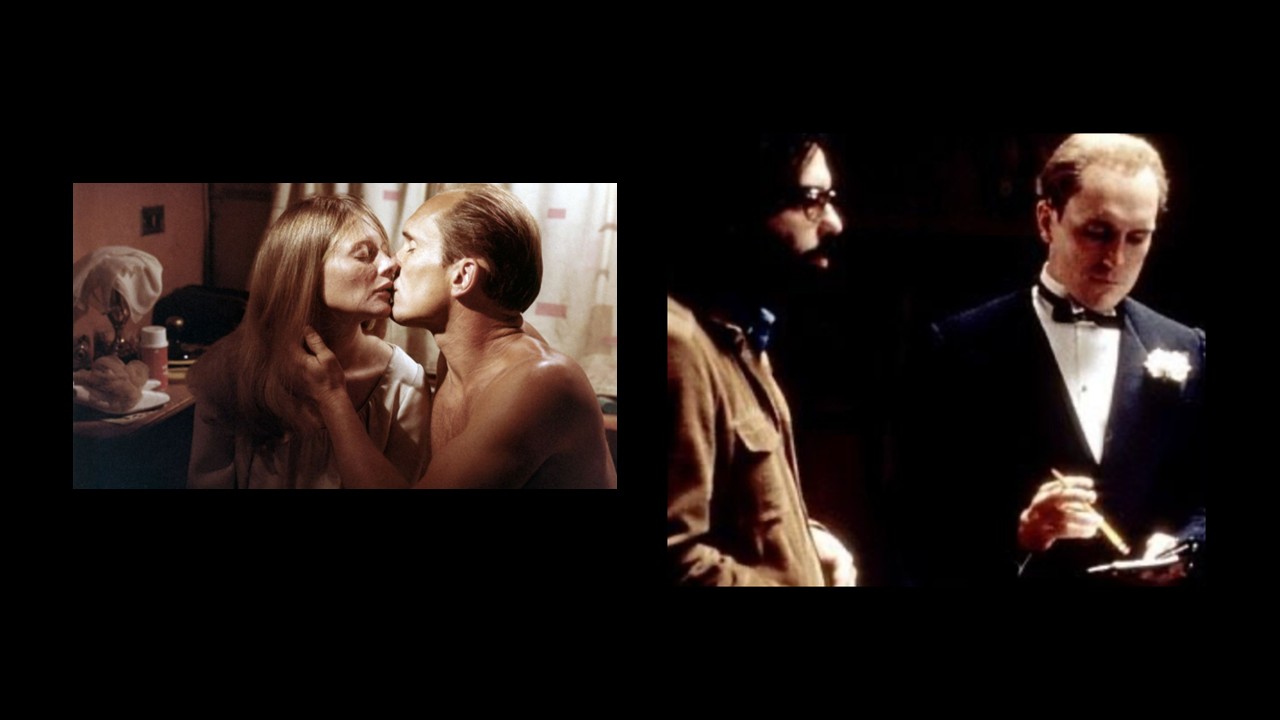
I kept watching it because she befriends James Caan, as an ex-football player with traumatic brain injury. Right up my alley. And, in mid-movie, Robert Duvall appears as a motorcycle cop who woos Knight. Not well.
It was pretty thin soup, but it kind of compelling, too. Then, at the end of the film, TCM host Ben Manciewicz informed us that the director (his fourth film) was Francis Ford Coppola.
Wowsers.
I don’t know what Wheaties Coppola ate in the next three years (maybe it was omelets?), but he gave us, with Caan and Duvall, The Godfather in 1972.
A quantum leap. Casablanca is the only film I’ve watched more than The Godfather.
And seeing Caan and Duvall, no longer with us, as young actors was an honor. I miss them.
I thought this was kind of cool, in an immensely somber way.
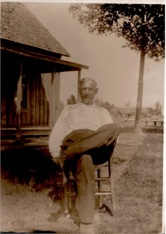
Our grandfather, John Smith Gregory (1862-1933) may help to find his lost grandson.
* * *
Yesterday, I contacted an organization in Hawaii in the hope of identifying Wayne Morgan, one of two Arroyo Grande sailors killed on the ship on December 7, 1941.
Some of the victims, unidentified, were buried onshore and new DNA techniques make their identification possible.I got the most thoughtful reply from the group, called Project 85, this morning. Evidently, the DNA trail for Morgan has run out–not enough living relatives. Damn.
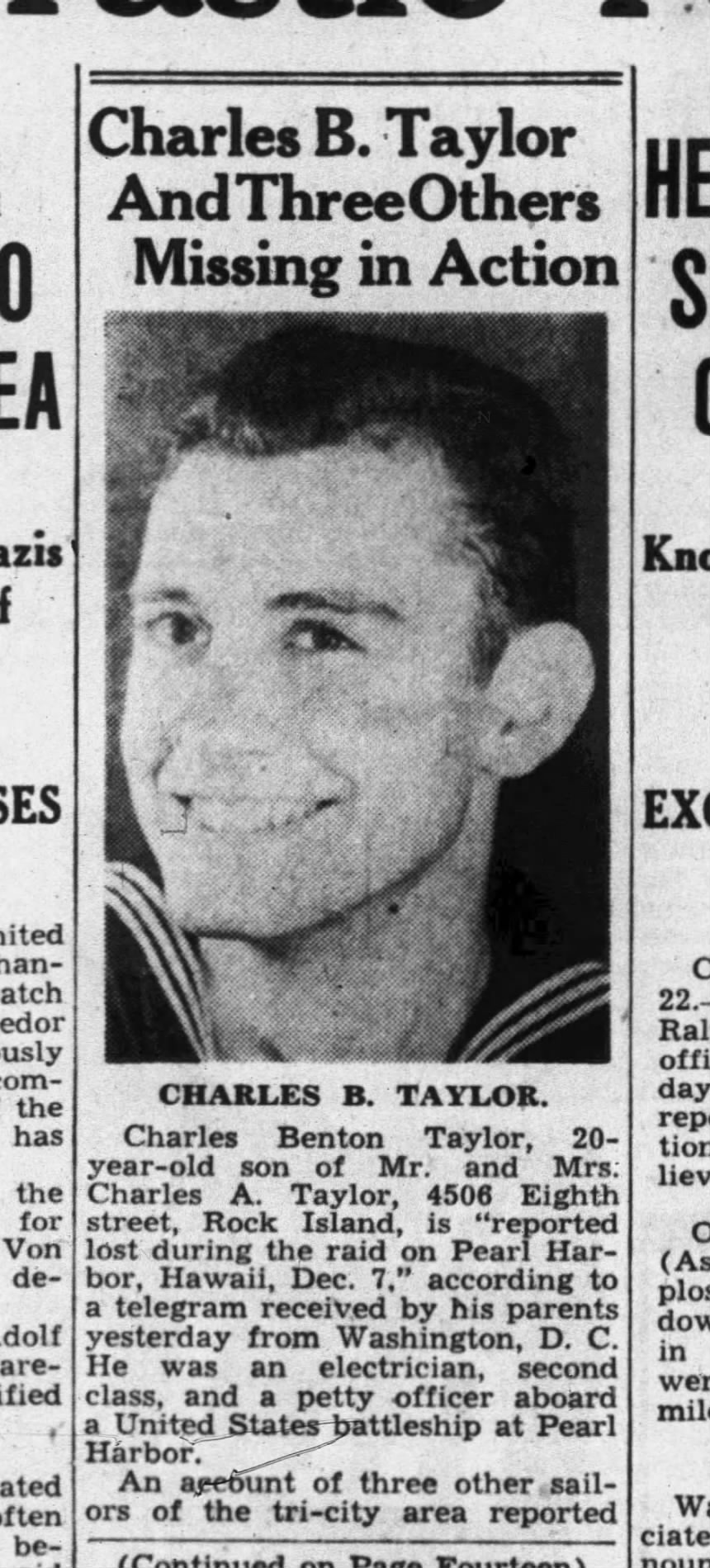
However, they asked me if I’d like to donate a sample to potentially identify Electrician’s Mate 2c Charles Taylor, an Arizona sailor from Rock Island, Illinois.
He’s my cousin. We share a common grandfather; his mother was my Aunt Aggie.
Sadly, his father took his own life seven months after Pearl Harbor.
I was just told by telephone that my DNA would be a close enough match, and they’re sending me a DNA swab kit.
I am deeply touched.
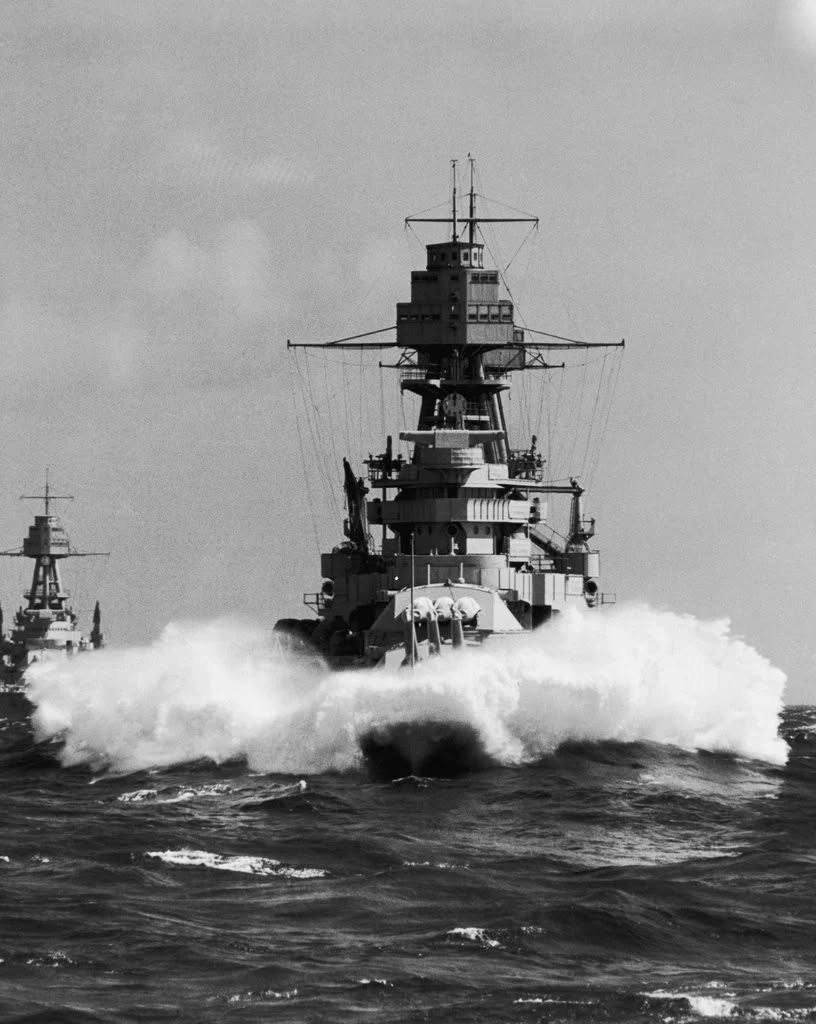
Arizona in the van, 1930s.
World War II took a toll on my father’s family. Like Charles B. Taylor, Roy Gregory was his nephew—and my cousin.
Nedra Talley Ross, the last Ronette, has passed away. Here they are performing “Be My Baby,” 1963.
Wow.
I loved those girl groups, even if I as only ten or eleven. When a song of their came on the local AM station, KSLY, I couldn’t help but dance along, if nobody was looking.
Love the Big Hair, too.
What the Ronettes did was to pave the way for other girl groups, just as electric, especially if they were from Motown. For example:
Double Wow!
And, of course, The Supremes. That little hip-check thing they do in this 1965 video is devastating.
Paris, 1965. This one makes me a little nervous.
One of the best song titles ever.
The Chiffons, 1963.
The Shirelles. Pretty darned sexy song. And the lead singer, Shirley Alton Reeves, is beautiful.
And, damn, I am old. I don’t think that’s true of the music.
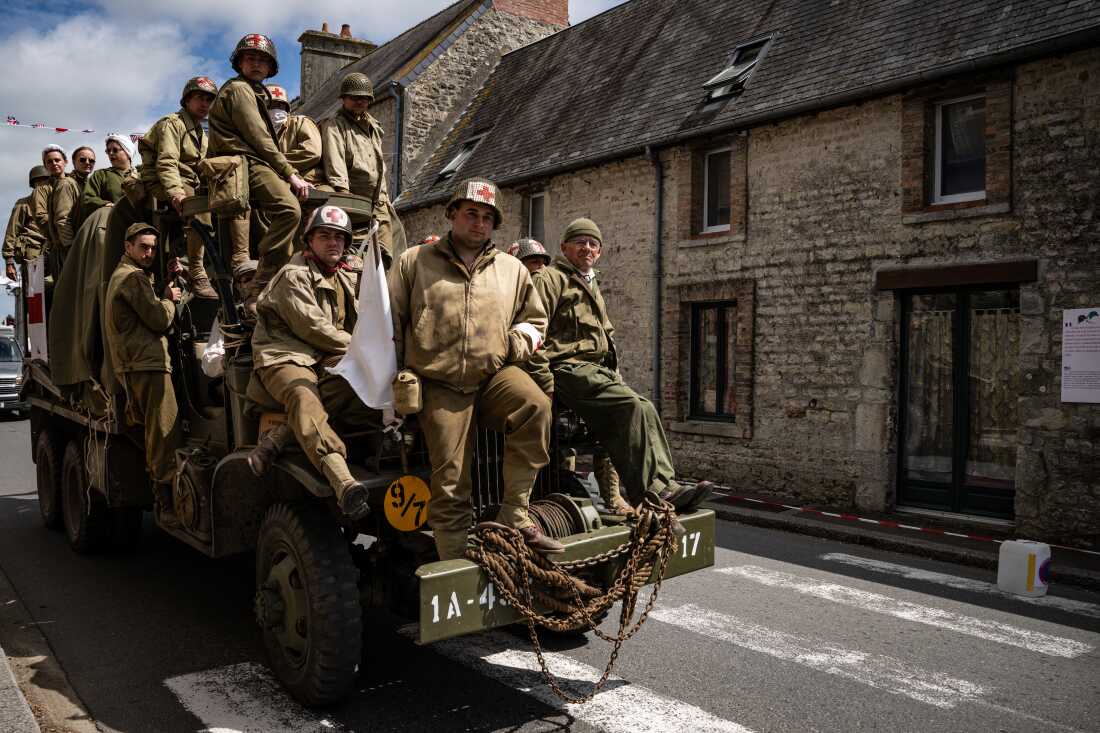
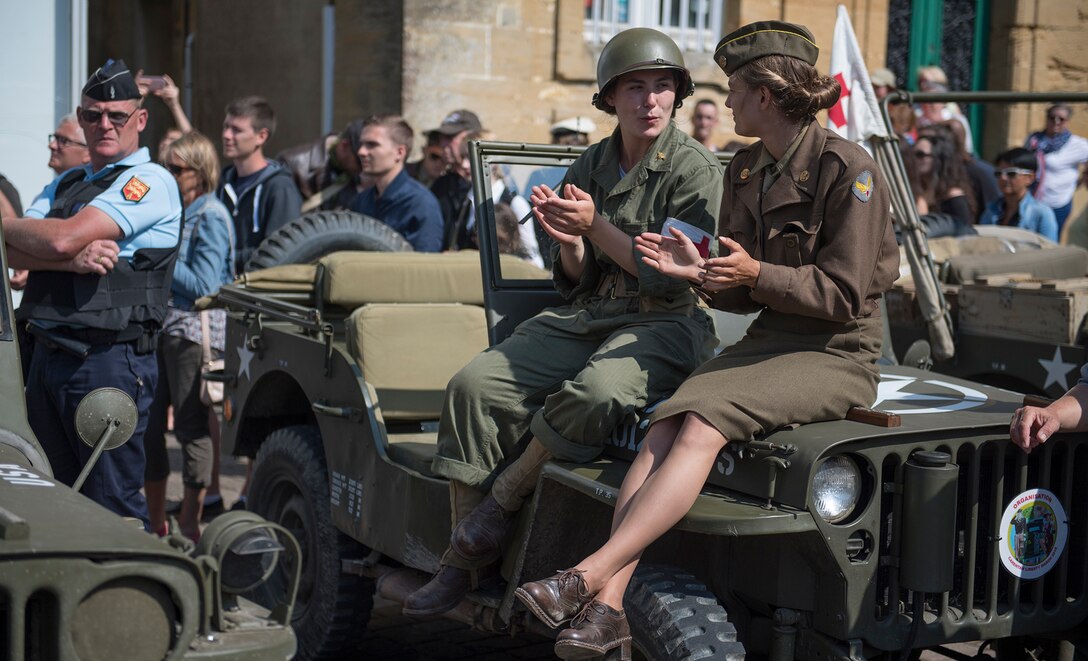
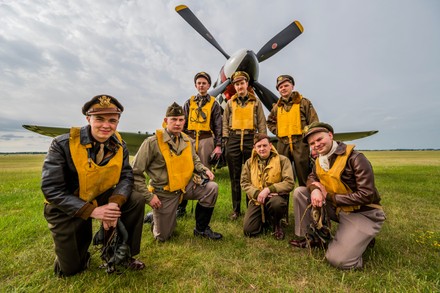
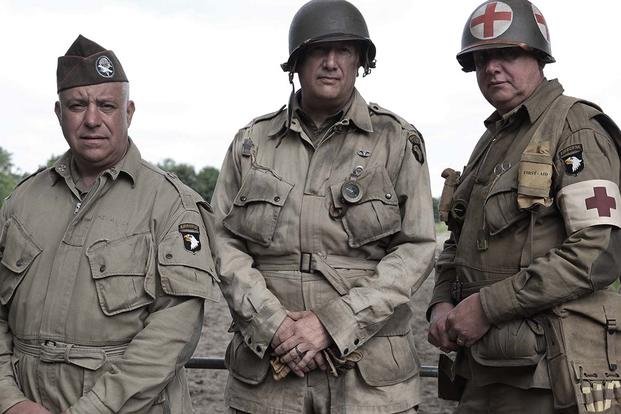
This is what the president* has cost us. These are World War II reenactors.
The people in the first two photos are French.
Those in the second two are British.
They want to play heroes, and to honor them, too. So they chose us.
When Amber Derbidge and I took AGHS kids to northern France, a Frenchwoman insisted on giving us a tour of the Rouen Cathedral simply because we were Americans.
When AGHS German teacher Mark Kamin took his students to Bavaria, an older woman approached the group with tears in her eyes.
“Your soldiers,” she said, “were so kind to me when I was a little girl. I just wanted to thank you.”
A little Berlin girl meets her first Yank, a soldier with the army of occupation, 1945.
Can you kindly inform your creative team, the creators of “Don’t Look in the Fridge?” that they are soulless assholes?
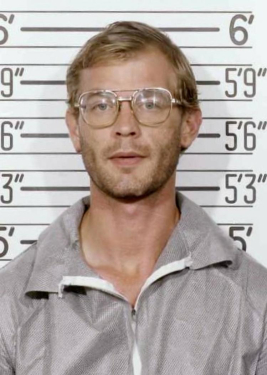
Doubtless, all of them are far too young–and far too ignorant– to remember Jeffrey Dahmer (below) who, thankfully, was beaten to death by a fellow inmate, with workout weights, in 1994.
Dahmer killed at least 17 young men and stored their body parts, on which he sometimes dined, in his fridge and freezer.
Your commercial is not funny, is not “darkly humorous,” nor is it clever. It’s not even Dexteresque or Lecteresque. It is mean-spirited and inept. Most of all, it’s reprehensible.
Jim Gregory
Who used to eat Cinnamon Toast Crunch on occasion.
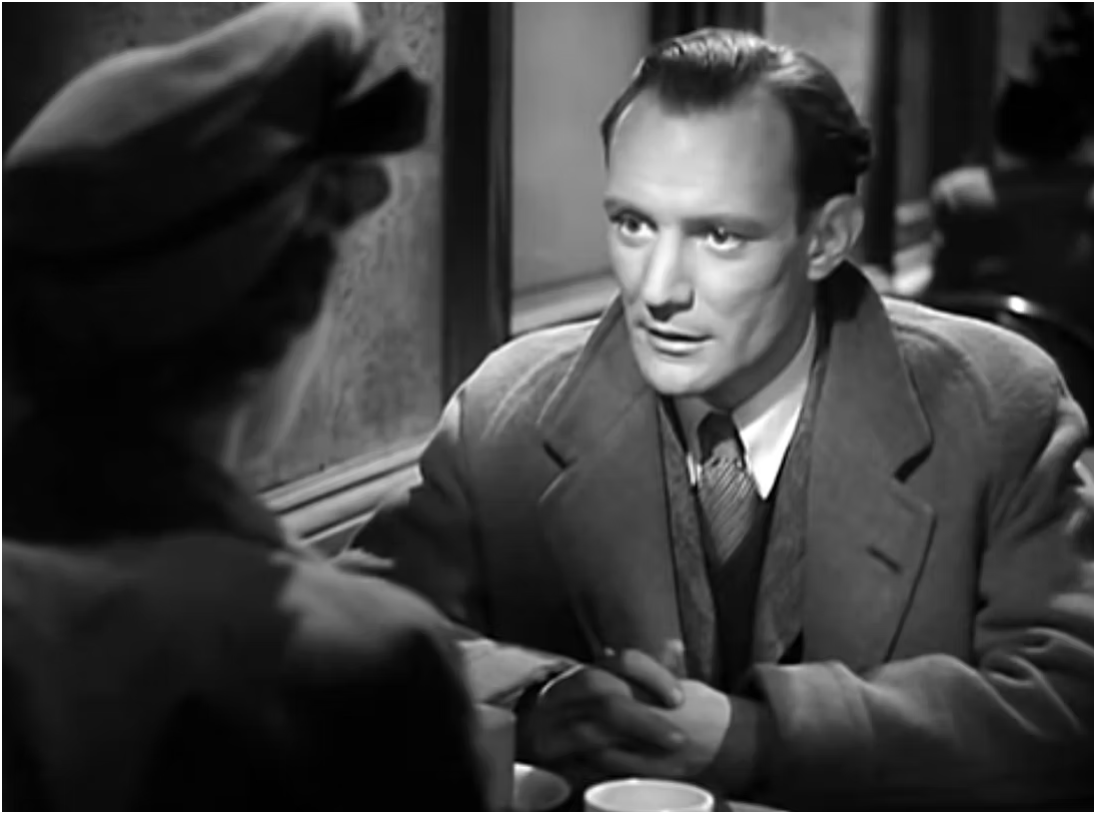
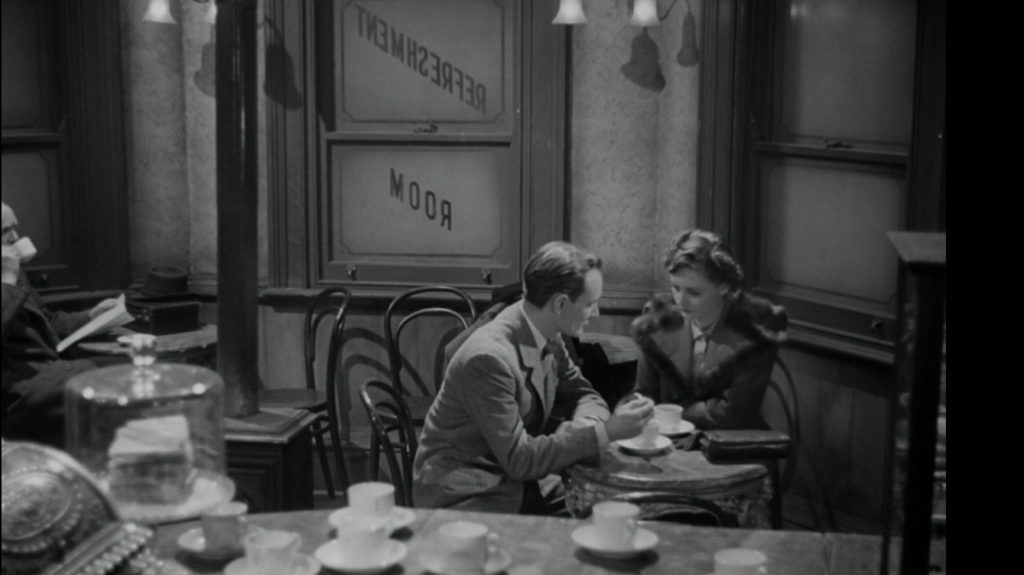
I could watch Trevor Howard (above) eat a bowl of Weetabix. Incredible actor. Last night, TCM showed David Lean’s Brief Encounter (1945), and was compelling, as usual, as a doctor, married, who falls in love with Celia Johnson, married. The film was based on a Noel Coward play, which gives it an impeccable British pedigree. I could not overcome, however, Celia Johnson having to deliver her lines from beneath some that have not aged well.
As long as we’re being shallow, it also struck me that the British drink so much tea that they may well have the largest bladders in Europe. May that helped win the War.
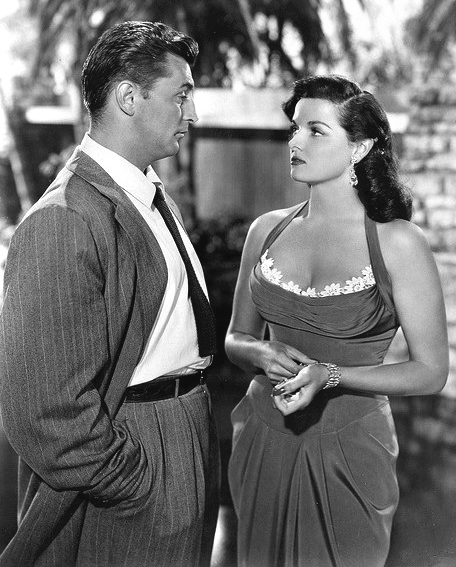
Then there was His Kind of Girl, with Robert Mitchum and Jane Russell. I could watch Mitchum eat a bowl of Wheaties, and I know Russell (Gentlemen Prefer Blondes, with her close friend MM), but her performance equaled Mitchum’s—she gave as good as she got—and he got to rub suntan lotion on her back.
Russell’s elegant jawline struck me, too and, yes this isn’t what she was known for. This film was produced by Howard Hughes, who so famously displayed Russell’s chestly endowments in The Outlaw. Russell was devout, and Mitchum teased her about it, and when one critic asked her how she reconciled her religion with her racy scenes, she replied “Who says Christians can’t have big breasts?” (Thank you, TCM, for that anecdote.)
She sang twice in this film, and here she is, with Marilyn, in Gentlemen Prefer Blondes:
She lived in her later years in Santa Maria, and used to sing at the Radisson Hotel near the airport. Her accompanist, if I’m not mistaken, was Mr. Lee Statom, our much-loved local music teacher.
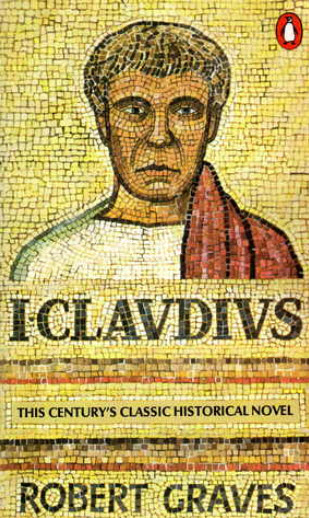
One of the early triumphs of PBS, now diminished for its wokeness, was its airing, in 1976, of the BBC production of I Claudius. Quick summary: Claudius is a minor, minor member of the imperial family thought to be, because of his stutter, a simpleton. That is a mistake. Claudius, played brilliantly by Derek Jacobi, is a survivor.
Today our president,* as part of his snit with Pope Leo, who is being stubbornly Christian, posted an image of himself as Christ, healing a sick man who appears to be Comedy Central’s Jon Stewart. It is so offensive that I will try to make it as small as possible.
It reminded me immediately of John Hurt’s Caligula, also brilliant at the moment he reveals to Claudius that he has become a god. (Claudius’s response is both funny—integral part of the series and its frequent murders–and aptly demonstrates why he is a survivor.
As the president* was boasting, until recently, that Iran had been decimated, obliterated, flattened, and decapitated, and at the same time whining that he was not being given appropriate and laudatory press coverage, Caligula here is returning to Rome after his overseas victory. He whines, too, but his victory, like the president’s*, is a product of his imagination.
Caligula isn’t just any god. He’s Jove, the father of all gods. And now Trump is Jesus. The two men share two traits: both are batshit crazyand neither has a sense of irony.
I was thinking of this exchange from Casablanca when I wrote the passage below for the Civil War book Patriot Graves. In truth, I was thinking also of Donald John Trump.
The memories of Nat Turner’s slave rebellion in 1832 South Carolina remained vivid, and John Brown’s raid on Harpers Ferry in 1859 generated the hysteria that so characterized the election of 1860, when Lincoln was variously portrayed as an abolitionist, a miscegenationist, and a complicit slave insurrectionist. Southern politicians and propagandists were just as skilled then as similar figures are today in persuading poor and working-class white men to support a social order that in reality worked against them and for those at the apex of society.
As you must know, I am descended from and named for two Confederate officers—both died in 1862—Gen. James H. McBride and his staff officer son, Douglas.
I think that’s why the Daughters of the Confederacy were so keen on having me as a guest speaker, I had to write them back and inform that yes, indeed, according to the Ordinances of Secession, the ancestors they so admire did, in fact, fight for the preservation and extension of slavery.
But the Fire-eaters, the most rabid of antebellum Southern politicians, convinced them that Lincoln was a monster and what the North wanted more than anything was the destruction of the South’s “way of life.”
So, like Humphrey Bogart’s Rick, they were misinformed. The Daughters of the Confederacy did not care to be informed.
But what continues to pull at me is the undeniable fact Confederates, like Stonewall Jackson’s “foot cavalry,” like John Bell Hood’s Texans, like John B. Gordon’s Georgians, like Jeb Stuart’s horse soldiers, were, without the slightest doubt in my mind, the finest soldiers that the mid-Victorian world produced. They had no equals until Grant and Sherman discovered that, in fact, they did, among the northerners they commanded, in the last year of the Civil War.
Without waving a Confederate battle flag, that’s why this part of April moves me: The war was coming to its end, but the starving remnants of Lee’s army, eating the bark off trees during their march toward Appomattox, finally met their destiny on April 9, at a little hamlet, Appomattox Court House.
April 6 and 7 were decisive. April 6, at Sailor’s Creek, was uniquely tragic.
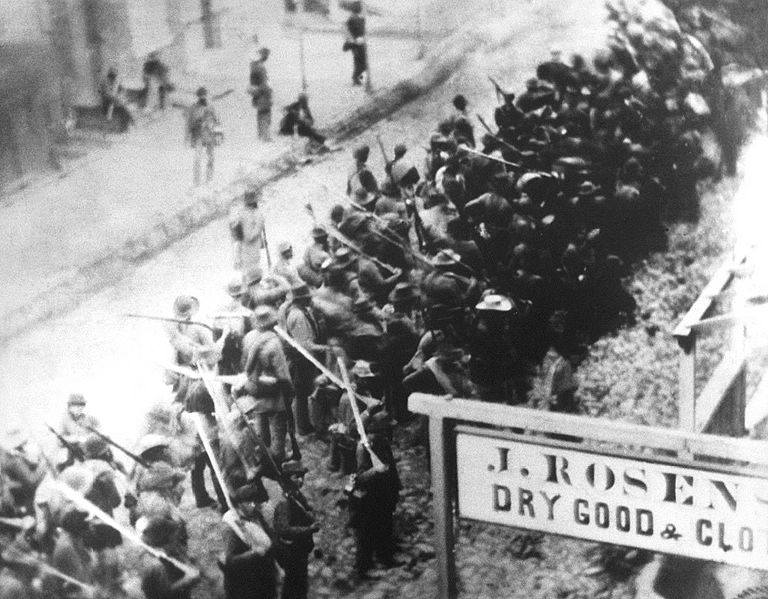
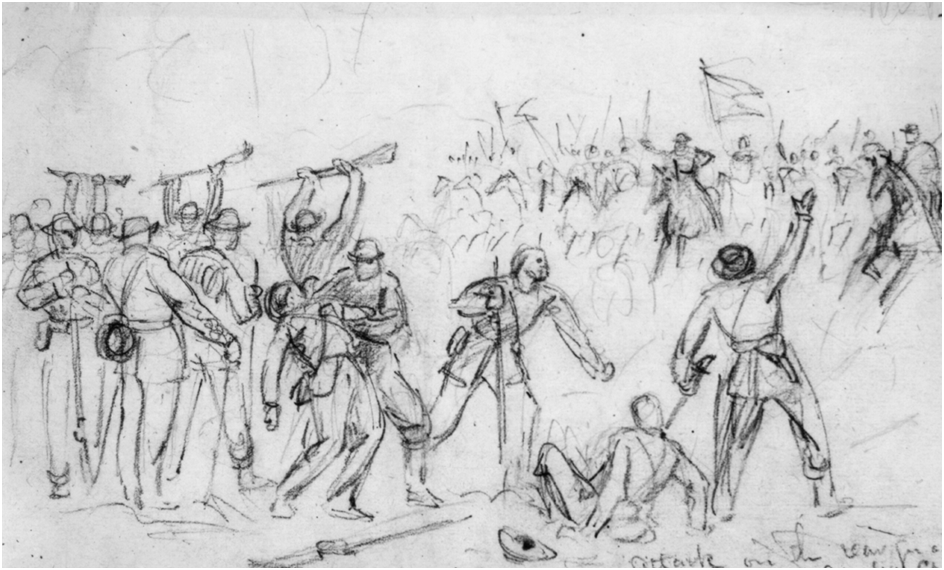
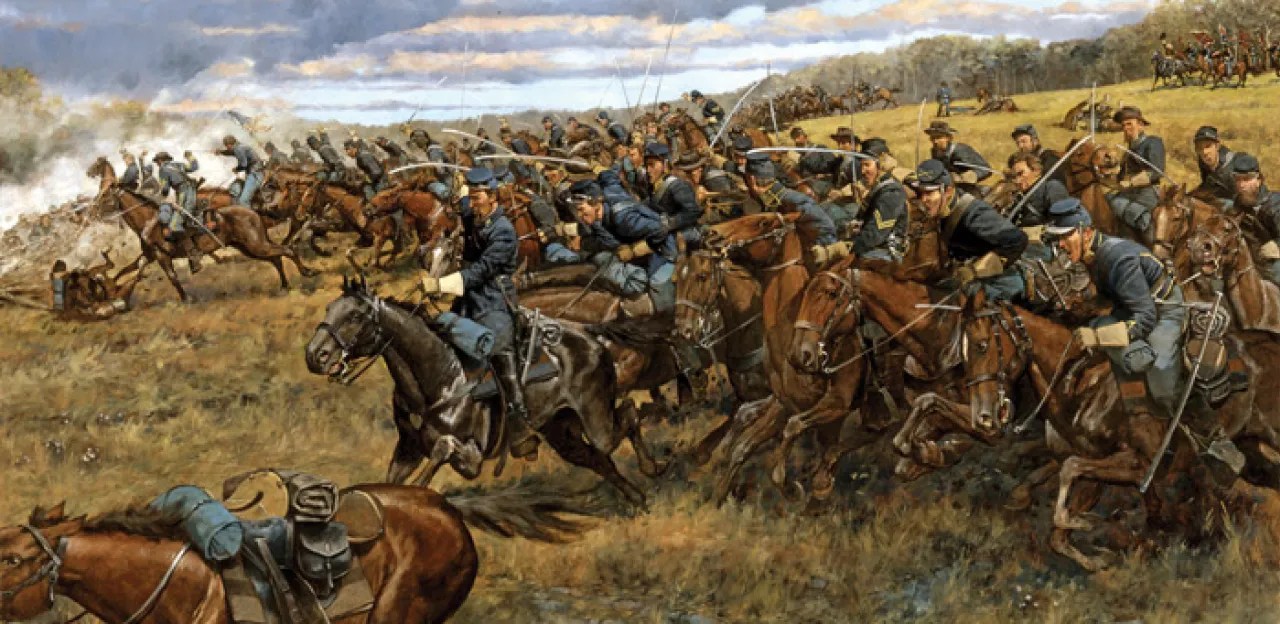
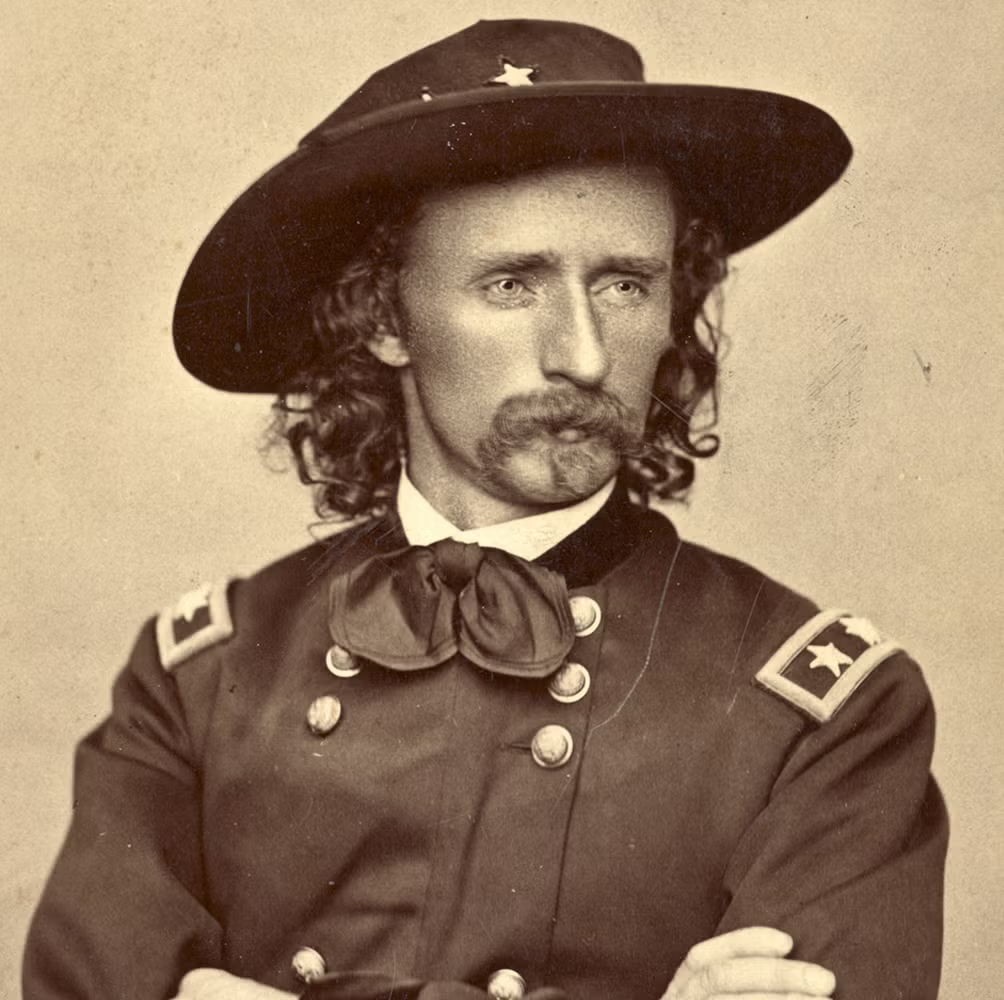
Here, on April 6, George Custer’s cavalry, including Charles Clark, fresh off his regiment’s destruction of the supply train, attacked a gap in the retreating Confederate columns led by James Longstreet. As infantry from two Union corps began to arrive, their men cheering Philip Sheridan at his appearance, the battle became general and it was fought with a ferocity, on the Confederates’ part, that had to be borne of exhaustion, hunger, frustration, and fury. They turned on their pursuers and fought them without mercy in hand-to-hand combat that included clubbed muskets and bayonets, but then the Confederates dropped even their rifles to come in close with their tormenters: they used knives, fists, bit noses and ears, wrapped their fingers around their enemies’ throats to choke them. Sailor’s Creek was savage and intimate, and, of course, once their adrenaline had been exhausted, the hungry rebels could fight no more. April 6 ended with the surrender of nearly 8,000 of Lee’s men, including six generals, including the man who, after Chancellorsville, had taken command of Stonewall Jackson’s old corps, Richard Ewell. Lee, watching the rout from a distance, for once let his emotions surface: “My God!” he cried. “Has the army been dissolved?”
Combat artist Alfred Waud sketched Confederates surrendering in the face of a cavalry attack during the Appomattox Campaign. Library of Congress.
A Union Cavalry attack during the Appomattox Campaign.Custer, with his brevet general’s stars, 1865.
Farmville students. Today, it is Longwood University.
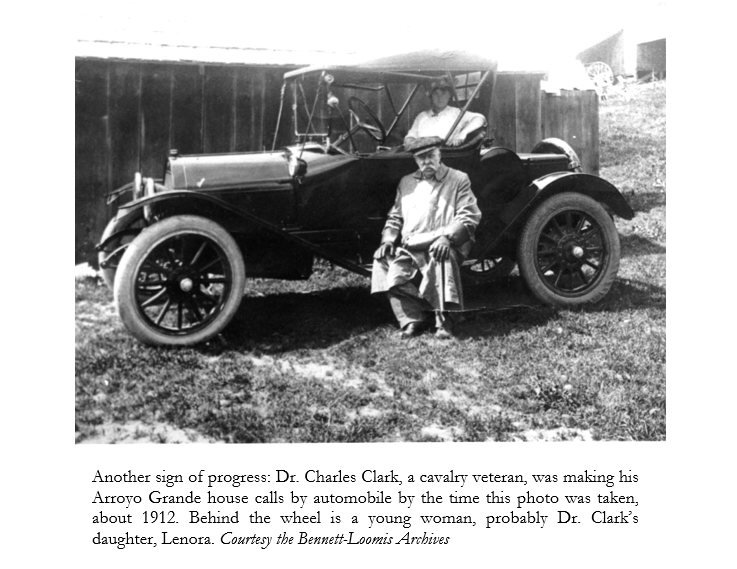
It’s hard to imagine him as a seventeen-year-old cavalryman, but our Dr. Clark fought under George Custer in April 1865. He interrupted the meal on April 7 at Farmville. Lee got his men on the move, toward a hamlet, Appomattox Court House, where a trainload of food awaited.
Custer’s cavalry got there first. Charles Clark was among them.
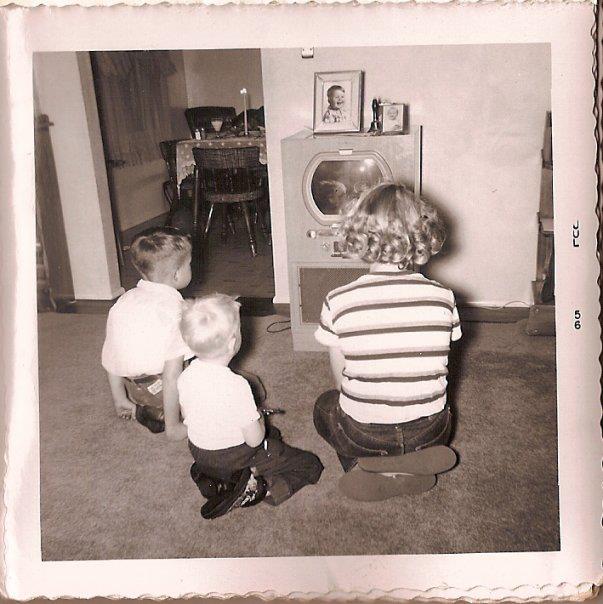
Bruce, me, Roberta watching the washing mach–NOPE!—That’s a television. The photo was taken inside 1063 Sunset Drive, Arroyo Grande (or, Fair Oaks).
Chevrolet doesn’t know it yet, but I’m pretty thrilled with their new ad. The singer is Brooke Lee, and she has a wonderful voice, although seeing her all precarious-like atop that mountain makes me really nervous. Really nervous. Hopefully, it’s CGI.
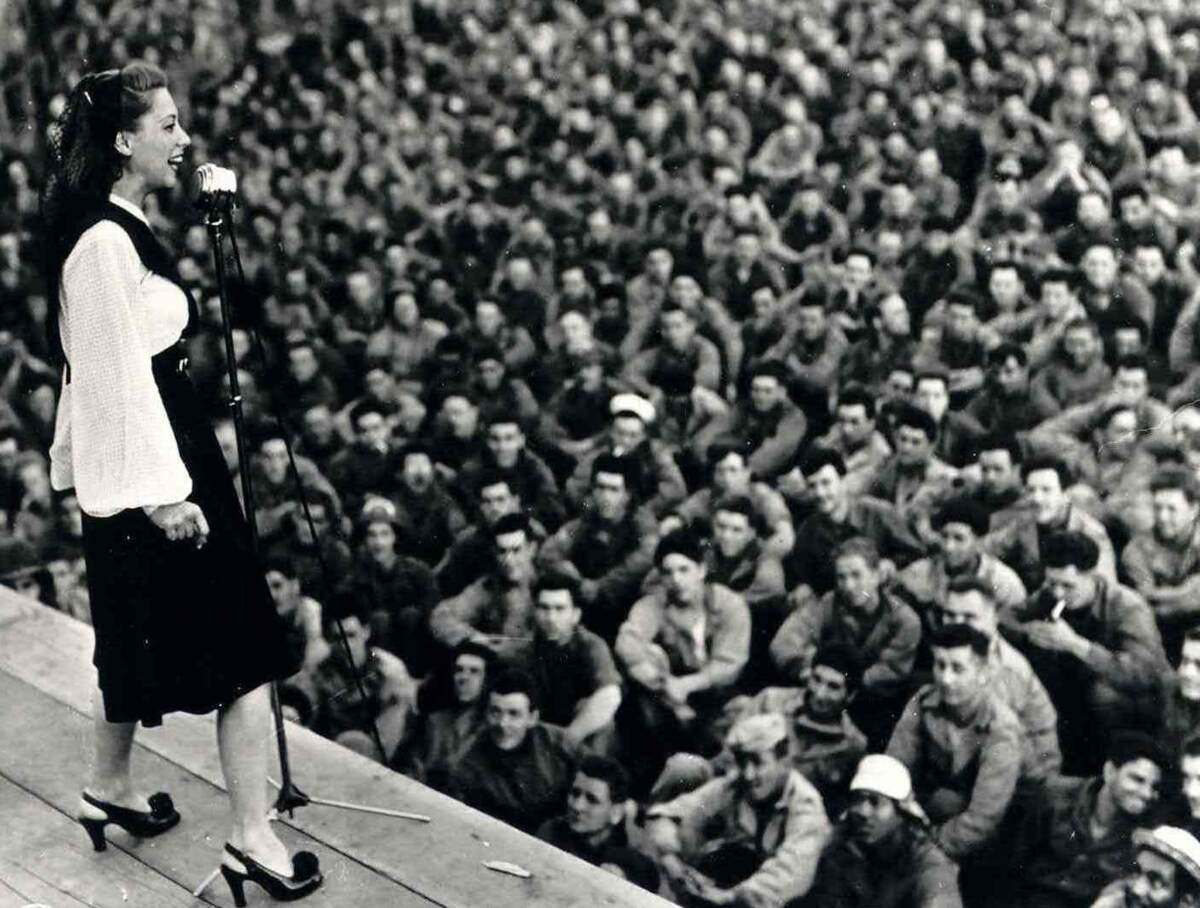
In the mid 1950s, “CGI” meant that you’d misspelled the abbreviation for “cigarette,” which there were plenty of. But this ad brought to mind my four-year-old crush on the original singer, Dinah Shore. (Burt Reynolds, many years later, had a crush on her, too.) She just seemed like a nice lady to me. And she was. Trivia Dept.: The day Pearl Harbor was attacked, Dinah was entertaining the troops at our county’s Camp Roberts. Here she is, lovely, during the war.
And here’s the version of the Chevy jingle that I remember, courtesy of Dinah:
She’s peppy and pretty, isn’t she? My favorite line mentions a levee, which, of course, reminds me of this classic song from many years later, in 1972. Thank you, Don McLean, for the stellar lyrics and for the infectious refrain. (The song’s about the plane crash that killed Buddy Holly, Richie Valens and the Big Bopper.)
Anyway, the Chevy commercial reminded of songs that stick in my memory. They can’t hold a candle to “American Pie,” but there they are, more than sixty years later, still rattling around in between my ears.
I’m glad they’re still rattling around between my ears. There’s plenty of room there.